City guide · Chongqing

Chongqing travel guide: hotpot, cliff-side Hongya Cave, river cable cars and the best night view in China

A vertical city of fog, cable cars and cliff-side stilt houses, where the火锅 never stops boiling and the night skyline outshines Hong Kong.

  • Known forHotpot, night skyline, cliff stilt houses, fog, spicy food
  • Typical spendAbout CNY 1,500–2,500 for 7 days
  • Ideal length3–4 days in the city, 5 with Dazu
  • PaceDemanding — stairs, hills and heat

Reviewed by our Beijing team Updated 2026-10-10

The short version

Chongqing is worth 3 to 4 days: it is China's only true 3D city, built on mountains where the Yangtze and Jialing rivers meet, and almost everything that makes it famous — hotpot, the Hongya Cave stilt houses, the Yangtze River Cableway and the Nanshan night view — is either free or under CNY 30. A bowl of xiaomian noodles costs about CNY 10, a hotpot dinner runs CNY 60 per person, the cableway is CNY 5 in cash, and a taxi starts at CNY 8. Come in spring or winter; summer hits 43°C and the city earns its nickname of the 'furnace'. It is the youngest of China's four municipalities and the cheapest of them by far.

  • The Yangtze River Cableway costs CNY 5 one way with cash, or CNY 1.80 with a transit card, and runs 06:15–21:45 — the cheapest skyline ride in China.
  • Hongya Cave is free and open all day, but go after 20:00 when the 11 tiers of stilt houses light up; the fourth floor is a snack street.
  • A standard hotpot dinner is about CNY 60 per person; the dipping sauce is sesame oil, oyster sauce and garlic only — no sesame paste.
  • Taxis start at CNY 8 for the first 3 km, buses at CNY 1–2, and the metro (Line 1, 2, 3, 6) is the fastest way across the hills.

City guide

First impressions

Photographs from the coast, and what other travellers wrote afterwards.

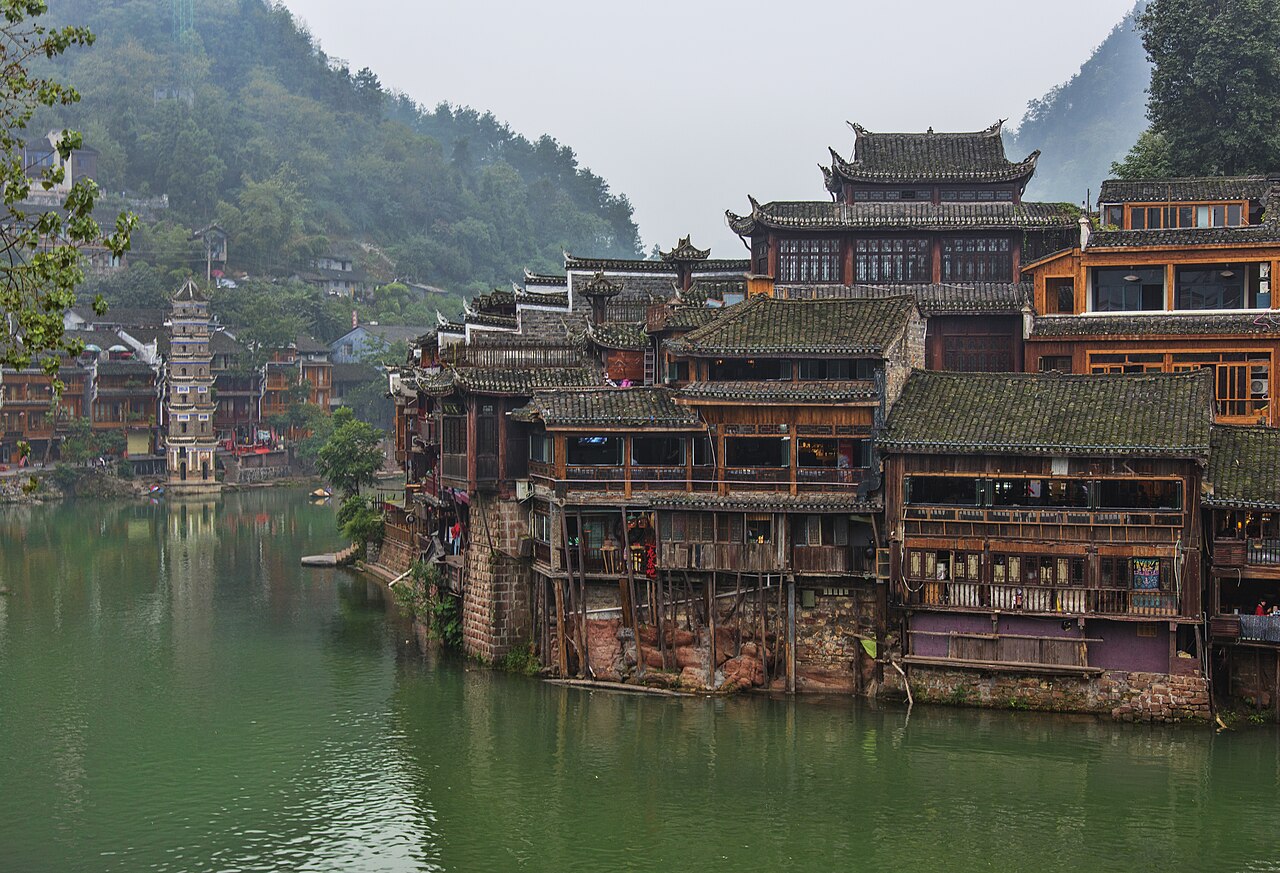
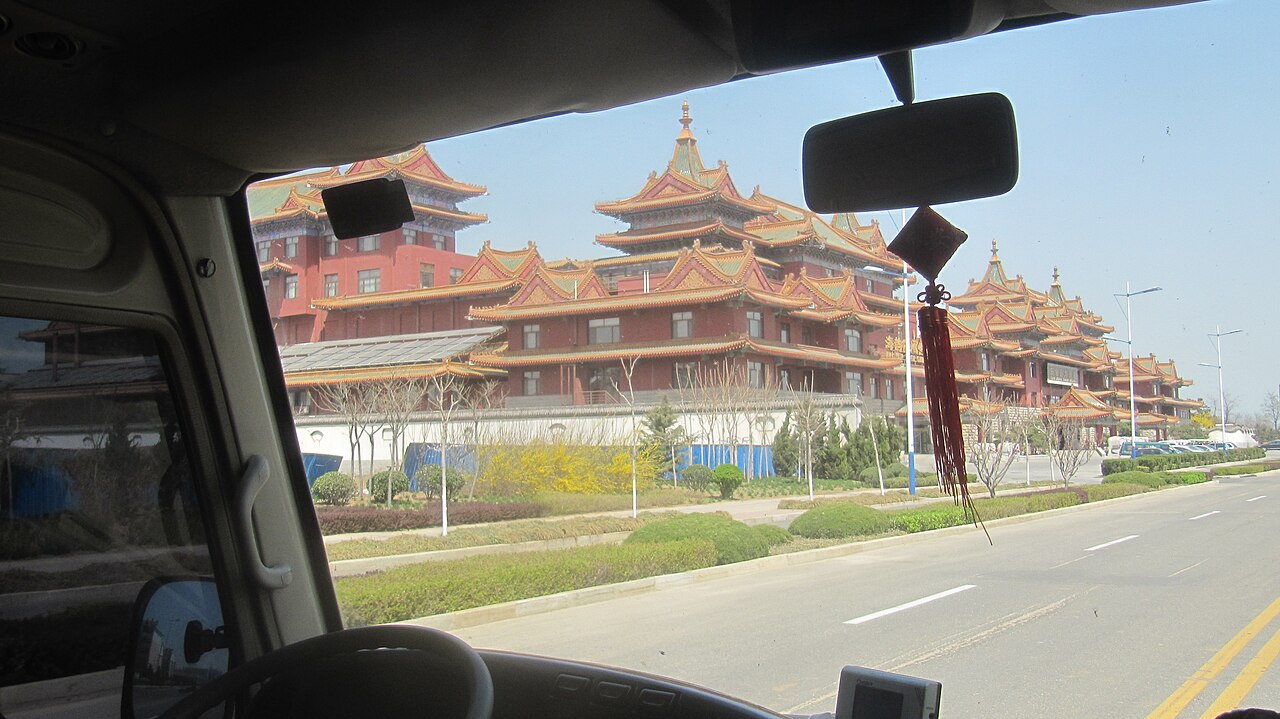
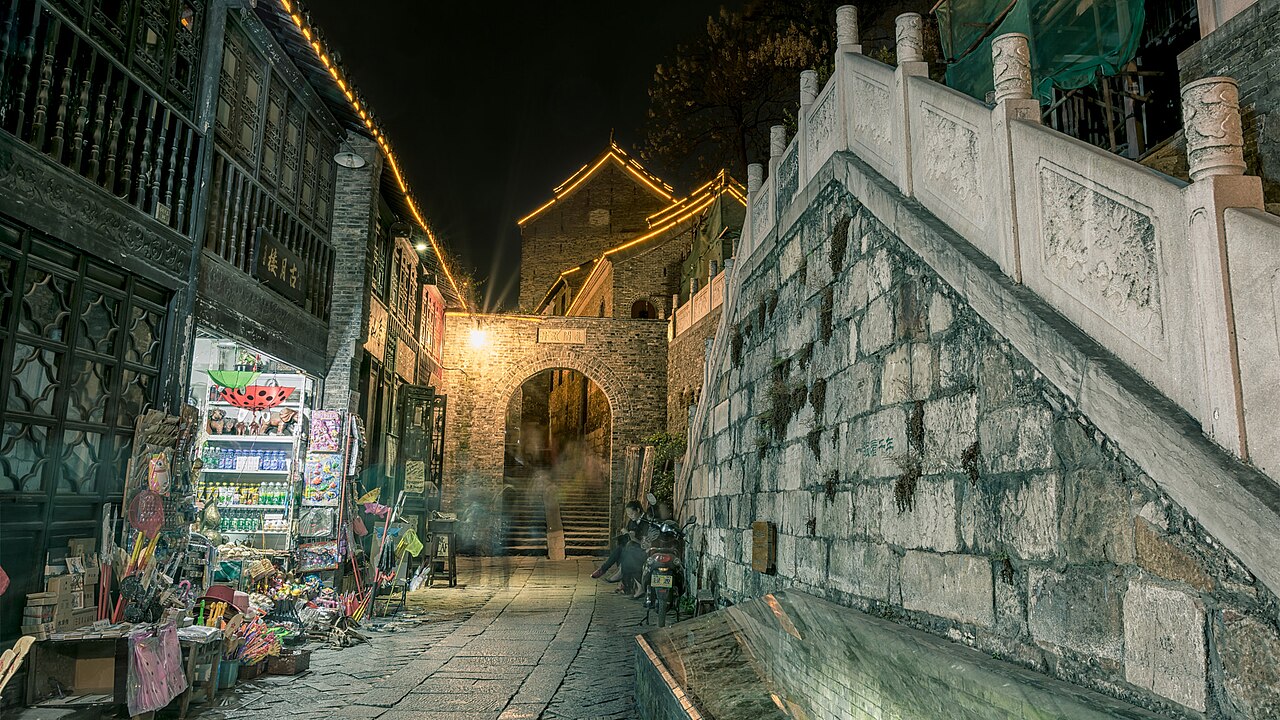
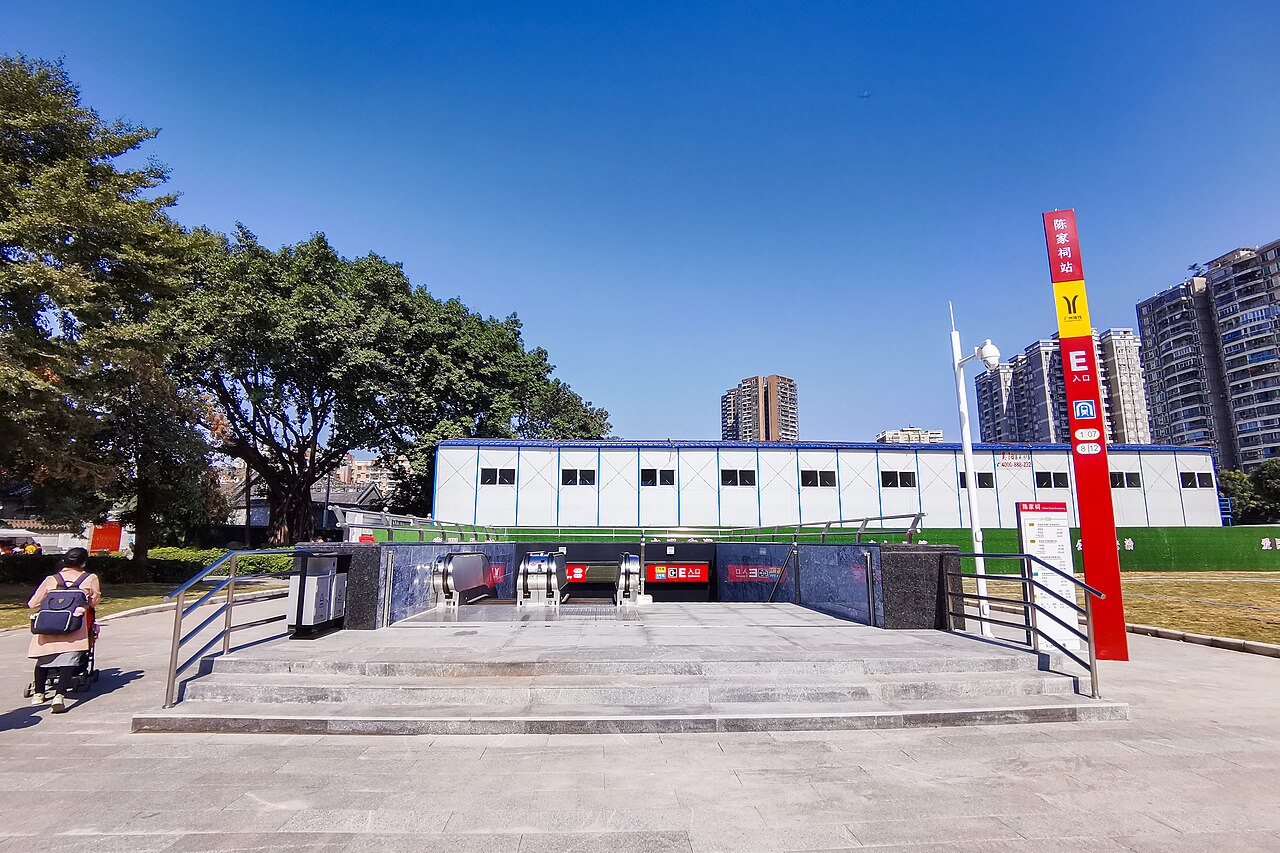
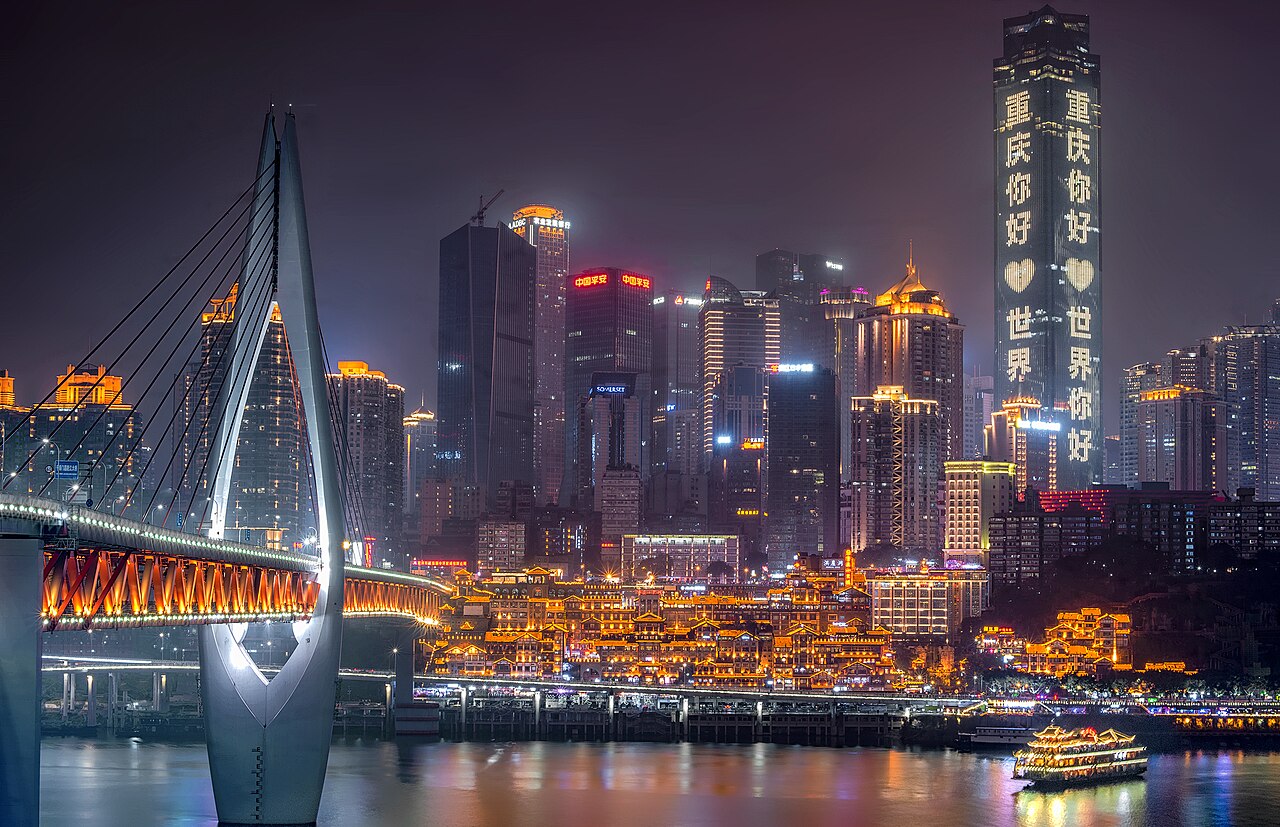
Hongya Cave at night, eleven tiers of stilt houses glowing against the cliff
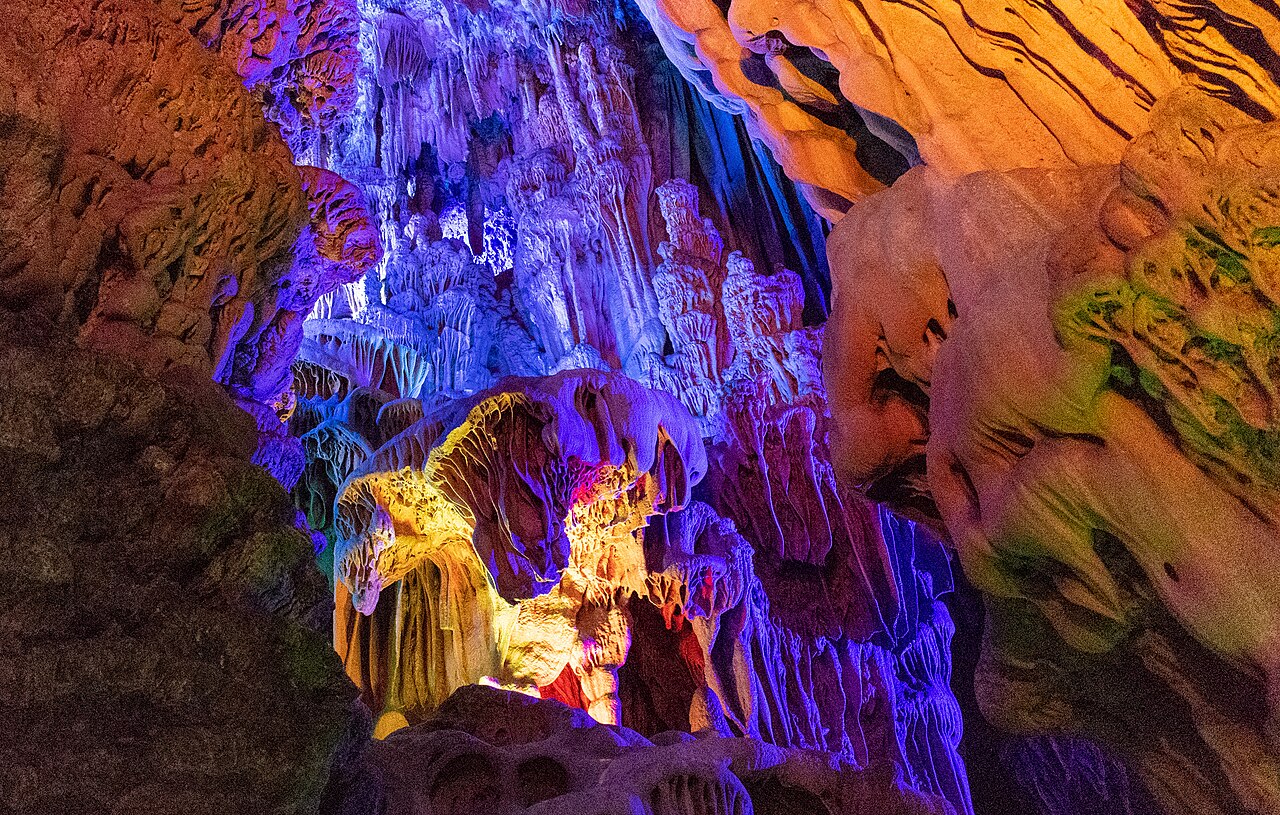
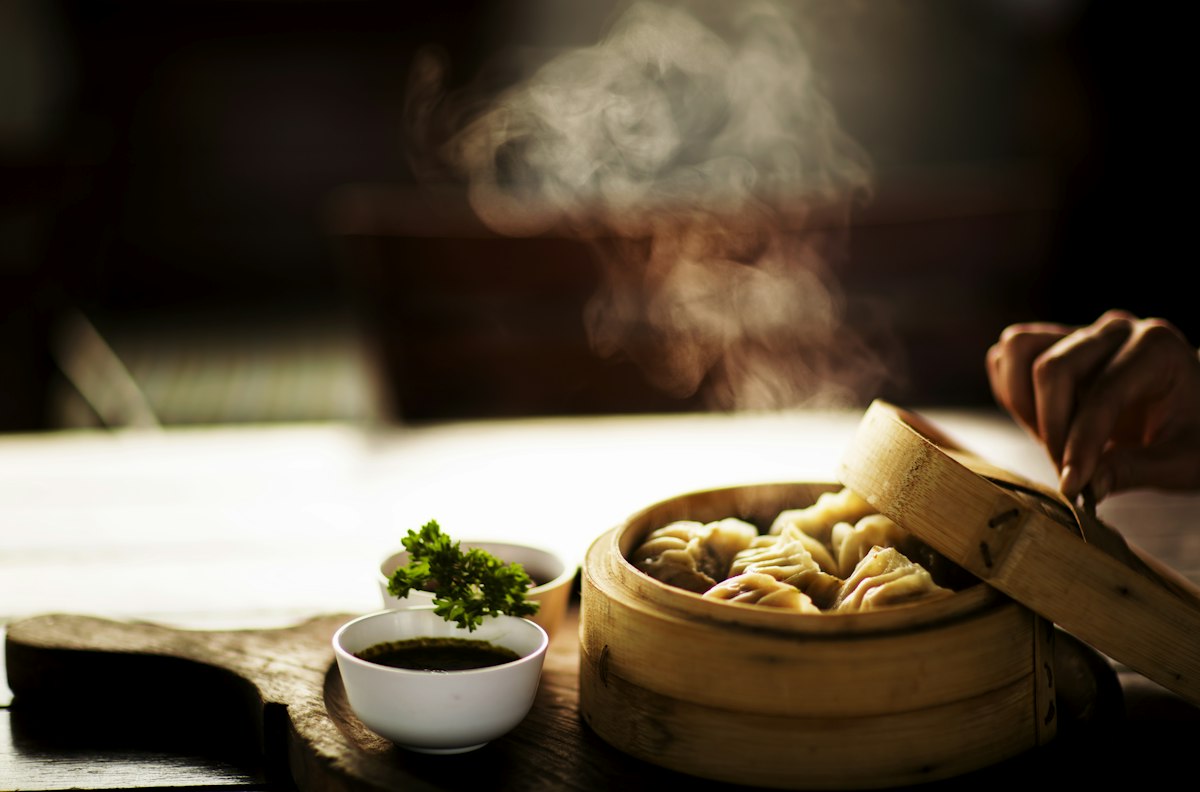
A bubbling nine-grid hotpot, the city's defining meal
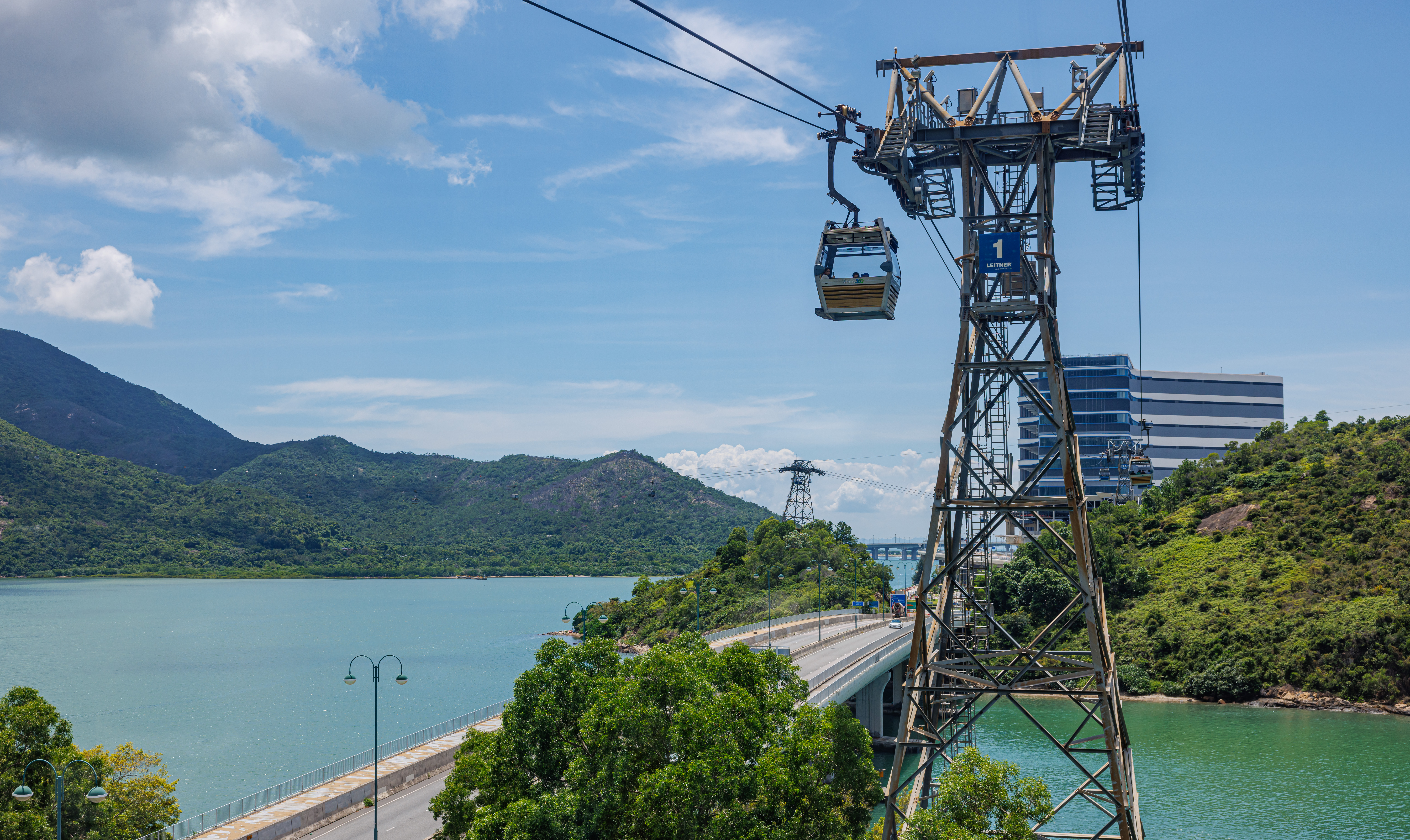
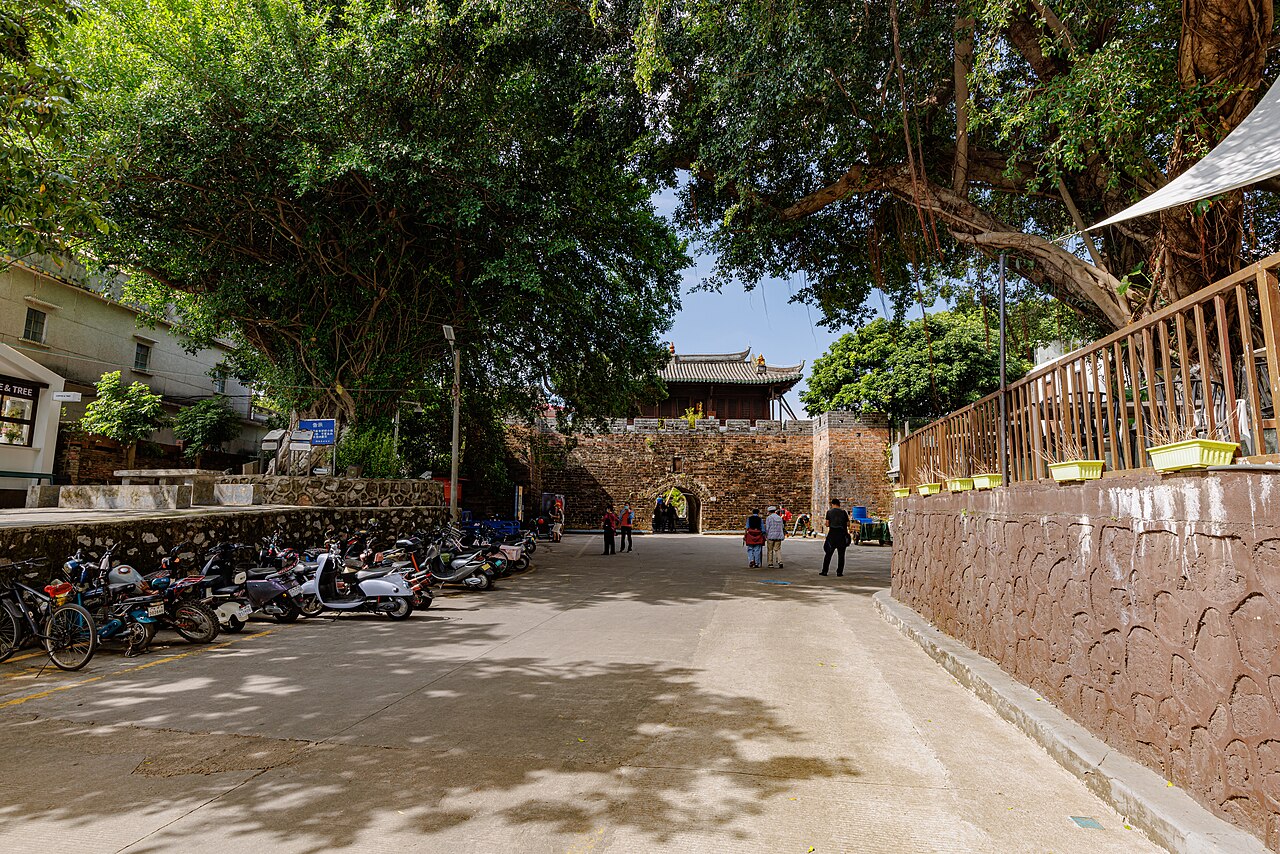
The Yangtze River Cableway swaying above the water at dusk
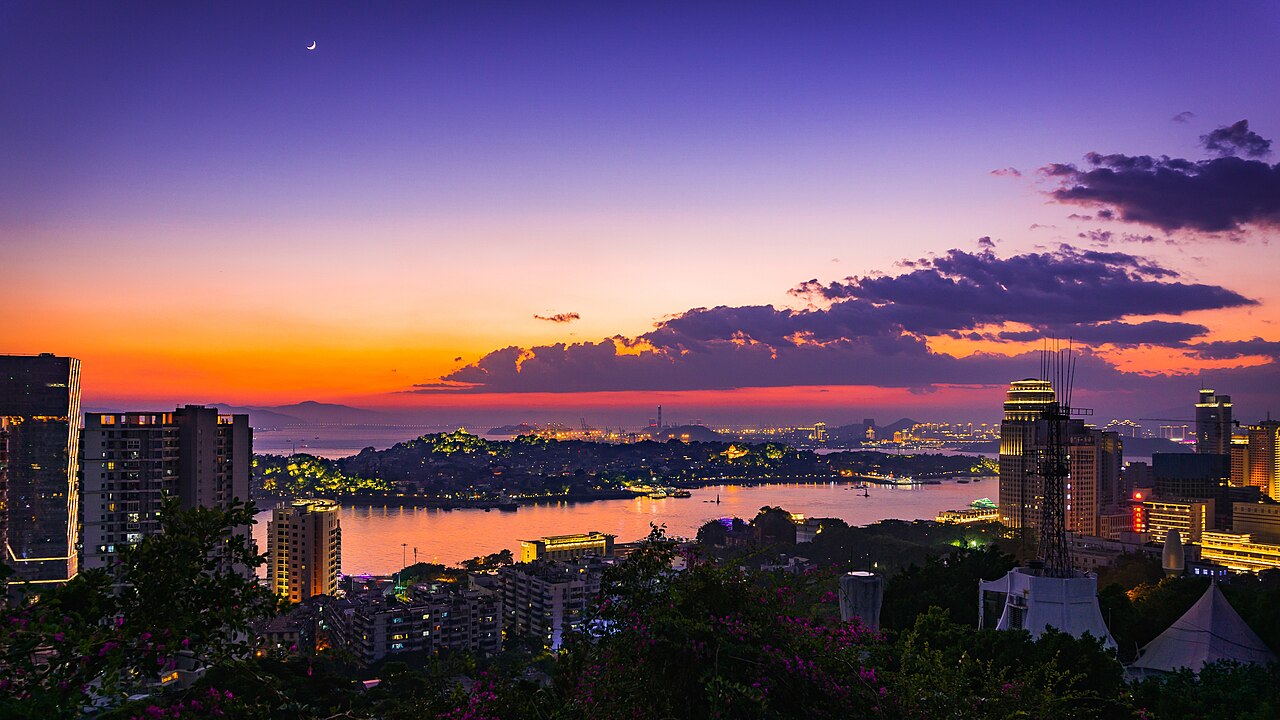
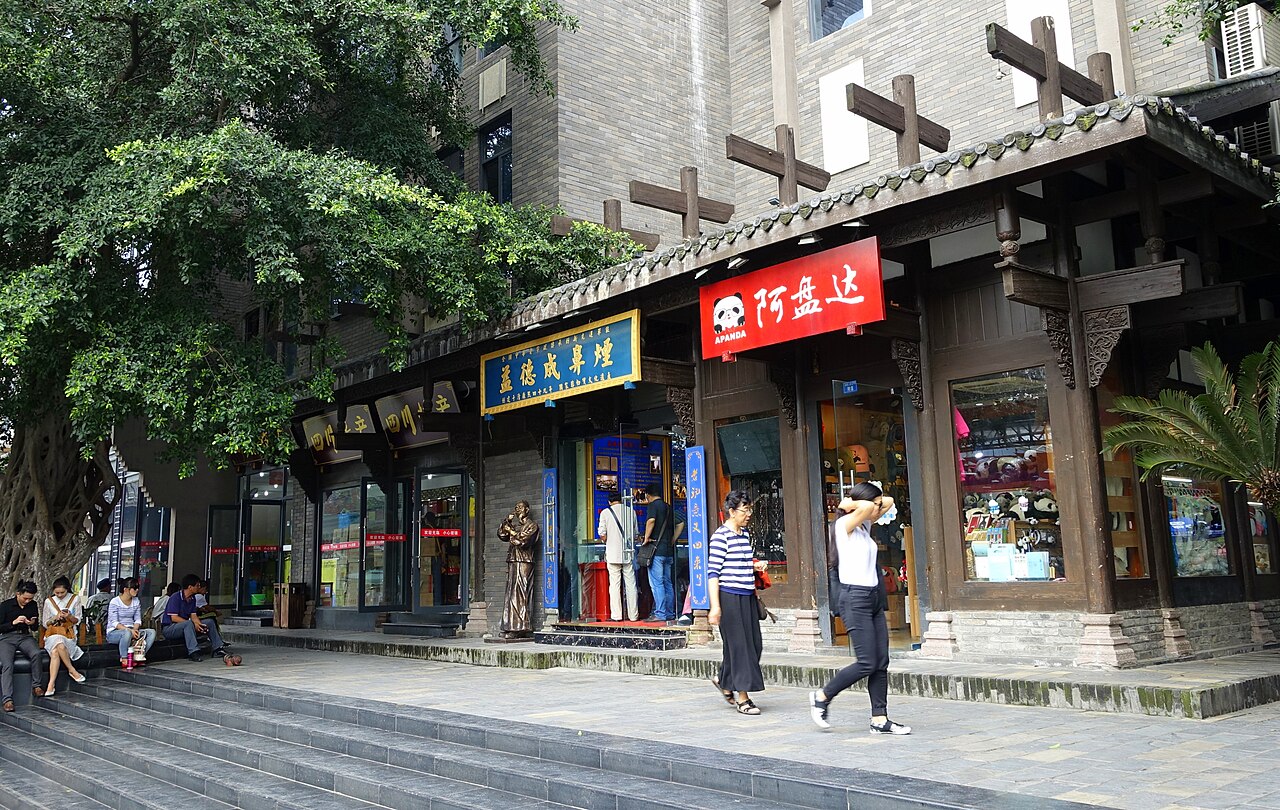
The lit-up skyline from the One Tree viewpoint on Nanshan

I only understood what 'mountain city' meant at Hongya Cave. At night it is genuinely beautiful — they say it used to be condemned buildings, and after the government redeveloped it, it became this old-town-like place. Clever, really.

Rabbit's travel diary, 'Chongqing, Starting From That Patch of Cloud'

I took the Yangtze cable car, and inside the cabin the mountain city unrolled slowly beneath my feet like a scroll. A lot of film crews have shot here, including 'Crazy Stone' — it feels very local, very special.

Taizi Zhaoming, 'Five Days in Chongqing, Having a Great Time'

Chongqing does not sit on the land so much as climb it. The Yangtze and Jialing rivers meet at the tip of a peninsula, and the city has built itself up the slopes in layers — roads stacked above roads, monorails threading through apartment blocks, and buildings whose ground floor is the eighth floor of the street behind them. A flat map is useless here. You navigate by altitude, by which riverside you are on, and by which of the many bridges you can see.

It is called the 'Fog City' because the humidity trapped between the mountains hangs in the air, softening the skyline into something almost cinematic, and the 'Furnace' because summer regularly pushes past 40°C and the whole city moves indoors into air conditioning. Neither nickname is an exaggeration. What surprises first-time visitors is the greenery — the hillsides are thick with ficus and camphor trees, and old buildings wear vines like coats.

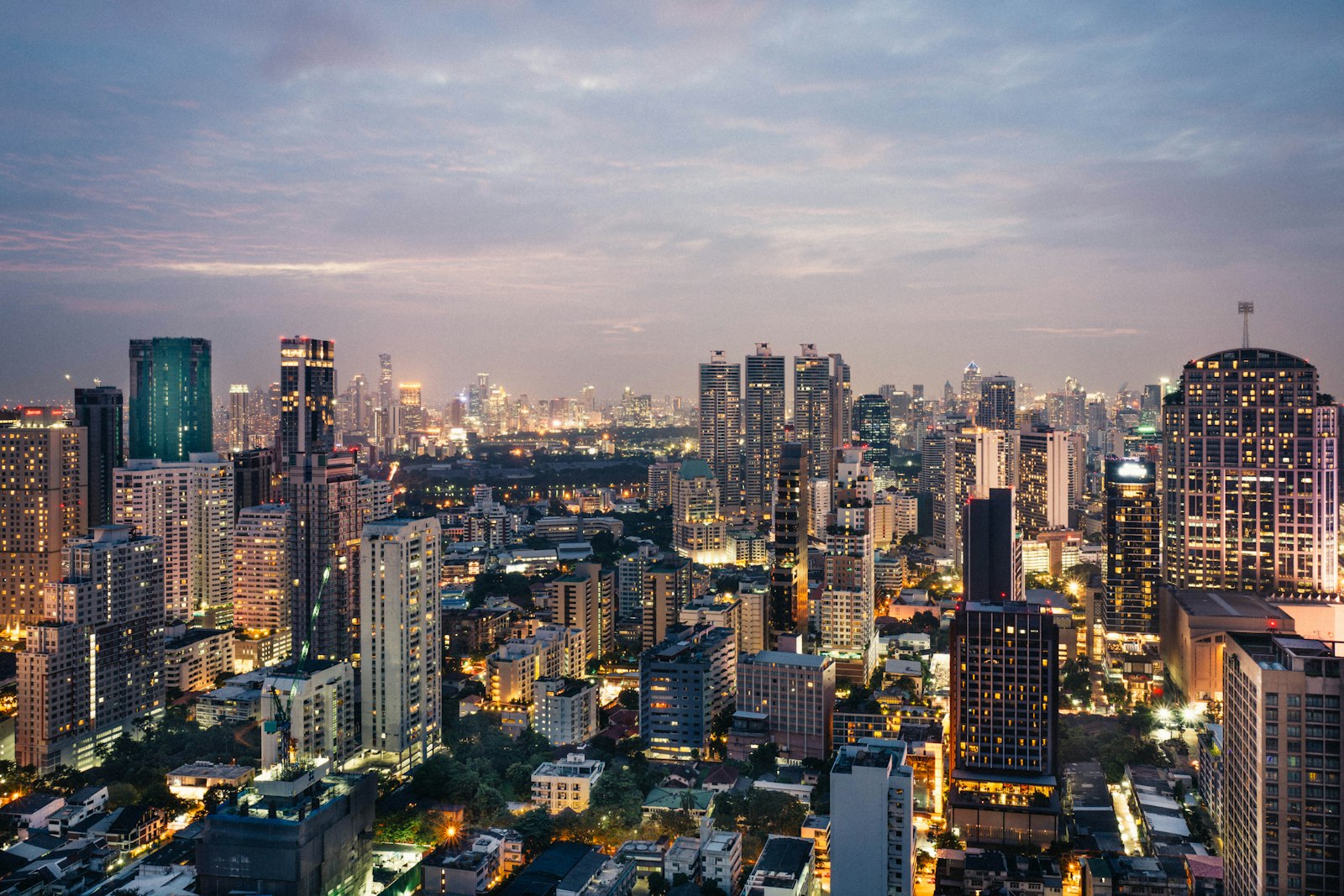
Then night falls and it becomes the 'Little Hong Kong', a name the locals use without irony. Every ridge lights up, neon reflects off both rivers, the cable car sways across the water, and the stilt houses at Hongya Cave glow gold against the cliff. Many travellers rate this view above Shanghai's Bund or Victoria Harbour. You will not argue.

Chongqing

Don't leave without

Seven things that are worth rearranging a day for.

  1. Eat a proper nine-grid hotpot at a cramped alley table, not a chain restaurant
  2. Ride the Yangtze River Cableway across the water at dusk for CNY 5
  3. Stand at Chaotianmen where the green Jialing meets the yellow Yangtze
  4. See the whole lit-up city from the One Tree viewpoint on Nanshan
  5. Walk Jiefangbei at night and watch the city at its most fashionable
  6. Wander Ciqikou old town, then buy a bag of Chen Mahua twisted dough

Highlights

Five reasons Chongqing gets under your skin

A city built in three dimensions

Chongqing is stacked on ridges where the Yangtze and Jialing rivers meet, so a flat map is useless — you will take an elevator down to a street, cross a bridge and find yourself on the 12th floor of somewhere else. The light rail runs along the riverbank past tilted apartment blocks, and on a foggy day the whole city looks like a scene from a film. Book a private Chongqing tour if you want someone else to handle the staircases and one-way streets.
Hotpot is a civic religion, not a

Every evening the whole street smells of simmering chili and Sichuan peppercorn. The real thing is a nine-grid pot of beef tallow, served with a dipping dish of sesame oil, oyster sauce and raw garlic — no sesame paste, ever. Budget about CNY 60 per person at a serious hotpot house, and order the tripe, blood curd and luncheon meat like a local.

The night view rivals Hong Kong's

Locals say you have not been to Chongqing until you have seen it after dark, and they are right. The ridge-top viewing platform at Nanshan Yikeshu (CNY 20 entry) gives you the classic panorama of stacked neon, lit bridges and river reflections; the alternative is a boat on the river itself.

Old teahouses and thousand-year la

Ciqikou is the only preserved old town inside the urban core, a Ming and Qing lane network of teahouses and snack stalls on the Jialing River. Sit for an afternoon with one cup of tea and a storyteller, or push further out to Dazu for rock carvings that rank alongside Dunhuang and Longmen.

Cheap, walkable, and genuinely fri

Chongqing is the least expensive of China's four municipalities: street snacks under CNY 10, a hostel bed from CNY 28–39, buses from CNY 1 and taxis from CNY 8 for the first 3 km. People talk loud and straight, help without being asked, and will argue with you about which hotpot shop is best.

Itinerary

Two three-day routes that actually work

Classic city loop

3 days days

The essential Chongqing in one compact loop — skyline, river, old town and the best night view in China. Everything here sits on metro lines 1, 2, 3 and 6, so you rarely need a taxi.

  1. Day 1

    Jiefangbei, Hongyadong and Chaotia

    Start at Jiefangbei, the city's commercial heart and the best people-watching spot in town, then walk ten minutes to Hongyadong.

    Stops: JiefangbeiHongyadongChaotianmen

  2. Day 2

    Ciqikou old town and Nanshan night

    Morning bus to Ciqikou, the only intact old town in the urban core, then head south to Nanshan for the panorama after dark.

    Stops: Ciqikou Ancient TownNanshan Scenic AreaYikeshu Viewing Platform

  3. Day 3

    River crossing and the Three Gorge

    Ride the Yangtze cableway across the water, then spend the afternoon on Ba Yi Road learning the city's wartime history.

    Stops: Yangtze River CablewayThree Gorges MuseumEling Park

Red history plus Dazu carvings

3 days days

For travellers who want the wartime capital story and the single best piece of Buddhist rock art in southwest China, with a hotpot finish.

  1. Day 1

    Geleshan and the martyrs' sites

    Bus 210 from Shapingba drops you at Baigongguan; the cemetery, Baigongguan and Zhazidong are clustered on the same hillside and all free to enter.

    Stops: Geleshan Martyrs' CemeteryBaigongguanZhazidong

  2. Day 2

    Dazu Rock Carvings

    Take a 90-minute bus from Caiyuanba bus station (about CNY 50) to Dazu, then a local bus or CNY 30 taxi up to Baodingshan.

    Stops: Dazu Rock CarvingsBaodingshan

  3. Day 3

    Ciqikou and one last hotpot

    Come back into the city, buy a bag of Chen Mahua twisted dough at Ciqikou, then eat your final nine-grid hotpot near Jiaochangkou.

    Stops: Ciqikou Ancient TownJiaochangkouHongyadong

Sights

What to actually see in Chongqing

Hongya Cave (洪崖洞)

Night skyline icon

Hongya Cave (洪崖洞)

An 11-storey stilt-house complex wedged into the cliff face above the Jialing River, built in the Bayu diaojiaolou style — except here the stilts grow out of cracks in the rock and the windows open onto sheer drops. By day it looks like a period film set; after dark the whole thing glows neon and you understand why people call Chongqing 'little Hong Kong'. The top-floor viewing terrace sits level with the street above and the river below at once, which is the single best place to feel how vertical this city is.
Address
88 Jiabin Road, Yuzhong District
Phone
023-63039999
Getting there
Next to Jiefangbei; buses 248, 609, 868(A) stop directly, or ride to Cangbai Road (Xiaoshizi) and walk under 500 m
Best time
Twice — once in daylight, once after 20:00

Tip Floor 4 is a snack street that rivals the famous Haochi Street, and the bars and riverside cafes on the upper levels are where locals go to sit and let the river breeze do the work. Many of the souvenir shops are cheap but won't issue fapiao — ask before you buy if you need a receipt.
Jiefangbei (解放碑)

City centre & people-watching

Jiefangbei (解放碑)

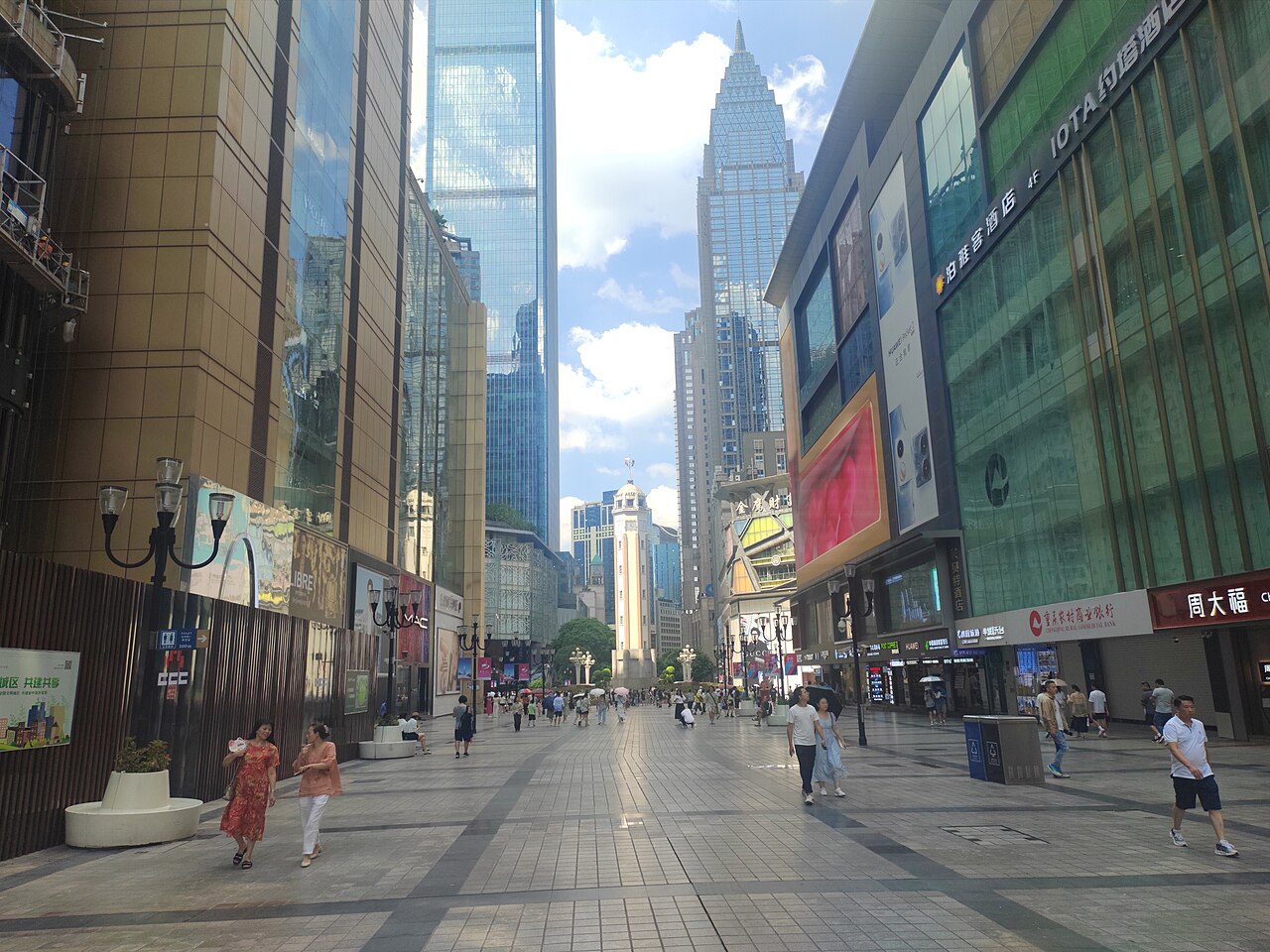
The full name is the People's Liberation Monument, and it's the only monument in China built to mark victory in the War of Resistance against Japan. Today it's less a solemn obelisk than the beating heart of Chongqing's shopping and nightlife — the crossroads where Minquan, Minzu and Zourong roads meet, ringed by towers and department stores. It's also, by local consensus and more than one national survey, the best spot in the country for watching beautiful women walk past.

Address
Junction of Minquan, Minzu and Zourong Roads, Yuzhong District
Getting there
Trams 401/402/405; buses 413, 418, 481, 301, 303, 251, 215, 103–122 series
Nearby
10 minutes' walk to Hongya Cave; Haochi Street for snacks

Tip Come at dusk when the office crowd pours out and the neon comes on — that's the real Jiefangbei.

Chaotianmen (朝天门)

Two rivers, one view

Chaotianmen (朝天门)

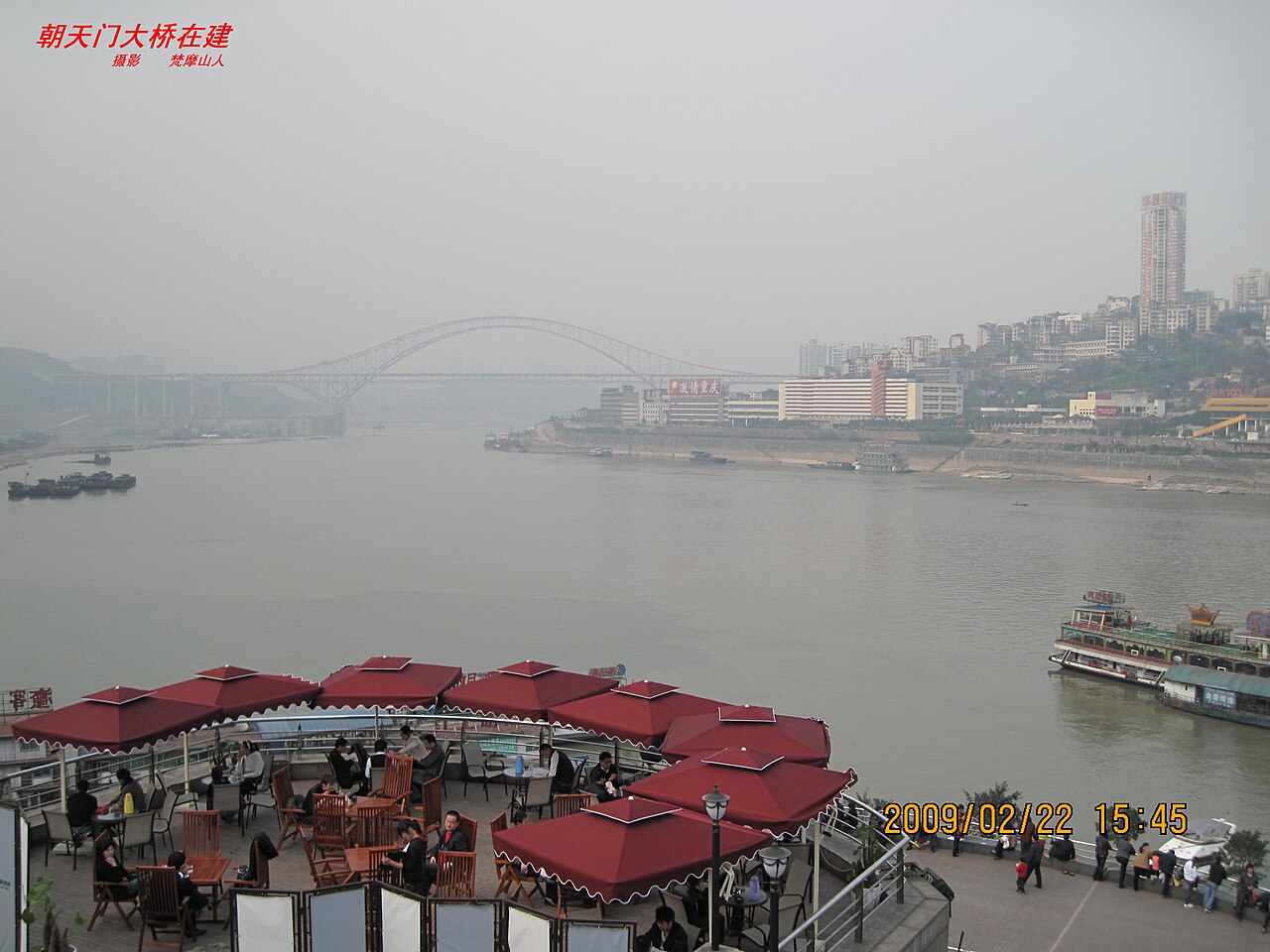
One of the seventeen original Ming-era city gates, sitting exactly where the Jialing meets the Yangtze. The name comes from the Southern Song, when imperial edicts arrived by boat through this gate — 'facing heaven'. Stand on the plaza and you get all three banks at once, the yellow Yangtze and the green Jialing refusing to mix for a long stretch downstream. At night locals sit on the steps along the water watching the lights, and the whole place feels improbably grand.

Address
Tip of the Yuzhong Peninsula, where the two rivers meet
Getting there
Tram 401; buses 102, 103, 122, 251, 382, 418, or minibuses 252, 413, 420 to Chaotianmen stop
Ferry
The sightseeing boat from Chaotianmen to Yangren Street costs 10 yuan one way

Tip The old wharf area doubles as a huge wholesale market — haggle hard and you can come away with a lot for very little.

Ciqikou Ancient Town (磁器口)

Old streets & teahouses

Ciqikou Ancient Town (磁器口)

The only well-preserved ancient town inside the main urban area, laid out along the 'one river, two streams, three hills, four streets' pattern that earned it the title of Bayu's number one old town. Stone-flagged lanes, crowded shops, and above all teahouses — sit in one for an afternoon with a cup of tea and a storyteller and the modern city simply stops existing. It's 14 km west of downtown on the Jialing River bank.

Address
Jialing River bank, 14 km west of Chongqing
Getting there
3 km from Shapingba, about 5 yuan by taxi; buses and minibuses reach it in 10 minutes (1 yuan standard, 2 yuan air-conditioned)
Temple fairs
On the 1st and 15th of each lunar month, plus Spring Festival and Buddha's birthday, the old town holds its temple fair

Tip Chen Mahua twisted dough is the local speciality, but every second shop claims the name. Only one has the certificates and the trophy and the queue that snakes down the street — the one with the biggest crowd is the real one. Bring your own water, because almost everything sold here is spicy.

Nanshan Scenic Area & Yikeshu Look

The night view

Nanshan Scenic Area & Yikeshu Look

A ridge of dozens of peaks on the south bank of the Yangtze, from Tongluo Gorge down to Jinzhugou, cool and green and effectively the city's oxygen bar. The Yikeshu viewing garden is the single best vantage point for the Chongqing night panorama — layer upon layer of lit-up towers stacked up the hillside, rivers reflecting the colour back. In spring the cherry blossoms turn the whole mountain into a pink blur.

Tickets
Rose Garden 10 yuan, Meigui Garden 5 yuan, Yikeshu viewing garden 20 yuan
Getting there
Bus 384 from Nanping
Also on the mountain
La君洞 Taoist temple, the Quanshui Chicken street, Nanshan Botanical Garden

Tip Bring a tripod — on a clear summer night the shot of ten thousand lights is worth the climb. Note that the mountainside name appears in Chinese as 老君洞 (Laojun Cave) on signage.

Dazu Rock Carvings (大足石刻)

UNESCO day trip

Dazu Rock Carvings (大足石刻)

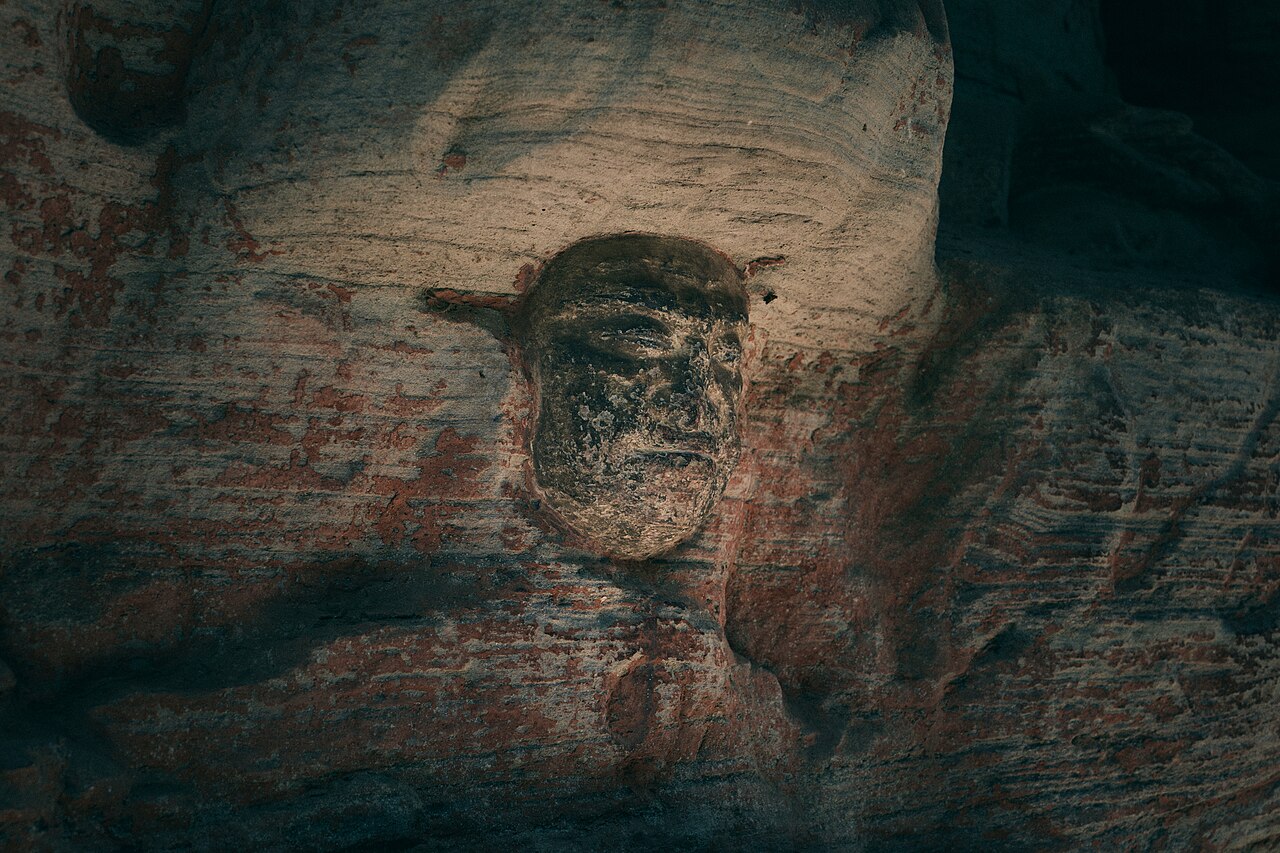
Tang-dynasty and early-Song cliff carvings, mostly Buddhist, and by common consent the last great masterpiece of Chinese grotto art — 'north Dunhuang, south Dazu'. The scale is enormous and the figures are densely packed; as the old description goes, every image recorded in the Buddhist canon appears here somewhere. The Baodingshan cluster is the most concentrated and the most rewarding.

Address
7 Beishan Road, Dazu County
Hours
08:30–18:00
Tickets
180 yuan high season, 130 yuan low season (combined ticket)
Getting there
Train from Caiyuanba to Dazu (Youtingpu), or bus from Caiyuanba bus station — 90 minutes, about 50 yuan one way; then 30 yuan by taxi or 3 yuan by minibus

Tip Hire a guide, or hover near a tour group and listen in — every carving has a story and wandering without one is a completely different, much poorer experience. On the way in, stop for Youting crucian carp at a farmhouse restaurant.

Food

Eating your way through the hotpot capital

Hotpot (火锅)

The reason you came. A furiously boiling red broth of chilies, Sichuan pepper and aromatics, a dozen plates of blood curd, sliced meat, seafood, tripe and cabbage around it, and a dipping bowl of sesame oil, oyster sauce and mashed garlic. Real Chongqing hotpot has no sesame paste — that's a northern habit. Order yuanyang (half red, half white) if you can't take the heat.

Maoxuewang (毛血旺)

Duck blood cut into batons, stir-fried with duck breast, pork tripe, pork heart and ham, then finished with beef tallow. Numbing, spicy, fragrant, fresh and scalding all at once, with a glossy red broth. One of the three Ciqikou classics.

Suanlafen (酸辣粉)

Sweet potato and pea starch noodles, slippery and chewy, in a sour-and-hot broth with a handful of coriander. Cheap, everywhere, and eaten standing or perched on a stool by the roadside.

Shuizhuyu (水煮鱼)

Chongqing's signature 'jianghu' dish: freshwater fish poached in a bath of bullet chilies and Sichuan pepper, with bean sprouts and coriander thrown in before serving. Spicy without being harsh, numbing without bitterness — one bowl and you're ruined for the mild version forever.

Chongqing xiaomian (重庆小面)

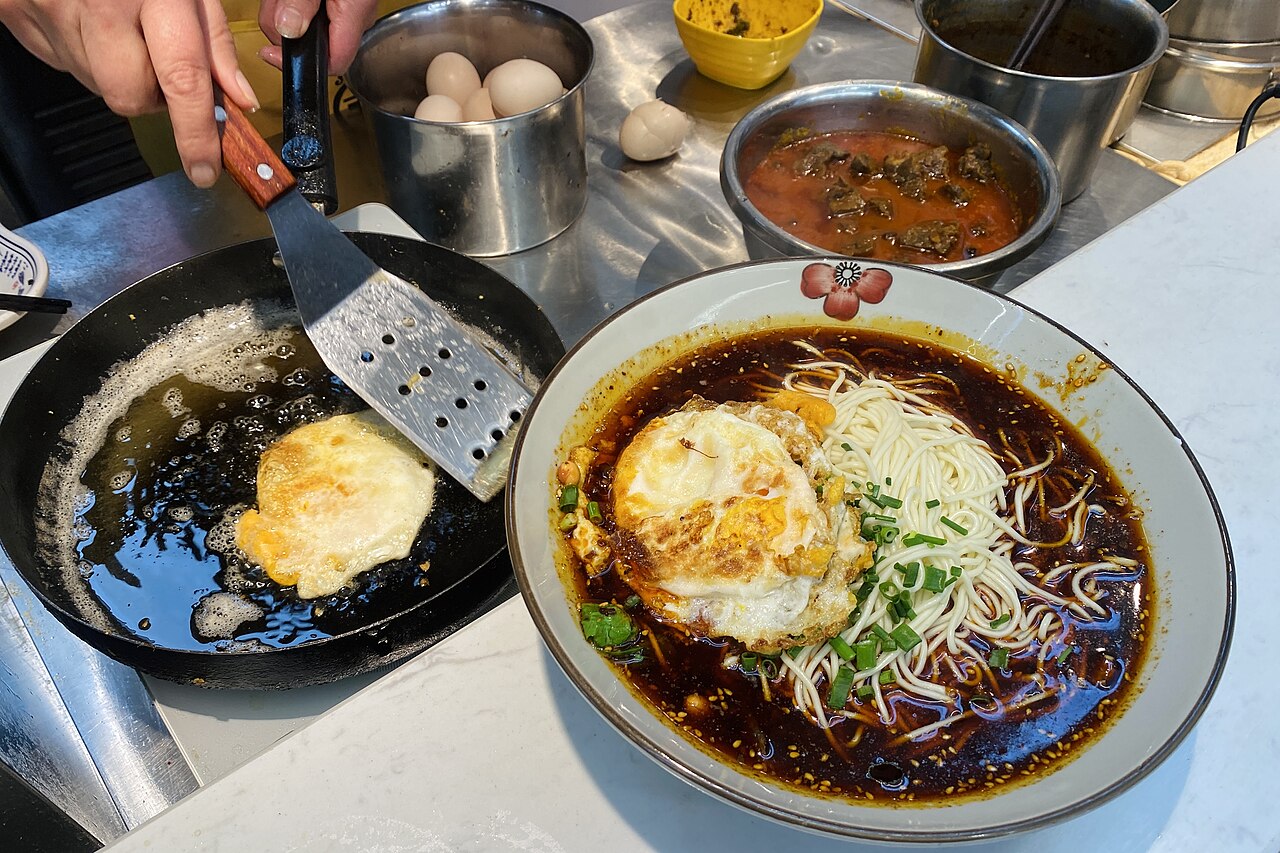
As famous as hotpot and eaten for breakfast. Springy noodles, a deeply savoury dressing, 10 yuan a bowl. Good stalls have no seats left by mid-morning, so people eat standing at the kerb.

Nanshan spring-water chicken (南山泉水

Free-range local chicken cooked in Nanshan spring water, usually served three ways — braised chicken, stir-fried offal, and blood curd soup. Head to the dedicated Quanshui Chicken street on the mountain.

Where to eat

Four tables worth booking in Chongqing

Hotpot · five minutes from Jiefangbei

Qiqi Hotpot (Jiefangbei branch)

Probably the best-known hotpot house in the city and still reliable. Clean, fairly priced, and the smell of roasting chili hits you from half a block away. Ask for the nine-grid pot if you want the real thing, or the divided pot if you don't. Expect a wait at dinner — put your name down and go for a walk.

Address
2-3F, Tower B, Zourong Plaza, 151 Zourong Rd, Yuzhong District (near No. 29 Middle School)
Phone
023-63799369
Per person
About CNY 60
Order
Nine-grid red pot, beef tripe, blood curd, luncheon meat

Sichuan · the 'father of boiled fish'

Cuiyun Boiled Fish (Yubei branch)

The kitchen kills the fish after you order, which is why the slices come out pearly white and still trembling. The classic shuǐzhǔyú is heavy on chili and Sichuan pepper; if anyone in your group is heat-shy, the tomato fish broth is the move. Service is brisk and the room is comfortable rather than fancy.

Address
426-428 Shuanglong Ave, Yubei District
Phone
023-67849999
Per person
About CNY 60
Good to know
Order the tomato fish if you can't do chili

Nanshan · the busiest shop on the chicken street

Laoyao Spring-Water Chicken

The sign outside says 'walk all of Nanshan Road and Laoyao is still number one', and the crowds agree. Chicken with real bite, a heavier, more numbing seasoning than most, and outdoor tables where you eat looking up at the hill. Reserve or arrive early on weekends.

Address
247 Chongwen Rd, Quanshuiji Street, Nan'an District
Phone
023-62465723
Per person
About CNY 85
Tip
Sit outside if the weather allows

Street food · Bayi Road Good Food Street

Hao You Lai Sour and Spicy Noodles

There is never not a queue here. Everyone in the line is holding the same bowl of springy sweet-potato noodles with a generous scoop of minced pork, sour and hot in exactly the right proportion. It costs about CNY 6, and eating it while walking down the street is the local ritual.

Address
Bayi Rd Good Food Street, Yuzhong District (near Suning)
Per person
About CNY 6
Best time
Any time — but go before the lunch crush
Nearby
Jiefangbei, five minutes on foot

Sleep

Where to base yourself

Best location for river views

Chongqing Xiyuan International You

Right on the Yangtze bank beside Chaotianmen wharf, ten minutes from Jiefangbei, with the Three Gorges Museum and Hongya Cave nearby and buses, light rail and ferries all close. The owner designed it himself; the walls are built from old bricks salvaged from demolished factories, every room has its own theme, and there's a mixed-style LOFT bar, a film area, laundry and five shared bathrooms.

Address
80 Changbin Road, Chaotianmen
From
39 yuan (bed in a six-person mixed dorm)
Phone
023-63104208

Inside Ciqikou old town

Chongqing Pure Age Youth Hostel

Chongqing's first international youth hostel, tucked inside the thousand-year-old town. A clean bed plus books, wine, films and travellers from everywhere. Semi-self-service, with a big common room and a riverside terrace, decorated in a warm old-fashioned style.

Address
2 Ciqikou Main Street, Shapingba District
From
35 yuan
Phone
023-65476338 / 023-65477008

Cheapest, close to Jiefangbei

Old Street Inn Youth Hostel

A long-established hostel near Jiefangbei and a short hop from Shibati. Wooden tables and chairs, walls covered in travellers' graffiti, genuinely friendly staff, and metro, light rail and buses all within walking distance.

Address
149 Zhongxing Road, Jiaochangkou, Jiefangbei
From
28 yuan
Phone
023-86767277

Mid-range with a view

Chongqing No. 9 Business Hotel

In the Jiefangbei CBD, 20 storeys up with Bayu views over the yellow Yangtze and green Jialing. A short walk to Luohan Temple, a location used in the film Crazy Stone. Tidy, stylish rooms at a fair price.

Address
29 Xinyi Street, Chaotianmen, Yuzhong District
From
202 yuan
Phone
4000-36-4000

Stay inside the landmark

Hongya Cave Hotel

A four-star hotel built into the Hongya Cave scenic area itself — lifts descend from the lobby down through the complex, with a snack street and craft street below. River-view rooms look straight onto the Jialing at night.

Address
88 Jiabin Road, Hongya Cave Scenic Area, Yuzhong District
From
420 yuan
Phone
023-63992888 / 86801830

Top end, dead centre

J.W. Marriott

A five-star landmark in the middle of the Jiefangbei pedestrian area, with shopping, dining and entertainment on the doorstep. Lavish public areas, warm rooms, first-class service.

Address
77 Qingnian Road, Yuzhong District
From
644 yuan
Phone
023-63888888

Getting around

Planes, trains, ferries and the cable car

Air

Chongqing has three civil airports, but almost everyone arrives at Jiangbei International, 19 km northeast of the city in Lianglu Town, Yubei District.

Airport phone
023-96666
Airport shuttle
15 yuan, 35 minutes, airport–Waimao Building–Shangqingsi; services from the city run 06:00–21:00 every 30 minutes, about 28 km
Metro
Line 3 runs directly to Jiangbei Airport, linking Jiefangbei, Jiangbei, Yubei and Nan'an
Taxi
60–80 minutes into town

Rail

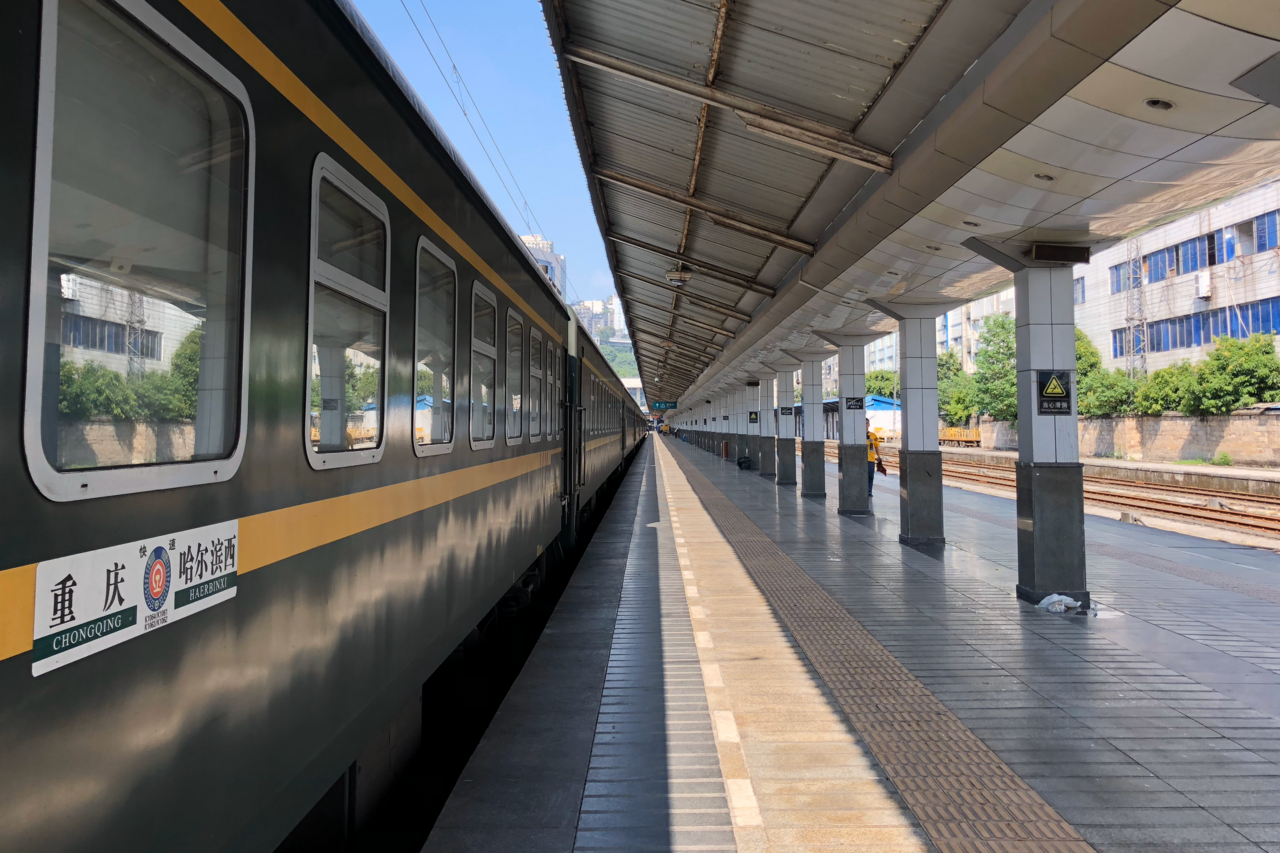
Four stations, though only two handle most passengers: Chongqing Station (Caiyuanba) in Yuzhong and Chongqing North (Longtousi) in Yubei. South and West stations are mostly pass-through.

Chongqing Station
Yuzhong District; inquiries 61681114, staffed line 63861424; buses 112, 120, 8, 325, 347, 503, 611, 618, 859
Chongqing North
Longtousi, Yubei; 61681111; buses 138, 141, 168, 202, 208, 323, 419, 421, 601, 821, 841, 869

Long-distance bus

Tickets can be booked two days ahead online without registering, and collected half an hour before departure with the ID you booked under. Main stations: Caiyuanba, Nanping, Longtousi, Shapingba, North Station, Chenjiaping and the Sigongli interchange hub.

Booking site
www.96096kp.com
Chongqing bus station
6 Caiyuan Road, Yuzhong; 023-89033855
North Station
49 Jianxin North Road; 023-86826886; lines to Changshou, Badshan, Dianjiang
Sigongli hub
3 Nanping South Road, Nan'an; 023-88361260; lines to Fengdu, Wulong, Xiushan

Ferry

Chongqing's signature transport. Since 2005 only the Yichang–Chongqing route remains, threading through small riverside towns along the way. Remaining local crossings include Chaotianmen–Jiangbei, Chaotianmen–Yemiaoxi, Ciqikou–Guihuayuan and Chaotianmen–Changshou.

Passenger terminal
4 Chaogian Road, annexe 1; 023-63100267
Tickets
Priced by class, buy on arrival
Yangren Street boat
Chaotianmen to Yangren Street, 10 yuan per person — mostly tourists on board

Cable car

Once the main way to move between hillside neighbourhoods, now a sightseeing experience unique in China and a location for Crazy Stone and Zhou Yu's Train. The Jialing cableway closed in 2011; only the Yangtze one remains.

Yangtze Cable Car
From Zhongxing Road, Yuzhong, to Shangxinjie, Nan'an
Price
1.80 yuan with a transit card, 5 yuan cash
Hours
06:15–21:45

Taxi & bus

Chongqing has almost no bicycles — the hills killed them — so buses are the backbone. Standard buses start at 1 yuan, air-conditioned at 2 yuan, mostly running 05:30–22:00. Taxis are cheap: yellow Tianyu cabs start at 8 yuan for 3 km then 1.8 yuan per km; white Mondeos start at 7 yuan then 2.4 yuan per km, with a 20% night surcharge.

Watch out
Many roads are one-way — your return stop may be far from where you got off
Refusals
Drivers sometimes can't get gas and will turn you down rather than queue
Metro
Line 1 runs Chaotianmen–University Town, about 46 km, from 2 yuan, 06:30–22:30

Shopping

What to carry home from Chongqing

Hotpot base (火锅底料)

The single most useful souvenir in the city. Brands like Qin Ma, Little Swan and Dezhuang are everywhere; a pack costs CNY 7–12, and a couple of packs turn your own kitchen into a Chongqing hotpot night. Buy it at any supermarket rather than a scenic-area shop.

Ciqikou Chen Mahua (磁器口陈麻花)

The fried-twist pastry that everyone queues for at Ciqikou. Look for the shop with the longest line — that's the one with the certificates and trophies, run by Chen Jianping. Supermarket versions are Chen Changyin brand. A bag runs CNY 10–18.

Fuling pickled mustard tuber (涪陵榨菜

A century-old Chongqing product made from a local vegetable that's air-dried, salted, pressed in wooden vats and sealed in jars. Crunchy, salty, faintly sweet — about CNY 1 a packet, which makes it the cheapest edible souvenir you'll find anywhere.

Dengying beef (灯影牛肉)

Sliced so thin it's translucent — literally thin enough to cast a shadow, which is how it got its name. Spicy, dry-fragrant, cured; about CNY 18 per jin. Half snack, half edible handicraft.

Rongchang folding fan (荣昌折扇)

A proper local craft with a real workshop tradition behind it: carefully chosen materials, fine workmanship, dozens of patterns, light in the hand and folds open with a flick. It survives the flight home, which is more than most souvenirs manage.

Where to shop

Five main retail districts: Jiefangbei (Yuzhong, the oldest and busiest, nicknamed the 'First Street of the West'), Jiangbei's Guanyinqiao, Yangjiaping in Jiulongpo, Nanping in Nan'an, and Shapingba. Chaotianmen's wholesale market is the place to bargain hard — Jiefangbei is where you pay full price and watch the crowds instead.

Practical

The things nobody tells you

Summer heatChongqing regularly hits 43°C and is one of China's three 'furnace' cities. Carry heatstroke medicine; if you use air conditioning, set it to 26°C and air the room daily rather than hiding indoors all day.
HumidityIt's damp enough that washing often won't dry overnight — bring extra light clothing. Activated charcoal sachets in your bag help.
Spice toleranceThe local diet is built on numbing heat. Bring cooling herbal medicine if you're not used to it, and start with yuanyang hotpot rather than the full red pot.
HillsExpect a lot of up-and-down walking; good shoes matter more here than in most Chinese cities. After rain the temperature swings hard between day and night.
AltitudeSome outlying areas sit high enough to matter — don't sprint uphill, eat plenty of vegetables and fruit.
SafetyChongqing is generally very safe with visible patrols, and locals are famously direct and helpful. Still, watch your wallet and phone in crowds and don't fall for 'bargains' offered by strangers.
Emergency numbersTourism complaints 023-63866315; Municipal Public Security Bureau 023-67625965.
HospitalsSouthwest Hospital, 30 Gaotanyan Main Street, Shapingba, 023-68754000; Xinqiao Hospital, 183 Xinqiao Main Street, Shapingba, 023-68755000; Daping Hospital, 10 Changjiang Branch Road, Yuzhong, 023-68811229.

Where to eat

Restaurants worth the taxi ride

Most famous hotpot

Qiqi Hotpot (Jiefangbei branch)

Five minutes' walk from Jiefangbei and arguably the best-known hotpot house in the city. Clean, well-priced, and you can smell it from down the street. Order the nine-grid for full heat, or yuanyang if you need mercy. Expect a wait at peak times.

Per person
about 60 yuan
Address
Floors 2–3, Tower B, Zourong Plaza, 151 Zourong Road, Yuzhong District
Phone
023-63799369

The original water-boiled fish

Cuiyun Shuizhuyu (Yubei branch)

Billed as the father of Chinese shuizhuyu. Fish are killed to order, the slices come out pearly and tender, and the seasoning is properly heavy. If you can't handle heat, their tomato fish soup is excellent.

Per person
about 60 yuan
Address
426–428 Shuanglong Avenue, Yubei District
Phone
023-67849999

Nanshan institution

Laoyao Spring-Water Chicken

'Walk the whole of Nanshan Road and Laoyao is still number one.' The busiest shop on the Quanshui Chicken strip, with chewy chicken, a heavy numbing-spicy profile and outdoor tables looking into the hillside green.

Per person
about 85 yuan
Address
247 Chongwen Road, Quanshui Chicken Street, Nan'an District
Phone
023-62465723

Street-food legend

Haoyoulai Suanlafen

There is always a queue. Almost everyone walking down Haochi Street is carrying a bowl of their suanlafen, generous with minced pork, chewy noodles, and a sour-hot balance that is exactly right.

Per person
about 6 yuan
Address
Bayi Road Haochi Street, Yuzhong District (near Suning)

Old-school, late night

Silly Hotpot (莽子火锅)

A scruffy local institution that only exists in Chongqing, and locals love it. Authentic flavour, long queues, open until 2 am — ideal if you're hunting food at midnight.

Per person
about 30 yuan
Address
Middle of Mianhua Street flower market, Jiaochangkou
Hours
12:00–02:00

Modern, convenient

Food Loft

Loft-style, minimalist, open kitchen, both Chinese and Western menus, popular with younger diners and often running afternoon tea deals. Handy when you're shopping in the Jiefangbei core.

Per person
about 50 yuan
Address
4th floor, NOVO Department Store, Jiefangbei
Hours
10:00–22:00

Background

Why Chongqing is the way it is

Three thousand years, two rivers,

Chongqing sits in the northern subtropics on the inland edge of the Sichuan Basin, with mountains along its north and southeast rim. The climate is mild and wet, averaging around 18°C, and the meeting of the Yangtze and Jialing traps moisture that the surrounding hills won't let escape — hence the name 'Fog Capital'. The same damp air is why local skin is famously good, and why chilies and Sichuan pepper, which locals believe drive out dampness, are in everything. The written record here goes back three thousand years; in 583 AD Emperor Wen of Sui set up Yu Prefecture, which is where the city's short name Yu comes from, and in 1189 Emperor Guangzong established Chongqing Prefecture — 'double celebration' — which gave the city its name. In 1997 it became one of China's five directly administered municipalities, the youngest of them.

Wartime capital, hotpot culture, a

During the War of Resistance, Chongqing served as the provisional capital and the political and cultural centre of the country, and much of its present layout dates from that period. That history gives it a weight few Chinese cities can match. Today it's also a city of faiths — Buddhism, Taoism, Islam, Catholicism and Protestantism all coexist here among more than a million believers, with Luohan Temple, Ciyun Temple and Huayan Temple among the nationally important Buddhist sites, and Dazu carrying a thousand years of Buddhist carving. And it's a city of many peoples: Han, Tujia and Miao dominate, alongside another 47 ethnic groups, whose festivals — like the Tujia New Year in Xiushan, celebrated a day or more before Han New Year — have become a tourism draw in their own right. Bring a map if you like, but remember: a map is flat and Chongqing is not.

Further reading

Watch and read before you go

Film

Crazy Stone (疯狂的石头)

Ning Hao, 2006

The black comedy that made Chongqing's cable car, its steep lanes and its whole vertical logic famous. Watch it before you arrive and half the city will feel familiar — the Yangtze Cable Car and Luohan Temple both appear.

Film

Zhou Yu's Train (周渔的火车)

Sun Zhou, 2002

Gong Li shuttling between two men and two cities, with the cable car and the river crossings as recurring images. A slower, more atmospheric look at the same landscape.

Book

Red Crag (红岩)

Luo Guangbin and Yang Yiyan

The novel that made Geleshan, Baigongguan and Zhazidong household names in China. Read it before the red-tourism circuit and those damp cells stop being just rooms.

The questions visitors ask us most about Chongqing, answered plainly.

Frequently asked questions

Prices and practical details are reviewed every month by our Beijing team and updated the day a rule changes.

When is the best time to visit Chongqing?

Spring (March to May) and winter (December to February) are the most comfortable. Summer is brutal — temperatures top 40°C and the humidity makes it worse — while autumn brings frequent night rain, the 'Ba Mountain night rain' the poets wrote about. Winter rarely freezes and is a good season for the city's hot springs.

Is Chongqing expensive to travel in?

No — it is the cheapest of China's four municipalities. Street snacks are under CNY 10, a hostel bed starts around CNY 28–39, a mid-range hotel room runs CNY 130–300, buses start at CNY 1 and taxis at CNY 8. Budget travellers can eat and move around comfortably on CNY 150 a day.

How spicy is Chongqing food, and can I avoid it?

Very spicy, and yes. Order a yuanyang (mandarin duck) hotpot, which splits the pot into a fiery red half and a mild white broth, and ask for 'wei la' (slightly spicy) elsewhere. Note that authentic Chongqing hotpot dipping sauce is only sesame oil, oyster sauce and garlic — there is no sesame paste, so do not ask for it.

How do I get around such a hilly city?

Use the metro first — Lines 1, 2, 3 and 6 cover the main sights and interchange inside the stations. Line 2 in particular runs along the river and through the hills, so the ride itself is a sightseeing trip. Buses cost CNY 1–2, taxis CNY 8 for the first 3 km, and the Yangtze River Cableway crosses the water for CNY 5.

Should I visit Dazu Rock Carvings from Chongqing?

Yes, if you have a spare day. Dazu is about 90 minutes from Chongqing by bus, and the Baodingshan carvings alone are worth the trip — the ticket is CNY 180 in high season, CNY 130 in low season. Hire a guide or join a tour group, because every carving tells a story you will otherwise walk straight past.

Is Chongqing safe for travellers?

Yes — it ranks high on national safety lists and there are visible police patrols across the city. The real hazards are heatstroke in summer, slippery rain-soaked steps, and the sheer amount of walking. Watch your bags in crowded markets and at Jiefangbei, and wear grippy shoes.

Related reading

Related reading

Visas Do I Need a Visa for China? Requirements, Costs and How to Apply China's entry rules changed more in the last three years than in the previous twenty. Here is exactly who needs a visa, what it costs, how long it takes and which passports now walk straight through. 9 min read Visas China's 240-Hour Visa-Free Transit: Who Qualifies and How It Works Ten days in China with no visa application, no fee and no fingerprints — if you hold the right passport and leave for a third country. Here is the rulebook, port by port. 8 min read Money Paying in China: Alipay, WeChat Pay, Cards and Cash Roughly nine in ten urban payments in China now run through a phone. Set up two apps before you fly, carry a modest cash float, and you will never be stuck at a till. 8 min read Transport China's High-Speed Rail: How to Book, What It Costs, How Fast It Goes The fastest way to cross China is also the most pleasant. Here is how to book a ticket with a foreign passport, what the three classes actually give you, and how to survive a Chinese station at rush hour. 9 min read Planning Best Time to Visit China: Month by Month, Region by Region China is the size of Europe, so 'the best month' depends on where you stand. Here is the month-by-month answer for the north, the Yangtze valley, the south and the plateau. 8 min read Planning What to Pack for China: The Complete 2026 Checklist Twenty thousand steps a day, three climate zones and a phone that has to do everything. This is the list we give our own travellers, minus the things they never used. 7 min read Food Chinese Food Culture: Eight Cuisines, One Table There is no such thing as Chinese food. There is Cantonese, Sichuan, Hunan, Jiangsu, Zhejiang, Fujian, Anhui and Shandong — and knowing which one you are eating changes everything. 8 min read Traditions Chinese Tea Culture: Six Classes, One Pot, Two Fingers Tea in China is not a beverage category, it is a social technology: it fills silences, seals deals and sets the pace of a meal. Here is how to sit down in one and not look lost. 7 min read Traditions Chinese Festivals: The Calendar, the Dates and the Crowds Lunar dates mean the calendar moves every year — and two of the festivals move several hundred million people at once. Plan around them or plan into them, but never by accident. 8 min read Etiquette Chinese Etiquette: What Matters, What Does Not, and Why Most etiquette advice for China is either obvious or wrong. These are the dozen behaviours that actually change how you are treated, and the reasoning behind each. 7 min read

Tell us your dates.
We'll do the rest.

Free itinerary design, a revised plan within one working day, and nothing charged until you approve the final version.

  • The Yangtze River Cableway costs CNY 5 one way with cash, or CNY 1.80 with a transit card, and runs 06:15–21:45 — the cheapest skyline ride in China.
  • Hongya Cave is free and open all day, but go after 20:00 when the 11 tiers of stilt houses light up; the fourth floor is a snack street.
  • A standard hotpot dinner is about CNY 60 per person; the dipping sauce is sesame oil, oyster sauce and garlic only — no sesame paste.

No spam. No sales calls. Just a real itinerary from a real person.