City guide · Shandong

Weihai travel guide: Liugong Island, Chengshantou, the swan lagoons and what they cost

1,000 km of clean coast, a free bathing beach, the island where the Beiyang Fleet died — and thousands of wild swans every winter.

  • Known forLiugong Island, Chengshantou, free beaches, swans
  • Typical spend¥400–600 / person / day incl. hotel
  • Ideal length3 days, 4 in winter
  • PaceSlow — one island morning, one long coast day

Reviewed by our Beijing team Updated 2026-10-10

The short version

Weihai is the city at the eastern tip of Shandong with about 1,000 km of coastline, and three days covers it properly: Liugong Island at ¥100 with the Sino-Japanese war museum inside it, Chengshantou at ¥160 for the first sunrise on the Chinese mainland, and a free international bathing beach with room for 50,000 people. Nothing here is far apart — buses cost ¥1, taxis start at ¥5, and half an hour gets you from anywhere to anywhere. From November to March several thousand wild swans winter on the lagoon at Rongcheng for ¥20. Jinan, Shandong's capital, is about 4 hours away; Yantai and Penglai are an easy run down the coast.

  • Liugong Island costs ¥100, opens 07:00–17:00, and the ticket covers the Museum of the Sino-Japanese War, the Beiyang Fleet headquarters, the forest park and the Liugong temple — 28 war sites are scattered over the island.
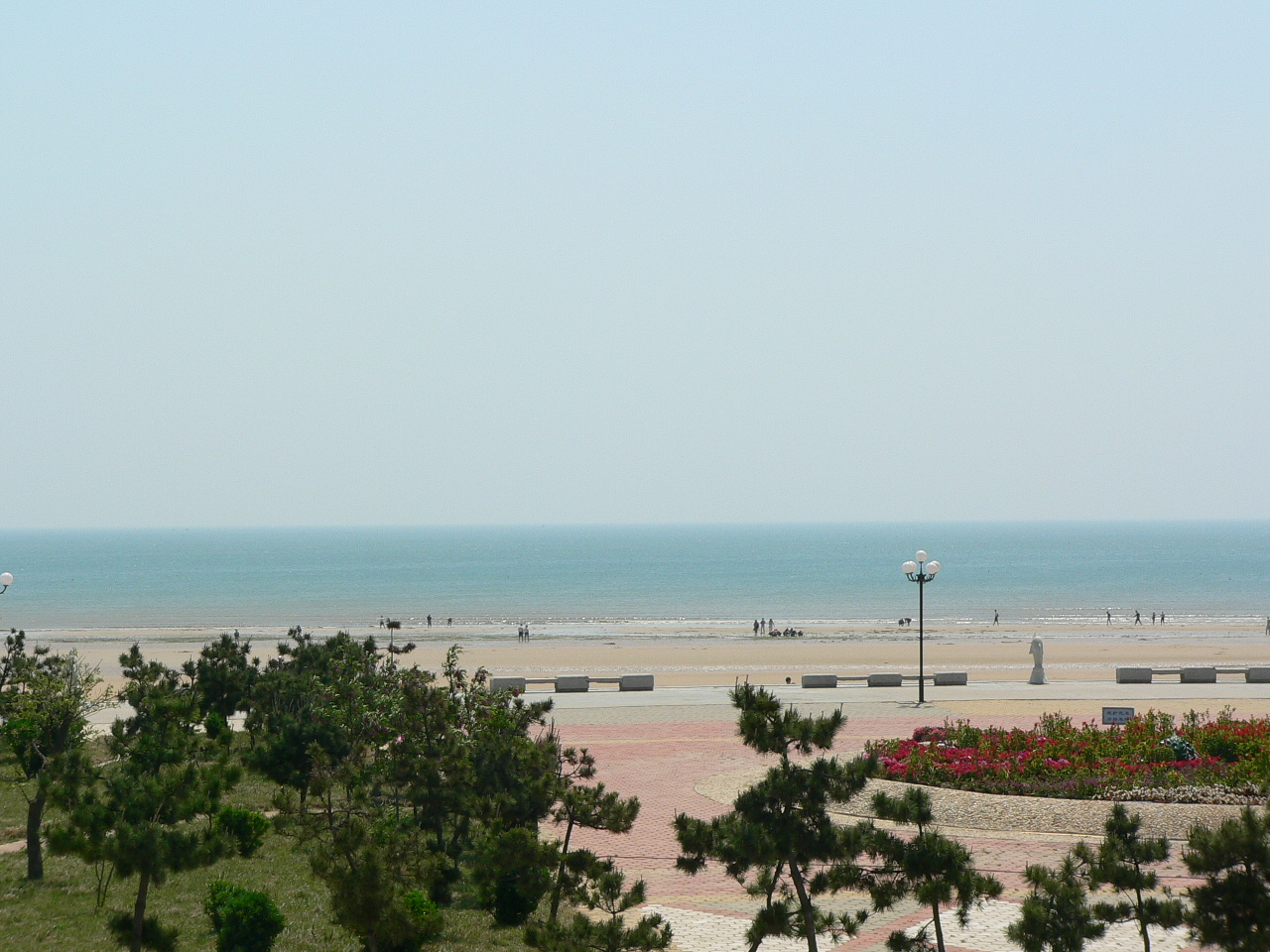
  • The international bathing beach is free, open around the clock, holds 40,000–50,000 people and you can scoop small fish out of the shallows with your hands.
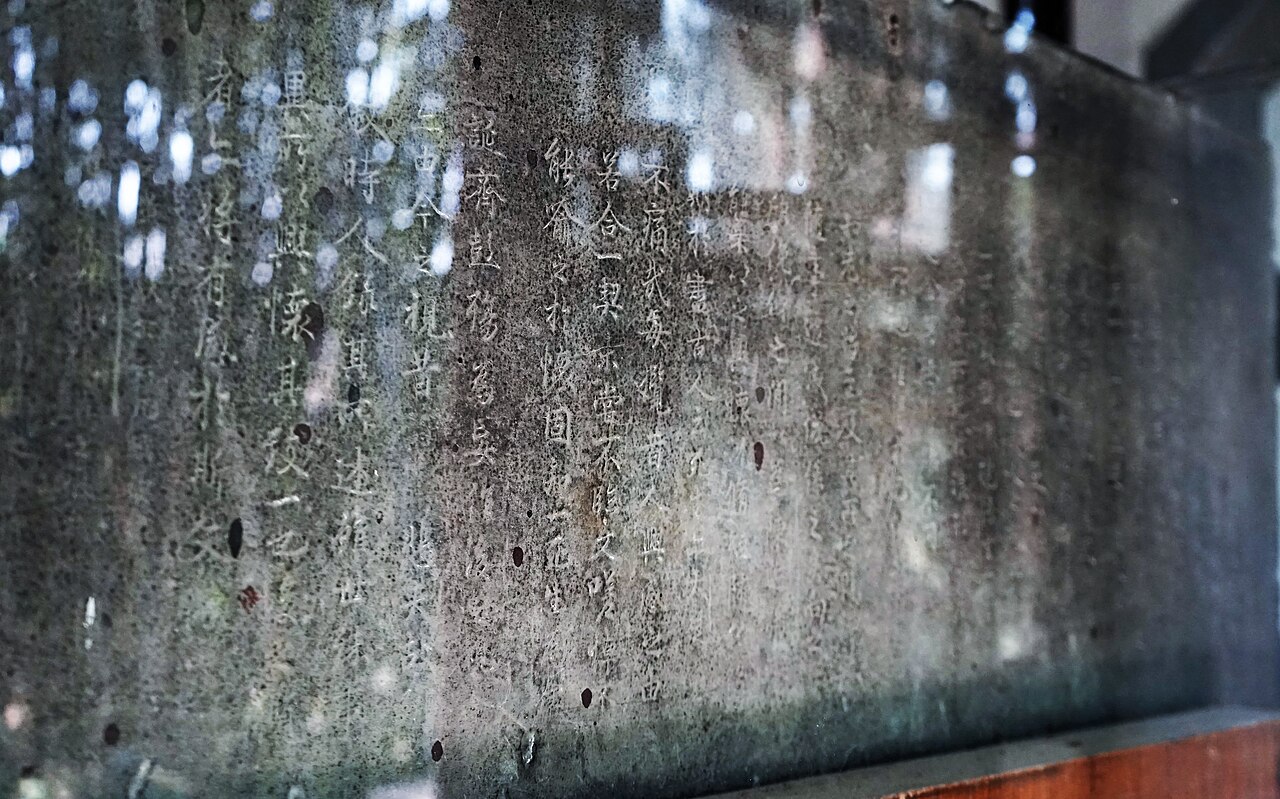
  • Chengshantou at ¥160 is the easternmost land on the Chinese mainland coast, open all day, and Qin Shi Huang came twice — Li Si cut a stele on the summit.
  • Seafood is cheaper and plainer than in Qingdao: hand-rolled noodles with shrimp and clam, mackerel dumplings the size of a small bun, sea cucumber braised with scallion, cold-dressed whelk, abalone with chicken feet.
  • The two hot springs at Wendeng both run ¥158 — Tianmu closes at 23:00, Tangbo at 24:00, and Tangbo's water comes out of the ground at 78°C.

City guide

First impressions

Photographs from the coast, and what other travellers wrote afterwards.

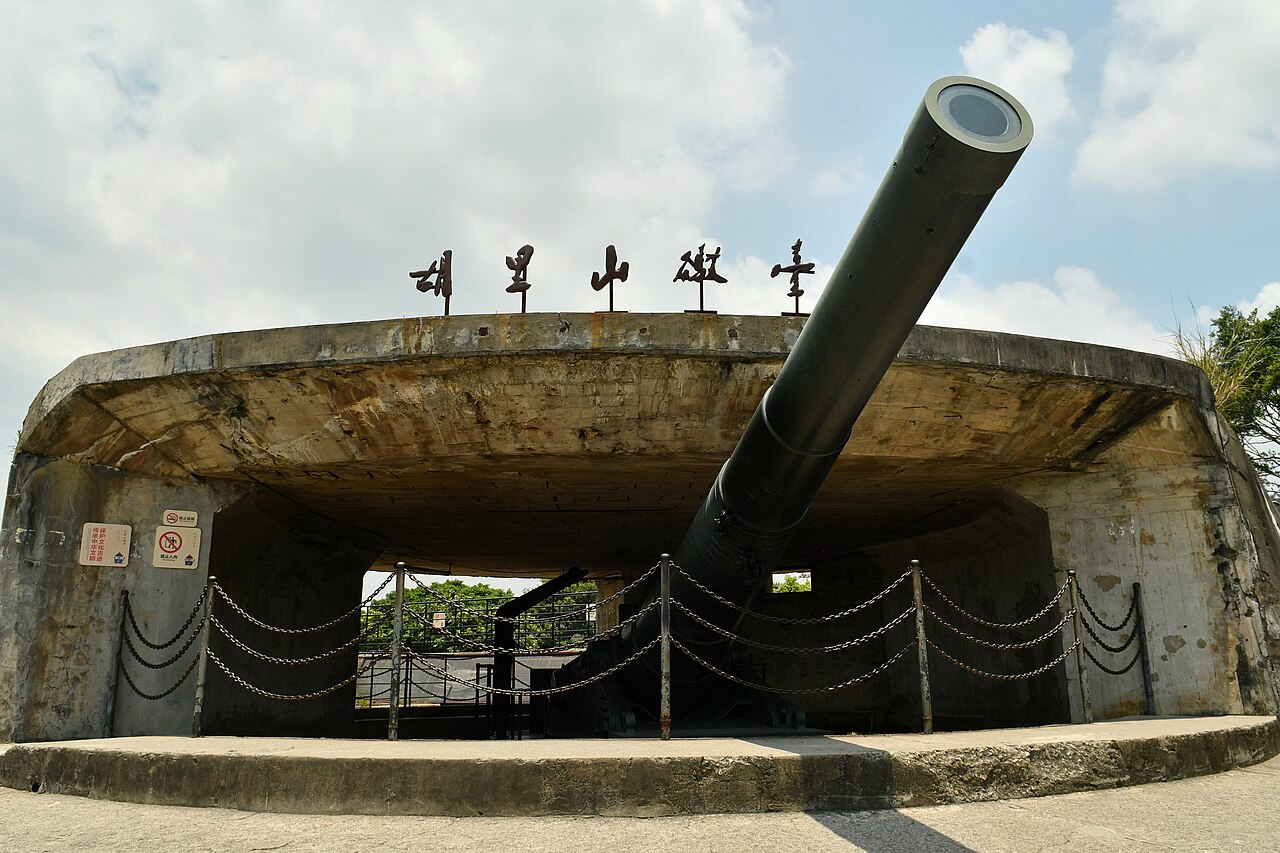
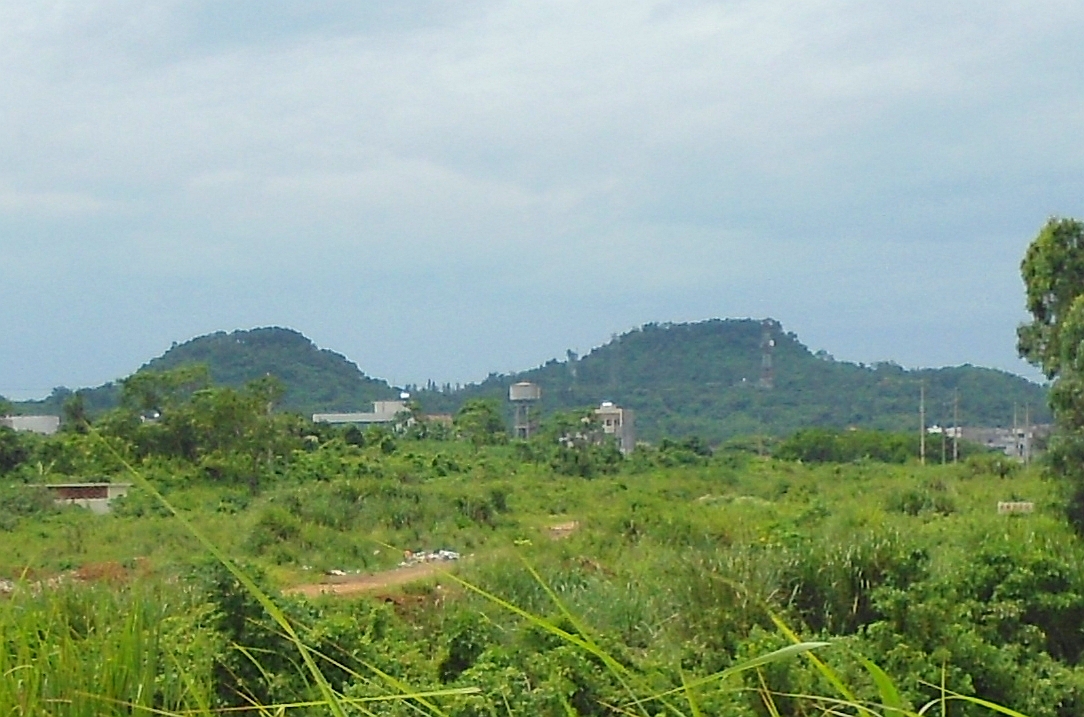
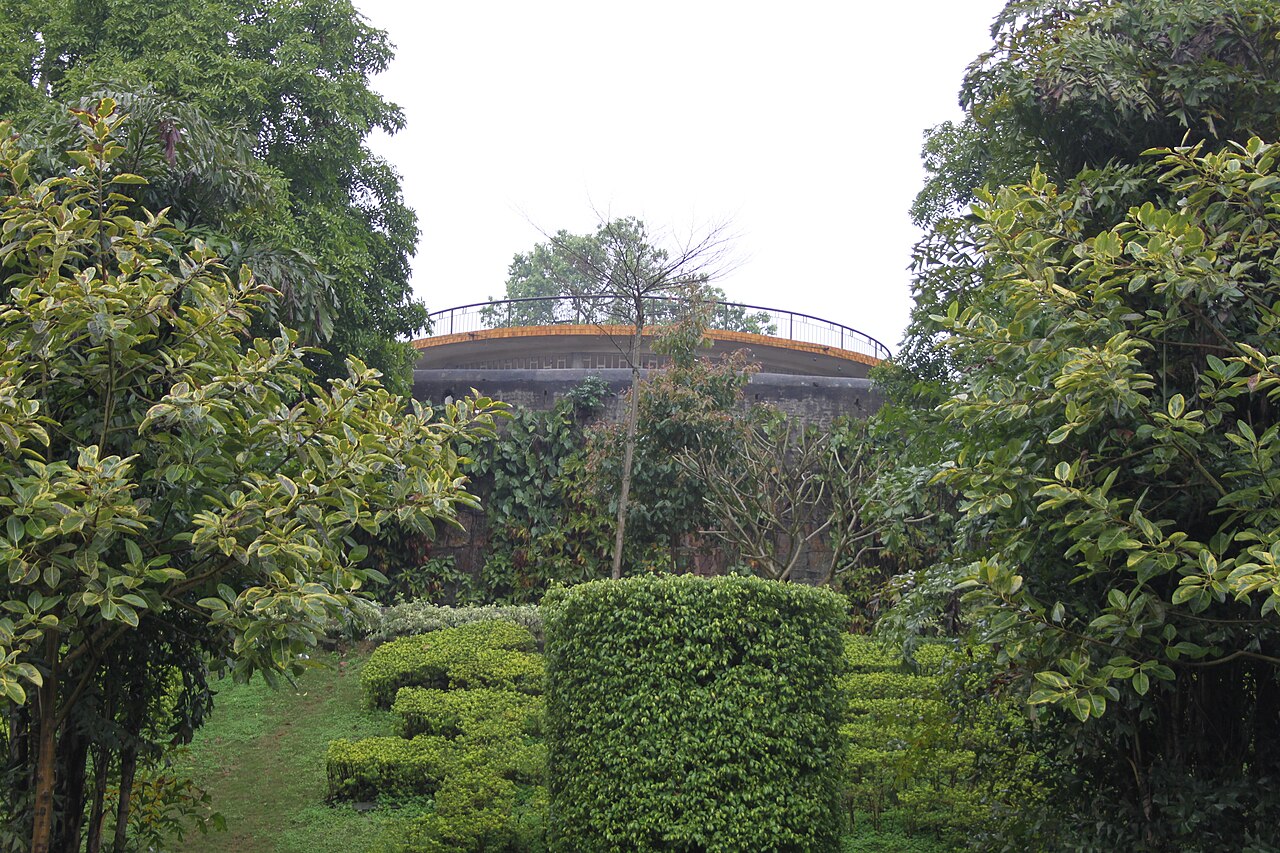
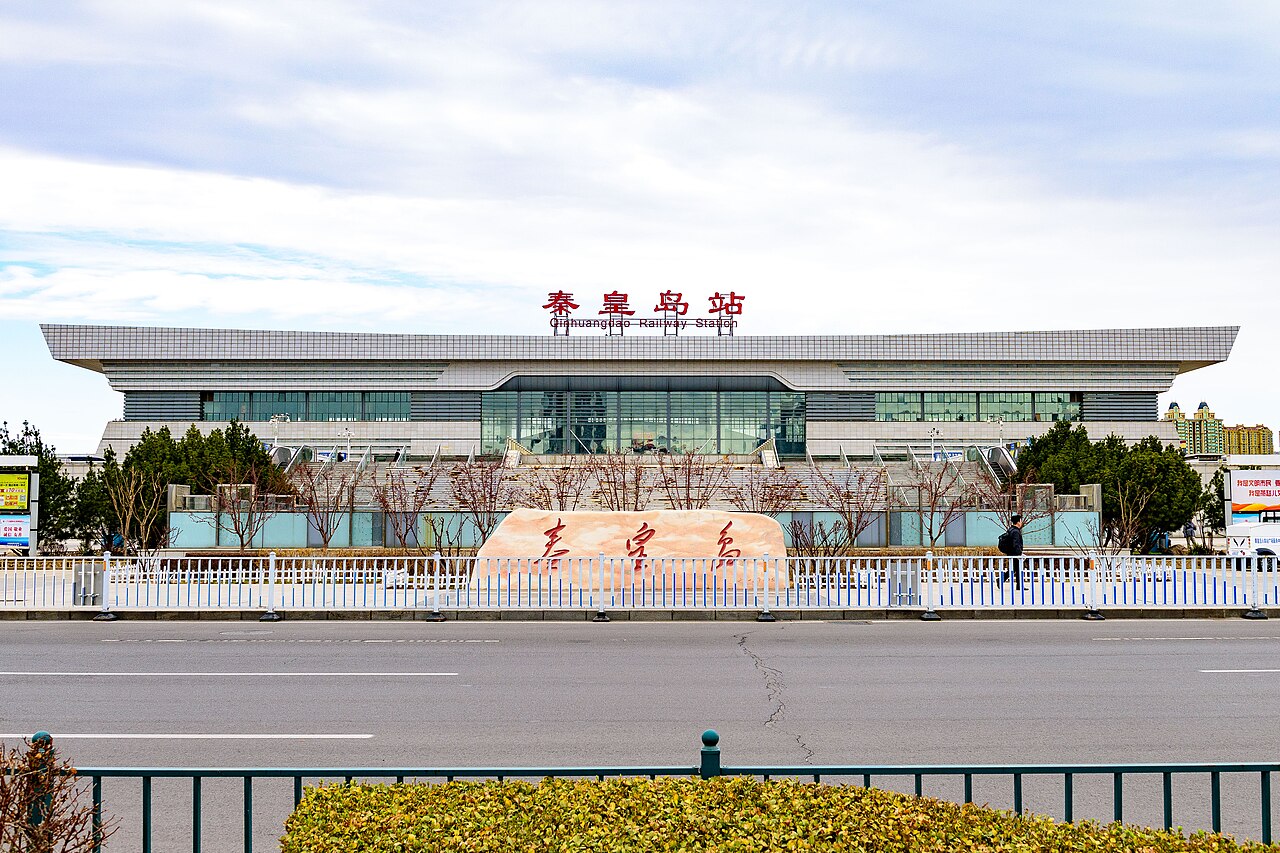
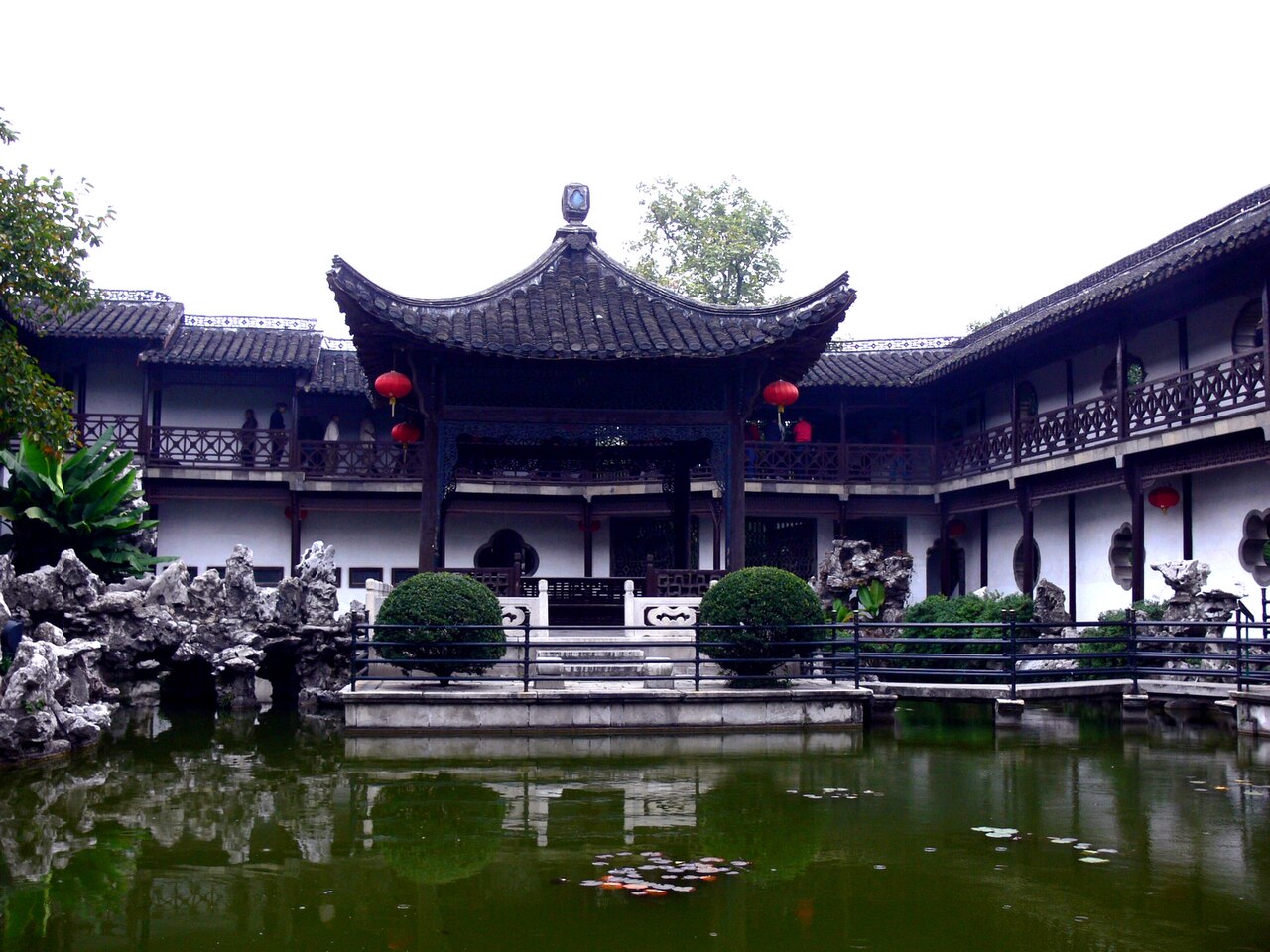
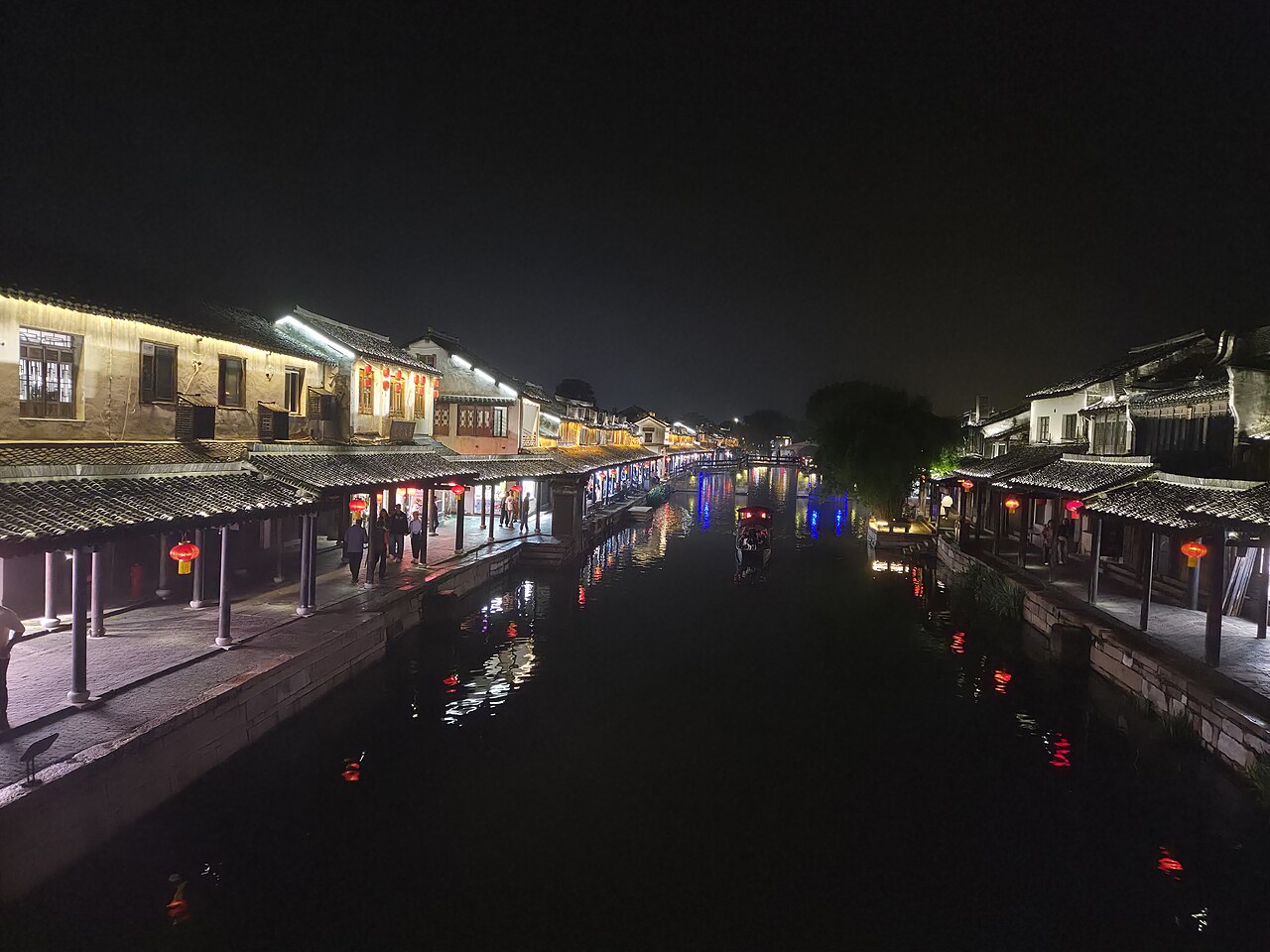
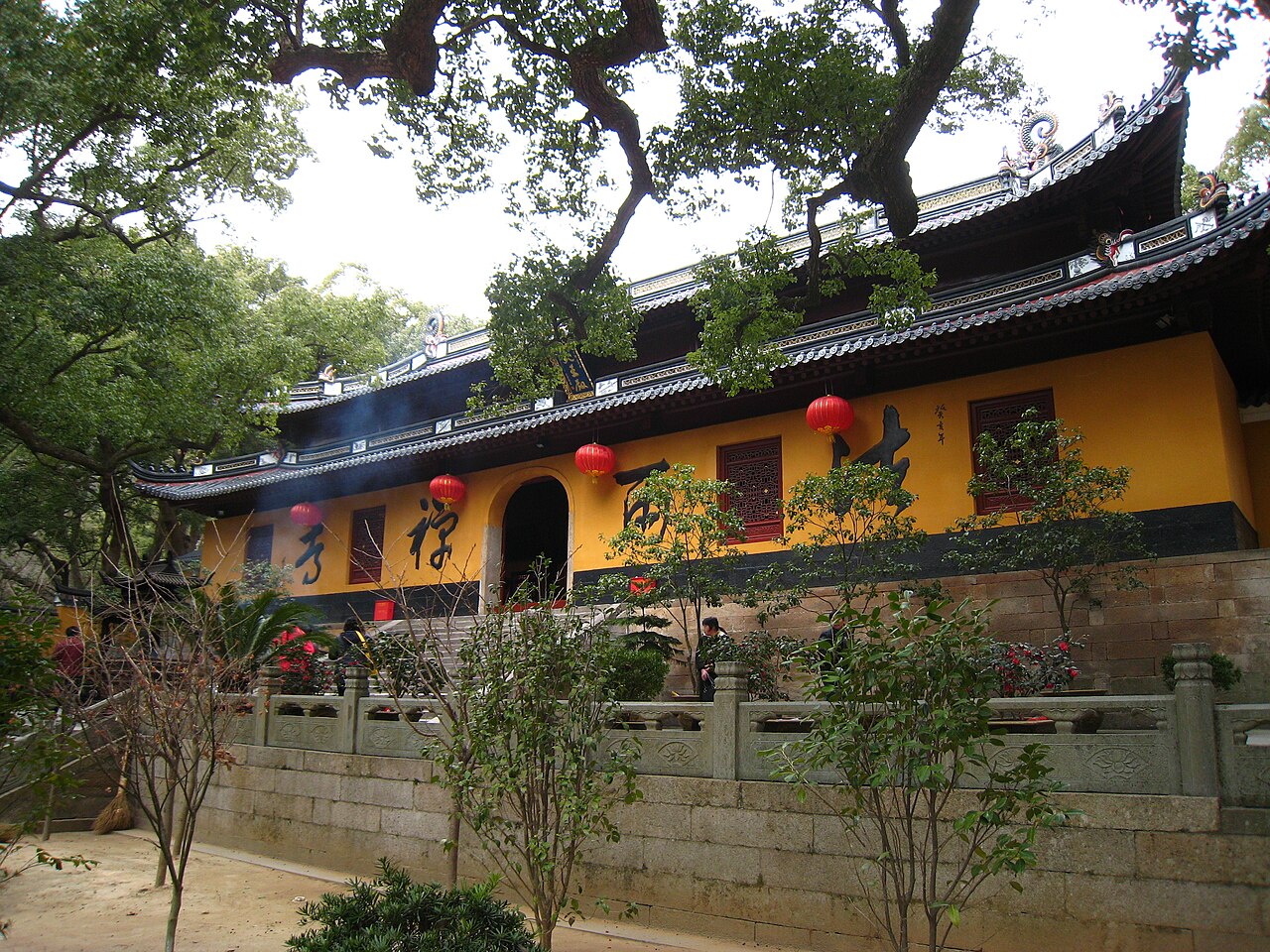
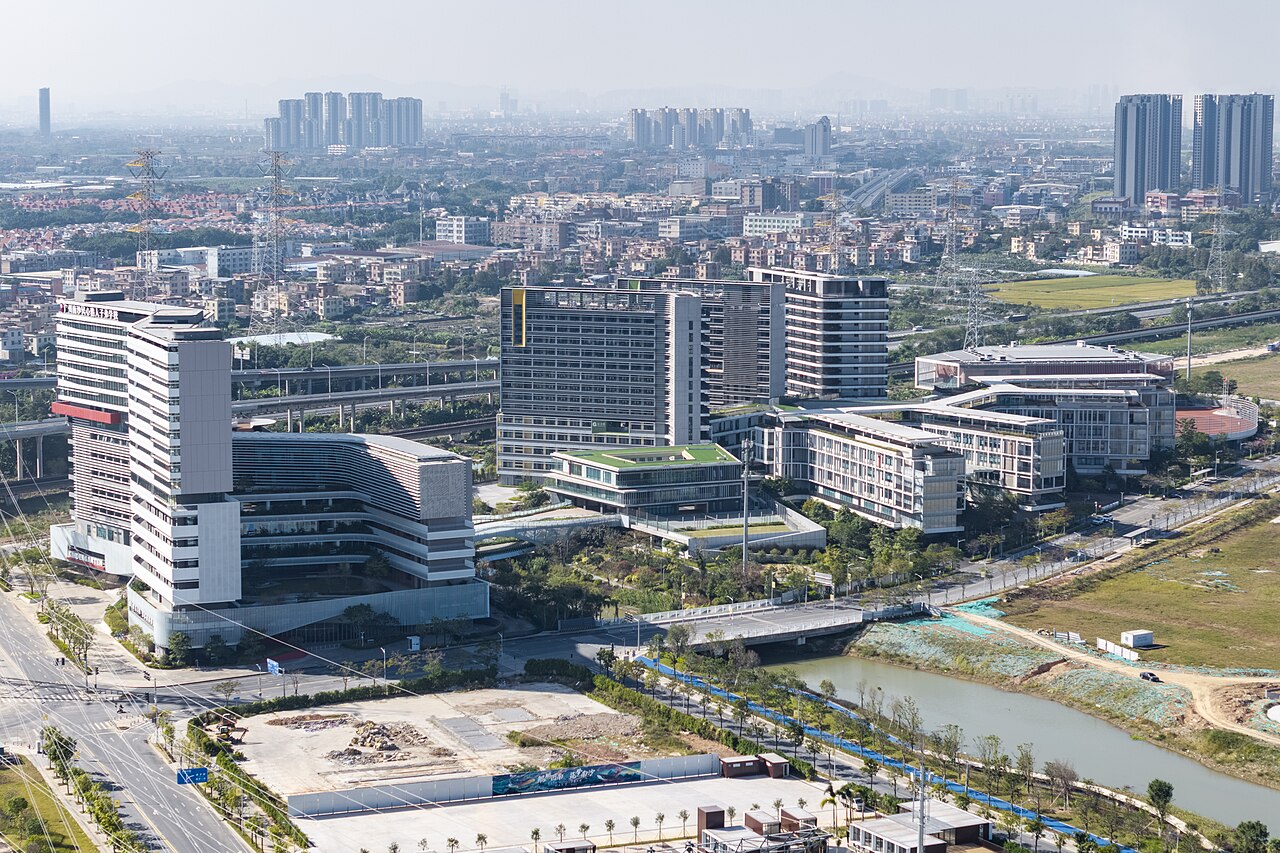
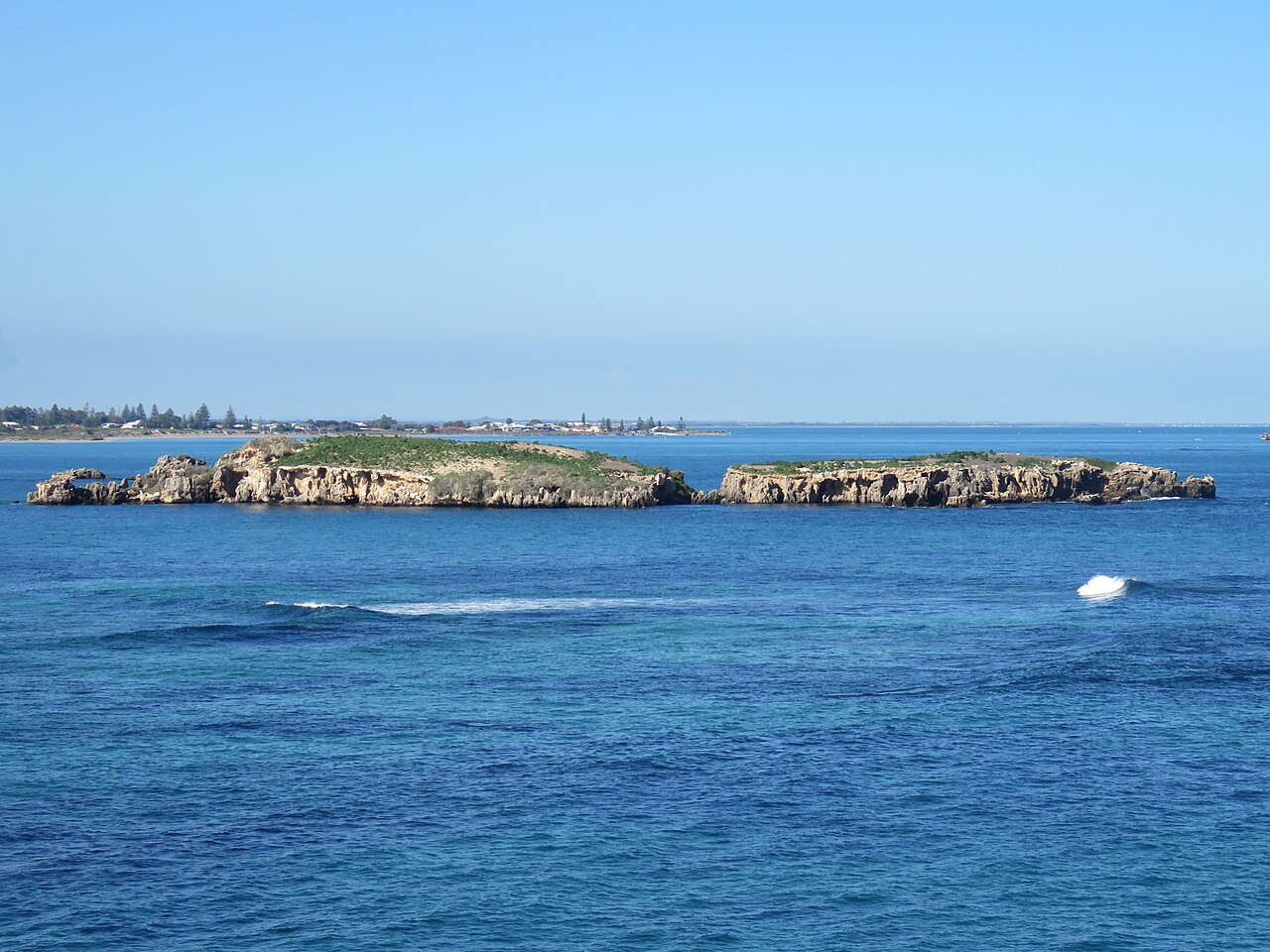
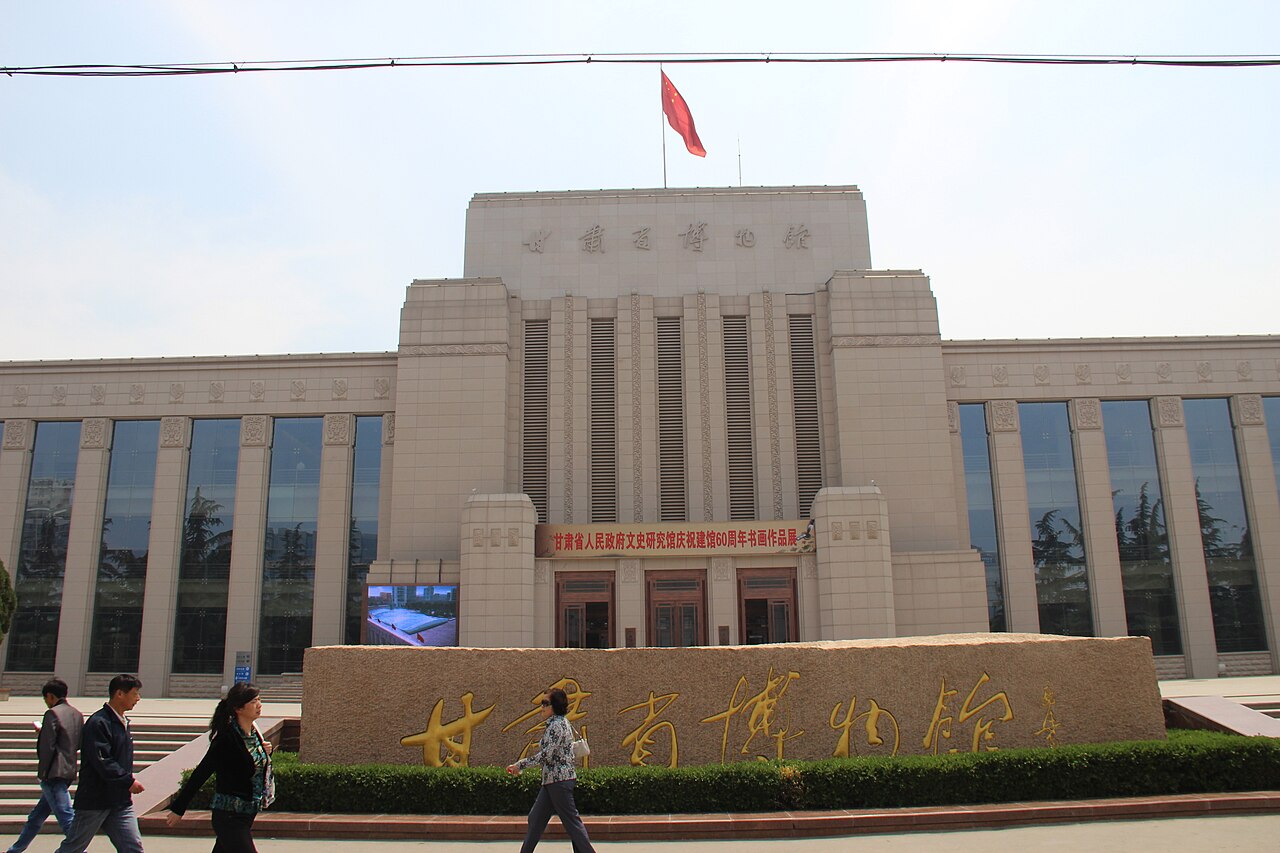
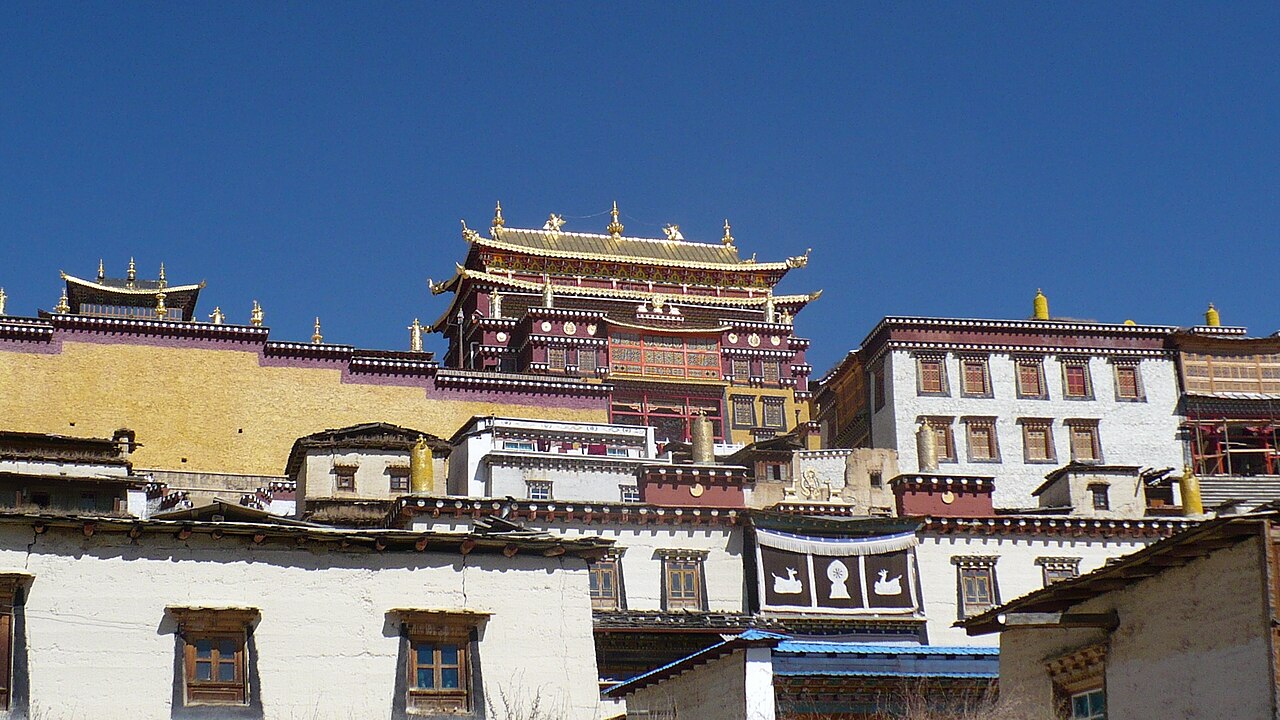
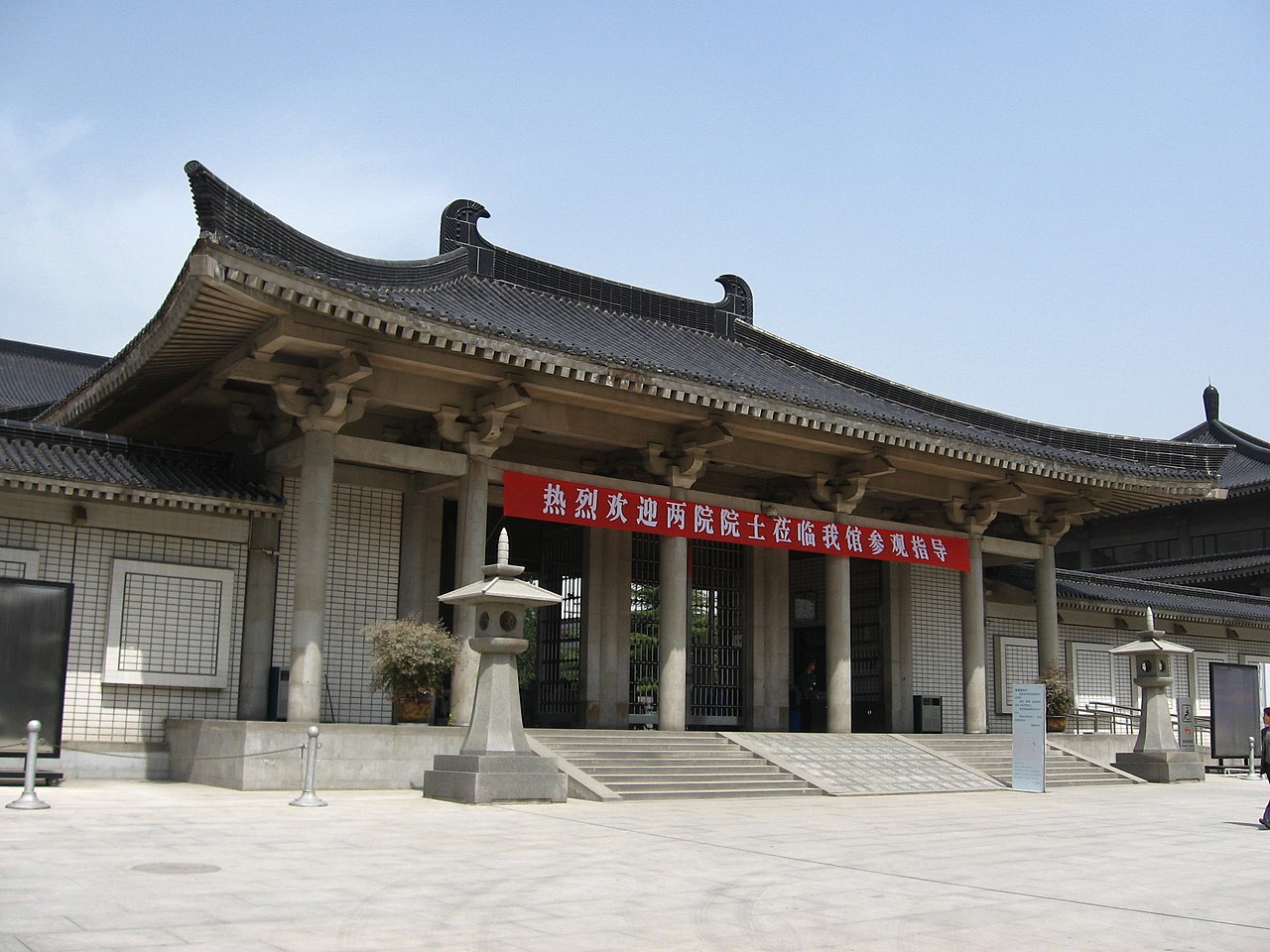
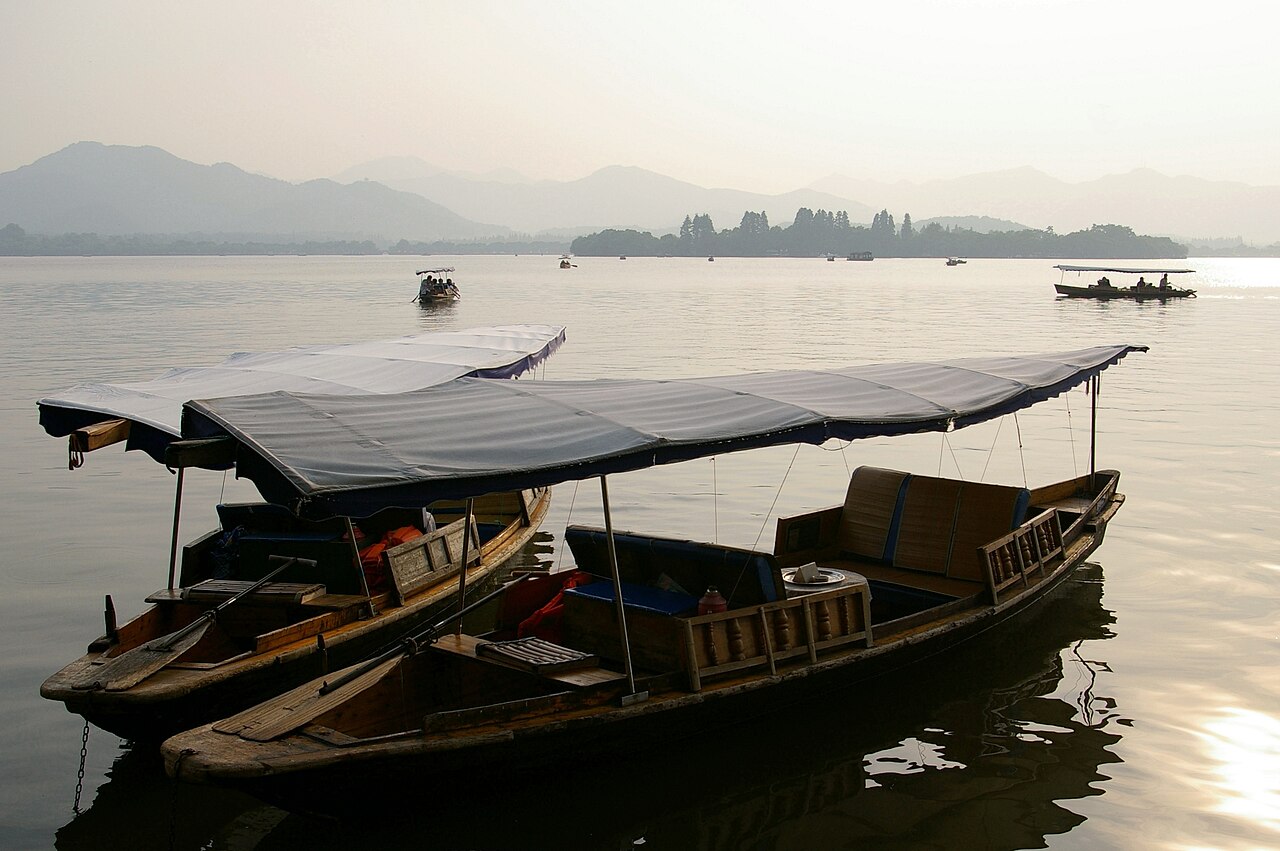
Liugong Island from the harbour, with the naval guns above the landing stage
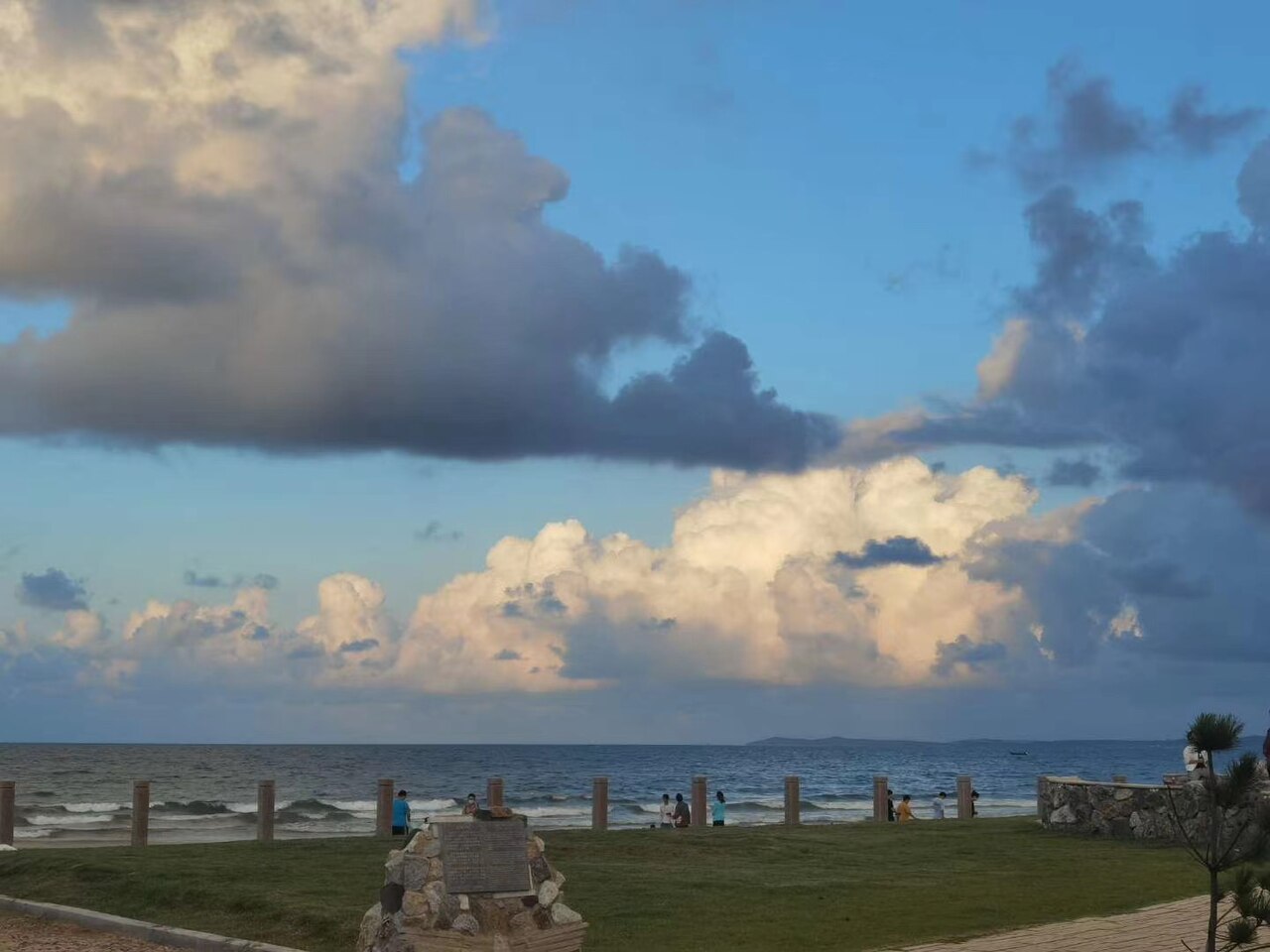
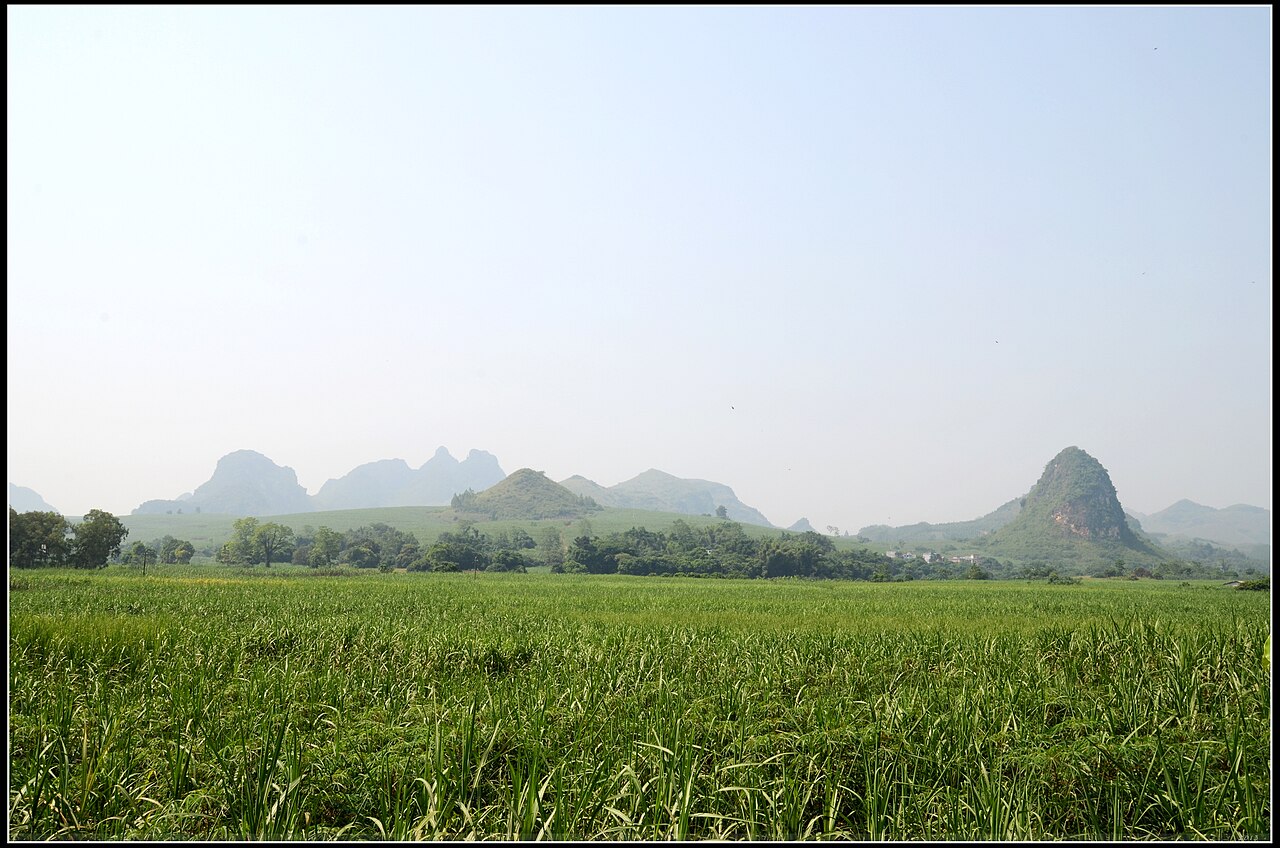
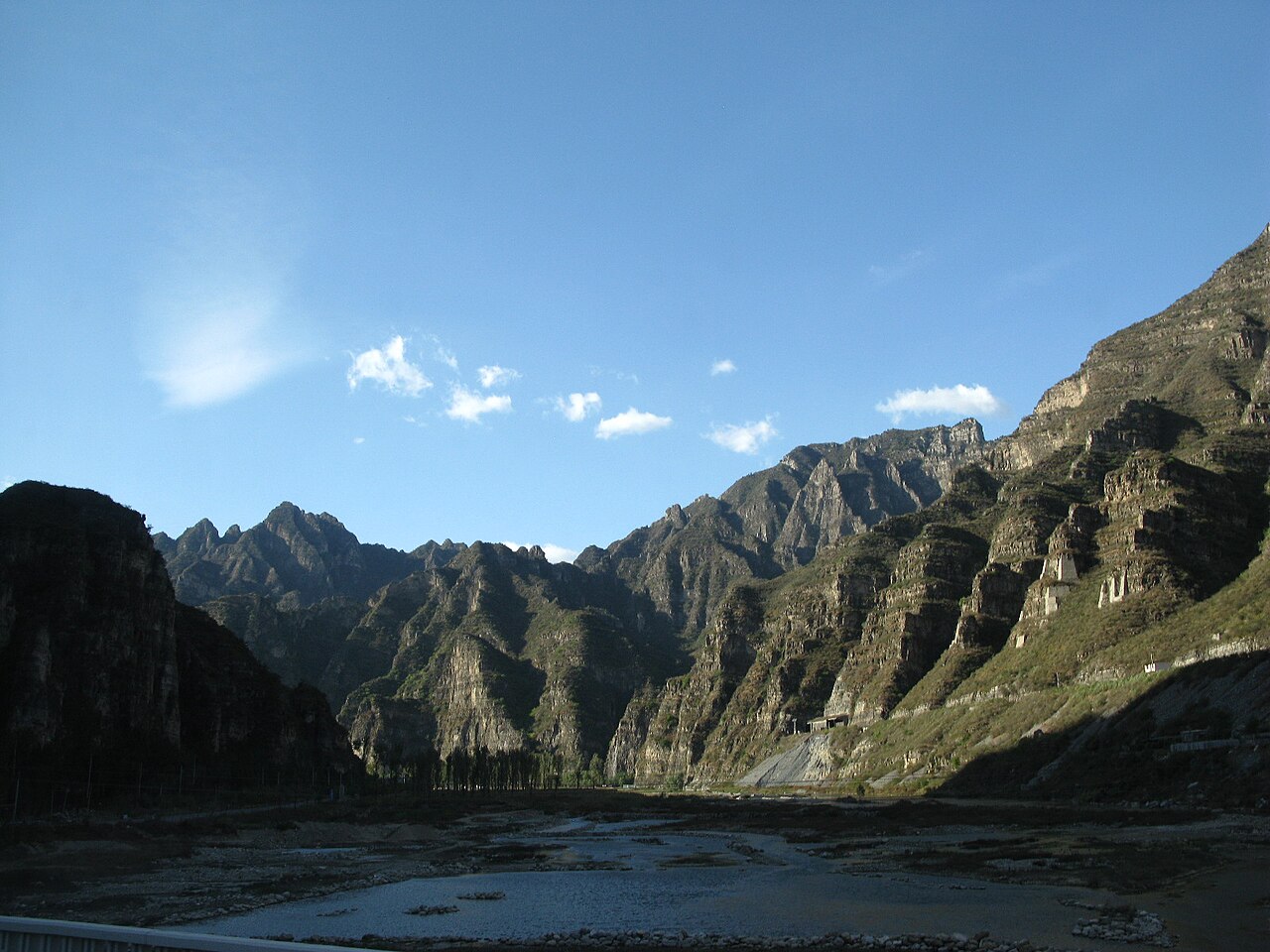
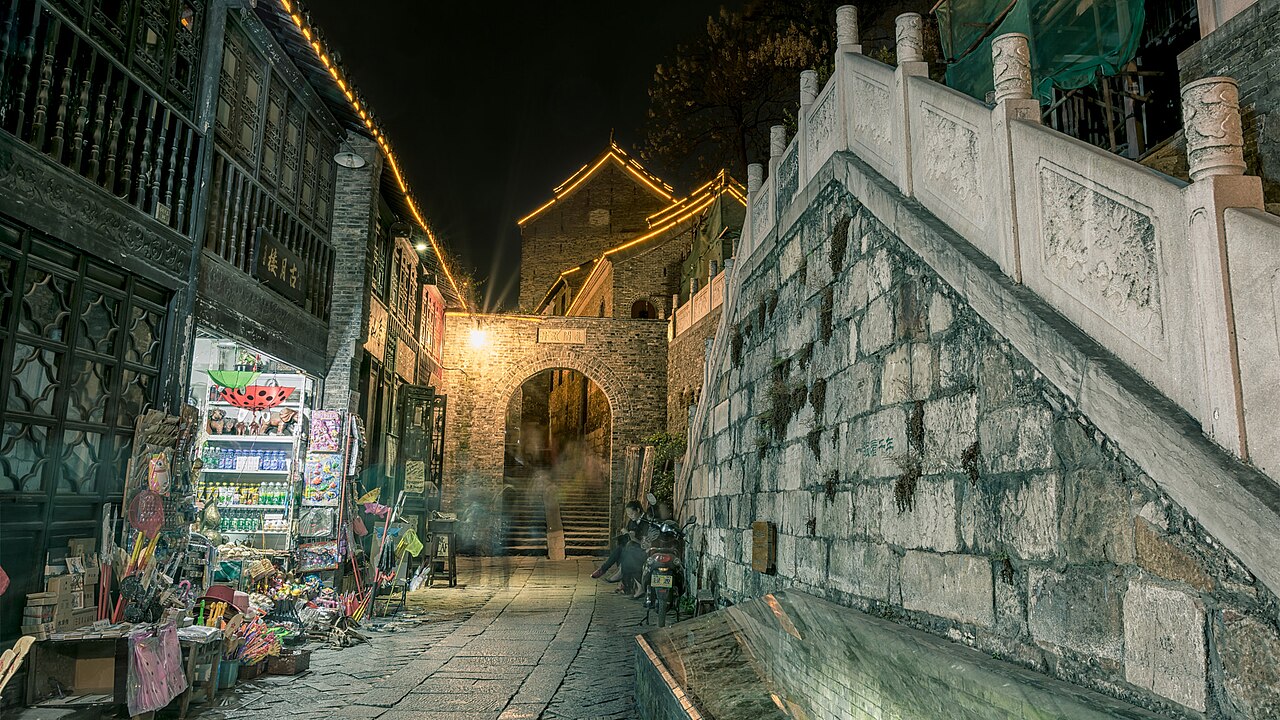
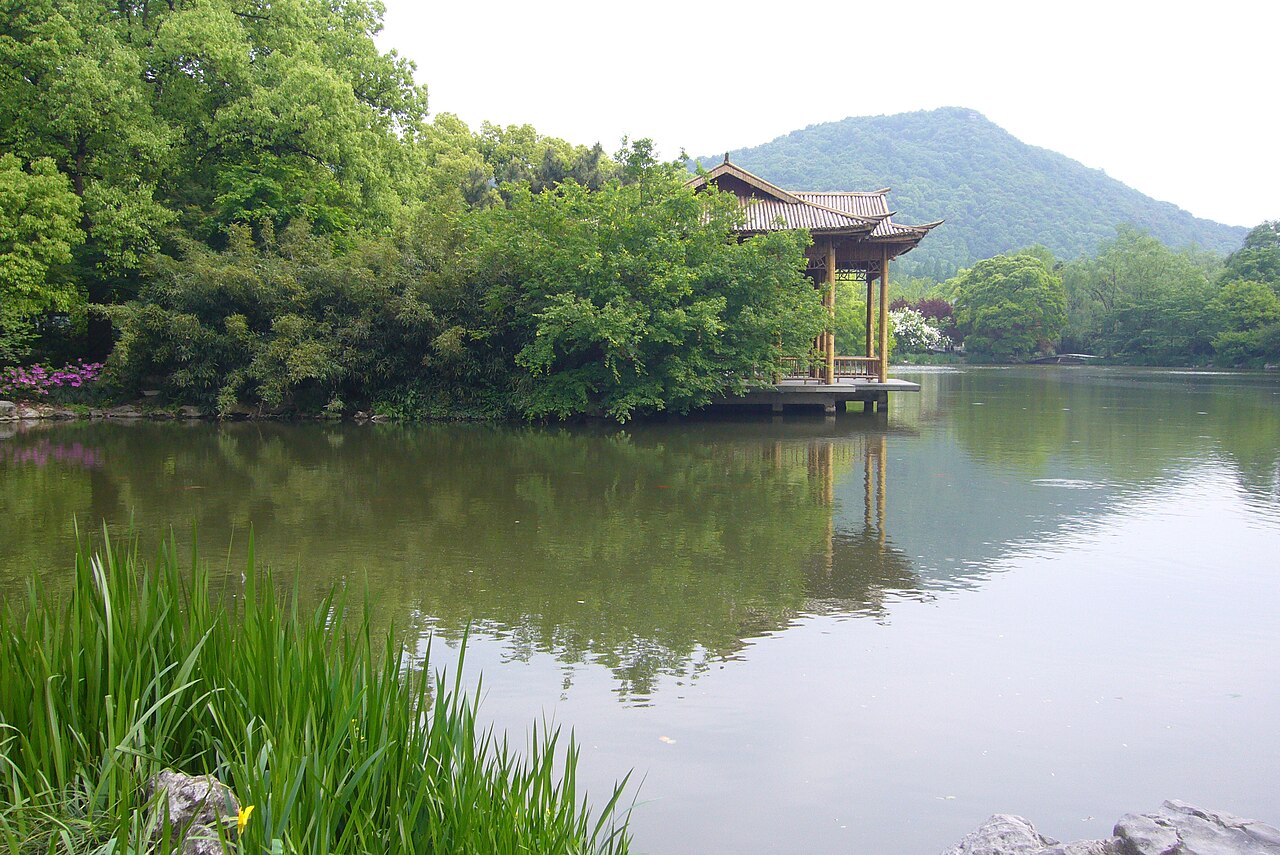
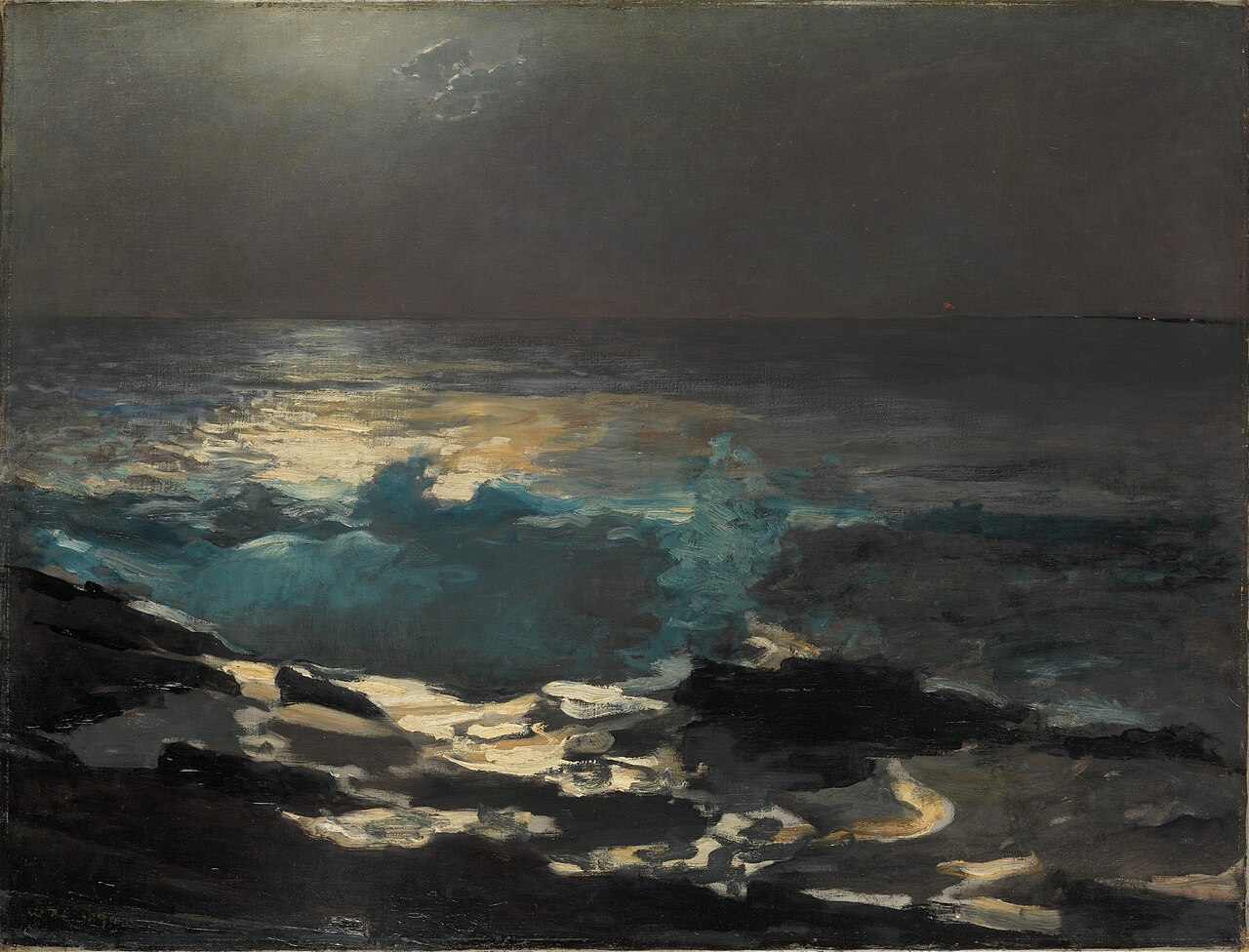
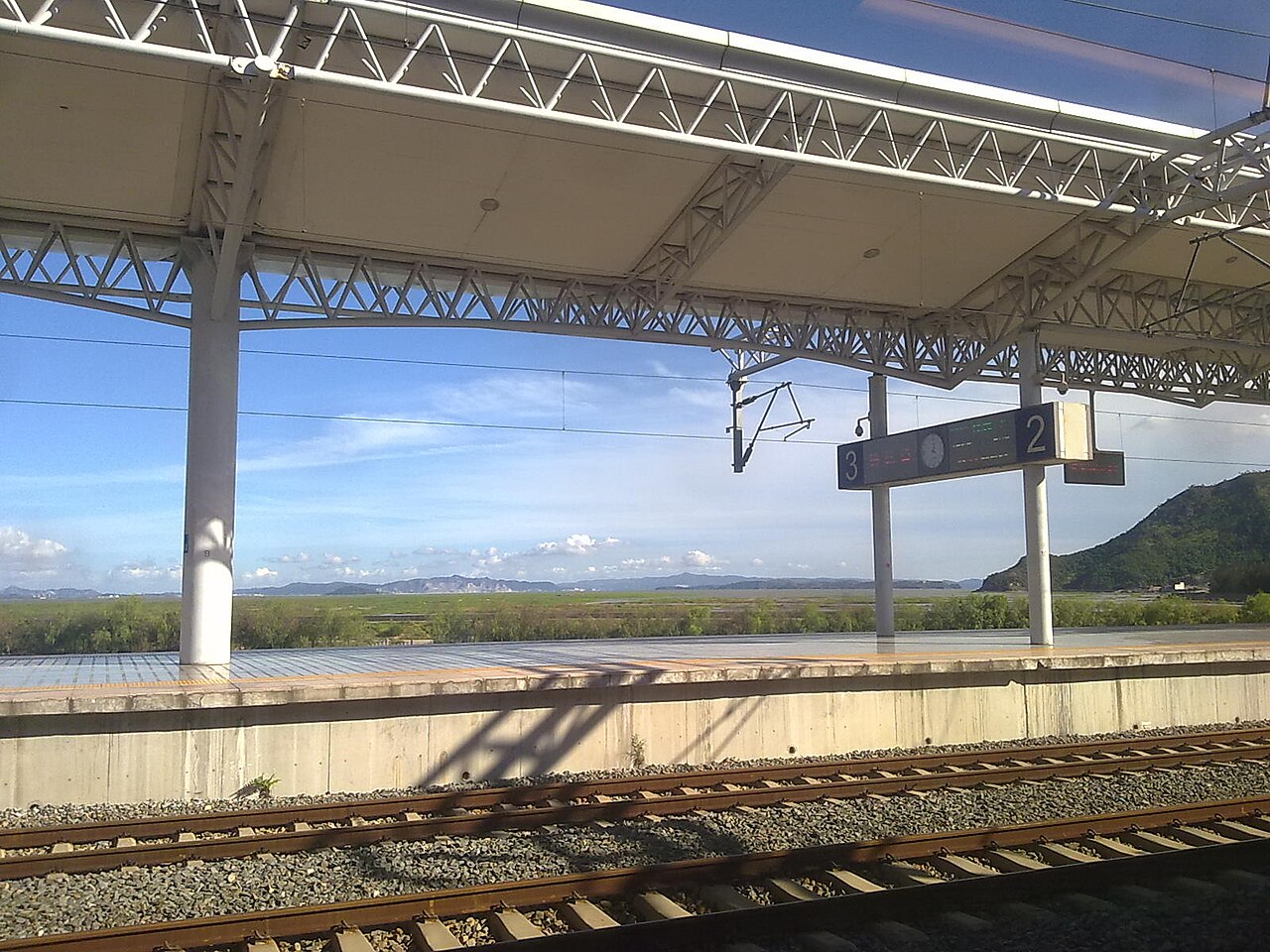
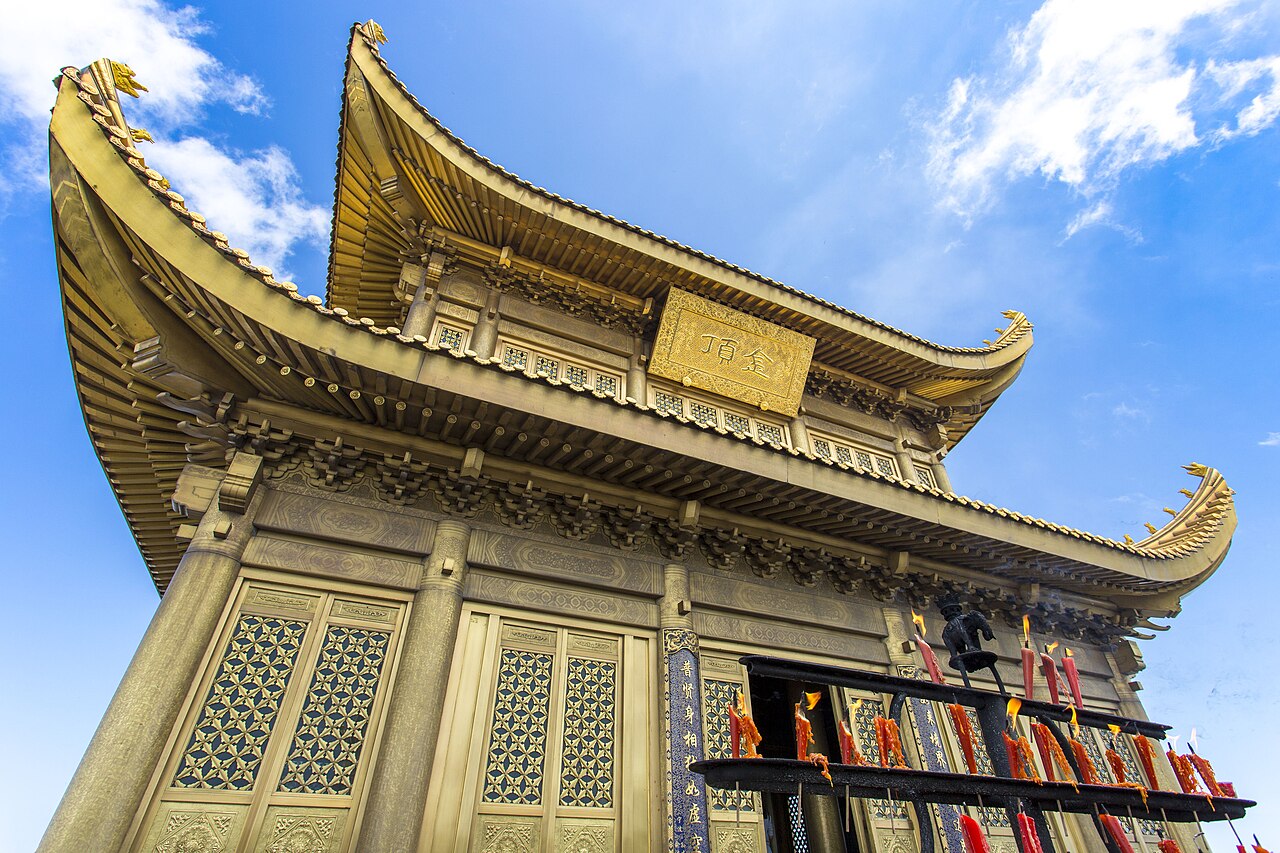
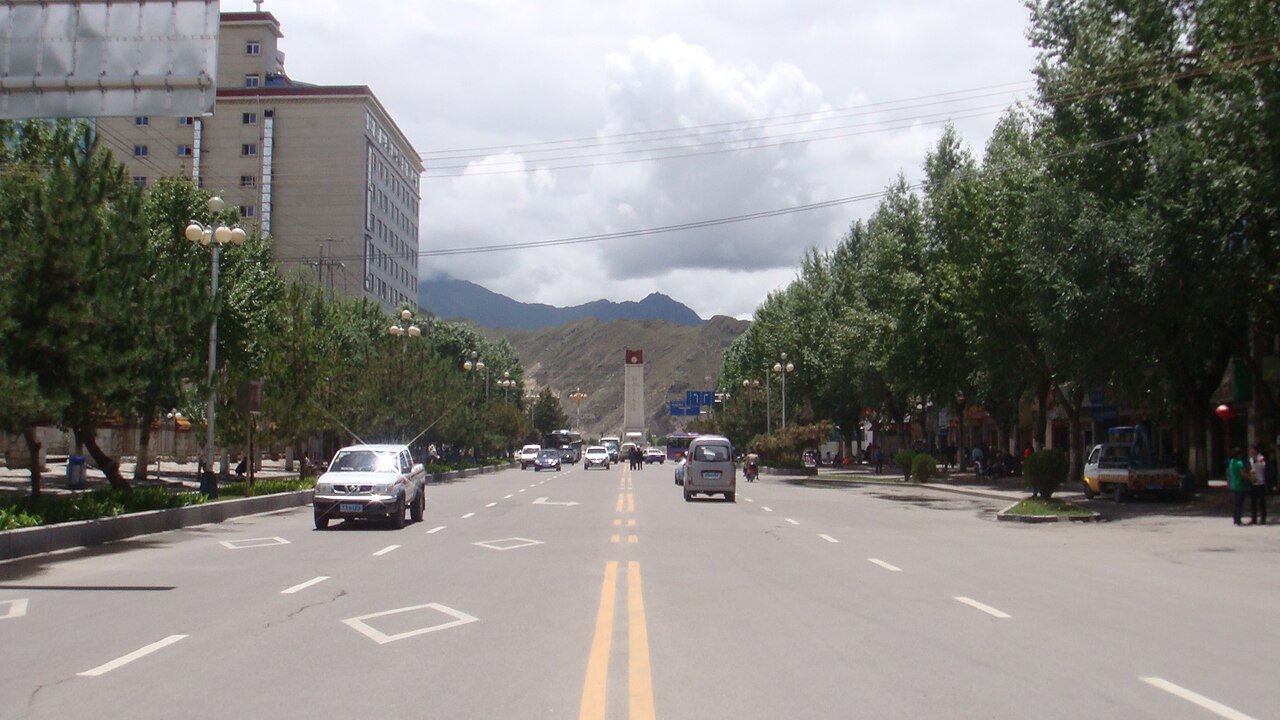
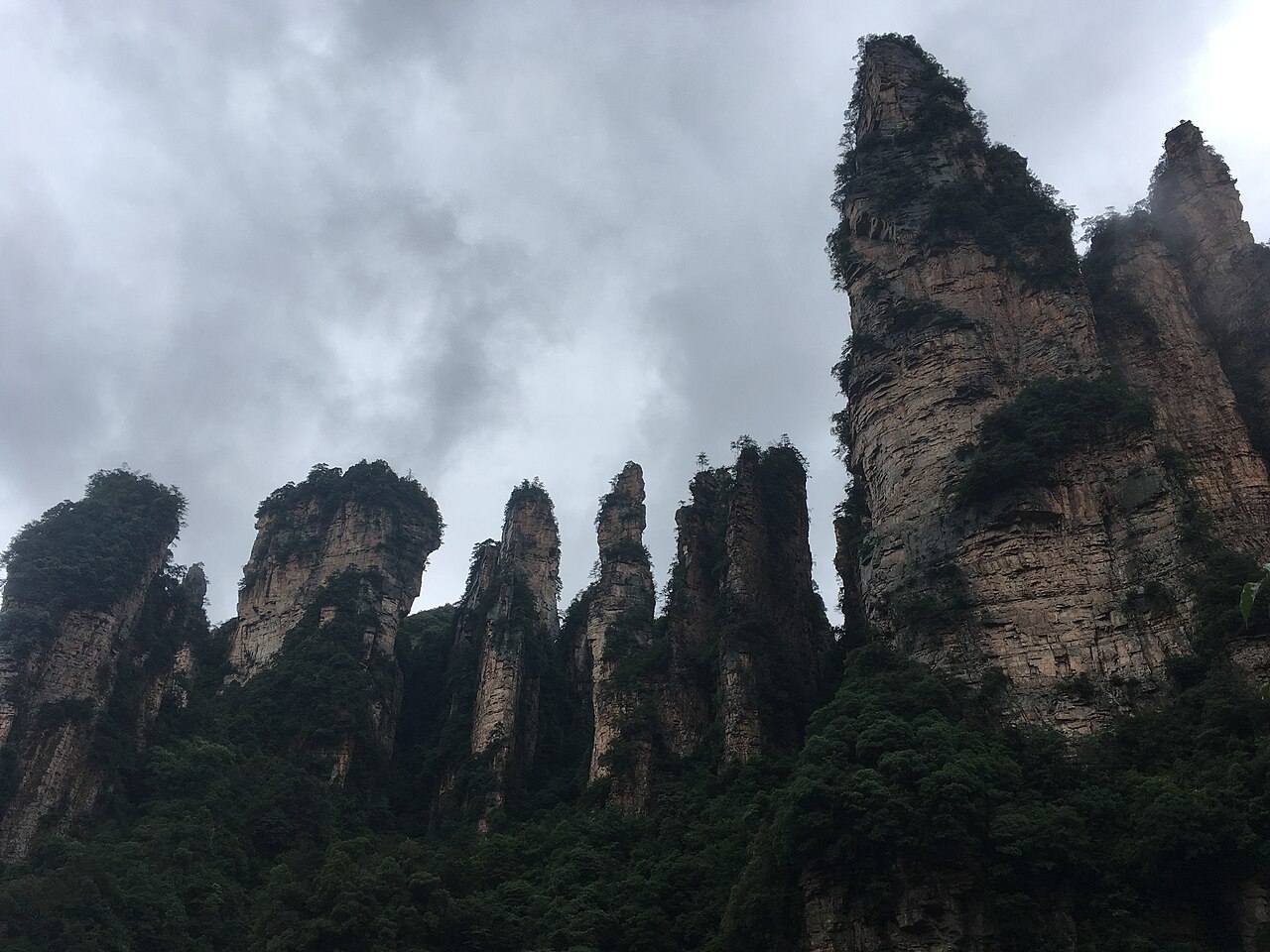
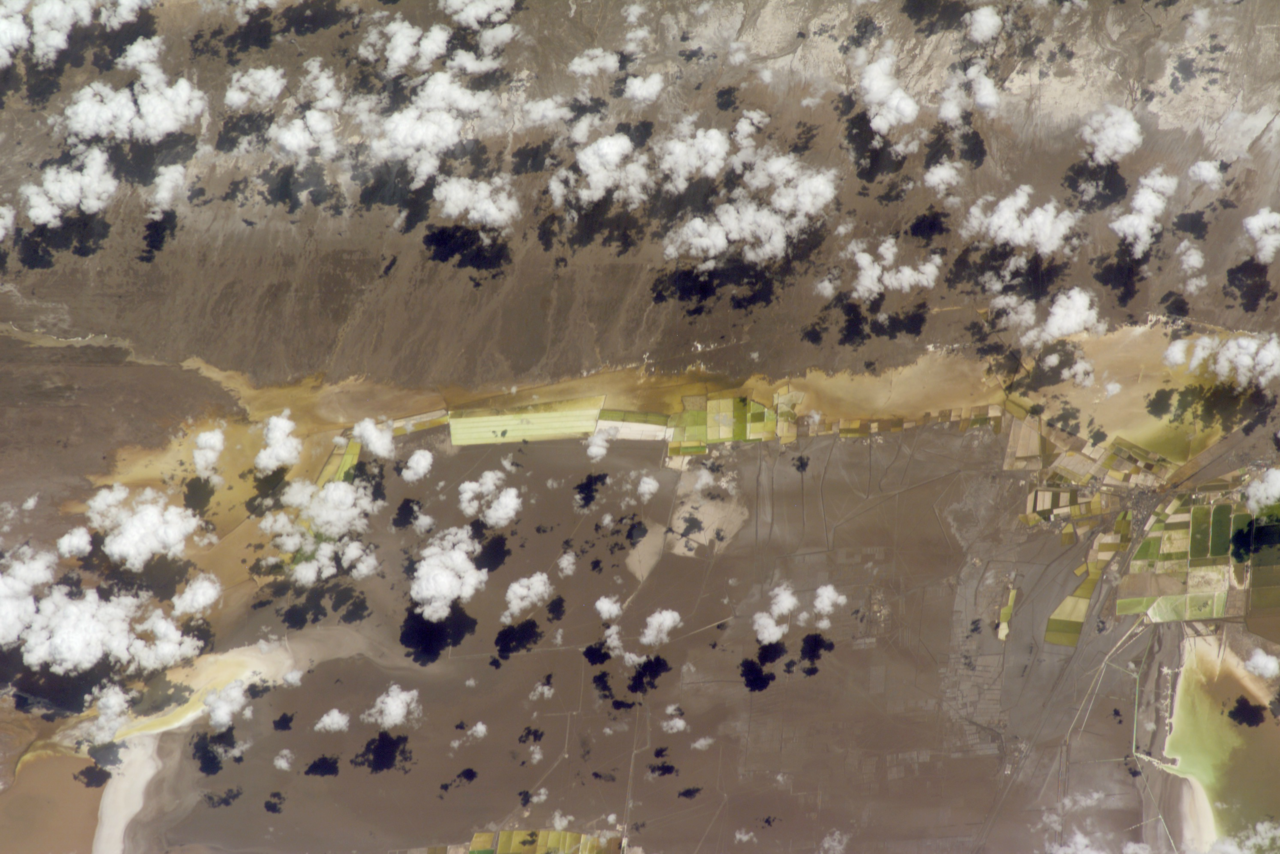
Sunrise the crowds never see, on the cliffs at Chengshantou
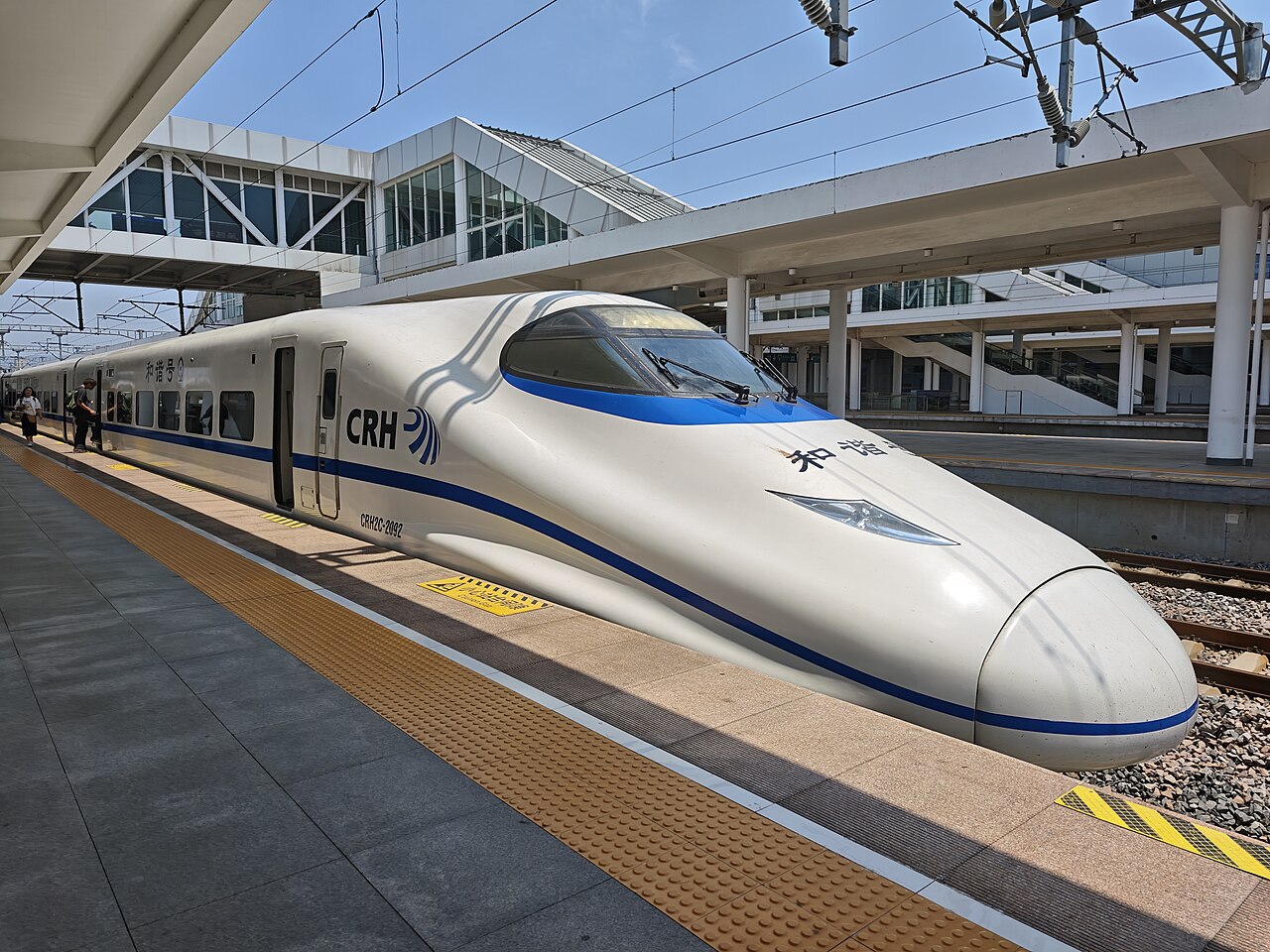
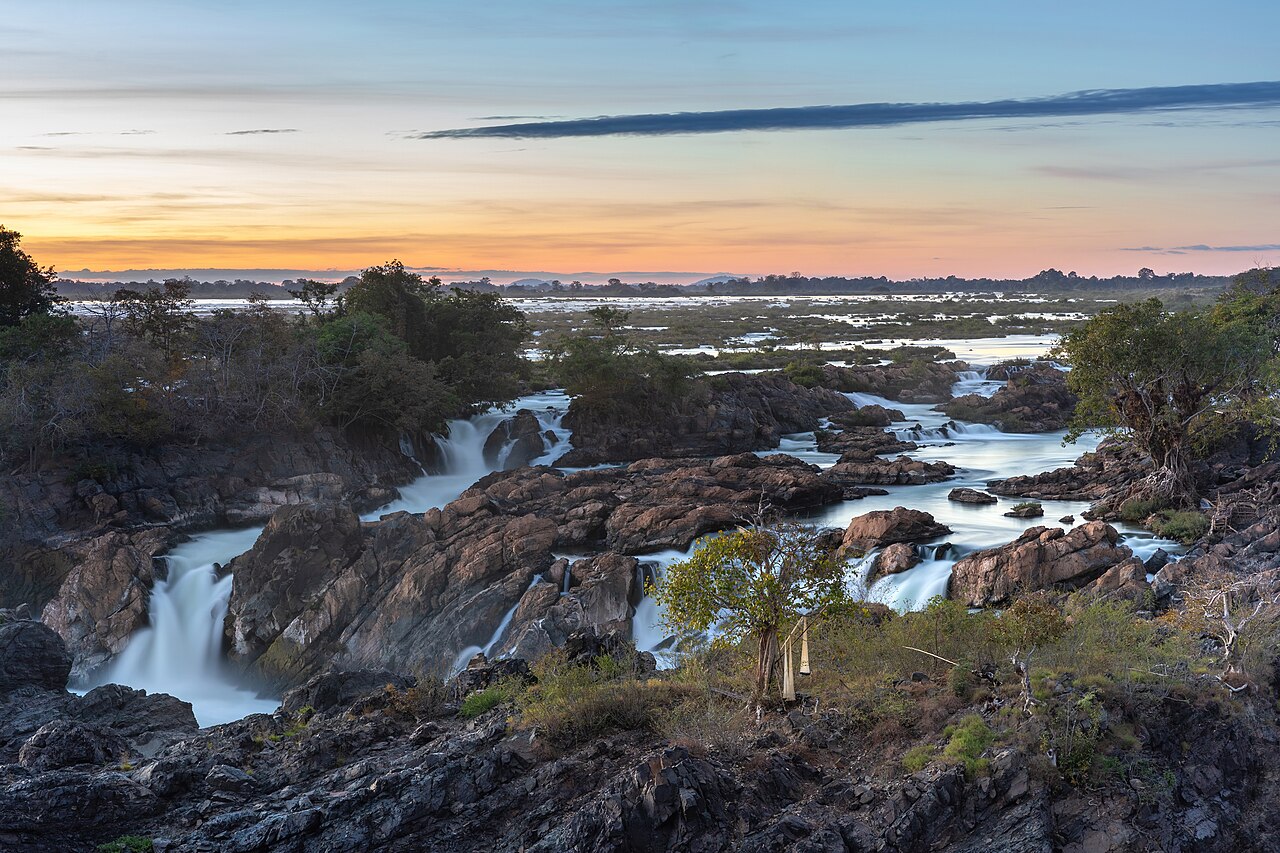
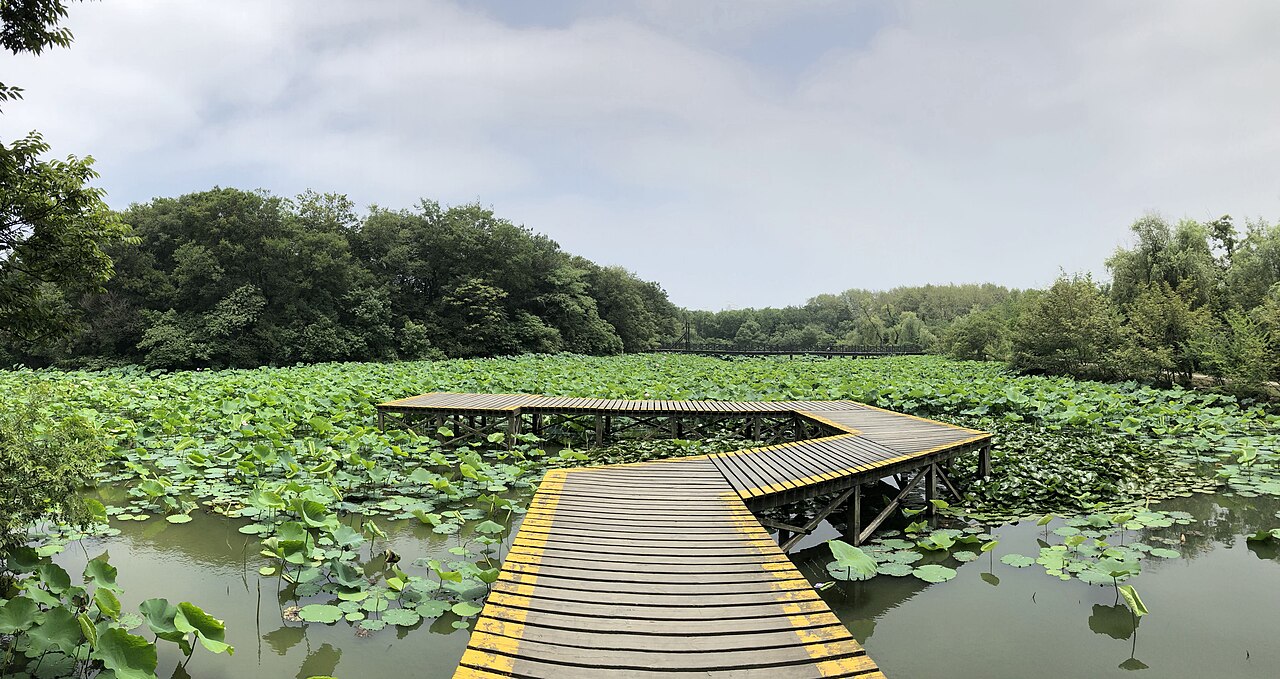
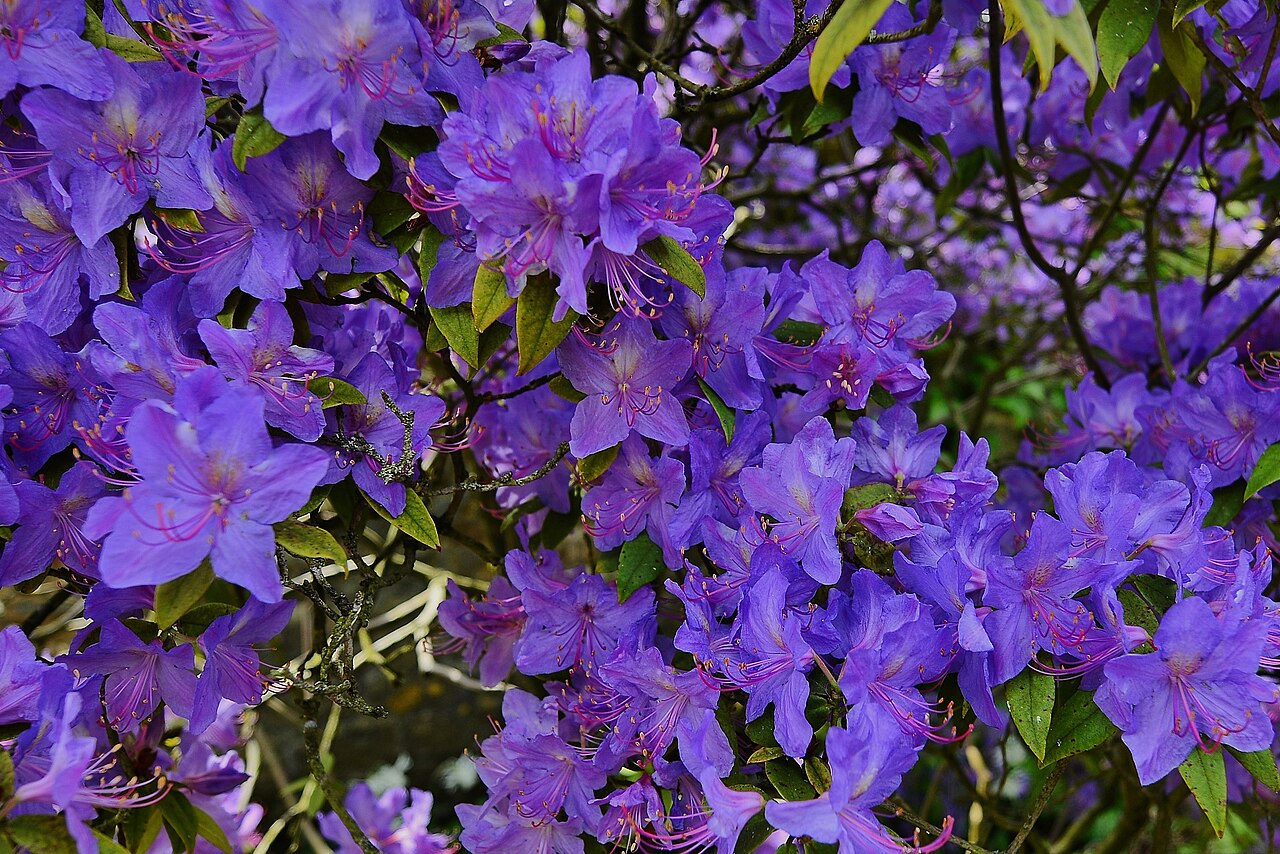
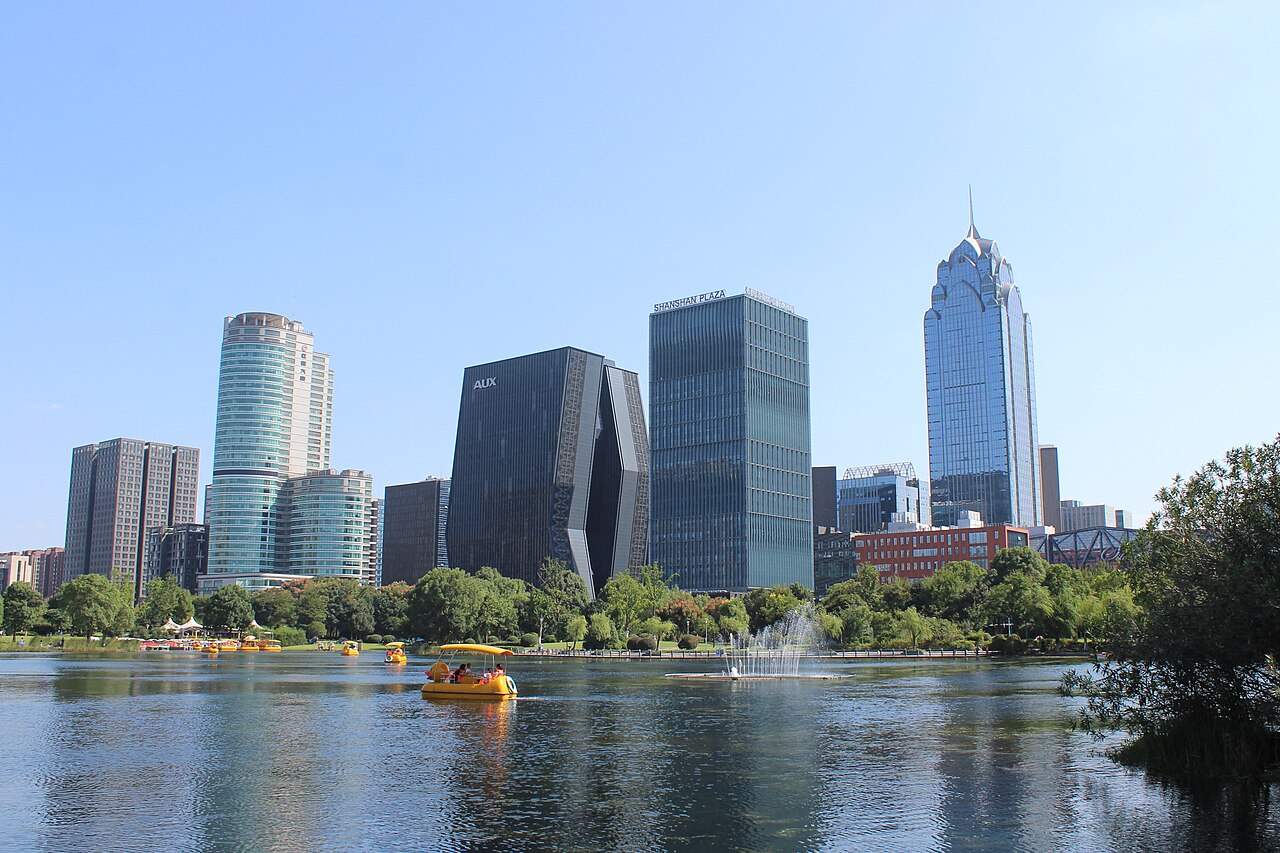
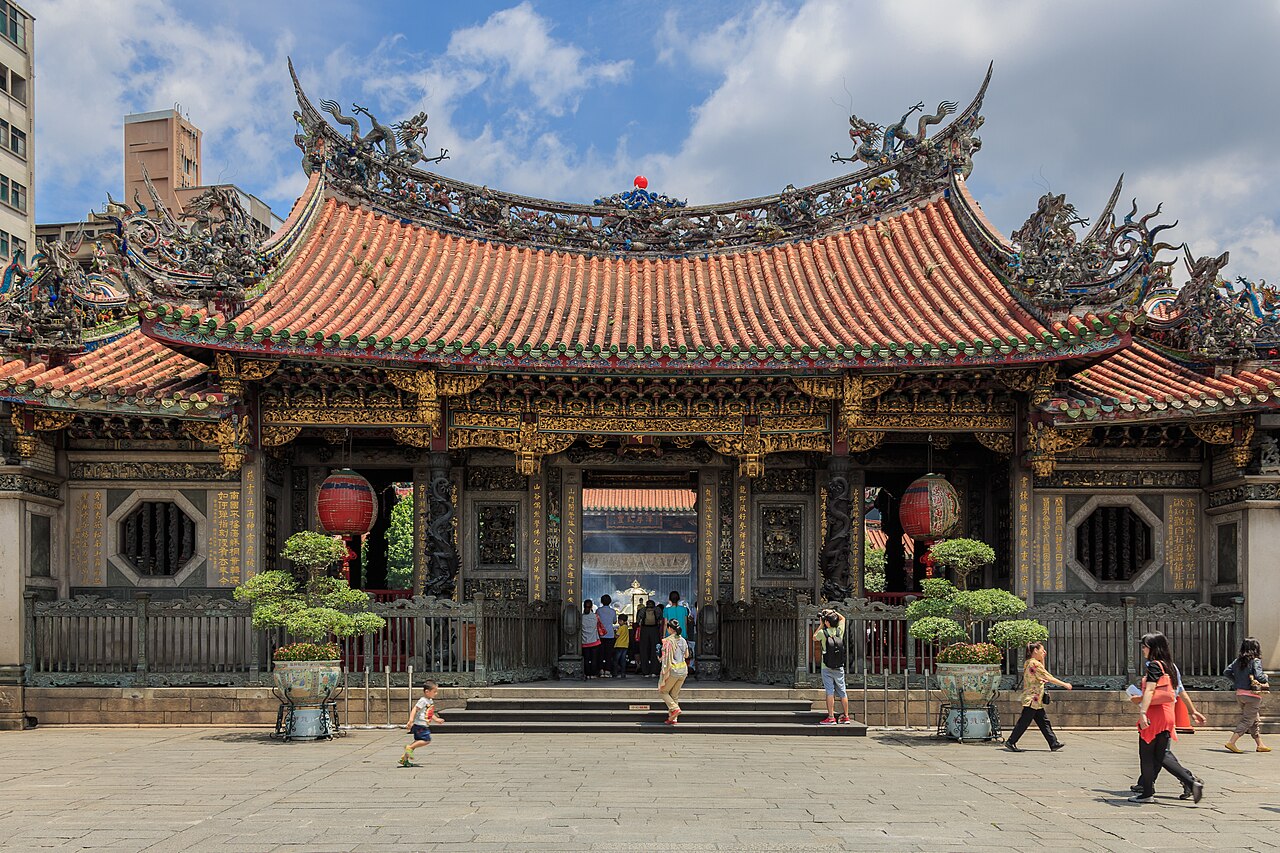
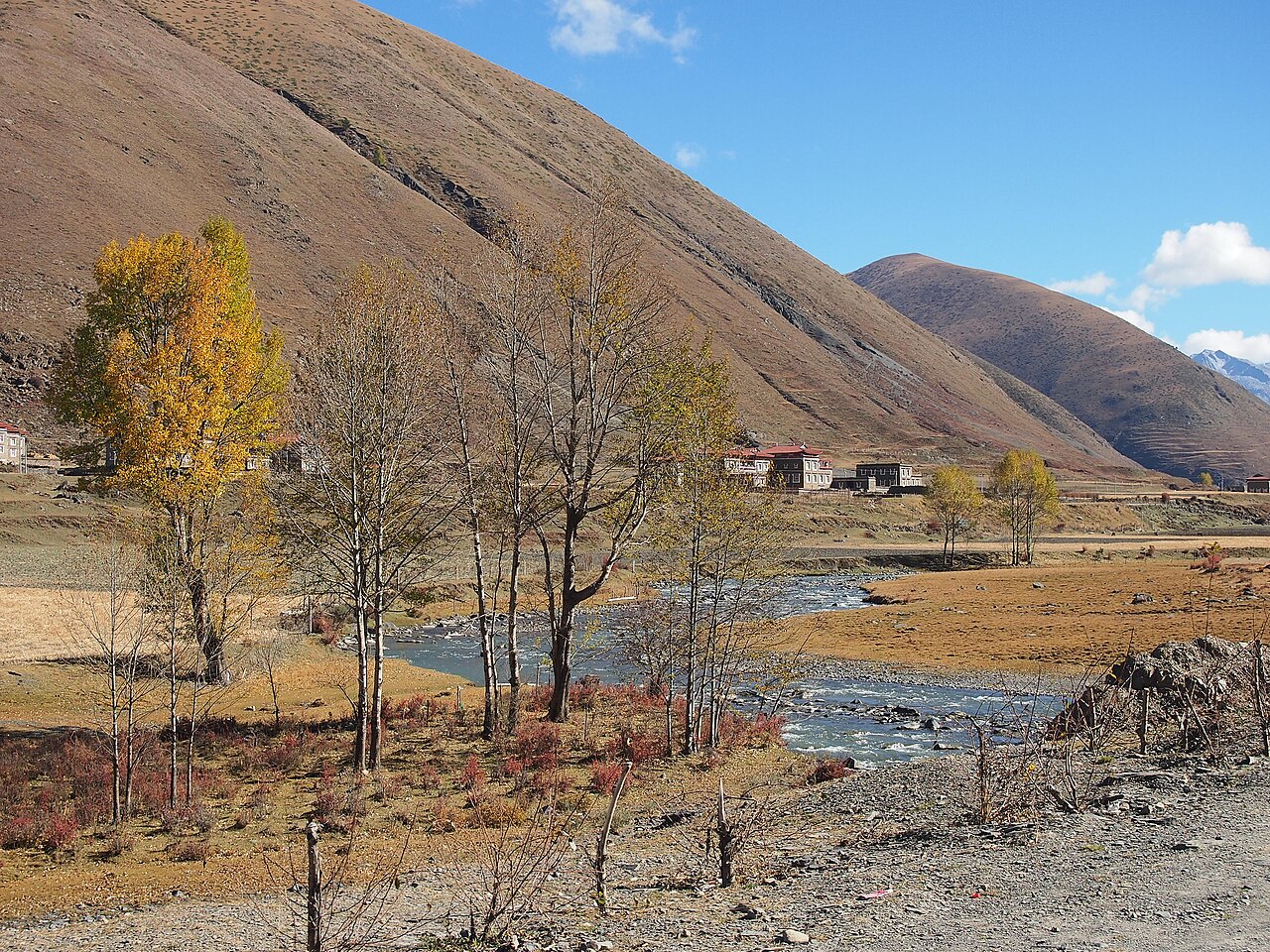
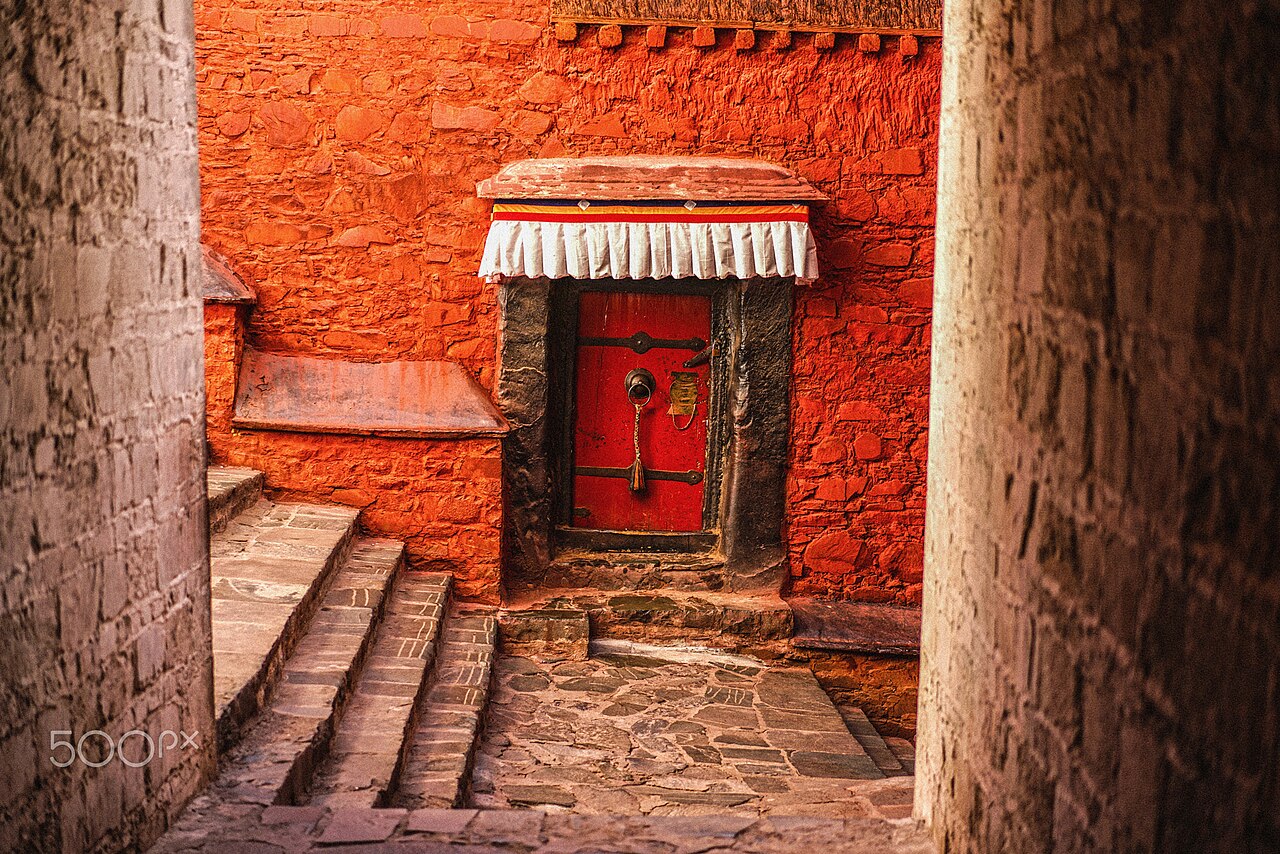
Wild swans on the lagoon behind the sand bar at Chengshanwei
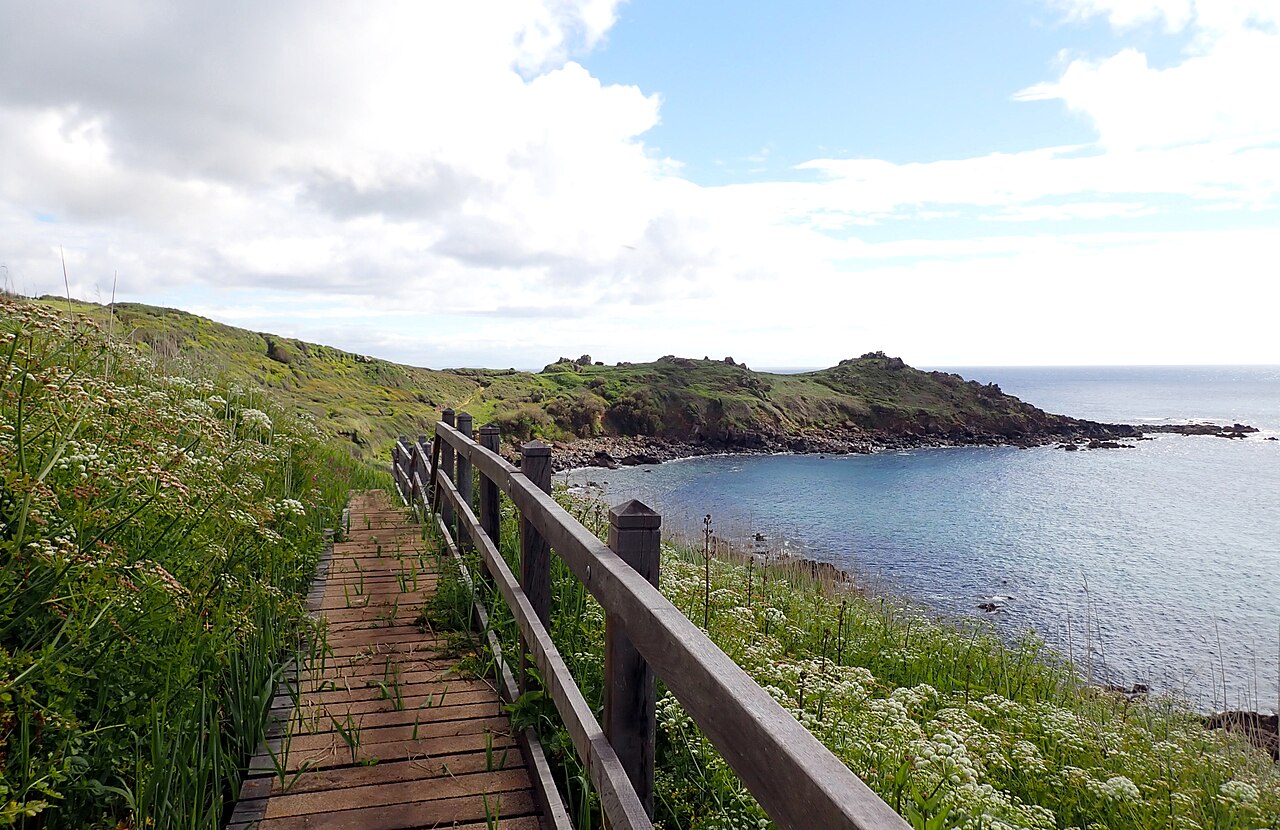
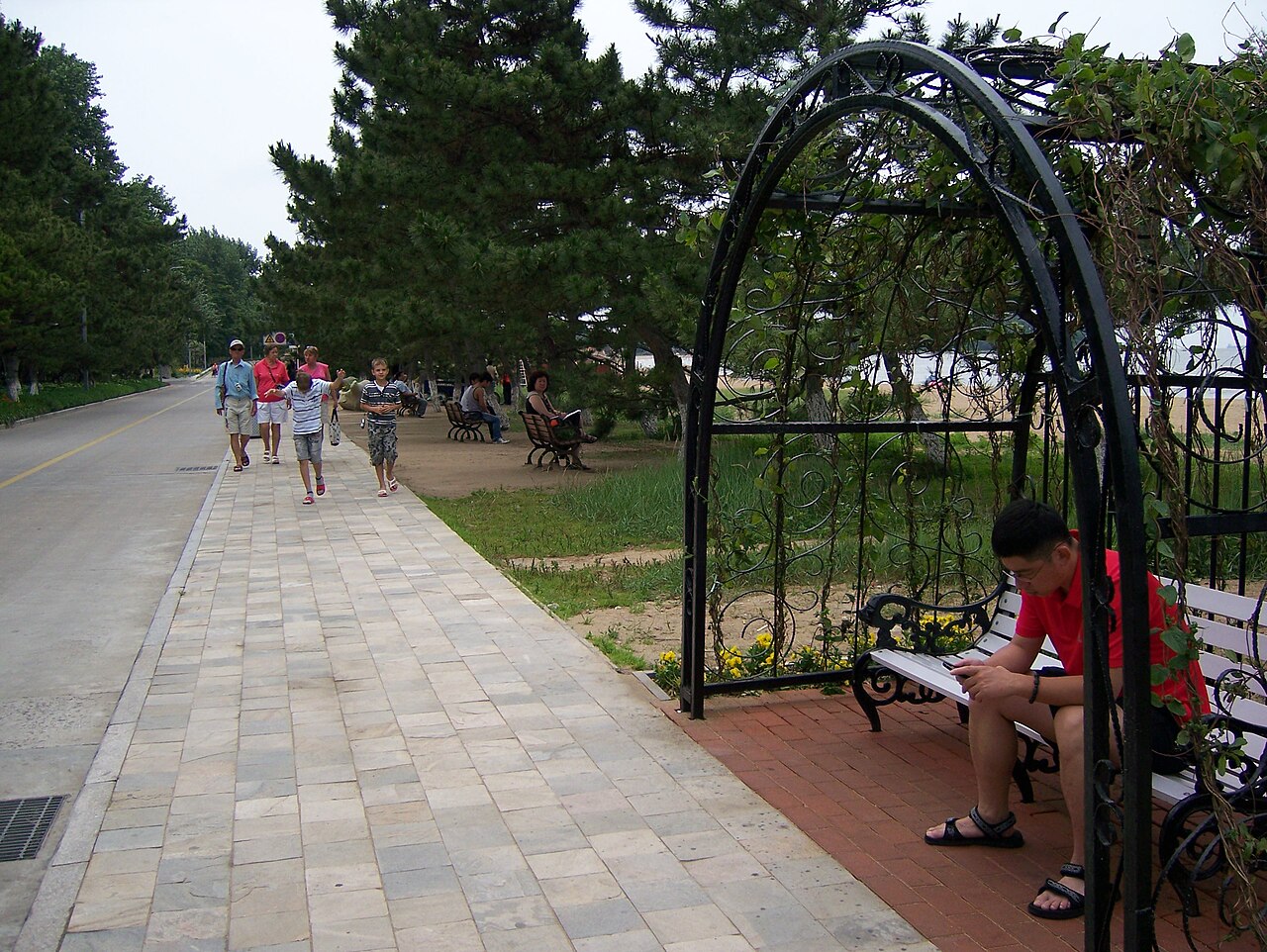
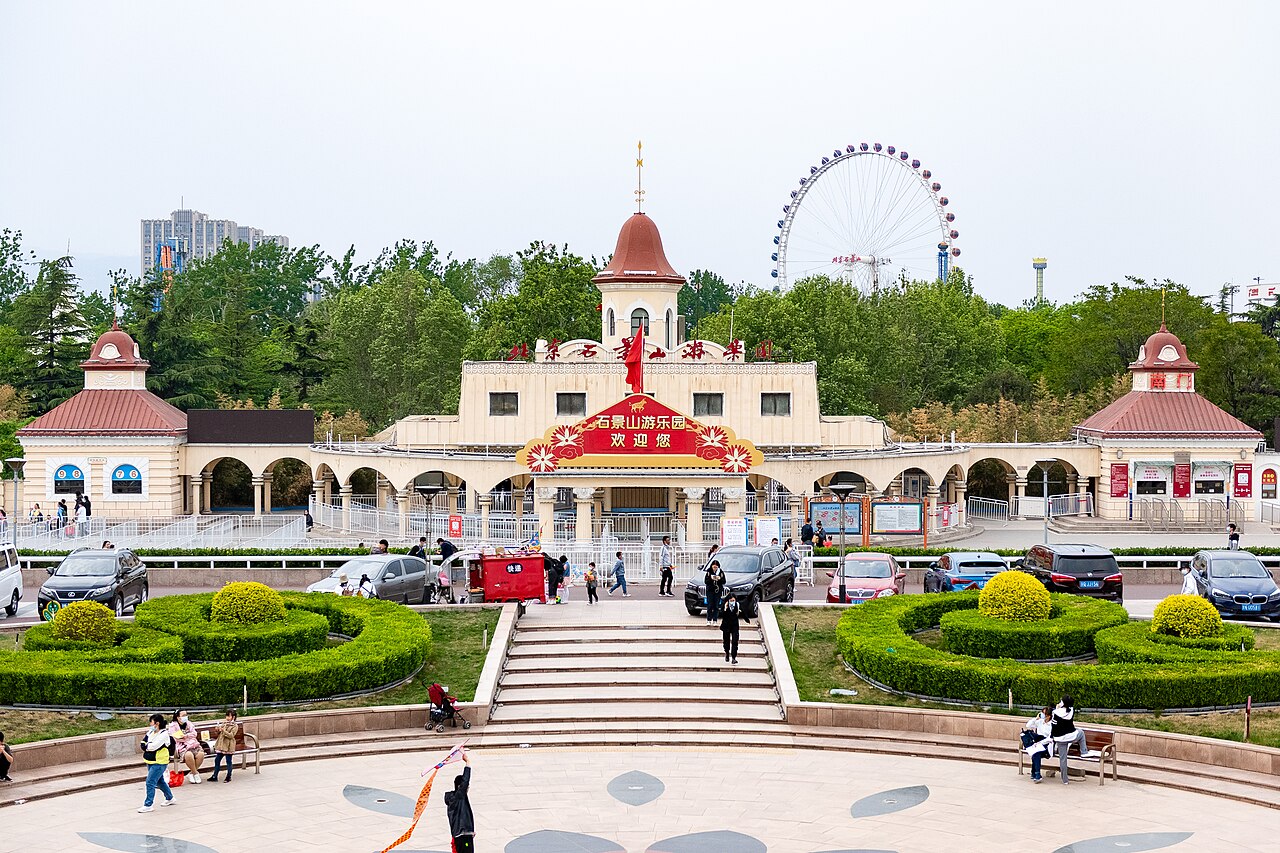
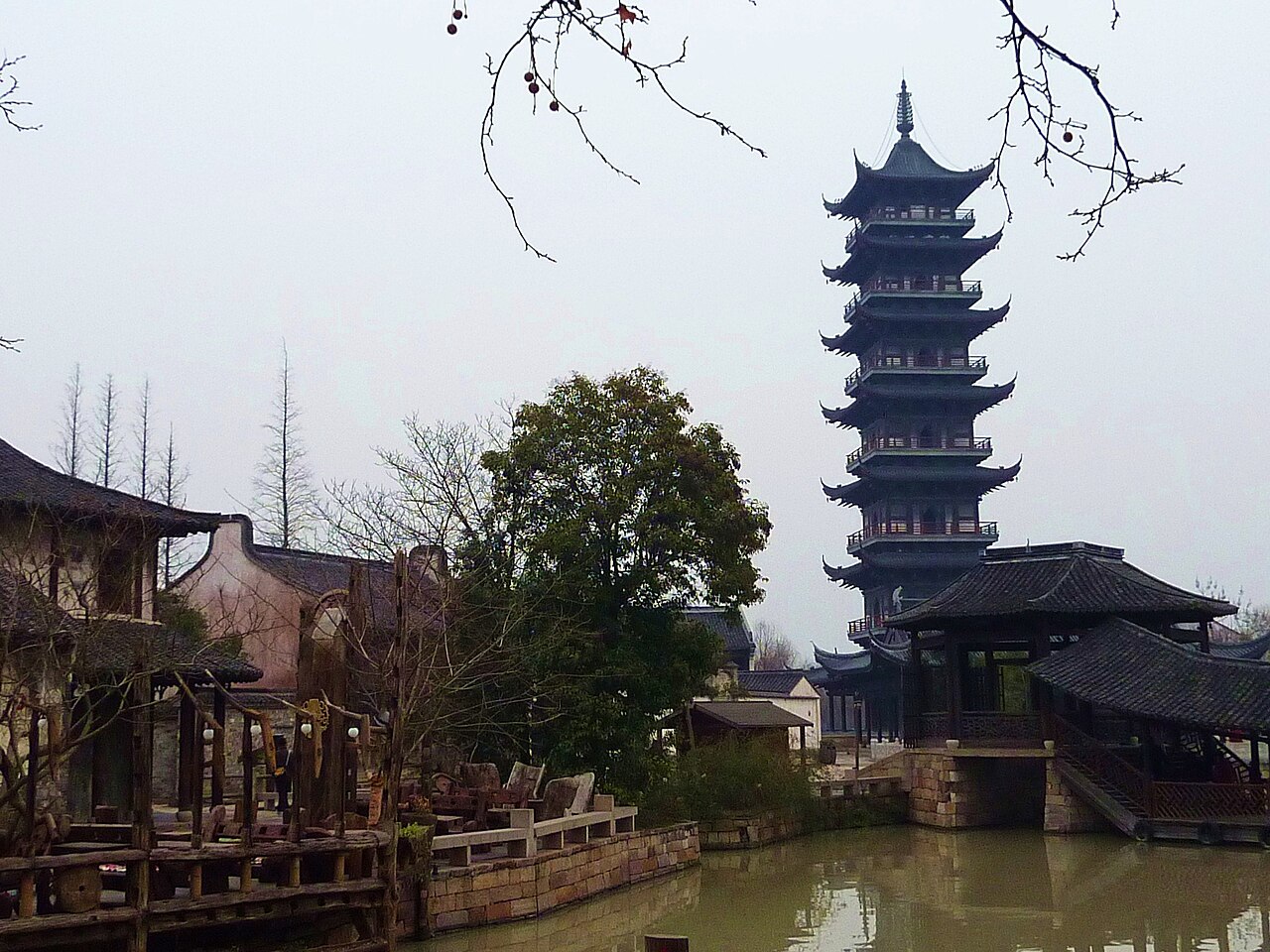
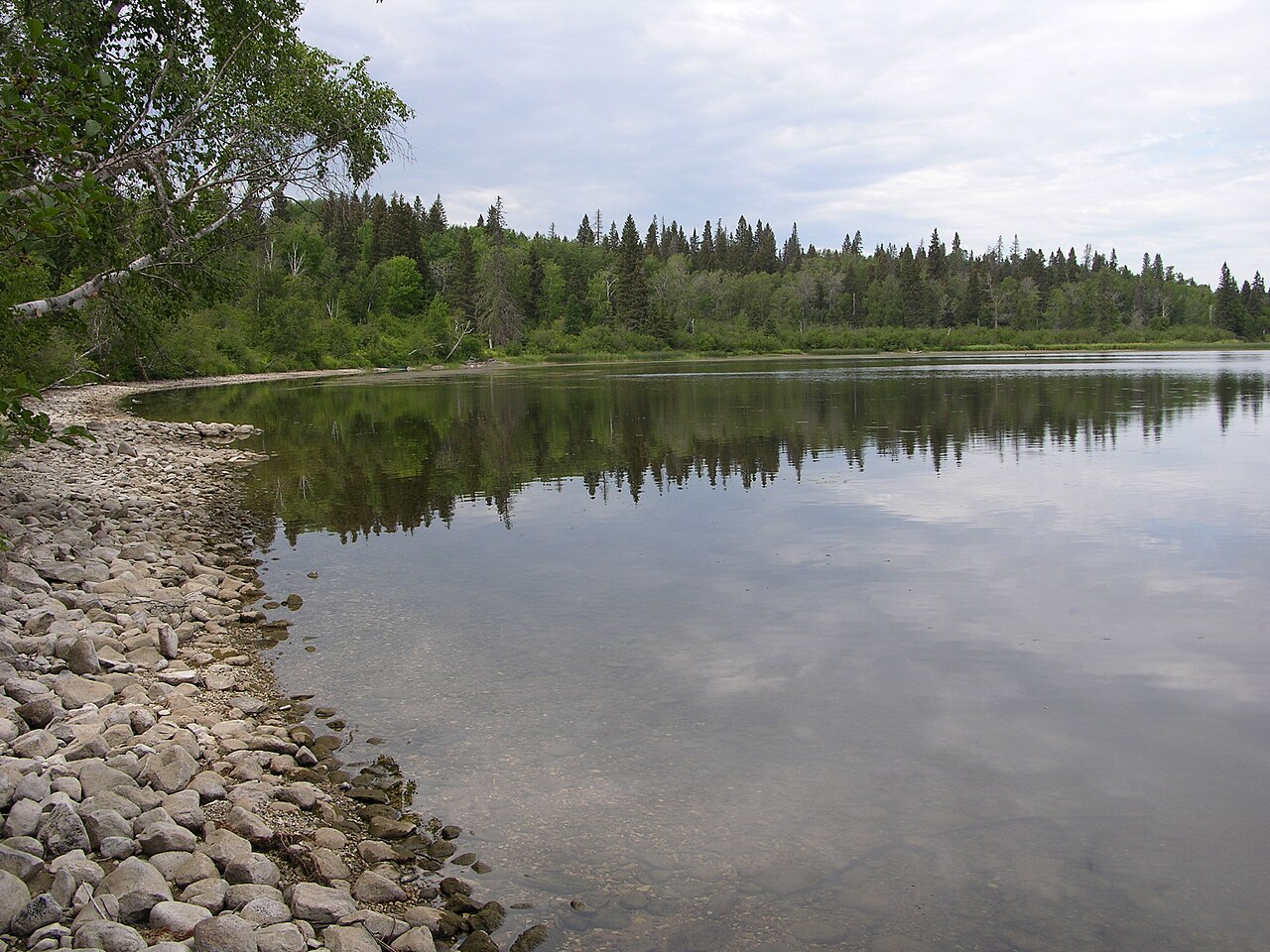
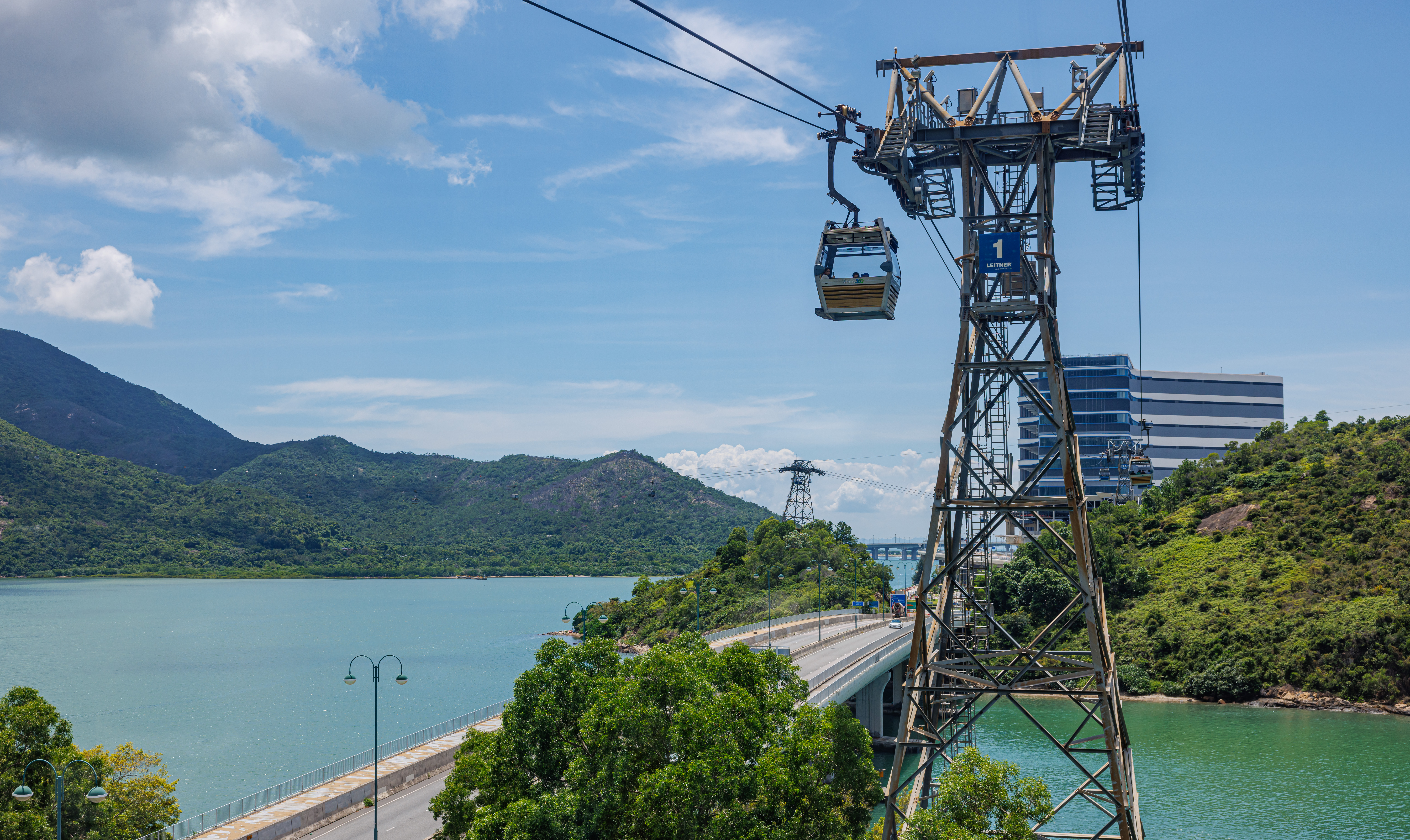
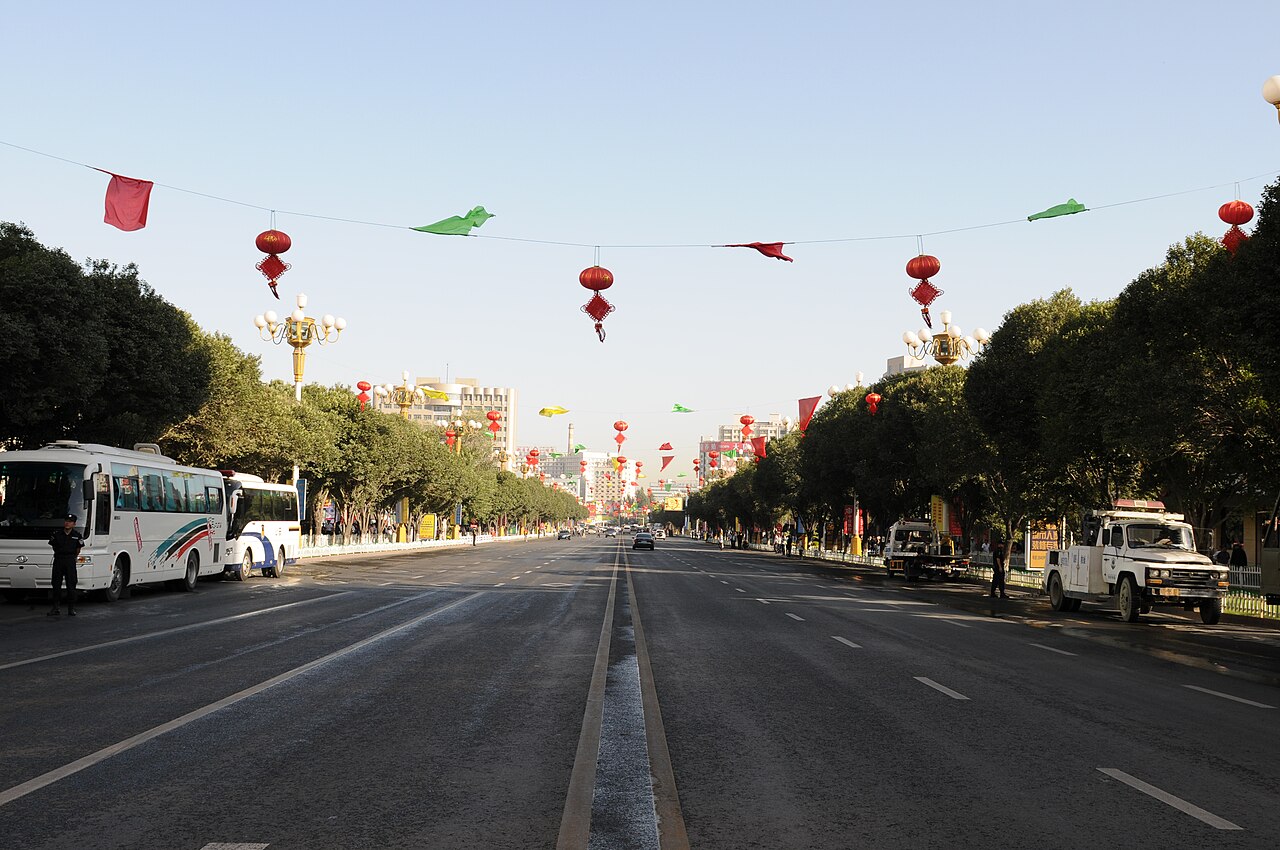
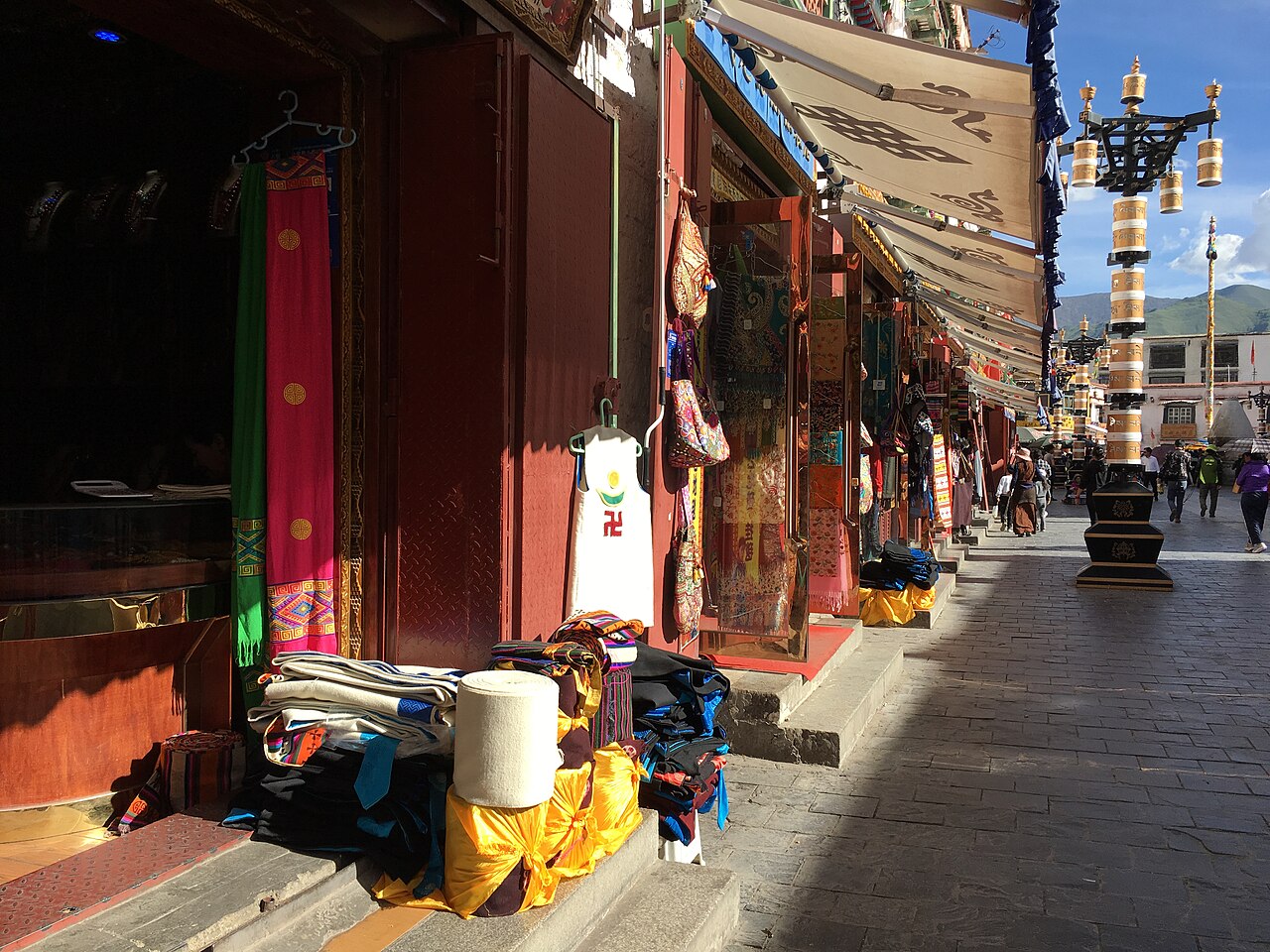
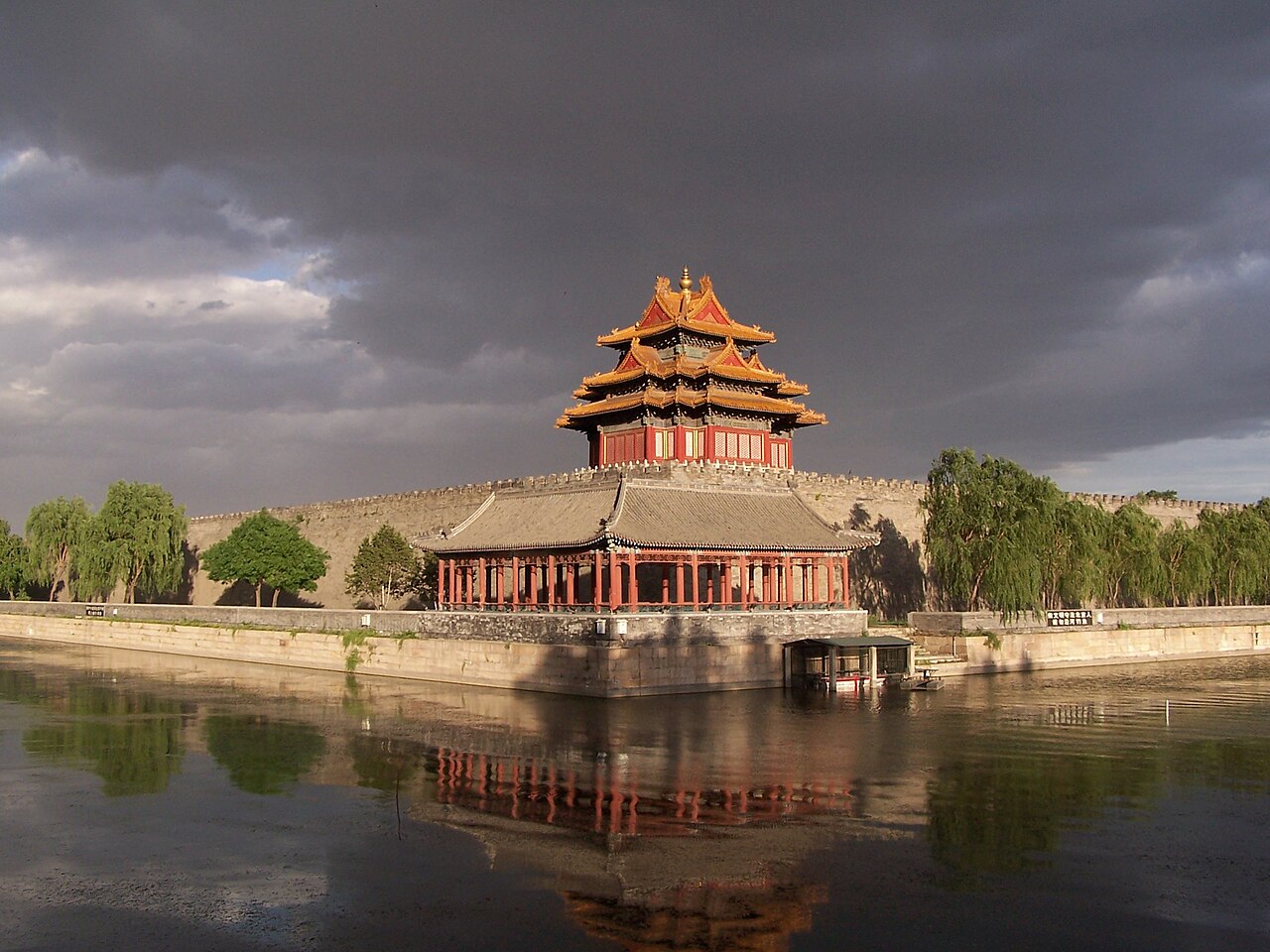
The coastal bike path linking Xingfu, Weihai and Haishang parks

The place I want to live has always been a small seaside city — small enough that you can circle the whole of it without it taking long, pretty and tidy, clean air and bright sun. Weihai is exactly that city for me.

A traveller's note, 'Weihai, the small city I love'

I am not someone who likes crowds, and yet I liked this stretch of coast. Busy, loud even — and still I could not make myself leave. I arrived at midday under thin cloud with a slight sea wind and a little haze, and anybody who has been to the sea knows how good that walking weather is.

A traveller's note, 'Silver Sand, Blue Sea, Where Heaven Ends'

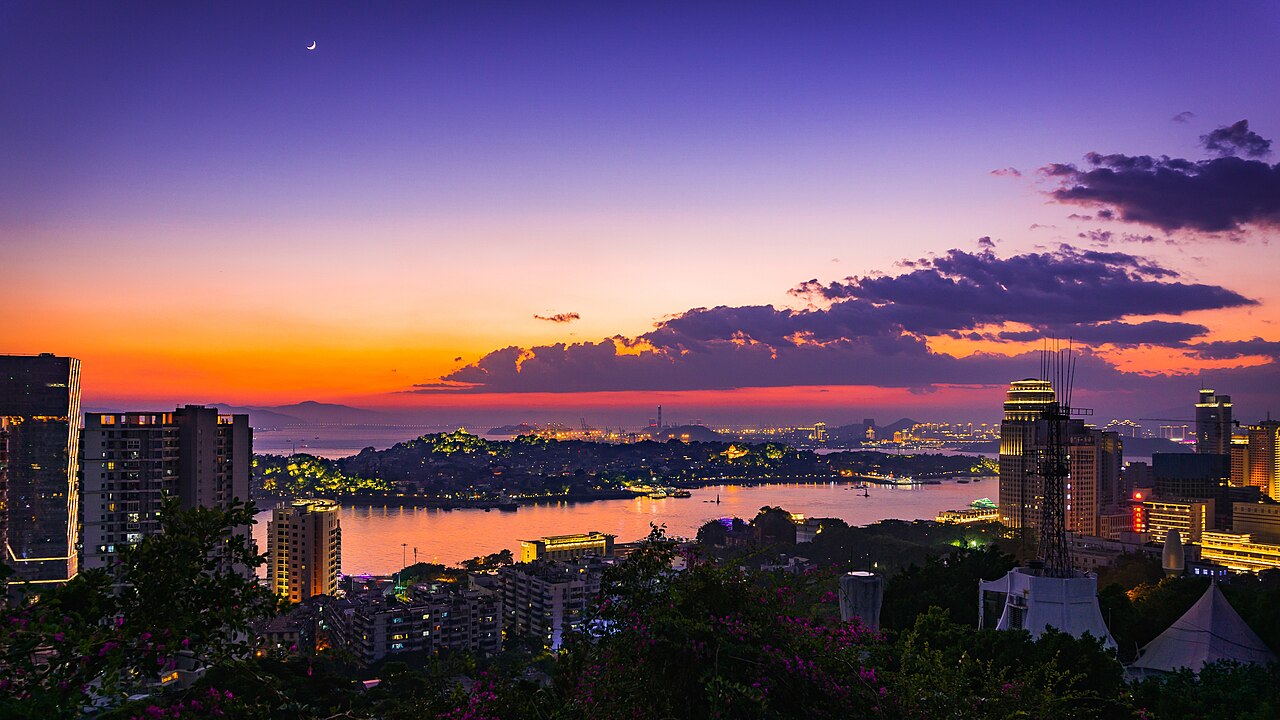
Weihai sits on three sides of the sea at the far eastern end of the Shandong peninsula, which is why it is the Chinese city closest to Korea and why the light here is different: nothing except water between you and the Korean coast. It is small. You can drive the whole city in an afternoon, and the drive is the point — cliffs, fishing villages, a pebble bay, then back.

It is also startlingly clean, and not by accident. New housing here is required by local law to be at least 50% green, and in 2003 the city took a UN Habitat award. People move here rather than visit. Those are the same thing, eventually.

The old name is Weihaiwei, the guard that awes the sea, given by the Ming in the 14th century when they planted a garrison against Japanese pirates. The first unit of the Qing Beiyang Fleet was raised here, and Liugong Island in the harbour became its base and then the theatre in which the empire lost the 1894 naval war; Japan occupied the city, Britain took it on a lease three years later, and it did not properly belong to China again until 1945. The island still holds the guns, the iron pier and 28 war sites, and it is also beautiful — sea cliffs to the north, pale sand to the south.

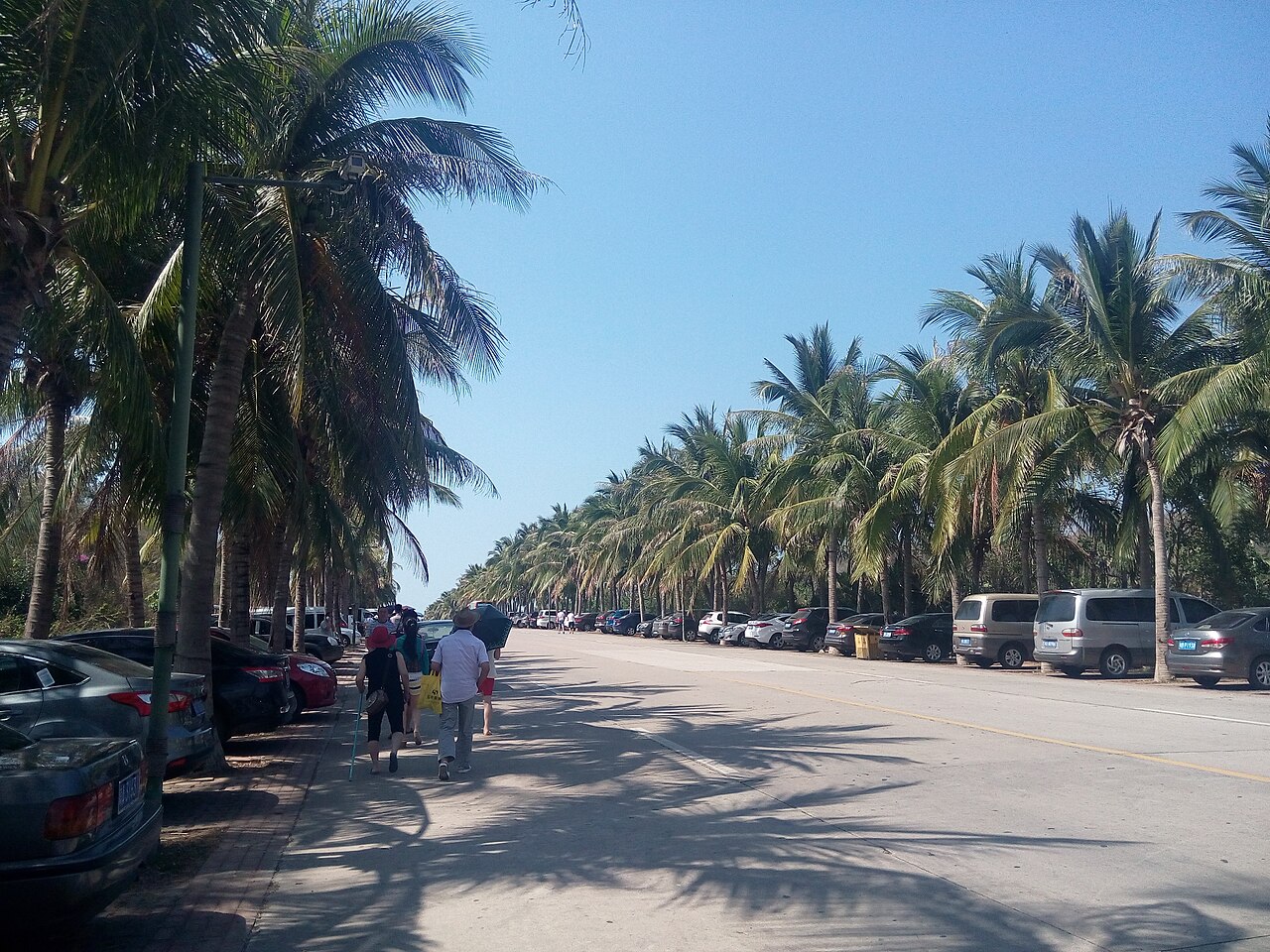
The rest of Weihai is a beach town with an unusually gentle coast. Come in July or August to swim, in May or September to walk it empty, and in January if you want the swans. Buses cost ¥1, taxis start at ¥5, a bike is ¥30 a day and the three coastal parks sit on one flat shelf of land with barely a gradient between them.

Weihai

Don't leave without

Seven things that are worth rearranging a day for.

  1. Take the boat to Liugong Island and walk the northern sea cliffs
  2. Be at Chengshantou before dawn for the first sunrise on the mainland
  3. Swim or simply sit at the free international bathing beach
  4. Watch a thousand wild swans come off the water at Rongcheng in winter
  5. Rent a bike and ride the three coastal parks in an hour
  6. Eat mackerel dumplings and hand-rolled seafood noodles in a fishing village

Highlights

Six reasons to come this far east

An island that decided a war

Liugong Island was the Beiyang Fleet's base and the ground on which the 1894 naval war was settled. Its guns, its iron pier and its coastal gun emplacements sit inside the Museum of the Sino-Japanese War, the fleet's headquarters still stands, and 28 war sites are scattered across the island. Then you turn a corner and there are sea cliffs cut vertical on the north shore.
The first sunrise in the country

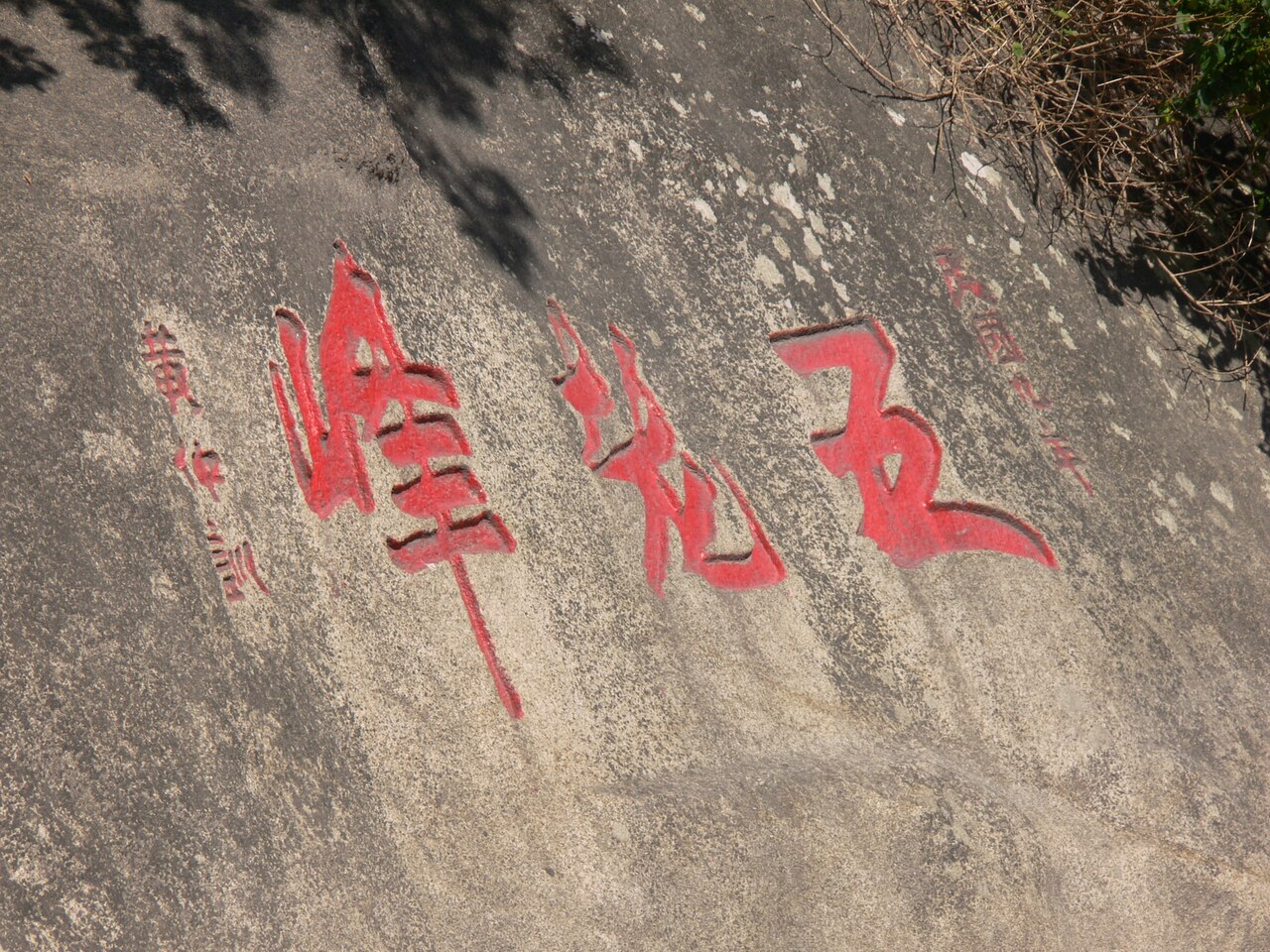
Chengshantou is the headland that pushes furthest east into the sea on the entire Chinese mainland coast, which makes it the first place to see dawn. ¥160, open all day. Qin Shi Huang came twice and had his chancellor Li Si carve 'where heaven ends, the eastern gate of Qin' on the summit.

A beach that costs nothing

The international bathing beach west of the centre is free and open 24 hours, holds 40,000–50,000 people, has fine sand and a gentle shelving bottom, and you catch small fish in the shallows with your hands. Half the city heads here on a summer afternoon; buses 7, 12 and 19, about 10 km out.

Thousands of swans, for ¥20

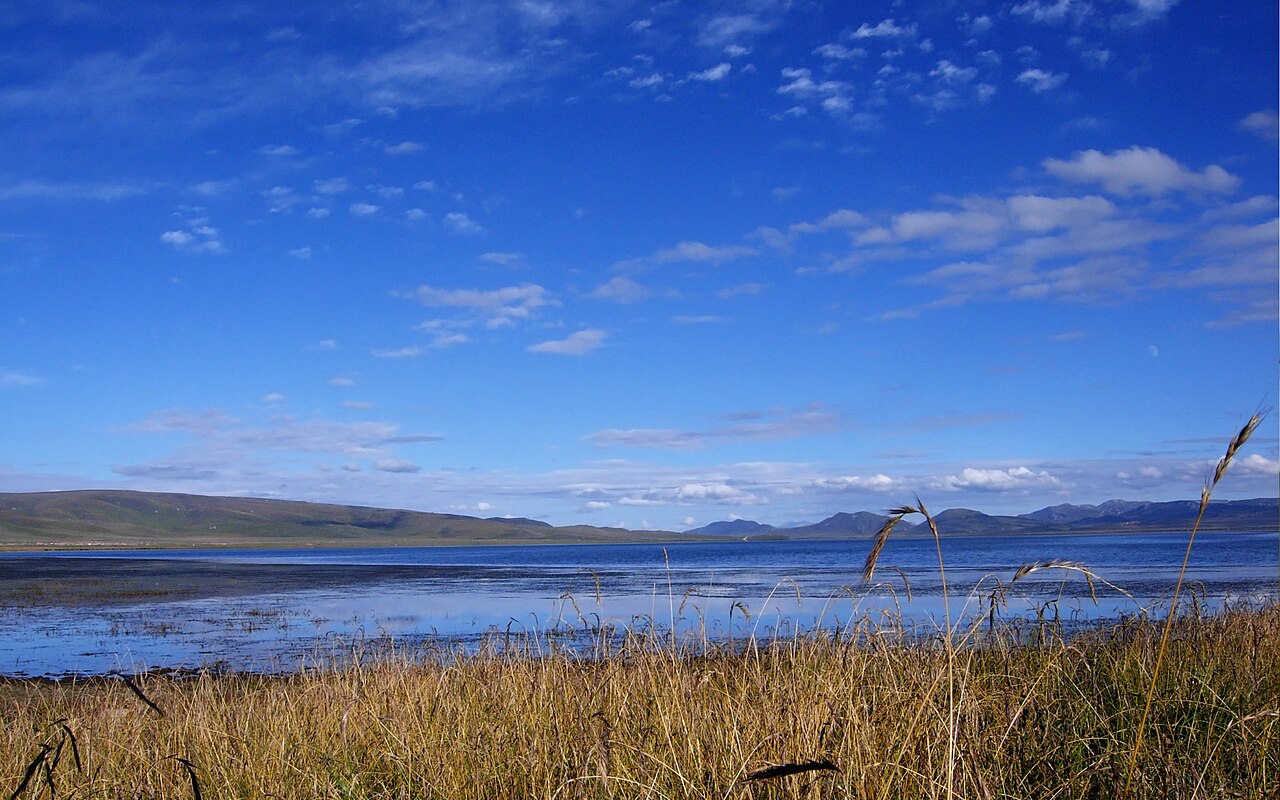
Between November and March several thousand wild swans arrive from Siberia to winter on the lagoon behind a 100-metre sand bar at Chengshanwei. The bar is all that separates lake from sea, and the birds have grown used to people. Entry is ¥20, dawn is the hour, and you will want a long lens and a warm coat.

One flat, easy hour on a bike

Xingfu Park, Weihai Park and Haishang Park sit on the same shelf of coast with almost no gradient, almost no traffic and nothing but walking path between them. A standard bike is ¥30 a day, a mountain or road bike ¥60, and the three take about an hour. It is the simplest good thing in the city.

Lu cuisine at its source

Weihai is one of the founding kitchens of Lu cuisine, and cooking here is cleaner, lighter and more dependent on the raw material than further south — and excellent at small seafood nobody else bothers with. Prices for the same catch run well below Qingdao. In the fishing villages: hand-rolled noodles, whelk salad, sea cucumber, and mackerel every possible way.

Suggested routes

Three days, or two in winter

The classic three days

3 days days

The itinerary almost everybody runs: the island, the city and the easternmost headland. Give each one a day.

  1. Day 1

    Liugong Island and the naval past

    Take an early boat from the tourist harbour. Start at the Museum of the Sino-Japanese War, then the Beiyang Fleet headquarters; walk to the coastal gun emplacements and the ruined batteries on Flagtop Hill.

    After lunch do the Liugong temple and the forest park, then walk the north shore cliffs — the light is better in the afternoon and the tour buses have left. Back on the mainland, walk the harbour at dusk.

    Stops: Liugong IslandSino-Japanese War MuseumBeiyang Fleet headquartersLiugong templeNorthern sea cliffs

  2. Day 2

    Huancui Tower, film city, beach

    Start at Huancui Tower park for ¥2 — climb it for the view over the whole city and the bay in one go, which is the orientation you want on day two.

    Then the CCTV film city on Shichang Avenue if you have children — the gates, the ridge carousel, the windmill — and finish the afternoon at the international bathing beach. Stay for the light going down over the water.

    Stops: Huancui Tower ParkCCTV Weihai film cityInternational bathing beach

  3. Day 3

    Chengshantou and the silver beach

    Leave early for Chengshantou in Rongcheng, ¥160. See the stele site, the temple to the First Emperor below the summit, and the cliffs where the swell breaks.

    On the way back, stop at the silver beach at Rushan — white sand that gave the place its name — and eat in Rushan rather than driving back hungry. If you have a fourth day, follow the coast west to Yantai and Penglai.

    Stops: ChengshantouFirst Emperor templeRushan silver beach

Winter: hot springs and swans

2 days days

The cold-season version, and arguably the better one. Two things, done slowly.

  1. Day 1

    Soak, then the headland

    Spend the morning at one of the Wendeng hot springs — Tianmu (09:00–23:00) or Tangbo (09:00–24:00), both ¥158 — and do not plan anything strenuous afterwards.

    Head out to Chengshantou in the afternoon. In winter the 'end of heaven' headland has a hard, empty grandeur the summer crowds never see, and there is nobody there. If you can face it, come back at dawn the next day for the sunrise.

    Stops: Wendeng hot springChengshantou

  2. Day 2

    The swans

    Be at the lake at Chengshanwei before sunrise — ¥20 — and watch thousands of wild swans come off the water. Bring the longest lens you own and wear more than you think you need.

    The alternative is the swan village at Yandunjiao if the lake is quiet; either way, photographers start setting up in the dark.

    Stops: Rongcheng swan lakeYandunjiao swan village

The coast by car or bike

1 day days

One loop of about 20 km along the northern shoreline, driving or cycling, stopping whenever you like.

  1. Day 1

    The northern loop

    Start at Weihai harbour by the Korean goods tower and take Dongshan Road past the Dongshan guesthouse onto the coastal road. Through Shandong village and Sunjiatuan to Putao Beach, then on to Yuanqiao and Jinhai Beach.

    Finish at the international bathing beach, come back along Wenhuaxi Road to the harbour. The path is flat and mostly traffic-free, which makes it the easy half-day ride — hire a bike for ¥30 and do it slowly.

    Stops: Weihai harbourPutao BeachJinhai BeachInternational bathing beach

Sights

The things actually worth going to

The one that matters

Liugong Island

A gain or loss of one island could decide the fate of a thousand-year-old empire, which is how seriously China takes this place. Liugong was the Beiyang Fleet's base and the ground on which the 1894 war was decided; the story is that thirty years of naval modernisation ended here in an afternoon. Themed around that war, the island holds the fleet's giant naval guns, the Beiyang Fleet iron pier and the old gun platforms inside the Museum of the Sino-Japanese War, the intact Beiyang Fleet headquarters, and 28 scattered war sites including the ruined rear battery and Flagtop Hill battery. It is also, awkwardly, lovely: cliffs cut as if with an axe on the north shore, pale sand and clean water to the south.

Ticket
¥100, includes the war museum, Beiyang Fleet headquarters, forest park and Liugong temple
Hours
07:00–17:00
Getting there
Passenger boat from Weihai tourist harbour, north side of the bay
Allow
Half a day

Tip Go in the morning. It gives you better light on the cliffs and puts you ashore ahead of the tour groups, which arrive together and move together.

End of the line

Chengshantou

Also called 'where heaven ends', this headland pushes further east into the sea than any other point on the Chinese mainland coast, which is why it is nicknamed China's Cape of Good Hope and why the sun rises here first. The blue of the water is not an exaggeration: cliffs stand sheer, the swell throws spray, and the scale is hard to take in. Records say Qin Shi Huang came twice and ordered his chancellor Li Si to cut a commemorative stele at the summit; there is a temple to the First Emperor below the peak.

Ticket
¥160 / person
Hours
All day
Where
Chengshan town, Rongcheng, east of Weihai
Best hour
Dawn — it is the whole point of coming this far east

Tip Open all day, which means you can be standing here before sunrise. If you are, you are probably the only one. Combine it with the swan lake in winter; they are in the same direction.

Free, all day

Weihai International Bathing Beach

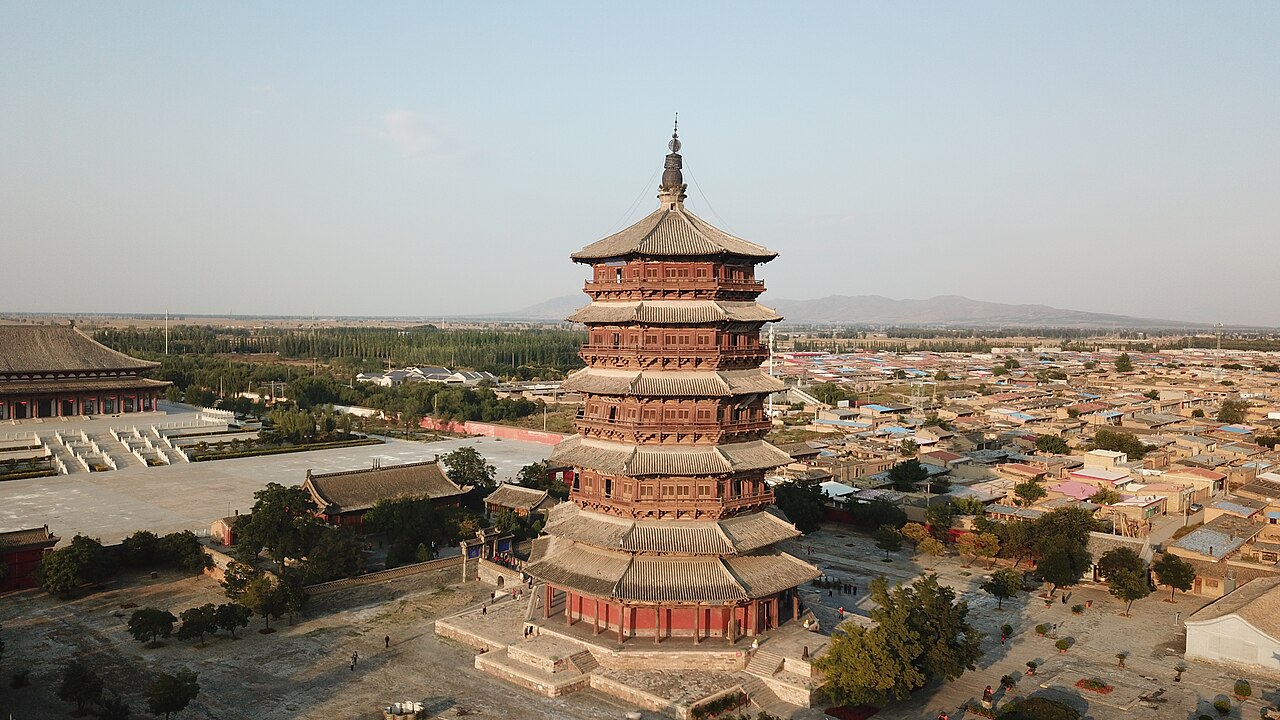
Clean water, fine soft sand and a gentle shelving slope, holding 40,000–50,000 people, with flowers, stone sculpture and coloured shelters strung along the shore. The detail nobody expects: you can scoop small fish out of the shallows with your hands, which undoes most adults entirely. Swimmers should not miss that it is free.
Ticket
Free
Hours
24 hours
Where
About 10 km from the city centre
Buses
7, 12 and 19

Tip Check the forecast before you go — this coast turns quickly. Bring swimsuit, goggles, nose and ear plugs, a big towel, sandals, hat, sunglasses, sunscreen and plasters.

Winter only

Rongcheng Swan Lake

A national scenic area and nature reserve at the very eastern end of the peninsula holding what is described as the world's largest swan habitat. The lake and the sea are separated only by a 100-metre-wide sand bar, which also creates a 10,000-metre natural bathing beach on the far side. From November to March every year several thousand wild swans arrive from Siberia to winter; because people have deliberately protected them for years, the birds have no fear of villagers.

Ticket
¥20 / person
Season
November to March for the swans
Where
Chengshanwei town, Rongcheng
Note
Also reached as part of a winter loop with Yandunjiao swan village

Tip Dawn is everything here. Get there before the sun clears the horizon, keep your distance, and take a long lens plus actually warm clothes — standing still for an hour at 0°C is colder than it sounds.
Two yuan well spent

Huancui Tower Park

Climb Huancui Tower and the whole of Weihai is below you — the bay, the harbour, the housing going up the hills behind. Two yuan is close to nothing, and for orientation on your second morning nothing else in the city competes. The park sits in Huancui district, sea on three sides, flattering climate and an annual average temperature around 12°C.

Ticket
¥2 / person
Hours
08:00–18:00
Where
Eastern foot of Xigua Mountain, Huancui district

Tip Do this early in the trip rather than at the end, when you will know the city already and the view will tell you less.

For children

CCTV Weihai Film City

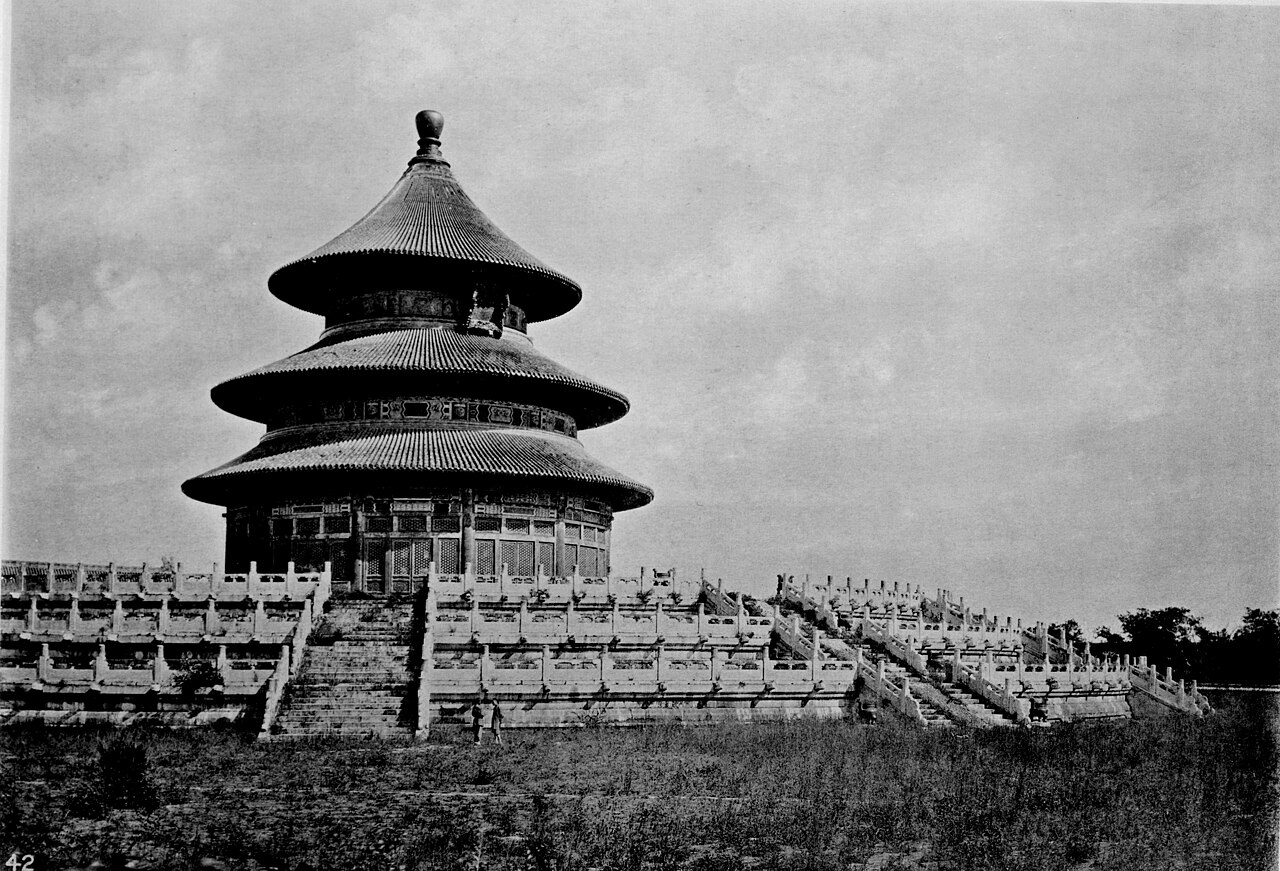
A television production base built by China Central Television with a coastal setting, running filming services alongside sightseeing and leisure. The first phase, Windmill Park, is made up of the main gate castle, the ring plaza, the village club, the windmill itself and the knights' playground, plus ten further features — the stone sculptures along the seawall, a country golf course, an outdoor training camp, a water park, the longevity island, the tangram television station, the tangram driving school, the dinosaur park and a European-style revolving bar over the water.
Ticket
Adults ¥50, children ¥40
Hours
May–Sep 08:30–17:00; Oct–Apr 08:30–16:00
Where
500 Shichang Avenue
Buses
40 and 117 direct from the city

Tip This is a half-day with small children and skip-it if you have none. Go on a weekday in term time and you will have the place almost to yourself.

White sand

Rushan Silver Beach

Sand so pale it gave the beach its name — hailed locally as the best beach under heaven and the Hawaii of the east. It sits in the middle triangle between Qingdao, Yantai and Weihai, and there is far more here than sand: a yacht marina on the tidal lagoon, Pearl Bay and White Wave Bay, an international club, the Three Views Pavilion, the Immortal Bridge, a golf course, an international racing circuit, a sea amusement park and the coastal pine. It is also the largest football training base in northern China.

Getting there
About 90 minutes from Weihai; easiest by car or coach
Ticket
Nothing to walk onto the sand; the marina, golf course, circuit and amusement park charge separately
Where
Rushan, south-west of Weihai towards Yantai and Qingdao

Tip Pair it with Chengshantou rather than giving it its own day. Eat in Rushan before driving back — the journey makes you hungry at exactly the wrong time.

Quiet and very old

Chishan Fahua Temple

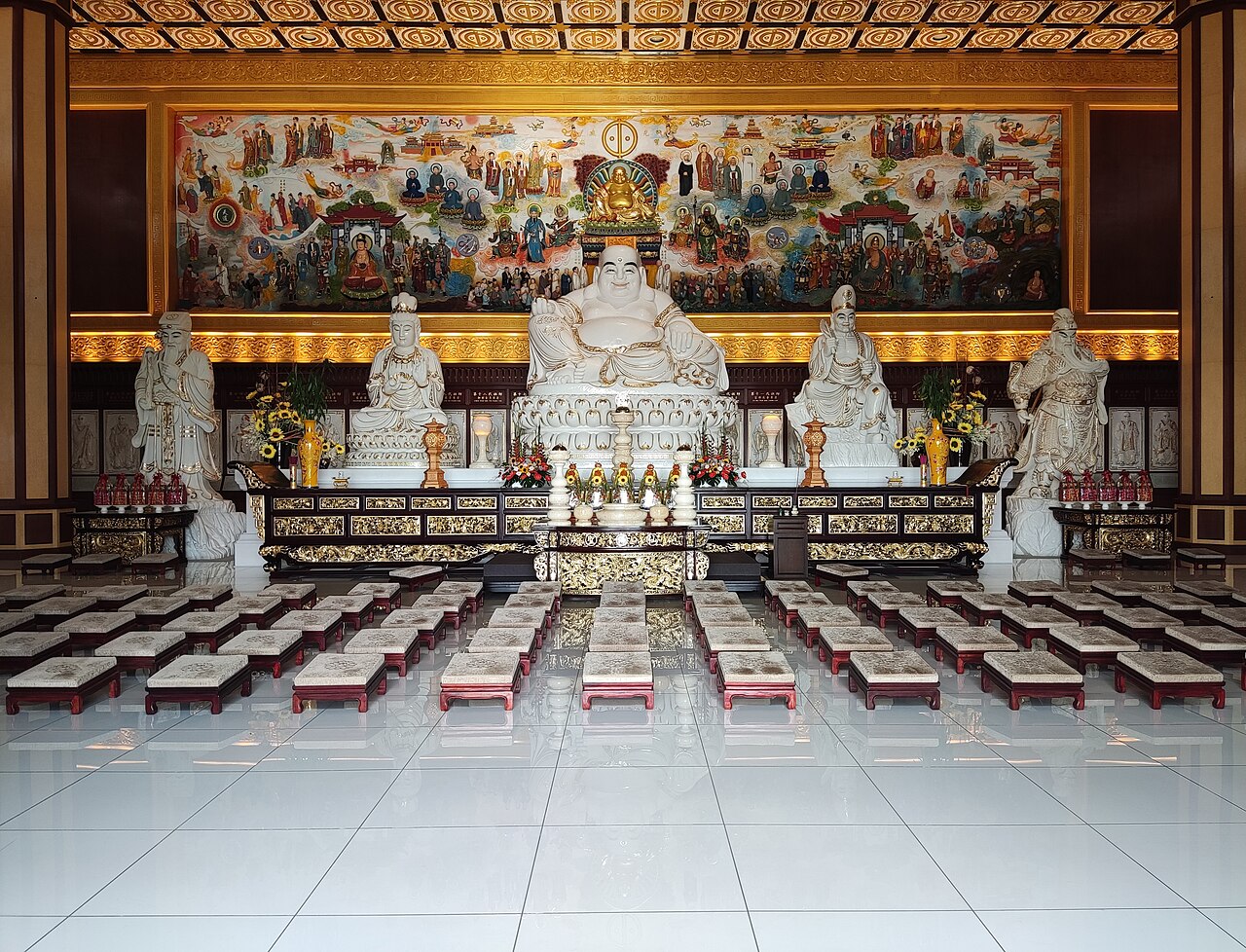
Currently the only Buddhist temple in Weihai, sitting inside Shidao Bay. The clouds settle on it most of the year and the incense does not stop. It holds the largest cast bronze Buddha in Asia, and Chinese, Japanese and Korean pilgrims have all come here for centuries — this was one of the meeting points of the three countries.

Ticket
¥102
Where
Shidao Bay, Rongcheng, the easternmost town of the peninsula
Combined with
A walk through Shidao fishing port, the largest in northern China

Tip Take a day, not an hour. Combine it with breakfast at Shidao's fishing port and then the other spreads — Big Fish Island village, the flower village of Nanche, the painter village of Muyun'an, Chaoyang Cave and Phoenix Lake.

Fishing port and hedges

Shidao Bay Resort

Rolling ground laid out in steps, fine natural scenery, sea and hill joined, and a reputation built on four things: heroes, Chan, sea rhythm and holy ground. It has the largest fishing port in northern China and Shidao port, a first-class open port busy with foreign traders. The fishing folkways are the best part — the day's catch coming off the boats.

Ticket
¥80
Getting there
Coaches Rongcheng–Shidao ¥6 / person, from the development zone ¥1 / person, roughly every two minutes
In the resort
Small tour shuttle ¥10 / person

Tip The buses to Shidao leave absurdly often — every couple of minutes — so there is never a reason to take a taxi. Come for the port in the early morning and eat afterwards.

Year round

Two hot springs at Wendeng

The 1,000-km coast is not only good for sand. Tianmu hot spring resort is built around soaking in garden pools, breathing clean air, sleeping in rooms on the water and eating green food — the biggest ecological garden resort on the peninsula. Tangbo draws its own water naturally, which leaves the ground at 78°C, clear and slightly sweet, and never stops running in any season.

Tianmu
¥158, 09:00–23:00, Zhangjiachan town, Wendeng
Tangbo
¥158, 09:00–24:00, Zhimaling, Wendeng economic development zone
Source temperature
Tangbo's water emerges at 78°C

Tip Take off metal jewellery before you get in or it will blacken. Do not soak on an empty stomach, straight after eating or after drinking — leave an hour either side. Walk the pools from cool to hot and stay in less than 15 minutes at a time.

Food

Noodles, dumplings and things that were swimming this morning

Seafood hand-rolled noodles

A Shandong speciality and the dish to start with. Thick, springy hand-cut noodles with real wheat flavour, tossed with small shrimp, clam and squid. Made to order, so eat it the moment it arrives — five minutes later the noodles have begun to go soft.

Mackerel dumplings

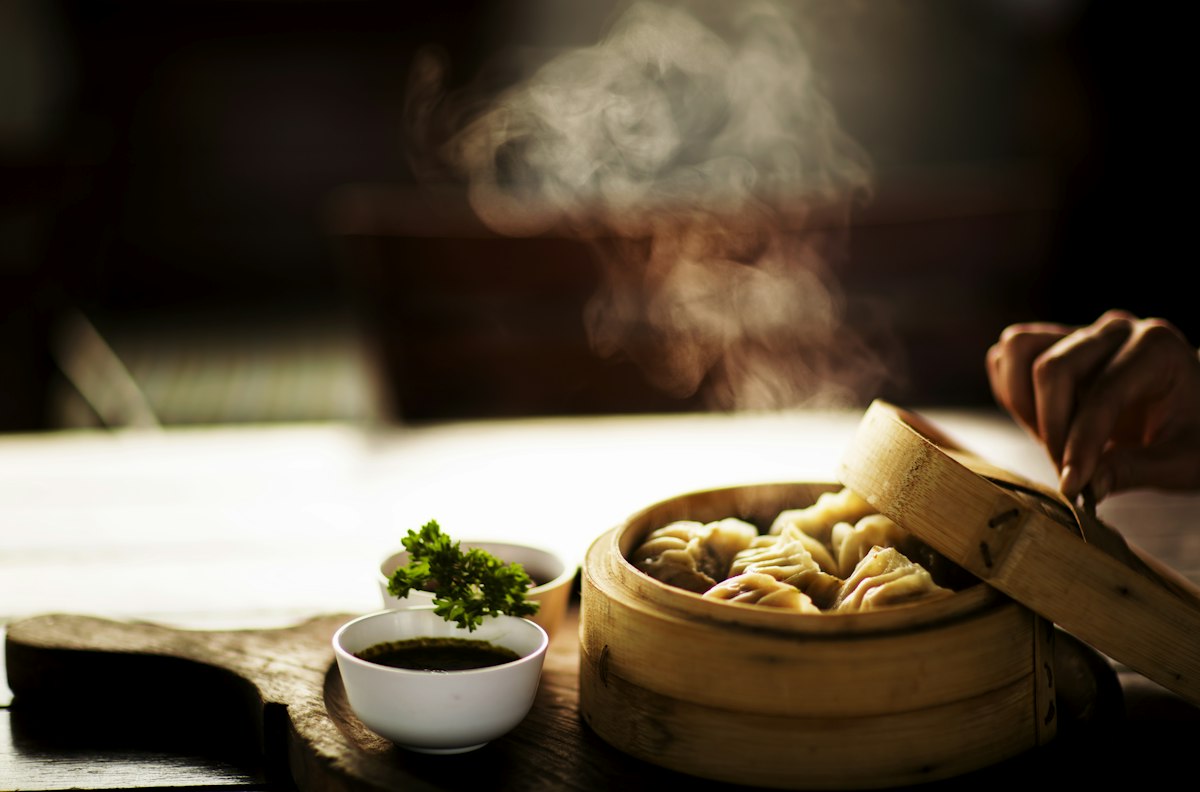
Every fishing household makes these and some are not much smaller than a steamed bun — you need an enormous pot to boil them. The filling is snow-white and fine, sweet rather than fishy, and the broth inside runs when you bite. Suck it up fast.

Sea cucumber braised with scallion

One of the ancient eight treasures and the canonical Lu dish: scallion fragrance against the clean taste of sea cucumber, soft and slippery, sauce thick enough to leave nothing behind. Very nearly fat-free and very high in protein, which is why it is fed to the old and the young.

Cold-dressed whelk

One of Jiaodong's four famous salads and a classic drinking dish. Whelk from the Yantai grounds, large and tender, crisp rather than rubbery, seasoned lightly so it tastes of itself. Ask the kitchen to remove the dark oesophageal gland on the right of the body, or you will feel dizzy after a few.

Abalone with chicken feet

Typical Jiaodong cooking, where two ingredients are left to do each other favours: abalone takes the chicken stock, chicken feet take the abalone perfume, and neither tastes alone afterwards. Glutinous collagen plus calcium, iodine and vitamin A. Not cheap, entirely worth it once.

Stone-pot yellow croaker

Inherited from generations of fishing households who had nothing to cook fish with but fish. Very tender flesh in a hot stone pot, served with cornbread, and worth ordering with braised tofu alongside — the calcium, phosphorus and iron in the fish plus the soy is a better meal than it sounds on paper.

Hot and sour cuttlefish roe

A Qing-dynasty tribute dish that has been a state banquet soup since the 18th century. The broth arrives looking like clear water, faintly acid from natural sources and warm from white pepper dissolved into it, and there is no visible ingredient in it. Insanely refreshing and very hard to forget.

Crab roe in a crab shell

The dish that marks a guest of honour here. Local swimming crab from Weihai waters is at its best in spring and autumn, white and fine-fleshed, and the females carrying red roe are the prize. Steamed fresh, served in its own shell, dressed with nothing much.
Where to eat

Six tables worth walking to

Tofu specialist

Wu Fu Yi Kuai Dou Fu (one block of tofu)

Every dish on the menu involves tofu, and it opens with a pot of hot soy milk while you read it. Old-style wooden square tables and bench seats. Order the dish the shop is named after — a block of tofu with a saucer of meat sauce, a saucer of chilli sauce and a saucer of spring onion. Silky, absurdly generous, and the reason people come back.

Where
26 Haibin Middle Road, opposite the tourism bureau
Average spend
About ¥40 / person
Phone
0631-5339991

Korean food

Korean BBQ Garden

Weihai is the closest Chinese city to Korea, so Korean restaurants are everywhere and Guangming Road is the Korean food street. This one serves on tatami with proper Korean tableware. Grilled beef is the best thing; the stone-bowl bibimbap and the vegetable bibimbap follow; the fried squid rings with ketchup sound wrong and are excellent. The ox-tail soup comes with a whole tail in it.

Where
44 Guangming Road, Huancui district
Average spend
About ¥70 / person
Phone
0631-5238667

Local chain

Shengui pies

The local brand chain that people actually use, busy at all hours, clean and cheap — which makes it the easy answer when you just need dinner. Dishes are weighed rather than eyeballed so nobody is short-changed. Congee and small plates in variety, beef, three-delicacies and scallion pies, glutinous rice cake, and unusually chewy fried dough sticks.

Where
8 Gumo Road, Huancui district
Average spend
About ¥20 / person
Phone
Not listed — walk in

Grill, locals only

Jiale BBQ

A grill locals genuinely love and very good value. Order grilled scallops, grilled clams, seafood dough-drop soup and grilled mantou; the grilled sea intestine and grilled fish are crisp, sweet and not in the least fishy. Staff are warm and will tell you if you have over-ordered. It is busier than its size suggests — expect a wait at peak hours.

Where
19 Jinian Road, east of the Weihai city government
Average spend
About ¥50 / person
Phone
0631-5214857

Hotel dining room

Luyuan restaurant

On the second floor of Weihaiwei Tower, in the middle of the busiest shopping district: Weihai's first four-star tourist hotel, easy to get to, thirty dining rooms cooking Lu, Cantonese, Sichuan, Korean, Japanese and Western food. Locals call it 'eating in Weihaiwei' and the trade calls it the number one place in China for pufferfish.

Where
2F, Weihaiwei Tower, 82 Haigang Road, Huancui
Average spend
About ¥150 / person
Phone
0631-5285888

Blowout

Jingya abalone and shark's fin

Fine dining, and priced like it. Everyone orders one main — abalone, shark's fin, bird's nest or a prime steak series from ¥388 to ¥588 — and the rest arrives anyway: complimentary small plates, braised pig's trotter, shredded scallop, pickled mustard, a plate of dumplings, a small bowl of noodle soup and fruit. Expensive and worth every yuan.

Where
Guzhai East Road, near Shichang Avenue
Average spend
About ¥350 / person
Phone
0631-5813999

Where to stay

Beach, city centre or the grain run

Best for summer

By the international bathing beach

The whole reason Weihai exists as a holiday: you walk out of the door and across the road onto 4 km of pale sand. It is also where the three-, two- and four-star properties and most of the small guesthouses sit, including several that open their kitchens to guests. Ten kilometres out of the centre, reached by buses 7, 12 and 19.

Where
Beihuanhai Road, high-tech district, by the bathing beach
Price
Standard doubles from ¥120; boutique sea-view ¥360+
Best for
Swimming, sunsets, walking to dinner

Five star

Golden Bay International Hotel

Backed by hills, facing the sea, with its own private beach and a sea pier out into the water — the only five-star tourist hotel in Weihai. Fronts directly onto the international bathing beach with a golf course behind. European classical outside and modern within, international conference centre attached, Chinese, Japanese and Korean kitchens.

Where
128 Beihuanhai Road, Weihai Torch High-Tech Industrial Development Zone
Price
About ¥680 / room
Phone
0631-5688777

Character

Chateau art guesthouse

A guesthouse with a soul, sitting on Weihai's best stretch of seafront literally across the road from the bathing beach sand. The ground floor is a small bar hung with oil paintings and a very healthy-looking logo; outside there is a vegetable garden, seafood on the grill and a stage that somebody is always singing on.

Where
216 Beihuanhai Road, Huancui (near the international bathing beach)
Price
About ¥120 / standard twin
Phone
0631-5622999

Sea view

Fig Tree guesthouse

Next to the international bathing beach, in a strong position with good outlook. Deluxe sea-view rooms and Japanese tatami rooms among the types, tidy modern interiors, and staff who seem to actually like having guests. Cannot take card payment — carry cash.

Where
198 Beihuanhai Road, high-tech district, by the bathing beach
Price
About ¥360 / room
Phone
0631-5622999

Backpacker

Xiaoye youth hostel

Right in the centre, and the closest thing Weihai has to a traveller's living room: a family-style bar with books, alcohol and films, somewhere to sit down and find out what is actually worth doing. Backpackers gather here, it is quiet despite being central, cheap, and there is free wi-fi, coffee, soft sofas and friendly staff.

Where
5F, 32 Xinwei Road, Huancui
Price
About ¥60 / bed
Phone
0631-3661234

Getting around

How to reach Weihai and move through it

By air

Weihai Dashuibo International (WEH) sits at Dashuibo in Wendeng, about 30 km from the city, with direct flights to Seoul and Busan as well as Beijing, Shanghai, Guangzhou, Harbin, Taiyuan, Dalian and Jinan. The airport coach runs the full route into the city for ¥20 and takes about an hour and a half, stopping at Jiangjiazhai, the coach and railway stations, Changfeng, the CAAC office, Weihaiwei Tower, the hardware market, the news building and Liqun mall.

Airport
Weihai Dashuibo International (WEH), Dashuibo, Wendeng, 30 km out
Airport coach
About 90 minutes, ¥20 a head
Enquiries
Civil aviation information 0631-5317915; coach line 0631-8641172

By train

Weihai railway station is out in the economic development zone at the western end of Shenzhen Road, currently running passenger services to Beijing, Jinan and Qingdao. It is a half-hour bus ride from the centre rather than a walk, so build that in. Note how far out of town it is before you book anything around a train time.

Station
West end of Shenzhen Road, economic development zone
Destinations
Beijing, Jinan, Qingdao
Into town
Buses 1 and 12; enquiry 0631-5928593

By coach

The long-distance station is beside the railway station in the economic development zone, on Shanghai Road at Qingdao Road, with city buses outside and trains next door. Departures run to Jinan, Qingdao, Yantai, Weifang, Zibo, Linyi, Beijing, Tianjin and Shijiazhuang. To Qingdao it is effectively turn-up-and-go, every 20 minutes; to Yantai about every 70 minutes. Trunk roads in this region are all high-grade and the road network is three times denser than the national average.

Where
Shanghai Road at Qingdao Road, economic development zone
To Qingdao
Roughly every 20 minutes, continuous departures
To Yantai
About every 70 minutes
Enquiries
0631-5969369 / 5968742 / 96717631

By sea

Weihai has five open ports with well-equipped facilities, domestic routes down the coast and around the Shandong and Bohai rims, plus cargo and passenger lines abroad. Two sailings a day to Dalian, and a sailing to Incheon in Korea three times a week on Wednesdays, Fridays and Sundays. Longyan port in Rongcheng runs to Pyeongtaek three times a week and Shidao New Port runs to Incheon three times a week.

Weihai Port passenger station
53 Haibin North Road, 0631-5233220
Longyan Port international terminal
Chengshan town, Rongcheng, 0631-7837777 (Tue, Thu, Sun)
Shidao New Port terminal
9 Jianshe Road, Shidao, Rongcheng, 0631-7281666 (Mon, Wed, Sun)

By bus and taxi

City buses cover more than three-quarters of the network across 20-plus routes that reach every sight and every main street: ¥1 on a full-size bus, ¥1.5 on a minibus. Taxis come in two classes, both metered from 2 km — ¥5 in a standard car, ¥7 in a deluxe one. Standard cars run ¥1.2/km between 2 and 8 km and ¥1.80/km beyond 8 km; anything after dark carries a 20% surcharge.

Bus fare
¥1 standard, ¥1.5 minibus
Taxi flagfall
¥5 standard / ¥7 deluxe for 2 km
Per km
Standard ¥1.2 up to 8 km, ¥1.80 beyond; night +20%
Complaints
Bus company 0631-5230950; taxis 0631-5300470

By bicycle

The best way to do the three coastal parks, and the cheapest thing in the city. Rentals are available at bike shops: ¥30 a day for an ordinary bike, ¥60 for a mountain or road bike. The reason it works is the ground — the three parks sit on one level plane of coast, almost no gradient, no motor traffic, footpath all the way, and a new view every thirty metres.

Ordinary bike
¥30 / day
Mountain or road bike
¥60 / day
Three coastal parks
About one hour, entirely flat

Shopping

What to carry home

Sea cucumber

Of China's twenty-plus edible species the spiny kind is the best, and Weihai's rocky coast grows heavy-walled, sweet, fat ones — one of the eight treasures of the sea and a banquet dish for centuries. Commercially around ¥400 a kilo, and top-grade running ¥700–1,000. Buy dried, buy whole, and check the texture.

Prawns and dried shrimp

Every bay on this coast is a prawn spawning and feeding ground, so the catch is exceptional: transparent blue-green raw, coral-red cooked, and the top of the class. Spring prawns run about ¥120 a jin, autumn prawns about ¥60. The Longxu dried shrimp from Longxu Island in Rongcheng is known as the golden hook and is famous beyond China.

Scallops

Weihai scallops are mostly the zigzag species, with protein running around 60% — roughly four times an egg. Fine flesh, sweet and nourishing, and served in seafood restaurants across the city, which is the cheapest way to try before you buy.

Weihai apples

The eastern end of Shandong has exactly the climate apple needs: enough day-night range to set sugar and drive colour. Acid, sweet, fragrant and crisp all at once. Xiaoguoguang is the famous late variety, generally ¥1.2–2 a jin, which is why you should buy your fruit here and nowhere else.

Rushan Yangli pears

Also called Bartlett pears. They must be ripened off the tree for a few days before they are edible, and then they are sweet and crisp like nothing else. A Rushan man bought 140 seedlings from an American in 1900, most were lost to pests, and the survivors so impressed the prefecture looking for a tribute gift that Cixi named it the finest pear under heaven.

Pewter-inlaid tea sets

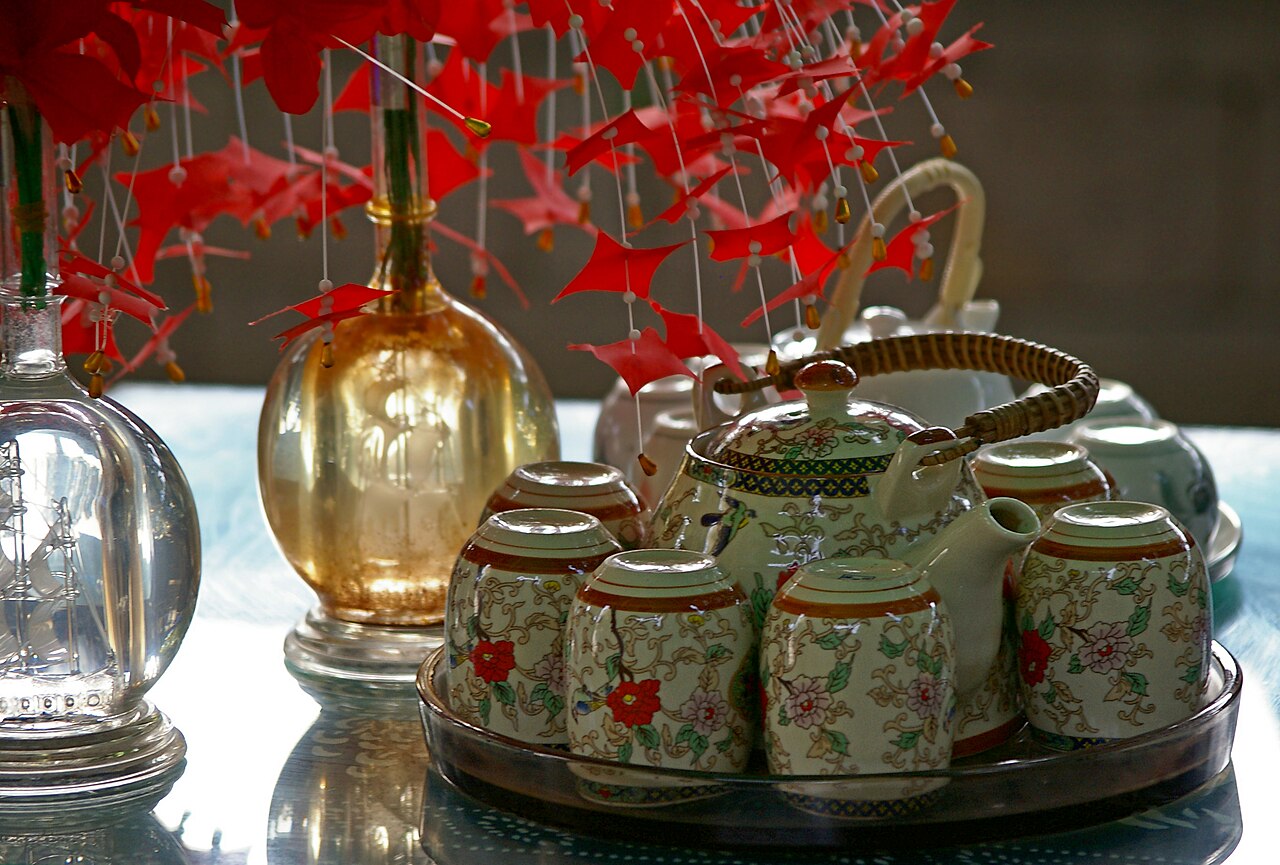
Nearly a century of local craft: a Yixing purple-clay body with pewter beaten, pierced, inlaid and polished over it in a dozen-odd steps, worked into patterns such as the Eight Immortals Crossing the Sea, the dragon and phoenix, or crane and pine. Sets run from ¥200 upwards depending on capacity and how much pewter went on.

Practical

The numbers you will actually need

Weihai rewards slowing down more than it rewards planning. One island morning, one long coast day and one evening eating something that came off a boat this afternoon is a better trip than anything you can fit into four days by trying harder.

Best monthsJuly–September to swim; May, June, September, October for clear empty walking weather; November–March only for the swans. Annual average temperature 11.9°C, rainfall 730 mm, sunshine 2,538 hours
Key ticketsLiugong Island ¥100; Chengshantou ¥160; swan lake ¥20; Huancui Tower ¥2; film city ¥50/¥40; Chishan Fahua Temple ¥102; Shidao Bay ¥80; bathing beach free
Hot springsTianmu ¥158, 09:00–23:00, Zhangjiachan town, Wendeng. Tangbo ¥158, 09:00–24:00, Zhimaling, Wendeng — water emerges at 78°C
Getting inAirport (WEH) 30 km out, coach ¥20 for about 90 minutes. Railway station in the development zone, buses 1 and 12. Coach to Qingdao every 20 minutes, to Yantai every 70
Getting aroundBus ¥1 / minibus ¥1.5. Taxi ¥5 / ¥7 flagfall for 2 km, plus 20% at night. Bikes ¥30 a day, ¥60 for mountain or road
Fishing taboosNever say 'turn the fish'; ask for dumplings to be 'boiled' not 'dropped'; never lay chopsticks across the bowl; locals avoid the usual word for coal
Beach kitSwimsuit, goggles, nose and ear plugs, big towel, sandals, hat, sunglasses, sunscreen, lip balm, plasters, umbrella, cooling drinks, antihistamines and stomach medicine
Useful numbersTourism hotline 0631-12301; Weihai tourism bureau, 26 Haibin Middle Road, 0631-5313343. Municipal Hospital, 70 Heping Road, 0631-5287508; Weihaiwei People's Hospital, 70 Qingdao North Road, 0631-5322768
FestivalsWeihai international fishing festival, early October — sea boat fishing, rock fishing and freshwater casting with nearly a thousand anglers from more than ten countries. Rongcheng international fishermen's festival, 23–26 July at Shidao, every three years. Gutsiu festival 20–21 April. Wendeng Kunyu Mountain festival 20–22 May

Tips

Things worth knowing before you go

Check the forecast before every beach day

This coast changes its mind fast and a morning that looks settled can turn. Check before you set out, especially if you are heading to Chengshantou, where the surf decides how much of the site you can walk.

Sunscreen goes on after moisturiser

Not straight onto skin — soften with toner and lotion first, then apply something high-factor and waterproof, or it is pointless. Put a little conditioner in your hair as a barrier, and carry after-sun for the evening, because salt water plus sun hurts more than sun alone.

Treat midday heat with respect

Avoid direct sun around noon. Drink steadily rather than in huge drafts — too much at once dilutes your salts, and ice-cold water after exercise causes cramps. Mung-bean soup, chrysanthemum tea and watermelon all help. Wear fabrics that breathe, never synthetics.

Watch how whelk is prepared

Fresh whelk has a purple-brown gland on the right side of the body that must come out before serving. Most kitchens in Weihai do it properly. If you feel light-headed after eating it, that is why.

Do not soak on an empty stomach

Leave an hour either side of eating or drinking before you get into the springs. Go cool pool to hot, stay under 15 minutes at a time, get out if you feel chest-tight, dry-mouthed or light-headed, and put cream on afterwards or dry skin will not forgive you.

Buy produce away from the seafront

For cheap, varied and genuinely fresh seafood go to a produce trading market or a dried-goods market rather than the tourist stalls. In the wholesale belt around the triangle garden the same goods cost noticeably less, but check quality carefully and be ready to haggle.

Background

Why Weihai is the way it is

Sea on three sides

Weihai lies at the eastern end of the uplifted Jiaobei block where it meets the eastern edge of the Jiaolai depression, and that geography plus the sea and the hills produces its climate. At mid-latitude it is a temperate monsoon climate with marked seasons, but compare it with inland places on the same latitude and you get more rain, a moderate annual temperature and gentler weather overall. The sea does the rest: cool springs, cool summers, warm autumns, mild winters, small day-to-night swings, a long frost-free period, plenty of wind and plenty of humidity.

In figures: an annual mean temperature of 11.9°C, average precipitation of 730.2 mm and 2,538.2 hours of sunshine a year. It is the coastal city closest to Korea anywhere in mainland China, and in 2003 it received a UN Habitat award as one of the most liveable cities in the world.

A guard that awes the sea

People have lived here since the Neolithic. After Qin Shi Huang unified the country in 221 BC the area belonged first to Qi commandery and then to Jiaodong, as Chu county; in the Three Kingdoms period it fell under Wei's Donglai commandery as Changyang county. The name itself is Ming: in the Hongwu reign, to guard against Japanese pirates, three li was split off Xinwang district and a garrison established called Weihaiwei — the guard that awes the sea. Its position closes the matter: three sides sea, one side mountain, the most formidable ground on the coast and the key to maritime defence.

From the Guangxu reign the Qing stationed a naval command here with a mine corps, workshops, a naval school and new batteries, making it both a fortress and the Beiyang Fleet's base. In the 1894–95 war the fleet was attacked from both sides and wiped out and Weihai fell. Japan occupied, then three years later Britain took a lease, and after a brief republican recovery it became a Japanese colony again until the end of the war. Weihai is now a PLA naval base.

Forty-six minorities and a great many apples

For a city this size it is unusually mixed: 47 ethnic groups are represented and about 29,200 people — Han plus 46 minorities including Korean, Manchu, Wa, Mongol, Hui, Lahu, Bai, Dai, Miao, Tujia, Yi, Dong, Tibetan, Uygur and Zhuang — live here in the built-up area.

The festivals tell you what this coast actually does for a living. The Rongcheng international fishermen's festival runs triennially from 23 to 26 July at Shidao and grew out of the older grain-rain festival held on 20 or 21 April, when three days of ceremonies sent the fleet out: fetching the sea god from his temple, sacrificing to the sea and to the boats, and finally a feast. Weihai's international fishing festival in early October draws nearly a thousand anglers from a dozen countries to sea boat fishing, rock fishing and freshwater casting, and holds a national fishing-tackle expo alongside it.

Travel with them

Weihai in film, print and song

Film

The Naval Battle of 1894

Directed by Lin Nong, 1962, 101 minutes

Japan provokes incidents inside Chinese waters; the dowager tries to buy peace and sends Li Hongzhang to negotiate, and a Chinese merchant ship is sunk for the trouble. Deng Shichang and other officers petition twice to fight and are refused; eventually the navy gambles everything and loses it. Watch it the night before Liugong Island.

Book

The Sunken 1894

Chen Yue

The war that changed China's fate and whose consequences ran deeper than its battles. In 1894 the Qing retreated on land and sea with no answer to anything, and when the Treaty of Shimonoseki was signed the paper tiger was punctured and the scramble for concessions began in earnest.

Book

Weihai in Profile

Yang Jichen

Home is where a person's life and spirit begin and end, and everyone has something to say about theirs. For this writer the Chinese coastal city of Weihai is precisely the subject he cannot stop writing about — a book of complaint and love in equal measure.

Music

Young for You

Gala

About ideals and about sticking with them. Ideals everybody has; holding one for nine years is harder. Play it on the coastal bike path between the three parks and pretend you are twenty-two again.

The questions visitors ask us most about Weihai, answered plainly.

Frequently asked questions

Prices and practical details are reviewed every month by our Beijing team and updated the day a rule changes.

What is the best time to visit Weihai?

July to September if you want to swim — the sea is warm and the city is at its liveliest. May, June, September and October are cooler, clearer and much emptier, and are the best months for walking the coast. Come between November and March only for the swans: it is genuinely cold, and several thousand of them winter on the lagoon at Rongcheng.

Is Weihai worth visiting in winter?

Yes, for one specific thing. From November to March several thousand wild swans fly in from Siberia and winter on the water at Chengshanwei, and seeing them lift off at dawn is worth a freezing morning. Pair it with a hot spring at Wendeng — Tianmu and Tangbo are both ¥158, and Tangbo's water leaves the ground at 78°C — and a winter day here becomes a very good one.

How do I get to Liugong Island and how long does it take?

Boats run from Weihai's tourist harbour on the north side of the bay and the crossing is short. The island ticket is ¥100 and covers the war museum, the Beiyang Fleet headquarters, the forest park and the Liugong temple, with the island open 07:00–17:00. Allow half a day; going in the morning gets you better light and fewer tour groups.

What should I eat in Weihai?

Seafood, and the plainer the better. Start with hand-rolled noodles — thick, wheaty, chewy — with small shrimp, clam and squid stirred through, then mackerel dumplings the size of a small bun, sea cucumber braised with scallion, cold-dressed whelk and abalone stewed with chicken feet. Finish with hand-torn mackerel and a jujube-studded steamed bun. A comparable table costs noticeably less than in Qingdao.

Are there local taboos I should know about?

The fishing villages along this coast keep a set worth respecting. Never say 'turn the fish' at table, because turning suggests capsizing; ask for dumplings to be 'boiled' rather than 'dropped'; never lay your chopsticks across your bowl, which suggests a mast laid down; and locals call coal something other than its usual name because it sounds like bad luck. Nobody will scold you — they will just be quietly pleased you knew.

How much do I need to budget per day?

Roughly ¥400–600 a day for one person including a mid-range room, once you are here. The big-ticket items are fixed and known in advance: Liugong Island ¥100, Chengshantou ¥160, the film city ¥50, Chishan Fahua Temple ¥102, either hot spring ¥158. Everything that matters about Weihai beyond that is free — the beach, the coastal parks, the bike ride, the sunrise.

What should I pack for the beach?

Swimsuit, goggles, nose clip and ear plugs, a big towel, sandals, a hat, sunglasses, sunscreen and lip balm, plasters and an umbrella. Add something to cool you down and antihistamines and stomach medicine, because you will eat seafood and you may react to it. Check the forecast the night before: the weather here changes fast and You never want to arrive at an empty beach in a squall.

How do I get to Weihai from Qingdao, Yantai or Jinan?

Coach is easiest: departures to Qingdao run about every 20 minutes and to Yantai about every 70 minutes, and the coastal road between the three cities is one of the best drives in the province. Trains connect Qingdao, Jinan and Beijing. From Jinan, Shandong's capital, allow about 4 hours by road or rail, or fly — Weihai Dashuibo (WEH) also has direct flights to Seoul and Busan.

Related reading

Related reading

Visas Do I Need a Visa for China? Requirements, Costs and How to Apply China's entry rules changed more in the last three years than in the previous twenty. Here is exactly who needs a visa, what it costs, how long it takes and which passports now walk straight through. 9 min read Visas China's 240-Hour Visa-Free Transit: Who Qualifies and How It Works Ten days in China with no visa application, no fee and no fingerprints — if you hold the right passport and leave for a third country. Here is the rulebook, port by port. 8 min read Money Paying in China: Alipay, WeChat Pay, Cards and Cash Roughly nine in ten urban payments in China now run through a phone. Set up two apps before you fly, carry a modest cash float, and you will never be stuck at a till. 8 min read Transport China's High-Speed Rail: How to Book, What It Costs, How Fast It Goes The fastest way to cross China is also the most pleasant. Here is how to book a ticket with a foreign passport, what the three classes actually give you, and how to survive a Chinese station at rush hour. 9 min read Planning Best Time to Visit China: Month by Month, Region by Region China is the size of Europe, so 'the best month' depends on where you stand. Here is the month-by-month answer for the north, the Yangtze valley, the south and the plateau. 8 min read Planning What to Pack for China: The Complete 2026 Checklist Twenty thousand steps a day, three climate zones and a phone that has to do everything. This is the list we give our own travellers, minus the things they never used. 7 min read Food Chinese Food Culture: Eight Cuisines, One Table There is no such thing as Chinese food. There is Cantonese, Sichuan, Hunan, Jiangsu, Zhejiang, Fujian, Anhui and Shandong — and knowing which one you are eating changes everything. 8 min read Traditions Chinese Tea Culture: Six Classes, One Pot, Two Fingers Tea in China is not a beverage category, it is a social technology: it fills silences, seals deals and sets the pace of a meal. Here is how to sit down in one and not look lost. 7 min read Traditions Chinese Festivals: The Calendar, the Dates and the Crowds Lunar dates mean the calendar moves every year — and two of the festivals move several hundred million people at once. Plan around them or plan into them, but never by accident. 8 min read Etiquette Chinese Etiquette: What Matters, What Does Not, and Why Most etiquette advice for China is either obvious or wrong. These are the dozen behaviours that actually change how you are treated, and the reasoning behind each. 7 min read

Tell us your dates.
We'll do the rest.

Free itinerary design, a revised plan within one working day, and nothing charged until you approve the final version.

  • Liugong Island costs ¥100, opens 07:00–17:00, and the ticket covers the Museum of the Sino-Japanese War, the Beiyang Fleet headquarters, the forest park and the Liugong temple — 28 war sites are scattered over the island.
  • The international bathing beach is free, open around the clock, holds 40,000–50,000 people and you can scoop small fish out of the shallows with your hands.
  • Chengshantou at ¥160 is the easternmost land on the Chinese mainland coast, open all day, and Qin Shi Huang came twice — Li Si cut a stele on the summit.

No spam. No sales calls. Just a real itinerary from a real person.