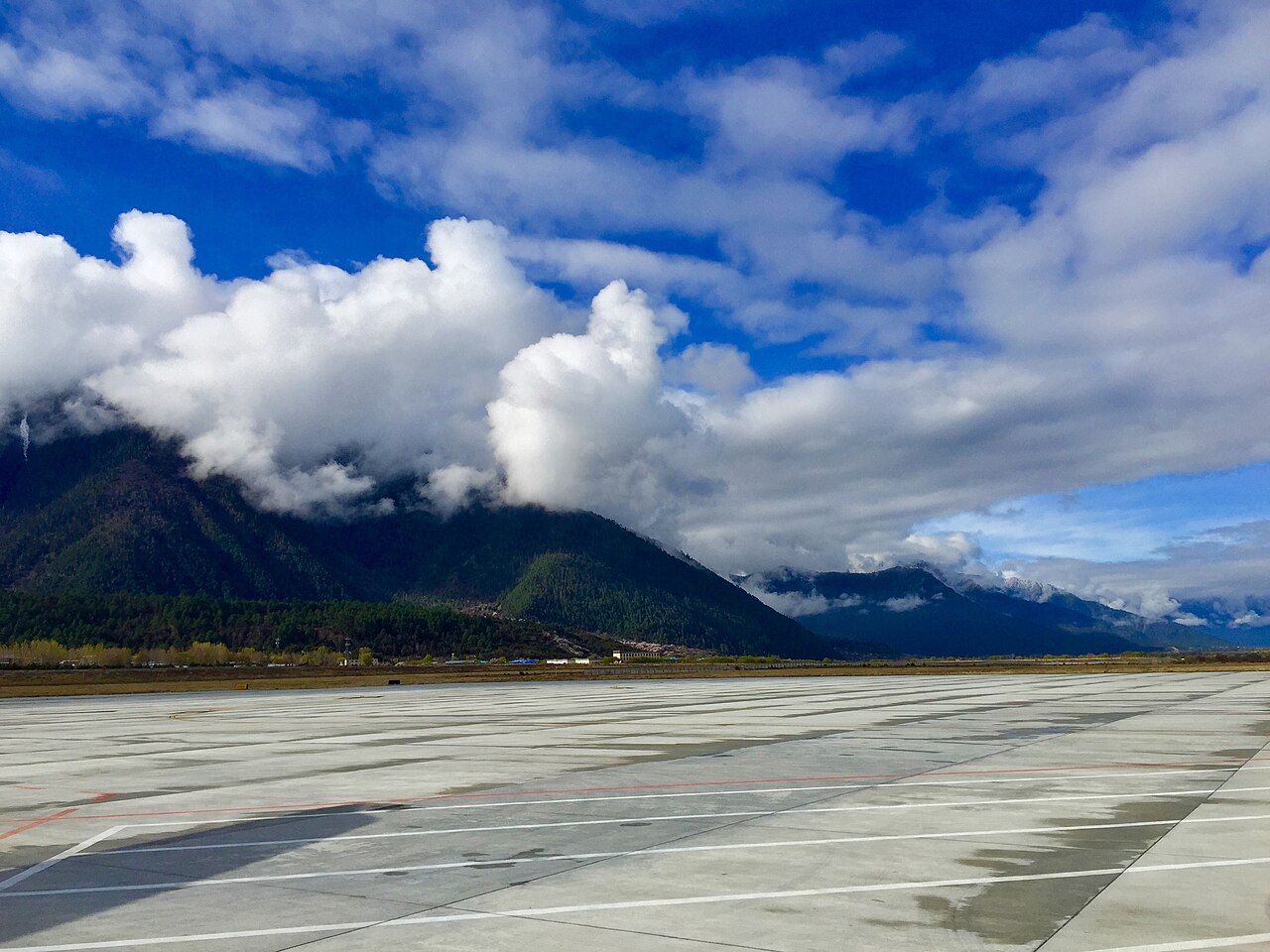
City guide · Tibet

Nyingchi travel guide: peach blossom valleys, Namcha Barwa and the world's deepest canyon

Tibet's greenest corner — peach blossom valleys, a 7,782 m peak that hides from almost everyone, and the world's deepest canyon.

  • Known forNamcha Barwa, peach blossom, Yarlung Tsangpo Grand Canyon, stone-pot chicken
  • Typical spendAbout 800 CNY for 4 days
  • Ideal length4 days, 6+ for the Medog trek
  • PaceModerate — long driving days, short walks

Reviewed by our Beijing team Updated 2026-10-10

The short version

Nyingchi is worth 4 days: it sits at an average of 3,100 m — lower and far greener than Lhasa — and packs Namcha Barwa (7,782 m), the Yarlung Tsangpo Grand Canyon, Basum Tso (100 CNY), the Lulang forest (10 CNY) and the giant cypress grove (10 CNY) into one region. Come in late March to early April for the peach blossom, or in October for clear mountain views. Most travellers arrive from Lhasa by road (407 km, 6–8 hours, 100–170 CNY by bus) or fly into Mainling Airport from Chengdu.

  • Basum Tso costs 100 CNY for adults and 50 CNY for children, open 09:00–18:00; Lulang Forest is 10 CNY, open 06:30–18:30.
  • The Yarlung Tsangpo Grand Canyon standard package runs 150 CNY entry + 90 CNY shuttle + 30 CNY meal; a trekking-only ticket is 150 CNY.
  • Nyingchi sits at 3,100 m — roughly 500 m lower than Lhasa — so it is the gentler place to acclimatise first.
  • The Lhasa–Bayi bus leaves at 08:00 and takes 6–8 hours; Mainling Airport is served by one daily Chengdu flight, and the airport bus into Bayi is 25 CNY.

City guide

First impressions

Photographs from the coast, and what other travellers wrote afterwards.

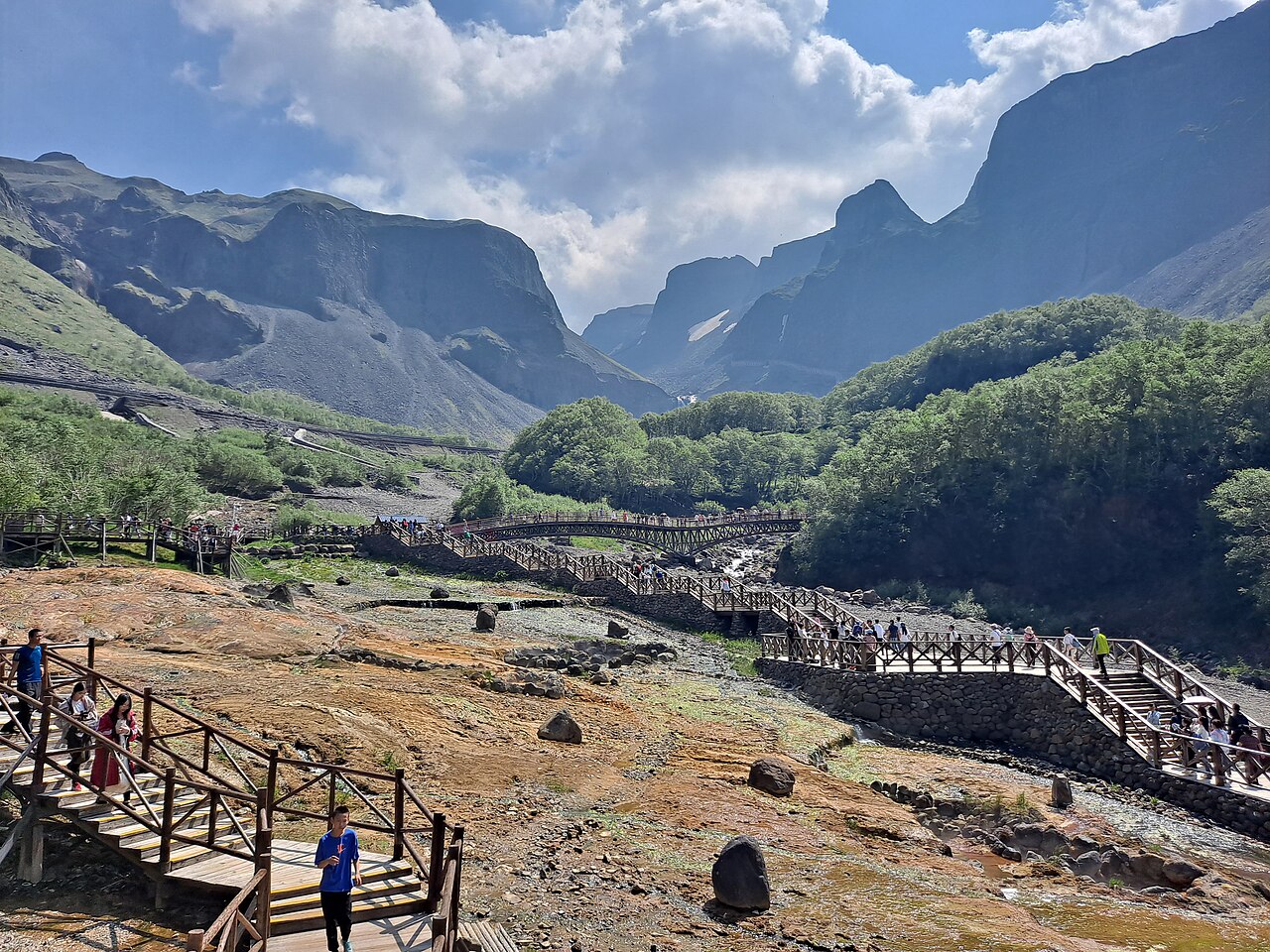
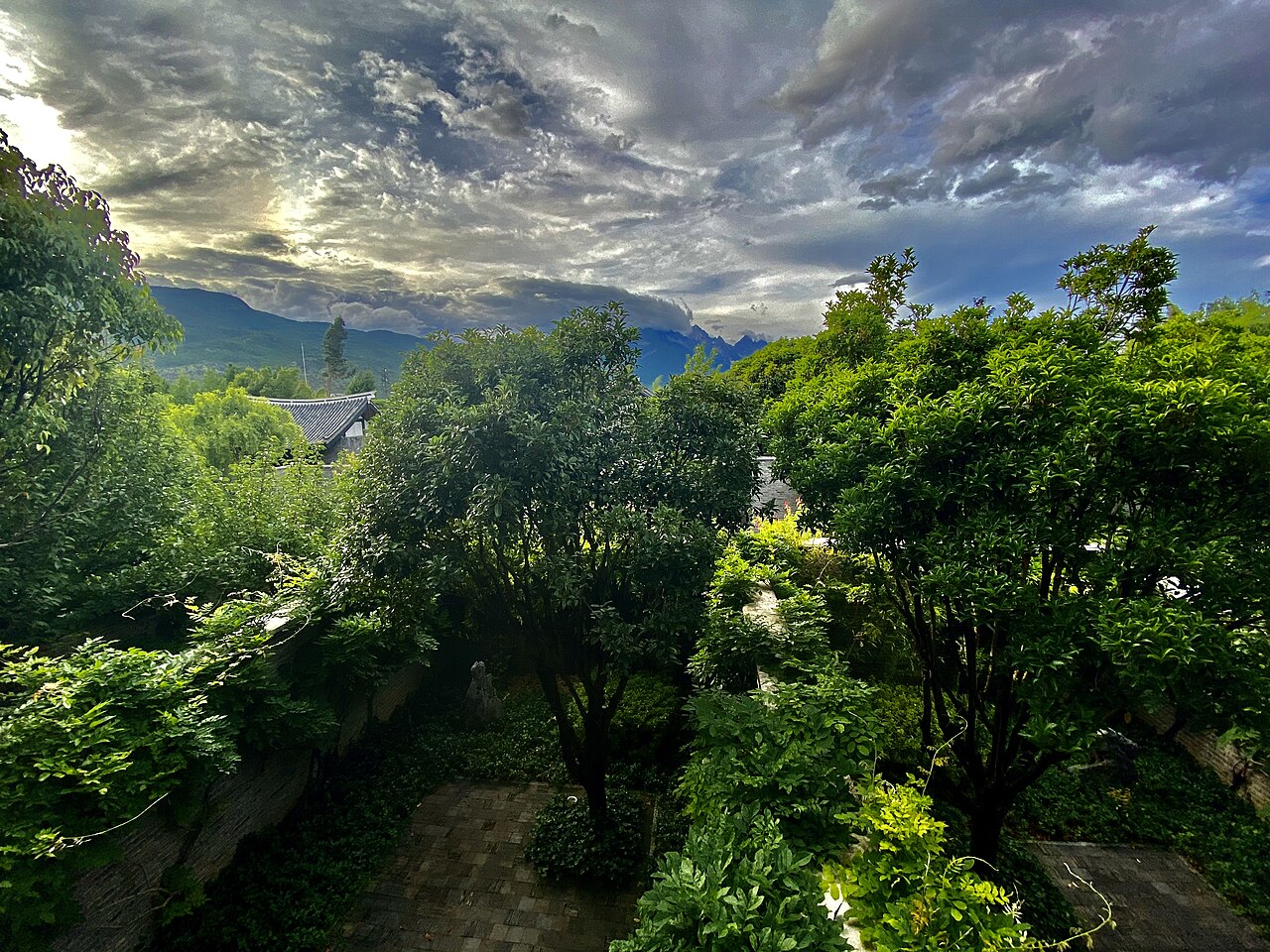
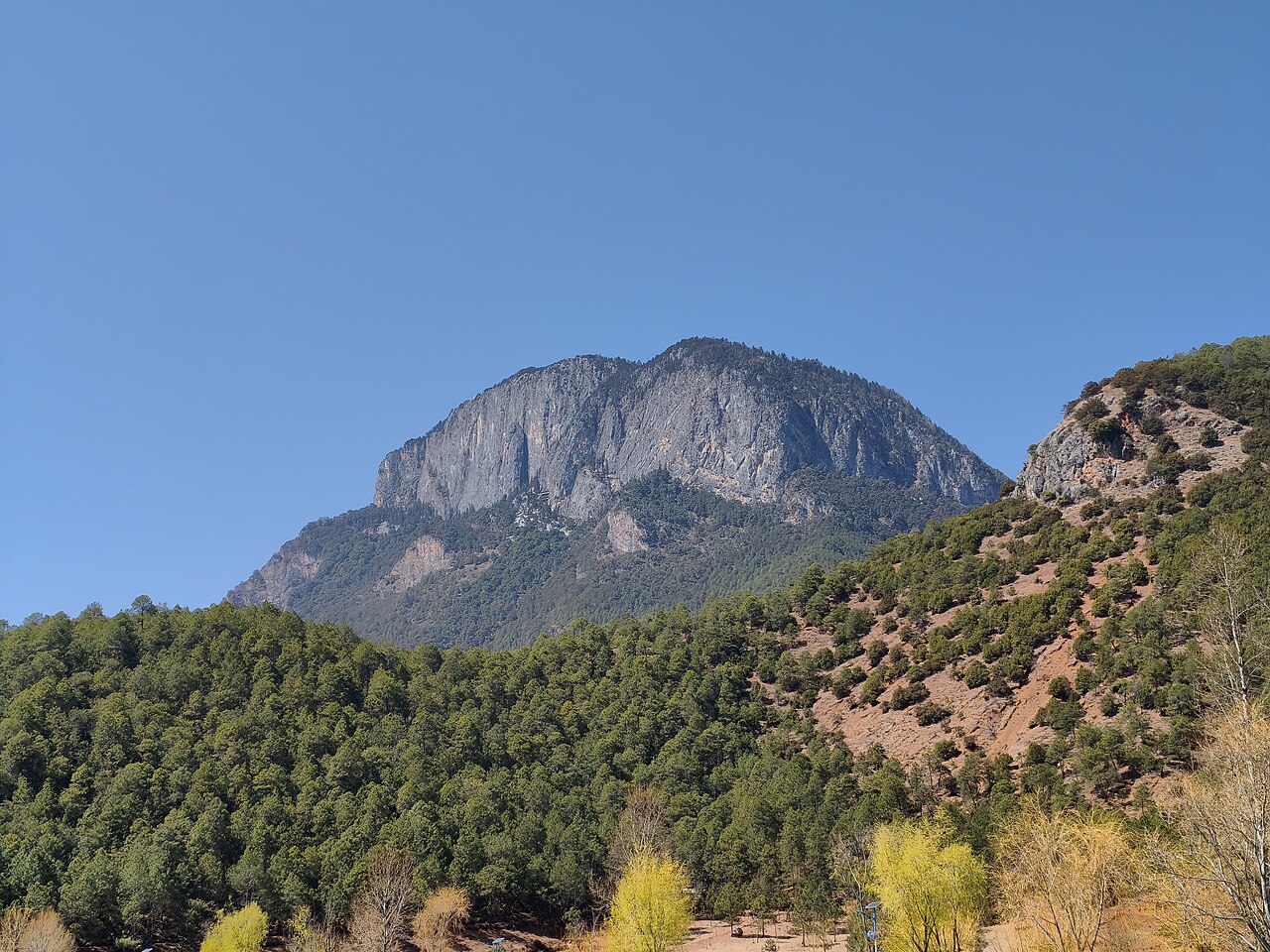
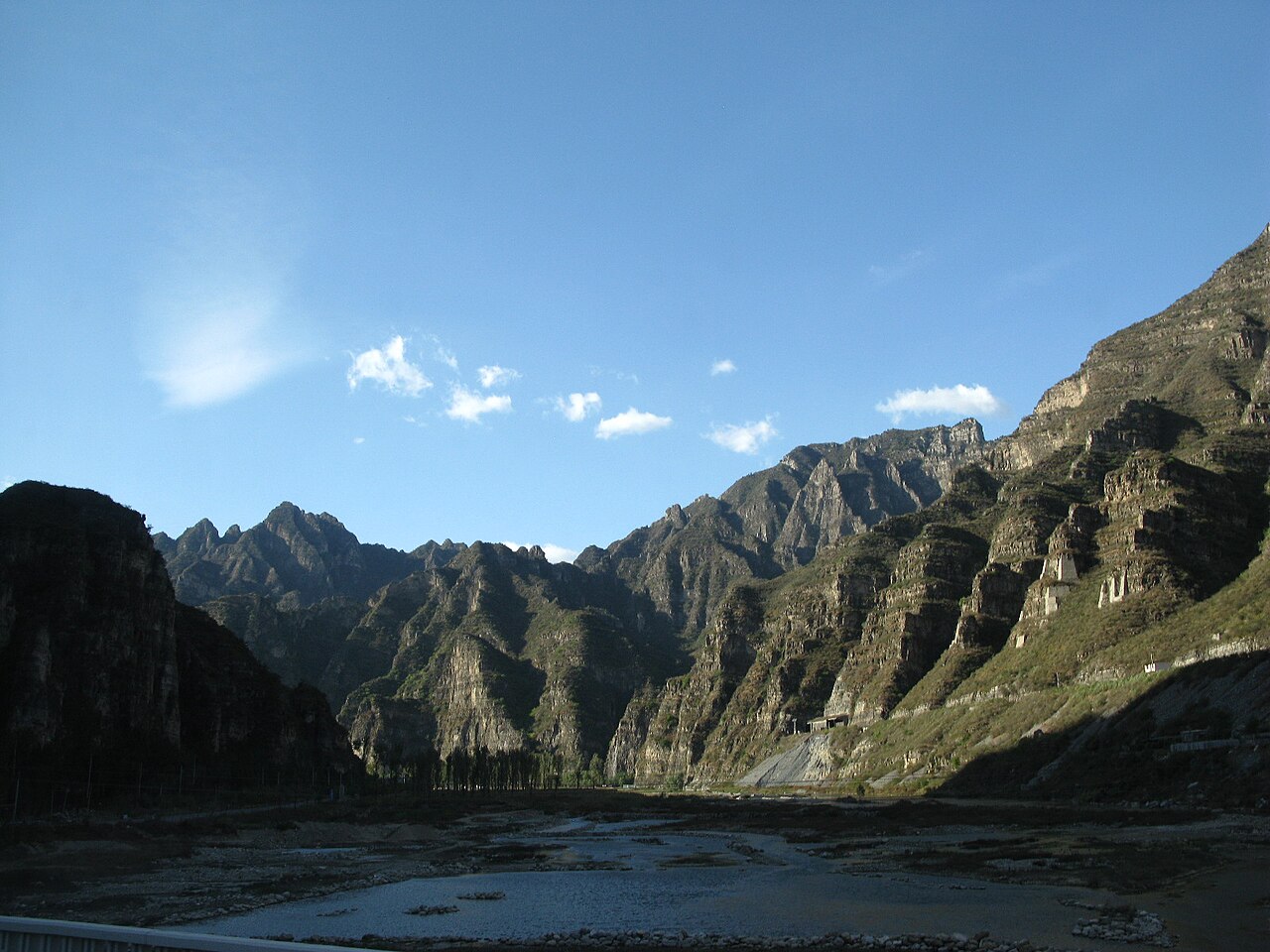
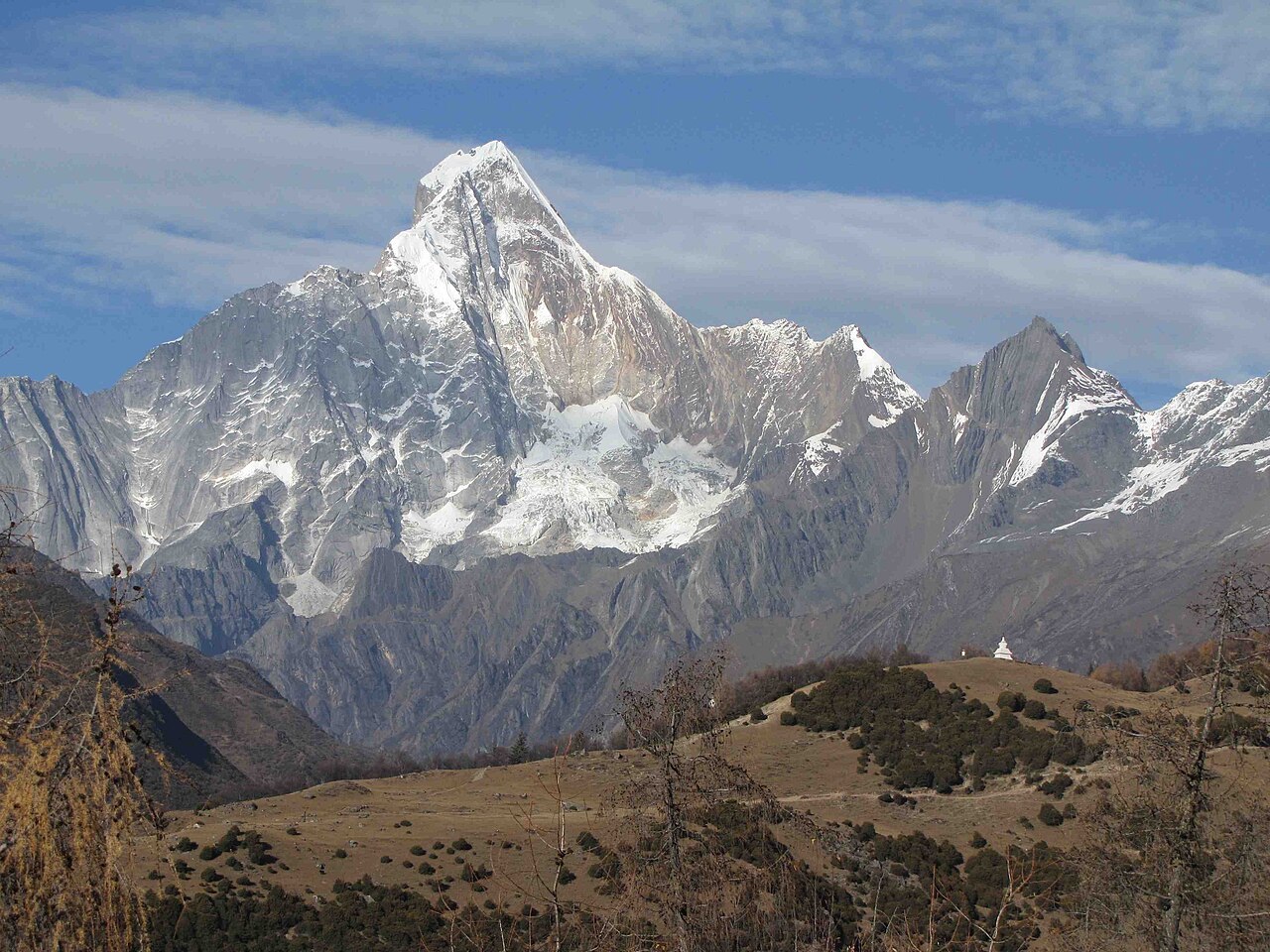
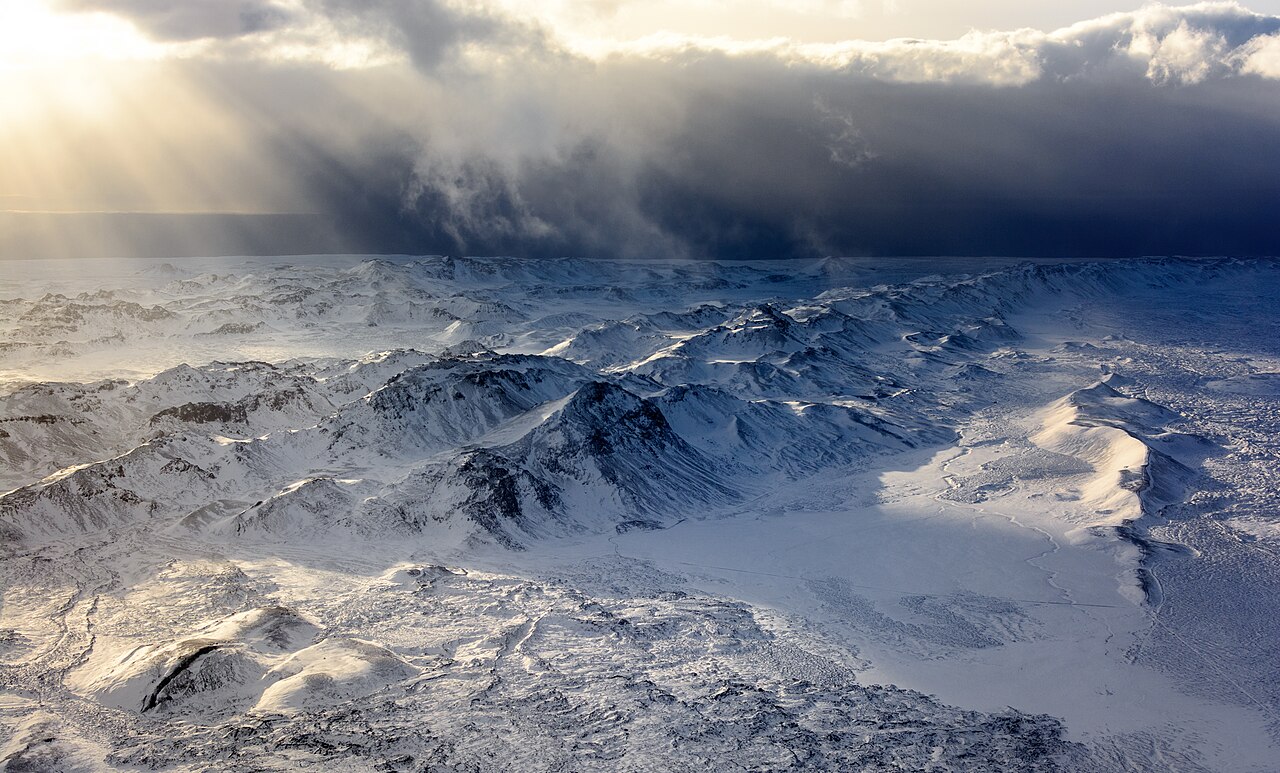
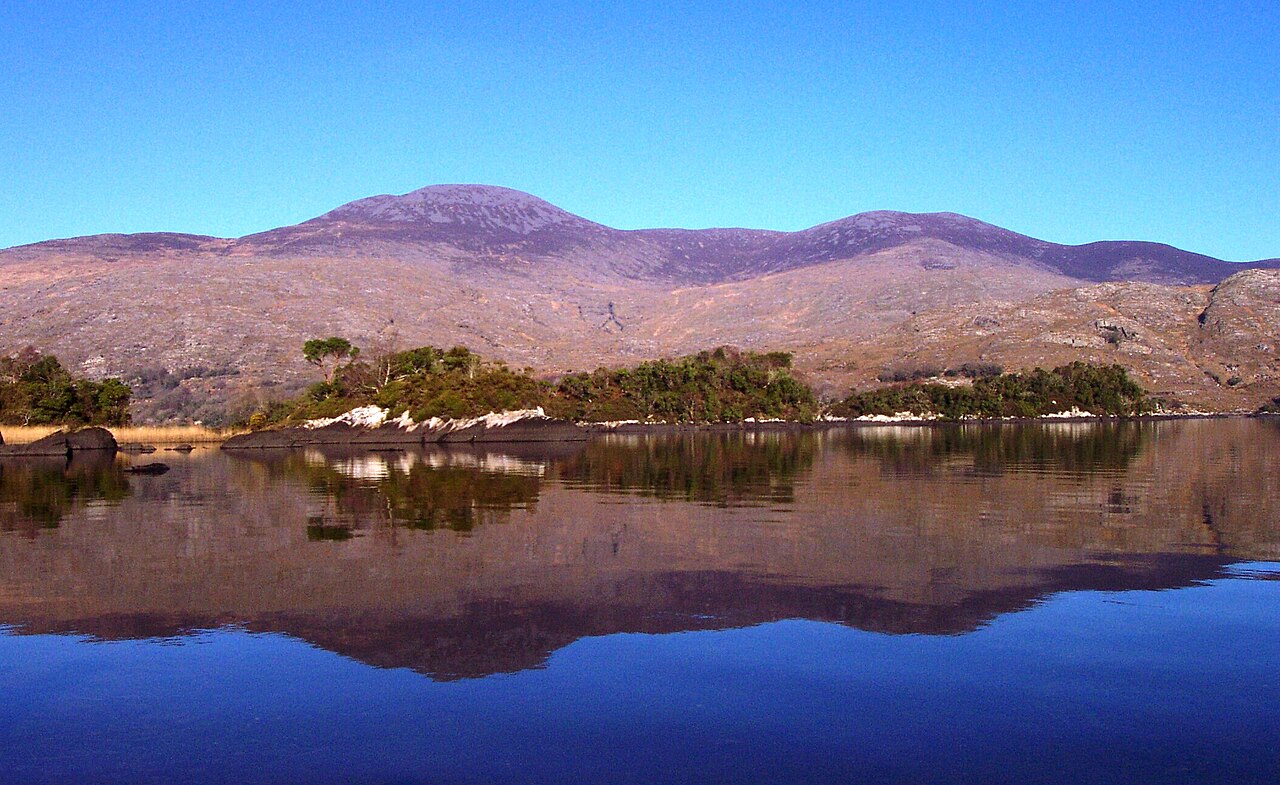
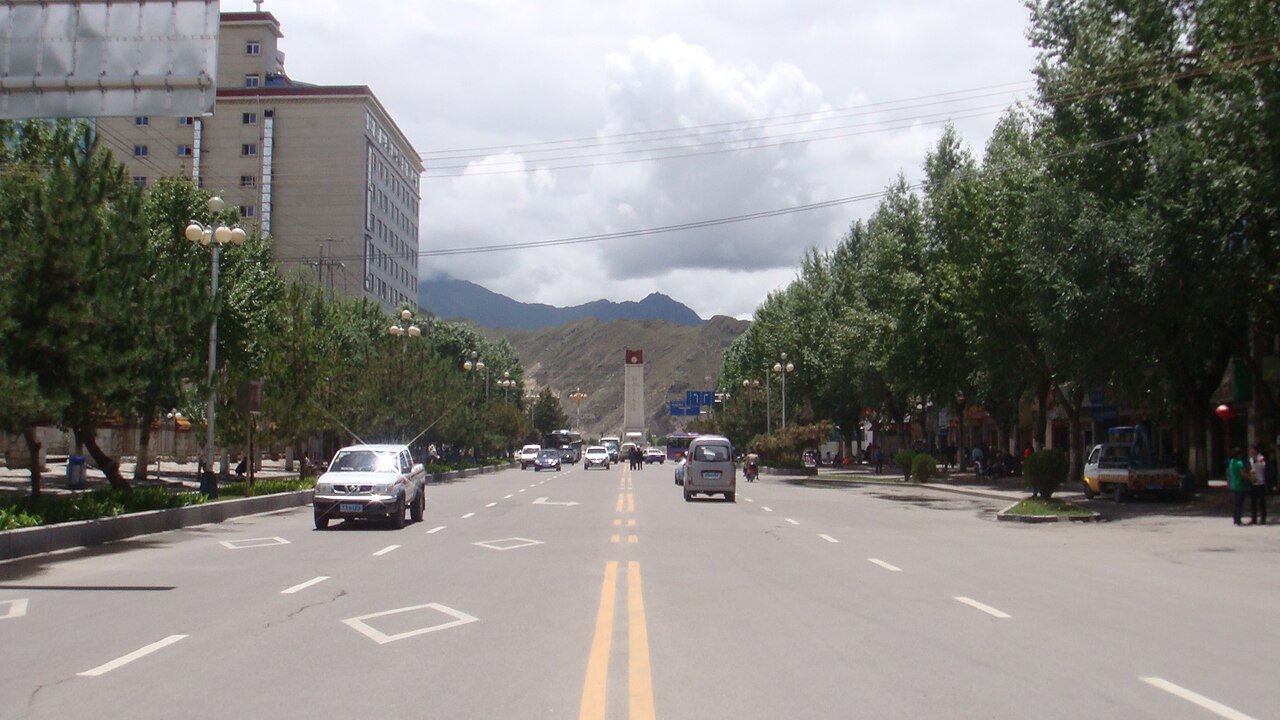
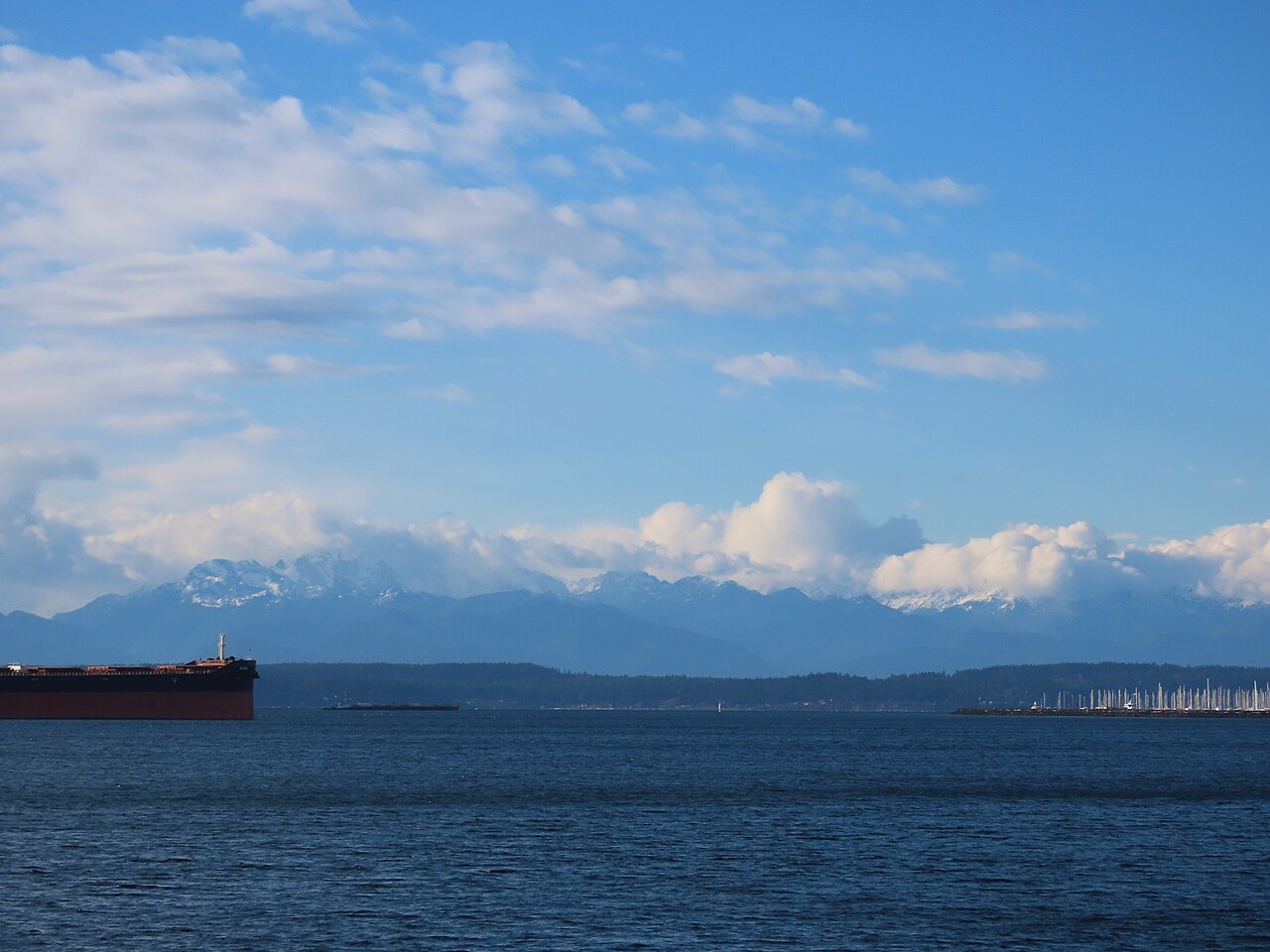
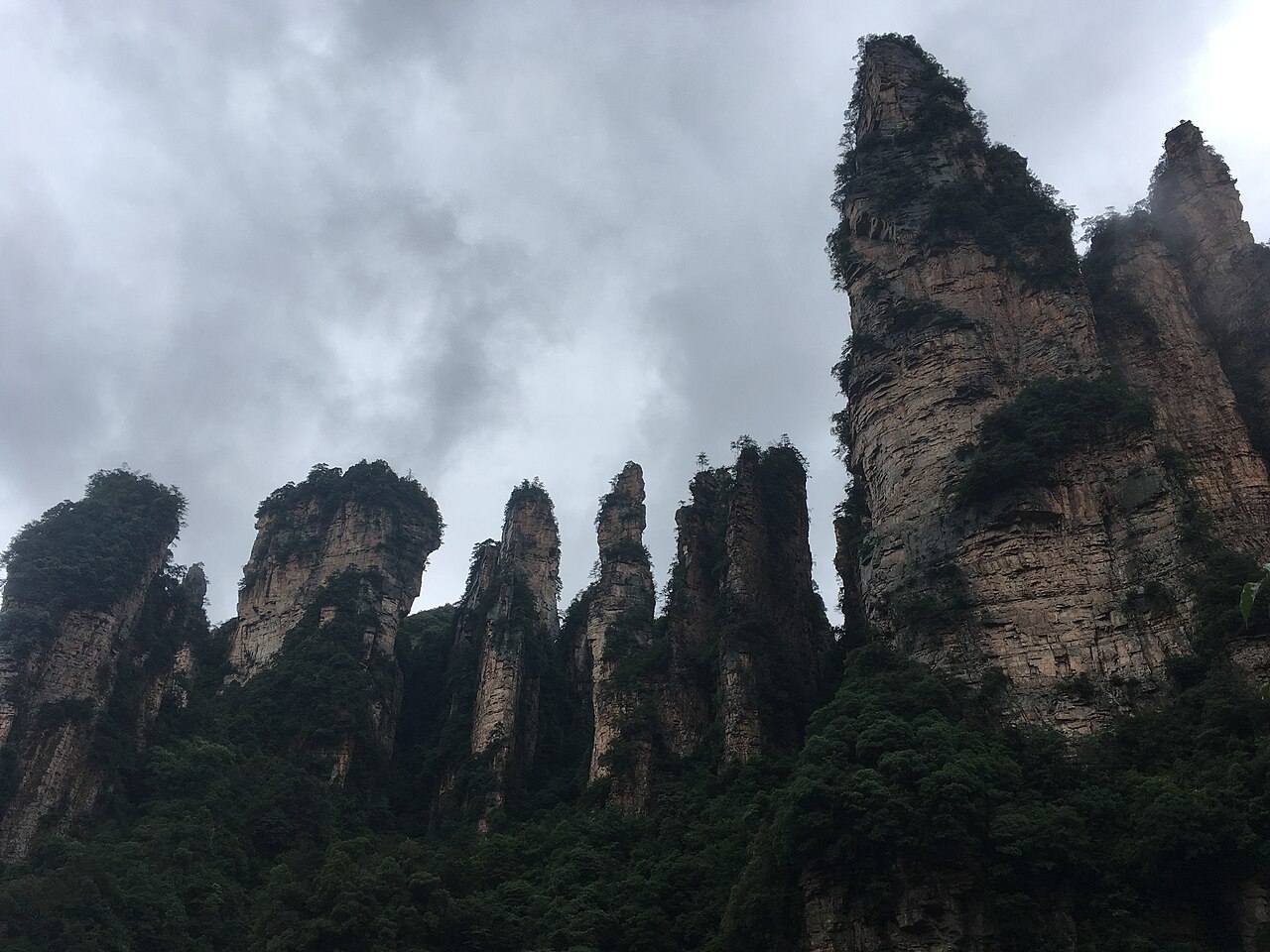
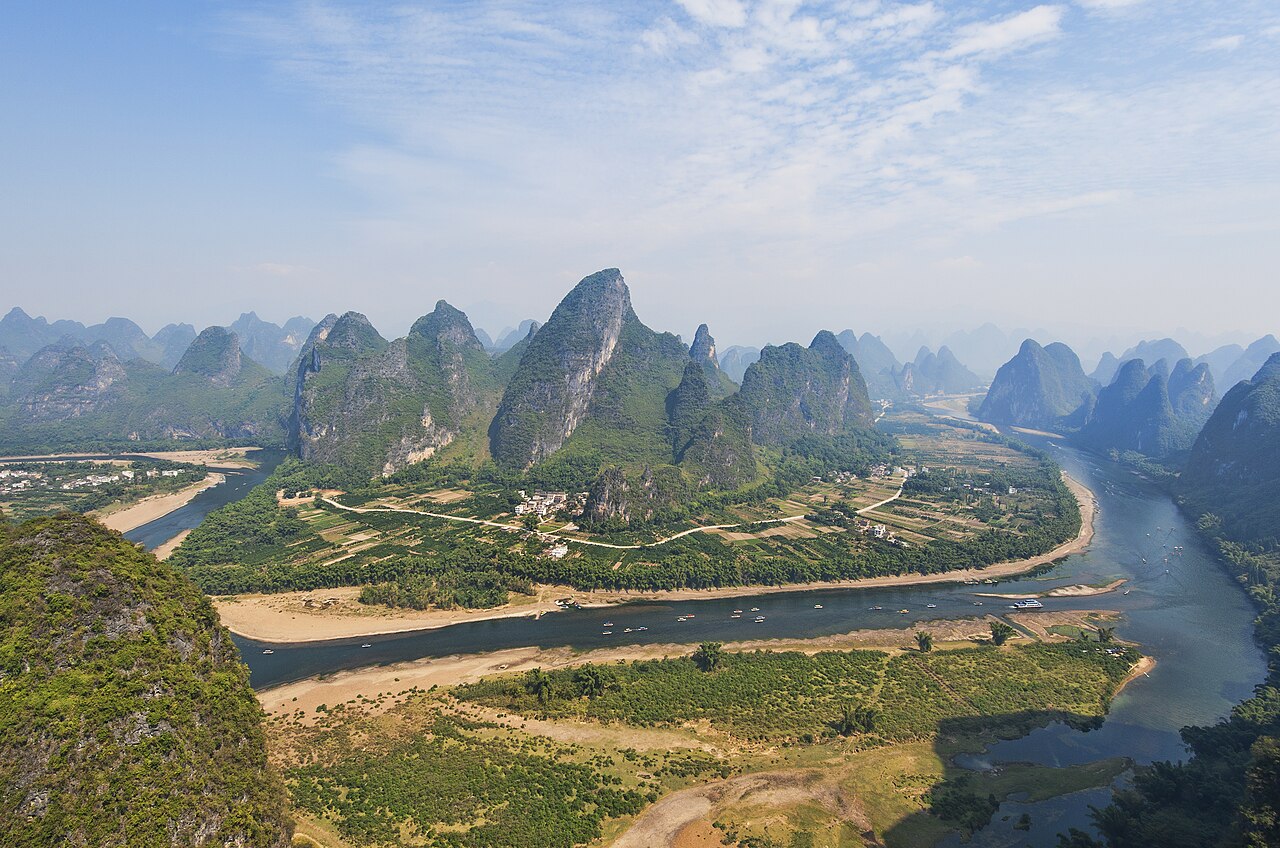
Namcha Barwa's triangular summit, 7,782 m, still hiding behind cloud
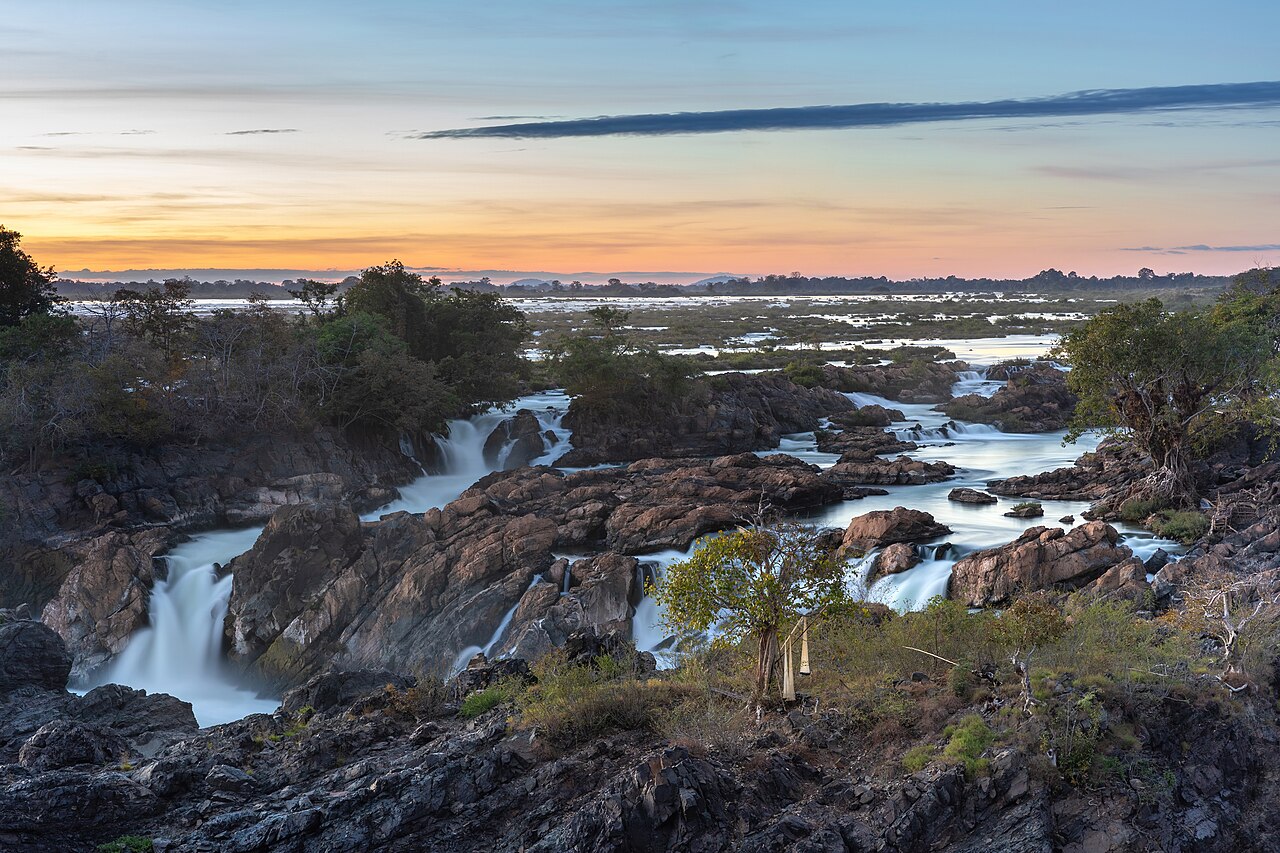
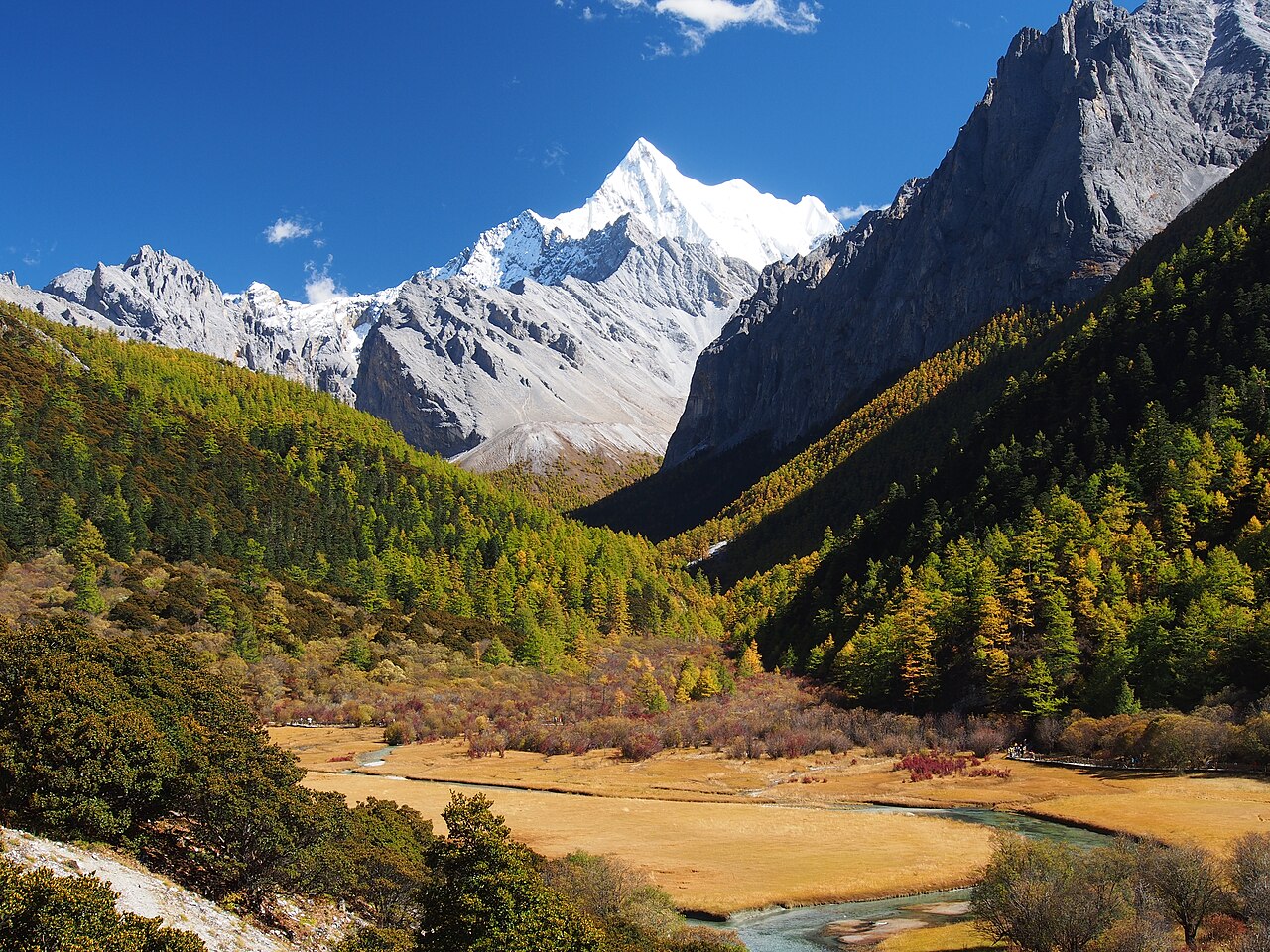
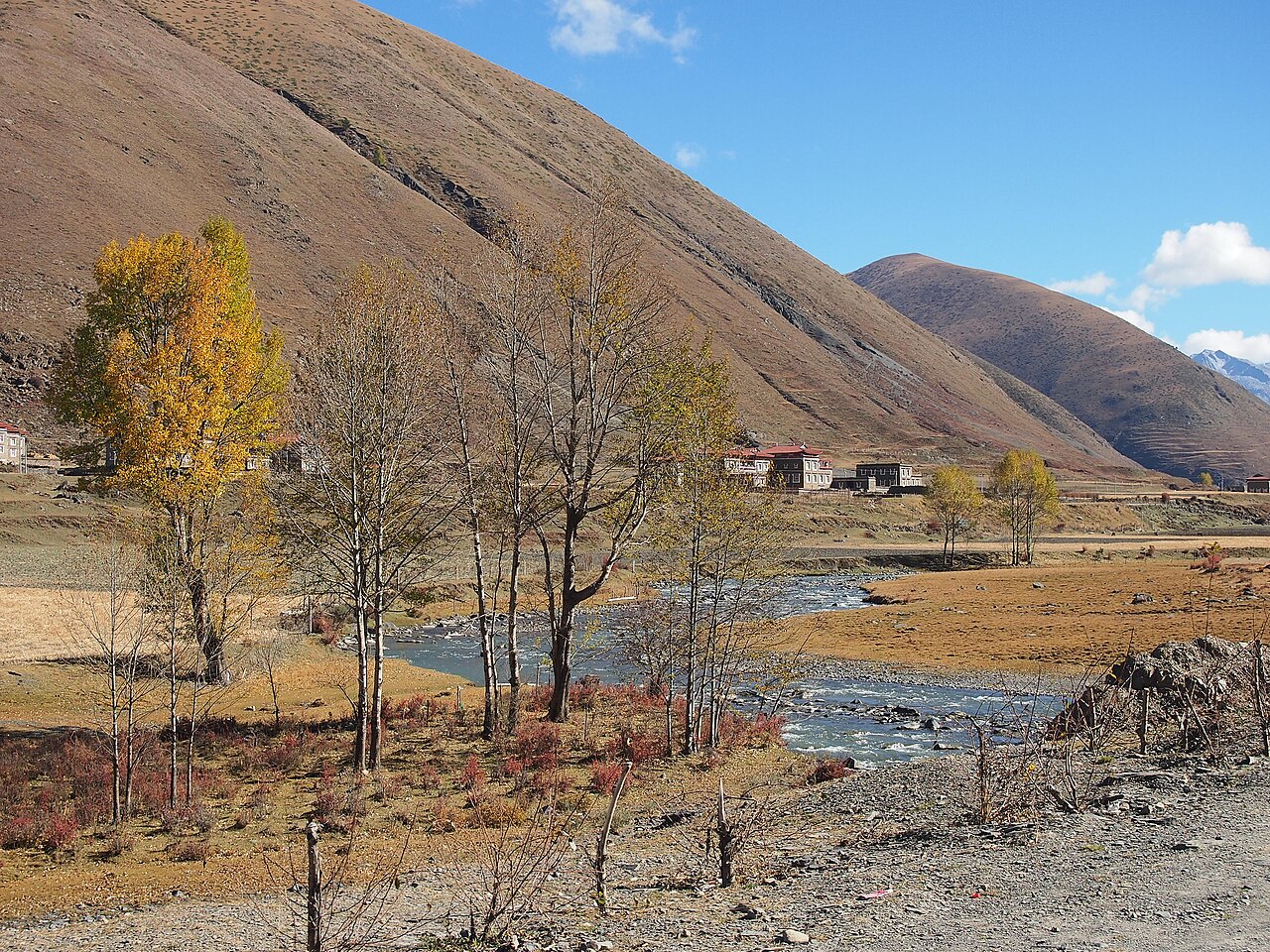
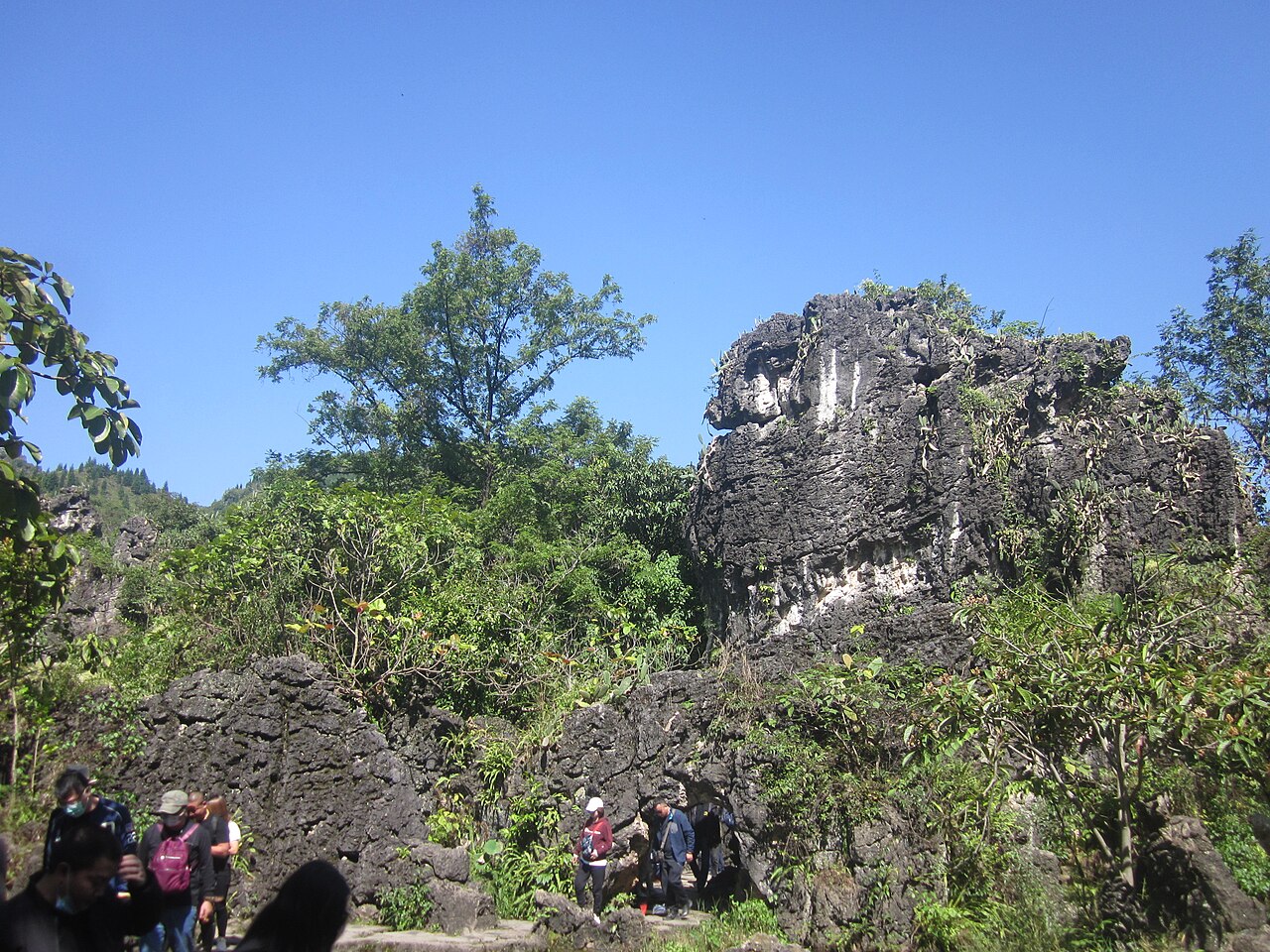
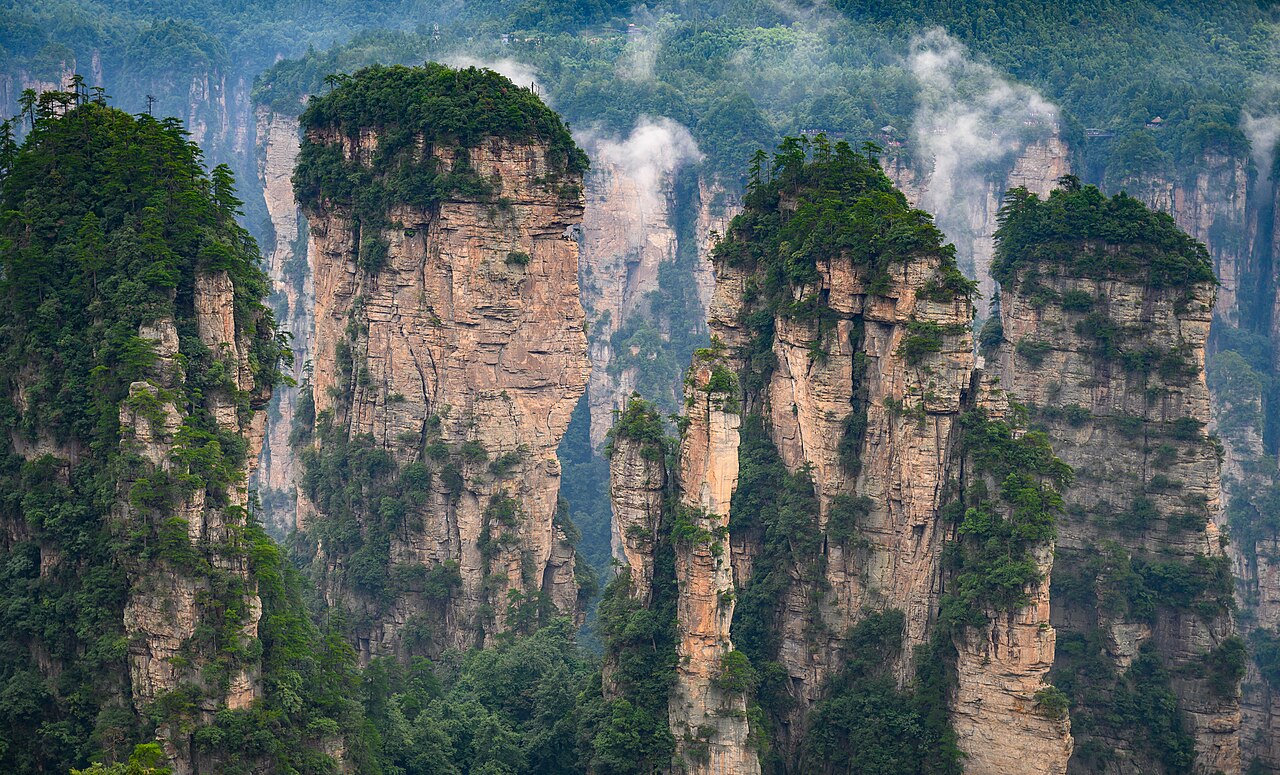
The Niyang River running emerald green past sandbars and grazing yaks
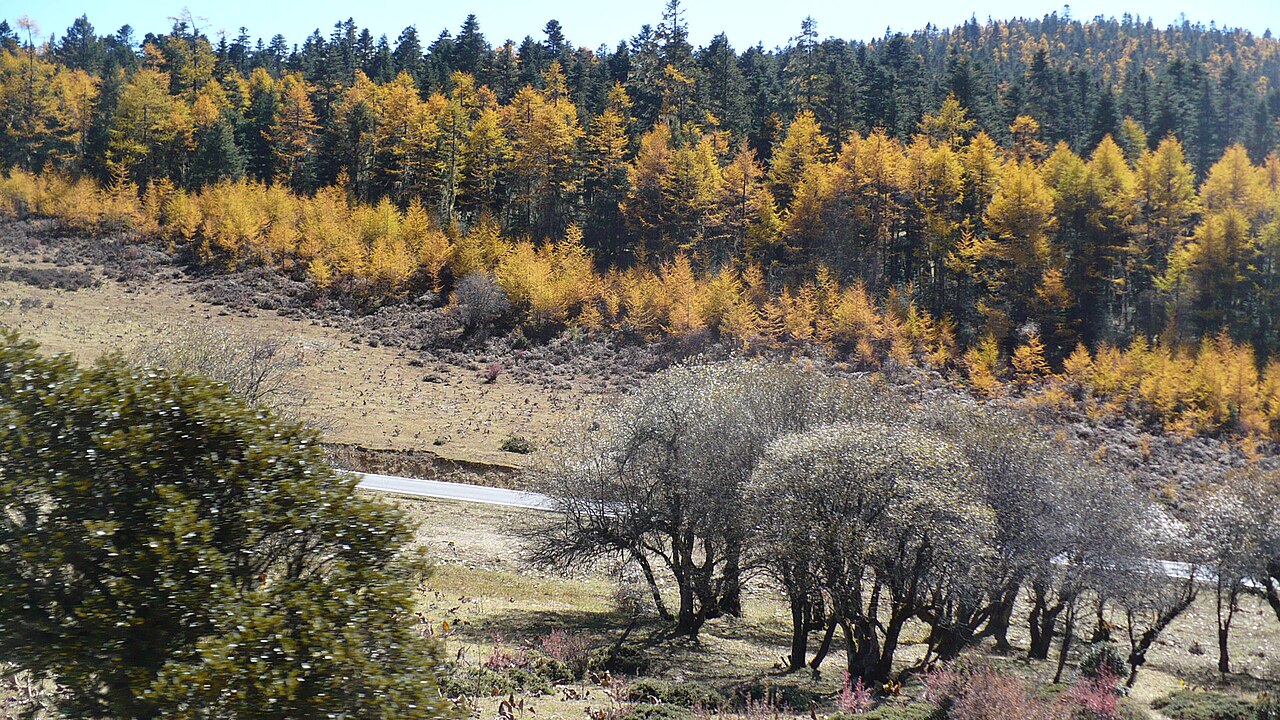
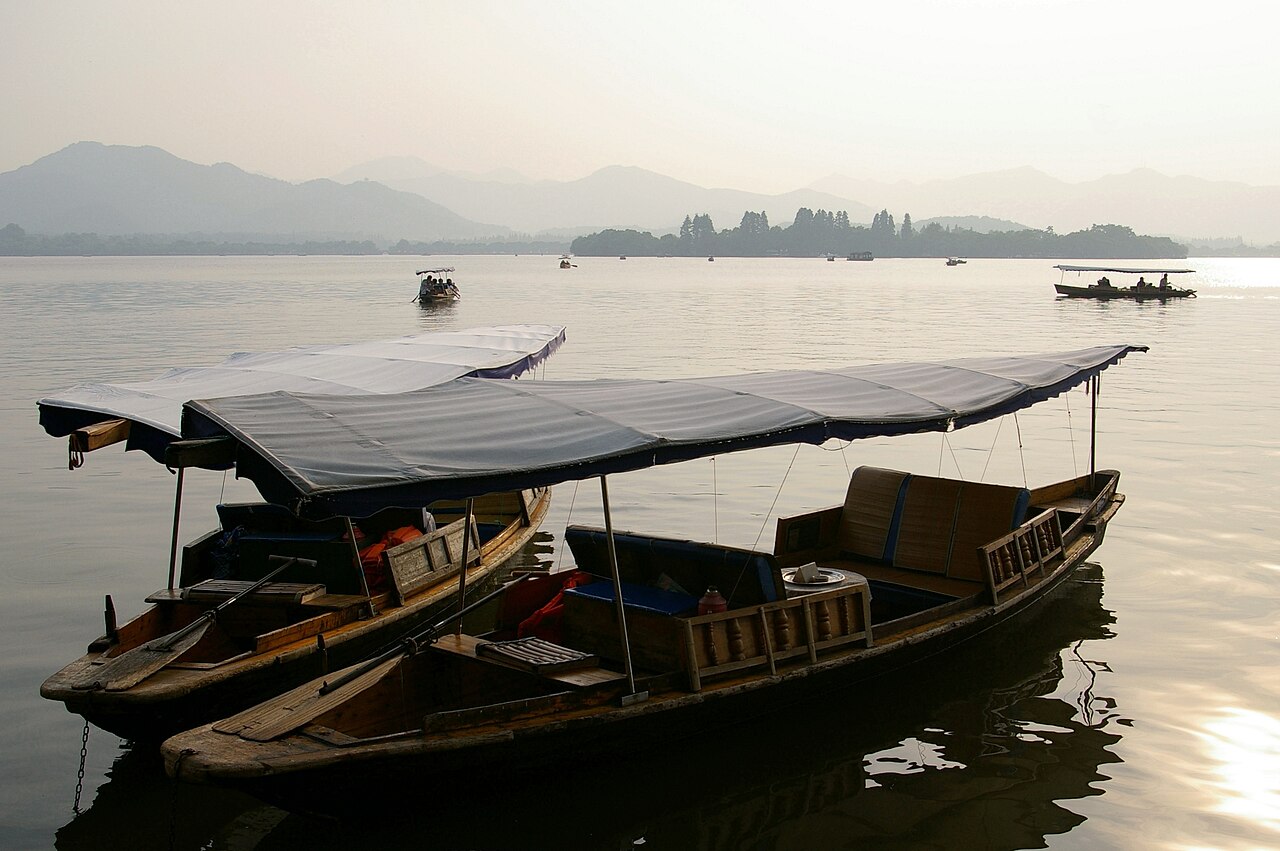
Wild peach blossom on the slopes above the Niyang River in early April
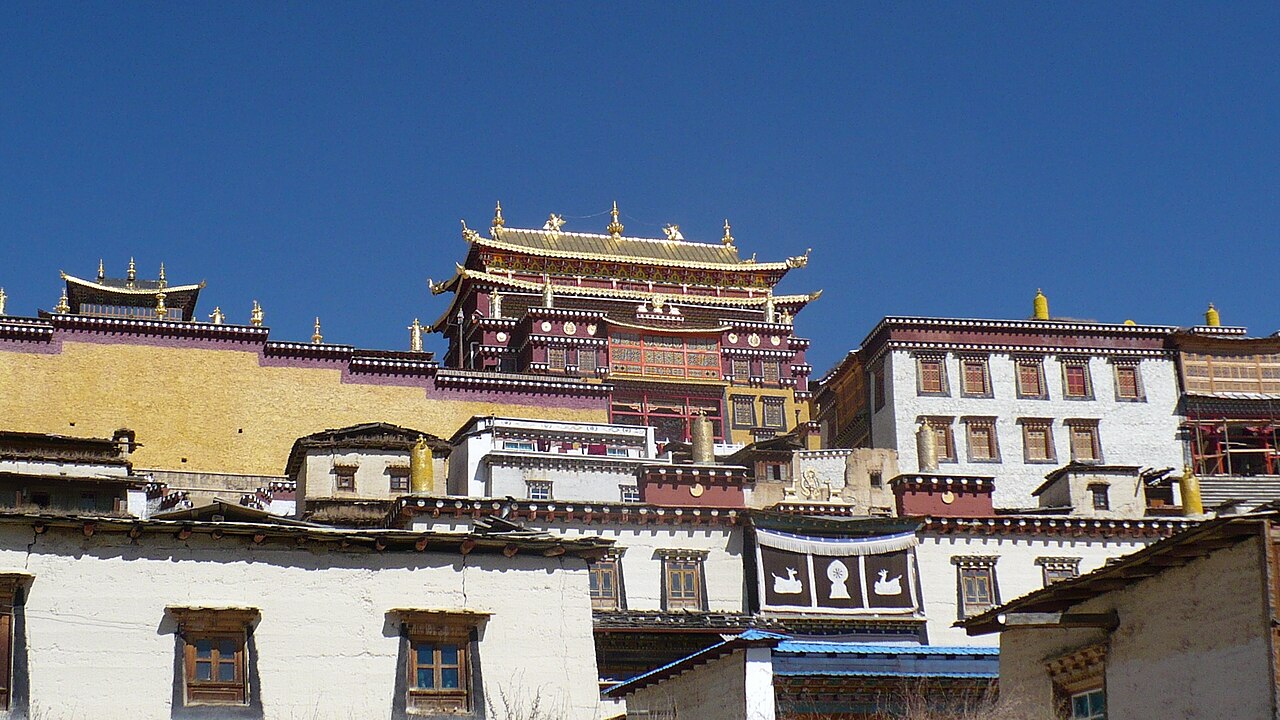
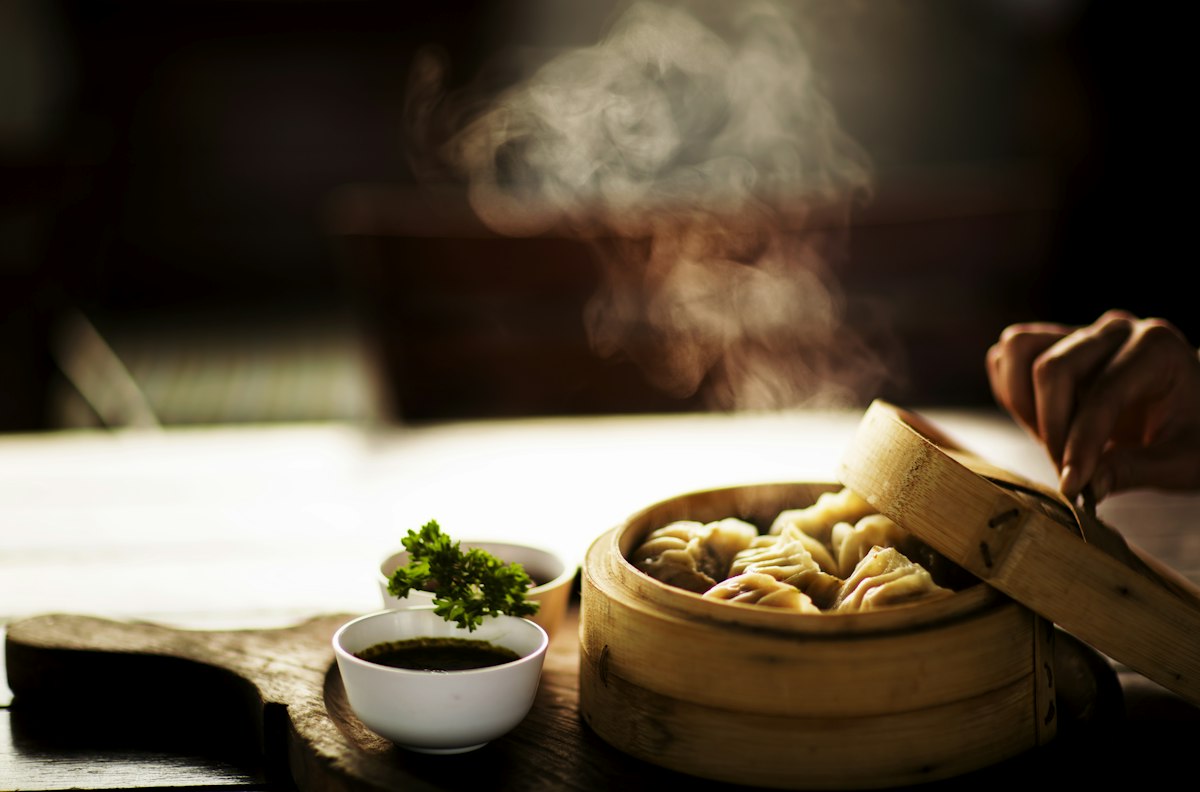
A soapstone pot of Lulang chicken, milky broth still bubbling

The moment we reached Lulang I stopped wanting to go home. Wooden fences, wooden houses, herders' villages scattered across the meadow, streams winding through, wild flowers everywhere, mist rolling in and out of the valley. Snow mountains, forest, farmland — it was the calmest mountain scene I have ever stood in.

qlzw, '2012 Tibet Independent Travel'

We walked straight into the Lulang stone-pot chicken place and the owner asked if we had driven ourselves. When I said yes she knocked it down to 150 a pot — the tour guides pay 280. Four of us couldn't finish it.

Baizhuxiao, 'Eight Thousand Kilometres Alone — Sichuan-Tibet South Route to Ali'

Nyingchi means 'throne of the sun' in Tibetan, and the name is not romantic exaggeration. Because the land drops away to the southeast, warm Indian Ocean air pushes up the Yarlung Tsangpo valley and stalls against the Nyainqentanglha range, so banana palms and bamboo grow at the same latitude as glaciers. You can photograph a 6,800 m ice tongue one hour and eat a bowl of rice grown at 1,400 m the next.

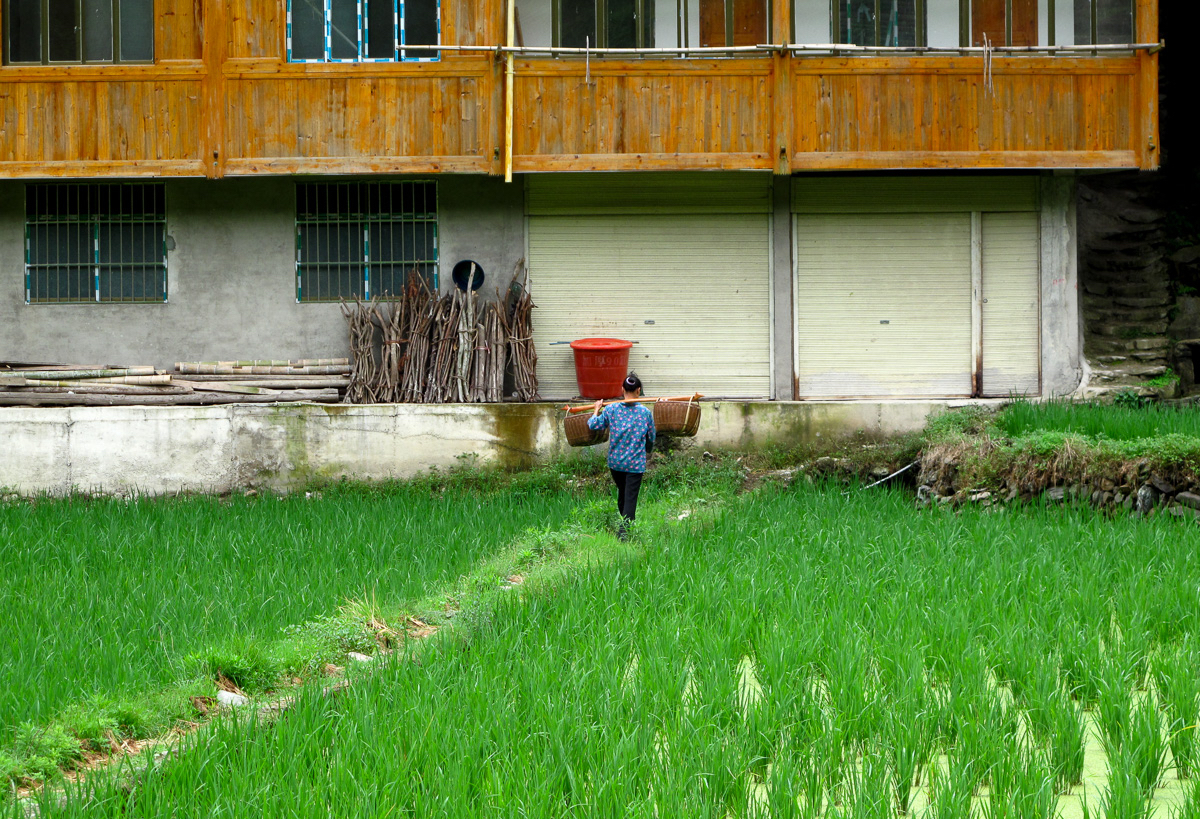
The first thing most visitors notice is that they can breathe. At 3,100 m the nights are cold but the days are mild, the forest smells of pine resin, and the villages along the Niyang River have wooden fences, smoke rising from chimneys and yaks grazing between barley fields. It is the part of Tibet that looks least like the Tibet in your head.

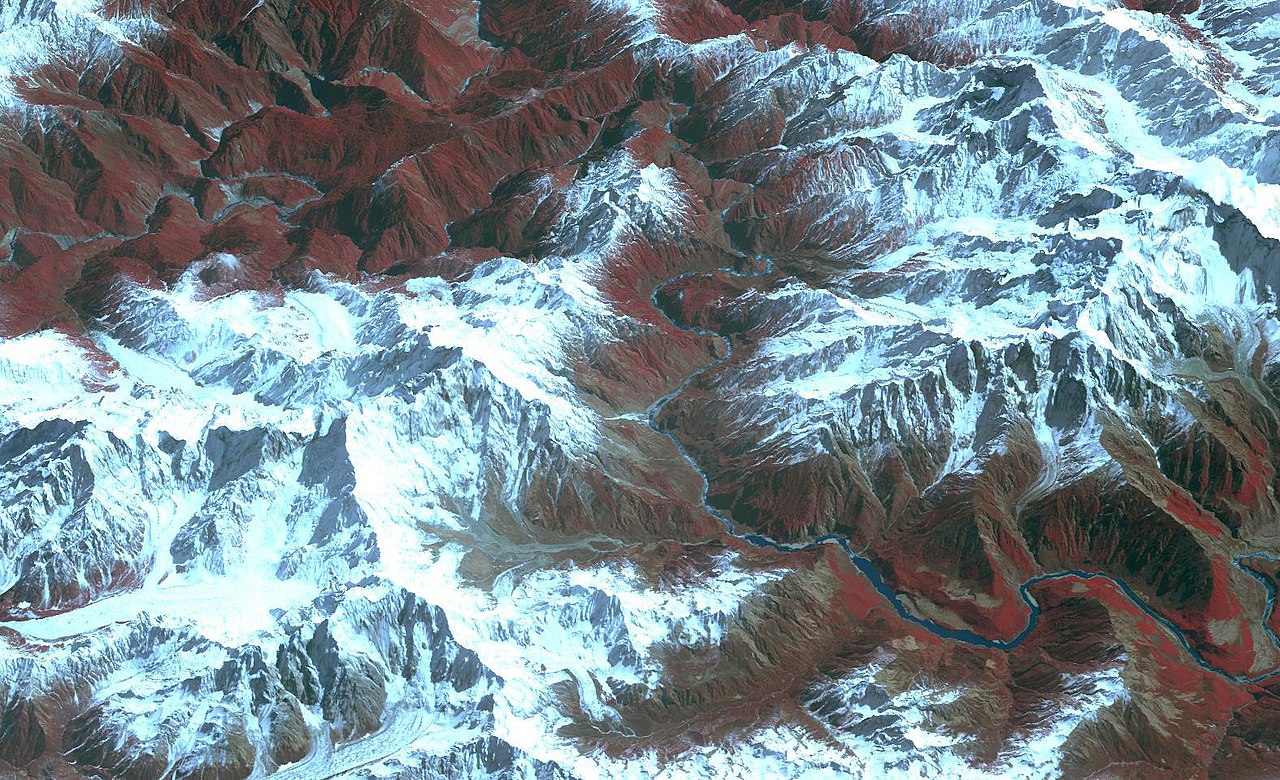
The second thing they notice is how much of it hides. Namcha Barwa is called the 'shy maiden peak' because its triangular summit spends most days behind cloud; travellers wait three days for a glimpse and count it a lucky trip. The canyon below it is the deepest on earth, and much of it has never been walked. You come here for what you might see, not for what you are guaranteed.

Nyingchi

Don't leave without

Seven things that are worth rearranging a day for.

  1. Catch Namcha Barwa clear from the road into Pai Town — turn a bend halfway and the whole peak lands in your windscreen
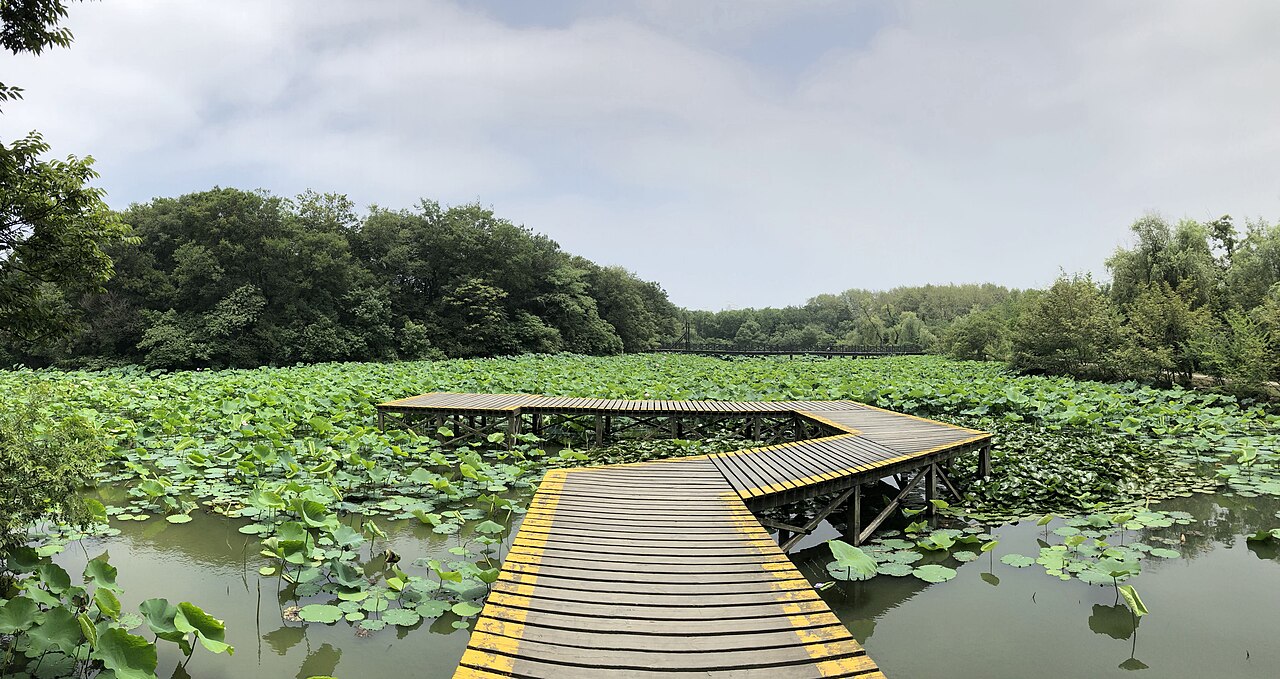
  2. Walk the wooden boardwalk at Basum Tso and find the island temple, Tsodzong, floating on the green water
  3. Eat a whole Lulang stone-pot chicken, cooked two hours in a soapstone pot dug from Medog
  4. Stand under the 2,500-year-old 'King Cypress' in the Bajie grove — six metres around, and no one can reach their arms around it
  5. Time your trip for late March–early April, when wild peach trees flower against snow peaks along the Niyang River
  6. Hike into Midui Glacier — 8 km off the G318, two hours on foot from Midui village, and the lowest-altitude glacier in the world

Highlights

Five reasons Nyingchi feels nothing like the rest of Tibet

Namcha Barwa, the shy peak you hav

At 7,782 m this is Nyingchi's highest mountain and the 15th-highest on earth, a massive triangle of snow that spends most of the year wrapped in cloud — locals call it the Shy Maiden. Clear views are rare enough that Tibetans treat a sighting as good fortune. Your best odds are at dawn from Zhihbai village at the mouth of the Yarlung Tsangpo Grand Canyon.
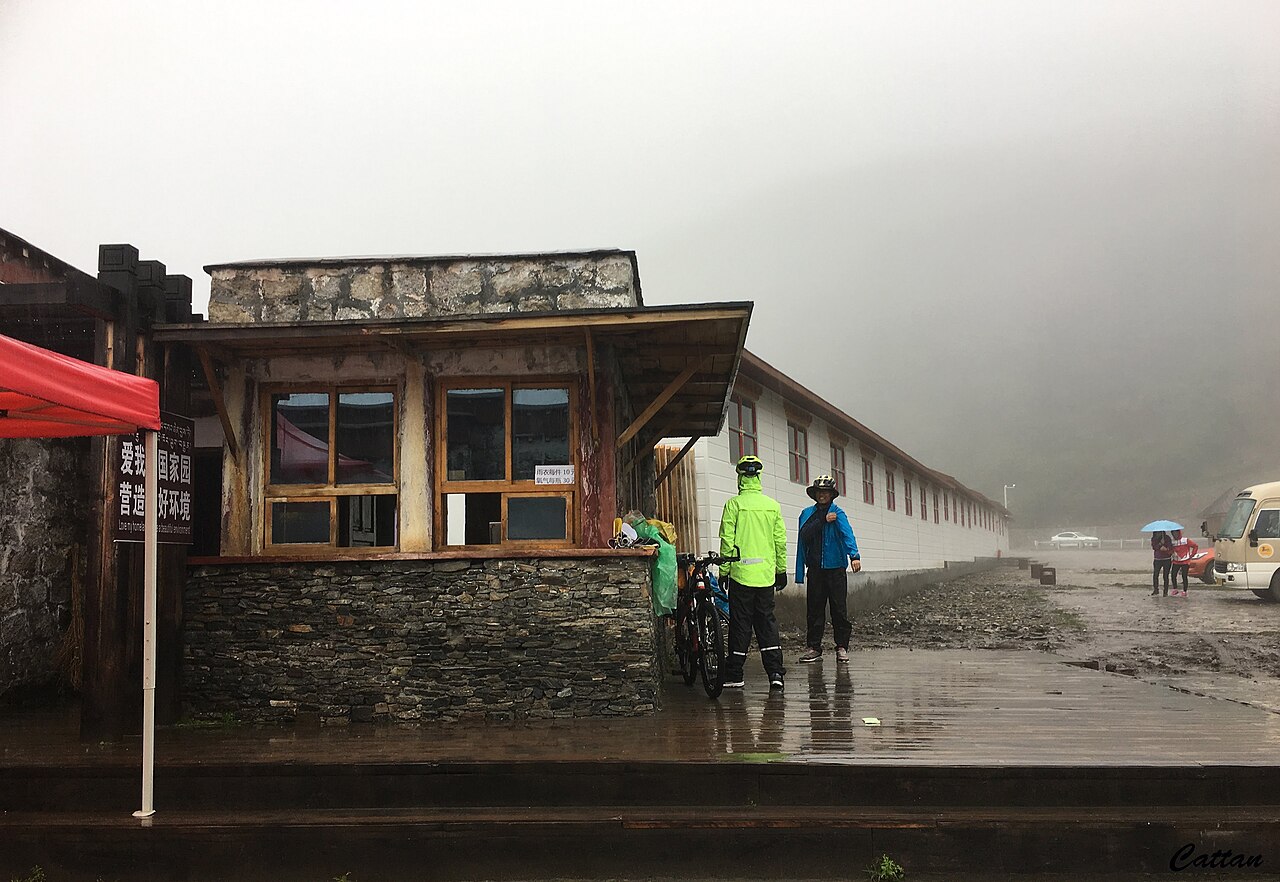
The world's deepest canyon, and a

The Yarlung Tsangpo Grand Canyon is the longest and deepest gorge on the planet; the viewing area sits at 2,800 m and the river bends sharply around Namcha Barwa before escaping into India. Entry is CNY 150 for adults, CNY 70 for children, plus a CNY 90 shuttle and CNY 30 meal if you take the standard package — buy the CNY 150 trekking ticket instead and walk in if you'd rather not be herded.

Lulang forest: the valley people r

Eighty kilometres from Bayi town along the Sichuan-Tibet highway, Lulang means "Dragon King Valley" in Tibetan, and locals also translate it as "the place that makes you not want to go home." Cloud drifts in and out of spruce forest, meadows sit neatly below snow peaks, and stone-and-branch fences ring the farmhouses. Tickets are CNY 10, open 06:30–18:30 — go early, the mist burns off by mid-morning.

Stone-pot chicken, the meal worth

The star isn't the chicken, it's the pot: a single block of dark soapstone mica carved out in Medog and, before the road existed, carried out on people's backs. Free-range Tibetan chicken simmers two hours with hand-picked ginseng, angelica and Tibetan fritillary. Expect around CNY 200 per pot — walk in on your own and you can often negotiate CNY 150; arrive with a tour guide and it's CNY 280.

Peach blossom season, when the sno

Every March and April, wild peach trees — small flowers, but packed so densely they read as pink cloud — bloom against still-white glaciers. Gala village is the classic stop, and the Niyang River valley fills with blossom above barley fields. It is the single busiest window of the Nyingchi year, so book beds and vehicles weeks ahead.

Itinerary

Two three-day routes: one from Lhasa, one coming down the 318

Lhasa in, Nyingchi out — the class

3 days days

The route almost everyone takes: 407 km of highway from Lhasa to Bayi town, then the canyon and the forest, with the highest passes behind you by lunchtime on day one. Best for first-timers who want the headline sights without committing to a full overland.

  1. Day 1

    Lhasa to Bayi: Basum Tso, the Niya

    Leave Lhasa early and climb over the pass into a completely different Tibet — greener, wetter, warmer. First stop is Basum Tso, a crescent-shaped lake at 3,700 m with snow peaks mirrored in it; adults CNY 100, children CNY 50, open 09:00–18:00. Then follow the Niyang River, whose emerald water runs past forest, meadow and sandbars. Finish at Kazi Gully, a gorge 200 m deep with a waterfall that hides a naturally formed Buddha image in the rock — CNY 20, open 09:00–17:30. Read the sign at the gate before you walk in; without it you'll miss half the shapes in the cliff.

    Stops: Basum TsoNiyang RiverKazi GullyBayi town

  2. Day 2

    Yarlung Tsangpo Grand Canyon and N

    Drive toward the airport, cross the Yarlung Tsangpo and turn onto the narrow but decent 70 km road to Pai town. About halfway there the road bends and Namcha Barwa fills the windscreen — that's the moment people photograph from moving cars. Pai is a scruffy little supply town; the ticket gate sits before you enter it. From here it's canyon rim at 2,800 m, and if the cloud lifts you get the peak itself. Sleep at Zhihbai village, the closest settlement to the mountain and by far the best place to catch it at sunrise.

    Stops: Pai townYarlung Tsangpo Grand CanyonNamcha BarwaZhihbai village

  3. Day 3

    Lulang forest and the cypress grov

    Morning drive to Lulang at around 3,700 m — meadow, spruce, drifting cloud, and on a clear day Namcha Barwa again from a completely different angle. Give it half a day; there is no reason to rush. After lunch head to the Great Cypress Grove, a Bon sacred site at 3,000–3,400 m where hundreds of trees are over a thousand years old and the biggest, the King Cypress, is roughly 2,500 years old and needs several people to circle. Tickets CNY 10, open 09:00–17:00. Sleep in Lulang or push back to Bayi.

    Stops: Lulang forestGreat Cypress GroveLulang

Coming down the 318 from Ranwu and

3 days days

The overland route for anyone driving the Sichuan-Tibet highway east to west. It trades Lhasa logistics for glacier country, the Parlung Tsangpo gorge and the notorious Tongmai stretch — you cover the most dramatic 345 km of the whole highway.

  1. Day 1

    Ranwu to Bomi along the Parlung Ts

    Ranwu sits right on the Chamdo–Nyingchi border, a one-street town of guesthouses, repair sheds and small shops that exists because of the lake. The 345 km on to Bomi runs through a gorge between the Nyainqentanglha and Himalaya ranges: broadleaf forest on the valley floor, conifer on the slopes, snow above, and the river the whole way. It's the kind of drive where you stop every twenty minutes.

    Stops: Ranwu LakeParlung TsangpoBomi

  2. Day 2

    Midui Glacier, then Tongmai to Lul

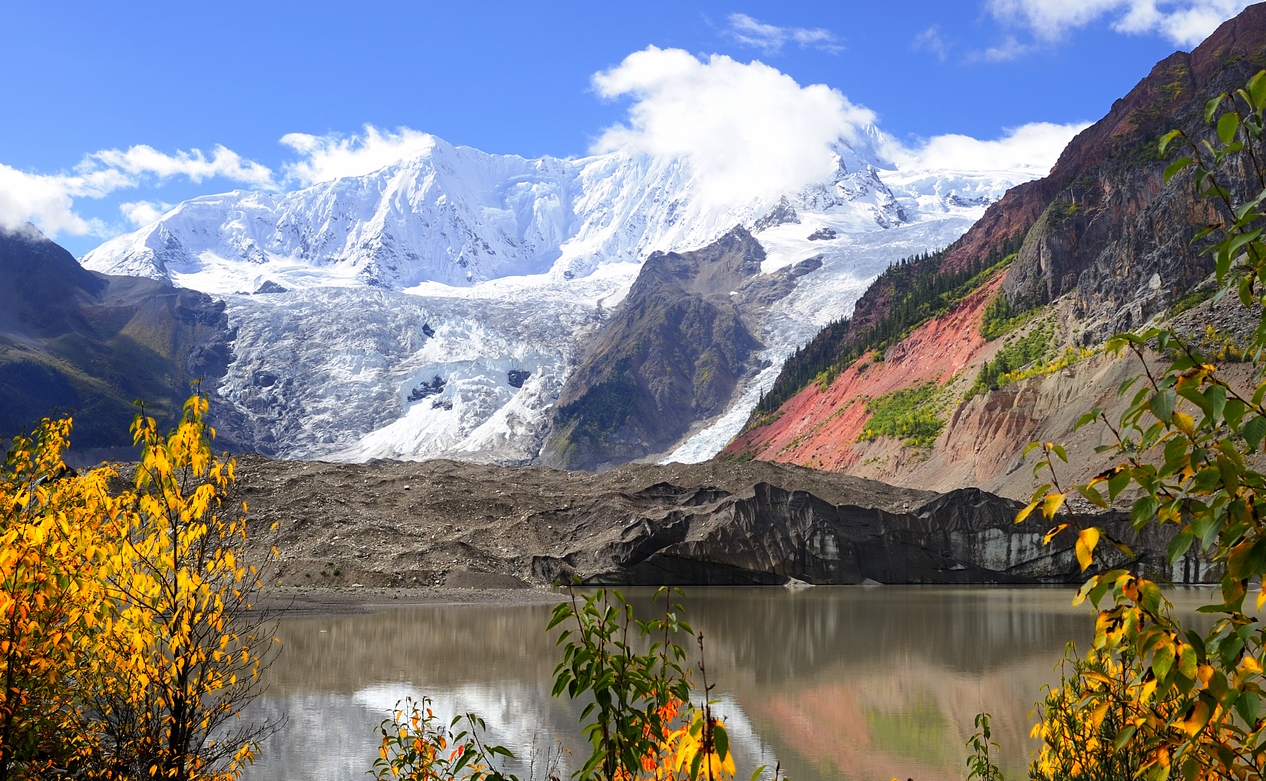
    Midui Glacier is the lowest-elevation glacier in the world and one of Tibet's most important maritime glaciers, its main peak at 6,800 m and the snowline at 4,600 m. From Ranwu it's 50 km toward Bomi; turn off, walk through Midui village and hike about two hours to the ice. A local guide costs around CNY 20 to carry your gear; during peak holiday weeks the village charges CNY 15 per visitor and hands you a hand-printed receipt. There is no hotel or restaurant in Midui village. Then brace yourself for Tongmai, the most feared stretch of the entire Sichuan-Tibet highway — narrow, landslide-prone, genuinely nerve-wracking when you meet oncoming traffic.

    Stops: Midui GlacierMidui villageTongmaiLulang

  3. Day 3

    Lulang to Bayi over the Serkyim La

    Leave Lulang and climb the Serkyim La; on a lucky day the pass gives you one more long look at Namcha Barwa before the descent. Stop for stone-pot chicken in Lulang itself on the way out — this is the town it's named after, and the pots come from Medog. You arrive in Bayi, Nyingchi's new town, which feels startlingly modern and prosperous compared with every county town you passed on the way.

    Stops: Serkyim LaLulangBayi town

Sights

The stops worth your time, with the practical detail

Lake · 3,700 m

Basum Tso (Cuogao Lake)

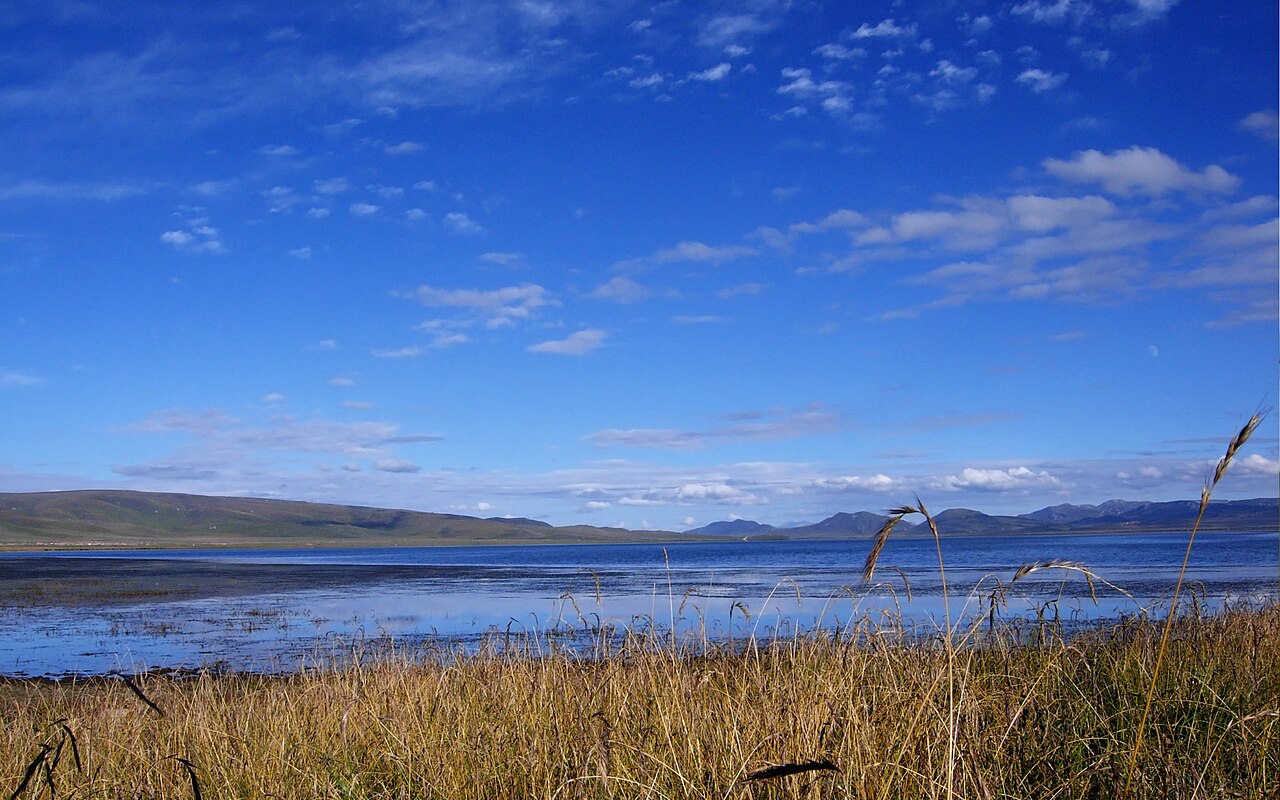
A crescent of green water pinned between high峡 valleys, with snow peaks reflected in it, ducks and gulls drifting across the surface, and a small island in the middle carrying a temple. "Cuogao" means "green water" in Tibetan, and the name is literal. It is the single easiest big-payoff stop on the road between Lhasa and Bayi, which is why every itinerary includes it.

Adults
CNY 100
Children
CNY 50
Opening hours
09:00–18:00
Location
Gongbo'gyamda county, Nyingchi

Tip Arrive before 10am for calm water and actual reflections — afternoon wind chops the lake up and kills the mirror effect you came for. You can sleep at the resort village by the lake or camp on the shore.

Forest and meadow · 3,700 m

Lulang Forest (Lulang Linhai)

Spruce forest climbing the slopes, a flat meadow running down the middle, cloud gathering and scattering over it, and farmhouses fenced with stone and branches. Visitors describe it as a Chinese ink painting, and in rain that's exactly what it looks like — grey, layered, low contrast. Even without Namcha Barwa showing, people come away saying it wasn't a loss.

Tickets
CNY 10
Opening hours
06:30–18:30
Distance
About 80 km from Bayi town, on the Sichuan-Tibet highway
Stay
Guesthouses in Lulang village

Tip Give it half a day minimum and eat stone-pot chicken while you're here — this is the town the dish is named after and prices are lower than in Bayi.

Canyon · viewpoint at 2,800 m

Yarlung Tsangpo Grand Canyon and N

The longest and deepest canyon on earth, where glaciers, cliff faces, rockfall and a very large river all sit within a few kilometres of each other. Large parts have never been visited. The gateway is Pai town, a border settlement nicknamed the backpackers' holy land; the mountain above it, Namcha Barwa, is rated first among China's ten most beautiful peaks.

Adults
CNY 150
Children
CNY 70
Typical package
CNY 150 ticket + 90 shuttle + 30 meal
Trekking-only ticket
CNY 150
Opening hours
All day
Phone
0894-5833361

Tip Skip the package: buy the CNY 150 trekking ticket, or arrange a pickup from Zhihbai village for around CNY 150 — some people take a motorbike in. Summer and autumn are the best seasons for both the canyon and the peak. Hot springs sit at the foot of the mountain.

Glacier · snowline 4,600 m

Midui Glacier

The lowest glacier in the world and Tibet's most significant maritime glacier, its summit at 6,800 m and ice pushing down into mixed conifer and broadleaf forest — snow above, green below, in the same frame. The ice surface is warm enough that ice worms, ice fleas and other microorganisms live in it year-round. China National Geographic ranked it fourth among China's six most beautiful glaciers in 2005.

Tickets
CNY 50
Opening hours
All day
Access
103 km from Bomi county town, 8 km off the 318
Approach
50 km from Ranwu, then a 2-hour walk through Midui village

Tip No hotels or restaurants in Midui village — sort out food and a bed in Bomi or Ranwu. Hire a villager as a guide and offer CNY 20 or so if they carry your bag. Never buy the "mountain produce" hawked at roadside stalls on the Bomi road; it's a setup and fines run into the thousands.

Valley · 2,500 m · Lhoba culture

Nanyi Gully (Nanyigou)

"Nanyi" means fairyland, and the gully earns it: a humid, protected valley in Lhoba township with dense forest and a Tibetan medicine tradition — the founder of Tibetan pharmacology, Yuthok Yonten Gonpo, is said to have made medicines and taught here. It's known as the Medicine King Valley. What stays with most visitors is the松萝 lichen hanging off every branch, pale green and drifting like gauze, which is why it's nicknamed the green silk scarf gorge.

Tickets
CNY 110
Opening hours
All day
Location
Nanyi Lhoba Ethnic Township, Mainling county
Altitude
Average 2,500 m
Time needed
About 2 hours

Tip Close to the Indian border, so you can see the McMahon Line area from parts of the valley. Combine it with Lamaling Monastery, a Nyingma (Red Sect) temple founded in the late 1930s, about 2 hours' visit, on the same day.

Food

What to eat in Nyingchi: stone-pot chicken and high-altitude pork

Lu Lang stone-pot chicken (鲁朗石锅鸡)

The dish this region is famous for, and the pot matters more than the bird. It's carved from a single block of soft black soapstone mined in Medog — before the road went in, someone carried each one out on their back. Free-range Tibetan chicken simmers two hours with hand-shaped ginseng, angelica, Tibetan fritillary and goji until the broth turns milky. A whole pot runs about CNY 200; walk in off the road as a self-driver and you can talk it down to 150, while a tour-group table pays closer to 280.

Tibetan fragrant pork (藏香猪)

Pigs that live above 3,000 m, root for cordyceps and wild mushrooms, drink spring water and sleep in caves. They take two years to reach 40 kg, which is why the meat is fine-grained, dark and almost beef-like. Order it stir-fried with matsutake if it's on the menu — it's the priciest thing on most tables and worth it once.

Bahe fish (巴河鱼)

A cold-water river fish from the Nyang and Basum Tso, named for Bahe town in Gongbo'gyamda county. Firm flesh, few bones, and usually served as a clear soup with ginger and scallion — the local answer to a long day at altitude. Ask the price before you order; river fish is sold by weight and the numbers climb fast.

Songrong / matsutake mushrooms (松茸

Peak season is July through September, when these sell for a fraction of what Tokyo pays. Grilled with a little butter, folded into chicken soup, or simply stir-fried with green pepper, they're the reason a summer trip here beats a spring one on the plate if not in the camera.

Sichuan food and yak butter tea

Be honest with yourself: most restaurants along the route are run by Sichuan families, and the mapo tofu and twice-cooked pork are reliably good and cheap. Tibetan butter tea, tsampa and dried yak meat are the local staples — try them once, then fall back on the chilli.

Where to eat

Four restaurants worth a stop in Bayi and Lulang

Signature dish · Lulang

Lulang Stone-Pot Chicken (鲁朗石锅鸡)

The benchmark pot, on Lulang's main street. Big pot is a whole chicken; you can add matsutake, hand-shaped ginseng and other mushrooms and vegetables. Drink the broth before anything else goes in — it's the whole point of the meal. Finish by cooking a handful of noodles in what's left.

Average spend
About CNY 100 per person
Address
No. 8 Lulang Street, Nyingchi county
Phone
589251880
Order this
Whole stone-pot chicken, then noodles in the broth

Mushrooms · Bayi town

Medog Stone-Pot Mushroom Soup Hous

A smaller, cheaper, mushroom-forward version of the same idea, in the middle of Bayi. The pots come from Medog, the broth is aggressively savoury, and vegetables and noodles at the end are free refills — good value if you're feeding a group on a budget.

Average spend
About CNY 35 per person
Address
No. 165 Ping'an Road, Bayi town, Nyingchi county
Phone
5828258100
Good for
Cheap group dinner, mushroom lovers

Fusion · Bayi town

Yunnan Stone-Pot Cured Ribs (云南石锅腊

The owner is from Lijiang and had the sense to marry Yunnan cured pork ribs to a Medog soapstone pot. A small pot is CNY 68 and holds a full 600 g of ribs plus potato, Chinese yam and cabbage; the ribs are cured for two weeks, lean and tender, with a faint rice-wine sweetness. The broth is rich without being greasy.

Average spend
About CNY 35 per person
Address
Ping'an Road, Bayi town, Nyingchi county
Small pot
CNY 68, feeds 2–3
Note
Ribs are pre-cured about two weeks — no vegetarian version

All-rounder · Bayi town

Lulang Stone-Pot City (鲁朗石锅城)

A bigger sit-down place on Guangdong Road doing gastrodia stone-pot chicken, Tibetan fish and fragrant pork with matsutake. The fish is longer and scaleless compared with lowland varieties; the pork is a house signature and priced accordingly. Reliable when you want a proper table rather than a roadside bowl.

Average spend
About CNY 35 per person
Address
No. 353 Guangdong Road, Bayi town, Nyingchi county
Phone
582990880
Try
Gastrodia stone-pot chicken; matsutake fragrant pork

Where to stay

Sleeping in Nyingchi: Bayi hotels, Lulang guesthouses, Pai village beds

Mid-range · Bayi town centre

Nyingchi Jinxin Hotel (林芝金鑫大酒店)

Central Bayi, walking distance to shops, banks, supermarkets and restaurants, and the most convenient base if you're day-tripping to the Great Cypress Forest, Lulang or Nanyi Valley, or catching the airport bus. Rooms from CNY 165 — the best value-to-location ratio in town.

Address
No. 51 Deji Road, Nyingchi county
Phone
0894-5821291
Price
From CNY 165
Good for
First-timers, airport transfers, day trips

Hostel · Bayi new district

Nyingchi Youyoudao International Y

A four-storey building with a courtyard of nearly 1,000 sq m, parking and a first-floor lounge built for meeting other travellers, using the wifi, or doing absolutely nothing in the sun. Dorms CNY 30, standard rooms CNY 200.

Address
No. 46 Yingbin Avenue, Bayi new district (opposite Shangcheng Garden)
Phone
0894-5822868
Dorm bed
CNY 30
Standard room
CNY 200

Hostel · Pai village

Nyingchi Guke International Youth

The one to book if Namcha Barwa is the reason you came. It sits on the Yarlung Tsangpo at the trailhead for the Medog trek, and the floor-to-ceiling windows frame the snow peaks of Namcha Barwa and Gyala Peri across the water. Dorms CNY 30, doubles CNY 140 — book ahead in peach season and the October holiday.

Address
Pai town, Mainling county, Nyingchi
Phone
15208047525
Dorm bed
CNY 30
Standard room
CNY 140

Getting around

How to reach Nyingchi and how to move once you're there

By air

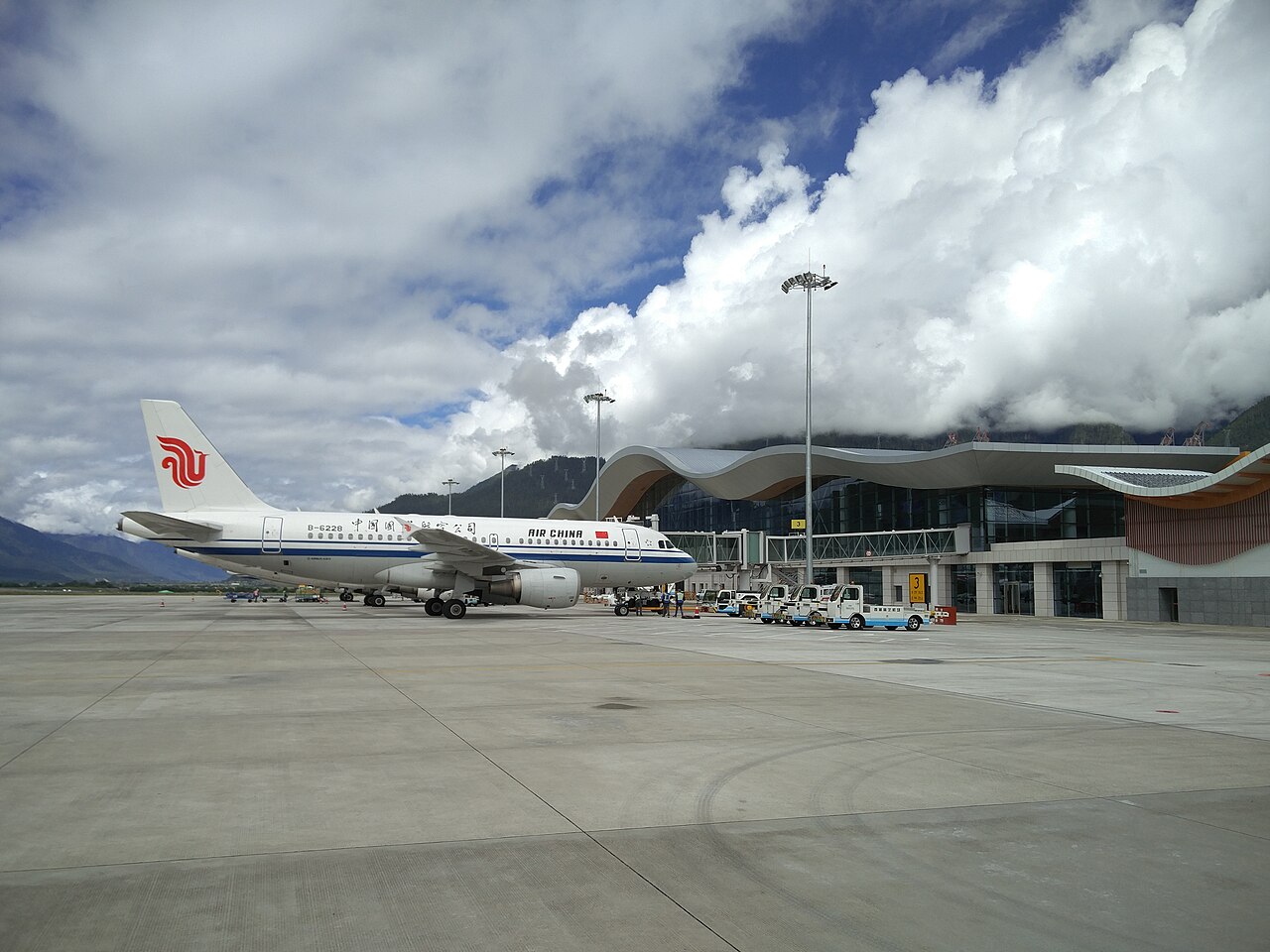
Mainling (Nyingchi) Airport is the only real gateway, and for years it ran a single daily round-trip from Chengdu — Air China Airbus A319, wheels up 07:30, down at 09:15, 1h45m in the air. Extra flights get added over National Day and the spring peach season, so book early if you're coming in late March or early April. A shuttle bus meets arrivals and runs to Bayi Town for CNY 25; the ticket office is 0894-5810118.

Chengdu–Nyingchi
1h45m, morning departure, one daily flight plus peak-season extras
Airport to Bayi Town
Shuttle bus, CNY 25
Booking line
0894-5810118

By road from Lhasa

No trains serve Nyingchi yet, so almost everyone comes by road. The public bus from Lhasa to Bayi Town covers 407 km via Maizhokunggar and Gongbo'gyamda in 6–8 hours; the first departure is 08:00 and tickets run CNY 100–170. Coming back the other way, Bayi to Lhasa buses leave daily at CNY 80–100. If you'd rather share, hostels and travel forums are the place to find people to split a 4WD with — it costs more but lets you stop at the small sights.

Lhasa–Bayi bus
407 km, 6–8 hrs, CNY 100–170, first bus 08:00
Bayi–Lhasa bus
Daily, CNY 80–100
Bayi–Bomi
Irregular service, CNY 100 per person, 0894-5822714
Bayi–Paizhen
Around 08:00 daily, CNY 50

By road from Sichuan

The other classic approach is the G318 from Chengdu, which drops you into Nyingchi past Ranwu Lake. Two stretches deserve respect: the Zewang–Nyingchi road (475 km via Gyaca and Mainling) and the infamous Tongmai section between Bomi and Lulang, the most dangerous piece of the entire Sichuan–Tibet highway, regularly wiped out by landslides and mudslides. In the May–September rainy season, expect the road east of Bayi Town to be closed for days at a time.

Nyingchi–Ranwu
345 km via Tongmai and Bomi
Zewang–Nyingchi
475 km via Gyaca and Mainling
Tongmai hazard section
Landslide and mudslide closures, worst May–September

Around town

Bayi Town itself is small and flat enough to walk, which is the best way to handle it. Taxis are mostly Santanas with a CNY 10 flag fall and drivers who generally don't use the meter — agree a price first. Pedal rickshaws are everywhere and cost about CNY 3 a ride. To reach bigger sights like Basum Tso, rent a 4WD jeep near the Bayi Town post office: 4–5 seats for CNY 500–700 a day.

Taxi
CNY 10 flag fall, usually no meter — negotiate
Pedal rickshaw
About CNY 3 per ride
Jeep rental
CNY 500–700 per day, 4–5 seats, from the Bayi Town post office
Best local option
Walk — the town centre is compact

Shopping

What to actually bring home from Nyingchi

Luoba stone pots

The signature Nyingchi buy. Carved from a single block of soft grey-brown soapstone pulled off the cliffs along the Yarlung Tsangpo, heat-proof and famously durable. Before the roads went in, they were carried out of Medog on people's backs — which is why they cost what they do. Heavy, so check your luggage allowance.

Zhufeng holy tea

Grown at the Zayü tea plantation in southeast Nyingchi and graded into premium, special, and selected first and second classes. A maofeng-style green tea with tight wiry leaves, a lasting fragrance and a bright yellow-green liquor — plateau tea has a genuinely different character from lowland Chinese green tea.

Matsutake and songrong

Songrong mushrooms grow in pine and mixed forest and peak July to September; they're treated as a delicacy in Japan and Europe and sell accordingly. Dried songrong, qinggang mushrooms and tianma (gastrodia) are all easy to carry and all locally produced around Bomi and Bayi Town.

Monba wooden bowls

Turned from hardwood roots and burls — cypress, oak, birch — these bowls are dense, won't warp or crack, and hold a faint fragrance that changes how butter tea tastes. Graded into three classes, with silver-rimmed 'zaya' bowls at the top. Medog's Dawang Sangjie Lin village makes the best ones.

Practical

The details that decide whether your trip goes smoothly

One warning worth taking seriously: the youth hostel near the bus station with the red sign is fake — it's a low-standard guesthouse that has conned plenty of backpackers. Book accommodation in advance rather than trusting a signboard, and compare prices on our Nyingchi tour packages before you commit.

PermitsMedog and Mainling county require a border permit (边防证), obtainable at your home police station or through a Lhasa travel agency. Carry your ID card at all times — checkpoints are routine.
AltitudeNyingchi sits at an average of 3,100 m, low by Tibetan standards, but the Yarlung Tsangpo Grand Canyon viewpoint is at 2,800 m and Basum Tso at 3,700 m. Take it easy for the first day or two.
BathingSkip it on arrival to avoid catching cold and worsening altitude sickness. Once you've acclimatised for a few days it's fine — Bayi Town's better hotels all have hot water.
MoneyThere are only a handful of banks in Nyingchi — Bank of China, China Construction Bank, Agricultural Bank and Postal Savings branches. Bring cash; ATMs are scarce outside Bayi Town.
Internet and phoneInternet cafés are rare and WiFi is patchy, though most decent hotels and some restaurants provide it. Mobile signal is reliable in towns and along G318, weak or absent in the canyons.
Season and weatherMarch–April for peach blossom, May–October for trekking and the canyon. Avoid the May–September rainy season if you're heading to Bomi or Medog — landslides and mudslides close roads. Medog is only passable roughly May to late October.
Emergency numbersNyingchi Prefecture People's Hospital, Fuyu Road, Bayi Town: 0894-5822842. Nyingchi Jimin Hospital, Shuangyong North Road 315: 0894-5887120. Nyingchi Tourism Bureau: 0894-5831385.

Background

Why Nyingchi looks like nowhere else in Tibet

Two mountain ranges, one river, an

Nyingchi means "throne of the sun" in Tibetan, and the name fits — this is the corner of Tibet where the sun comes up first. The Himalaya and the Nyainqentanglha run east in parallel like two dragons, then meet the Hengduan range head-on in the east, and Nyingchi sits in the pocket they enclose at an average 3,100 m. The Yarlung Tsangpo — the highest river on earth — drops through that gap toward the Indian Ocean, and the warm monsoon air pushing up the valley collides with the cold northern current. The result is tropical, subtropical, temperate and frigid zones stacked in one prefecture, which is why you can see banana palms and 7,782 m peaks in the same afternoon.
Gongbo, the old name, and the peop

Nyingchi was called Gongbo in older records; artifacts dug up here show people farming and settling the valley four to five thousand years ago, and the earliest written trace is a cliff inscription at Dromo that is over 1,200 years old. Tibetans make up more than 90 percent of the population, but the Monba and Lhoba live here too — the Lhoba in the great gorge country are traditionally called "southerners" by Tibetans and still keep customs you will not find anywhere else in Tibet. Both groups wear the guoxiu, a sleeveless pullover robe, woven from pulu wool in summer and fur in winter, usually black or purple; modern versions have brocade trim at the collar, cuffs and hem. If you are invited into a Monba or Lhoba home, remember you are a guest in a living culture, not a diorama.

Watch & Read

Three things to load before you fly

Film

Once Upon a Time in Tibet (西藏往事, 2

Directed by Dai Wei; 96 minutes

A Flying Tigers pilot crash-lands in a remote corner of Tibet during World War II and is rescued by a Tibetan girl; they fall in love across a language barrier. Critics were mixed, but the production shot real plateau locations up to 5,200 m, and the landscape is the real co-star — worth watching before you go so the altitude does not hit you by surprise. Available with Mandarin, English and Tibetan dialogue.

Book

The White Paper of Tibet (藏地白皮书)

Fu Zhen and Mao Mingji

A soon-to-graduate student heading to England and a quiet Hong Kong man both arrive in Tibet during the 2003 SARS period carrying the same backpacker guidebook and meet in a Lhasa youth hostel. It is a slim, honest account of falling for someone when your futures point in opposite directions — and the best portrait in print of what the Lhasa-to-Nyingchi backpacker circuit actually feels like.

Music

Sister Drum (阿姐鼓)

Zhu Zheqin (Dadawa), composed by He Xuntian

Widely called the first Chinese record to genuinely register internationally. He Xuntian dug into Tibetan mysticism — reincarnation, karmic cause and effect, prayer and incantation — and recorded Dadawa singing every track straight through with no editing or mixing, backed by Western synthesizers. If a Tibetan driver ever picks you up on the road from Lhasa toward Nyingchi, this is roughly the soundtrack you will get.

The questions visitors ask us most about Nyingchi, answered plainly.

Frequently asked questions

Prices and practical details are reviewed every month by our Beijing team and updated the day a rule changes.

When is the best time to visit Nyingchi?

Late March to early April for the peach blossom, or September to October for the clearest mountain views. Summer (May–September) is the rainy season — landslides regularly cut the Sichuan-Tibet highway east of Bayi and the road into Medog — while winter is cold, dry and quiet, with far fewer visitors and lower hotel rates.

How do I get to Nyingchi from Lhasa?

Either the daily bus from Lhasa to Bayi (departs 08:00, 407 km, 6–8 hours, 100–170 CNY) or a one-hour-45-minute flight from Chengdu into Mainling Airport, which lands at 09:15. There is no railway to Nyingchi yet — the usual route is train to Lhasa first, then bus or flight onward.

Do I need a permit to visit Nyingchi?

Yes for some areas. Chinese citizens need a border defence permit (边防证) for Medog and Mainling, obtainable at your household registration office or through a Lhasa travel agency. Foreign travellers need a Tibet Travel Permit arranged in advance through a licensed agency, plus an alien's travel permit for the closed areas — allow at least 15 days.

Is Nyingchi easier on altitude sickness than Lhasa?

Generally yes. Nyingchi averages 3,100 m against Lhasa's 3,650 m, and the forest cover means more oxygen in the air. Many itineraries now start in Nyingchi to acclimatise before heading up to Lhasa. That said, the pass into the region from Lhasa crosses 5,000 m, so take the first two days slowly either way.

Should I take the bus or hire a car in Nyingchi?

For the main sights, hire a car. Buses only cover the Lhasa–Bayi, Bayi–Bomi and Bayi–Pai Town routes, and the good stops — Basum Tso, Lulang, the Midui Glacier trailhead — are off them. A 4–5 seat jeep from the Bayi post office costs 500–700 CNY per day. Taxis in town start at 10 CNY and rarely use the meter; pedicabs are 3 CNY.

How hard is the Medog trek?

Very hard, and you should not attempt it casually. The classic route is Pai Town to Medog via the Doxong La pass — roughly 120 km over 4 days, crossing a 5,000 m pass, through leech country and past active landslide zones. The trekking season is May to October only. Go with a guide, never alone, and keep your group to 5–8 people.

Related reading

Related reading

Visas Do I Need a Visa for China? Requirements, Costs and How to Apply China's entry rules changed more in the last three years than in the previous twenty. Here is exactly who needs a visa, what it costs, how long it takes and which passports now walk straight through. 9 min read Visas China's 240-Hour Visa-Free Transit: Who Qualifies and How It Works Ten days in China with no visa application, no fee and no fingerprints — if you hold the right passport and leave for a third country. Here is the rulebook, port by port. 8 min read Money Paying in China: Alipay, WeChat Pay, Cards and Cash Roughly nine in ten urban payments in China now run through a phone. Set up two apps before you fly, carry a modest cash float, and you will never be stuck at a till. 8 min read Transport China's High-Speed Rail: How to Book, What It Costs, How Fast It Goes The fastest way to cross China is also the most pleasant. Here is how to book a ticket with a foreign passport, what the three classes actually give you, and how to survive a Chinese station at rush hour. 9 min read Planning Best Time to Visit China: Month by Month, Region by Region China is the size of Europe, so 'the best month' depends on where you stand. Here is the month-by-month answer for the north, the Yangtze valley, the south and the plateau. 8 min read Planning What to Pack for China: The Complete 2026 Checklist Twenty thousand steps a day, three climate zones and a phone that has to do everything. This is the list we give our own travellers, minus the things they never used. 7 min read Food Chinese Food Culture: Eight Cuisines, One Table There is no such thing as Chinese food. There is Cantonese, Sichuan, Hunan, Jiangsu, Zhejiang, Fujian, Anhui and Shandong — and knowing which one you are eating changes everything. 8 min read Traditions Chinese Tea Culture: Six Classes, One Pot, Two Fingers Tea in China is not a beverage category, it is a social technology: it fills silences, seals deals and sets the pace of a meal. Here is how to sit down in one and not look lost. 7 min read Traditions Chinese Festivals: The Calendar, the Dates and the Crowds Lunar dates mean the calendar moves every year — and two of the festivals move several hundred million people at once. Plan around them or plan into them, but never by accident. 8 min read Etiquette Chinese Etiquette: What Matters, What Does Not, and Why Most etiquette advice for China is either obvious or wrong. These are the dozen behaviours that actually change how you are treated, and the reasoning behind each. 7 min read

Tell us your dates.
We'll do the rest.

Free itinerary design, a revised plan within one working day, and nothing charged until you approve the final version.
  • Basum Tso costs 100 CNY for adults and 50 CNY for children, open 09:00–18:00; Lulang Forest is 10 CNY, open 06:30–18:30.
  • The Yarlung Tsangpo Grand Canyon standard package runs 150 CNY entry + 90 CNY shuttle + 30 CNY meal; a trekking-only ticket is 150 CNY.
  • Nyingchi sits at 3,100 m — roughly 500 m lower than Lhasa — so it is the gentler place to acclimatise first.

No spam. No sales calls. Just a real itinerary from a real person.