City guide · Sichuan

Mount Siguniang travel guide: the three valleys, the horses, and climbing Da Feng

Four snow peaks, three valleys, and the friendliest 5,000 m mountain in China to stand on top of.

  • Known forFour peaks, horse treks, entry-level 5,000ers
  • Typical spend¥800–1,500 / person / 3–5 days
  • Ideal length3–5 days
  • PaceStrenuous — altitude, not distance

Reviewed by our Beijing team Updated 2026-10-10

The short version

Mount Siguniang is a row of four linked snow peaks in western Sichuan — 5,025 m, 5,276 m, 5,355 m and 6,250 m — and everything starts from the base town of Rilong at about 3,200 m. Three valleys fan out from it: Shuangqiao, the only one with a shuttle; Changping, where you ride horses under the peaks; and Haizi, 19.2 km of wild grassland you do on foot or horseback. Three days covers all three valleys; five days lets you climb Da Feng, which needs a guide, a ¥60 climbing permit and no technical skill at all.

  • Rilong sits at about 3,200 m. Sleep badly there on night one is normal — give yourself a day before going higher.
  • Changping is the one to pick if you only have one day: horses, boardwalk, and the Four Girls in front of you the whole way.
  • Shuangqiao is all shuttle and no effort, and it is also the only valley from which you cannot see the Four Girls.
  • Climbing Da Feng costs a ¥60 permit plus a licensed guide, and takes three days — one to arrive, one to reach base camp, one for the summit.
  • One bus a day leaves Chengdu Chadianzi for Xiaojin at about 06:20. Buy the ticket a day ahead or you are not going.

City guide

First impressions

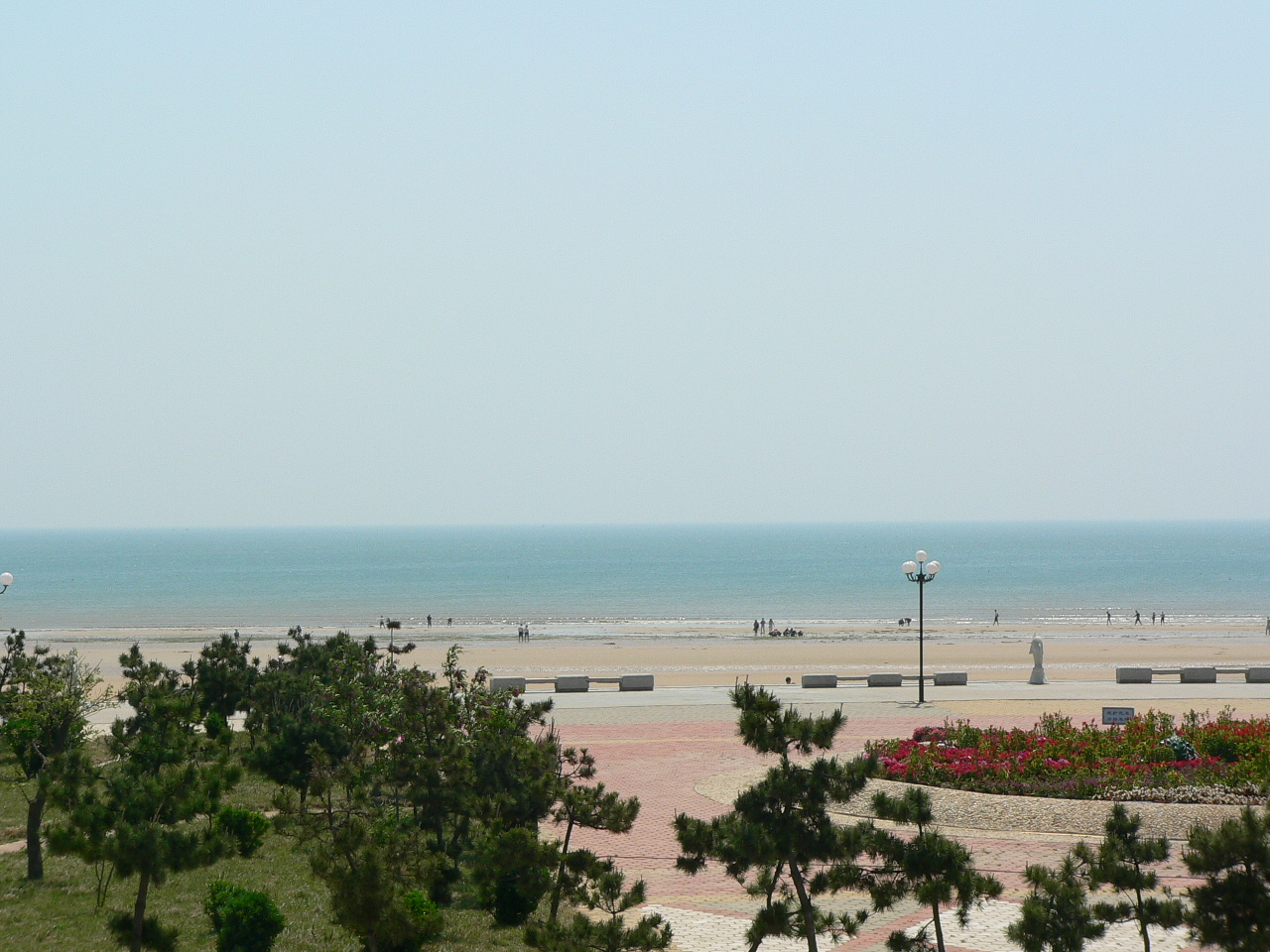
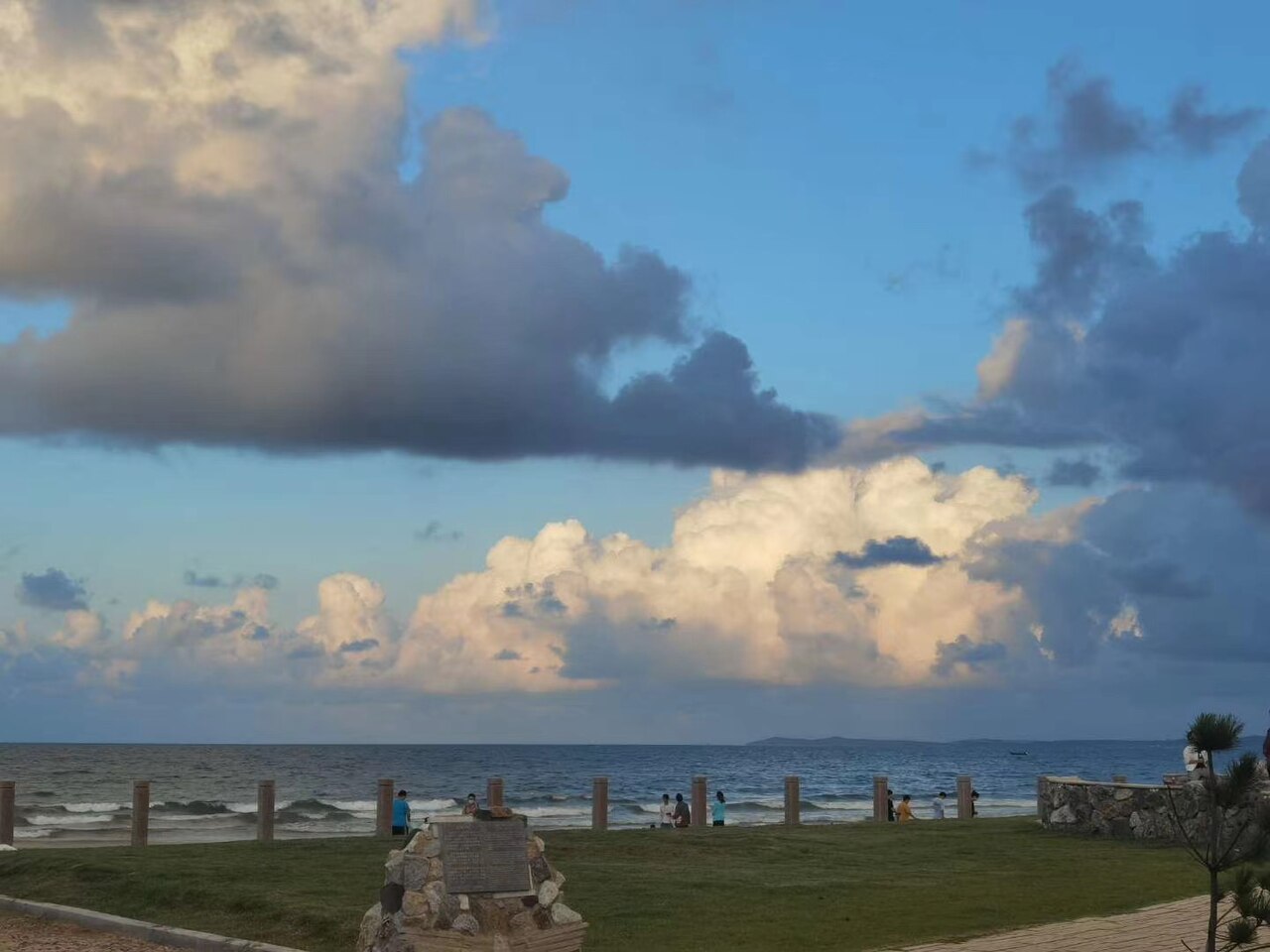
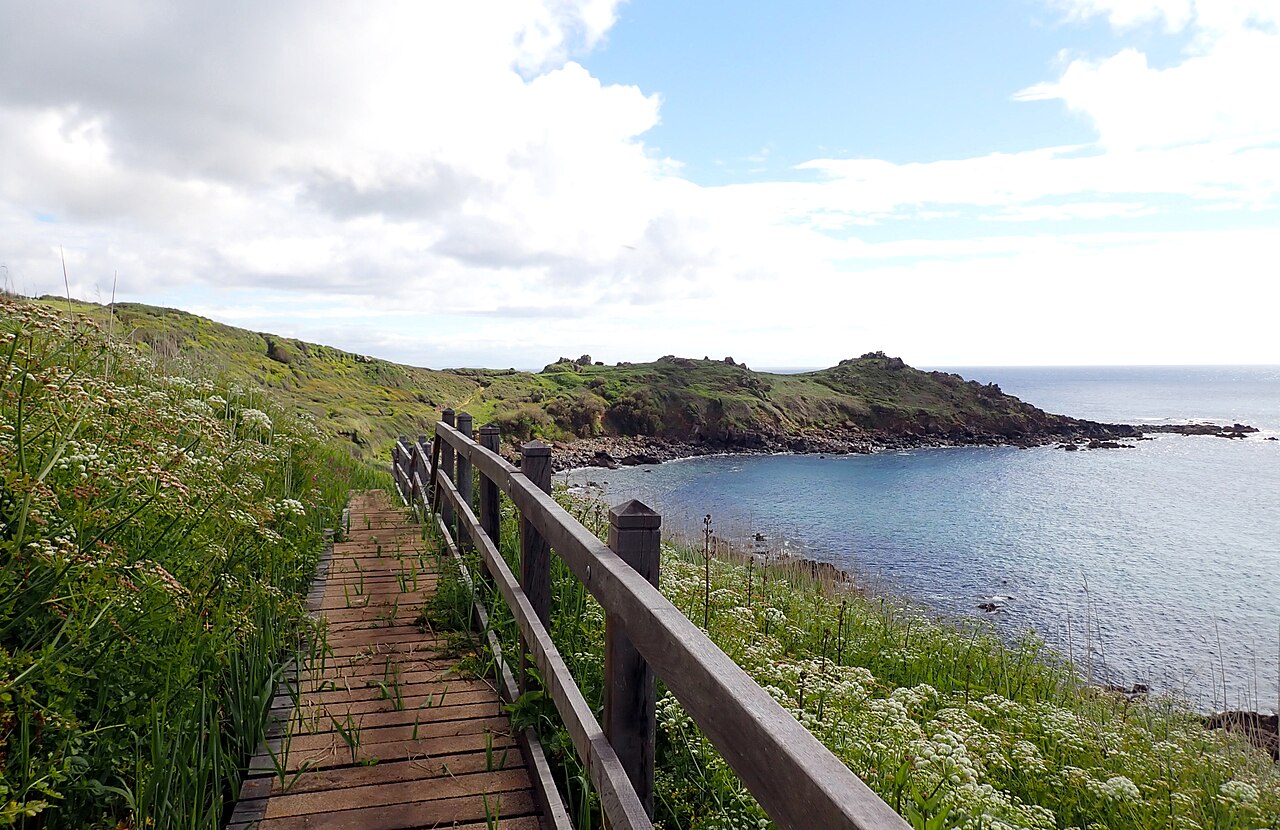
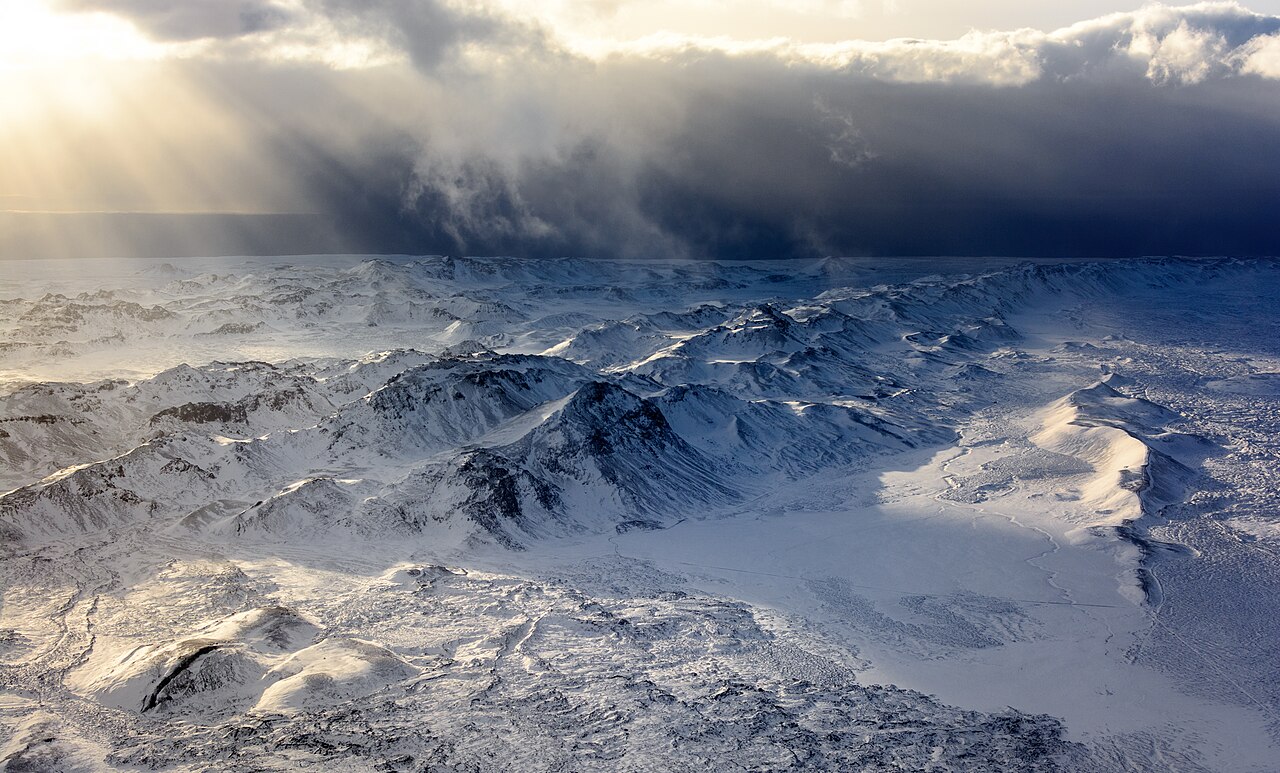
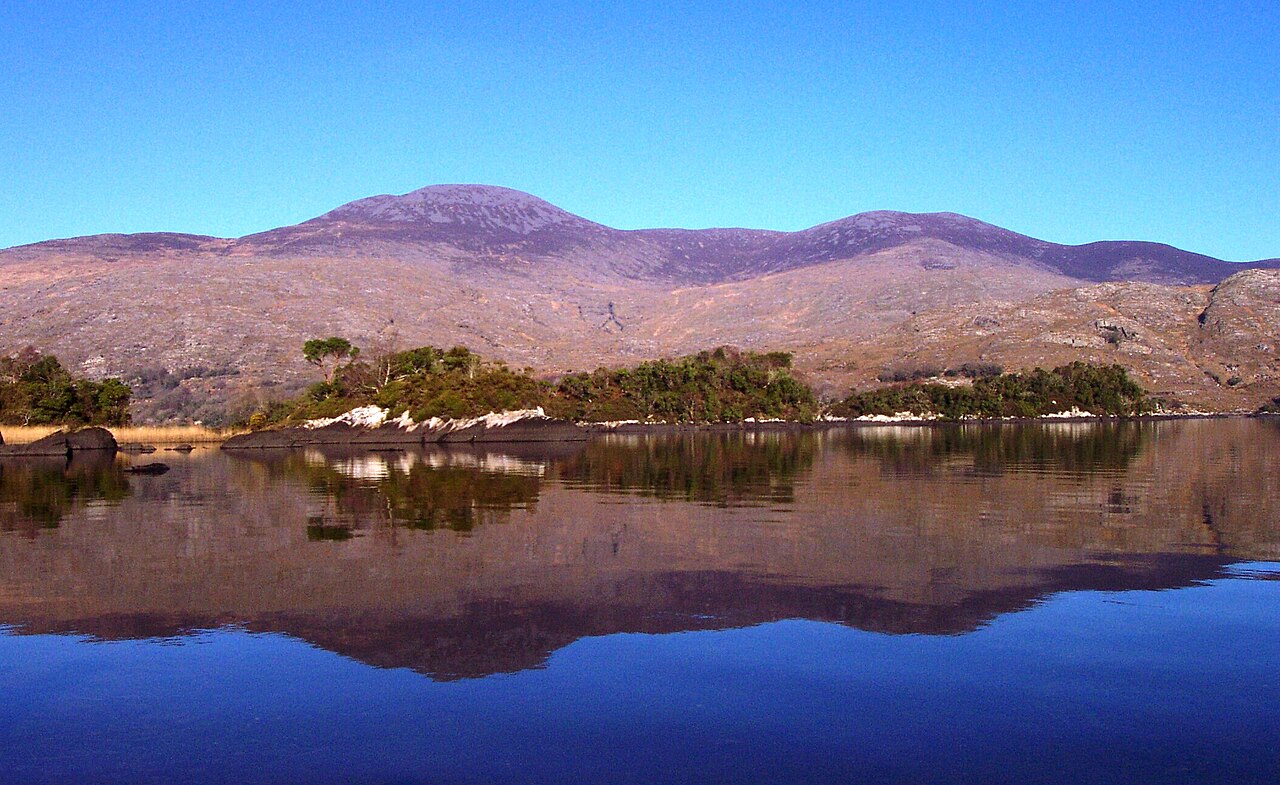
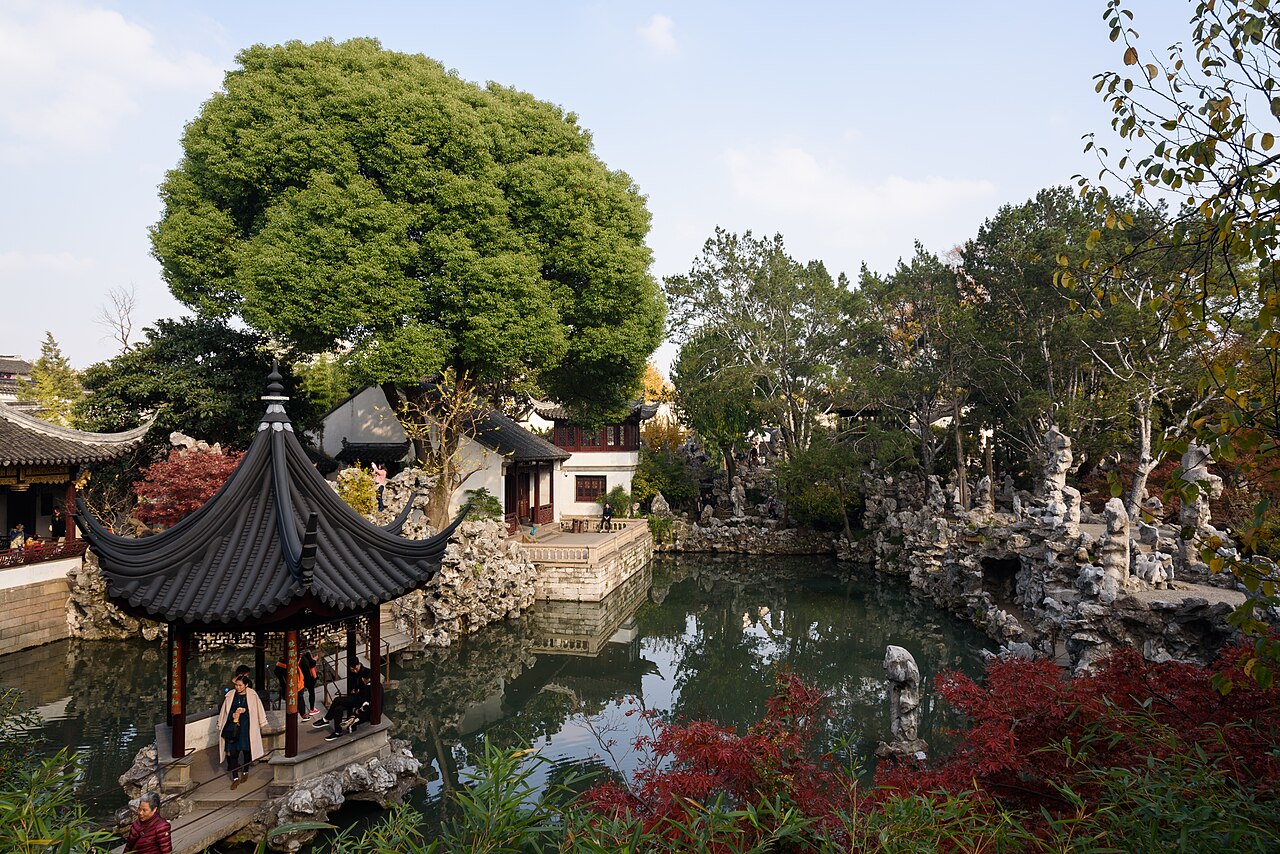
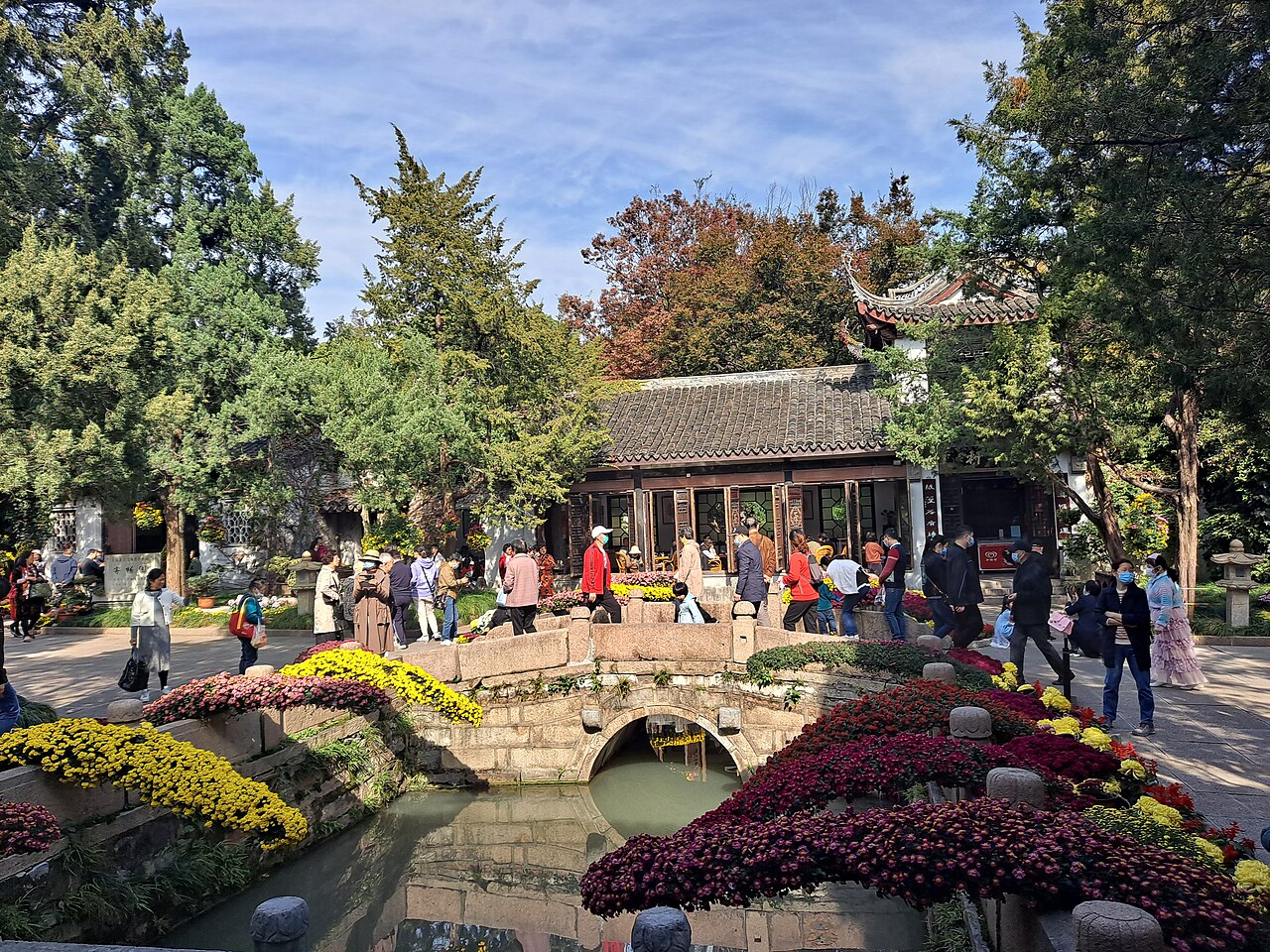
Photographs from the coast, and what other travellers wrote afterwards.

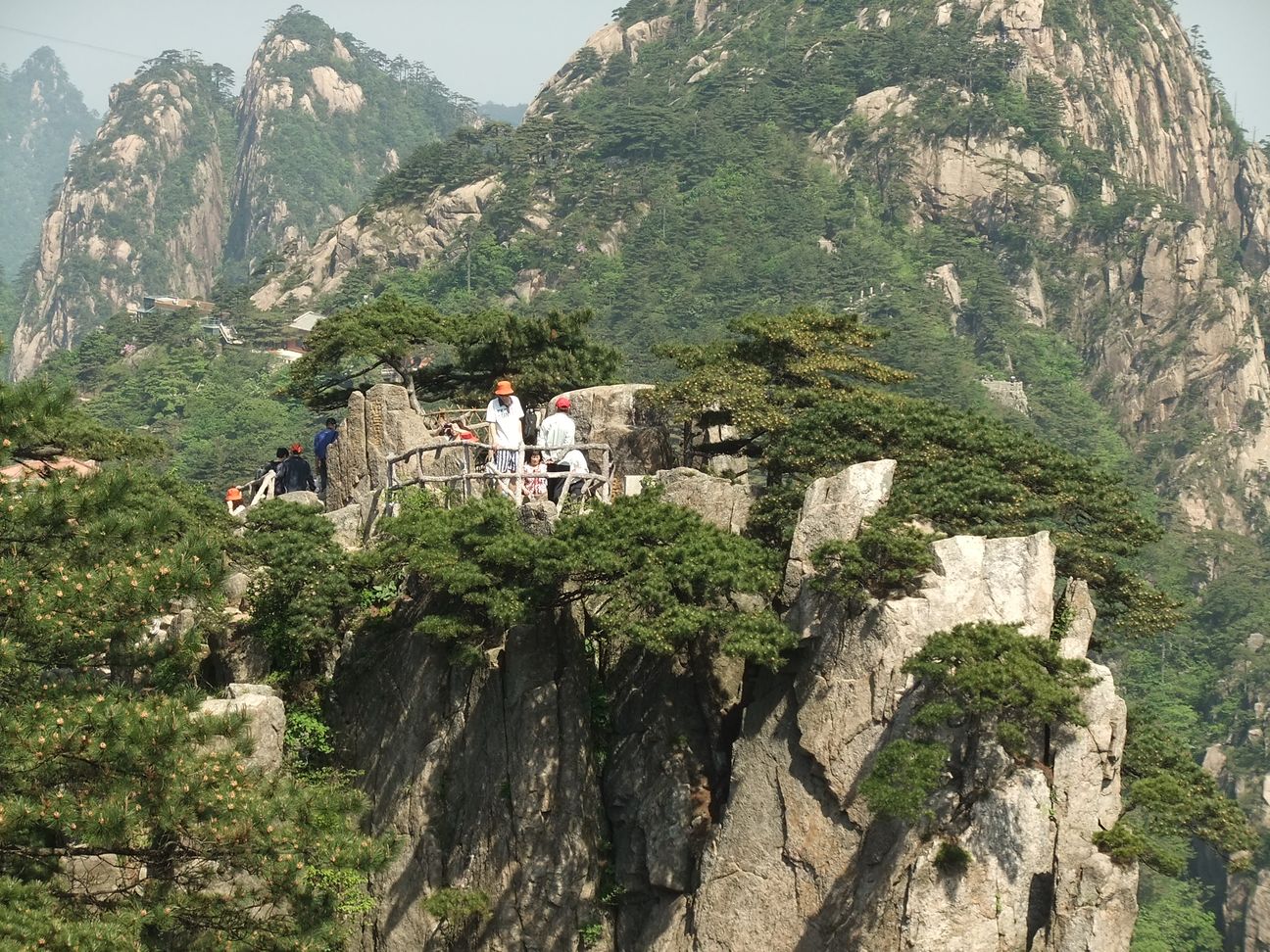
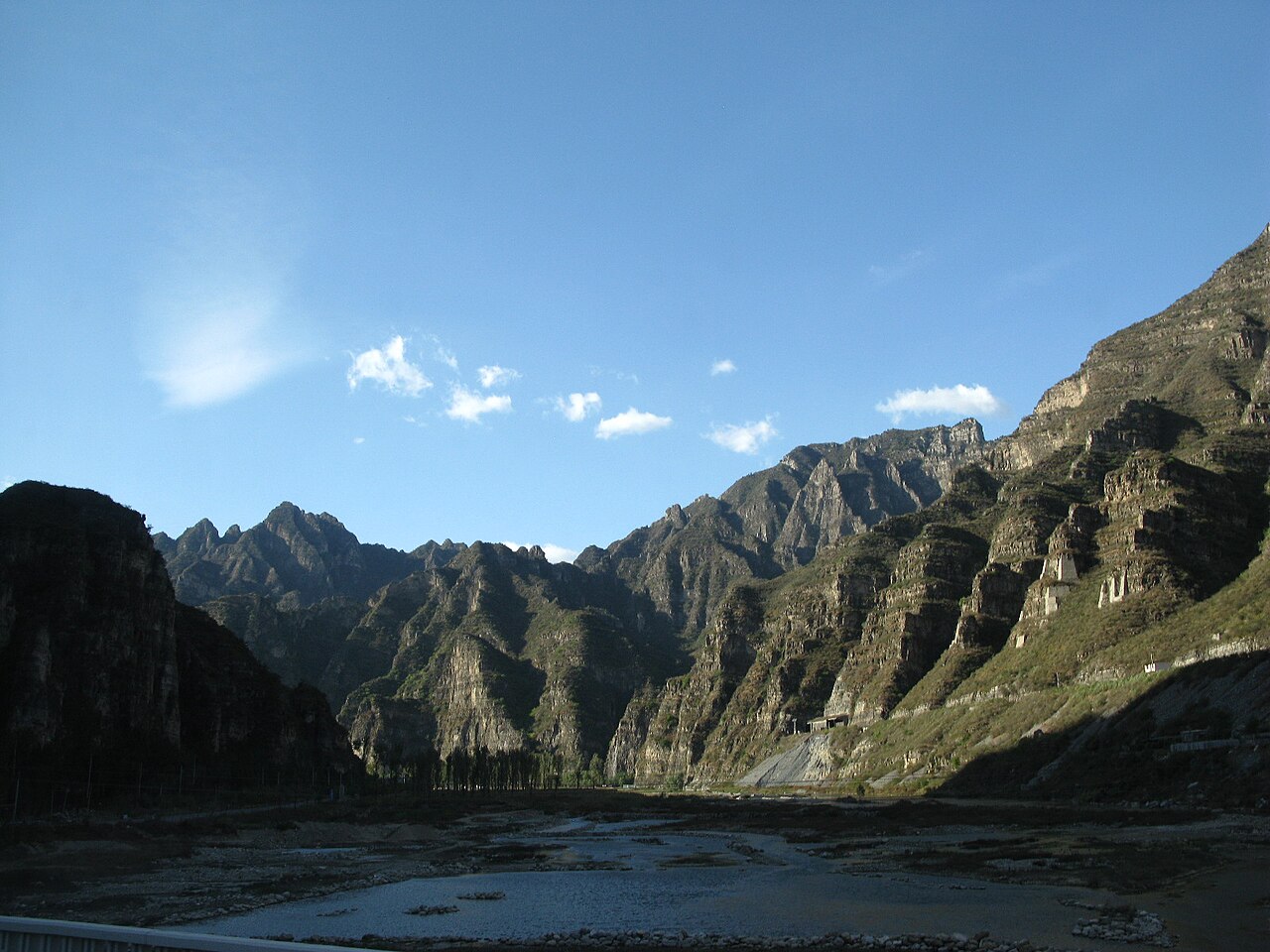
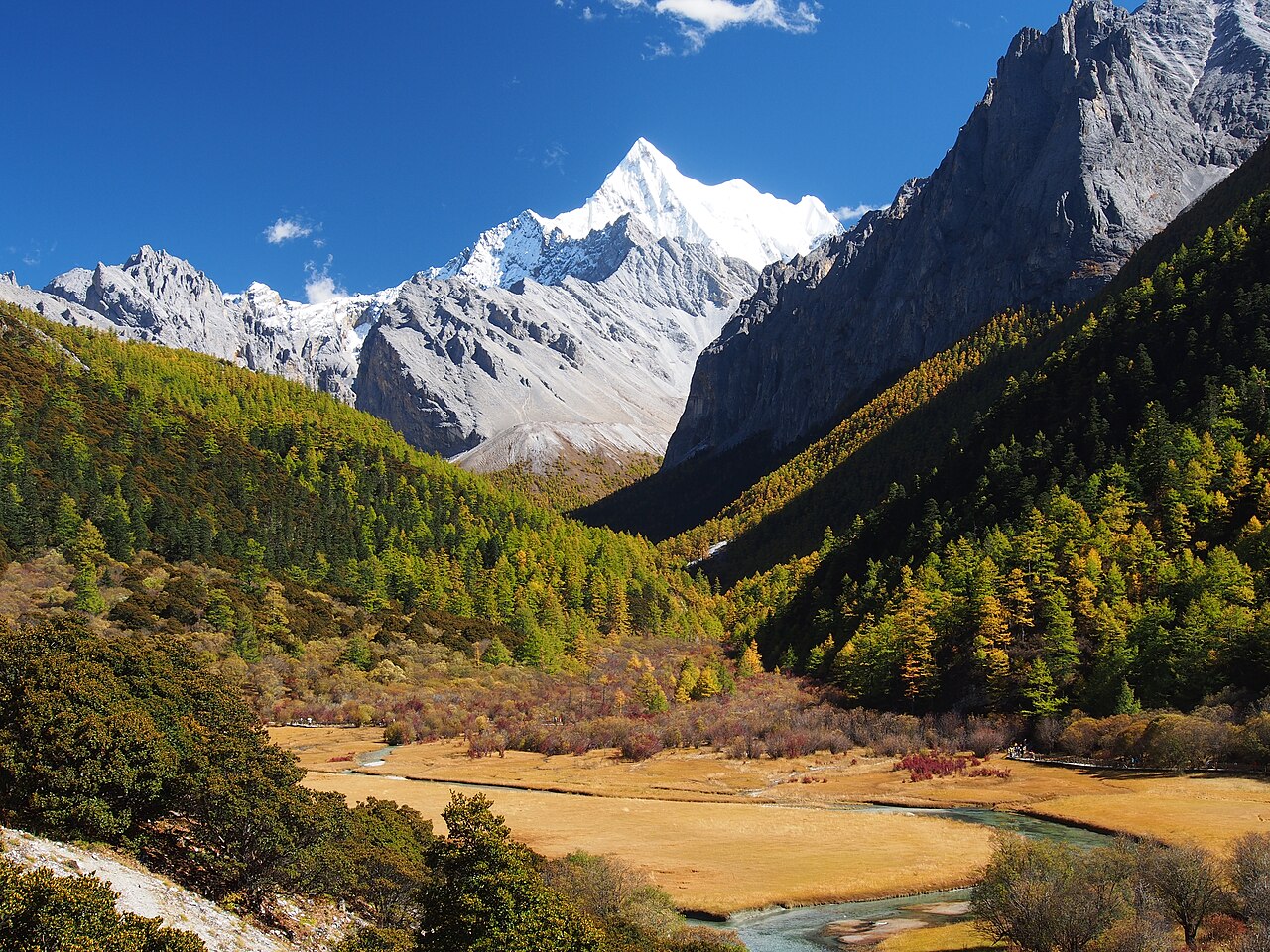
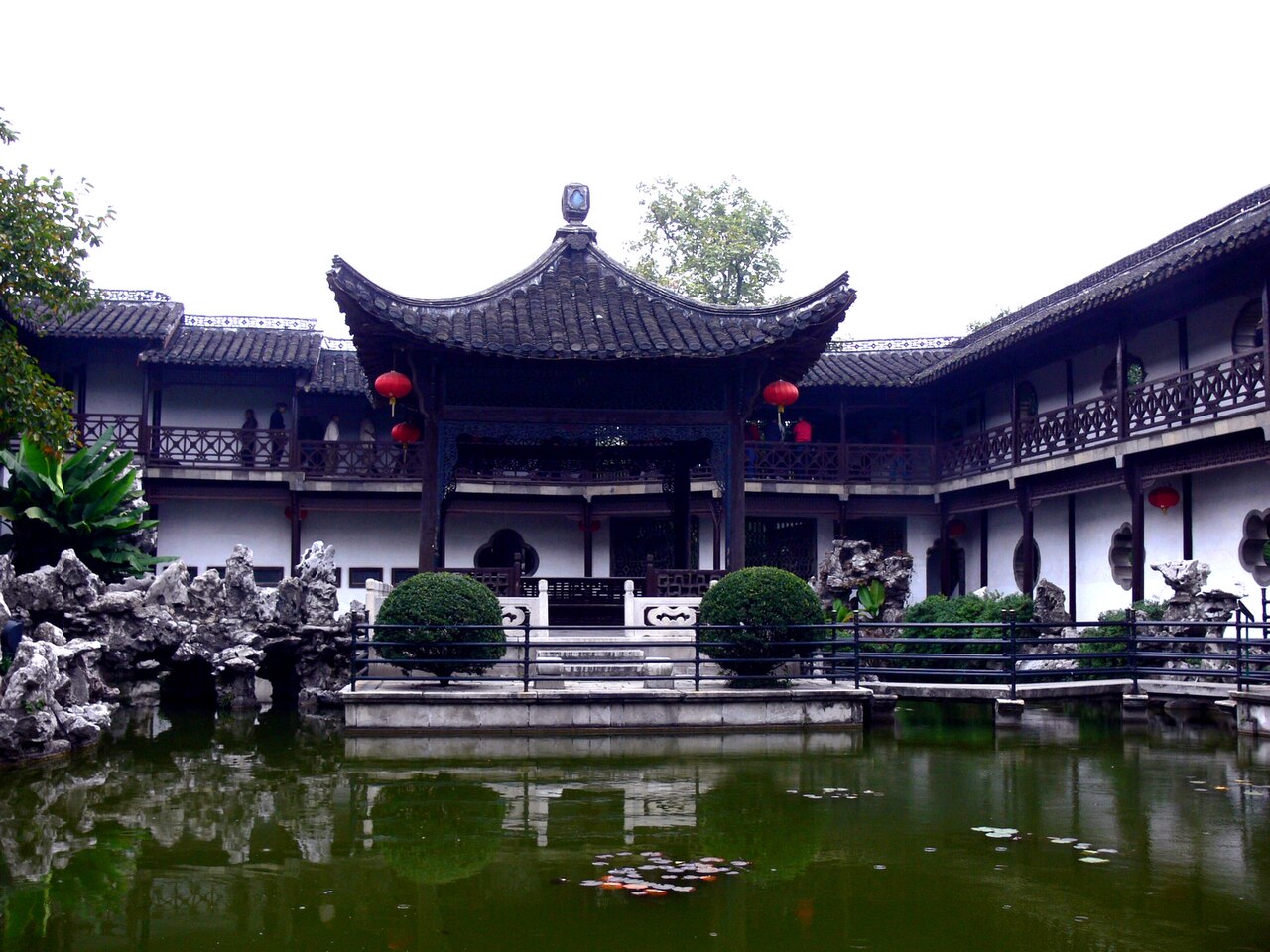
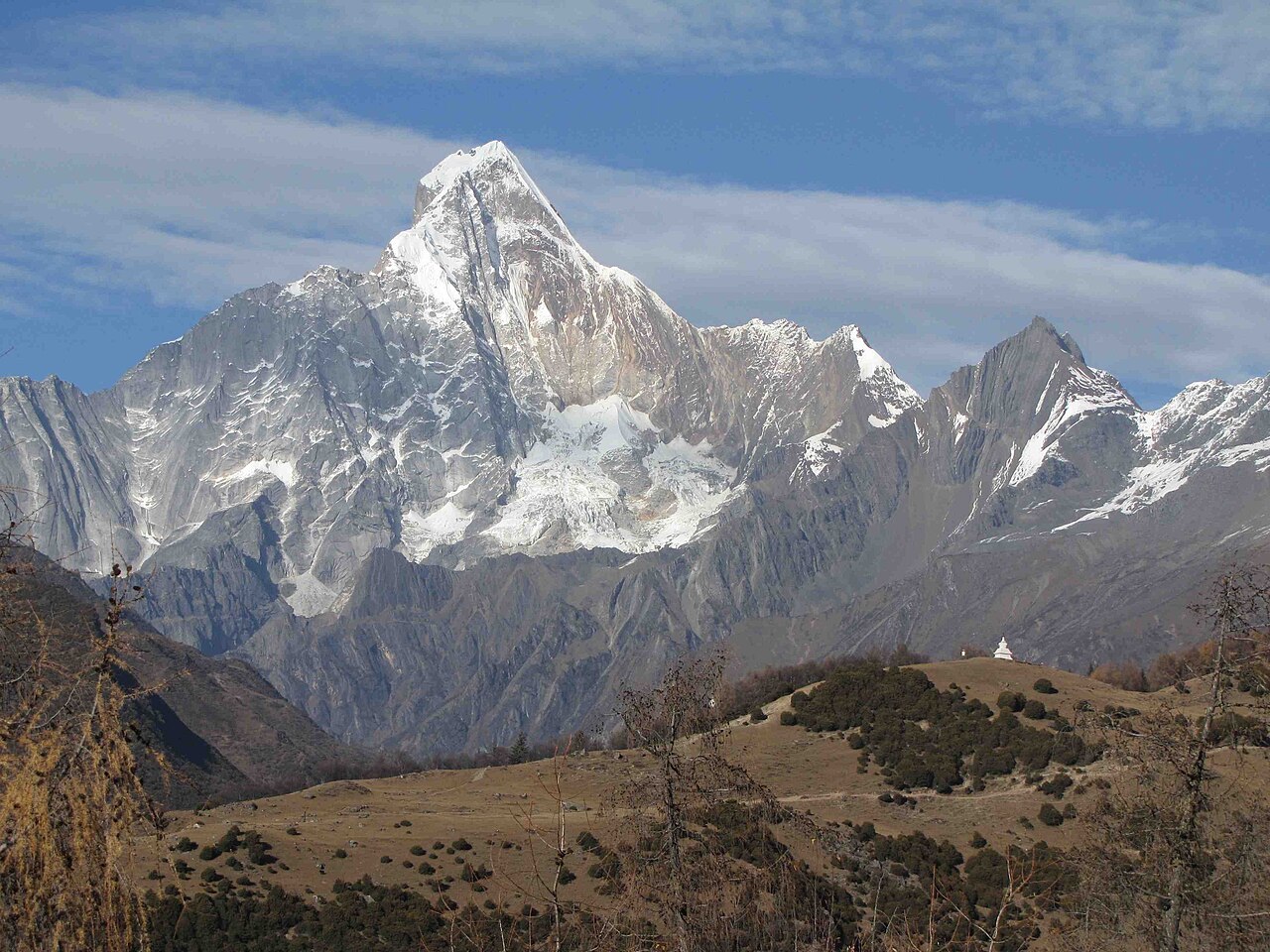
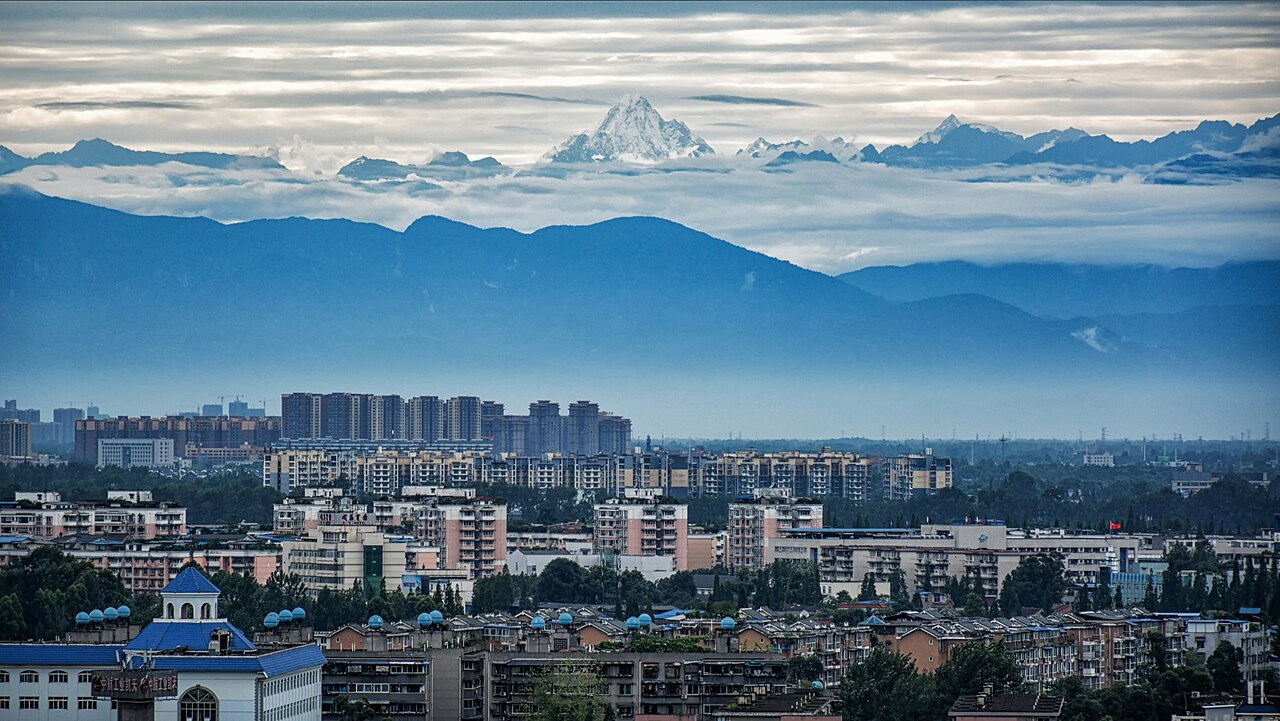
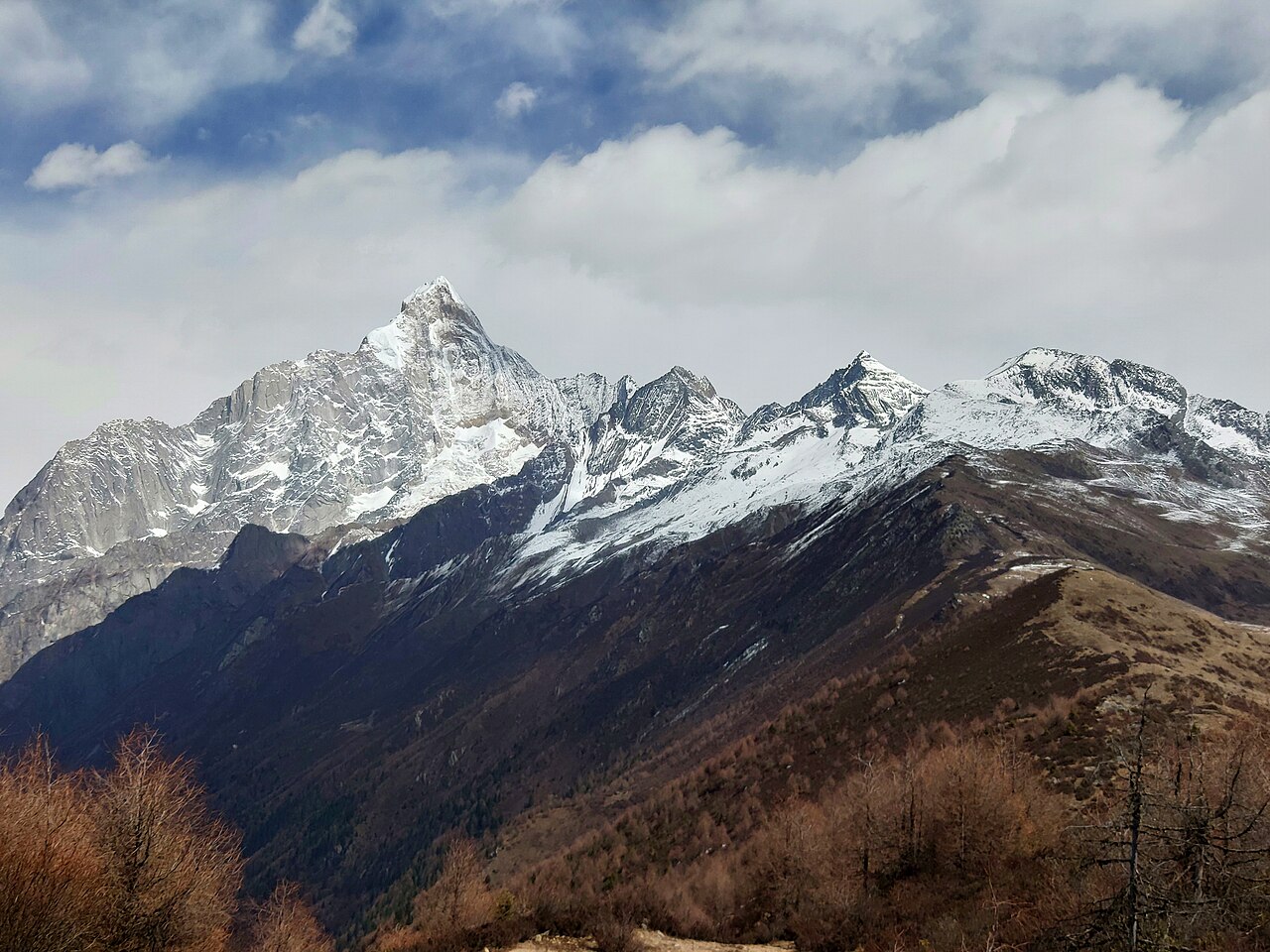
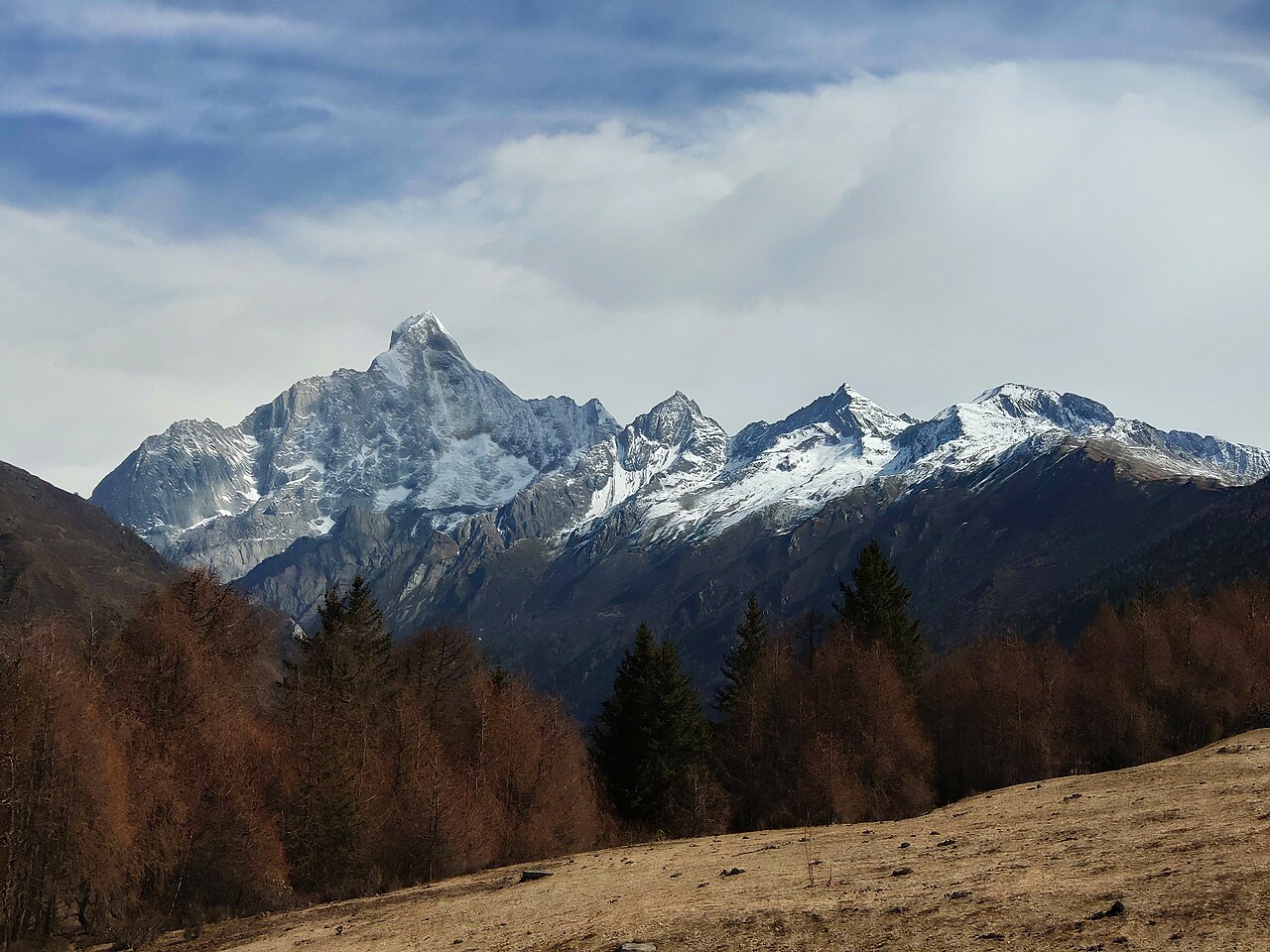
The four peaks at sunrise from Mao Bi Liang
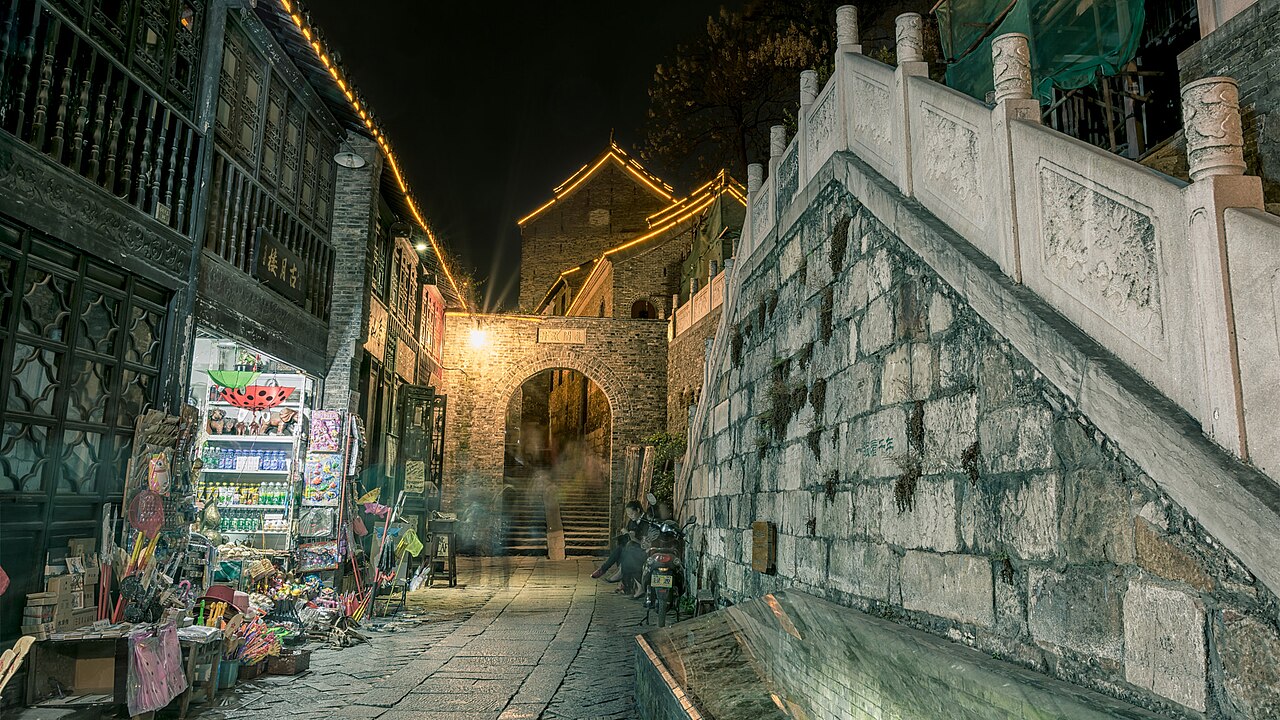
Horses on the boardwalk in Changping Valley
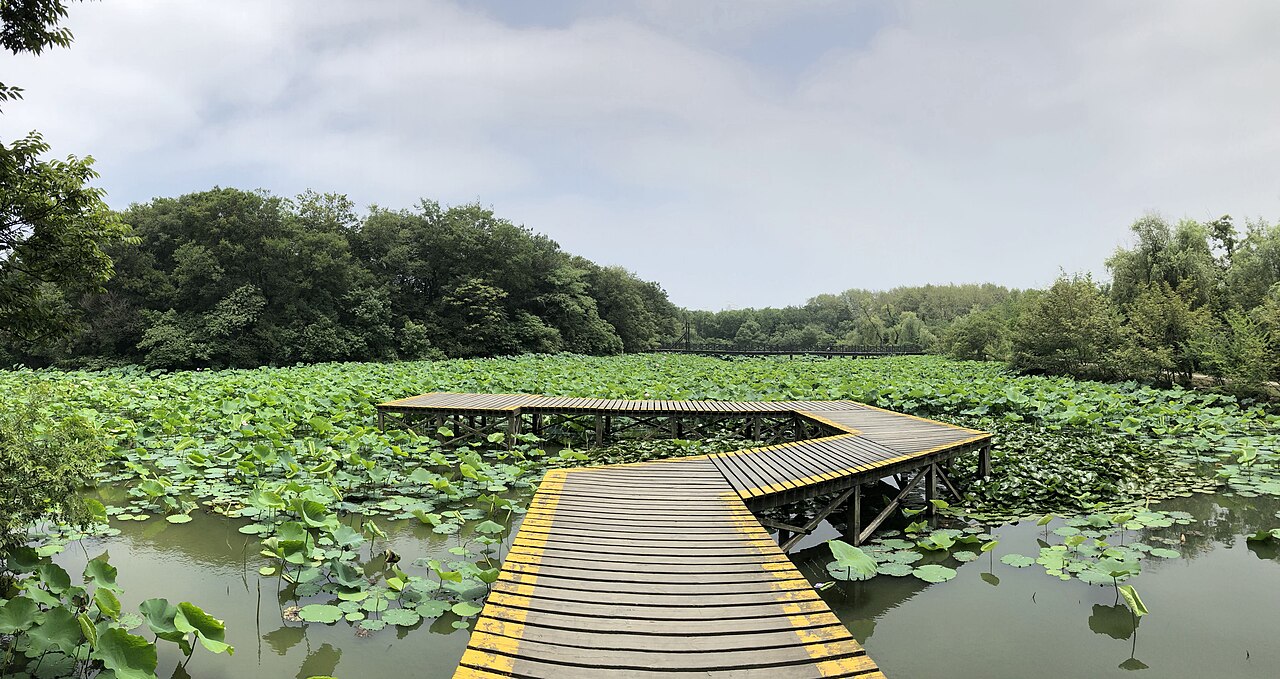
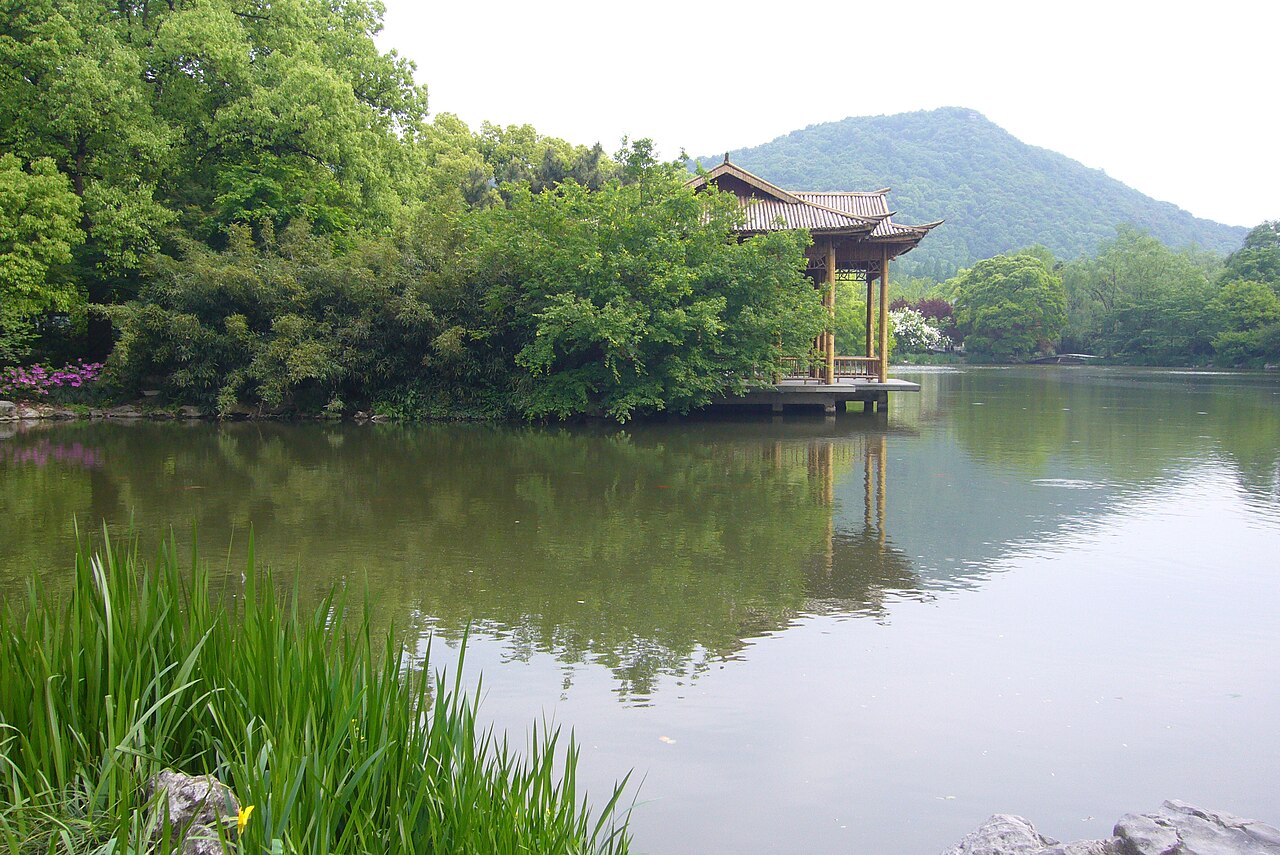
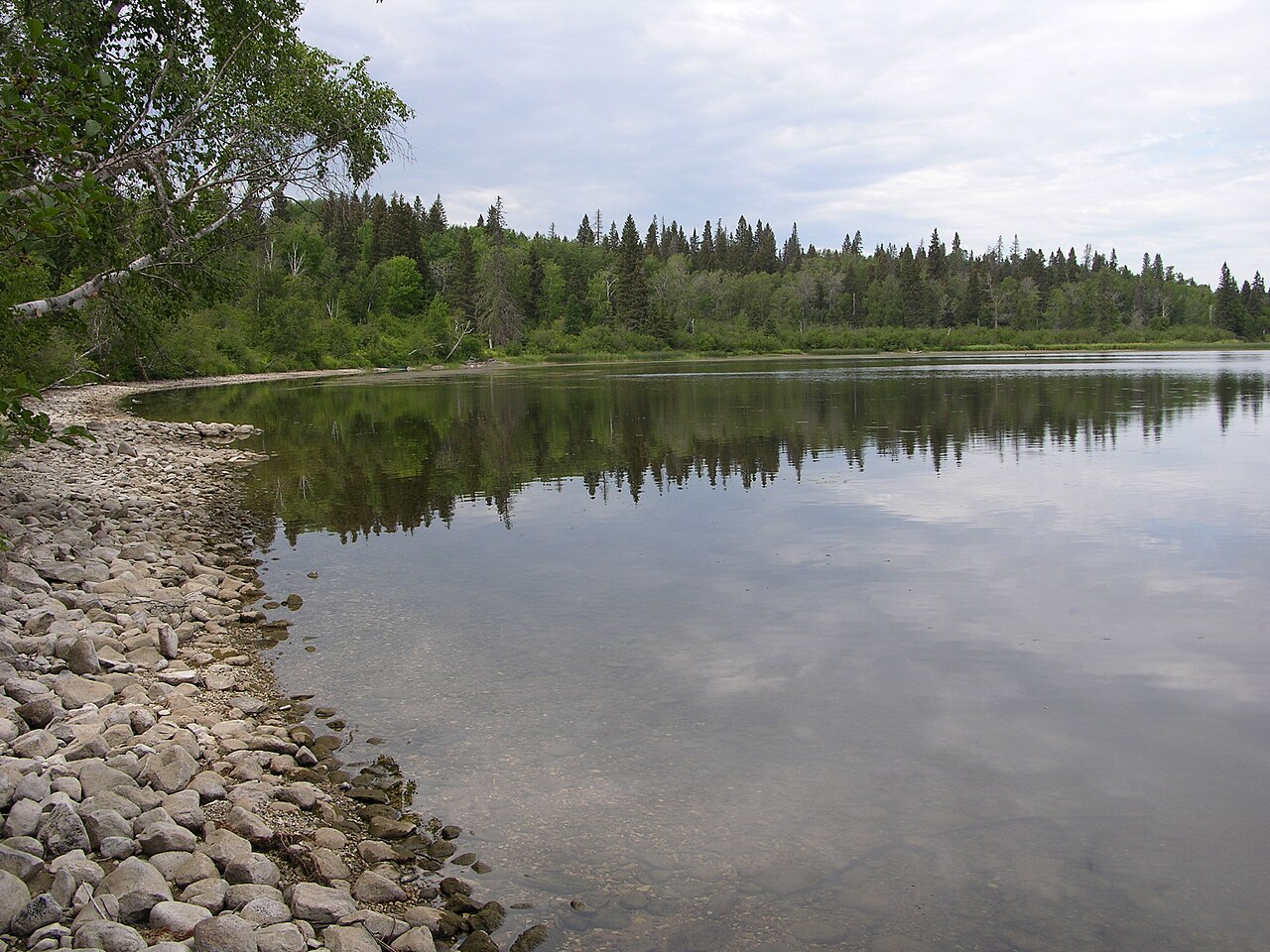
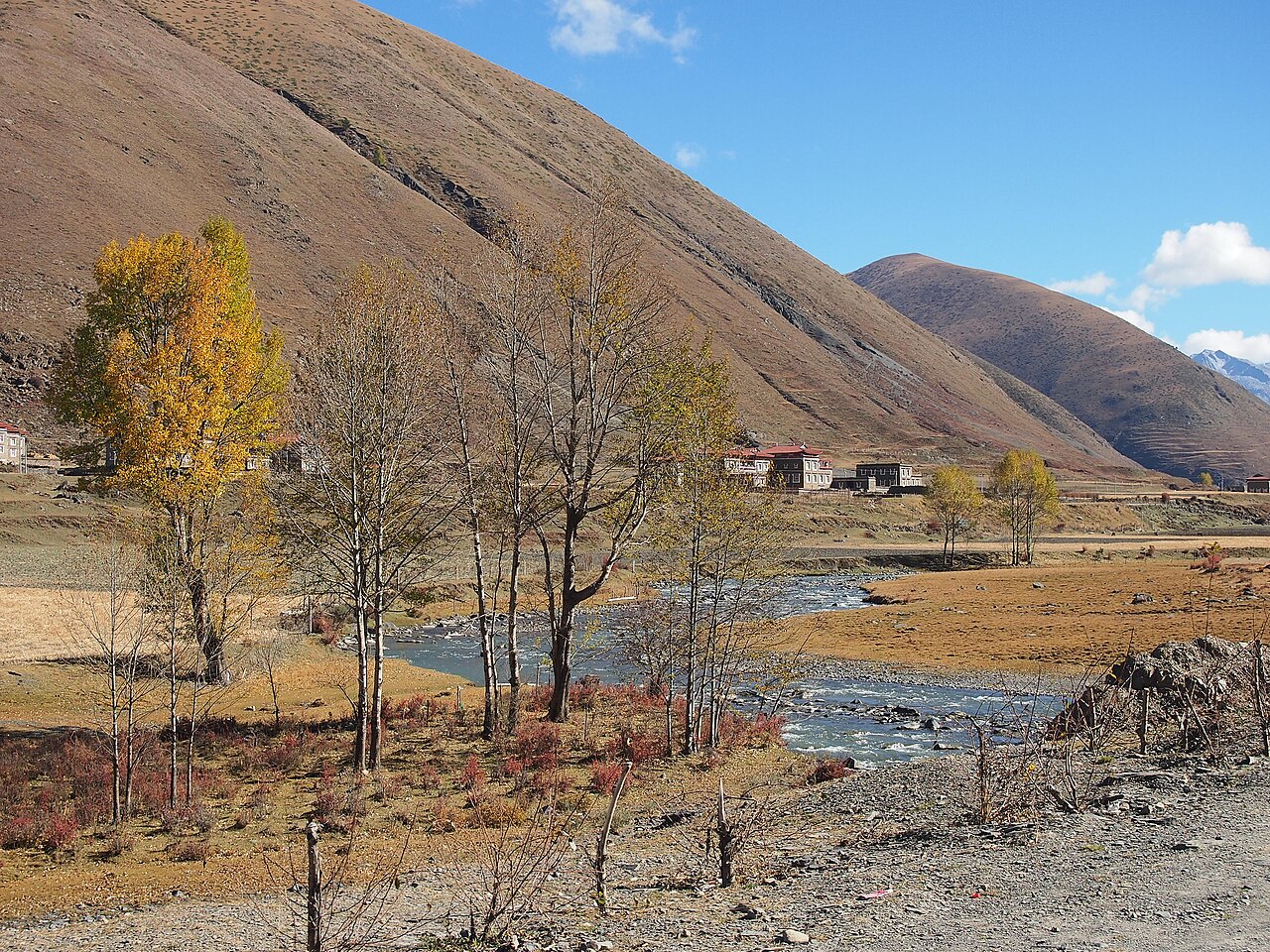
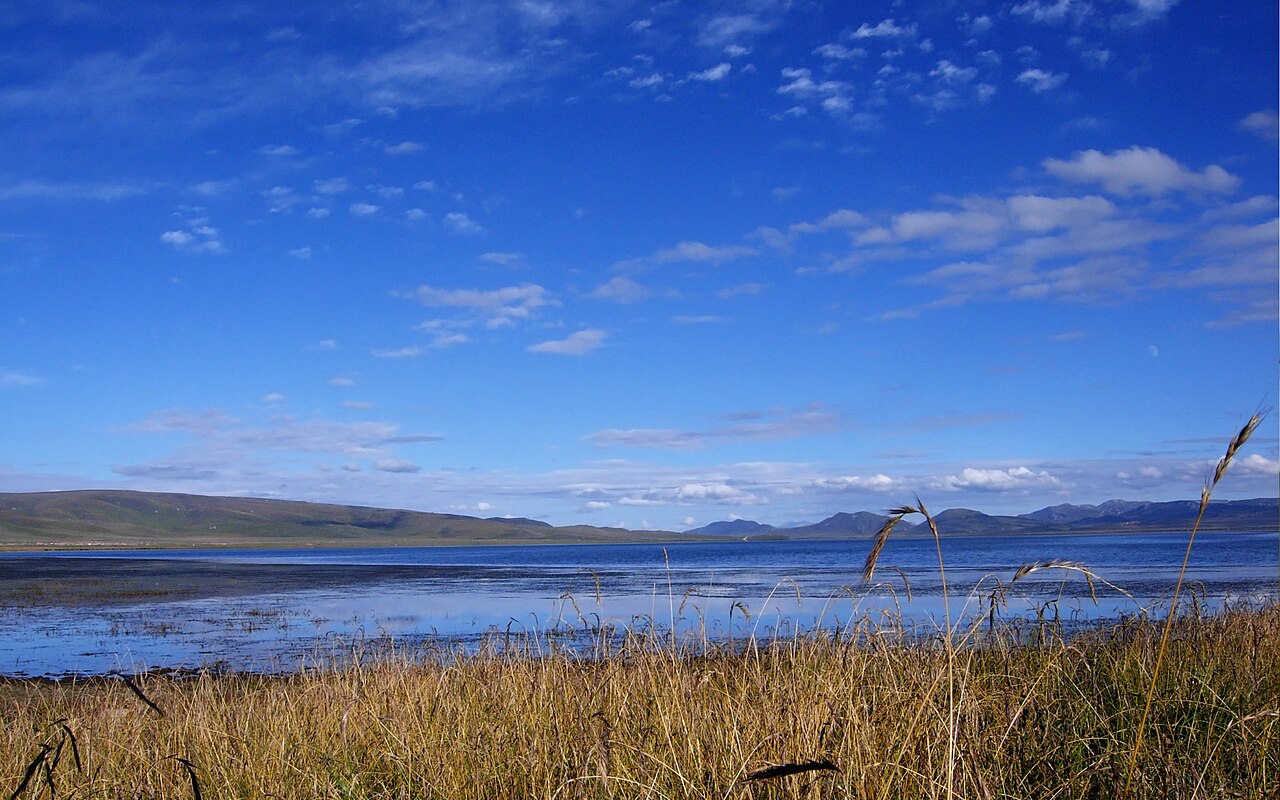
Alpine meadow and lakes in Haizi Valley
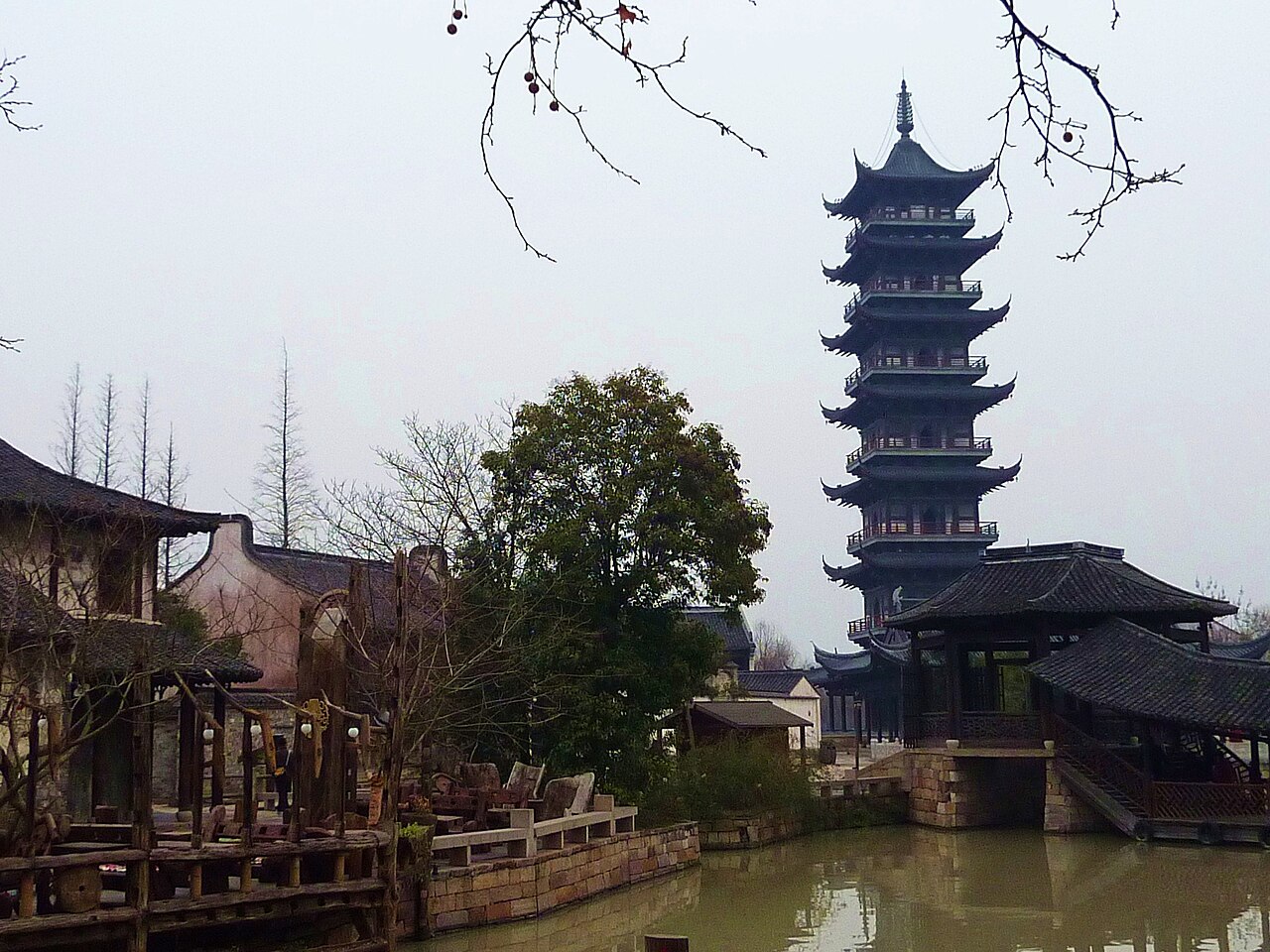
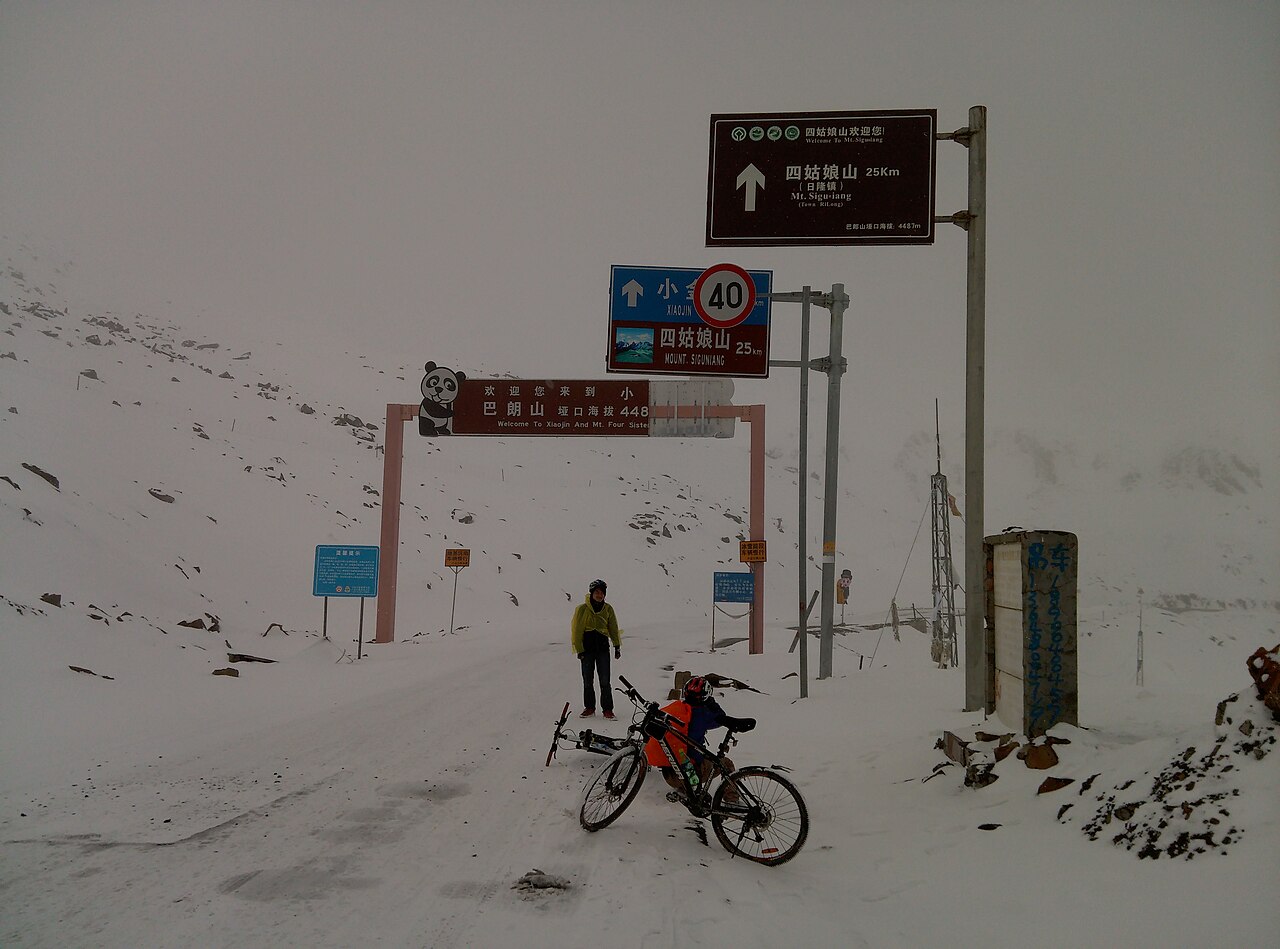
Balang Pass at 4,500 m, road above the cloud line

I finally understood what they meant by the road to Shu being harder than the road to heaven. Narrow corners, the altitude climbing, gravel rattling under the wheels — and then you watch the vegetation change from broadleaf to conifer to alpine meadow. At three or four thousand metres you are driving through cloud. It is like another world.

A traveller's note, 'A Journey Stretched Across the Land of Shu'

I am not a masochist, though I have been hiking since my first year at university. I am not a hedonist either, though I can afford a little luxury now. I just wanted to do one thing I had never done — climb a peak I believed I could climb. Life needs one hardship.

A traveller's note, 'Four Girls, National Day'

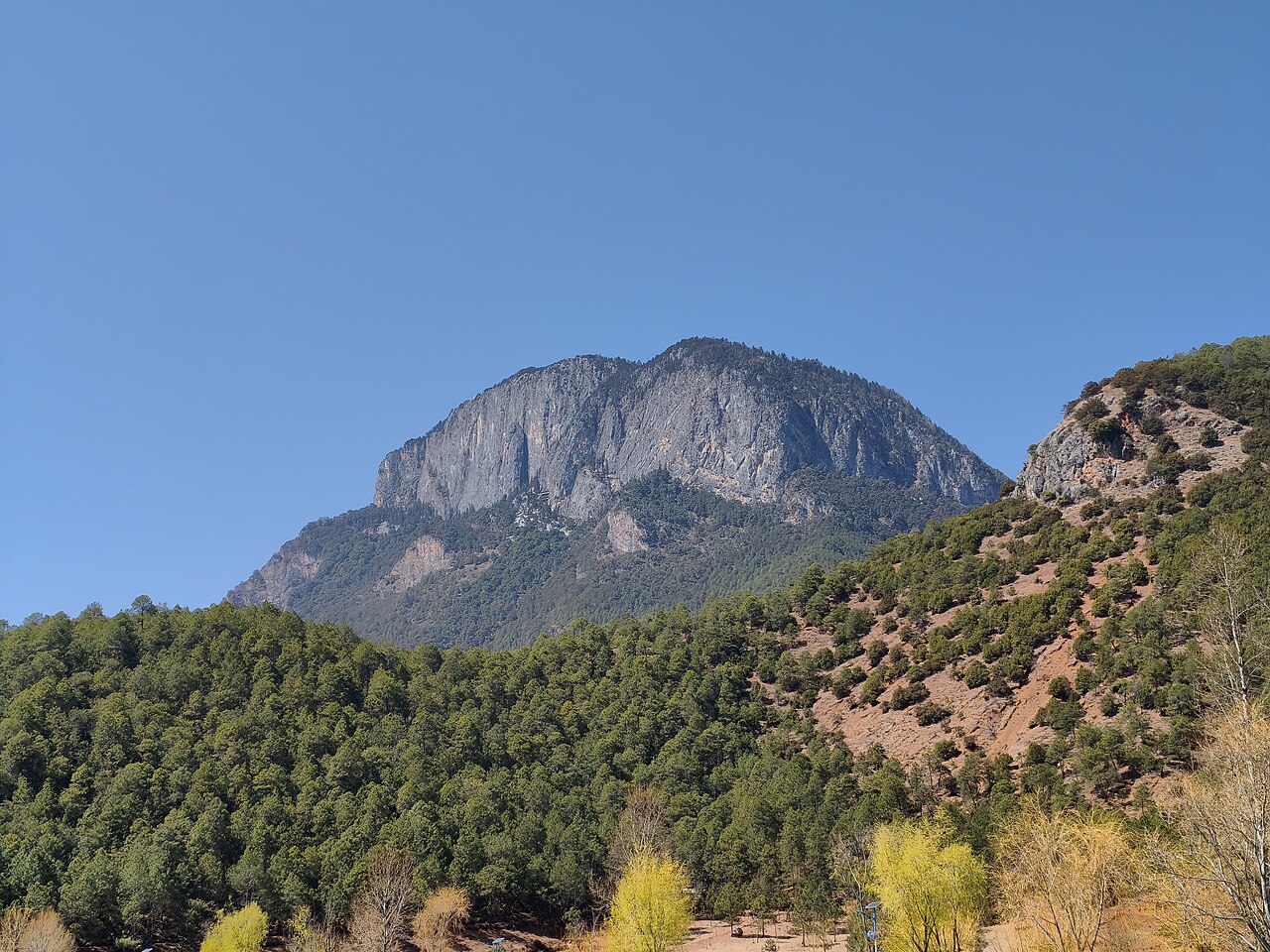
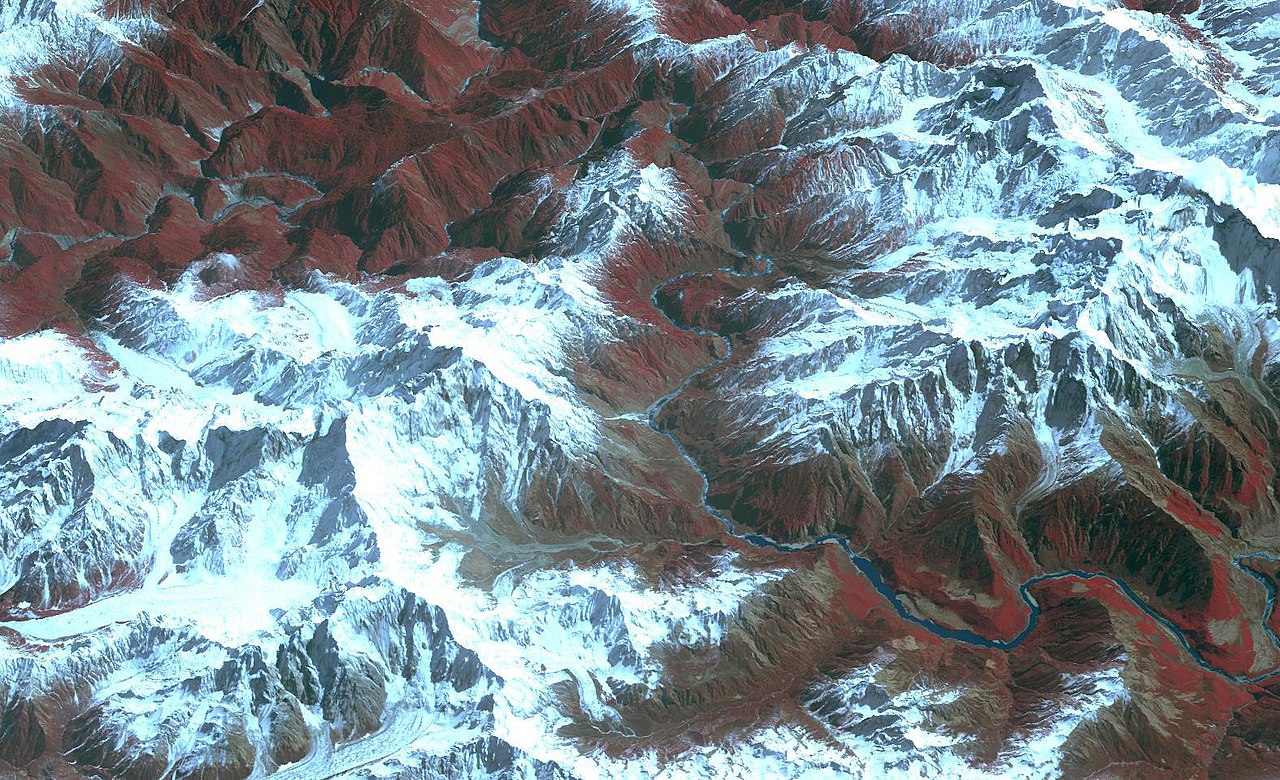
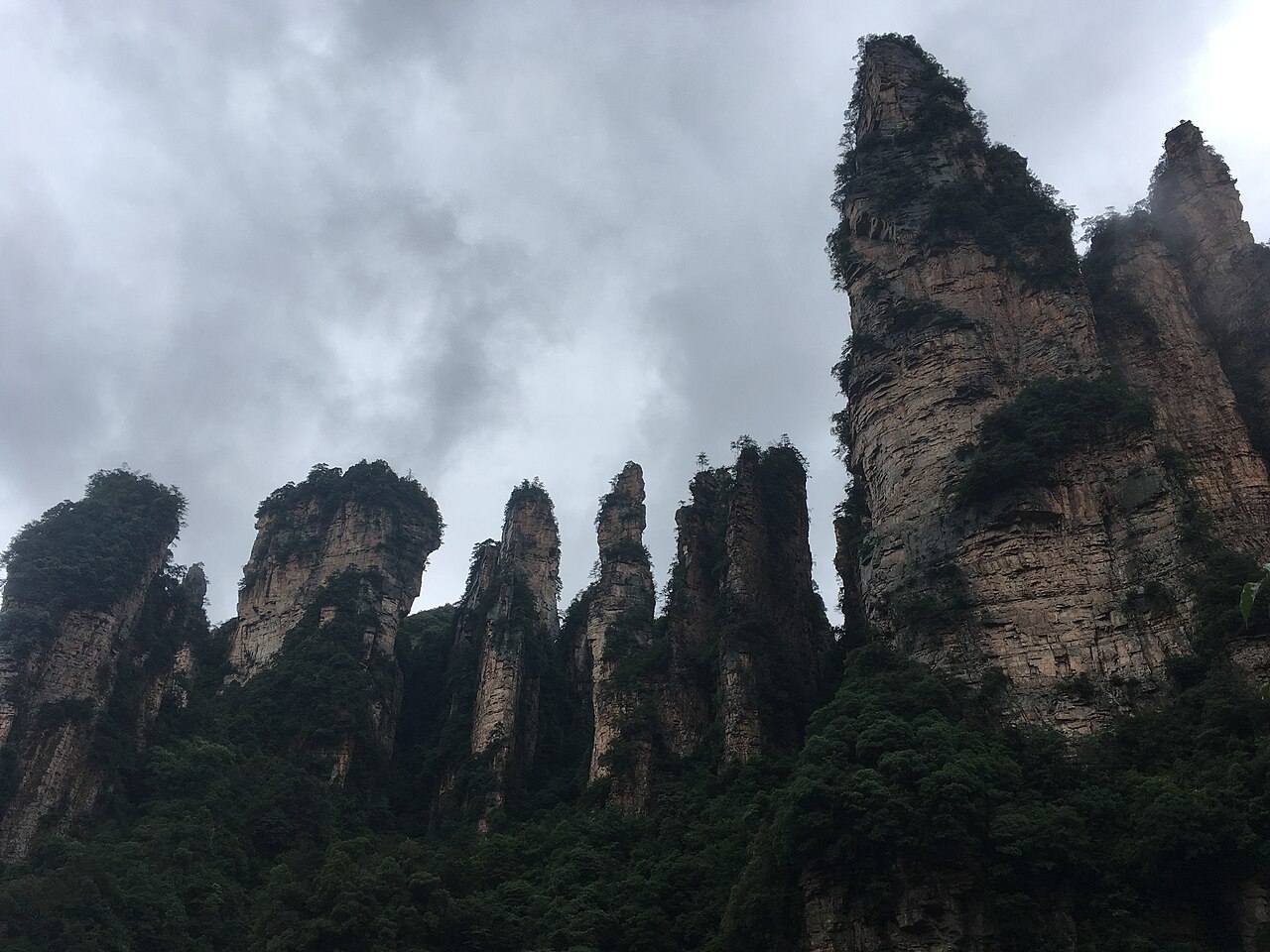
The Four Girls stand in a row on the eastern edge of the Hengduan Mountains, the highest summit of the Qionglai range and second in Sichuan only to Gongga, the King of Shu. The legend gives them their name: four sisters who fought the demon that had killed their parents and was eating the village, and who died winning, and became the mountains. The tallest, Yaomei Feng at 6,250 m, is the one serious alpinists come for. The other three are where everybody else begins.

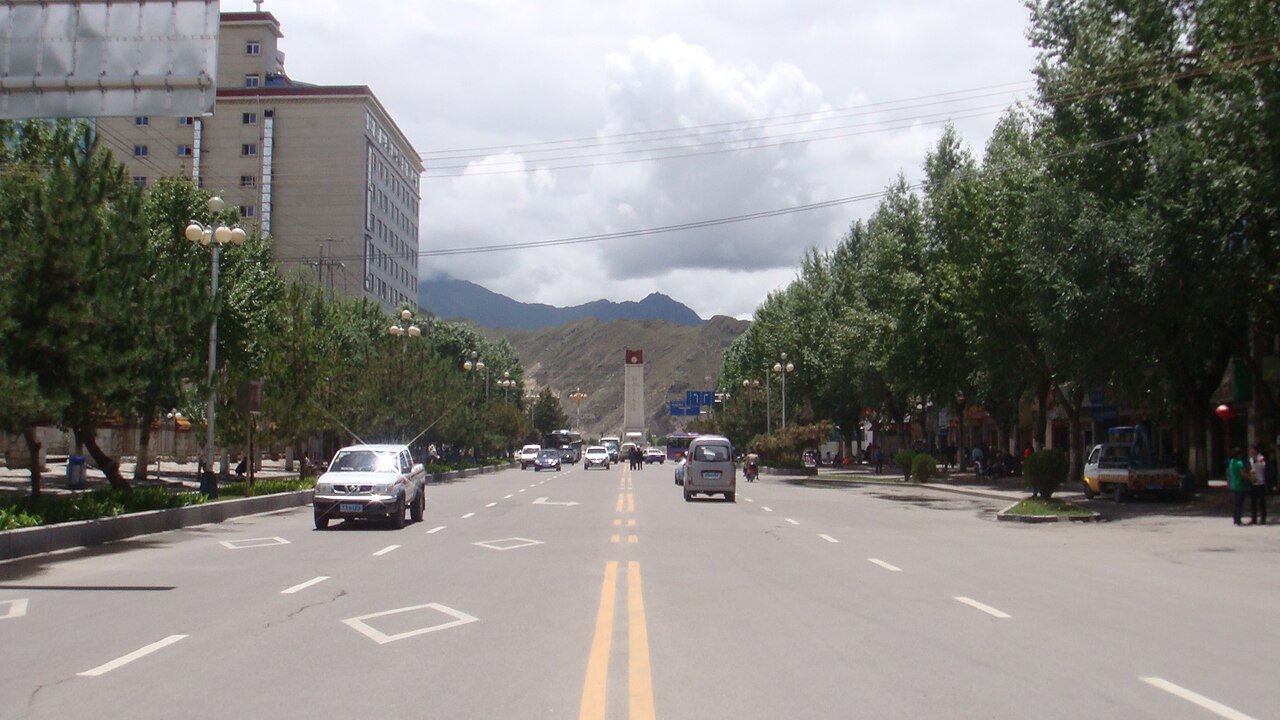
Everything runs through Rilong, a town of one street at about 3,200 m — guesthouses, climbers' cafés, small Sichuan kitchens, horses for hire, guides to be found. It is not a pretty town and it does not try to be. It is simply the only place from which anything here is possible.

From it, three valleys go out. Shuangqiao, seven kilometres away, is the developed one and the only one with a shuttle bus: twenty-odd sights in a line, a dozen peaks over 4,000 m, and the peaks themselves always at a distance. Changping is the classic — no road, horses and a boardwalk, the Four Girls dead ahead for most of 29 km. Haizi is the wild one: 19.2 km of open grassland, ten-odd alpine lakes near 4,200 m, and the route up the mountain.

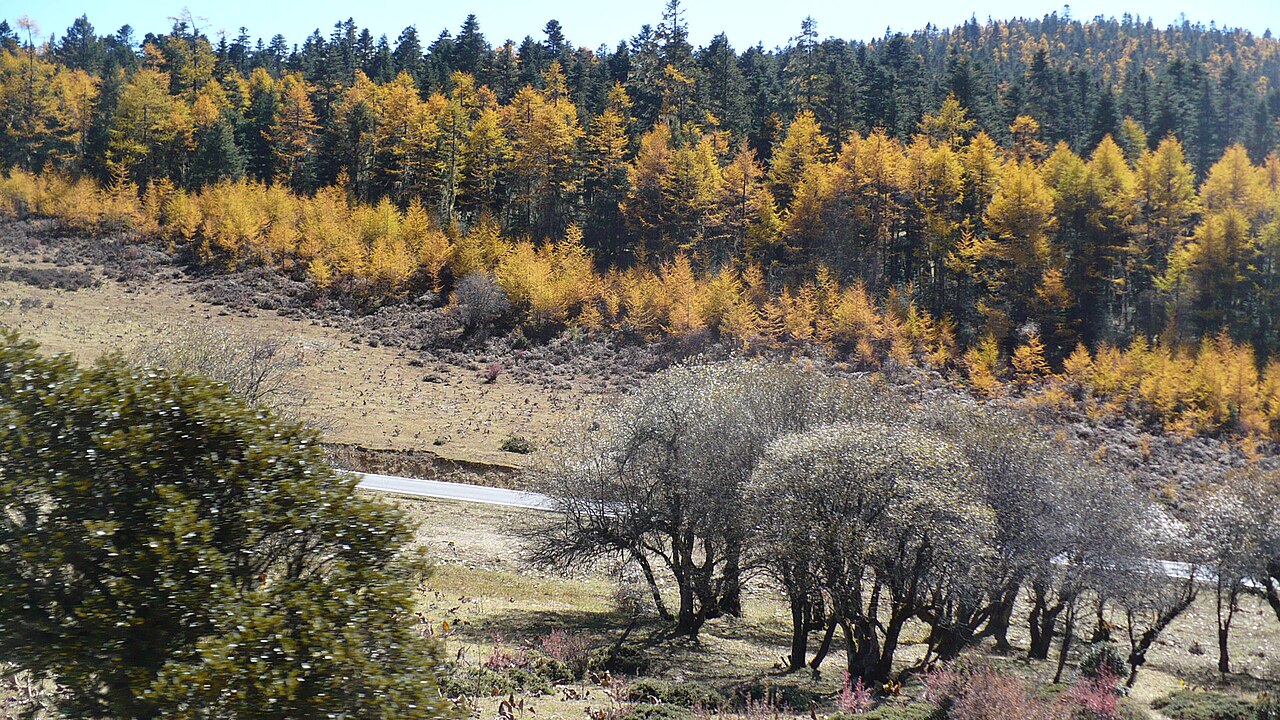
This is Jiarong Tibetan country, and the mountains are not scenery to the people who live under them. On the fifth day of the fifth lunar month the grasslands at Chaoshan Ping fill for the mountain-worship festival, when families face the peaks and burn juniper. Come in July or August and the meadows are under wildflowers; come in September or October and the sky goes clear and hard and the light turns golden at both ends of the day.

Mount Siguniang

Don't leave without

Seven things that are worth rearranging a day for.

  1. Ride a horse up Changping Valley to Muluozi meadow at 3,760 m
  2. Watch the sunrise gild all four peaks from the Mao Bi Liang bend
  3. Camp a night under stars in Haizi Valley
  4. Eat roast whole lamb around a fire and drink butter tea
  5. Eat a bowl of wild mushroom soup with matsutake picked above 4,000 m
  6. Buy roast matsutake skewers at the 4,523 m marker on Balang Pass
  7. Learn a few words of Jiarong Tibetan from your guide

Highlights

Six reasons to come out west

Changping Valley, on horseback

The classic. Twenty-nine kilometres of gorge, forest and boardwalk with the Four Girls in front of you most of the way, past a ruined lamasery, Dry Lake and the eerie Dead Tree Shoal. Horses do the flat work; the classic turnaround is Muluozi, a broad meadow at 3,760 m.
Sunrise from Mao Bi Liang

The big bend on the road into Rilong, where all four summits line up at once. As the sun comes up it lays gilt along the ridge — nothing like a seaside sunrise. Almost every vehicle on the road stops for five minutes, and they are right to.

Haizi Valley

Nineteen point two kilometres of open grassland with ten-odd alpine lakes — Big Lake, Flower Lake, Blue Lake, Yellow Lake — the best near 4,200 m, above where most visitors ever get. Guozhuang Ping and Chaoshan Ping at the front are the finest full view of the Four Girls in the region.

A 5,000 m summit you can actually stand on

Da Feng at 5,025 m is the beginner's mountain: no technical climbing, a snow season from December to June, and a summit in five or six hours from a camp at 4,500 m. It is why this valley has a climbing culture instead of just a viewing one.
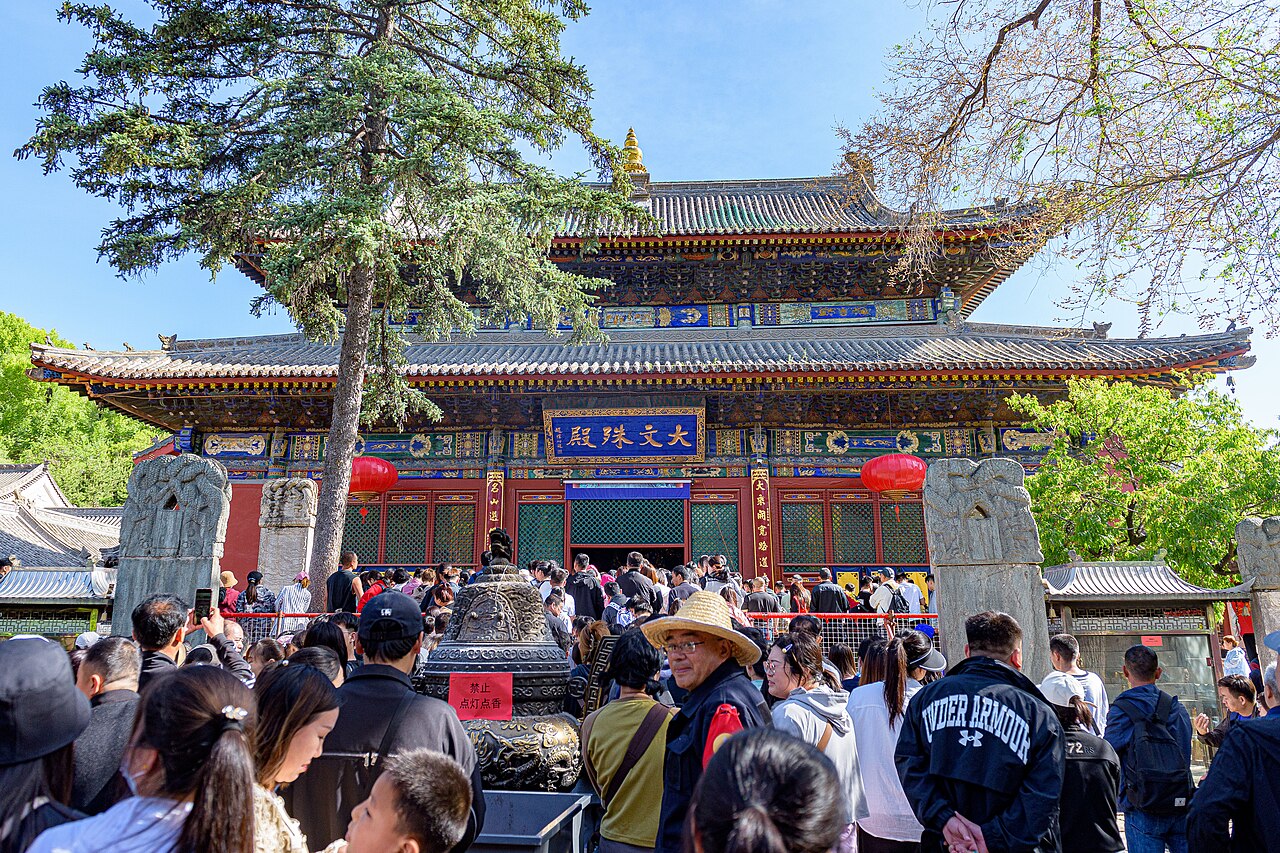
Wild mushrooms and roast lamb

Above 4,000 m the hills grow matsutake, morel and snow lotus, and Rilong sells them fresher and cheaper than any city. Slow-roast whole lamb over charcoal takes three hours and is worth every one of them. Drink butter tea with it — it is genuinely restorative at altitude.

Jiarong Tibetan country

Prayer flags on the passes, stone watchtowers in the valleys below, butter tea in the guesthouses, and the mountain-worship festival on the fifth day of the fifth lunar month when families face the peaks and burn juniper. This is a lived-in landscape, not a backdrop.

Suggested routes

Three ways to spend the days

The one-day essentials

1 day days

If you only have a day: the shuttle valley, start to finish.

  1. Morning

    Shuangqiao by shuttle

    Breakfast in Rilong, then the local bus or a short walk to Shuangqiao, seven kilometres out. The green shuttle runs the length of the valley to the far end and back — Yin Yang Gorge, Five-Colour Mountain, Sun-Moon Mirror, Sea Buckthorn boardwalk, Nianyuba, Hunter Peak, Ox Heart Mountain, Api Mountain, Wild Man Peak, Ginseng Fruit Flat.

    You are looking up at a dozen-odd peaks over 4,000 m the whole way. The one walk worth getting off for is the Nianyuba boardwalk.

    Stops: Shuangqiao ValleyFive-Colour MountainNianyuba

  2. Afternoon

    Back down and out

    Picnic at Ginseng Fruit Flat if the weather holds, then the shuttle back to the mouth and a late-afternoon stop at Mao Bi Liang for the peaks if the light arrives.

    Evening in Rilong: a hot meal, butter tea, and an early night. You are at 3,200 m and tomorrow will be harder than today.

    Stops: Ginseng Fruit FlatMao Bi LiangRilong

The classic four days

4 days days

All three valleys, in the order that makes altitude sense.

  1. Day 1

    Arrive and acclimatise

    Bus or car from Chengdu, through Dujiangyan, Yingxiu, Wolong and over the 4,500 m Balang Pass — 286 km, five or six hours, with the vegetation changing from broadleaf forest to conifer to alpine meadow as you climb.

    Afternoon: walk the town, hire your horse, meet your guide, drink butter tea. Do not climb anything today. Sleep is the work.

    Stops: Balang PassRilong

  2. Day 2

    Shuangqiao and Changping

    Morning in Shuangqiao by shuttle, about three hours for the full valley. Lunch back at the mouth.

    Afternoon into Changping: no road, so on foot or horse from the ruined lamasery, past the Tibetan watchtowers, Dead Tree Shoal, Big Lake and Lianghekou, reaching Muluozi — a broad flat meadow at 3,760 m — around midday. Turn round there; back at the mouth by about 18:00.

    Stops: Shuangqiao ValleyChangping ValleyMuluozi

  3. Day 3

    Haizi Valley

    The wild one, and the only one on foot or horseback. The front section — Guozhuang Ping and Chaoshan Ping — is the best full view of the Four Girls anywhere, and where the mountain-worship festival is held.

    The back half holds the lakes, but they sit near 4,200 m and the distance is long; most people never reach them. Take a tent and camp if you can — the grassland at night is the reason to come.

    Stops: Haizi ValleyGuozhuang PingChaoshan Ping

  4. Day 4

    Back to Chengdu

    Sunrise at Mao Bi Liang if you can face it, breakfast in Rilong, lunch in Wolong, and the long run back to Chengdu in the afternoon.

    Or detour south: 54 km to Xiaojin and the Jiajin Mountain forest park — the best-preserved old growth in the county — and on 58 km to Danba for the night, if you are continuing west.

    Stops: Mao Bi LiangWolongChengdu

Climbing Da Feng

4 days days

The beginner's 5,000er: one day to arrive, one to adapt, one to camp, one for the summit.

  1. Day 1

    Chengdu to Rilong

    Leave Chengdu at about 06:00, via Dujiangyan, Yingxiu, Wolong and Balang Pass, arriving in the afternoon at 3,200 m. Sleep in Rilong — badly, probably. That is normal.
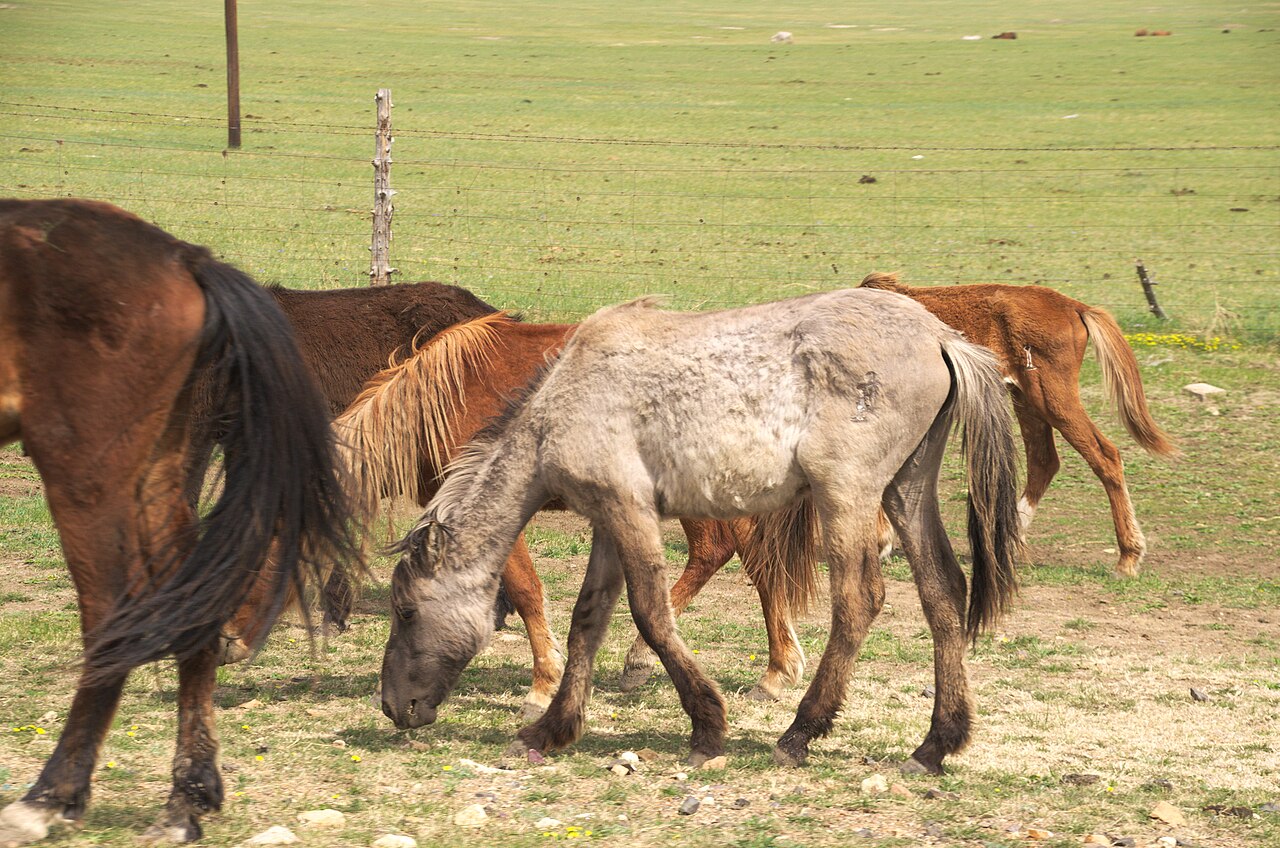
    Sort your permit, your guide and your horse today, not tomorrow morning.

    Stops: Balang PassRilong

  2. Day 2

    Acclimatise in Changping

    A short day into Changping: walk or ride from the lamasery, 13 km round trip, to let your body meet 3,760 m and come back down. This day is not optional and it is not a warm-up — it is the reason people summit.

    Evening: check gear, pack, eat early. Your guide will brief you.

    Stops: Changping ValleyMuluozi

  3. Day 3

    Up to base camp

    Light packs — the horses carry the kit. The route runs up Haizi Valley past Guozhuang Ping, Dajianbao, Jipengzi and Dacao to base camp, roughly six hours, through alpine meadow and scrub.

    Camp sits around 4,000–4,200 m with the summit route clearly visible above it. Afternoon is for a short acclimatisation walk and congee for dinner — it digests fast and replaces fluid and salt.

    Stops: Guozhuang PingDajianbaoBase camp

  4. Day 4

    Summit and out

    Up at 05:00, away at 05:30. Five or six hours to the top if the group is going well; photographs, then a careful two-hour descent to camp.

    Four or five hours back down to Rilong, then straight on to Chengdu — or, honestly, one more night in Rilong. This is a twelve-hour-plus day on your feet.

    Stops: Da Feng summitRilongChengdu

Sights

What to actually go and see

The classic

Changping Valley

Developed earliest and still the one to pick: 29 km and about 100 sq km of forest, gorge and snow mountain, with the Four Girls standing 16 km in. Old cypress paths, a ruined lamasery, Dry Lake, waterfalls tens of metres high, and Dead Tree Shoal — standing trees drowned in still water, which reads as desolate and beautiful at the same time. The Qing army fought its Jinchuan campaigns through here.

Where
The mouth is a 15–20 minute walk from Rilong
Ticket
¥70 peak season, ¥50 off-season
Horse
To Dead Tree Shoal the fare is fixed at ¥50; further costs more
Turnaround
Muluozi meadow, 3,760 m — flat, broad, facing the back of the peaks

Tip Most visitors stop at Dead Tree Shoal. Go on — the valley gets better the further in you go, and if you can camp a night at the foot of the peaks with a roast lamb, that is Changping as it is meant to be done.

The easy one

Shuangqiao Valley

Seven kilometres from Rilong and the only valley with a shuttle, running the full length to the far end. More than twenty sights: Willow Bridge, Yin Yang Gorge, White Poplar belt, Sun-Moon Mirror and Five-Colour Mountain at the front; Nianyuba, Ginseng Fruit Flat, sea buckthorn forest, Jianshanzi and Jiujiahai in the middle; Ox Shed Meadow and Long River Shoal at the end — with a dozen peaks over 4,000 m overhead.

Where
7 km from Rilong; local bus ¥3, or about 15 minutes on foot
Ticket
¥80 peak season, ¥50 off-season
Time
Half a day by shuttle; the Nianyuba boardwalk is the one walk
Catch
Because there is a road, the peaks stay distant — and you cannot see the Four Girls from here at all

Tip Choose it when you are short on time, or when the weather is bad and you still want to be somewhere. It is a peaks exhibition, not a valley you walk.

The wild one

Haizi Valley

Nineteen point two kilometres named for its scatter of alpine lakes — Big Lake, Flower Lake, Floating Lake, White Lake, Blue Lake, Yellow Lake — all startlingly clear, holding the sky and the layered hillsides. The sunny slopes grow fungi, including matsutake; the shaded slopes turn red and gold after the first frost. It is also the approach for every climb in the range.

Where
A 15–20 minute walk from Rilong
Ticket
¥60 peak season, ¥40 off-season
Lakes
The back-half lakes sit near 4,200 m — hard to reach and a real altitude problem
Best view
Guozhuang Ping and Chaoshan Ping, at the front, look straight at all four peaks

Tip Take a tent. The roadless grassland is the point, and the festivals — the mountain-worship gathering on the fifth day of the fifth lunar month, the guozhuang dancing ground — happen here, not in the town.

The sunrise stop

Mao Bi Liang viewpoint

The high bend on the road into Rilong, where the whole four-peak skyline shows at once. As the sun rises it lays a gilt edge along the summits — the local golden mountain, and nothing at all like a sunrise at the sea. Five minutes, and everybody takes them.
Where
On the approach road into Rilong
Best time
Sunrise — the first light lands on the summits first
Cost
Nothing
Also here
The road continues over Balang Pass, 4,500 m

Tip Do it on the way in if the weather is clear, and do it again on the way out if it was not. Cloud here is not a rarity — it is the default.
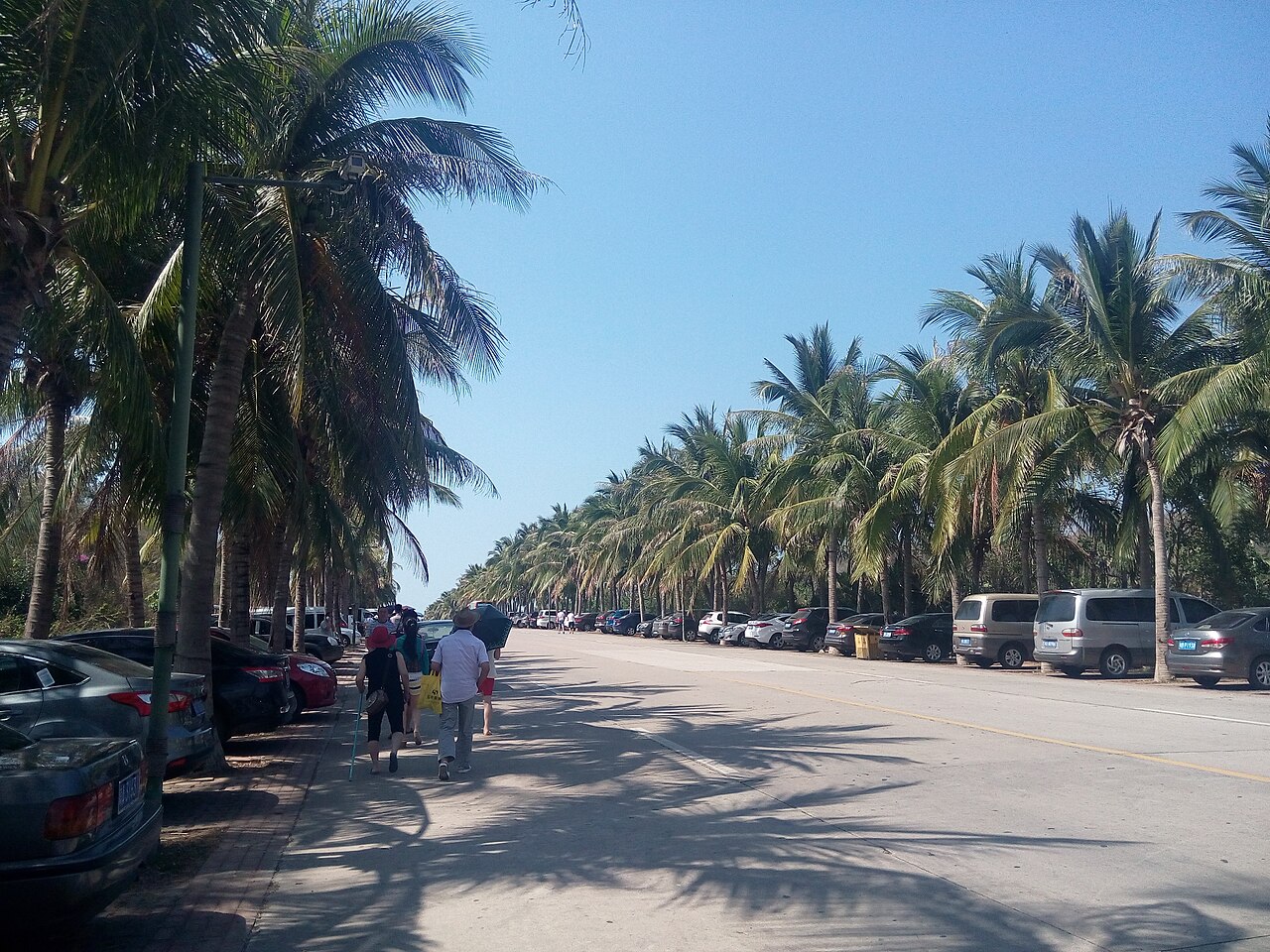
The road in

Balang Pass

Balang means Strange Willow Mountain in Tibetan; the summit is 5,040 m and the road crosses at about 4,500 m. Alpine meadow spreads over the upper slopes like carpet, with cloud sea below and conifer forest below that, and yaks grazing through both. There is a marker reading 4,523 m that nearly everybody photographs.
Where
On the Chengdu–Rilong road, 286 km from Chengdu
Altitude
Road crosses at about 4,500 m; the peak is 5,040 m
Vegetation
Broadleaf → conifer → alpine meadow as you climb
Winter
Snow in winter and spring can slow or briefly close the pass

Tip There are barbecue stalls under the altitude marker — roast matsutake, yak skewers, lamb. Eating skewers at 4,500 m is not like eating them anywhere else. Stop if you have time.

Side trip

Jiajin Mountain forest park

South of Rilong, 54 km on towards Xiaojin: 20,700 hectares of the best-preserved old growth in Xiaojin County, with golden snub-nosed monkeys, takin, red-bellied pheasant and so many songbirds that the park is nicknamed the thrushes' playground. It is also where the First and Fourth Front Armies of the Red Army linked up in 1935.

Where
Southern Xiaojin County, about 250 km from Chengdu
Highlights
Jiajin Mountain and Muerzhai Gorge, both pristine
Wildlife
Golden monkey, takin, red-bellied pheasant, musk deer
Getting there
On the road to Danba — fold it into a westbound trip

Tip Pair it with Danba, another 58 km on: the valley of a thousand watchtowers, the Jiarong cultural heartland, and the stone towers at Wori — more than 360 of them, built as a walled town.

For walkers

Bipeng Valley and the long trek

Changping Valley runs through to the foot of the Four Girls and over to Li County — the trek out to Bipeng Valley, one of the best-known multi-day hikes in China, three or four days with a local guide and horses. Bipeng itself is famous for autumn colour: 3,688 sq km, ninety per cent vegetation cover, and every gully burning red in October.

Where
Putou Suoluo Gorge, Li County
Trek
Changping → Bipeng, 3–4 days, guide and horses required
Season
Autumn for the red leaves
Prepare
Full clothing, food and equipment — there is nothing to buy en route

Tip Do not attempt the crossing without a guide and horses. It is not a day walk, and the weather at the passes does not negotiate.

Climbing

The four peaks, and what each one asks of you

Da Feng, 5,025 m — the one you can do

The classic beginner's snow mountain. From the mouth of Haizi Valley at 3,200 m it is 1,800-plus metres of gain with water all the way, no phone signal and, crucially, no technically difficult ground. Snow lies from December to June; July to November is dry. With a guide, a permit and one day to adapt, most fit people summit.

A permit, a medical certificate, a guide

You need a ¥60 climbing permit, a medical certificate, and a licensed local guide — all three, no exceptions. The guide is not a formality: the route crosses glacier and steep snow, and the decisions about who turns back are made at 05:00 in the dark. Budget three days minimum: arrive, adapt, camp, summit.

Er Feng, 5,276 m — for people who have done this before

Suited to fit, experienced amateur mountaineers who know their gear and have no altitude problems. Three sections call for fixed ropes: the traverse below the col, the slab band just above it, and the summit pitch — with a ridge only a metre wide and rockfall when the season is loose. Take a professional guide and put safety first.

San Feng and Yaomei Feng — not for amateurs

San Feng, 5,355 m, is the satellite peak of Yaomei and needs proper mountaineering equipment and experience. Yaomei Feng, 6,250 m, has one of the great dream routes of world alpinism and is climbed only by the strongest technical teams. Being a beginner mountain does not make Da Feng trivial — it just makes it possible.

Gear: the small things decide it

Waterproof boots and waterproof gloves between October and June — frostbitten fingers take a month to come right. A buff blocks more UV than any cream, and altitude sun reflected off snow burns in three hours, even under cloud. For the technical peaks: crampons, ice axe, headlamp, goggles, harness, ascender, descender, slings, karabiners, ice screws.

The rules that keep people alive

Do not trust hongjingtian — sleep is what acclimatises you. Hire a horse for the descent even if you walked up; people are most exhausted on the way down. Eat congee at camp. If you feel like vomiting, stop and descend — the mountain is not going anywhere. And if you have heart disease, high blood pressure or coronary problems, do not go.

Food

What the Jiarong table looks like

Roast whole lamb

Slow-cooked over charcoal, basted as it turns, three hours minimum until the skin is crisp and gold and the fat has rendered through it. It arrives whole on the table and nobody pretends to be dignified about it. The thing to do with a group after a long day in the valleys.

Wild mountain mushrooms

Above 4,000 m the Ngawa hills grow snow lingzhi, alpine snow lotus, morel, matsutake and green-oak mushroom. High in protein and fibre, good for the stomach, and — the honest reason — extraordinary in a soup. Matsutake here is fresher and cheaper than in any city in China.

Butter tea

Very high calorie, rich and fragrant, with a heavy milk note. One mouthful and you come awake. It really does help with altitude and with warmth, provided you can handle dairy — and if you can eat beef and lamb, you can handle this.

Hand-grabbed mutton

The herders' classic and the way to eat lamb on a grassland: boiled, served in pieces, eaten with your hands. Fragrant rather than fatty, tender, and barely gamey at all. One of the two dishes you should not leave Ngawa without eating.

Zanba

Roasted highland barley ground into flour — the convenience food of the plateau, mixed with butter and horse tea and kneaded into a lump by hand. Jiarong households grind it with roasted maize, soy and broad bean mixed in, which gives it an almost five-spice smell.

Sucked wine and horse tea

Barley is boiled, jarred with a starter and sealed; you add cold water and drink it through bamboo straws, passing the jar round during guozhuang dancing. Horse tea — the square brick tea once carried two packets to a horse — is boiled hard for twenty minutes and tastes smoky, mellow and slightly burnt.

Where to eat

Rilong's kitchens — and what to carry in

The best in town

Siguniang International Hotel dining room

The best kitchen in Rilong: a properly appointed Chinese dining room with Sichuan and Cantonese chefs, plus Jiarong and Qiang specialities — hand-grabbed mutton, butter tea, barley wine. A quiet lobby bar and a performance hall with Tibetan and Qiang song and dance in the evening.

Where
Rilong town, Xiaojin County, Ngawa
Average spend
¥180–380 for a room and a meal
Phone
0837-2791999

Local dishes

Tucai Guan

The place for the dishes this valley actually eats: gastrodia young chicken, hand-grabbed mutton, beef short ribs, Jiarong sour-vegetable noodle squares, wild fungi, and a tripe-and-offal soup. Simple room, real ingredients.

Where
Rilong town — you will walk past it
Signature
Gastrodia chicken, Jiarong sour-vegetable noodle squares
Best for
The mushroom dishes

Hotpot

Jianshi Hotpot

A hotpot place doing the two things the altitude makes you want: a bubbling pot and wild mushrooms. Roast lamb as well. Good for a cold night when you have come off the mountain wet.

Where
Rilong town
Signature
Hotpot, wild fungi, roast lamb
Best for
The evening after a long valley day

Grills

Koufulai

Steamed beef and mutton with rice flour, cured old bacon, fish from the upper reaches, wild mushrooms, and roast lamb, rabbit and chicken off the grill. The widest menu on the street and the one to aim for if your group cannot agree.

Where
Rilong town
Signature
Steamed beef and mutton, cured bacon, roast meats
Best for
A group that wants to order everything

Where to stay

Rilong, in four price brackets

The best room in town

Siguniang International Hotel

The finest hotel here: an elegant Chinese restaurant, a bar, and a multi-function hall with Tibetan and Qiang architecture and a folk song-and-dance evening. The one place to stay if you want a proper bed before or after a climb rather than another night on a thin mattress.

Where
Rilong town, Xiaojin County
Price
¥180–380 / night
Phone
0837-2791999

The climbers' hostel

Sunshine Yi International Youth Hostel

The only youth hostel in Siguniang, run by people with serious climbing and travel experience. There is a Tibetan tea bar and a Tibetan sitting room, and they arrange trekking and crossing advice, introduce high-mountain guides and sort horses. If you do not know what you are doing, go here first.

Where
Rilong town, Xiaojin County
Price
¥25–120 / night
Phone
0837-2791585

Walkers' guesthouse

Tianqing Guesthouse

At the centre of Changping Village, right at the mouth of Changping Valley: a restaurant, a bar, trinkets, a courtyard, and free outdoor films and documentaries in the lobby. The owner has been on the Chinese outdoor forums for over a decade, has driven and cycled to Tibet and Everest base camp, and wrote a book about it. Free, genuinely useful trip advice comes with the bed.

Where
Changping Village, at the mouth of Changping Valley, Rilong
Price
¥100–180 / night
Phone
15378371185

Tibetan home

Jiarong Villa

A typical Jiarong Tibetan house — clean, tidy, and a real way to see how people here live rather than how visitors are housed. The cheapest proper bed in town and the one that feels most like the place.

Where
Rilong town, Xiaojin County
Price
From ¥40 / night
Phone
0837-2791566 / 13990400337

Where climbers end up

Ice Rock bar

Part bar, part base camp: run by a Chengdu rock musician who moved to the mountain, and it functions as the material and spiritual supply depot for climbers. Live music, and the room where you will hear the current conditions on Da Feng before you hear them from anyone official.

Where
At the foot of the peaks, Rilong
Price
Drinks; no rooms
Best for
Finding a guide, and finding out what the snow is doing

Getting around

One road in, one bus a day

By long-distance bus

The only public transport: Chengdu Chadianzi Station (028-87506610) sends several coaches to Xiaojin County at about 06:20 every morning, and they drop you at Rilong on the way. Six to eight hours, ¥123 in a standard coach and ¥135 in a better one. Buy a day ahead — that 06:20 departure is all there is.

Departure
About 06:20 daily, several coaches at once
Fare
¥123 standard, ¥135 higher-standard
Journey
6–8 hours via Dujiangyan, Yingxiu, Wolong, Balang Pass

By shared car or charter

Most people either find a local driver or share a car with other travellers. It is the same road — Chengdu–Dujiangyan–Yingxiu–Wolong–Balang Pass–Rilong, 286 km — but five to six hours instead of eight, and you can stop at Mao Bi Liang and the Balang barbecue stalls.

Route
286 km via Dujiangyan, Yingxiu, Wolong, 4,500 m Balang Pass
Time
5–6 hours; 60–80 km/h on the good sections
Road
Duwen expressway and S303 grade-one highway; the Dujiangyan–Yingxiu stretch is the poor one

Driving yourself

Possible, and the road is better than its reputation: mostly grade-one concrete or asphalt apart from the rough Dujiangyan–Yingxiu section. But the Balang stretch is tight-cornered and steeply graded, and there is snow in winter and spring. Take it seriously or take a driver who does.

Fuel
Sinopec at the Dujiangyan expressway entry and exit; small stations at Yingxiu, Rilong and Jinchuan
Warning
Balang Pass: many bends, steep grades, snow in winter and spring
Climb
500 m up to 4,500 m and back down to 3,200 m

On foot around Rilong

Rilong is small enough to walk end to end, and that is the local transport plan. Changping Valley's mouth is 15–20 minutes on foot, Haizi Valley about 20 minutes. Shuangqiao is far enough to want the local bus — ¥3.

To Changping
15–20 minutes on foot
To Haizi Valley
About 20 minutes on foot
To Shuangqiao
Local bus, ¥3, or about 15 minutes on foot from the east side

Getting back out

From Rilong there are direct buses back to Chengdu, or you can go to Xiaojin County and take one from there: three departures daily to Chengdu at 06:00, 06:20 and 06:40 for ¥133, one to Wenchuan at 07:00 for ¥90, and four to Barkam at 08:30, 10:00, 13:30 and 14:30 for ¥40.

To Chengdu
3 daily from Xiaojin, 06:00 / 06:20 / 06:40, ¥133
To Wenchuan
1 daily, 07:00, ¥90
To Barkam
4 daily, 08:30 / 10:00 / 13:30 / 14:30, ¥40

Shopping

What Rilong sells

Matsutake and wild fungi

The valley's best-value buy. Matsutake, morel and other fungi gathered above 4,000 m, sold in Rilong fresher and cheaper than anywhere in the lowlands — and dried or bottled, they travel. Buy from a stall that will let you smell it.

Snow lotus

A composite-family plant sold in Rilong and in Shuangqiao Valley at about ¥10 a bundle of five to ten heads. Used in local medicine for yang, menstruation, sinews and wind, and as a cooling, blood-toning herb. Cheap enough to be worth a gamble, and traditional enough to be a real local product.

Yak meat, sea buckthorn, apples, walnuts

Rilong is under-developed and unhyped, and that shows in its produce list: pollution-free yak, sea buckthorn, apples, walnuts, Sichuan pepper, pears, Siguniang bottled spring water and wild edible fungi. Straightforward green food from a valley that has not been tarted up.

Tonics, wines and Jiarong crafts

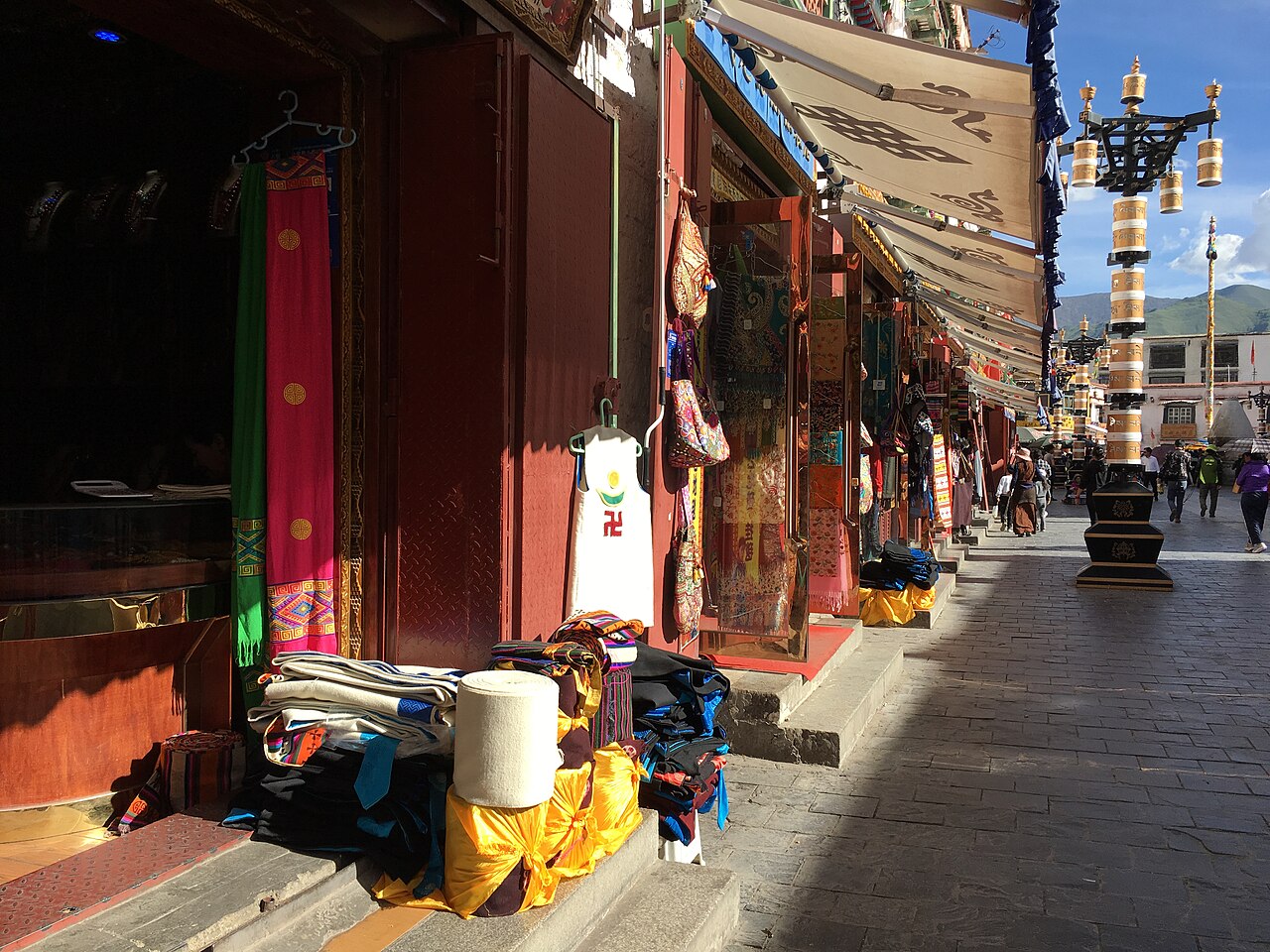
Angelica, ginseng, gastrodia, cordyceps, fritillaria, snow lotus, and the local infusions — matsutake wine, cordyceps wine, cherry wine. Alongside them, thangka paintings, Qiang and Tibetan embroidery, and Jiarong gold and silver work. Everything here needs an eye; the valley's own advice is that what is missing is not goods but the ability to tell good from bad.

Practical

The numbers you will actually need

There is no food for sale past the valley mouths — buy sausages, dried yak, water and noodles in Rilong before you go in. And give yourself the acclimatisation day: the extra night is not a luxury, it is the difference between summiting and turning back.

Valley ticketsChangping ¥70 / ¥50 · Shuangqiao ¥80 / ¥50 · Haizi ¥60 / ¥40 (peak / off-season)
Free-entry daysHaizi free around the mountain-worship festival and 7–9 June; women free 7–9 March; serving military free 1 August; over-60s free on Double Ninth
Horse hireChangping to Dead Tree Shoal is fixed at ¥50; further in costs more. Agree the route and the price before mounting
ClimbingDa Feng ¥60 permit, plus a medical certificate and a licensed guide. 3 days minimum
Bus from ChengduChadianzi 028-87506610, about 06:20 daily to Xiaojin, stops at Rilong, 6–8 h, ¥123 / ¥135
Road286 km via Dujiangyan, Yingxiu, Wolong and 4,500 m Balang Pass; 5–6 h by car
AltitudeRilong ~3,200 m · Muluozi 3,760 m · Haizi lakes ~4,200 m · Da Feng camp 4,000–4,500 m · summit 5,025 m
ClimateDry, cold winters, cool summers, violent day-night swings; rain concentrated in May; fierce sun year round
MoneyXiaojin County has only an Agricultural Bank (9:00–17:00, 0837-2782414) and a rural credit co-operative. Bring cash
MedicalXiaojin County People's Hospital, 20 West Street, Meixing, 0837-2782255 · Ngawa Prefectural People's Hospital, Barkam, 0837-2822698

Background

Why Siguniang is the way it is

Four sisters who became a mountain

The mountains stand where Xiaojin County meets Wenchuan, the highest summit of the Qionglai range on the eastern rim of the Hengduan Mountains, second in Sichuan only to Gongga. The story that names them is a hard one: four beautiful, kind daughters whose parents were killed by a demon that was eating the village fought it to protect what peace the people had, and died doing it — and became four clean, upright snow peaks. The Tibetans of the valley made them a holy mountain.

The other reason people come is the climbing. Siguniang is the closest big snow mountain to a Chinese metropolis, and the four summits form a ladder of difficulty few ranges anywhere can match: Da Feng at 5,025 m for beginners, Er Feng at 5,276 m for experienced amateurs, San Feng at 5,355 m for equipped mountaineers, and Yaomei Feng at 6,250 m, whose routes draw the best alpinists in the world. As one local writer put it: if you have not felt your lungs tighten in thin air, or had the glare off snow strike your eyes, or felt life growing lighter as the temperature drops, you do not yet know what the word climbing means.

Jiarong country and its calendar

This is Jiarong Tibetan land — the Jiarong being the Tibetan population of the Qionglai and Daxue ranges, distinct in language, dress and architecture from the Amdo and Khampa to the west. Their signature is the stone watchtower, and the finest group of them in the region stands at Wori in Xiaojin, more than 360 towers laid out as a walled town on a grid of three cross streets and nine vertical ones — fortification and domestic life built into the same walls.

The calendar follows the herding year. The mountain-worship gathering falls on the fifth day of the fifth lunar month, when families go up to the grassland at Chaoshan Ping, face the peaks and burn juniper. The Flower Viewing Festival — Ruo Mu Niu in Tibetan, simply meaning going to look at the flowers — falls on the eighteenth day of the sixth lunar month, when villages troop out to pitch tents in the meadows and forest. The Qiang year begins on the first day of the tenth lunar month, a harvest festival called the gathering wine, when families stay home and steam buckwheat three-cornered dumplings filled with meat and tofu.

A road that crosses five hundred metres of everything

The approach is the lesson: 286 km from Chengdu, most of it good concrete or asphalt, climbing from 500 m through Dujiangyan and Yingxiu, through the Wolong panda reserve, and over Balang Pass at about 4,500 m before dropping to Rilong at 3,200 m. The vegetation changes as you climb — broadleaf, then conifer, then alpine meadow — and above three or four thousand metres the road runs in cloud.
That vertical range is the whole character of the place. Xiaojin's best-preserved old growth, with golden monkeys and takin, sits an hour south at Jiajin Mountain. Miyaluo, over the ridge in Li County, is 3,688 sq km at ninety per cent vegetation cover and turns entirely red in autumn — three thousand three hundred gullies, three thousand three hundred ridges, and red leaves in every one of them. Snow mountain, hot spring, forest, red leaves, Tibetan and Qiang culture: the region sells itself as a red dream corridor, and it is not overselling.
Travel with them

Siguniang in print and song

Book

Walking Ngawa

Qi Qi

Part of the in-depth Great Jiuzhaigou travel series: a book that walks the prefecture rather than ticking it off — over mountains, through water, past the poetry and the mystery, with someone who knows where the road actually goes.

Music

Has It Snowed on Siguniang Yet

Tan Weiwei

A song written about these four peaks by a Sichuan singer, and one of the few modern Chinese songs that treats a mountain as something you have a relationship with rather than a view. Play it on the bus out, when the peaks are behind you in the mirror.

The questions visitors ask us most about Mount Siguniang, answered plainly.

Frequently asked questions

Prices and practical details are reviewed every month by our Beijing team and updated the day a rule changes.

Which of the three valleys should I choose?

Changping, if you only have one. It is 29 km of gorge and forest on a boardwalk or on horseback, with the Four Girls visible most of the way and Muluozi meadow at 3,760 m as the turnaround. Shuangqiao is the easy half-day: a shuttle to the end and back, twenty-odd sights, and you never see the Four Girls from it. Haizi is the serious one — a full day on foot or horse, and the only one that puts you on the mountain.

How do I get to Mount Siguniang from Chengdu?

There is no airport and no railway. Take the bus from Chengdu Chadianzi Station (028-87506610): several coaches leave for Xiaojin County at about 06:20 daily and drop you at Rilong, 6–8 hours for ¥123 in a standard coach or ¥135 in a better one. Buy a day ahead — it is the only departure. Or share a car and drive via Dujiangyan, Yingxiu, Wolong and the 4,500 m Balang Pass, 286 km in about 5–6 hours.

Is horse riding in the valleys safe?

Yes, genuinely. The Siguniang horses are famously placid — they are used to carrying visitors and many barely trot — and if you are nervous a handler walks the reins. Children ride without trouble. Agree the route and the price before you mount, and use the horse for the long flat stretches rather than for anything steep.

Will I get altitude sickness?

Rilong is about 3,200 m and most people feel something on the first night — a headache, broken sleep, breathlessness on stairs. Do not do heavy exercise, keep warm, skip alcohol, eat fruit and vegetables, and sleep as well as you can. Bring altitude medication if you know you react badly. The point of an extra day here is altitude, not distance.

Do I need a guide to climb here?

For Da Feng, yes — a licensed guide, a medical certificate and a ¥60 climbing permit are all required. The route is non-technical, but it crosses snow and steep ground and there is no phone signal. Er Feng suits fit, experienced hikers; San Feng and Yaomei Feng need full technical gear and real mountaineering experience. None of them should be attempted without a guide and a permit.

What is the weather like on Mount Siguniang?

Typical high plateau: cold winters, cool summers, cold mornings and evenings with warm middays, dry most of the year, rain concentrated in the May rainy season, and violent day-to-night swings. July and August are the local spring, with wildflowers; September and October have the clearest skies. Sunlight is fierce at altitude year round — sunscreen, sunglasses and a buff are not optional.

How much do the valleys cost?

Changping is ¥70 in peak season and ¥50 off-season; Shuangqiao ¥80 and ¥50; Haizi ¥60 and ¥40. Horses are extra and quoted per section — the standard ride to Dead Tree Shoal in Changping is fixed at ¥50. There are periodic discounts: free entry to Haizi Valley around the mountain-worship festival and on 7–9 June, free entry for all women on 7–9 March, free entry for serving military on 1 August, and free entry for over-60s on the Double Ninth Festival.

Related reading

Related reading

Visas Do I Need a Visa for China? Requirements, Costs and How to Apply China's entry rules changed more in the last three years than in the previous twenty. Here is exactly who needs a visa, what it costs, how long it takes and which passports now walk straight through. 9 min read Visas China's 240-Hour Visa-Free Transit: Who Qualifies and How It Works Ten days in China with no visa application, no fee and no fingerprints — if you hold the right passport and leave for a third country. Here is the rulebook, port by port. 8 min read Money Paying in China: Alipay, WeChat Pay, Cards and Cash Roughly nine in ten urban payments in China now run through a phone. Set up two apps before you fly, carry a modest cash float, and you will never be stuck at a till. 8 min read Transport China's High-Speed Rail: How to Book, What It Costs, How Fast It Goes The fastest way to cross China is also the most pleasant. Here is how to book a ticket with a foreign passport, what the three classes actually give you, and how to survive a Chinese station at rush hour. 9 min read Planning Best Time to Visit China: Month by Month, Region by Region China is the size of Europe, so 'the best month' depends on where you stand. Here is the month-by-month answer for the north, the Yangtze valley, the south and the plateau. 8 min read Planning What to Pack for China: The Complete 2026 Checklist Twenty thousand steps a day, three climate zones and a phone that has to do everything. This is the list we give our own travellers, minus the things they never used. 7 min read Food Chinese Food Culture: Eight Cuisines, One Table There is no such thing as Chinese food. There is Cantonese, Sichuan, Hunan, Jiangsu, Zhejiang, Fujian, Anhui and Shandong — and knowing which one you are eating changes everything. 8 min read Traditions Chinese Tea Culture: Six Classes, One Pot, Two Fingers Tea in China is not a beverage category, it is a social technology: it fills silences, seals deals and sets the pace of a meal. Here is how to sit down in one and not look lost. 7 min read Traditions Chinese Festivals: The Calendar, the Dates and the Crowds Lunar dates mean the calendar moves every year — and two of the festivals move several hundred million people at once. Plan around them or plan into them, but never by accident. 8 min read Etiquette Chinese Etiquette: What Matters, What Does Not, and Why Most etiquette advice for China is either obvious or wrong. These are the dozen behaviours that actually change how you are treated, and the reasoning behind each. 7 min read

Tell us your dates.
We'll do the rest.

Free itinerary design, a revised plan within one working day, and nothing charged until you approve the final version.

  • Rilong sits at about 3,200 m. Sleep badly there on night one is normal — give yourself a day before going higher.
  • Changping is the one to pick if you only have one day: horses, boardwalk, and the Four Girls in front of you the whole way.
  • Shuangqiao is all shuttle and no effort, and it is also the only valley from which you cannot see the Four Girls.

No spam. No sales calls. Just a real itinerary from a real person.