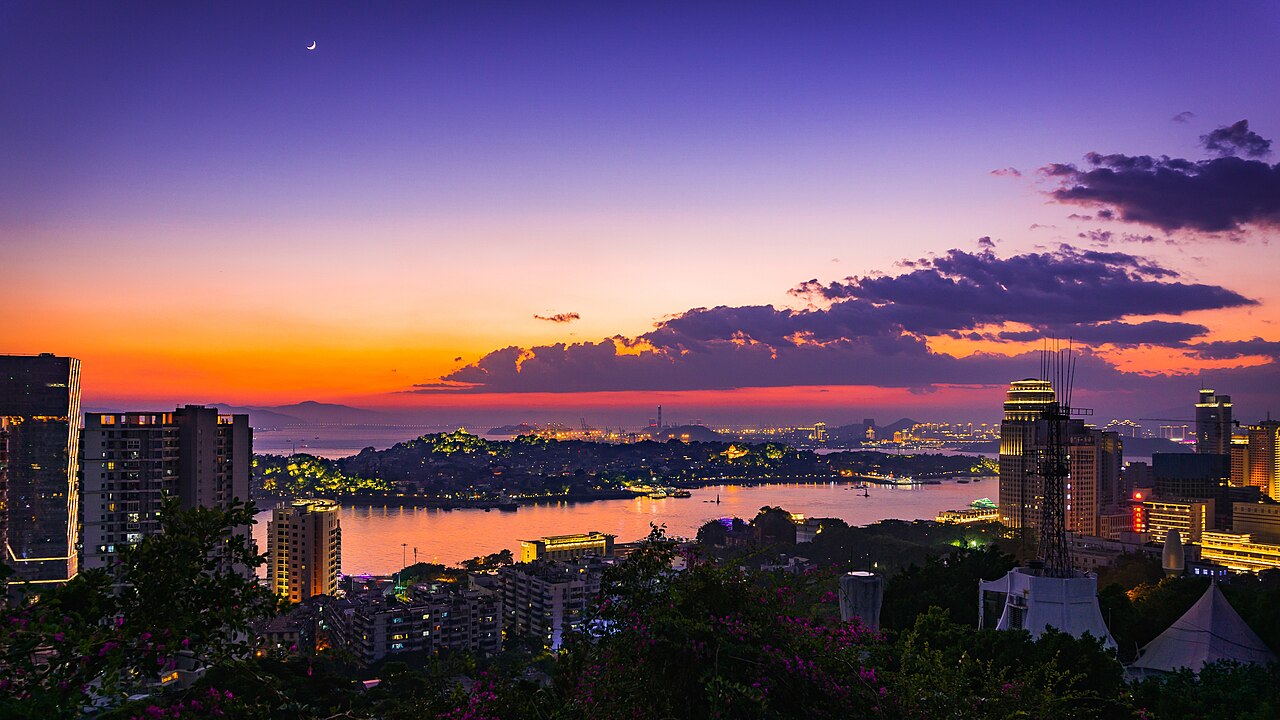
I chose a city nobody was talking about, Fuzhou, and fell for its old lanes, its naval history and the Min River at night — and for the way its people live, at ease and without needing to prove anything.
Traveller note — 'Three Days in the Banyan City'
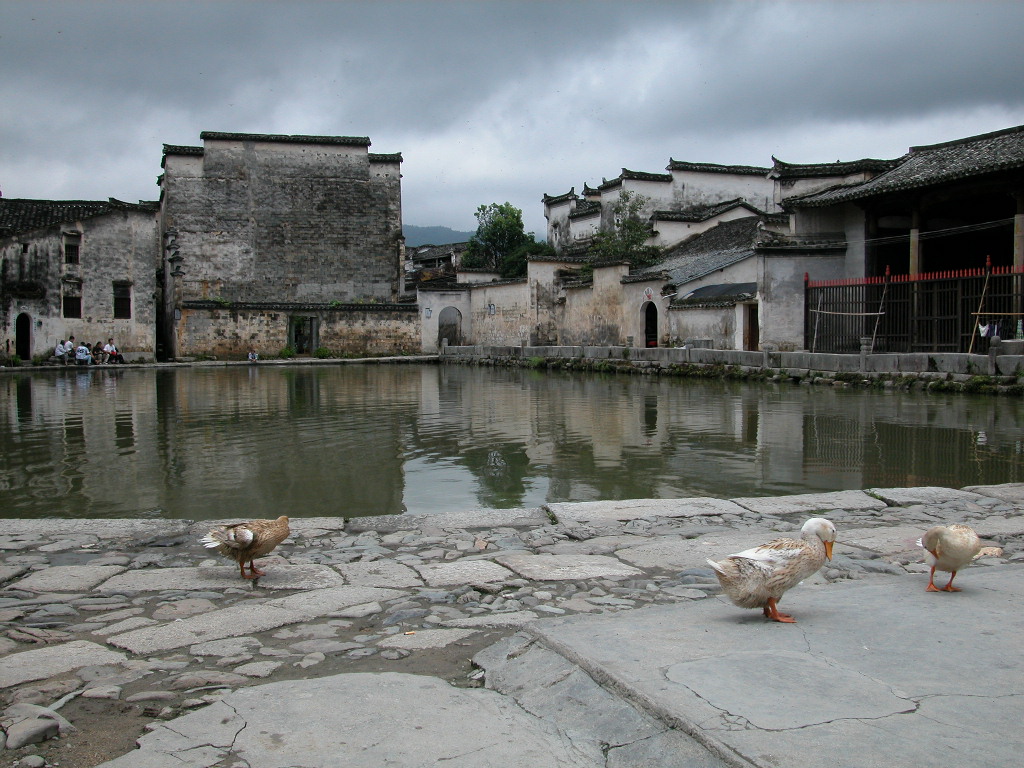
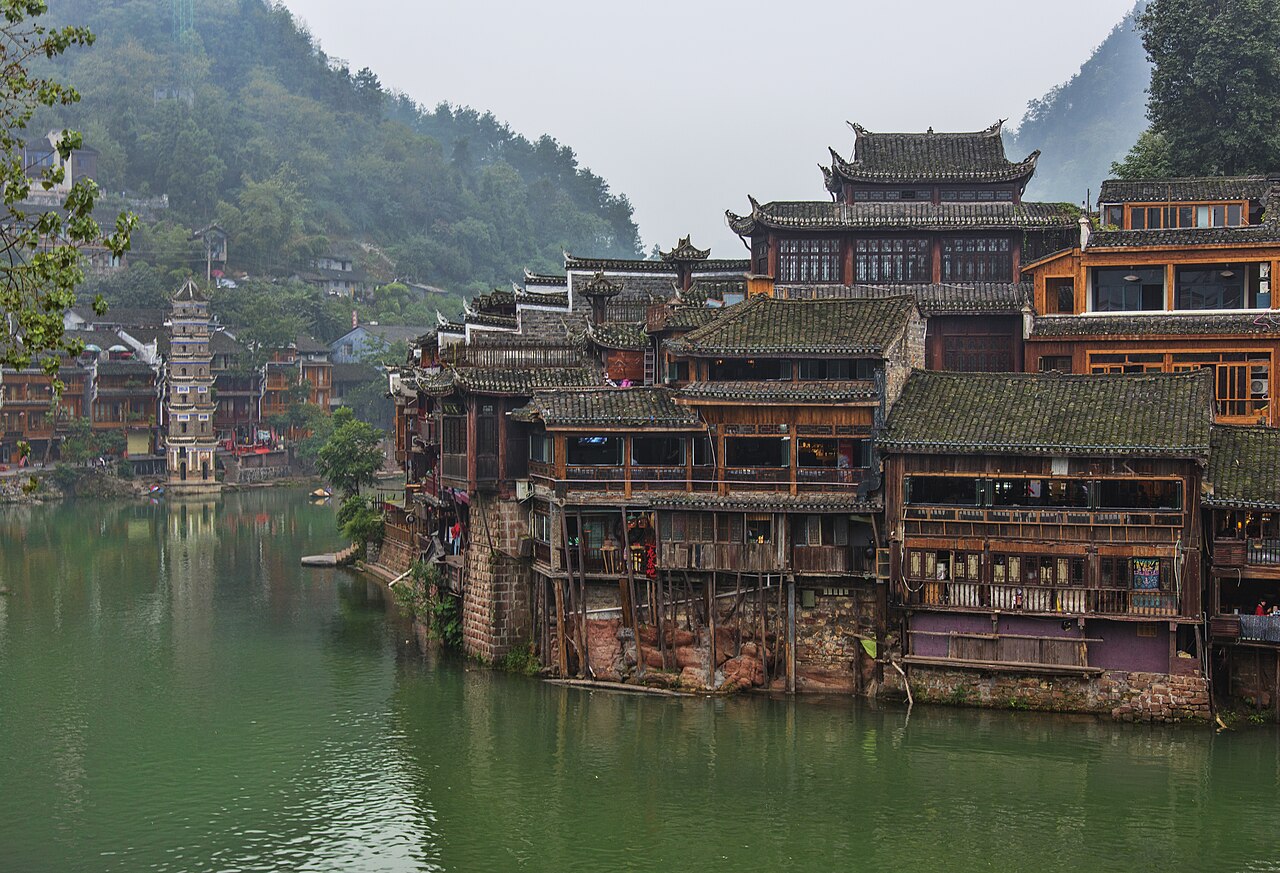
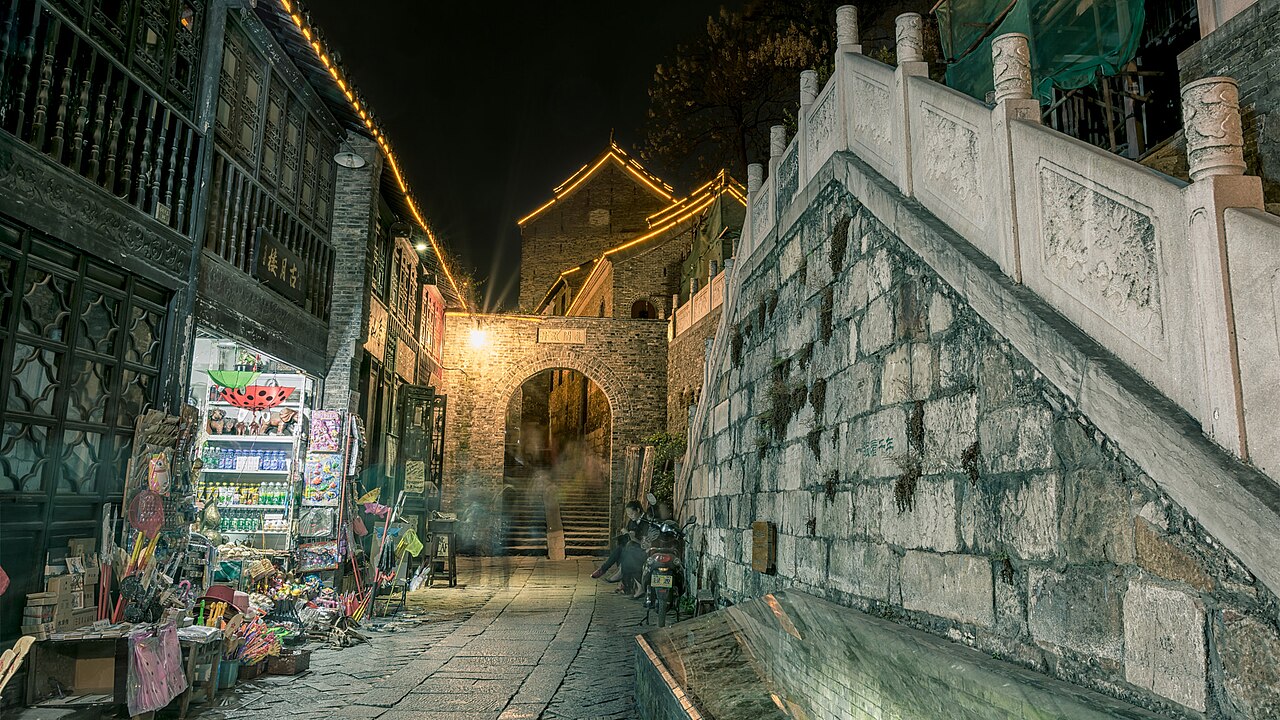
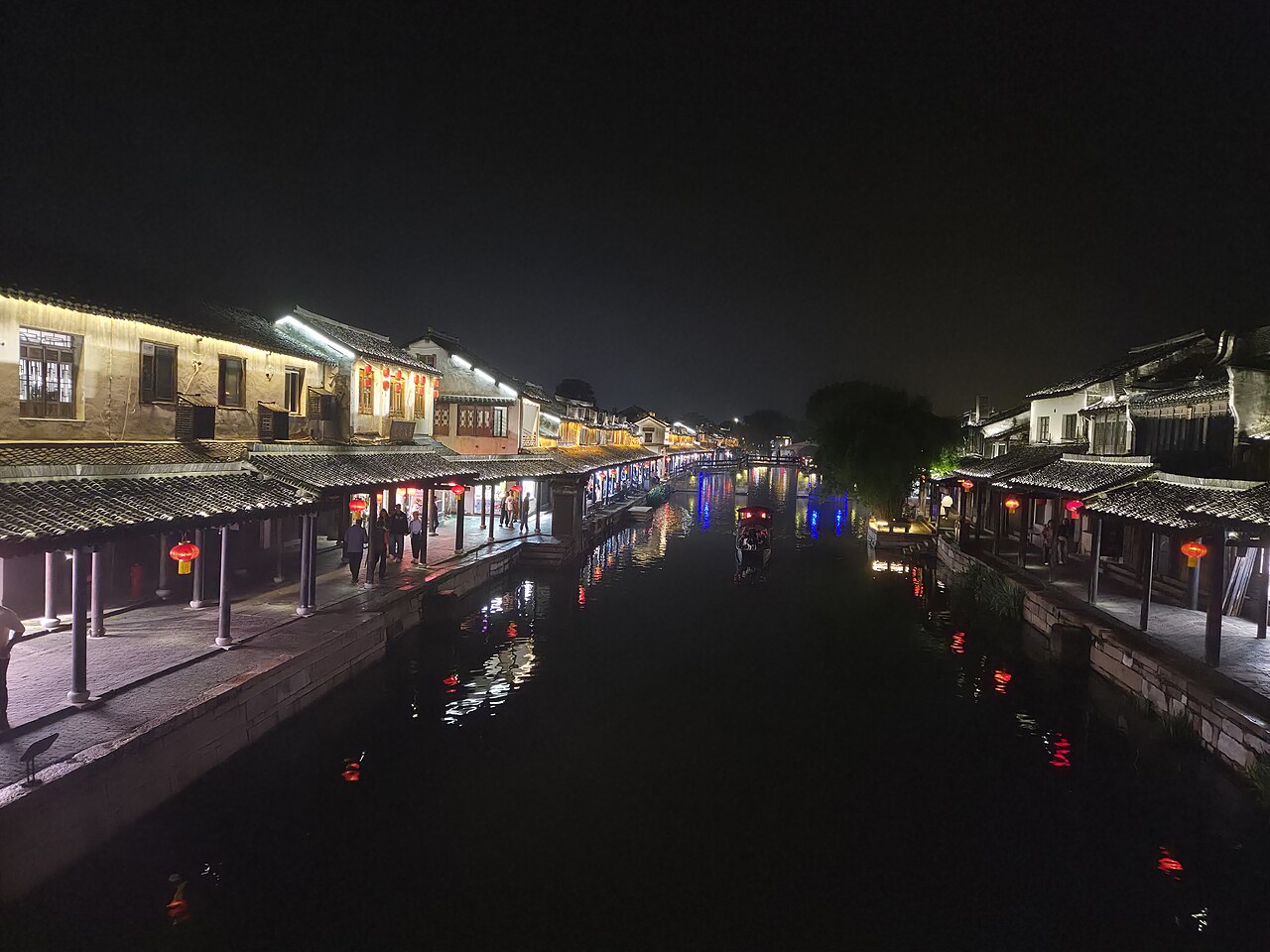
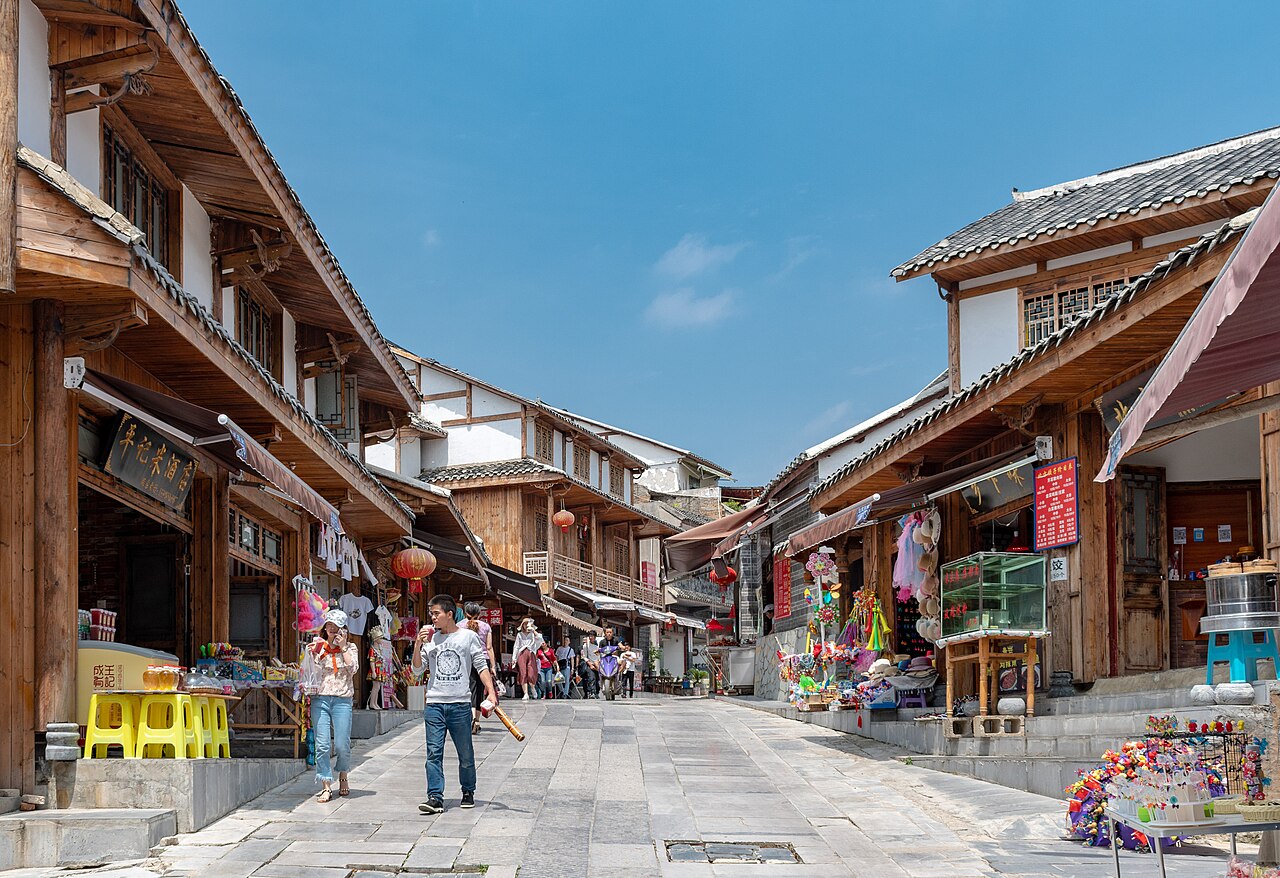
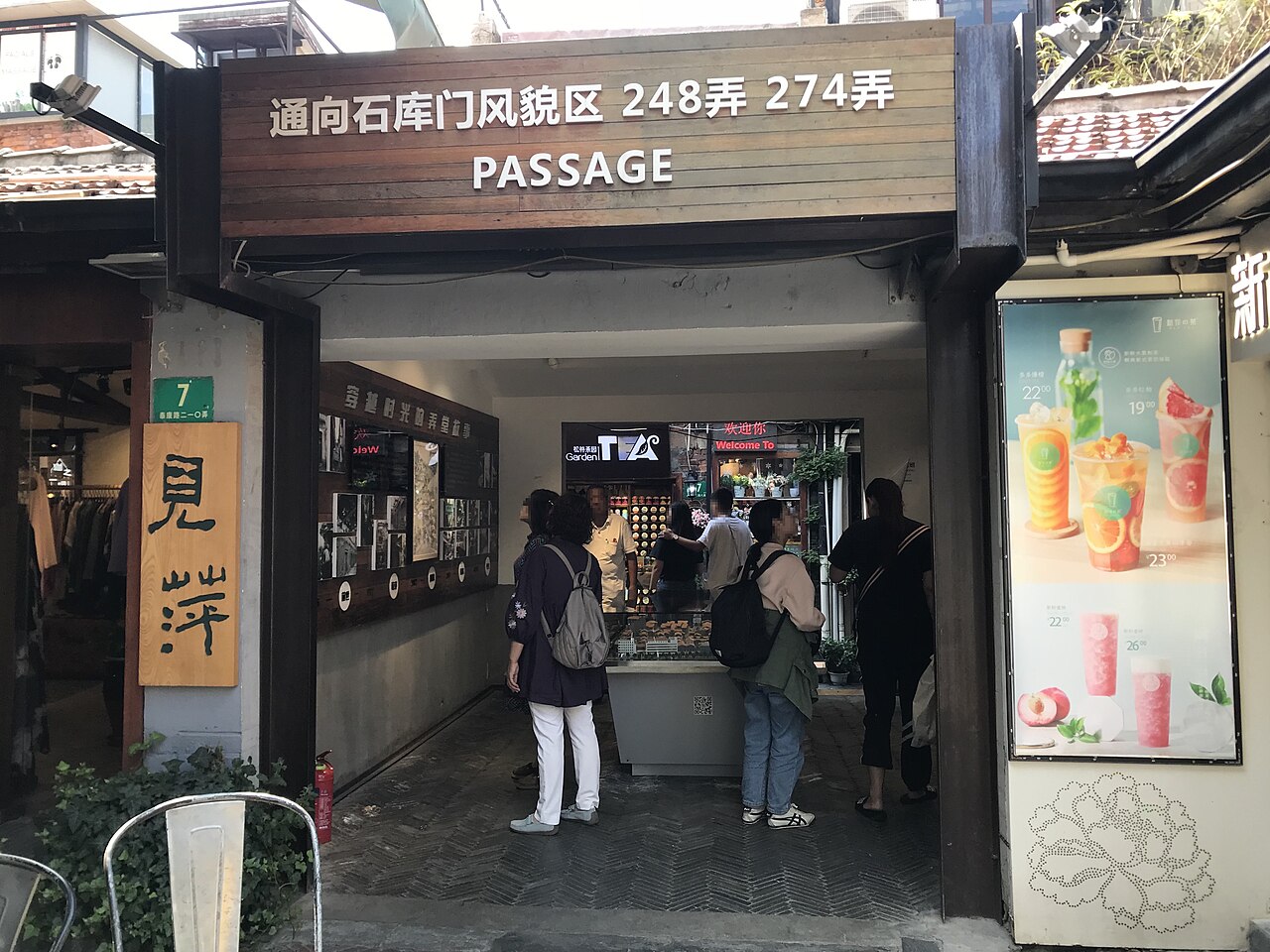
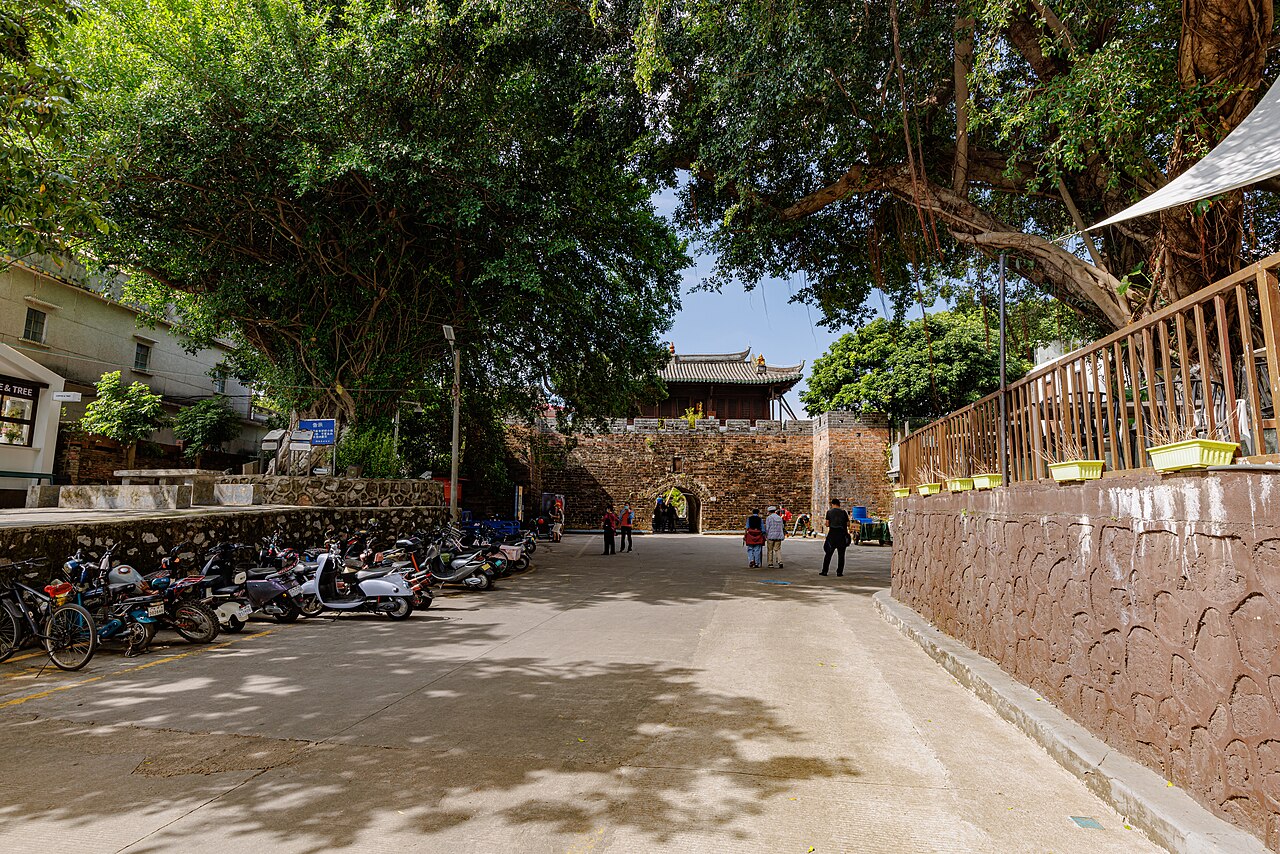
The stone-paved lanes, the old wires strung above them, the low white walls leaning together — it looks like a painting of a city that decided to stay where it was.
Traveller note — 'Walking, Meeting Fuzhou'
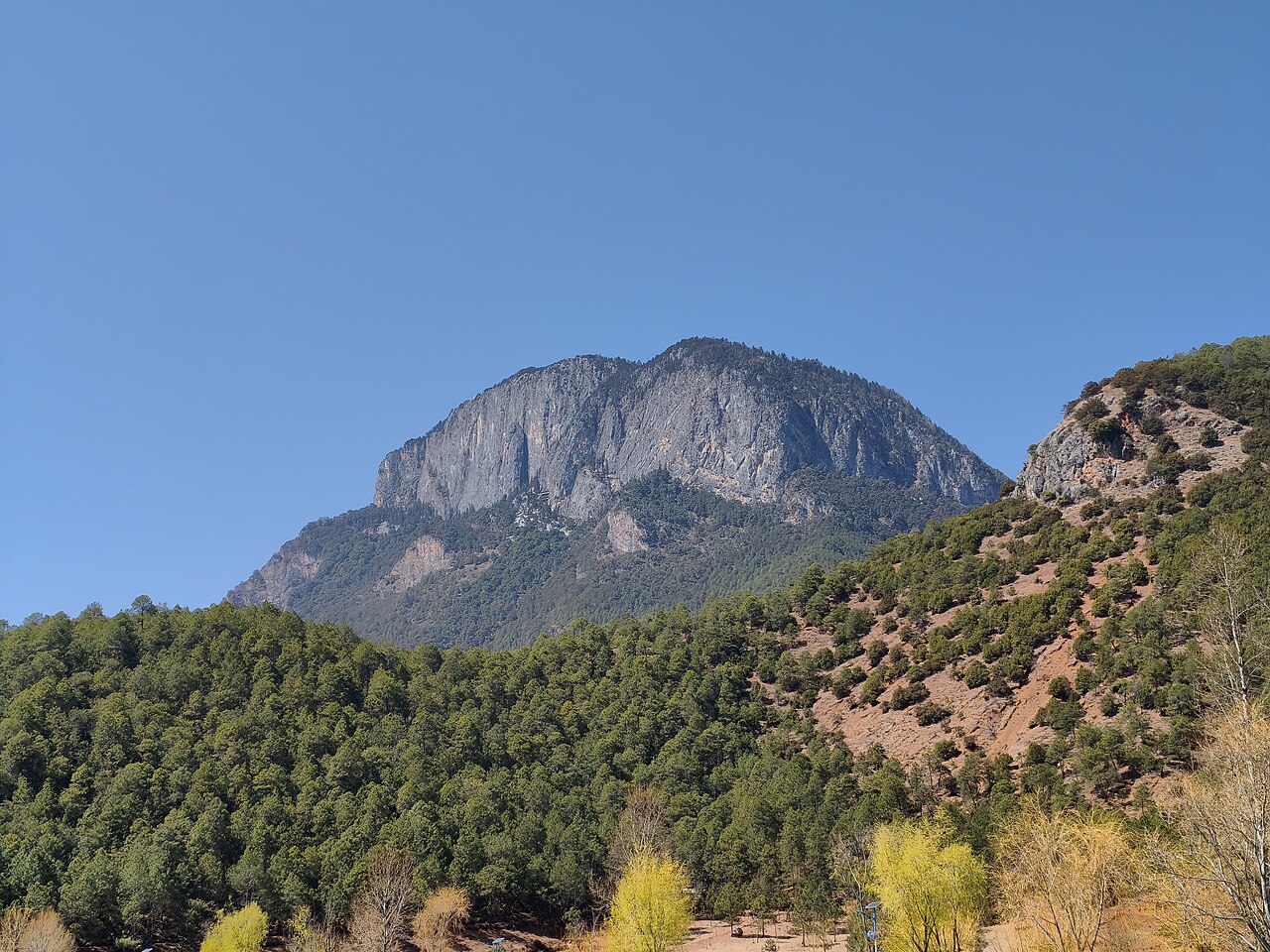
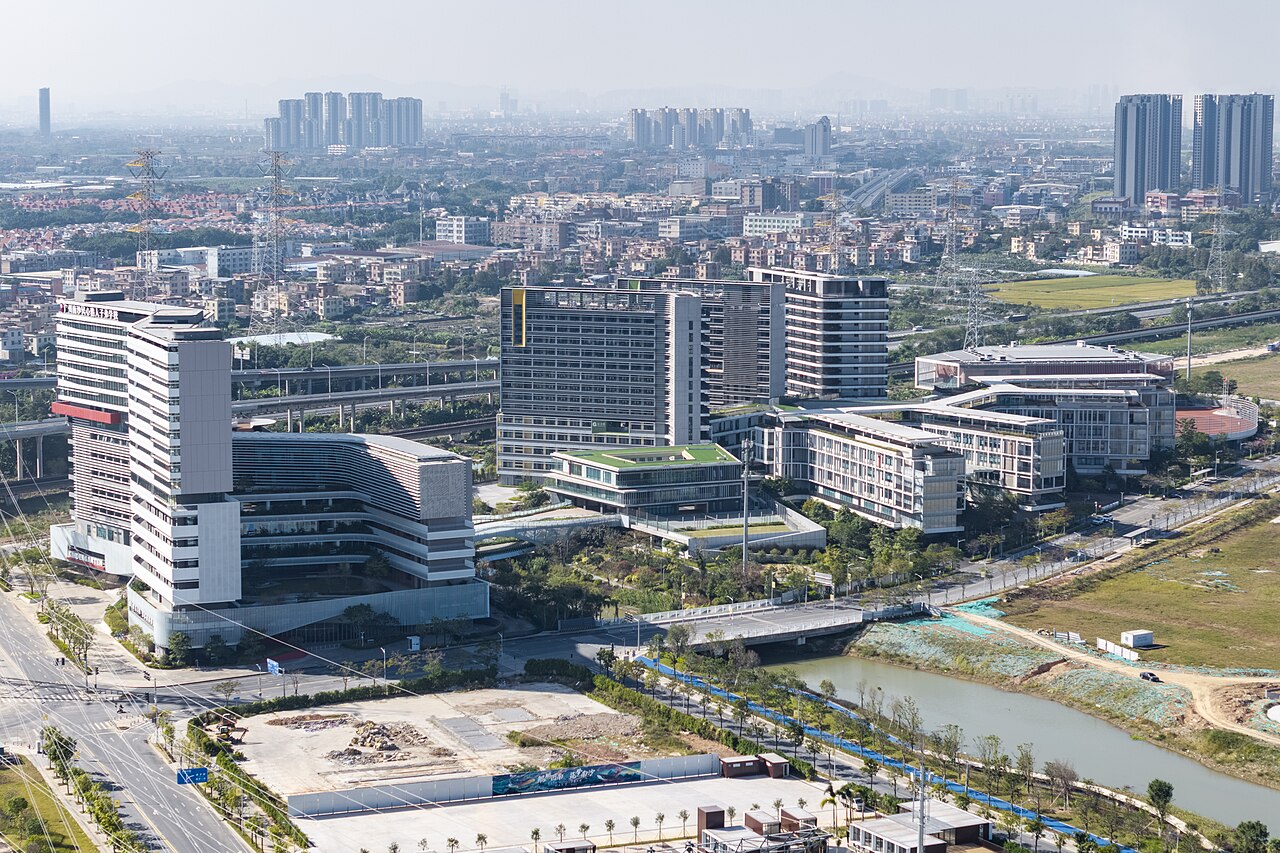
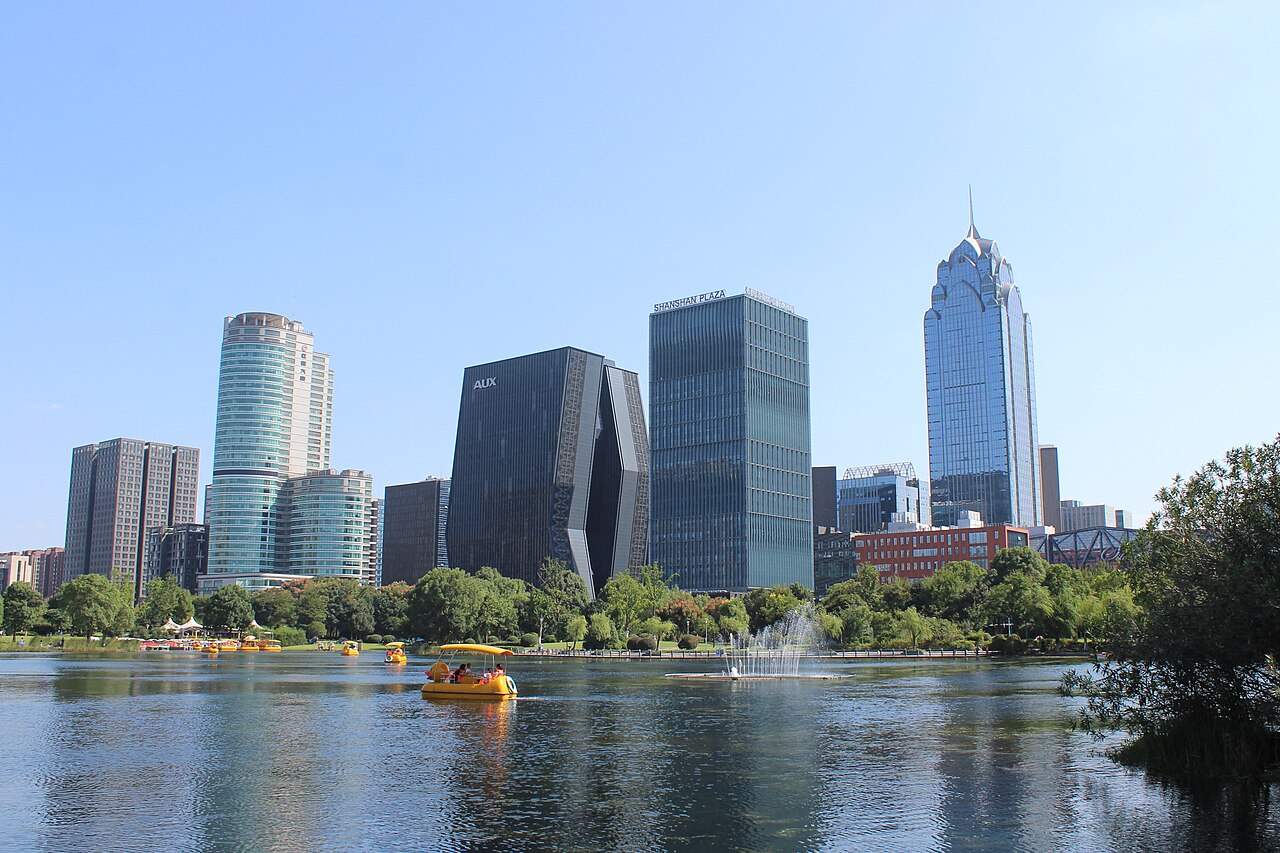
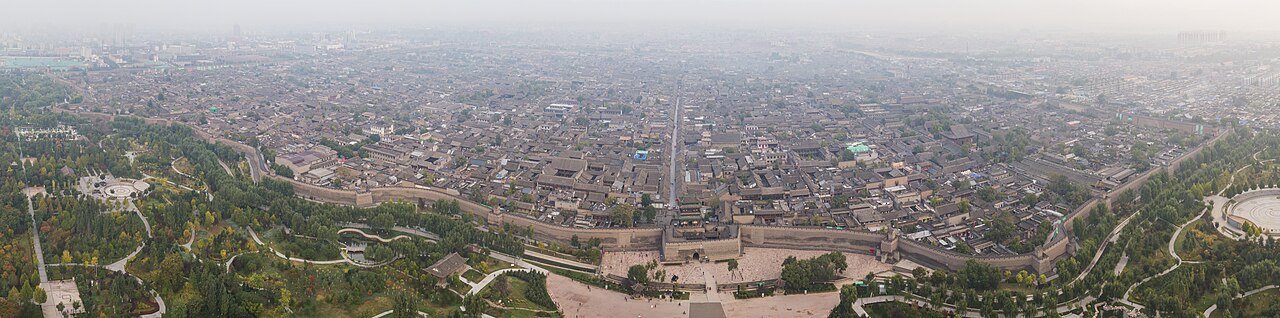
Fuzhou does not show off, and that is exactly the point. It is the capital of Fujian and one of the oldest cities in China — founded in 202 BC — but its age is hidden behind a modern surface of rivers, bridges and banyan trees, the trees that give it its nickname, the City of Banyans. Locals describe the layout in a single phrase: mountains in the city, city in the mountains.
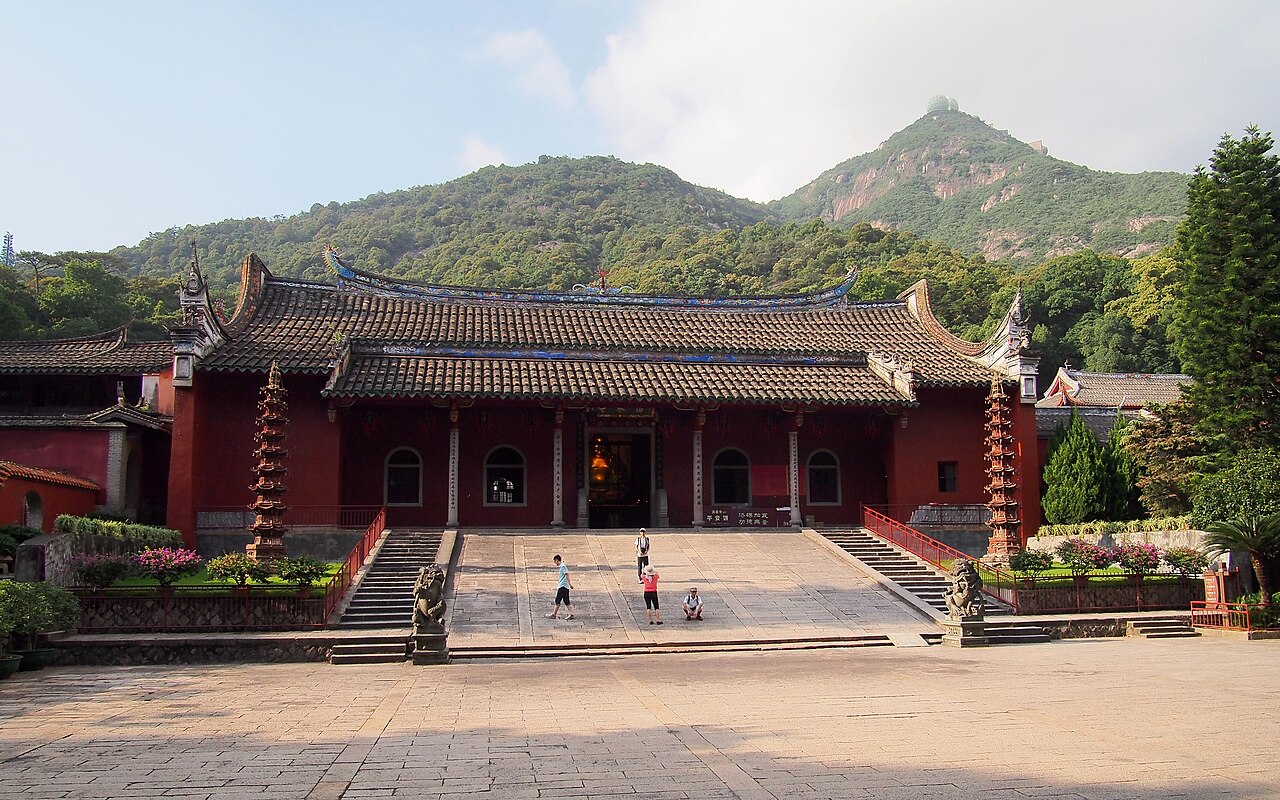
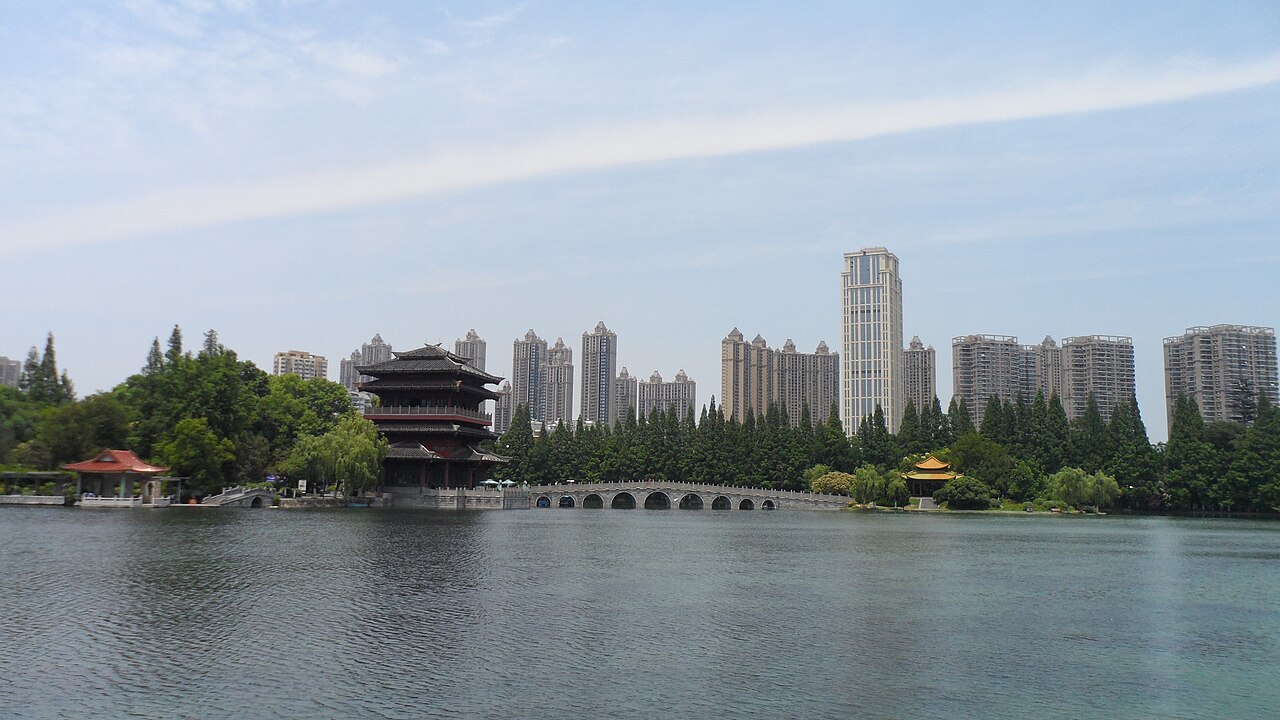
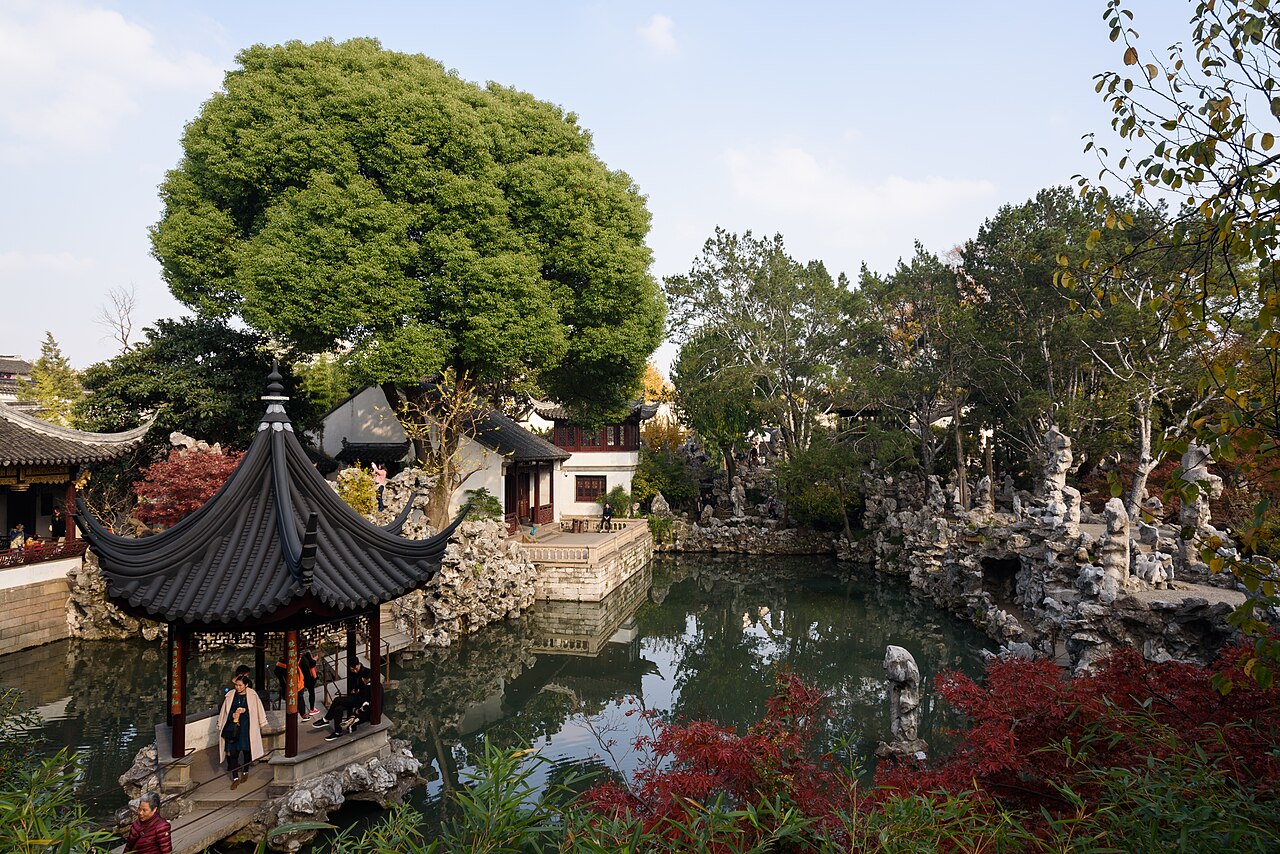
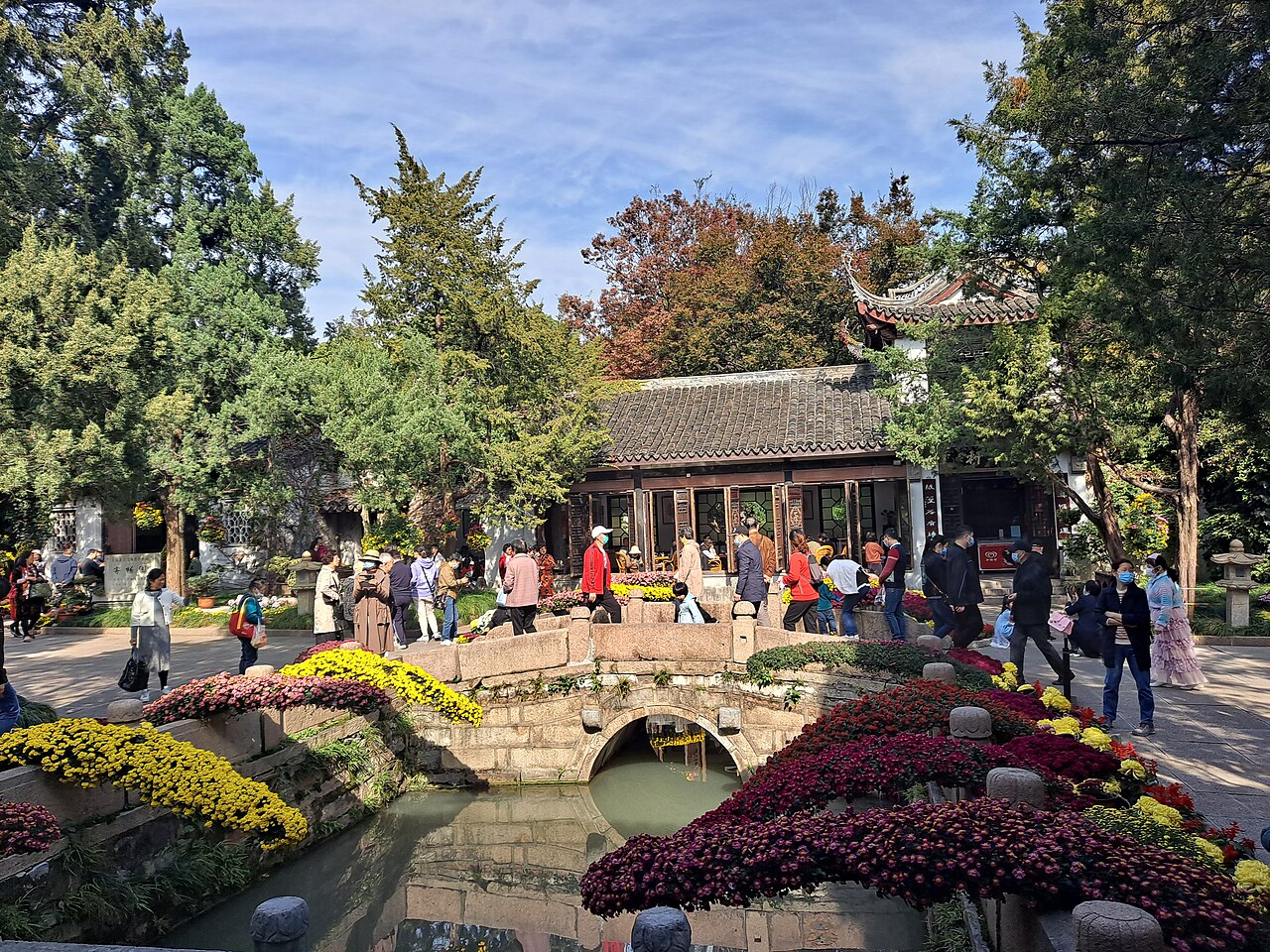
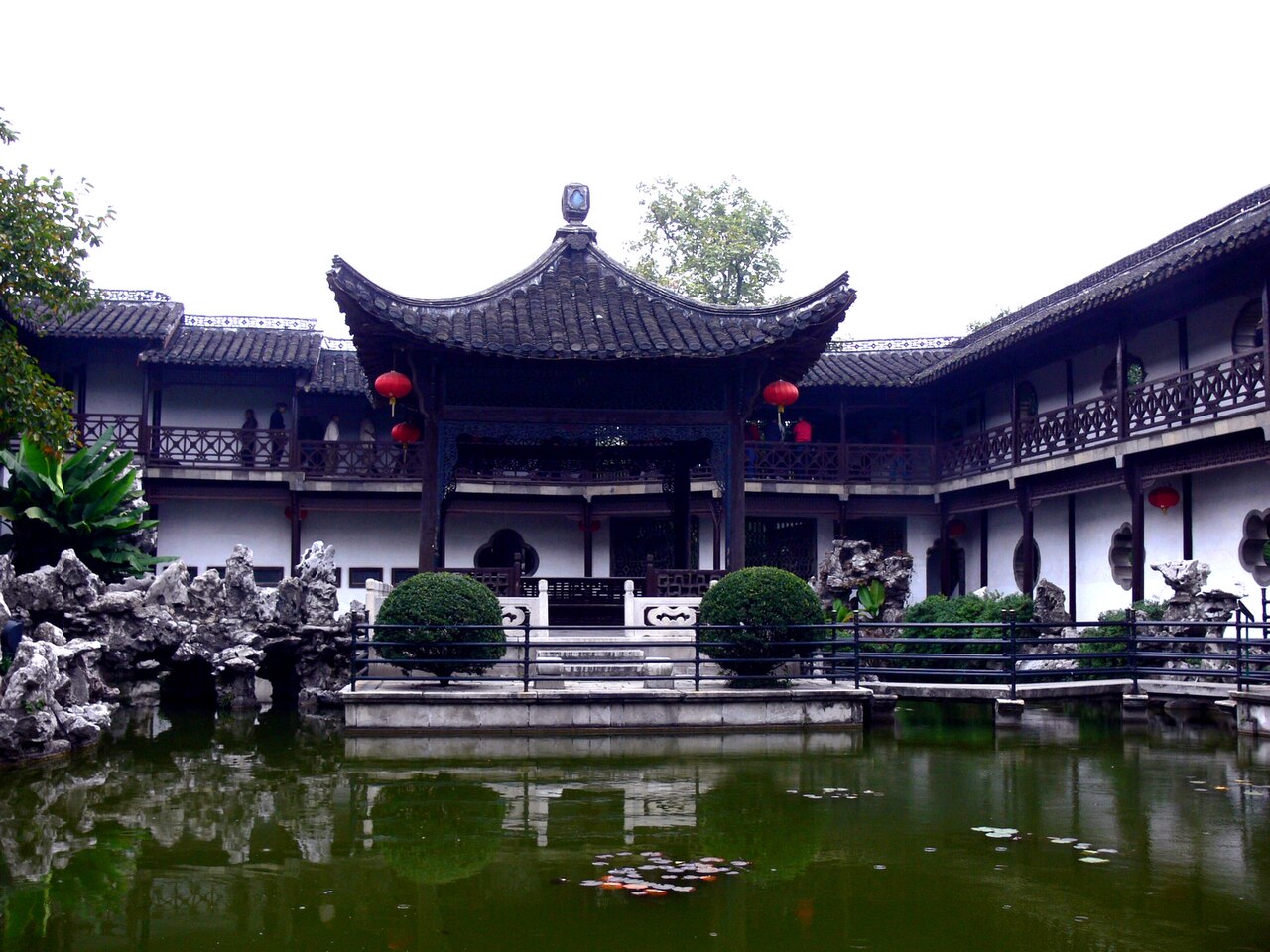
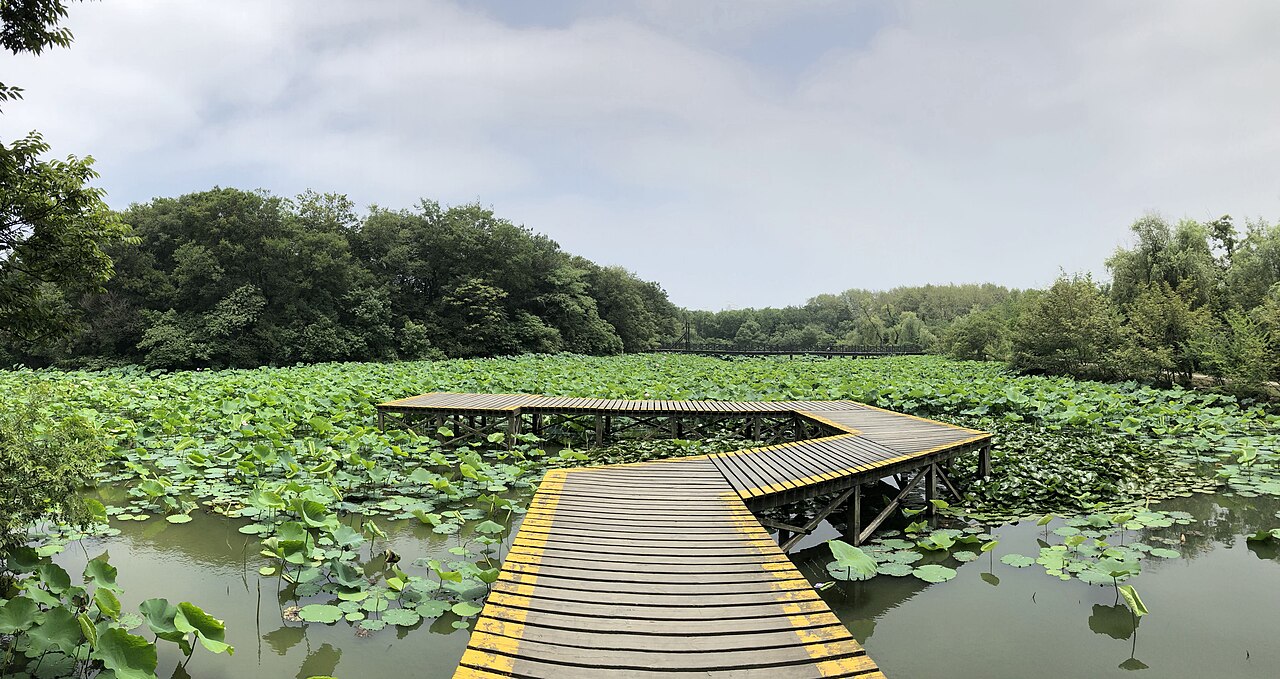
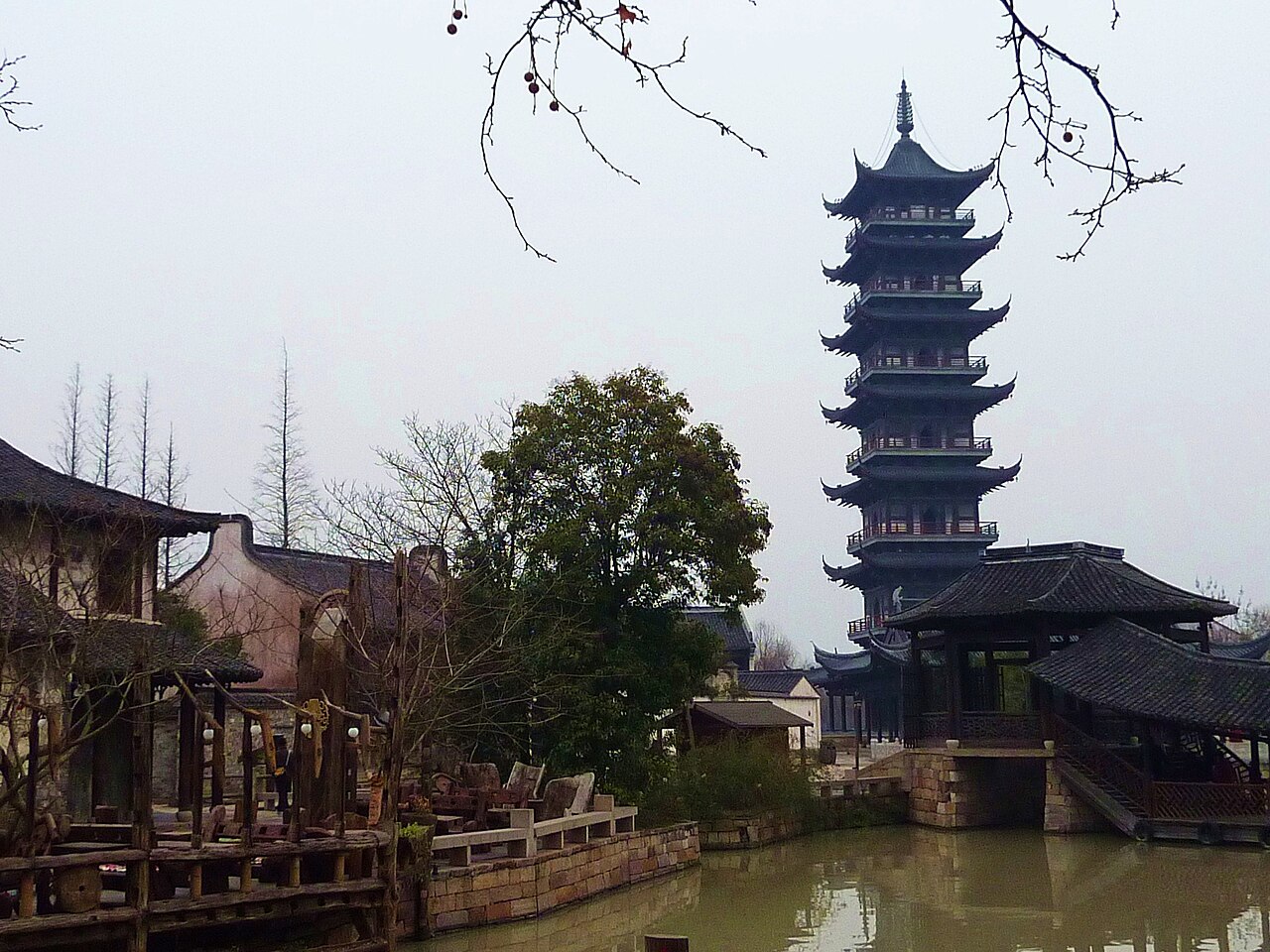
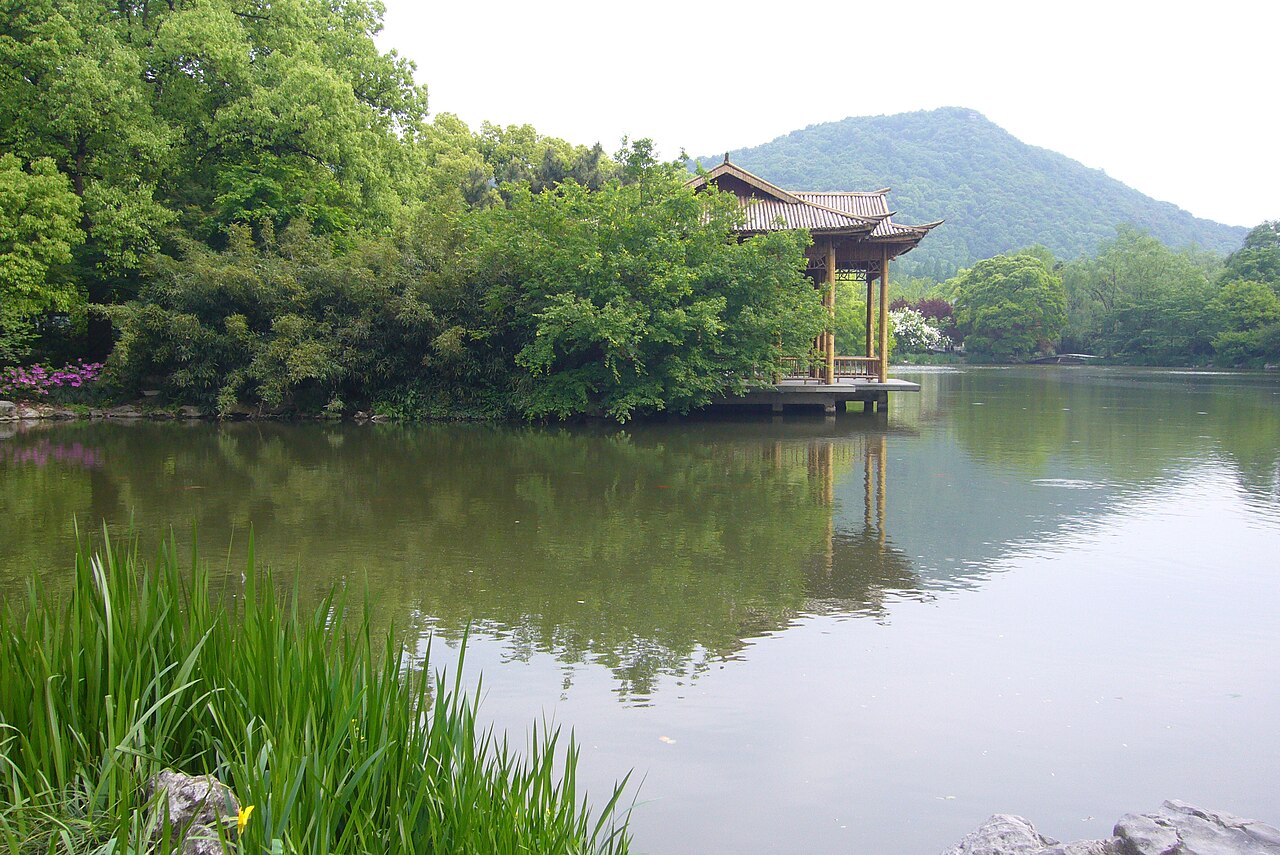
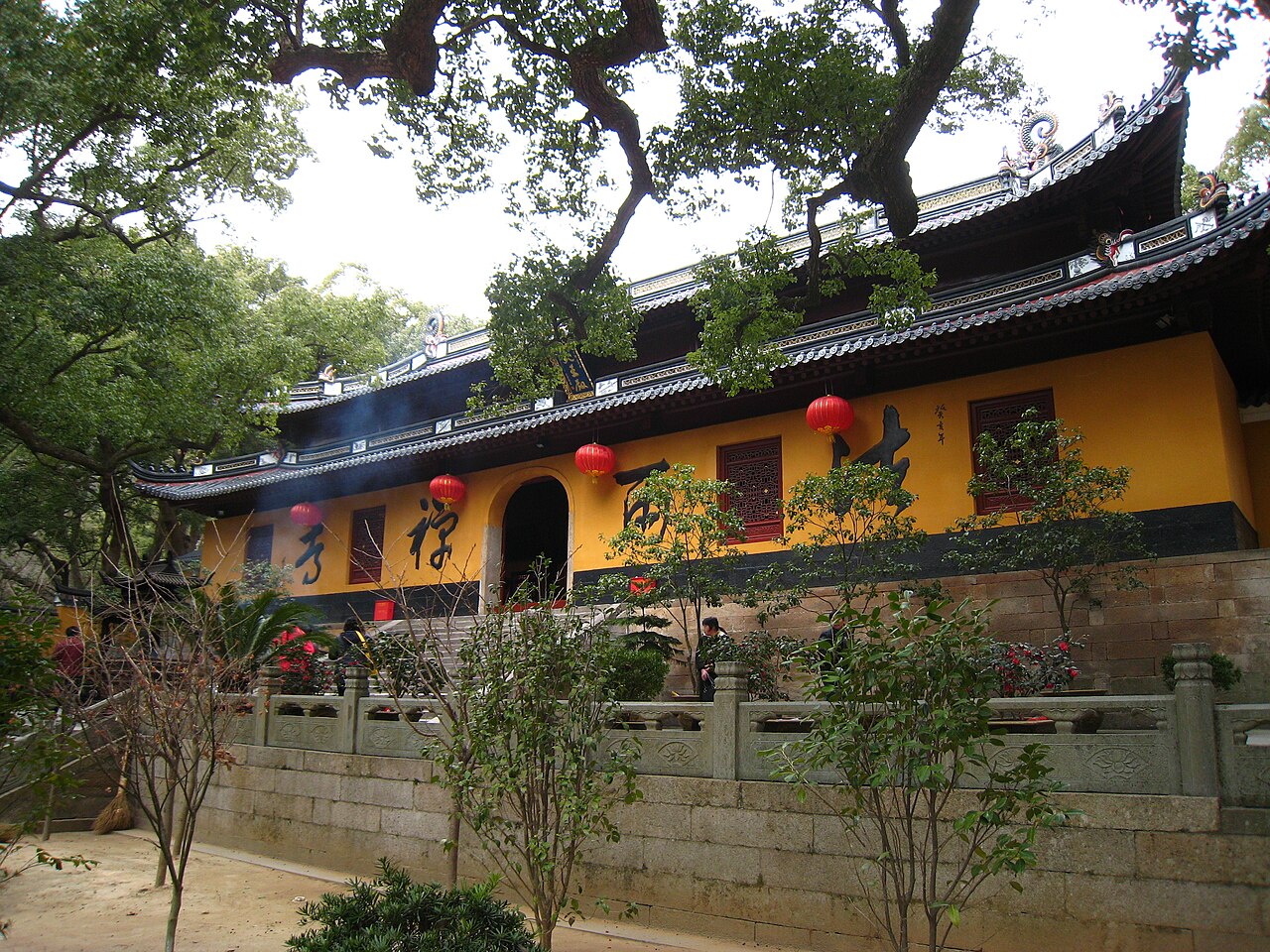
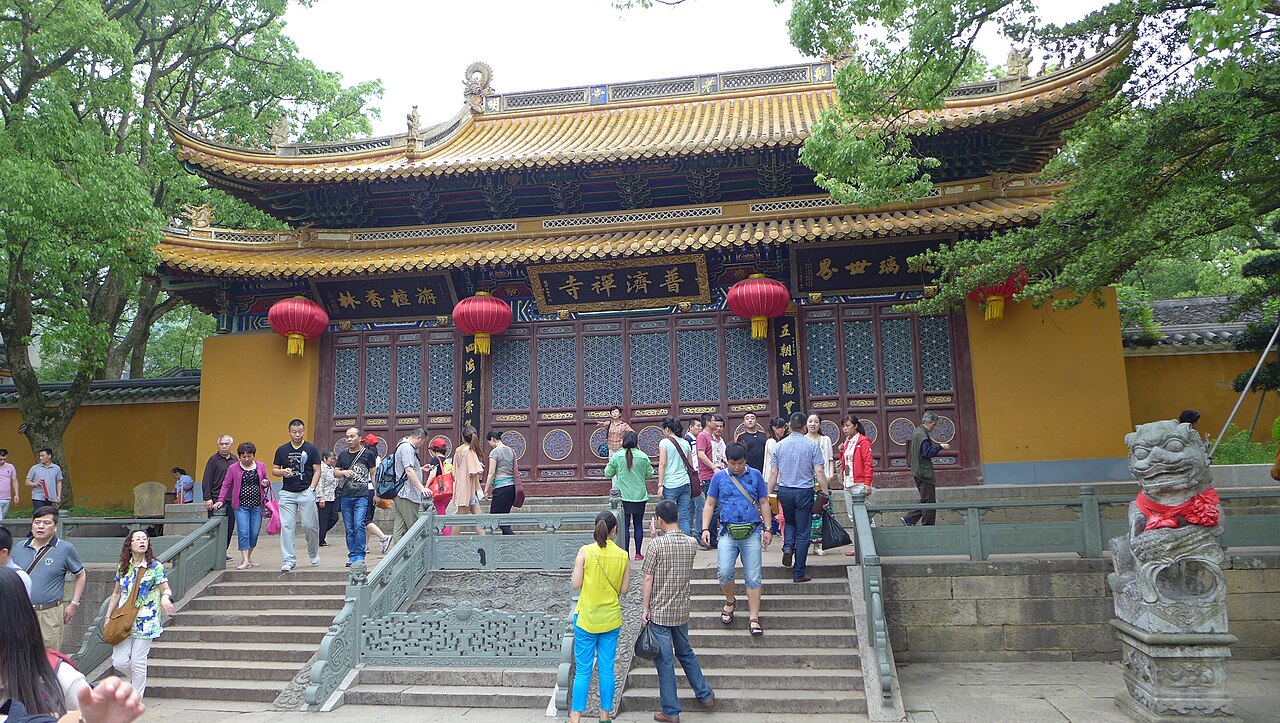
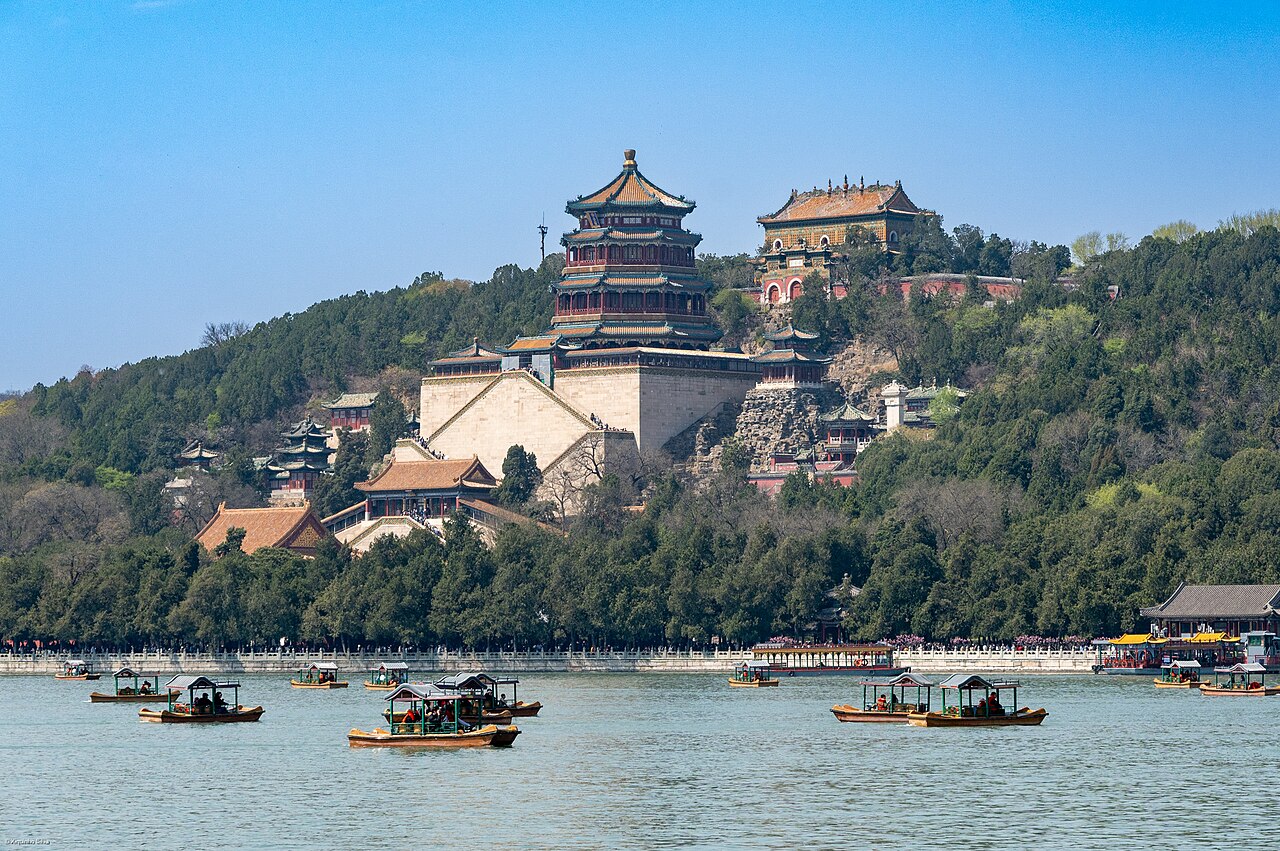
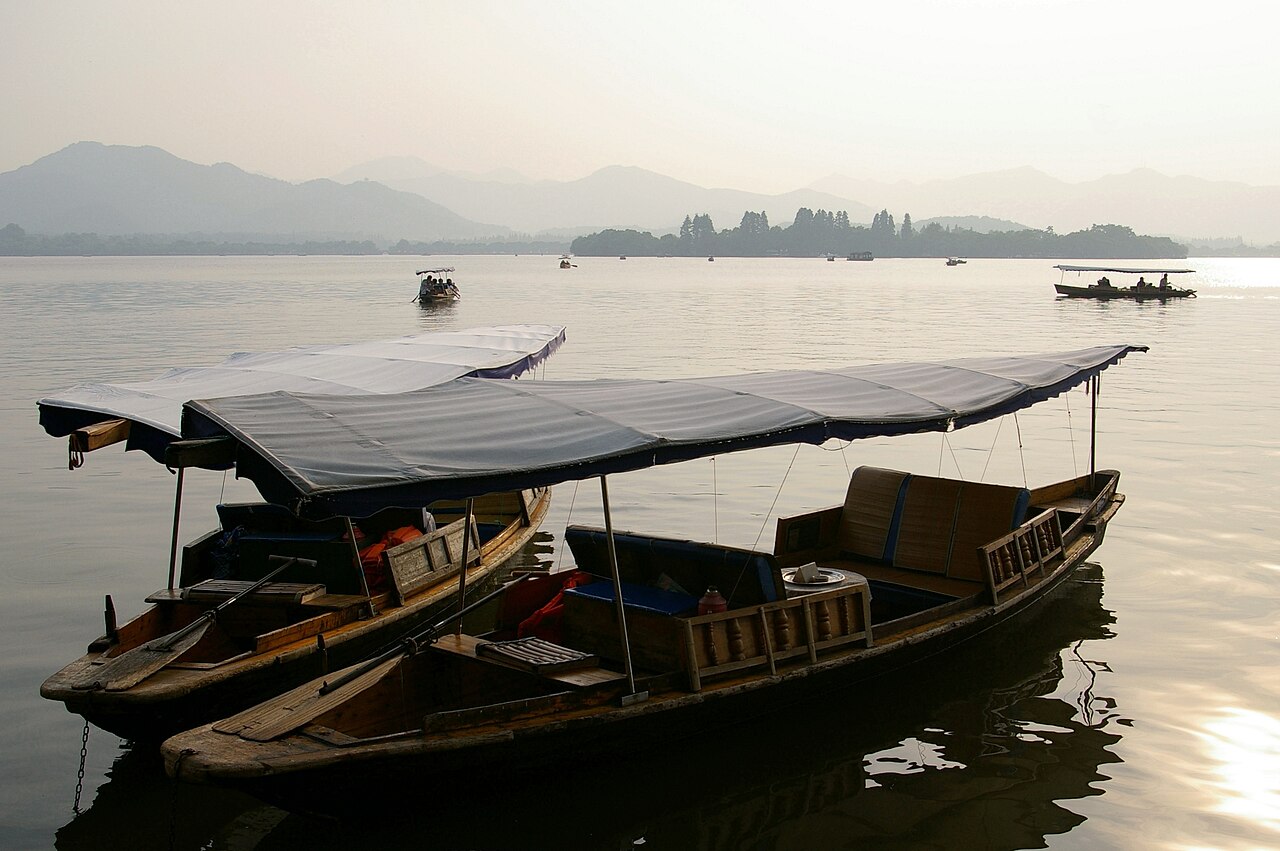
At its heart is Sanfang Qixiang, three lanes and seven alleys of white-walled, tile-roofed courtyard houses — 40 hectares of them, most still intact, some still lived in. Around it sit the city's small pleasures: the West Lake on the western edge, the Xichan Temple in the hills, the little Yu Mountain in the middle of town, and a scatter of pagodas and gardens.
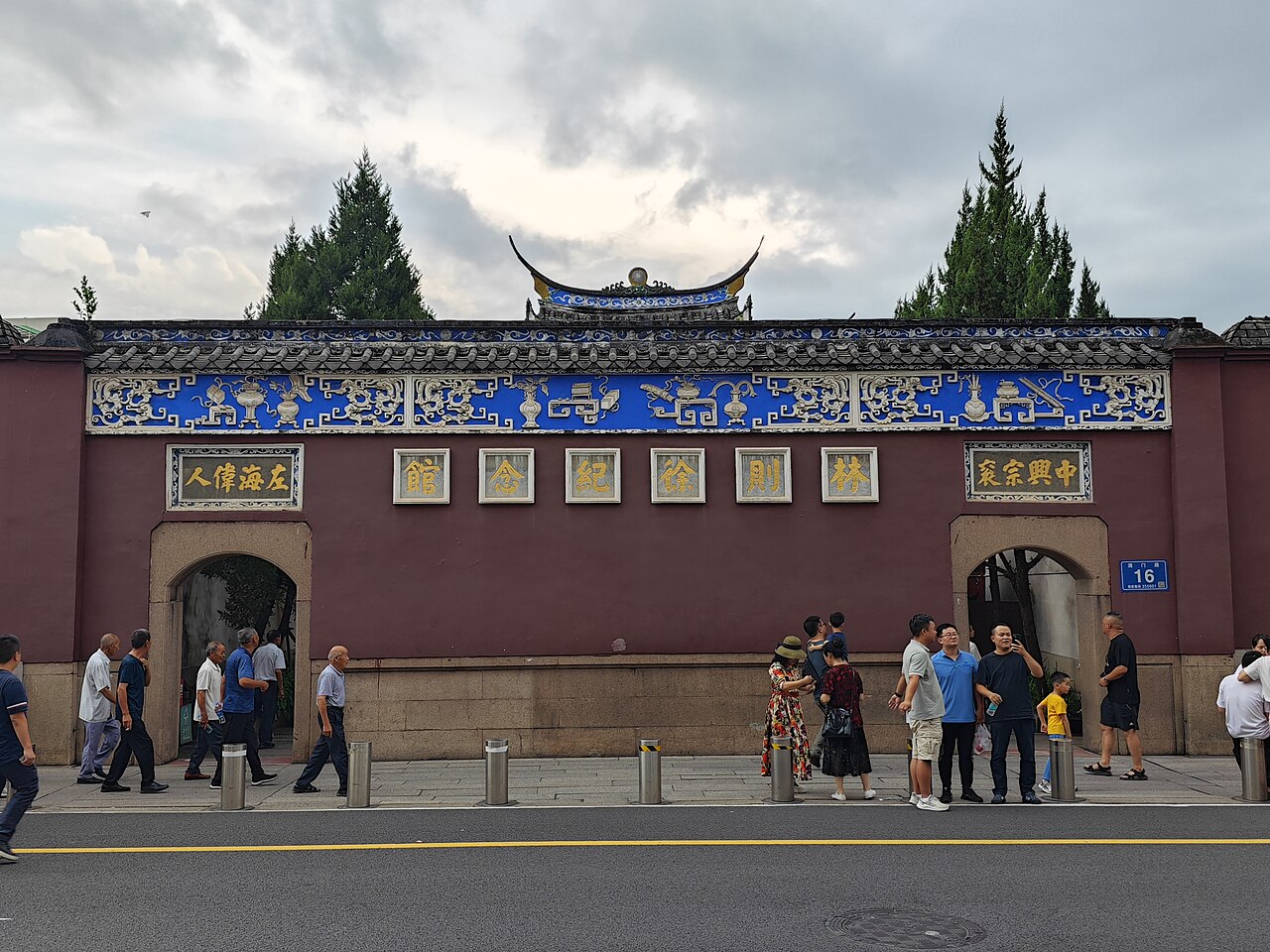
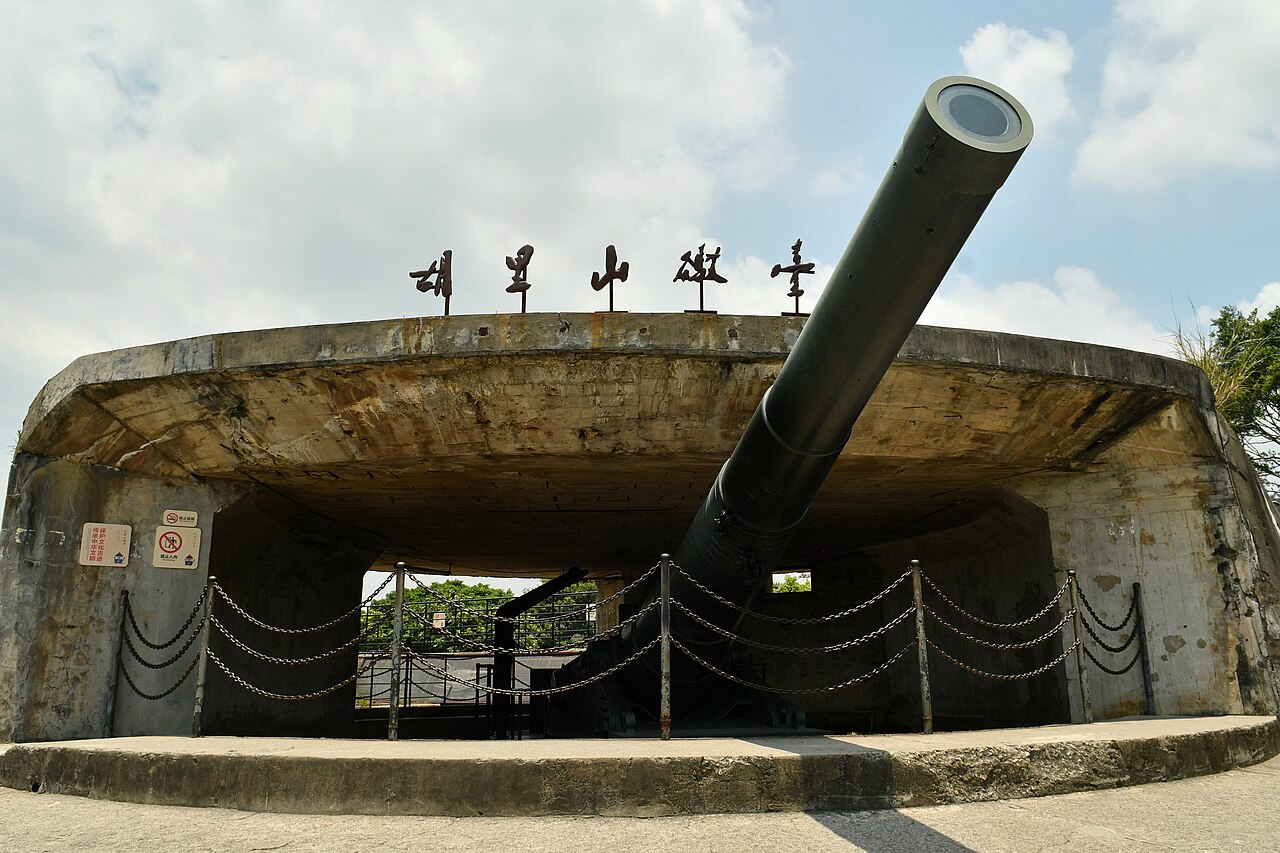
Downriver, the district of Mawei is where it turns serious. Here, in 1866, the Qing dynasty founded the Fuzhou shipyard and its naval academy — the cradle of China's modern navy and one of the birthplaces of its modern industry and engineering. It is a half-day of museums and riverbank, and it is the history that makes Fuzhou more than just a pretty old town.
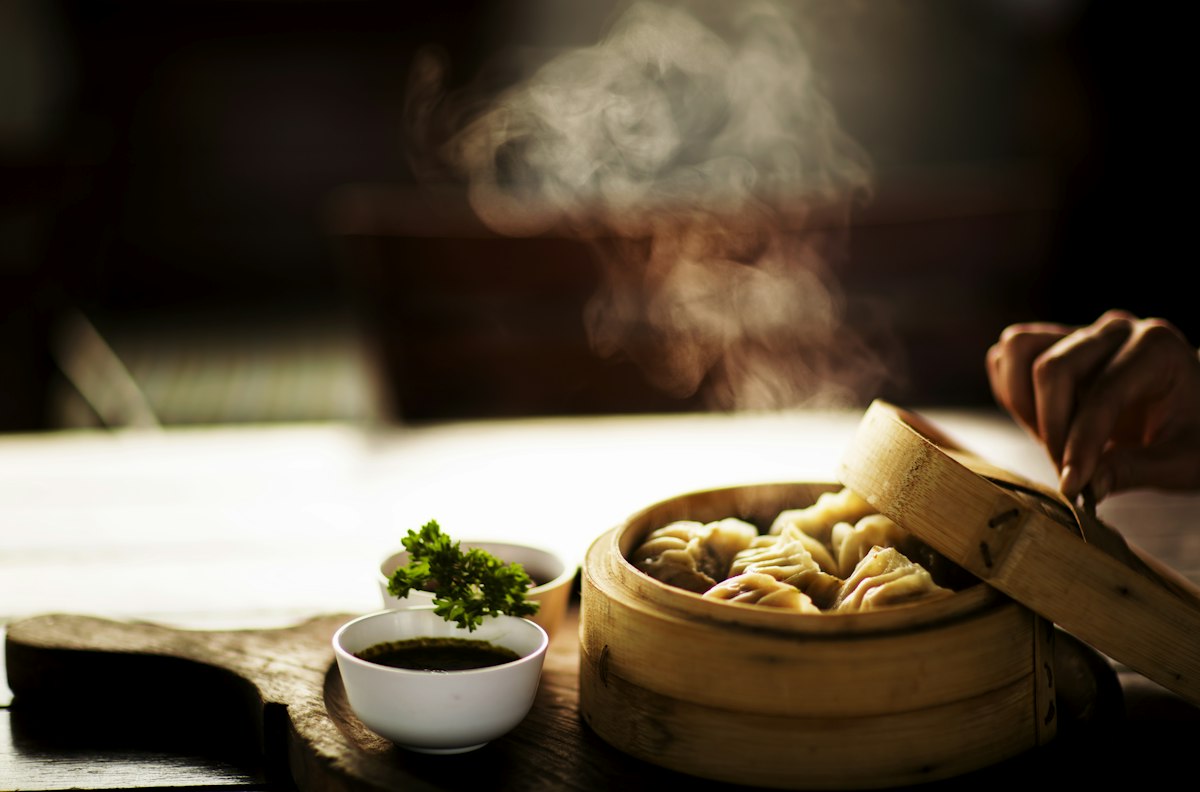
And Fuzhou is a city you eat and drink in. Fish balls with a hidden meat filling, 'meat swallow' wontons, lychee pork, taro purée and the famous Buddha Jumps Over the Wall all come from here, and the local jasmine tea has set a national standard for centuries. Come in autumn for the clearest skies; come any time and bring an umbrella, because Fuzhou is one of the rainiest cities in China.