City guide · Hunan

Hengshan (Nanyue) travel guide: sunrise on Zhurong Peak, the Grand Temple and winter rime

The South Great Peak: a pilgrimage mountain of 72 summits where the temples run all the way to the top, and the sunrise over the cloud sea is the whole point.

  • Known forSunrise · Grand Temple · winter rime
  • Typical spend¥600–900 for two days
  • Ideal length2 days
  • PaceSteady — buses, cable car and a lot of temple steps

Reviewed by our Beijing team Updated 2026-10-10

The short version

Mount Heng in Hunan — the 'Nanyue', or South Great Peak, one of China's Five Great Peaks — is a 1,300 m pilgrimage mountain of 72 summits just above Hengyang, and 2 days is the right length: one for the Grand Temple, Zhusheng Temple and the climb to Zhurong Peak to sleep, one for the sunrise and the descent past the temples and Shuilian Cave. Go in late summer for clear air, or January for the rime ice.

  • This is Hunan's Hengshan (Nanyue), a Buddhist and Taoist pilgrimage mountain — not the Hengshan in Shanxi.
  • Zhurong Peak, at 1,290 m, is the summit and the sunrise spot; the Grand Temple at its foot is southern China's largest temple complex.
  • The park through-ticket is ¥100; the Grand Temple is ¥50, Wanshou Ding ¥30, Shuilian Cave ¥30.
  • Cable car and shuttle buses cover most of the climb, but the last stretch to Zhurong Peak is on foot or by sedan chair.
  • Winter brings rime ice — a southern rarity. The shrine's peak season, the first day of the eighth lunar month, draws over 100,000 pilgrims.

City guide

First impressions

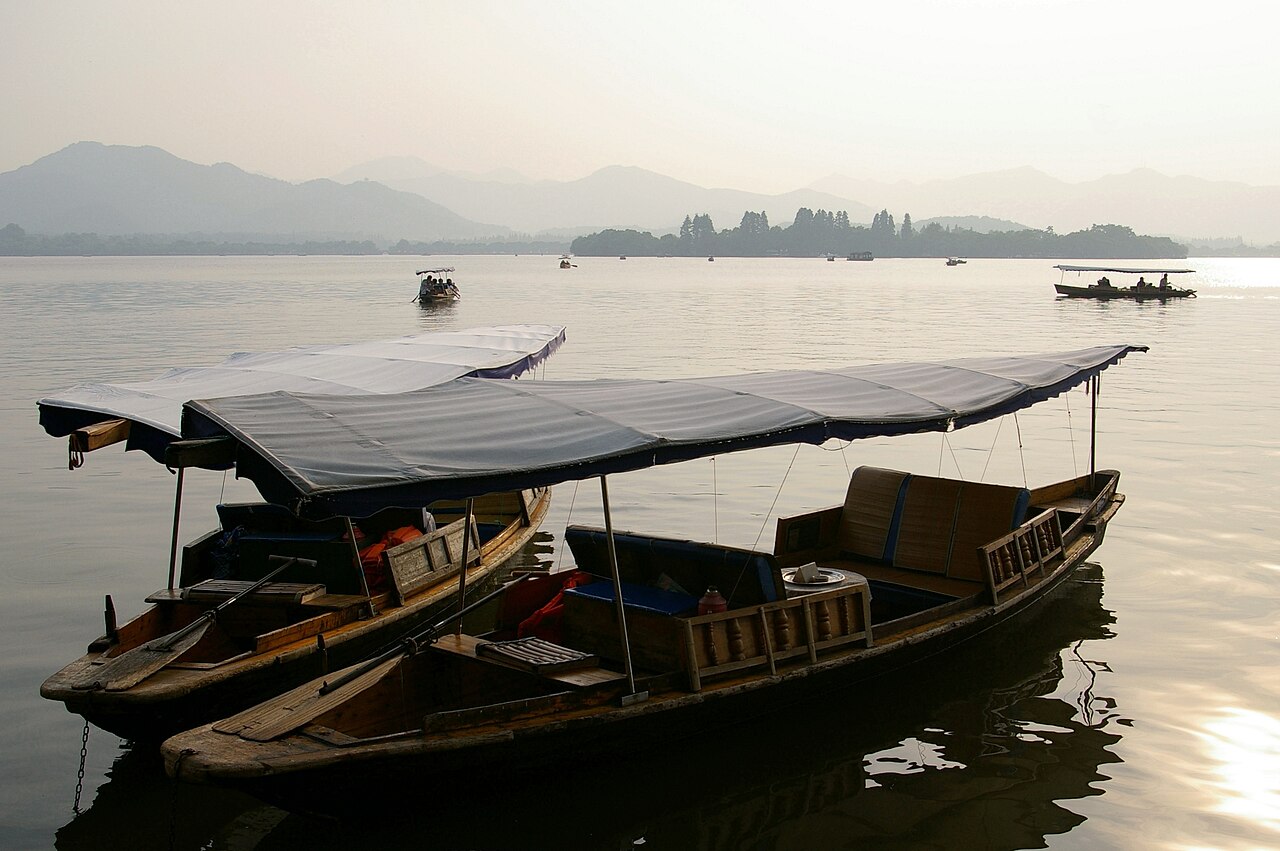
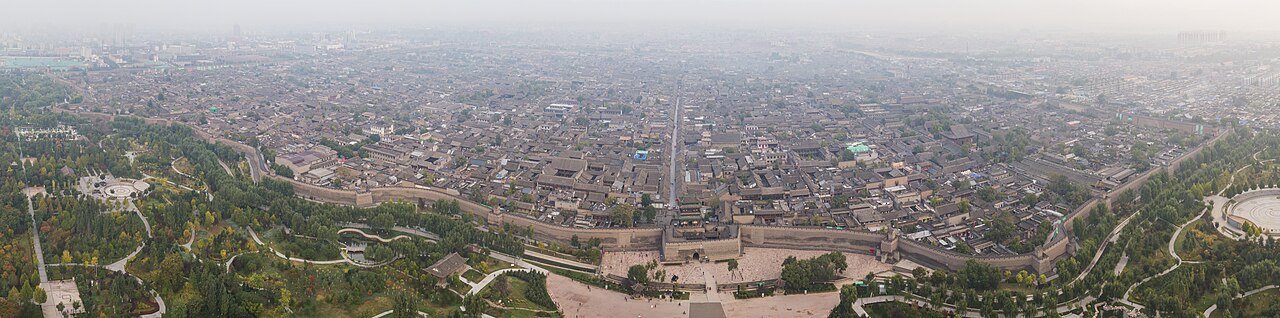
Photographs from the coast, and what other travellers wrote afterwards.

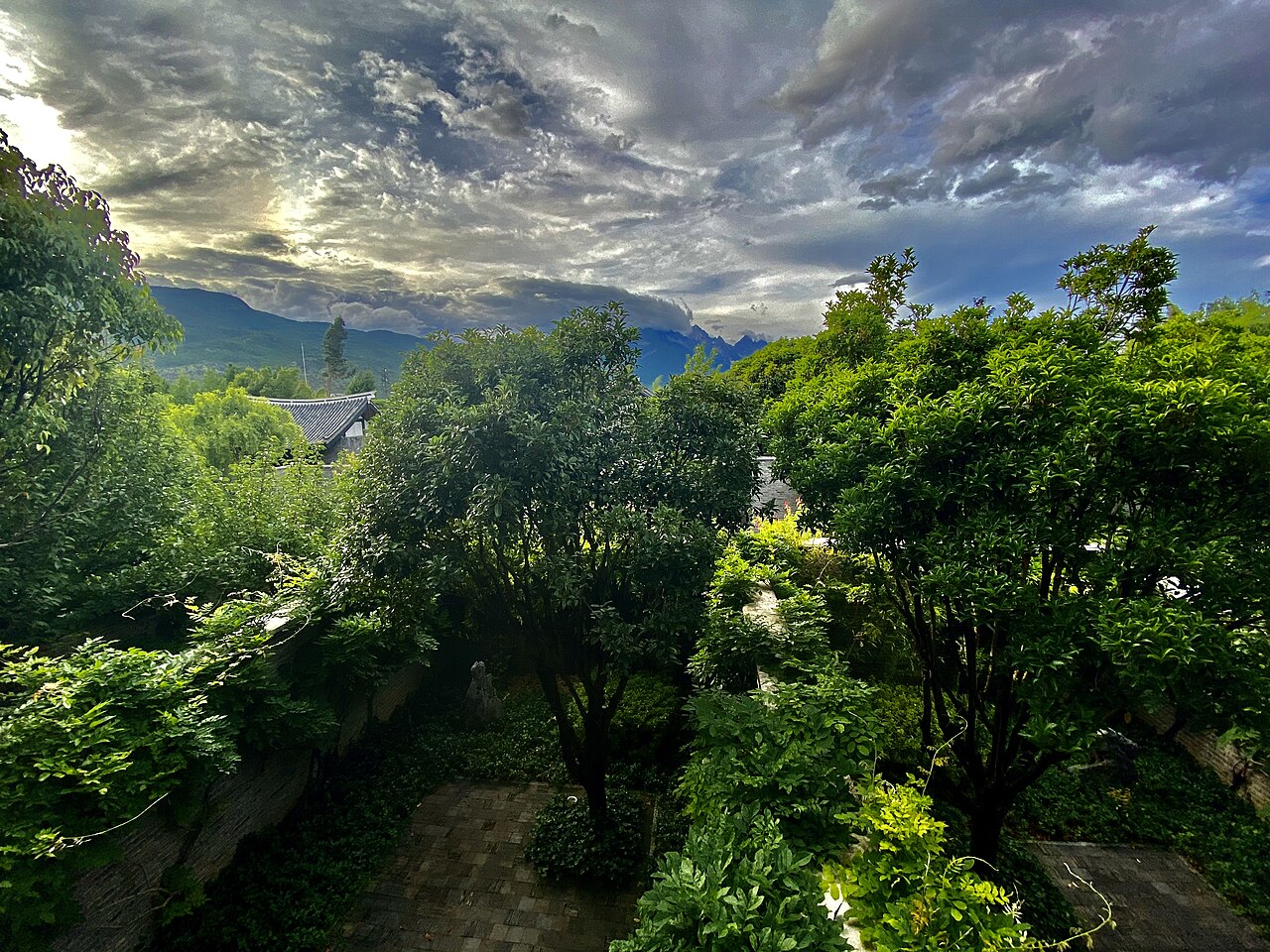
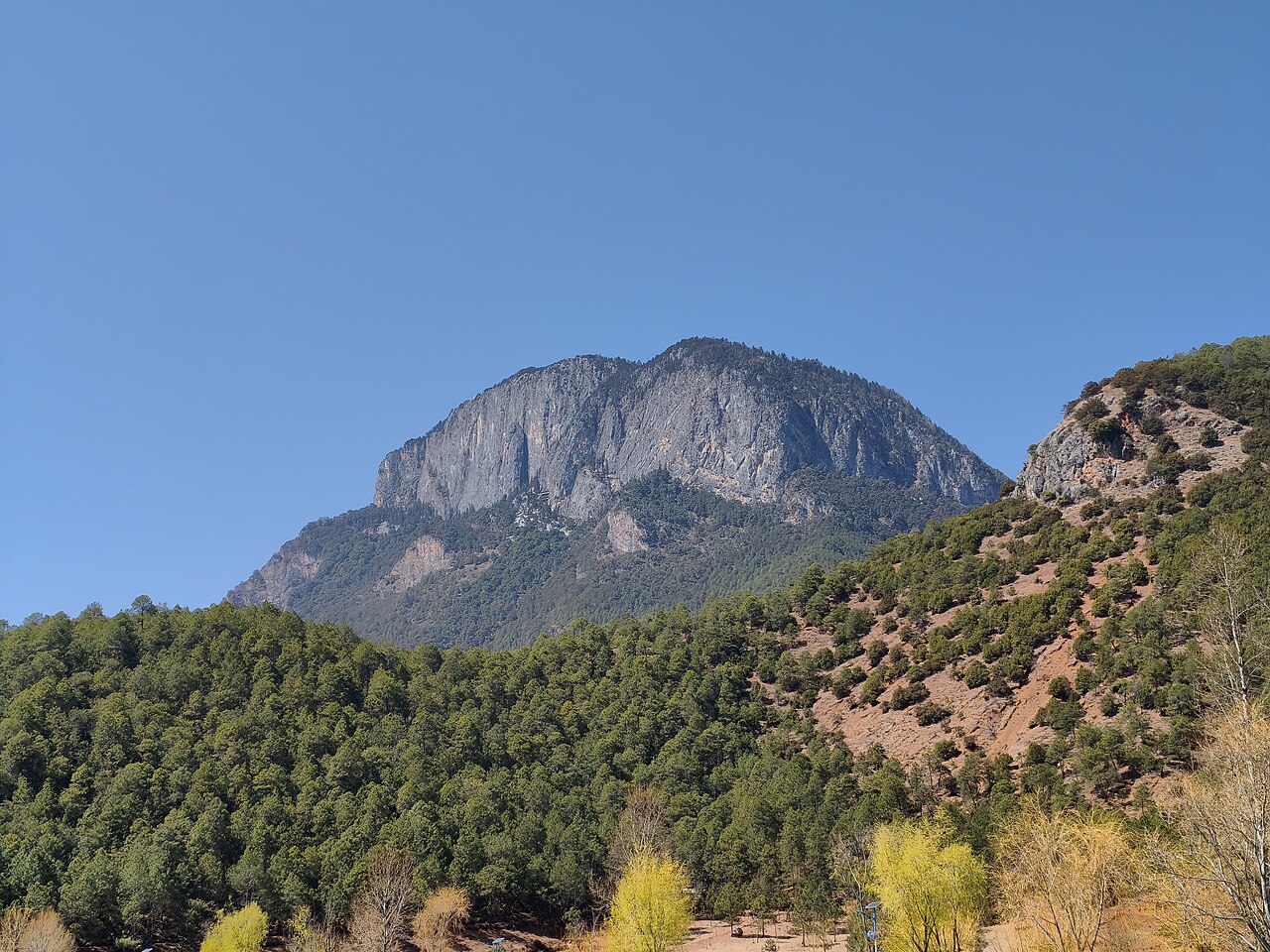
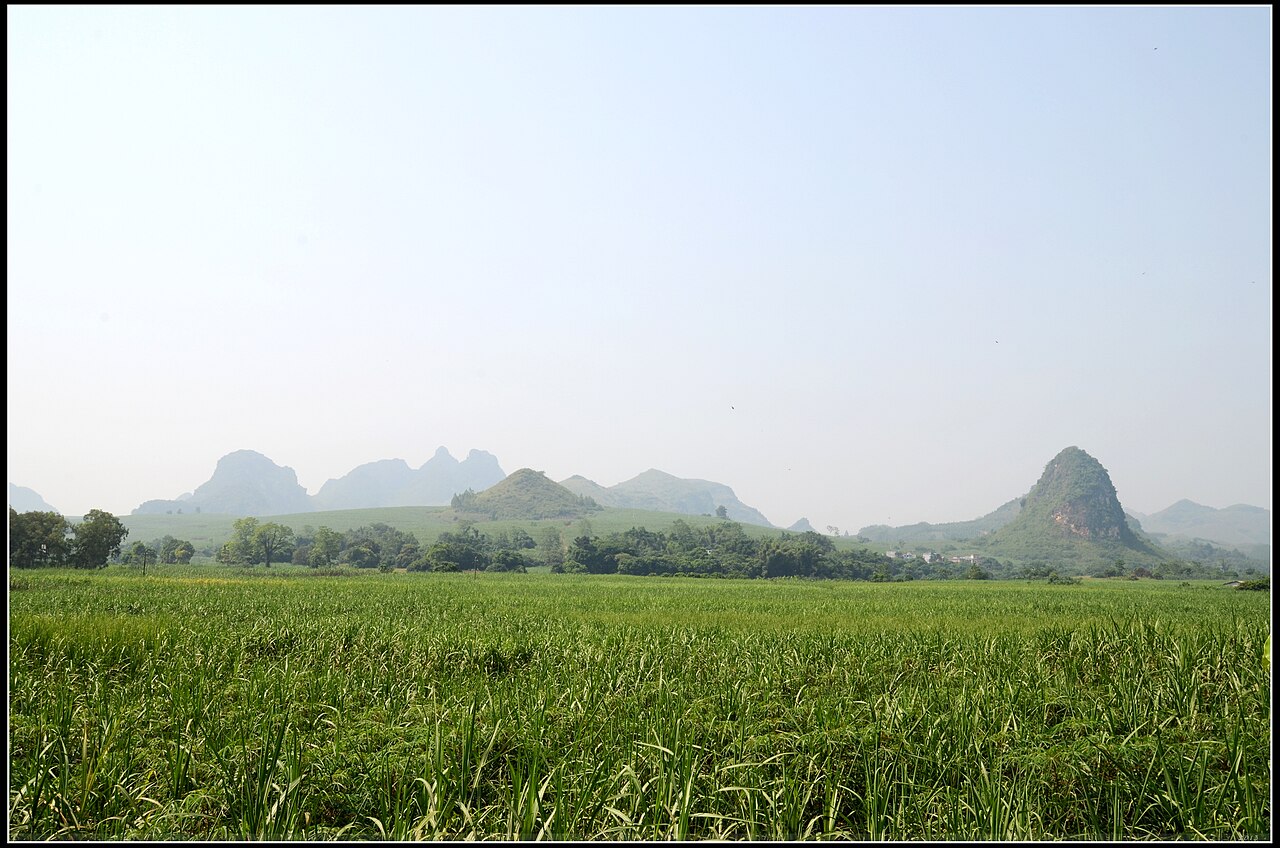
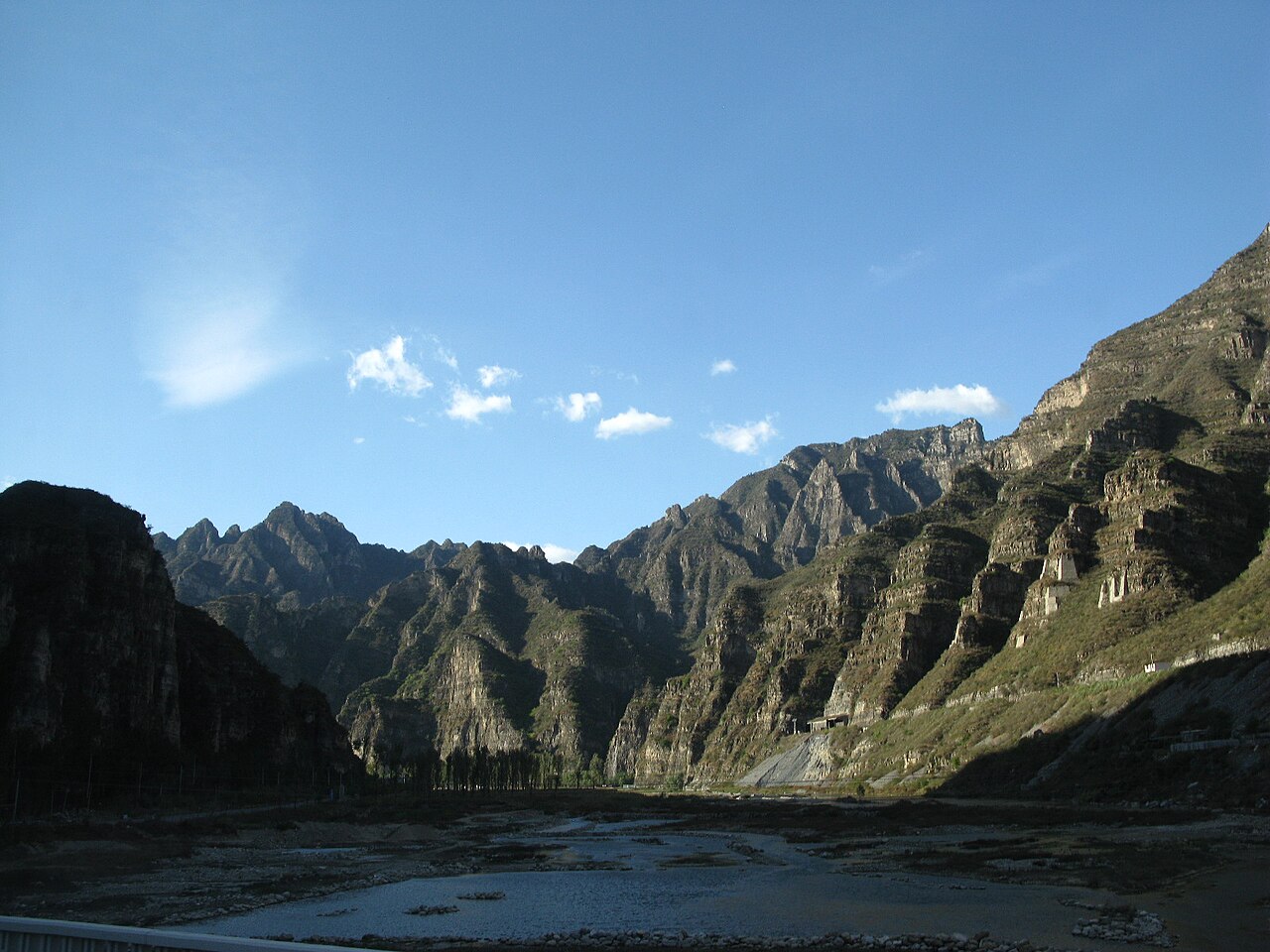
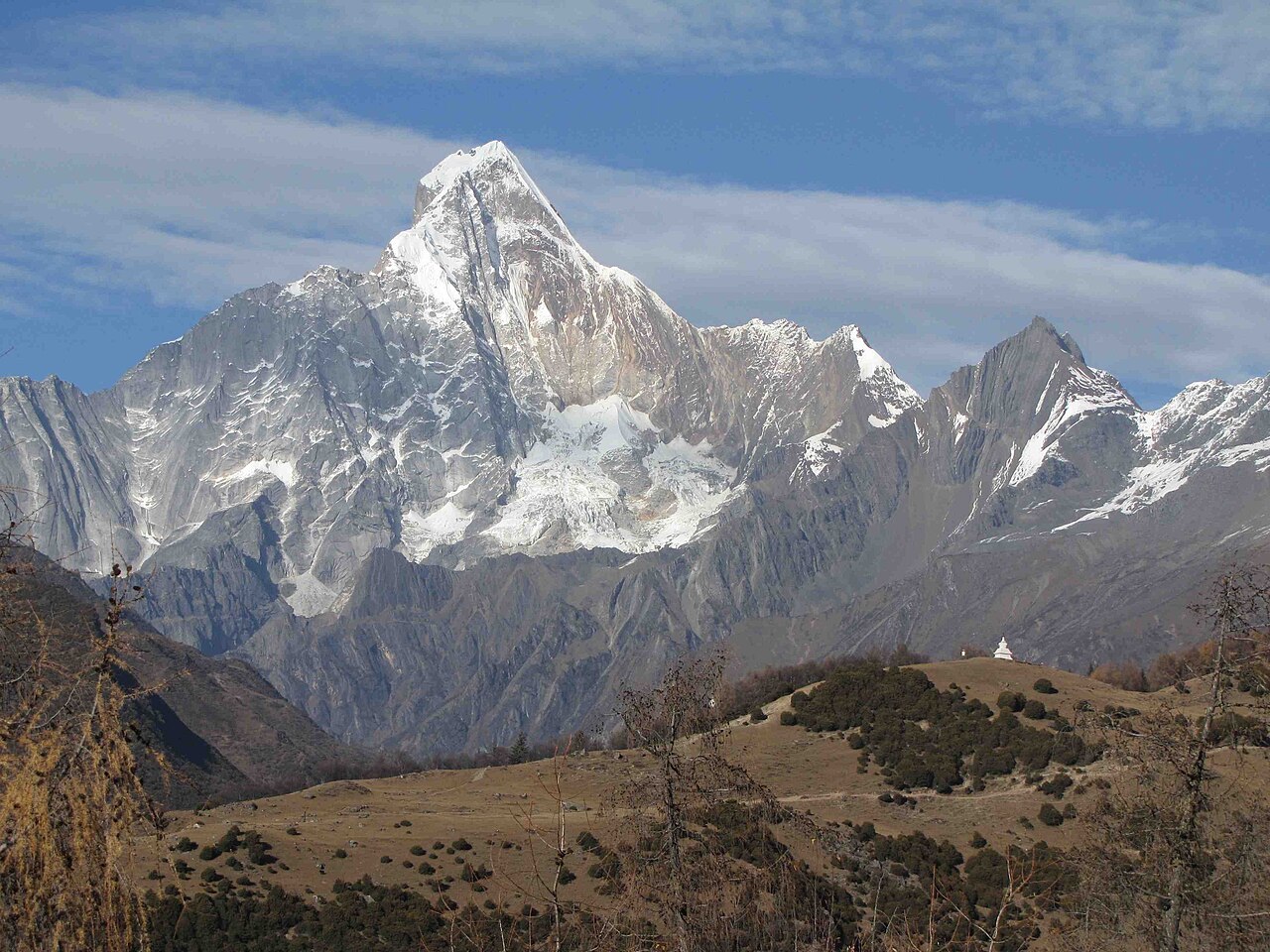
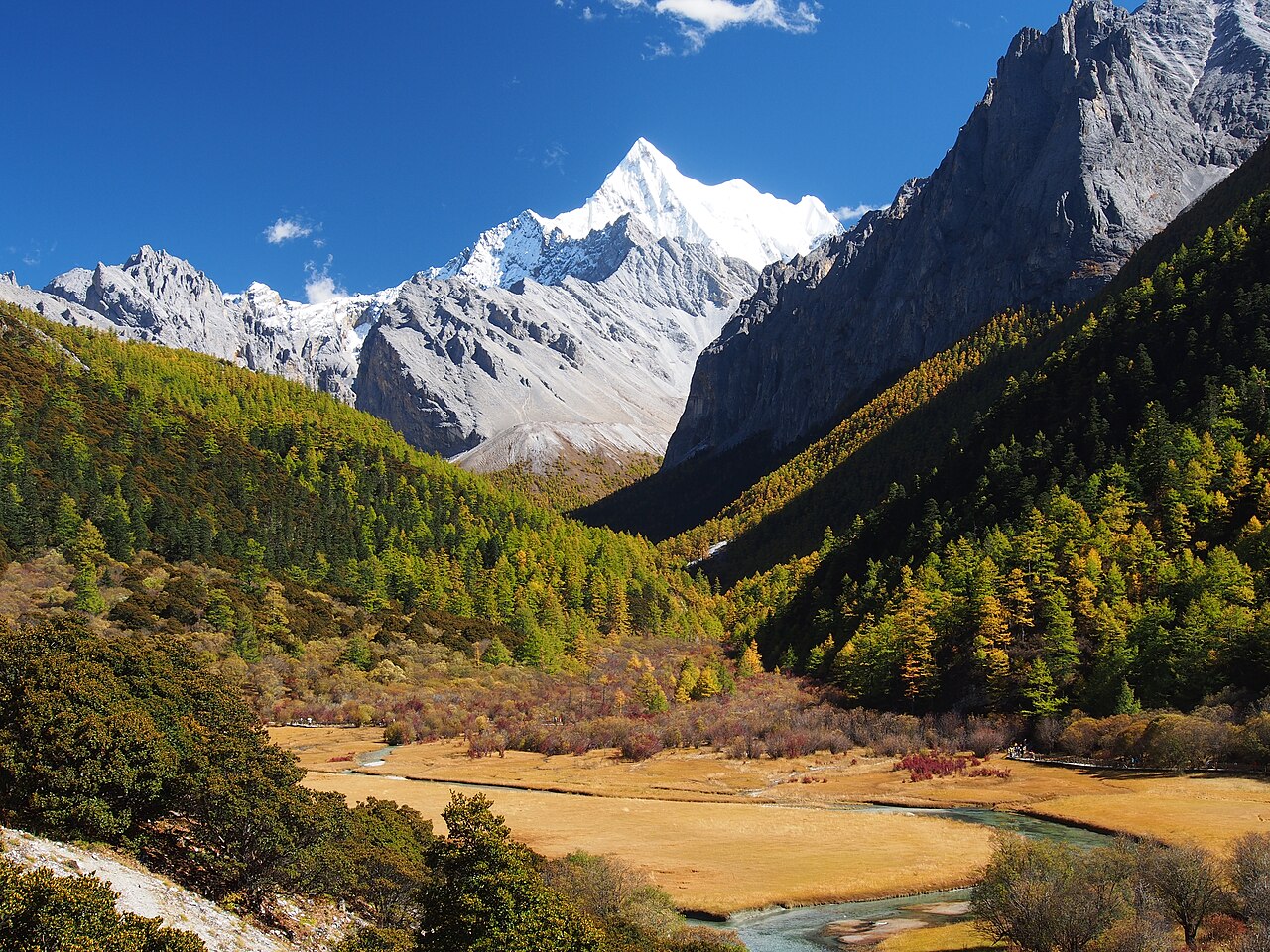
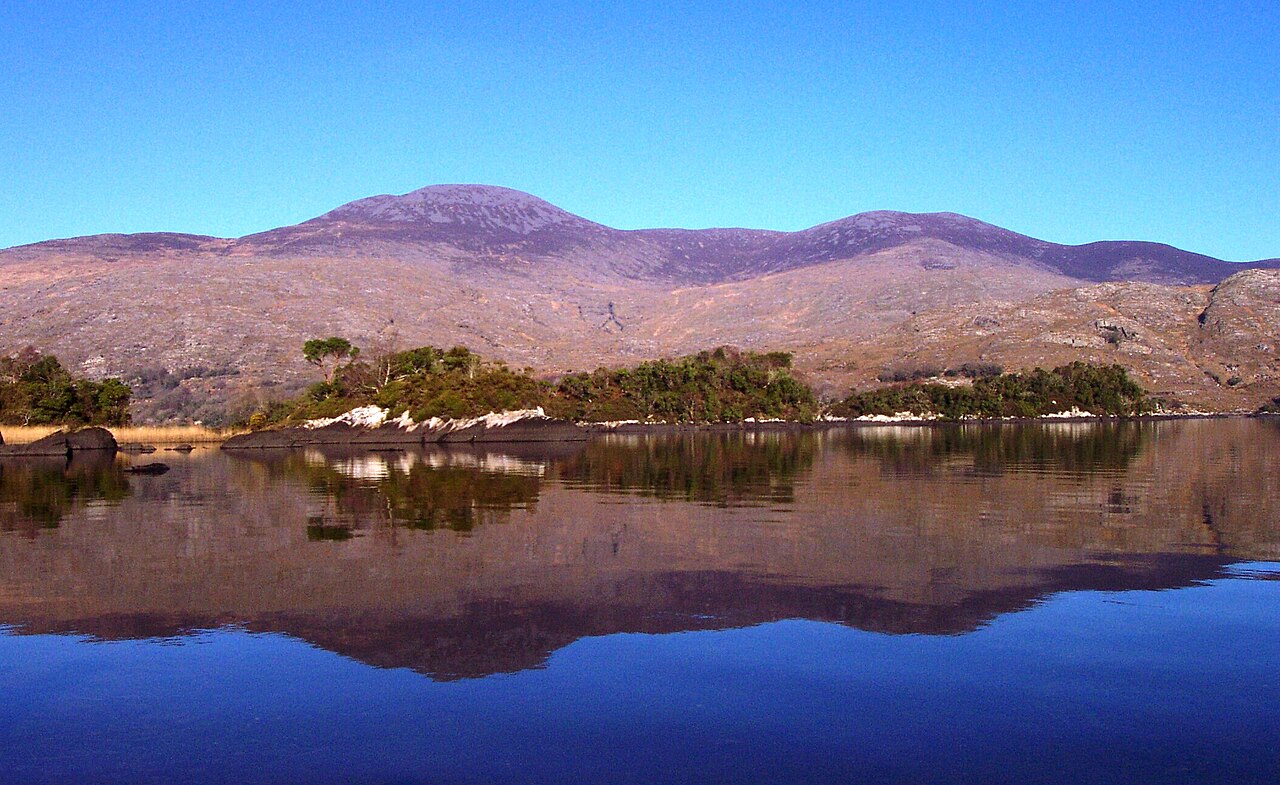
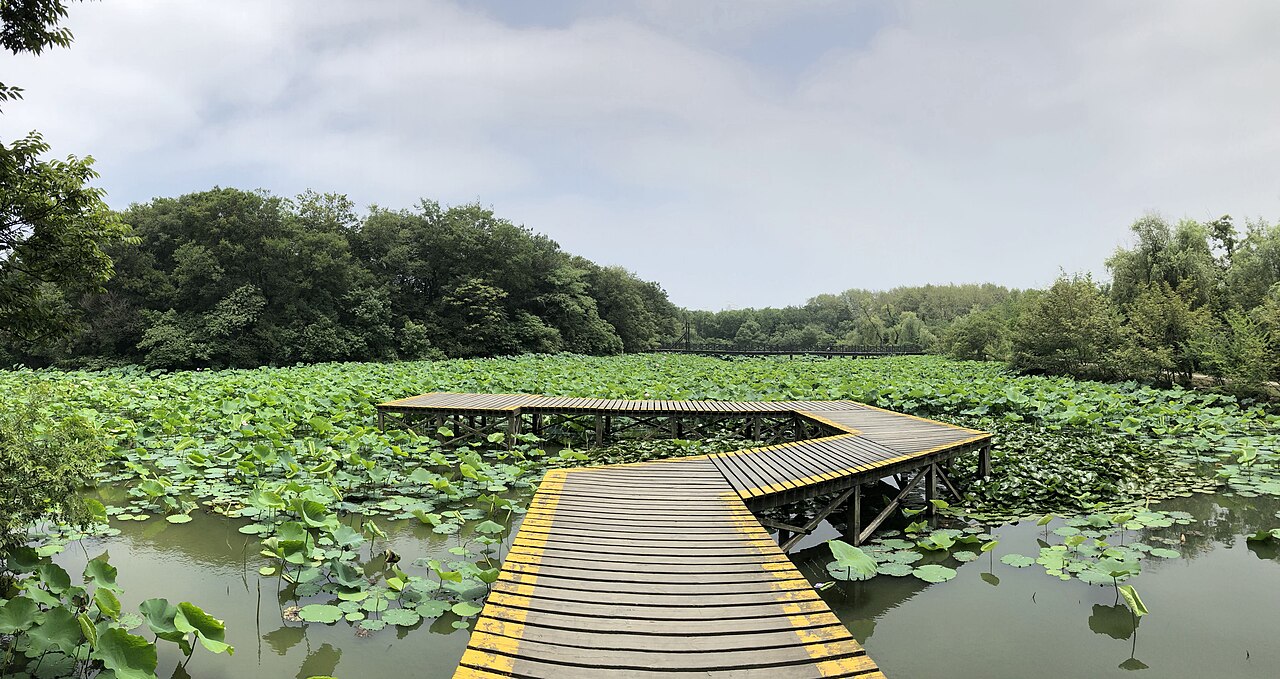
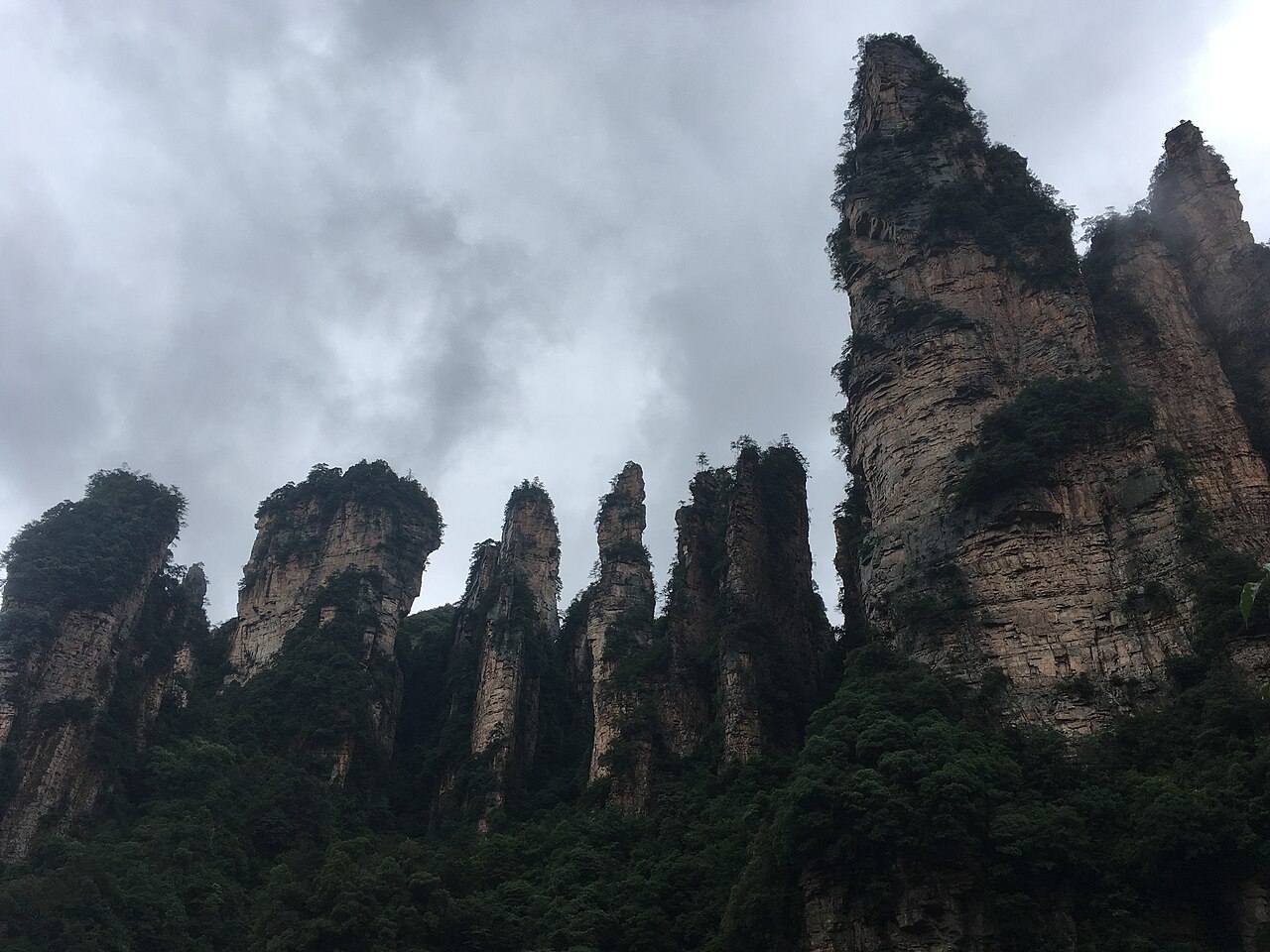
Zhurong Peak above the cloud sea
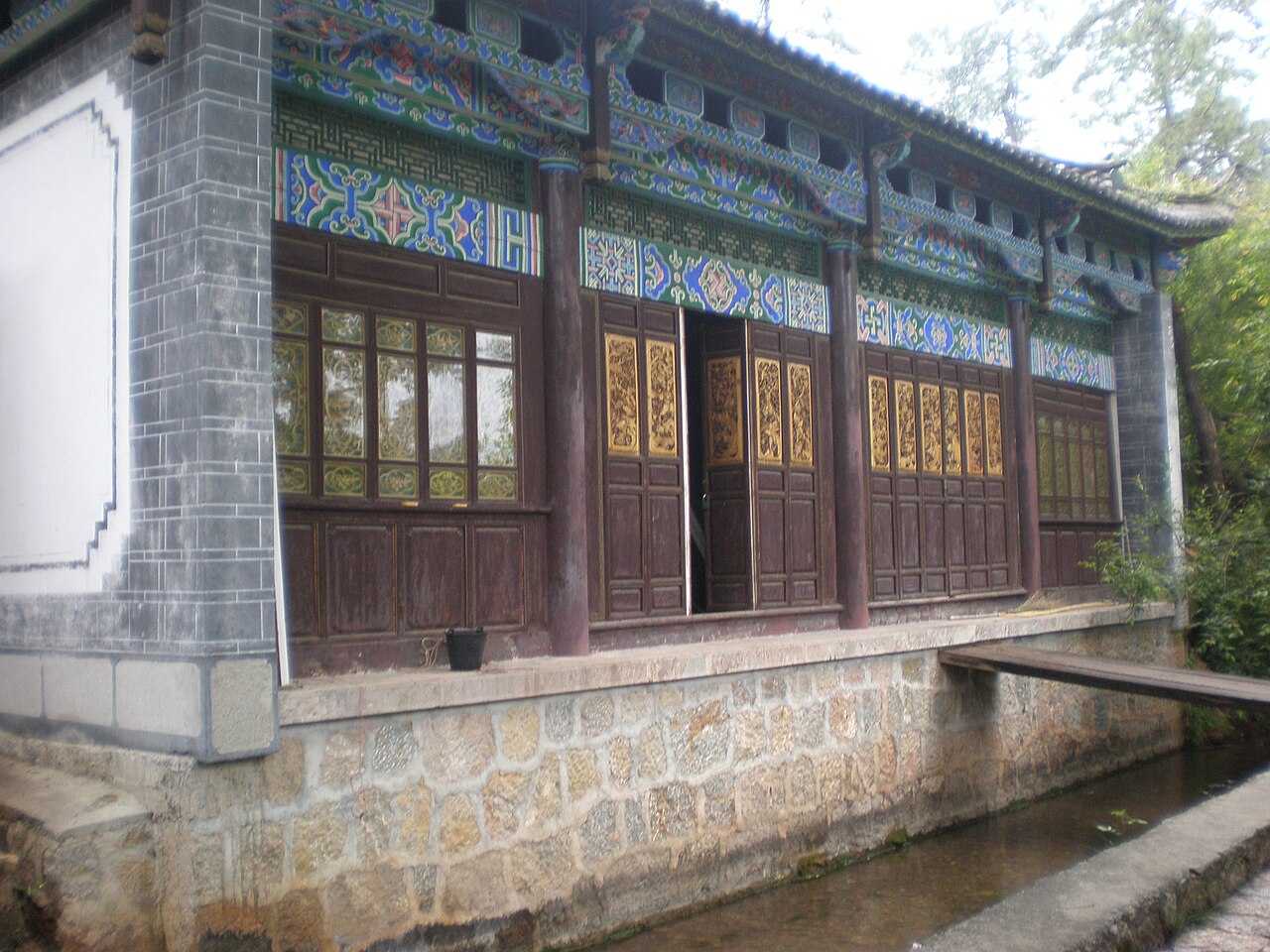
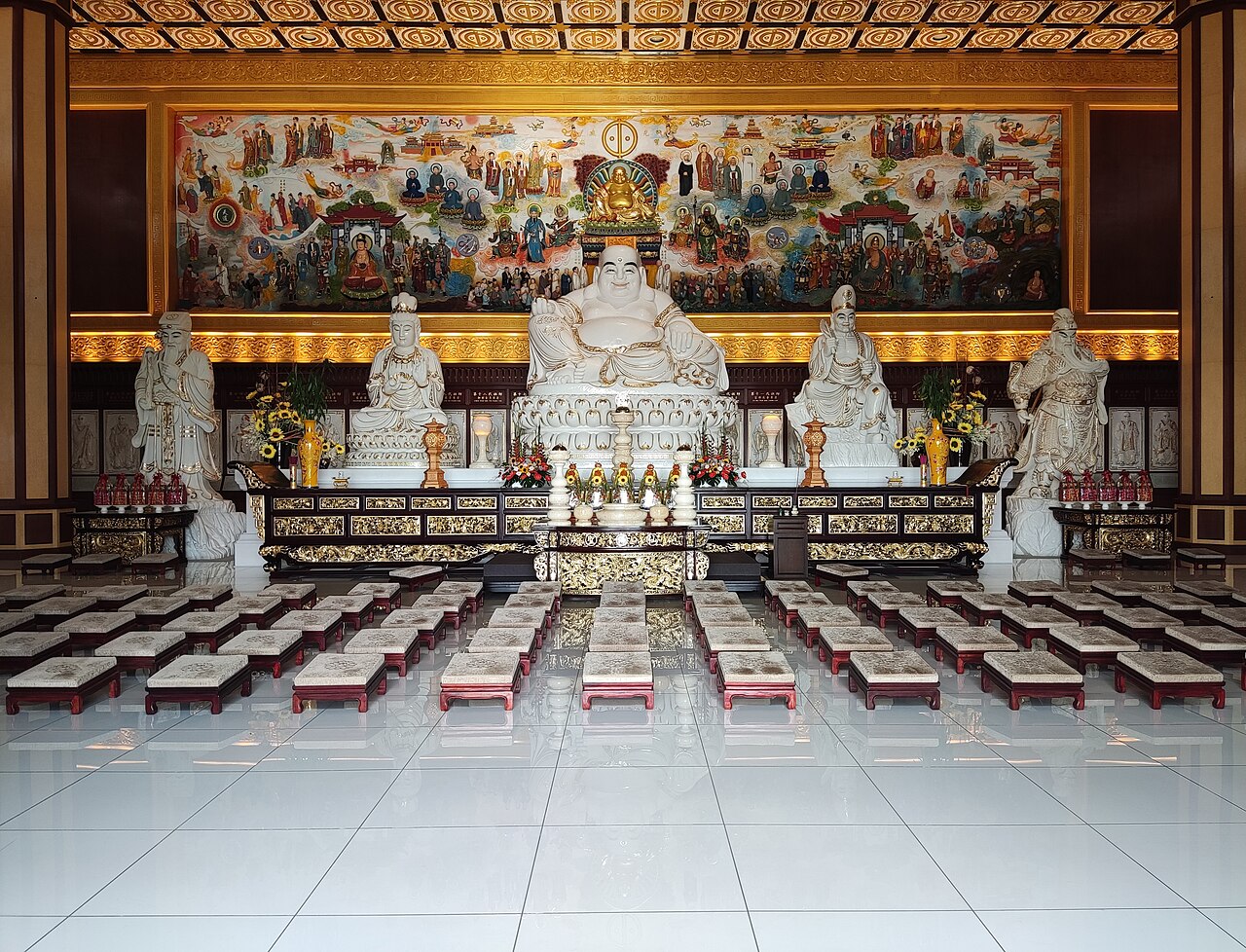
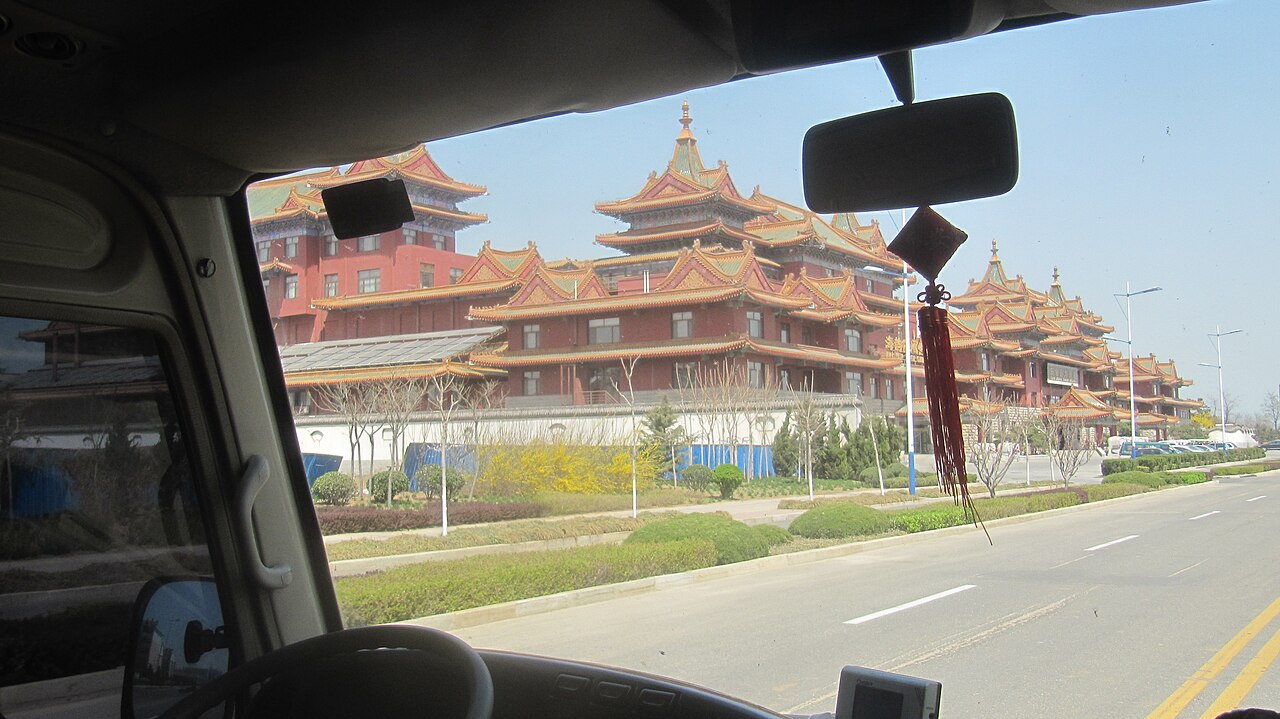
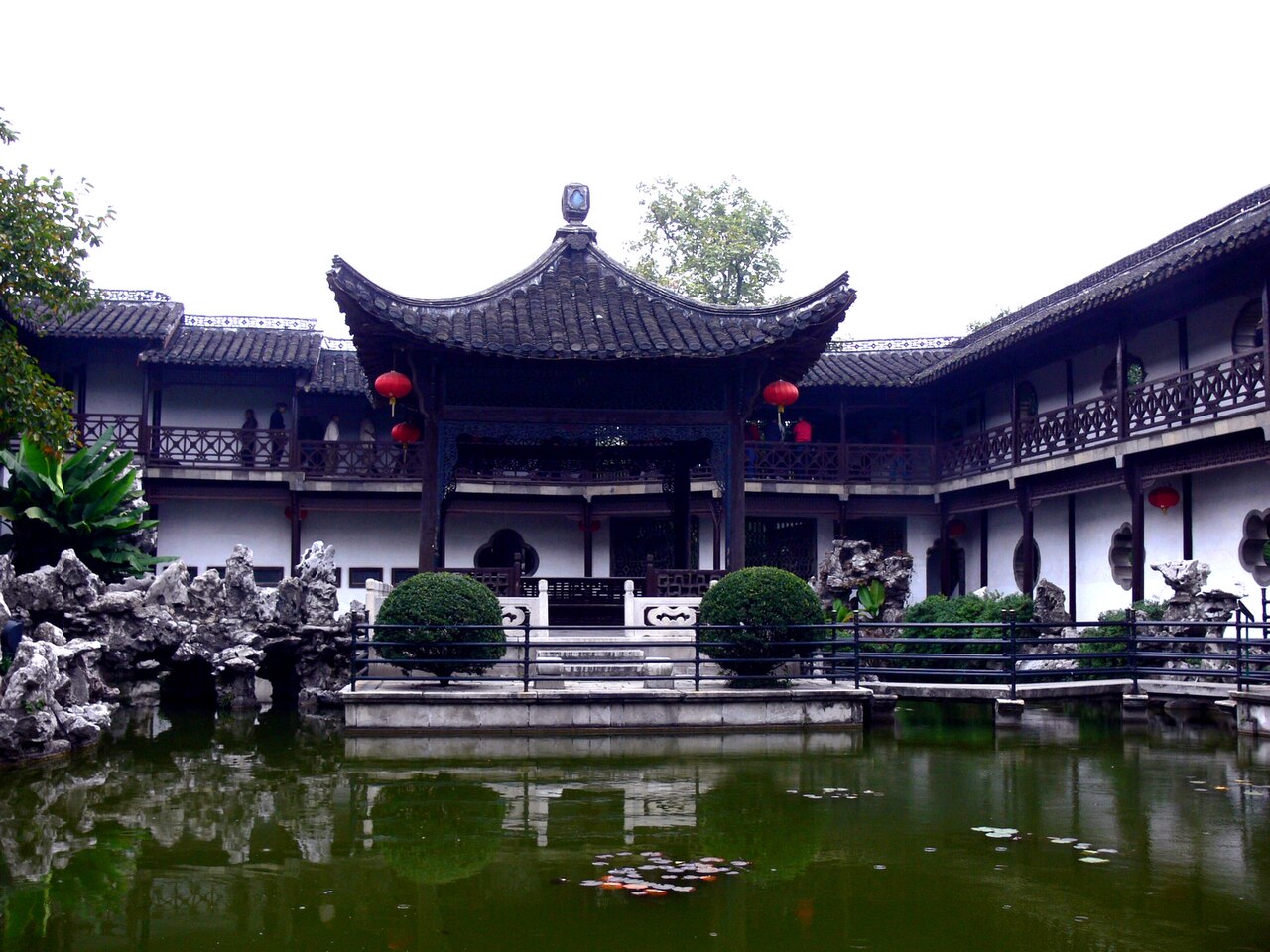
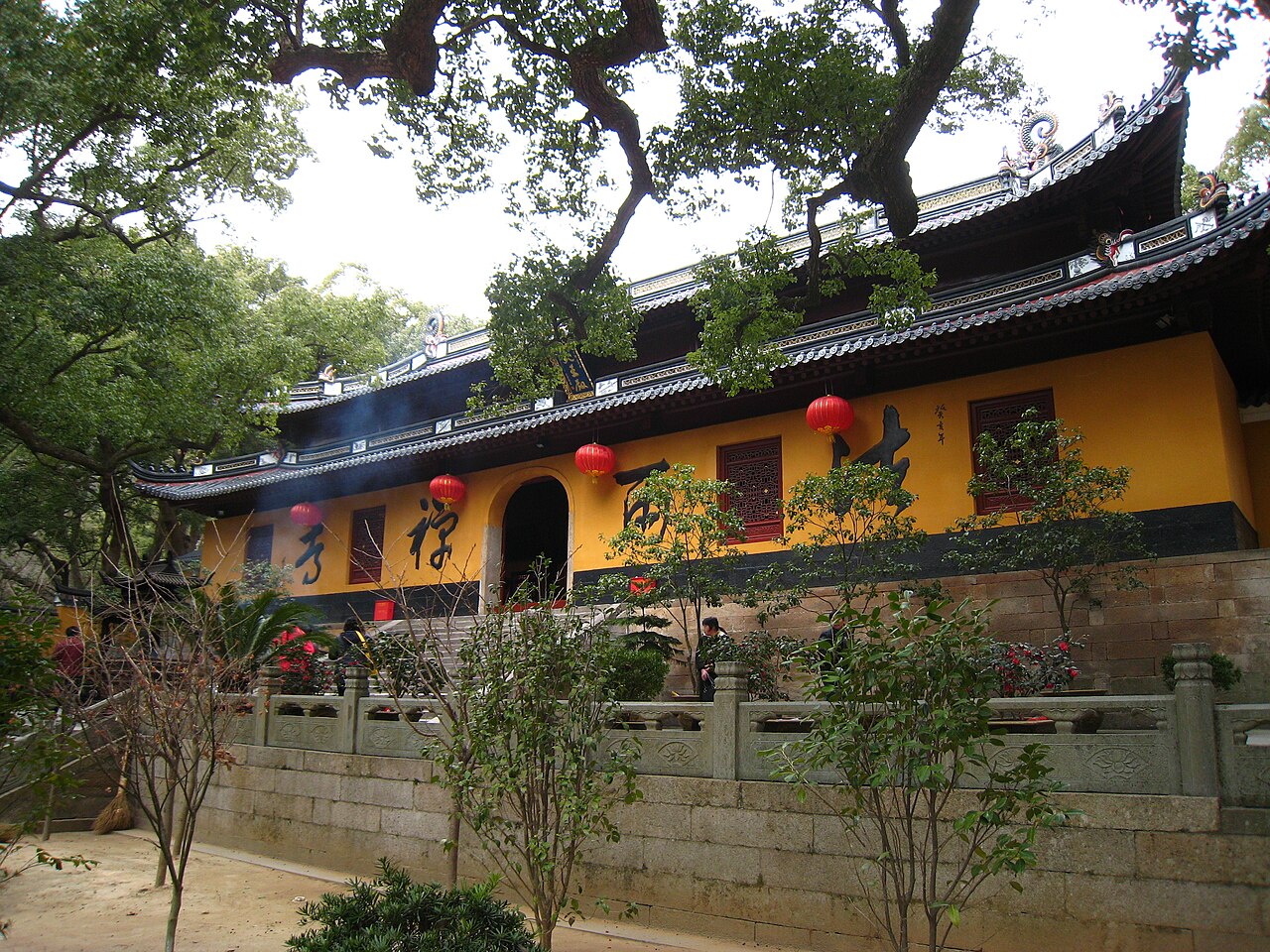
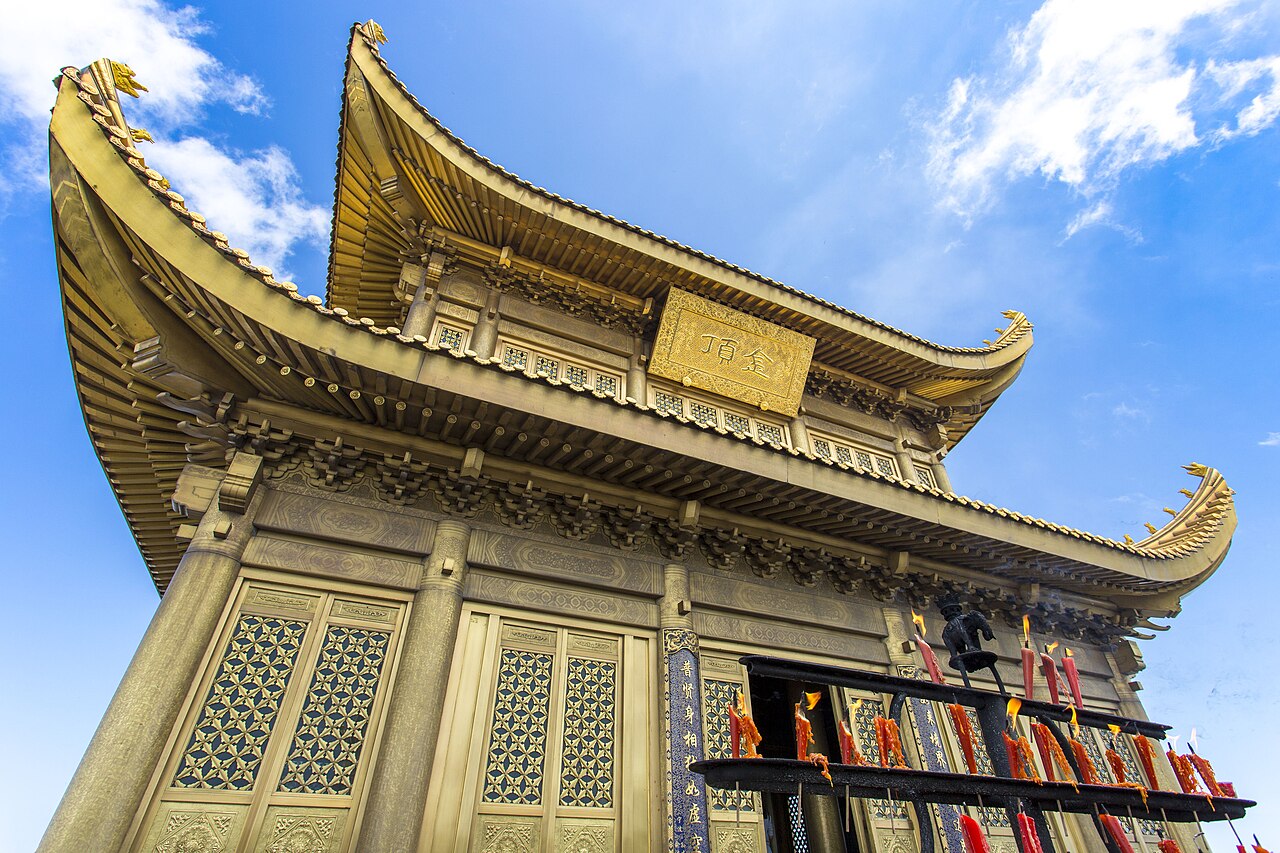
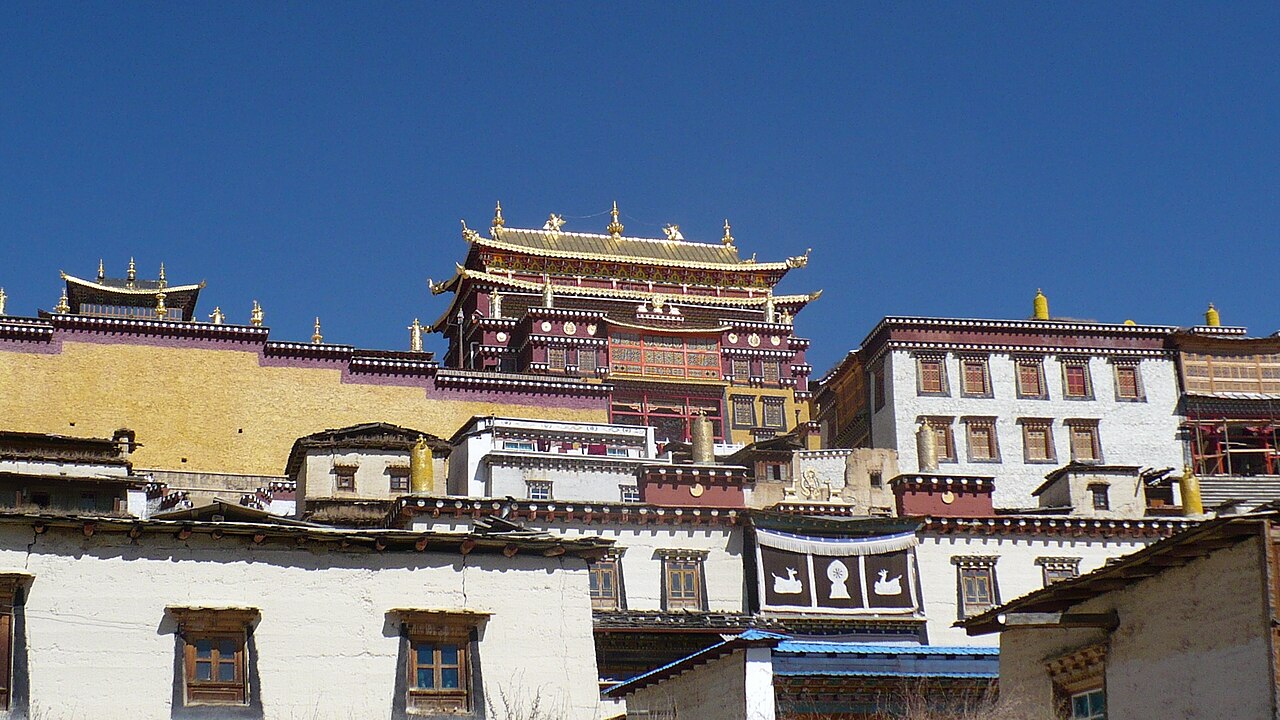
Nanyue Grand Temple, southern China's largest temple complex
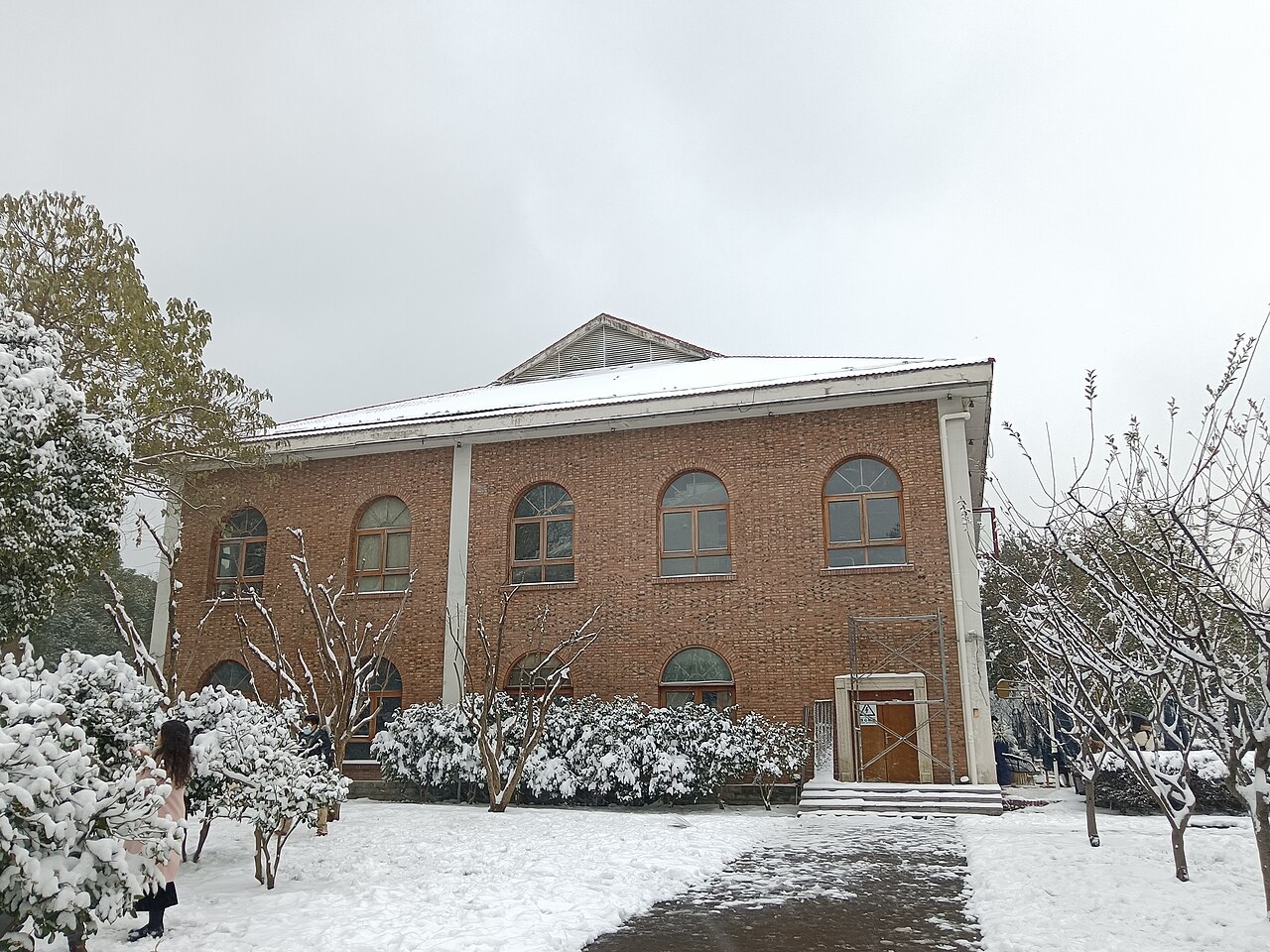
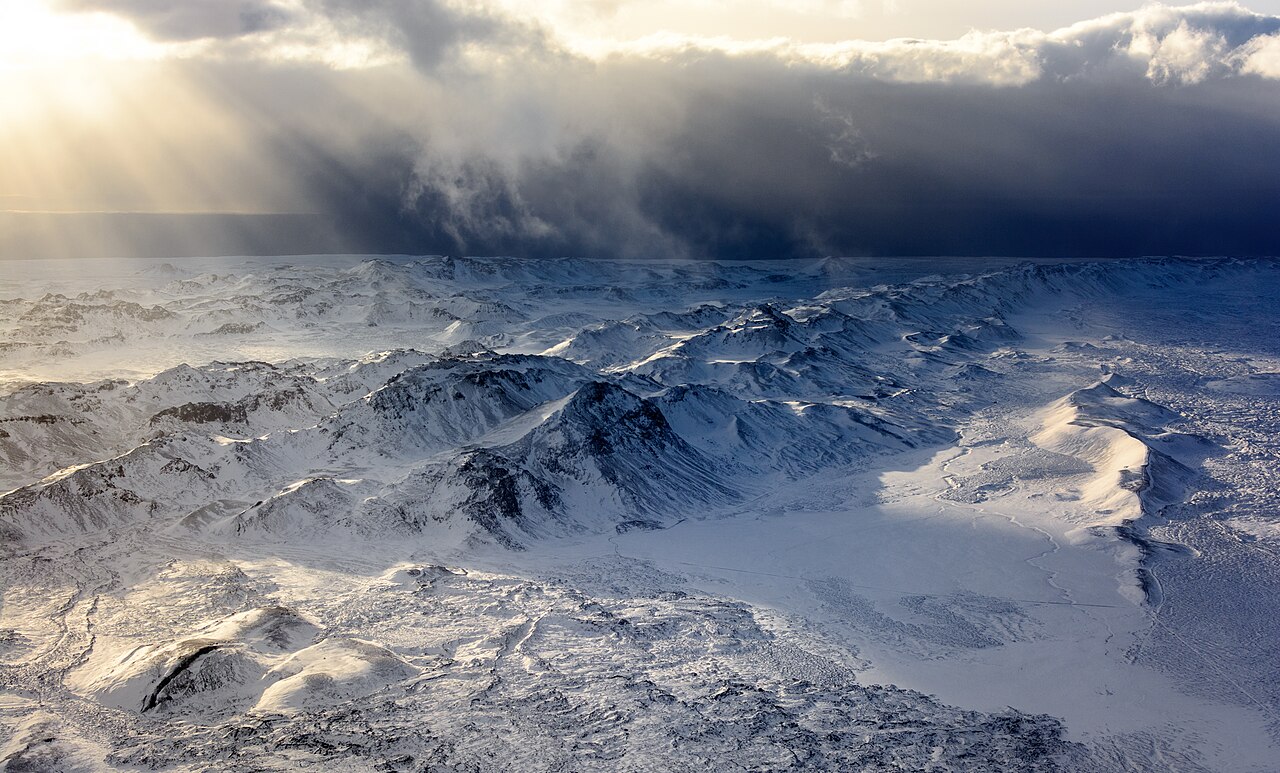
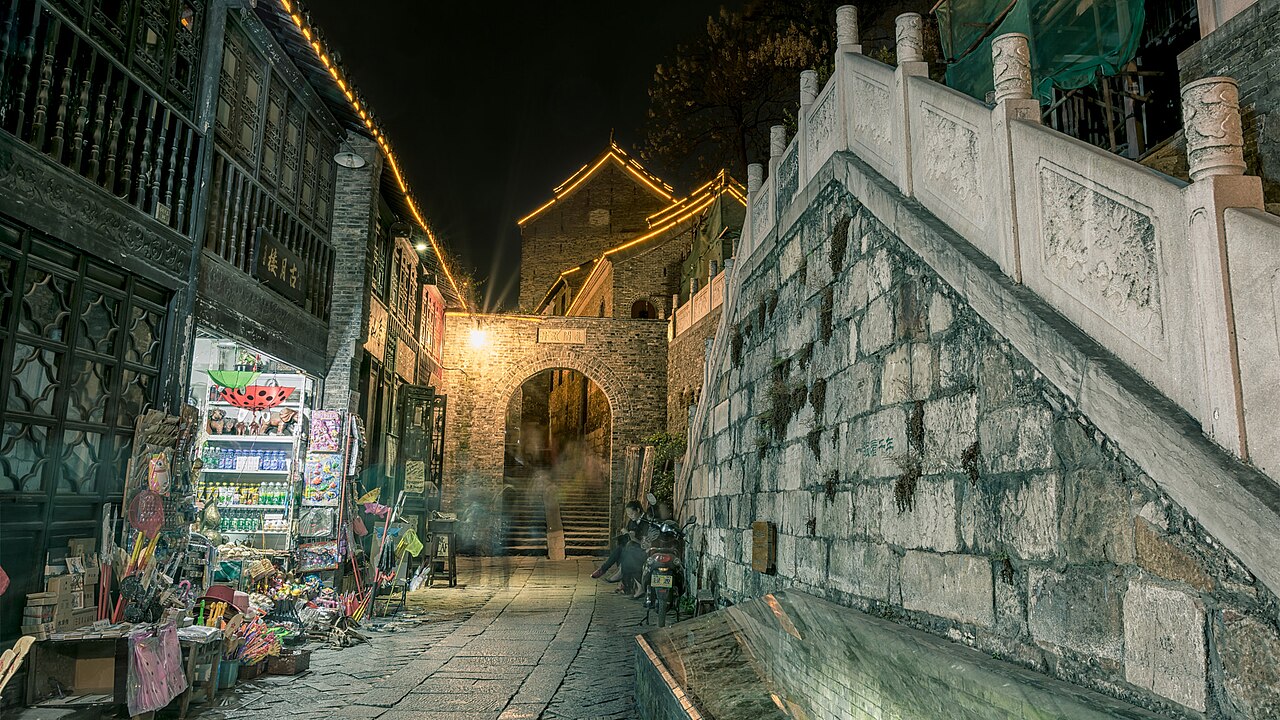
Winter rime on the pines of Hengshan
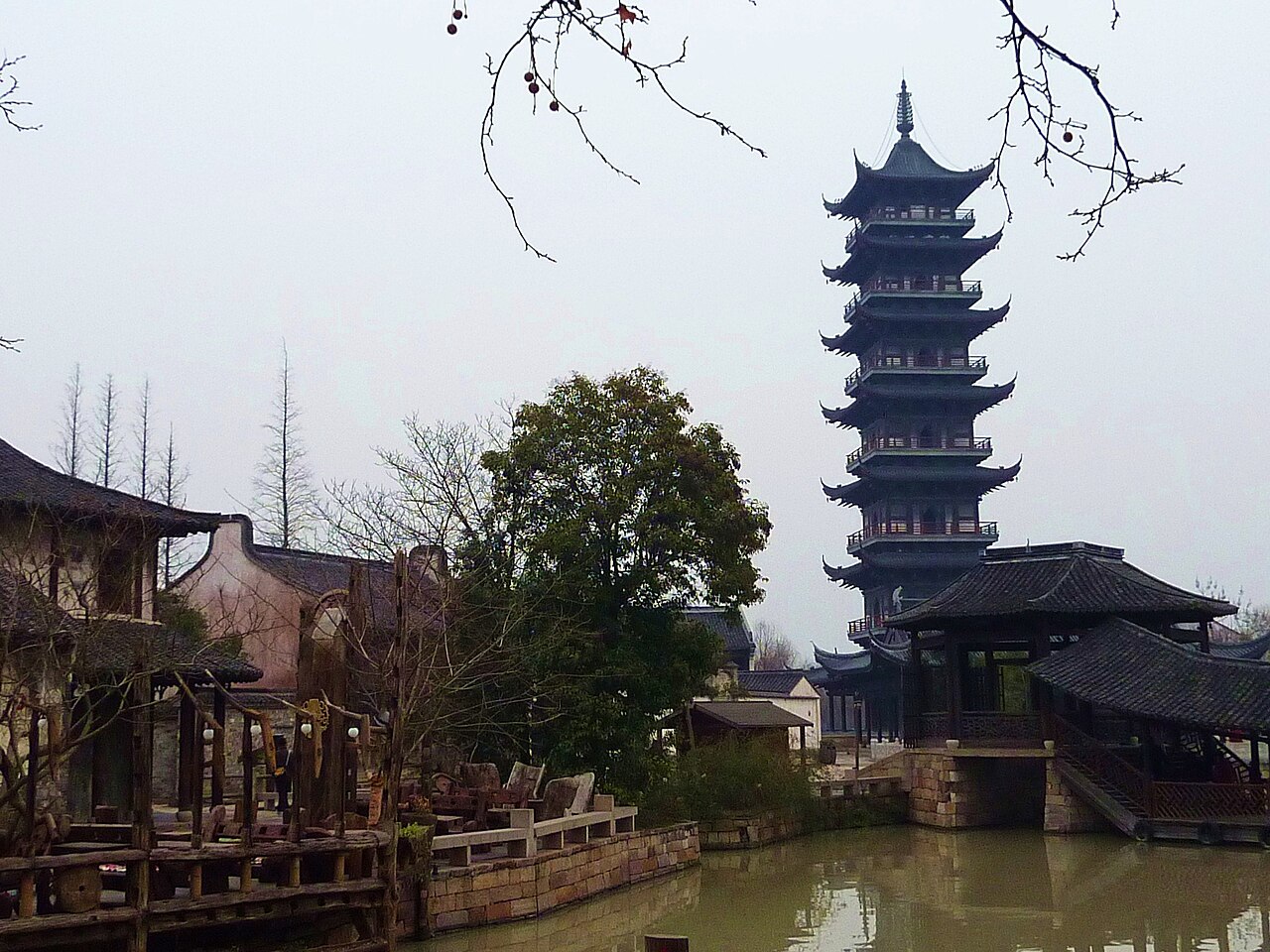
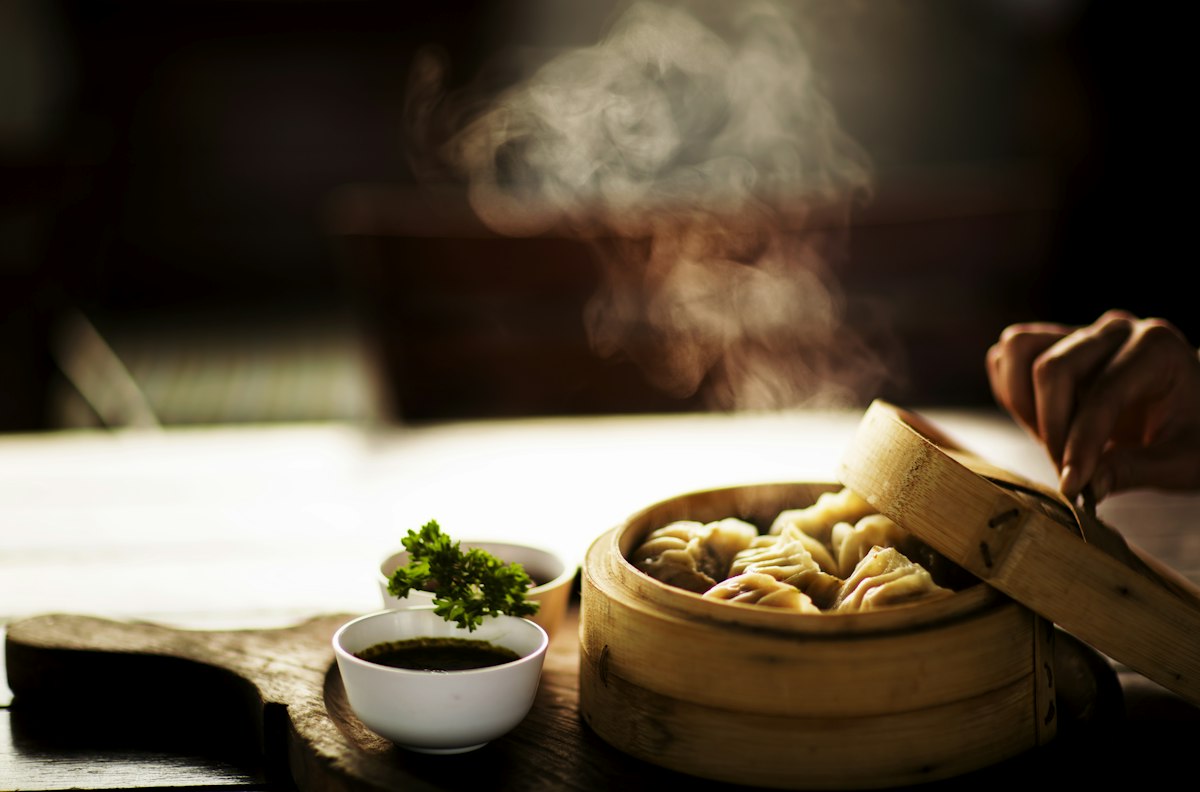
The vegetarian kitchen: Hunan-style tofu and 'paste' dishes

It rained when we arrived and misted over when we left, but the day we climbed was clear as could be. If sincerity can move the heavens, and the heavens happen to be on good terms with Zhurong, then that day was a gift. Thank you, Hengshan.

Traveller note — 'A Trip to Nanyue Hengshan'

Hengshan is no longer mainly about the poet's lines — it is famous for prayer. Apart from the Grand Temple, the whole mountain up to the summit is temples; every manner of deity and Buddha is there, and you see the devout bowing from the foot of the mountain to the top.

Traveller note — 'Notes on Hengshan'

Mount Heng in Hunan is a mountain you climb with other people, and that is its charm. As the Nanyue, the South Great Peak, it is one of China's Five Great Peaks, and it has been a place of pilgrimage for well over a thousand years. The path up is lined with temples and shrines from the foot to the summit; pilgrims bow their way up in groups, and everyone else comes for the sunrise, the cloud sea and, in winter, the rime ice that turns every pine to white crystal.

It is also called the Longevity Mountain. The theme runs through everything: a vast bronze Ding cast with 10,000 'long life' characters, a Grand Temple whose 72 stone pillars stand for the 72 peaks, and a mountain where Taoism, Buddhism and Confucianism have shared the same compound for centuries. The temple at the foot — Nanyue Grand Temple — is the largest of its kind in southern China, a nine-hall complex the size of a small palace, and it is the first thing to see.

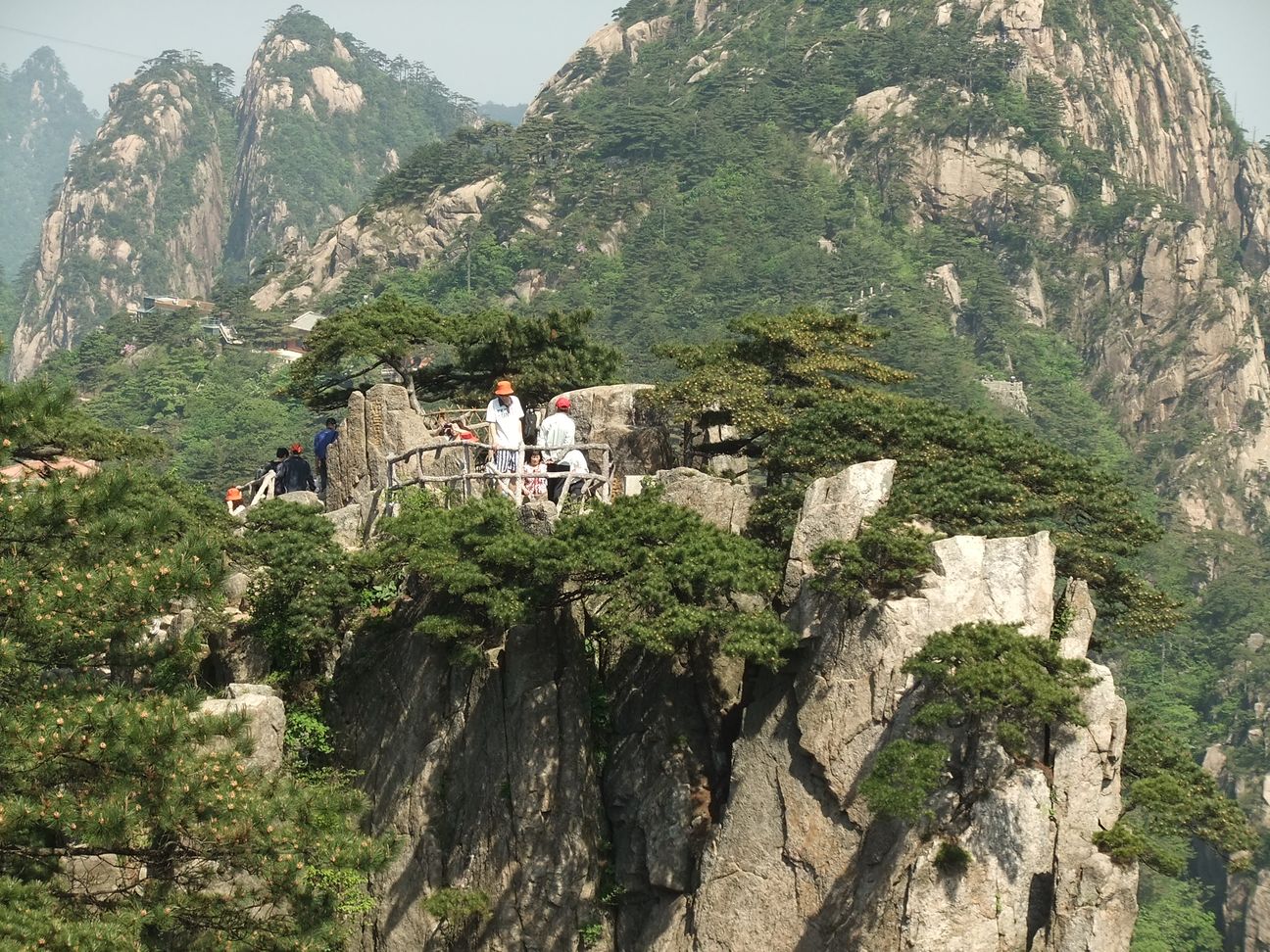
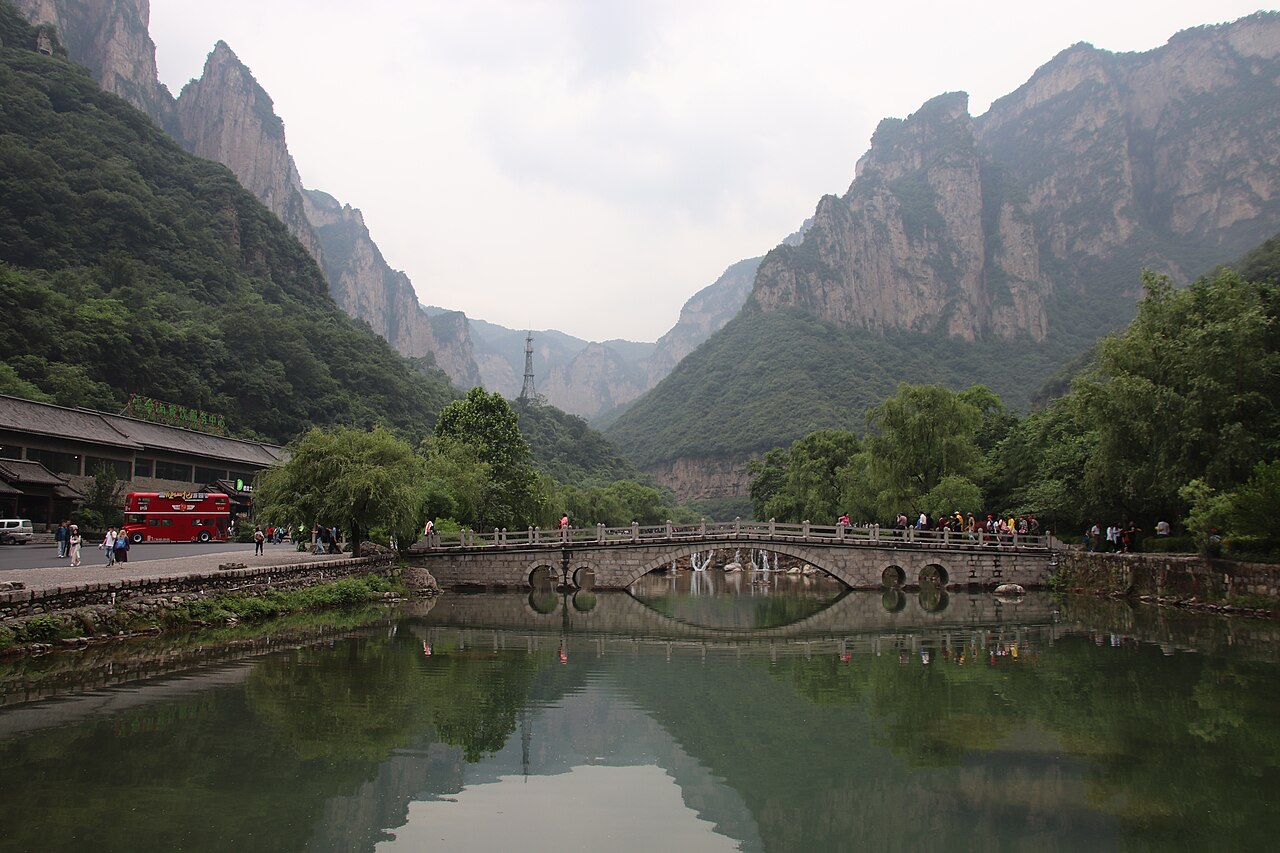
Above it all rises Zhurong Peak at 1,290 m, named for the fire god. On a clear day the Xiang River winds away below and the ridges run off in layers of blue. The sunrise from the top is the reason people sleep in mountain lodges and start up in the dark; the rime, from December to early February, is why southerners drive up from Guangdong and Guangxi.

One warning worth repeating: this is Hengshan in Hunan. There is another, entirely separate Hengshan in Shanxi, hundreds of kilometres north. When you buy a ticket or tell a driver, say 'Nanyue Hengshan scenic area' (南岳衡山风景区), not just 'Hengshan' — locally, 'Hengshan' means the county town, not the mountain.
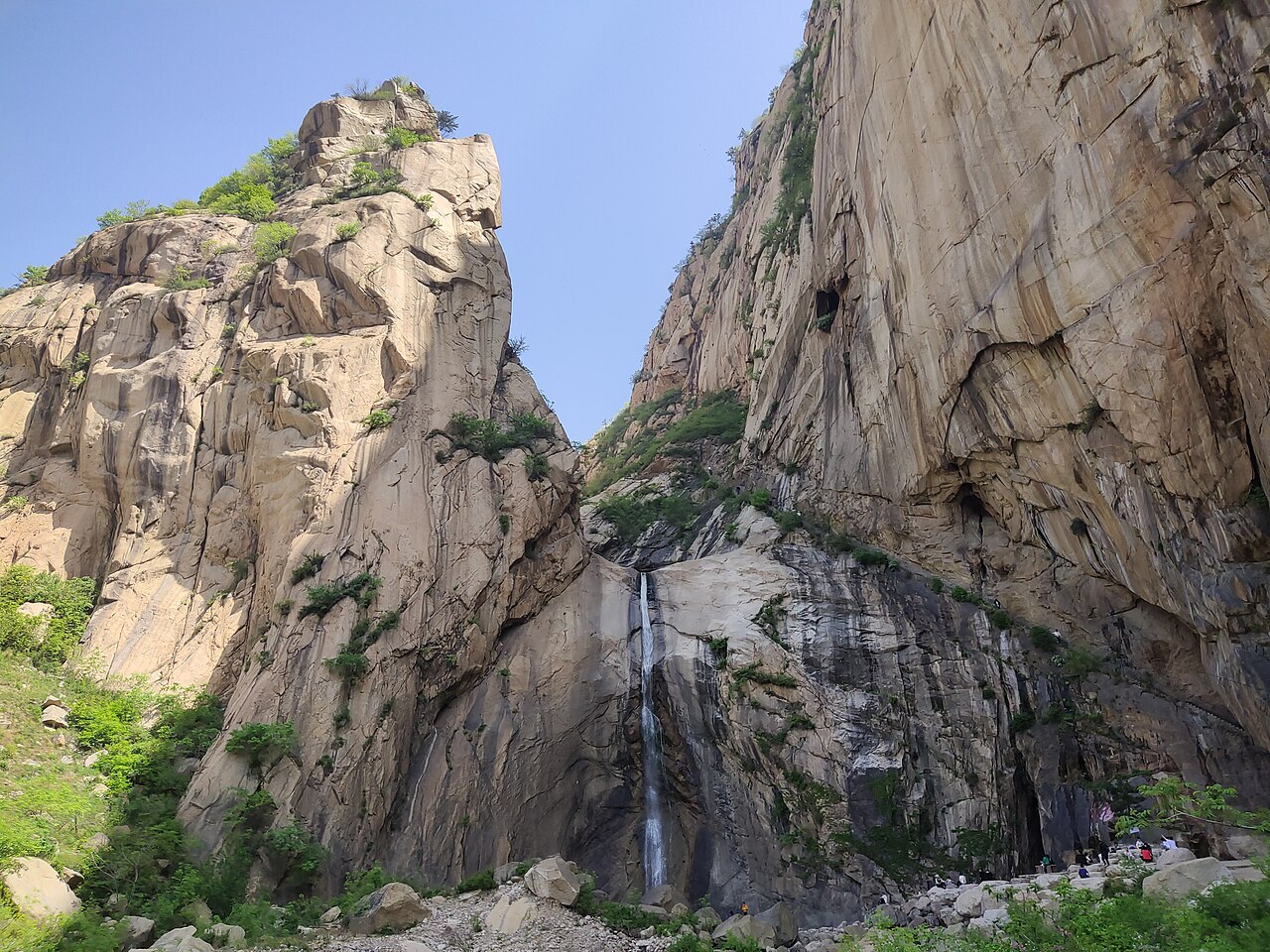
Mount Heng (Hengshan, Hunan)

Don't leave without

Seven things that are worth rearranging a day for.

  1. Watch sunrise from Zhurong Peak, above the cloud sea
  2. Walk the nine halls of the Grand Temple, the 'Palace of the South'
  3. Stand quietly at the Martyr Shrine, the only one of its kind on the mainland
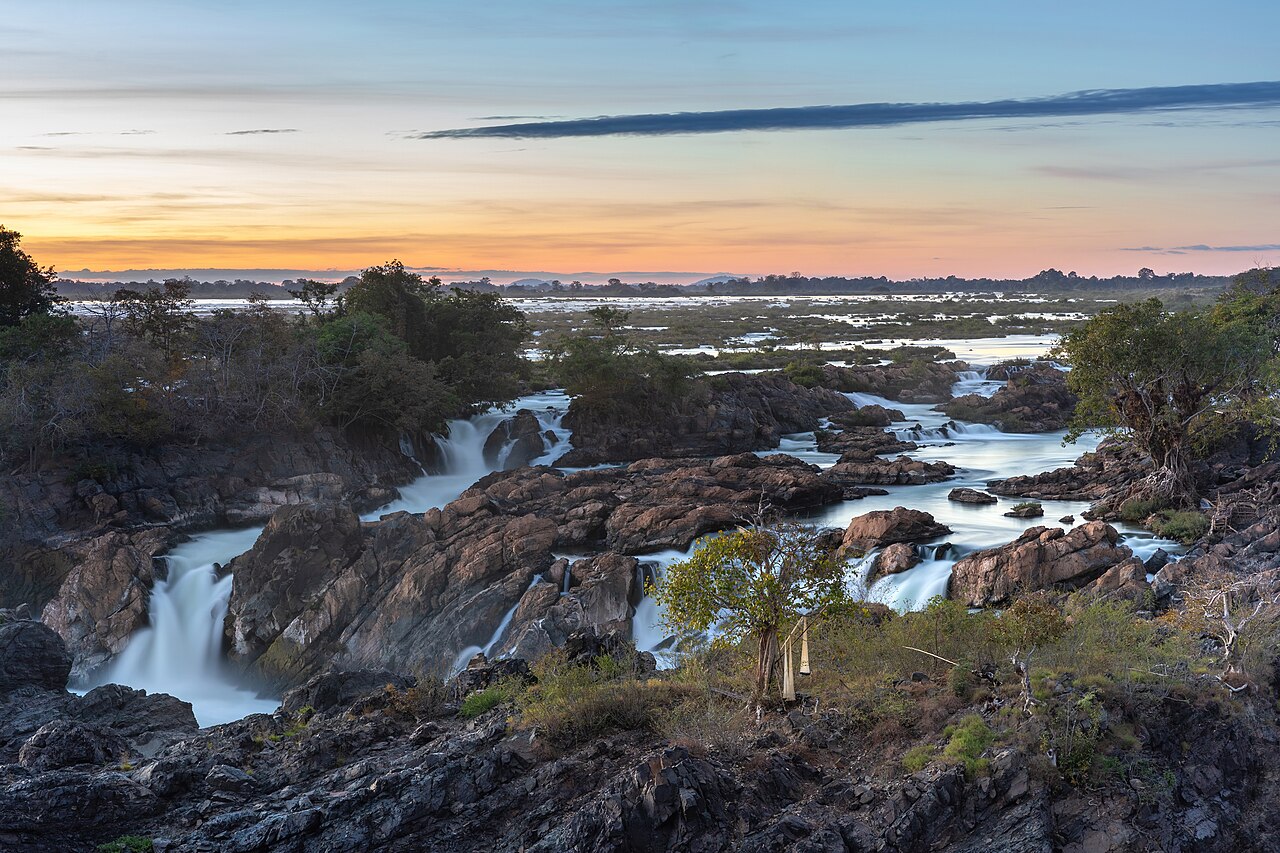
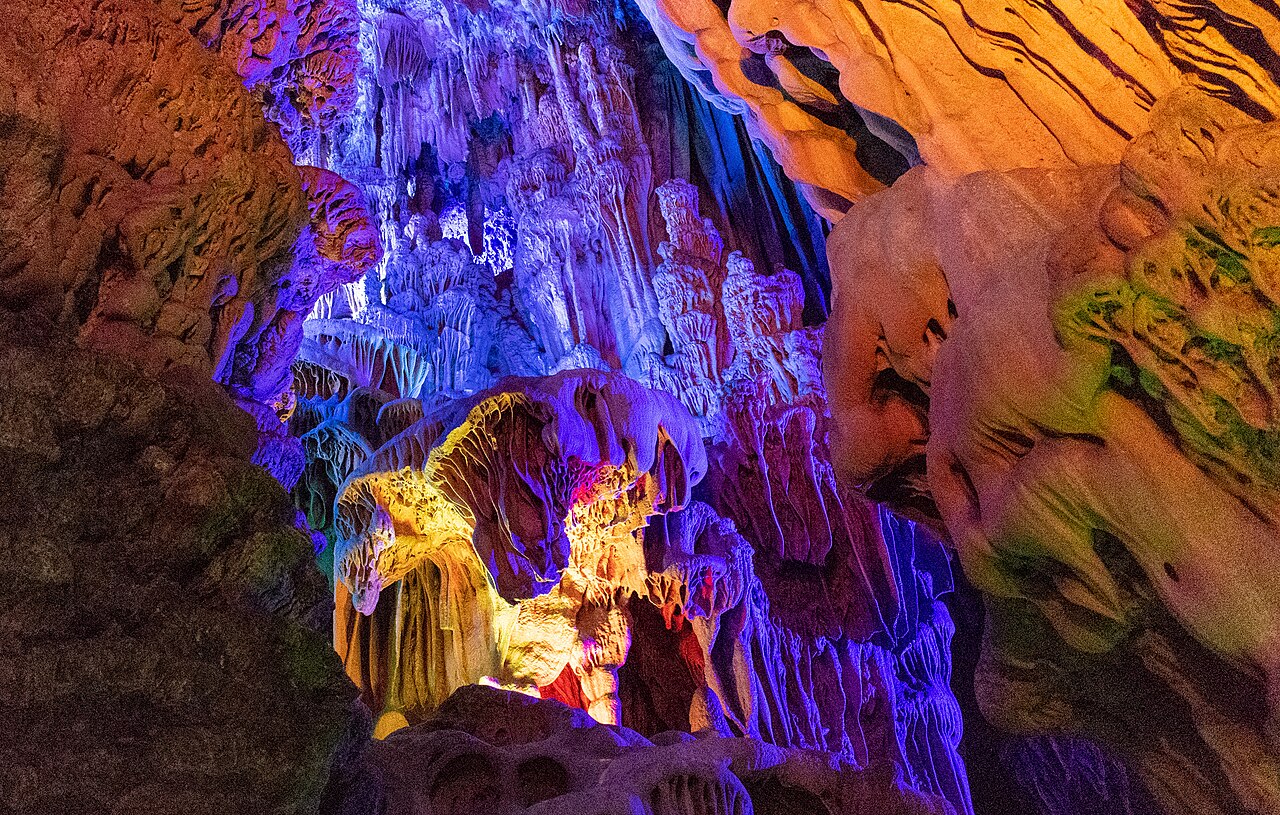
  4. Find Shuilian Cave after rain, when the 60 m waterfall is in full spate
  5. Sit at the Mirror-Polishing Platform where Chan Buddhism's southern school began
  6. Eat a bowl of soft tofu pudding in the old town before 9am, for a yuan
  7. If you come in January, walk among the rime-covered pines

Highlights

What not to miss on Hengshan

Sunrise from Zhurong Peak

Sunrise from Zhurong Peak

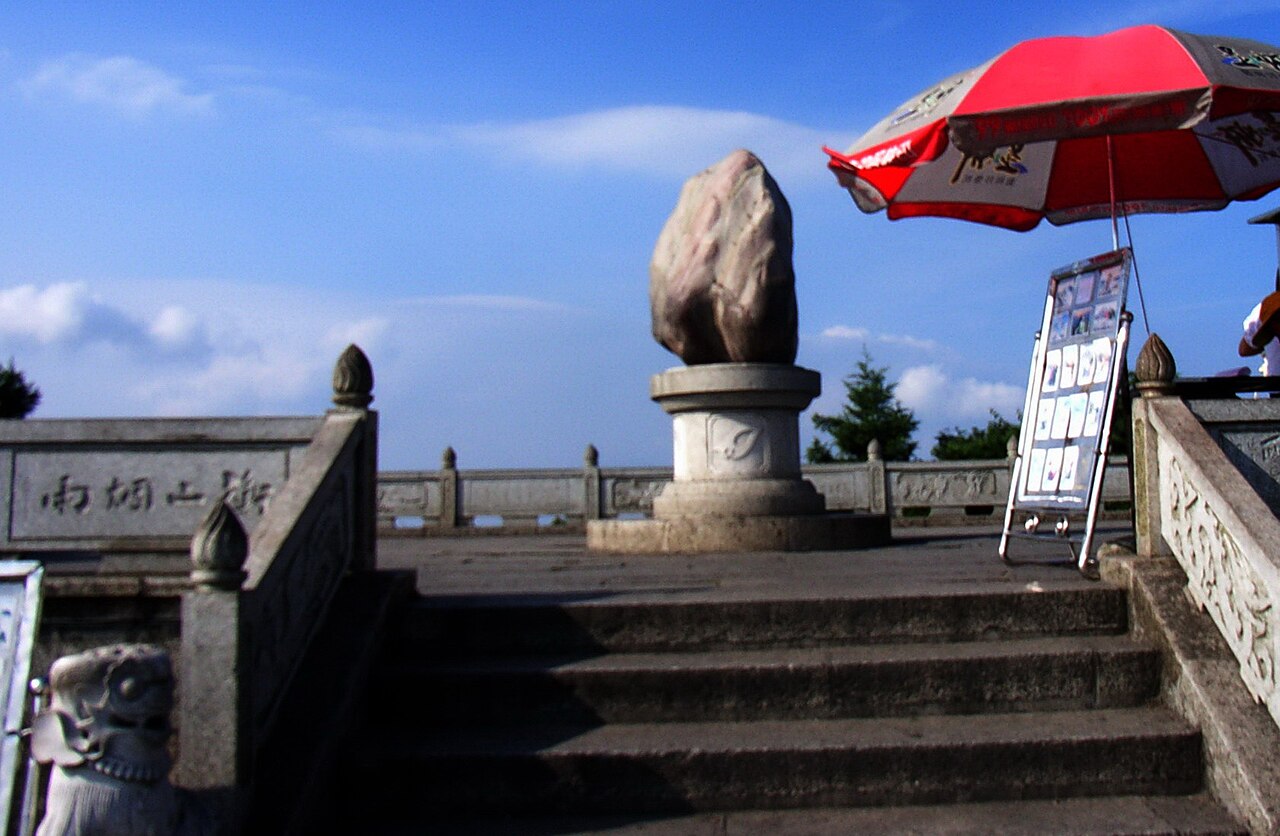
The summit at 1,290 m is where everyone gathers before dawn to watch the sun come up over the cloud sea. It is named for the fire god Zhurong, and the view — peaks running off in layers, the Xiang River below — is the reason to sleep up here.

Nanyue Grand Temple

Nanyue Grand Temple

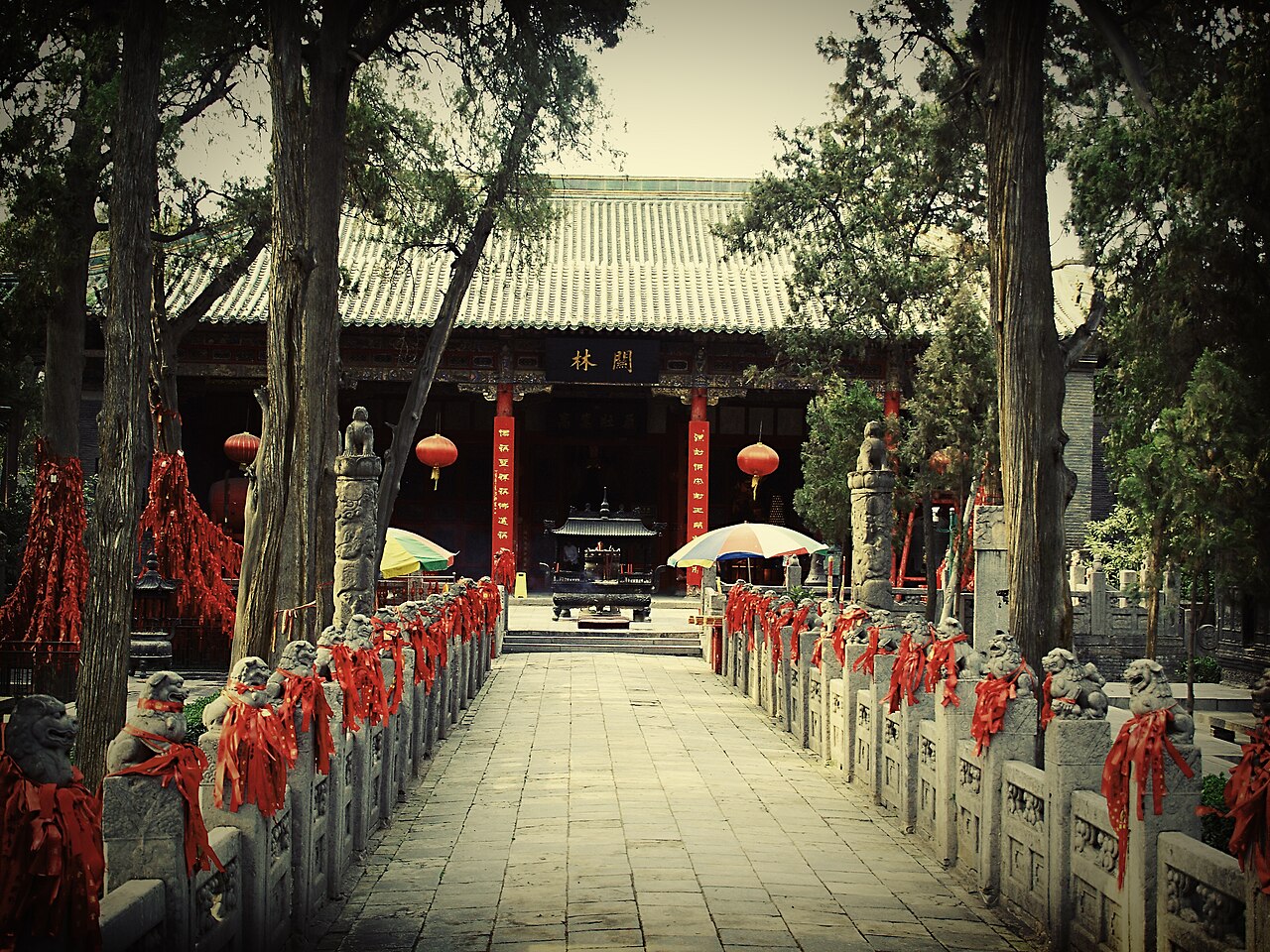
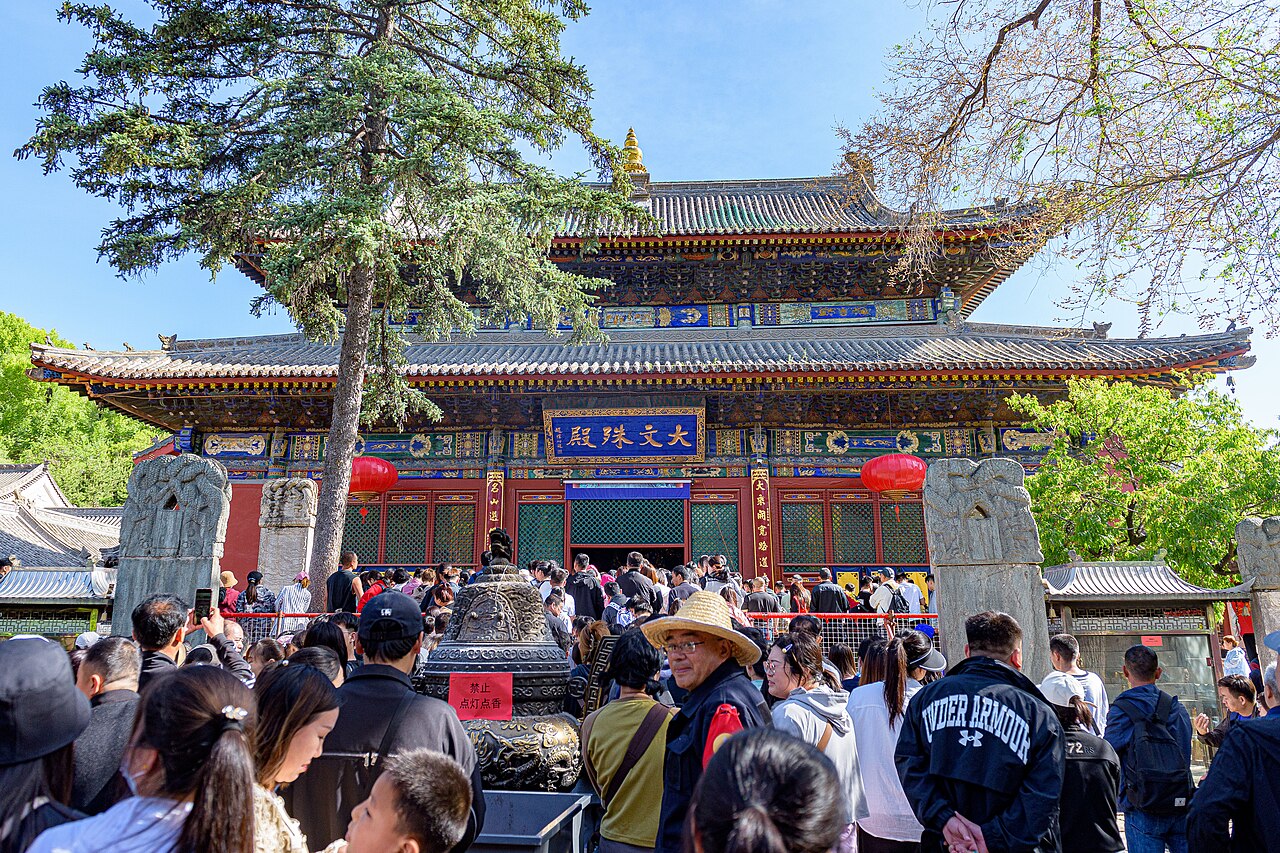
Southern China's largest temple complex, built in the Tang and expanded to nine halls and 98,500 m². Its east side holds eight Taoist halls and its west side eight Buddhist ones — a rare three-faith mix that is the temple's defining feature.

The Martyr Shrine

The Martyr Shrine

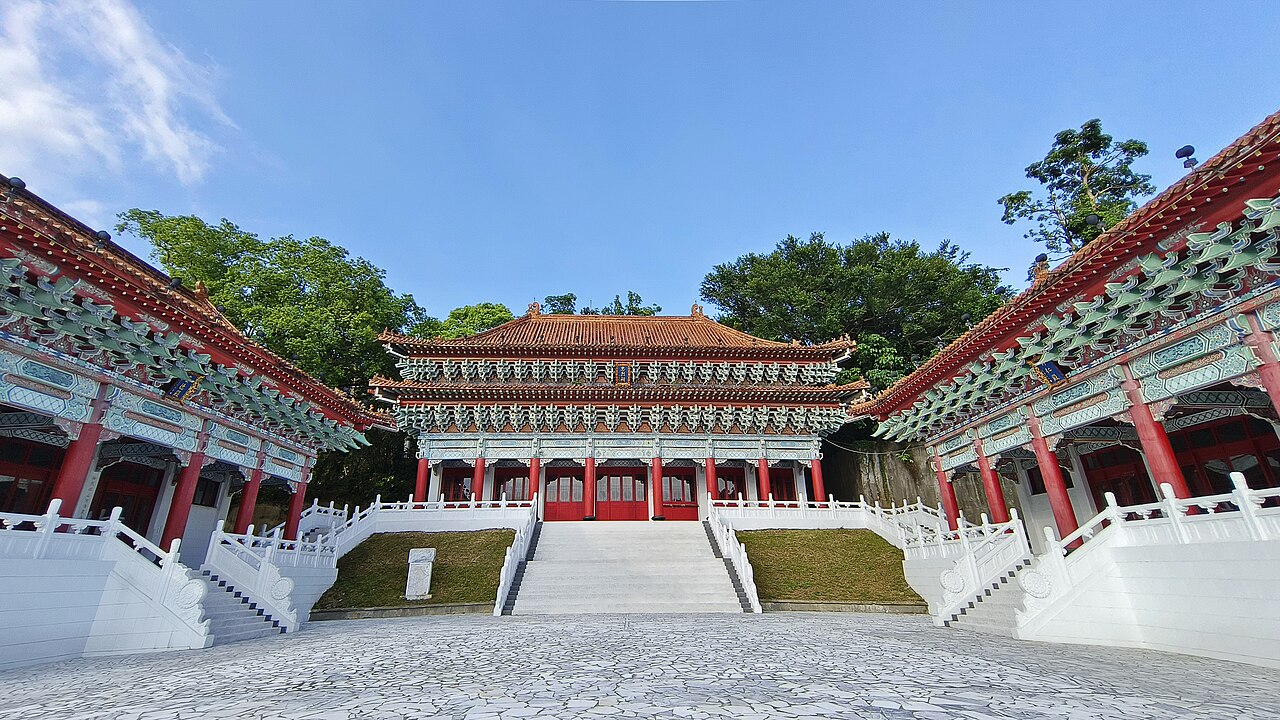
Built in 1942, the only large cemetery on the mainland for Nationalist soldiers killed fighting the Japanese. Two hundred and seventy-six stone steps rise through pine to the commemorative hall, and the whole place keeps a deliberate silence.

Shuilian Cave

Shuilian Cave

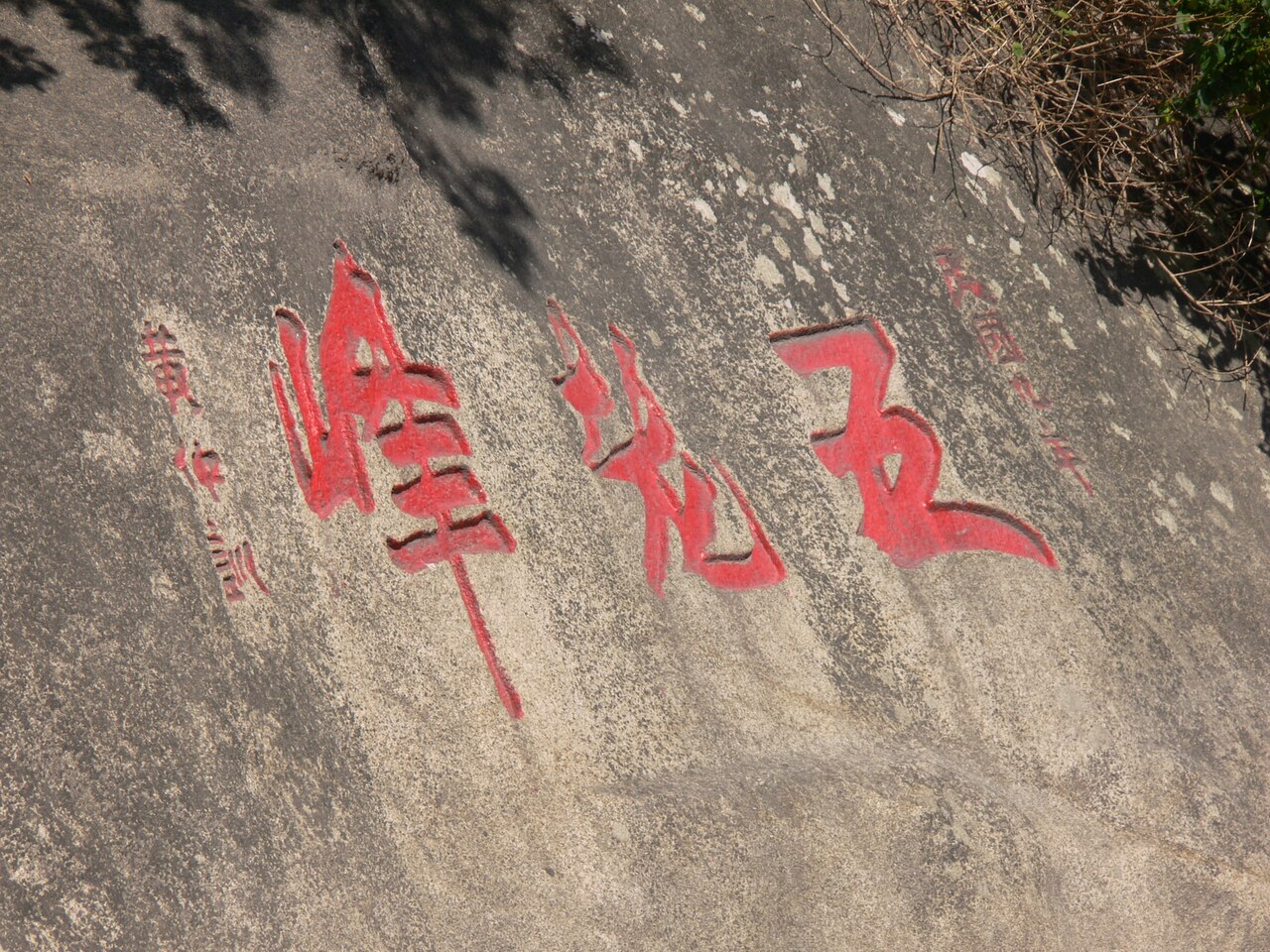
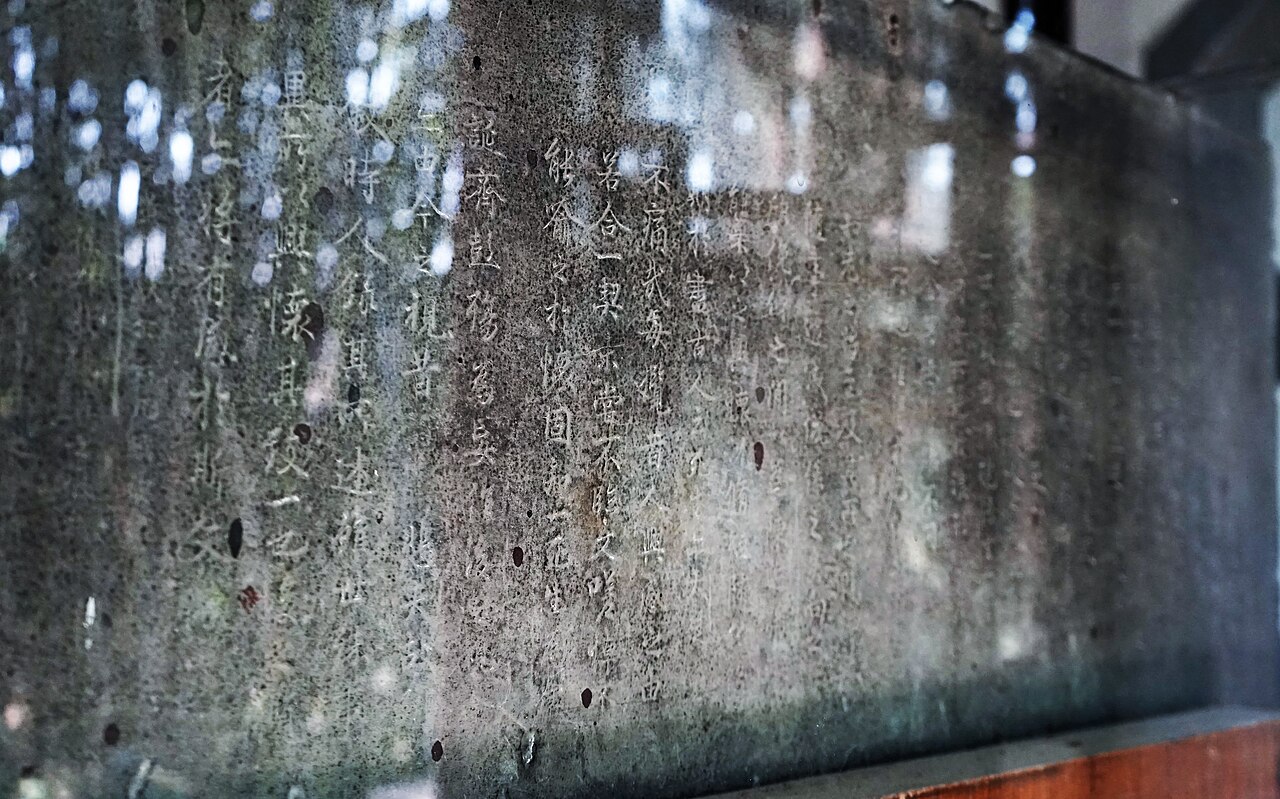
One of the 'Four Wonders of Nanyue': a waterfall 60 m high, best after rain, where the overflow of a cliffside channel hangs like a curtain. The cliffs carry inscriptions from the Tang, Song, Ming and Qing, including 'Number One Spring under Heaven'.

Mirror-Polishing Platform and Fuyan Temple

Mirror-Polishing Platform and Fuyan Temple

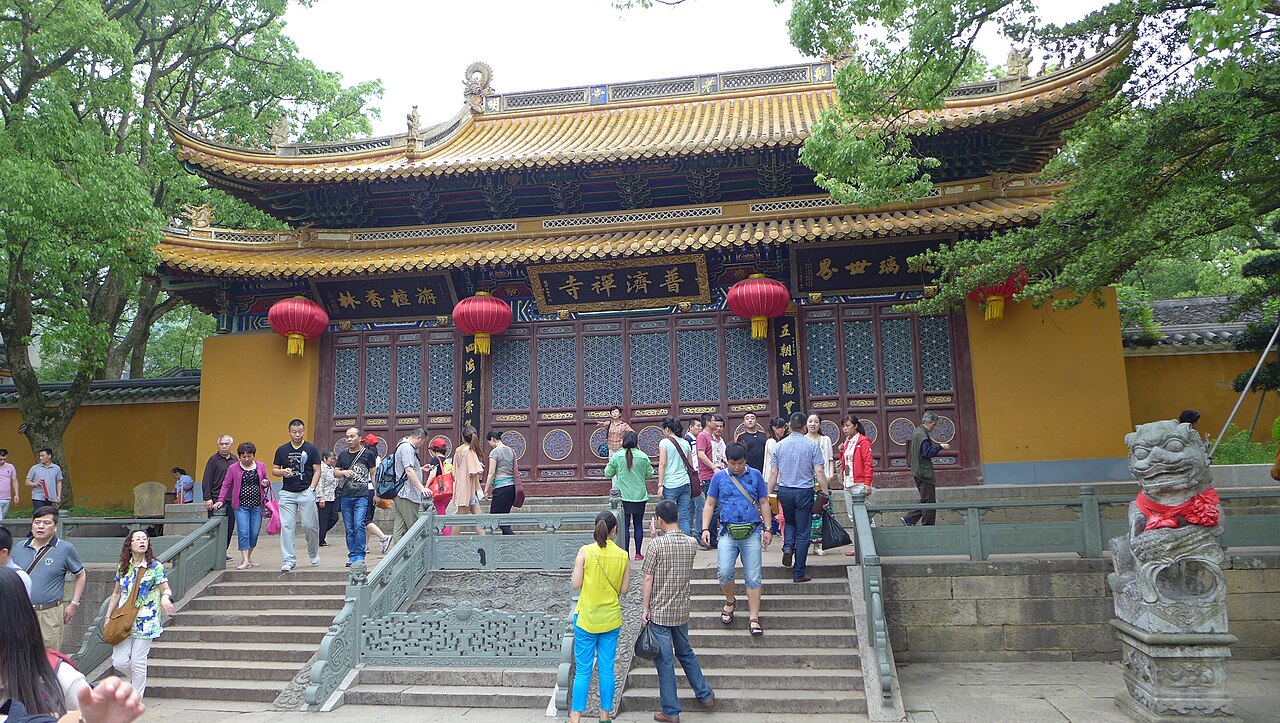
The cradle of Chan (Zen) Buddhism's southern school, where the master Huairang is said to have polished a brick into a mirror to teach a monk. Fuyan Temple, one of the ten great monasteries of Chinese Buddhism, sits on the slope just above it.

The Wanshou Ding

The Wanshou Ding

A colossal bronze cauldron 9.9 m tall and 56 tonnes, cast with 10,000 'longevity' characters and certified the largest in the world. It stands on Jiahe Peak at the entrance to the mountain, where the theme of longevity that runs through Hengshan begins.

Suggested itineraries

The two-day pilgrimage, and the one-day dash

The two-day plan sleeps near the top for the sunrise. The one-day plan gets the highlights in about six hours, but only by leaning on buses and the cable car.

Two days: temples, sunrise and the descent

2 days

The comfortable classic — the Grand Temple and the Martyr Shrine, a night near the top, then a slow descent through the temples.

  1. Day 1

    The Grand Temple to the summit

    Start at the Grand Temple, southern China's largest complex, then walk to the nearby Zhusheng Temple with its five-hundred carved luohan. Visit the Martyr Shrine to pay your respects.

    Continue on foot or by shuttle to the Half-Mountain Pavilion and South Heaven Gate, then on to Zhurong Peak, where you stop for the night to be ready for the sunrise.

    Stops: Grand TempleZhusheng TempleMartyr ShrineHalf-Mountain PavilionSouth Heaven GateZhurong Peak

  2. Day 2

    Sunrise, then down through the temples

    Get up early and take your place on Zhurong Peak for the sunrise. After it, walk down to the Scripture Library and its grove of rare trees.

    Descend past the Mirror-Polishing Platform and its view over Nanyue town, then on to Fuyan Temple and Nantai Temple. Before heading down, take in Shuilian Cave and its waterfall, and finish.

    Stops: Zhurong Peak sunriseScripture LibraryMirror-Polishing PlatformFuyan TempleNantai TempleShuilian Cave

One day: the highlights by bus

1 days

For the short of time — you ride the buses and cable car, and walk only what you cannot ride.

  1. Day 1

    Grand Temple to Zhurong to the Martyr Shrine

    Begin at the Grand Temple, then take the shuttle to the Half-Mountain Pavilion and the cable car or bus to South Heaven Gate. The last stretch to Zhurong Peak is on foot.

    Come back down to South Heaven Gate, then bus to the Martyr Shrine to pay your respects. The whole loop is about six hours, and it is worth it only if you must do the mountain in a day.

    Stops: Grand TempleHalf-Mountain PavilionSouth Heaven GateZhurong PeakMartyr Shrine

Sights

The places worth your time

Chinese ticket prices change without much notice. Treat these as a guide and confirm on arrival.

Nanyue Grand Temple

Temple · ¥50

Nanyue Grand Temple

The largest palace-style temple complex in southern China, at the foot of the mountain: nine halls on a north-south axis, from the memorial arch and the old opera stage to the main hall and the rear gate, across 98,500 m². Its distinguishing feature is that its east side houses eight Taoist halls and its west side eight Buddhist temples, so three faiths share one compound — the 'Palace of the South', they call it.

Ticket
¥50
Hours
Daylight, roughly 07:00–18:00
Where
Nanyue town, at the foot of the mountain
Getting there
The first stop as you arrive; buses and taxis from Hengyang or Hengshan
Time needed
1.5–2 hours

Tip The main hall is a scaled-down echo of the Forbidden City's Hall of Supreme Harmony, with 72 stone pillars for the 72 peaks. Come early on a festival day to watch the crowds of pilgrims, and dress respectfully.

Zhurong Peak

Summit · In the through-ticket

Zhurong Peak

The summit at 1,290 m, named for the fire god Zhurong and the highest point on the mountain. The top is bare granite and the views are enormous: the ridge running away in waves, the Xiang River like a ribbon below, in a pattern the locals call 'five dragons holding up the sage'. It is the sunrise spot, and worth the climb for that alone.

Ticket
Included in the ¥100 through-ticket
Hours
Best at dawn; early shuttles in peak season
Where
The top of the mountain
Getting there
Shuttle to South Heaven Gate, then a steep walk; sedan chair ¥120
Time needed
1 hour at the top

Tip Near the summit is the Huixian Bridge, a narrow rock span over a deep drop that the timid should admire from a distance. There is food and lodging near the top, so you need not carry everything up.

The Martyr Shrine

History · In the through-ticket

The Martyr Shrine

A solemn memorial built in 1942, the only large cemetery on the mainland for Nationalist soldiers killed in the war against Japan. It climbs a slope between pines and streams, with a granite avenue and 276 steps linking the arch, the memorial tower, the hall and the shrine, over 14,400 m². Thirteen large tombs hold the remains of soldiers of the Ninth War Zone.

Ticket
Included in the ¥100 through-ticket
Hours
Daylight
Where
About 4 km from Nanyue town, on the way up
Getting there
On the sightseeing-bus route; a stop on the climb
Time needed
1 hour

Tip This is a place of mourning. Keep your voice down, do not play music, and give the graves the room they deserve. It is the sort of stop that stays with you longer than the views.

Shuilian Cave

Waterfall · ¥30

Shuilian Cave

One of the 'Four Wonders of Nanyue', 4 km from Nanyue town under Zigai Peak. Water from the peak flows into a rock channel and overflows in a curtain about 60 m high, best in the days after rain, when a rainbow hangs in the spray. The cliffs carry inscriptions from four dynasties, including a Ming 'Number One Spring under Heaven'.

Ticket
¥30
Hours
Daylight
Where
Under Zigai Peak, about 4 km from Nanyue town
Getting there
Bus or taxi from the town; on the lower reaches of the mountain
Time needed
1–1.5 hours

Tip Go after rain for the full fall. In a dry spell it can be a trickle, and then the cliff inscriptions are the attraction instead. The Snow-Wave Pavilion below is a fine place to sit and watch.

Mirror-Polishing Platform and Fuyan Temple

Zen history · In the through-ticket

Mirror-Polishing Platform and Fuyan Temple

The cradle of the southern school of Chan (Zen) Buddhism, where the master Huairang is said to have polished a brick to teach a monk — the 'polished brick' koan — and where his tomb and an inscribed pagoda still stand. Fuyan Temple just above, one of the ten great monasteries of Chinese Buddhism, is a working monastery famous for its teaching line.

Ticket
Included in the ¥100 through-ticket
Hours
Daylight
Where
On the mid-mountain slope
Getting there
On the shuttle and walking routes down from the peak
Time needed
1.5 hours

Tip The view from the platform over Nanyue town, with old pines around, is one of the best on the mountain. Fuyan Temple is a monastery, not a museum — if the monks are at prayer, be quiet and do not intrude.
Nantai Temple and the Vajra Relic Pagoda

Monastery · In the through-ticket

Nantai Temple and the Vajra Relic Pagoda

Said to be the 'source of Buddhist law under heaven', Nantai Temple is a monastery that the Japanese Soto school regards as an ancestral temple — a status that once brought gifts of scriptures from Japan. Behind it rises the Vajra Relic Pagoda, a 48 m octagonal tower on a 24 m granite base, the largest high-mountain pagoda of its kind in the Yangtze region.

Ticket
Included in the ¥100 through-ticket
Hours
Daylight; the pagoda's upper floors have visiting hours
Where
Below the peak, near Fuyan Temple
Getting there
On the descent route by shuttle or on foot
Time needed
1–1.5 hours

Tip The pagoda's relics are objects of worship and not on show, but visitors may climb to the eighth floor for a sweeping view over the countryside and Nanyue town. The temple's collection of rare plants — including the odd leafless 'snow flower' — is a quiet bonus.

The Wanshou Ding and Scripture Library

Landmarks · ¥30 · In the pass

The Wanshou Ding and Scripture Library

At the foot, on Jiahe Peak, stands the Wanshou Ding — a bronze cauldron 9.9 m tall and 56 tonnes, cast with 10,000 'longevity' characters from every dynasty, and certified as the world's largest. Higher up, the Scripture Library, founded in the Southern Dynasties and rebuilt in the 1930s, sits in a grove of rare trees with three famous oddities: a 'money tree', twin trunks and interlocked branches.

Ticket
Wanshou Ding ¥30; Scripture Library included in the pass
Hours
Daylight
Where
The Ding at the foot; the Library on the upper slope
Getting there
The Ding as you enter; the Library near the summit
Time needed
1 hour each

Tip The Ding is a quick stop on the way in, and a good photograph. The Scripture Library is worth seeking out on the way down for its ancient trees and the cool, deep quiet of the grove.

Eating

What Hengshan tastes like

The mountain is a Buddhist and Taoist stronghold, so vegetarian dishes are the signature, with the many kinds of tofu leading the way. But this is still Hunan — the chilli is real.

Nanyue vegetarian tofu

The mountain's signature: tofu in a dozen treatments — home-style braised, clay-pot, meatball, stuffed, cold-dressed, fried — cooked so that the flavours run sour, sweet, salty, hot and fragrant. The dishes of a Buddhist temple banquet, and better than they sound.

Soft tofu pudding

Made from good soybeans and sweet mountain spring water, then served barely set and faintly sweet — a yuan a bowl in the old town, best before 9am. It is the cheapest and most local thing you will eat on Hengshan.

Pailou tangyuan

A Hengyang snack: rice pressed and cut into short lengths, rolled into little dumplings and boiled, then served with spring onion and white pepper. The broth is clear, the balls soft, and the whole bowl finishes hot and sharp.

Suckled snails (suo luo)

A local snack known as 'drinking snails': field or river snails fried with tea oil and chilli, then boiled in broth. You suck them from the shell. Hot, fragrant, sharp and moreish — a beer-garden classic.

Fish-head tofu

A Hengyang speciality: a bighead carp head with half a fish, glazed with soy and chilli-bean paste and sugar, then braised with tofu, mushroom and ginger. The broth comes out deep, savoury and just hot enough — a proper Hunan fish dish.

Lotus-leaf rice parcels

A Hengyang country dish of a thousand years: seasoned rice mixed with egg, lean pork, roast meats, shrimp, chicken and mushroom, wrapped in a fresh lotus leaf and steamed. Yellow and white, oiled, glossy, faintly perfumed — best eaten in summer when the leaves are on.

Where to eat

Restaurants worth the address

Phone numbers are local landlines; add +86 and drop the leading 0 if calling from abroad.

Hunan · Old-fashioned

Da He Tang

An honest Hunan restaurant with an old-fashioned feel and a friendly owner. The kitchen is a little oil-heavy, so if you like it light, say so when you order — but the flavours are true. Good for a first proper Hunan meal off the mountain.
Order
Hunan home cooking; mention if you want it less oily
Where
217 Fangguang Road, Nanyue district
Phone
0734-5672388
Spend
About ¥33 a head

River fish · Very local

Yi Wan Qing Shen (Hengdong River Fish)

A local favourite for river fish, cooked properly but decidedly hot — if you cannot take chilli, either ask them to ease off or order elsewhere. This is the sort of place locals bring friends for a big, honest Hunan fish dinner.

Order
The river fish; specify your chilli tolerance
Where
Beside National Road 107, Bali ping, Hengshan county
Phone
0734-5882788
Spend
About ¥70 a head

Hunan · Big flavours

Yuanshi Buluo (Primitive Tribe) Restaurant

A restaurant for those who like it heavy — sturdy, spicy Hunan cooking done in the local way. Popular with locals and convenient for a large meal after a day on the mountain.
Order
Spicy Hunan dishes; ask for the house specialities
Where
Hengfu Road, Nanyue district
Spend
About ¥30 a head

Country cooking · Cheap

Fenglai Ji

A small, plain place for proper local country cooking, right on the centre-mountain route near Zhusheng Temple. No frills, low prices, and the kind of food that tastes best after a lot of walking.

Order
Local country dishes
Where
South of Zhusheng Temple, centre-mountain scenic area, Nanyue district
Spend
About ¥15 a head

Night food · Until late

Wanshou Square food stalls

The evening food scene in Nanyue town, about 50 m behind the Grand Temple, where the smell of chilli and grilled food runs until three or four in the morning. The flavours are Hunan and Nanyue, mostly hot, and the prices ordinary.

Order
Grilled snacks, chilli dishes, cold beer
Where
Wanshou Square, Nanyue town (behind the Grand Temple)

Sleeping

Where to stay

Stay near the summit to see the sunrise, or in Nanyue town or at the Half-Mountain Pavilion for comfort and value. Peak season and festival days fill fast.

Hostel · from ¥50 a bed

Nanyue Hengshan OP International Youth Hostel

The first international youth hostel on Hengshan, loved by backpackers for its cartoon wall art and its 20 Mbps wifi, board games and cosplay nights. Simple, sociable and cheap. Beds from ¥50.

Price
Beds from ¥50
Where
Jinpen residential area, Nanyue (free bus 1 to the visitor centre, then back 100 m)
Phone
0734-5678567

Farmhouse · from ¥156

Shanjule Inn

One of the earliest farmhouse inns in the centre-mountain area, combining food, lodging, leisure and summer cool. It neighbours the Magu Fairyland and Lingzhi Spring, with forests on all sides and the Mirror-Polishing Platform and Fuyan Temple a short way off.

Price
Rooms from ¥156
Where
Beside Lingzhi Spring, mid-mountain, Nanyue district
Phone
0734-5667070

Inn · from ¥168

Yanxia Inn

An inn of 45 individually themed rooms close to the Grand Temple, two minutes on foot from the centre scenic area and convenient for the bus station. Good location and complete facilities, with the old town's life right outside.

Price
Rooms from ¥168
Where
Jinpen area, Jinsha Road, Nanyue district (opposite the tax office)
Phone
0734-5662012

Hotel · from ¥331

Shenlong Shouyue International Hotel

A newer, near-five-star resort-style hotel on Zhurong South Road in the scenic area, facing the mountain's highest peak and near Tianshan Forest Park. Comfortable rooms and easy road access — a good choice if you want a proper hotel rather than an inn.

Price
Rooms from ¥331
Where
Zhurong South Road, Nanyue scenic area
Phone
0734-5688888

Hotel · from ¥220

Wuyue Scenic Hotel (Nanyue branch)

Sitting 500 m from the foot of the mountain, beside National Road 107 and 20 minutes from the Beijing–Zhuhai expressway, with a large car park and a bus stop for the mountain. A good, easy base for drivers.
Price
Rooms from ¥220
Where
51 Xinsheng Road, Nanyue district
Phone
0734-5393888

Getting around

Arriving, and moving about

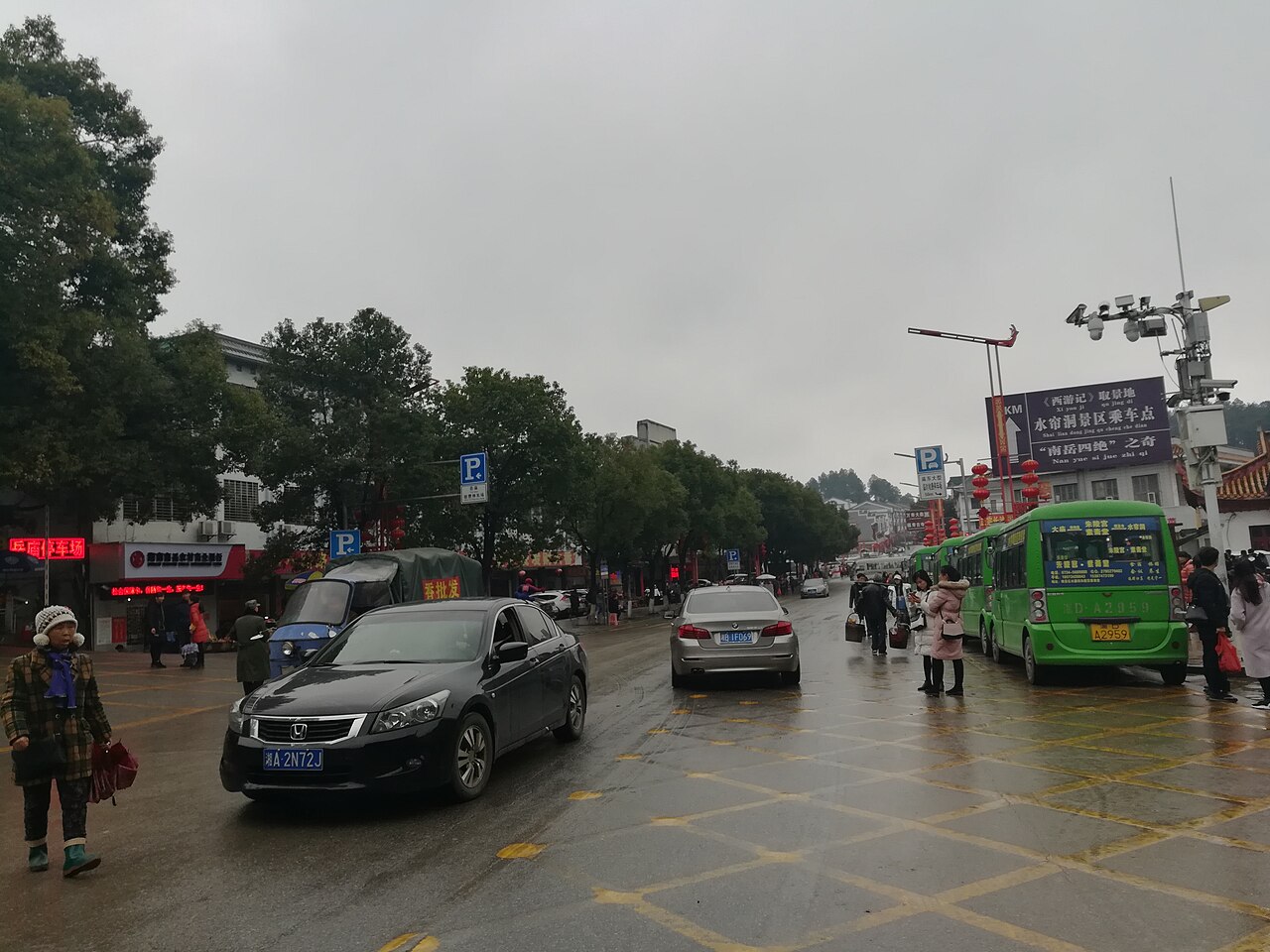
Social vehicles cannot enter the scenic area, so you ride the green shuttle buses and the cable car.

By air

Hengshan has no airport of its own. The usual gateway is Changsha Huanghua (CSX), with 86 routes to more than 60 cities, from which buses run on to Nanyue in about two hours.

Airport
Changsha Huanghua (CSX)
To Nanyue
Bus from Changsha South Bus Station, ¥32 air-conditioned, about 2 hours

By rail

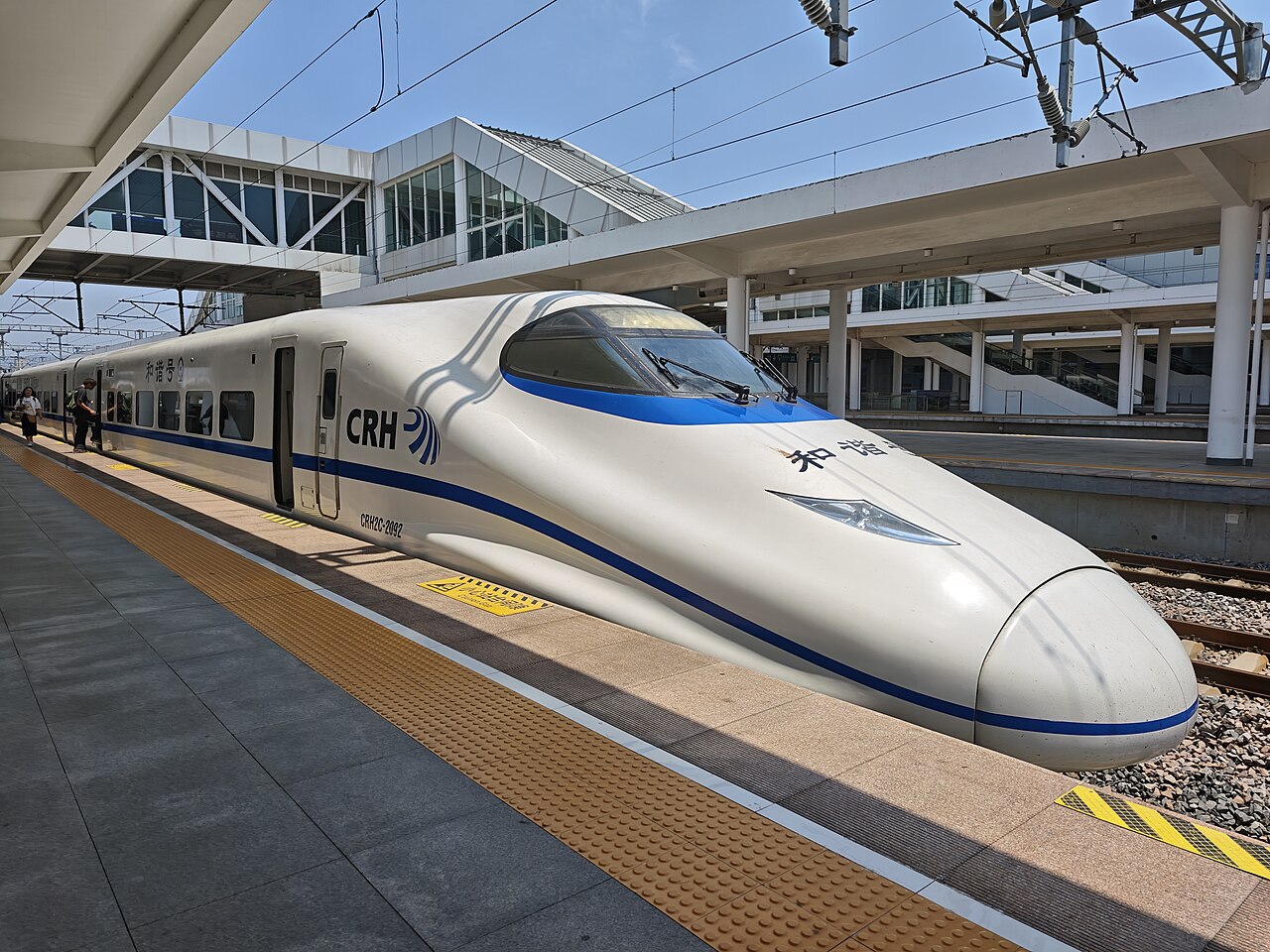
Two useful stations: Hengyang, 45 km from the scenic area, and Hengshan, just 16 km. Hengshan West on the high-speed line is closest of all. Note that Hengshan Station and Hengyang Station are not the same place.

Hengyang Station
45 km from the scenic area
Hengshan Station
16 km; buses to the Nanyue gateway every 10 minutes, 06:00–18:00
From Hengshan West
15–20 minutes to the Nanyue archway, ¥4

Tell your driver 'Nanyue Hengshan scenic area', not just 'Hengshan' — locally 'Hengshan' means the county town, which is the wrong place.

Shuttle buses

The green shuttle buses run the mountain from the gate, connecting the temples and the viewing spots. Social cars are not allowed, so this is how everyone moves between the lower stops.

Main line day pass
¥25, valid the same day
Gate to Half-Mountain Pavilion
¥24 return (¥12 each way)
Half-Mountain to South Heaven Gate
¥20 return (¥10 each way)
South Heaven Gate to Zhurong Peak
¥10 return (¥5 each way)

Cable car

The cable car runs from the Kangjialong gate area up to South Heaven Gate, taking most of the steep work out of the climb. Fares rise in the ice season.

Return
¥70 (¥110 in the ice season)
Single
¥40 each way
Hours
07:00–18:00

Sedan chair

Between South Heaven Gate and Zhurong Peak, porters carry visitors up the final stretch in sedan chairs — a historic service, and a genuine option if the stairs are beyond you.

South Heaven Gate to Zhurong Peak
¥120
Zhurong Peak to South Heaven Gate
¥100
Note
Agree the price before you set off

Local buses and taxis

In Nanyue town, buses 1–4 are free and run 06:00–18:00, which covers most of the town. Taxis are cheap; from Hengyang, a metered or negotiated ride to Nanyue is about ¥100–150.

Free town buses
Routes 1–4, 06:00–18:00
Taxi flagfall
About ¥5 for 2 km, then ¥2 a km
Hengyang to Nanyue
About ¥100–150 by taxi

Shopping

What to take home

Hengshan sits on the north-south divide, so its specialities are hard to find elsewhere — good gifts, especially the tea.

Longevity cakes (shou bing)

Said to be 4,000 years old, from a cake the emperor Shun is supposed to have tasted on his southern tour. Sweet but not cloying, crisp and light, and a fixture of the shrine's incense-season offerings — a fitting Hengshan gift.

Cloud-mist tea

Hengshan's own tea, brisk and fragrant, sold all over the town and at the summit. A packet makes an ideal souvenir: brew a pot at home and the mountain comes back to you.

Shou jiu (longevity liquor)

A white spirit infused with cordyceps, lingzhi, goji and other herbs and blended with mountain spring water. Smooth and warming, marketed as a tonic — the traditional gift for an elder.

Goose mushrooms (yan'e jun)

Among the dozens of mushrooms on the mountain, this is the prized one: pale brown, umbrella-shaped, tender and fragrant, good in noodles, soup or stir-fried with meat. Dried, it travels well.

Practical

The numbers to save

Staffed English help is thin on the mountain. Save these before you need them.
Emergency (police / ambulance / fire)110 · 120 · 119
Tourism enquiries and complaints0734-5671111 · 0734-5663315 · 0734-5673377
Medical assistance0734-5678120 · 0734-5675120
Hengyang Central Hospital12 Yancheng Road · 0734-8275760
Hengshan County Hospital7 Baishi Lane, Kaiyun town · 0734-5826911
Nanyue police stationsNanyue town 0734-5662345 · Zhurong Peak 0734-5663018
Best monthsLate summer for clear air; December–February for rime ice
What to packRain gear, a warm layer (the top is about 10°C cooler than the town), snacks and water

Tips

Small things that save a trip

Say 'Nanyue', not 'Hengshan', to your driver

Locally, 'Hengshan' means the county town, which is the wrong place. Always say 'Nanyue Hengshan scenic area' (南岳衡山风景区) when you ask directions, buy a ticket or book a car.

Carry rain gear — the weather turns fast

Hengshan sits under cloud for nearly seven months of the year, and the forecast on your phone does not know the mountain. A light rain shell is more useful than an umbrella, which the wind will take.
Pack a warm layer for the summit

The top runs about 10°C colder than the town below, and the sunrise is cold whatever the season. Bring a proper jacket even in summer, and expect the wind to bite at Zhurong Peak.

Watch the signposts — they are few

The mountain's waymarking is sparse and unclear, and it is easy to take the wrong path. If you get lost, head for the sound of vehicles — reaching the road gets you out.

Leave the big luggage in the town

Store anything you do not need at a guesthouse near the Grand Temple before you climb, and carry only a small pack. You will thank yourself on the stairs.

Avoid the incense-season crush if you can

The traditional incense season peaks on the first day of the eighth lunar month, when crowds top 100,000 and every hotel is full. Unless the pilgrimage is why you came, pick another week.

Background

Why Hengshan looks like this

Geography and climate

Mount Heng is built from granite laid down about 180 million years ago, and its 72 peaks run for 400 km across Hunan, from Huiyan Peak in the centre of Hengyang in the south to Yuelu Mountain in Changsha in the north. The scenic core, with Zhurong Peak at its centre, rises to 1,300 m above the Nanyue district of Hengyang. Its climate is gentler than the other Four Great Peaks — lush, green, endlessly wooded — which is why the poets called it 'the South Great Peak, alone like flying'.

The mountain is wrapped in cloud for nearly seven months of the year and divides visibly into three 'layers of sky' as you climb, each cooler than the last. Mist and low cloud are common, which is why locals say the mountain looks best on a grey day, and why the rime ice of winter — rare this far south — forms so readily.

History and religion

Hengshan is one of the Five Great Peaks named in China's oldest texts — the Book of Documents, the Rites of Zhou, the Classic of Mountains and Seas. It became a place of worship early and never stopped: by the Tang it was drawing pilgrims in numbers, and the custom of coming to burn incense lasted through the dynasties and still runs today. Its other name, the Longevity Mountain, comes from the star it is said to govern, the star of human lifespan, and from the imperial titles that fixed it as the 'mountain of longevity'.

It is also rare in being both a Buddhist and a Taoist holy mountain at once, and in letting the two share the same compound. The Grand Temple has eight Taoist halls on one side and eight Buddhist temples on the other; round the mountain there are more than 200 temples, shrines and monasteries. Nantai Temple is an ancestral temple for Japan's Soto school, and the mountain held an important place in the transmission of Chan Buddhism. Today it is a working pilgrimage site as much as a scenic one — a mountain of both faith and views.

Travel with them

Hengshan on screen and in print

Not guides — a sitcom, a wuxia novel and a guzheng piece, each with a thread back to the mountain.
TV series

My Own Swordsman (Wulin Waizhuan)

2006

One of China's most-watched sitcoms, set in a fictional Ming-era inn where the great martial schools of the picaresque world cross paths. One of its leads is the sister of the 'Master of the Hengshan School', a running joke that has made the mountain's name familiar to a whole generation of viewers.

Book

The Smiling, Proud Wanderer

Jin Yong

Jin Yong's classic wuxia novel, in which the Five Great Peaks' sword schools — Hengshan among them — scheme and duel for supremacy. Bound up in the mountain's name is a whole imagined world of sect politics, and it is the reason many Chinese readers first wanted to see Hengshan for themselves.

Music

Making a Wish Before the Buddha

Fu Na (guzheng)

A Buddhist song about the pilgrims who come to pray at Nanyue, reworked as a solo guzheng piece. Wordless and unhurried, it captures the mood of the mountain — the one that makes people climb the whole way just to bow at the top.

The questions visitors ask us most about Mount Heng (Hengshan, Hunan), answered plainly.

Frequently asked questions

Prices and practical details are reviewed every month by our Beijing team and updated the day a rule changes.

Is this the same as Mount Heng in Shanxi?

No — they are entirely different mountains. This is Mount Heng in Hunan, the Nanyue or South Great Peak, a Buddhist and Taoist pilgrimage mountain above Hengyang. The other Hengshan is in Shanxi, far to the north. Make sure your tickets and your driver both say Hunan's Nanyue.

What is the best time to visit Mount Heng?

Late summer and early autumn, when the air is clearest and the slopes still green, is the classic season. Winter, from December to early February, is the second great season for the rime ice that coats the mountain. Avoid the first day of the eighth lunar month, when pilgrim crowds top 100,000.
Can I watch the sunrise on Hengshan?

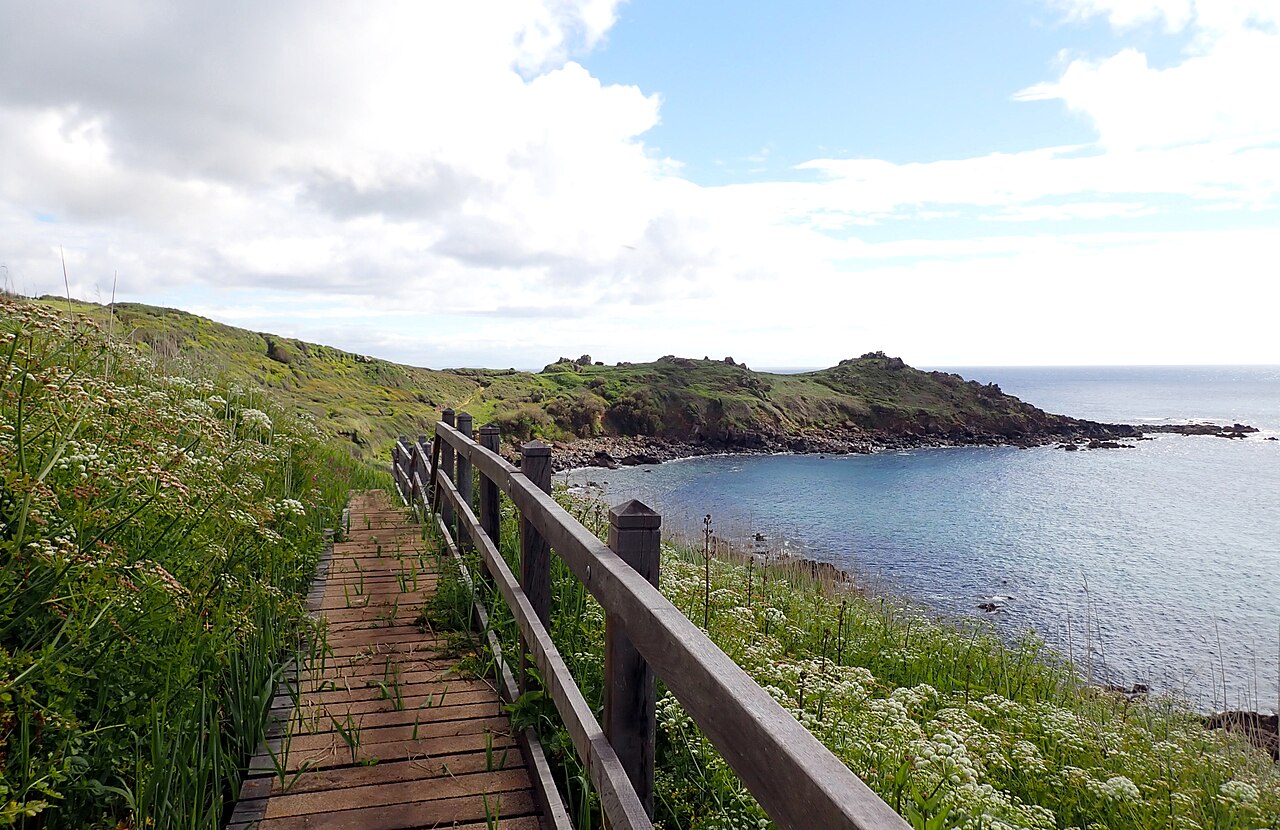
Yes, and it is the main event. The spot is Zhurong Peak; most people sleep near the summit or start up in the dark. There is accommodation and food near the top, and early shuttle buses, but check the sunrise time on your hotel's notice board and leave plenty of margin — the mountain paths are poorly signposted.

Do I need to walk the whole way up?

No. Shuttle buses and a cable car cover most of the climb from the gate to South Heaven Gate, leaving only the final stretch to Zhurong Peak on foot. That said, the temples and scenery between are the point, so most people walk at least the middle section. A day pass on the sightseeing bus is ¥25.
Which temples should I see?

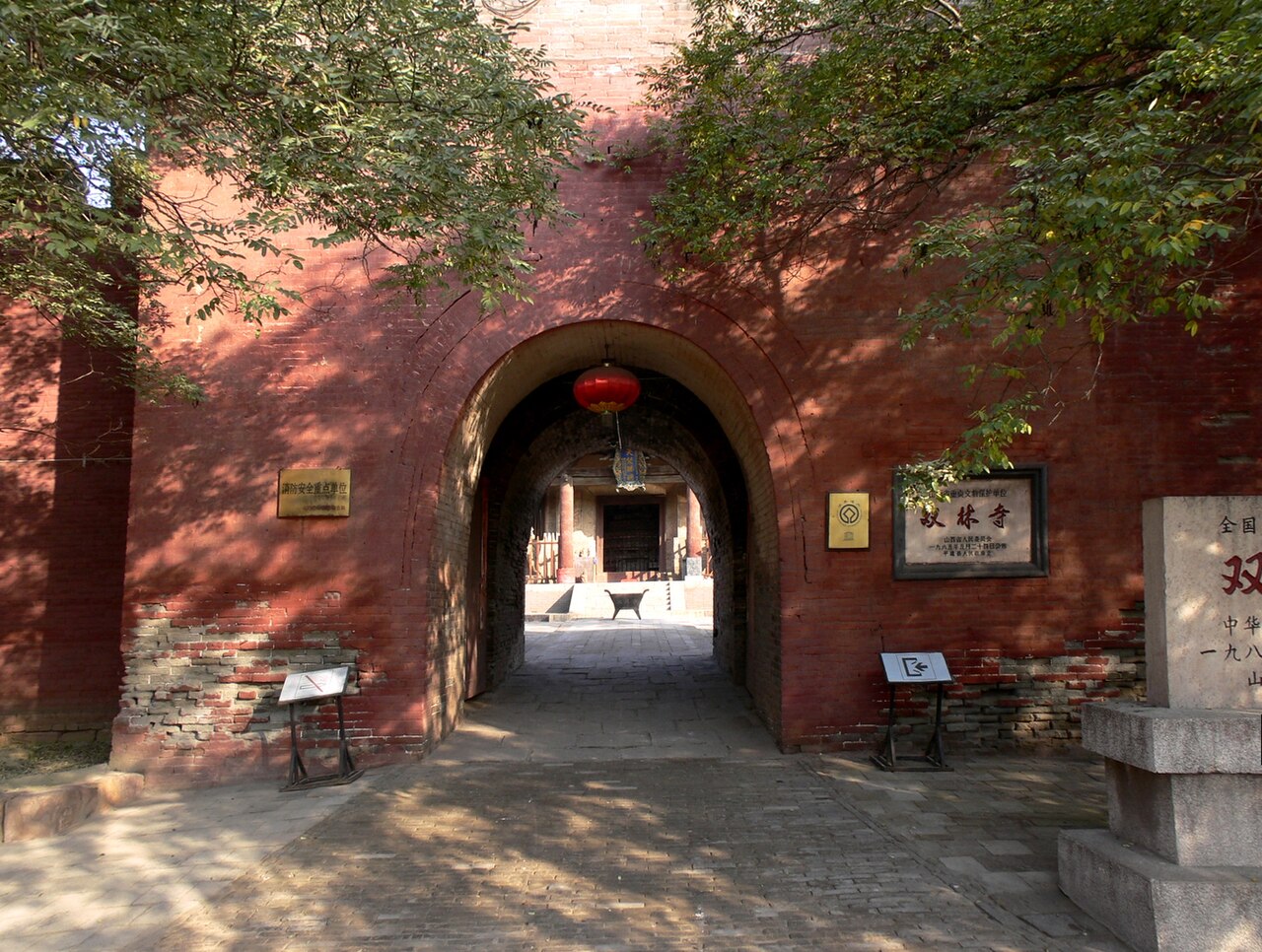
Nanyue Grand Temple at the foot is the one not to miss — southern China's largest complex, nine halls, and a rare Taoist-Buddhist-Confucian mix. Further up, Zhusheng Temple, Fuyan Temple and Nantai Temple are the important monasteries, and the Martyr Shrine is a moving historical stop. Keep the shrine's hush in mind and keep your voice down.
What should I eat on Hengshan?

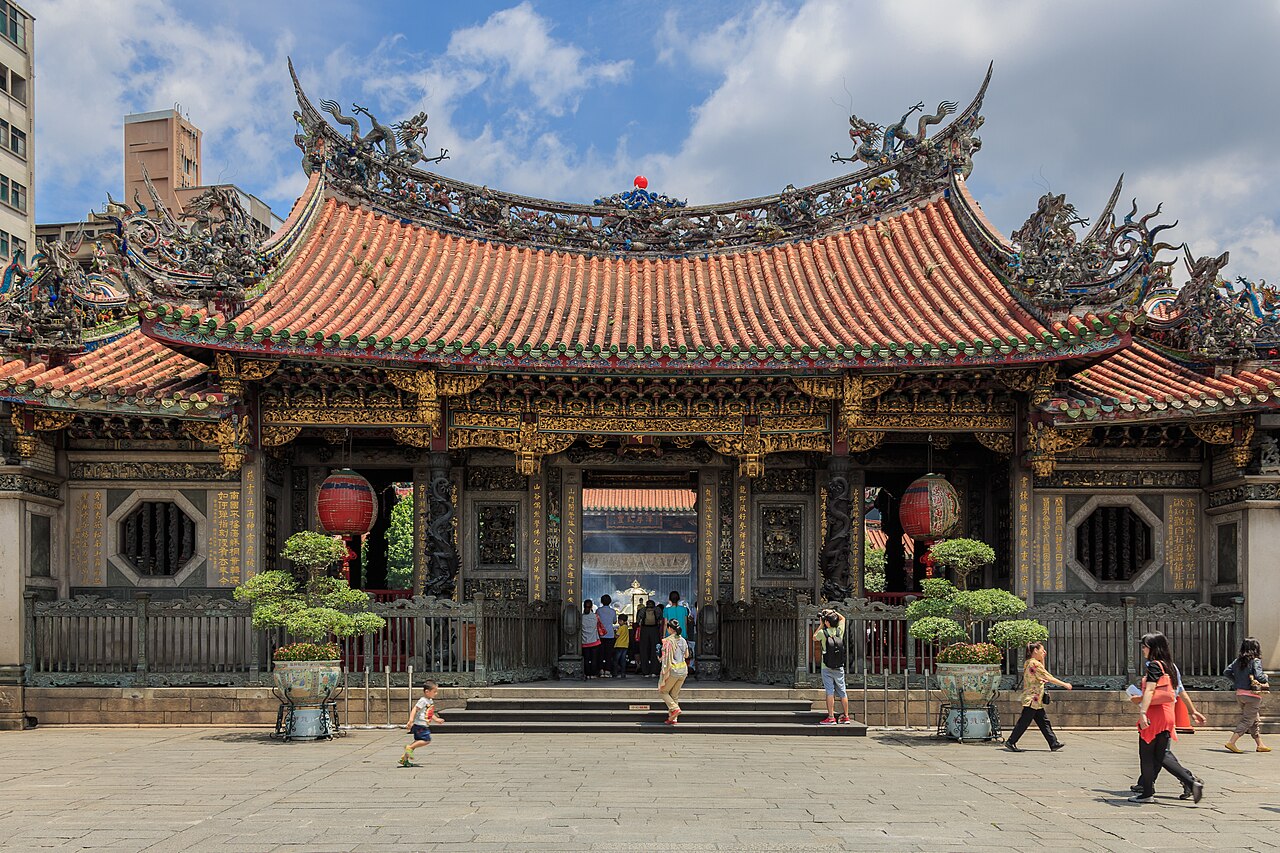
The mountain is a Buddhist and Taoist stronghold, so vegetarian food is the signature — especially the many tofu dishes, and the soft tofu pudding sold in the old town for a yuan a bowl before 9am. Order the local river-fish head with tofu, and if you like heat, the Hunan-style river-fish restaurants are excellent.
How do I get to Hengshan?

By air, fly to Changsha Huanghua (CSX) and take a bus to Nanyue, about two hours. By rail, Hengyang Station is 45 km from the scenic area and Hengshan Station just 16 km; from Hengshan West on the high-speed line, a bus reaches the Nanyue gateway in 15–20 minutes. Remember Hengshan Station and Hengyang Station are two different places.

Related reading

Related reading

Visas Do I Need a Visa for China? Requirements, Costs and How to Apply China's entry rules changed more in the last three years than in the previous twenty. Here is exactly who needs a visa, what it costs, how long it takes and which passports now walk straight through. 9 min read Visas China's 240-Hour Visa-Free Transit: Who Qualifies and How It Works Ten days in China with no visa application, no fee and no fingerprints — if you hold the right passport and leave for a third country. Here is the rulebook, port by port. 8 min read Money Paying in China: Alipay, WeChat Pay, Cards and Cash Roughly nine in ten urban payments in China now run through a phone. Set up two apps before you fly, carry a modest cash float, and you will never be stuck at a till. 8 min read Transport China's High-Speed Rail: How to Book, What It Costs, How Fast It Goes The fastest way to cross China is also the most pleasant. Here is how to book a ticket with a foreign passport, what the three classes actually give you, and how to survive a Chinese station at rush hour. 9 min read Planning Best Time to Visit China: Month by Month, Region by Region China is the size of Europe, so 'the best month' depends on where you stand. Here is the month-by-month answer for the north, the Yangtze valley, the south and the plateau. 8 min read Planning What to Pack for China: The Complete 2026 Checklist Twenty thousand steps a day, three climate zones and a phone that has to do everything. This is the list we give our own travellers, minus the things they never used. 7 min read Food Chinese Food Culture: Eight Cuisines, One Table There is no such thing as Chinese food. There is Cantonese, Sichuan, Hunan, Jiangsu, Zhejiang, Fujian, Anhui and Shandong — and knowing which one you are eating changes everything. 8 min read Traditions Chinese Tea Culture: Six Classes, One Pot, Two Fingers Tea in China is not a beverage category, it is a social technology: it fills silences, seals deals and sets the pace of a meal. Here is how to sit down in one and not look lost. 7 min read Traditions Chinese Festivals: The Calendar, the Dates and the Crowds Lunar dates mean the calendar moves every year — and two of the festivals move several hundred million people at once. Plan around them or plan into them, but never by accident. 8 min read Etiquette Chinese Etiquette: What Matters, What Does Not, and Why Most etiquette advice for China is either obvious or wrong. These are the dozen behaviours that actually change how you are treated, and the reasoning behind each. 7 min read

Tell us your dates.
We'll do the rest.

Free itinerary design, a revised plan within one working day, and nothing charged until you approve the final version.

  • This is Hunan's Hengshan (Nanyue), a Buddhist and Taoist pilgrimage mountain — not the Hengshan in Shanxi.
  • Zhurong Peak, at 1,290 m, is the summit and the sunrise spot; the Grand Temple at its foot is southern China's largest temple complex.
  • The park through-ticket is ¥100; the Grand Temple is ¥50, Wanshou Ding ¥30, Shuilian Cave ¥30.

No spam. No sales calls. Just a real itinerary from a real person.