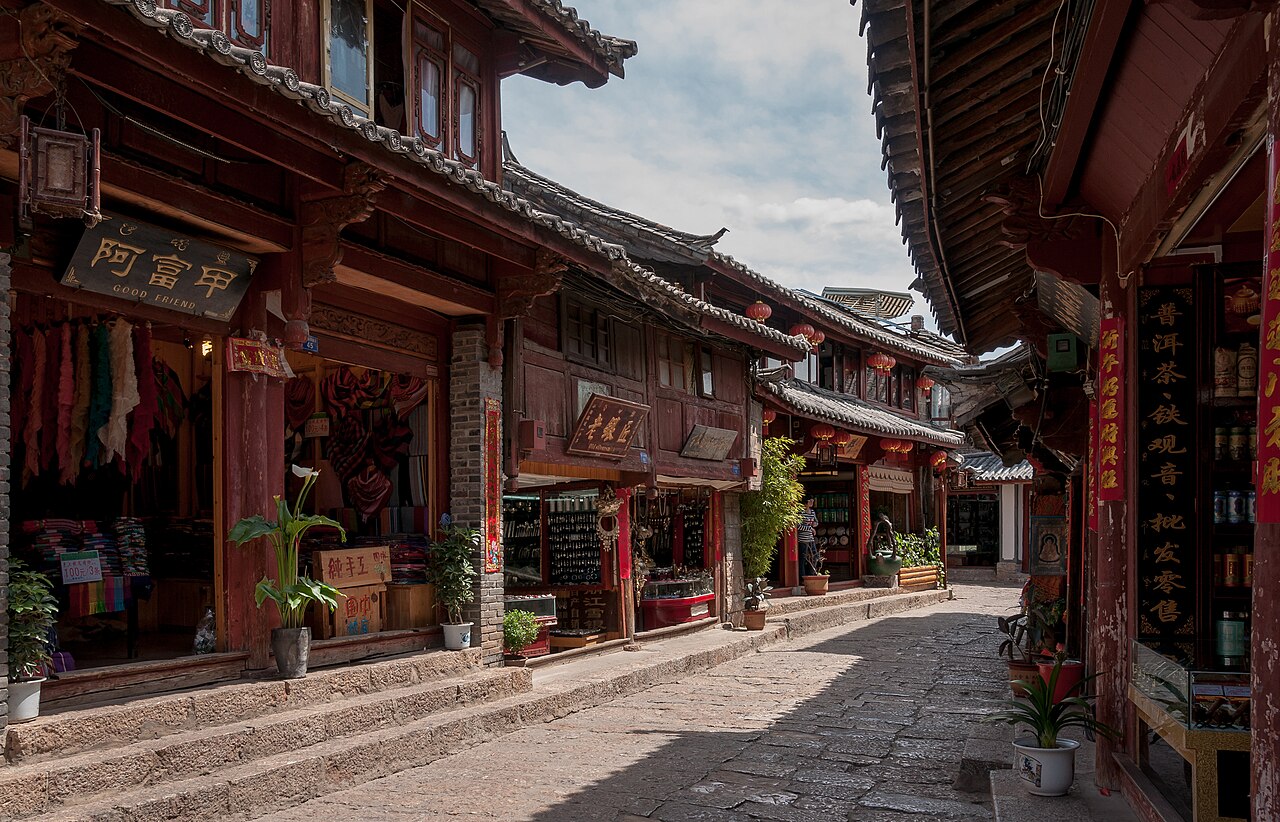
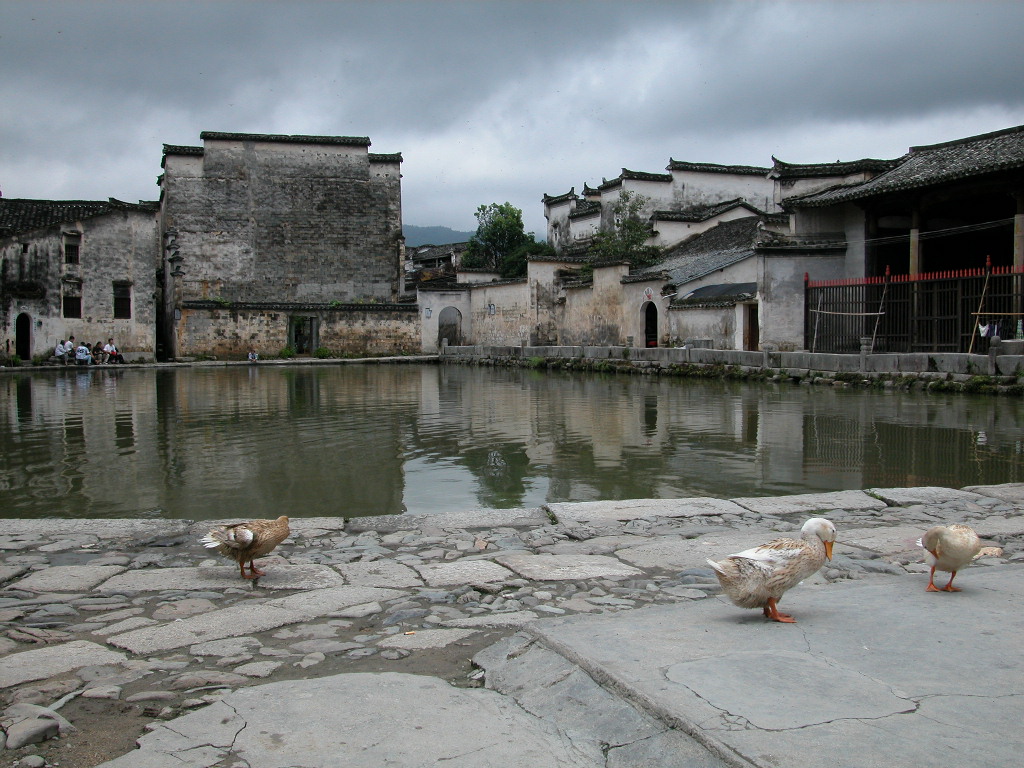
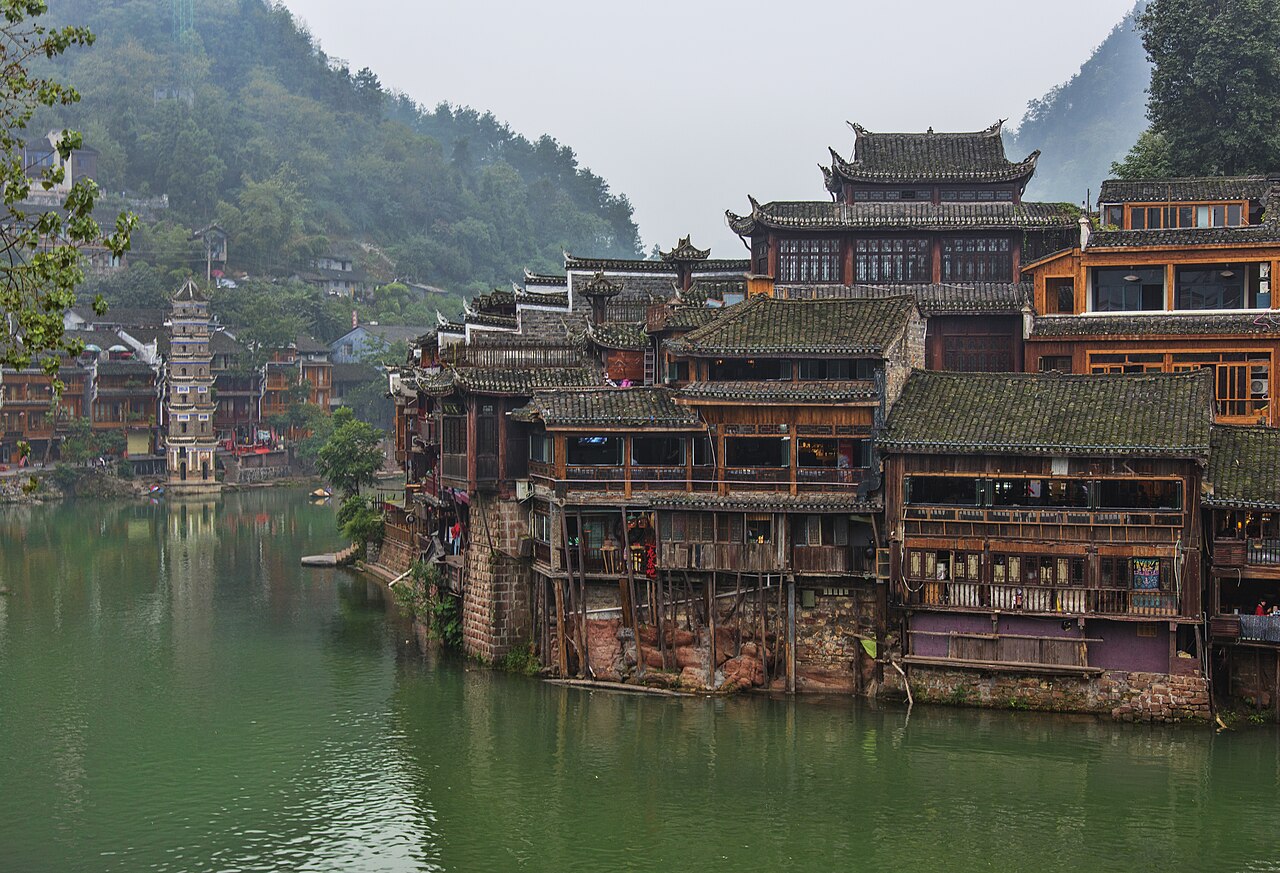
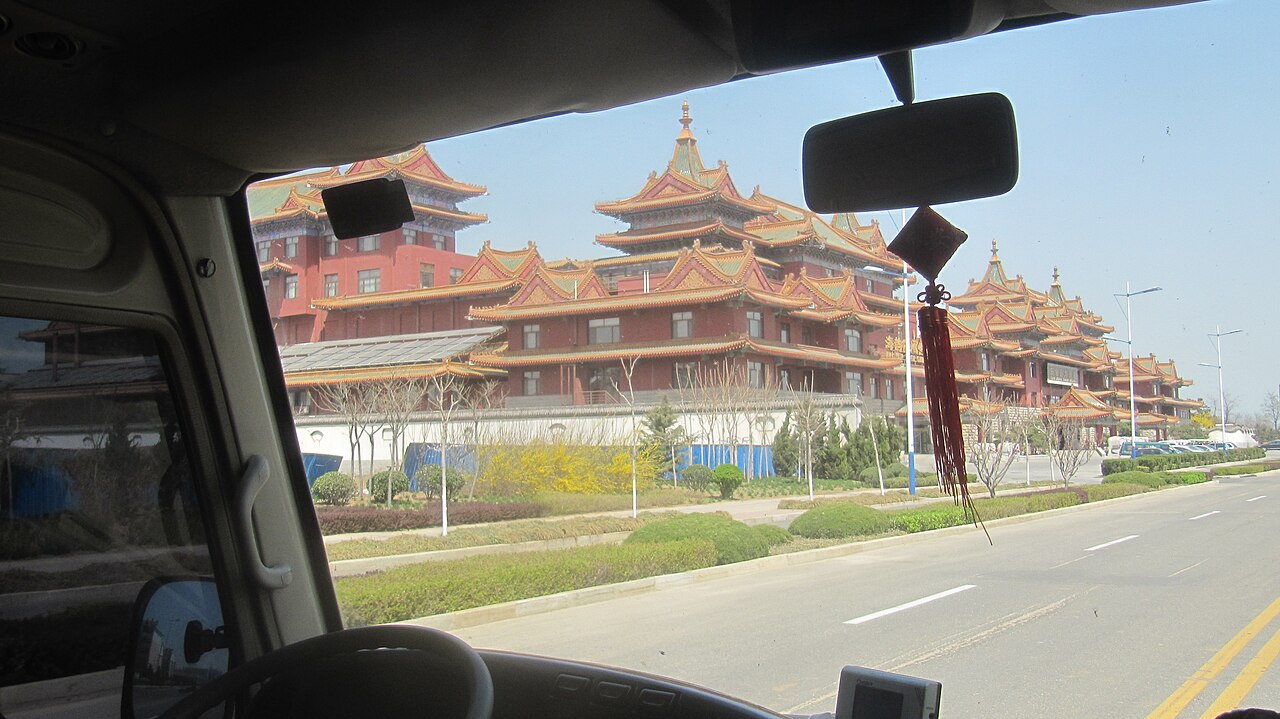
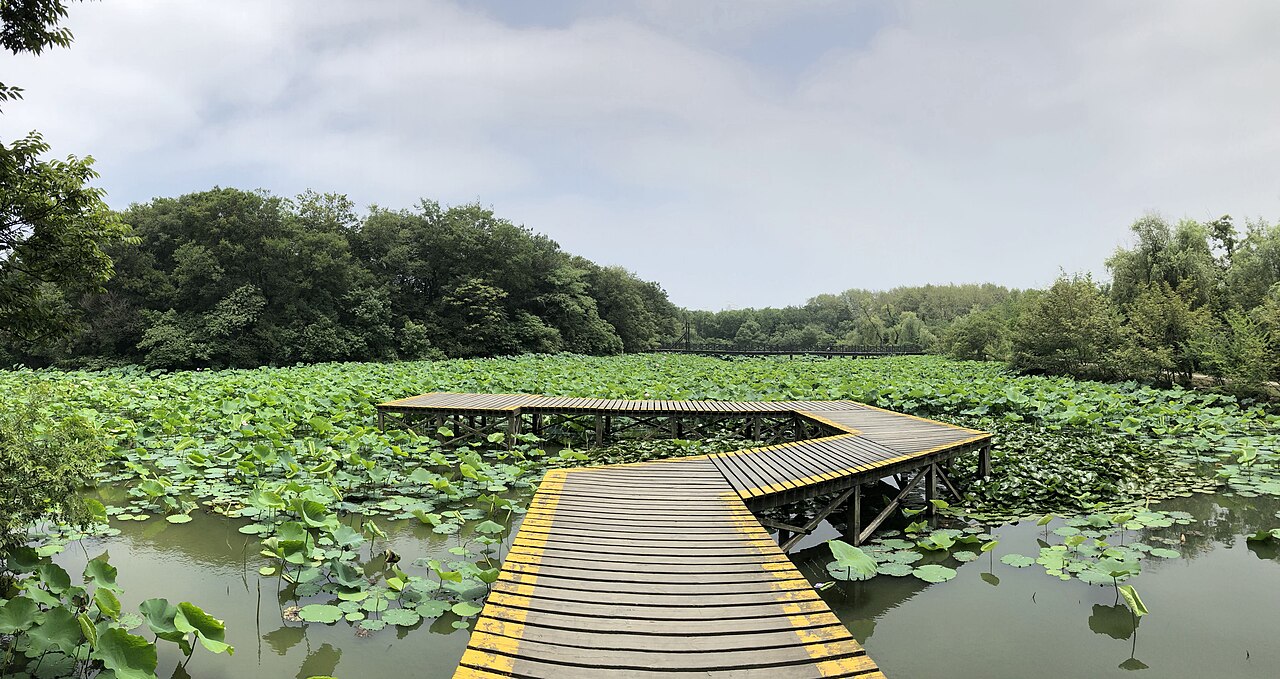
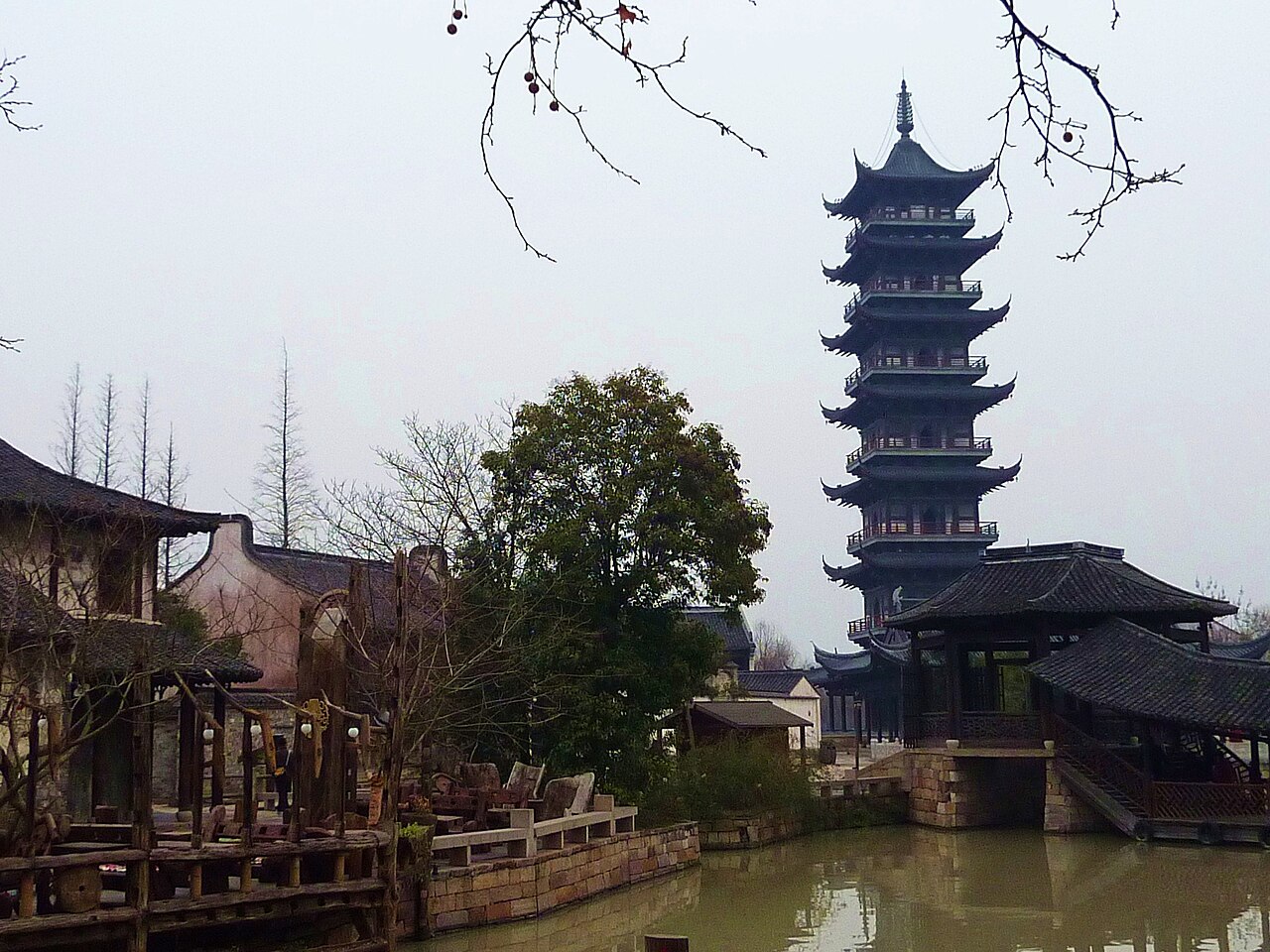
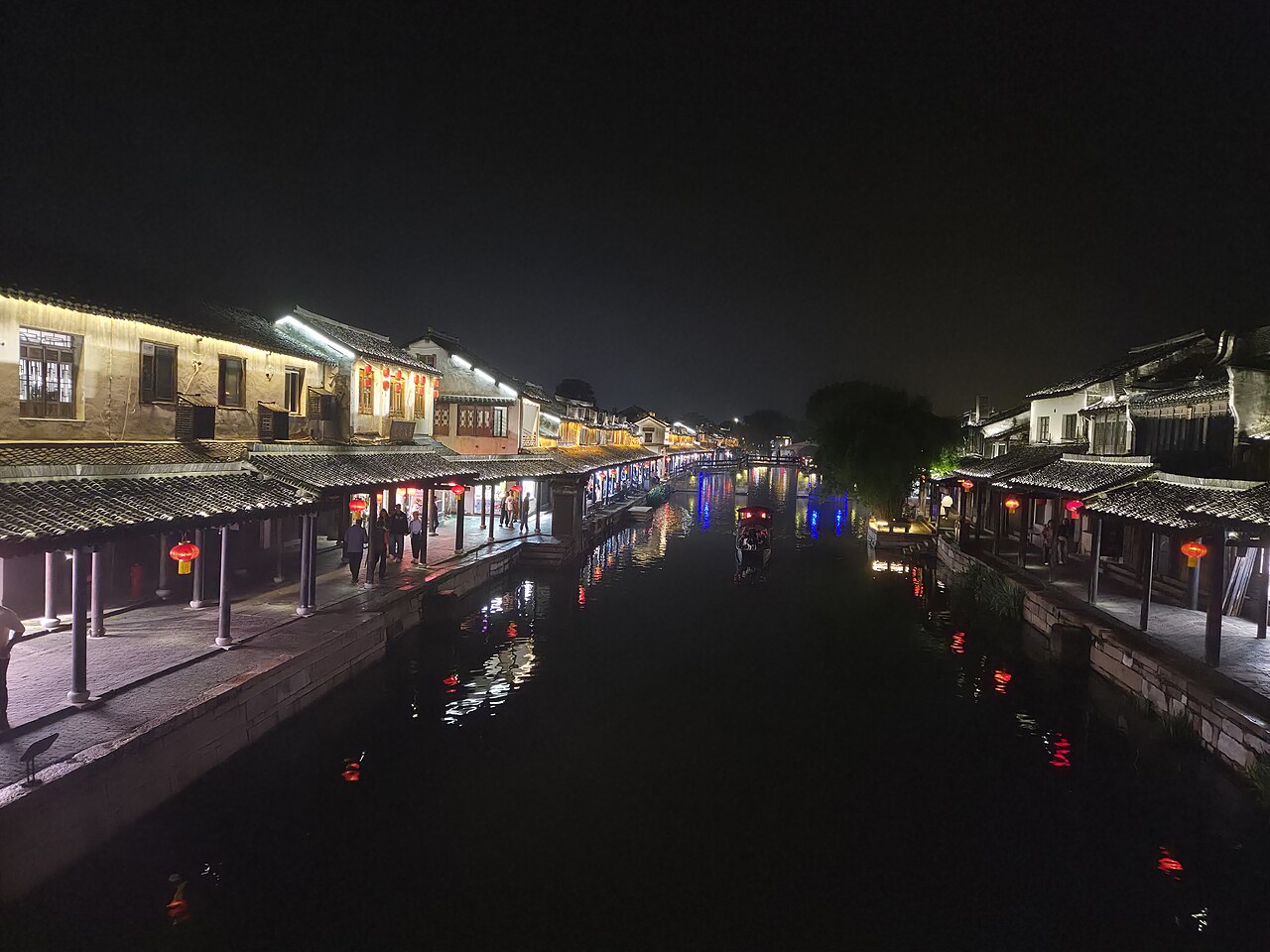
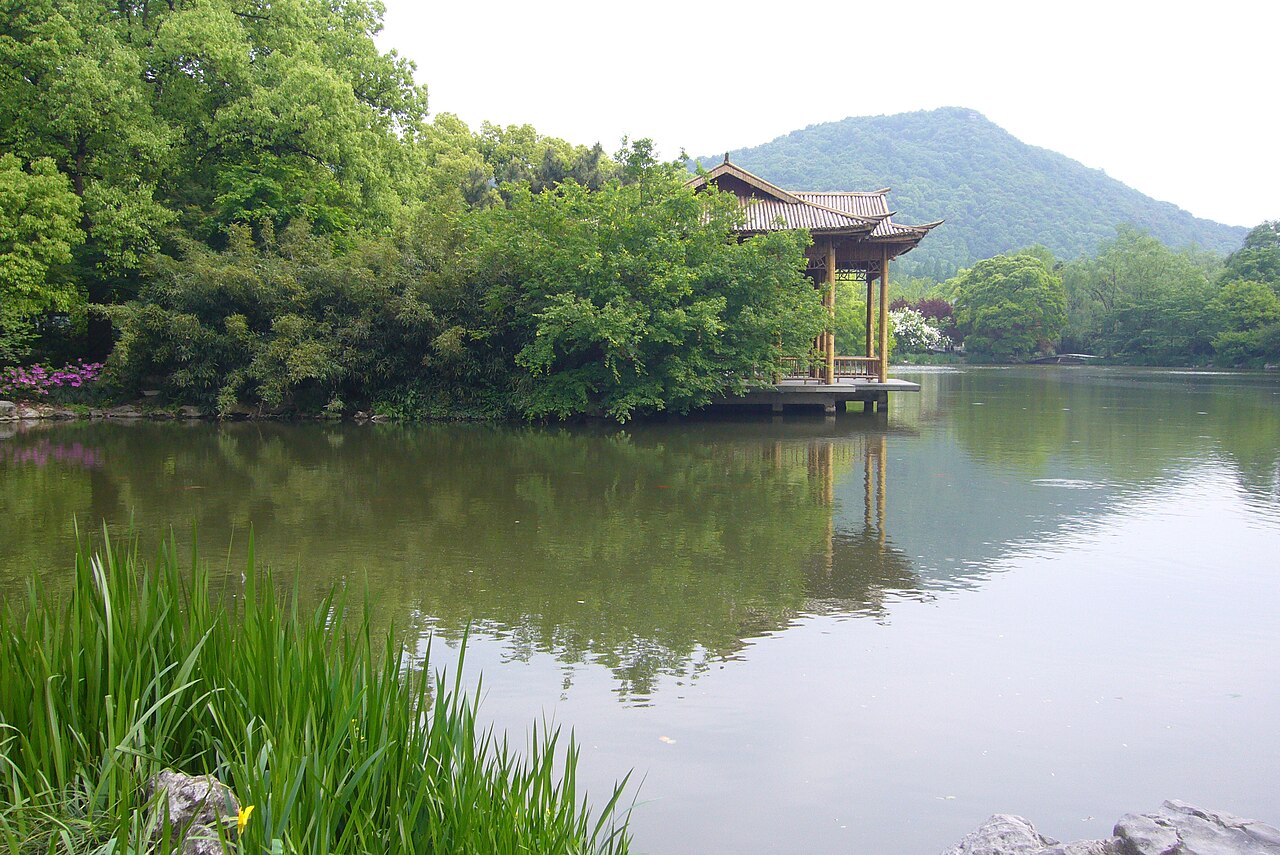
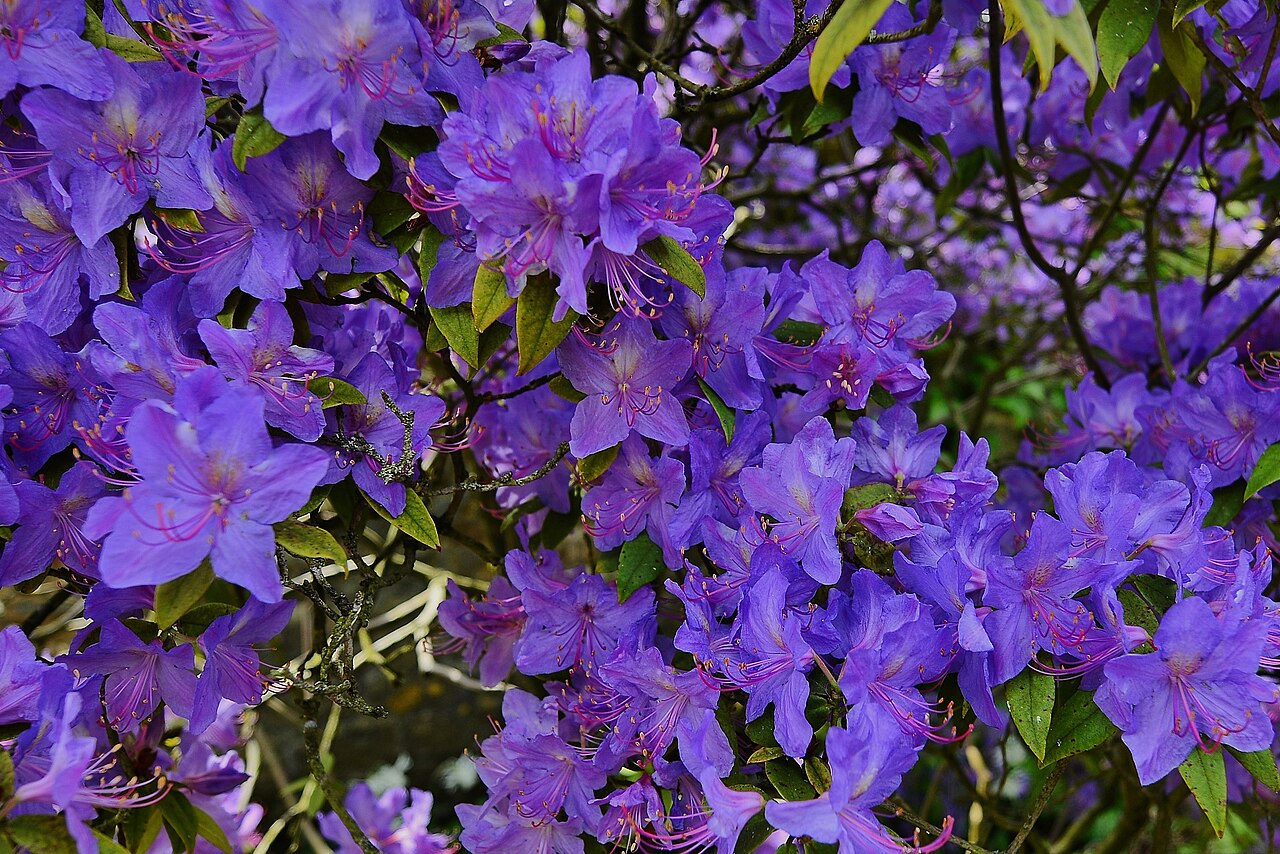
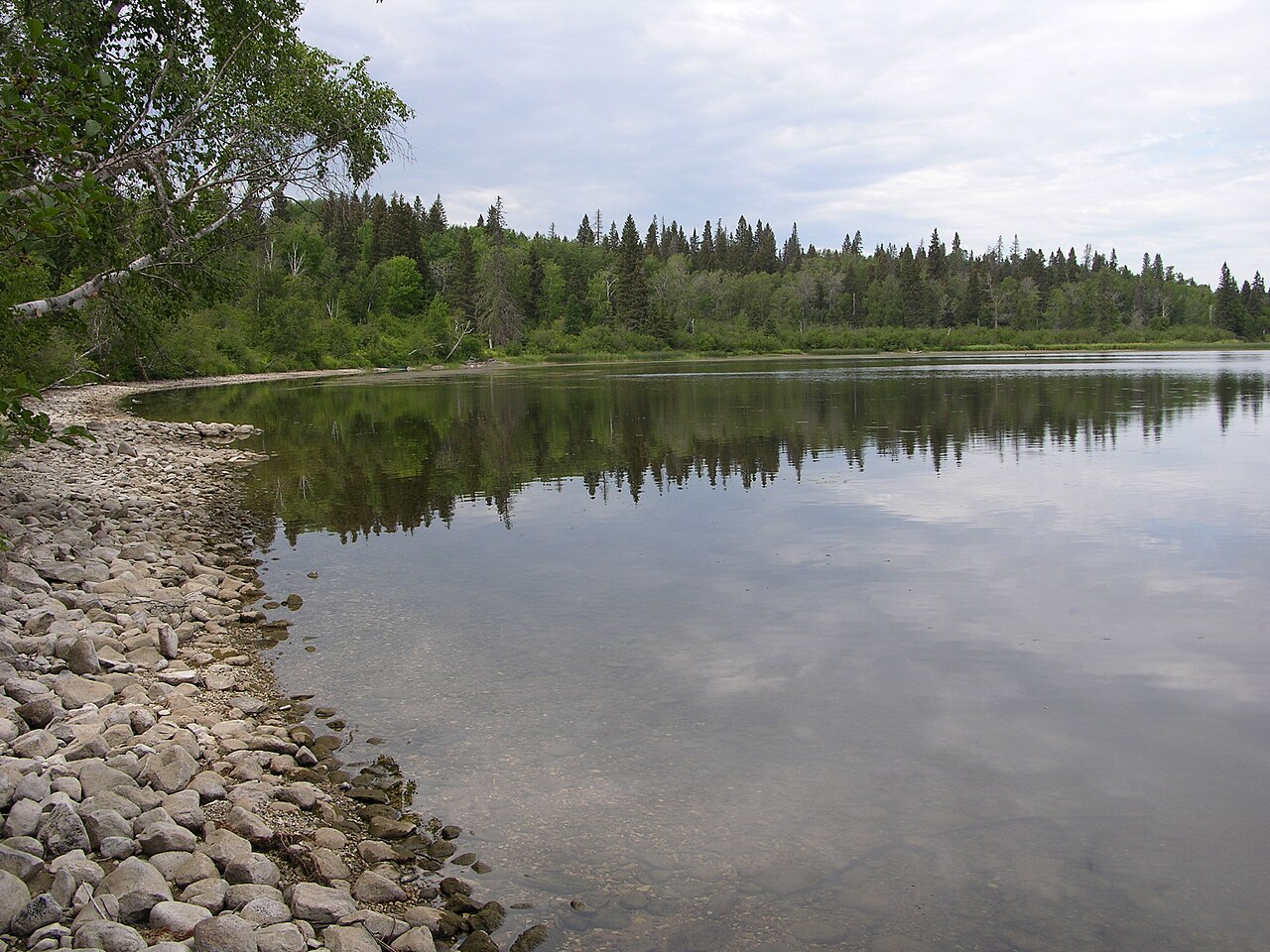
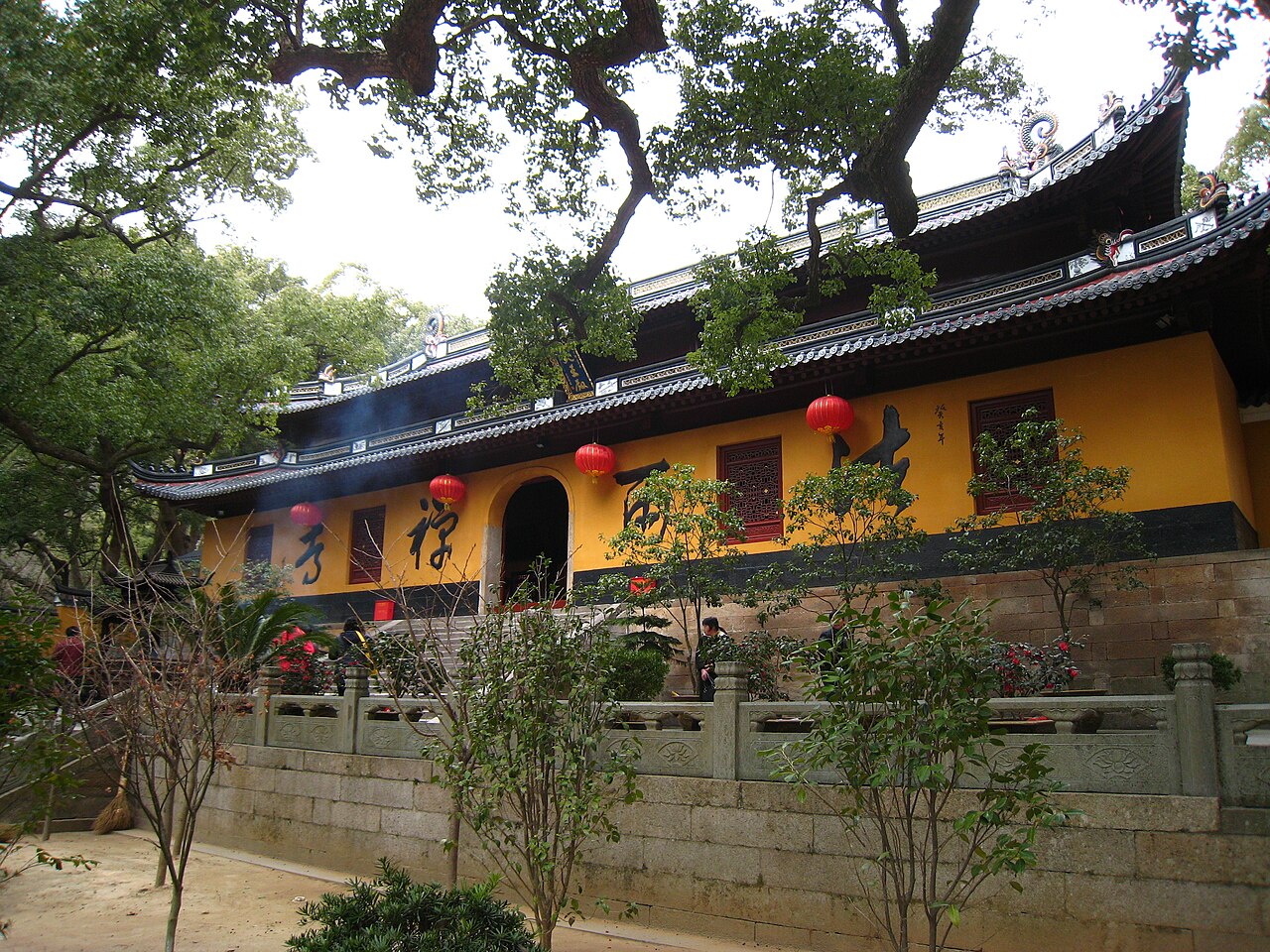
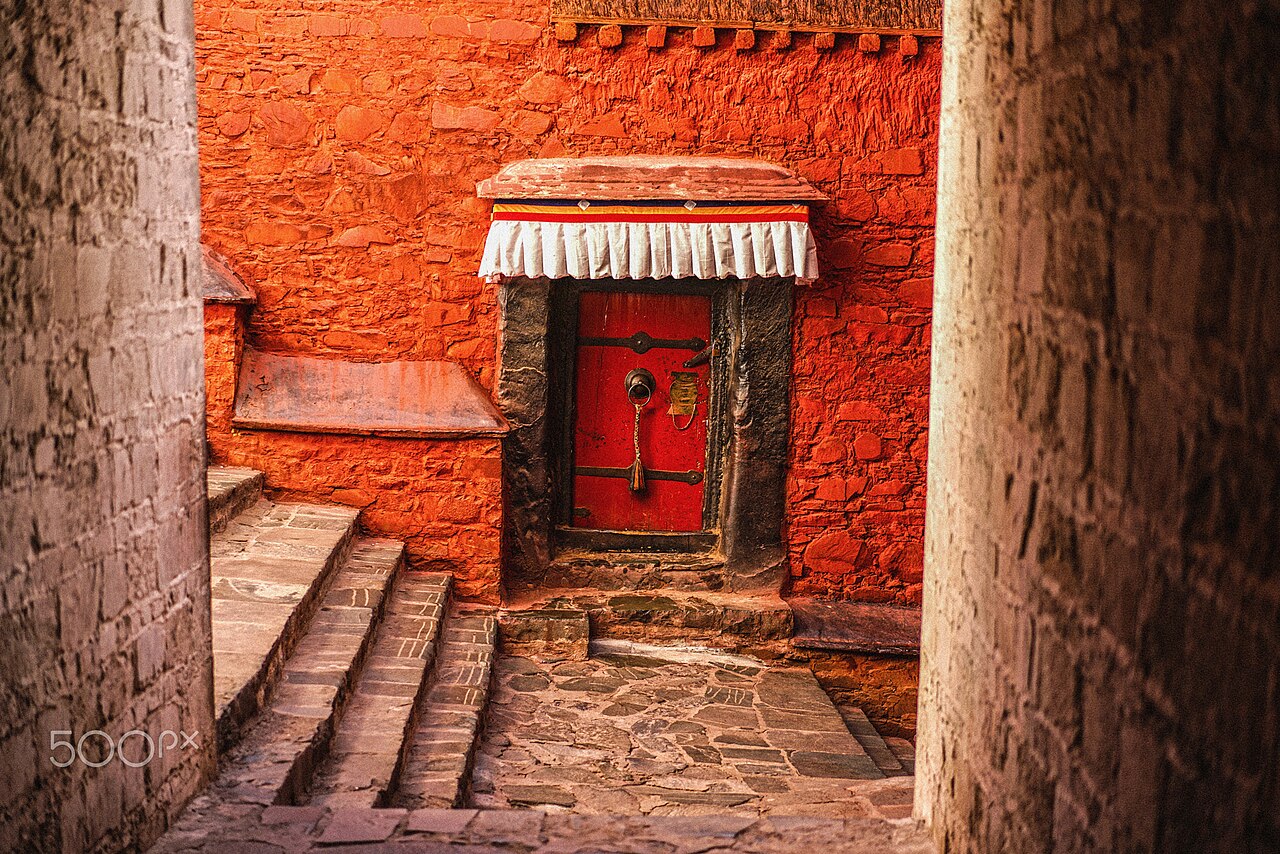
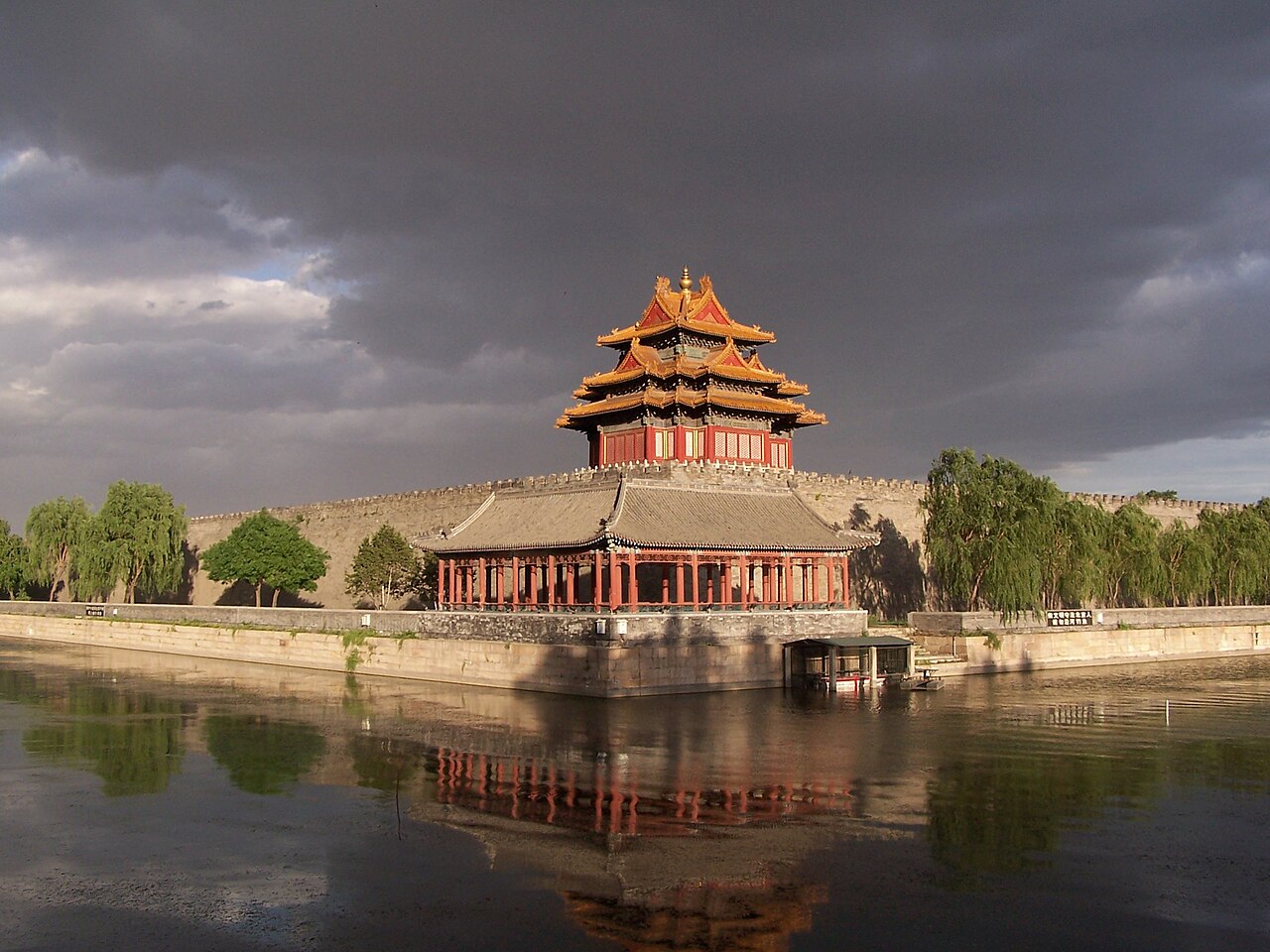
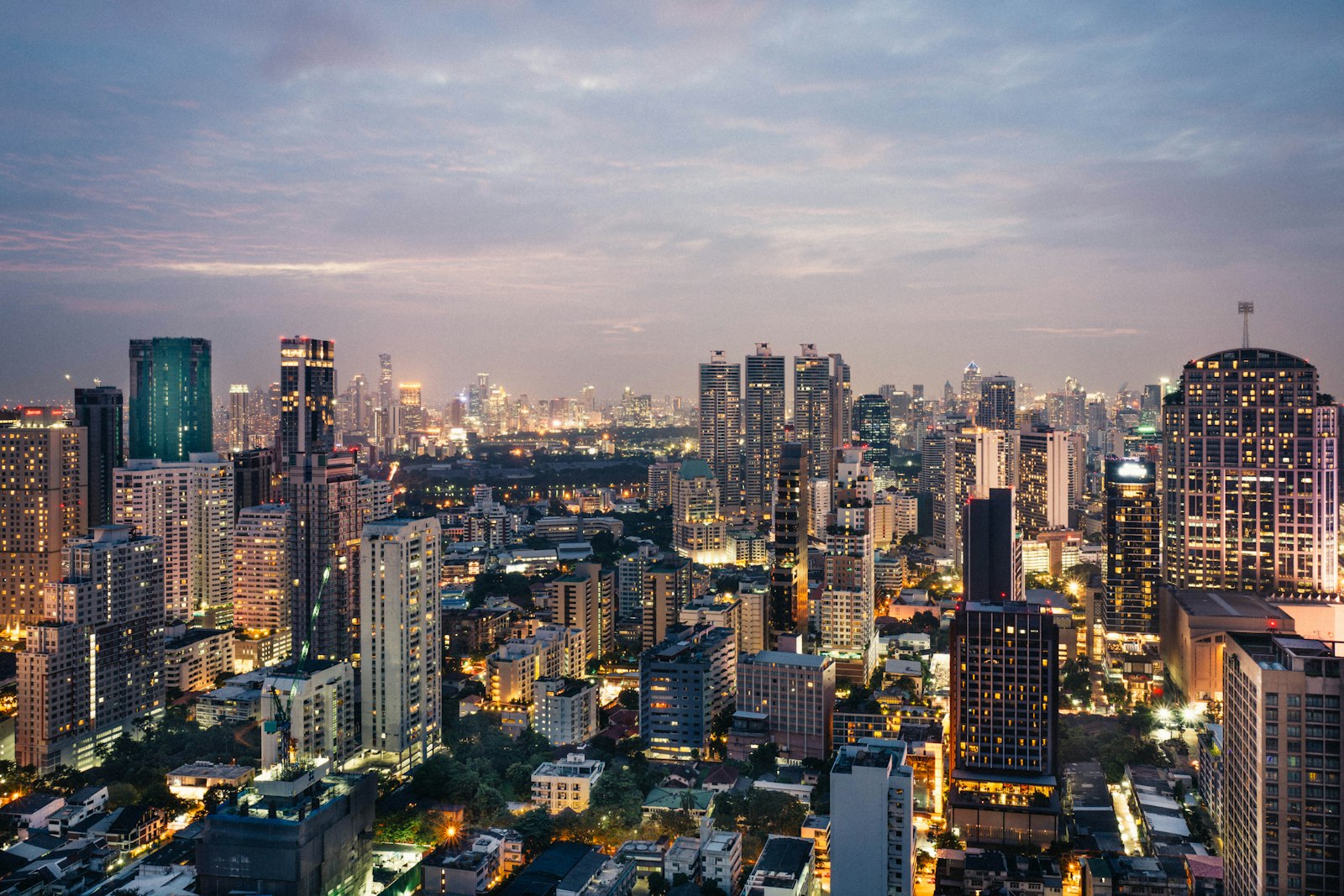
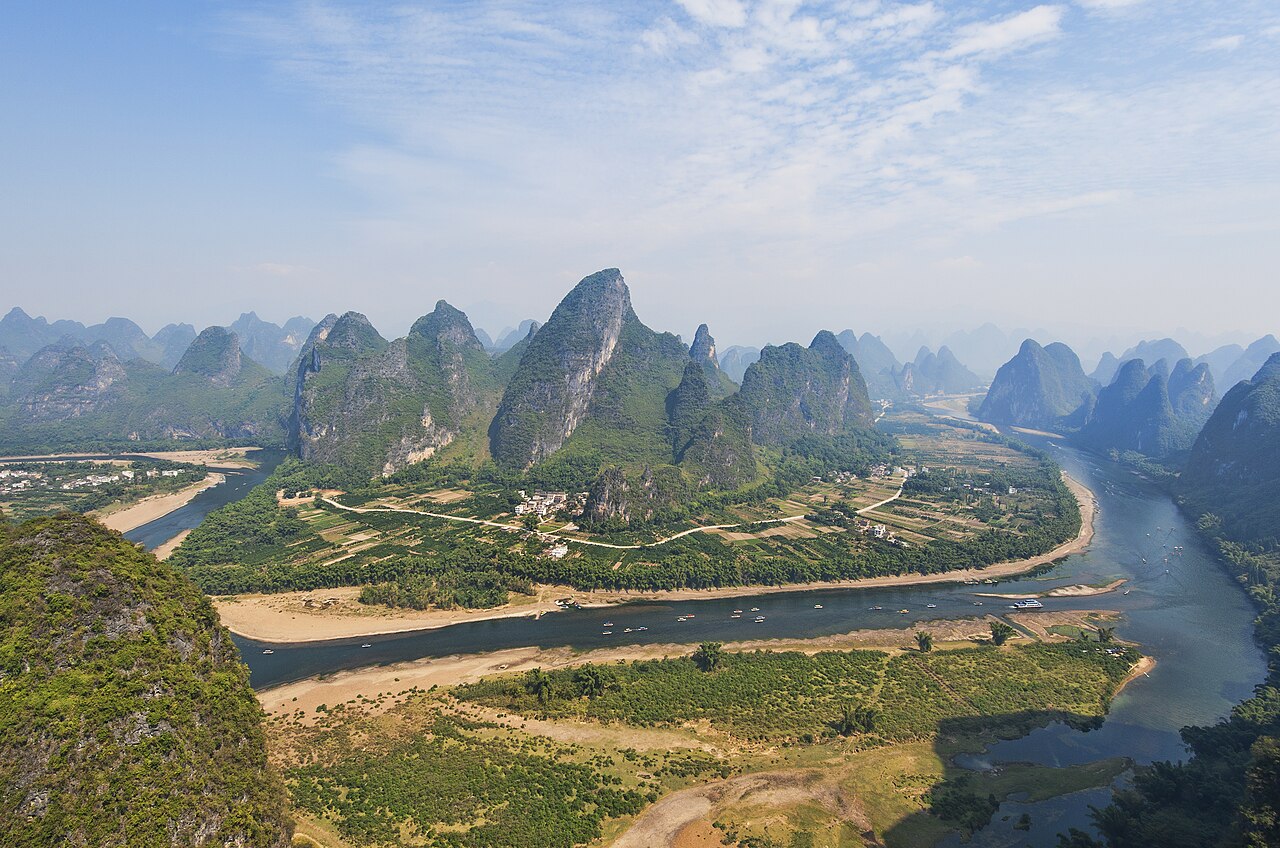
I loved Dali more than Lijiang, which I visited later — maybe because Dali is quieter and fresher, less bustle and noise. The air and the climate here are famously good.
wu3598962, 'Dali in March, Too Lovely to Put Down'
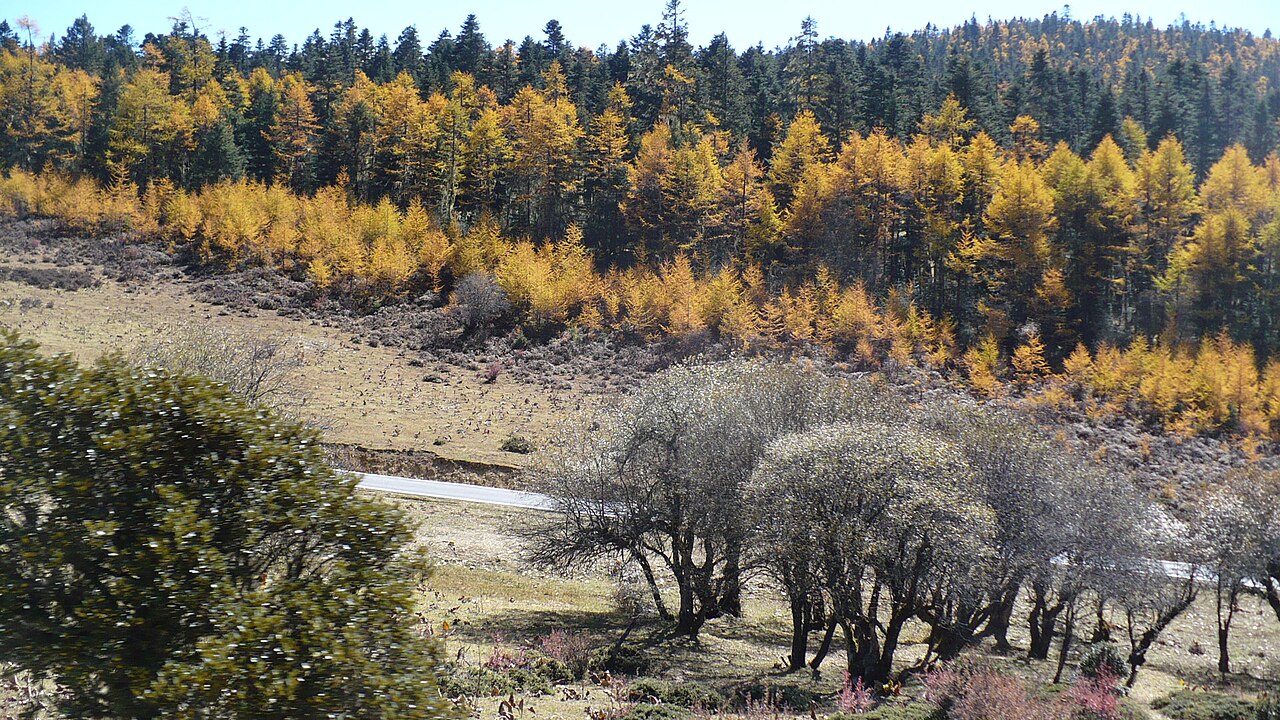
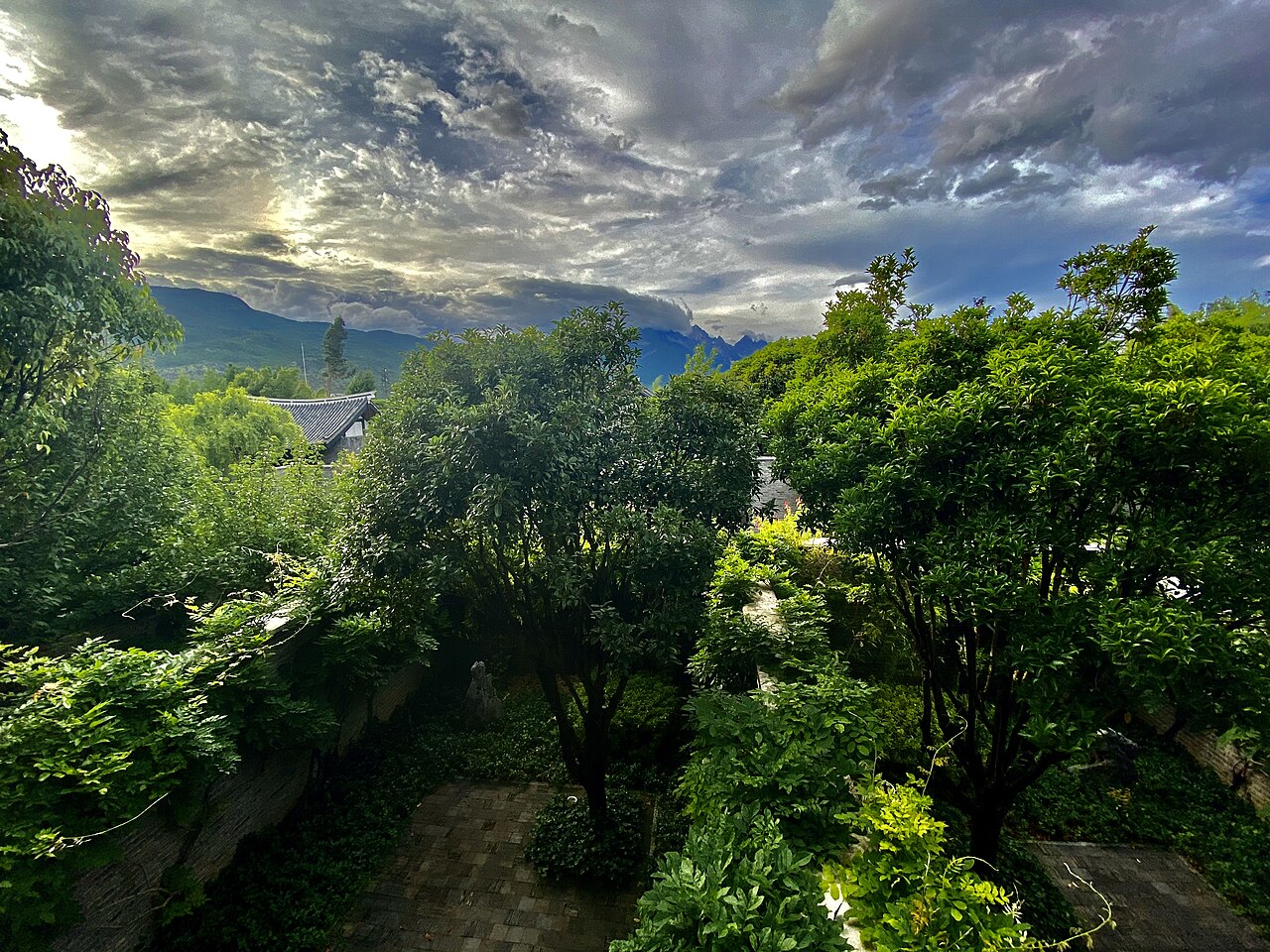
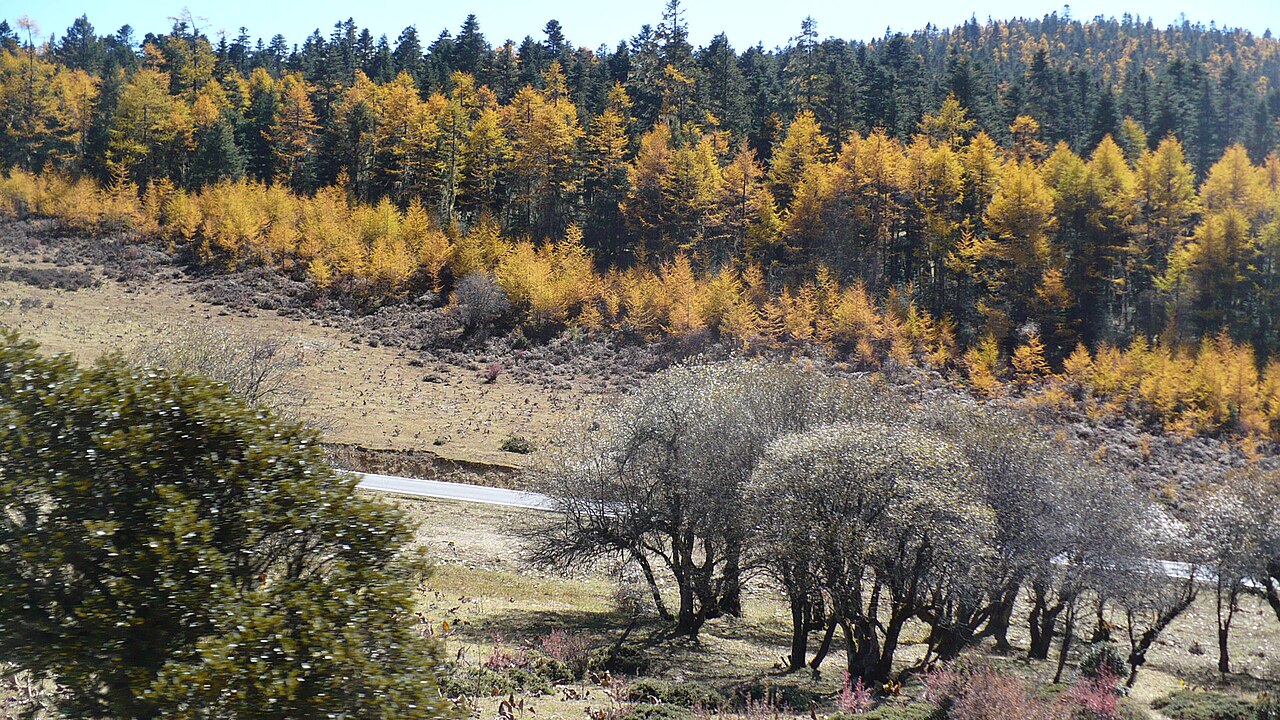
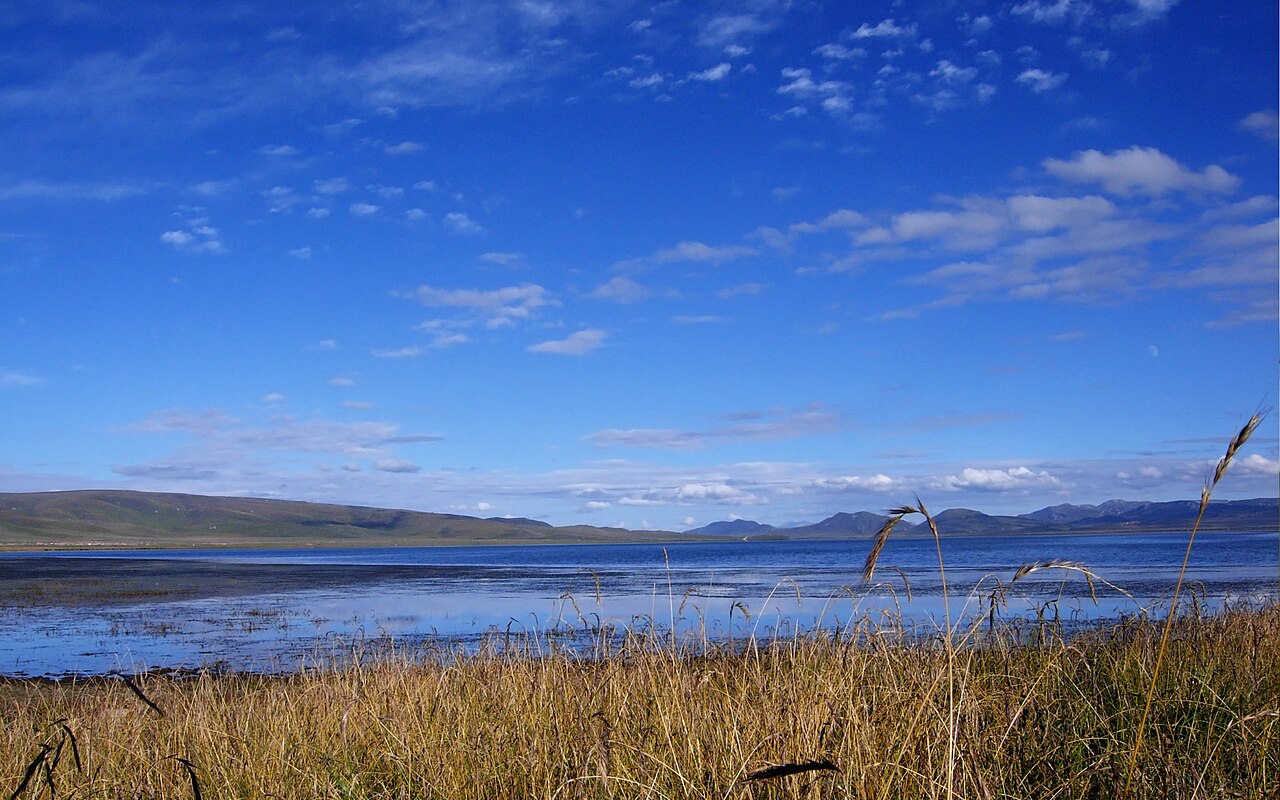
The early-morning Pudacuo park was like a world apart, dreamlike. We had so little time that the guide told us not to get off at the first stop, and our little one was still asleep, so we stayed on until Shudu Lake. I can't describe the scenery — just look at the photos.
luyating82, 'Honeymoon: Relaxed Lijiang, Dreamlike Shangri-La'
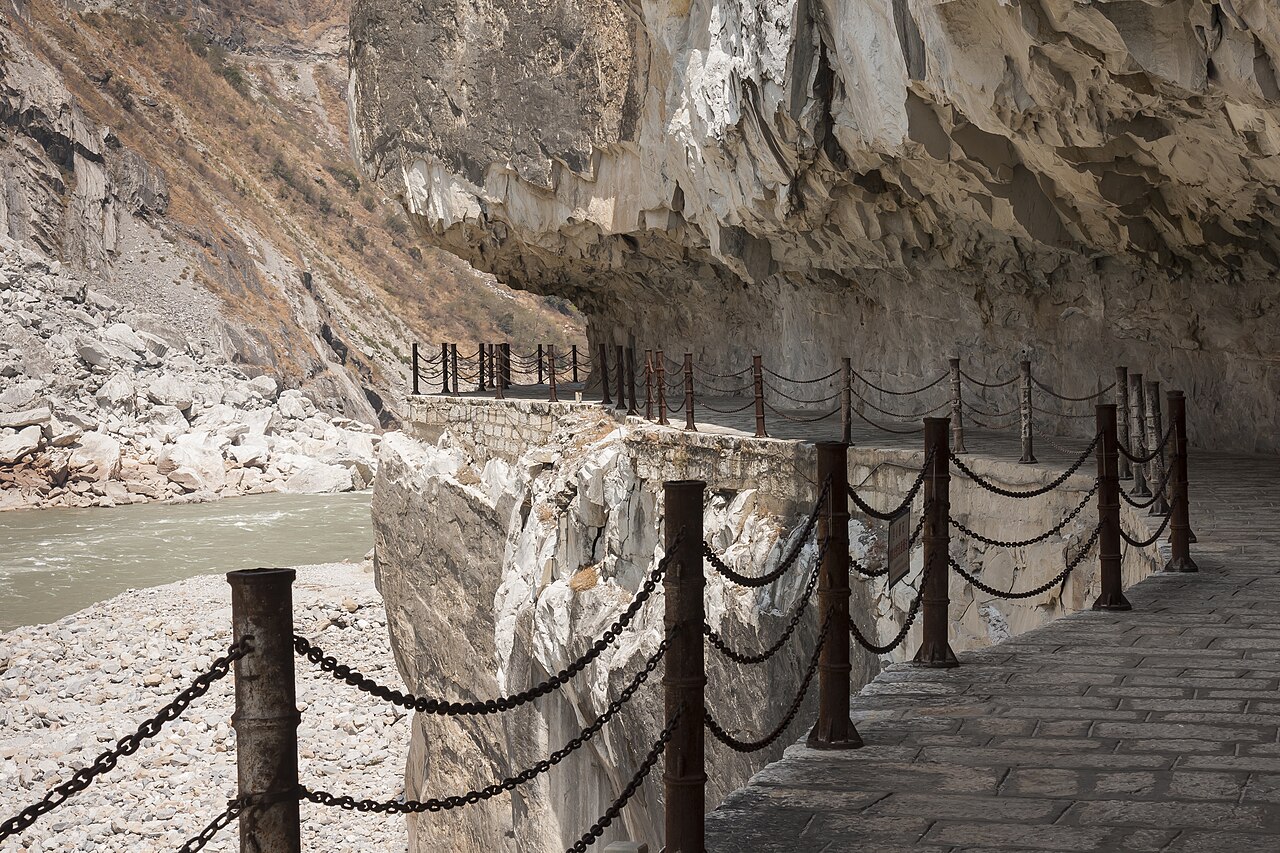
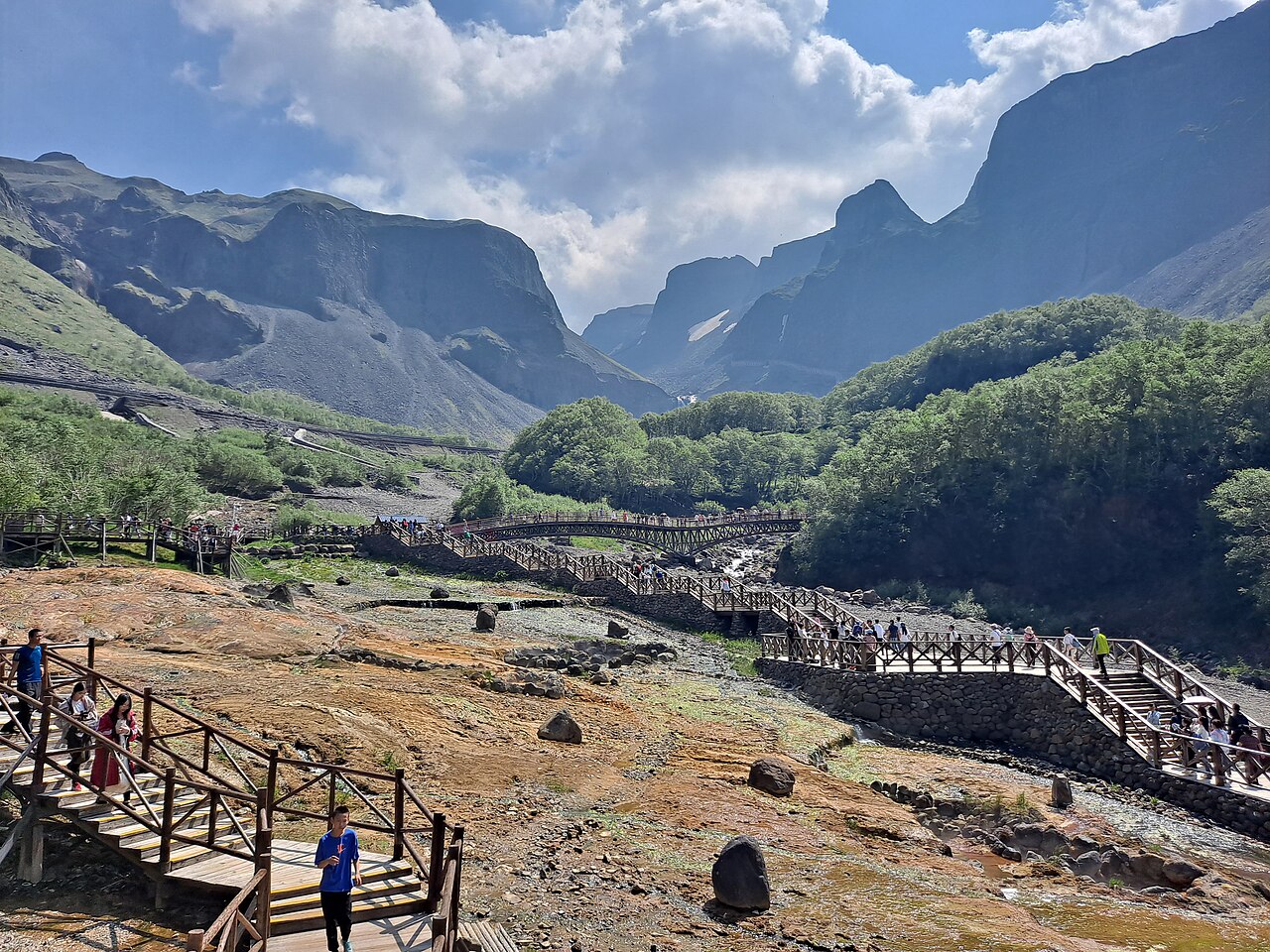
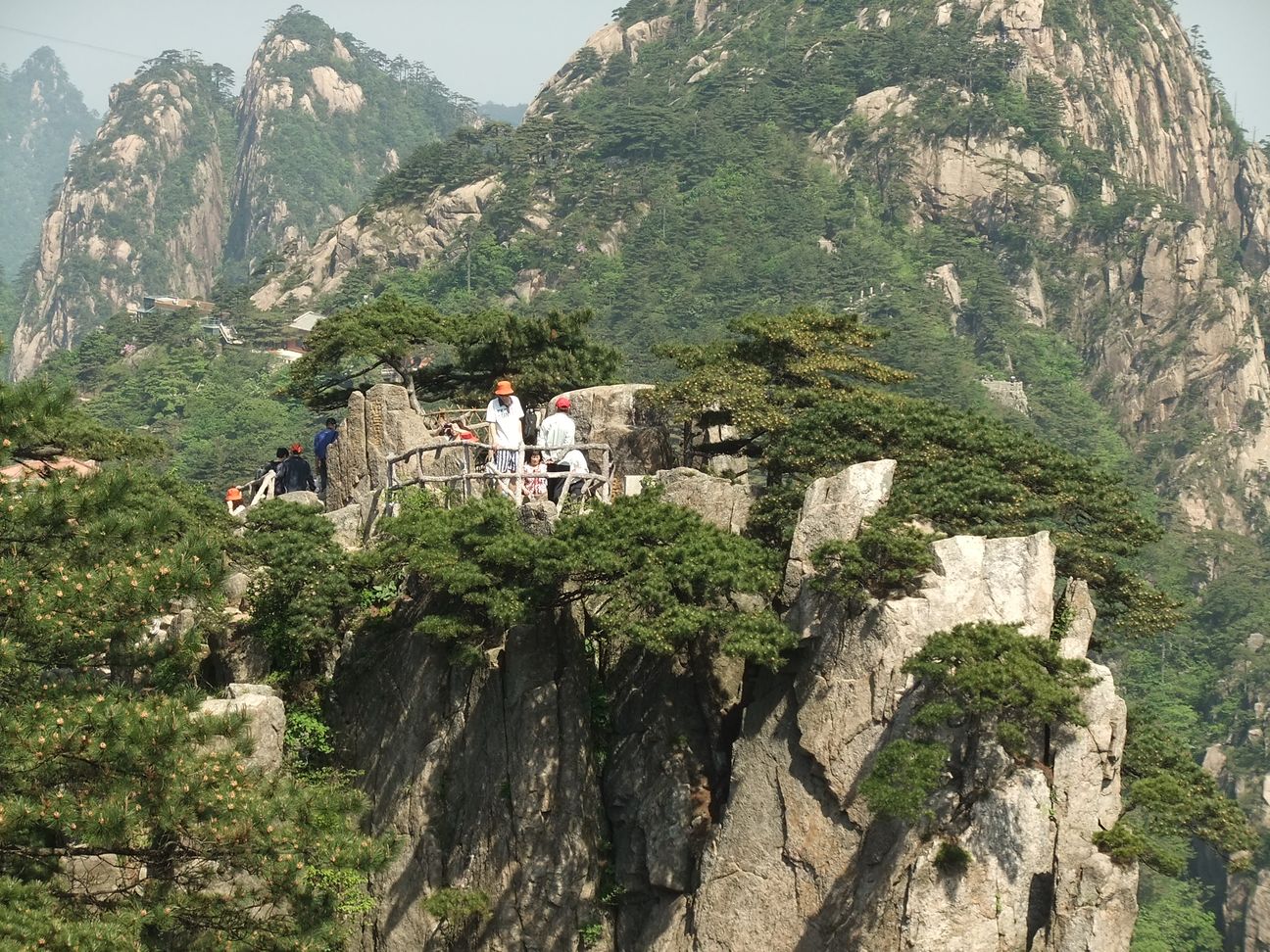
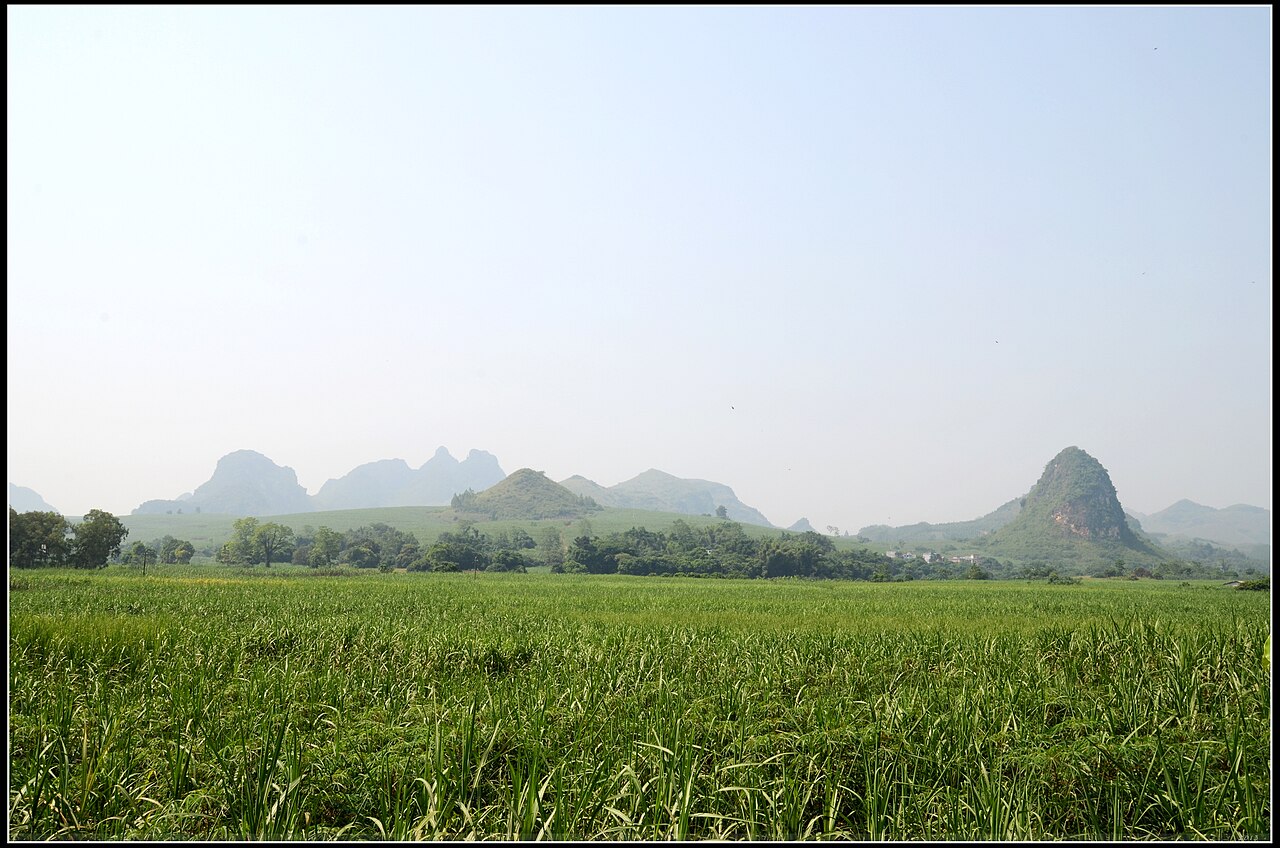
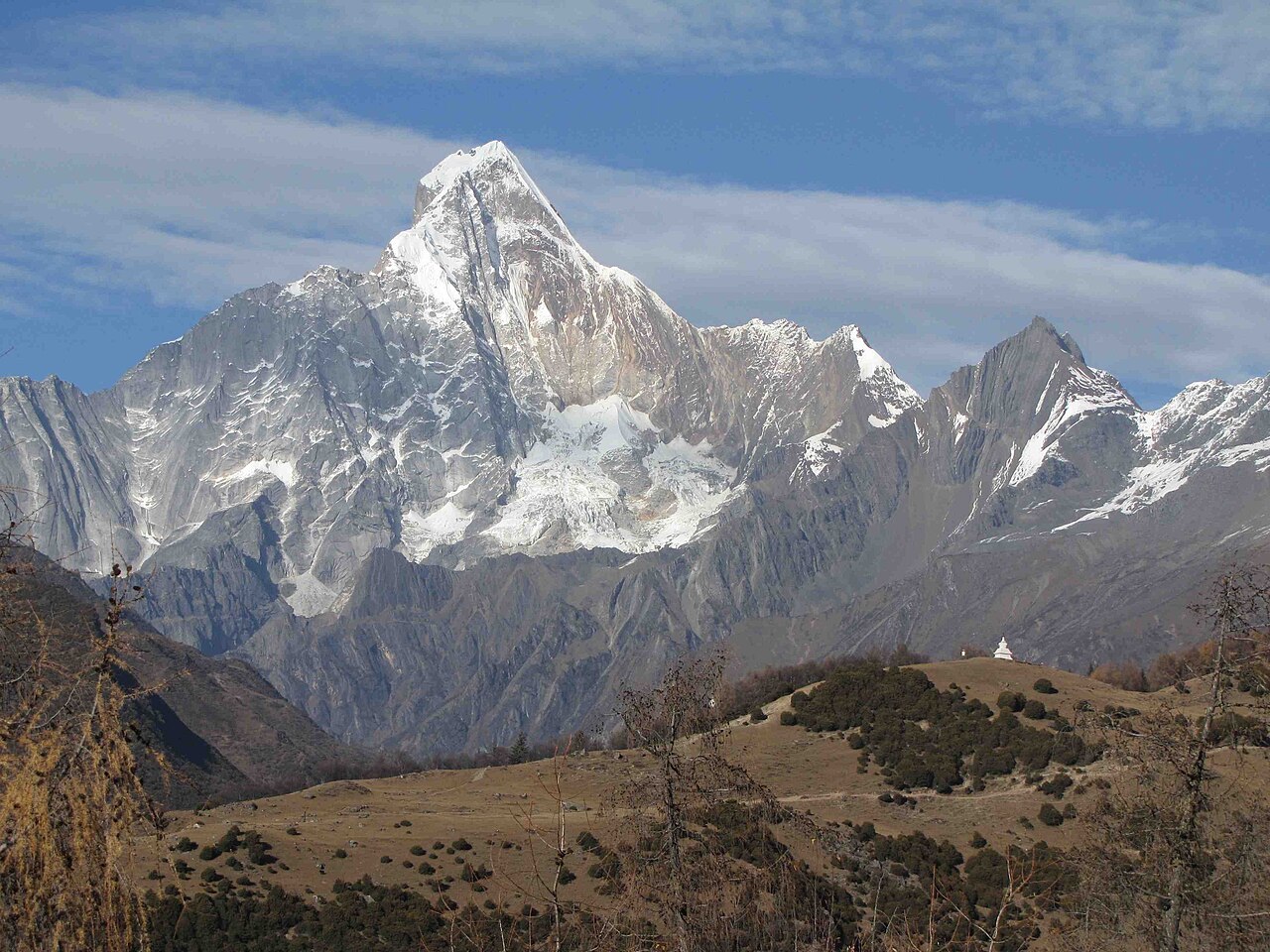
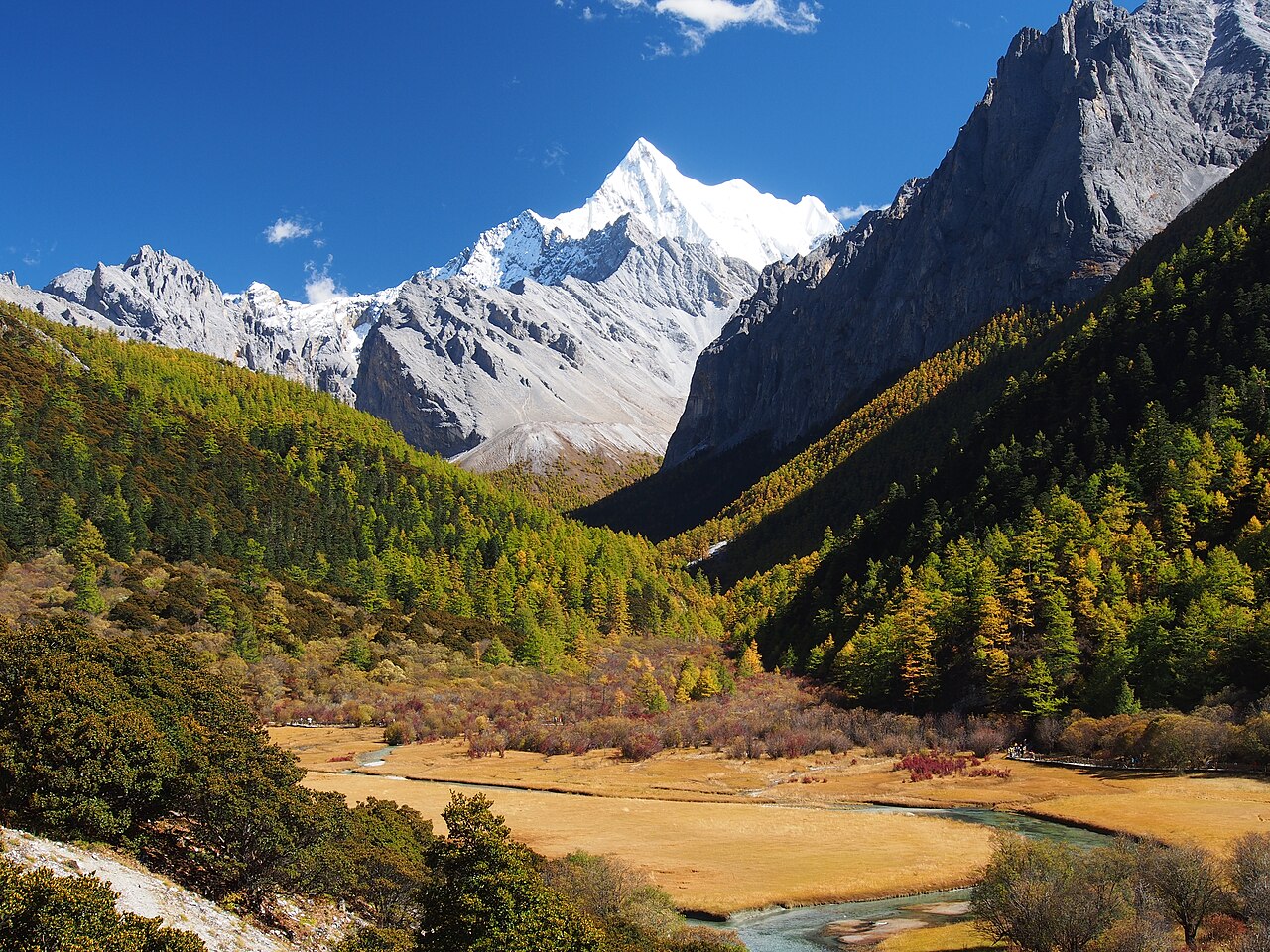
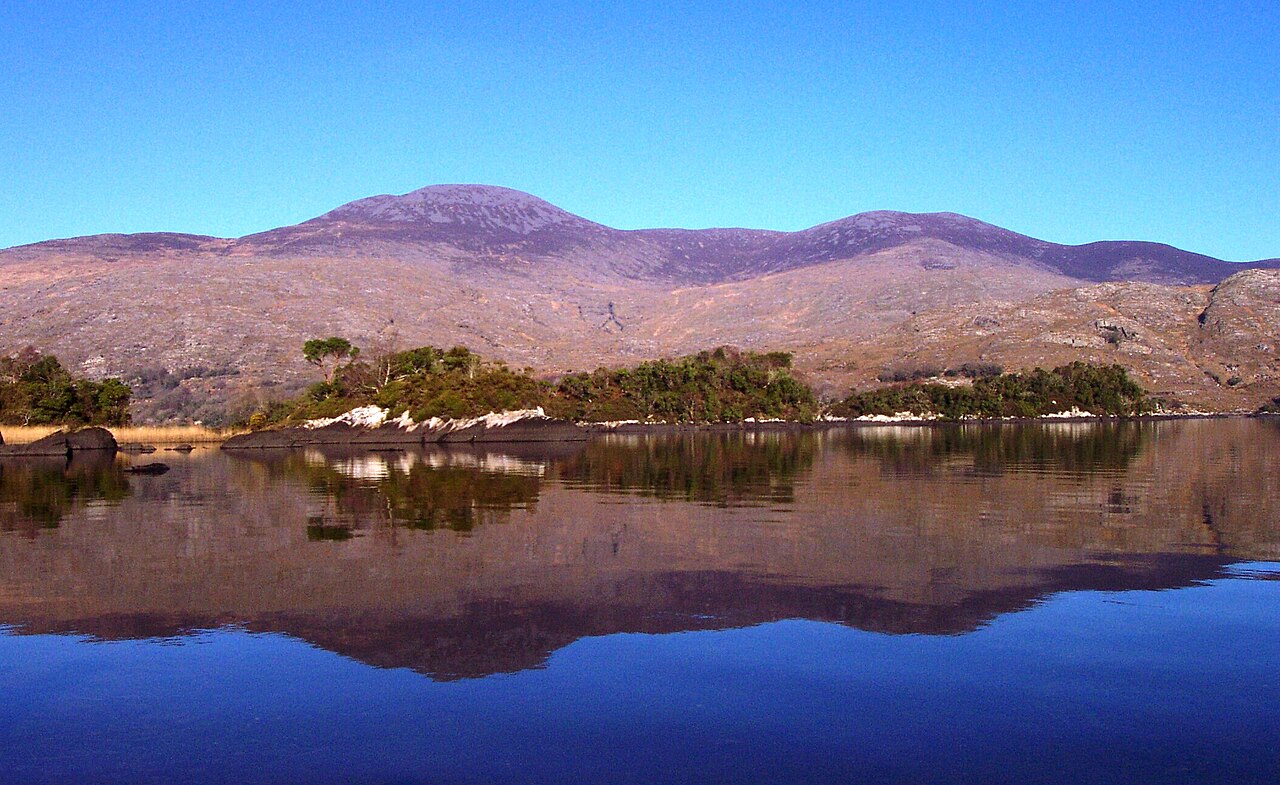
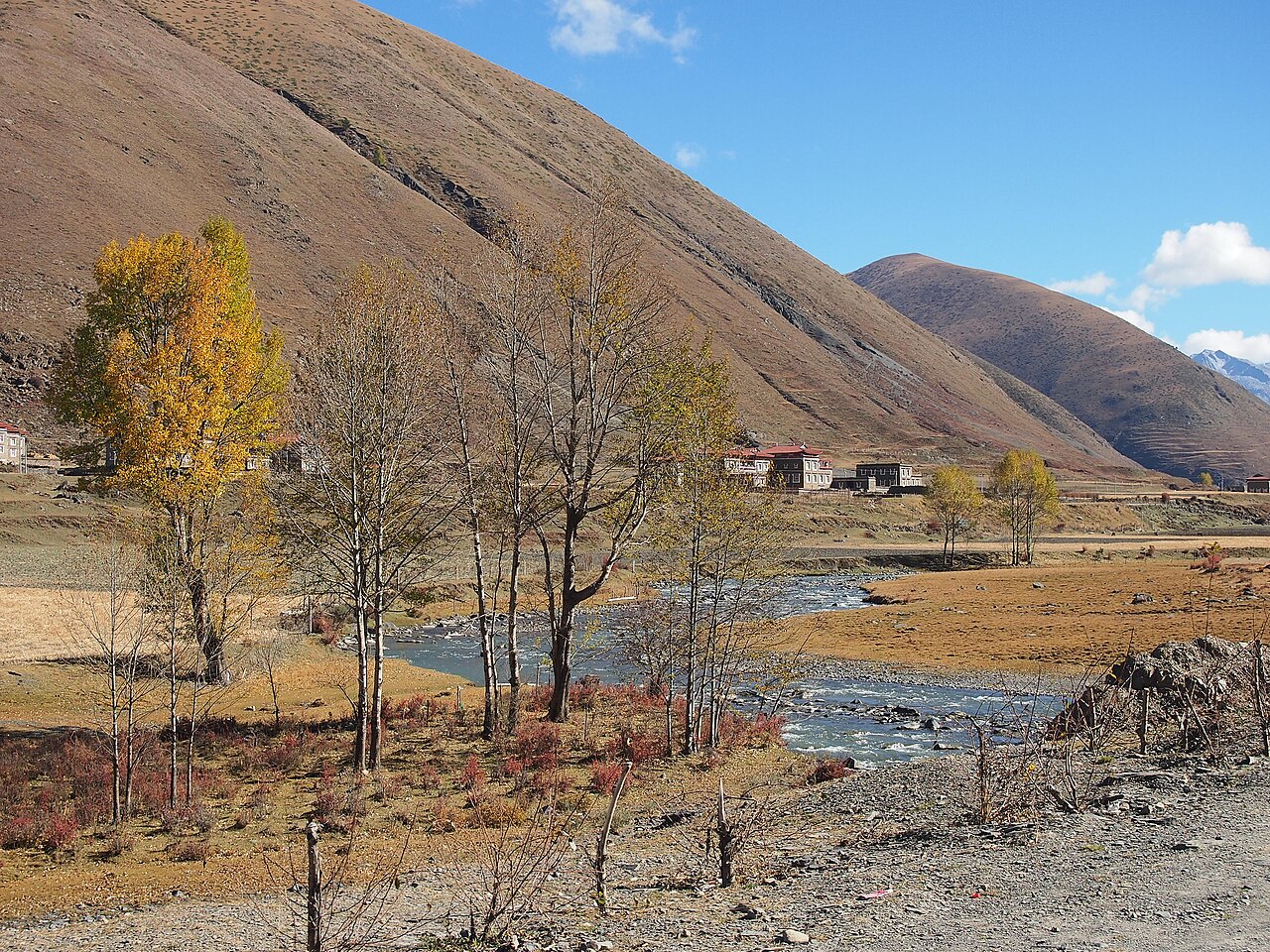
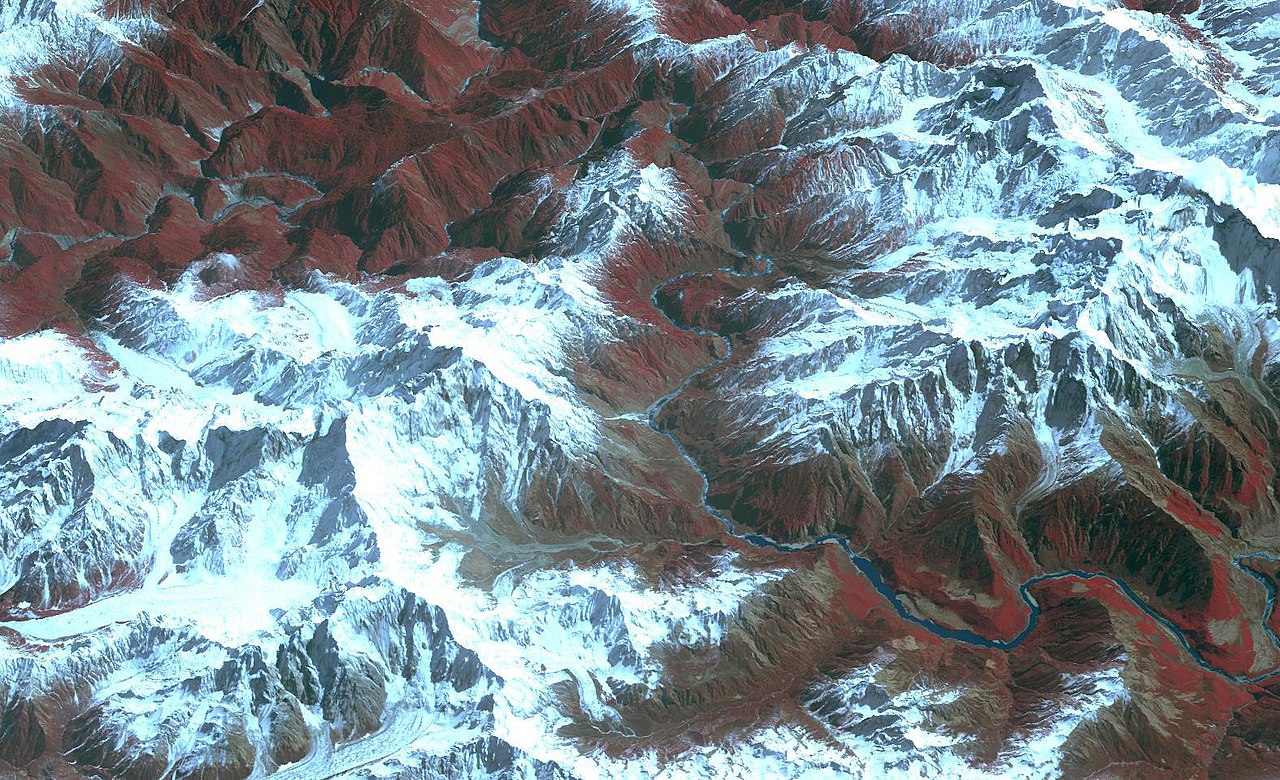
Yunnan sits where the Yunnan-Guizhou Plateau meets the Tibetan Plateau, and that collision is the whole point. Within a single province you drop from 4,500-metre glacier fields to steamy tropical rainforest near the Burmese border, passing through terraced rice country, deep river gorges and highland lakes on the way. It is the reason a trip here feels less like one destination and more like four stitched together.
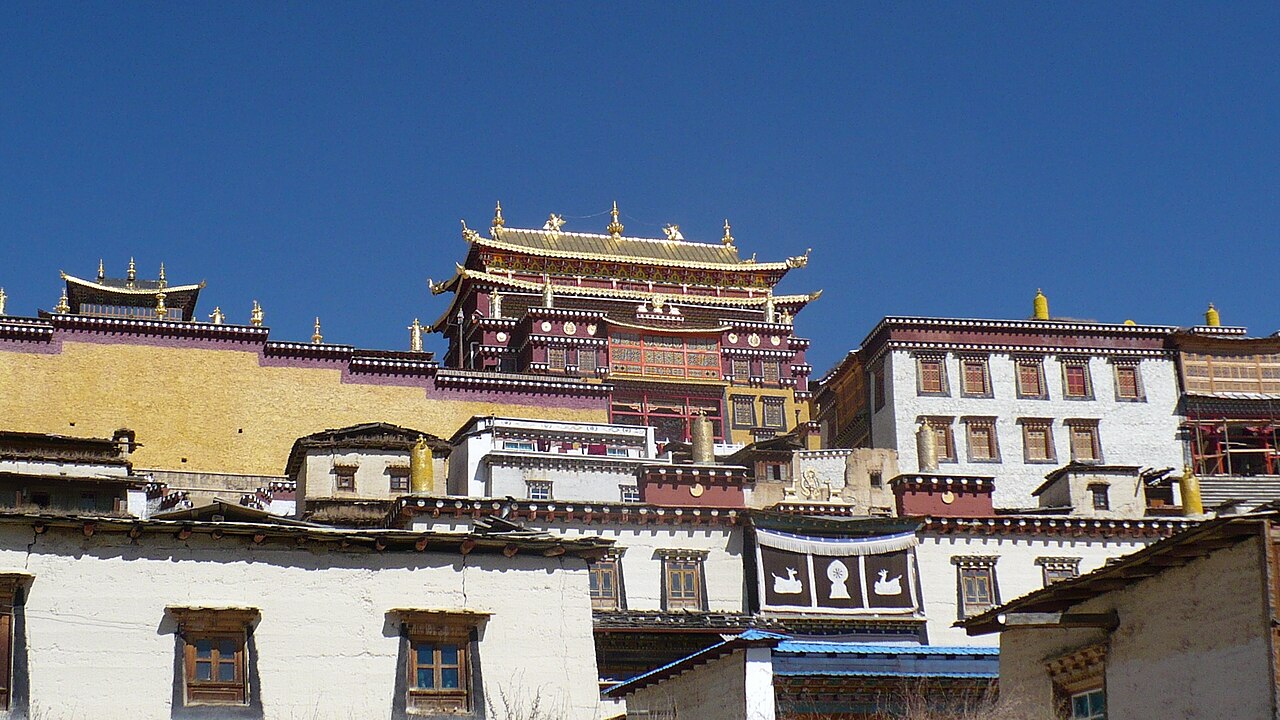
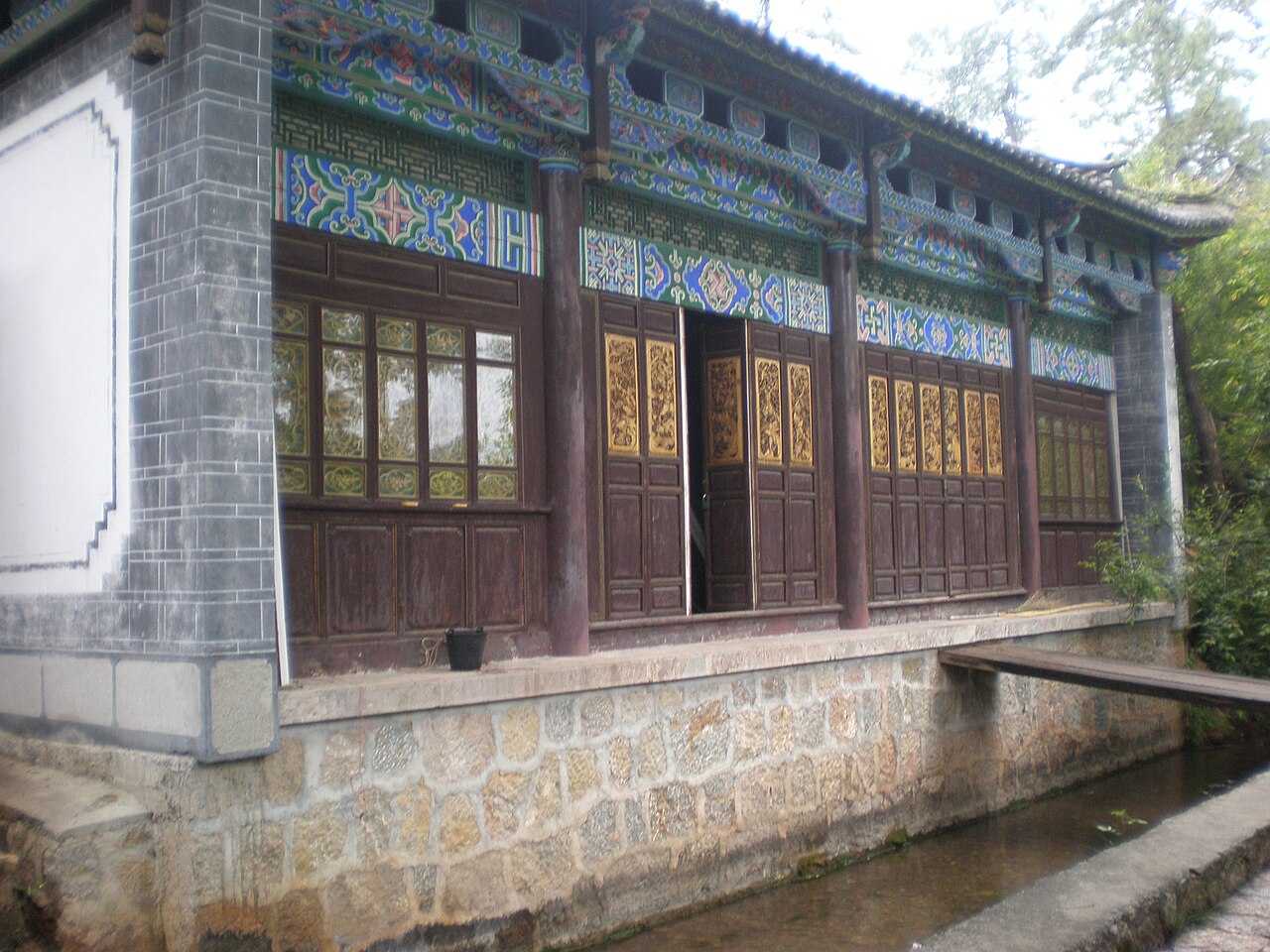
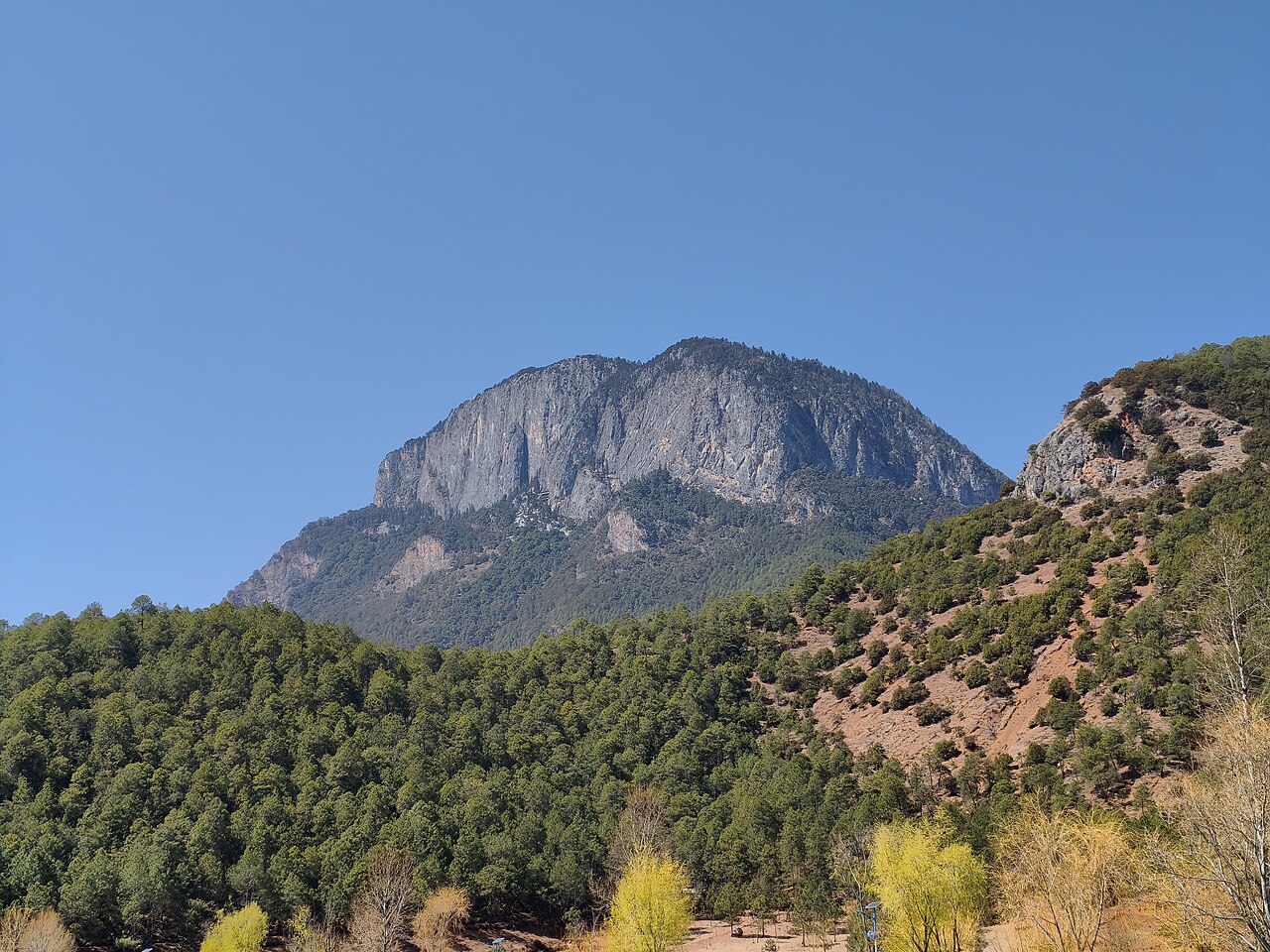
Most travellers start in Kunming, the 'Spring City', where temperatures sit between 0°C and 29°C year-round and the parks are full of flowers and seagulls. From there the classic route climbs northwest: Dali with its Bai villages and the wind, flowers, snow and moon of Cangshan and Erhai; Lijiang with its Naxi old town and the Jade Dragon Snow Mountain; then Shangri-La, where the names turn Tibetan and the altitude passes 3,300 metres.
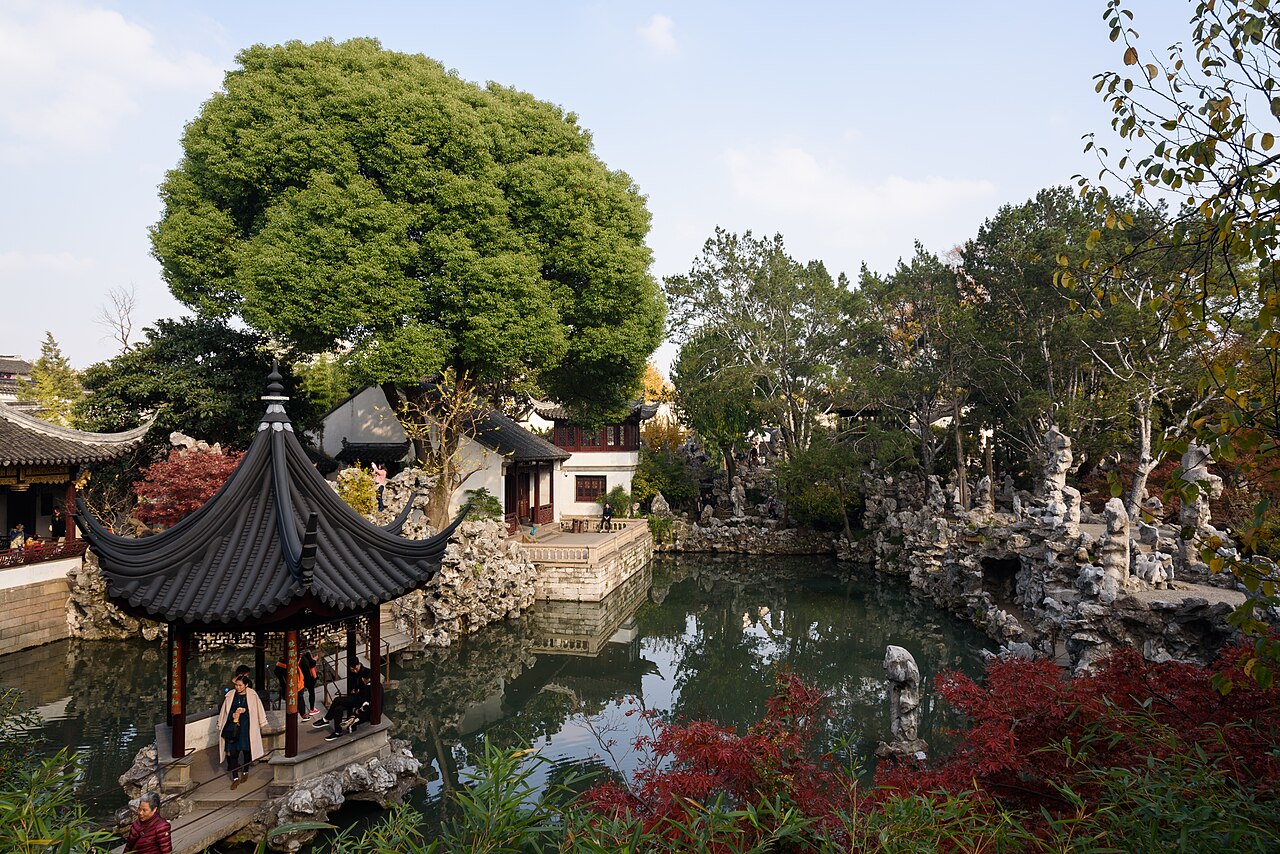
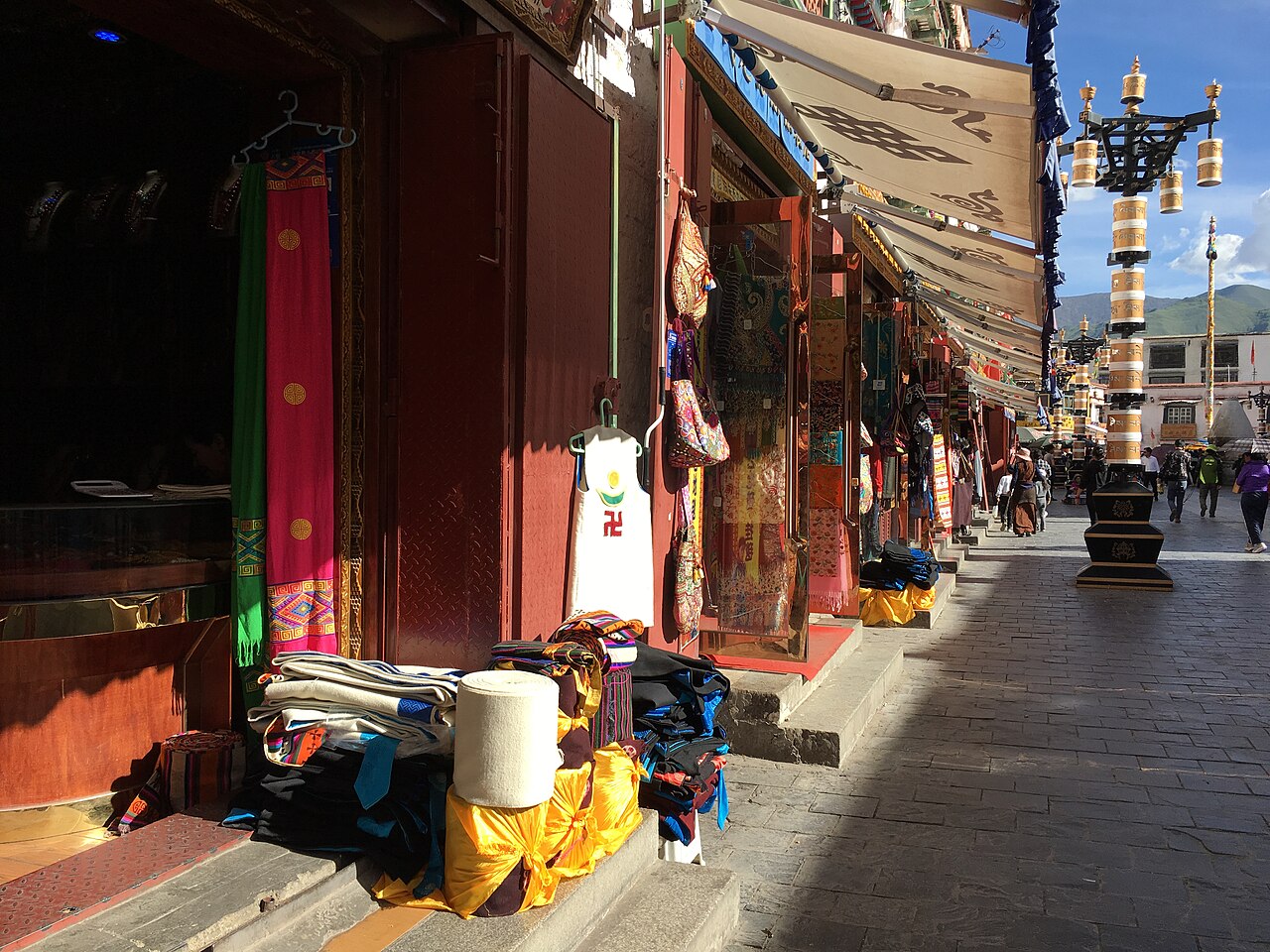
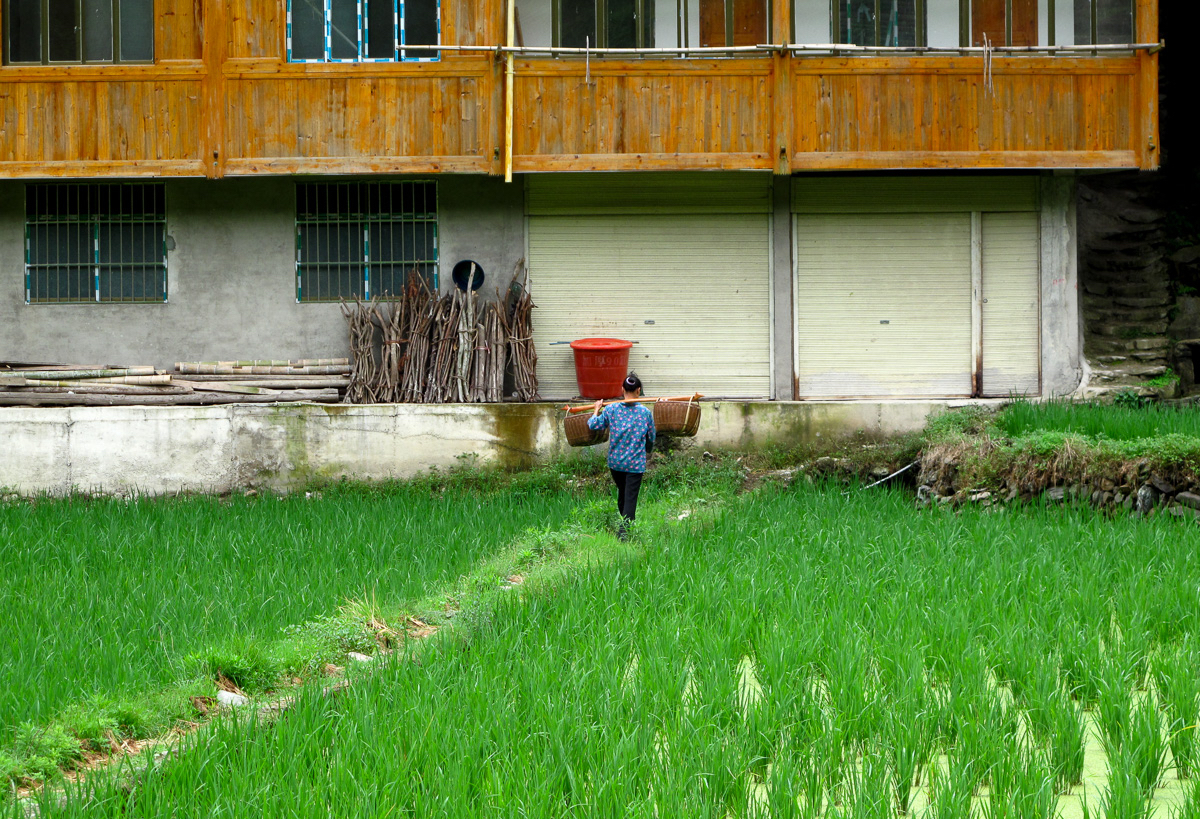
What makes Yunnan different from a checklist of sights is the human layer. Twenty-five recognised minority groups live here — Bai, Naxi, Tibetan, Mosuo, Dai — each with its own festivals, dress and food. You will eat rice noodles in Kunming, cured ham and rose cakes in Dali, and yak butter tea in a Tibetan farmhouse above Shangri-La, all within a week. That range, not any single postcard view, is why people keep coming back.
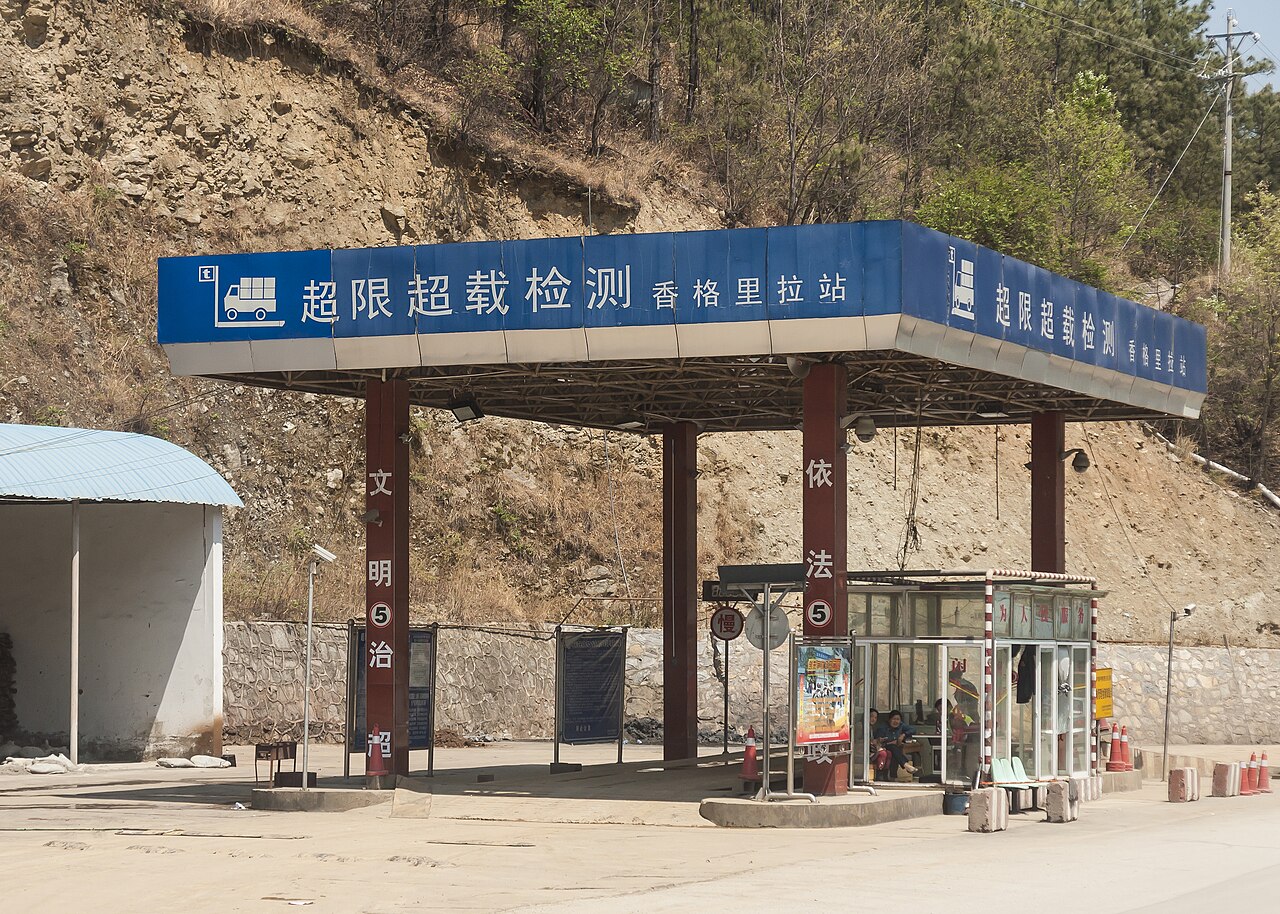
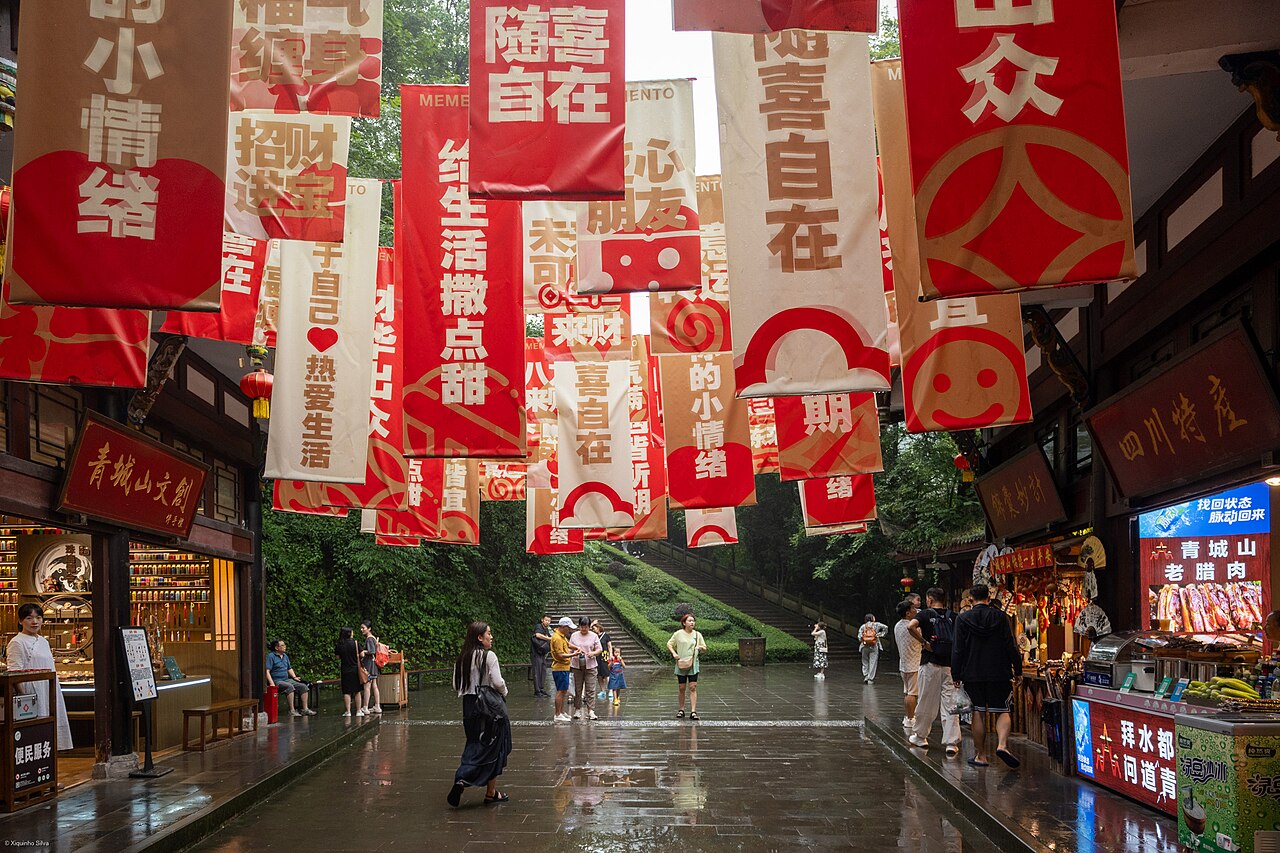
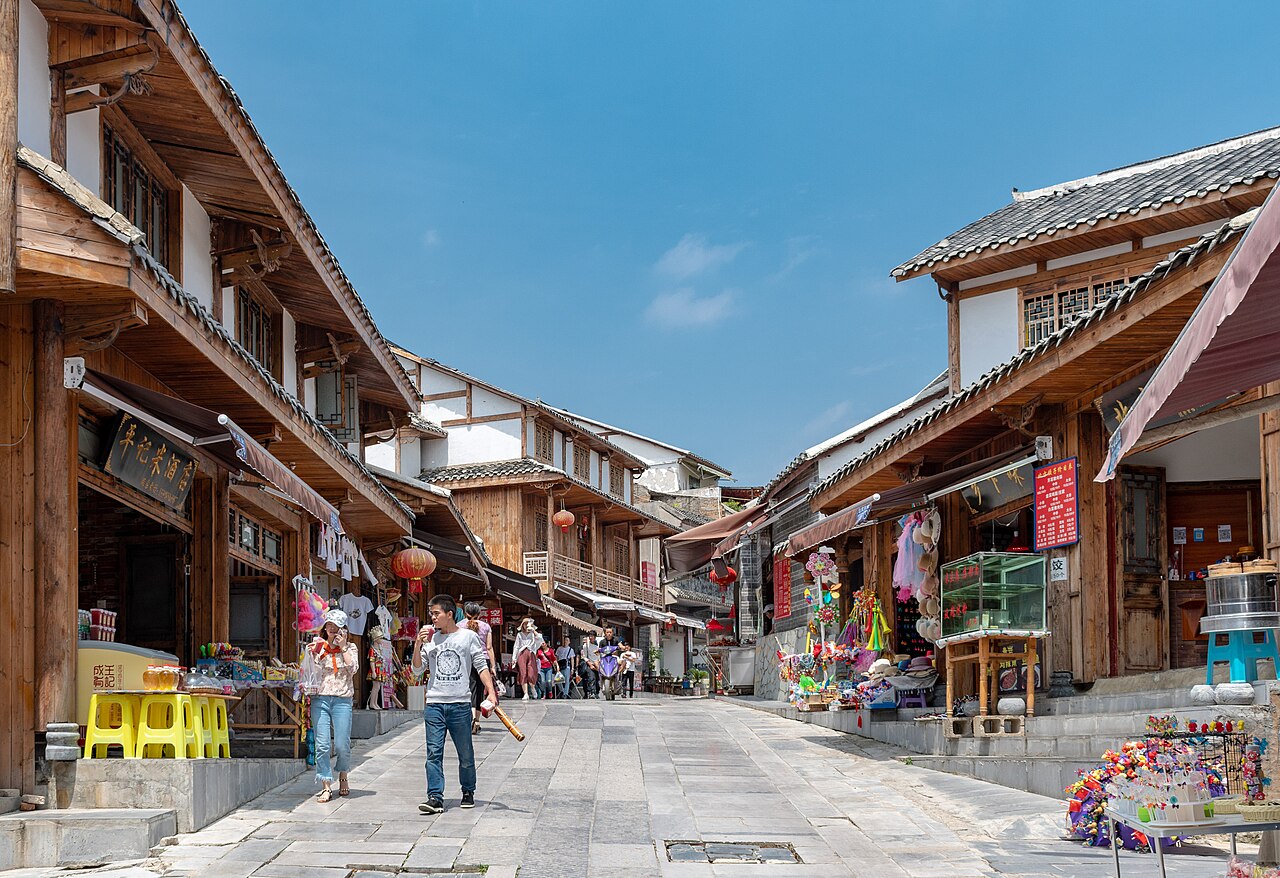
Be honest about the trade-offs. Yunnan is heavily touristed and Lijiang's old town in particular has become a giant shopping arcade. Roads are long, some are rough, and altitude is real above 3,000 metres. But travel slowly, skip the packaged day tours, and the province still delivers landscapes and encounters that few places in China can match.