City guide · Shandong

Mount Tai travel guide: how to climb it, ride it, and be on top for the sunrise

1,545 metres, 6,290 stone steps and three thousand years of emperors — the one mountain in China that is also a document.

  • Known forSunrise, Shibapan steps, imperial temples
  • Typical spend¥500–800 / person / 2 days
  • Ideal length1–2 days
  • PaceHard — 6,290 steps if you walk

Reviewed by our Beijing team Updated 2026-10-10

The short version

Mount Tai is the first of China's Five Great Mountains — a 1,545 m granite wall rising straight off the North China Plain beside the town of Tai'an, climbed by emperors for three thousand years and now a UNESCO dual heritage site. A fit walker needs 4 to 5 hours and 6,290 stone steps up the classic Red Gate route; a shuttle bus to Mid-Heaven Gate plus a cable car puts you at the summit in about an hour for ¥30–35 and ¥80. Entry is ¥127 from February to November and ¥102 in December and January. Give it one long day, or overnight on the summit for the sunrise.

  • The classic Red Gate route runs 6.5 km from Daizong Arch to South Gate with 6,290 steps — 4 to 5 hours up, 3 to 4 back down.
  • The final Shibapan staircase alone is 1,827 steps carved into a cliff that looks split open; this is the stretch that makes it a rite of passage.
  • If you would rather ride: shuttle bus to Mid-Heaven Gate ¥30–35, then the cable car to South Gate ¥80 one way or ¥140 return. Three cable cars serve the mountain.
  • Entry is ¥127 high season, ¥102 in winter, half for students; soldiers, the disabled, under-1.2 m children and over-70s go free.
  • For the sunrise, start climbing around 10pm and top out near 4am — or sleep on the summit, where a rented army coat costs ¥10–15 because the top is colder than you believe.

City guide

First impressions

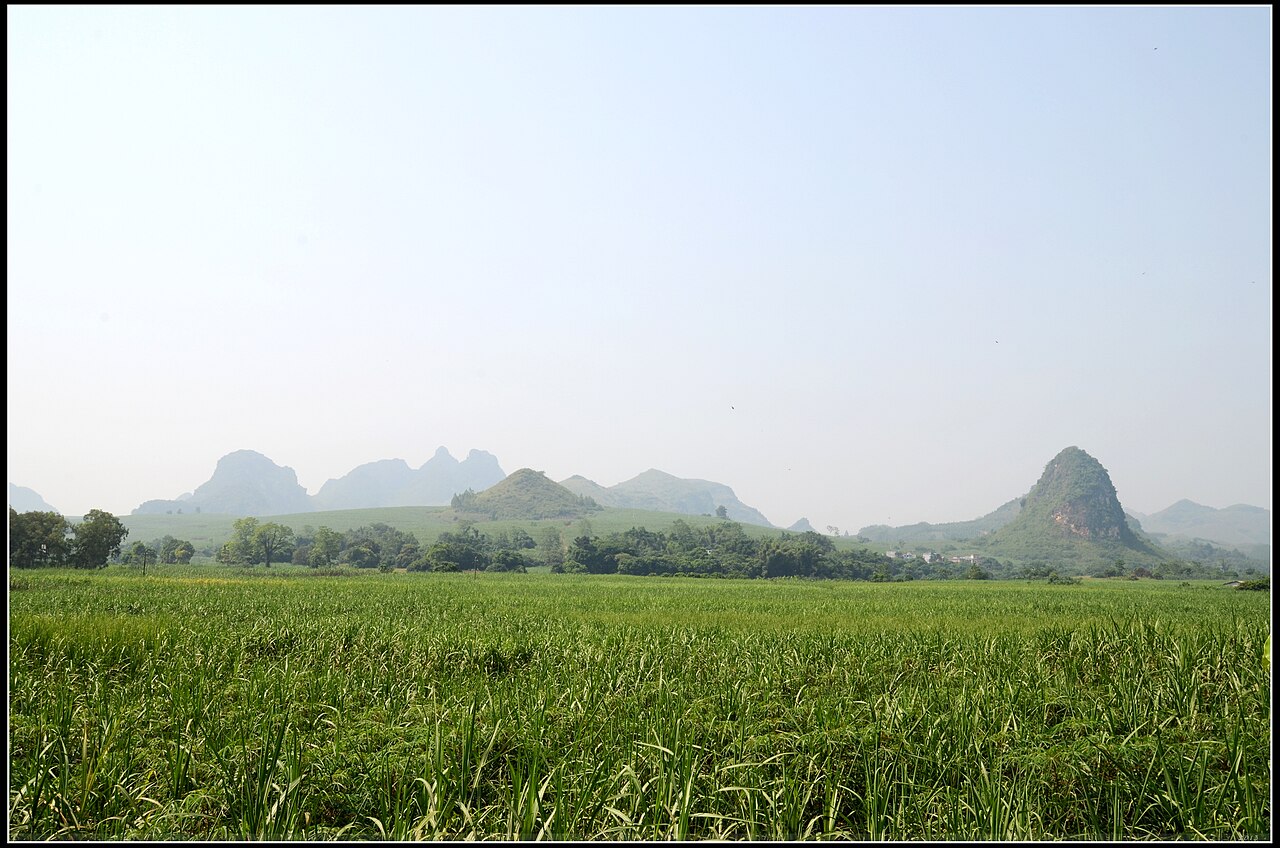
Photographs from the coast, and what other travellers wrote afterwards.

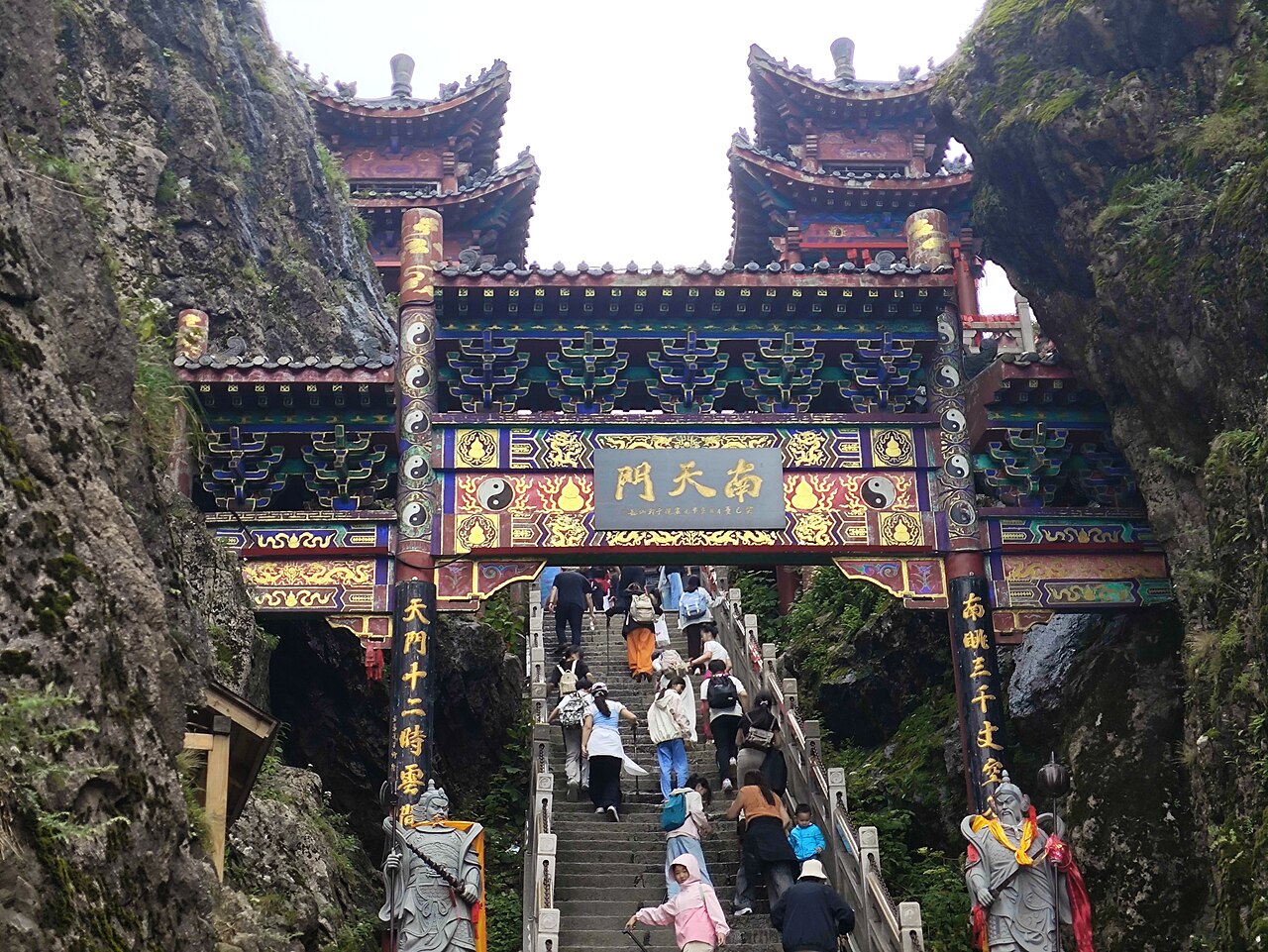
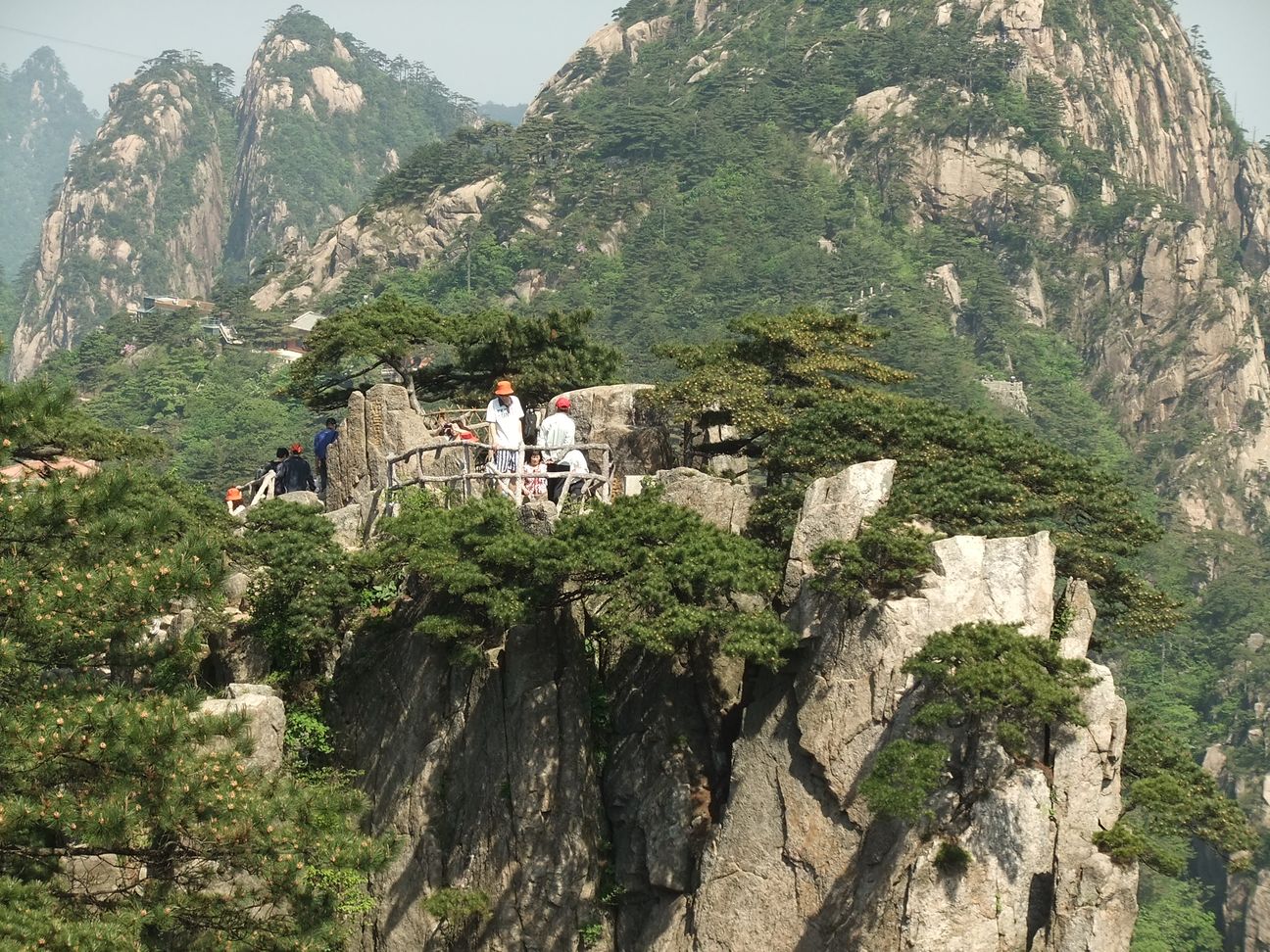
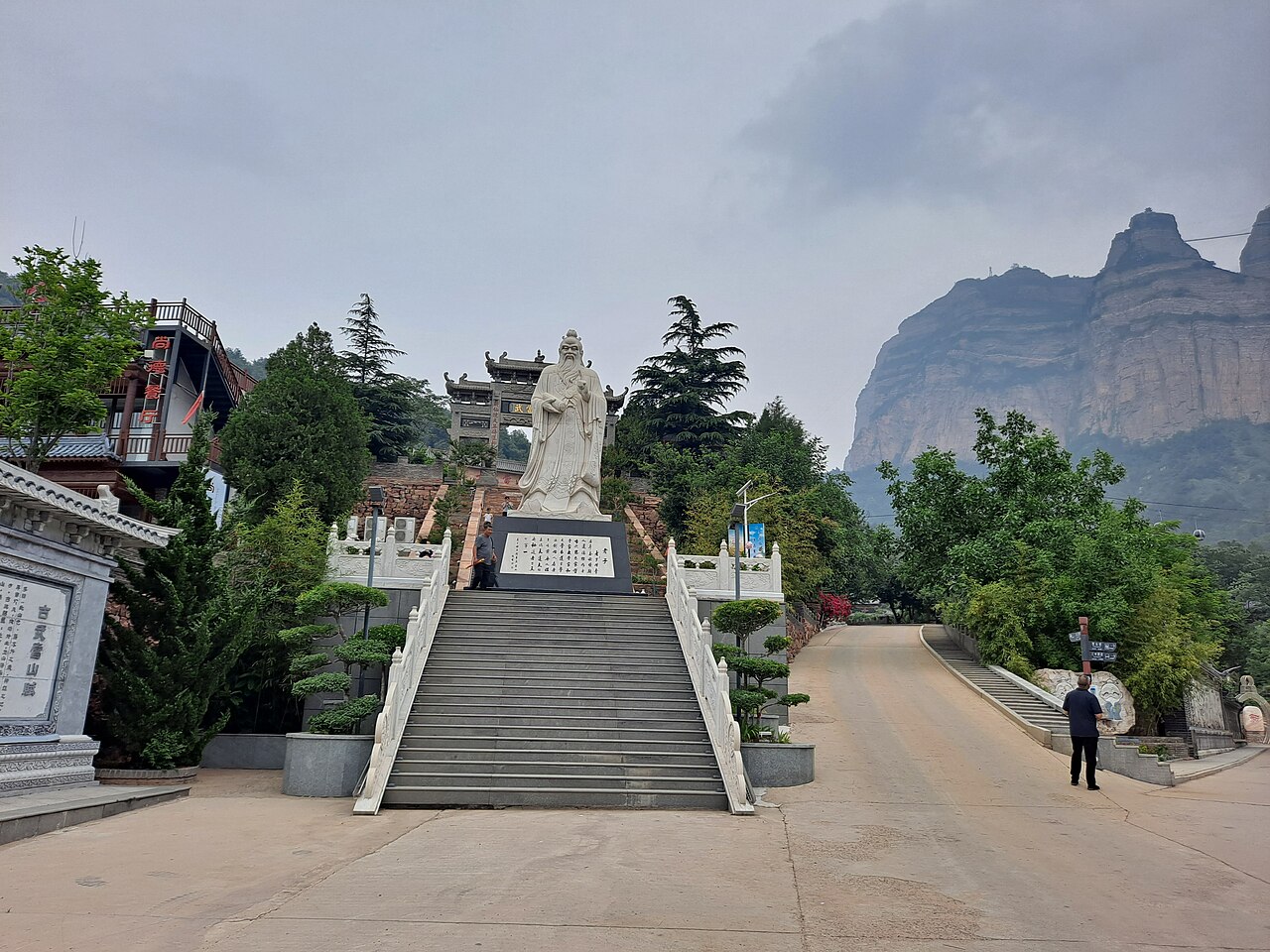
The Shibapan staircase climbing to South Gate
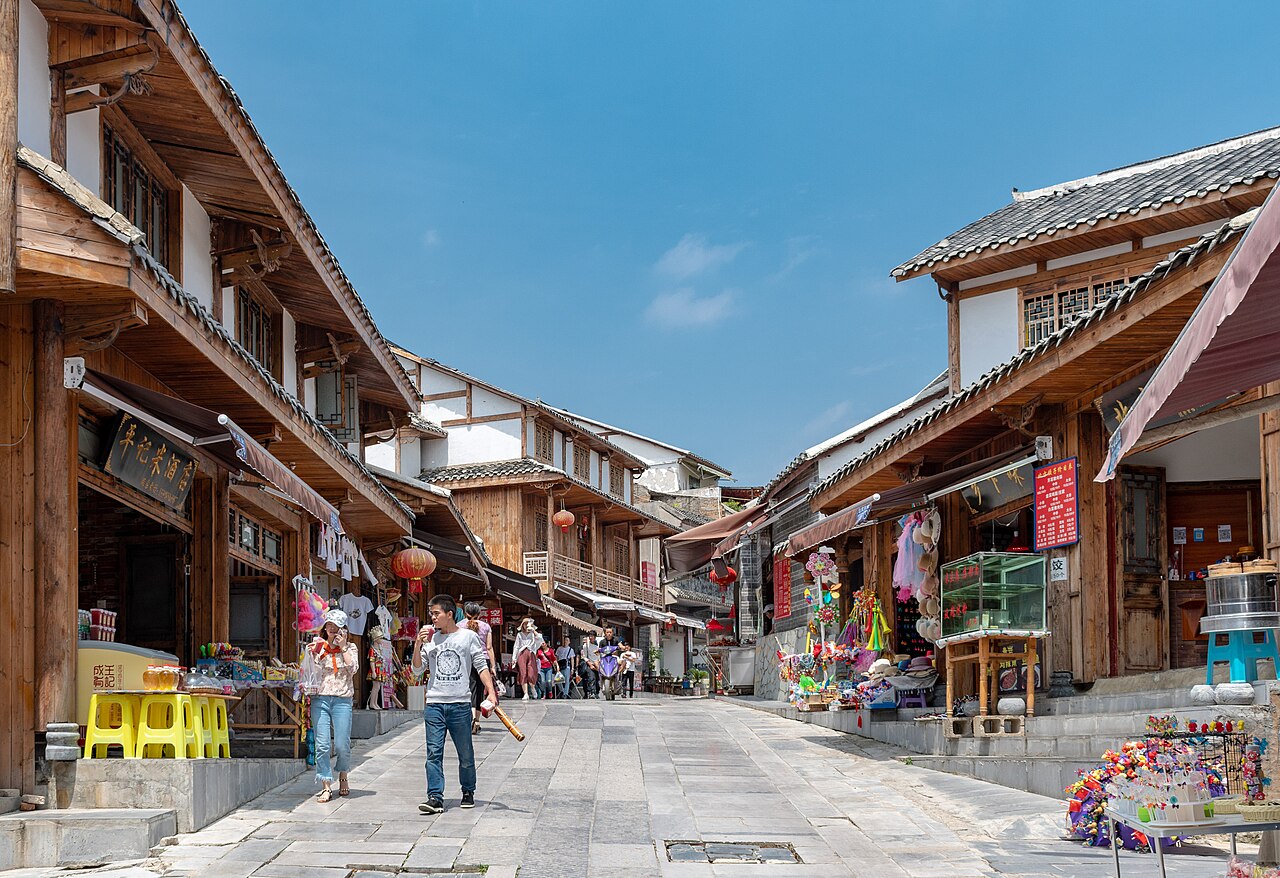
Heavenly Street, the market street on the summit
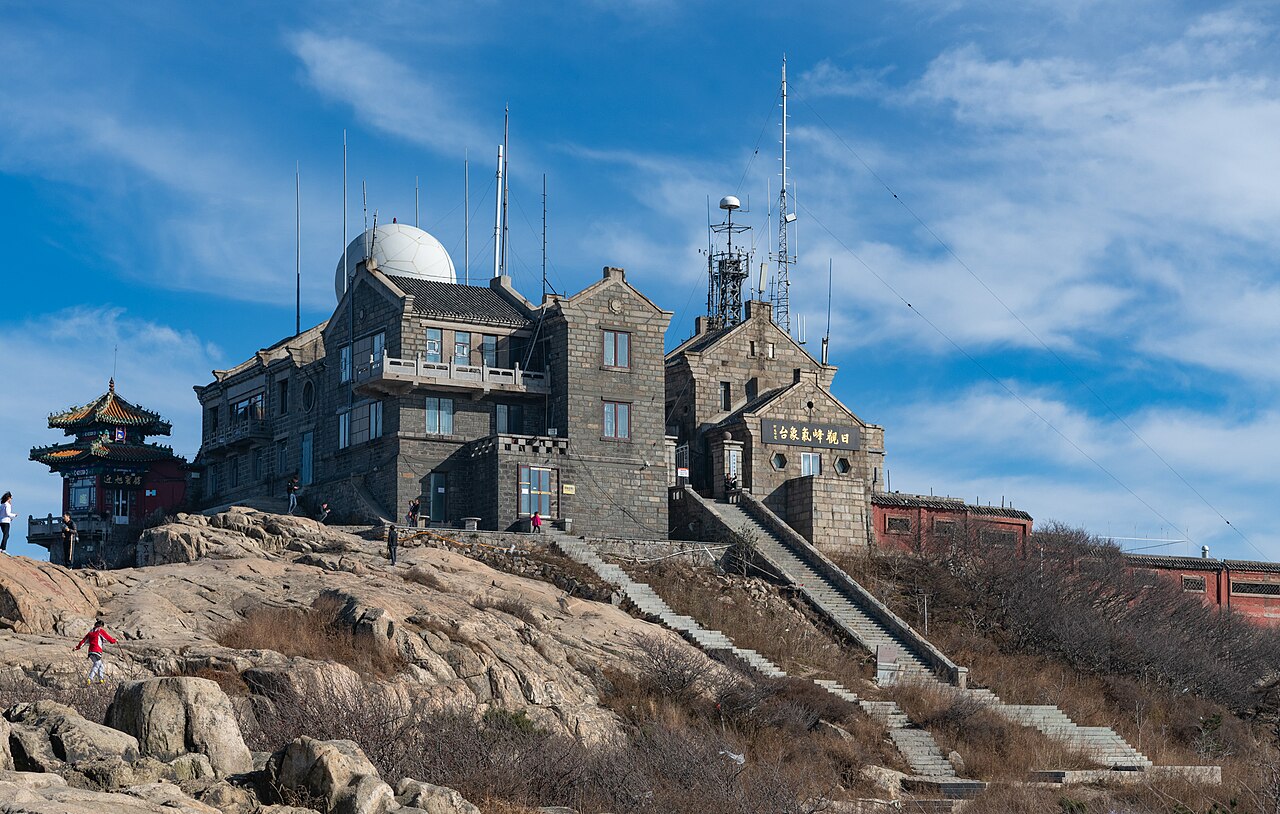
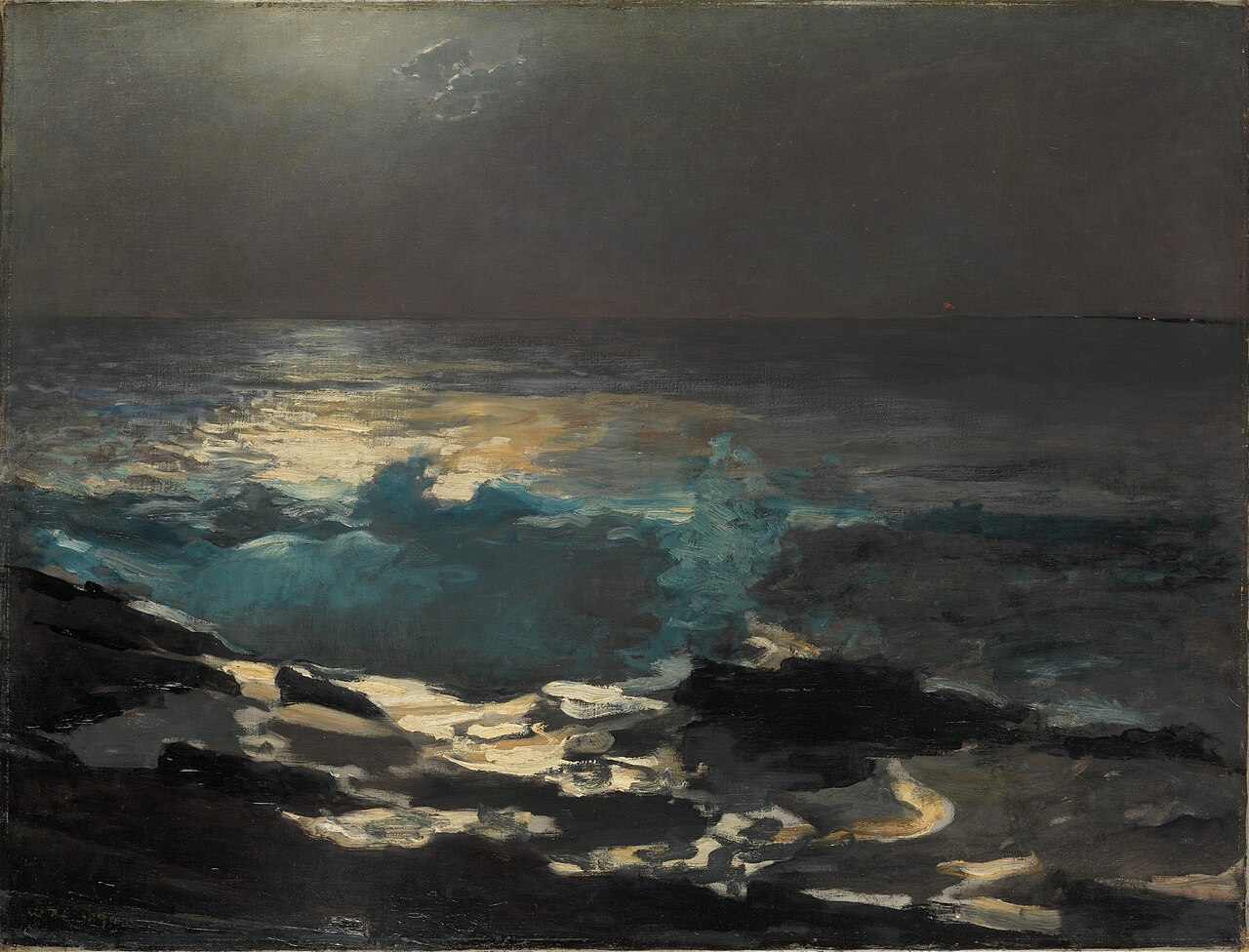
Sunrise from Sun-Watching Terrace
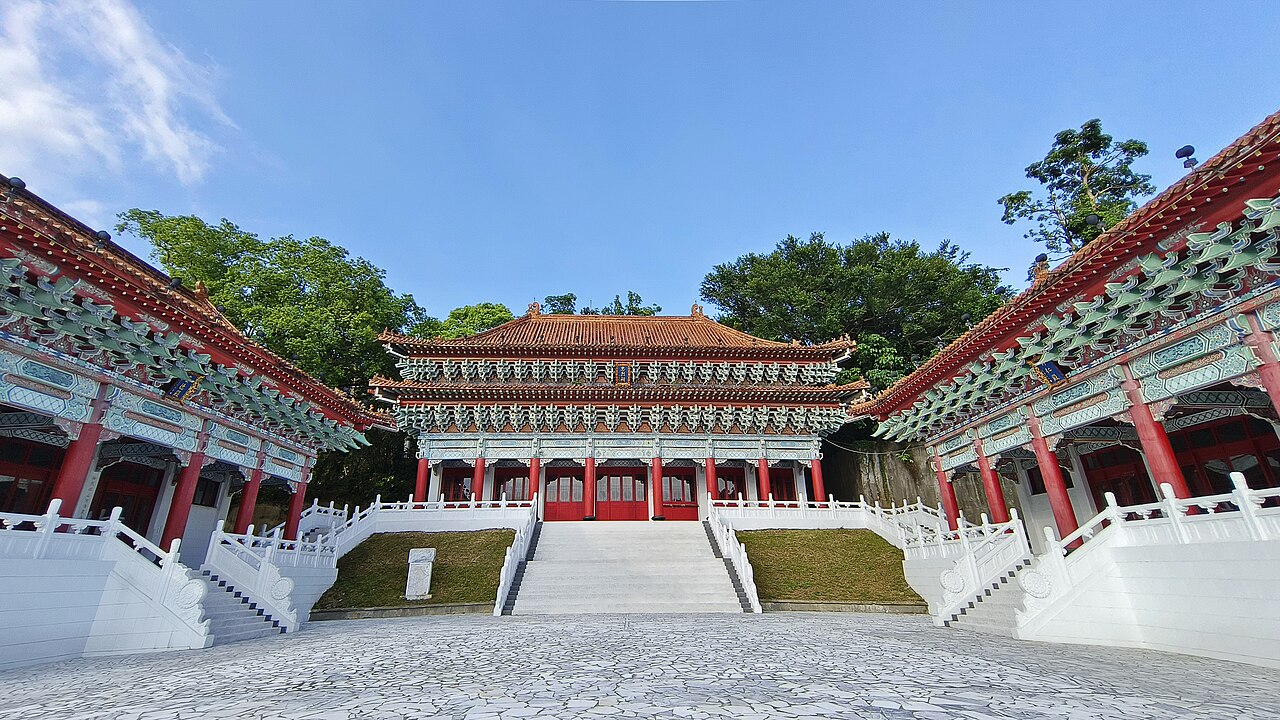
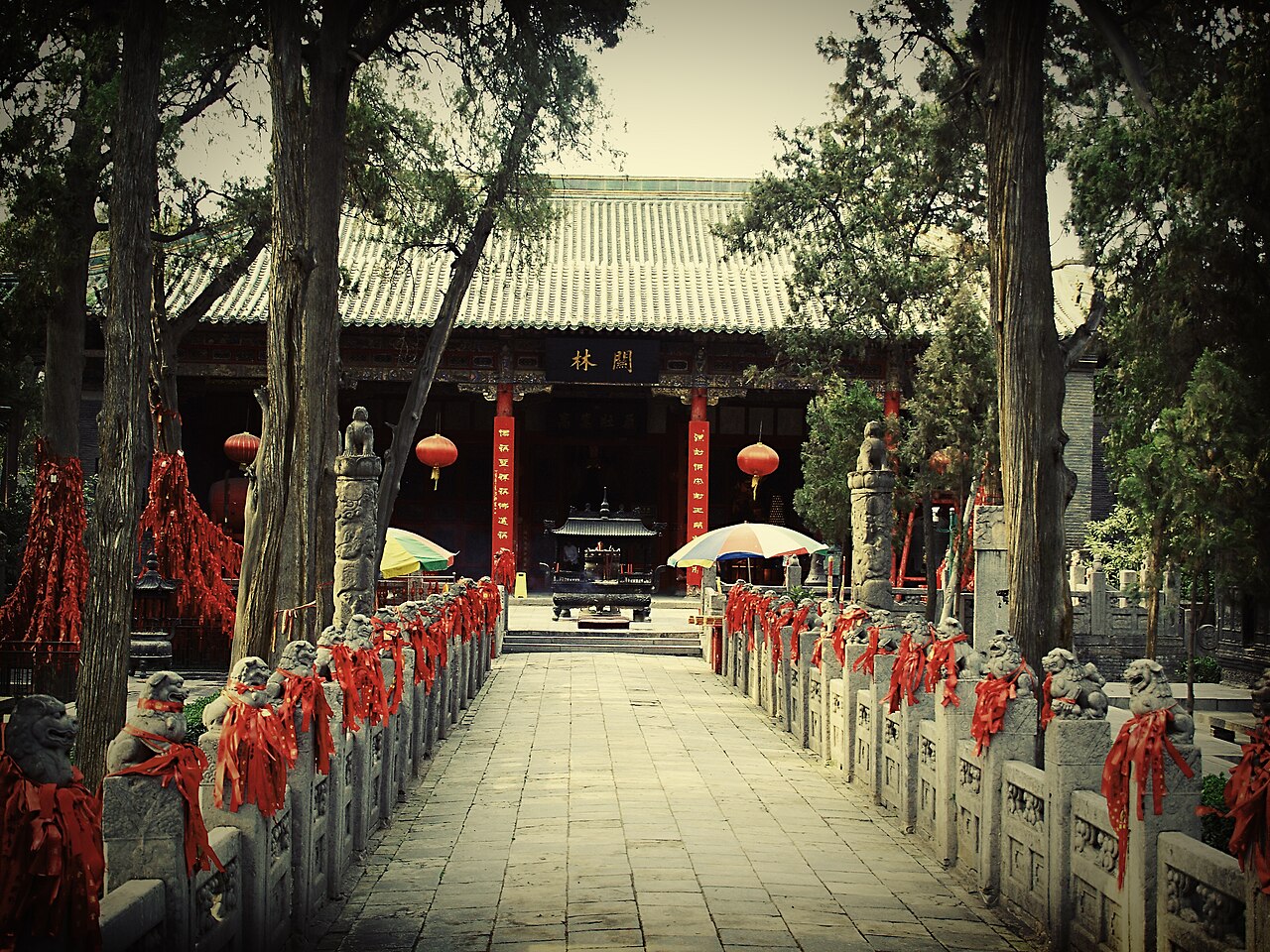
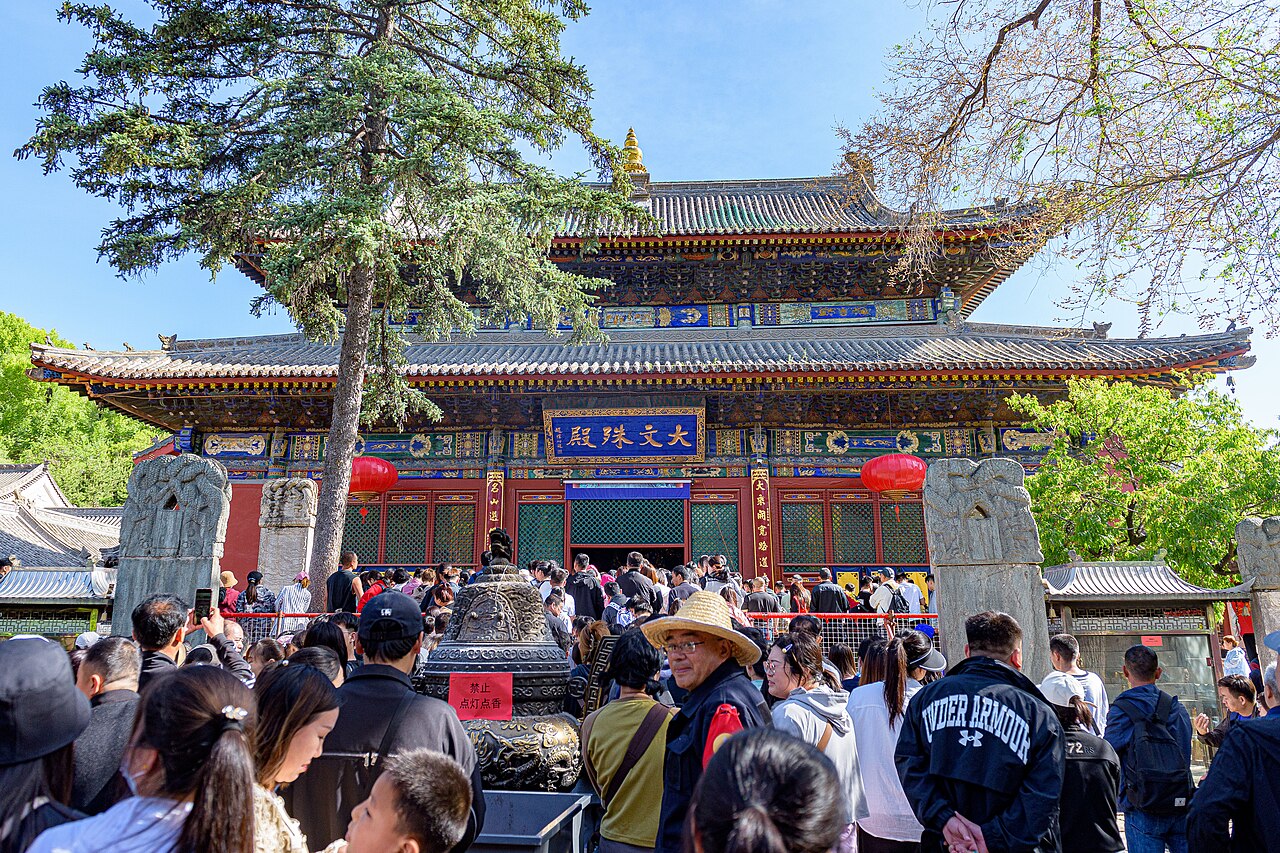
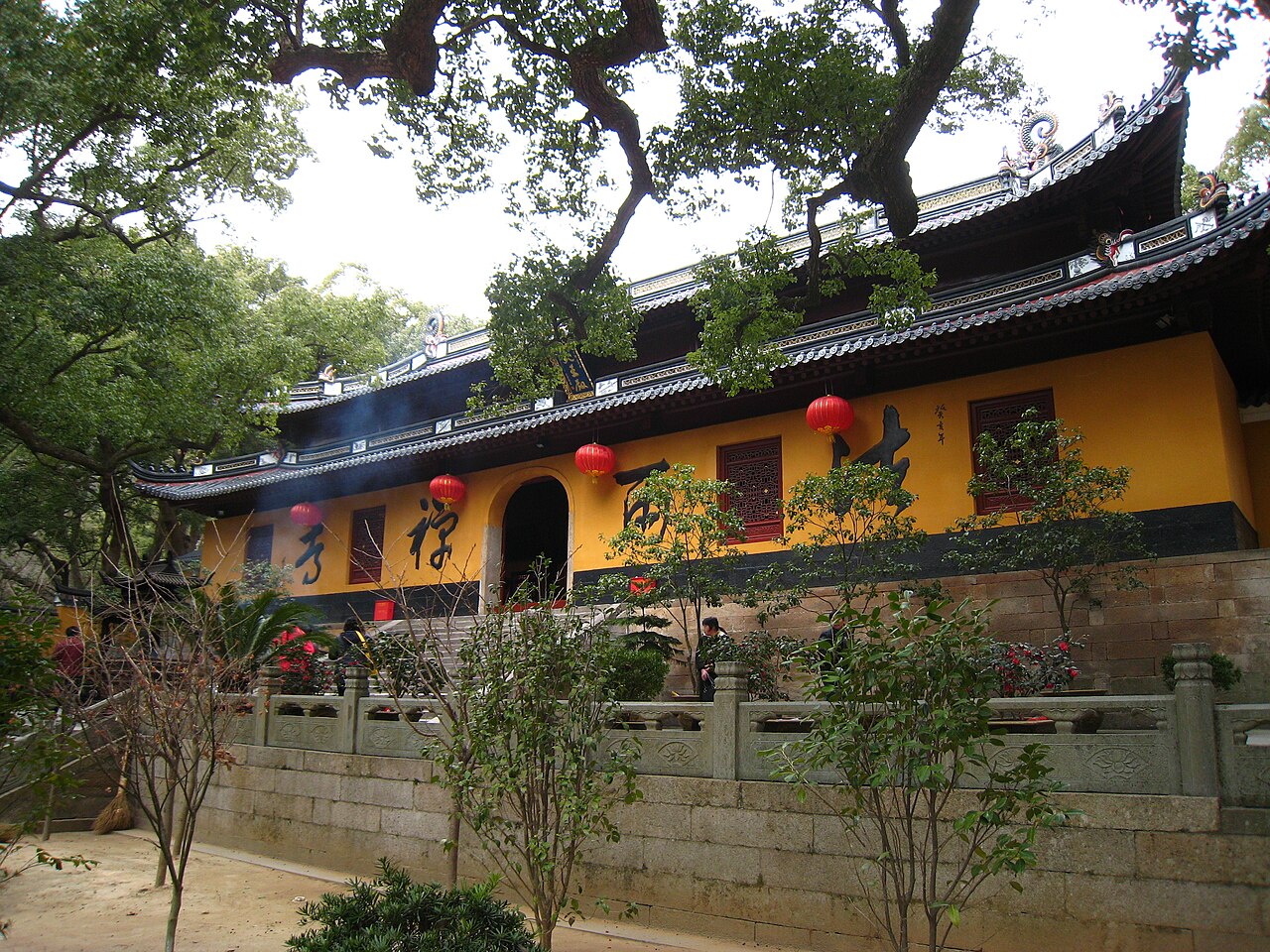
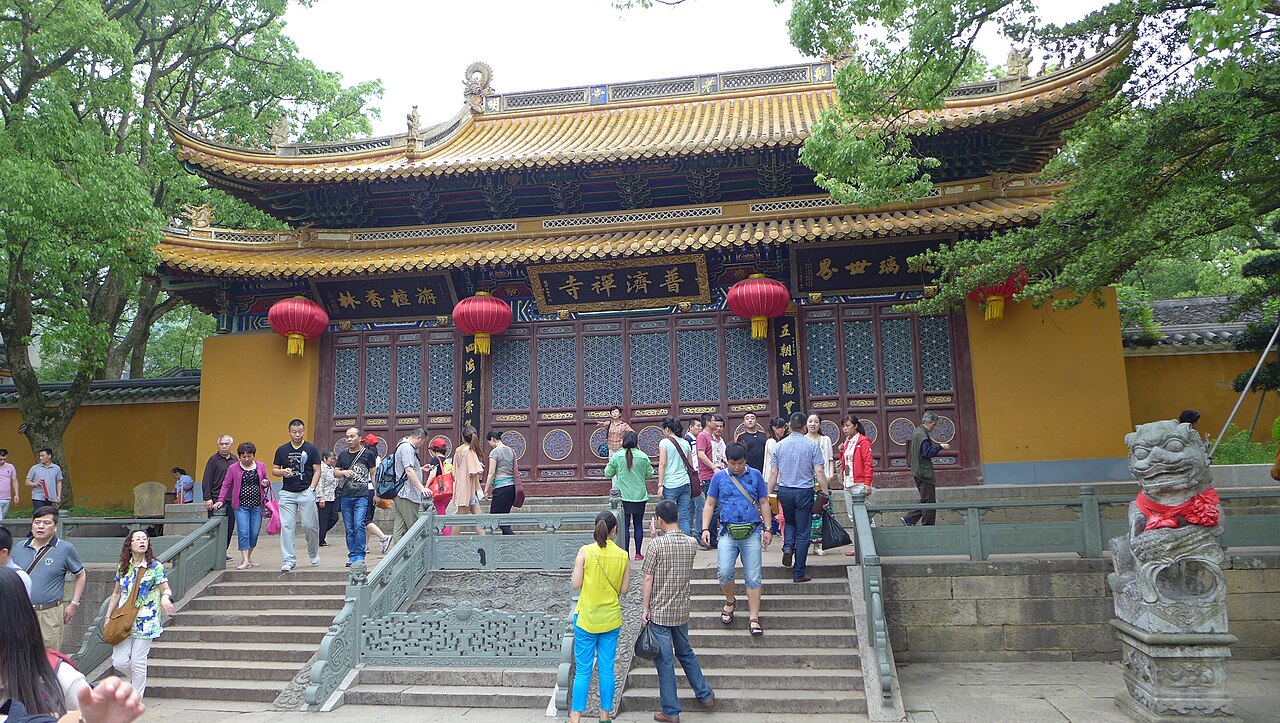
Dai Temple at the foot of the mountain

The stone steps are marked with the altitude — I only saw the 400, 800 and 1,000 metre marks, but they kept me going. The moment I came through South Gate, the sense of having done it was enormous: walkers below, ranges folding away behind, and the city faint and far off.

A traveller's note, 'Climbing Tai in September'

Far off, Tianzhu Peak stands severe and immense, and at its foot the streams never stop running. If Mount Tai were a man, he would be a hero in his prime — tall, straight, and utterly without pretence.

A traveller's note, 'A Confucian Journey: Tai'an and Qufu'

Mount Tai is not the highest mountain in China, or even close, but it is the one that matters. It is the peak that emperors climbed to report to heaven, that Confucius climbed and looked down from, and that Du Fu turned into the line every Chinese schoolchild can finish for you: when I reach the summit, all other mountains will seem small.

It rises abruptly out of the plain, a grey-green granite wall with its summit at 1,545 m, and its whole eastern flank is carved with one of the densest concentrations of inscriptions anywhere. More than seventy rulers came in the earliest dynasties alone. Qin Shi Huang performed the fengshan rite on top after unifying China; the Han and Tang emperors followed; from the Song onward it was sacrifice rather than rite. Confucius left his line, Du Fu his poem, and more than a thousand poems and odes on top of that.

For visitors it splits cleanly in two. There is the climb: the long stone staircase from Red Gate through Mid-Heaven Gate, up the near-vertical Shibapan to South Gate, then Heavenly Street and the summit. And there is the ride: shuttle bus, cable car, temples and views, ending at the same summit without the sweat. Both are legitimate; only one gives you the 1,827 steps.

What the summit gives everyone is the same: sunrise over the eastern plain, the sea of cloud in May, autumn colour, and in cold clear winter the rime that coats every pine on the ridge. The mountain is open around the clock, so the only real question is what hour you start.

Mount Tai

Don't leave without

Seven things that are worth rearranging a day for.

  1. Watch the sun come up from Sun-Watching Terrace at the summit
  2. Stand at South Gate and look back down the Shibapan you just climbed
  3. Eat a bowl of the three-delicacy soup: cabbage, tofu, spring water
  4. Walk at least two thousand steps under your own power
  5. Eat a hot pancake rolled round scallion and sweet bean sauce on the way up
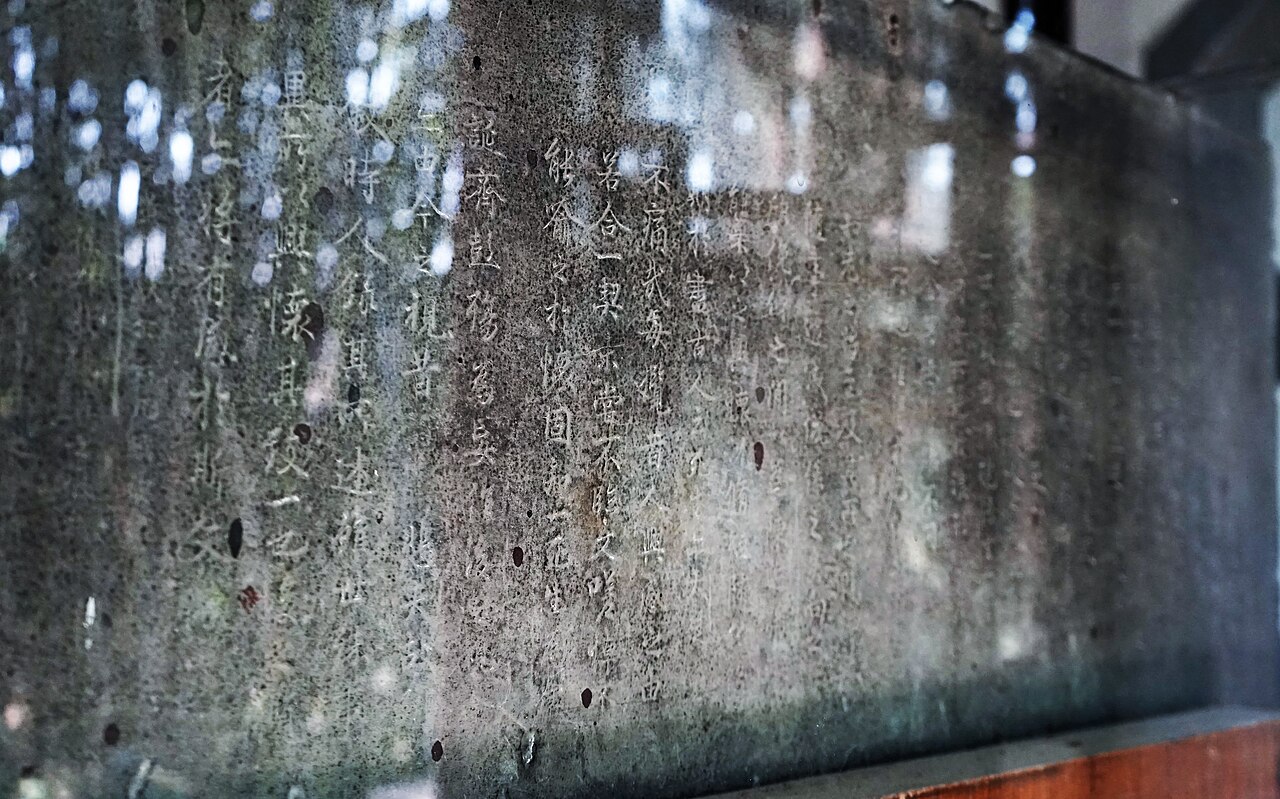
  6. Read the cliff inscriptions on the way down, when nobody is rushing you

Highlights

Six reasons to come

Sunrise from the summit

Sun-Watching Terrace sits southeast of Jade Emperor Summit, with a 30 m viewing gallery of pavilions and corridor. Dawn over the eastern plain, with cloud below you in May, is why half the crowd climbed all night — and no camera, however small, is turned away.

The Shibapan, 1,827 steps

The steepest and most celebrated stretch of the whole mountain, cut into cliffs that look as though a slice has been removed. From below the staircase reads as a ladder to a gate in the sky. There are three Shibapans: the slow one, the middling one, and the brutal one.

South Gate and Heavenly Street

South Gate has stood at the top of the stair for more than 700 years. Step through it and you are on Heavenly Street — inns, restaurants, shops and snack stalls hanging at the summit, roughly a kilometre of them, busy since the Qing dynasty.

Mid-Heaven Gate, the halfway mark

At 847 m, where the eastern and western routes meet. Below you is the staircase you have already done; above you is the one you are about to do. Locals say the real Mount Tai only begins to show itself from here upward.

Dai Temple at the foot

The first temple of China's famous mountains, begun in the Qin and expanded under the Song, laid out like an imperial palace with more than 150 old buildings inside a 1,500 m wall. It ranks with the Forbidden City, Qufu and Chengde among China's four great ancient building complexes.

The three delicacies

Cabbage, tofu and spring water — three humble things that the people of Tai'an turn into a clean, sweet soup. The tofu is ground on a stone mill and set with Tai water; the water is soft and low in minerals, and you can taste it. Skip it and you have not really been.

Suggested routes

Three ways up

The classic: walk it

1 day days

The imperial route from Red Gate to Jade Emperor Summit. This is the one people mean when they say they climbed Mount Tai.

  1. Day 1

    Red Gate to the summit

    After breakfast at Red Gate, start up. The first shrine you reach is Doumu Palace, the quietest spot on the mountain — go in and take your time.

    Then Mid-Heaven Gate, where the two routes meet, and after it the Shibapan: nine bends in eighteen turns, in three stages. Rest often, look at the view rather than your feet, and save something for the last stretch.

    South Gate next — look up at it properly — then Heavenly Street for food and a sit-down, then Jade Emperor Summit for the whole mountain at your feet. Come down by cable car if your knees vote for it; a walking pole helps enormously on the descent.

    Stops: Red GateDoumu PalaceMid-Heaven GateShibapanSouth GateHeavenly StreetJade Emperor Summit
  2. Night option

    The same route after dark

    Start around 10pm instead of after breakfast. You reach the summit in about five hours, near 4am, which is exactly when you want to be standing at Sun-Watching Terrace.

    The path is lit, there are toilets and small shops the whole way, and there are hundreds of people on it — nobody climbs alone in practice. Pack a jacket.

    Stops: Red GateMid-Heaven GateShibapanSun-Watching Terrace

The easy way: bus and cable car

1 day days

Same summit, no sweat. Good with children, bad knees, or a tight schedule.

  1. Day 1

    Ride up, walk the temples

    Shuttle bus from Tianwai village up the mountain road to Mid-Heaven Gate, then change to the cable car for South Gate — the aerial view of the range is a different mountain from the one you see from the path.

    Walk from South Gate along Heavenly Street, eat something, then Bixia Temple in the afternoon, and finish at Jade Emperor Summit. Sleep on the mountain if you want the sunrise without the night climb.

    Stops: Mid-Heaven GateSouth GateHeavenly StreetBixia TempleJade Emperor Summit

Two days: the whole mountain

2 days days

High rock and shrines one day, the wild back valleys the next. Best for photographers and walkers.

  1. Day 1

    Up the classic route, sleep on top

    Red Gate, Doumu Palace, Mid-Heaven Gate for a snack, then Yunbu Bridge and into the Shibapan. Stop when you are tired, eat, and look at the mountains while you rest.

    South Gate, then Heavenly Street to buy souvenirs and eat; watch the sun go down from Jade Emperor Summit; wander the street after dark. Book the room in advance and bring a thick layer — or rent a coat.

    Stops: Red GateYunbu BridgeShibapanHeavenly StreetJade Emperor Summit
  2. Day 2

    Down the back of the mountain

    Breakfast on Heavenly Street while the mist is still in it — the feeling of walking in the sky is real — then sunrise at Jade Emperor Summit, and down the northern side into Houshiwu, the so-called first cave-heaven of the northern slopes.

    On to Tianzhu Peak for the strange pines and rock towers, then down to Black Dragon Pool and Fanzi Cliff, said to have given Wu Cheng'en the fan in Journey to the West. Finish at Dai Temple and sleep in town.

    Stops: HoushiwuTianzhu PeakBlack Dragon PoolDai Temple

Sights

What to look for on the way up

Start of the climb

Red Gate

Short for Hongmen Palace, the traditional start of the central route and the imperial way up, named for the mineral-red rock of Dazang Ridge behind it, which frames the entrance like two doors. Look north from Feiyun Pavilion on a clear morning and you get the Red Gate Dawn the mountain is famous for.

Where
North end of Hongmen Road, north of Daizong Arch
On the route
Start of the central path; 2.5 km north-east of Tai'an railway station
Hours
Mountain open 24 hours

Tip Buy a walking pole here — a few yuan, sold at stalls all the way up, and it saves your knees on the way down. Start slow; the mountain rewards pacing, not sprinting.

Quietest shrine

Doumu Palace

Once called Dragon Spring Temple, this is the stillest place on the whole mountain: three courtyards built beside the stream, sober and composed, with green hills folded behind it. Originally a Daoist temple, it passed to Buddhist nuns in the early Qing and was renamed for the mother of the Northern Dipper stars.

Where
North of Wanxian Tower, on the central route
Hours
Open with the mountain
Why stop
The first place on the climb where it is genuinely quiet

Tip Ten minutes here at the start of the climb does more for your head than twenty minutes of resting on the steps later.

Halfway

Mid-Heaven Gate

Also called the Second Heavenly Gate, one of Mount Tai's three gates, standing on the ridge of Huangxian at 847 m where the east and west routes meet. To get there you first beat the so-called little Shibapan below it. Below you: the steps you have done. Above you: the steps you have not.

Height
847 m
Getting there
Shuttle bus from Tianwai village, about ¥30–35; on foot from Red Gate 2–3 hours
Cable car
Mid-Heaven Gate to South Gate ¥80 one way, ¥140 return
Cable car hours
7:00–17:00 Apr–Oct; 8:30–17:00 Nov–Mar

Tip This is the decision point. Walking up from here is the real climb; the cable car from here costs the same either way, so many people walk up and ride down.

The 18 bends

Shibapan

The signature of Mount Tai: 1,827 stone steps set into cliffs that appear to have been split apart, running north of Duisong Mountain in an unbroken ribbon. Locals divide it into three — the slow eighteen from Kaishan to Dragon Gate, the middling eighteen on to Shengxian Arch, and the punishing eighteen from there to South Gate, which is the steepest of all.

Steps
1,827
Where
Between Mid-Heaven Gate and South Gate
Steepest part
Shengxian Arch to South Gate

Tip Do not race it. Two bottles of water and something sweet in your pocket, no bag of snacks you will not eat, and stop to look back — the view down the stair is half the reason people remember this mountain.

The summit gate

South Gate and Heavenly Street

South Gate has stood at the head of the staircase for more than 700 years, rebuilt in 1984 with a viewing terrace added behind the hall; it sits between Flying Dragon Cliff and Soaring Phoenix Ridge, two peaks that seem to open a gate between them. Through it lies Heavenly Street — inns, restaurants, shops and stalls strung along the ridge, and busy since the Qing.

Where
Top of the Shibapan, entrance to the summit area
Heavenly Street
Runs east from South Gate toward Bixia Temple, roughly a kilometre
Prices on top
Vegetable dishes ¥25–30, meat ¥40, noodles ¥10 a bowl

Tip Everything up here costs more than in town, and that is the deal: you are paying for the altitude. Bring a layer; even in July the summit morning is cold, or rent an army coat for ¥10–15.

The top

Jade Emperor Summit and Sun-Watching Terrace
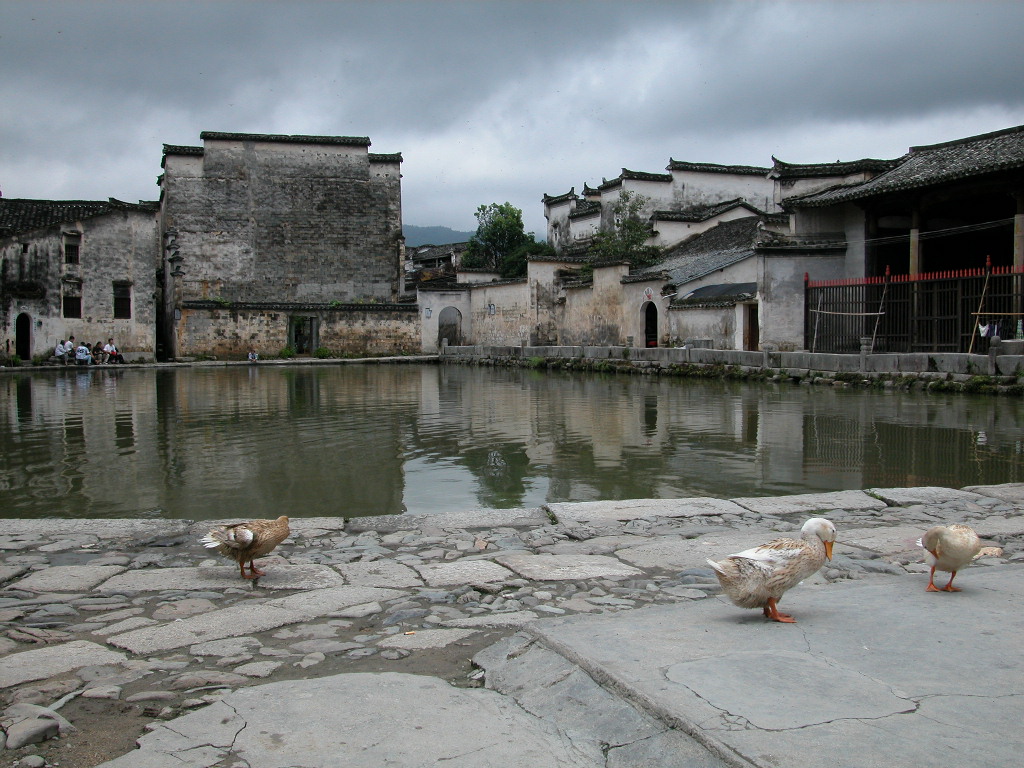
At 1,545 m, the true summit, crowned by the Jade Emperor Temple and once called Taiping Peak or Heavenly Pillar Peak. Just southeast is Sun-Watching Terrace, with its 30 m gallery of pavilion and corridor, where the sunrise crowd gathers before dawn. This is the only place the line about all other mountains looking small makes sense.

Height
1,545 m
Where
North of Bixia Temple, top of the mountain
Best light
Sunrise; the sea of cloud is most likely in May

Tip Do not leave straight after the sunrise — give the summit twenty to thirty minutes. Around 7 or 8am the night climbers have gone down and the day climbers have not arrived, and you can photograph it almost alone.

Living shrine

Bixia Temple

The shrine of Bixia Yuanjun, goddess of the dawn, on the south side of the summit: first built in 1009 as Zhaozhen Shrine, renamed under the Jin, rebuilt under Ming Hongzhi and given its present name after the 1770 reconstruction. Laid out on a strict axis — screen wall, south gate, mountain gate, incense pavilion — climbing north and rising as it goes.

Where
South side of the summit, east end of Heavenly Street
Hours
8:00–17:00
Built
1009, rebuilt many times since

Tip Come for the incense as much as the architecture. This is a working place of worship, not a museum, and the crowd at dawn tells you what the mountain means to people who did not come for the view.

Temple at the foot

Dai Temple

Called the first temple among China's famous mountains: begun in the Qin and Han, expanded under the Song, built to the plan of an imperial palace inside a wall more than 1,500 m around and holding more than 150 old buildings. It ranks with the Forbidden City, the Confucian complex at Qufu and the mountain resort at Chengde as one of China's four great ancient building groups.

Where
Tai'an city, at the foot of the mountain
Ticket
¥30
Hours
8:00–17:00

Tip Do it on the way down, or the day after, when your legs have voted. Leave by the back gate and you walk straight to Red Gate for the climb — the route the guidebooks recommend for calligraphy lovers, because the steles never stop.

Back of the mountain

Houshiwu

The heart of what the mountain calls its deep zone, reached by cable car from the summit area. Strange rock, ancient pines fighting for space — the famous Mandarin Duck Pine and Crouching Dragon Pine — and steep valleys with streams racing through them. Called the first cave-heaven of the northern slopes since antiquity, and much quieter than the front.

Where
North-east of Jade Emperor Summit, below Sky Mountain
Cable car
¥20 one way, ¥40 return
Hours
8:30–16:00 Apr–Oct; 8:30–17:00 Nov–Mar; closed in the winter fire season
Stops
Duzu Terrace, Yuanjun Temple, Nine Dragon Ridge, the Yellow Flower Cave

Tip Go with company. The back of the mountain is genuinely empty — no shops, no stalls — so carry your own water and food, and do not wander off alone.

Water and quiet

Taohuayuan and the western valleys

Peach Blossom Spring, the western gate to the summit: no sharp peaks, no heavenly gates, just water and rock and flowers arranged like a Jiangnan garden, with a stream running all year and the sound of it everywhere. Nearby, Black Dragon Pool drops a waterfall off the Baizhang Cliff into a pool fathoms deep, and Fanzi Cliff — the fan-shaped crag said to have given Wu Cheng'en the fan in Journey to the West — stands above it.

Where
North-west of the main massif; the western trailhead
Cable car
Taohuayuan to South Gate ¥80 one way, ¥140 return
Hours
7:00–17:00 Apr–Oct; 8:30–17:00 Nov–Mar
Bus
City bus 16 from the railway station to the trailhead, ¥3

Tip Black Dragon Pool is deeper than it looks and colder than it looks — do not swim in it, however hot the day. Prices here are lower and the crowds thinner than on the front face.

Food

Cabbage, tofu, spring water

Three-delicacy soup

The dish the mountain is judged on: cabbage, tofu and Tai water simmered together. The tofu is ground on a small stone mill and set with the spring; the water is soft and low in minerals. White tofu, green leaves, purple seaweed, a broth that tastes mostly of water — in the best way.

The tofu banquet

Started when emperors came to perform the rites and ate vegetarian to purify themselves, and now a full banquet built entirely from tofu: first-rank tofu, the eight immortals at the jade pool, Buddha's-hand tofu, ginseng tofu, lotus tofu, hibiscus tofu. Dozens of dishes, each one tofu doing an impression of something else.

Red-scale fish

Found only in the streams of this mountain, a tribute fish to the Qing court and one of the country's five famous fish. Sweet flesh, rich but not oily, clean rather than fishy. Order it poached, deep-fried, or in the dragon-and-phoenix soup where the fish plays the dragon and the meatballs the pearls.

Pancake rolled round scallion

Millet batter, hand-spread thin enough to see through, brushed with a dark sauce and wrapped round a spring onion. About ¥1 at the foot of the mountain, ¥2 at the top, and ¥1 more if you want egg in it. The eating of it on the path is half the point.

Tai fried bread

Said to date from the Han — golden on both sides, sesame on the crust, crisp outside and soft within, salty and fragrant. The story goes that an imperial cook made it with local donkey fat for Emperor Wu when he came east to perform the rites, and the emperor was delighted.

Mountain herb banquet

The deep forest here grows a pharmacopoeia, and Tai'an cooks built a banquet around it: chicken steamed with lingzhi, duck with lingzhi, lamb stewed with fleeceflower, chicken with four-leaf ginseng, rock sugar and yellow essence soup, ginkgo pork knuckle, almond tofu.

Wild greens banquet

Another inheritance from the vegetarian fasts of the emperors: cold plates, fried, scrambled, pickled and souped wild greens from the mountain — shepherd's purse in ginger, fried lotus, scrambled pheasant. Bitter, green, and very much of the season.

Tai barbecue

Three local ways with it: lamb cut small with shredded scallion and fried on a flat iron plate; sheep tripe threaded on skewers and boiled in a basin over charcoal; and the ordinary mutton skewer. Portions are big, the flavour is strong, and it eats like Shandong — meat in quantity.

Where to eat

Six kitchens worth the stop

Mountain cooking

Taishan Caiguan

Right inside the scenic area, and one of the better rooms in Tai'an. The Tai dishes are the real thing — three delicacies, fried tofu balls, fried yellow croaker. Pricier than elsewhere, slower when it is full, and the service is not warm. You are paying for the location.

Where
Mid-section of Hongmen Road
Average spend
About ¥50 / person
Phone
0538-6267888

Lu cuisine

Taishan Yijiaren

Easy to find and good value, a Lu-cuisine kitchen with a light hand — much of it gently modernised, clean and savoury, generous portions. Sweet-and-sour carp and caramelised sweet potato are the ones to order, and food arrives fast. Wash it down with local draft beer.

Where
137 Dongyue Street, Taishan district
Average spend
About ¥48 / person
Phone
0538-6662001

Local institution

Juding braised bone house

Well known locally and always busy, close to Red Gate and Daizong Arch. The braised bones are the reason people return, the rest of the menu is ordinary but honest and the portions are large. Go early — the good dishes run out.

Where
Hongmen Road, Taishan district (near Daizong Arch)
Average spend
About ¥47 / person
Best for
The meal before or after a climb

Seafood

Jiaodong Zhuanghu Cheng

A well-known name in Tai'an with a distinctly Jiaodong seafood bent: braised fish, clams in chilli, big Jiaodong buns, razor clams. Good room, attentive service, slightly dearer than average but the value holds because the plates are big.

Where
54 Dongyue Street, Taishan district (opposite the mobile company)
Average spend
About ¥66 / person
Phone
0538-833373

Cheap and famous

Pancake and Scallion, Taishan Street

Enormously popular locally — book or expect to sit at an extra table. Portions are huge, prices low, flavours on the salty side, and the serving is done largely by aunties while the runners are all uncles, which is worth the visit on its own.

Where
West of the Rongliao petrol station, Taishan Street, Taishan district
Average spend
About ¥44 / person
Phone
0538-8012345

Night eating

The three barbecue strips

Tai'an does barbecue in three places, all easy to find: Li Pangzi's, a few hundred metres in front of Dai Temple on the west side of Tongtian Street; the Huanshan Road strip by Red Gate Palace north of Tiger Hill Park; and the Apple Orchard strip east of town. Very little money buys a great deal of food.

Where
Tongtian Street, Huanshan Road, and the eastern outskirts
Average spend
About ¥20 / person
Best for
The cheap, loud dinner after a climb

Where to stay

On the mountain or at the foot of it

For the sunrise

Shenqi Hotel, on the summit

At the very top, within a hundred metres of Sun-Watching Terrace, Jade Emperor Summit, Bixia Temple and the Confucius Temple — you could not be better placed for dawn or for paying respects. Standard rooms and suites, restaurants, and prices to match the altitude. Plenty of people decide it is worth it once.

Where
10 Heavenly Street, Taishan district
Price
From ¥684 / night
Phone
0538-8223866

Cheap bed on top

Air Force Guesthouse, summit

On the summit near Jade Emperor Summit, within five minutes of all three cable car stations, and close enough to the sunrise to make the whole plan work. Condition is plain, price is the reason you book it.

Where
North of Jade Emperor Summit
Price
From ¥97 / night
Phone
0538-8270588

Mid-range on top

Other Heavenly Street inns

Heavenly Street is thick with inns and restaurants. Rooms are quiet and middling in condition, the hotel wakes you for the sunrise, coats are rented at the door, and the shortcut to Jade Emperor Summit takes about ten minutes. Book ahead — the summit has finite beds and a very finite number of good ones.
Where
Heavenly Street, between South Gate and Bixia Temple
Price
Higher than town; expect several hundred yuan in season
Tip
Reserve before you climb, especially at weekends

At the foot

Hongmen international youth hostel

At the foot of the mountain with hills behind and the town in front, about fifty metres from the first step of the imperial way. Old grey-brick and red-tile buildings set among the best bits of the lower mountain, with food and transport on the doorstep.

Where
89 Hongmen Road, Tai'an
Price
From ¥45 / night
Phone
0538-8086188

Best value base

Tai'an city hotels

Staying in town costs a fraction of the summit and puts Dai Temple, the bus stations and the railway station within easy reach. Everything from star-rated hotels to ordinary business rooms and hostel beds exists here — pick by how early you want to start walking.

Where
Tai'an city, around Dongyue Street and the railway station
Price
From ¥45 for a dorm; business rooms from around ¥193
Best for
Saving money, and sleeping properly before a 10pm start

Getting around

How to reach Mount Tai and move on it

By air

The mountain has no airport. Most people fly into Jinan Yaoqiang International (TNA), about 90 km north, which runs a coach to Tai'an roughly every 90 minutes from mid-morning to evening, picking up and dropping at the Tai'an Grand Hotel. Qingdao (TAO) is the alternative if you are coming up the coast.

Airport
Jinan Yaoqiang International (TNA), about 90 km away; hotline 0531-96888
Airport coach
Tai'an service roughly every 90 minutes, 10:30–21:00
Alternative
Qingdao Jiaodong (TAO), about 2 hours by rail from Tai'an

By train

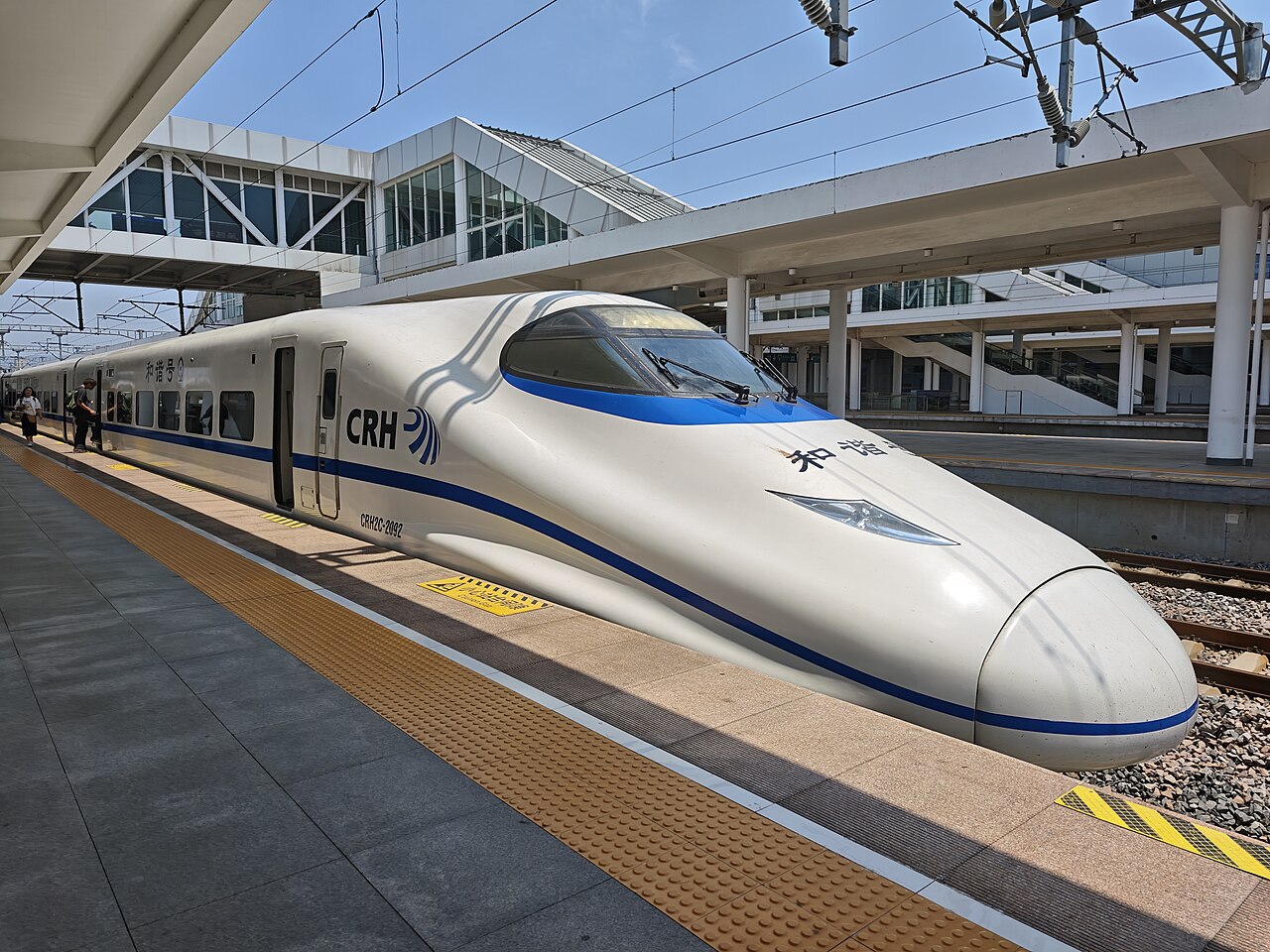
Tai'an has two stations and this catches people out: Taishan station in the city centre takes the slower trains, while Tai'an station out of town is the Beijing–Shanghai high-speed stop. Check the name on your ticket. From Jinan there are dozens of trains a day, about an hour, some as cheap as ¥13.

Taishan station
City centre, ordinary trains — 47 pairs of trains daily
Tai'an station
High-speed and intercity, out of town
From Jinan
About 1 hour; roughly 40 trains a day
Distances
About 500 km to Beijing, 760 km to Shanghai

By coach

Coaches are the standard way in from inside Shandong. From Jinan's main long-distance station a bus leaves about every ten minutes, ¥8–20, taking 1.5 to 2 hours; from Qingdao the direct services run around ¥130. Tai'an has two coach stations, the old one 200 m south of the railway station.

Jinan → Tai'an
Every 10 minutes, ¥8–20, about 1.5–2 hours
Qingdao → Tai'an
Direct coaches, about ¥130
Stations
Old station south of the railway station; new station on Dongyue Street

The four trailheads

Four entrances, and they are not interchangeable. Red Gate is the walking start, 2.5 km north-east of the station; Tianwai village, 2 km north, is where the shuttle buses leave; Taohuayu is 12 km west; Tianzhu Peak is 18 km east and is the walkers' and backpackers' route.

Red Gate
Walking start, 2.5 km north-east of Taishan station
Tianwai village
Shuttle bus road start, 2 km north of the station
Taohuayu
Western entrance, about 12 km from the station
Tianzhu Peak
Eastern entrance, about 18 km from the station

On the mountain

Two shuttle-bus roads and three cable cars. Bus line 1 runs station–Tianwai village–Mid-Heaven Gate (¥20 up, ¥18 down); line 2 runs station–Taohuayu–Taohuayuan cable car (¥13 up, ¥12 down); the direct bus to Mid-Heaven Gate is about ¥30–35. Cable cars: Mid-Heaven Gate ¥80/¥140, Taohuayuan ¥80/¥140, Houshiwu ¥20/¥40.

Bus to Mid-Heaven Gate
About ¥30–35 from the station or Red Gate
Bus line 1
Station–Tianwai village–Mid-Heaven Gate, ¥20 up / ¥18 down
Bus line 2
Station–Taohuayu–Taohuayuan, ¥13 up / ¥12 down
Cable cars
¥80 one way / ¥140 return on the two main lines; ¥20 / ¥40 on Houshiwu

City buses and taxis

Tai'an is small and cheap to move around: buses are ¥2 unless marked otherwise, with route 3 linking the station, Dai Temple, Daizong Arch and Red Gate, route 2 to Tianzhu Peak, route 4 to the south gate of Dai Temple at ¥1, and route 16 to Taohuayu at ¥3. Taxis start at ¥6 for 2 km, ¥1.5 per km after that, ¥7 after 22:00.

Fares
¥2 standard; route 4 is ¥1; route 16 is ¥3
Station to Red Gate
About ¥10 by taxi
Station to Tianwai village
About ¥8 by taxi
High-speed station to Red Gate
About ¥20 by taxi; agree the price before you set off

Shopping

What to carry home

Tai chestnuts

Also called mingli, and known in Japan as Tai sweet chestnut: thin-shell, bright-skinned, fine and waxy-sweet flesh, and the inner skin peels away cleanly. Famous on international markets since the Republic era. Roast chestnuts and chestnut cake are the two ways to meet it.

Ningyang dates

One of the three great Tai specialities, grown in Ningyang county south of the mountain: big, thin-skinned, thick-fleshed, with a flavour of its own and a reputation as a natural vitamin pill. Round, long-red and sour-bell varieties, with the round ones dominant.

Feicheng peaches

Grown at the foot of the mountain around Feicheng, also called Buddha peach or longevity peach, and called the crown of peaches — 1,200 years of cultivation, seven varieties, with the white-fleshed ones the best and the red the most common. The old saying is: peaches of the immortals above, Feicheng peaches below.

Tai walnuts

Grown here for more than a thousand years, with the chicken-foot cotton variety reckoned best. Eaten straight or used in medicine, where Tai walnuts are combined with other herbs for kidney weakness, chronic cough and convalescence.

Tai stone

From the streams and valleys around the mountain: hard, steady in tone, mostly irregular ovoids with clear grain and strong colour contrast. Look closely and there is a landscape, or a bird, or a beast, all of it done by water and time rather than by anyone's cleverness — the colours as restrained as ink wash.

Heavenly Street

A street of shops at 1,545 m, selling jade and stone worth collecting plus the local specialities — at prices noticeably above those in town. It is also the only place you can buy anything at all once the stalls below have closed, so treat the markup as the cost of altitude.

Practical

The numbers you will actually need

The mountain is 426 square kilometres with the summit at 1,545 m, and it is open around the clock. Everything that goes wrong here goes wrong because of timing — start too late, carry too little, or underestimate how cold the top is at four in the morning.

Entry¥127 high season (1 Feb–30 Nov), ¥102 low (1 Dec–31 Jan); students and over-60s ¥60 / ¥50; teachers and model workers ¥100 / ¥80; free for military, disabled, children under 1.2 m and over-70s
Cable carsMid-Heaven Gate–South Gate ¥80 one way / ¥140 return; Taohuayuan same; Houshiwu ¥20 / ¥40
Shuttle busesTo Mid-Heaven Gate about ¥30–35; line 1 ¥20 up / ¥18 down; line 2 ¥13 up / ¥12 down
HoursThe mountain is open 24 hours. Cable cars 7:00–17:00 Apr–Oct, 8:30–17:00 Nov–Mar; Houshiwu closed in the winter fire season
Dai Temple¥30, 8:00–17:00; Wangmu Pool and Bixia Temple 8:00–17:00
Best monthsApril–November. May for the sea of cloud, summer for cool shade (even at its hottest the mountain averages about 17°C), autumn for colour, winter after snow for the whole range in white
FestivalsInternational Mount Tai Climbing Festival each September; Dongyue Temple Fair on the 28th of the third lunar month at Dai Temple; Tiankuang Festival on the sixth day of the sixth lunar month; Buddha Bathing Festival on the eighth day of the fourth lunar month
Useful numbersTai'an tourism bureau 0538-8209949; complaints 0538-8285462; visitor centre, 22 Hongmen Road, 0538-6228289; ticket office 0538-8066828

Tips

Small things that make a big difference

Buy the return ticket early

Tai'an is a small city and seated tickets out can be hard to come by. Sort your onward train or coach before you start climbing, not after you come down wrecked at noon.

Start slow, finish

Do not chase speed. The people who abandon the climb are the ones who went hard for the first hour. Pace it, rest often, and eat something every time you stop.

Carry water, not snacks

Two bottles of water and something dense — chocolate, a pancake — is the right kit. A bag of nibbles is dead weight, and food on the mountain costs several times what it costs below.

Buy the pole

A few yuan at Red Gate, sold at stalls all the way up, and sometimes found abandoned on the path. It takes real load off your legs on the way down, which is when most people's knees give out.

Dress for four in the morning

Even in summer, the summit before dawn is cold. Bring a proper layer, or rent an army coat up there for ¥10–15. The coat is the single best ten yuan you will spend on this mountain.

Watch the wet rock

Plenty of people climb in wet weather hoping for the sea of cloud. Fine — but the stone gets slick, and the classic accident is stepping backwards while framing a photograph. Look behind you before you move.

Background

Why Mount Tai is the way it is

Three thousand years of errands to heaven

Mount Tai rises in the middle of Shandong, first of the Five Great Mountains and first of China's ten great famous mountains, called the mountain of the nation and the first mountain under heaven. As early as the Xia and Shang, seventy-two rulers came here to convene the lords, settle the order of rank and cut their marks into the stone. Qin Shi Huang came to perform the fengshan rite after unifying the country; Emperor Wu and Guangwu of Han, Gaozong and Xuanzong of Tang all followed his example; from the Song the rite became sacrifice. Each visit left buildings, steles and inscriptions behind it, which is why the mountain is as much an open archive as a landscape.

The writers came too, and left more than a thousand poems and odes between them. Confucius is credited with the line about climbing Tai and finding the world small; Du Fu wrote the couplet that everyone knows. Today the mountain is at once a resort, a place of worship and a very large open-air museum of Chinese calligraphy.

A wall of granite on the plain

The massif covers 426 square kilometres, with Jade Emperor Summit at 1,545 m, standing east of the sea, west against the Yellow River, and with the Wen, Si and Huai rivers to the south. It is monsoon country with four distinct seasons; April to November is the window, and each season looks like a different mountain. Spring is green and can be wet, with summit temperatures around 8–10°C in May; summer is the cool surprise, averaging about 17°C at its hottest; autumn is the most colourful; winter after snow is the strangest and best.
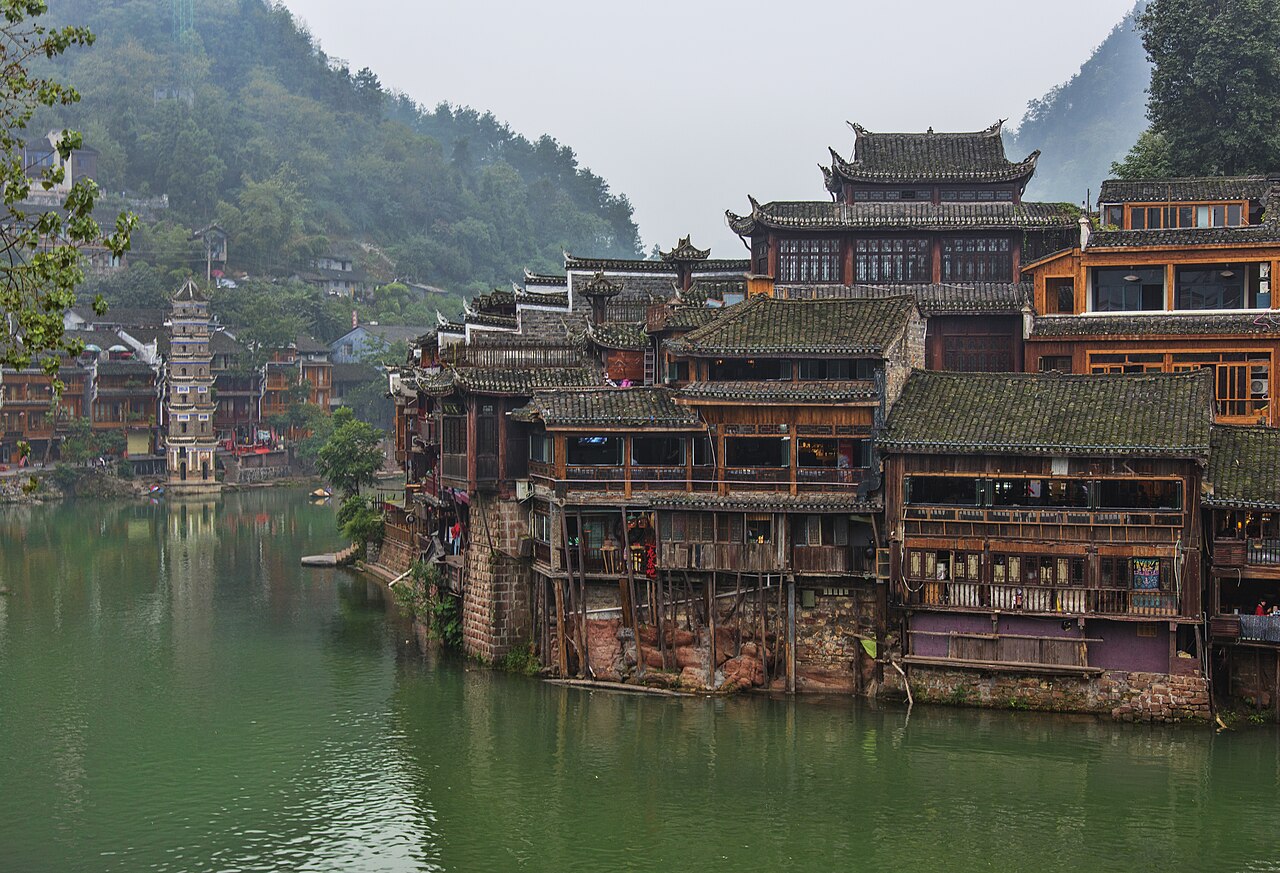
It is also, unusually, both Buddhist and Daoist. Daoism has been here around 1,800 years, and the imperial rites accelerated the fusion of immortal lore with Daoist thought that produced the religion itself; Buddhism arrived about two centuries later, when the monk Lang built Langgong Temple in the north-west and taught more than a hundred disciples. Temples of both faiths are scattered over the whole mountain.

Six zones, one mountain

The scenic area is divided into six: the beautiful foothill zone, the quiet central zone, the open western valley, the elusive summit, the deep rear valleys and the lovely city zone. The central zone — from Daizong Arch to South Gate, 6.5 km and 6,290 steps — is the famous one, and it holds Daizong Arch, Doumu Palace and Yunbu Bridge. The western valley runs a mountain road from the public bridge up to Mid-Heaven Gate and is mostly water and cliff.

The rear valleys around Houshiwu are the wildest and emptiest, the foothill zone around Taohuayuan is the gentlest, the summit zone is where the famous feeling of all other mountains looking small actually happens, and the city zone — Twin Dragon Pool, Yaocan Pavilion, Dai Temple, Daizong Arch, Wangmu Pool — lets you meet the mountain without climbing it at all.

Travel with them

Mount Tai in print, film and song

Book

Travels on Mount Tai

Zhang Yongheng

Structured around the mountain's six zones — the quiet, the deep, the beautiful, the open, the elusive and the lovely — and covering more than 200 named spots in plain, fresh language. The cultural depth Tai carries is unmatched among China's mountains; its natural beauty, though overshadowed by that fame, is no less its own.

Book

Mount Tai

Liu Hui and Zheng Peng

A volume in the World Heritage series, with a great many photographs of both the cultural and natural heritage, plus plain-language explanation of the geography, the historical changes, the human story and the natural character. The fastest way to understand the whole mountain before you arrive.

Music

We Are the Yellow River, We Are Mount Tai

Sung by Peng Liyuan

A classic from the album Everest, sung with the breadth the subject demands. It makes you want to stand either on the bank of the Yellow River or on the summit of Tai and look at the whole country at once.

Film

Tai Kung Fu

Directed by Tao Mingxi, 2009

Shot entirely on the mountain — Jade Emperor Summit included — and set in the early Republic, when a local master stages a challenge match every year and beats all comers. A young stone-hand fighter finally takes him down with the real Tai style, and the film pairs the martial story with the scenery throughout.
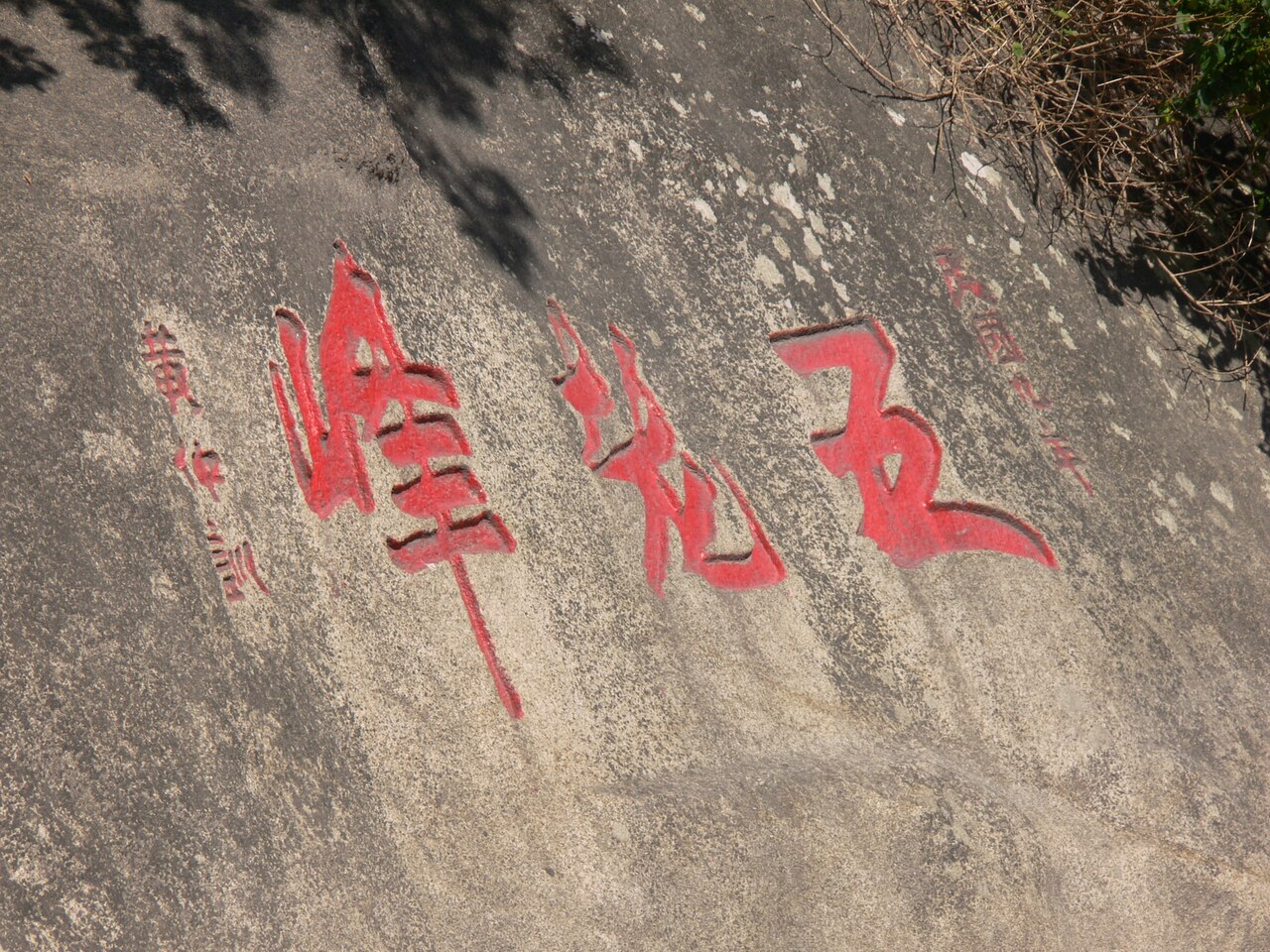
The questions visitors ask us most about Mount Tai, answered plainly.

Frequently asked questions

Prices and practical details are reviewed every month by our Beijing team and updated the day a rule changes.

When is the best time to climb Mount Tai?

Summer is the most comfortable — even at its hottest the mountain averages only about 17°C, and the pines keep the path shaded. May is the golden month for the sunrise and the sea of cloud. Autumn has the best colour, and winter after snow is spectacular but cold. April to November is the safe window overall.

How long does the climb take?

Four to five hours up the Red Gate route for a reasonably fit walker, three to four hours back down. Red Gate to Mid-Heaven Gate alone is 2 to 3 hours. If you ride the shuttle and cable car you can be on the summit within an hour of the trailhead. Overnight climbers usually set off around 10pm and arrive near 4am.

Is it all walking, or is there transport on the mountain?

There is plenty of transport, and it is worth knowing about. From Tianwai village a shuttle bus road runs to Mid-Heaven Gate, and three cable cars — Mid-Heaven Gate, Taohuayuan and Houshiwu — all reach the summit area. The buses and cable cars cost real money, but they also skip the shrines and inscriptions along the path, so most people walk one direction and ride the other.

What are the cable car routes and prices?

Mid-Heaven Gate to South Gate is ¥80 one way and ¥140 return; Taohuayuan to South Gate is the same, ¥80 and ¥140; the short Houshiwu line is ¥20 one way and ¥40 return. Mid-Heaven Gate runs 7:00–17:00 from April to October and 8:30–17:00 in winter, and Houshiwu closes altogether during the winter fire-prevention season.

Are there ticket discounts?

Yes, several. Students and over-60s pay ¥60 in high season and ¥50 in low; teachers, provincial-level model workers and honoured moral exemplars pay ¥100 and ¥80; serving military, disabled veterans, the disabled, children under 1.2 m and over-70s enter free. Bring the actual certificate — a photo will not do.

Is there anything to do in the evening?

Yes, and locals will tell you a trip is only half done without it: the Fengshan Ritual, a large-scale open-air performance staged in the Tianzhu Peak area, running 8pm to 9:30pm, with tickets from ¥168 to ¥999. It is one of the few real landscape-stage shows in the country and the most concentrated telling of what this mountain meant to the emperors.

What is accommodation on Heavenly Street like?

Basic, expensive for what it is, and worth it once. Heavenly Street has many inns and restaurants; the rooms are quiet and mid-range in condition, staff wake guests for the sunrise, coats are rented at the door, and Jade Emperor Summit is about ten minutes away by the shortcut. Book ahead in season.

What should I eat on Mount Tai?

The three delicacies — cabbage, tofu and the spring water — simmered into one clean soup, is the dish people come back for, and it tastes best near a spring on the mountain. Also order the tofu banquet, the red-scale fish found only in these streams, and eat a hot pancake rolled with scallion and sweet bean sauce on the way up: about ¥1 at the foot, ¥2 at the top, ¥1 more with egg.
Related reading

Related reading

Visas Do I Need a Visa for China? Requirements, Costs and How to Apply China's entry rules changed more in the last three years than in the previous twenty. Here is exactly who needs a visa, what it costs, how long it takes and which passports now walk straight through. 9 min read Visas China's 240-Hour Visa-Free Transit: Who Qualifies and How It Works Ten days in China with no visa application, no fee and no fingerprints — if you hold the right passport and leave for a third country. Here is the rulebook, port by port. 8 min read Money Paying in China: Alipay, WeChat Pay, Cards and Cash Roughly nine in ten urban payments in China now run through a phone. Set up two apps before you fly, carry a modest cash float, and you will never be stuck at a till. 8 min read Transport China's High-Speed Rail: How to Book, What It Costs, How Fast It Goes The fastest way to cross China is also the most pleasant. Here is how to book a ticket with a foreign passport, what the three classes actually give you, and how to survive a Chinese station at rush hour. 9 min read Planning Best Time to Visit China: Month by Month, Region by Region China is the size of Europe, so 'the best month' depends on where you stand. Here is the month-by-month answer for the north, the Yangtze valley, the south and the plateau. 8 min read Planning What to Pack for China: The Complete 2026 Checklist Twenty thousand steps a day, three climate zones and a phone that has to do everything. This is the list we give our own travellers, minus the things they never used. 7 min read Food Chinese Food Culture: Eight Cuisines, One Table There is no such thing as Chinese food. There is Cantonese, Sichuan, Hunan, Jiangsu, Zhejiang, Fujian, Anhui and Shandong — and knowing which one you are eating changes everything. 8 min read Traditions Chinese Tea Culture: Six Classes, One Pot, Two Fingers Tea in China is not a beverage category, it is a social technology: it fills silences, seals deals and sets the pace of a meal. Here is how to sit down in one and not look lost. 7 min read Traditions Chinese Festivals: The Calendar, the Dates and the Crowds Lunar dates mean the calendar moves every year — and two of the festivals move several hundred million people at once. Plan around them or plan into them, but never by accident. 8 min read Etiquette Chinese Etiquette: What Matters, What Does Not, and Why Most etiquette advice for China is either obvious or wrong. These are the dozen behaviours that actually change how you are treated, and the reasoning behind each. 7 min read
Tell us your dates.
We'll do the rest.

Free itinerary design, a revised plan within one working day, and nothing charged until you approve the final version.

  • The classic Red Gate route runs 6.5 km from Daizong Arch to South Gate with 6,290 steps — 4 to 5 hours up, 3 to 4 back down.
  • The final Shibapan staircase alone is 1,827 steps carved into a cliff that looks split open; this is the stretch that makes it a rite of passage.
  • If you would rather ride: shuttle bus to Mid-Heaven Gate ¥30–35, then the cable car to South Gate ¥80 one way or ¥140 return. Three cable cars serve the mountain.

No spam. No sales calls. Just a real itinerary from a real person.