City guide · Hubei

Wuhan travel guide: Yellow Crane Tower, East Lake and how to eat guo zao

Three towns, two rivers and the best breakfast in China — a huge, blunt river city of bridges, lakes and cheap, brilliant street food.

  • Known forYellow Crane Tower, East Lake, hot-dry noodles
  • Typical spend¥1,000 / US$140 for three days
  • Ideal length3 days (2 at a push)
  • PaceEasy — one district a day, lots of walking

Reviewed by our Beijing team Updated 2026-10-10

The short version

Wuhan is a three-town river capital of 13.7 million people that rewards 3 days — one for Wuchang's Yellow Crane Tower and East Lake, one for Hanyang's temples, one for Hankou's colonial waterfront and food lanes. It is China's rail crossroads, so almost every loop passes through it, and its street breakfast is, quite simply, the best in the country. Come in spring or autumn; the summer is a furnace.

  • Three days, one town each: Wuchang, Hanyang and Hankou.
  • Cross the Yangtze by the ¥1.5 ferry, not only the bridge.
  • Eat guo zao — hot-dry noodles, doupi and clay-pot soup — before 9am.
  • Skip July and August; Wuhan is one of China's 'furnace' cities.
  • Fly into WUH, or arrive by high-speed rail at Hankou, Wuchang or Wuhan Station.

City guide

First impressions

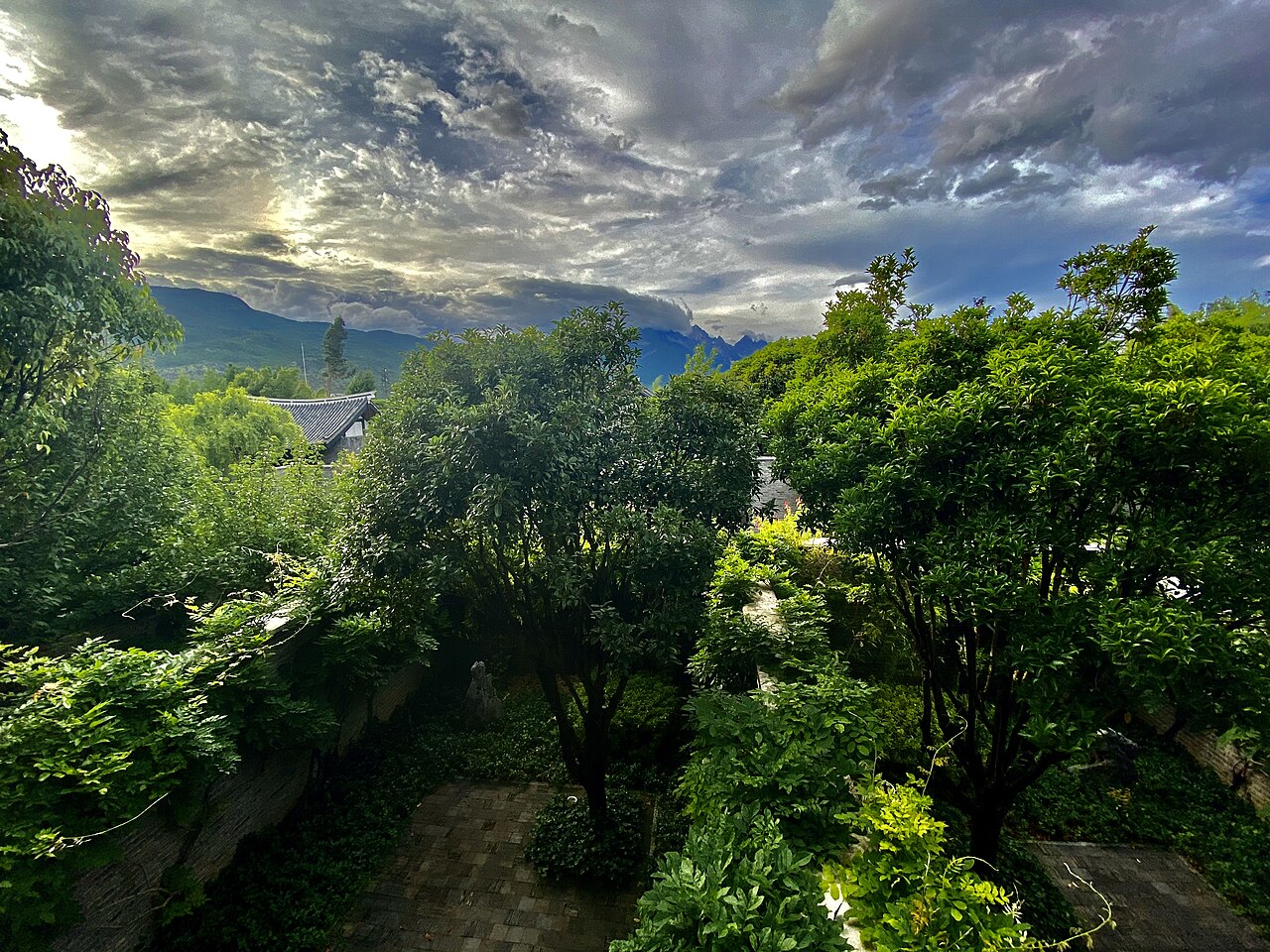
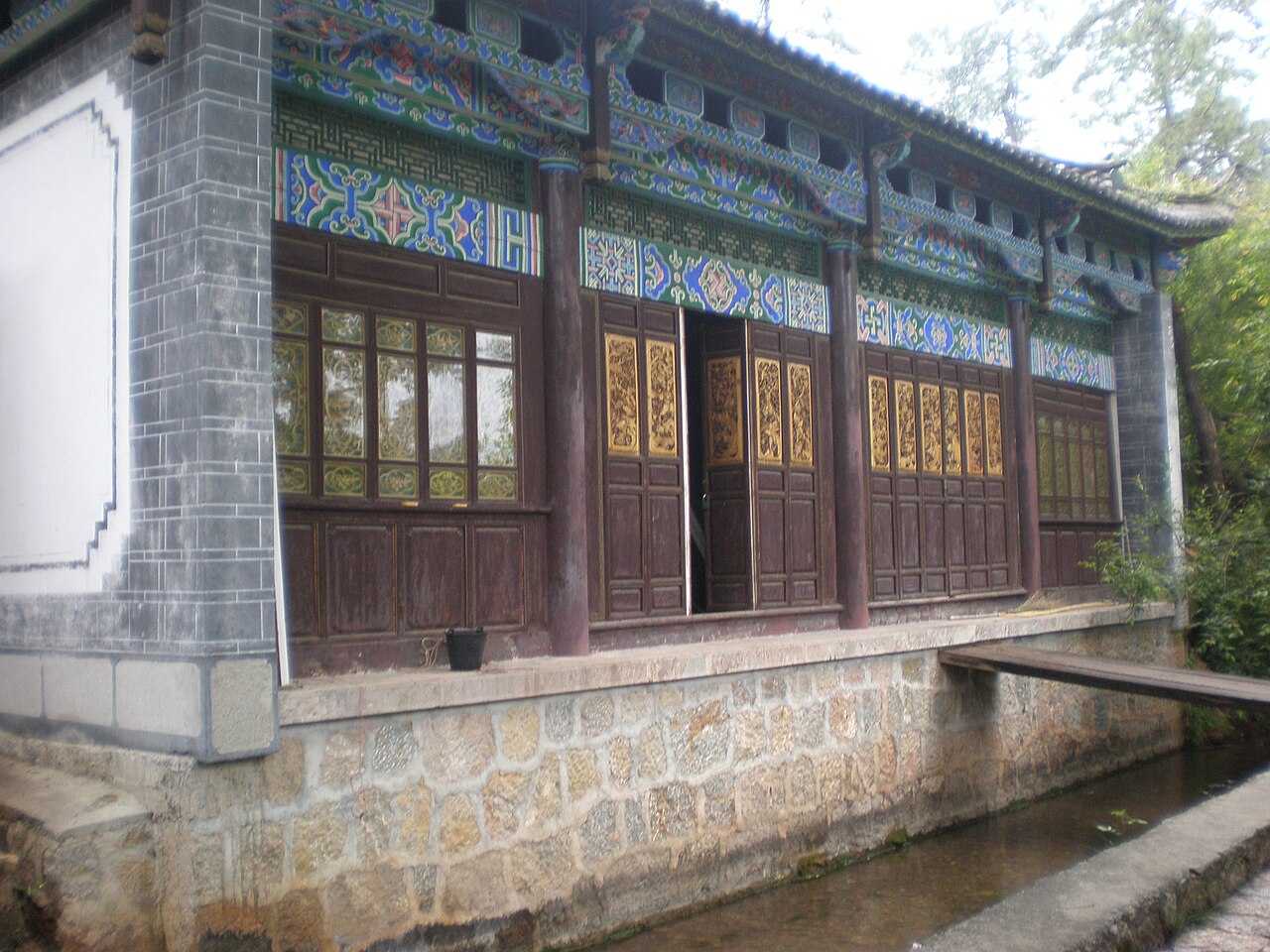
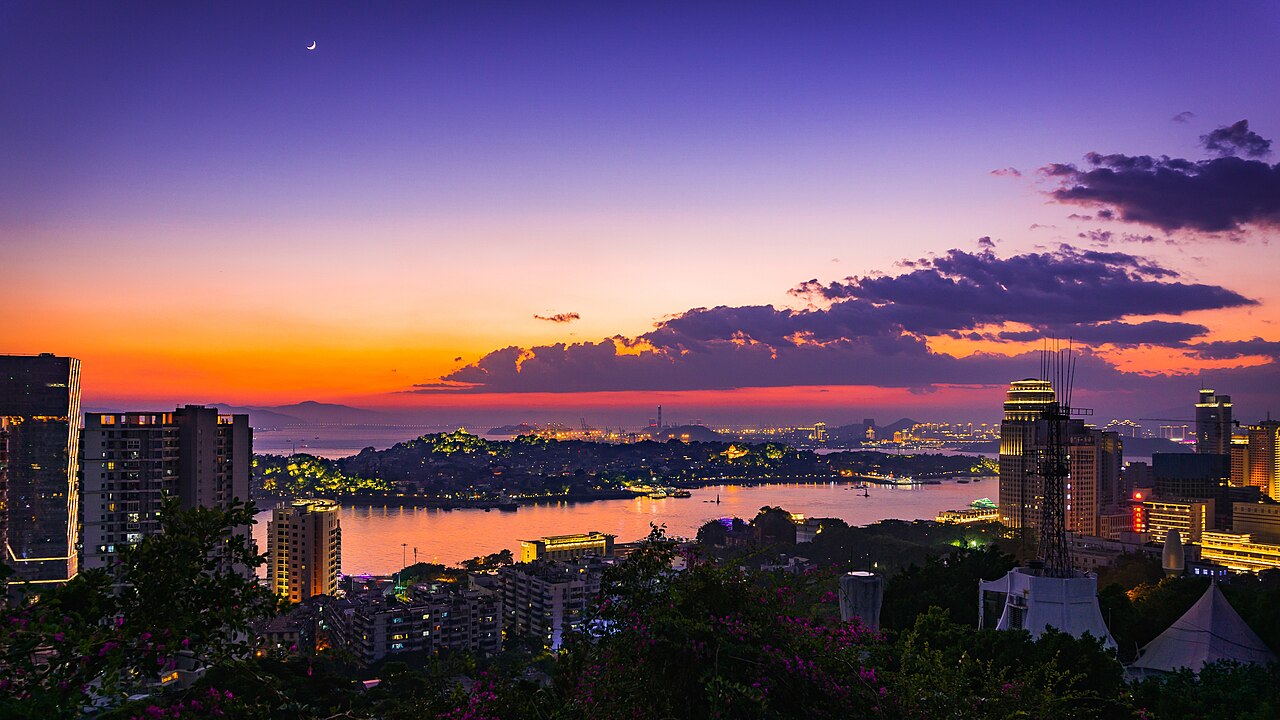
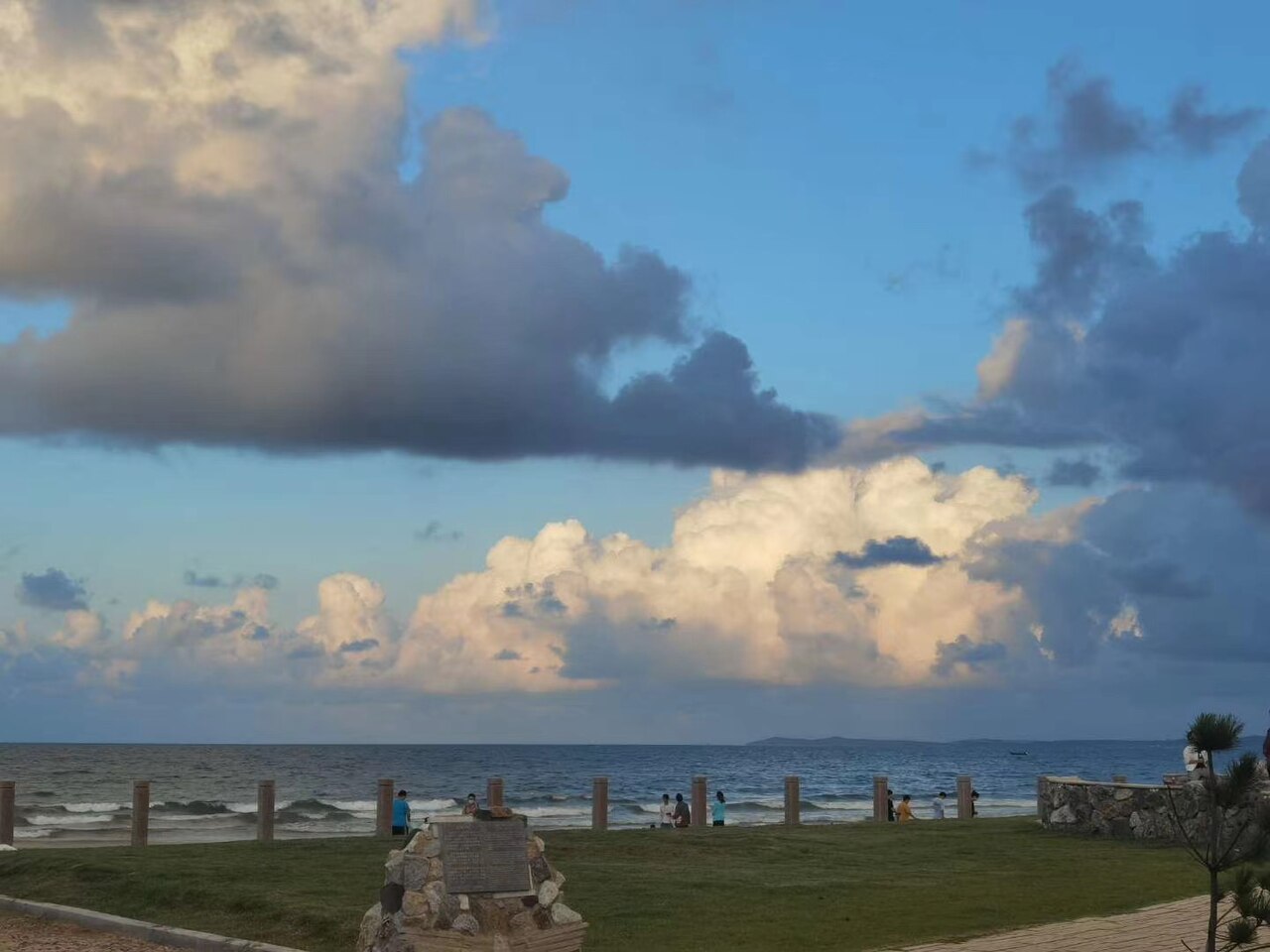
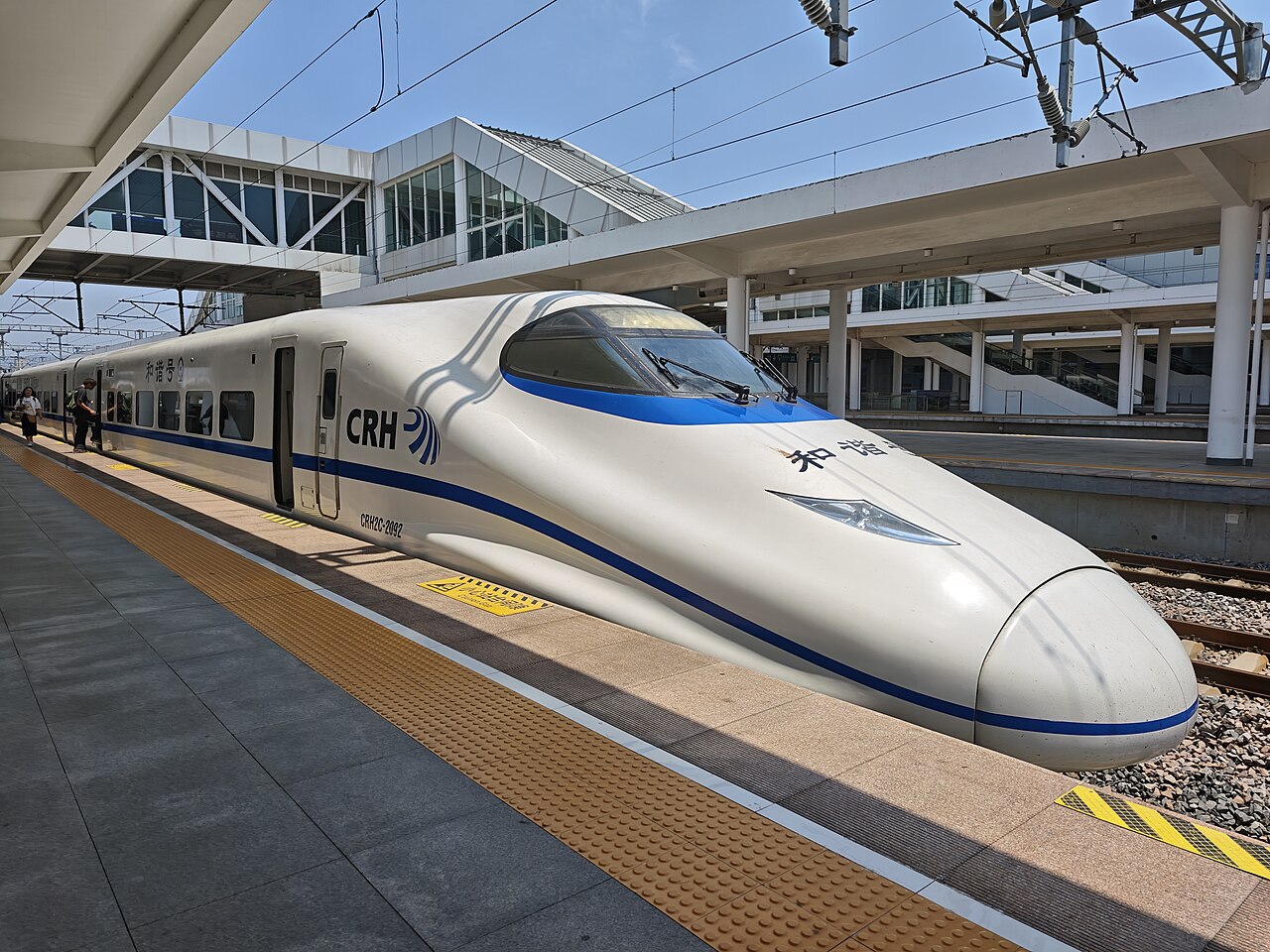
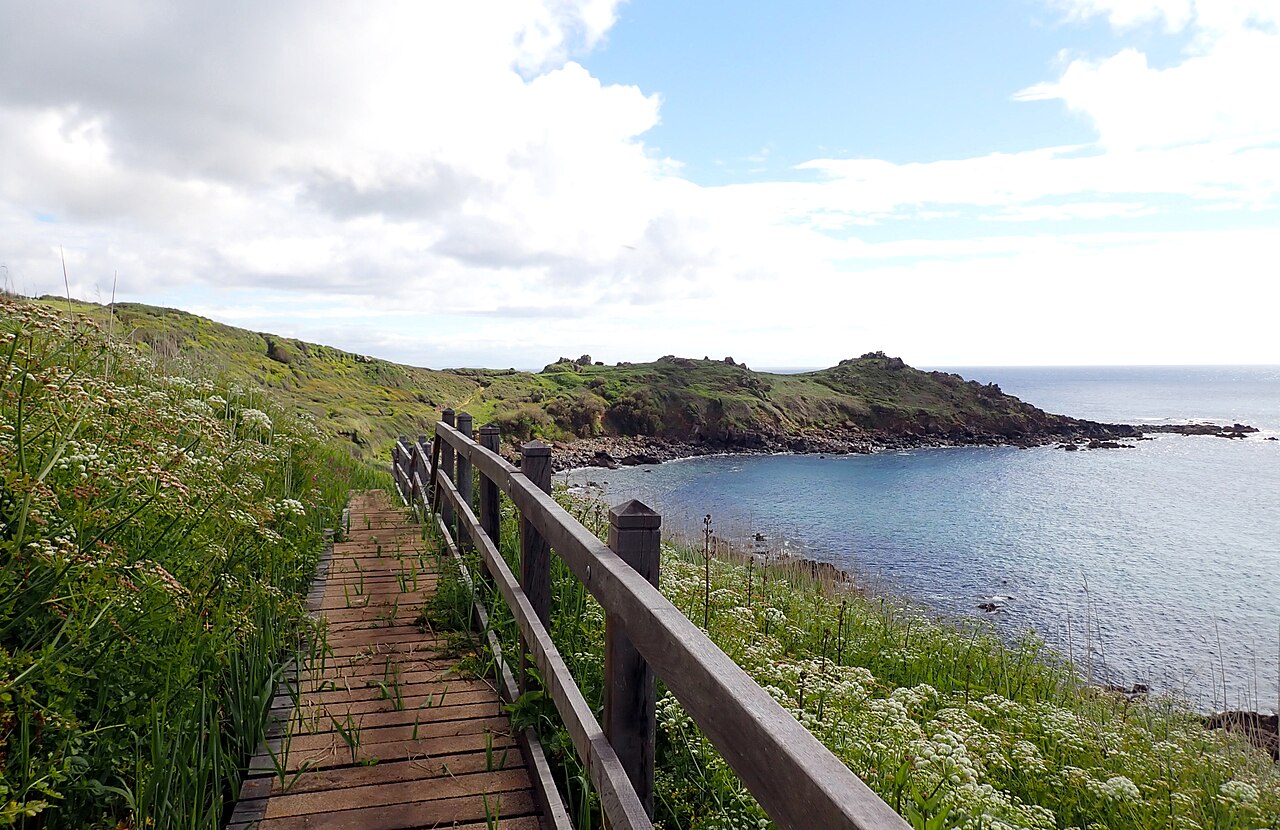
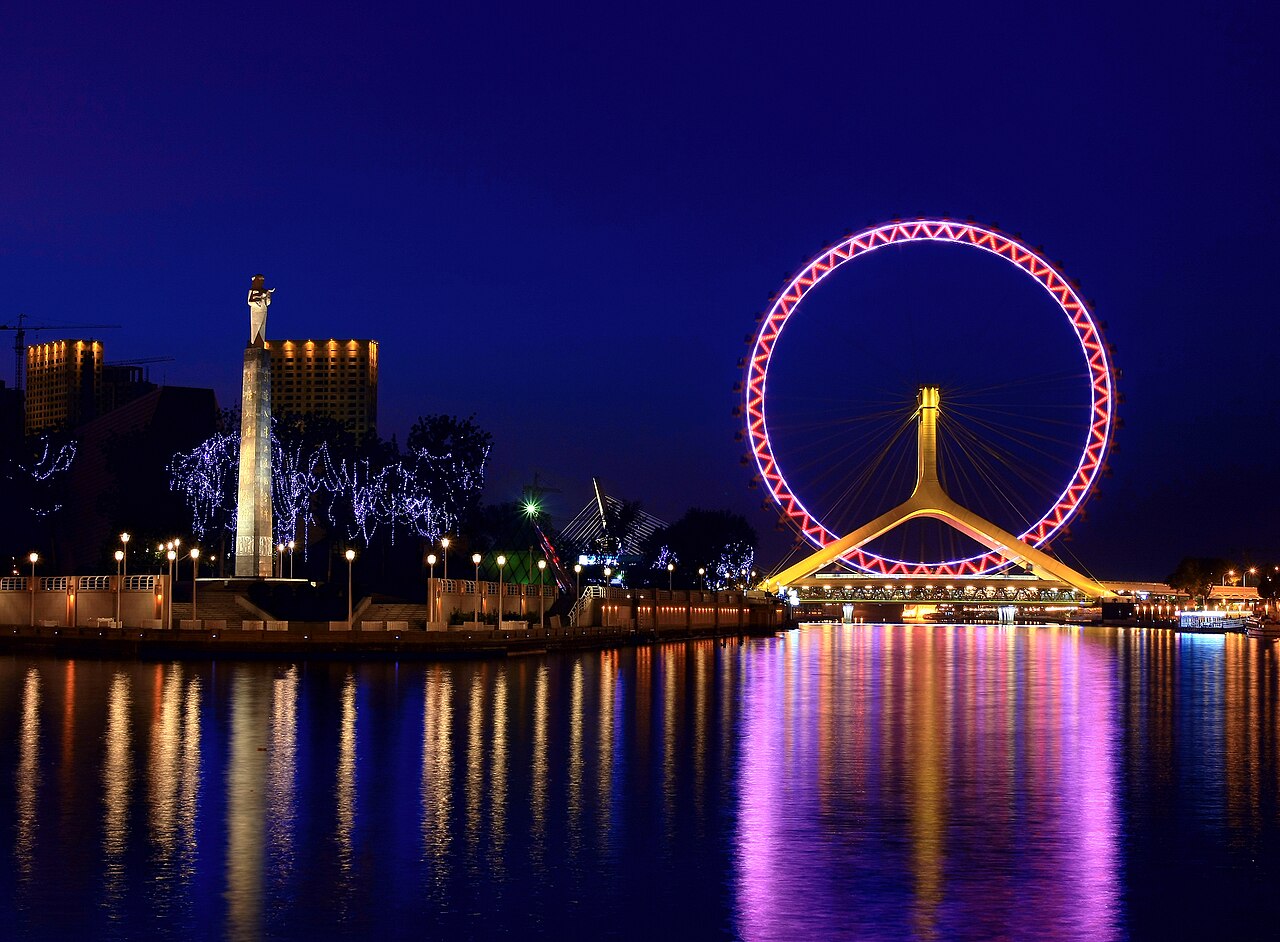
Photographs from the coast, and what other travellers wrote afterwards.

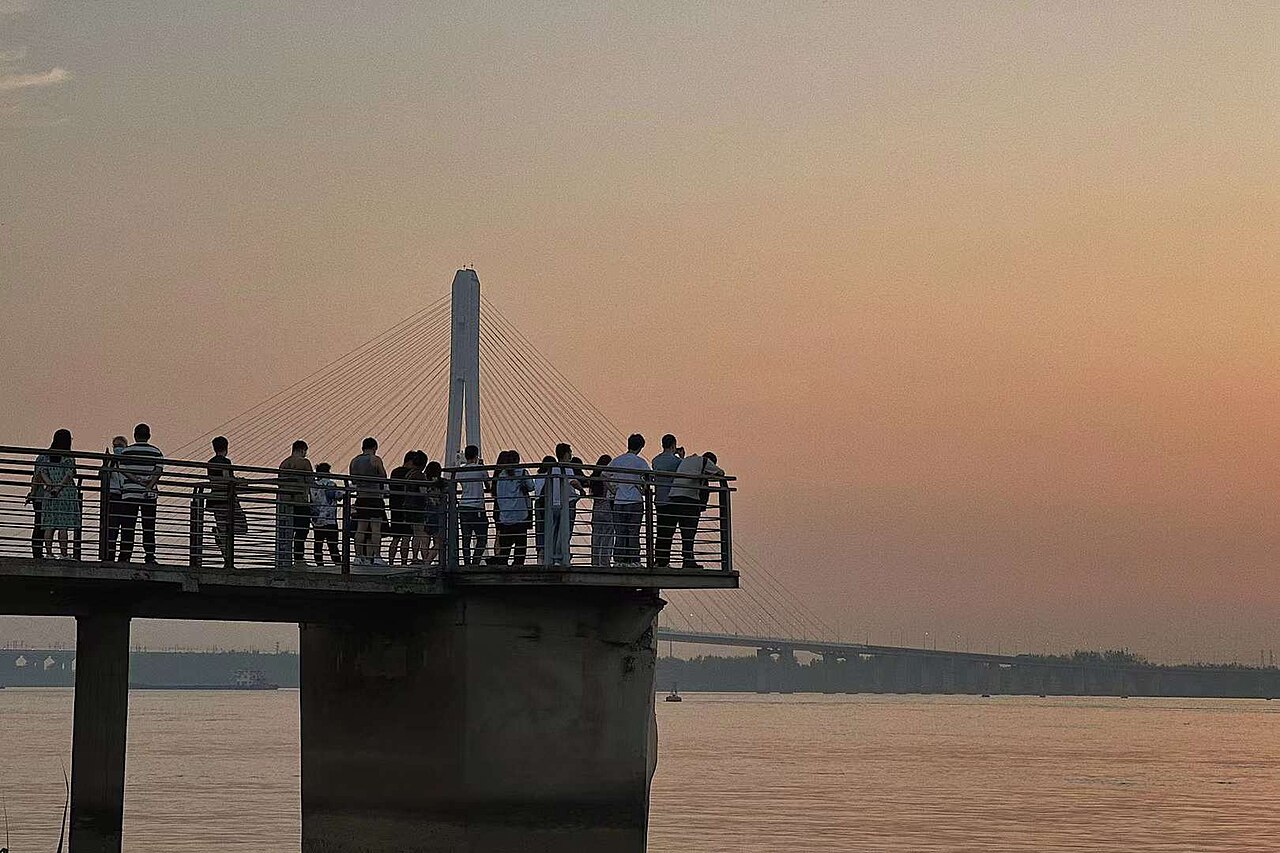
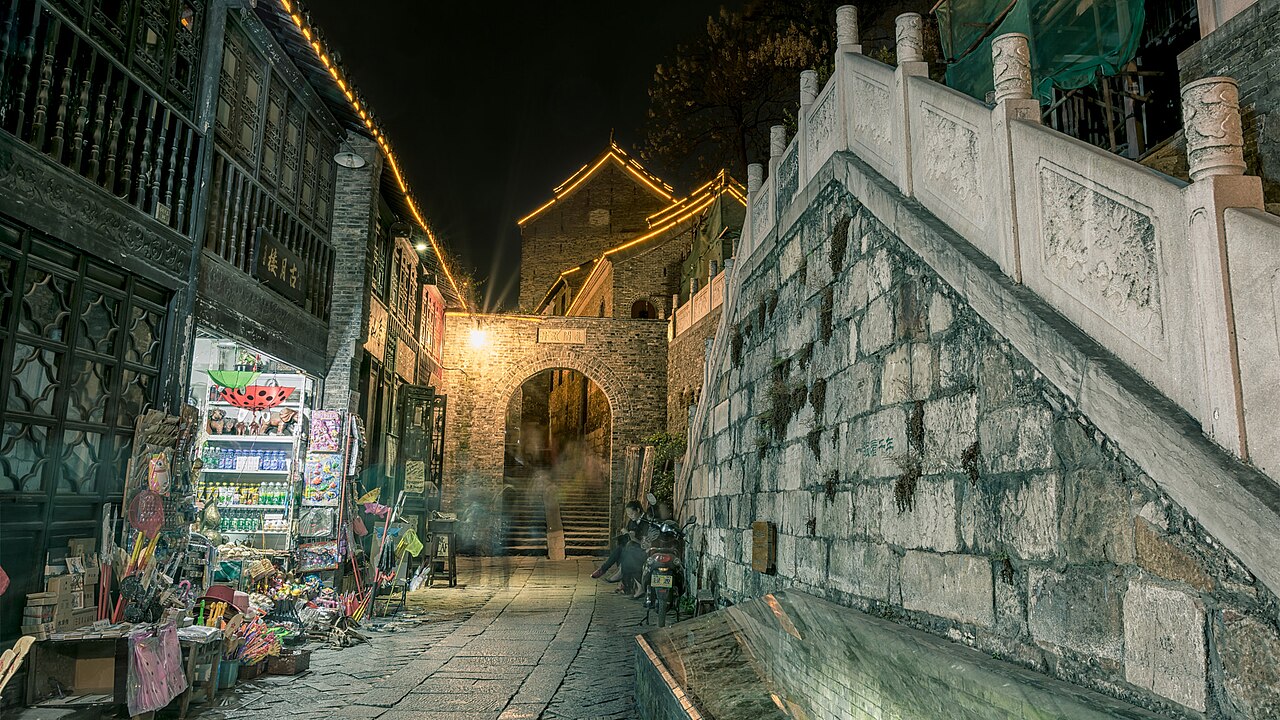
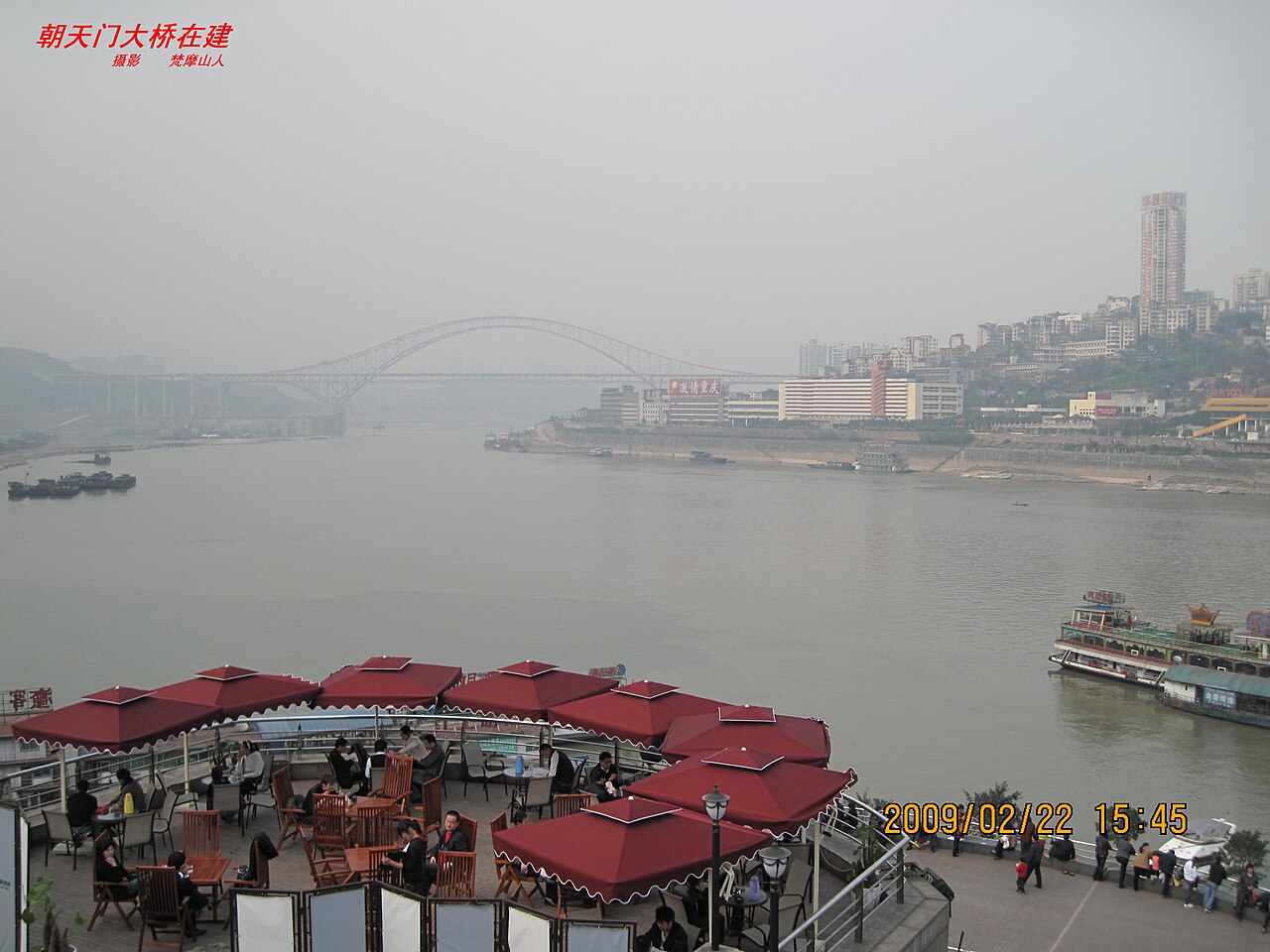
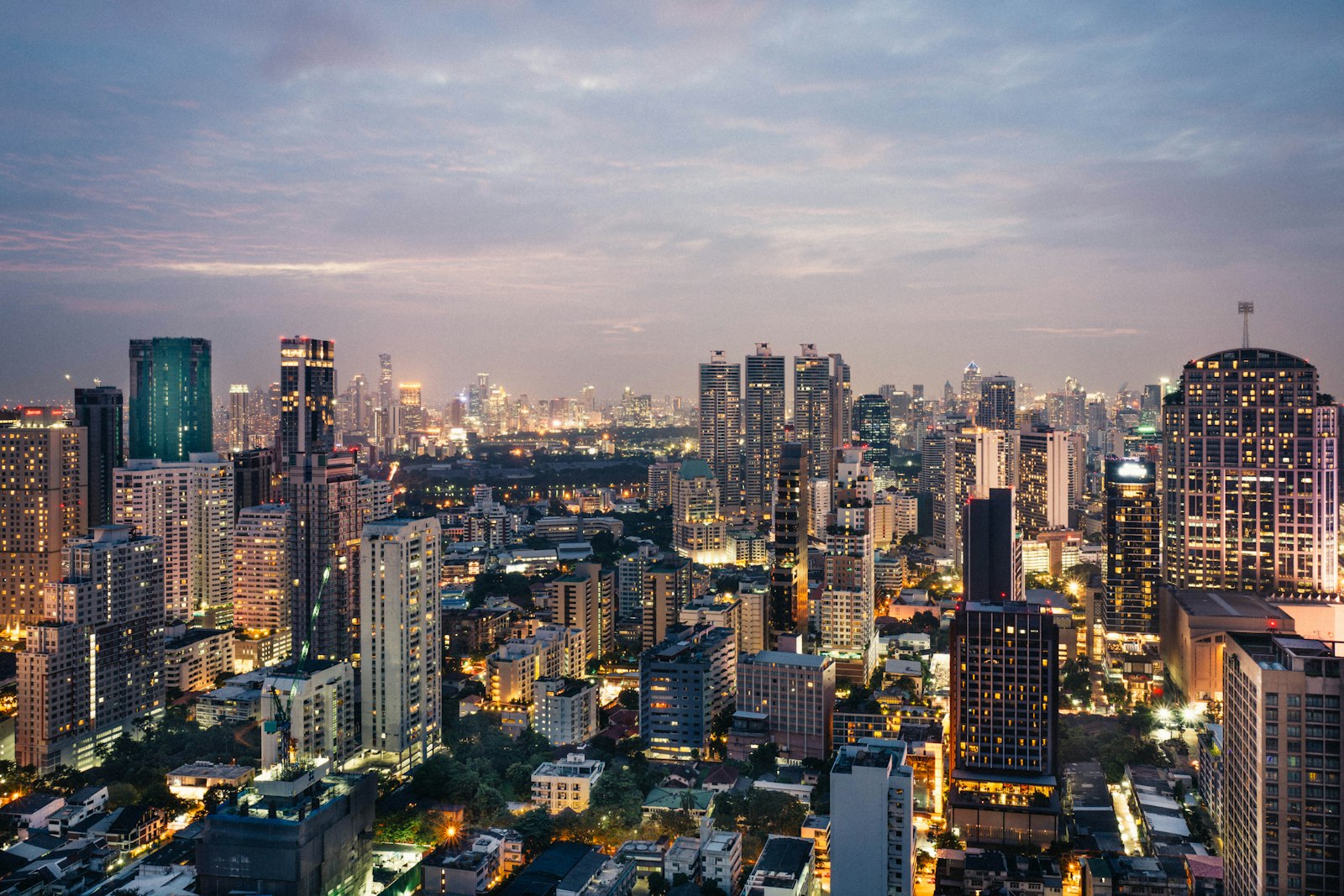
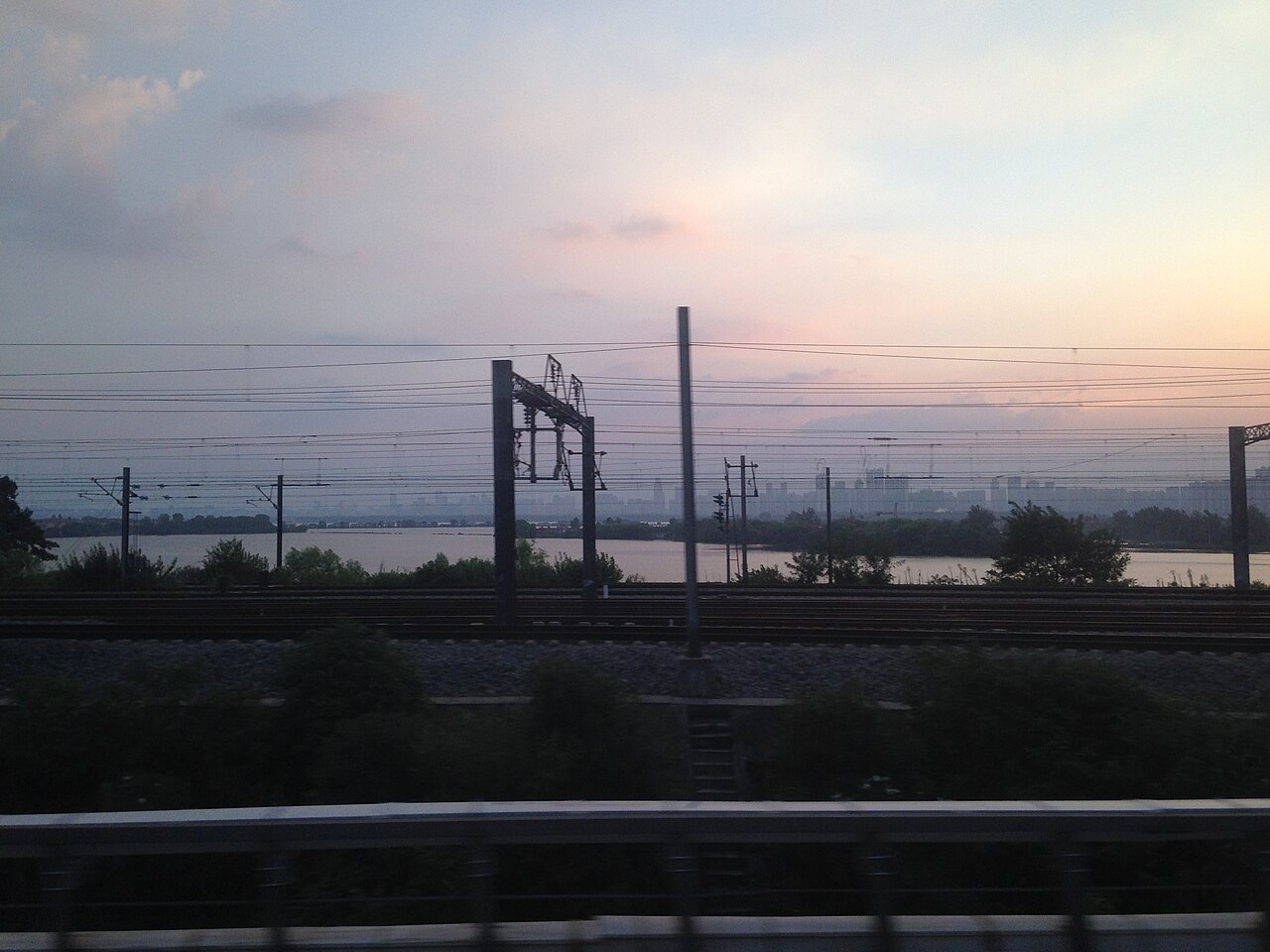
The Yangtze Bridge spanning the river at dusk
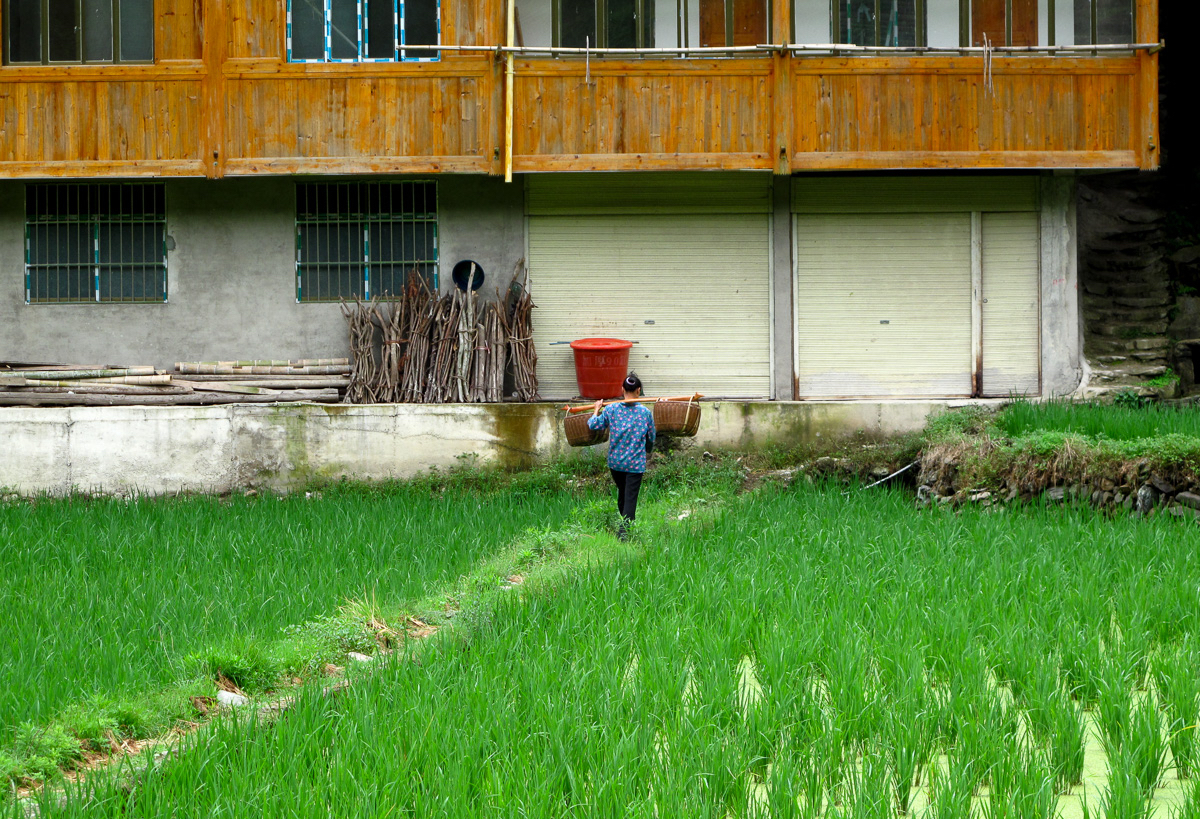
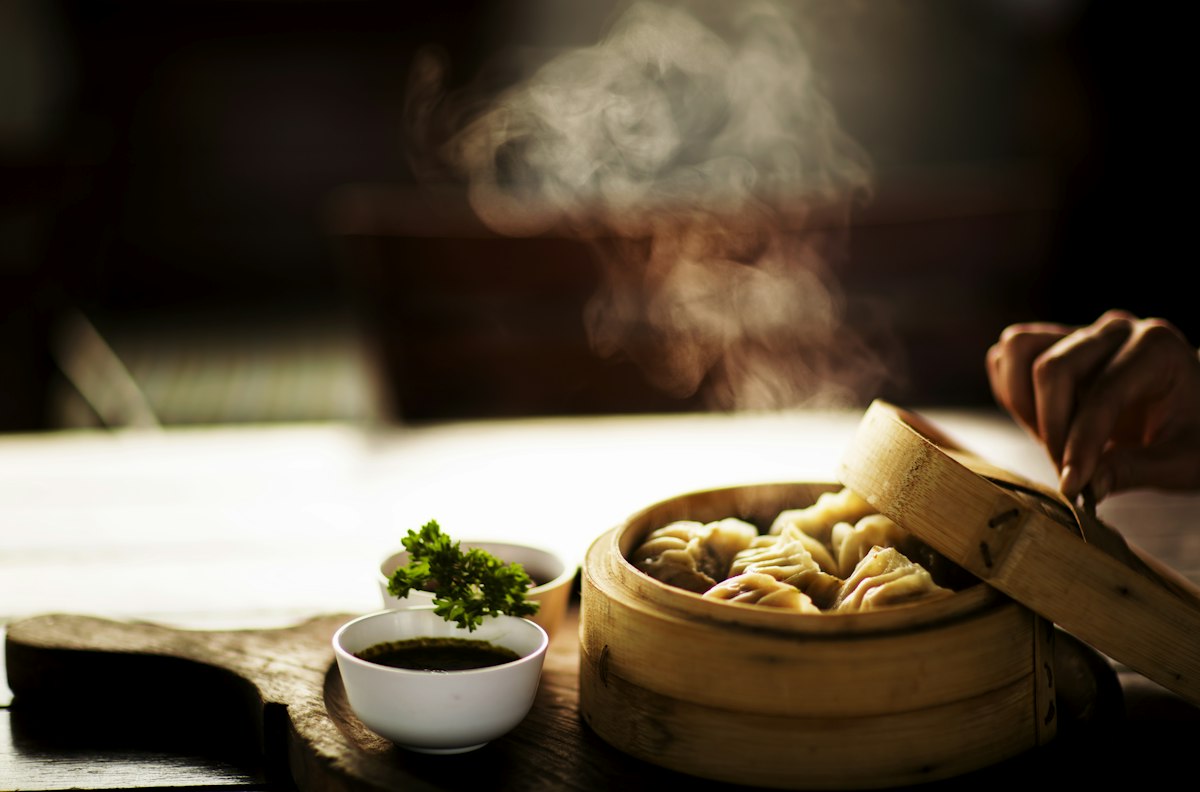
Hot-dry noodles, sesame paste and all, served at dawn
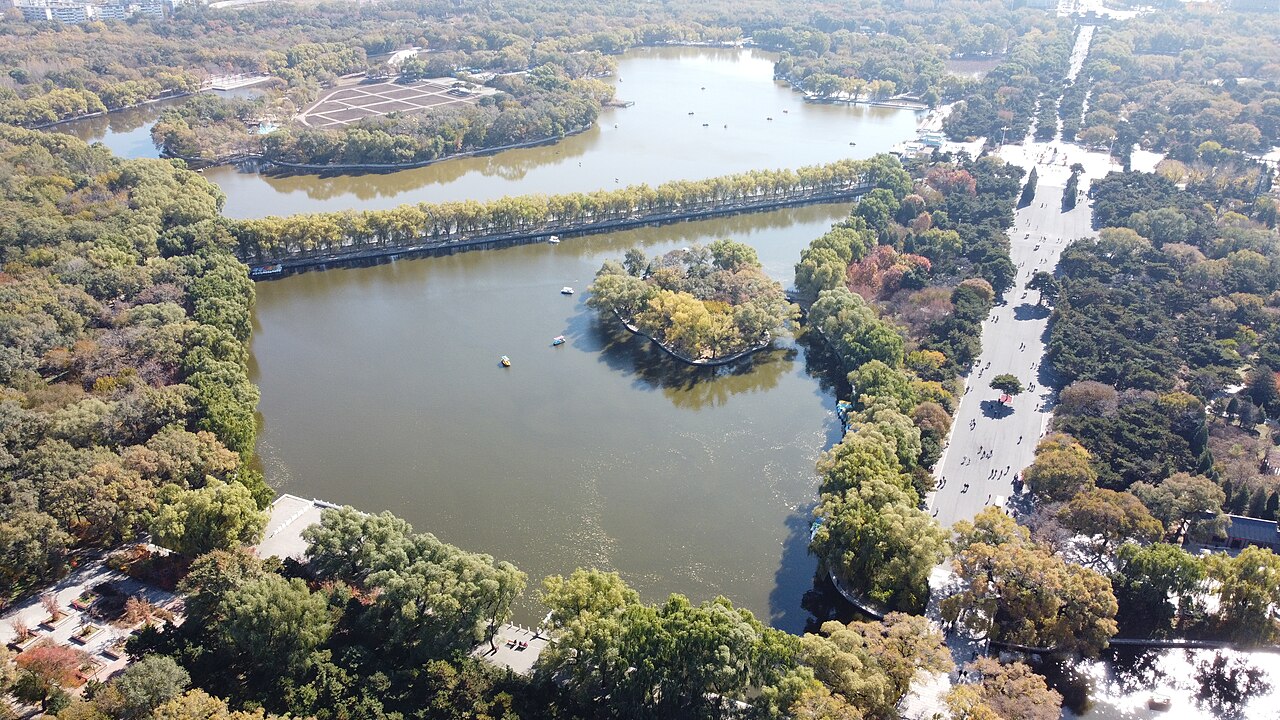
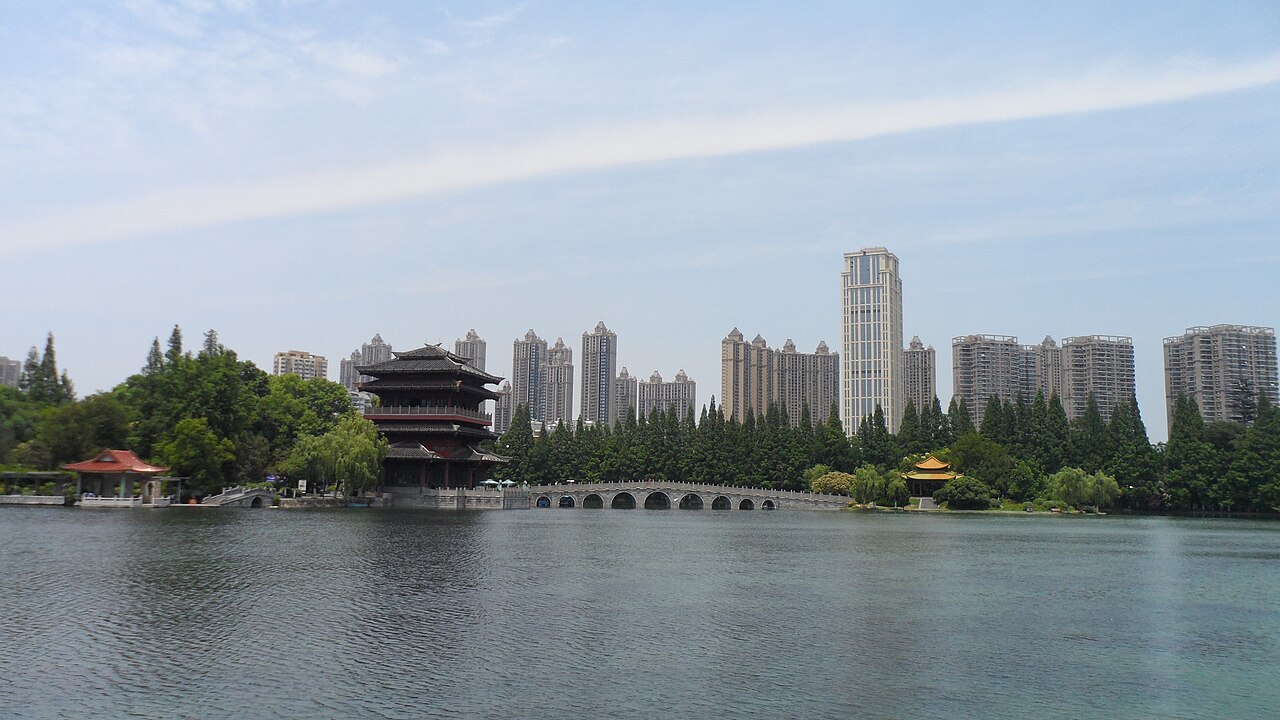
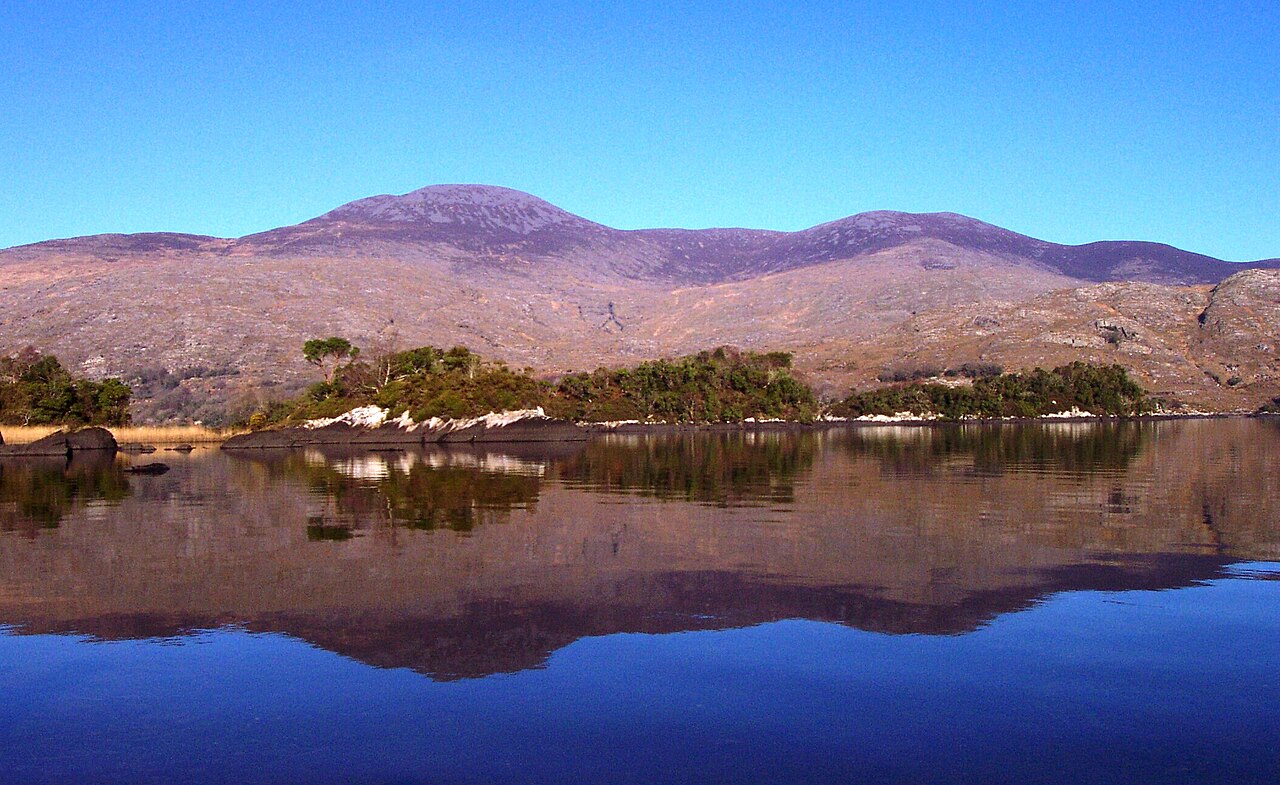
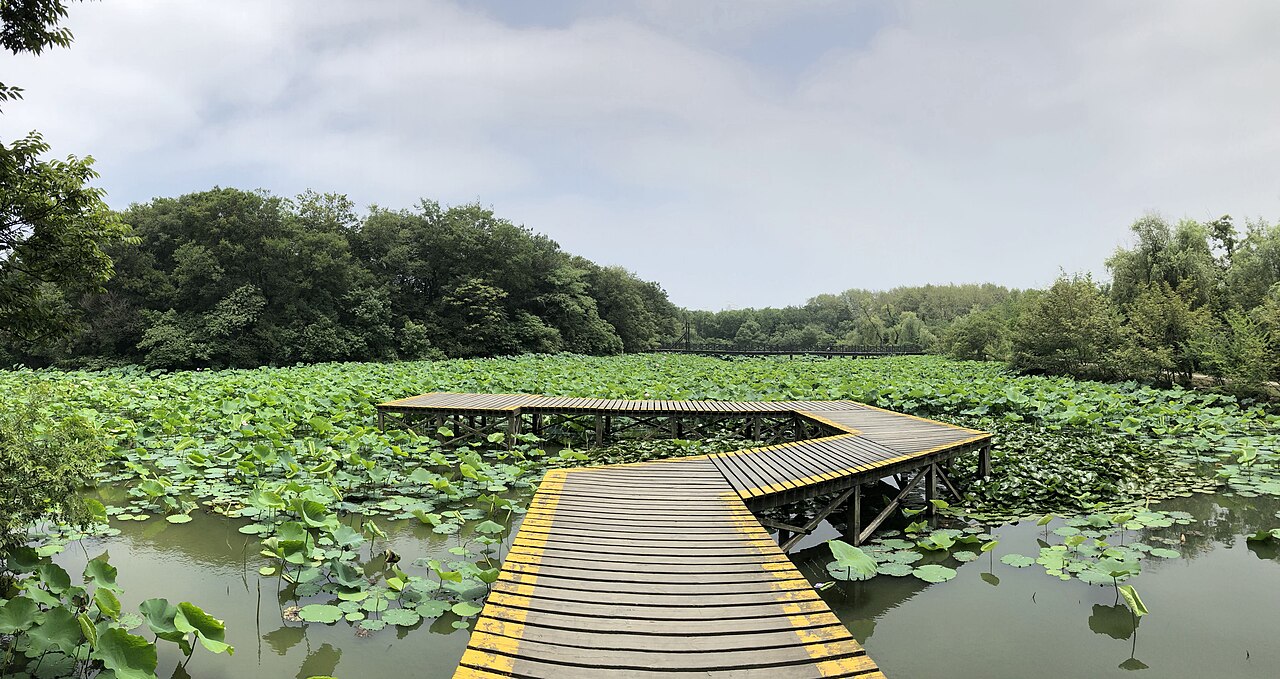
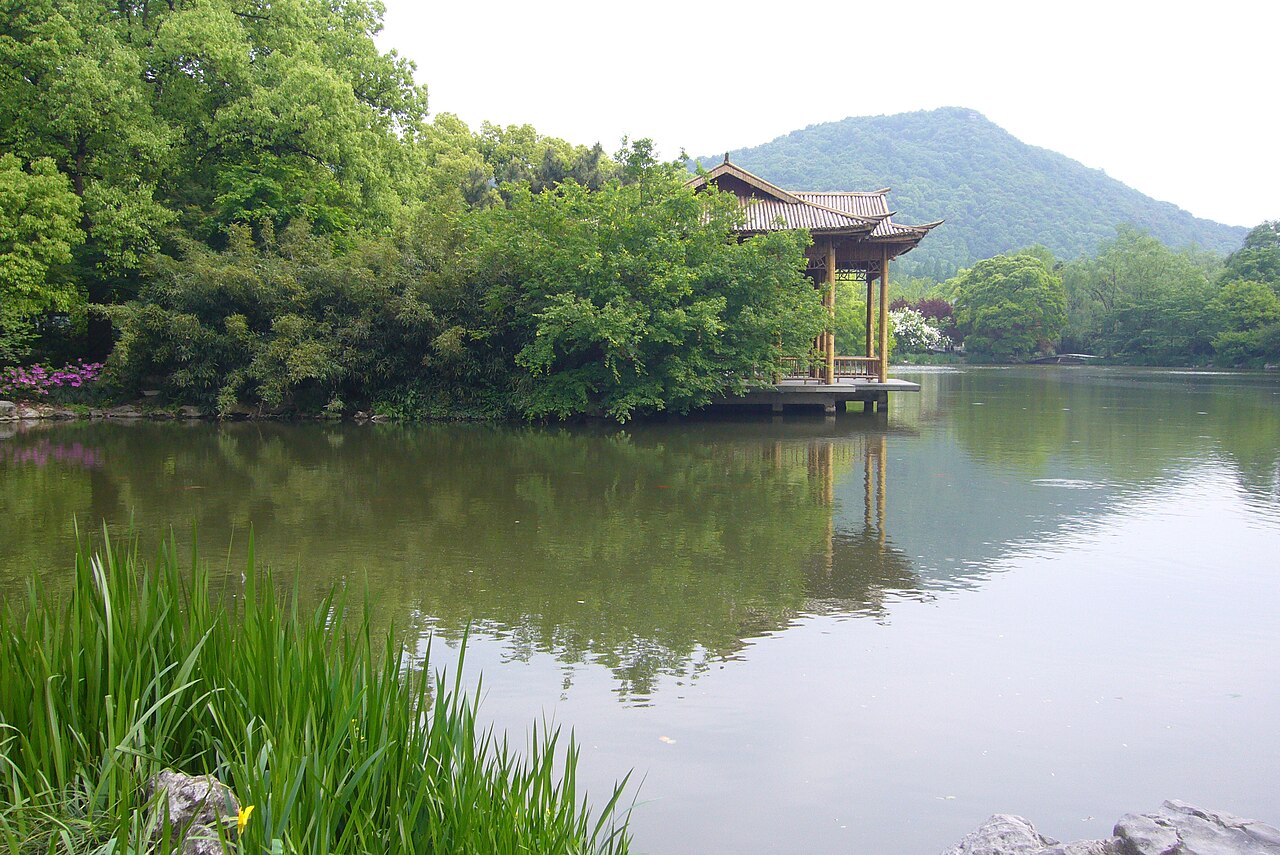
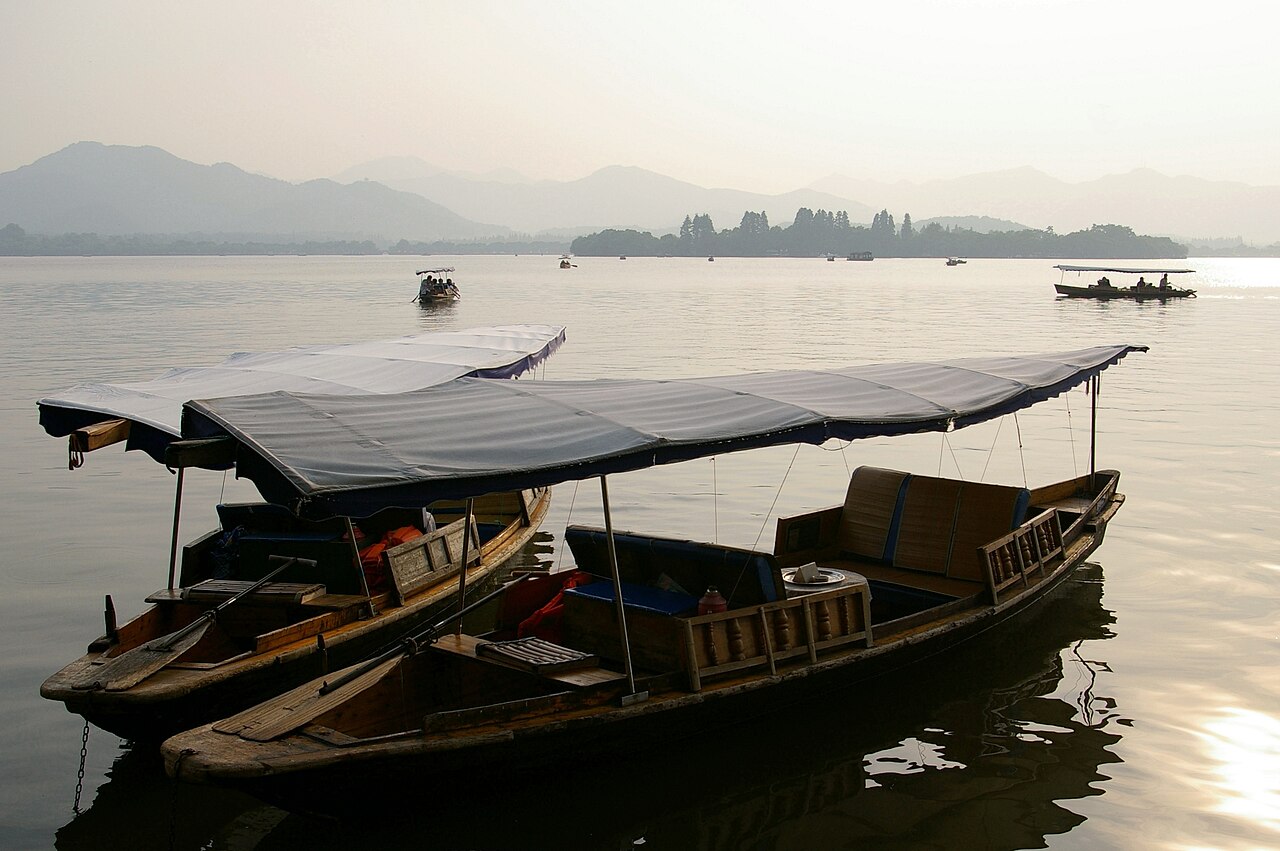
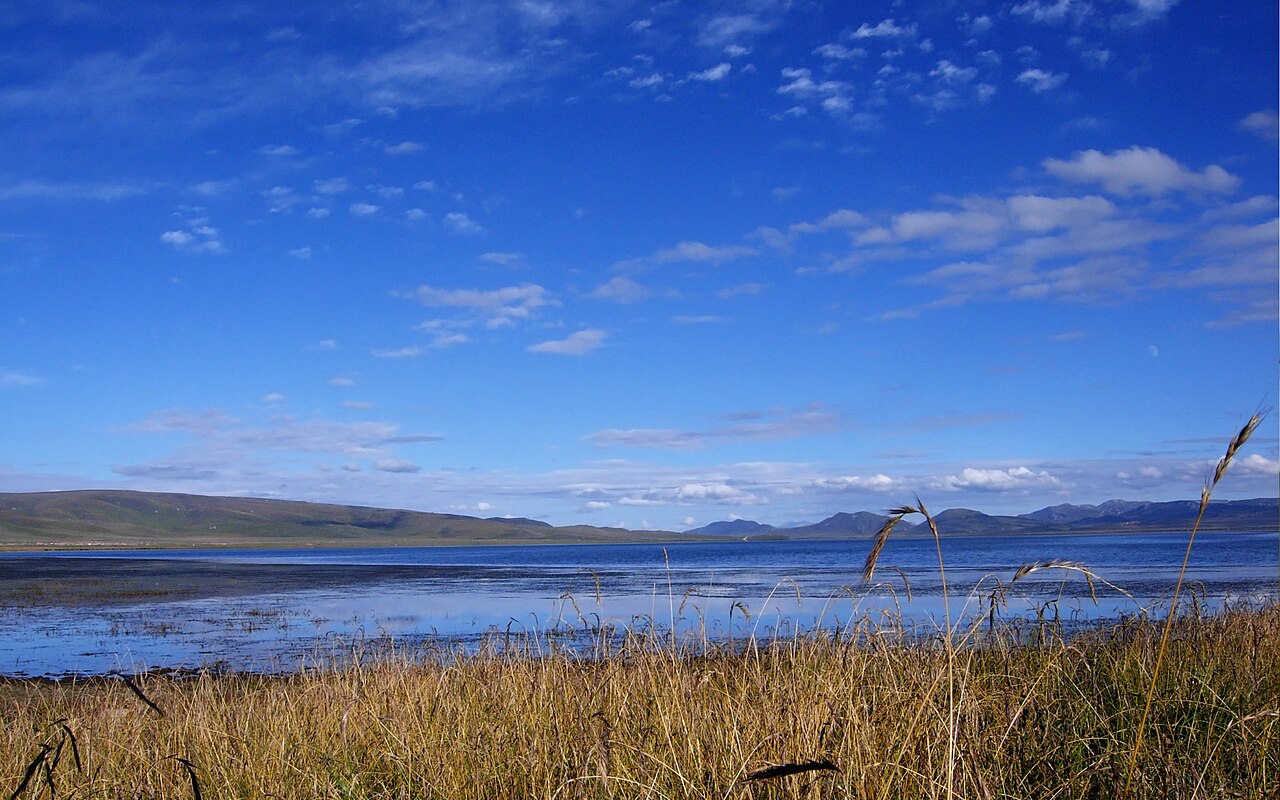
East Lake in late spring, lotus on the water
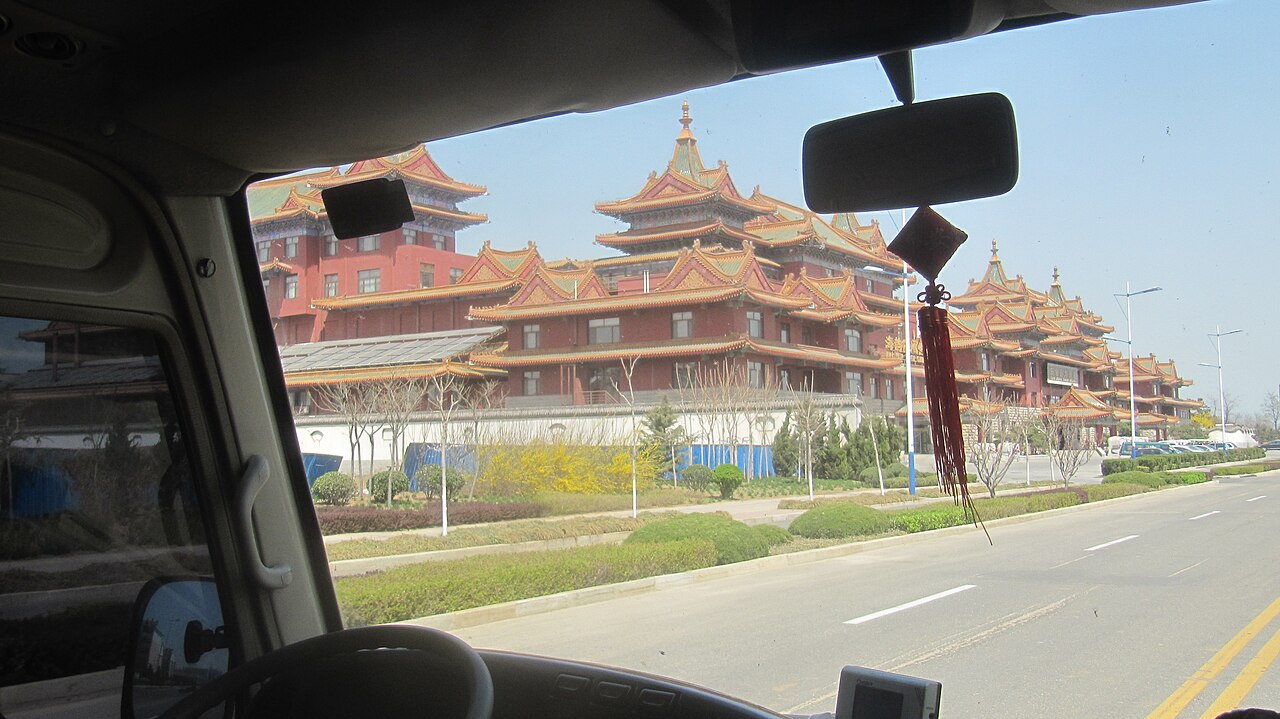
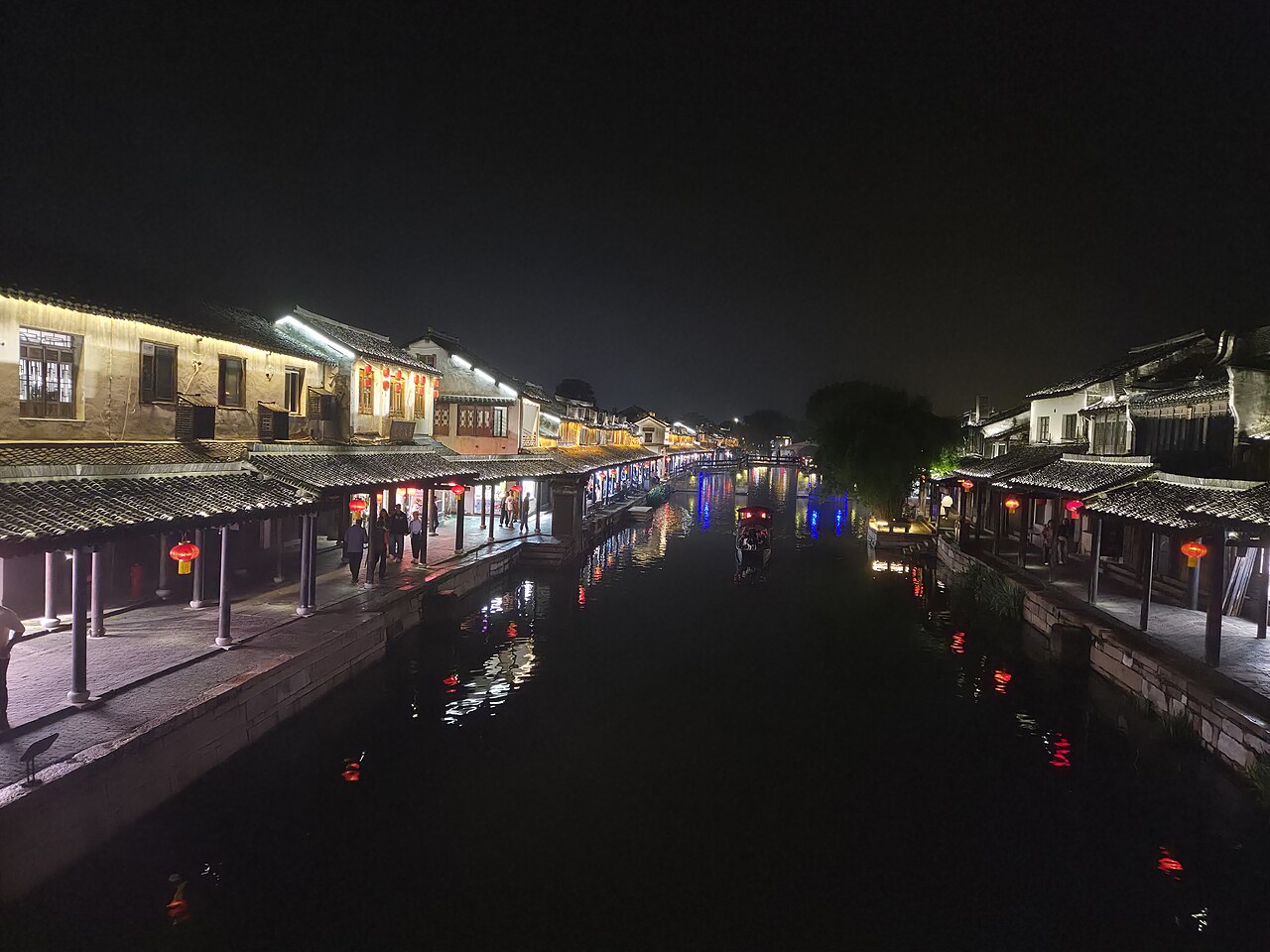
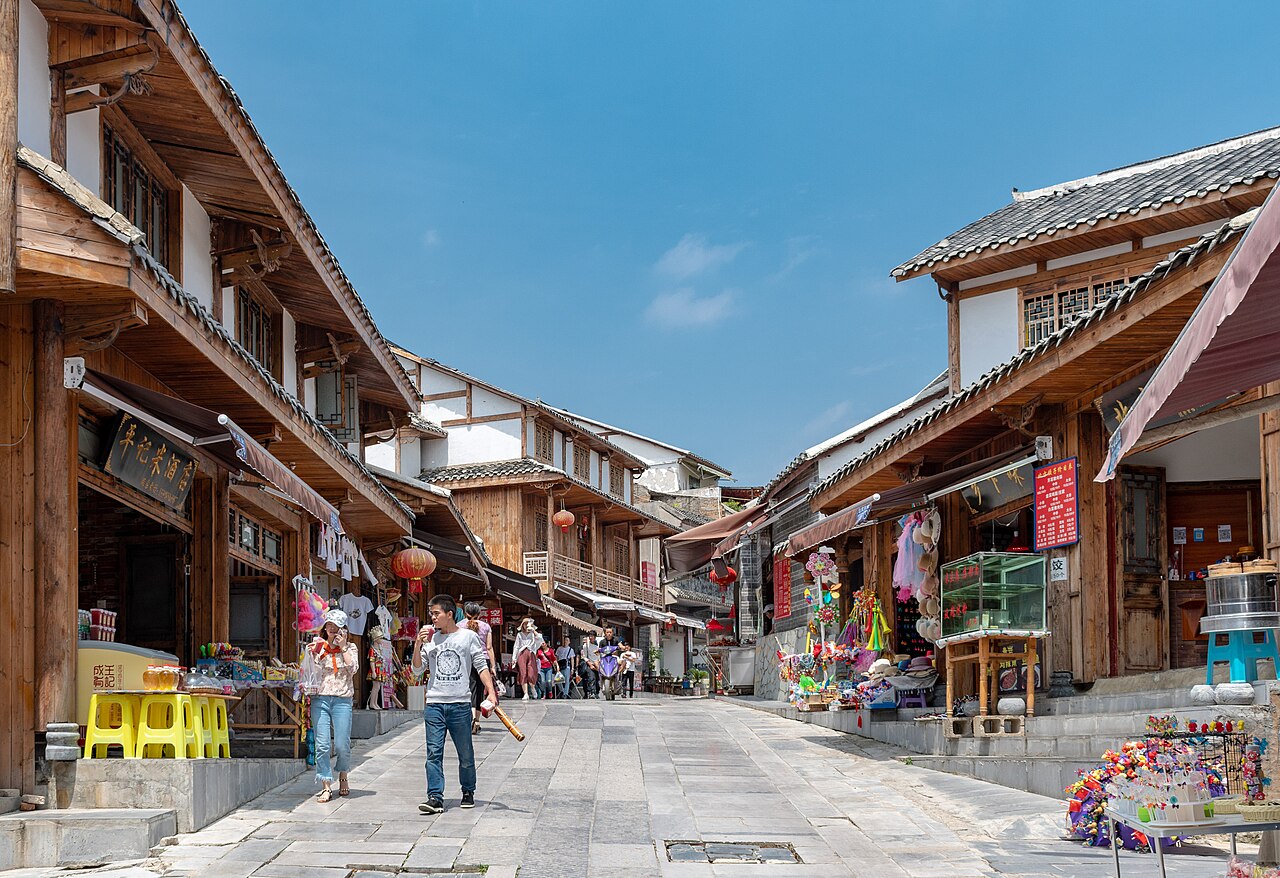
The colonial facades of the Hankou Bund

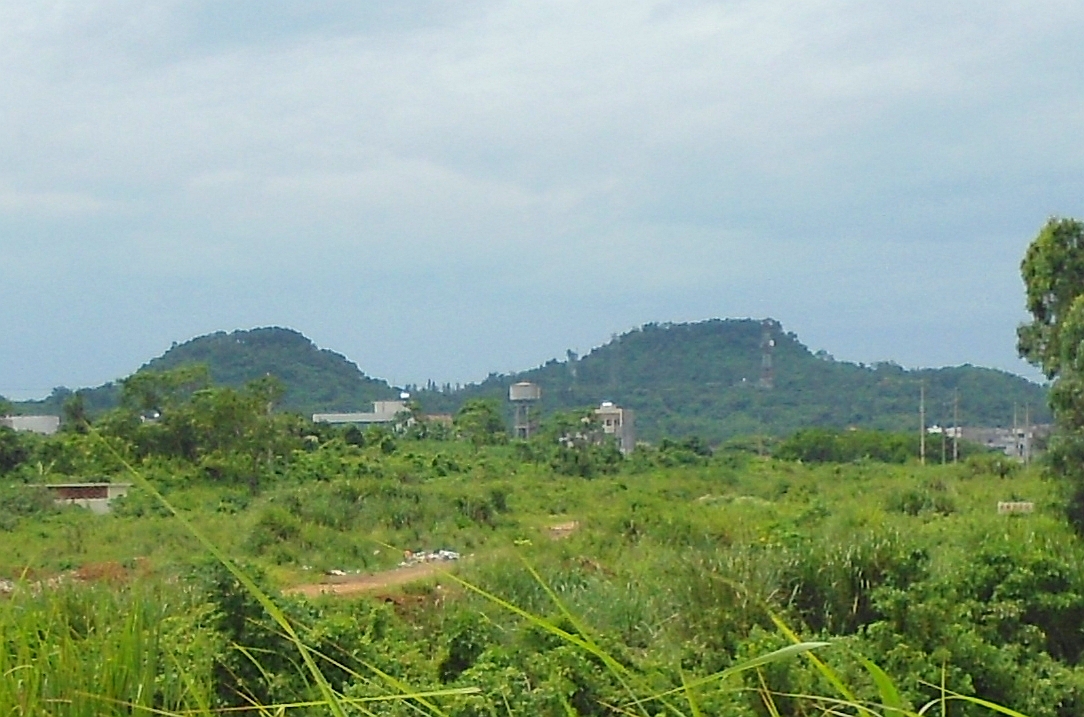
Wuhan has its mountains — Guishan and Sheshan; Wuhan has its rivers — the Yangtze and the Han. That is the line a rock song wrote about this city, and it is true: the hills and the water are the whole place.

Traveller's note, Four Years in Wuhan

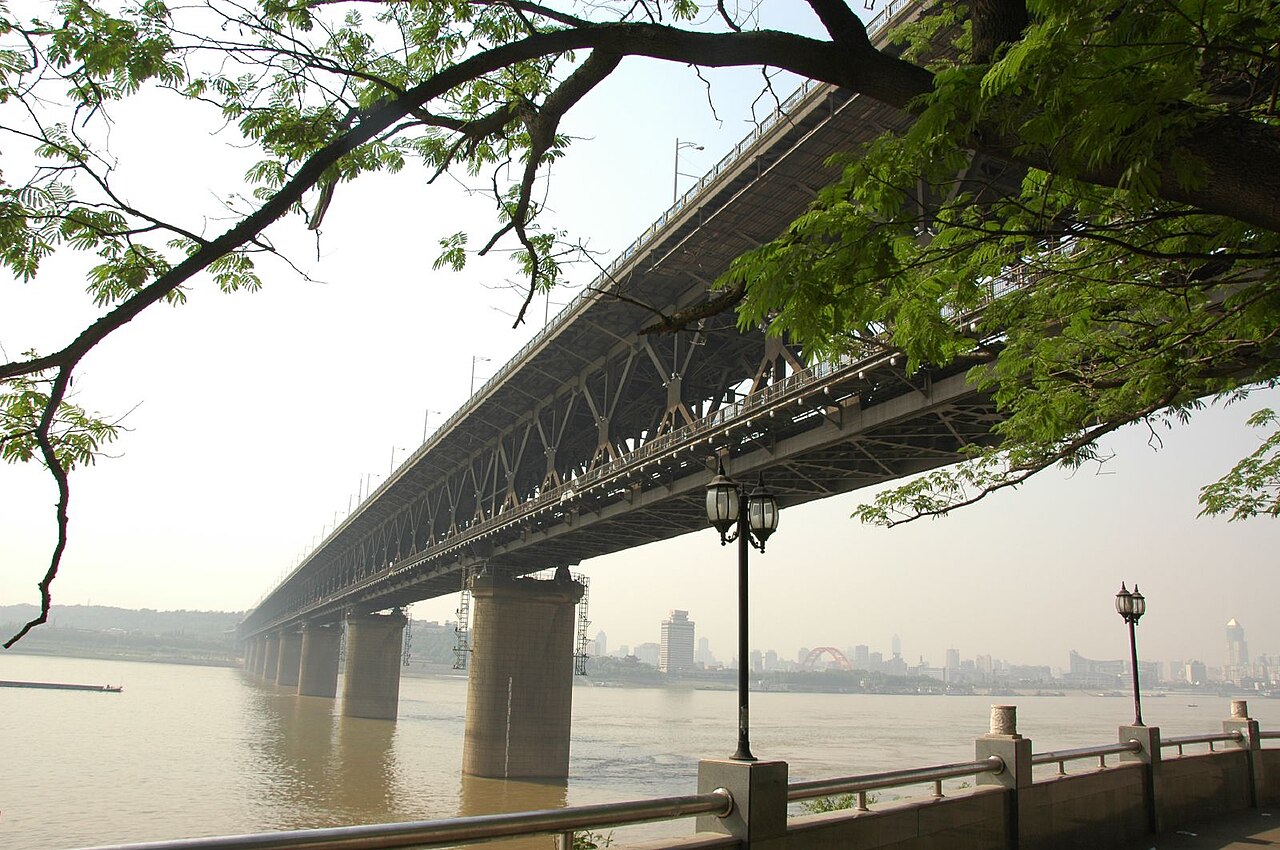
Looking at the Yangtze Bridge and the yellow river water, at the people swimming in the rolling current, the TV tower on Guishan across the water, the cool wind on my face — nothing could be more relaxed.

Traveller's note, That Year in Wuhan

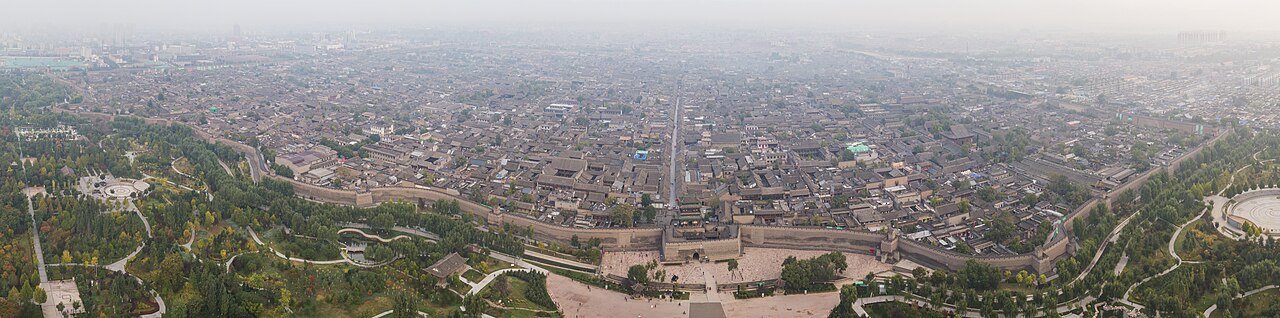
Wuhan is the biggest city in central China and it feels it: a metropolis of 13.7 million split into three towns by the Yangtze and its largest tributary, the Han. Hankou, Wuchang and Hanyang sit on the banks where the rivers collide, joined by bridges, tunnels, a metro and a small fleet of ferries. Locals still think of themselves as living in three separate cities, and honestly, so will you after a day here.

The geography is the whole story. This is the crossing point of the Yangtze valley, the place where north China meets south, which gave Wuhan its old name — the thoroughfare to nine provinces. The Yellow Crane Tower stands on the Wuchang bluff above the river; East Lake, six times the area of Hangzhou's West Lake, sits inside the city; and the 1957 Yangtze Bridge, the first ever built across the great river, still carries traffic on top and trains below.

What makes Wuhan worth more than a change of trains is the food and the mood. This is the self-declared capital of Chinese breakfast, where hot-dry noodles slicked in sesame paste cost a couple of yuan and the whole city is out eating before the sun is properly up. It is a city that has no time for fuss — blunt, generous, argumentative, and genuinely easy to like.

Wuhan

Don't leave without

Seven things that are worth rearranging a day for.

  1. Climb the Yellow Crane Tower and read Cui Hao's poem on the way up
  2. Eat a bowl of sesame hot-dry noodles for breakfast at 7am
  3. Ride the public ferry across the Yangtze, ideally after dark
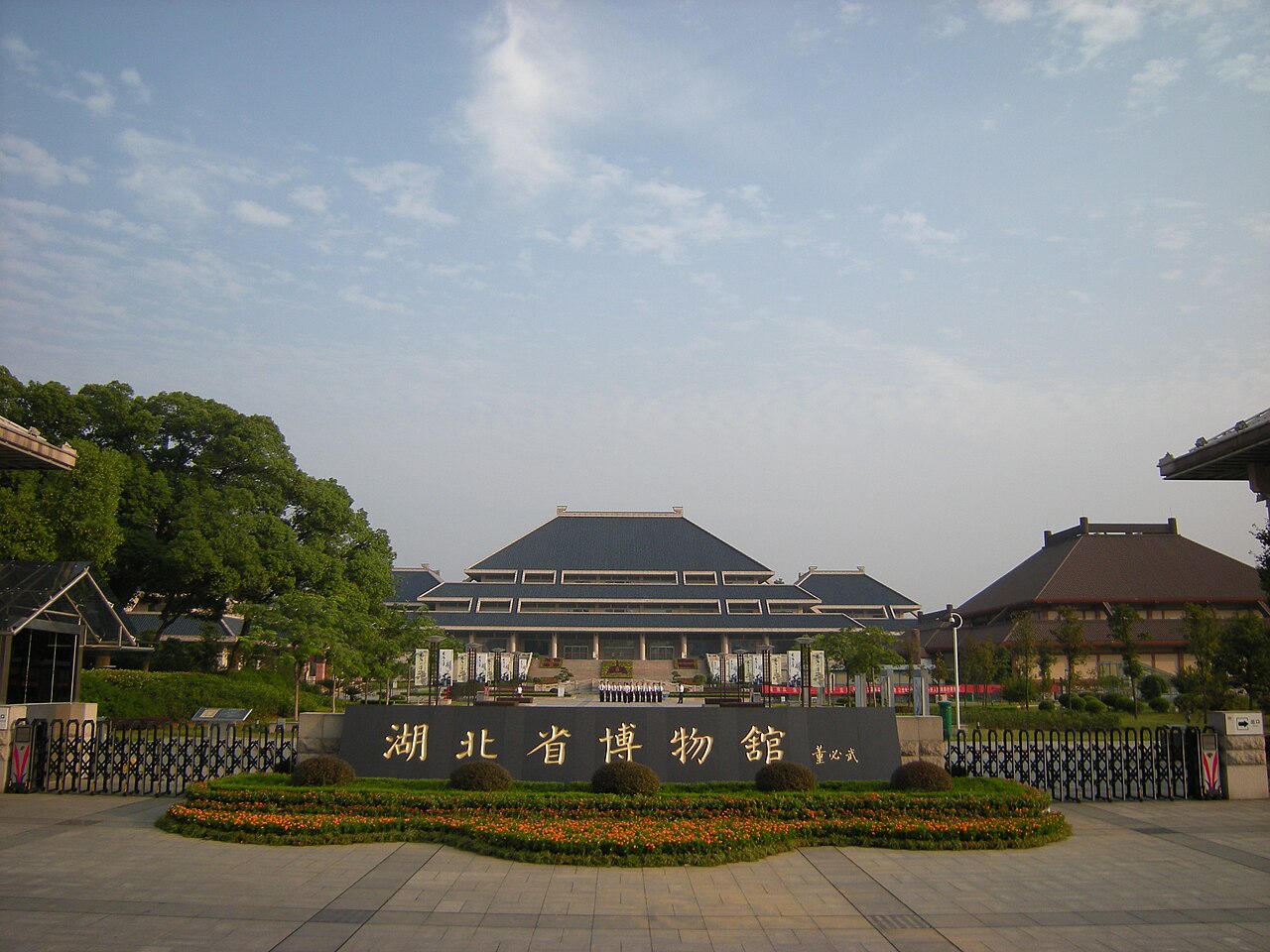
  4. Hear the 2,400-year-old chime bells at the Hubei Provincial Museum
  5. Walk the Hankou Bund and Lihuangpi Road's museum-in-the-streets
  6. Cross the Yangtze Bridge on foot, then come back by boat
  7. Wander East Lake at golden hour when the lotus is out

The short list

What not to miss in Wuhan

The Yellow Crane Tower

The rebuilt tower on Snake Hill is the city's symbol and the reason most people come. Climb it for a full sweep of the Yangtze, then read the Tang poem that made it famous — a monument to a poet, and a crane, who never came back.
East Lake

China's biggest city lake, about six times the size of Hangzhou's West Lake, with six scenic zones. Come for the cherry garden in spring, the lotus and osmanthus later, and the plum blossom as early as February.

The Yangtze ferry and bridge

Cross the river the way locals do — by the ¥1.5 public ferry — then walk the 1957 bridge, the first ever built across the Yangtze. Do the ferry after dark for the best light on the water.

Wuhan University

One of China's most beautiful campuses, spread across Luojiashan above East Lake in a mix of Chinese roofs and Western walls. Free to enter except during the spring cherry-blossom festival.

The Hubei Provincial Museum

Home to the Chime Bells of Marquis Yi — 2,400 years old and still playable — and the Sword of Goujian. Free, but you must book a slot ahead, and it is busy at weekends.

The Hankou Bund and old lanes

The former foreign-concession waterfront, where thirteen nations built banks and consulates, plus the street museum of Lihuangpi Road and the 1,210-metre Jianghan Road. This is the old 'Oriental Chicago' of the treaty ports.

Suggested itineraries

How to spend your days

Two days: the core

2 days days

A tight weekend that still hits the tower, the river and the two most different halves of the old city. Best if you are passing through on the way somewhere else.

  1. Day 1

    Wuchang to Hankou — tower, bridge, Bund

    Start at Hubu Alley for a guo zao breakfast, then walk the ten minutes to the Yellow Crane Tower and climb it for the river view.

    Come down to the Yangtze Bridge, take the lift to road level and walk out over the water, then cross to Hankou by ferry.

    Spend the afternoon on the Hankou Bund and Jianghan Road, and the evening eating your way through Jiqing Street.

    Stops: Hubu AlleyYellow Crane TowerYangtze BridgeHankou BundJiqing Street

  2. Day 2

    Hanyang, then East Lake

    Cross to Hanyang in the morning for Qingchuan Pavilion looking back at the tower, then Guiyuan Temple to count the 500 arhats.

    Have a vegetarian lunch at the temple, then head east to the Hubei Provincial Museum for the chime bells.

    Finish at East Lake — the Tingtao zone on foot, or a boat across to Mo Hill if you still have legs.

    Stops: Qingchuan PavilionGuiyuan TempleHubei Provincial MuseumEast Lake

Three days: all three towns

3 days days

The unhurried version, one town a day, with room for the food, the ferry at night and a side trip to East Lake's Mo Hill. This is the version I would book.

  1. Day 1

    Wuchang — the classic loop

    Breakfast in Hubu Alley, then the Yellow Crane Tower and the Yangtze Bridge on foot.

    Walk the art quarter of Tanhualin in the afternoon for its old church, hospital and artist studios.

    End with the ferry to Hankou and the night lights on the river.

    Stops: Hubu AlleyYellow Crane TowerYangtze BridgeTanhualinNight ferry

  2. Day 2

    Hankou — the old commercial city

    Start at the Wuhan Customs House and the Jianghan Road buildings, then the Lihuangpi Road street museum.

    Rest on the Hankou Bund in the afternoon, or shop the Jianghan Road pedestrian street.

    Eat at Jiqing Street at night, and finish with a river walk or another ferry.

    Stops: Wuhan Customs HouseJianghan RoadLihuangpi RoadHankou BundJiqing Street

  3. Day 3

    Hanyang and East Lake

    Morning in Hanyang: Qingchuan Pavilion, the walk to Gui Mountain, then Guqin Terrace for the music of the 'high mountains and flowing water'.

    Lunch as a vegetarian feast at Guiyuan Temple, then a taxi to the Hubei Provincial Museum.

    Afternoon and evening at East Lake — the Tingtao lakeside if you are tired, or Mo Hill if you are not.

    Stops: Qingchuan PavilionGuqin TerraceGuiyuan TempleHubei Provincial MuseumEast Lake

What to see

The sights worth your time

Yellow Crane Tower

Landmark

Yellow Crane Tower

The tower that gave the city its fame, rebuilt in 1985 on the site above the Yangtze. Five storeys, bronze cranes, and a full-circle view of the river and the bridge. Go early or late to dodge the coaches.

Ticket
¥80
Hours
7:00–18:30 (summer); 7:30–17:30 (winter)
Address
Snake Hill, Wuchang District
Time needed
1.5–2 hours
Getting there
Bus or metro to the Hubu Alley area, then walk

Tip There is a lift partway up, but the view from the top platform is worth the stairs. The bronze 'Return of the Crane' sculpture at the base is the photo everyone takes.

Free

Wuhan Yangtze Bridge

The first bridge ever built across the Yangtze, finished in 1957: road on top, railway below, with pedestrian walkways along both sides. Walk it end to end and you have crossed the great river on foot.

Ticket
Free
Hours
Open 24 hours
Address
Between Gui Hill (Hanyang) and Snake Hill (Wuchang)
Time needed
45–60 minutes to walk
Getting there
Lift up from the tower side; bus stops at both ends

Tip The footpath is shared with scooters at peak times — keep right and mind your step. The bridge at sunset, with the tower behind you, is the best free view in Shanghai-adjacent China.

East Lake (Donghu)

Nature

East Lake (Donghu)

A lake six times the area of Hangzhou's West Lake, inside the city limits, split into six zones. The Tingtao zone is free and central; Mo Hill is the paid, showier one with the Chu cultural sights and the cherry garden.

Ticket
Tingtao free; Mo Hill ¥40; Luoyan ¥10
Hours
7:00–19:00
Address
East Lake Road, Wuchang/Wuchang East
Time needed
Half a day for one or two zones
Getting there
Bus 402/401 to Mo Hill; bus 14/578 for Tingtao

Tip In late March the cherry garden is the equal of Wuhan University's and far less of a crush — the locals will tell you so themselves.

Architecture

Wuhan University

A hilltop campus above East Lake, famous for its palace-style halls by an American architect and its avenue of cherry trees. Free all year except the cherry festival, when it charges ¥10 and gets packed.

Ticket
Free (¥10 during cherry festival)
Hours
Open campus; buildings have their own hours
Address
16 Luojiashan Road, Wuchang District
Time needed
2–3 hours
Getting there
Bus 515/519/552 to the university gate

Tip The campus bus (¥1) links the gate with the lake side and hits the main sights. Enter from the main gate, exit at Lingbo Gate straight onto East Lake.

Museum

Hubei Provincial Museum

The reason to spend a morning indoors in Wuhan: the tomb finds of Marquis Yi of Zeng, including 65 bronze chime bells still playable after 2,400 years, and the legendary Sword of Goujian.

Ticket
Free, advance booking required
Hours
9:00–17:00, last entry 16:00 (closed Mon)
Address
156 Donghu Road, Hongshan District
Time needed
2–3 hours
Getting there
Metro line 8 to Hubei Provincial Museum, or bus 402

Tip There is a daily chime-bell performance — check the times at the door and time your visit around it. It is the single best thing to do in the city on a rainy day.

Temple

Guiyuan Temple

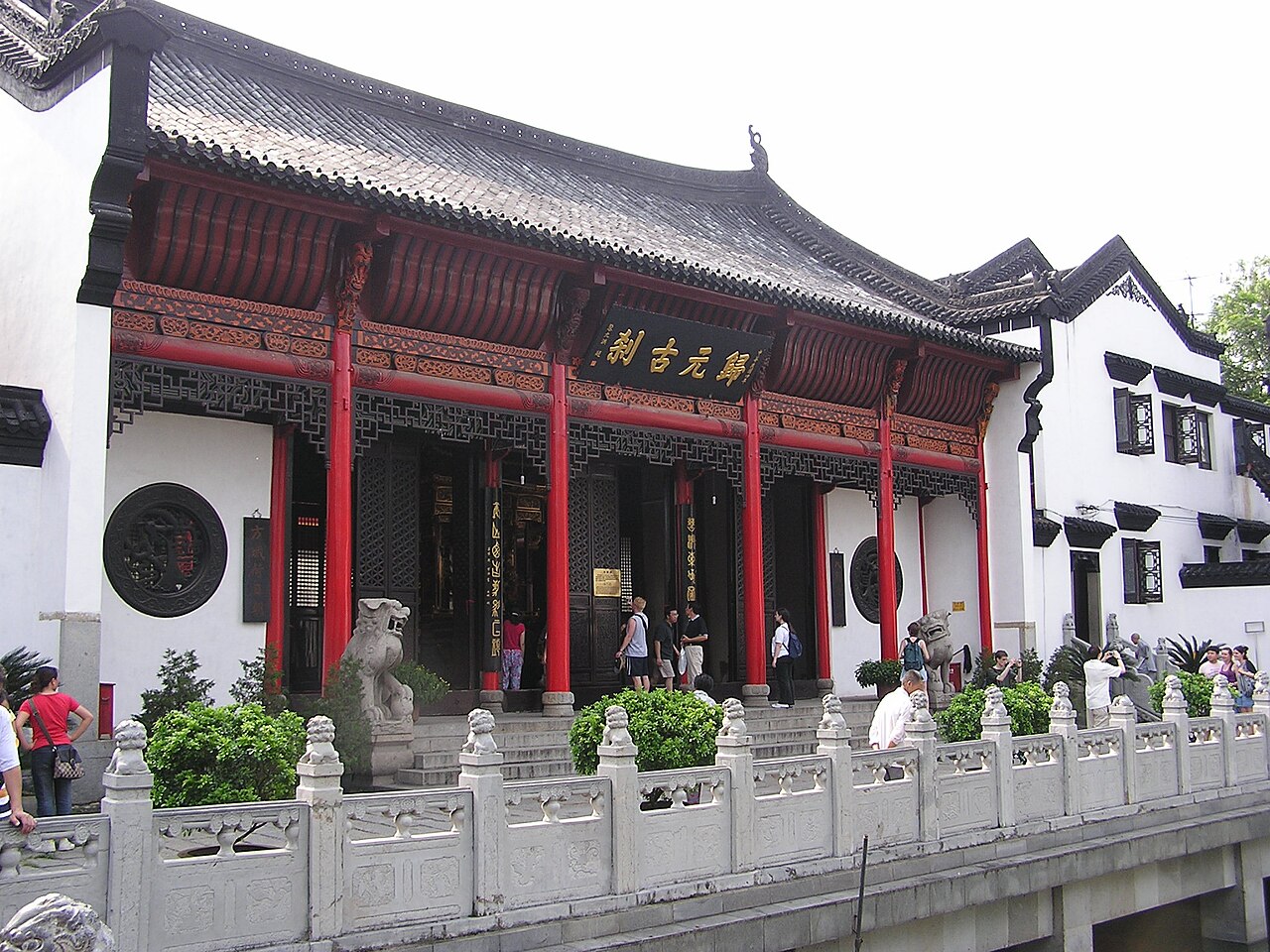
A working Buddhist temple founded in the Qing dynasty, and one of the great temples of central China. Its Hall of 500 Arhats is the draw — count to the statue matching your age and read your fortune.

Ticket
¥10
Hours
8:00–17:00
Address
Cuiwei Road, Hanyang District
Time needed
1–1.5 hours
Getting there
Bus 401 terminates at the temple

Tip Do not buy incense at the gate — it will not go in. Your ticket includes three sticks of incense at the entrance. The temple's vegetarian kitchen is worth booking for lunch.

The Hankou Bund and Lihuangpi Road

Architecture

The Hankou Bund and Lihuangpi Road

The old treaty-port waterfront and the streets behind it, where Britain, France, Russia, Germany and Japan ran concessions and banks. Lihuangpi Road is a signed 'street museum' of 17 historic buildings.

Ticket
Free
Hours
Always open
Address
Jiang'an District, along the Yangtze
Time needed
2 hours on foot
Getting there
Metro to Jianghan Road, then walk west

Tip The buildings carry bilingual plaques, so you can read the history as you walk. Lihuangpi Road is the quiet, elegant version of the Bund — go there after seeing the waterfront at night.

What to eat

The dishes Wuhan is built on

Hot-dry noodles (reganmian)

The breakfast icon: springy noodles tossed in sesame paste, sesame oil, scallion and pickles. About ¥2.5 a bowl, eaten standing up, and not to be missed.

Sanxian doupi

A sticky-rice, egg and tofu-skin pancake, pan-fried until crisp outside and soft within. The classic is from the old Laotongcheng house on Zhongshan Avenue.

Steamed Wuchang fish

The bream that got a line in a Mao poem and has been a banquet star ever since — steamed whole with ham, mushroom and bamboo shoot.

Clay-pot chicken soup

Old hen slow-simmered in a clay jar until the bones soften. Hubei people treat a good soup as medicine; try it at the Xiaotaoyuan-style houses.

Soup dumplings

The paper-thin, juice-filled xiaolong from the century-old Sijimei. Bite the top, drink the soup, then eat the rest — or you will burn your chin.

Zhou Hei Ya duck neck

The braised, sweet-spicy duck neck sold across the country — it started here. Buy a bag at the station for the train, like everyone else does.

Where to eat

Restaurants and food streets

Food street

Hubu Alley

The 150-metre lane that is Wuhan's most famous breakfast strip, under the bridge and the tower. Tourist-heavy but the classics are real: sesame noodles, fish-paste soup, rice wine.

Known for
Guo zao breakfast, all day
Address
Ziyou Road, Wuchang District
Getting there
Bus 14/15/521 to Simenkou
Best time
Before 9am to eat like a local

Noodles

Cai Lin Ji

The most famous name in hot-dry noodles, with branches across the city. Order at the counter, mix the sesame paste through fast, and eat it before it cools.

Known for
Reganmian (hot-dry noodles)
Price
¥5–10 a bowl
Address
Many branches; the oldest is on Zhongshan Avenue

Doupi

Lao Tong Cheng

The century-old house credited with inventing sanxian doupi, the crisp-on-the-outside breakfast pancake. A proper Wuhan breakfast stop.

Known for
Sanxian doupi
Address
Zhongshan Avenue, Hankou
Best time
Breakfast, and it closes early

Dessert

Wu Fang Zhai

A Hankou institution nicknamed the 'king of tangyuan', making its glutinous rice balls by hand. The queue at Lantern Festival is famously around the block.
Known for
Handmade tangyuan and zongzi
Price
About ¥10 a person
Address
723 Zhongshan Avenue, Jianghan District
Phone
027-82808027

Night food

Jiqing Street

The night-market lane between Dazhi Road and Jianghan Road, made famous by Chi Li's novel 'Life Show'. Come after dark for the seafood, the barbecue and the noise.

Known for
Late-night seafood and barbecue
Address
Between Dazhi Road and Jianghan Road, Jiang'an
Getting there
Bus or tram to Dazhi Road
Best time
After 8pm

Where to stay

Hotels and hostels

Hostel

Wuhan LOFT Youth Hostel

A converted factory inside the Hanyang Zao art district, with dorms and private rooms and a crowd of creative types around it. Central for Guiyuan Temple, the Bund and the bridge.

From
¥40 per bed
Address
Hanyang Zao Creative Park, Guishan North Road, Hanyang
Phone
027-84711009
Good for
Budget travellers and creatives

Hostel

Pathfinder International Youth Hostel

Wuhan's only international youth hostel, in a red brick Soviet-era building by the Hubei Art Museum, recommended by Lonely Planet for its courtyard and easy welcome.

From
¥69 per bed
Address
368 Zhongshan Road, Wuchang (in the Hubei Art Museum grounds)
Phone
027-88844092
Good for
Solo travellers

4-star

Wuhan Luojiashan International Hotel

A comfortable four-star near Wuhan University and Baotong Temple, in the Hongshan business district. Simple, well-run and good value, with a solid breakfast.

From
About ¥400
Address
723 Wuluo Road, Hongshan District
Phone
027-87166666
Good for
University area and shopping

Business

Best Western Mayflowers Hotel

A well-located hotel opposite the Fujiapo long-distance bus station, with the airport bus stopping nearby and Wuchang Station a short ride away. Practical rather than glamorous.

From
About ¥300
Address
385 Wuluo Road, Wuchang District
Phone
027-68871588
Good for
Airport and bus links

Mid-range

Wuchang riverside and Simenkou chains

The stretch around Simenkou and the Wuchang riverside has the best-value chain hotels for a city break — walkable to Hubu Alley, the tower and the ferry, and cheap by capital-city standards.

From
About ¥160–300
Area
Simenkou / Wuchang riverside
Good for
First-time visitors who want to walk everywhere

Getting around

Transport in and around Wuhan

Plane

Wuhan Tianhe International (WUH) is 26 km north of the centre, with dense domestic service and international routes across Asia. Metro line 2 and airport buses connect it to the city.

Code
WUH
To centre
Metro ~40 min; taxi ~¥100
Airport bus
To Hankou, Wuchang and Wuhan Station

Train

One of China's four great rail hubs, with three main stations. High-speed trains reach Beijing, Shanghai, Guangzhou and most cities in between; this is the easiest way into the region.

Stations
Hankou, Wuchang, Wuhan
Best for
Wuhan Station (high-speed); Hankou (north lines)

Metro and light rail

The metro crosses both rivers and links the airport, the stations and most sights. Cheap, clean and the best way to get between the three towns.

Fare
¥2–5 depending on distance
Key lines
Line 2 (airport, Hankou); Line 4 (Wuchang, Wuhan Station)

Bus

A dense network including two sightseeing routes — 401 and 402 — that string together most of the major sights in one loop. Exactly ¥1–2, no change given.

Fare
¥1 ordinary, ¥2 air-conditioned
Sightseeing
401 and 402 cover the big sights

Taxi

Metered and cheap: two grades, from ¥6 (2 km) plus ¥1.4/km, and a premium grade from ¥8 plus ¥2/km. Expect congestion during roadworks, so build in time.

Flagfall
¥6–8
Booking
027-66667777

Ferry

The old way across the Yangtze and still the nicest. The Hankou–Wuchang crossing is the handiest, linking Jianghan Road with Simenkou.

Fare
¥1.5 (¥5 after 8pm)
Frequency
Every 20 minutes
Best
After dark for the illuminated banks

Shopping

Where to shop in Wuhan

Jianghan Road pedestrian street

The 1,210-metre commercial spine of old Hankou, lined with buildings in every European style — locally it is called a museum of 20th-century architecture.

Chu River and Han Street

The 1.5 km commercial ribbon along the Chu River, China's longest urban shopping street, in grey-brick Chu-style buildings against a backdrop of towers.

Hanzheng Street

The old wholesale market street of Hankou, once called 'the first street under heaven', now tidied into an orderly shopping district for goods and bargains.

Optics Valley (Guanggu)

Central China's answer to the tech hub, with the Guanggu pedestrian street, malls and a Spanish-themed quarter. Best for fashion and electronics.

Practical

Practical information

Wuhan is under near-constant construction, so congestion is normal. Trust the metro, and treat any taxi estimate as optimistic.

EmergencyPolice 110 · Ambulance 120 · Fire 119
Tourist complaints027-82855773
Xiehe Hospital1277 Jiefang Avenue, Jianghan — 027-85726114
Zhongnan Hospital (Wuhan University)169 Donghu Road, Wuchang — 027-67812999
Post officeBranch offices in Hankou (Dongting St) and Hongshan (Wuluo Rd)
Taxi booking027-66667777
PaymentsMobile pay (Alipay/WeChat) everywhere; carry ¥100–200 cash
Summer warningJuly–August is extreme; the fine for the heat is sunburn — bring a parasol

Local tips

Things to get right in Wuhan

Skip the summer

Wuhan is a genuine 'furnace' — July and August sit well above 40°C with heavy humidity and little breeze even by the river. Spring and autumn are the only sensible seasons.

Eat breakfast out

Guo zao is the whole point of Wuhan mornings. Get out before 9am and join the queues: noodles, doupi, soup, in that order if you are hungry.

Cross by ferry, not just the bridge

The ¥1.5 ferry is the cheapest sight in the city and the best way to understand why Wuhan matters. Build it into a night on the river.

Book the museum ahead

The Hubei Provincial Museum is free but capped and closed on Mondays, so reserve a slot online. Go for the chime-bell performance, and pace yourself — it is bigger than it looks.

Cherry blossom needs timing

Wuhan University's cherry avenue is the famous one, but it is shoulder-to-shoulder in late March. East Lake's cherry garden is just as good and the locals will tell you to go there instead.

Lean into the bluntness

Wuhan people are famously direct and quick-tempered, but also warm and helpful once you talk to them. Do not read a brusque 'no' as unfriendliness — it is just the local register.

Background

Geography, climate and history

Three towns on two rivers

Wuhan is one city made of three: Hankou and Hanyang on the west bank, Wuchang on the east, divided by the Yangtze and its largest tributary, the Han. The three were separate cities for most of their history and were only merged in 1927 — which is why locals still say they live in Hankou, Wuchang or Hanyang first and Wuhan second.

The climate is sub-tropical and famously extreme: hot, wet summers that last about 135 days and damp, cold winters, with spring and autumn each around two months. The city sits on the eastern edge of the Jianghan Plain, in the middle of China's economic geography — a position that has always made it a hub of river and rail.

From Panlongcheng to the 1911 uprising

People have built here for a very long time: the Panlongcheng site in the Huangpi suburbs is a Shang-dynasty walled city some 3,500 years old, the most complete such site found in China. Wuhan went on to become one of the empire's four great trading towns, and by the late Qing and the treaty ports it was an industrial centre on a par with the largest cities of the coast.

Modern China has two of its founding moments here. The 1911 Wuchang Uprising, launched from the city, ended the Qing dynasty and began the Republic; the Red Building on the Wuchang bluff is its memorial. And in 1957 the first bridge across the Yangtze opened at Wuhan, uniting the north and south of the country by rail for the first time — the city's sense of itself as the crossroads of China is not an accident.

Films, books and music

Travel with Wuhan

Film

Feng Shui (Wan Jian Chuan Xin)

Wang Jing, 2012

A decade in the life of a Wuhan family squeezed into a misfortunate new flat; the everyday Mandarin-and-Wuhan-dialect realism makes the city itself a character.

Book

Life Show

Chi Li

The novel that made Jiqing Street famous, following a stallholder who sells duck neck and holds a family together — the warmest portrait of old Hankou in print.

Film

McDull, Kung Fu Kindergarten

Brian Tse, 2009

The animated pig's holiday film put Wuhan's hot-dry noodles and duck neck on every child's must-eat list; a light, funny introduction to the city's food.

Music

Hanyangmen Garden

Feng Xiang

The song that became Wuhan's unofficial anthem — a gentle folk tune about the garden by the river gates, and the best soundtrack for a ferry crossing at dusk.
The questions visitors ask us most about Wuhan, answered plainly.
Frequently asked questions

Prices and practical details are reviewed every month by our Beijing team and updated the day a rule changes.

Is Wuhan worth visiting, or just a rail hub?

Worth a proper stop. It gets skipped because it is a transport crossroads, but the Yellow Crane Tower, East Lake, the old concessions of Hankou and the best street breakfast in China add up to a real city. Two full days is the minimum; three is comfortable.

How many days do I need in Wuhan?

Three days, one town per day: Wuchang for the tower, East Lake and Wuhan University; Hanyang for Guiyuan Temple and Guqin Terrace; Hankou for the Bund, the food lanes and shopping. Two days is a workable sprint if you skip Hanyang.

What is the best time to visit Wuhan?

March to May and September to November. Wuhan is one of China's 'furnace' cities, with July and August often above 40°C and heavy humidity; winter is damp and cold. Spring brings cherry blossom at Wuhan University and the plum fair at East Lake; autumn is dry, warm and full of riverside food stalls.

What should I eat in Wuhan?

Begin with hot-dry noodles (reganmian), the city's breakfast icon. Add doupi (sticky-rice and egg pancakes), steamed Wuchang fish, clay-pot chicken soup, soup dumplings and Zhou Hei Ya braised duck neck. The classic lane is Hubu Alley for tourists; locals eat closer to home, at markets across the city.
How do I get around the three towns?

Metro, buses and the ferry. The metro crosses the rivers and links the stations cheaply; taxis start at ¥6–8 and are metered; the public ferry between the Hankou and Wuchang banks costs about ¥1.5 and runs every 20 minutes. Traffic is heavy, so allow extra time to cross the rivers.

Can I combine Wuhan with Zhangjiajie, the Three Gorges or Wudang?

Yes, and it is a natural base for it. High-speed rail reaches Zhangjiajie in about 4 hours and the Wudang Mountains in 2, and Three Gorges cruises launch from nearby Yichang. A private Wuhan tour can build any of them into a longer Hunan–Hubei loop.

Do I need to speak Chinese in Wuhan?

It helps, but you can manage without. Signs on the metro and in the museum are bilingual, taxis are cheap and metered, and translation apps cover the gaps. English is thin outside hotels and big restaurants, so keep a phrasebook or app ready for the food stalls.

Related reading

Related reading

Visas Do I Need a Visa for China? Requirements, Costs and How to Apply China's entry rules changed more in the last three years than in the previous twenty. Here is exactly who needs a visa, what it costs, how long it takes and which passports now walk straight through. 9 min read Visas China's 240-Hour Visa-Free Transit: Who Qualifies and How It Works Ten days in China with no visa application, no fee and no fingerprints — if you hold the right passport and leave for a third country. Here is the rulebook, port by port. 8 min read Money Paying in China: Alipay, WeChat Pay, Cards and Cash Roughly nine in ten urban payments in China now run through a phone. Set up two apps before you fly, carry a modest cash float, and you will never be stuck at a till. 8 min read Transport China's High-Speed Rail: How to Book, What It Costs, How Fast It Goes The fastest way to cross China is also the most pleasant. Here is how to book a ticket with a foreign passport, what the three classes actually give you, and how to survive a Chinese station at rush hour. 9 min read Planning Best Time to Visit China: Month by Month, Region by Region China is the size of Europe, so 'the best month' depends on where you stand. Here is the month-by-month answer for the north, the Yangtze valley, the south and the plateau. 8 min read Planning What to Pack for China: The Complete 2026 Checklist Twenty thousand steps a day, three climate zones and a phone that has to do everything. This is the list we give our own travellers, minus the things they never used. 7 min read Food Chinese Food Culture: Eight Cuisines, One Table There is no such thing as Chinese food. There is Cantonese, Sichuan, Hunan, Jiangsu, Zhejiang, Fujian, Anhui and Shandong — and knowing which one you are eating changes everything. 8 min read Traditions Chinese Tea Culture: Six Classes, One Pot, Two Fingers Tea in China is not a beverage category, it is a social technology: it fills silences, seals deals and sets the pace of a meal. Here is how to sit down in one and not look lost. 7 min read Traditions Chinese Festivals: The Calendar, the Dates and the Crowds Lunar dates mean the calendar moves every year — and two of the festivals move several hundred million people at once. Plan around them or plan into them, but never by accident. 8 min read Etiquette Chinese Etiquette: What Matters, What Does Not, and Why Most etiquette advice for China is either obvious or wrong. These are the dozen behaviours that actually change how you are treated, and the reasoning behind each. 7 min read

Tell us your dates.
We'll do the rest.

Free itinerary design, a revised plan within one working day, and nothing charged until you approve the final version.

  • Three days, one town each: Wuchang, Hanyang and Hankou.
  • Cross the Yangtze by the ¥1.5 ferry, not only the bridge.
  • Eat guo zao — hot-dry noodles, doupi and clay-pot soup — before 9am.

No spam. No sales calls. Just a real itinerary from a real person.