

City guide · Guizhou

Libo travel guide: the emerald rivers and karst forests of Guizhou's green belt

Emerald rivers threading through karst peaks, a 600-metre forest growing out of a riverbed, and China's largest wild plum grove.

  • Known forXiaoqikong, Maolan karst forest, Water Forest, Shuichun River rafting
  • Typical spend600–1,500 yuan for 2–3 days, excluding flights
  • Ideal length2–3 days; 1 day is too rushed
  • PaceModerate — long park days on foot and shuttle bus

Reviewed by our Beijing team Updated 2026-10-10

The short version

Libo is worth 2 to 3 days: it is a county in southern Guizhou built around the Xiaoqikong (Small Seven Arches) scenic area, where a 68-tier waterfall chain, the 600-metre Water Forest you walk through in bare feet, and the impossible blue of Wolong Pool sit within one 40-yuan shuttle-bus circuit. Add a second day for Maolan, a 20,000-hectare UNESCO-listed karst forest reserve where trees strangle bare rock, and a third if you want to raft the Shuichun River. Budget 600–1,500 yuan on the ground, excluding flights; the nearest airport is Libo (LBO), 12 km from town.

  • Xiaoqikong tickets cost 110 yuan in summer and 90 yuan in winter, plus a compulsory 40-yuan shuttle bus — the park is far too big to walk.
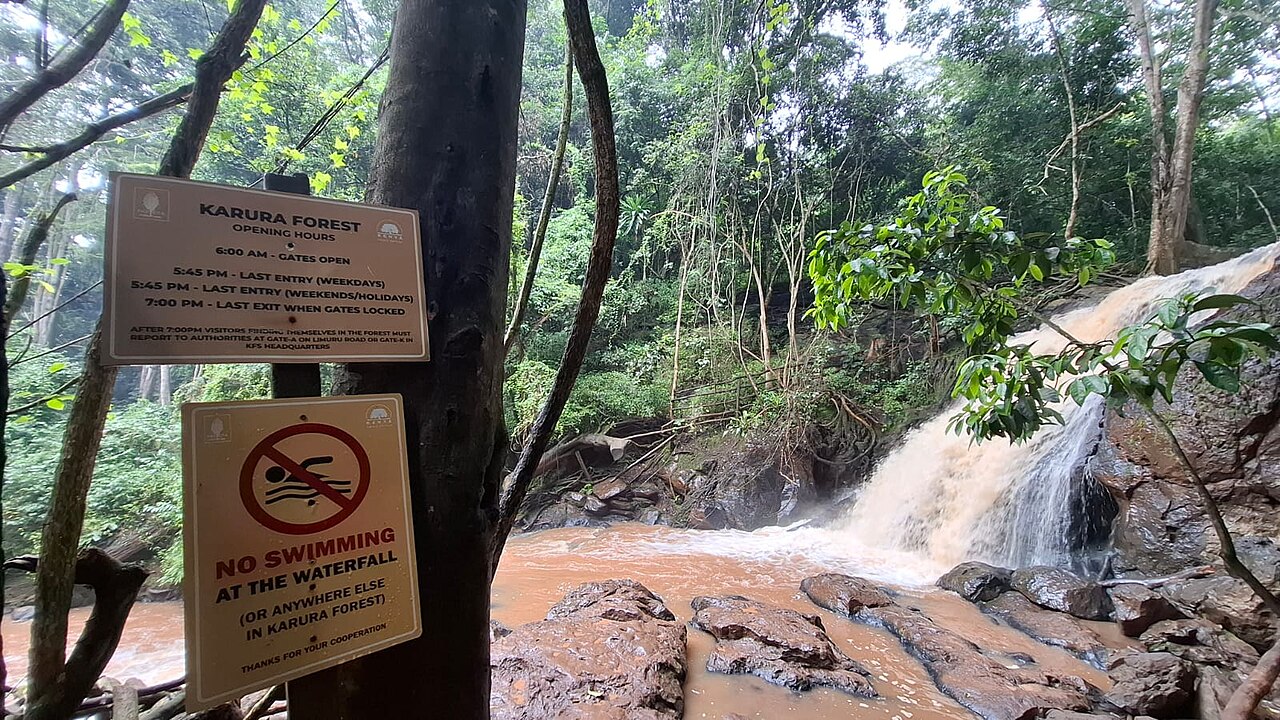
  • The Water Forest is the one place you should get wet: wear or rent sandals, the riverbed is slick and the current is stronger than it looks.
  • Maolan Forest Reserve charges 50 yuan for a combined ticket covering Yaogu Buyi village, Shishang Forest, Huangyang Gully, Latan Waterfall and Qinglong Pool.
  • There is no railway station in Libo — most visitors arrive by bus from Guiyang (6 daily departures, 100 yuan, about 4 hours).

City guide

First impressions

Photographs from the coast, and what other travellers wrote afterwards.

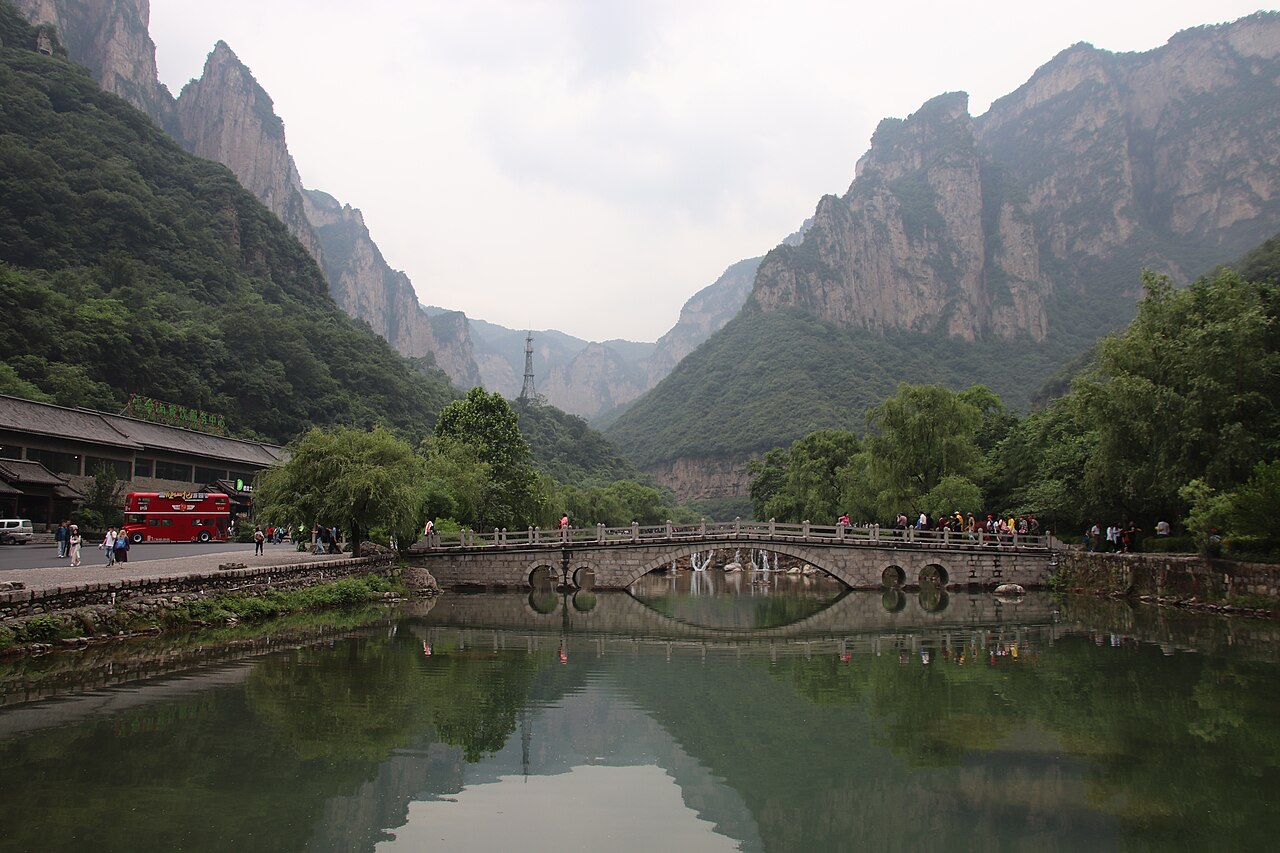
The seven-arch stone bridge of Xiaoqikong, built in 1836, marking the old Guizhou–Guangxi road
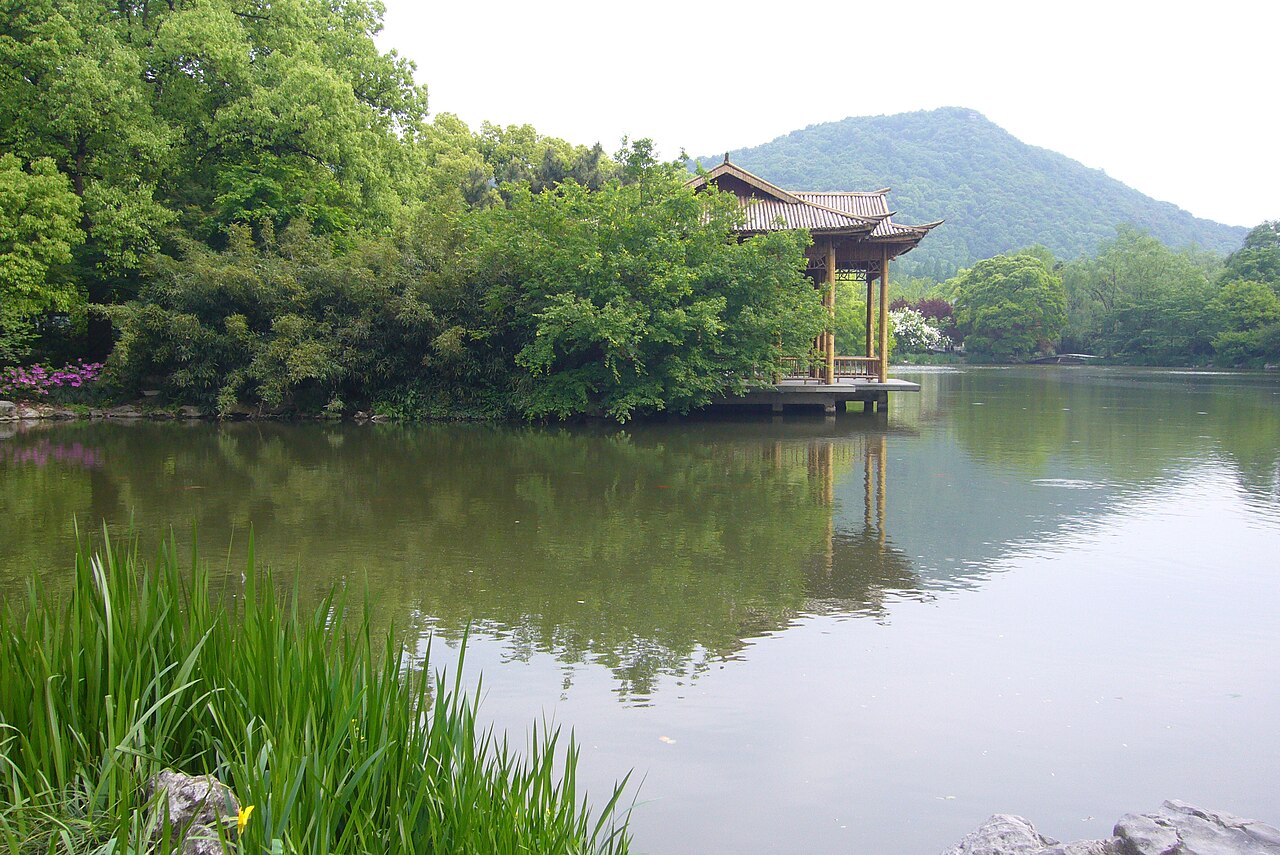
Wolong Pool, where the water runs from pale jade to deep blue as the light changes
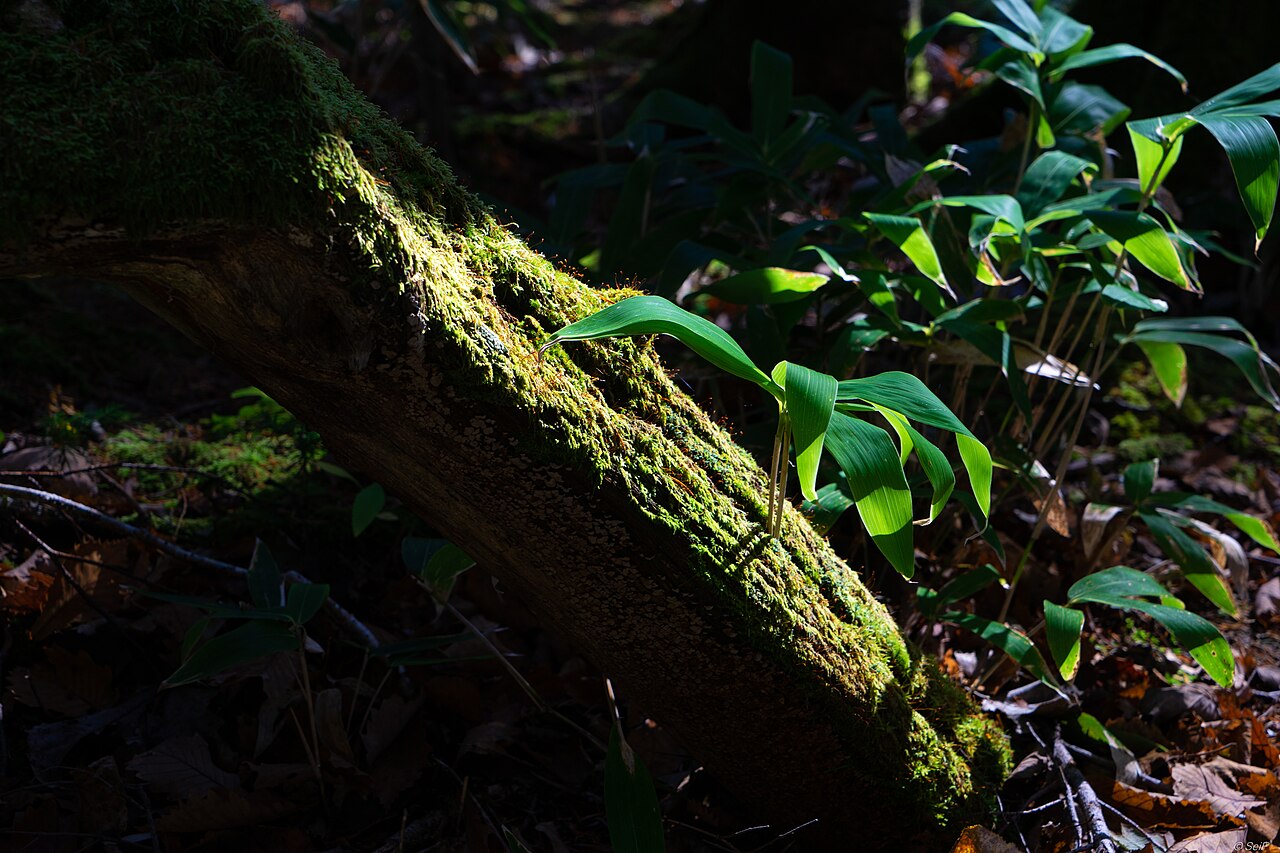
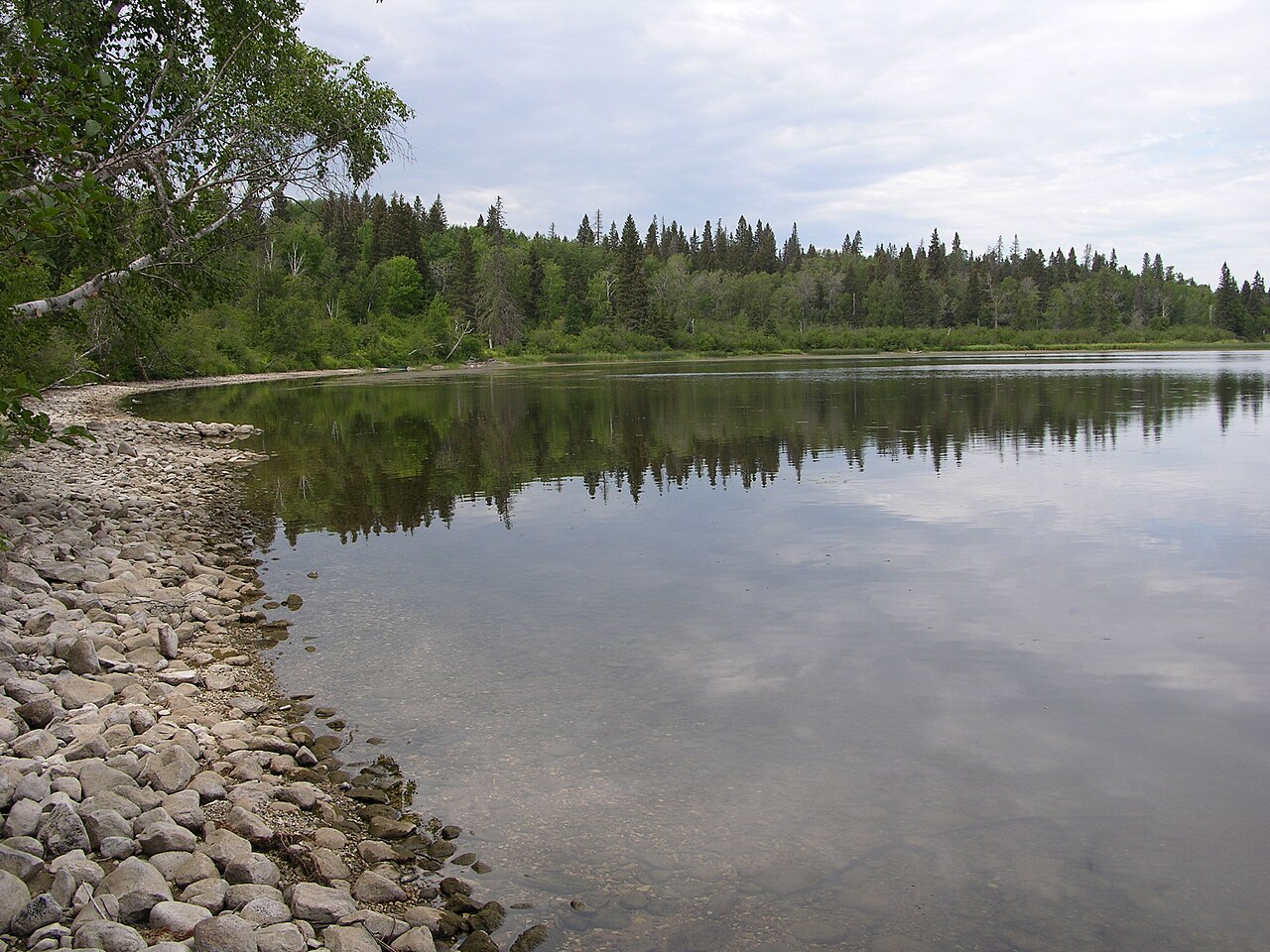
The Water Forest — 600 metres of trees rooted in the riverbed, walkable in bare feet
Latan Waterfall in Maolan, dropping nearly 70 metres along a green karst cliff

Wolong Waterfall is beautiful, but not the spectacular kind of beautiful — a gentle, quiet kind. The pool above the falls is blue, a little like Jiuzhaigou. Taking in a whole bay of blue water like that is completely different from looking at photos on a screen. The Water Forest was the most fun: trees growing in the river, a path winding all the way down, and you can step into the water and walk.

From 'Nature's Masterwork — Guizhou Mountains and Rivers'

Xiaoqikong and Maolan Forest are perfect for anyone with a wuxia streak. So many places look exactly like the valley where Zhang Wuji found his martial arts manual, or the hidden retreat of Yang Guo and Xiaolongnü.

From 'Libo Travel Notes'

You step off the shuttle bus at the top of Xiaoqikong and the river below you is not a colour you have seen in a river before. It runs from milky jade to a deep electric turquoise depending on the light, and on an overcast day the surface goes flat and mirror-still so the drowned trees and green bamboo show through it. A Chinese travel slogan describes the region as Zhangjiajie when you look up, Jiuzhaigou when you look down; Libo is where the looking down happens.

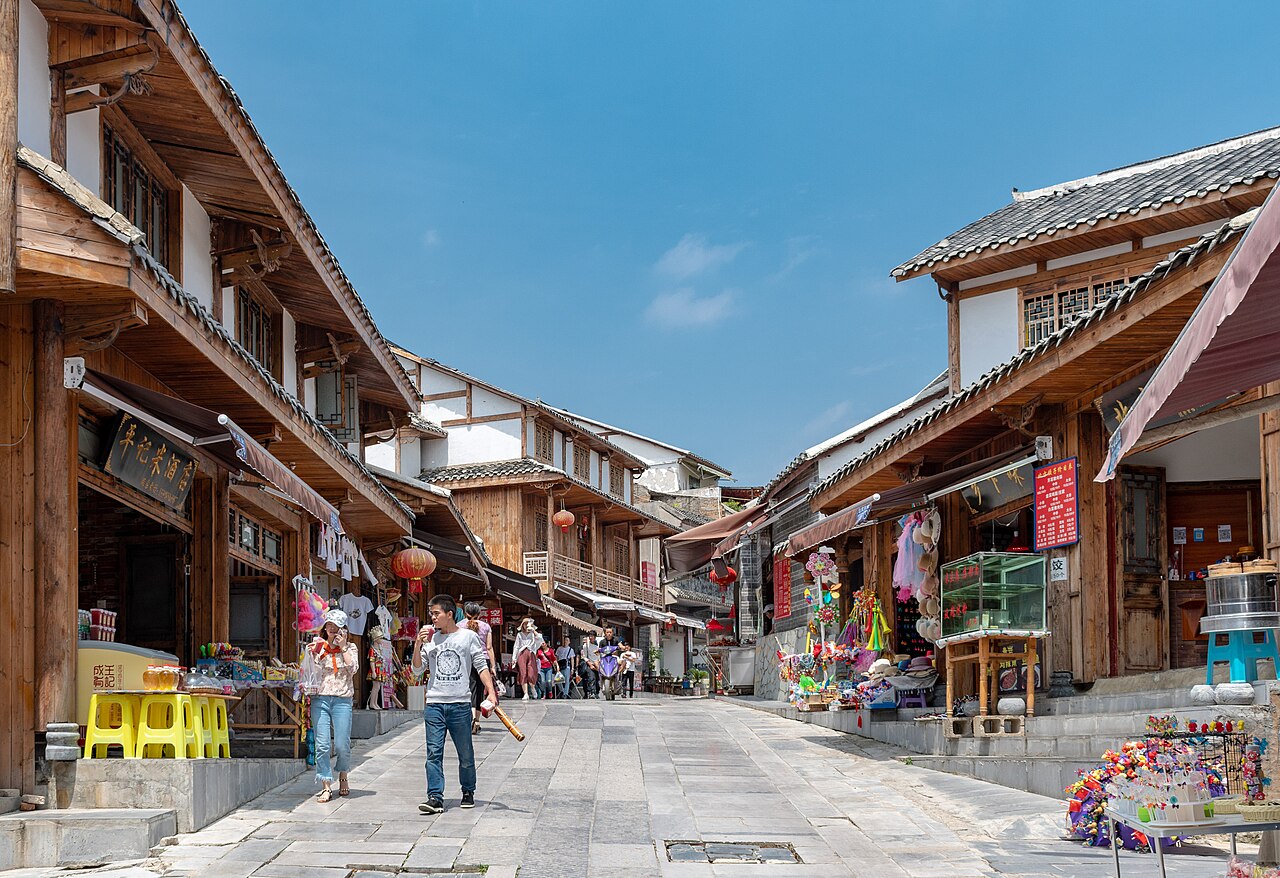
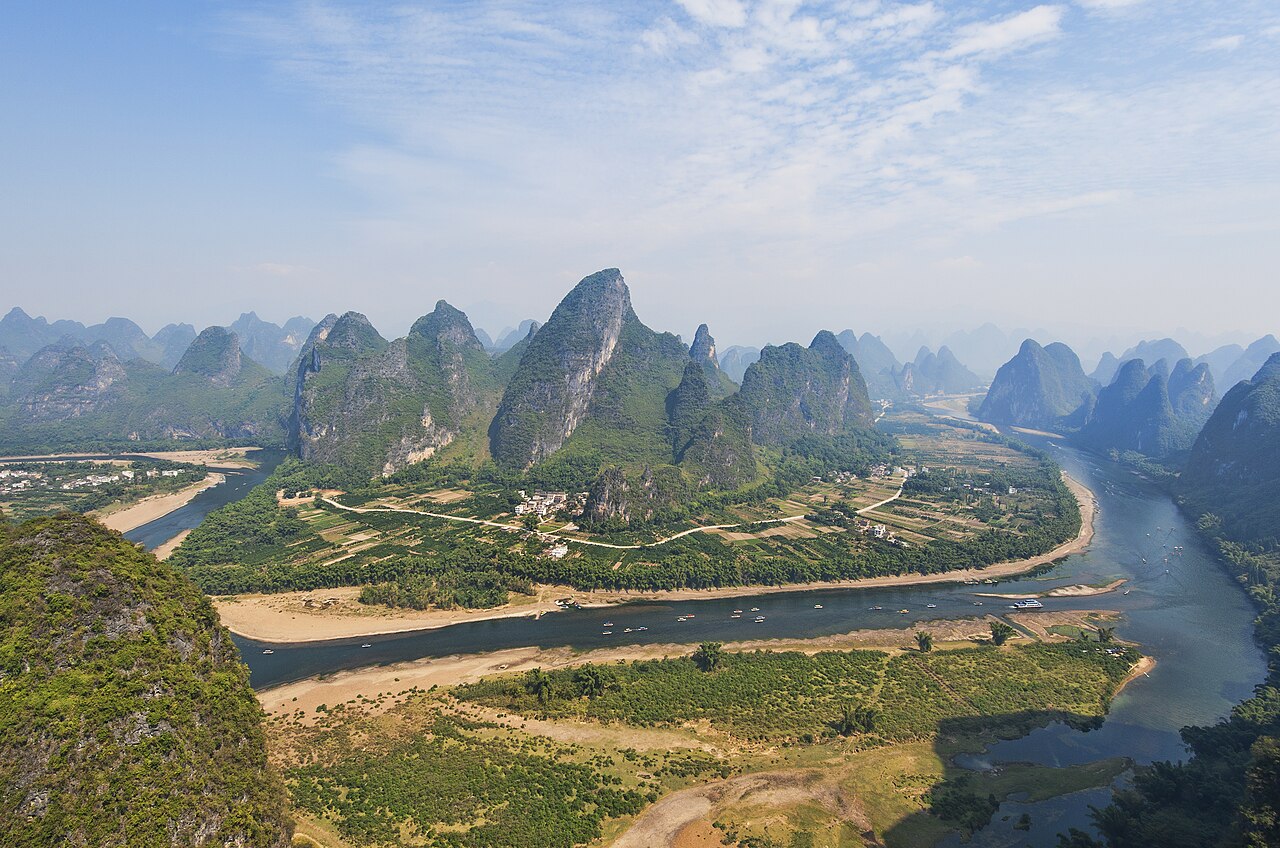
The county itself is small and unglamorous — a few streets along the Zhang River, a night food market selling grilled fish, cheap guesthouses above shops. That is fine, because everything worth seeing is outside it. Xiaoqikong and Daqikong (Big Seven Arches) sit about 3 km apart in the south, Maolan's karst forest spreads across the southeast, and the Shuichun River cuts through the middle. Locals will tell you Libo is a lung-cleaning trip, and after a day breathing forest air you will know what they mean.

What makes Libo different from a standard Chinese scenic park is that so much of it is intimate rather than spectacular. You walk through the water instead of photographing it from a railing. You squeeze between limestone walls in a green canyon, eat lunch in a Buyi village where grandmothers still spin thread and brew rice wine, and end the day with a plate of grilled Zhang River fish. Come in spring for rapeseed flowers in Maolan, in summer for the water, in winter for the wild plum blossom — Libo does not really have an off season.

Libo

Don't leave without

Seven things that are worth rearranging a day for.

  1. Stand at Wolong Pool and watch the water shift from pale to deep blue as cloud crosses the sky
  2. Wade the Water Forest barefoot, holding the handrail where the current pushes at your calves
  3. Walk the 68-tier waterfall chain, all 1.6 km of it, on the wet stone path
  4. Raft the Shuichun River for the 100-metre drop through 29 gorges and nine rapids
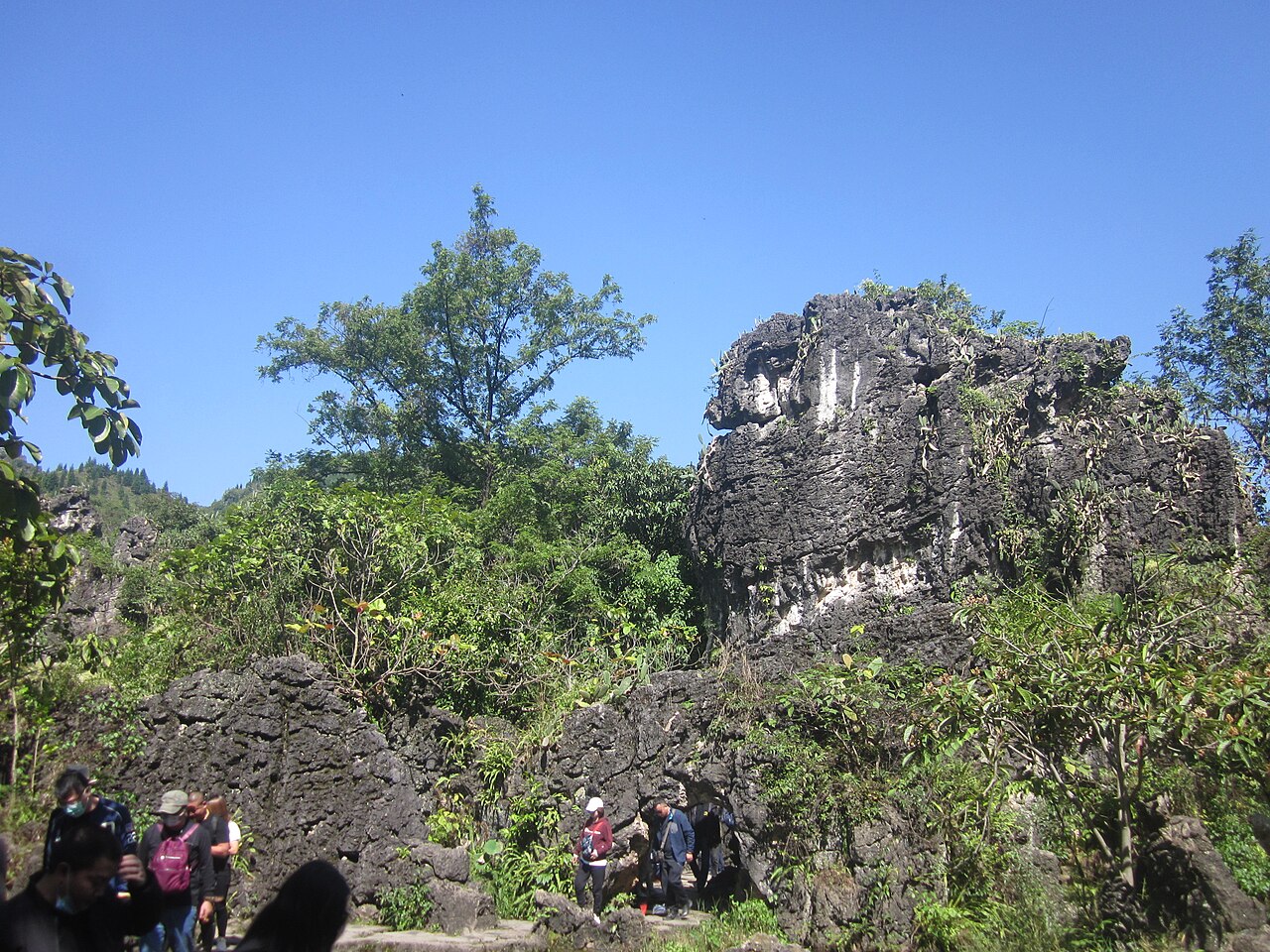
  5. See trees growing straight out of bare rock at Shishang Forest, Maolan's strangest sight
  6. Eat Zhang River grilled fish at the Libo night market — whole fish, soybeans scattered on top

Highlights

Six reasons Libo is the green gem on the earth's belt

Water that changes colour by the h

Xiaoqikong's Wolong Pond runs pale blue to deep navy depending on the light, and the colour shifts as clouds pass. Nobody photographs it accurately — the only way to know what it looks like is to stand at the railing and watch. Winter and autumn give the most saturated colour; summer floods turn it milky.

Walk on water at the Water Forest

For about 600 metres a river runs through a stand of trees rooted straight into the rock riverbed, and you walk beside it or through it on stone paths. Take your shoes off, wade the shallow sections, and you are standing in the middle of a working karst river. Slippery when wet — bring sandals.

A Qing-dynasty bridge that splits

The seven-arch Xiaoqikong Bridge was built in 1836 from cut granite, 40 metres long and 4 metres wide, and it was the main road from Libo into Guangxi's Nandan county. Guizhou is on one bank, Guangxi on the other. Locals call it the Aji Bridge after the legend of a boy whose magic finger softened stone so seven girls could mould the arches.

Raft the Shuichun River, the best

Six kilometres of river through 29 named gorges with a total drop of over 100 metres — calm mirror-flat stretches upstream, then the Nine Rapids and Eighteen Waves downstream. Independent rafting is CNY 200, a boatman takes you for CNY 220, and anyone over 12 can join. Open 07:30–17:30, ticket sales stop at 15:30.

Karst forest on top of bare rock a

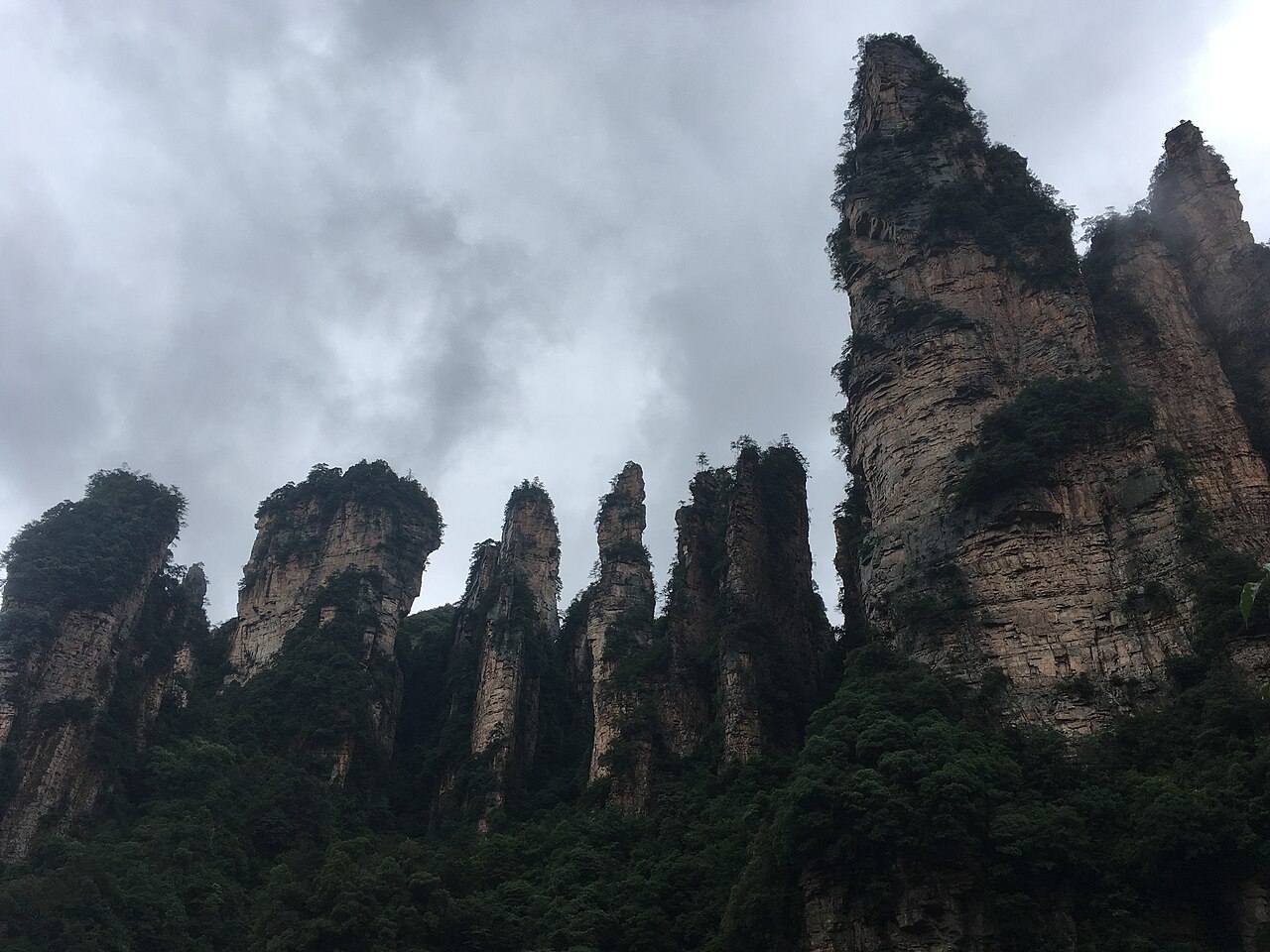
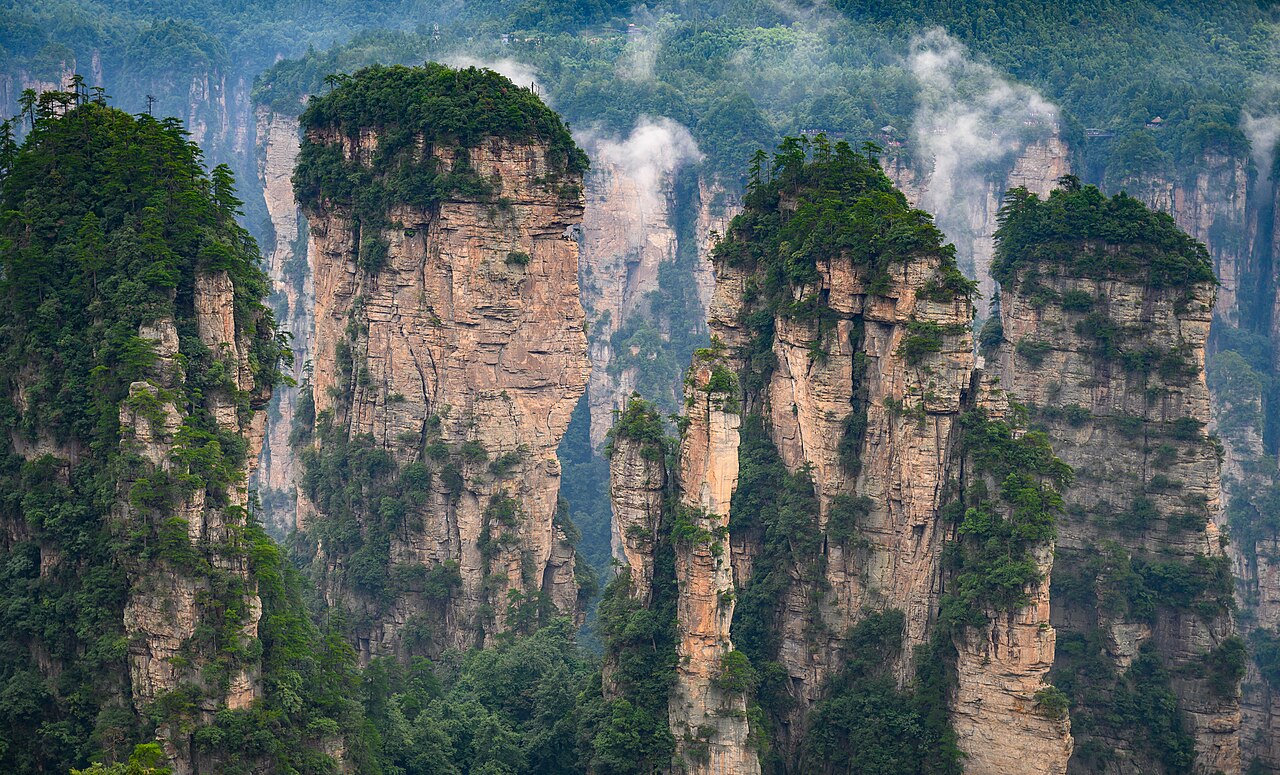
Maolan's 20,000 hectares are China's largest subtropical primary forest growing directly on limestone — roots split the rock open and wrap around boulders, giving you 'stone-wrapped trees' and 'tree-wrapped stone'. This is the same landscape that produces Libo's famous springs, caves and waterfalls, and almost nobody is there.

Itineraries

Three days, two ways to do it

Classic Xiaoqikong and Maolan

3 days days

The two things you actually came for: the blue water and the karst forest. Day 1 is the big-ticket scenery, Days 2–3 head into the reserve with a car.

  1. Day 1

    Xiaoqikong scenic area — the full

    Buy the CNY 40 shuttle bus ticket at the gate; the area is far too big to walk. Start at the entrance, work down to the bridge, then upstream through the waterfalls to the coloured lake, and budget a solid six hours.

    Stops: Tonggu BridgeXiaoqikong Bridge68-tier WaterfallLaya WaterfallWater ForestWolong PondYuanyang Lake

  2. Day 2

    Maolan — war relics, Buyi villages

    Hire a car or drive: there is no other practical way into Maolan. Fill the tank before you enter — there is no petrol station anywhere inside the reserve.

    Stops: Chuandong WWII Resistance SiteYaogu Buyi VillageStone-top ForestBaizhai Red Seventh Army Meeting SiteWater Forest at ShuilinLatan WaterfallHuangyang ValleyYaosuo Ancient BridgeQinglong Pool

  3. Day 3

    Slow morning, then out

    Give yourself a half-day buffer for rain — Libo's summer downpours can close the water routes. If you have time left, the Wanmu Plum Grove is spectacular in winter, and the lavender field about 1 km from Xiaoqikong's west gate is a cheap 20-minute detour.

    Stops: Wanmu Plum Grove (winter)Lavender Field near Xiaoqikong west gate

Water-first relaxed route

3 days days

If you want to be in the river rather than looking at it, start with the rafting and the quieter gorge, then do the highlights with fresh legs.

  1. Day 1

    Shuichun River rafting, then Daqik

    Rafting is not terrifying — it is family-friendly enough to bring kids over 12. After lunch, Daqikong takes about three hours, and you can eat outside the gate afterwards.

    Stops: Shuichun River RaftingKongbu GorgeTiansheng BridgeYaofeng Cave

  2. Day 2

    Maolan in depth

    Same Maolan circuit as the classic route. Skip the Red Seventh Army site if revolutionary history is not your thing — everything else on the line earns its place.

    Stops: Chuandong WWII Resistance SiteYaogu Buyi VillageStone-top ForestLatan WaterfallHuangyang ValleyQinglong Pool

  3. Day 3

    Xiaoqikong, unhurried

    Do the same route as Day 1 of the classic itinerary but start later and stop more. Rent a steel boat on Yuanyang Lake if you have an hour spare — it is nothing like paddling a city park lake.

    Stops: Tonggu BridgeXiaoqikong Bridge68-tier WaterfallLaya WaterfallWater ForestWolong PondYuanyang Lake

Sights

What to see, what it costs, and what to skip

The headline act

Xiaoqikong Scenic Area

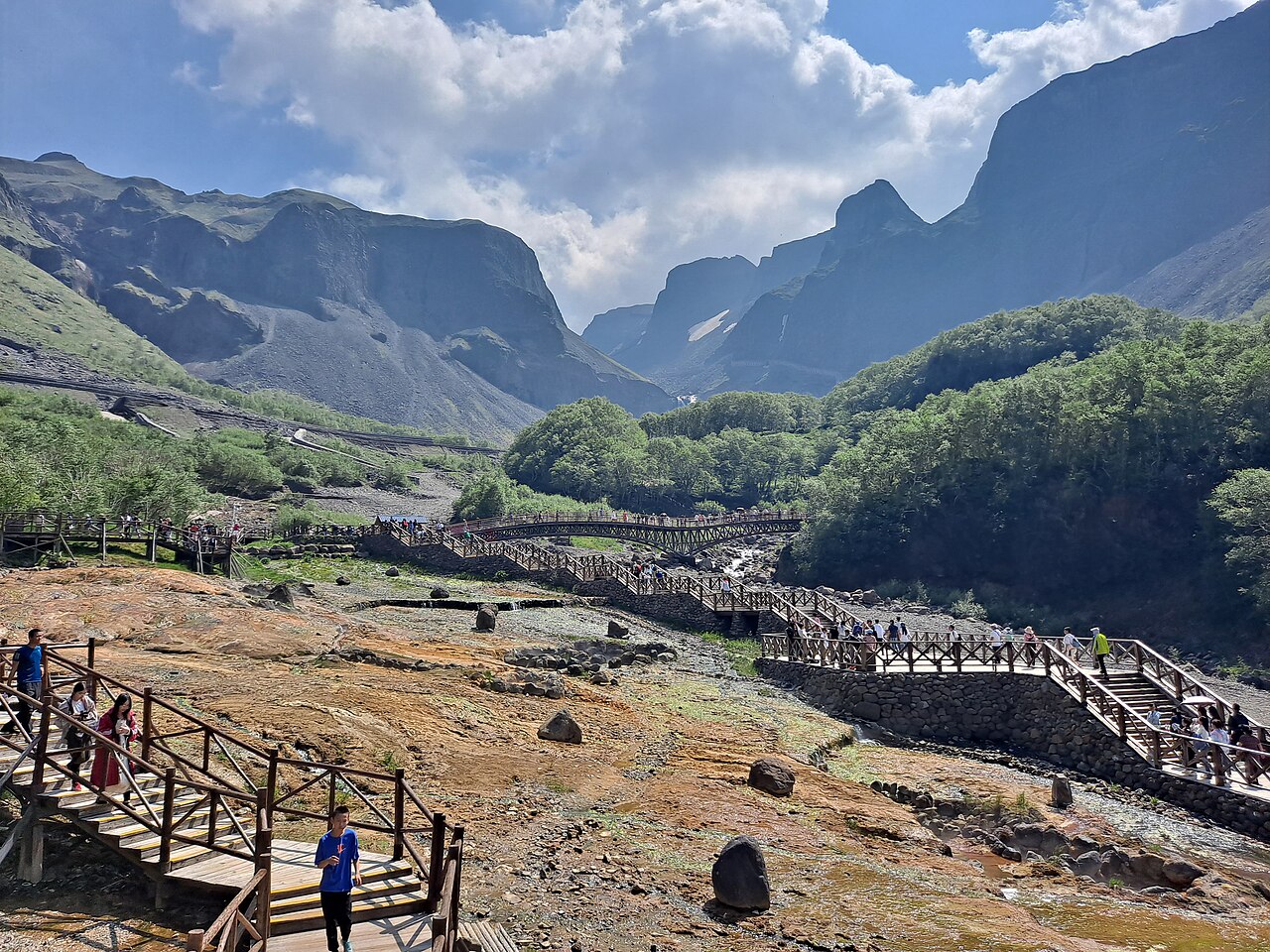
A narrow river valley packed with waterfalls, blue-green pools and a Qing-dynasty stone bridge, all connected by walkways and shuttle stops. The water is the point: turquoise in autumn and winter when flows are low, muddy brown after summer rain.

Ticket, summer
CNY 110
Ticket, winter
CNY 90
Students
Half price, year-round
Shuttle bus
CNY 40 (buy it)
Insurance
CNY 5
Yuanyang Lake boat
CNY 120 per boat (6 people) or CNY 30 per person
Phone
0854-3561176
Time needed
About 6 hours

Tip Add a polarising filter to your lens. The water is so clear it throws glare and you will lose the colour without one.

The photograph everyone comes for

Wolong Pond

A small, mirror-still pool inside Xiaoqikong where the water grades from pale blue through bright blue to dark navy depending on the light. A curved retaining dam holds the surface flat while dead trees lie in the water, their stumps furred with moss. Dense forest and bamboo crowd the banks.

Location
Inside Xiaoqikong Scenic Area
Best light
Overcast days give the deepest colour
Best season
Autumn and winter for colour; summer flow muddies it
Cost
Included in the Xiaoqikong ticket

Tip Come late afternoon when tour buses have left. The pond is small, and 20 people on the railing kills the shot.

Get wet, deliberately

Water Forest (Shuishang Senlin)

About 600 metres of river running through dense trees whose roots are locked into a bare rock bed — no sediment left at all after centuries of flow. You walk on stone paths alongside, and in the shallow stretches you can step into the water. Also called Yaochi.

Length
About 600 m, in two sections
Footwear
Sandals or water shoes — paths are wet and slick
Cost
Included in the Xiaoqikong ticket
Difficulty
Easy, but genuinely slippery

Tip Do this in the middle of the day in summer. The water is cold, the shade is deep, and it is the single best cure for Guizhou humidity.

The quieter sibling

Daqikong Scenic Area

Three kilometres from Xiaoqikong and far less crowded, built around a gorge, underground streams and a 90-metre-high natural karst bridge that gets called the 'Oriental Triumphal Arch'. The walk in goes through Kongbu Gorge, where the cliffs have three black cave mouths and locals say shouting brings falling rocks.

Ticket
CNY 55
Students
Half price
Boat
CNY 20
Insurance
CNY 5
Phone
0854-3561256
Time needed
About 3 hours
Location
Libo County, Qiannan Prefecture, Guizhou

Tip Skip the boat. It only runs as far as the front of Tiansheng Bridge, which you can walk to in minutes. The boardwalk from Yaofeng Cave to Di'e Forest was washed out and is still closed — view it from a distance.

The reason to rent a car

Maolan Karst Forest Reserve

Two hundred square kilometres of primary subtropical forest growing on limestone, plus Buyi and Shui villages, waterfalls and a WWII resistance site. The whole reserve runs on one CNY 50 ticket (students half price, plus CNY 5 insurance) covering Yaogu Buyi Village, the Stone-top Forest, Huangyang Valley, Latan Waterfall, Shuilin, Qinglong Gorge and Qinglong Pool.

Combined ticket
CNY 50
Students
Half price
Insurance
CNY 5
Covers
Yaogu, Stone-top Forest, Huangyang Valley, Latan Waterfall, Shuilin, Qinglong Gorge, Qinglong Pool
Charter car, 7-seat with driver
From CNY 300 per day
Petrol
No stations inside the reserve — fill up first
Farmhouse booking
0854-3618881

Tip Huangyang Valley is best in the rainy season, when water runs over the tops of the boxwood trees. Qinglong Pool holds a steady 17°C and mists over at dawn and dusk.

Food

What to eat in Libo: river fish, sour pork and fern shoots

Zhangjiang grilled fish (樟江烤鱼)

The dish Libo is known for. A whole wild fish from the Zhangjiang river, grilled over charcoal and buried under chili, garlic and aromatics, then finished with a scatter of toasted soybeans across the top — that soybean crust is what separates it from the Chongqing version. Eat it at one of the night-market stalls along the snack street in the county town; a fish big enough for two runs roughly CNY 60–90.

Sour pork (腌酸肉)

Pork and beef cured in a sour brine rather than smoked, so the fat turns milky white and the lean meat a deep red. It is served cold straight from the jar, sliced thin, with a dusting of dried chili powder. The texture is firm and slightly chewy, the flavor clean and tangy rather than funky. Ask for it as a cold starter.
Chou suan (臭酸)

Libo's most divisive plate: a fermented sour mash used as a base for stewed vegetables and meat. It smells aggressively sour when it hits the table and looks frankly unappetizing, but the taste is bright and appetite-waking. Order one small portion to share before you commit to a whole bowl.

Water fern shoots (水蕨菜)

Grows along the Wangmeng, Chaoyang and Yuping river flats. Unlike ordinary bracken, where only the curled tip is edible and the rest tastes bitter and coarse, the whole shoot of the water fern is tender and faintly sweet. It comes stir-fried with garlic or tossed in chili oil, and it is the single best vegetable dish in the region.

Silk dolls (丝娃娃)

A do-it-yourself wrap: a paper-thin pancake the size of your palm, into which you pile shredded radish, cucumber, kelp, glass noodles, pickled vegetables, fried soybeans and houttuynia, then pour over a spoonful of sour-chili dressing and roll it up. Every stall guards its own dressing recipe. The snack street in Libo county town has a long row of them; expect CNY 10–20 for a plate of eight.

Where to eat

Four places worth sitting down at

County town, local home cooking

Rongshujiao Jiuma Home-Style Resta

A tiny roadside place next to the big banyan tree — in Libo you just say "the big banyan" and every driver knows. The owner cooks two woks at once and the portions are enormous. This is the easiest place to eat your way through the local repertoire in one sitting: sour pork, fern shoots, smoked bacon with peppers. Come hungry and order fewer dishes than you think you need.

Address
No. 52 Xiangyang Middle Road, Libo county town, Qiannan
Price
CNY 40–70 per person
Best for
First-timers who want the full local menu
Booking
Walk in; expect a short wait at 18:30

Farmhouse kitchen, 200 m from Xiaoqikong East Gate

Libo Longjing Nongjiale

A farmhouse restaurant close enough to the Xiaoqikong east gate that you can walk back after a full day in the gorge. The cooking is plain and good — free-range chicken stewed with mountain herbs, river fish, whatever vegetables came in that morning. They also run farm activities if you are traveling with kids and want to slow the pace down.

Address
Wangmeng Street, Yaoshan township, 200 m from Xiaoqikong East Gate
Price
CNY 50–80 per person
Rooms
Single from CNY 68, standard from CNY 100
Phone
13613811559

Street food, evenings only

Libo night-market snack street

The stretch of stalls near the county bus station is where Libo actually eats after dark. Grilled Zhangjiang fish, deep-fried river fish eaten bones and all, yangmei (bayberry) soup chilled in buckets, and row after row of silk-doll wrap stands. Prices are low and the atmosphere is loud. Go at 19:30 when everything is running and the fish is freshest.

Location
Night-market snack street, Libo county town
Price
CNY 20–50 per person
Must try
Grilled Zhangjiang fish, fried river fish, bayberry soup
Hours
Roughly 18:00–00:00

Inside the reserve, book ahead

Farmhouse tables inside Maolan

If you are driving or chartering a car through Maolan, the farmhouse kitchens inside the reserve are effectively your only option — and a good one. Buildings are often traditional stilted wooden structures, and the signature dish is free-range chicken cooked in a clay pot. The reserve's official booking line handles farmhouse reservations so you are not left knocking on doors at dusk.

Booking line
0854-3618881 (Maolan tourism reception)
Price
CNY 40–80 per person
Note
Almost no independent restaurants between sights
Fuel
No petrol station anywhere inside Maolan — fill up first

Where to stay

Sleeping in Libo: county town or gorge gate

Three-star, next to the bus station

Libo Yijingyuan Hotel

The most convenient base if you are moving around by public bus: it sits a short walk from the Libo county bus station, which is where the Xiaoqikong and Daqikong shuttle leaves from every 15 minutes. Rooms are plain but clean and the price is fair for what you get. Book ahead for weekends and public holidays, when the whole town fills up.

Address
No. 42 Zhangjiang North Road, Libo county (near the Finance Bureau)
Price
From CNY 200
Phone
0854-4822777
Best for
Bus travelers and anyone without a car

Budget hostel, county town

Libo Sushe · Sumi's Hostel

Every room is decorated differently and the whole place feels more like a friend's flat than a hotel — which is exactly why people keep coming back. Full wi-fi, a common room with a projector and computers, and an owner who will sit down with you over a map. He can also get you discounted scenic-area tickets, which on the Xiaoqikong entry fee alone more than pays for the difference in room rate.

Address
50 m past the night-market snack street, Libo county town
Price
From CNY 120
Phone
0854-3615198
Perk
Discounted Xiaoqikong and Maolan tickets through the owner

Between the two gorges, budget

Qiannan Xinmeng Hotel

Sits roughly midway between Xiaoqikong and Daqikong, so you can walk out after dinner and see the gorge area empty of day-trippers. The owner is welcoming, the position is genuinely useful if you are doing both gorges on consecutive days, and singles start at CNY 68. Be aware the wi-fi is slow and the kitchen is mediocre — eat before you come back.

Address
Wangmeng Street, Yaoshan township, Libo county
Price
Single from CNY 68, standard from CNY 100
Trade-off
Slow wi-fi, average food
Best for
Two-day gorge itineraries without a car

Getting there & around

How to reach Libo, and how to move once you're in it

By air

Libo Airport (Libo, LBX) sits about 12 km from the county town, and an airport shuttle covers that run in roughly 30 minutes. Direct services are thin and seasonal, so most travellers fly into Guiyang Longdongbao (KWE) and connect by coach instead.

Airport to town
About 12 km, shuttle bus roughly 30 min
Guiyang to Libo by air
Connects at Guiyang Longdongbao, then coach
Airport enquiry line
0854-3615377
Reality check
Flight schedules change often — confirm before booking

By coach

Libo has no railway station, so long-distance buses do the heavy lifting. Guiyang East Bus Station runs six direct round trips a day at CNY 100 per person; Duyun and Dushan depart every 30–50 minutes, and there are also direct services from Kaili, Nanning, Liuzhou and Mawei.

Guiyang to Libo
6 departures daily: 09:20, 11:00, 12:30, 14:00, 15:40, 17:30
Libo to Guiyang
06:40, 08:10, 09:45, 11:15, 13:30, 15:10
Guiyang departure point
Guiyang East Bus Station, CNY 100 per person
Duyun to Libo
Every 30–50 min, direct
Dushan to Libo
Every 30 min or less, direct
Mawei to Libo
Every 50–90 min — closest stop to Xiaoqikong
Kaili to Libo
Two daily round trips: 07:00 and 15:00 out, 08:00 and 12:30 back
Nanning to Libo
One daily round trip: 11:00 out, 09:00 back
Liuzhou to Libo
Two daily round trips: 08:30 and 14:00 out, 07:10 and 15:00 back
Libo bus station
0854-3611077

By rail, then road

There is no train line into Libo itself. Get off at Dushan or Mawei station and switch to a bus — the transfer takes about two hours. Dushan is handier for Libo county town; Mawei is closer to the Xiaoqikong and Daqikong scenic areas.

Nearest stations
Dushan or Mawei
Transfer time
About 2 hours by bus
Choose Dushan for
Libo county town, hotels, night market
Choose Mawei for
Xiaoqikong and Daqikong — ask the driver to stop at the gate
From Guangxi
Buses from Jinchengjiang pass the Maolan reserve entrance; get off at Maolan

Local transport

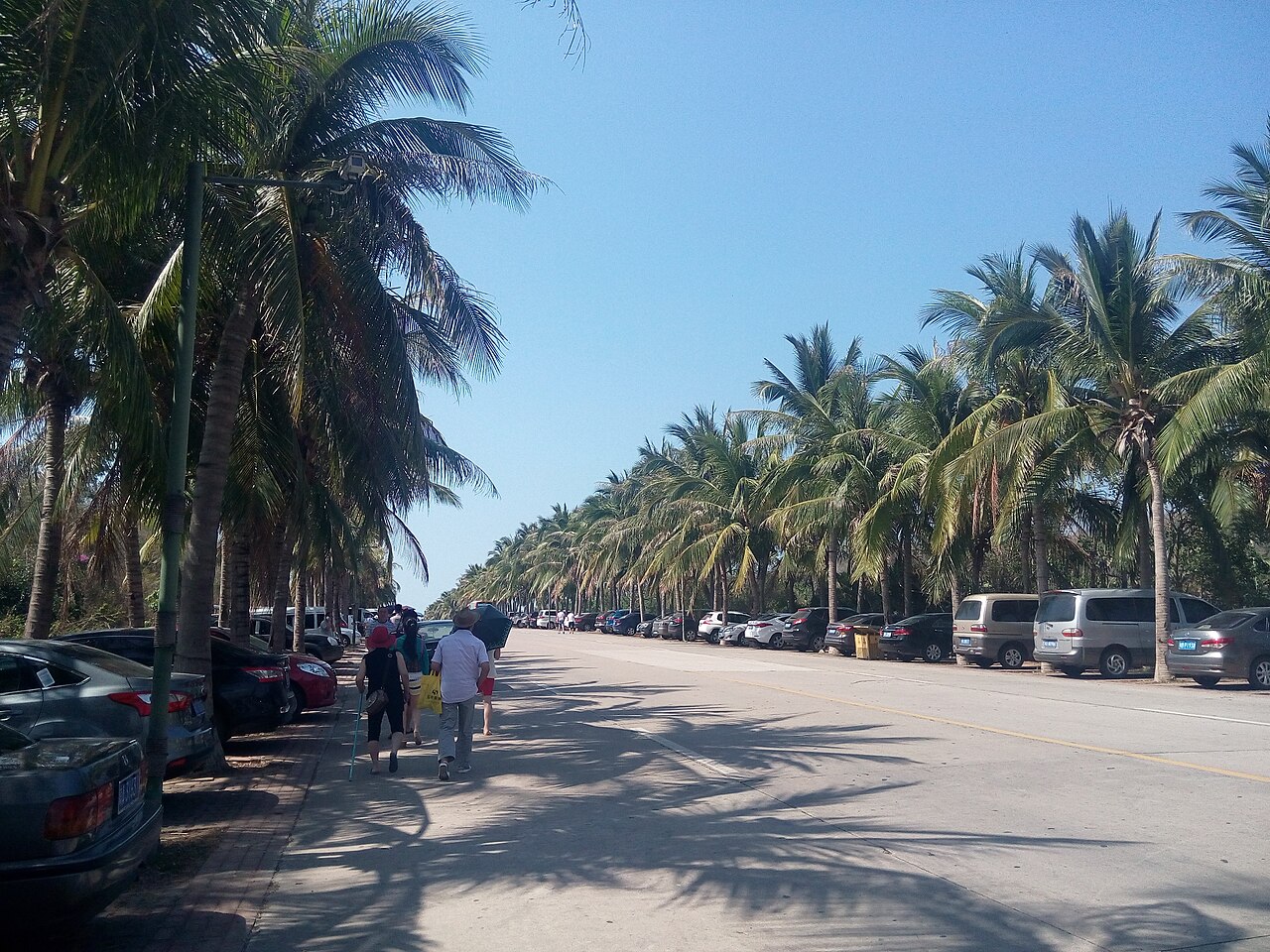
The county town is small enough to cross on foot, and taxis start at just CNY 4. For the scenic areas you want the shuttle bus or a chartered vehicle — especially Maolan, where public transport effectively stops at the reserve boundary.
Libo bus station to Xiaoqikong/Daqikong
Dedicated line, every 15 min, 06:00–17:00, CNY 9
Taxi flag fall
CNY 4; negotiate a flat rate for the scenic areas
Chartered 7-seat van with driver
From CNY 300 per day for Maolan
Xiaoqikong/Daqikong return transfer
From CNY 150 per day
Fuel warning
Only two petrol stations in town (by the square and opposite the police station). After 18:00 you need a fuel card — fill up early
Maolan warning
No petrol stations anywhere inside the reserve — top up before you enter

Shopping

What to bring home from Libo (and what it actually is)

Yangmei (waxberry) juice

Sold all over the county town, and every stall tastes slightly different. The good ones use big, plump berries and hit a proper sweet-sour balance — a genuine lifesaver in summer heat. Slightly pricier than the mediocre versions, and worth it. Try the樟江北街 shop on 0854-3619965; drink in or take away.
Green plum wine (qingmei jiu)

Wild green plum trees grow in vast stands through the Maolan karst forest, and Libo turns them into a pale-gold fruit wine with a strong plum nose and a clean sweet-sour finish. Low enough in alcohol to drink with dinner, and it travels well.
Yao batik

Made with a resin tapped from the 'nongge diao' tree, boiled with buffalo fat and mixed with wood ash to form a dark wax paste. The artisan draws patterns on white cloth with a copper wax knife, dips it in indigo, and where the wax sat the dye never takes — leaving white patterns on blue. Every piece is slightly different.

Buyi hand-woven patterned cloth

A Buyi craft said to be a thousand years old, and still made the long way: the family grows the cotton, spins it, starches it, dyes it, weaves it and uses it. You will see it as clothing, bedding, headscarves, shoes, school bags and girls' purses — buying a length of it supports the whole chain.

Practical

Practical information: money, phones, health and weather

Best seasonsSummer for wading the water forest, the 68-tier falls and the rafting; autumn and winter for the deep blue of Wolong Pond; spring for rapeseed flowers and wild plum blossom around Maolan
Ticket pricesXiaoqikong CNY 110 in summer / 90 in winter, electric cart CNY 40, insurance CNY 5; Daqikong CNY 55, boat CNY 20; Shuichun River rafting CNY 200 self-paddled or 220 with a boatman
MoneyChina Construction Bank, Libo branch, 6 Zhangjiang East Road (opposite the tax office), 0854-3612167; ICBC Libo branch, 3 Zhangjiang East Road, 0854-3611283; ABC Maolan branch, Maolan town centre, 0854-3712251
HospitalLibo County People's Hospital, 121 Shichang Road, Libo county, 0854-3612120
Useful numbersLibo bus station 0854-3611077; Libo Tourism Bureau 0854-3610516; Maolan tourism reception centre 0854-3618881
PhotographyThe water here is so clear it throws reflections straight back at your lens. Bring a polarising filter and rotate it to cut the glare off the surface — it makes a visible difference on Xiaoqikong's pools
Weather and terrainSubtropical monsoon climate, low latitude, deep valleys and complex terrain: rainy summers, mild winters, and a lot of rain overall. Water levels change fast after storms, which affects both the colour of the pools and whether the water forest is safe to wade

Background

The green gem on the earth's belt, and the 22 ethnic groups who live in it

A county of karst, 93 percent mino

Libo sits in the far south of Guizhou, pressed against the Guangxi border, in a low-latitude monsoon basin where rivers cut deep between limestone ridges. That geology is the whole reason you came: the same soluble rock that makes Guizhou's famous cones and gorges also makes Libo's water turn impossible shades of blue, and makes forests grow straight out of bare stone at Shishang Senlin. The county has been inhabited since the Qin and Han dynasties, when it was part of the Wulian county seat — home of Yin Zhen, the first man from the southwestern frontier to study under the great Han lexicographer Xu Shen and bring Han learning back south. Libo has been a place where cultures meet and mix ever since.

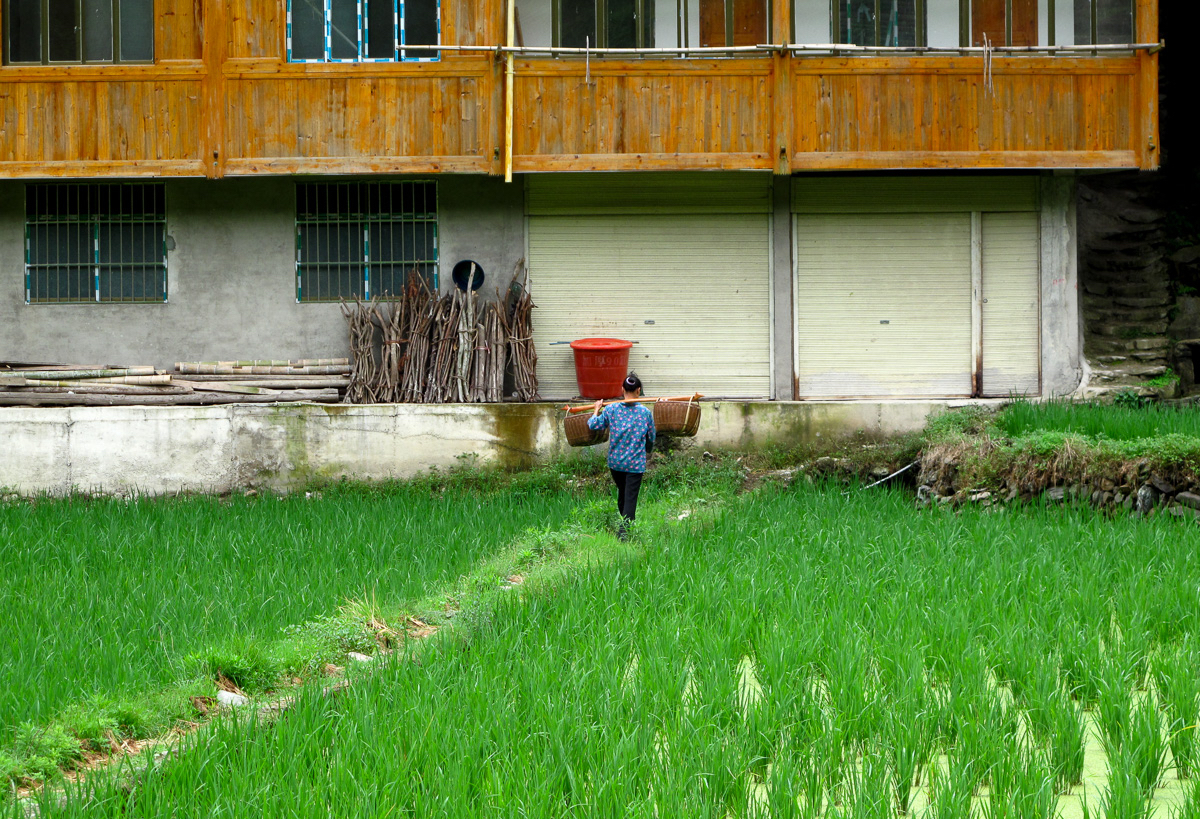
What makes Libo different from a plain scenery stop is who lives here. Minority peoples make up 93 percent of the county's population, and 22 ethnic groups are recorded today, with Buyi, Sui, Yao and Miao as the four main ones. The Buyi live along the rivers and flatlands in wooden-tile houses and speak a Zhuang-Dai language written in Latin script; the Sui cluster in the upper Zhangjiang and Jialiao river valleys in stilted wooden houses and keep their own shui script and the 'borrow mao' festivals; the Miao live at the foot of Moon Mountain with embroidery, batik and silverwork; and the Yao — split into White-Trouser, Long-Robe and Blue-Trouser branches — are among the earliest settlers, with the most distinctive granaries and the cliff burial and wall-courtship customs that still puzzle archaeologists.

The twentieth century added a layer of red history. Deng Enming, born in the Sui township of Shuiyao about five kilometres from Libo Airport, went out to study, took up Marxism early, and became the only minority delegate to the First National Congress of the Chinese Communist Party; his memorial hall in the county town is free to visit. During the War of Resistance, in December 1944, Libo's soldiers and civilians fought the Japanese at Chuandong cave near Yongkang, killing more than 100 of the invaders — the site is now a free roadside stop on the Maolan loop. Qing-dynasty Libo also produced the great southwestern Confucian scholar Zheng Zhen, who served as instructor here from 1855 and left a body of poetry still recited by locals.

When to come, and what the landsca

Libo has no bad season, only different ones. If you want to walk the water forest barefoot, wade the 68-tier cascades and stand under the spray of Laya Waterfall, come in summer — that is when the water volume is highest and the cool is a genuine relief. But if the thing you came for is the colour of Wolong Pond, come in autumn or winter: summer floods turn the water muddy, while the dry season strips it back to that layered pale-blue-to-navy range that made the pond famous. Spring belongs to Maolan, when the rapeseed fields around the Buyi villages turn the whole valley yellow and the wild plum forest along the Dongtang–Banzhai road — the largest wild plum community in China, with trees over a century old — comes into bloom.

Winter is also the season for the ten-li wild plum grove, a two-square-kilometre belt of wild plum trees with at least five natural varieties, and for the Guizhou opera-style water show 'Rhyme of the Zhangjiang' staged on the river south of the county town (tickets 150–168 yuan). Note that the water forest and the 68-tier cascades are at their most dangerous after heavy rain — the park closes sections when the current is too strong, and you should never ignore a rope barrier. Bring a polarising filter if you shoot: Libo's water is so clear it throws reflections that will ruin your photos otherwise.

Further reading

Three things to watch, read and listen to before you go

Film

Young Deng Enming (少年邓恩铭)

Dir. Jiang Ping & Li Zuonan, 2013, 90 min

A biographical drama tracing the childhood and revolutionary years of Deng Enming, the Sui-minority native of Libo who became the only minority delegate to the First Congress of the Chinese Communist Party. Shot largely on location in Libo county, so the landscape and the minority dress you see on screen are the real thing. Useful context if you plan to visit the free Deng Enming Memorial Hall in the county town.

Book

Guizhou Secret Realms (贵州秘境)

Yang Zhengwu

A locally researched survey of Guizhou's natural and cultural oddities, written by someone who clearly thinks even Guizhou people underestimate their own province. The karst chapter explains why Libo's water looks the way it does, and the minority chapters cover the Buyi, Sui, Yao and Miao customs you will actually see in the villages. Read it on the bus down from Guiyang and the landscape outside the window starts making sense.

Music

'If you don't sing for long, you f

Sung by Zeng Xiaoyan — a Buyi mountain song from Guizhou

Also known as the 'Gulu Mountain Song', this is a Buyi folk tune with a fast, tight rhythm and a playful, teasing lyric. It is the kind of song you will hear at Buyi festivals and occasionally from the speakers of a Yao or Buyi homestay in Libo. Learn the chorus and you will make friends at any village table.

The questions visitors ask us most about Libo, answered plainly.

Frequently asked questions

Prices and practical details are reviewed every month by our Beijing team and updated the day a rule changes.

When is the best time to visit Libo?

Summer (June to August) if you want to wade the Water Forest and see the waterfalls at full volume — the water is high, cool and the 68-tier cascade is at its best. Autumn and winter are better for the colour of Wolong Pool, which turns muddy after heavy summer rain but goes brilliantly clear and blue once the flow drops. Spring is for rapeseed flowers around Maolan and the wild plum blossom in December and January.

How do I get to Libo from Guiyang?

Take a direct bus from Guiyang East Bus Station — six departures daily at 9:20, 11:00, 12:30, 14:00, 15:40 and 17:30, 100 yuan, roughly four hours. Libo has no railway station. If you are coming by train, get off at Dushan (closer to Libo town) or Mawei (closer to Xiaoqikong) and transfer by bus; Dushan–Libo buses run every 30 minutes.

Is Xiaoqikong worth the ticket price?

Yes, but budget for the extras. Entry is 110 yuan in summer and 90 yuan in winter, students pay half, and the 40-yuan shuttle bus is effectively compulsory because the park stretches over several kilometres of valley. The 5-yuan insurance is optional in practice. Allow six hours to do it properly, and note that the separate 120-yuan iron boat on Yuanyang Lake seats six, or 30 yuan per person.

Do I need a car to visit Maolan?

It helps enormously. Maolan is 20,000 hectares of karst forest with scattered sights and no public transport between them; most travellers hire a seven-seat van with driver for about 300 yuan a day. There is a public bus from Libo bus station into the reserve, but it will not get you between Shishang Forest, Latan Waterfall and Qinglong Pool in one day. Fill your tank before you enter — there is no petrol station inside the reserve.

What should I eat in Libo?

Start with Zhang River grilled fish, the local signature — whole wild river fish, charcoal-grilled, scattered with soybeans, and noticeably different from the Chongqing version. Then try shui jue cai (water fern shoots), sweet and tender and edible stem to tip, unlike ordinary bitter fern. Adventurous eaters should order chou suan, a fermented sour dish that smells terrible and tastes excellent, and yan suan rou, cured sour pork eaten with chilli powder.

How many days do I actually need in Libo?

Two days minimum, three if you want it relaxed. Day one for Xiaoqikong (six hours) plus Wolong Pool and Yuanyang Lake; day two for Maolan's karst forest, Buyi villages and waterfalls; day three for Shuichun River rafting and Daqikong. A single day is possible but you would see only Xiaoqikong and spend much of it on the shuttle bus.

Related reading

Related reading

Visas Do I Need a Visa for China? Requirements, Costs and How to Apply China's entry rules changed more in the last three years than in the previous twenty. Here is exactly who needs a visa, what it costs, how long it takes and which passports now walk straight through. 9 min read Visas China's 240-Hour Visa-Free Transit: Who Qualifies and How It Works Ten days in China with no visa application, no fee and no fingerprints — if you hold the right passport and leave for a third country. Here is the rulebook, port by port. 8 min read Money Paying in China: Alipay, WeChat Pay, Cards and Cash Roughly nine in ten urban payments in China now run through a phone. Set up two apps before you fly, carry a modest cash float, and you will never be stuck at a till. 8 min read Transport China's High-Speed Rail: How to Book, What It Costs, How Fast It Goes The fastest way to cross China is also the most pleasant. Here is how to book a ticket with a foreign passport, what the three classes actually give you, and how to survive a Chinese station at rush hour. 9 min read Planning Best Time to Visit China: Month by Month, Region by Region China is the size of Europe, so 'the best month' depends on where you stand. Here is the month-by-month answer for the north, the Yangtze valley, the south and the plateau. 8 min read Planning What to Pack for China: The Complete 2026 Checklist Twenty thousand steps a day, three climate zones and a phone that has to do everything. This is the list we give our own travellers, minus the things they never used. 7 min read Food Chinese Food Culture: Eight Cuisines, One Table There is no such thing as Chinese food. There is Cantonese, Sichuan, Hunan, Jiangsu, Zhejiang, Fujian, Anhui and Shandong — and knowing which one you are eating changes everything. 8 min read Traditions Chinese Tea Culture: Six Classes, One Pot, Two Fingers Tea in China is not a beverage category, it is a social technology: it fills silences, seals deals and sets the pace of a meal. Here is how to sit down in one and not look lost. 7 min read Traditions Chinese Festivals: The Calendar, the Dates and the Crowds Lunar dates mean the calendar moves every year — and two of the festivals move several hundred million people at once. Plan around them or plan into them, but never by accident. 8 min read Etiquette Chinese Etiquette: What Matters, What Does Not, and Why Most etiquette advice for China is either obvious or wrong. These are the dozen behaviours that actually change how you are treated, and the reasoning behind each. 7 min read

Tell us your dates.
We'll do the rest.

Free itinerary design, a revised plan within one working day, and nothing charged until you approve the final version.

  • Xiaoqikong tickets cost 110 yuan in summer and 90 yuan in winter, plus a compulsory 40-yuan shuttle bus — the park is far too big to walk.
  • The Water Forest is the one place you should get wet: wear or rent sandals, the riverbed is slick and the current is stronger than it looks.
  • Maolan Forest Reserve charges 50 yuan for a combined ticket covering Yaogu Buyi village, Shishang Forest, Huangyang Gully, Latan Waterfall and Qinglong Pool.

No spam. No sales calls. Just a real itinerary from a real person.