City guide · Sichuan

Mount Emei travel guide: sunrise above a sea of cloud, 26 temples, and the monkeys that mug the pilgrims

A 3,099-metre Buddhist summit you can reach by cable car before lunch — and a mountain full of monkeys that will absolutely rob you.

  • Known forGolden Summit sunrise, sea of cloud, Buddha's Light, 26 temples, wild monkeys
  • Typical spendCNY 300–600 per day including ticket, bus, cable car and a mountain guesthouse
  • Ideal length3 days: one for the low zone, one for the middle, one for the summit
  • PaceModerate to hard — buses and cable cars handle the altitude, but the middle-zone trails are steep

Reviewed by our Beijing team Updated 2026-10-10

The short version

Mount Emei is worth 2–3 days: it's one of China's four sacred Buddhist mountains, a UNESCO mixed World Heritage site, and its 3,099 m Golden Summit delivers sunrise, a rolling sea of cloud and the rare Brocken-spectre 'Buddha's Light' — all reachable by bus and cable car without climbing a single step. The park entrance ticket is CNY 150 in high season (Jan 16–Dec 15) and CNY 90 in low season, the Golden Summit cable car is CNY 65 up and CNY 55 down, and the park bus from Baoguosi to Leidongping is CNY 70 round trip. Come April–May for azaleas or November–February for snow and the clearest summit skies; Chengdu is 120 km away, 90 minutes by expressway.

  • Park ticket CNY 150 high season / CNY 90 low season, and it does NOT include the three inner temples: Baoguosi CNY 8, Fuhusi CNY 6, Wanniansi CNY 10.
  • The Golden Summit cable car (Jieyin Hall to summit) costs CNY 65 up / CNY 55 down in high season, CNY 30 / CNY 20 in low season, and runs from 05:30 to 18:00.
  • The park bus is your backbone: Baoguosi–Leidongping round trip CNY 70, single sections CNY 40 (mid-mountain) or CNY 30 (high mountain), one boarding per stop.
  • The ecological monkey zone holds 300-plus wild macaques in a 25-hectare valley between Qingyinge and Hongchunping — don't carry plastic bags, don't eat in front of them, and buy a CNY 1–3 bamboo stick.

City guide

First impressions

Photographs from the coast, and what other travellers wrote afterwards.

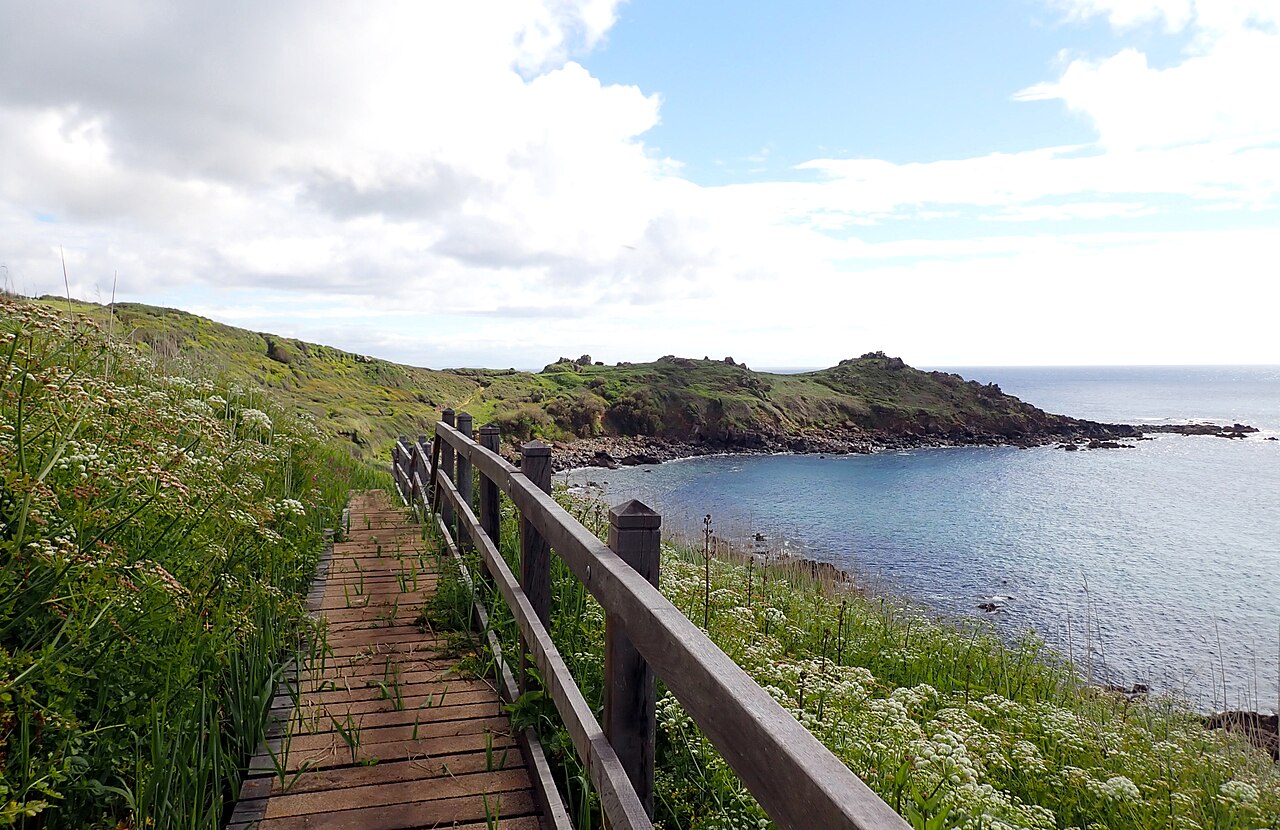
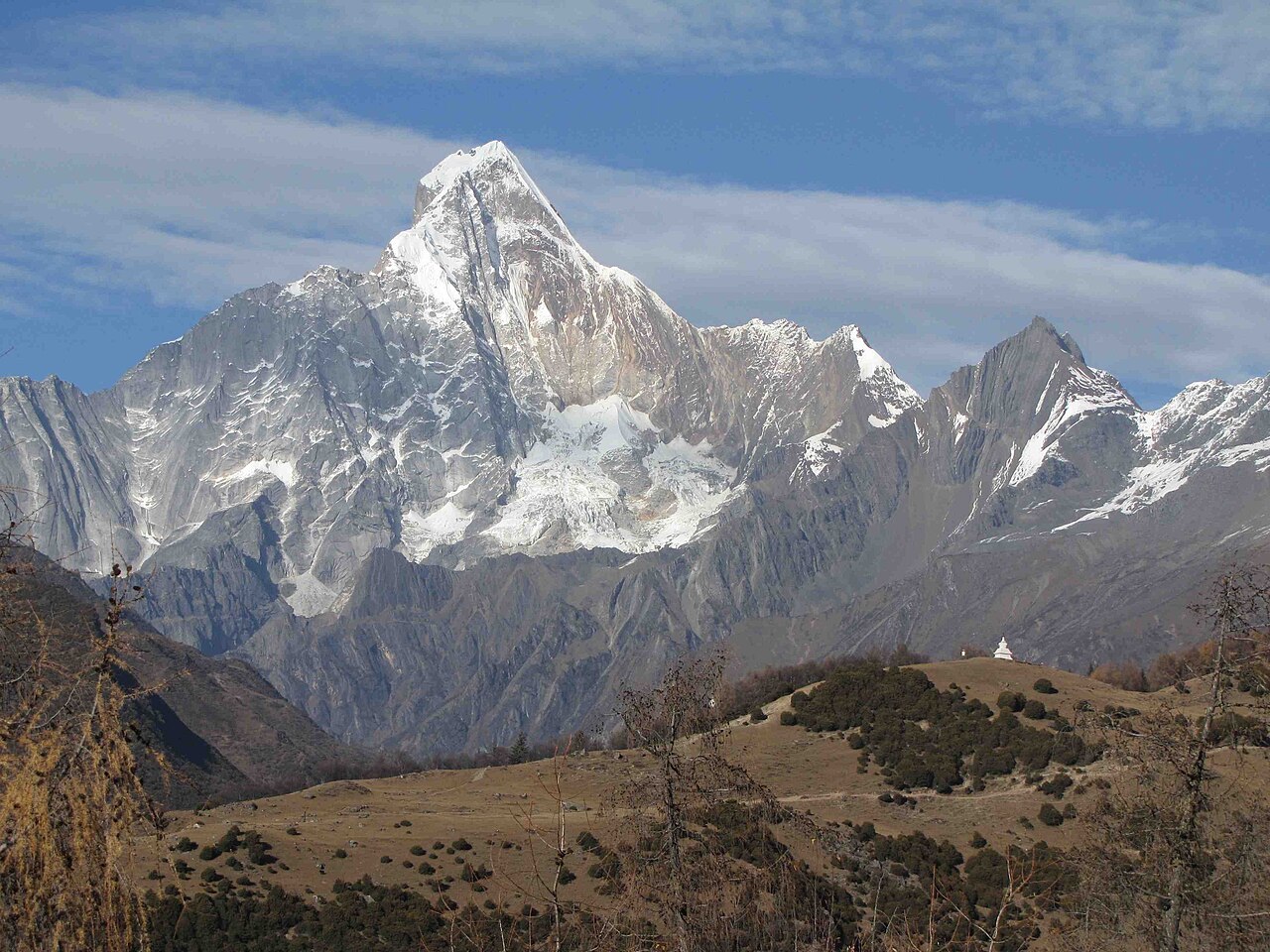
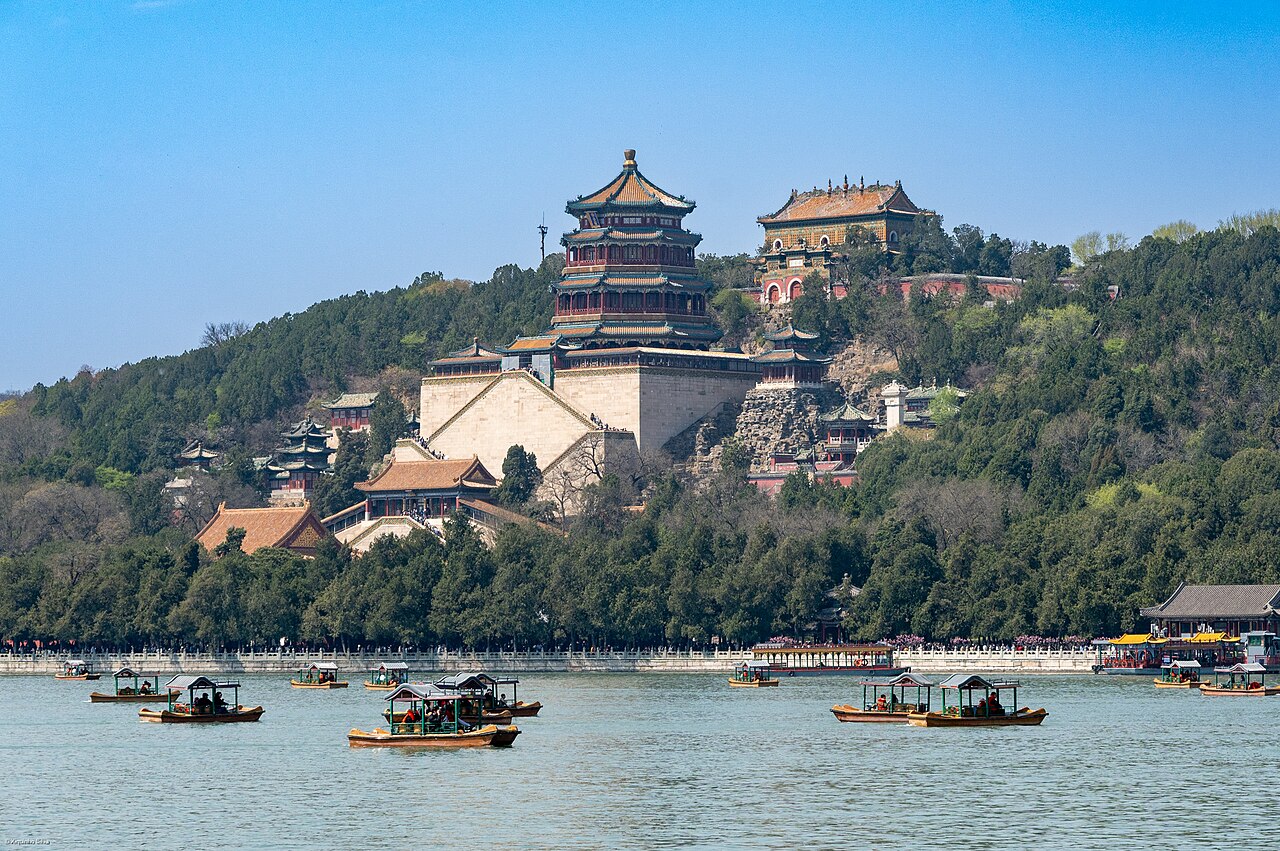
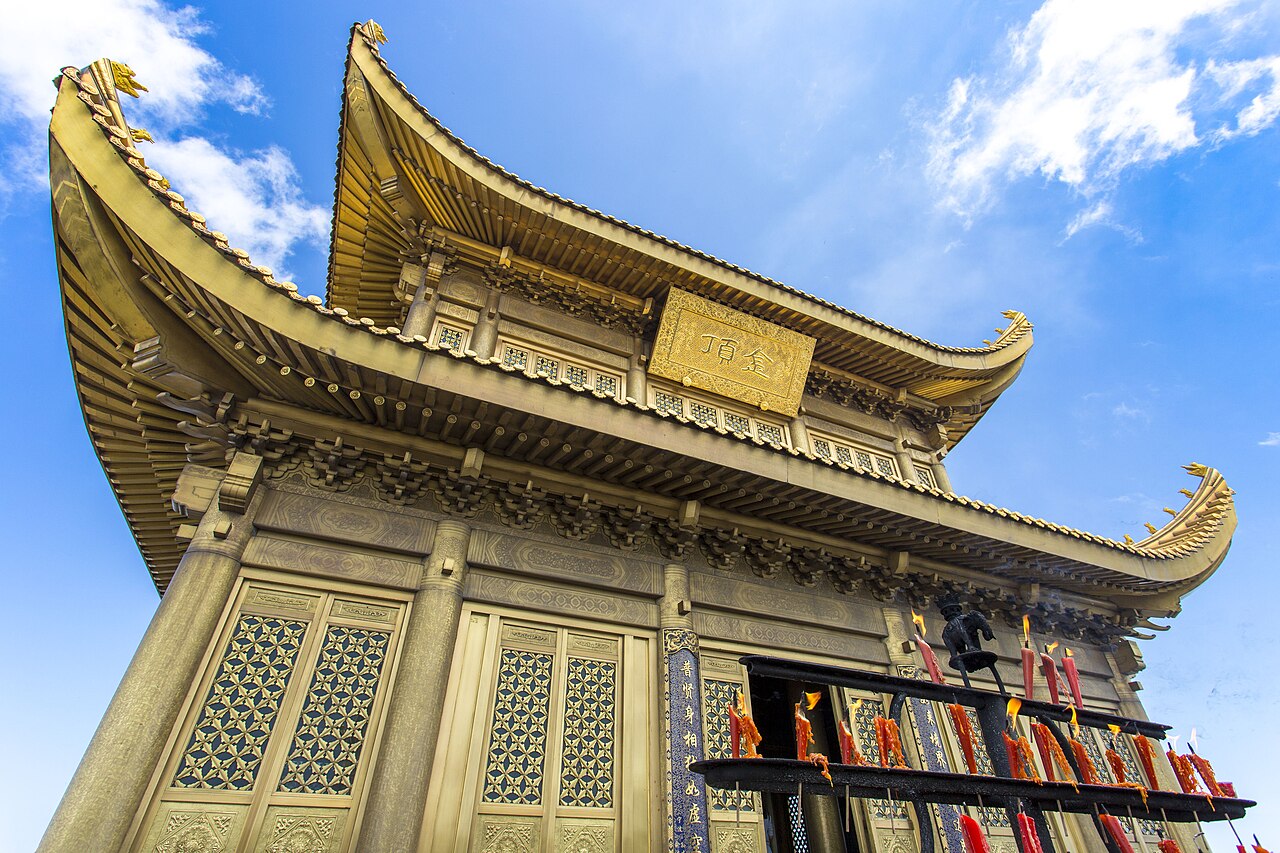
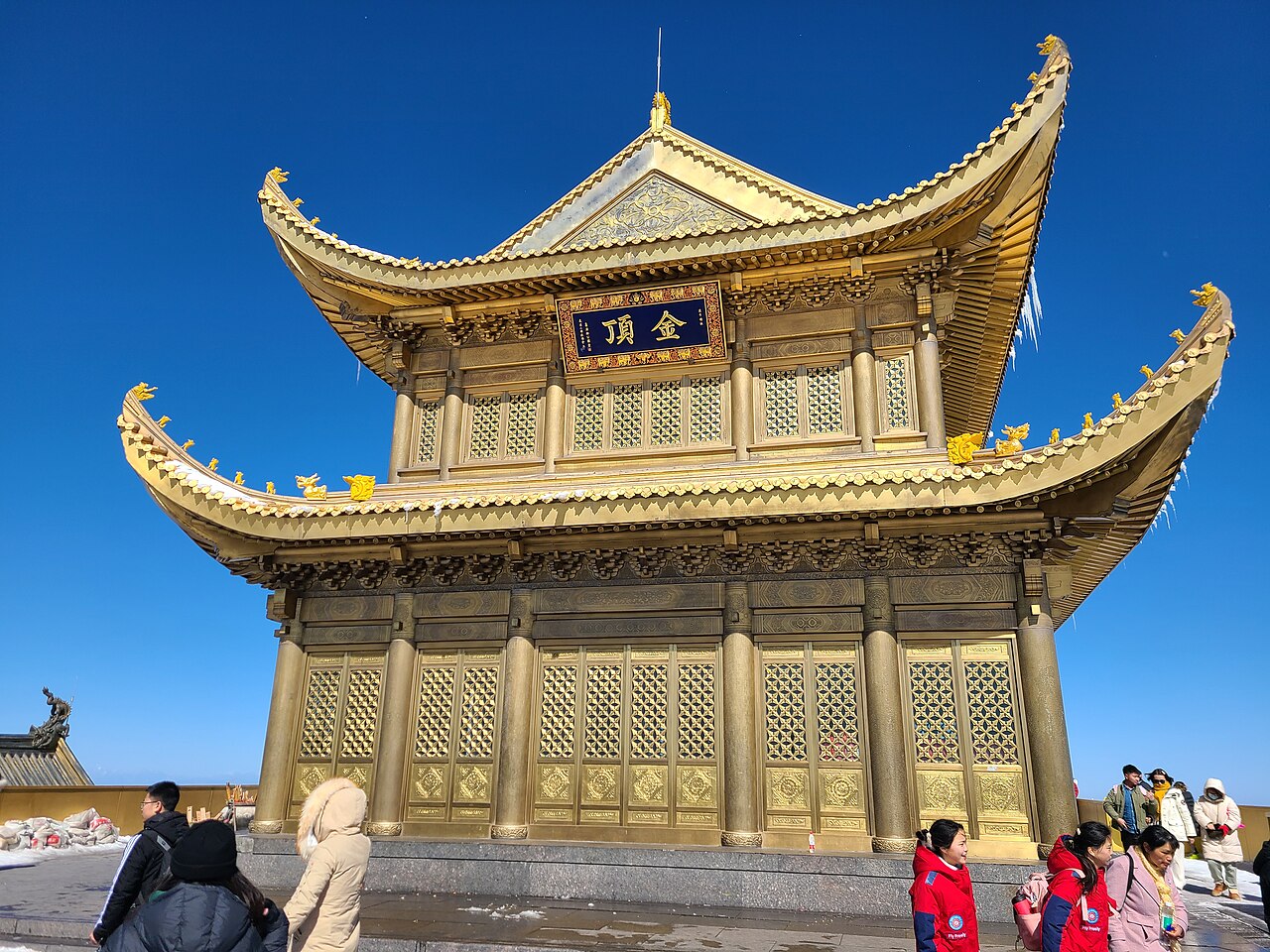
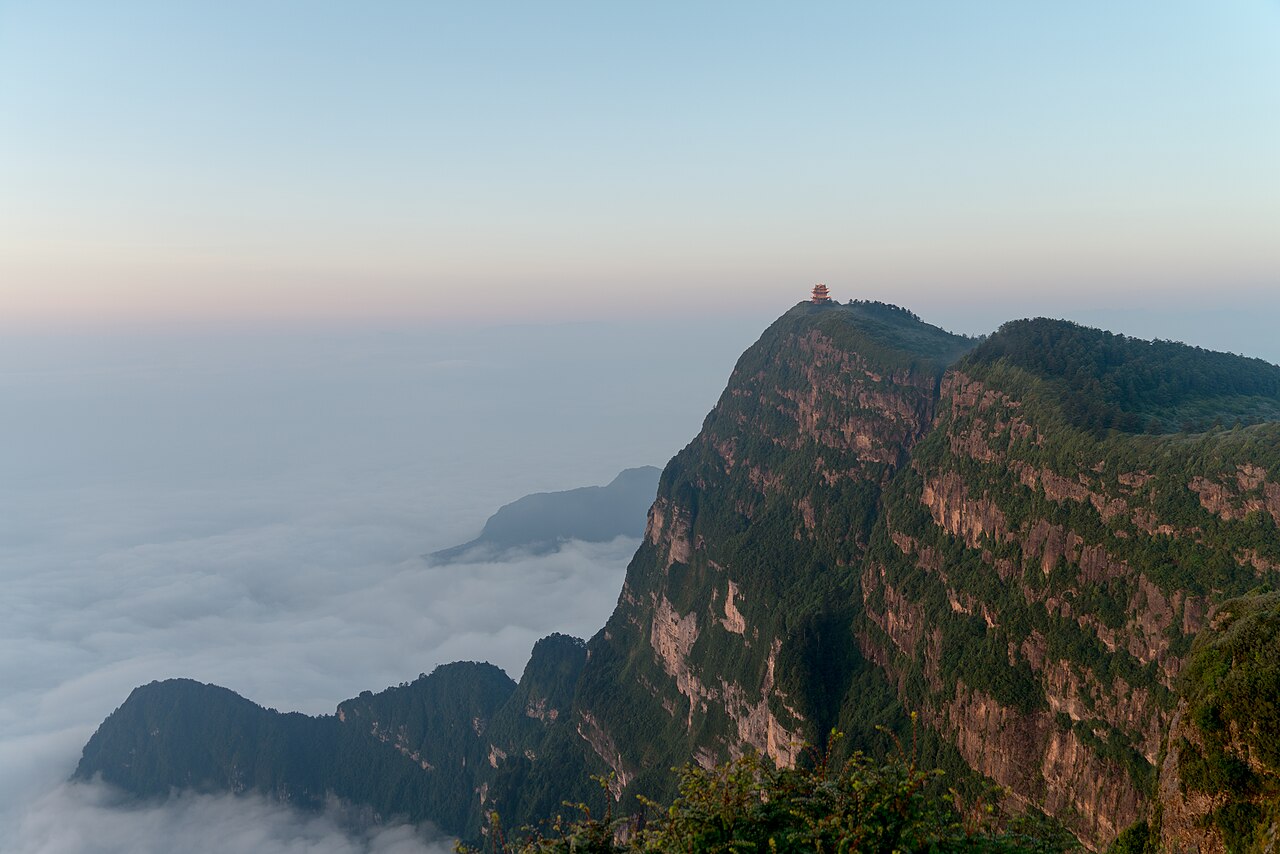
Sunrise from the Golden Summit, cloud filling the valleys below
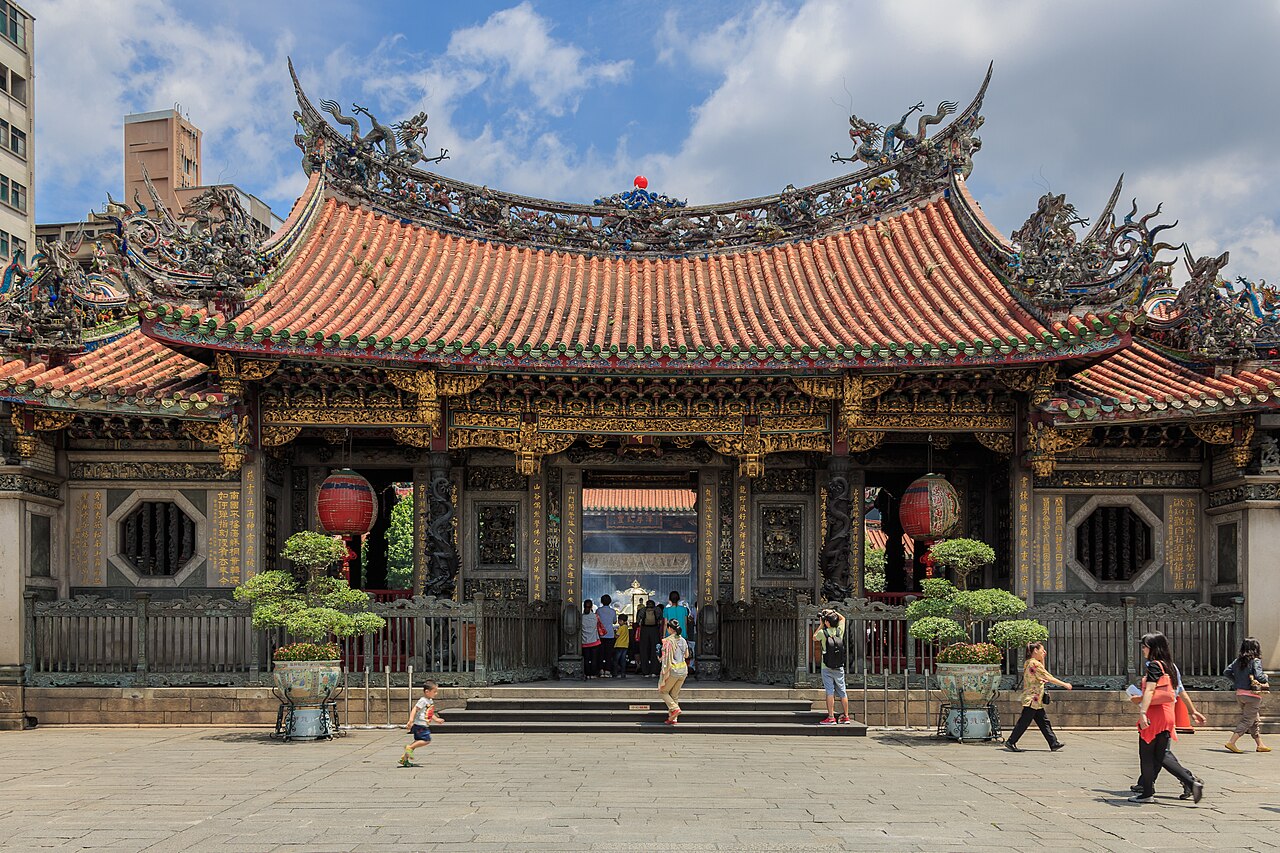
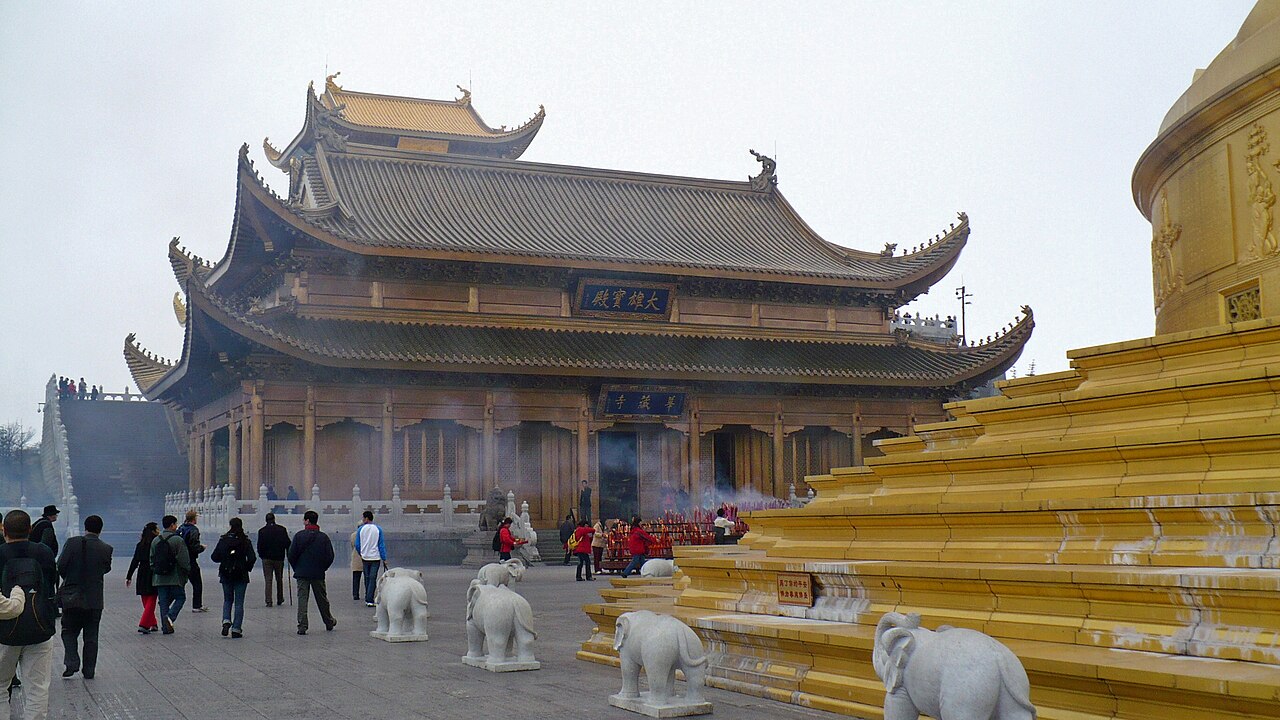
The 48-metre Samantabhadra statue on its four-tusked elephant at 3,077 m
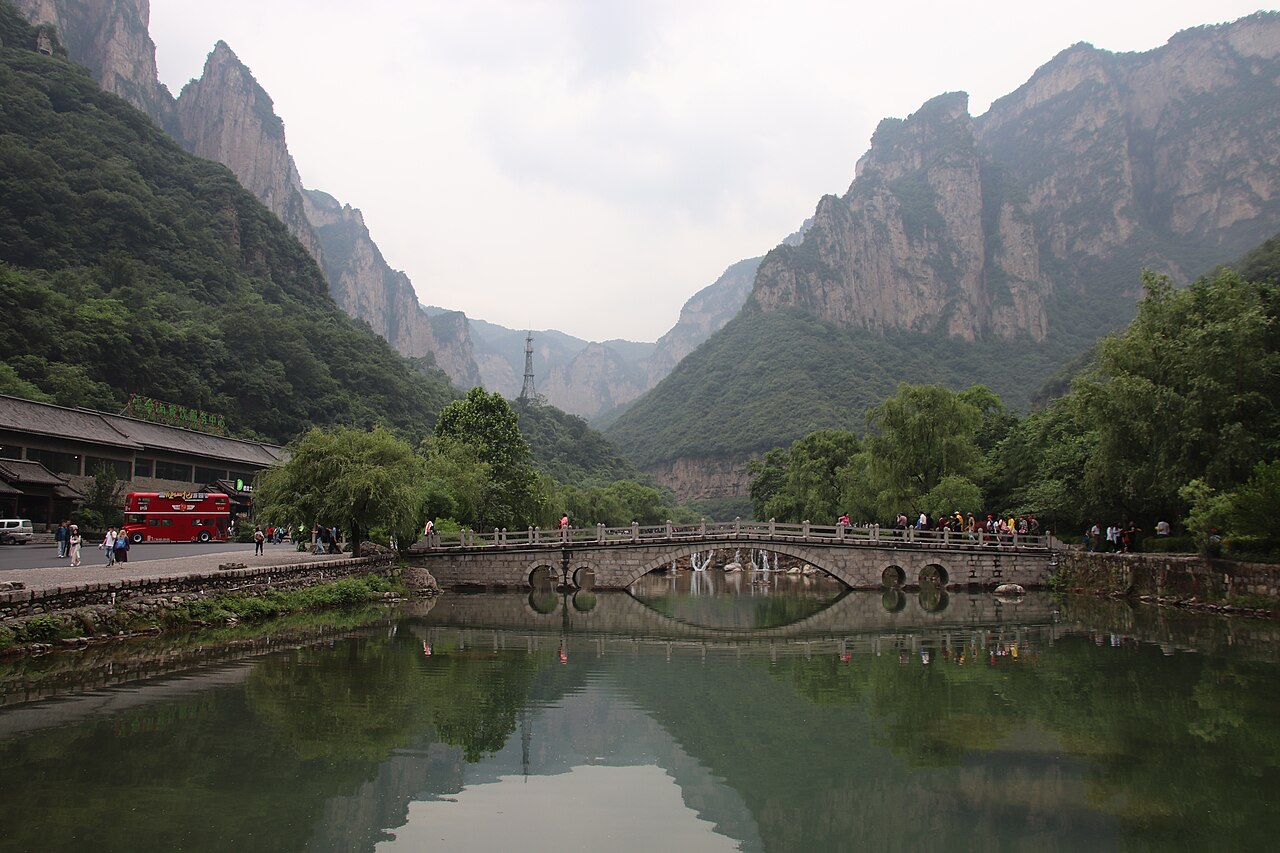
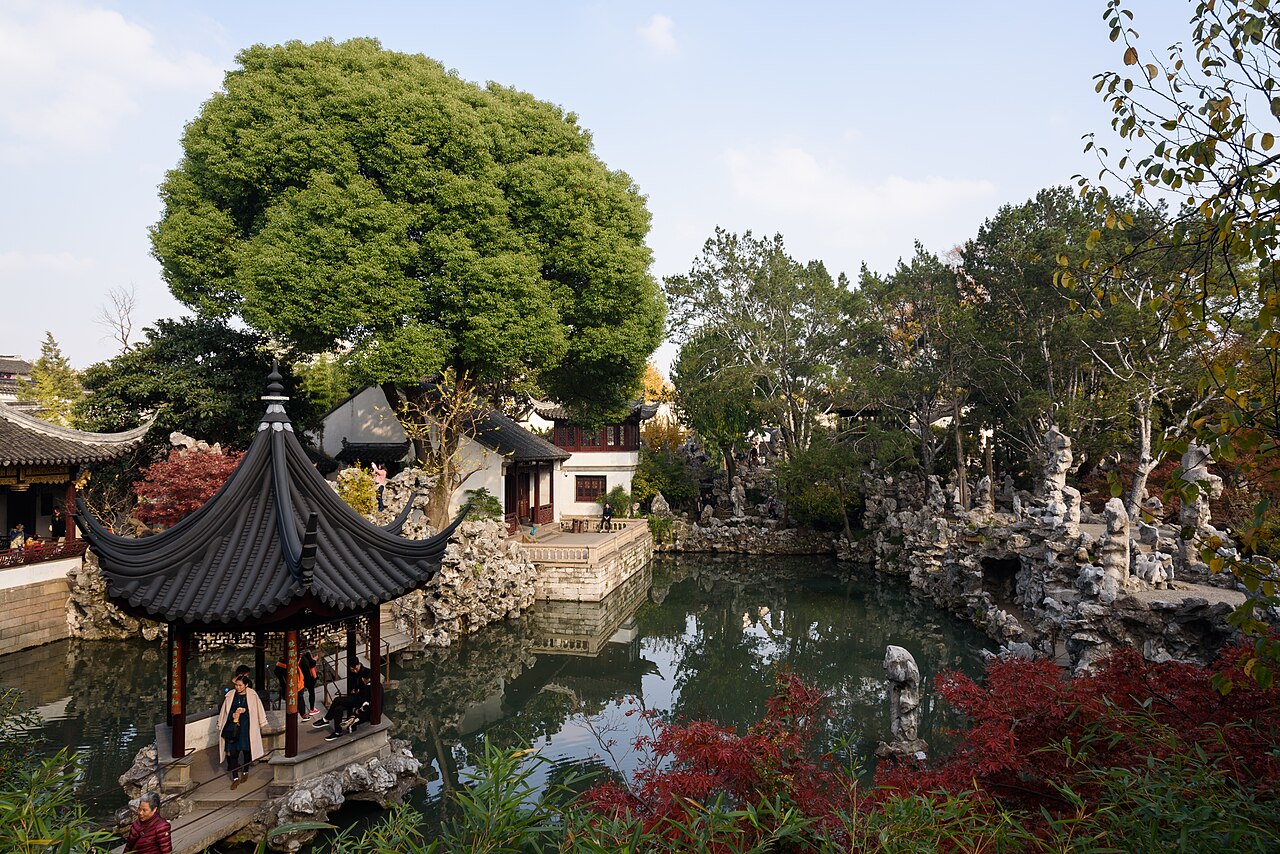
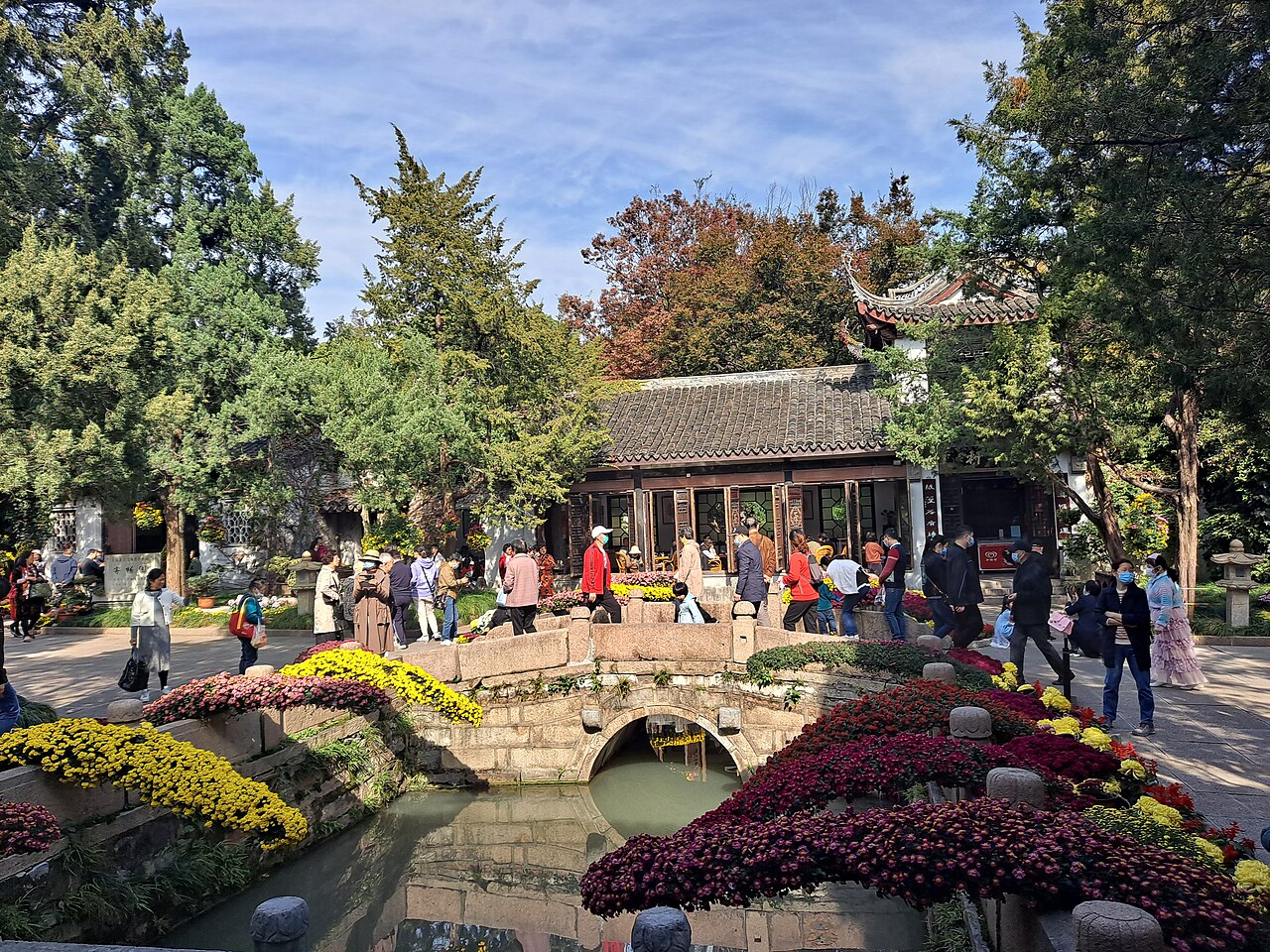
The double bridge at Qingyingge, where the black and white streams meet
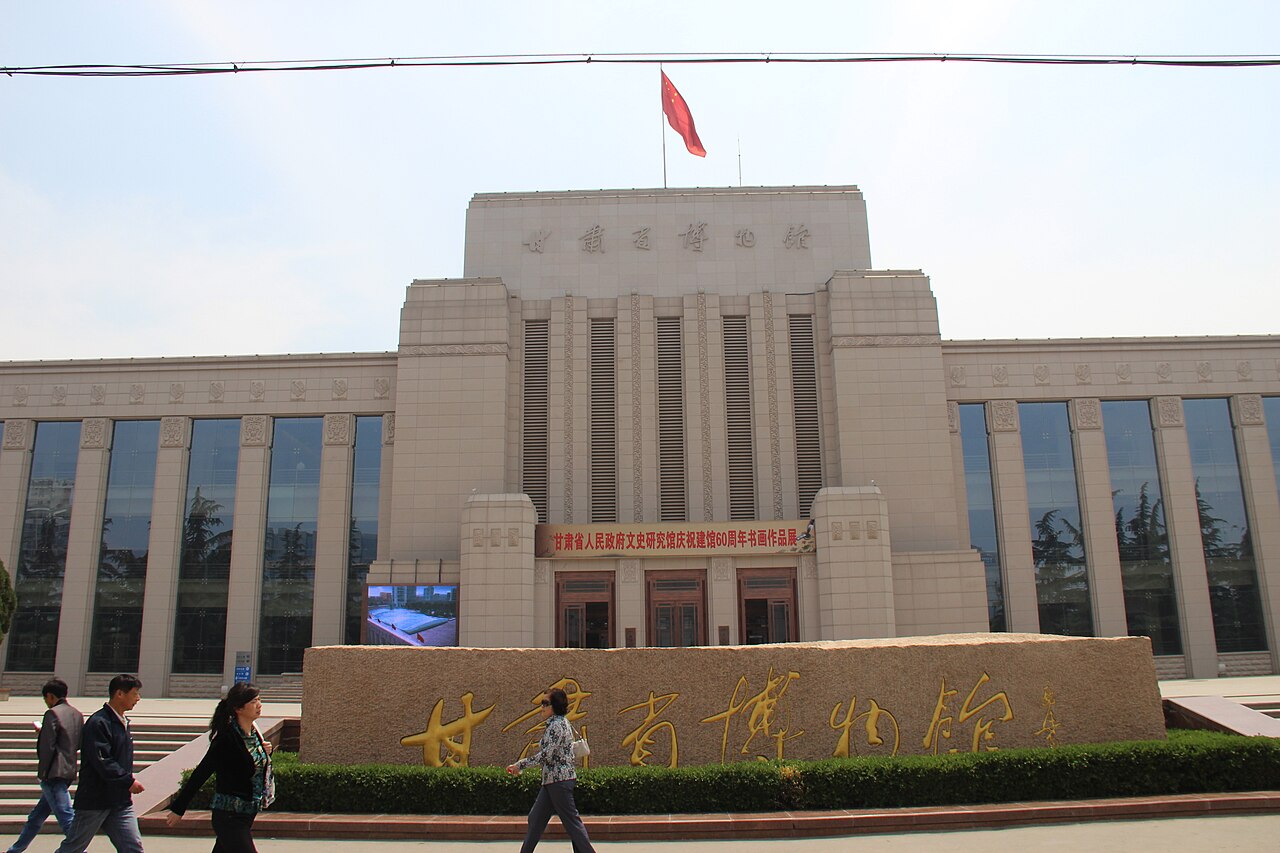
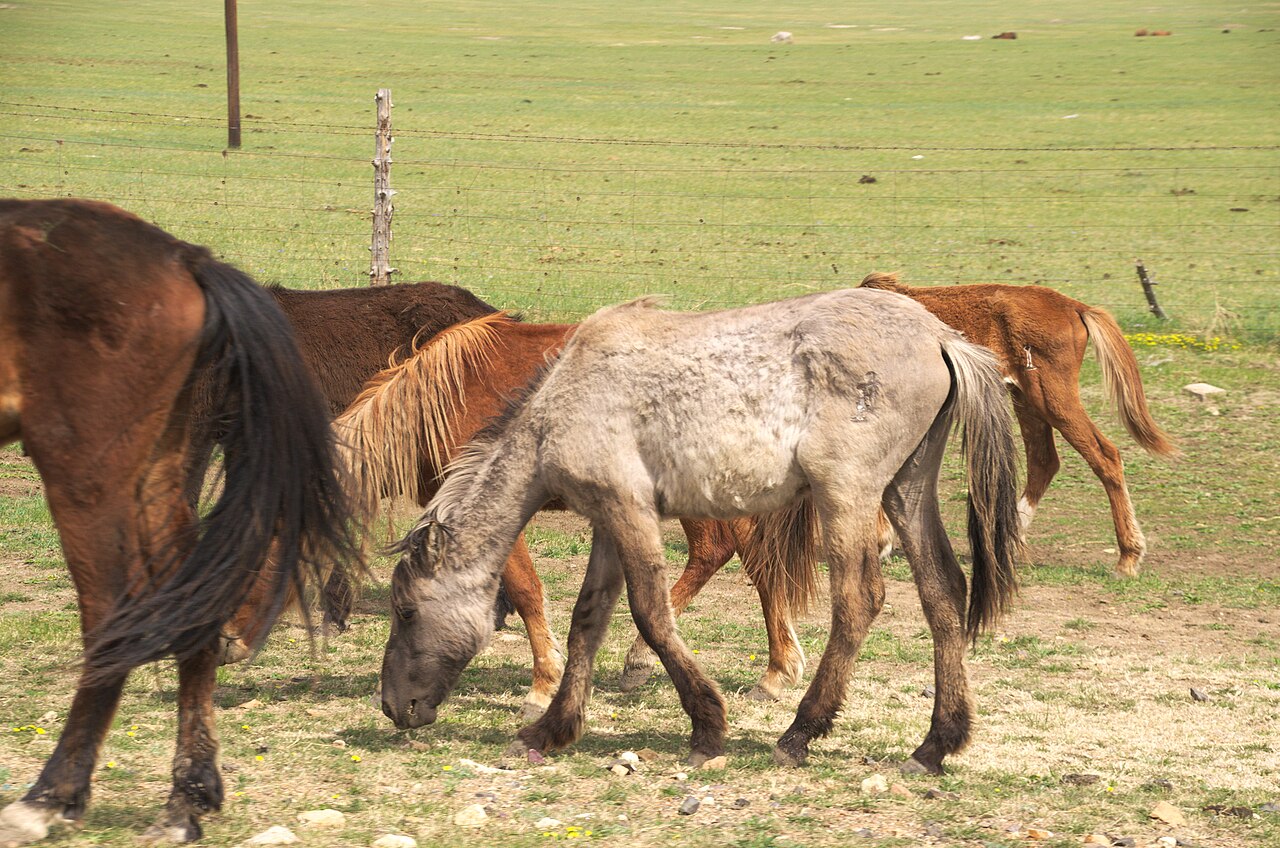
Macaques on the handrail of the ecological monkey zone

When you reach the monkey reserve, monkeys come at you — one grabs your leg, another climbs on your head — and then a man appears asking whether you want to buy monkey food. Five yuan a bag. He gives it to the monkey king, and the monkey king leaves. Plenty of visitors were so startled they just paid. A lot of them walked out angry.

Eyewitness account, 'Dream Traveller: A Trip to Mount Emei'

Emei is somewhere every Sichuanese person goes to pay respects at least once. It was also the first trip I can remember — I was eight. Back then five or six hours in a car felt endless, and then I stood on a summit over 3,000 metres for the first time and had no words for how clean and wide everything looked. The sunrise, the cloud sea, the mischievous monkeys — those impressions are still sharp. That's when I started loving travel.

277403271, 'Pilgrimage to the Ice and Snow Holy Land'

You step off the bus at Leidongping into air that is 10°C colder than the town below, queue for the cable car, and 40 seconds later you are standing on a 3,077 m plateau above a sea of cloud that looks solid enough to walk on. A 48-metre bronze Samantabhadra statue rides a four-tusked elephant in the middle of it, gilded and absurdly bright against the white. On a clear morning you can see Gongga Snow Mountain, 7,556 m, floating on the horizon like a rumour — and then the sun clears the ridge, everyone around you gasps at once, and someone's phone falls off the railing.

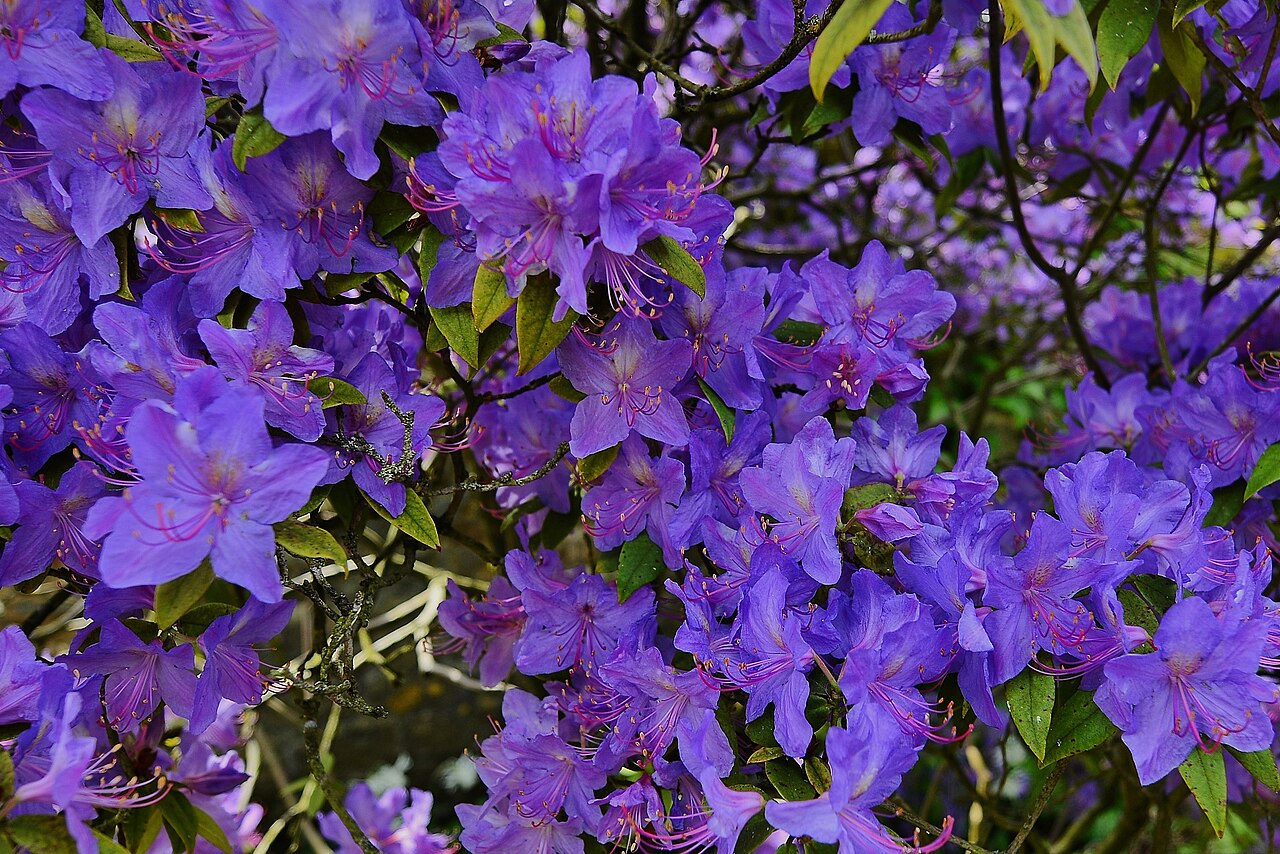
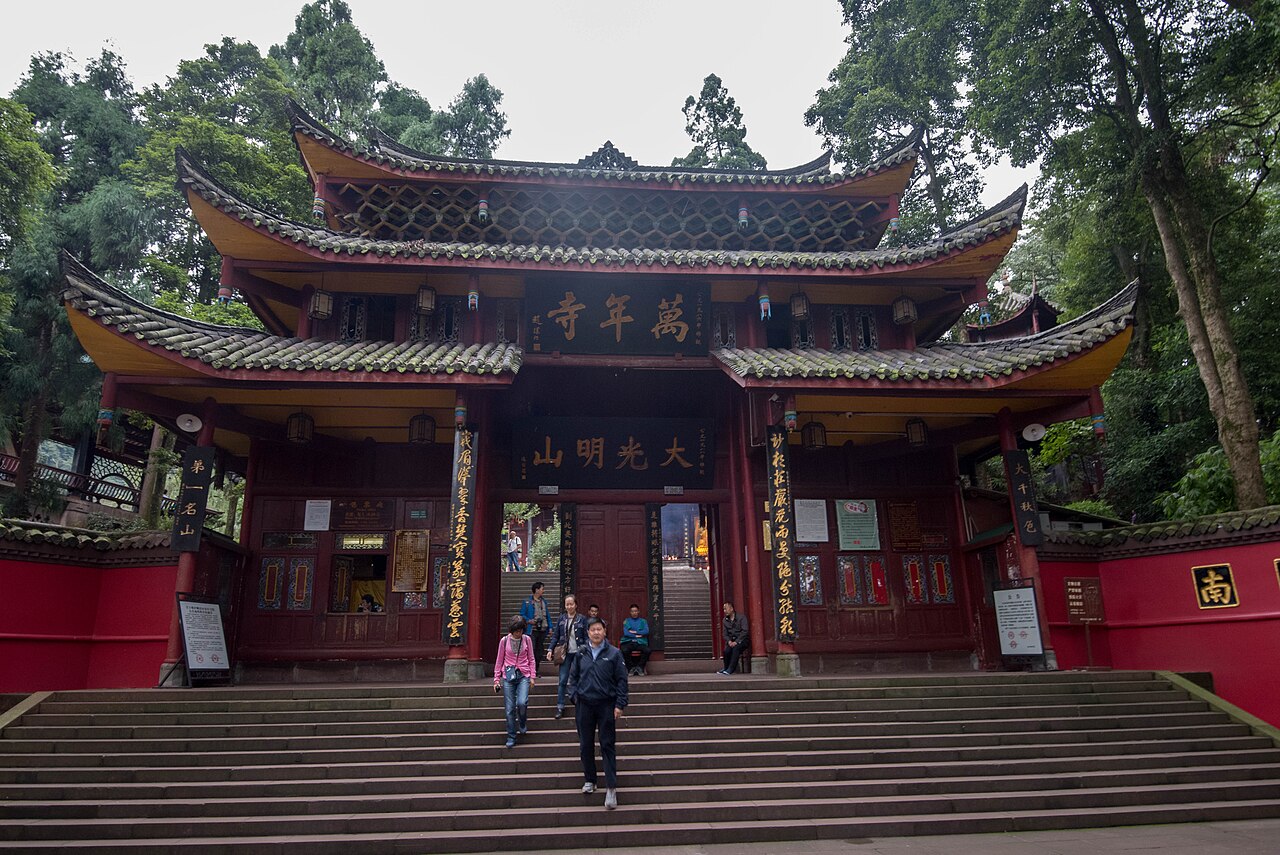
Below the summit the mountain drops through three distinct worlds. The low zone around Baoguosi is subtropical and easy — temples in camphor shade, hot-spring resorts, a street of snack stalls. The middle zone, Qingyingge up to Xiangchi, is the postcard part: a river channelled between two cliffs, a pavilion built over the confluence where black and white water meet, the One-Line Sky gorge barely 3 metres wide, and macaques sitting on the handrails like they own the place. The high zone above Xiangchi is fir forest, fog and 99 switchbacks, where pilgrims in their seventies climb one step at a time with a bamboo stick and a thermos.

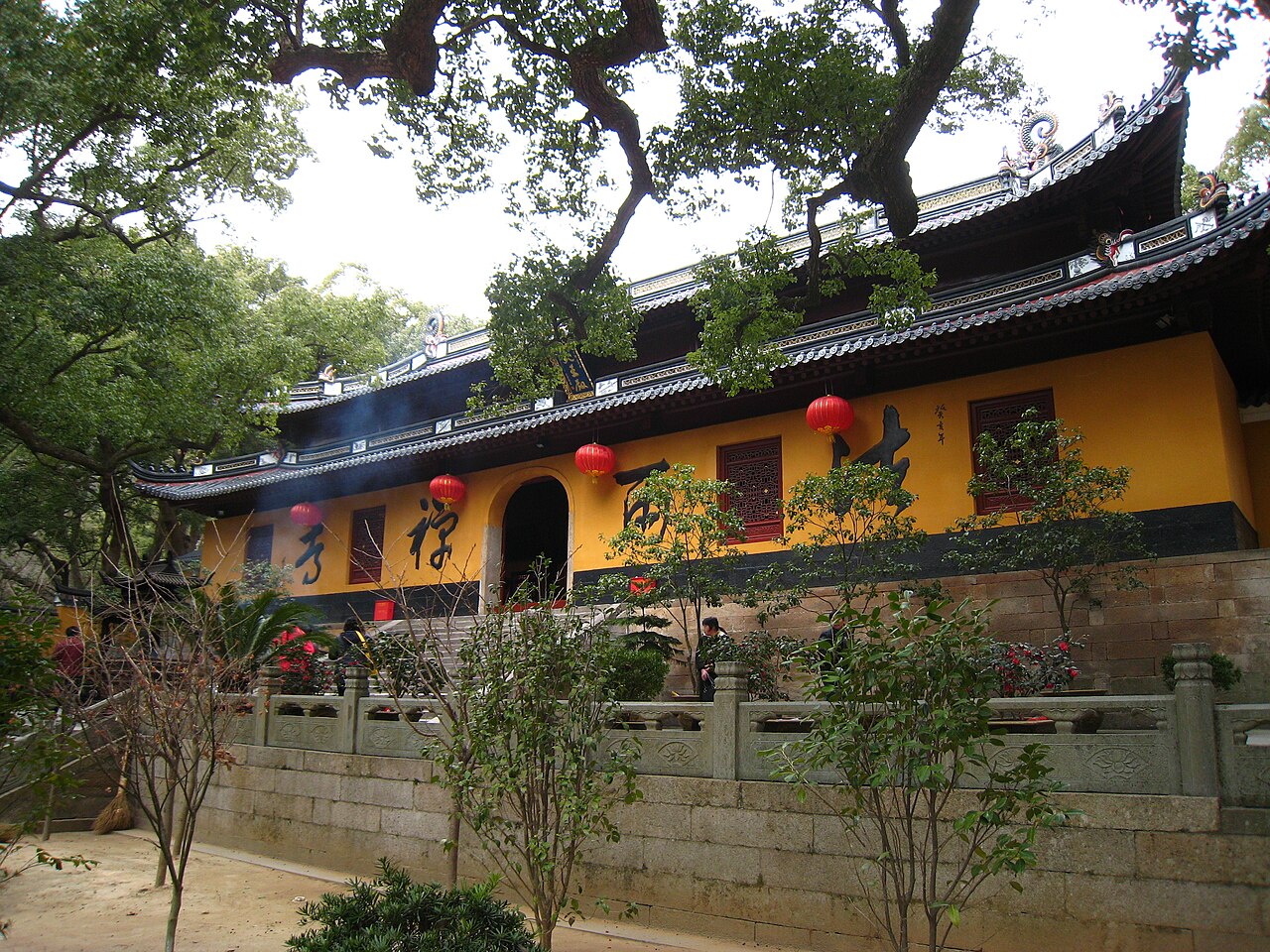
It is a mountain that has been climbed on purpose for at least 1,500 years. Emei is the bodhimanda of Samantabhadra, one of the four great Buddhist mountains of China, and the temples still function: you'll smell incense at 6am, hear the wooden fish being struck during evening chanting, and share a dormitory corridor with monks. Then you'll get back on a bus, pass a KFC in Emeishan town, and remember you're 90 minutes from Chengdu.

Mount Emei

Don't leave without

Seven things that are worth rearranging a day for.

  1. Watch sunrise from the Golden Summit — in summer it breaks around 06:00, in winter around 07:00, and you need to be there 40 minutes early for a rail-side spot
  2. Find the Buddha's Light (Foguang) on the fog screen below the summit, best between 09:00–10:00 and 14:00–16:00 — it appears about 70 times a year
  3. Walk the One-Line Sky gorge, 6 metres wide at the top and 3 metres at its narrowest, where two people pass shoulder-to-shoulder
  4. Stand in the monkey zone and watch 300 wild macaques treat the handrails as their personal property
  5. See the Ming-dynasty Beamless Brick Hall at Wanniansi, a 17.12-metre dome built in 1600 with no wood, no beam and no column
  6. Soak in a hot spring at Baoguosi after the descent — Lingxiu 168 yuan, Hongzhu 198 yuan, Yujia 128 yuan

Highlights

Five reasons Mount Emei earns its World Heritage listing

A 48-metre golden Buddha on a 3,07

The Golden Summit is the high point of any Emei trip. The four-faced Samantabhadra statue stands 48 metres tall and weighs over 600 tonnes, facing the Huazang Temple bronze halls. On a clear morning you look down on a sea of cloud with the Chengdu Plain somewhere far below.
Four sky phenomena you might actua

Sunrise, cloud sea, Buddha's halo and the holy lamps are the four legendary sights. Sunrise hits around 06:00 in summer and 07:00 in winter; the cloud sea shows best 09:00-10:00 and 15:00-16:00; Buddha's halo appears roughly 70 times a year, usually morning 09:00-10:00 or afternoon 14:00-16:00 when mist sits below you and the sun is behind.

The biggest wild macaque reserve i

Between Qingyin Pavilion and Hongchunping, a 25-hectare valley holds three family troops of wild Tibetan macaques, over 300 animals. Viewing hours run 09:00-17:00. They are bold, they will grab, and the bamboo stick vendors sell for CNY 1-3 is worth every fen.

Skiing and hot springs in the same

The ski field at Leidongping sits at 2,500m and runs from December to late March, roughly 130 days. Skiing costs CNY 80 per hour, a snow saucer CNY 60-80, and a dog sled CNY 60 per ride. Back at the foot of the mountain, Lingxiu hot springs are CNY 168, Hongzhu CNY 198, and the smaller Yoga spring CNY 128.

One of China's four sacred Buddhis

Emei is the bodhimanda of Samantabhadra, with about 26 temples and eight major ones. Baoguo Temple charges CNY 8, Fuhu Temple CNY 6, Wannian Temple CNY 10. Pilgrims still climb the whole thing on foot over ten-odd days, one step at a time.

Itineraries

Three-day routes that actually work

The Classic Summit Route

3 days days

Bus to the top, walk the middle mountain, sleep at the foot. Best if you want the Golden Summit without wrecking your legs.

  1. Day 1

    Arrive, low mountain, hot springs

    Take the tourist bus from Chengdu Xinnanmen to Emei Mountain Tourist Coach Station (CNY 43, every 30 minutes), or the train to Emei Railway Station and bus 1 then 5 to the Baoguo Temple terminus (CNY 1 + CNY 1.5).

    Stops: Baoguo TempleShengji Evening BellFirst Mountain PavilionYingbin SquareEmei Mountain MuseumFuhu TempleHaochi StreetLingxiu Hot Spring

  2. Day 2

    Golden Summit and the four phenome

    Buy the sightseeing bus ticket (middle section round trip CNY 40, high section round trip CNY 30, whole mountain round trip CNY 70) and ride to Leidongping. Walk 1.5km to Jieyin Hall, then take the Golden Summit cable car up, CNY 65 peak / CNY 30 off-peak.

    Stops: LeidongpingJieyin HallGolden Summit cable carFour-faced SamantabhadraHuazang TempleShe Shen CliffWannian Temple

  3. Day 3

    Middle mountain, monkeys, and out

    From Wannian Temple walk down to Qingyin Pavilion, about 2km, then follow the stream to First Line Sky (20 minutes) and the Ecological Monkey Reserve (another 15 minutes). Keep plastic bags out of sight.

    Stops: Wannian TempleWhite Dragon CaveQingyin PavilionShuangqiao QingyinFirst Line SkyEcological Monkey ReserveWuxiangang bus stop

The Full Walking Traverse

3 days days

The route UNESCO assessors walked. About 40km from the middle mountain to the high mountain, and every step is earned.

  1. Day 1

    Low mountain warm-up

    Same easy first day: Baoguo Temple, the bell pavilion, First Mountain Pavilion, the museum, Fuhu Temple. Sleep near Baoguo Temple so you can start early.

    Stops: Baoguo TempleShengji Evening BellFirst Mountain PavilionYingbin SquareEmei Mountain MuseumFuhu Temple

  2. Day 2

    Qingyin Pavilion to Xixiang Pool

    Bus to Wuxiangang and start walking. This is the long day: Qingyin Pavilion, First Line Sky, the monkey reserve, Hongchunping, Xianfeng Temple, Jiulao Cave, Yuxian Temple, Xixiang Pool. Sleep at a monastery or farm guesthouse, CNY 30-50 per person.

    Stops: WuxiangangQingyin PavilionFirst Line SkyEcological Monkey ReserveHongchunpingXianfeng TempleJiulao CaveYuxian TempleXixiang Pool

  3. Day 3

    Ninety-nine Bends to the summit

    Climb through the Ninety-nine Bends, the famous zigzag slope from Lingxiao Pavilion to Shouxing Bridge, then on to Leidongping and the summit. Walk up from Jieyin Hall if you skip the cable car, about an hour through old-growth forest.

    Stops: Ninety-nine BendsLeidongpingJieyin HallGolden SummitTen Thousand Buddha Peak

Sights

What to see, and what it actually costs

High mountain, must-do

Golden Summit (Jinding)

At 3,077m the summit is a small plateau that once held a bronze hall, hence the name. On a good day you see the Chengdu Plain, the Min, Qingyi and Dadu rivers, and snow peaks including Gongga. This is where all four sky phenomena happen.

Altitude
3,077 m
Entry
Included in the CNY 150 peak-season park ticket
Cable car
CNY 65 up / CNY 55 down peak season; CNY 30 / CNY 20 off-peak
Cable hours
05:30-18:00
Walking alternative
About 1 hour up from Jieyin Hall

Tip Go up the night before and sleep at the summit if sunrise matters to you. The Golden Summit Hotel sits at 3,033m, three minutes' walk from the statue, from CNY 443. Otherwise you are leaving Leidongping in the dark.

Middle mountain, architecture

Wannian Temple

Founded in the Tang dynasty and rebuilt repeatedly, Wannian is one of the eight great temples and famous for its bronze Samantabhadra statue. The Beamless Brick Hall, built in 1600 by Emperor Wanli for his mother's birthday, is entirely brick, 17.12m tall, with a domed roof and thousands of small Buddhas on the walls.

Altitude
1,020 m
Entry
CNY 10
Cable car
CNY 65 up / CNY 45 down peak; CNY 30 / CNY 20 off-peak, 06:40-18:00
Bus stop
Wannian Temple parking lot

Tip The cable car saves you a steep 40-minute climb. If you have knees left after the summit, walk down to Qingyin Pavilion instead and take the scenery in.

Middle mountain, water and gardens

Qingyin Pavilion and Shuangqiao Qi

A garden-style temple wrapped around two rivers, the White Dragon and the Black Dragon, crossed by twin arched bridges known as the Double Flying Bridges. At the confluence sits Niu Xin Pavilion over a black boulder shaped like an ox heart. Garden historians call the whole thing a poem you can hear.

Entry
Free with park ticket
From Wannian Temple
About 2 km downhill on foot
From Wuxiangang bus stop
1.5 km
To First Line Sky
1 km

Tip Locals treat this as the summer retreat of Emei, so it is packed on weekends and holidays. Come early or late. The farm guesthouses here charge CNY 30-50 per person and the wild-vegetable dishes are worth it.

Middle mountain, wildlife

Ecological Monkey Reserve

A 25-hectare valley between Qingyin Pavilion, First Line Sky and Hongchunping, home to over 300 wild Tibetan macaques in three family troops. Boardwalks, pavilions and rope bridges let you watch safely. Viewing hours 09:00-17:00.

Entry
Included in park ticket
From Qingyin Pavilion
About 35 minutes on foot
From Hongchunping
About 1 hour
Bamboo stick
CNY 1 for plain bamboo, CNY 3 for lacquered

Tip Keep everything inside your bag. No plastic bags visible, no drinks in your hand, no opening your pack in front of them. If a troop blocks the path, do not shout or run. Monkeys do scratch people, and the vendors selling CNY 5 monkey food are not the ones bearing the risk.

Low mountain, gateway

Baoguo Temple and the Low Mountain

Baoguo Temple is the gateway to the mountain and the largest temple on it, with four halls of halls hidden among pines and cypresses. It holds three treasures: a 2.4m Ming porcelain Buddha from 1415, a 25-tonne bronze bell, and a 14-storey bronze pagoda engraved with 4,700 Buddhas and the full Avatamsaka Sutra.

Altitude
Below 710 m
Entry
CNY 8
Phone
0833-5591811
Bus
City bus 5, Baoguo Temple stop, CNY 1.5, every 10 minutes
Museum hours
08:30-18:30, free with park ticket

Tip The flat ground in front of Baoguo Temple is the traditional backpacker camping spot. Do the low mountain the afternoon you arrive, then hit the hot springs. Lingxiu is CNY 168, Hongzhu CNY 198, Yoga CNY 128.

Food

What to eat in Emei: five dishes worth the climb

Doufunao (tofu pudding)

Not the Chengdu version. Here it's a thick, goopy pea-and-rice paste with a scoop of silken tofu broken into it, then loaded with soy sauce, Sichuan pepper, chili oil, ginger-garlic juice, peanuts, crisp soybeans, pickled mustard and scallions — and finally a small steamer basket of beef or fried pork tipped on top. Eat it hot and stir it once, then stop stirring or it turns to soup. Try Gao Ji Doufunao at 116 Shuyuan Street in Emei town. About CNY 10.

Beef hot pot (tangguo)

Emei's signature is a clear beef offal hot pot — everything but the meat: tendon, tripe, lung, and yes, other parts. The broth is light but deeply savoury, with a faint gamy edge, and the dipping sauce is chopped green and red chili with fresh coriander, known locally as 'water dip.' Order the beef offal pot, a steamed beef dish and grilled tofu. Around CNY 40 per person; the cluster of tangguo shops by the Wenmiao Street fruit market is the classic address.

Sanheni

A sweet, paste-like dessert made from three ingredients — glutinous rice, black beans and sesame — hence the name 'three-mix mud.' Crisp on the outside, soft and fragrant inside, sweet but not cloying, and surprisingly filling. A good mid-climb energy hit. Try it at the sweet-food casserole shops near the Xizheng Street and Shuyuan Street junction.

Emei douhua (silken tofu)

Su Dongpo called Emei's spring water 'spring flowing beyond the clouds,' and the tofu made with it is snow-white, silky and delicate. Served with sesame oil, chili oil, Sichuan pepper, garlic paste, MSG and scallions, it's a clean, refreshing vegetarian dish — the best versions come out of the temple kitchens at Wannian Temple and Shenshui Pavilion inside the scenic area.

Smoked duck (yaxun ya)

Emei smokes its duck; neighbouring Leshan sweetens it (the famous tianpi ya). The Emei version is deeply aromatic without being cloying or 'heaty' — a distinctive old-style fragrance. The Leshan sweet-skin version is brown-red, crisp-skinned, faintly sweet and tender. Buy from Cao Yazi on Emei's Commercial Street. Half a duck runs about CNY 30–40.

Where to eat

Four places to sit down and eat

Night market · Emei town

Haochi Street (Food Street)

A 300-metre strip with more than 200 stalls on both sides — the heart of Emei's after-dark eating and the easiest place to graze across every local dish in one evening. Expect smoke, noise, plastic stools and Sichuan pepper in everything. Budget about CNY 20 per person; come hungry and order small at each stall.

Address
Bailong South Road, beside Emei Tower, Emei town
Average spend
CNY 20 per person
Best time
After 6pm, when the stalls fire up
Must-order
Grilled skewers, doufunao, smoked duck, cold jelly noodles

Local cuisine · Baoguo area

Emei Mountain Specialty Food Villa

A cluster of eight themed kitchens — medicinal cuisine, mountain delicacies, snacks, barbecue, vegetarian, tea rooms and a bar — built on the old Gu Fenghuang Tai site beside the Yoga River. It's the most convenient full-menu stop if you're staying around Baoguo Temple and want to taste the whole spectrum in one place.

Location
Beside Emei Mountain Hotel, Baoguo International Resort area
Cuisine
Emei medicinal dishes, mountain game, vegetarian, barbecue
Best for
Groups wanting variety and a single bill
Also there
Tea house for Emei Snow Bud green tea

Home-style · Malugiao

Rongsheng Restaurant Radish Soup

A no-frills local spot where the radish soup is the reason to come — clear, sweet and restorative after a day on the mountain. Regulars also order the braised tripe, pickled bamboo shoots and stir-fried wild greens. Be warned: the odd fly buzzes around, which locals shrug off. About CNY 32 per person.

Address
Beside Malugiao, Emei town
Average spend
CNY 32 per person
Must-order
Radish soup, braised tripe, pickled bamboo, wild greens
Note
Basic, busy, not for the fussy

Beef hot pot · Emei town

Fruit Market Hot Pot Shops

The packed-out cluster of tangguo shops by the fruit market on Wenmiao Street — the local benchmark for Emei beef offal hot pot. Three dishes are compulsory: the beef offal pot, steamed beef and grilled tofu. Come early or expect a wait; the 'water dip' of green and red chili with coriander is what makes it.

Address
Wenmiao Street fruit market, Emei town
Average spend
CNY 40 per person
Must-order
Beef offal pot, steamed beef, grilled tofu
Style
Clear broth, 'water dip' sauce, no meat just offal

Where to stay

Sleeping on the mountain: three bases that actually work

Summit hotel · 3,033 m

Emei Mountain Jinding Villa

The only real hotel at the summit, floating above the sea of clouds and three minutes' walk from the 48-metre Samantabhadra statue. On a clear day you look out over old-growth forest toward Gongga Snow Mountain, and you're already in position for all four Golden Summit spectacles — sunrise, cloud sea, Buddha's halo and holy lamps. Book far ahead for sunrise dates.

Altitude
3,033 m, at the foot of the golden Buddha
Walk to Buddha
3 minutes
Price
Standard room from CNY 443
Phone
0833-5098777
Best for
Sunrise without a 4am cable-car scramble

Farm-stay style · Mid-mountain

Pinghu Villa (Qingyin Pavilion)

A courtyard house with a lake out front and a long suspension bridge across it — blue-green water, clear to the bottom, quiet and comfortable. This is the mid-mountain base for hikers who want to break the climb, and the kitchen's wild-vegetable omelette and bitter-bamboo pork soup are made with local produce. About CNY 200.

Address
Beside Qingyin Pinghu, Qingyin Pavilion area (near Ping'an Villa)
Price
About CNY 200
Phone
13628188445
Best for
Breaking a two-day climb; the lakeside setting

Budget inn · Baoguo, foot of the mountain

3077 Inn

Sitting at the foot of the mountain near Baoguo Temple and right beside the Emei Mountain tourist bus centre, this is the most practical base if you're arriving or leaving by bus. The common area is a relaxed bar with its own style. Economy rooms from CNY 100, dormitory beds from CNY 80.

Address
Lingxiu Hot Spring archway, Baoguo Temple area, foot of Emei
Price
Economy room CNY 100; dorm from CNY 80
Phone
0833-5591698
Best for
Backpackers arriving late by bus

Getting around

How to reach Mount Emei and move around once you're here

By air

Almost everyone flies into Chengdu first. Chengdu Shuangliu handles the bulk of domestic and international flights, and the mountain is only 120 km away on an all-highway run — about 90 minutes by car or coach. From the airport you take the civil-aviation shuttle to Minshan Hotel, walk about 10 minutes to Chengdu Xinnanmen Tourist Bus Station, and pick up a direct coach from there. If you want a hands-off arrival, a Mount Emei private tour can meet you at the airport and drive you straight to the Baoguo Temple scenic area.

Nearest hub airport
Chengdu Shuangliu (CTU)
Distance to the mountain
120 km, all expressway
Airport to mountain
About 90 minutes by car
Airport to bus station
Shuttle to Minshan Hotel, then 10 min walk to Xinnanmen

By train

Emei Railway Station sits on the Chengdu–Kunming line, with 20-plus trains stopping daily. Useful services include K145, K113 and K165 (Chengdu–Kunming) and K117 (Chengdu–Panzhihua). Extra trains are added over Spring Festival, May Day and National Day, so check online or at the ticket window. From the station, bus 1 runs to Penshuichi (CNY 1, about 6 minutes), then transfer to bus 5 for Baoguo Temple Tourist Bus Center (CNY 1.5, about 10 minutes). A taxi from the station to Baoguo Temple costs about CNY 15 and takes roughly 13 minutes.
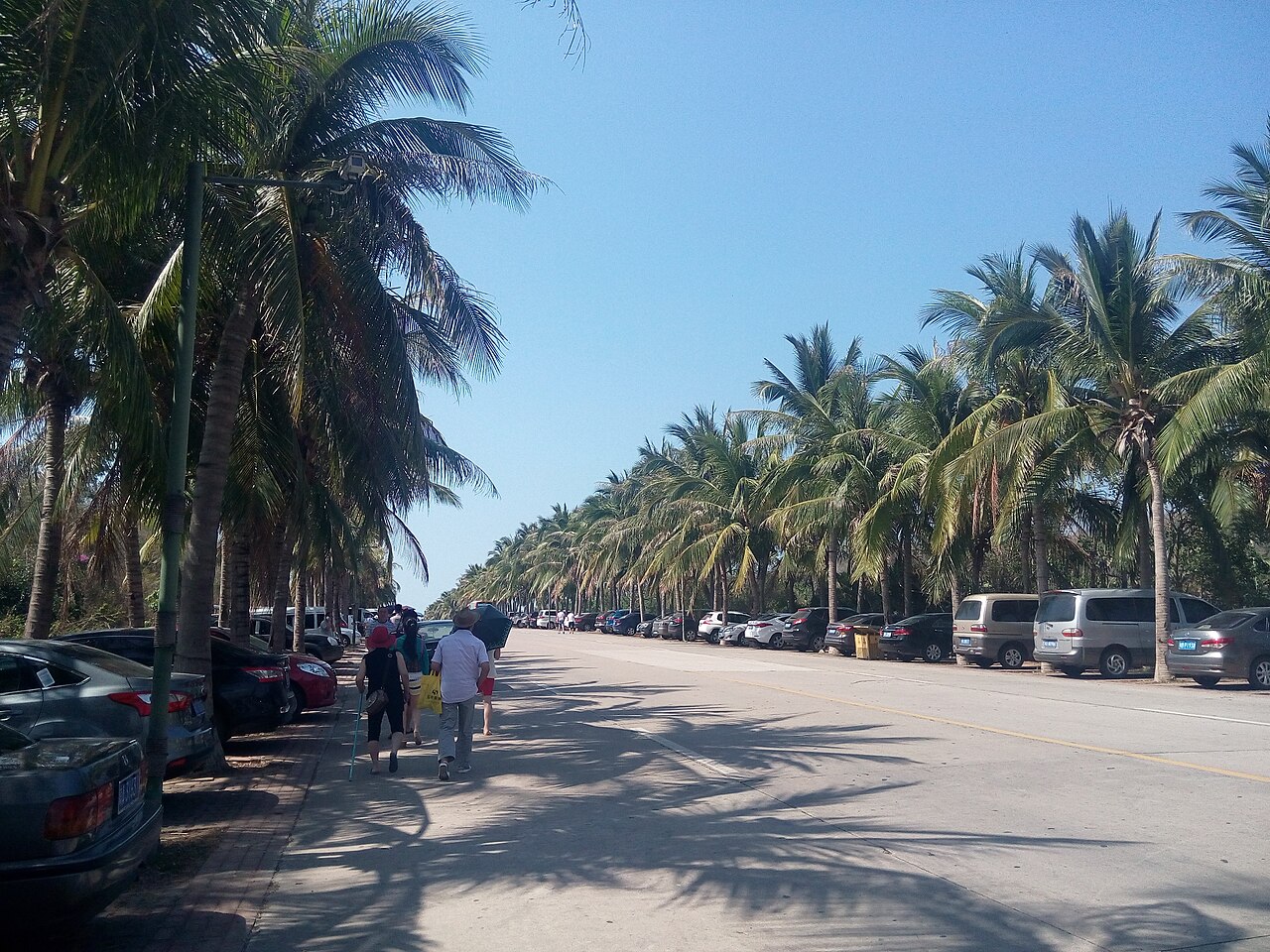
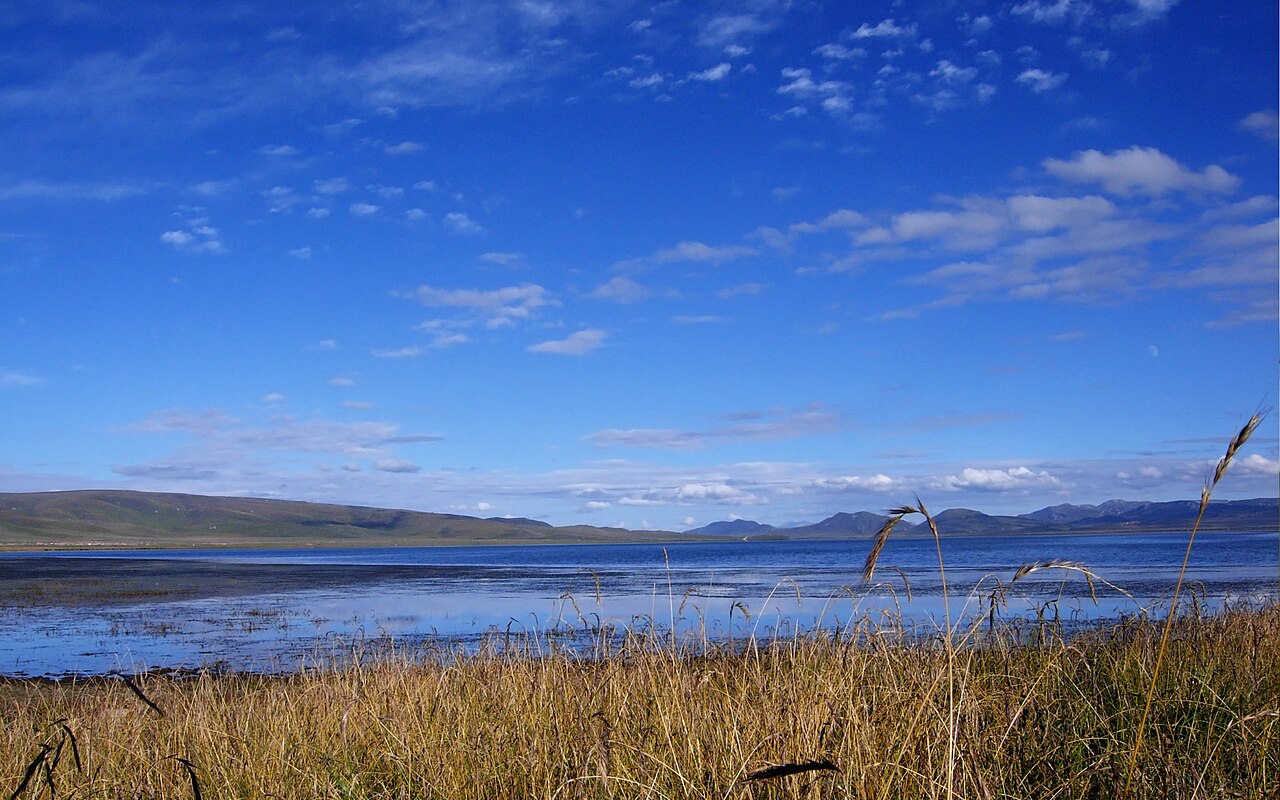
Station
Emei Railway Station, Chengdu–Kunming line
Trains daily
20-plus
Sample services
K145, K113, K165, K117
Bus 1 + bus 5
CNY 1 + CNY 1.5, about 16 min total
Taxi to Baoguo Temple
About CNY 15, 13 minutes

By long-distance bus

Chengdu Xinnanmen Tourist Bus Station is the main gateway, with departures to Emei Shan Passenger Center every 30 minutes (CNY 43). From Chongqing Caiyuanba Station the fare is CNY 126 (you can also board at Chenjiaping en route). Leshan Passenger Center runs buses every 10 minutes for CNY 8–12. Note there are two different stations: the Jiuzhu Passenger Center is in Emei town, while the Emei Shan Tourist Passenger Center is inside the scenic area at Baoguo Temple. If you arrive at the town station, a taxi to the scenic area takes about 10 minutes but can only reach the Yingbin Square.

Chengdu Xinnanmen to Emei Shan
CNY 43, every 30 min
Chongqing Caiyuanba to Emei Shan
CNY 126
Leshan to Emei Shan
CNY 8–12, every 10 min
Town station to scenic area
Taxi about 10 min, stops at Yingbin Square

Within the scenic area

Sightseeing buses connect five key lots: Baoguo Temple Passenger Center, Wuxiangang (for Qingyin Pavilion, Yixiantian and the monkey zone), Wannian Temple lot, Zero Kilometer and Leidongping. Tickets are CNY 40 return for the mid-mountain section, CNY 30 return for the high-mountain section, or CNY 70 return for the whole mountain, valid once per stop. Buses run 07:00–16:00 in low season (roughly every 30 min in the morning, hourly after noon) and 06:30–17:00 in high season (every 30 min all day); over Golden Week they start at 05:00. Two cable cars do the climbing: Wannian cable (Wannian parking–Wannian Temple) costs CNY 65 up / CNY 45 down in peak season, CNY 30 / CNY 20 off-peak, running 06:40–18:00; the Jinding cable (Jieyin Hall–Golden Summit) is CNY 65 up / CNY 55 down peak, CNY 30 / CNY 20 off-peak, running 05:30–18:00. Sedan chairs, known locally as huagan, are the old-fashioned porter option — uphill runs CNY 30–40 per km, downhill a little less (e.g. Xixiangchi to Leidongping, 7.5 km, is CNY 240 up or CNY 180 down, negotiable).

Sightseeing bus fares
CNY 40 mid-mountain, CNY 30 high-mountain, CNY 70 whole-mountain return
Bus hours (low season)
07:00–16:00
Bus hours (high season)
06:30–17:00
Wannian cable
CNY 65 up / 45 down peak, 30 / 20 off-peak, 06:40–18:00
Jinding cable
CNY 65 up / 55 down peak, 30 / 20 off-peak, 05:30–18:00
Sedan chair
CNY 30–40/km uphill

Shopping

What to buy on Mount Emei — the Three Snows and the tea that was tribute

Emei Xueya tea

The most famous Mount Emei product, and for good reason: this green tea has been sent to the imperial court as tribute across the Tang, Song, Ming and Qing dynasties, and both the Daoist and Buddhist communities here have long treated it as a health tonic. It's sold at tea shops in town and around the scenic area, plus the Mount Emei tourist-goods center on the main road — expect to pay more the higher up the mountain you buy.

Snowflake bamboo shoots

Harvested in the high-mountain zone, these are the local answer to a thousand soups — stew them with chicken or duck and the broth turns fragrant and clean. Alongside them, bitter bamboo shoots are prized for cooling the body and calming a liver running hot; simmer them and the soup tastes faintly bitter but deeply savory. Both are cheap, light and pack flat.

Snow konjac

Made from the tubers of perennial konjac, this is one of the mountain's signature specialties — soft and chewy, savory on the tongue, rich without being greasy. Soak it in warm water until it turns sponge-like, squeeze out the water, slice it thin or into strips, and dress it cold or use it as a stir-fry ingredient. Buy it dried and it will survive the flight home.

Herbal medicine and handicrafts

Mount Emei has been called the 'garden of immortals' for its medicinal plants — wild gastrodia, clematis and huidouba among them — but the roadside stalls selling gastrodia and suoyang are riddled with fakes, and wild versus cultivated gastrodia differ wildly in price. If you can't tell them apart, don't buy from a hawker; go to a proper pharmacy in town instead. Handicrafts carved from local wood and bamboo make safer souvenirs and are sold all along the trails.

Practical info

Tickets, opening hours, phone numbers and the distances that matter

Buy your ticket on the day you intend to use it — it expires otherwise. For multiple entries or to visit several ticketed sights, ask for the photo-registered ticket, which is valid for two days; the plain one is torn at the stub and cannot be reused. Carry your ticket at all times for spot checks, and note the distances so you can plan honestly: Baoguo Temple to Fuhu Temple is 1 km, Fuhu Temple to Qingyin Pavilion 12 km, Qingyin Pavilion to Yixiantian 1 km, Yixiantian to the monkey zone 0.5 km, the monkey zone to Hongchunping 4.5 km, Hongchunping to Jiulao Cave 15 km, Jiulao Cave to Xixiangchi 12.5 km, Xixiangchi to Leidongping 7.5 km, Leidongping to Jieyin Hall 1.5 km, Jieyin Hall to the Golden Summit 6 km, and the Golden Summit to Wanfo Peak 2 km.

Entrance ticket (peak)CNY 150 (16 Jan–15 Dec); discounted CNY 80 for children 1.1–1.4 m, disabled visitors, students, seniors over 60, and teachers in July, August and on Teachers' Day
Entrance ticket (low season)CNY 90 — the ticket does not cover insurance, sightseeing buses or cable cars
Separate temple ticketsBaoguo Temple CNY 8, Fuhu Temple CNY 6, Wannian Temple CNY 10
Gate opening hoursSummer/autumn (1 May–7 Oct) 06:00–18:30; winter/spring (8 Oct–30 Apr) 07:00–17:50 (Zero Kilometer closes 17:30)
Best times for the four wondersSunrise around 06:00 in summer, 07:00 in winter; sea of clouds 09:00–10:00 and 15:00–16:00; Buddha's halo 09:00–10:00 and 15:00–16:00; holy lamps on dark nights at the turn of the lunar month after rain clears
Seasonal highlightsAzaleas at Leidongping April–May and Wanfo Peak May–June; escaping the heat June–October; red leaves October; snow and skiing November–March; monkeys year-round
Key phone numbersLeshan tourism complaints 0833-96927; Sichuan tourism complaints 028-86657308; Mount Emei–Leshan Giant Buddha service hotline 400-8196-333; official site ems517.com

Background

A mountain that is also a religion

Why 3,099 metres of rock matters t

Mount Emei is one of the Four Sacred Buddhist Mountains of China, alongside Wutai Shan in Shanxi, Putuo Shan in Zhejiang and Jiuhua Shan in Anhui. It is the bodhimanda — the earthly seat — of Samantabhadra, known in Chinese as Puxian, the bodhisattva of practice and steadfast action. That single fact explains almost everything you see: the 26 temples, the pilgrims climbing in silence at 5am, the 48-metre bronze statue of Samantabhadra standing on the summit with ten faces pointing in ten directions. In 1996 UNESCO inscribed Mount Emei and the Leshan Giant Buddha together as a World Natural and Cultural Heritage site — one of very few places on the list carrying both labels at once.

Three thousand plants, and monkeys

The mountain climbs from 420 metres at Emei city to 3,099 metres at Wanfo Summit, and that 2,679-metre drop packs in more than 3,000 plant species, including rare firs and rhododendrons that bloom in waves from April to June. It is also the largest natural macaque reserve in China: around 300 wild Tibetan macaques live in three family troops along the Qingyin Pavilion to Hongchunping valley. They are not tame, they are not shy, and they have worked out that plastic bags mean food. Read the monkey rules before you go up — they are not decoration.

From Tang-dynasty tea to a Qing po

Emei tea has been famous since the Jin dynasty, and the monks here invented the flat-blade green tea now sold nationwide as Zhuyeqing. In the Qing dynasty the poet Tan Zhongyue sat down and named the mountain's Ten Scenic Views, and locals still use his list — Golden Summit Auspicious Light, Moonlit Elephant Pool, Nine Elders Immortal Grotto, Hongchun Morning Rain, White Water Autumn Wind, Twin Bridges Clear Sound, and so on. You will not see all ten on one trip. Nobody does.

Further reading

Watch and read before you climb

Film

Crouching Tiger, Hidden Dragon (20

Ang Lee

The bamboo-forest fight sequence was shot in Anji, Zhejiang, not Emei, but the film's whole visual grammar — mist, vertical rock, monasteries hanging in cloud — is the Emei you are about to walk into. Watch it on the train down from Chengdu and the mountain will look familiar on arrival.

Book

The Travels of Marco Polo, Book II

Marco Polo (or his ghostwriter)

Polo's account of 'Sinugul' and the mountains west of Chengdu is unreliable in detail but useful in spirit: it is one of the earliest European attempts to describe why Sichuan's sacred peaks pulled pilgrims from across the empire. Read it as a curiosity, not a guide.

Music

Emei Buddhist chant recordings, Wa

Recorded live at Wannian Temple, available on Chinese streaming platforms

The evening chanting at Wannian Temple — incense praise, the Great Compassion Mantra, the Heart Sutra — is the sound of this mountain. Search 'Wannian Temple chanting' or 'Emei Puxian chant' on Ximalaya or NetEase Cloud Music before you go; hearing it live at 8pm inside the brick hall is a different thing entirely.

The questions visitors ask us most about Mount Emei, answered plainly.

Frequently asked questions

Prices and practical details are reviewed every month by our Beijing team and updated the day a rule changes.

When is the best time to visit Mount Emei?

April to May and September to October give the best balance of temperature and visibility, with azaleas blooming from Leidongping up to Wanfoding in May and June. November to February brings snow and the most reliable clear summit skies, though the roads above kilometre zero can close. June to August is warm and wet — the low zone is pleasant but the summit is often wrapped in cloud and the sunrise is a coin toss.

How many days do you need for Mount Emei?

Three days to do it properly: one for the low zone temples and hot springs, one for the middle-zone gorge and monkey reserve, and one for the Golden Summit. If you only have one day, take the park bus straight to Leidongping, ride the cable car to the summit, then work back down via Wanniansi and Qingyingge — you'll see the headline sights and skip the walking.

Do I have to hike Mount Emei, or can I take transport all the way?

You can reach the summit without hiking at all. Park buses run from Baoguosi up to Leidongping, then a 40-second cable car takes you from Jieyin Hall to the Golden Summit. From the top bus stop it's about a 1-hour walk up if the cable car queue is long. The classic full hike from Baoguosi takes two days via the front route and one day via the back route, and it is genuinely strenuous.

Are the monkeys on Mount Emei dangerous?

Yes, they bite and scratch, and they are bold. Don't carry plastic bags in the open, don't eat in front of them, don't open your backpack where they can see, and don't try to pet them. If a troop blocks the path, don't shout or run — ask a warden for help. Buy a bamboo stick before the monkey zone (CNY 1 for plain, CNY 3 for lacquered) and walk in a group.

Can you see the sunrise from the Golden Summit without staying overnight?

Practically, no. Sunrise is around 06:00 in summer and 07:00 in winter, and the first park bus from Baoguosi doesn't get you up there in time. Sleep at Leidongping (around 2,500 m), at Xiangchi, or at a summit hotel — Jinding Shanzhuang sits at 3,033 m, three minutes' walk from the statue, from about CNY 443 for a standard room — and set an alarm.

Is Mount Emei worth visiting in winter?

Yes, and it's underrated. December to March brings snow on the high zone, skiing at the Leidongping snow field (about 130 days of season, ski hire from CNY 80/hour, tubing CNY 60–80), and the clearest skies of the year for the cloud sea. The trade-off: the road above kilometre zero closes to private cars in winter, so you rely on the park bus, and the summit sits near -10°C with wind chill.

Related reading

Related reading

Visas Do I Need a Visa for China? Requirements, Costs and How to Apply China's entry rules changed more in the last three years than in the previous twenty. Here is exactly who needs a visa, what it costs, how long it takes and which passports now walk straight through. 9 min read Visas China's 240-Hour Visa-Free Transit: Who Qualifies and How It Works Ten days in China with no visa application, no fee and no fingerprints — if you hold the right passport and leave for a third country. Here is the rulebook, port by port. 8 min read Money Paying in China: Alipay, WeChat Pay, Cards and Cash Roughly nine in ten urban payments in China now run through a phone. Set up two apps before you fly, carry a modest cash float, and you will never be stuck at a till. 8 min read Transport China's High-Speed Rail: How to Book, What It Costs, How Fast It Goes The fastest way to cross China is also the most pleasant. Here is how to book a ticket with a foreign passport, what the three classes actually give you, and how to survive a Chinese station at rush hour. 9 min read Planning Best Time to Visit China: Month by Month, Region by Region China is the size of Europe, so 'the best month' depends on where you stand. Here is the month-by-month answer for the north, the Yangtze valley, the south and the plateau. 8 min read Planning What to Pack for China: The Complete 2026 Checklist Twenty thousand steps a day, three climate zones and a phone that has to do everything. This is the list we give our own travellers, minus the things they never used. 7 min read Food Chinese Food Culture: Eight Cuisines, One Table There is no such thing as Chinese food. There is Cantonese, Sichuan, Hunan, Jiangsu, Zhejiang, Fujian, Anhui and Shandong — and knowing which one you are eating changes everything. 8 min read Traditions Chinese Tea Culture: Six Classes, One Pot, Two Fingers Tea in China is not a beverage category, it is a social technology: it fills silences, seals deals and sets the pace of a meal. Here is how to sit down in one and not look lost. 7 min read Traditions Chinese Festivals: The Calendar, the Dates and the Crowds Lunar dates mean the calendar moves every year — and two of the festivals move several hundred million people at once. Plan around them or plan into them, but never by accident. 8 min read Etiquette Chinese Etiquette: What Matters, What Does Not, and Why Most etiquette advice for China is either obvious or wrong. These are the dozen behaviours that actually change how you are treated, and the reasoning behind each. 7 min read

Tell us your dates.
We'll do the rest.

Free itinerary design, a revised plan within one working day, and nothing charged until you approve the final version.

  • Park ticket CNY 150 high season / CNY 90 low season, and it does NOT include the three inner temples: Baoguosi CNY 8, Fuhusi CNY 6, Wanniansi CNY 10.
  • The Golden Summit cable car (Jieyin Hall to summit) costs CNY 65 up / CNY 55 down in high season, CNY 30 / CNY 20 in low season, and runs from 05:30 to 18:00.
  • The park bus is your backbone: Baoguosi–Leidongping round trip CNY 70, single sections CNY 40 (mid-mountain) or CNY 30 (high mountain), one boarding per stop.

No spam. No sales calls. Just a real itinerary from a real person.