City guide · Fujian

Gulangyu travel guide: the villas, the piano museum and how to beat the crowds

A car-free island of colonial villas, pianos and cats, twenty minutes off Xiamen — and the one place where the trick is simply to stay the night.

  • Known forColonial villas · pianos · car-free lanes
  • Typical spend¥1,000–2,000 for two days
  • Ideal length1 day, or 2 with a night
  • PaceSlow — walking, coffee, no traffic

Reviewed by our Beijing team Updated 2026-10-10

The short version

Gulangyu is a 1.87 km² car-free island twenty minutes by ferry off Xiamen, and the most atmospheric place in Fujian: colonial villas in every European style, China's only piano and organ museums, and a maze of lanes with no traffic at all. One day covers the sights, but stay one night and the island returns to the quiet that made it famous. The ferry is capped and booked by passport, so book ahead.

  • The ferry is capped daily and booked in real name with your passport — reserve days ahead in peak season.
  • There are no cars or bicycles on the island; you walk, or take the ¥50 electric shuttle.
  • The ¥100 combo ticket covers Sunlight Rock, Shuzhuang Garden, the piano and organ museums and more.
  • 10am to 4pm is the crush — go at opening, stay late, or sleep over.
  • It is China's 'island of music': two museums, a piano-shaped pier and a piano in half the houses.

City guide

First impressions

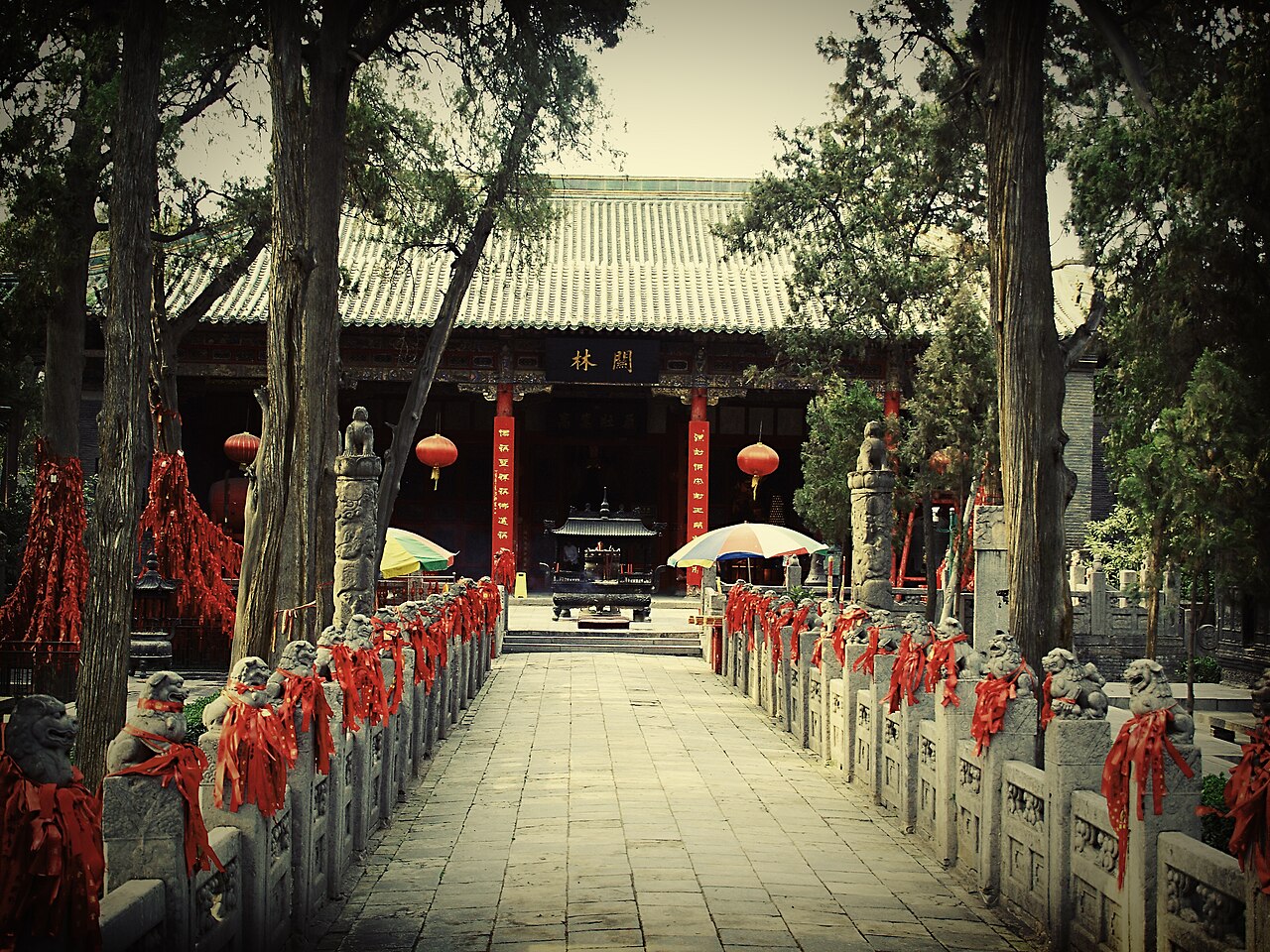
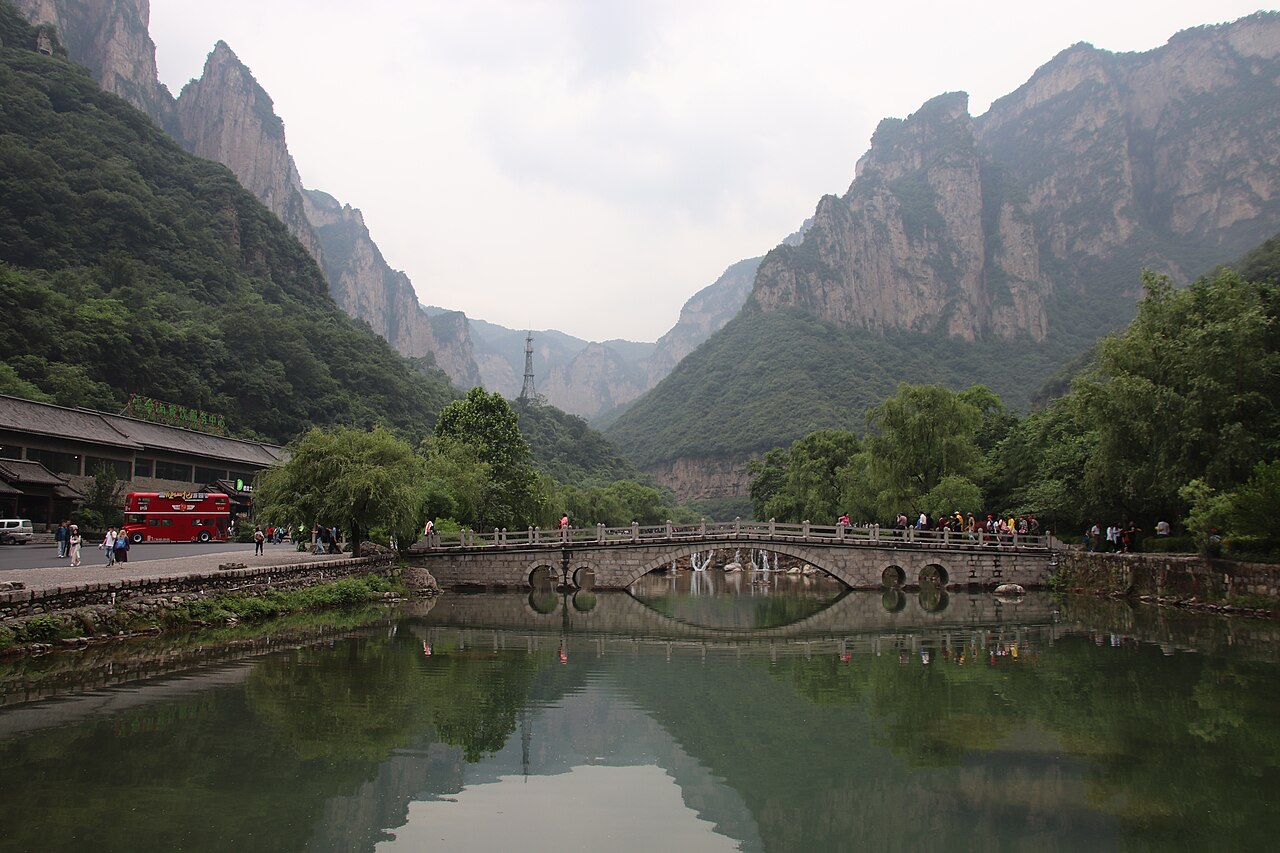
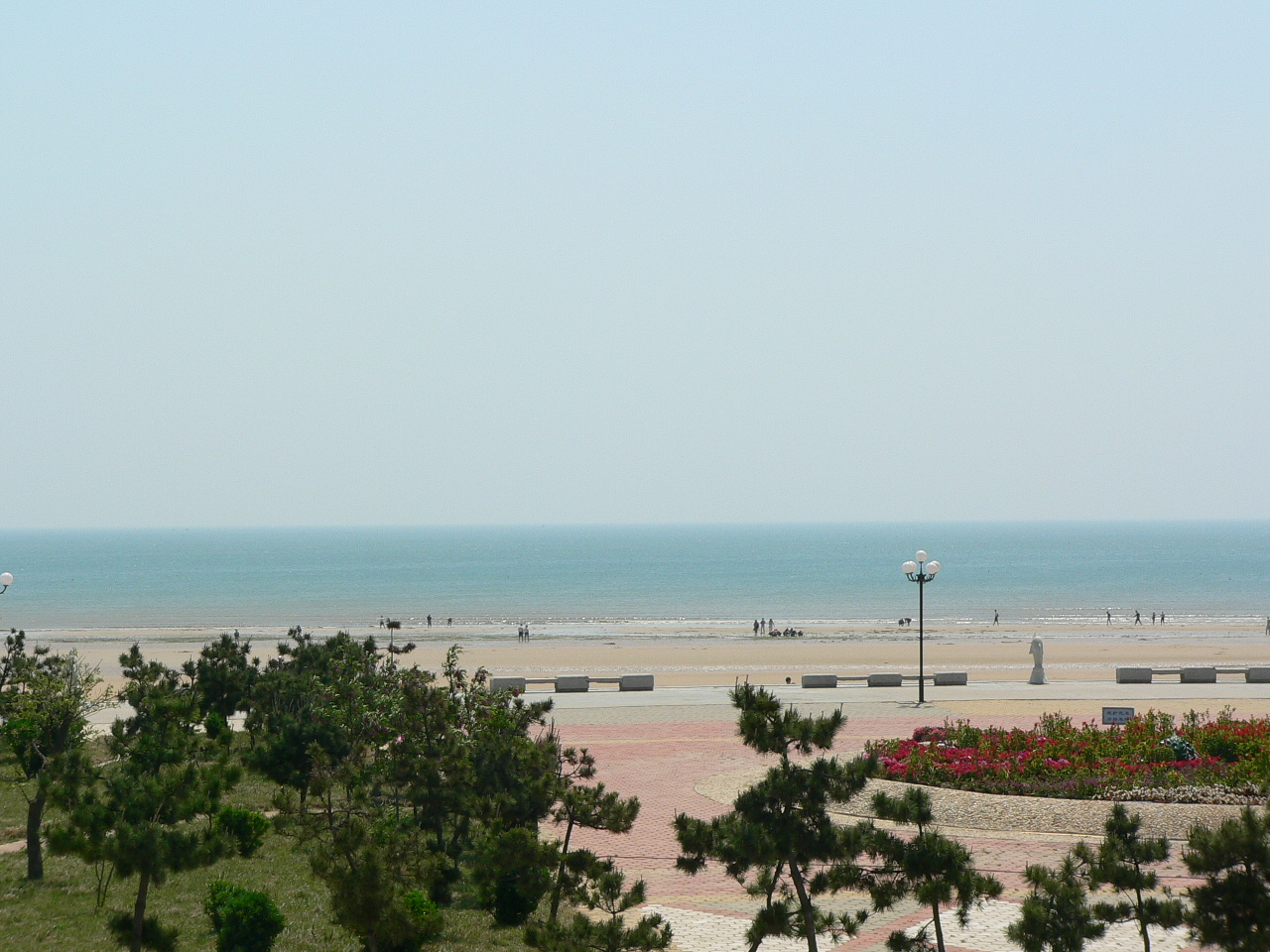
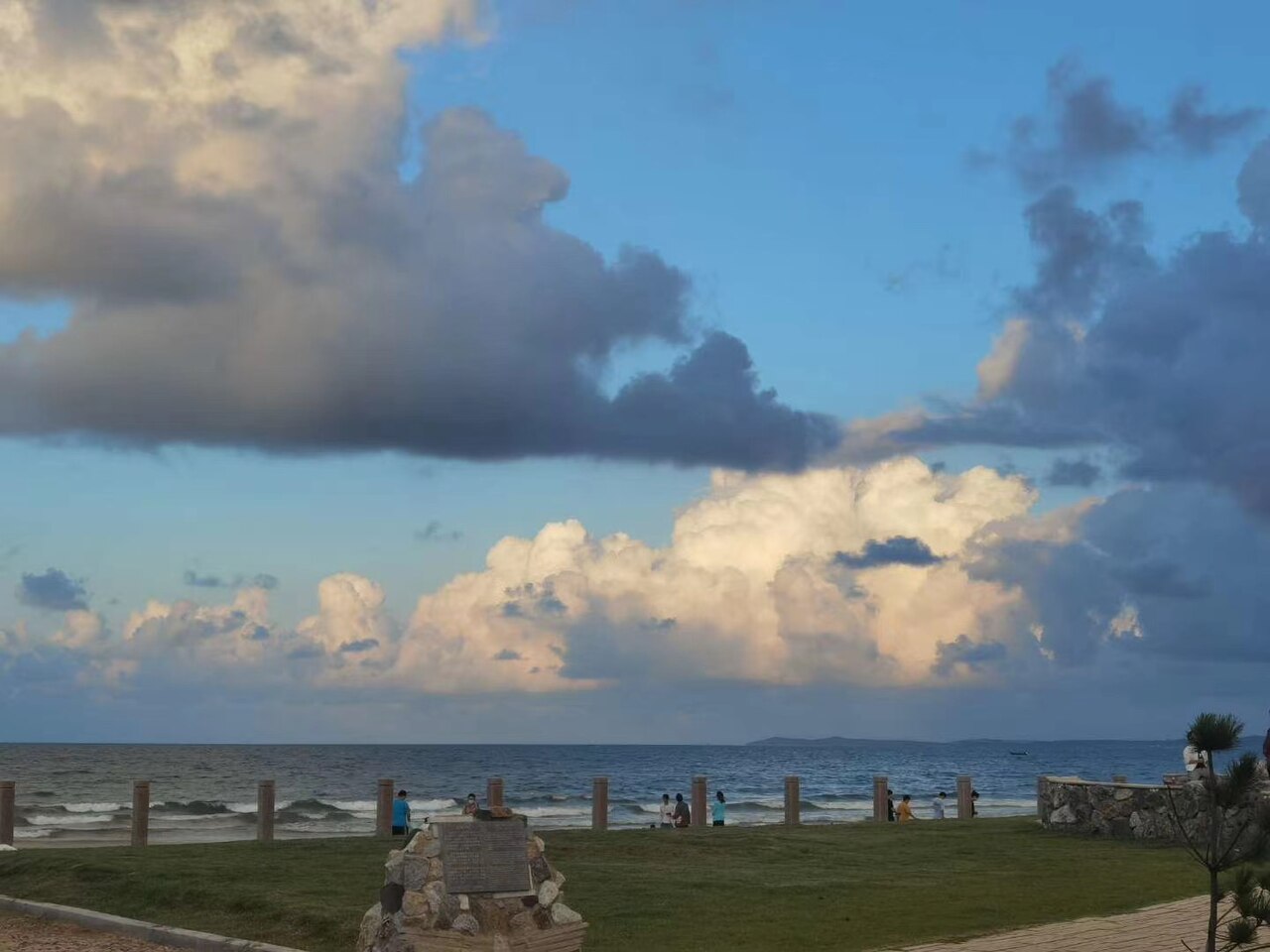
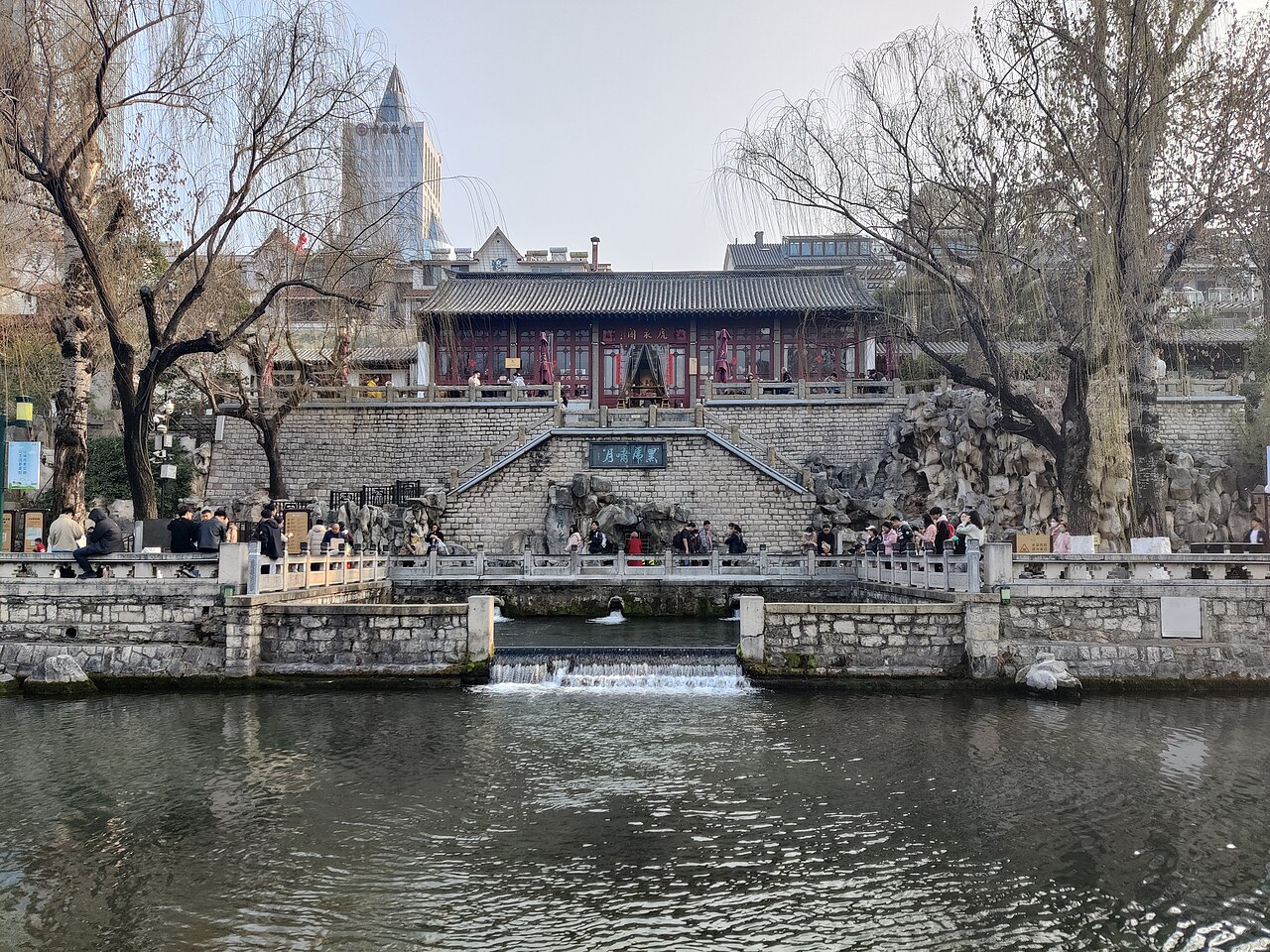
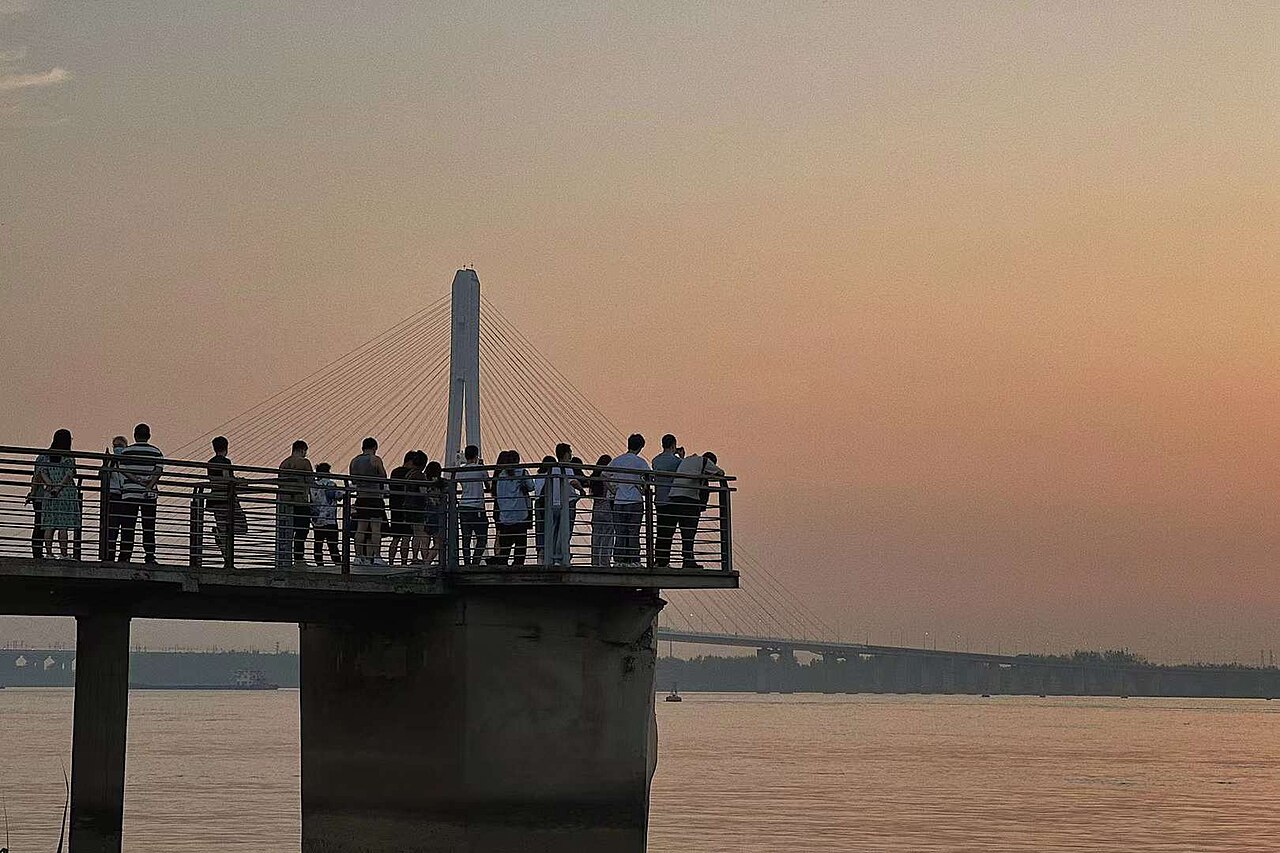
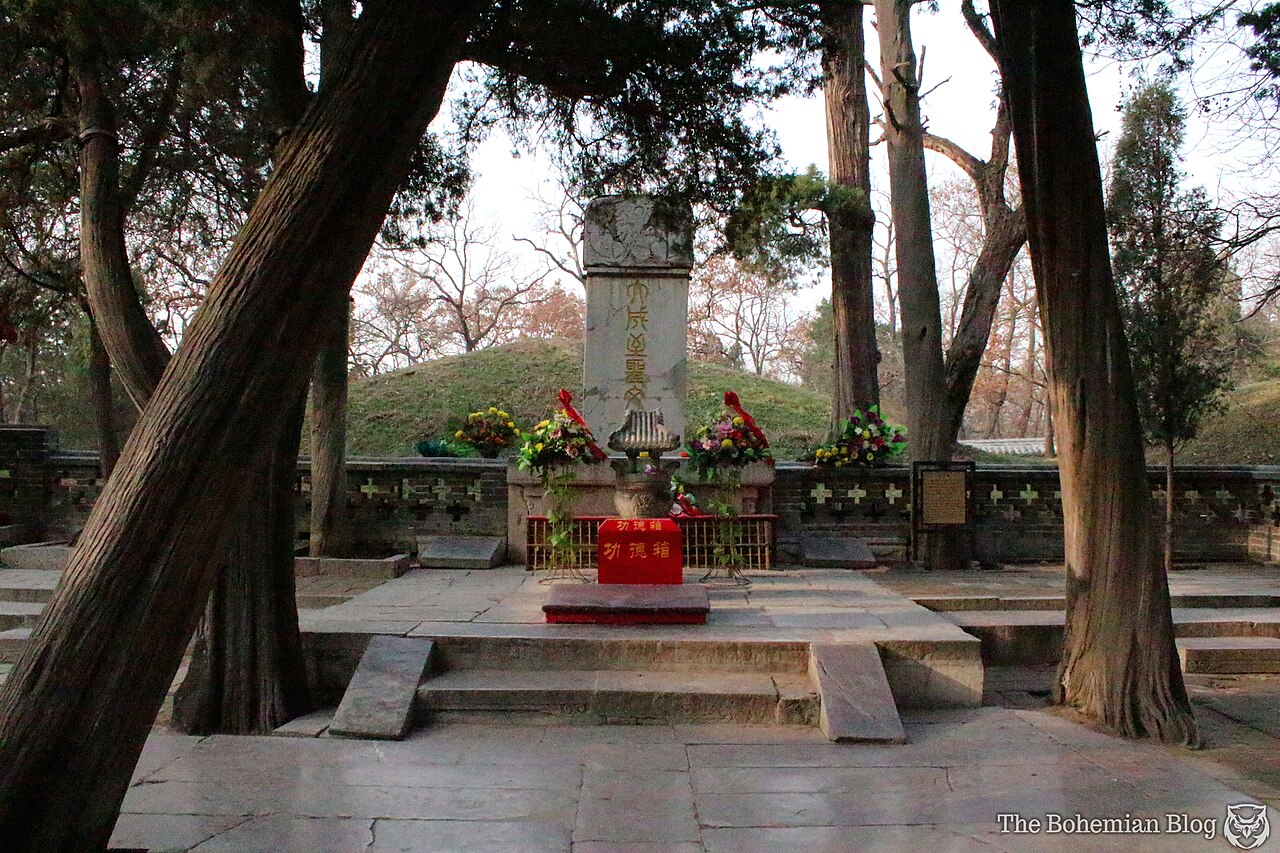
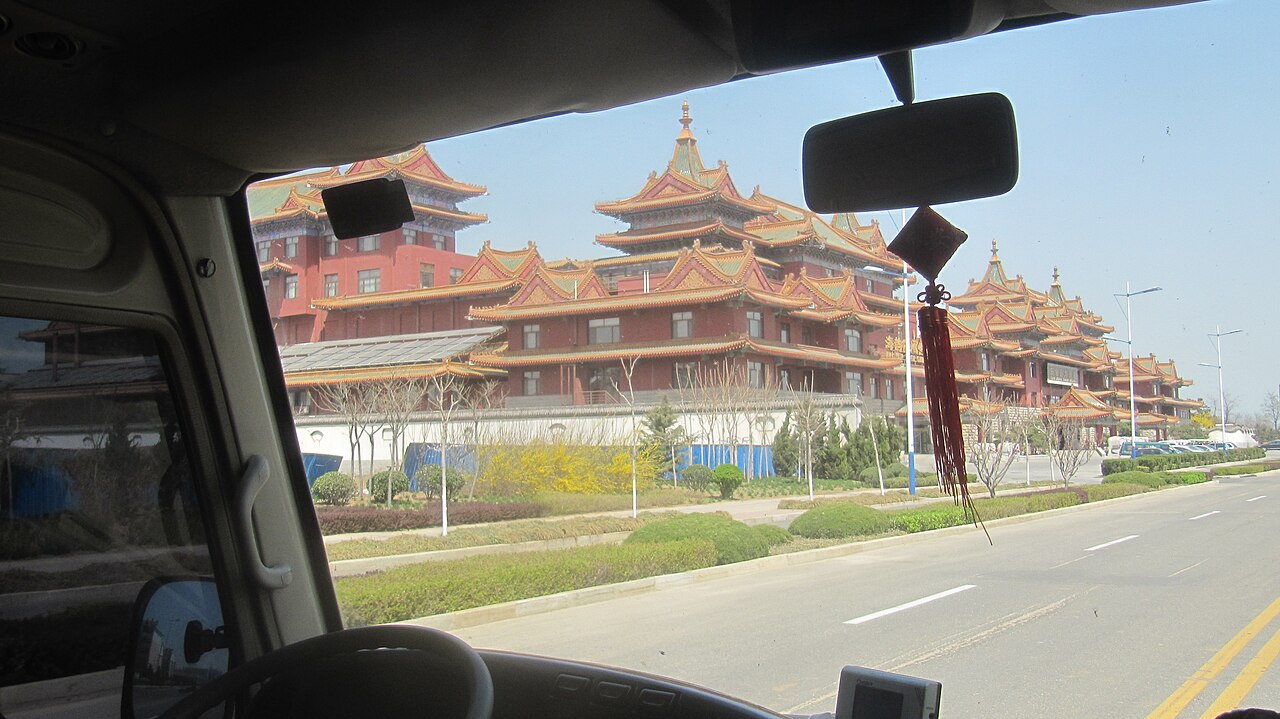
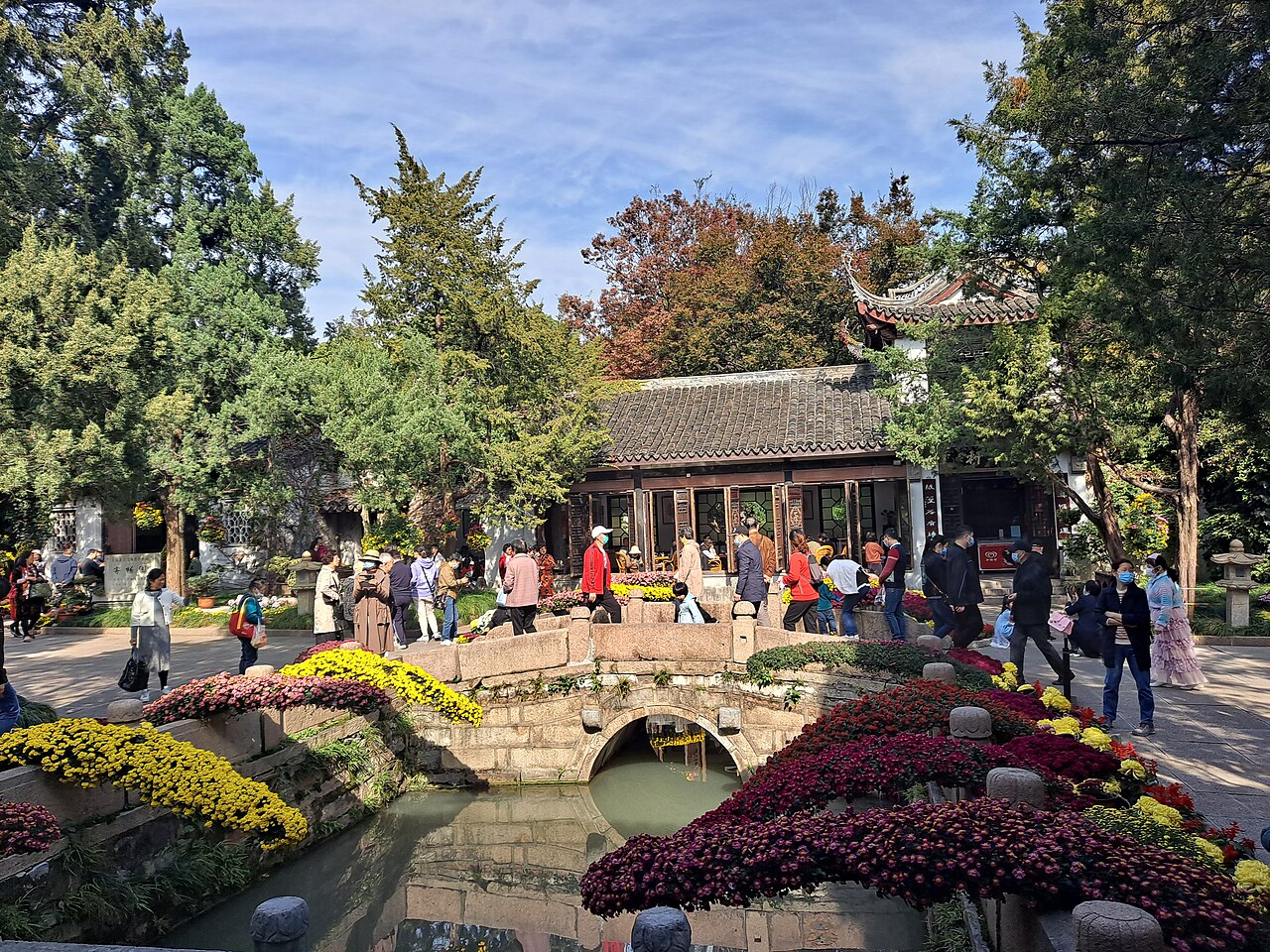
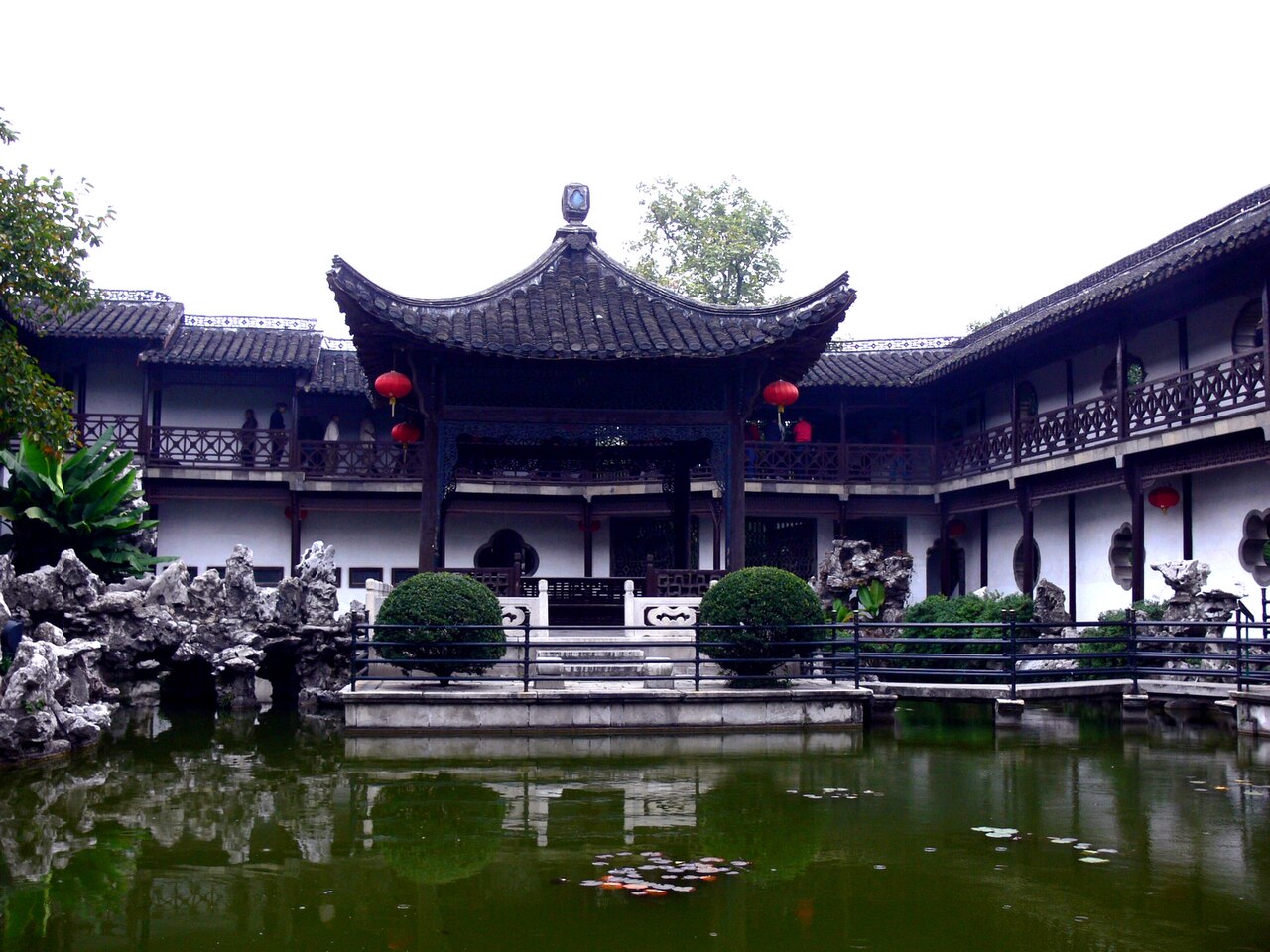
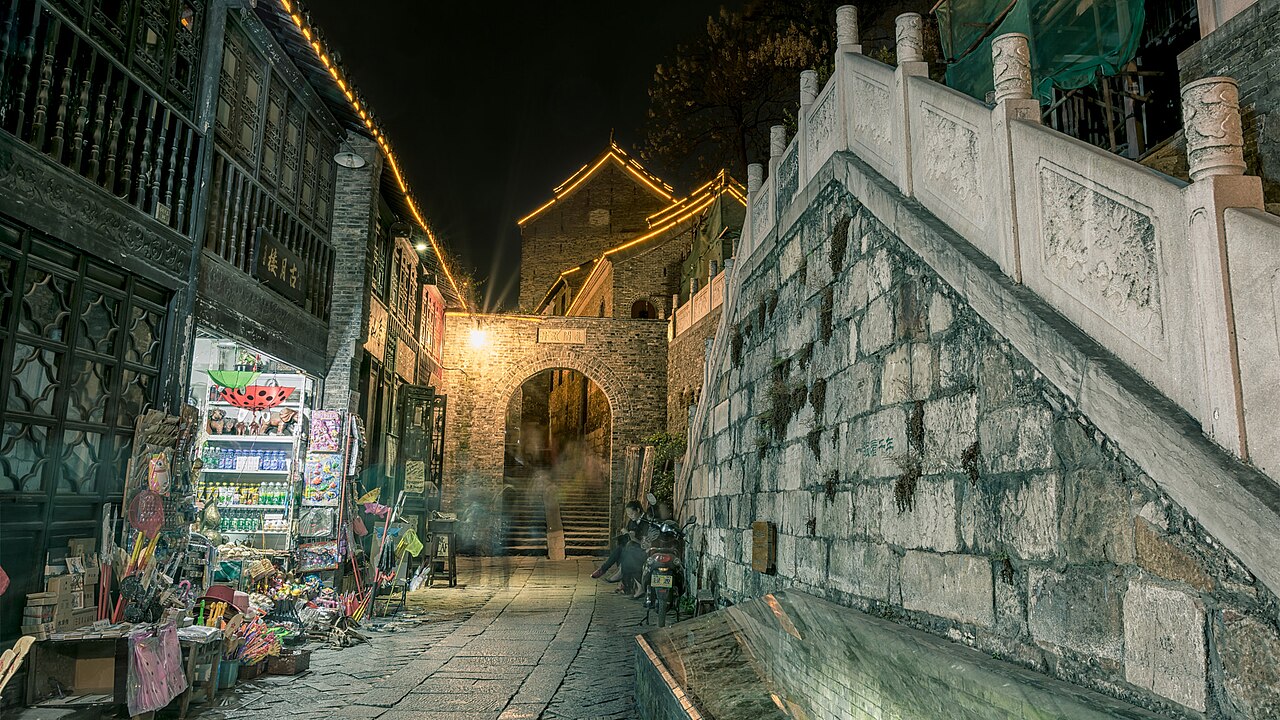
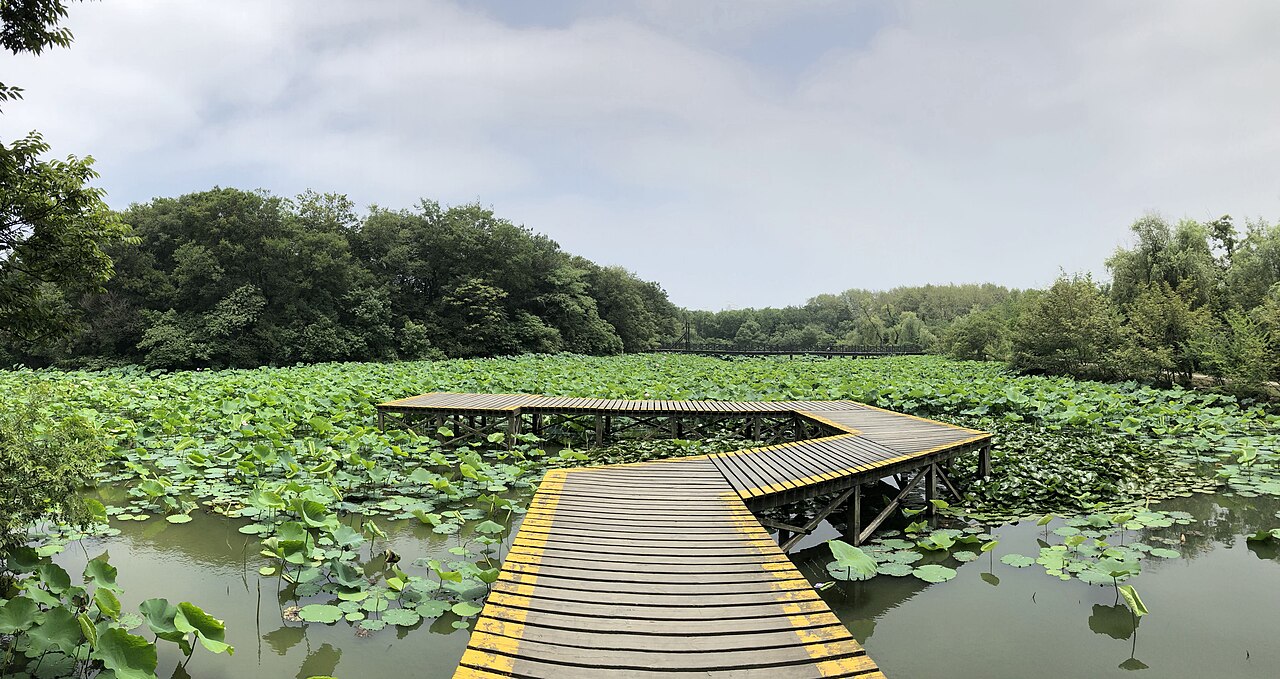
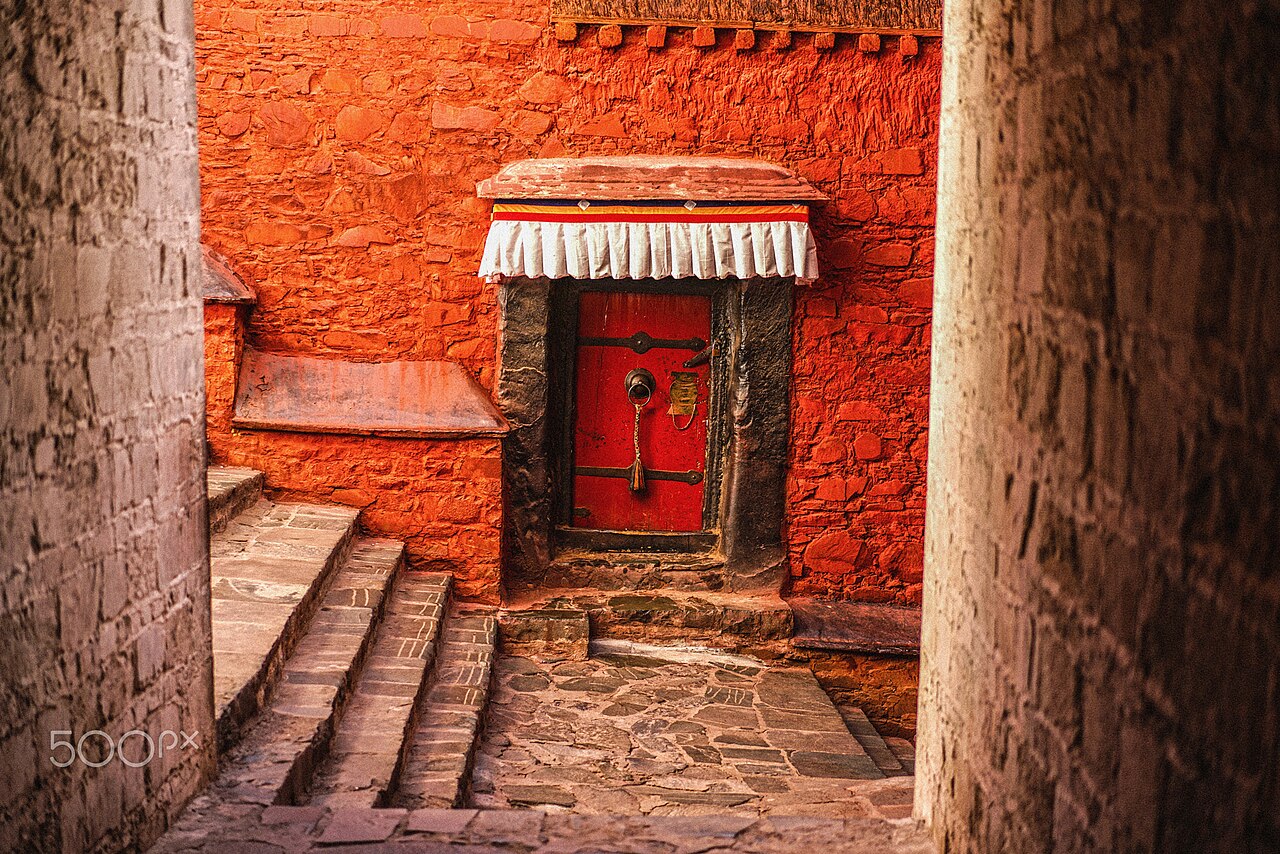
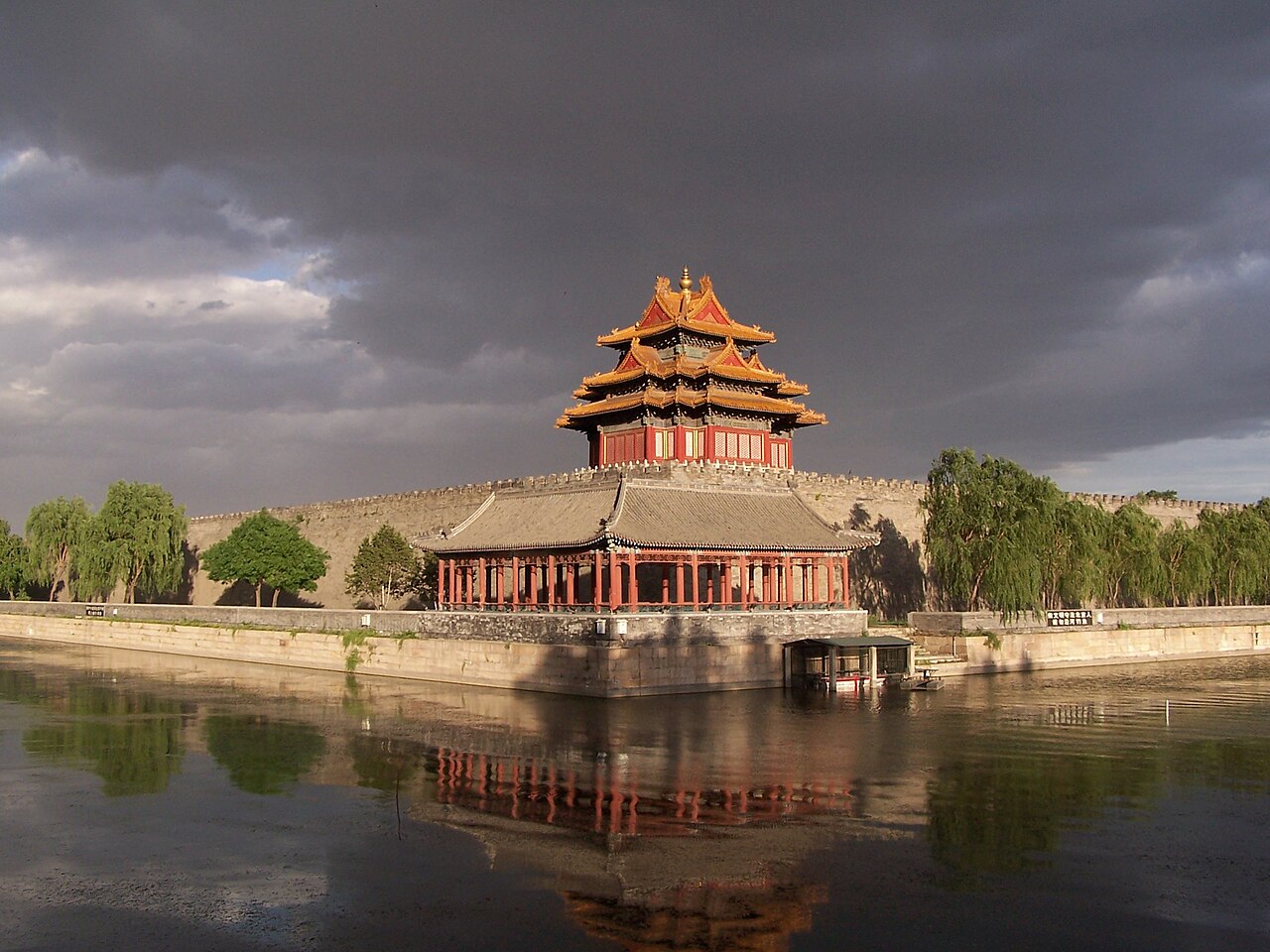
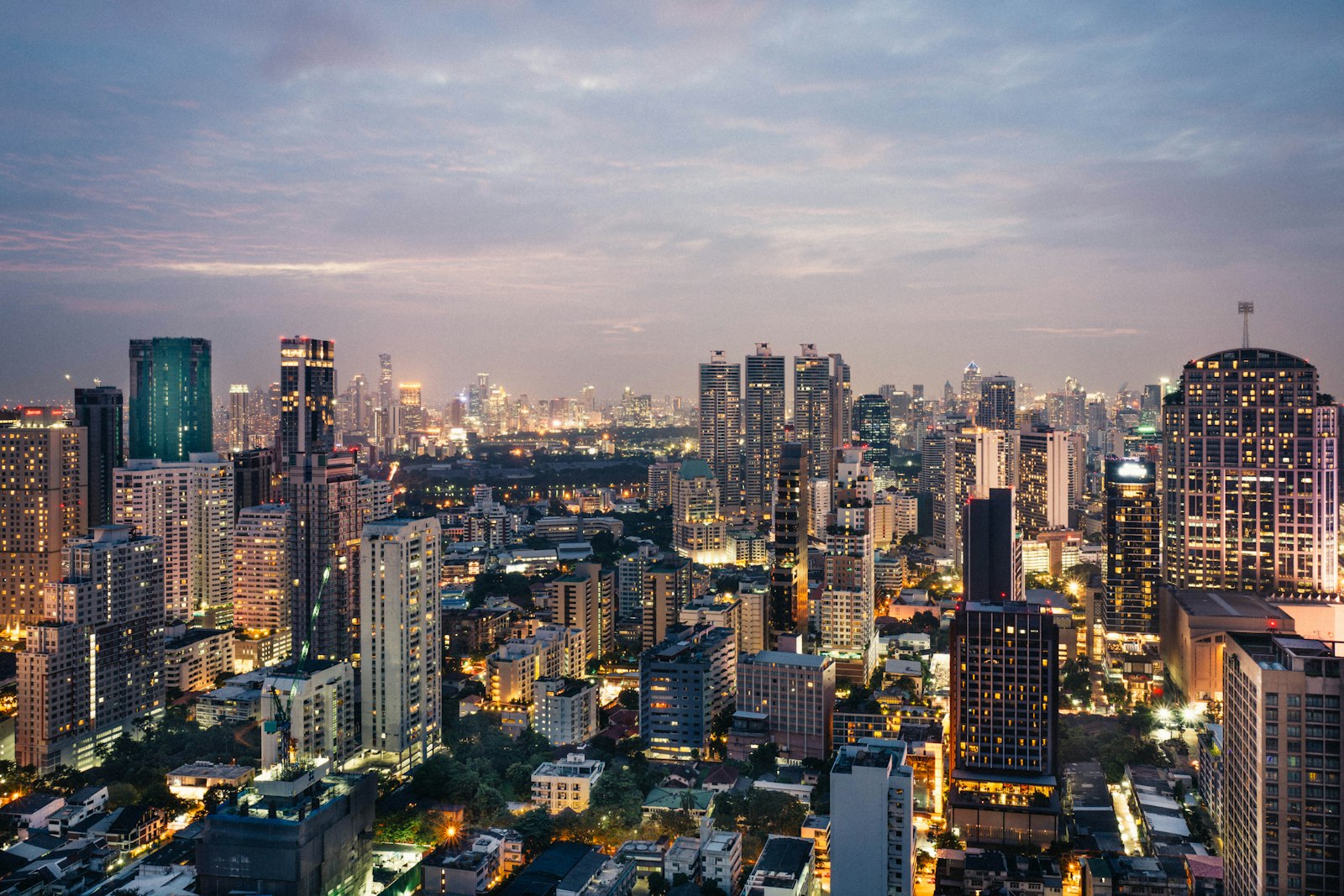
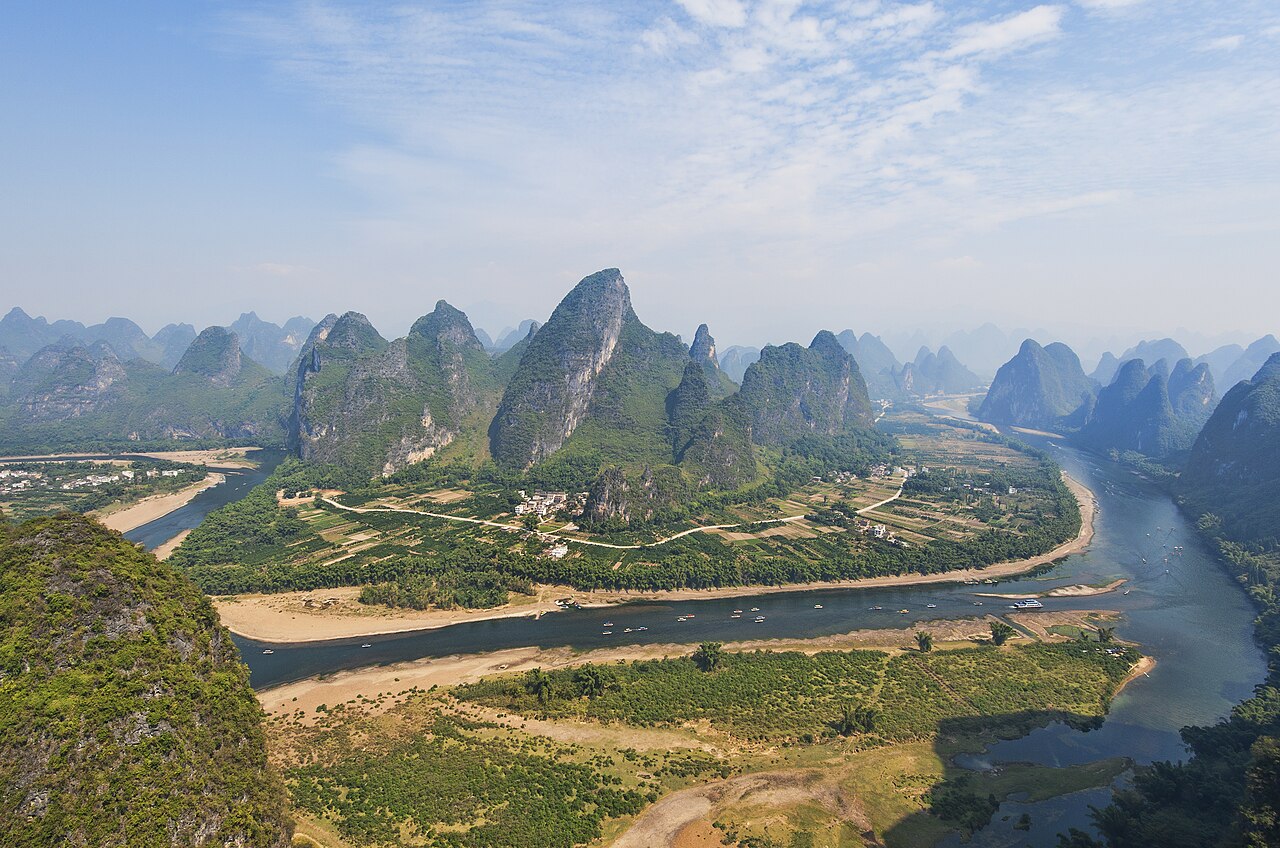
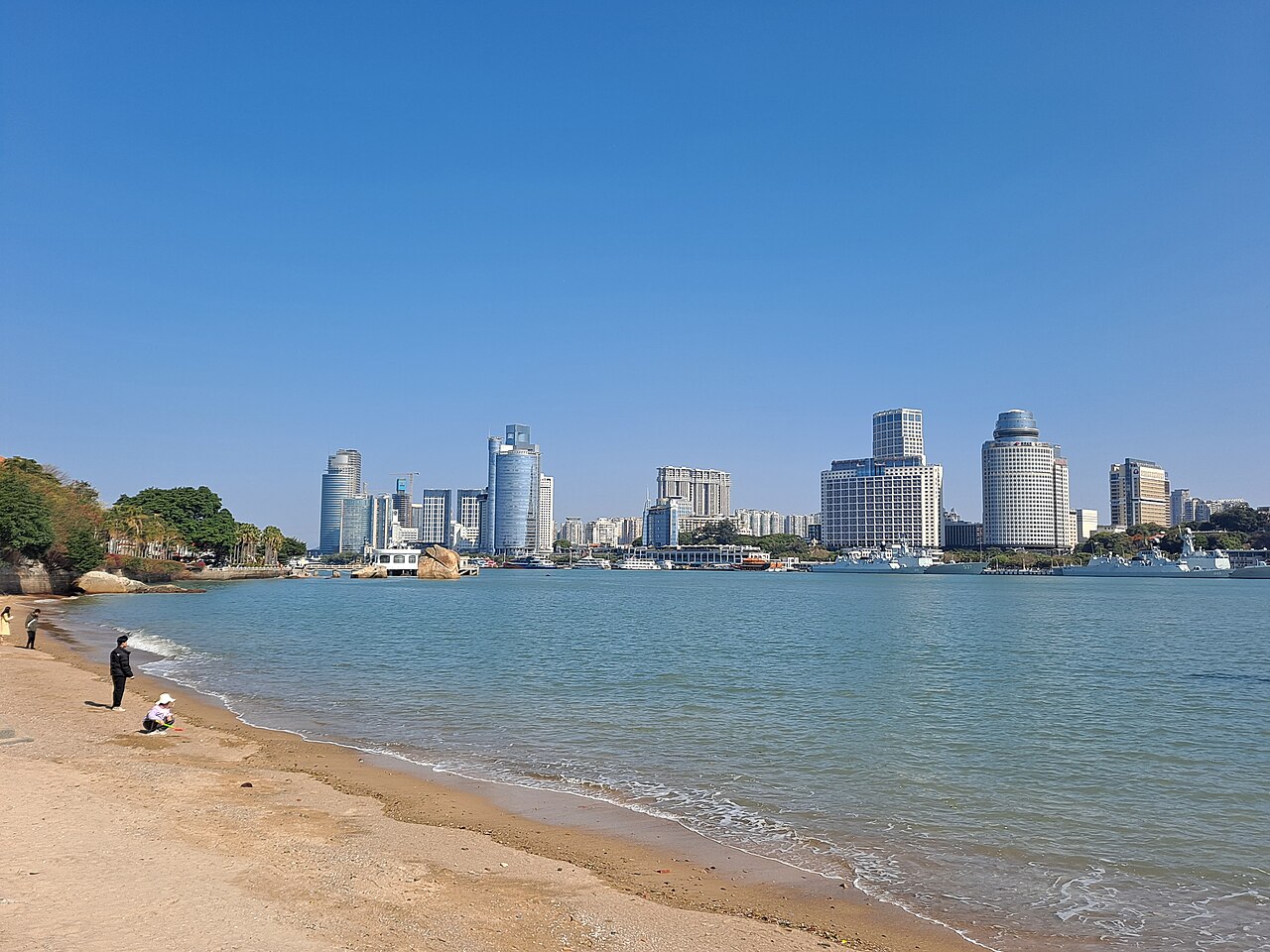
Photographs from the coast, and what other travellers wrote afterwards.

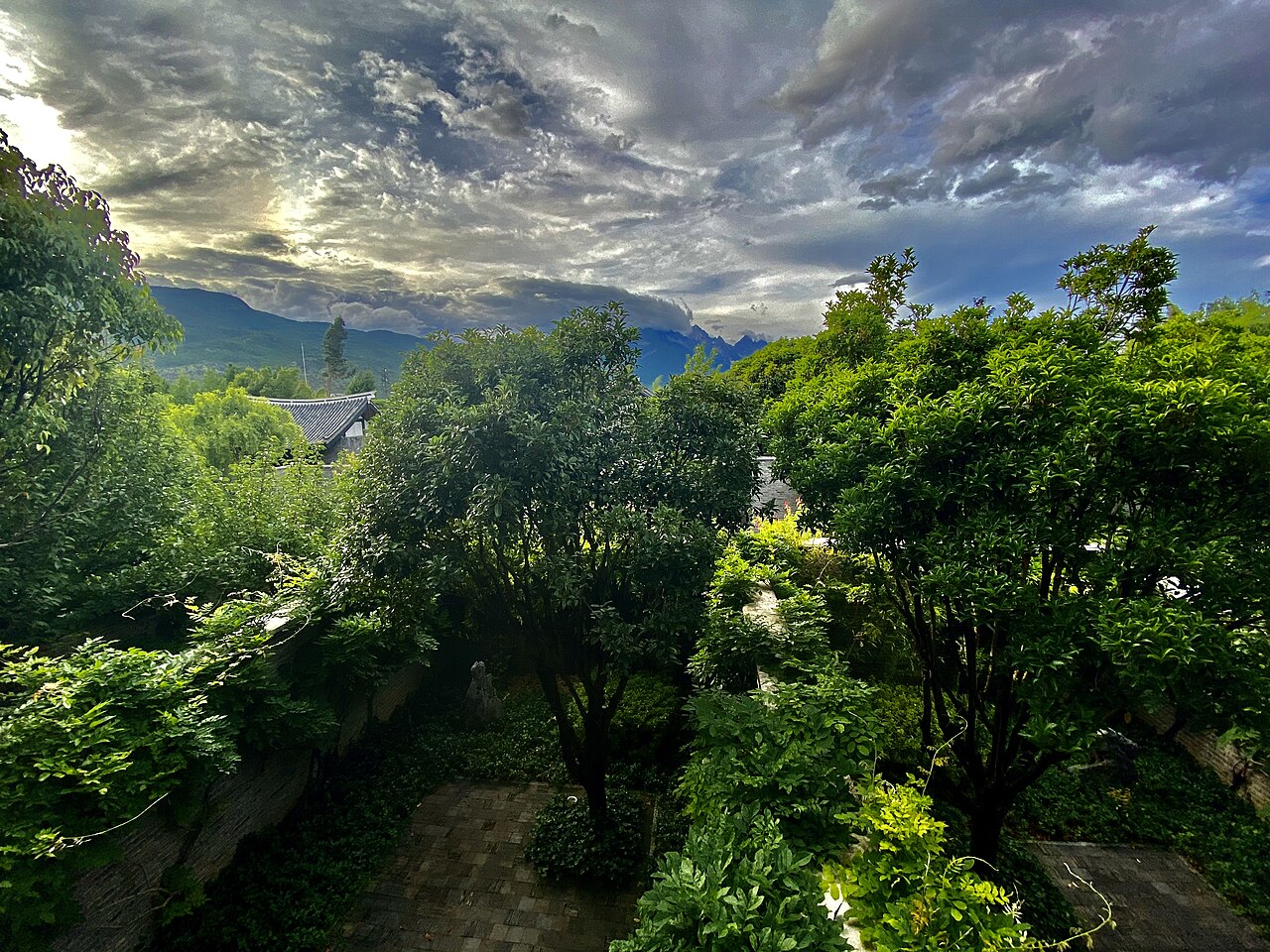
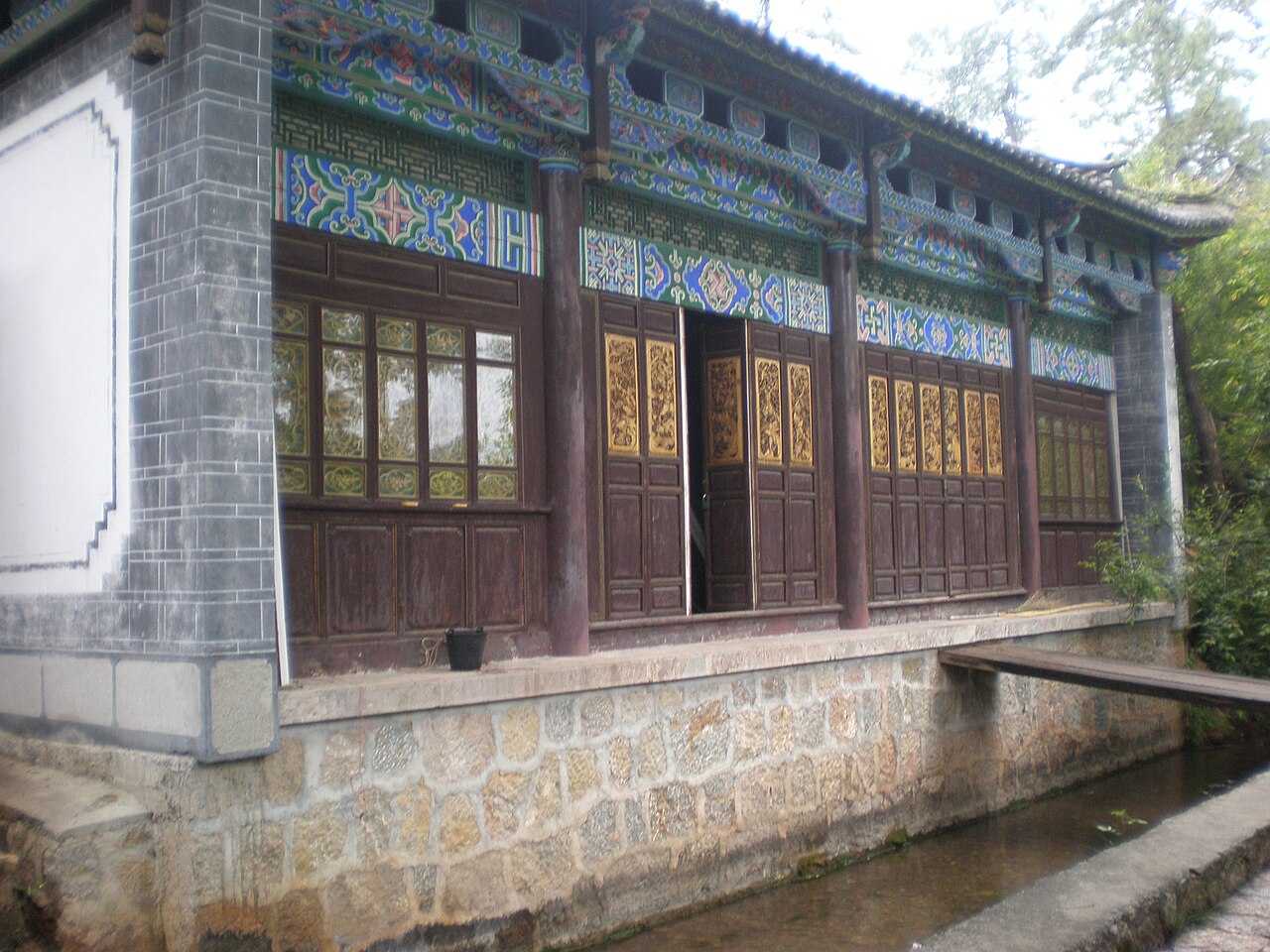
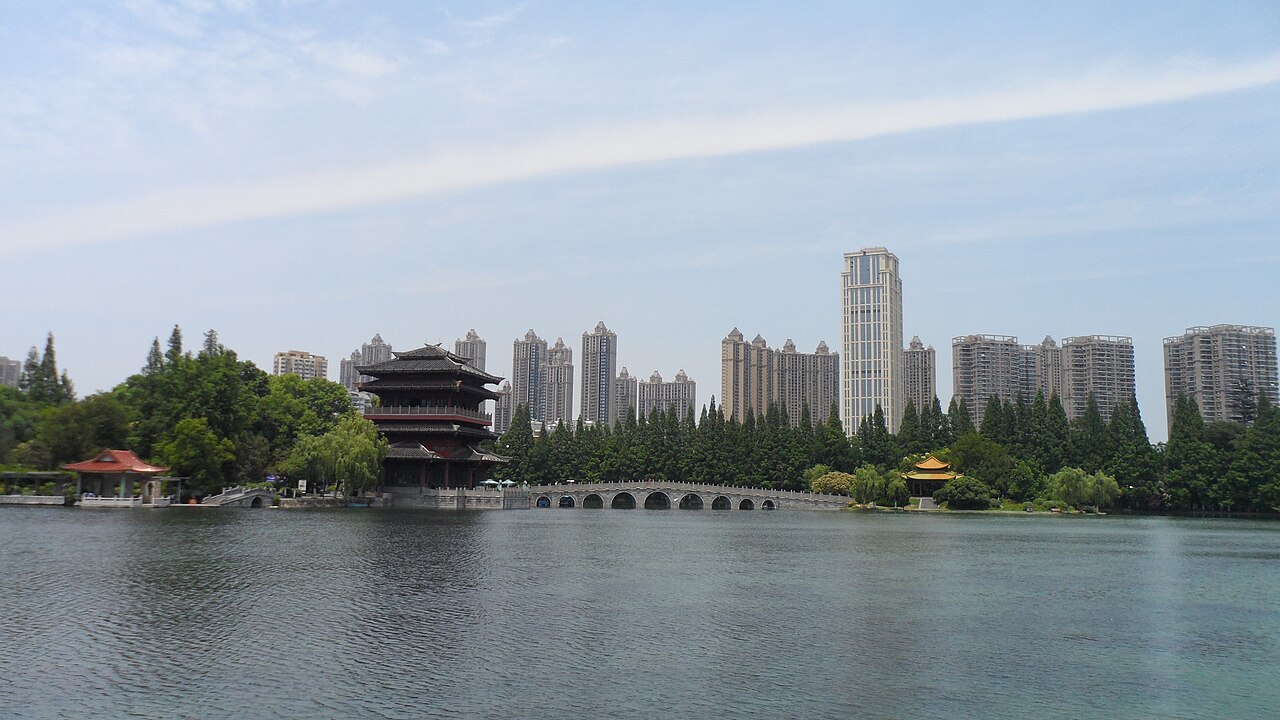
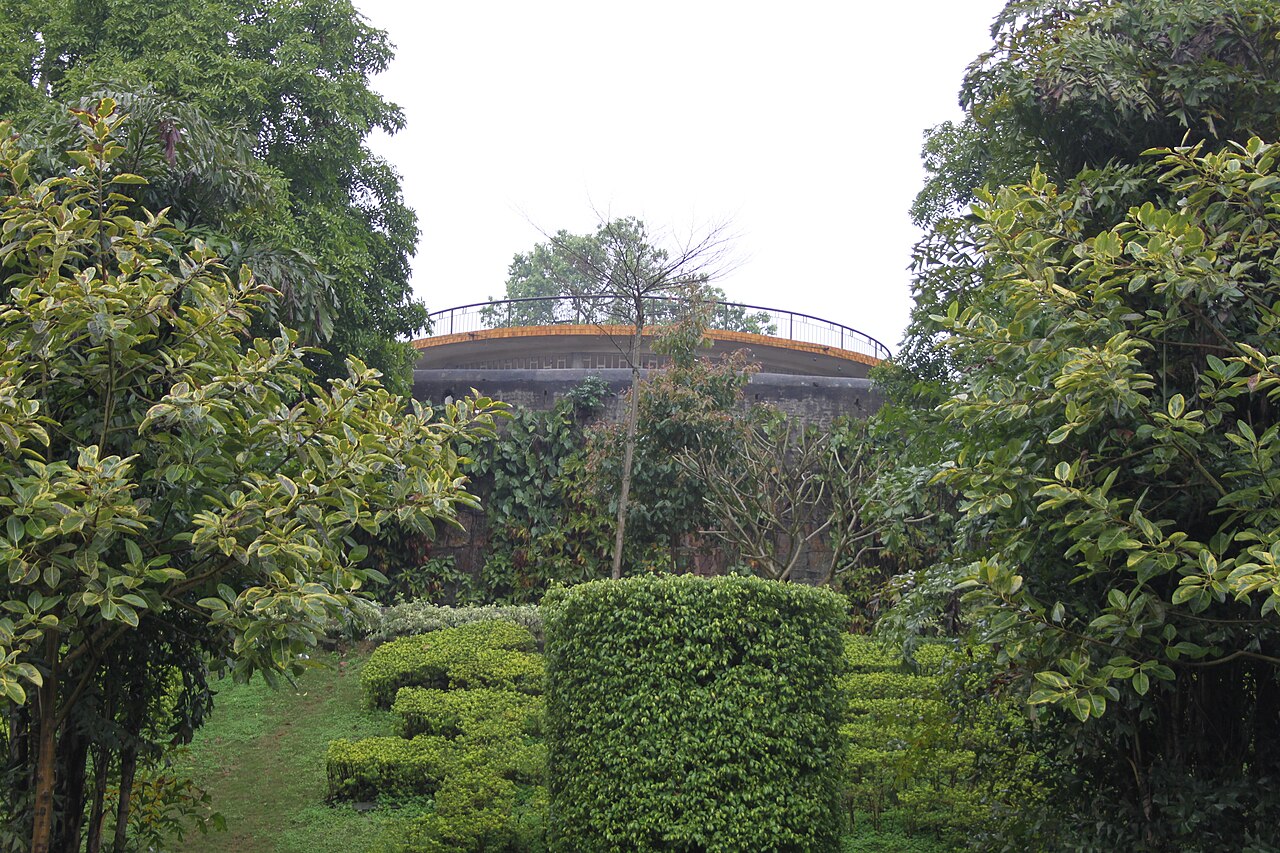
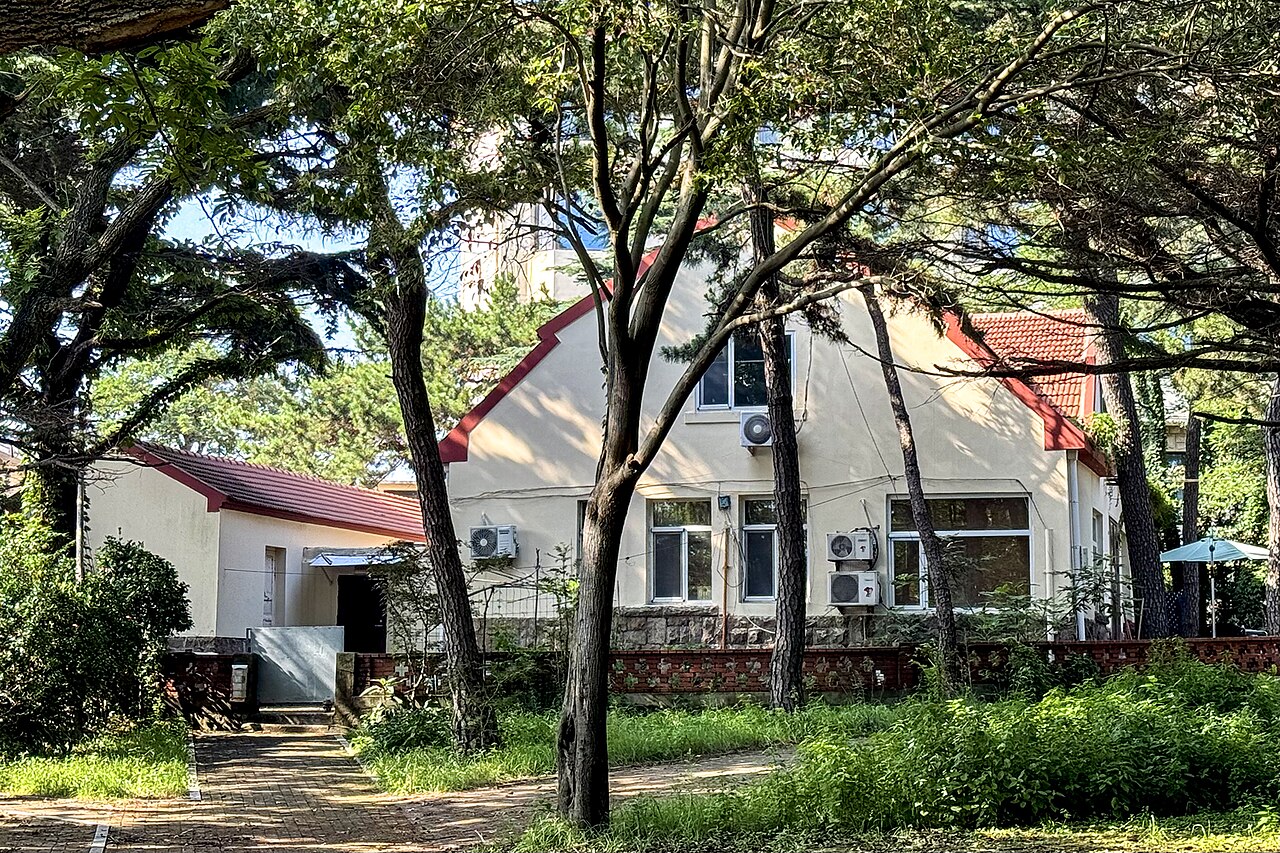
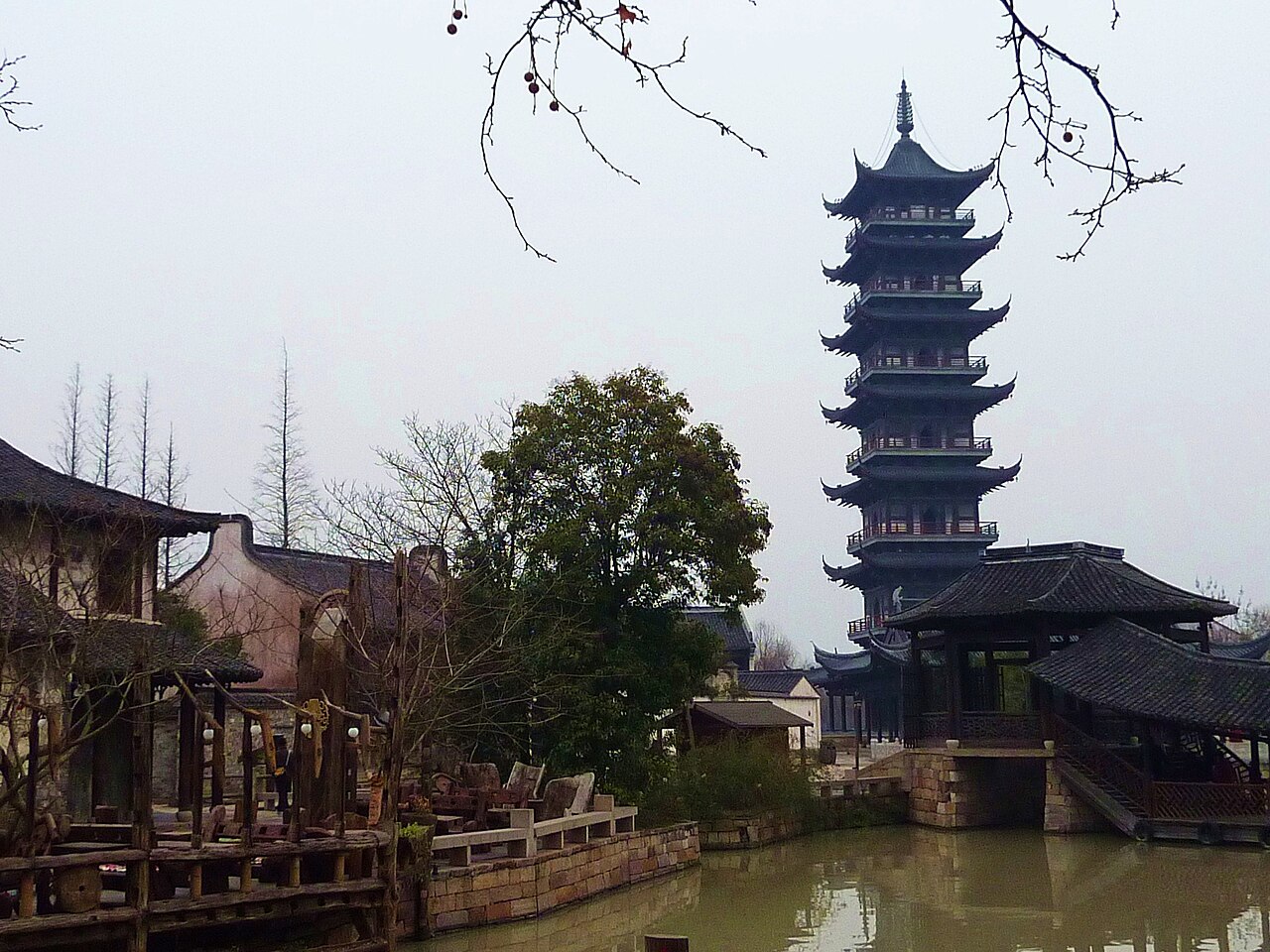
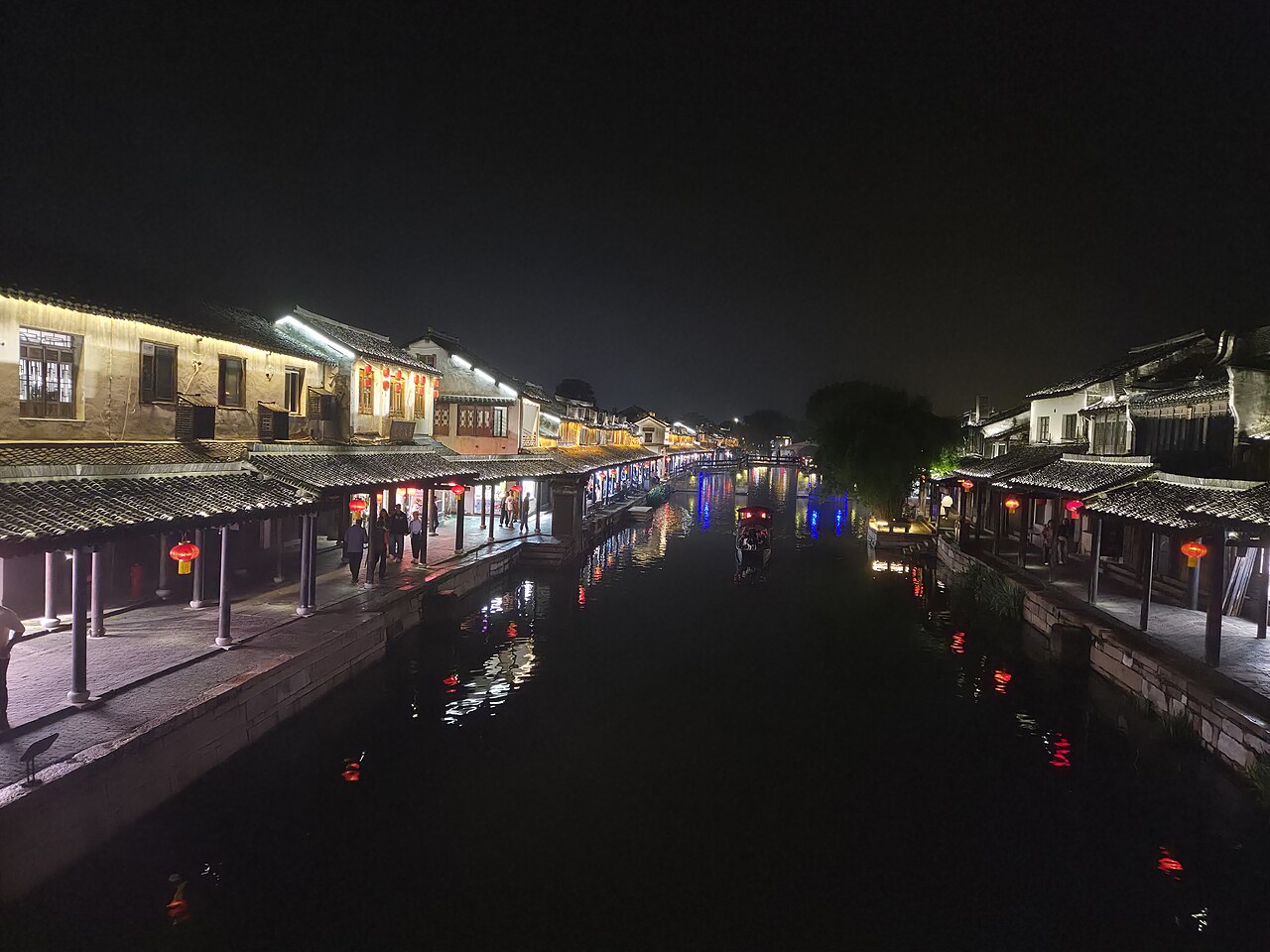
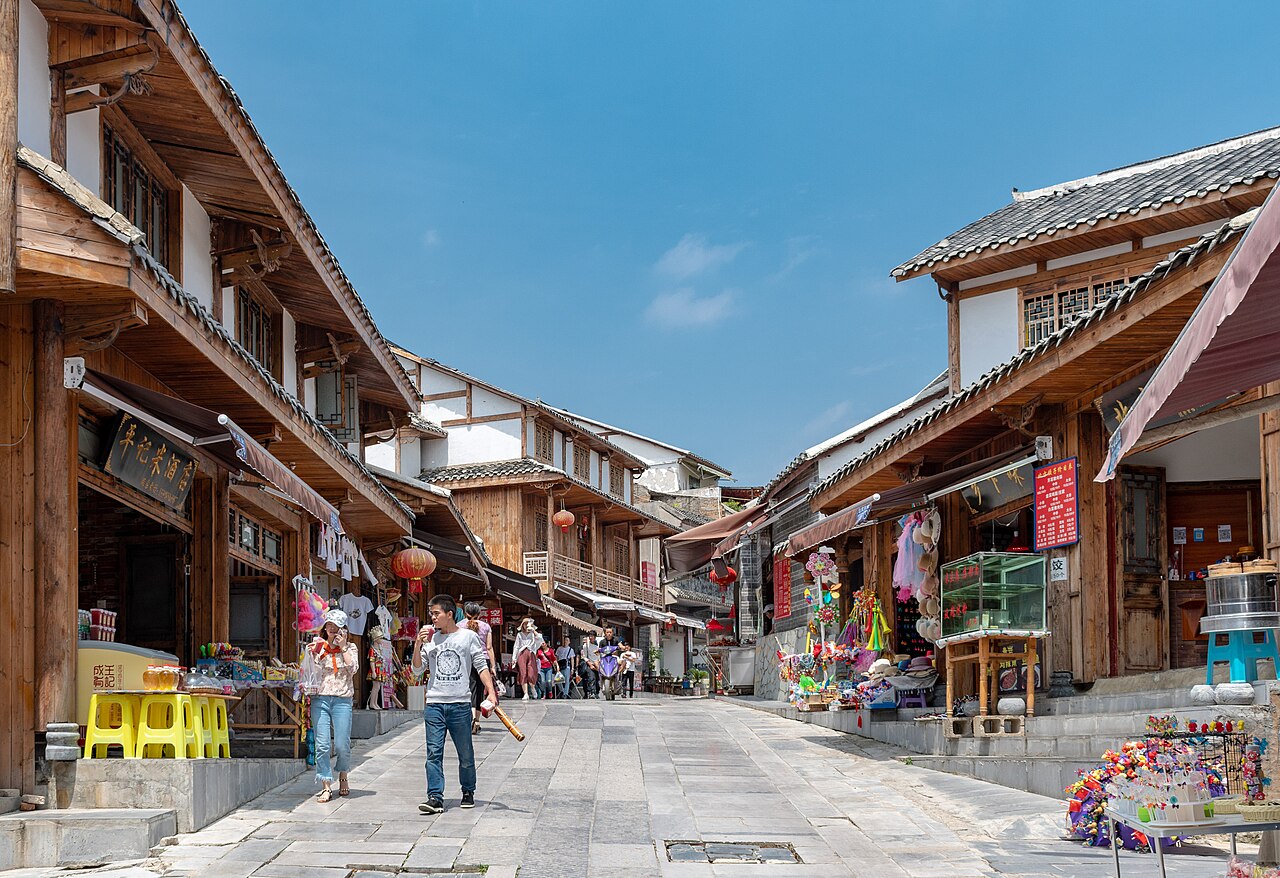
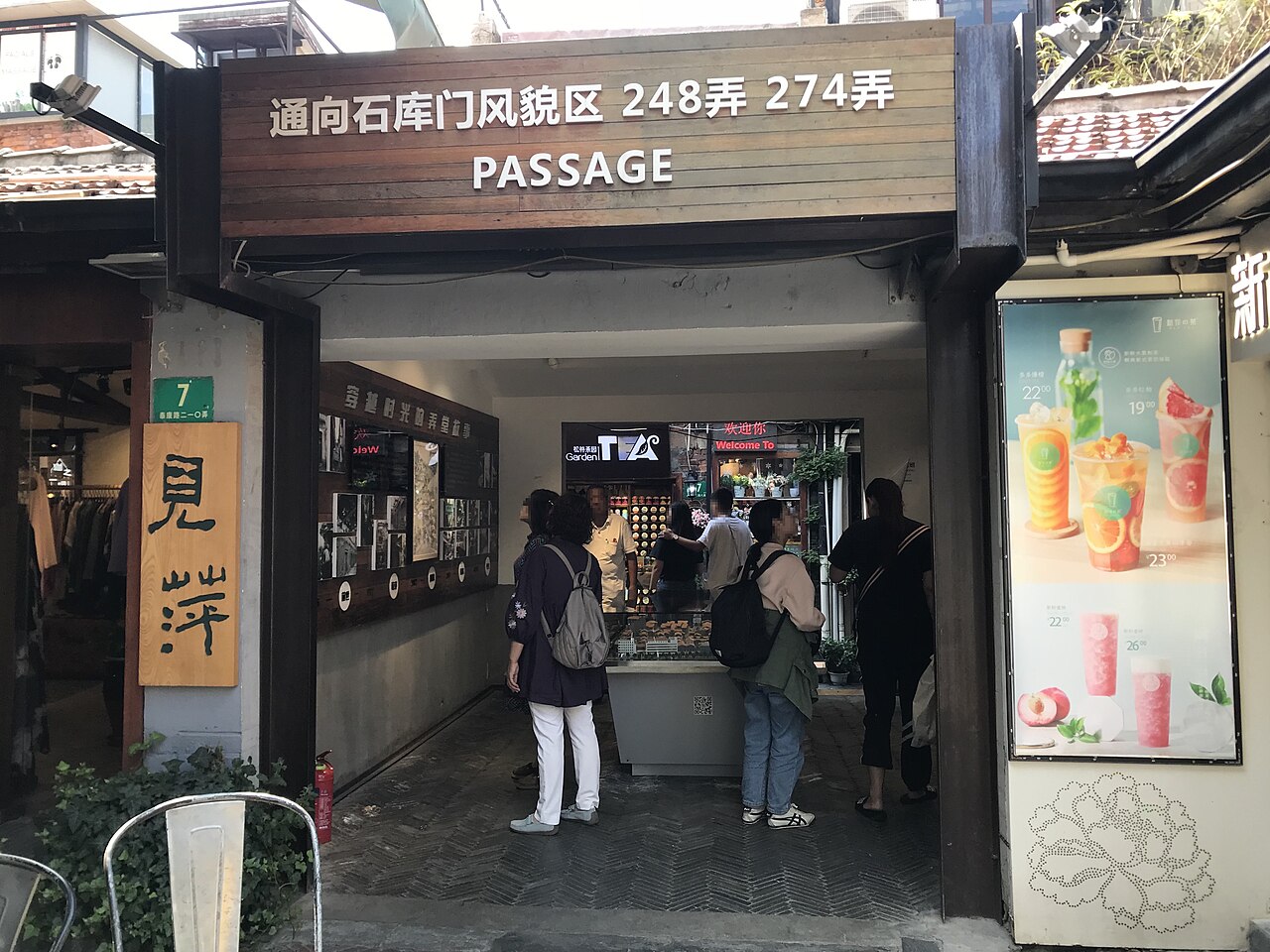
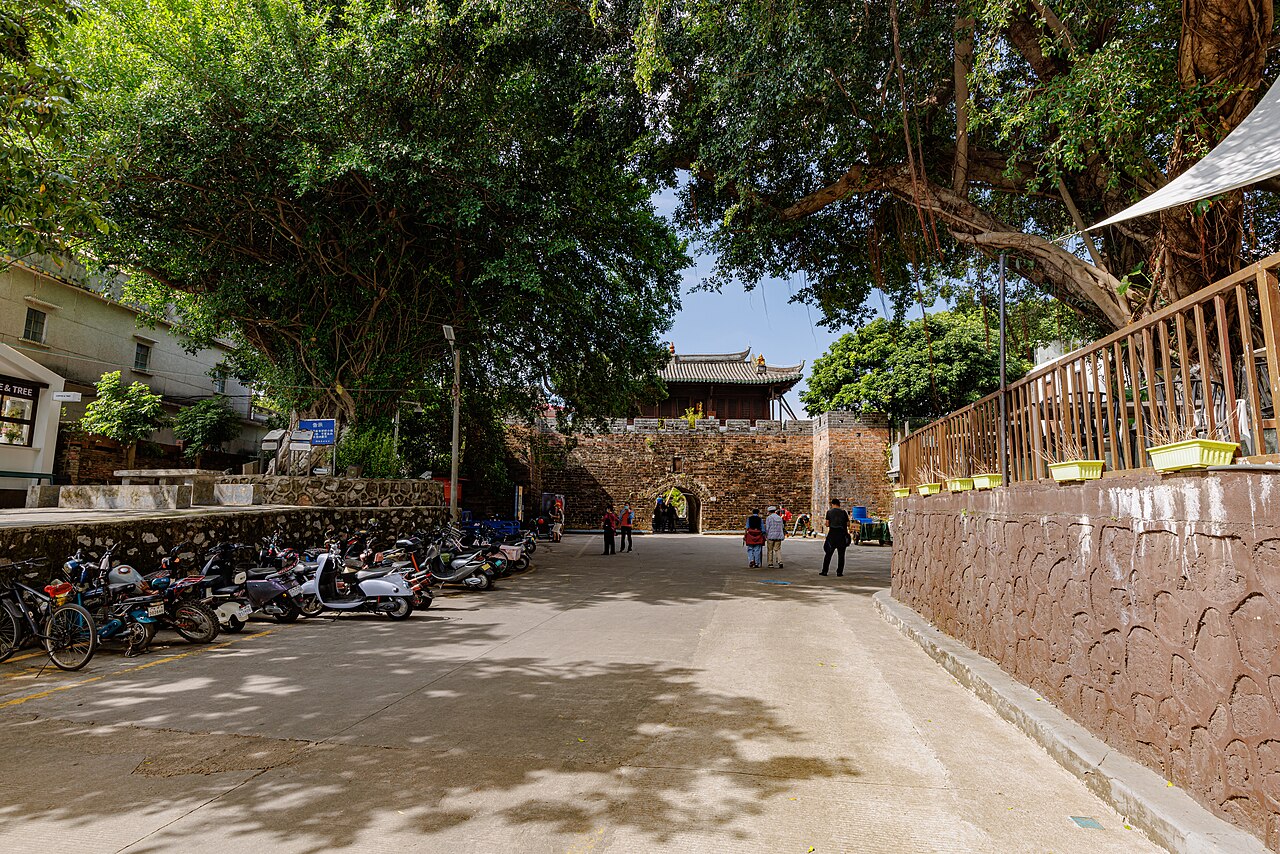
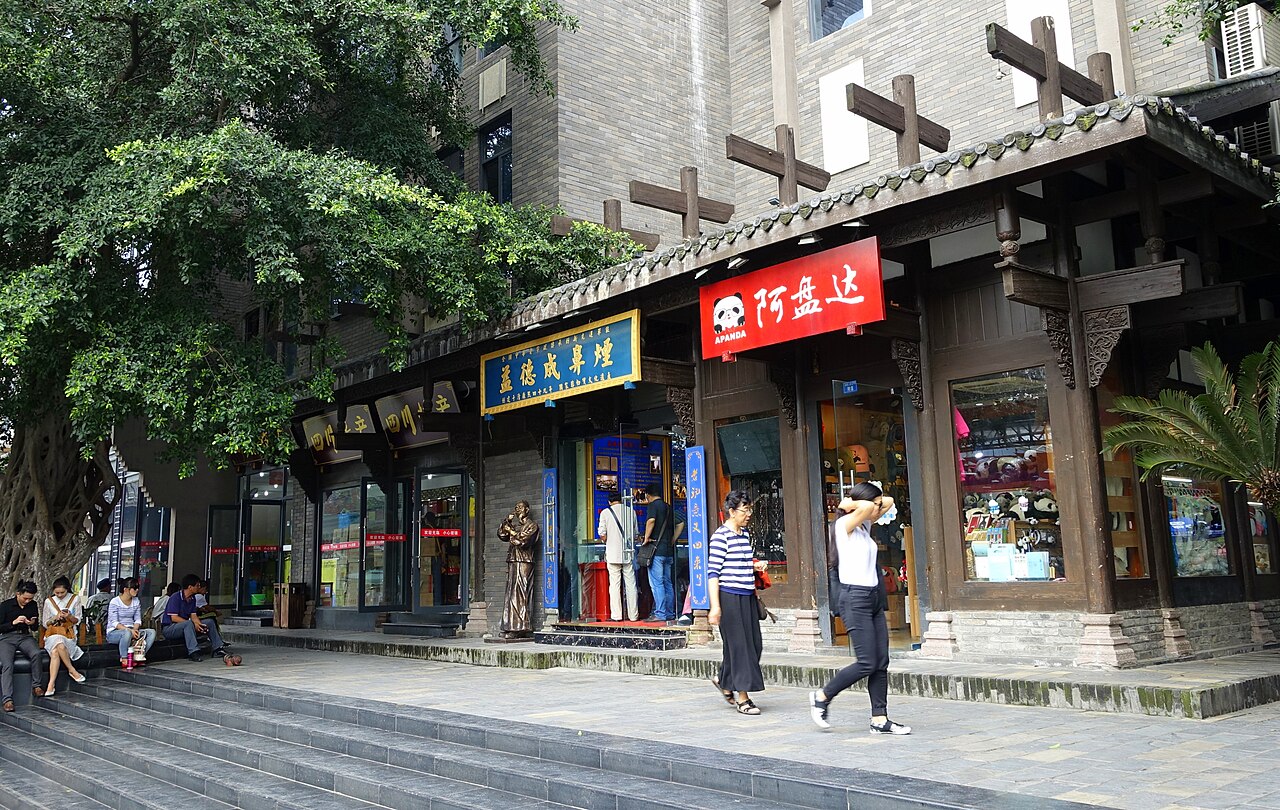
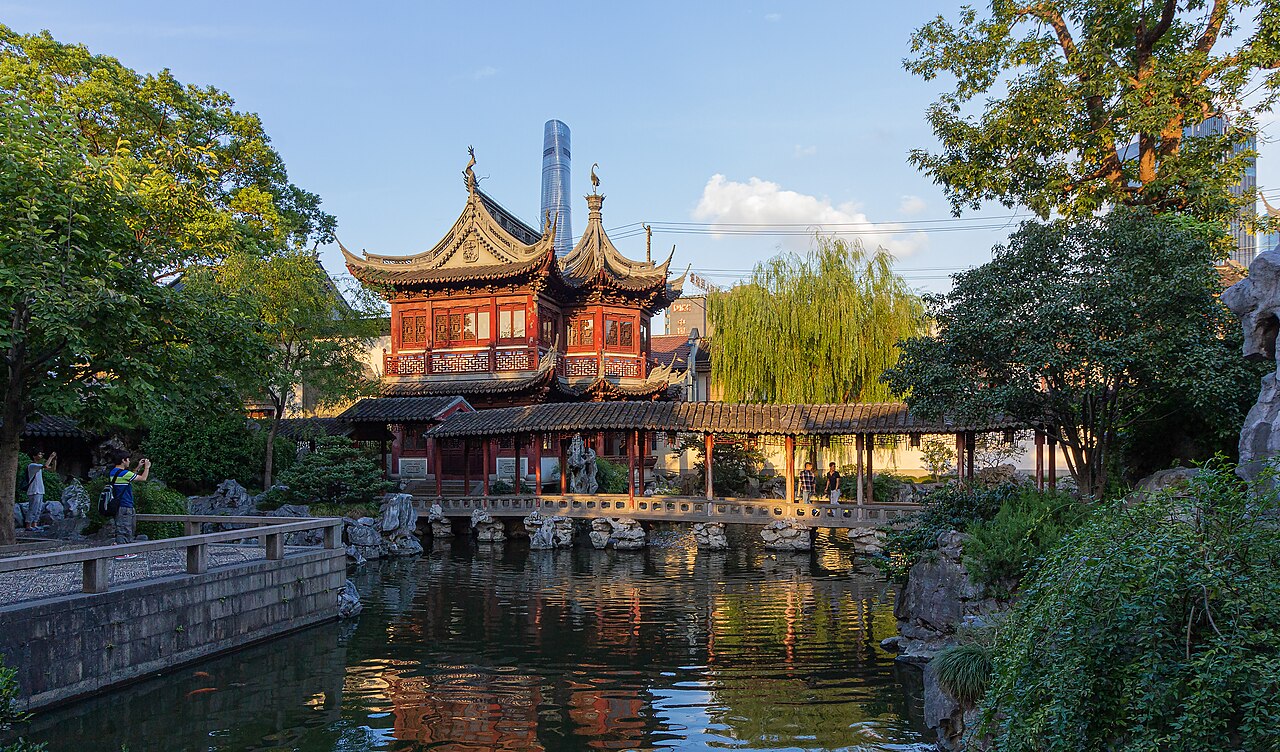
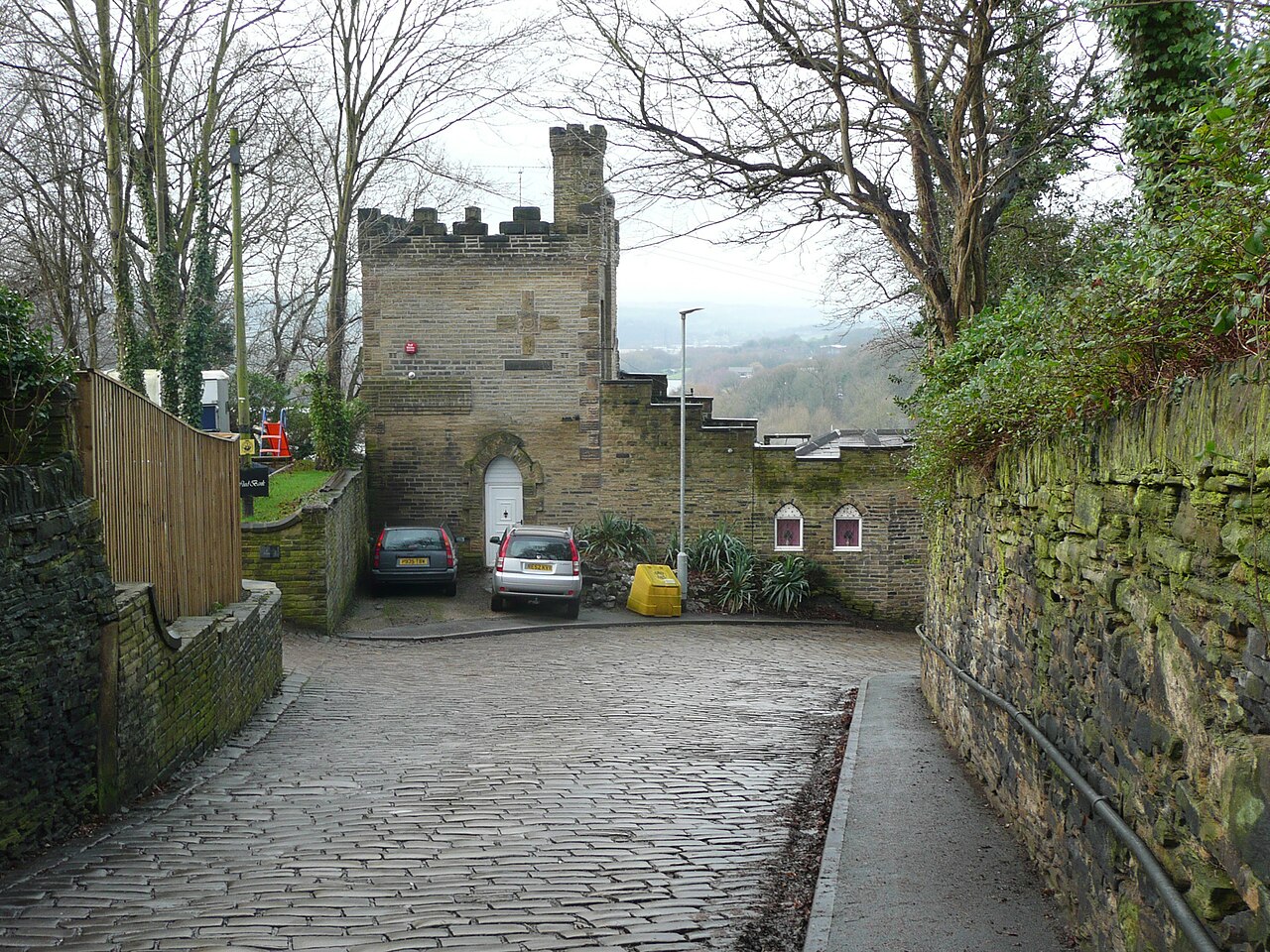
The villa lanes — colonial architecture, no cars
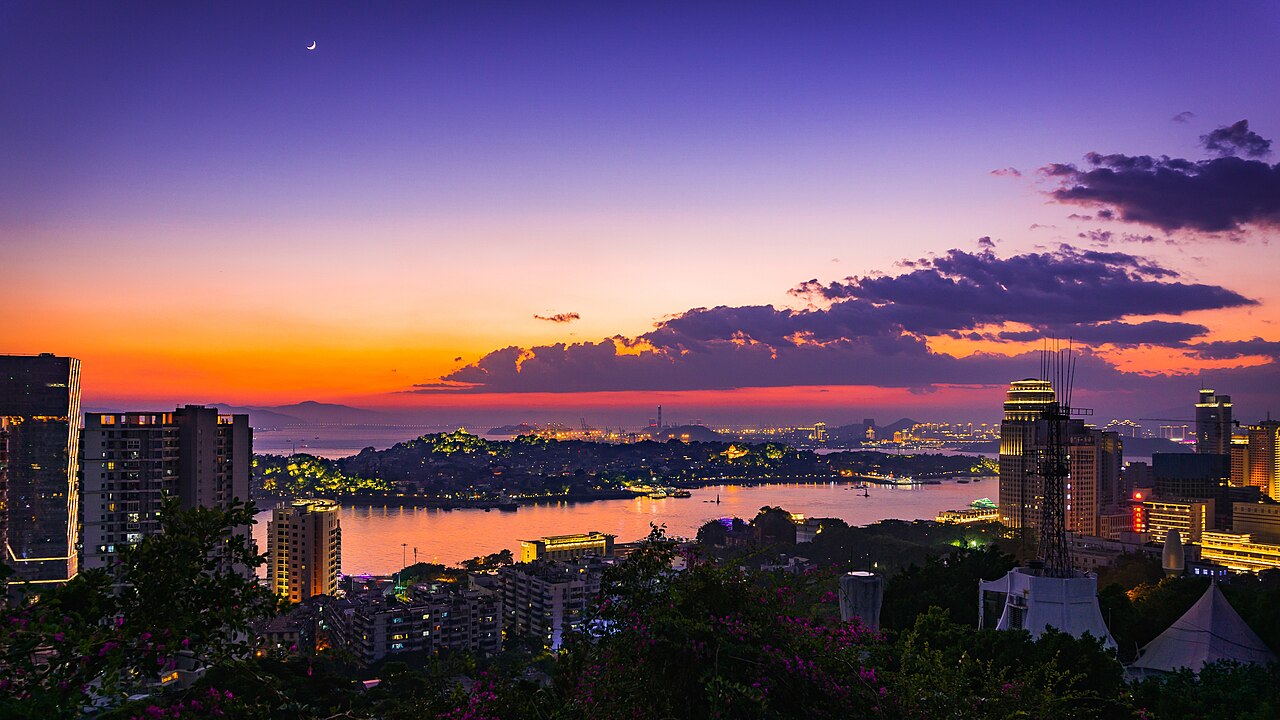
Sunlight Rock, the island's highest point
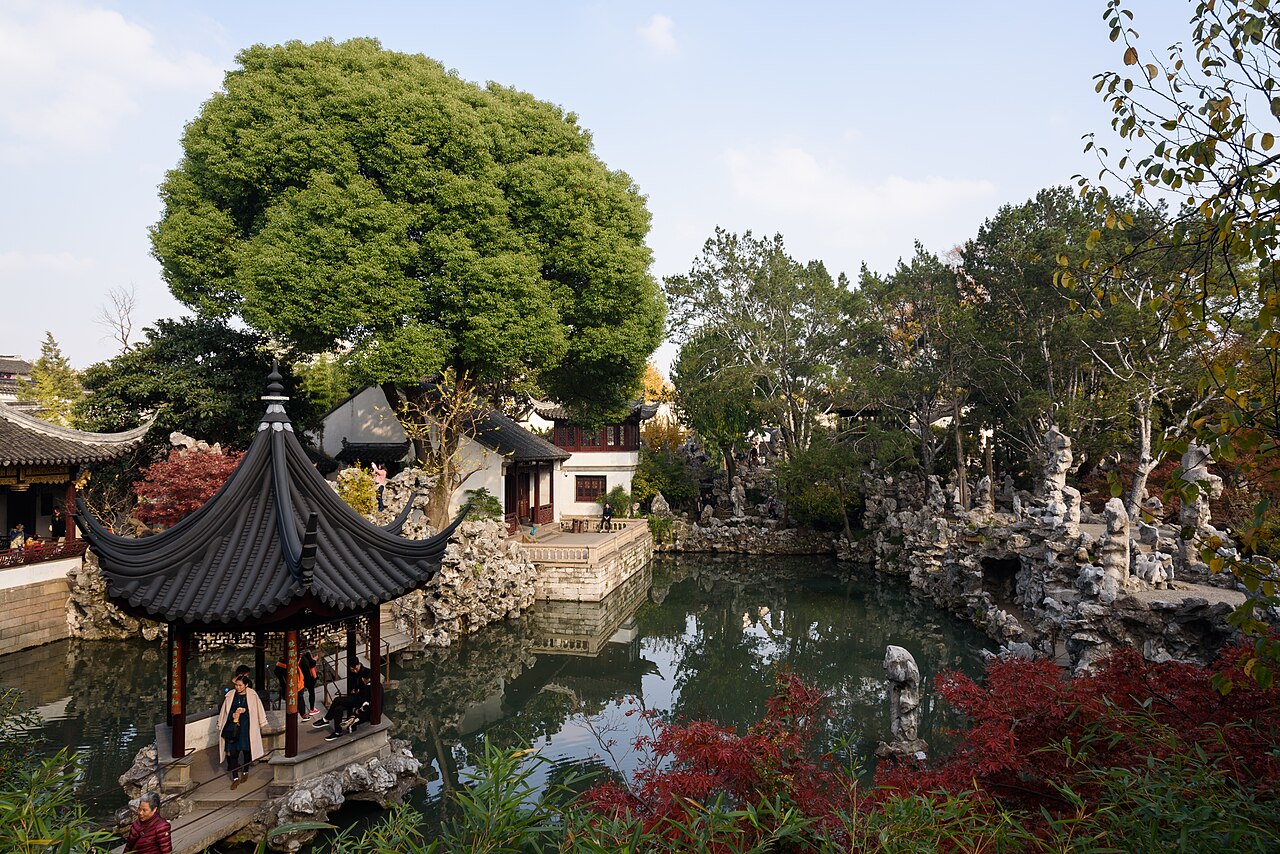
Shuzhuang Garden and the piano museum
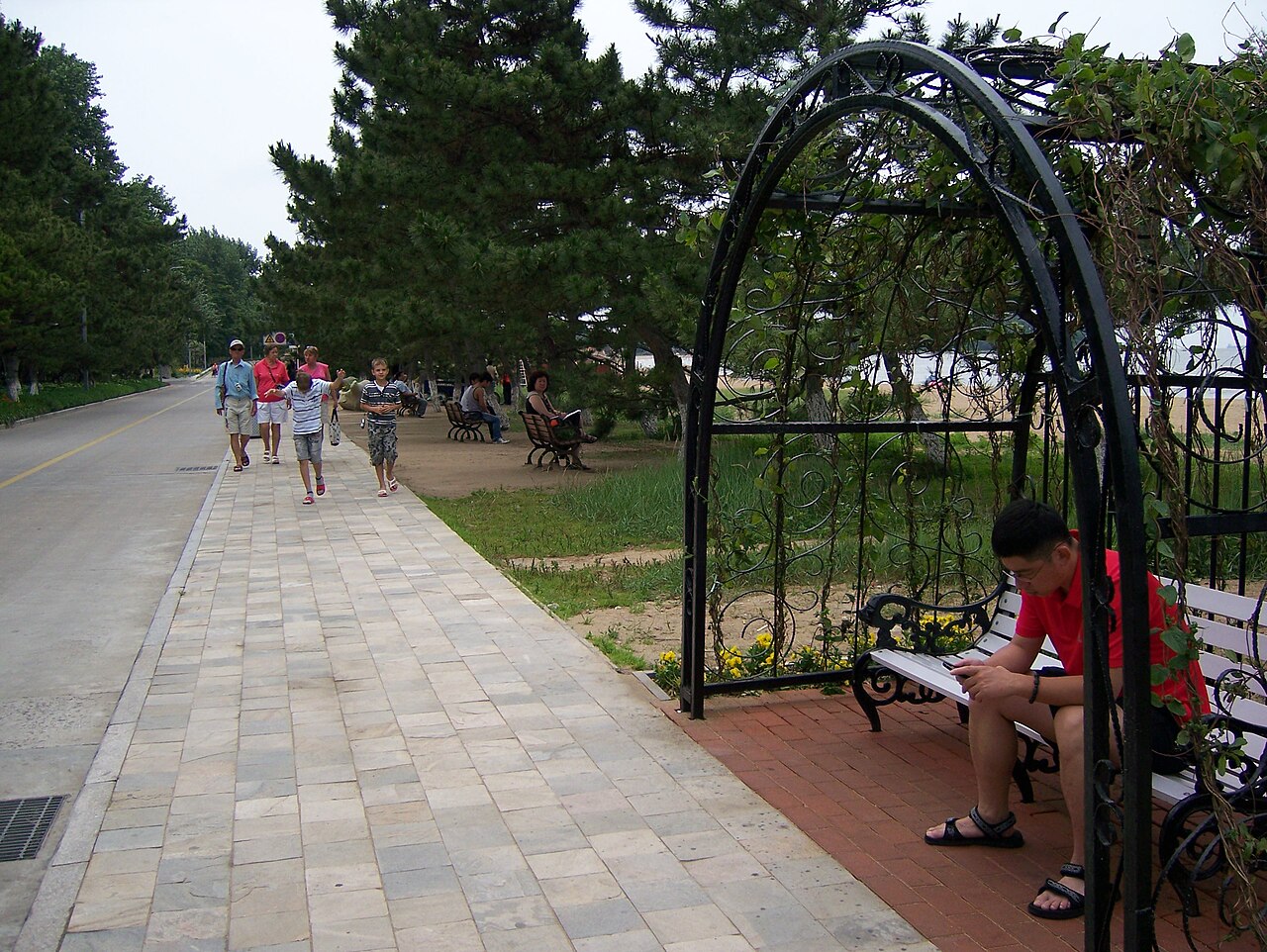
Longtou Road, the island's food and shopping street

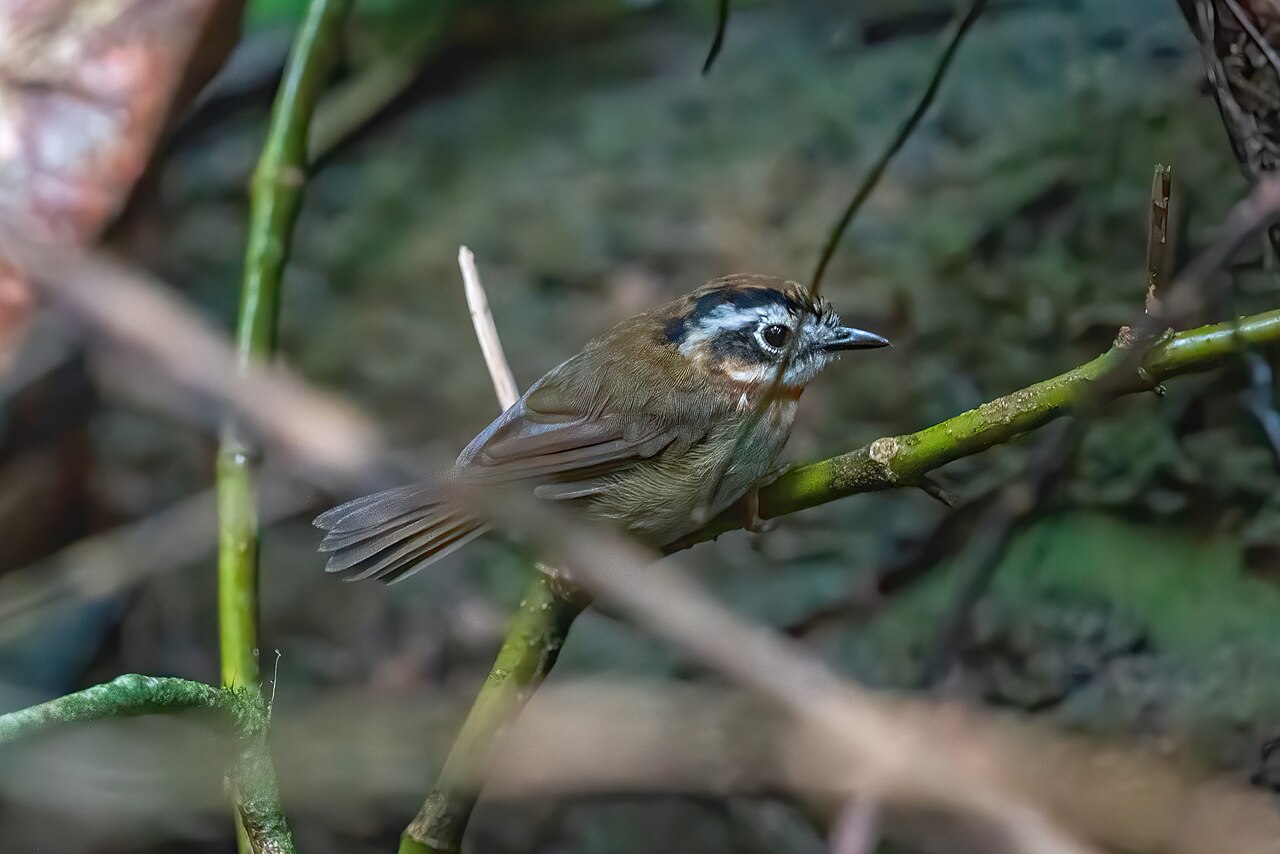
The cats of Gulangyu wander the lanes and never fear a stranger; many shops keep one asleep on the counter. It is the cats, more than anything, that give the island its gentle, unhurried air.

Traveller note — 'February: Xiamen, the Sea, the Cats'

I was born lucky, to grow up on a southern island like this, breathing with the green trees and the flowers, day and night, all year round.

Shu Ting, poet, on Gulangyu

Gulangyu is made for getting lost. It is made for people who have no sense of direction and are glad of it.

Traveller note — '21, Walking Xiamen Simply'

Gulangyu is small enough to cross on foot in half an hour and dense enough to keep you busy for two days. It is a 1.87 km² island just off the southwest of Xiamen, and for a century it was a foreign concession: thirteen countries kept consulates here, and the merchants, missionaries and returned overseas-Chinese families who followed built a whole townscape of villas, churches and gardens that survives largely intact.

What sets it apart from every other famous Chinese sight is the silence at its edges. There is not a single car, and the only wheels on the island belong to a handful of electric shuttle buses. Step off Longtou Road, the main shopping street, and you are among crumbling walls, hanging banyan roots and bougainvillea, where the loudest sound is someone practising the piano behind a closed window.

It is also a self-declared island of music — Gulangyu has produced an outsized number of concert pianists, owns more pianos per household than anywhere in China, and is the rare place with both a piano museum and an organ museum. And it is a cat island: the cats sleep in the shops and shopfronts and alley mouths, and the whole island has adopted them as its mascot.

The catch is the crowds. Gulangyu is a capped 5A scenic area, and by midday the lanes fill with day-trippers funnelled off the ferries. The island is at its best in the early morning and after the last boats leave — which is the entire argument for sleeping over rather than crossing back to Xiamen the same day.

Gulangyu

Don't leave without

Seven things that are worth rearranging a day for.

  1. Take the first ferry of the day, before the tour groups land
  2. Climb Sunlight Rock for the one view that shows the whole island
  3. Stand among the antique pianos in Shuzhuang Garden's piano museum
  4. Get deliberately lost in the villa lanes, away from Longtou Road
  5. Find the cat asleep on a shop counter and leave it be
  6. Post a postcard from the island's own post office
  7. Stay one night, and walk the lanes after the boats have gone

Highlights

What not to miss on Gulangyu

The international architecture

The international architecture

Villas in every European style — Greek columns, Islamic domes, baroque ornament — built by consuls and returned overseas-Chinese merchants from the 1840s on. The lanes off Longtou Road hold the best of them, still lived in and largely un-restored.
Sunlight Rock

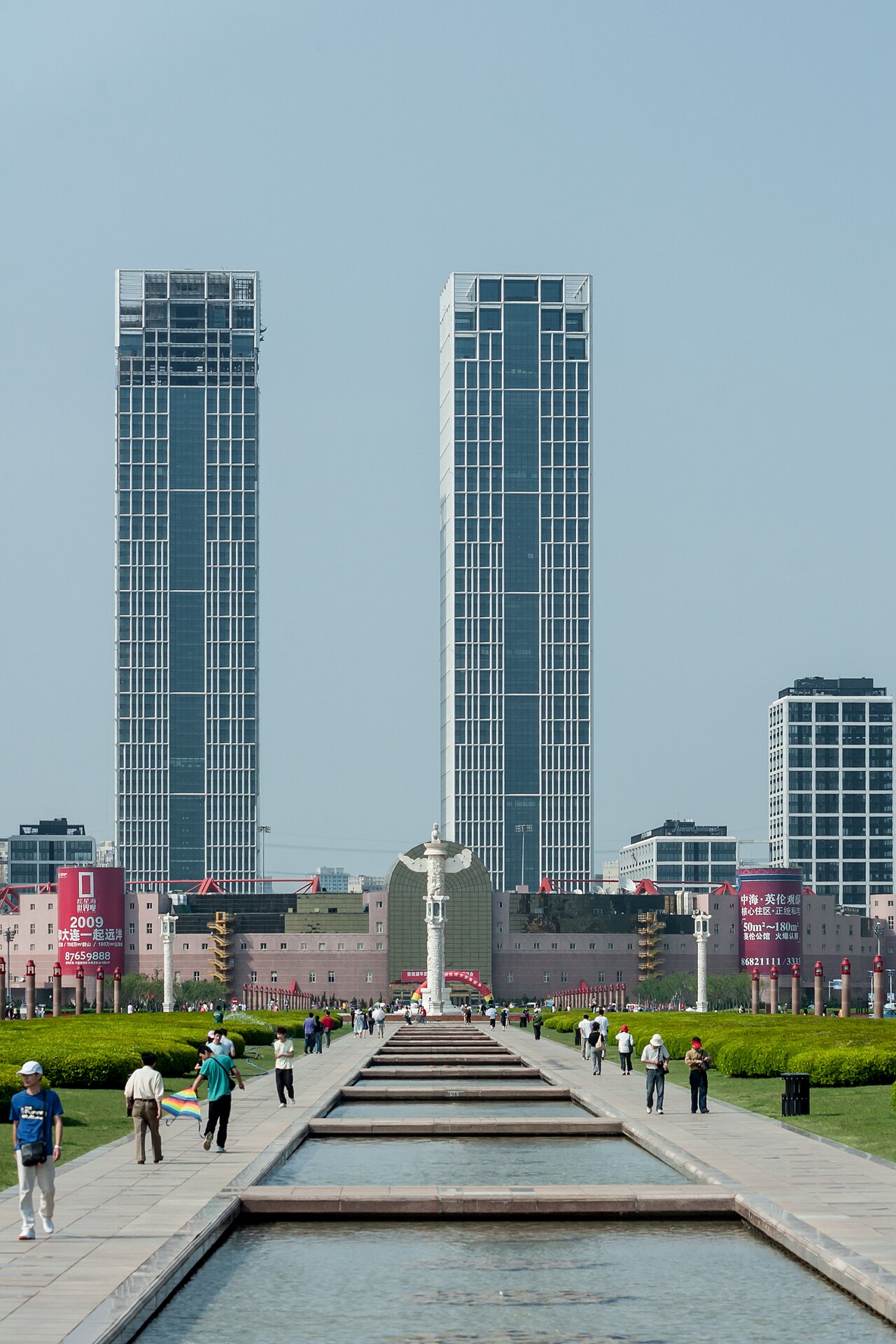
Sunlight Rock

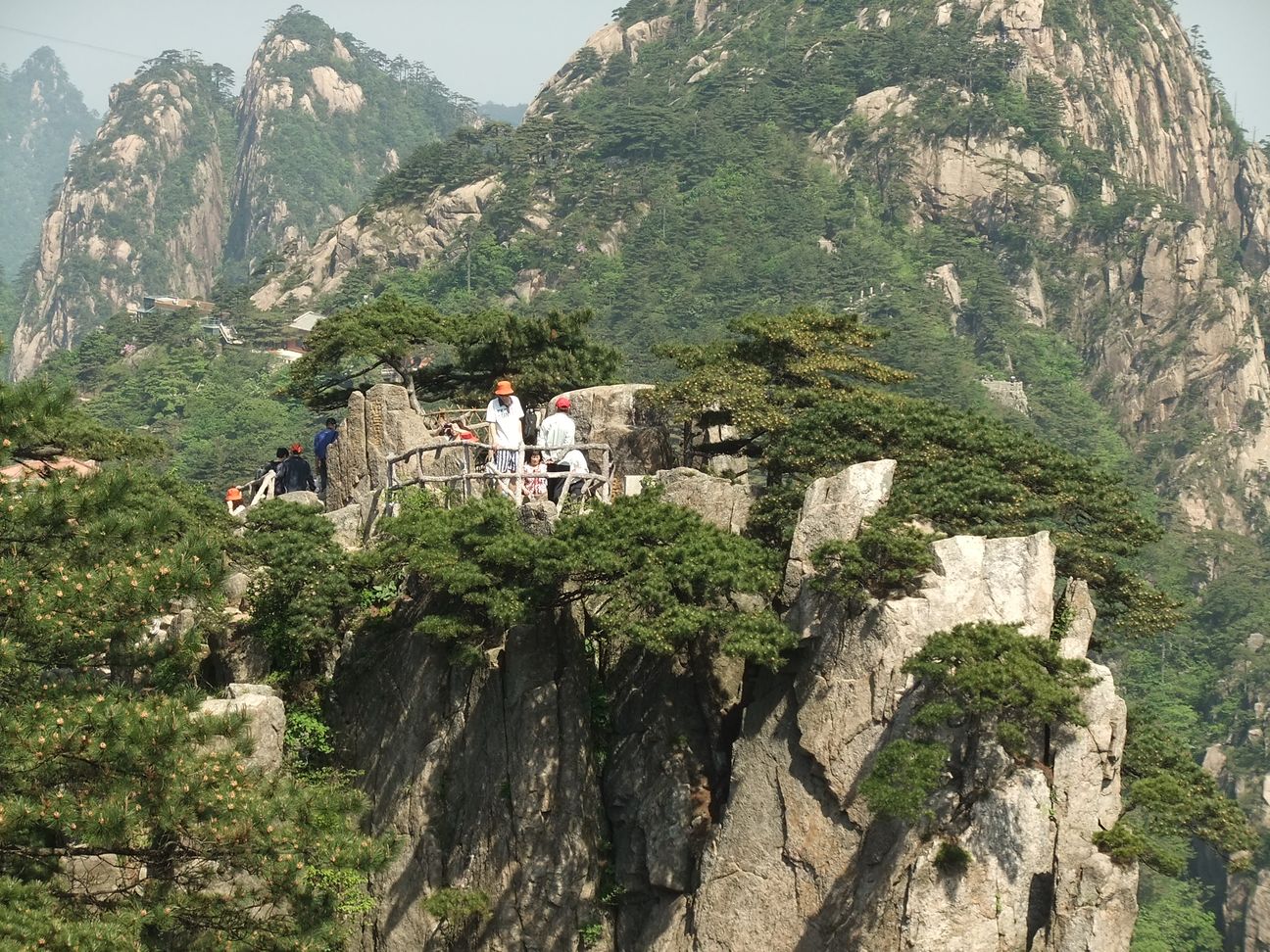
The island's highest point and the only view that shows its whole shape, with the Xiamen skyline behind and, on a clear day, the coast of Kinmen. Go at opening — the summit path is narrow and the queue forms fast.

Shuzhuang Garden and the piano museum

Shuzhuang Garden and the piano museum

A merchant's seaside garden that hides the sea and then reveals it, holding China's only piano museum in its 'Listening to the Waves' pavilion — around forty antique pianos, from a gilded grand to the world's earliest square piano.

The organ museum at Bagua Lou

The red-domed octagon villa that is the island's landmark, filled with a collection of giant pipe organs. Climb into the dome for another of Gulangyu's best panoramas — and to hear one of the organs played.
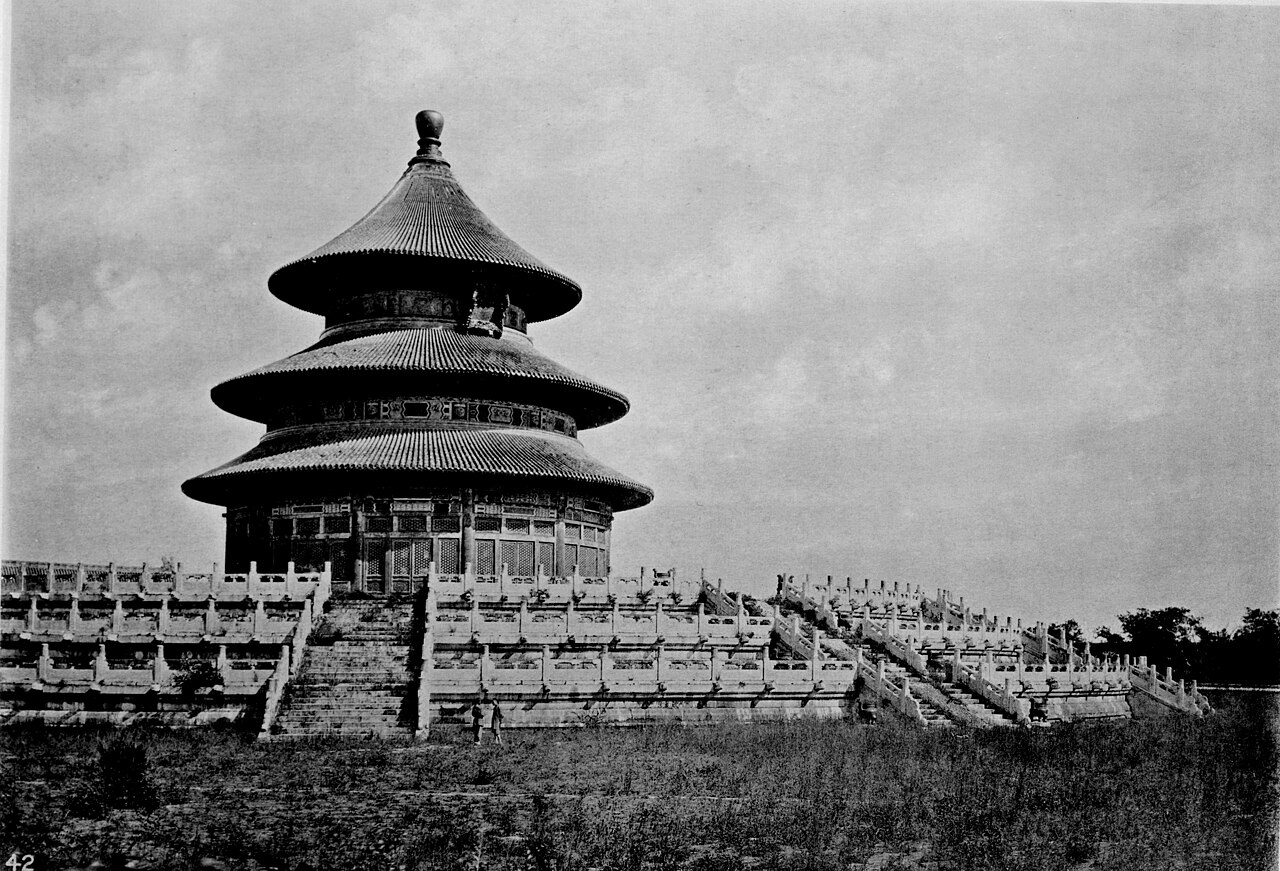
Haoyue Garden and Yu Garden

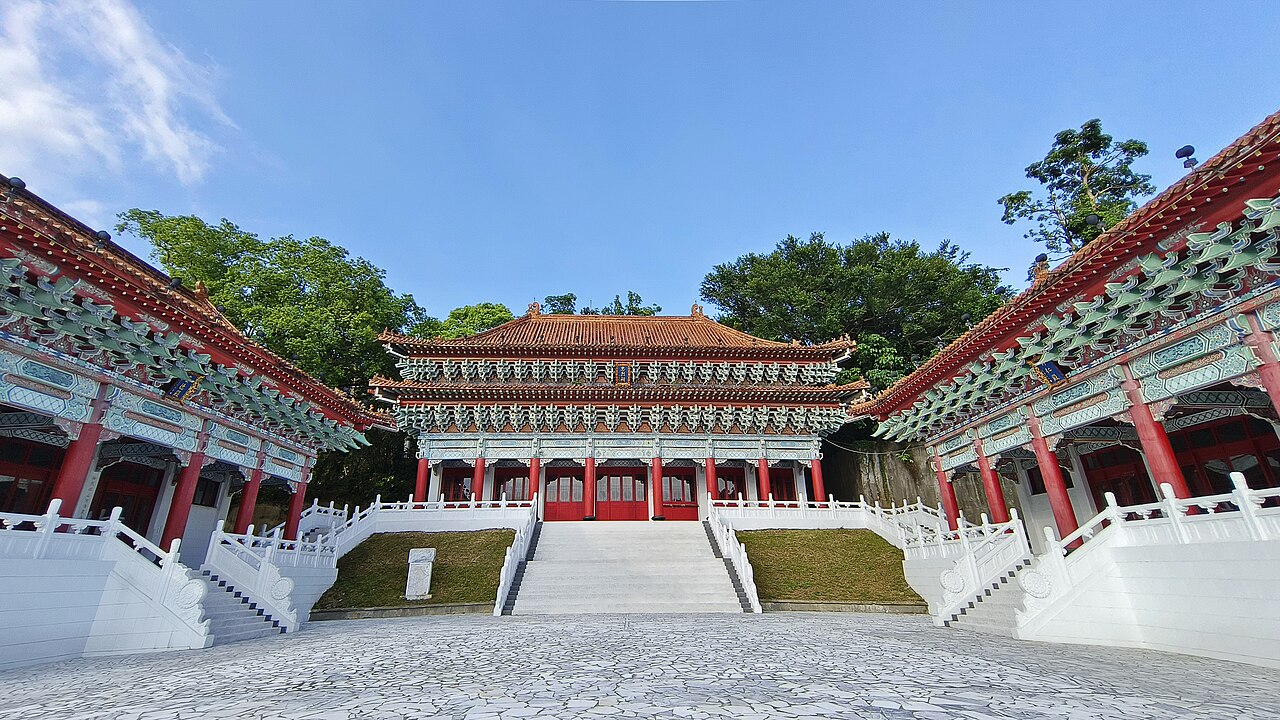
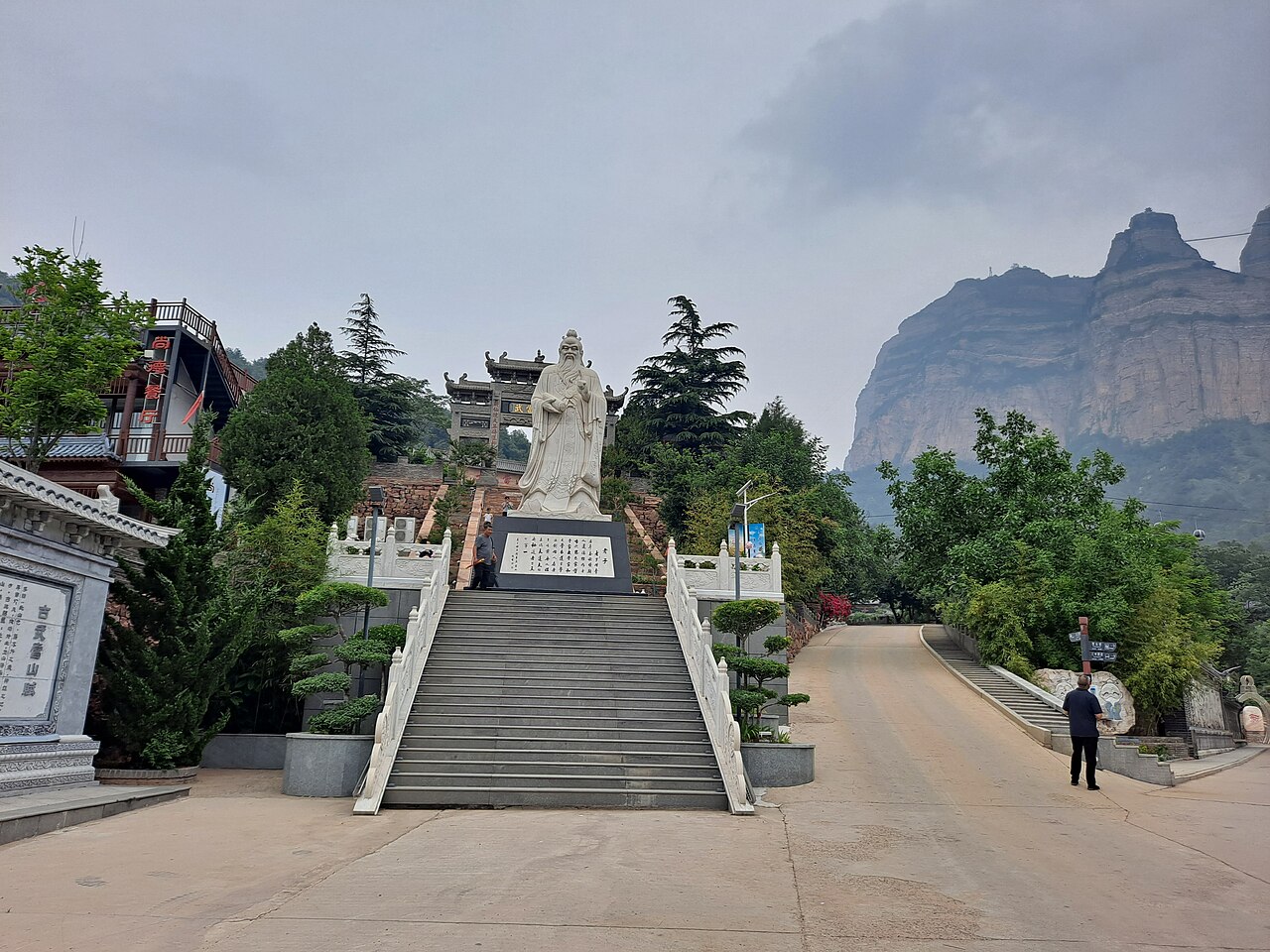
A memorial park to the Ming loyalist Zheng Chenggong, with a colossal stone statue facing the sea, and the quiet garden-grave of Lin Qiaozhi, China's pioneering obstetrician. Both are calm corners away from the main drag.

Cat-and-coffee island life

Cat-and-coffee island life

The island's real pleasure is undirected: a fresh-fruit juice on Longtou Road, a cat asleep on a counter, a coffee in a courtyard villa, and no schedule at all. Bring an umbrella and get lost on purpose.

Suggested itineraries

One day, and the overnight

The one-day route hits the headline sights. The overnight route is the same island with all the crowds subtracted.
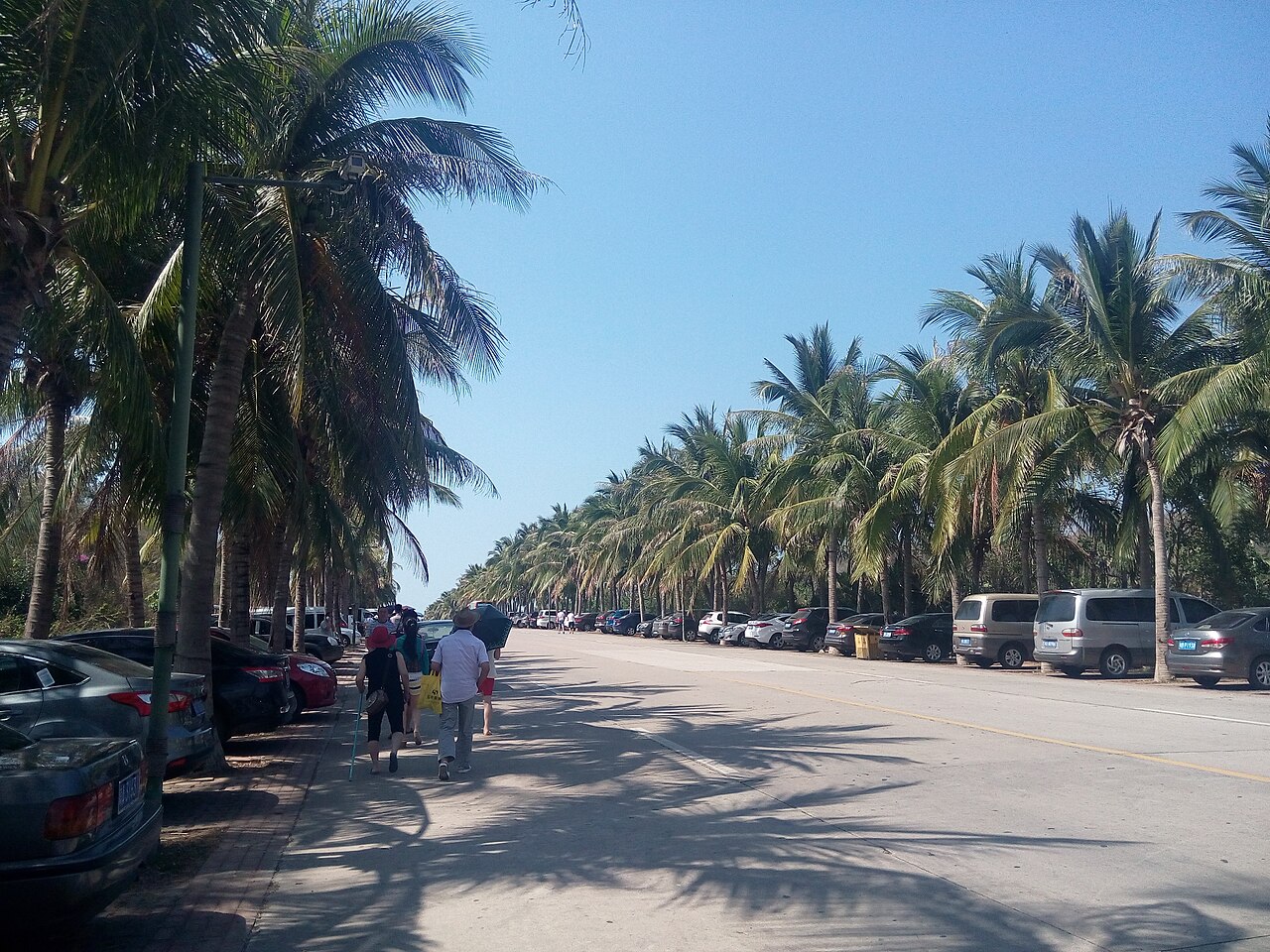
One day on the island

1 days

A full crossing-and-back day: the sights in a loop, food on Longtou Road, and the last ferry home.
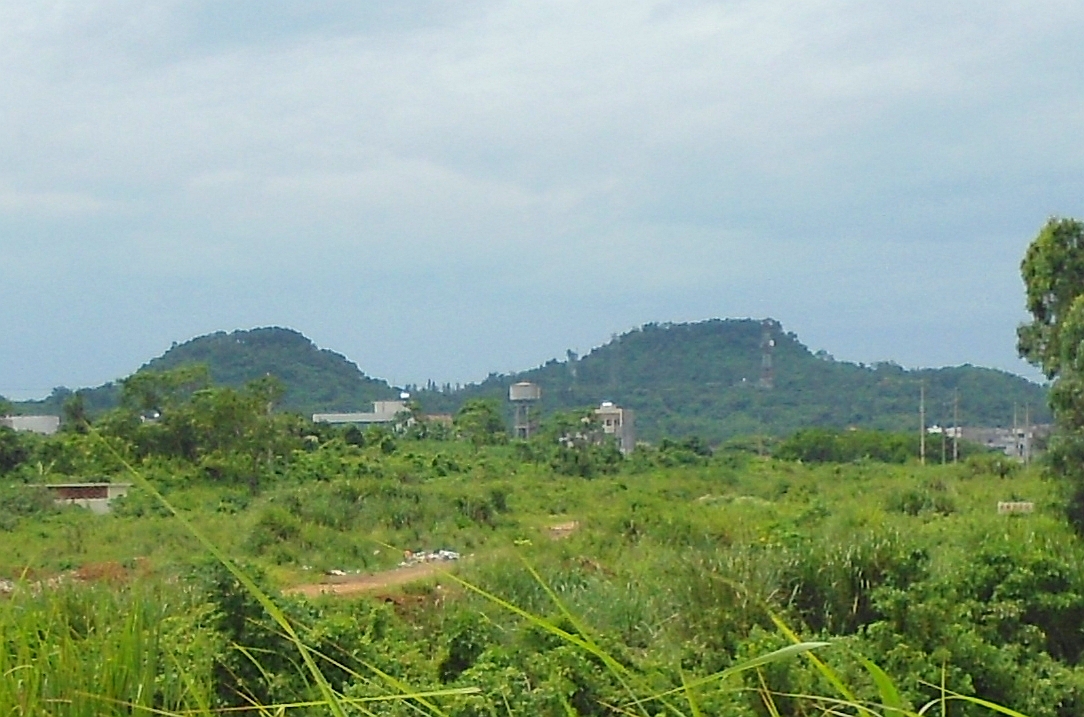
  1. Morning

    Land early, climb first

    Take the first ferry you can get, land, and walk straight for Sunlight Rock while the lanes are still empty. Climb it before the tour groups arrive, then come down through the old villas around the base.

    Work your way towards Shuzhuang Garden and its piano museum, which opens early and is quietly the best thing on the island.

    Stops: Sunlight RockThe villa lanesShuzhuang GardenPiano Museum

  2. Afternoon

    Organ museum and the gardens

    Head for Bagua Lou and the organ museum, then Haoyue Garden on the seafront and the quiet Yu Garden. Keep off Longtou Road while it is at its busiest.

    Grab snacks from a side street rather than the main drag — the small kitchens are better and cheaper.

    Stops: Bagua LouOrgan MuseumHaoyue GardenYu Garden

  3. Evening

    Longtou Road, then the last ferry

    Come back to Longtou Road in the late afternoon, once the crowd is thinning, and eat your way along it — mochi, fish balls, pineapple cake, fresh juice.

    Catch one of the last ferries back to Xiamen. Or, better, do not — see below.

    Stops: Longtou RoadSeafront promenadeNight ferry

Two days, with a night

2 days

The same island, but you get the early morning and the late evening that most visitors never see.

  1. Day 1

    Sights, then stay

    Run the one-day route above, but do not take the last ferry. Check into an island guesthouse and, as the light goes, walk the lanes again — they belong to the residents and to you.

    Stops: Island sightsGuesthouse check-inEvening lanes

  2. Day 2

    The early morning, and nothing planned

    Get up before the first ferry lands and walk the seafront and the southern lanes in the empty morning. Have breakfast on Longtou Road before the shops are fully open.

    Then do nothing in particular — a coffee in a courtyard, a second look at a villa, the beach at Gangzaihou — and leave whenever you feel like it.

    Stops: Morning seafrontLongtou Road breakfastGangzaihou beach

Sights

The places worth your time

Ticket prices change without much notice. The ¥100 combo ticket covers the main sights and is usually the better buy.

Sunlight Rock (Riguang Yan)

Viewpoint · Highest point

Sunlight Rock (Riguang Yan)

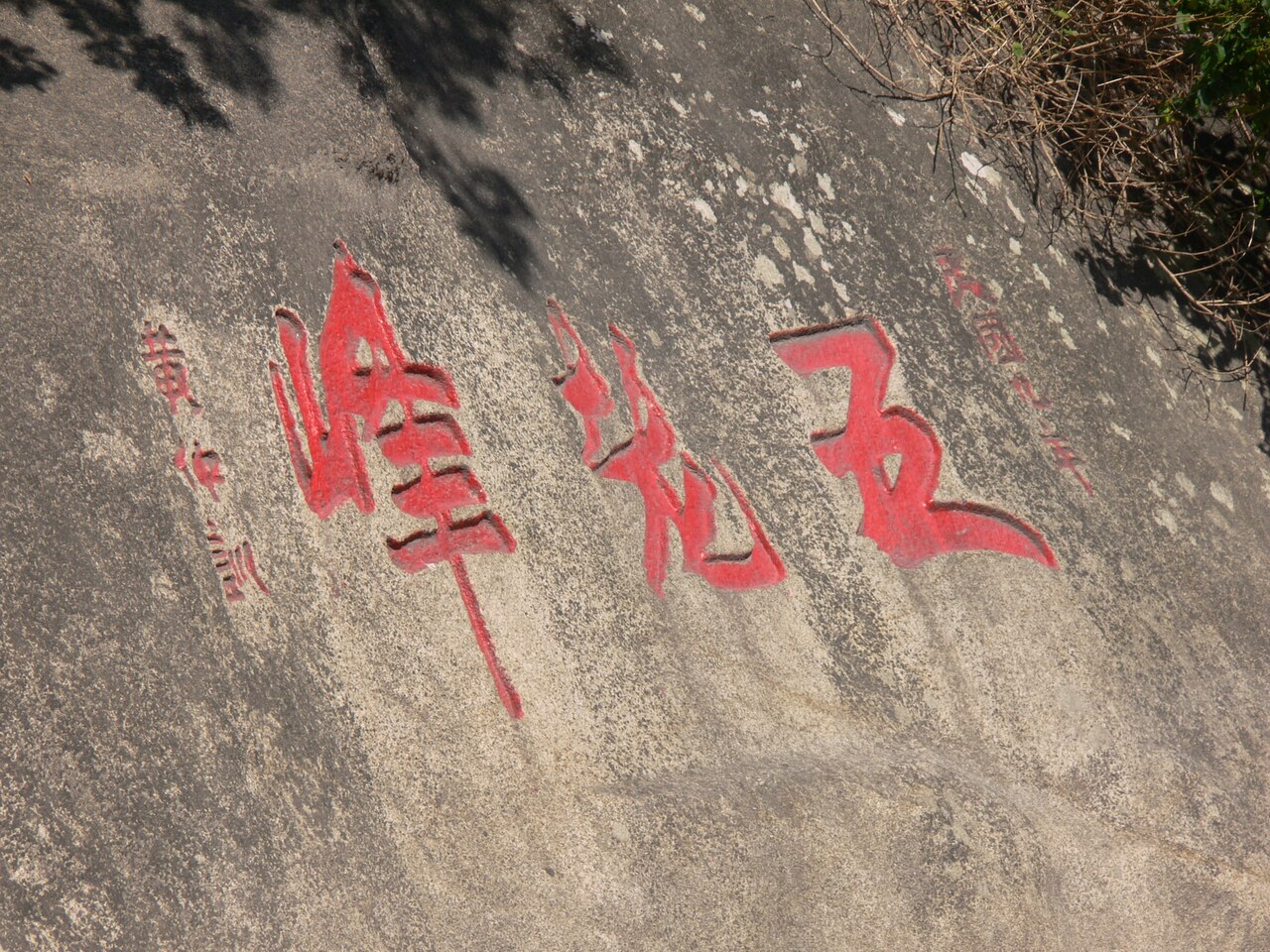
The island's highest point, named — as legend has it — by Zheng Chenggong, who thought the view better than that from Japan's Mount Nikko and split the characters of its old name to make the new one. From the top you see the whole of Gulangyu, the Xiamen skyline and, on a clear day, the coast of Kinmen. A cable car runs part of the way.

Ticket
¥60 (included in the ¥100 combo ticket)
Hours
07:00–18:00; the cable car 08:30–18:15 or 18:45 by season
Where
Central Gulangyu
Time needed
1 hour

Tip Climb it first thing. The path to the summit is narrow, and by mid-morning the stairway becomes a queue that barely moves.

Shuzhuang Garden and the piano museum

Garden · Music

Shuzhuang Garden and the piano museum

The private seaside garden of a Fujian merchant, Lin Erjia, who built it to hide the sea behind a wall and then open onto it — one of the classic gardens of southern China. In its 'Listening to the Waves' pavilion is the Gulangyu Piano Museum, the only one in China: some forty antique pianos, including a gilded grand, the world's earliest square piano and an eight-pedal self-playing instrument a century old.

Ticket
¥30 (included in the combo ticket); free after 19:30
Hours
06:00–18:30
Where
7 Gangzaihou Road, Gulangyu
Getting there
A few minutes on foot from the ferry landing
Time needed
1.5 hours

Tip This is the one sight to slow down for. The pianos are the reason Gulangyu calls itself the island of music, and the collection is genuinely rare.

The organ museum at Bagua Lou

Museum · Landmark

The organ museum at Bagua Lou

A red-domed octagon villa from the 1920s, designed by an American-Dutch missionary architect who borrowed from Islamic, Greek and Chinese forms all at once — the dome copies the Agsa Mosque, the columns echo Greek temples. Today it holds the island's organ museum, a collection of giant pipe organs, and one of the island's best rooftop views.

Ticket
¥20 (included in the combo ticket)
Hours
08:30–18:30
Where
43 Guxin Road, Gulangyu
Time needed
1 hour

Tip Time your visit for an organ demonstration if you can — hearing one of these instruments fill the dome is worth more than the exhibit labels.

Haoyue Garden

Park · Memorial

Haoyue Garden

A memorial park on the island's southeast shore, built around a colossal stone statue of Zheng Chenggong — Koxinga — the Ming loyalist who used Gulangyu as a base and drove the Dutch out of Taiwan. Large bronze reliefs below the statue tell the story of his fleet. It is one of the few places on the island with an uninterrupted view out to open sea.

Ticket
¥30 (included in the combo ticket); free after 19:30
Hours
07:00–21:30
Where
Southeast shore, Gulangyu
Time needed
45 minutes

Tip Best at dusk, when the statue faces the sunset and the day-trippers have gone. The gardens here are much quieter than the central sights.

Yu Garden

Garden · Memorial

Yu Garden

A small, deliberately peaceful garden and memorial to Lin Qiaozhi, the Gulangyu-born doctor known as the 'mother of ten thousand babies' for her life's work in obstetrics. It is not a headline sight, and that is the point — a marble statue, a grave, palms and quiet, a few minutes from the crowded lanes.

Ticket
Free
Hours
Daylight hours
Where
Central Gulangyu, near the main sights
Time needed
30 minutes

Tip Pair it with the villa lanes rather than making a special trip. It is the sort of small, out-of-the-way stop that gives the island its character.

The villa lanes (the guided architecture walk)

Architecture · Walking

The villa lanes (the guided architecture walk)

The best thing to do on Gulangyu is not a ticketed sight at all: it is walking the lanes off Longtou Road among the old villas. The Gold Melon Building, with its carved beams and European shutters; the Fanpo Lou, built by a returning Philippine merchant for his mother; the house where the writer Lin Yutang married; the Spanish-flavoured Guan Cai Lou. Most are still private homes, lived in rather than museum-ised.
Ticket
Free (the lanes themselves)
Hours
Open all day
Where
The lanes north and south of Longtou Road
Time needed
A half day, unhurried

Tip Buy the illustrated island map at the pier, get off the main street, and pick lanes at random. The houses are the destination; getting lost is the itinerary.

Gulangyu Undersea World

Aquarium · Family

Gulangyu Undersea World

An aquarium on the island's east shore by the old ferry landing, with more than 350 species of fresh- and salt-water fish and an underwater tunnel. It is the obvious rainy-day or with-children stop, and conveniently placed for the moment you land or before you leave.

Ticket
About ¥70–90 for adults; reduced for children and seniors
Hours
08:00–18:00 (half an hour later in summer)
Where
East shore, by the ferry landing, Gulangyu
Time needed
1 hour

Tip It is a straightforward family aquarium rather than a world-class one — go if it is raining, or if you are travelling with kids, rather than as a highlight in its own right.

Eating

What Gulangyu tastes like

Most of it is street food along Longtou Road. The crowds peak at lunch — eat early or late, or duck into a side lane.

Peanut-and-sesame mochi (yeshi maci)

The island's most famous single bite: a soft glutinous rice ball, opened up and stuffed with peanut, sesame and sugar, then rolled in more sesame. The Ye family stall has been making them by hand for generations, one at a time, for a couple of yuan each.

Shark-ball fish soup

Springy fish balls — the local ones are made from shark or eel — served in a light broth in a paper cup. The plain and the shark-ball versions share the same broth; try both and decide which is worth the queue.

Huang Shengji pork floss

A Xiamen and Gulangyu institution since the 1840s: sweet-savoury dried pork floss and pork jerky, made from fresh hind-leg meat and sold by weight. The shop hands out generous samples, and it is the easiest edible souvenir on the island.

Gulangyu pastry (xian bing)

The island's signature tea snack — a small, golden, flaky pastry with a sweet or savoury filling, sold in boxes as gifts. The best-known names are Wangji and Babycat; buy a single to taste before you commit to a box.

Fresh-squeezed juice (malasang)

Hand-pressed fruit juice made to order — a whole bag of strawberries in one cup, several oranges in another — for about ¥5. On a hot day it is the single best thing you can buy on Longtou Road, and there is no added sugar or water.

Grass jelly and milk tea

The cooling finish: herbaceous grass jelly served either hot with toppings or as a cold jelly with milk tea. The island's most famous milk-tea shop is named after a real cat, Zhang Sanfeng, who lived at one of the guesthouses.

Where to eat

Places to sit down

Phone numbers are local landlines; add +86 and drop the leading 0 if calling from abroad.

Local · Cheap

Beef Aroma Restaurant

A small, unglamorous canteen that has quietly done the same thing for more than twenty years: beef soup and satay noodles, generous and well-priced, which on Gulangyu is a rare thing. Most of the customers are students, which tells you the value is real.

Order
Beef soup, satay noodles
Where
175 Longtou Road, Gulangyu
Price
About ¥15 a head

Bakery · Gifts

Babycat Private Bakery

A five-year-old bakery doing one thing properly: handmade pastry in a dozen flavours, with no artificial flavouring, boxed for gifts. Cash in on it as a snack and a souvenir at once. It has become one of the island's better-known small brands.

Order
Coconut and green-tea pastry boxes
Where
143 and 8 Longtou Road, Gulangyu
Phone
0592-2063651

Café · Western

Judy's Cafe

A quiet corner café wrapped in bougainvillea, all sun, terracotta pots and a dark-green awning. It is a Western-style coffee-and-cake stop rather than a meal, and a good place to wait out the midday crowd.

Order
Coffee, cake
Where
79 Yongchun Road and 176 Longtou Road, Gulangyu
Price
About ¥42 a head

Café · Courtyard

Chu Family Garden Café

A handsome old Western-style house turned café, with English-style interiors and, famously, a lot of resident cats dozing in the sun. The tiramisu is the signature. Slow, quiet, and a world away from Longtou Road.

Order
Tiramisu, coffee
Where
15 Zhonghua Road, Gulangyu
Phone
0592-2083702

Seafood · Local pick

Longwen Restaurant

If you ask an islander where they actually eat, this is the answer more often than not. Ordinary-looking, and the one place worth breaking the rule against eating on the main drag: stir-fried clams, soy-braised razor clams, salt-and-pepper mantis shrimp and sea-weed pastry.

Order
Stir-fried clams, soy razor clams, salt-and-pepper mantis shrimp
Where
21 Longtou Road, Gulangyu
Price
About ¥97 a head

Sleeping

Where to stay on the island

Guesthouses are the whole point of staying over, but they are small and fill up — book a week ahead, or a month for holidays. Bring small luggage; there are no cars.

Guesthouse · from ¥110

Naya Coffee Guesthouse

The island's best-known guesthouse, a 1970s villa on the site of the old German consulate, in blue among the grey and red of the island. Courtyard, fruit trees, resident cats, and the café that gave the famous island cat Zhang Sanfeng his name. Rooms range from basic to suites.

Price
Rooms ¥110–350 (standard to suite)
Where
8 Longtou Road, Gulangyu
Phone
0592-2063588

Hostel · from ¥75

Lufei International Youth Hostel

A three-storey Mediterranean-style house a ten-minute walk from the ferry and a stone's throw from Bagua Lou. Cheap beds, a sociable common room and a view over the strait. The best-value place to sleep on the island if you are travelling on a budget.

Price
Beds from ¥75
Where
20 Guxin Road, Gulangyu
Phone
0592-2082678

Boutique · from ¥400

Li Family Manor

A 1903 European-style red-brick villa, later bought and restored by a returning overseas-Chinese businessman as a home for his father. Now a refined boutique guesthouse with a courtyard tea garden — the sort of place the phrase 'old-world charm' was invented for.

Price
Rooms from ¥400
Where
38–40 Zhangzhou Road, Gulangyu
Phone
0592-2565008

Boutique · from ¥396

Gallery Guesthouse

A hilltop villa up a short slope, and worth the walk: hung throughout with paintings, built in traditional pale-brick Minnan style with touches of a Californian villa. Rooms are named after painters, which tells you most of what you need to know.

Price
Rooms from ¥396
Where
96 Fuxing Road, Gulangyu
Phone
0592-8969696

Heritage hotel · from ¥1,088

Lin Family Mansion Hotel

The island's grandest stay: a five-building 1895 mansion complex of the Lin family, one of old Fujian's great clans, now a heritage hotel. Heritage, boutique and lightly modern rooms, all set in an estate that once belonged to a single family. The upper end of Gulangyu accommodation.

Price
Rooms from ¥1,088
Where
11–19 Lujiao Road, Gulangyu
Phone
0592-7398888

Getting around

Arriving, and moving about

Everything on the island is on foot. The only logistics are the ferry and, once you are here, the shuttle.

Ferry from Xiamen

The only way to reach the island. Day crossings leave from the Xiagu Pier at the Xiamen International Cruise Centre; from about 5:30pm the service moves to the downtown Lundu Pier for the overnight crossing. The ride is about 20 minutes, and the return is open — you do not rebook to come back.

Crossing
About 20 minutes
Return ticket
Roughly ¥35–50
Where from
Xiagu Pier (day) · Lundu Pier (night), Xiamen

Booking and the entry cap

Gulangyu caps how many people land each day, and tickets are bought in real name with your passport through the official Xiamen Ferry service — there is no walk-up option. In peak season tickets sell out days ahead, so book as soon as your dates are fixed.

How to book
Official Xiamen Ferry service, online, in real name
ID needed
Passport
Peak season
Book several days ahead; holidays sell out first

Buy your combo sight ticket at the same time if you can, and check the last return ferry time for the day you visit — it changes with the season.

Reaching Xiamen

You reach the island via Xiamen. Fly into Xiamen Gaoqi (XMN), 10 km from the city centre, or take high-speed rail to Xiamen Station on the island; the ferry piers are a short taxi from either.

By air
Xiamen Gaoqi (XMN)
By rail
Xiamen Station (island) or Xiamen North (mainland side)
To the pier
Short taxi or metro to the Lundu / Xiagu piers

Electric shuttle

The only vehicle you can ride, apart from the odd service cart. A shuttle loops the whole 6 km island on a fixed route, and the ticket lets you hop on and off all day.

Route
A full loop of the island, about 6 km
Price
About ¥50 a day, hop-on hop-off
Hours
About 07:00–19:30 in summer, 07:00–18:00 in winter

On foot

How you actually get around. The island is small, walkable and mostly flat around the rim, steeper through the middle. Signage is good, but the lanes are made for getting lost in — buy the illustrated map at the pier and use it loosely.

Distances
Most sights within 10–20 minutes of the ferry
Terrain
Flat rim, some slopes towards the centre
Watch out
Wear proper shoes; the stone lanes are uneven

Shopping

What to take home

Buy specialities in Xiamen where you can — the same goods cost less there than on the island.

Longtou Road

The island's main commercial street and the one every visitor walks. Craft shops and calligraphy stores on both sides, with local crafts — bead embroidery, lacquer thread sculpture, coloured clay — alongside jade, ceramics and curios from all over China.

Pastry and pork floss

The two edible souvenirs to buy here: boxes of Gulangyu pastry from the well-known bakeries, and Huang Shengji pork floss and jerky sold by weight. Both travel well and both make genuinely good gifts.

Postcards and the island post office

Postcards are a Gulangyu ritual. Buy them on the island, but post them from the island's own post office, where a stamp is normal-rate — the shops that offer to post them for you charge a large mark-up. The post office is the one on Longtou Road.

Piano-museum souvenirs and design shops

The piano museum sells the one souvenir unique to the island: black-walnut desk sets, keyrings and pen boxes carved with the museum's pianos. Away from the main street, a handful of small original-design shops sell hand-made, one-off pieces worth hunting for.

Practical

The numbers to save

Staffed English help is not guaranteed. Save these before you need them.

Emergency (police / ambulance / fire)110 · 120 · 119
Gulangyu branch, Xiamen First Hospital60 Fujian Road, Gulangyu · 0592-2063549
Banks (on the island)Longtou Road — CCB and ABC branches, both with ATMs · 0592-2065470
Post office102 Longtou Road — the place to post your postcards
Ferry ticketsOfficial Xiamen Ferry service only, in real name with passport; no walk-up
Combo sight ticketAbout ¥100, covering Sunlight Rock, Shuzhuang Garden and the museums
The seaWatch the tide on the rocks; do not swim out far, and stay clear of the reef at low water
Cash & cardsCards and mobile pay work in most shops; carry a little cash for small stalls

Tips

Small things that save a trip

Book the ferry the moment you know your dates

The island caps daily arrivals and tickets are bought by passport, so nothing is available on the day in peak season. Book as soon as you have dates, and check the last ferry time for that day.

Stay a night — it is the whole point

From mid-morning to late afternoon Gulangyu belongs to the day-trippers. Sleep over and you get the empty early morning and the quiet late evening, which is a completely different island.

Travel light

There are no cars or porters, and the guesthouses are up lanes and steps. A backpack beats a suitcase here; leave the big bag at your Xiamen hotel if you can.

Post your postcards from the post office

Buy postcards anywhere, but post them at the island post office on Longtou Road, where a stamp is the normal price. Shops offering to mail them for you charge far more.

Get the combo ticket, and start on Longtou Road

The ¥100 combo covers the main sights and saves queuing at each. Start from Longtou Road near the ferry, then work north first, away from the crowd before you circle back.

Mind the tide on the rocks

The seafront rocks are lovely and the tide comes in fast. Stay within sight of the steps, do not wander out along the reef, and keep an eye on children near the water.

Background

Why Gulangyu looks like this

Geography and climate

Gulangyu is a 1.87 km² island in the mouth of the Jiulong River, just off the southwest of Xiamen and facing the islands of Kinmen across the water. There is no traffic of any kind — even bicycles and motorbikes are banned for all but service vehicles — which is unusual for a place with this many visitors, and is the single thing that shapes the experience of it.

The climate is the same subtropical one as Xiamen: warm and humid, averaging around 21°C, with rain from May to August and a handful of typhoons a year, mostly from July to September. Winter is mild but can feel cool indoors, because there is no central heating. Greenery is everywhere — banyans, palms, bougainvillea and orchids.

History and music

Gulangyu's modern shape was set in 1842, when the Treaty of Nanjing opened Xiamen to foreign trade and the foreign community settled on this island rather than in the city. Thirteen countries established consulates; merchants, missionaries and speculators followed, building the villas, churches, schools and hospitals that give the island its odd, half-European look. In 1903 it became a formal international settlement, a 'public concession' run by its own council.

Alongside the traders came the churches, and the churches brought music — organs, choirs and piano lessons — and Gulangyu began turning out professional musicians at a rate far beyond its size. It has produced a striking number of concert pianists and is the only place in China with both a piano museum and an organ museum; the ferry pier itself is shaped like an open piano lid. That, and the cats, and the quiet lanes, are what people mean when they call it the island of music.

Travel with them

Gulangyu on screen and in print

Not guides — a film, two books and a song made here or about here, that show the island the way the people who love it see it.

Film

First Time

Dir. Han Yan, 2012

A gentle romance about a sick young woman and an old schoolmate who encourages her to dance, shot over more than a month in Xiamen and on Gulangyu. The director called the city his travelling companion; the island's lanes and seafront are almost a character in it.

Book

True Water, No Fragrance

Shu Ting

The poet Shu Ting, who grew up on Gulangyu, wrote this as a memoir of the island — its animals, its trees, its family stones and its slow pace. It opens with her asking her grandmother why she was born here, and the answer: 'God's will.' The single best book about the place.

Book

Lost in Gulangyu

Air and his wife

A photographer-and-writer couple who lived on the island for years, recording its alleys, its villas and its corners in pictures and prose. It is the book that made Gulangyu a destination for a generation of Chinese travellers, and it reads like a long, unhurried walk.

Music

That Summer on Gulangyu

Zhao Yiwei

A warm, leisurely song written for the island, from the album that shares its name — summer as the longest journey of the year, and the sound of wandering Gulangyu with no plan at all. A good thing to have playing as you land at the piano-shaped pier.

The questions visitors ask us most about Gulangyu, answered plainly.

Frequently asked questions

Prices and practical details are reviewed every month by our Beijing team and updated the day a rule changes.

How do I get to Gulangyu, and do I need to book the ferry?

Only by ferry, and only from Xiamen — and yes, you must book. The island caps daily arrivals, so tickets are bought in real name with your passport through the official Xiamen Ferry service, and there is no walk-up option. Day crossings leave from the Xiagu Pier at the International Cruise Centre; from about 5:30pm the service shifts to the downtown Lundu Pier for the night crossing. Book days ahead in peak season.

Is Gulangyu worth it, given how crowded it gets?

Yes, if you time it. Midday it is a crush of tour groups funnelled down Longtou Road; early morning and after the last ferries it becomes one of the most atmospheric places in China. The fix is simple — stay a night on the island, or arrive at opening and leave on the last boat.

How much does a day on Gulangyu cost?

The ferry is about ¥35–50 return and the combo ticket about ¥100, which covers Sunlight Rock, Shuzhuang Garden with the piano museum, the organ museum, Haoyue Garden and more. Individual sights run ¥30–60. Food, cafés and guesthouses on the island cost more than the same things in Xiamen.

Can I do Gulangyu as a day trip from Xiamen?

You can — the crossing is only about 20 minutes and a full day is enough for the main sights. But the island's real character only shows once the day-trippers leave, so an overnight is worth rearranging for. If you only have one day, take the first ferry out and the last one back.

What should I eat on Gulangyu?

Street food along Longtou Road: peanut-and-sesame mochi, shark-ball fish soup, pineapple cakes and coconut pies, and fresh-squeezed juice. Beyond snacks, go off Longtou Road — the small local kitchens and seafood houses do better food than the tourist cafés, and at lower prices.

Can you drive or cycle on Gulangyu?

No. The island is car-free and bicycle-free except for a few service vehicles, so you walk everywhere or take the electric shuttle that loops the 6 km circuit. That is exactly why it feels the way it does — leave the wheels on the Xiamen side.

When is the best time to visit Gulangyu?

March to May and October to November, the same as Xiamen. Avoid the National Day and Spring Festival holidays if you can — the capped ferry sells out and the lanes are at their fullest. Summer is hot and typhoon-prone; winter is mild and much calmer.

Is one night on the island enough?

One night is the sweet spot: you arrive, see the sights in the afternoon, and then get the early morning and the late evening to yourself, when almost everyone else has gone. Two nights lets you skip the combo ticket entirely and just wander, which is really the point.

Related reading

Related reading

Visas Do I Need a Visa for China? Requirements, Costs and How to Apply China's entry rules changed more in the last three years than in the previous twenty. Here is exactly who needs a visa, what it costs, how long it takes and which passports now walk straight through. 9 min read Visas China's 240-Hour Visa-Free Transit: Who Qualifies and How It Works Ten days in China with no visa application, no fee and no fingerprints — if you hold the right passport and leave for a third country. Here is the rulebook, port by port. 8 min read Money Paying in China: Alipay, WeChat Pay, Cards and Cash Roughly nine in ten urban payments in China now run through a phone. Set up two apps before you fly, carry a modest cash float, and you will never be stuck at a till. 8 min read Transport China's High-Speed Rail: How to Book, What It Costs, How Fast It Goes The fastest way to cross China is also the most pleasant. Here is how to book a ticket with a foreign passport, what the three classes actually give you, and how to survive a Chinese station at rush hour. 9 min read Planning Best Time to Visit China: Month by Month, Region by Region China is the size of Europe, so 'the best month' depends on where you stand. Here is the month-by-month answer for the north, the Yangtze valley, the south and the plateau. 8 min read Planning What to Pack for China: The Complete 2026 Checklist Twenty thousand steps a day, three climate zones and a phone that has to do everything. This is the list we give our own travellers, minus the things they never used. 7 min read Food Chinese Food Culture: Eight Cuisines, One Table There is no such thing as Chinese food. There is Cantonese, Sichuan, Hunan, Jiangsu, Zhejiang, Fujian, Anhui and Shandong — and knowing which one you are eating changes everything. 8 min read Traditions Chinese Tea Culture: Six Classes, One Pot, Two Fingers Tea in China is not a beverage category, it is a social technology: it fills silences, seals deals and sets the pace of a meal. Here is how to sit down in one and not look lost. 7 min read Traditions Chinese Festivals: The Calendar, the Dates and the Crowds Lunar dates mean the calendar moves every year — and two of the festivals move several hundred million people at once. Plan around them or plan into them, but never by accident. 8 min read Etiquette Chinese Etiquette: What Matters, What Does Not, and Why Most etiquette advice for China is either obvious or wrong. These are the dozen behaviours that actually change how you are treated, and the reasoning behind each. 7 min read

Tell us your dates.
We'll do the rest.

Free itinerary design, a revised plan within one working day, and nothing charged until you approve the final version.

  • The ferry is capped daily and booked in real name with your passport — reserve days ahead in peak season.
  • There are no cars or bicycles on the island; you walk, or take the ¥50 electric shuttle.
  • The ¥100 combo ticket covers Sunlight Rock, Shuzhuang Garden, the piano and organ museums and more.

No spam. No sales calls. Just a real itinerary from a real person.