City guide · Guizhou

Qiandongnan travel guide: Miao and Dong villages, drum towers, and the six-day loop from Guiyang

A thousand Miao households stacked up a mountainside, drum towers and wind-rain bridges in Dong villages, and a 600-year-old Ming garrison town on the road to Guiyang.

  • Known forMiao and Dong villages, drum towers, wind-rain bridges, rice terraces
  • Typical spendCNY 800–1,500 per person for 6 days
  • Ideal length6 days, 8 with hiking detours
  • PaceModerate — long bus transfers between valleys

Reviewed by our Beijing team Updated 2026-10-10

The short version

Qiandongnan is worth 5 to 6 days: it is the Miao and Dong heartland of Guizhou, home to the 1,000-household Xijiang Miao village (entry CNY 100, students CNY 50), the riverside Ming town of Zhenyuan, and the Dong village of Zhaoxing with its five drum towers. The classic loop runs Guiyang–Zhenyuan–Xijiang–Rongjiang–Congjiang–Zhaoxing–Liping, and the whole region sits about 150 km east of Guiyang. Budget CNY 800–1,500 per person for six days. Come March to November; 80 percent of the rain falls May to October, so pack a rain cover.

  • Xijiang Miao village charges CNY 100 entry (CNY 50 with a student card) and is the largest Miao settlement in the world, spread across more than ten hillside hamlets.
  • Zhenyuan is a 4-hour train ride from Guiyang or 1 hour from Kaili; the walled Ming town is free to walk, while Qinglong Cave costs CNY 60 and Wuyang River boat trips CNY 100.
  • Zhaoxing sits in Liping county; buses run hourly from Liping, roughly 5 hours from Sanjiang, and Liping airport (HZH) has flights to Guiyang and Guilin.

City guide

First impressions

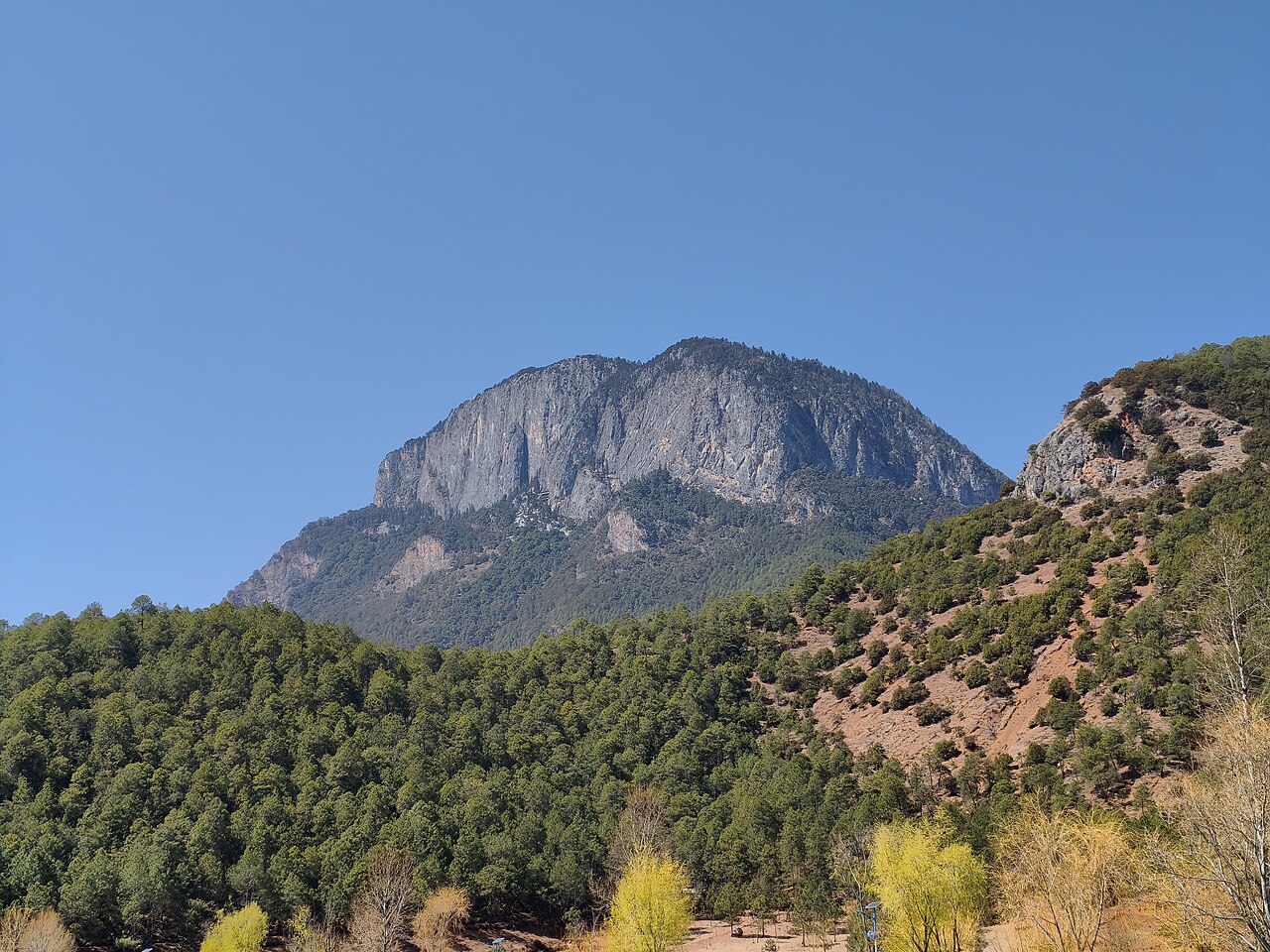
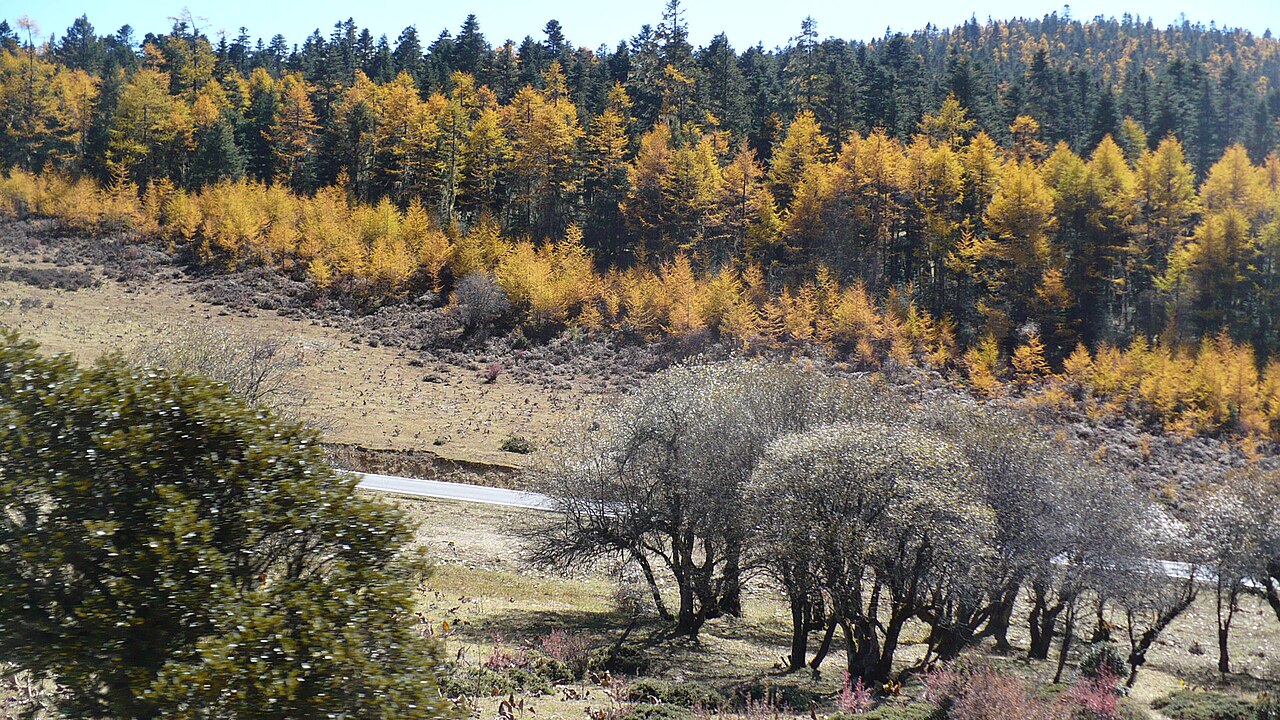
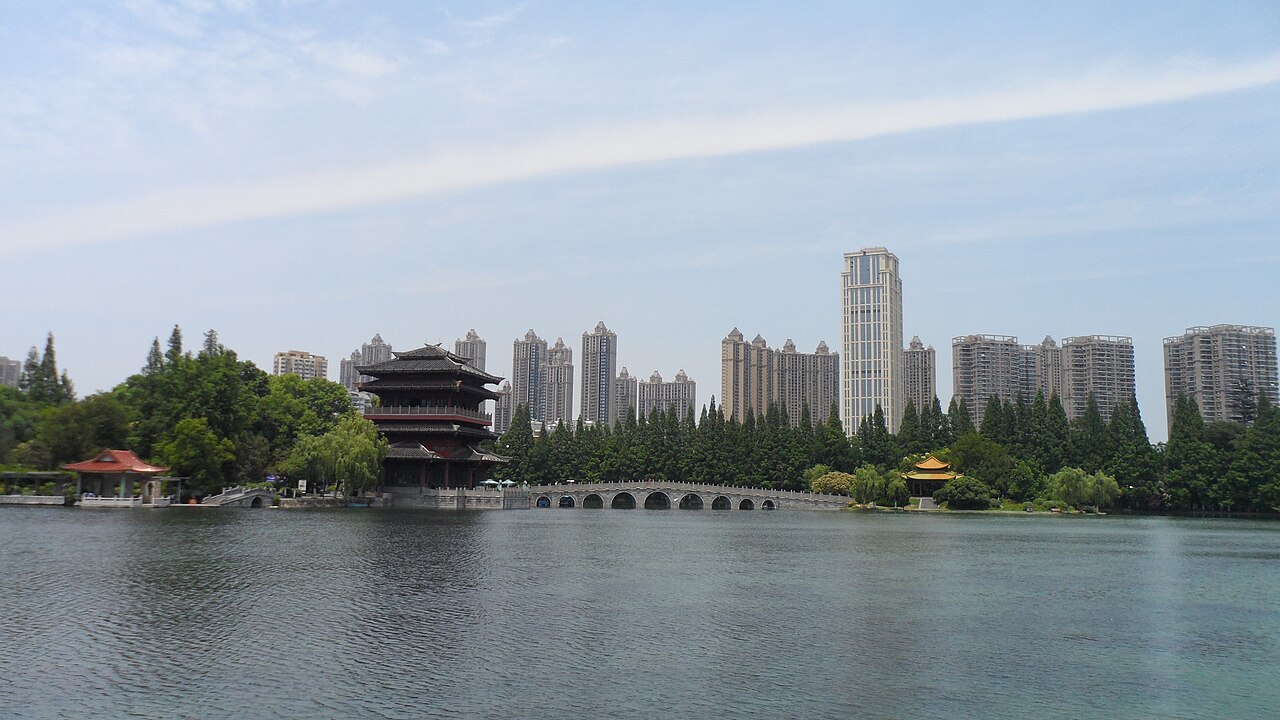
Photographs from the coast, and what other travellers wrote afterwards.

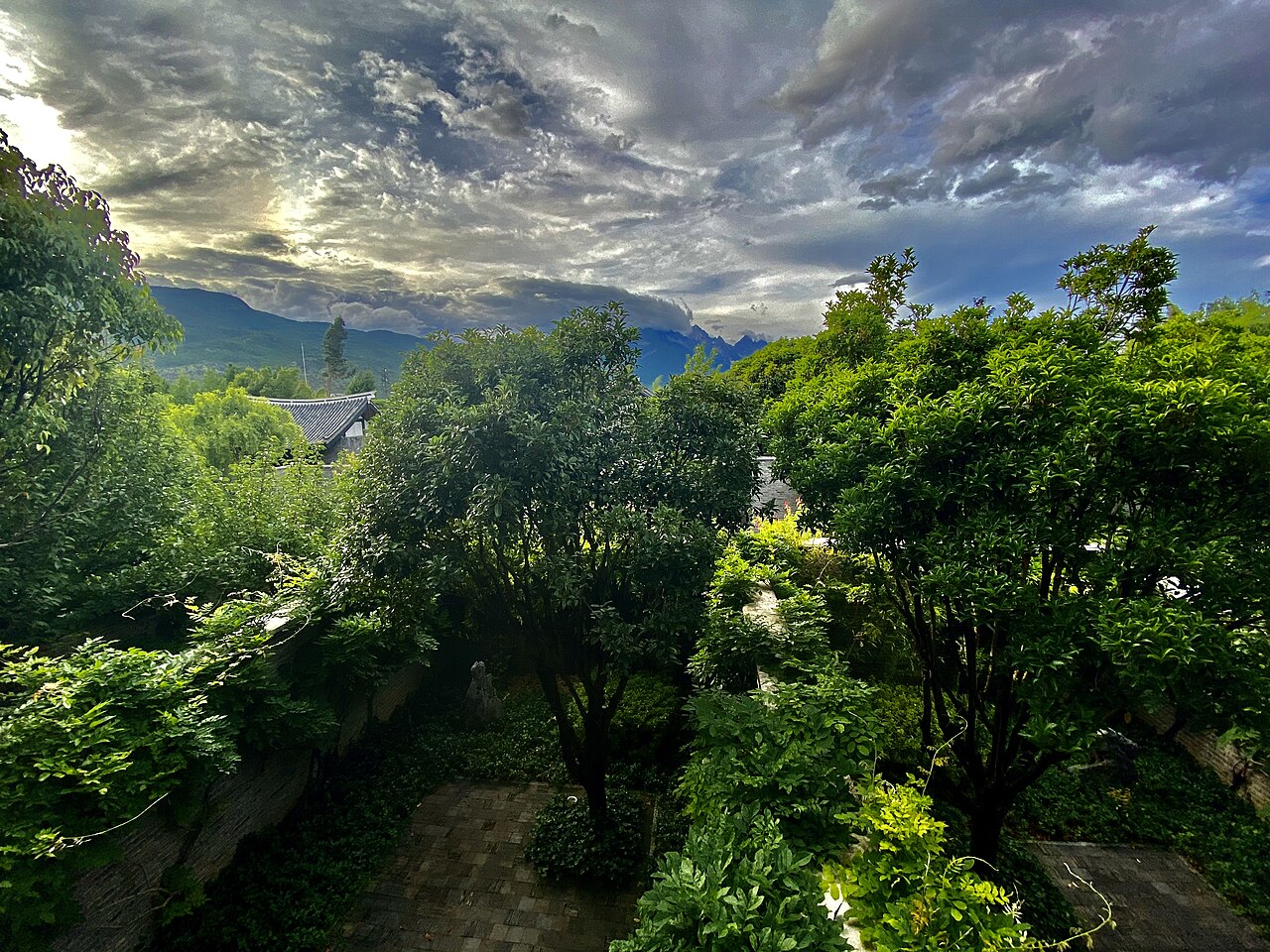
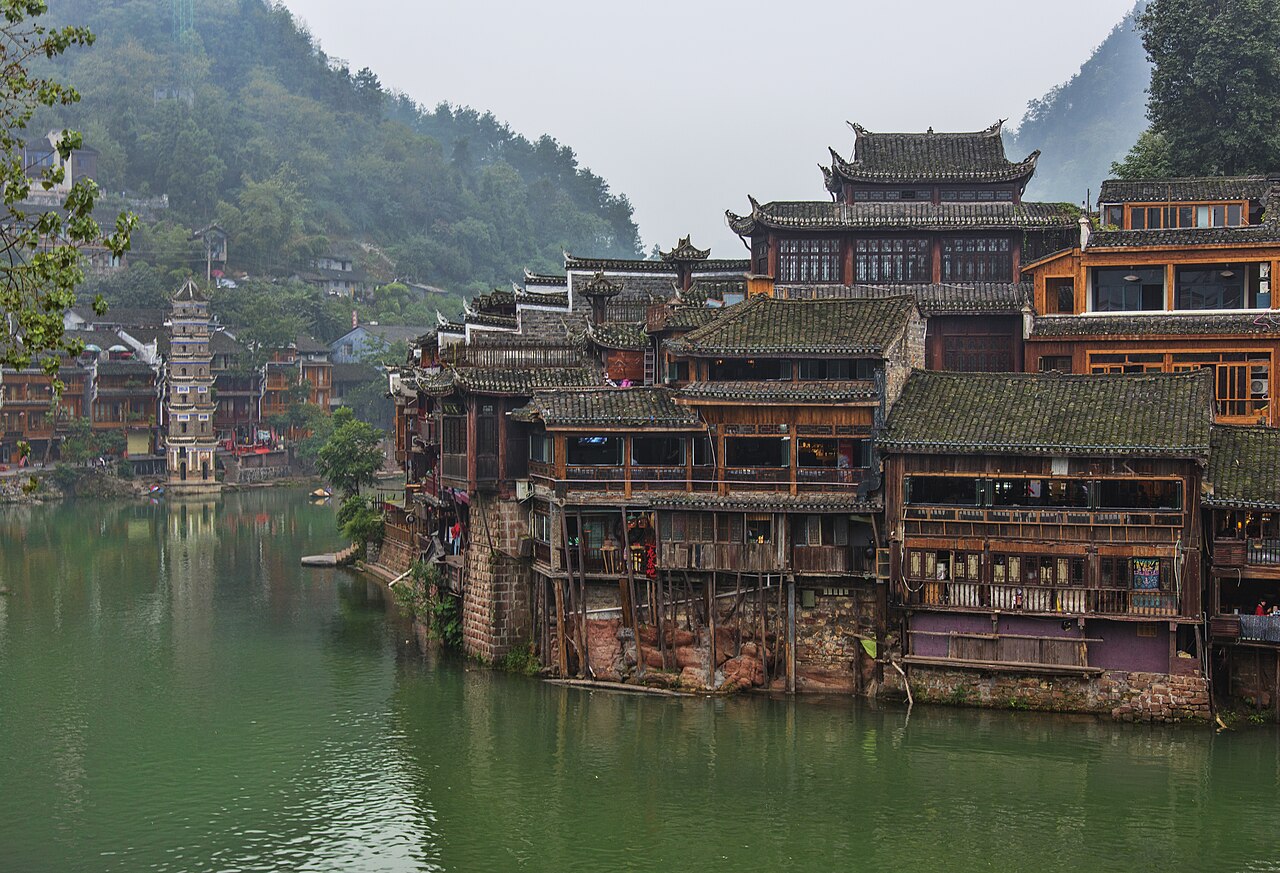
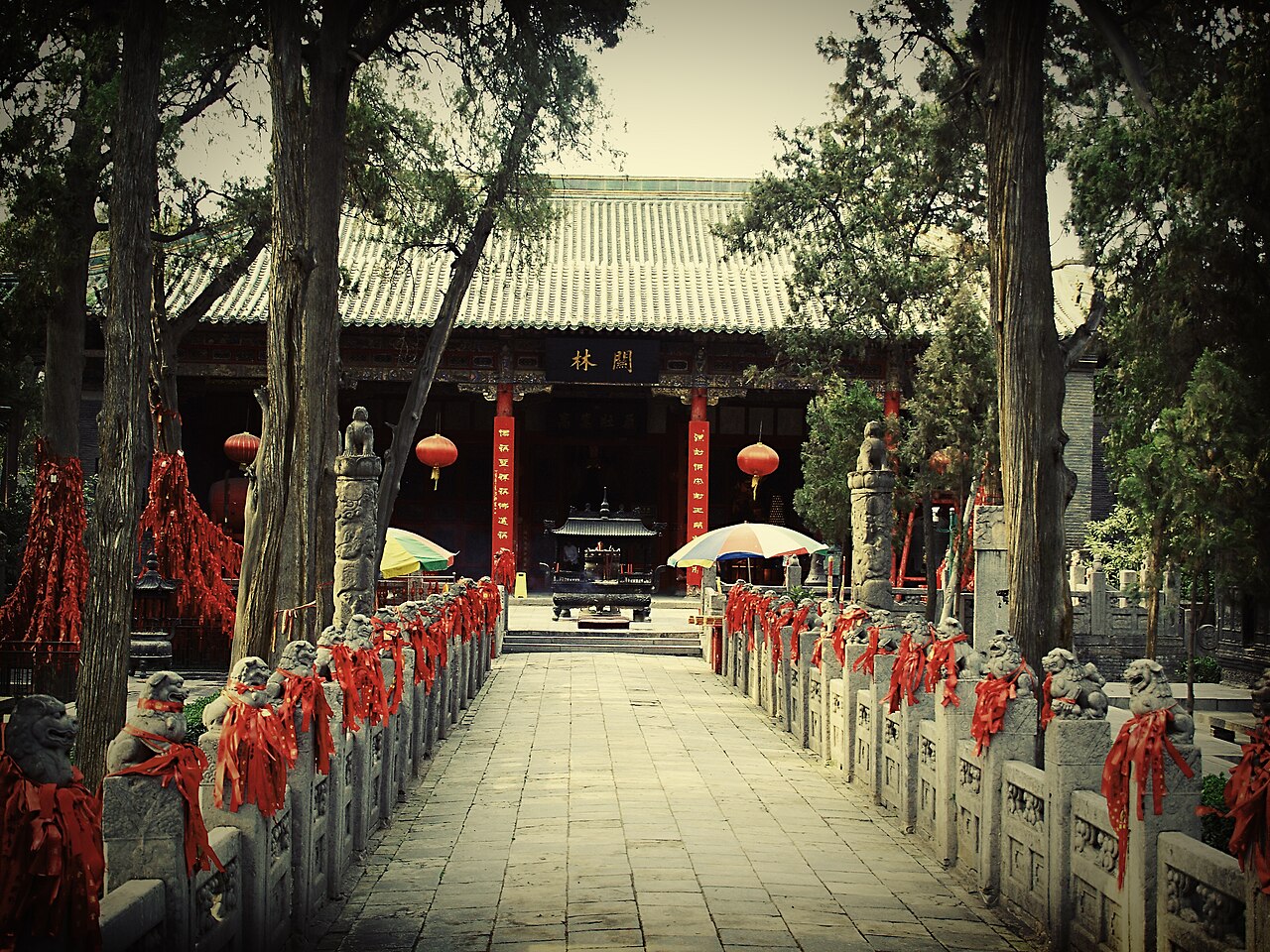
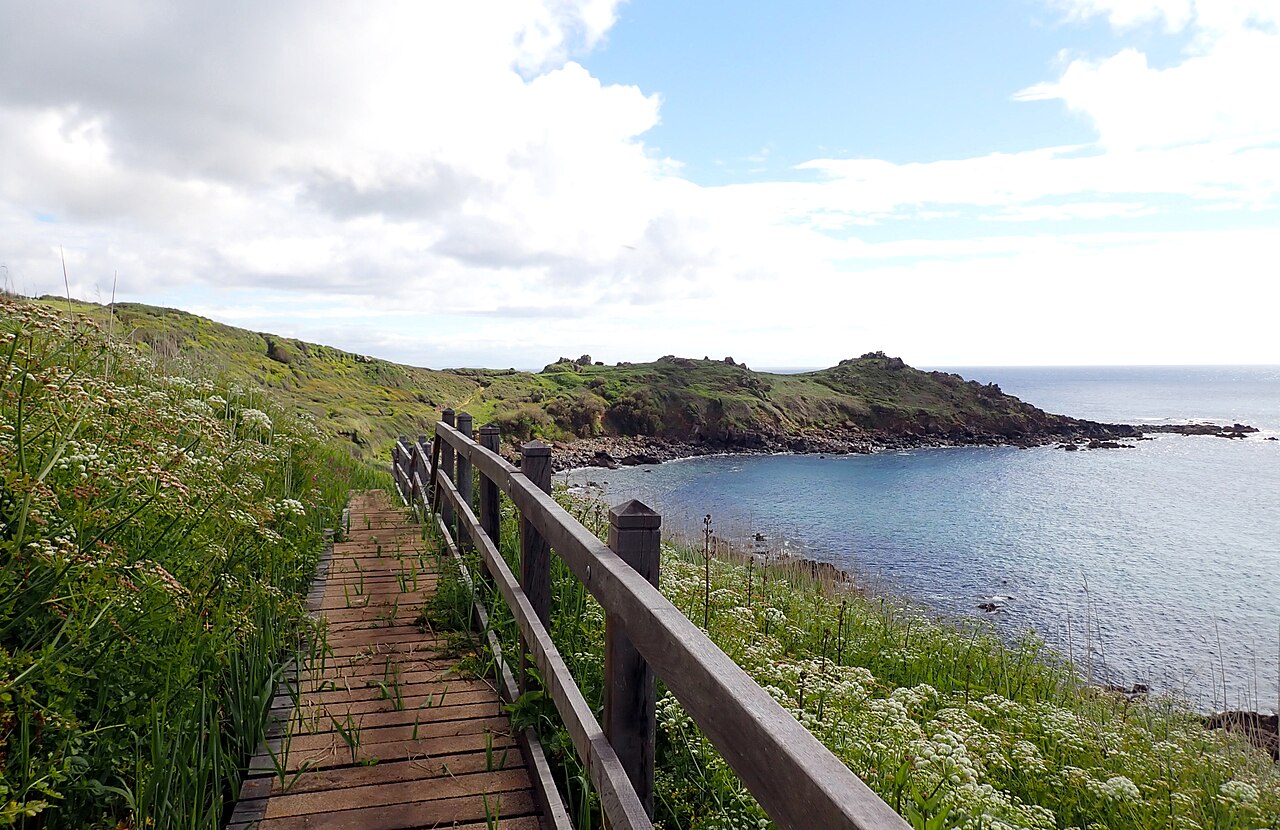
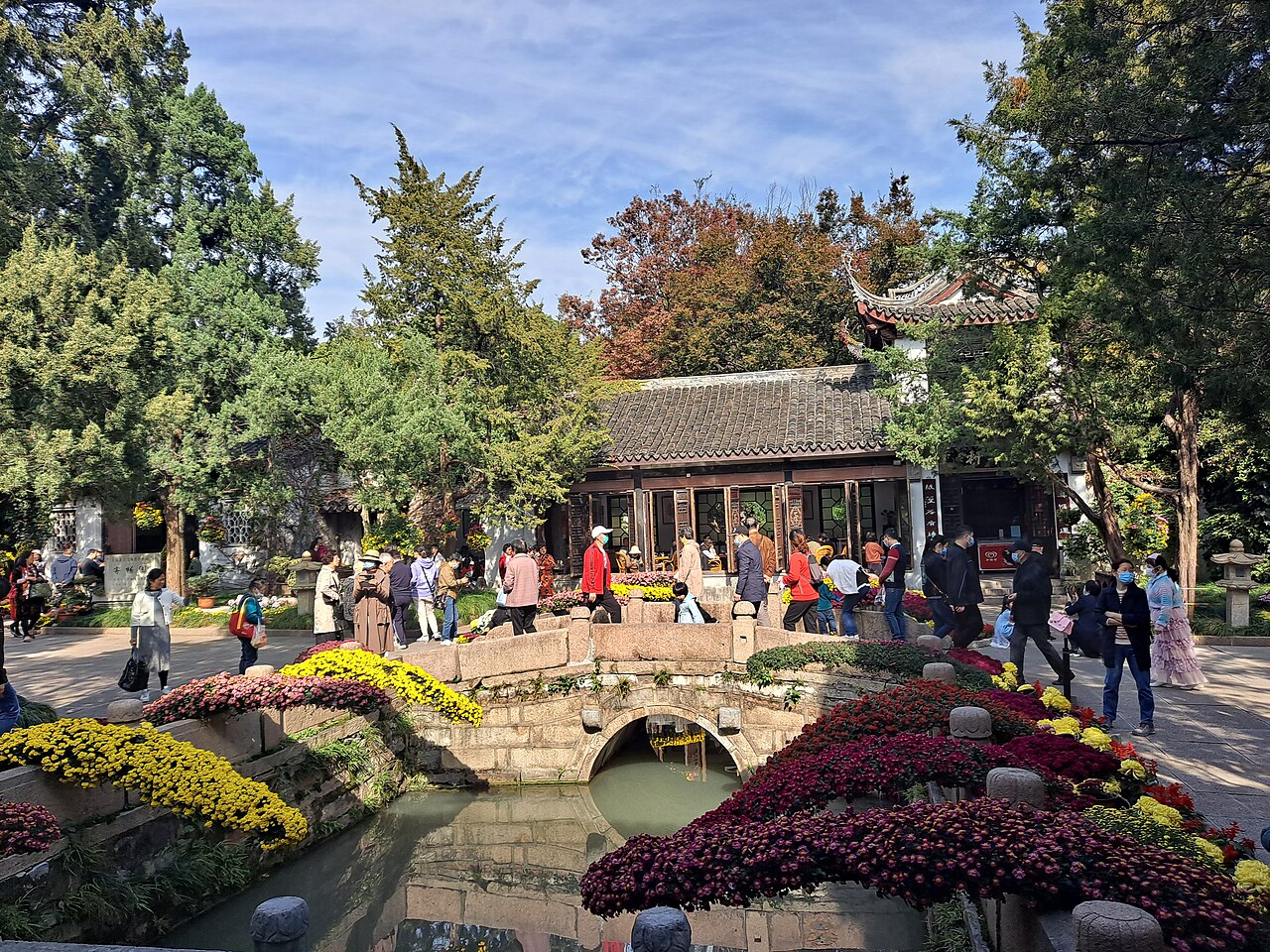
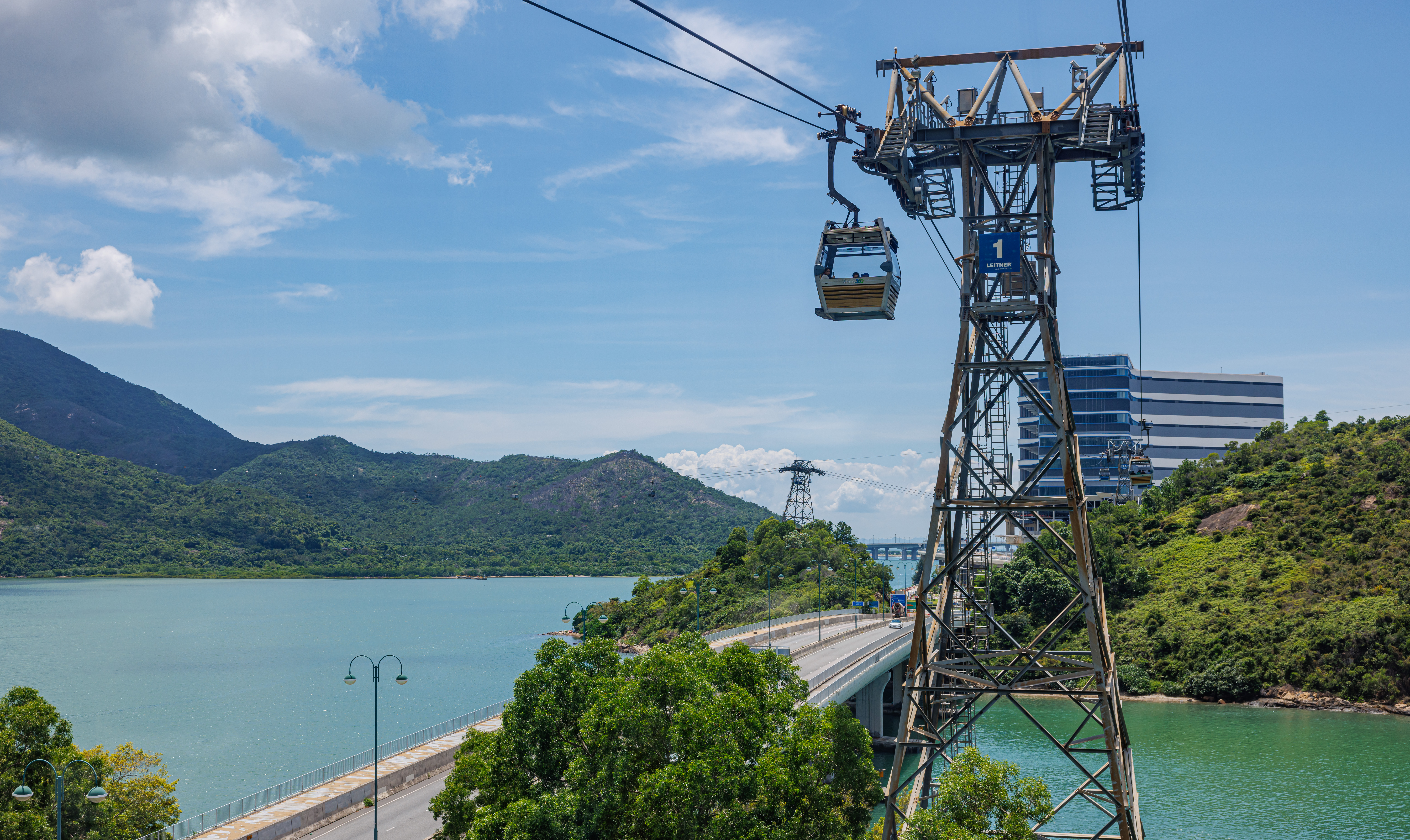
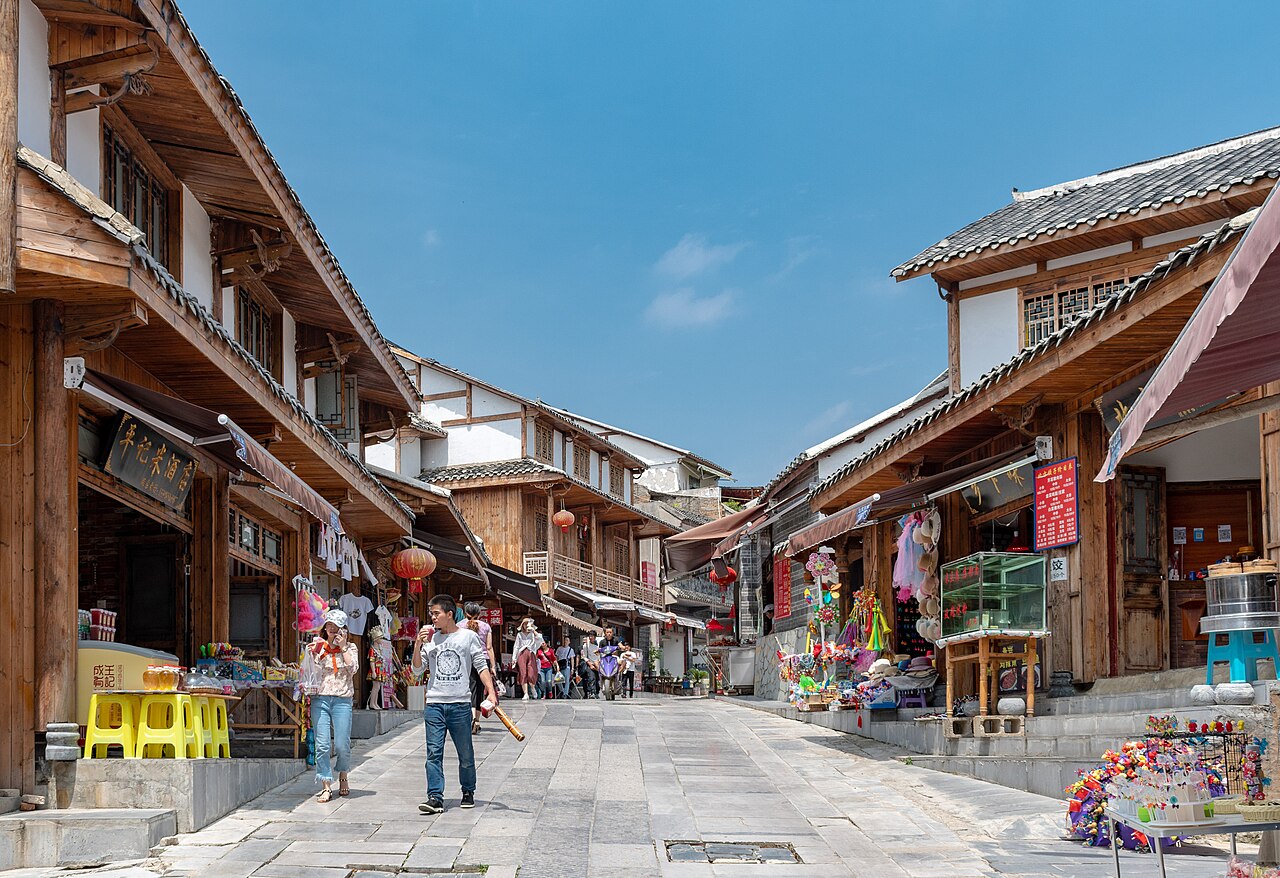
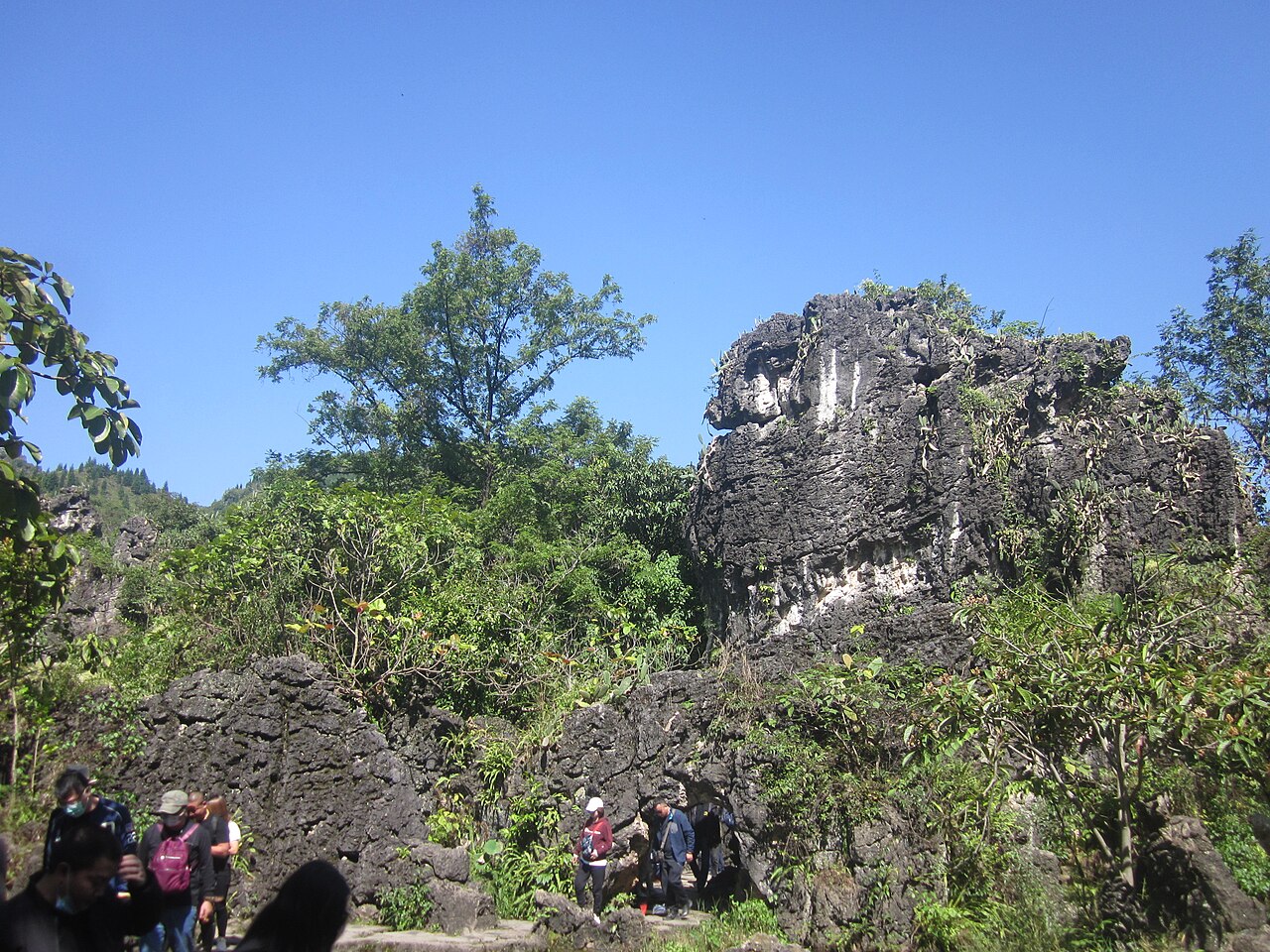
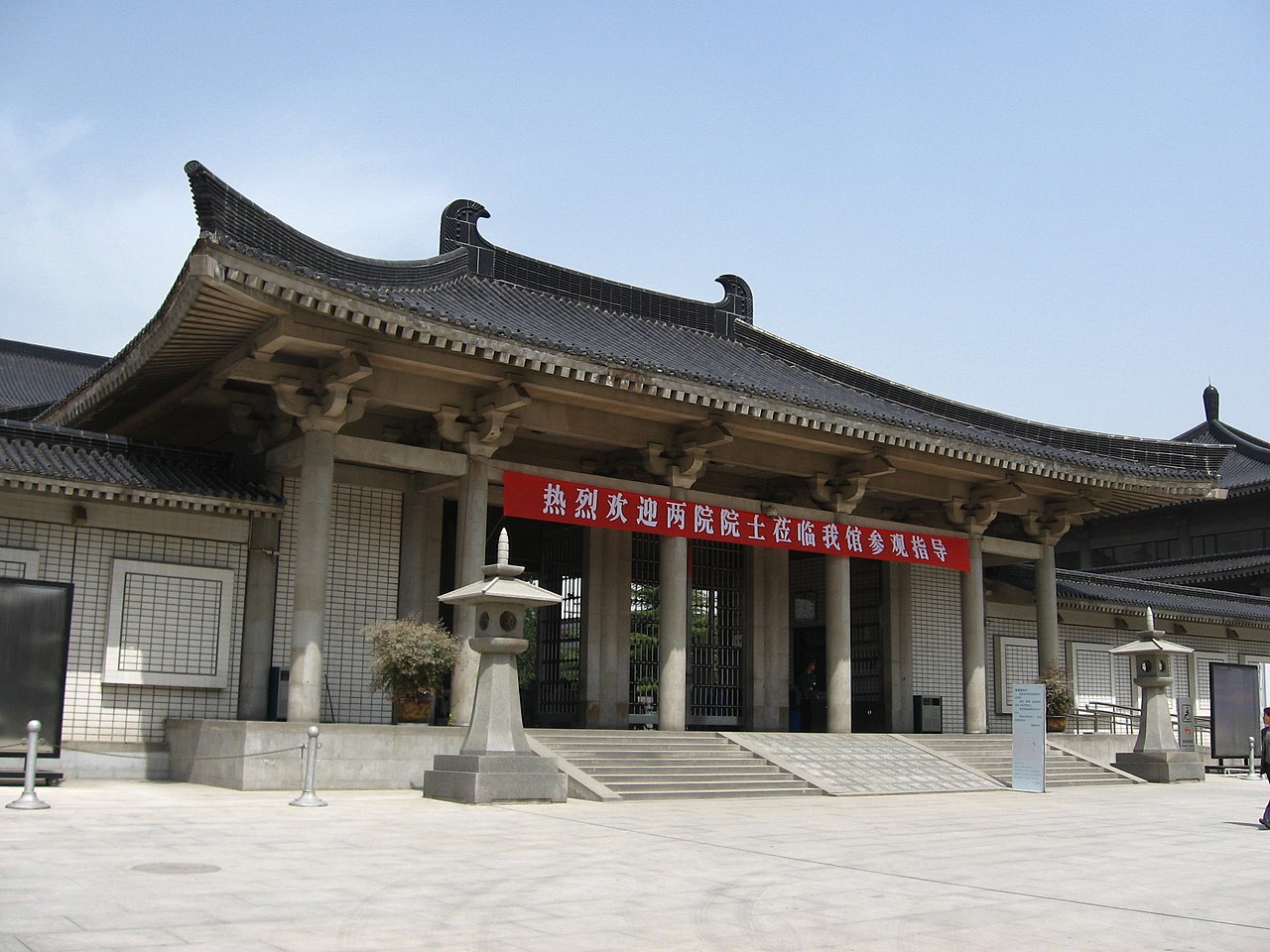
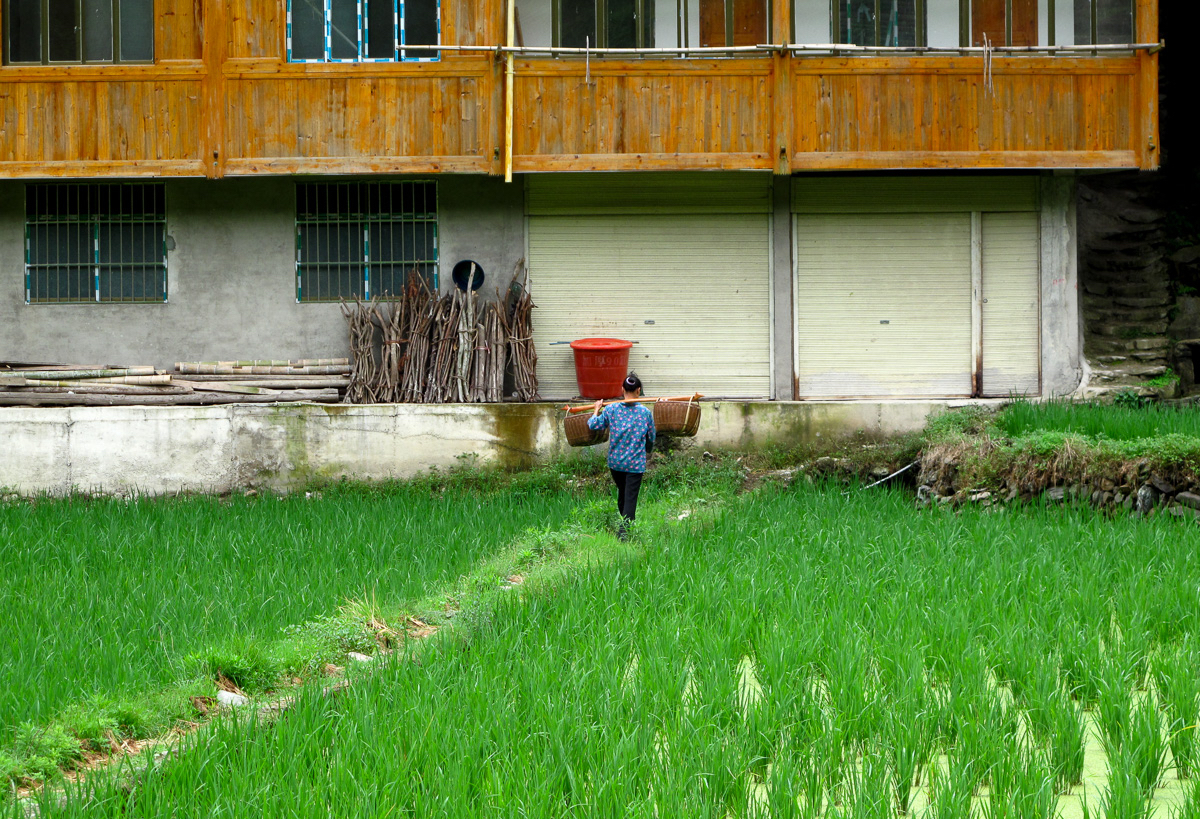
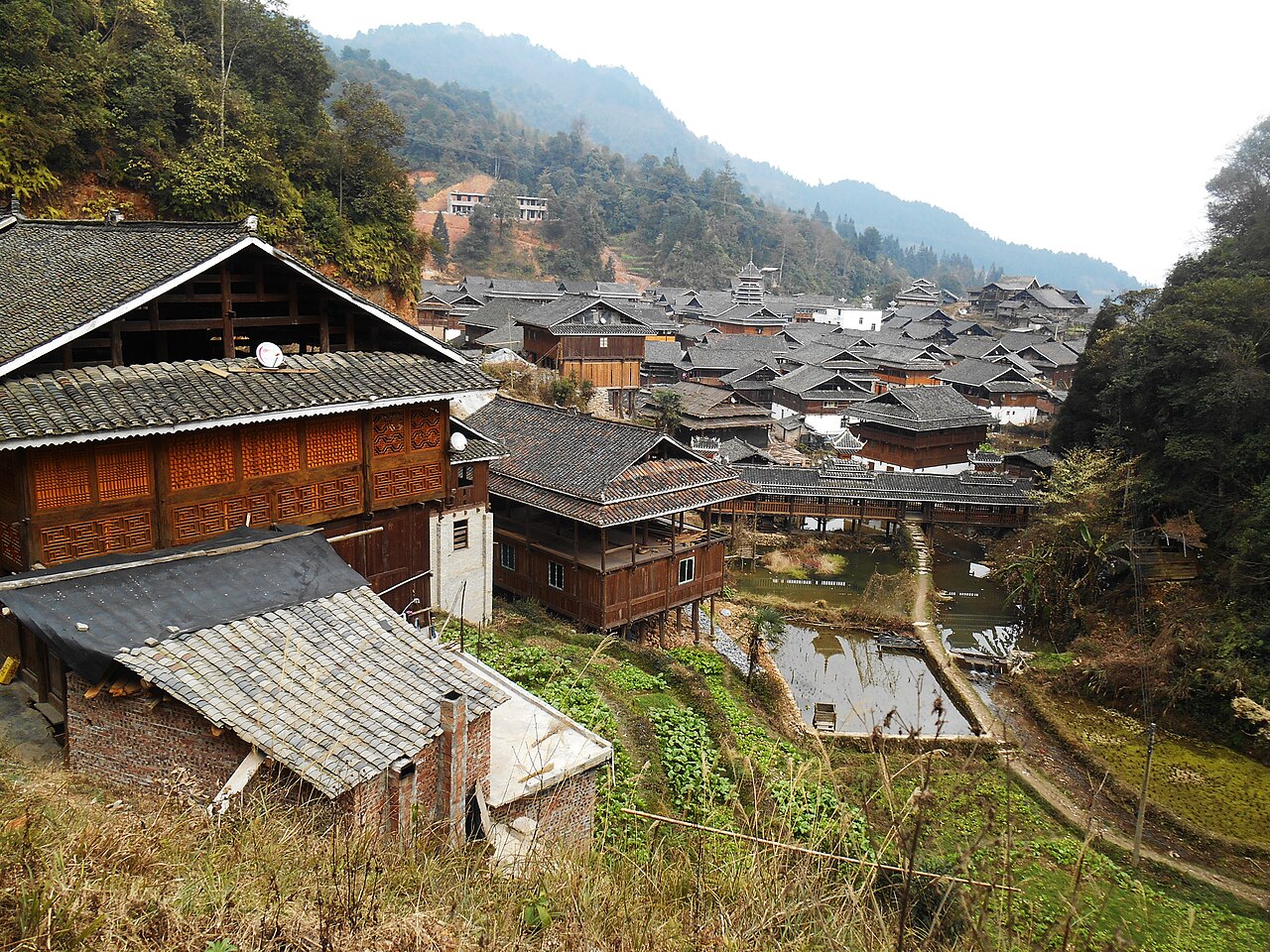
Stilt houses stacked up the hillside at Xijiang, the largest Miao village in the world
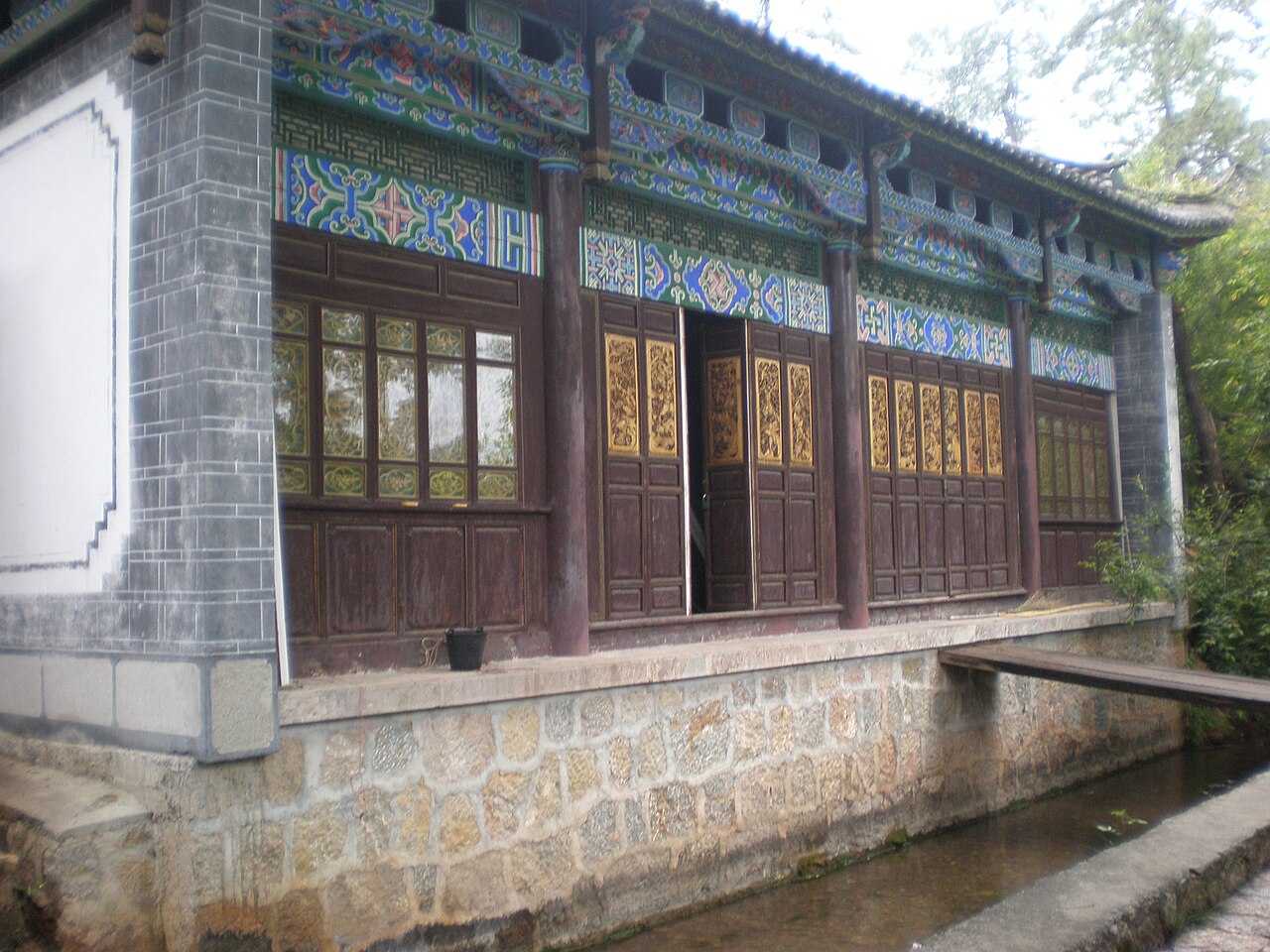
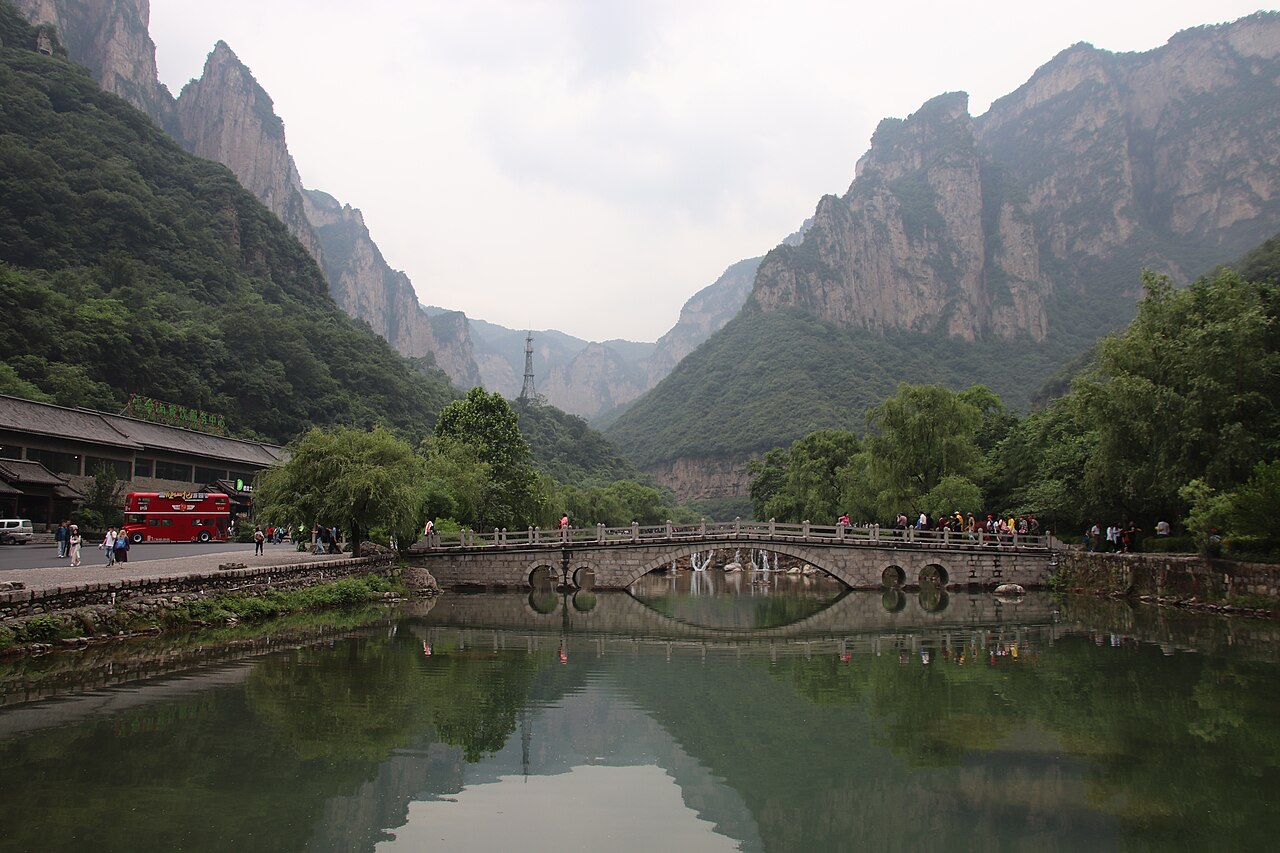
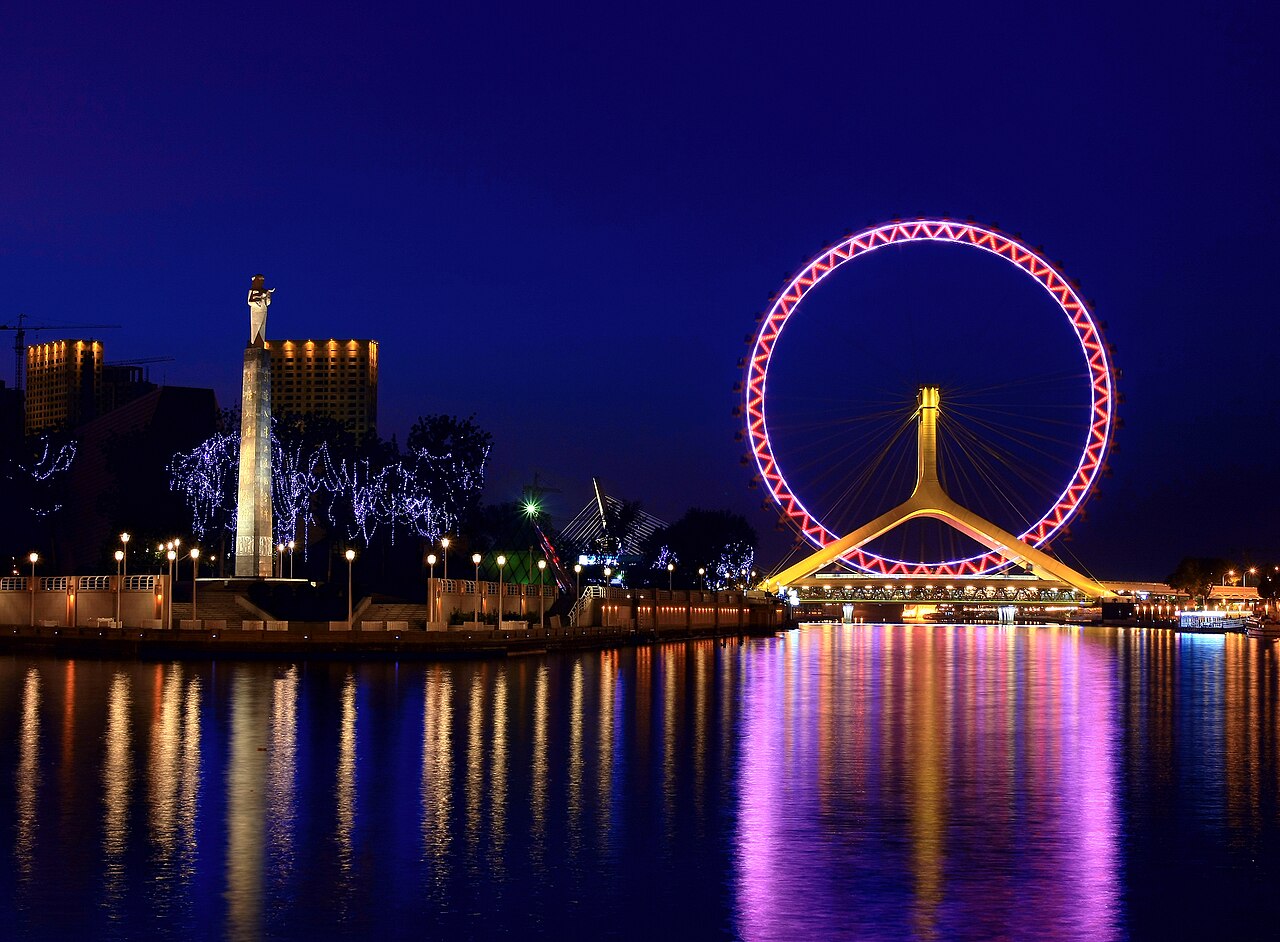
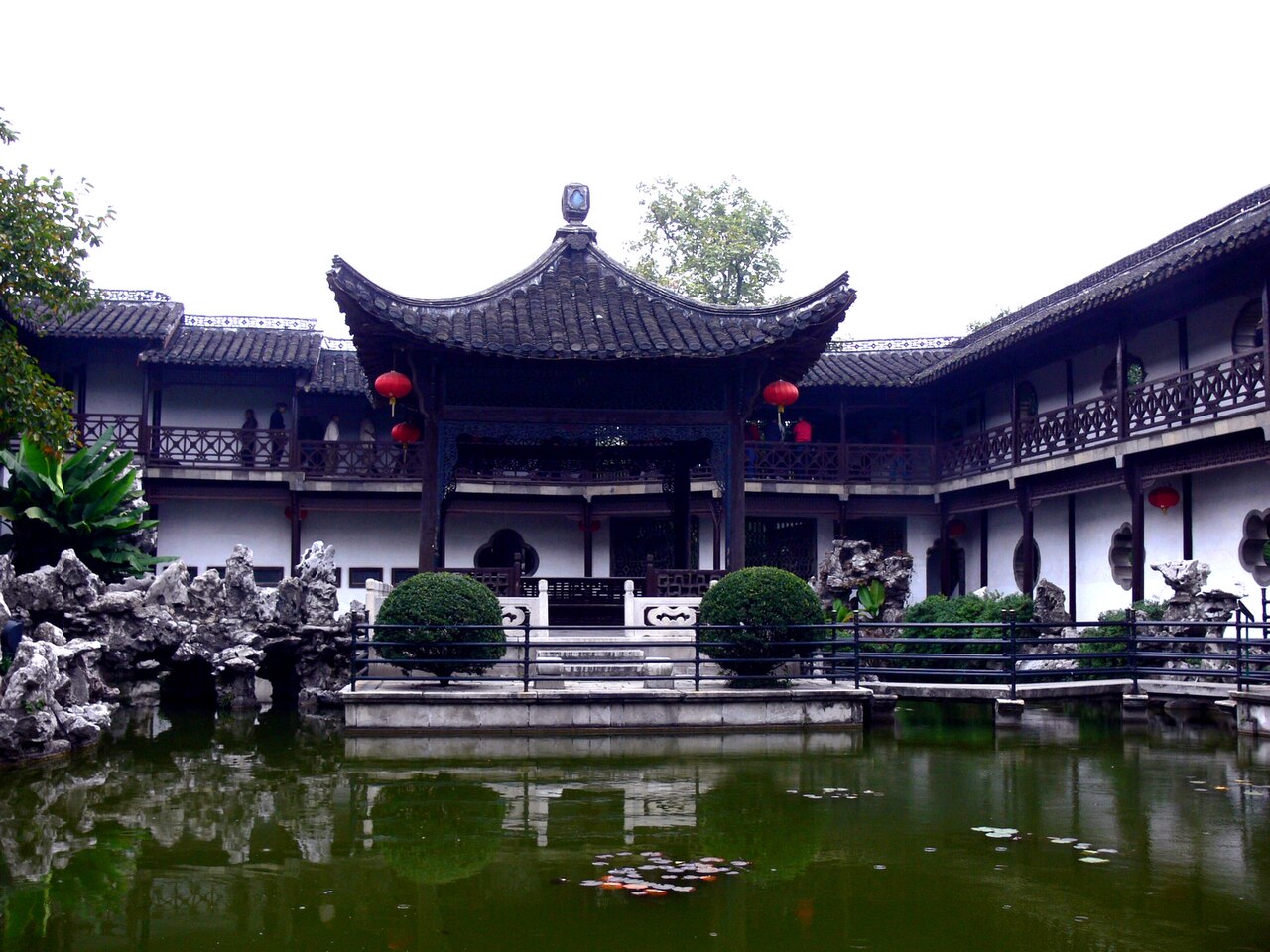
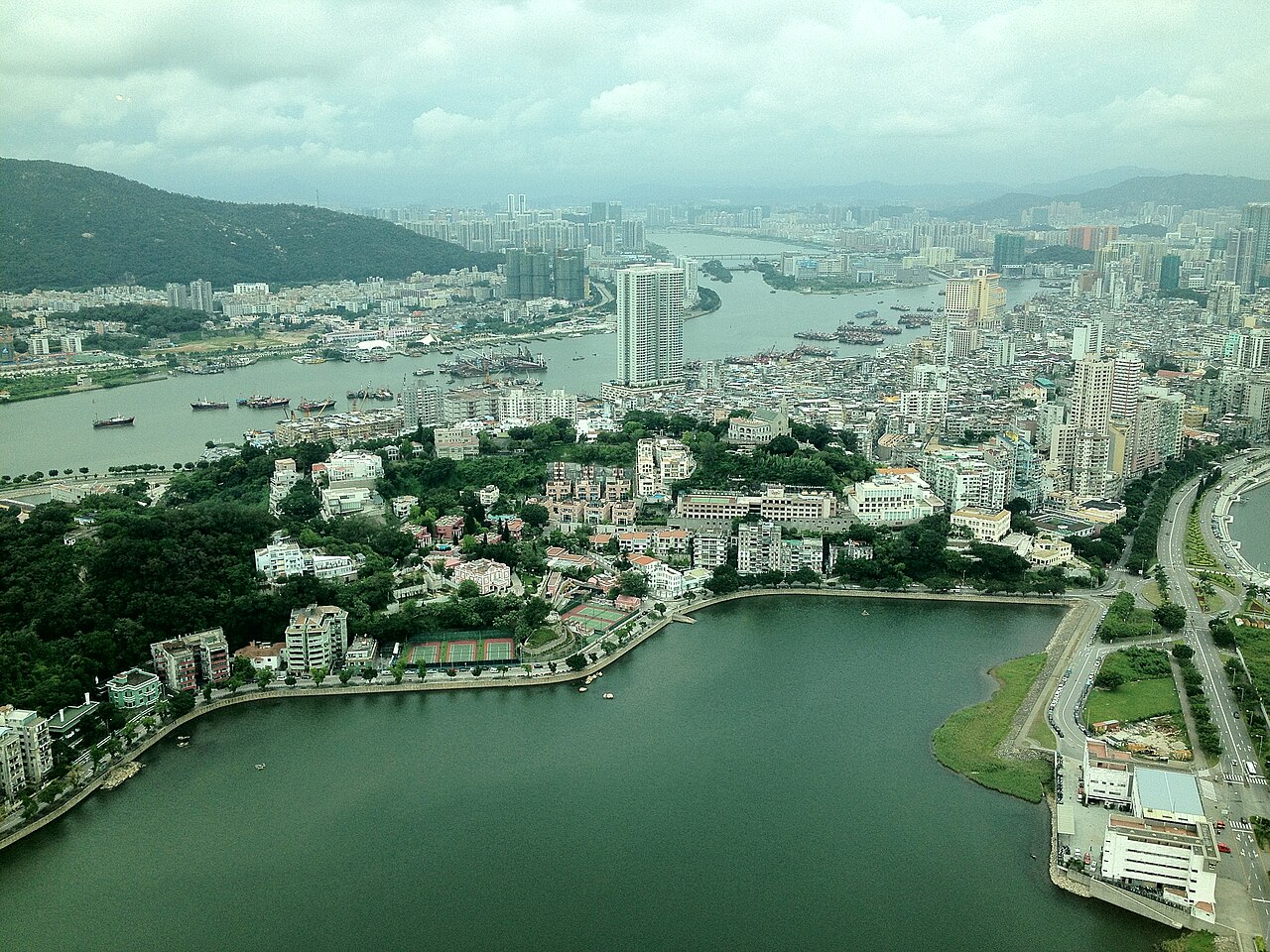
A wind-rain bridge spanning the river at Zhaoxing, built entirely of fir without a single nail
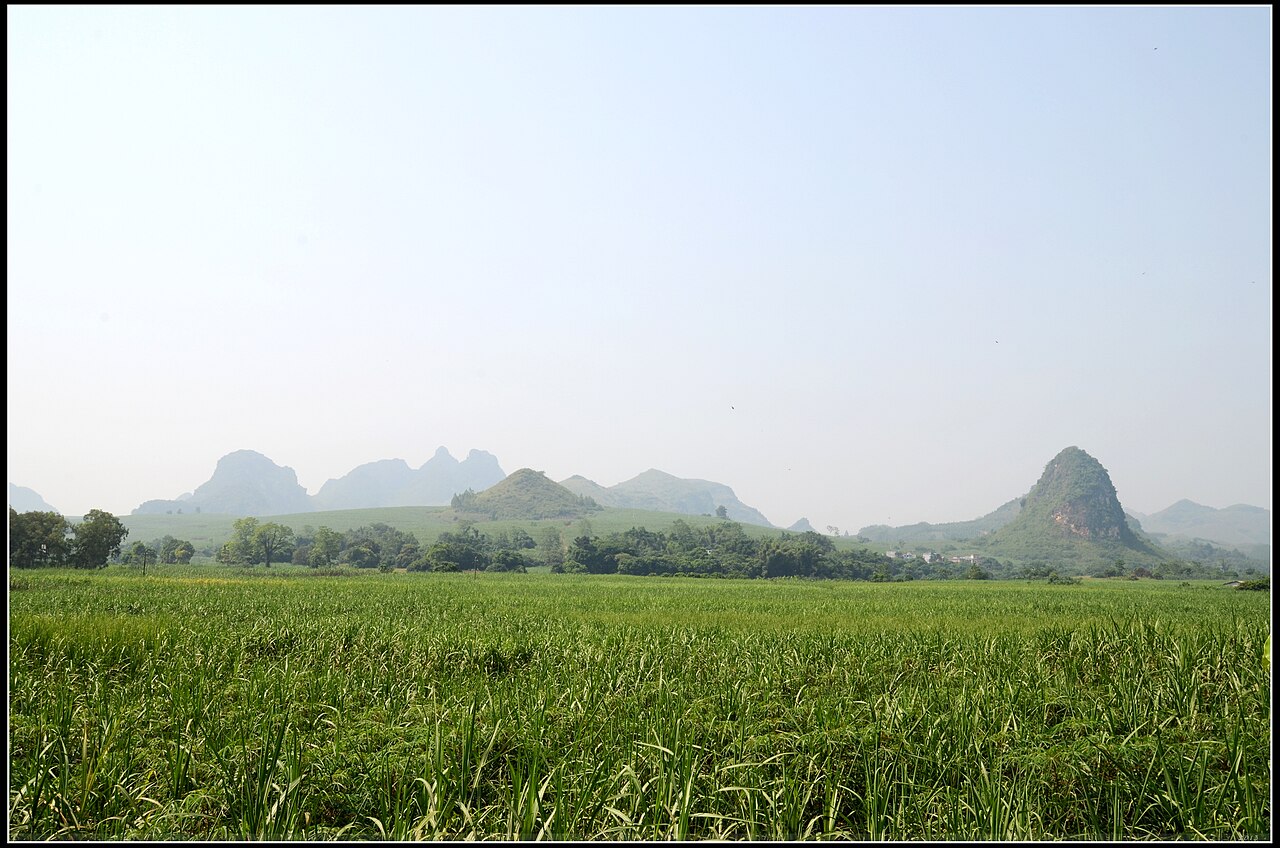
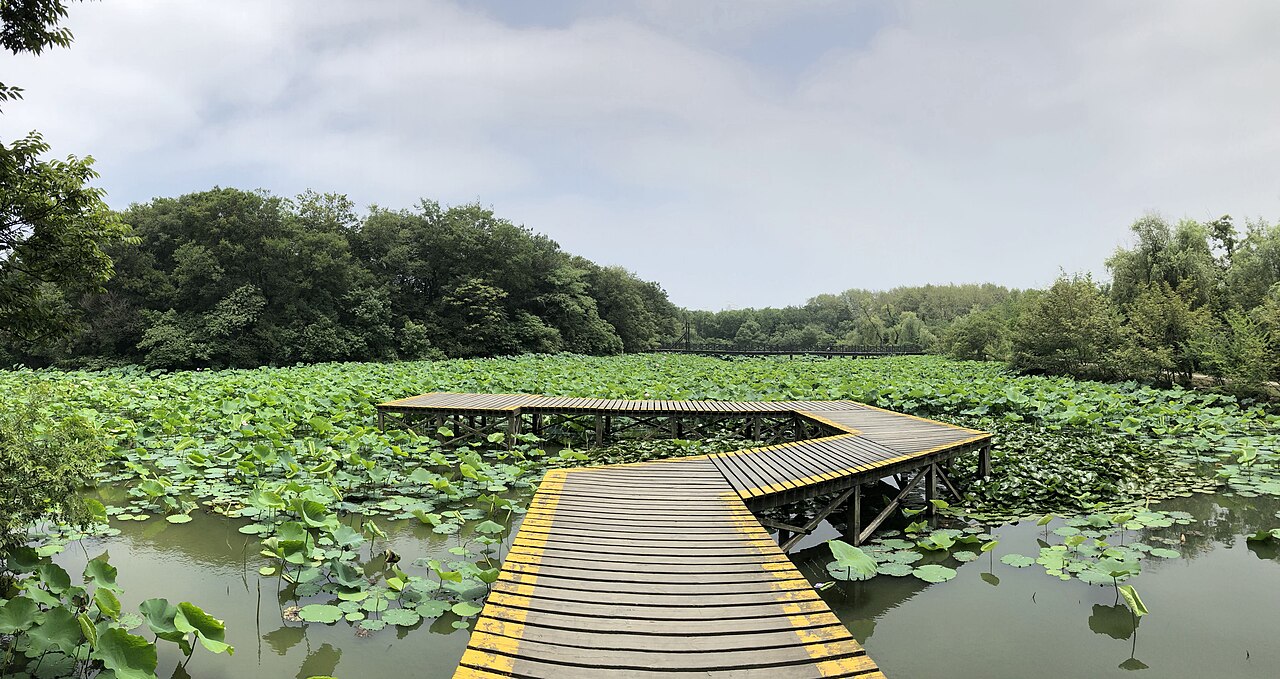
Terraced rice fields curving down the slope between Zhaoxing and Tang'an
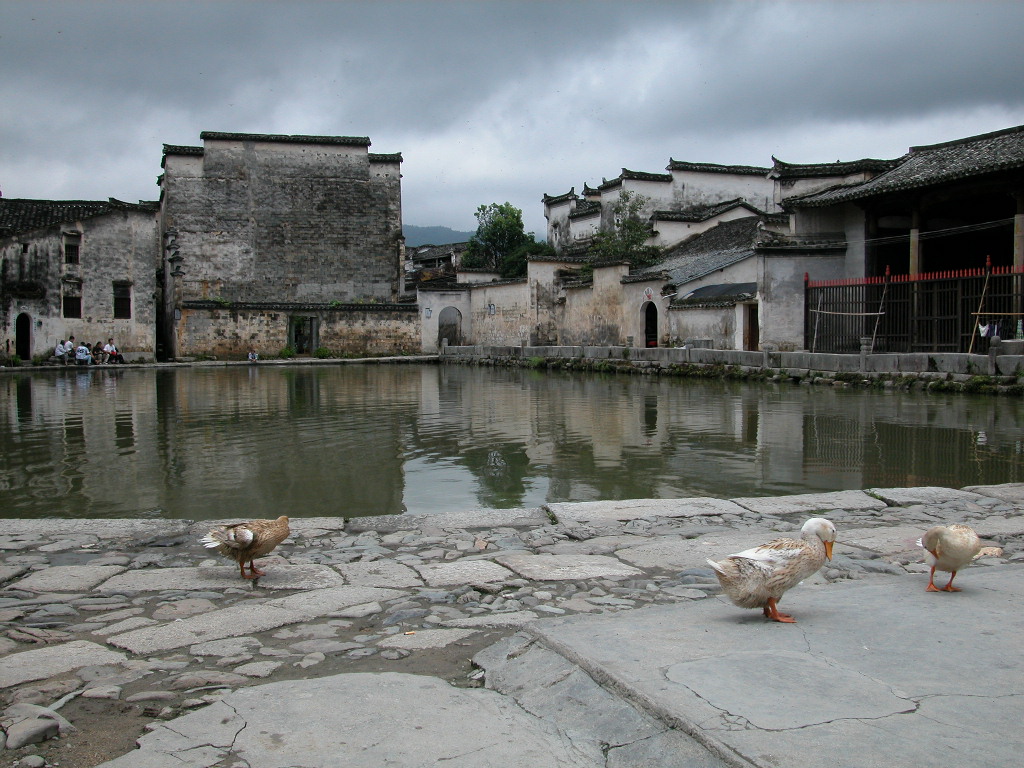
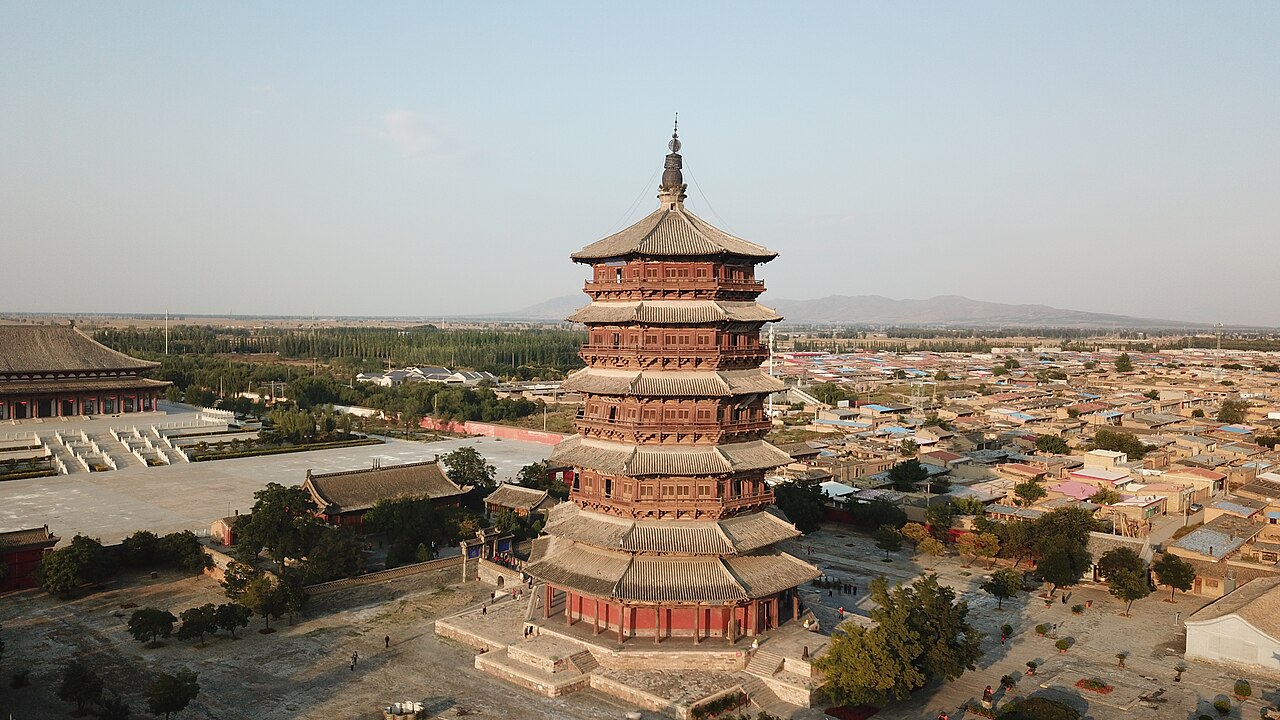
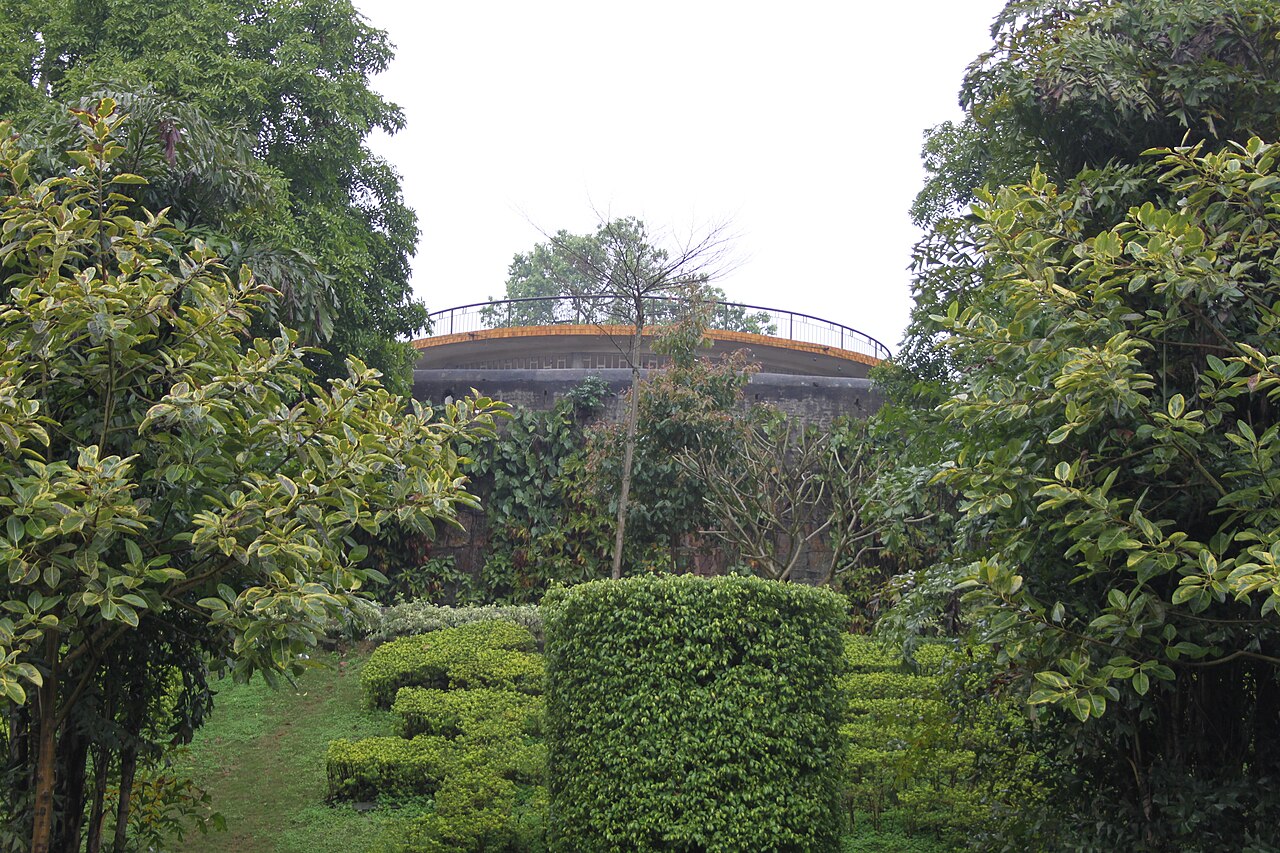
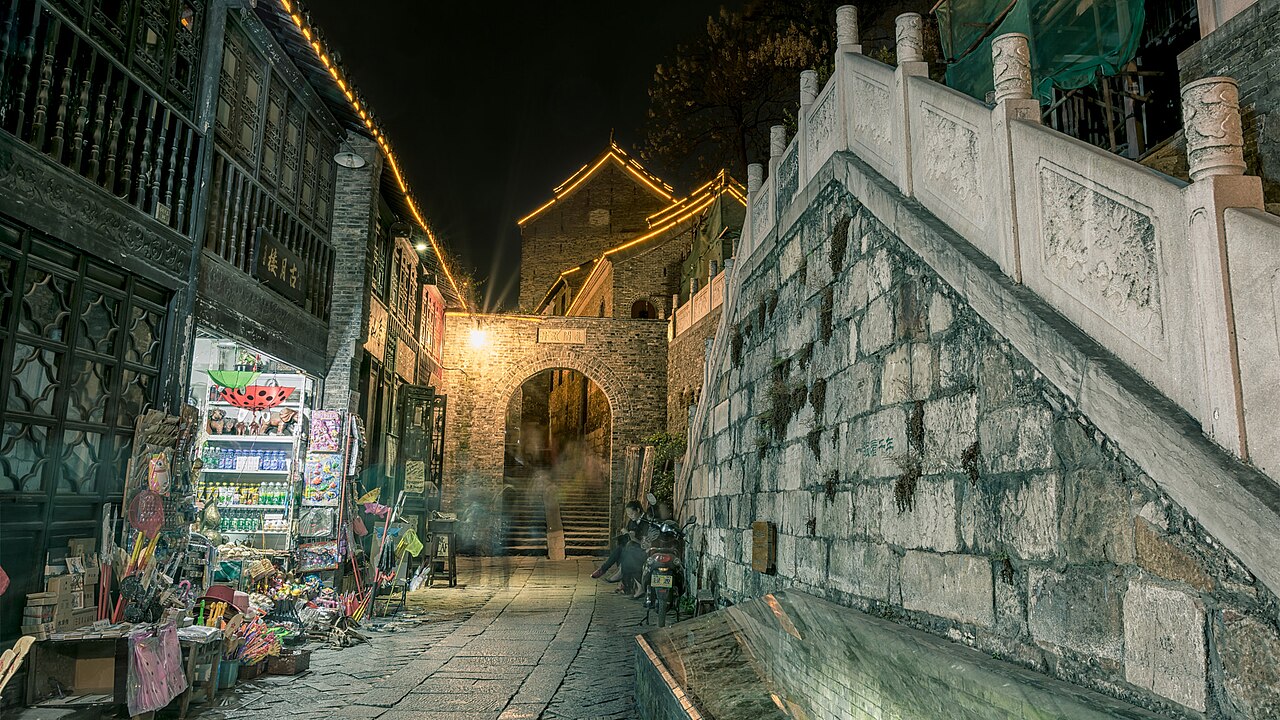
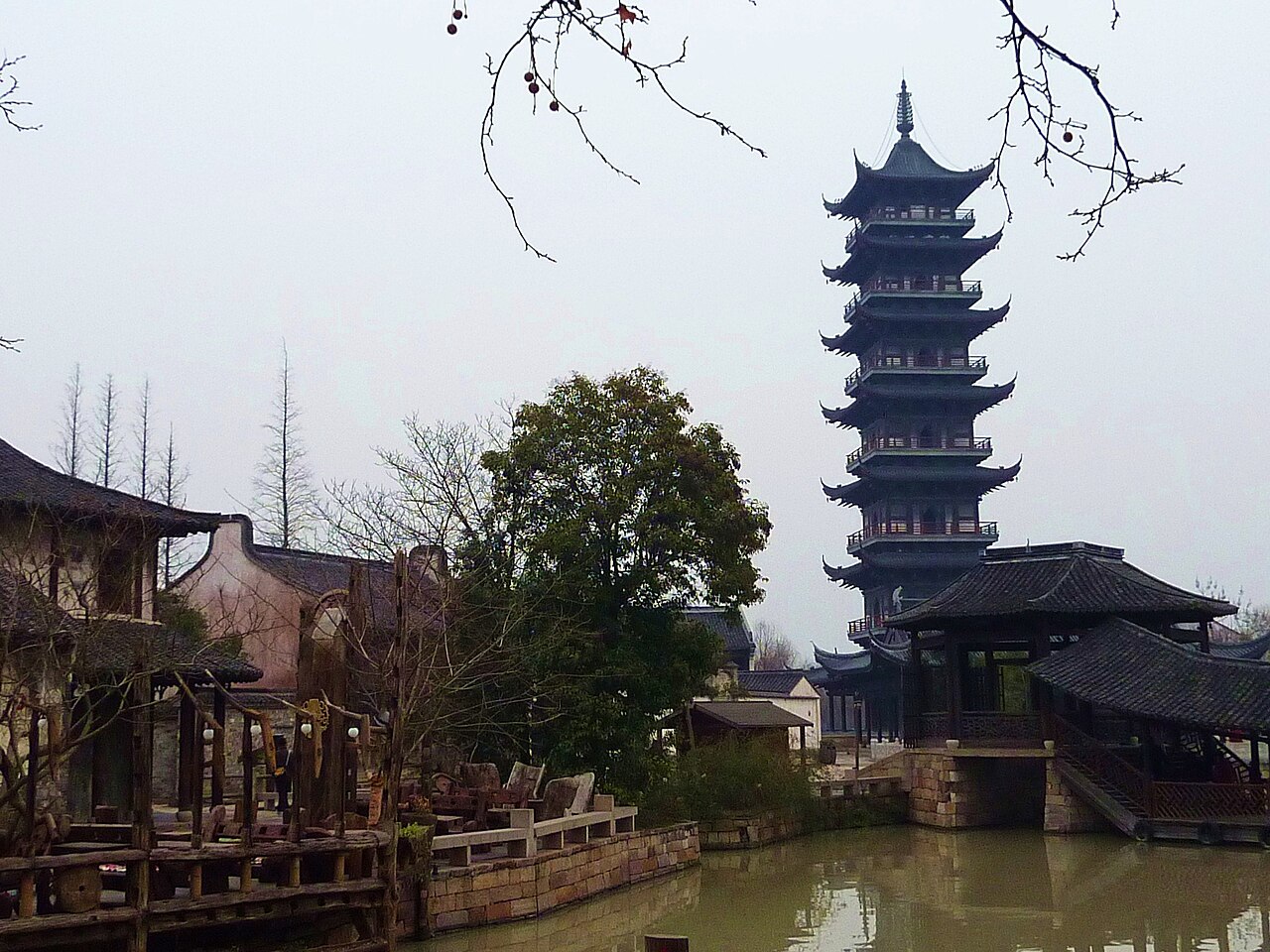
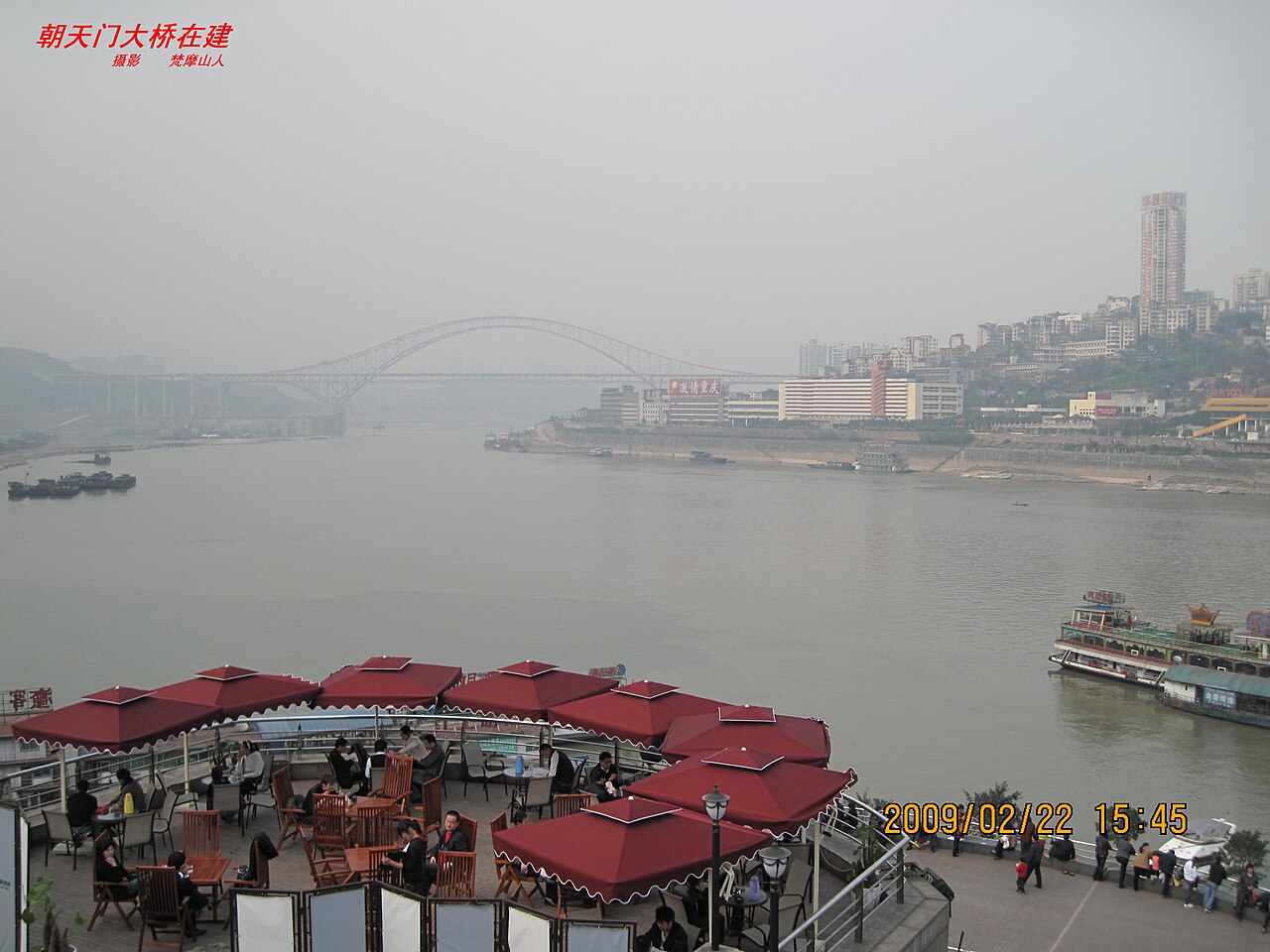
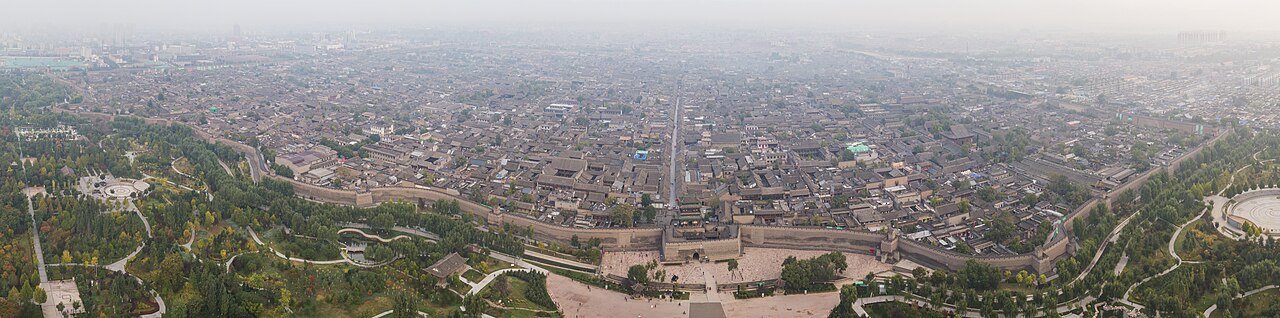
The old town of Zhenyuan where the Wuyang River bends around Qinglong Cave

I had spent too long in the concrete of the city, or maybe I was just tired of the noise. Qiandongnan felt like the cleanest patch of ground I had left in my head — the wooden houses, the green river, the old people sitting on the steps doing nothing in particular.

August, 'A Self-Drive Through Qiandongnan, Guizhou'

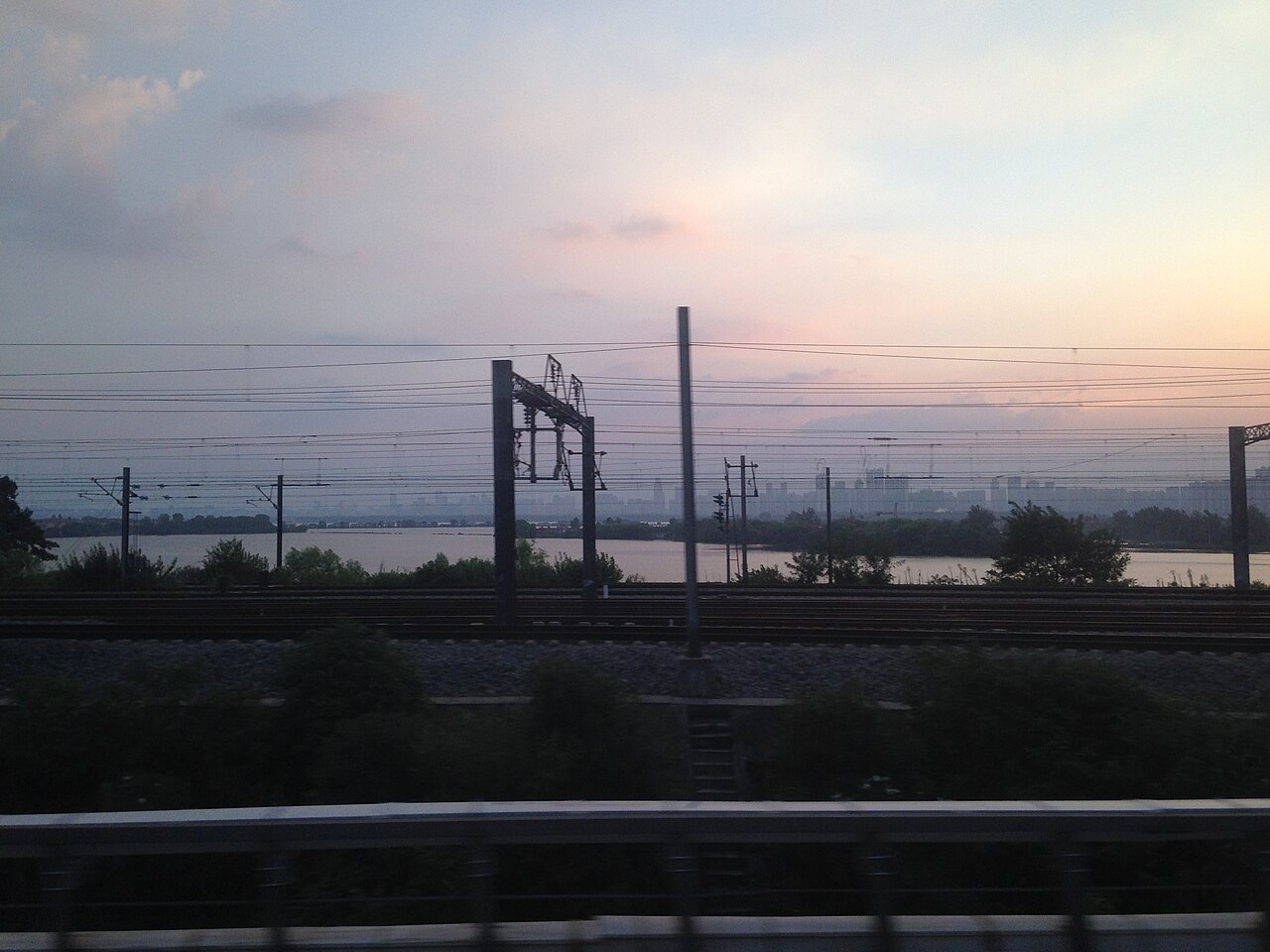
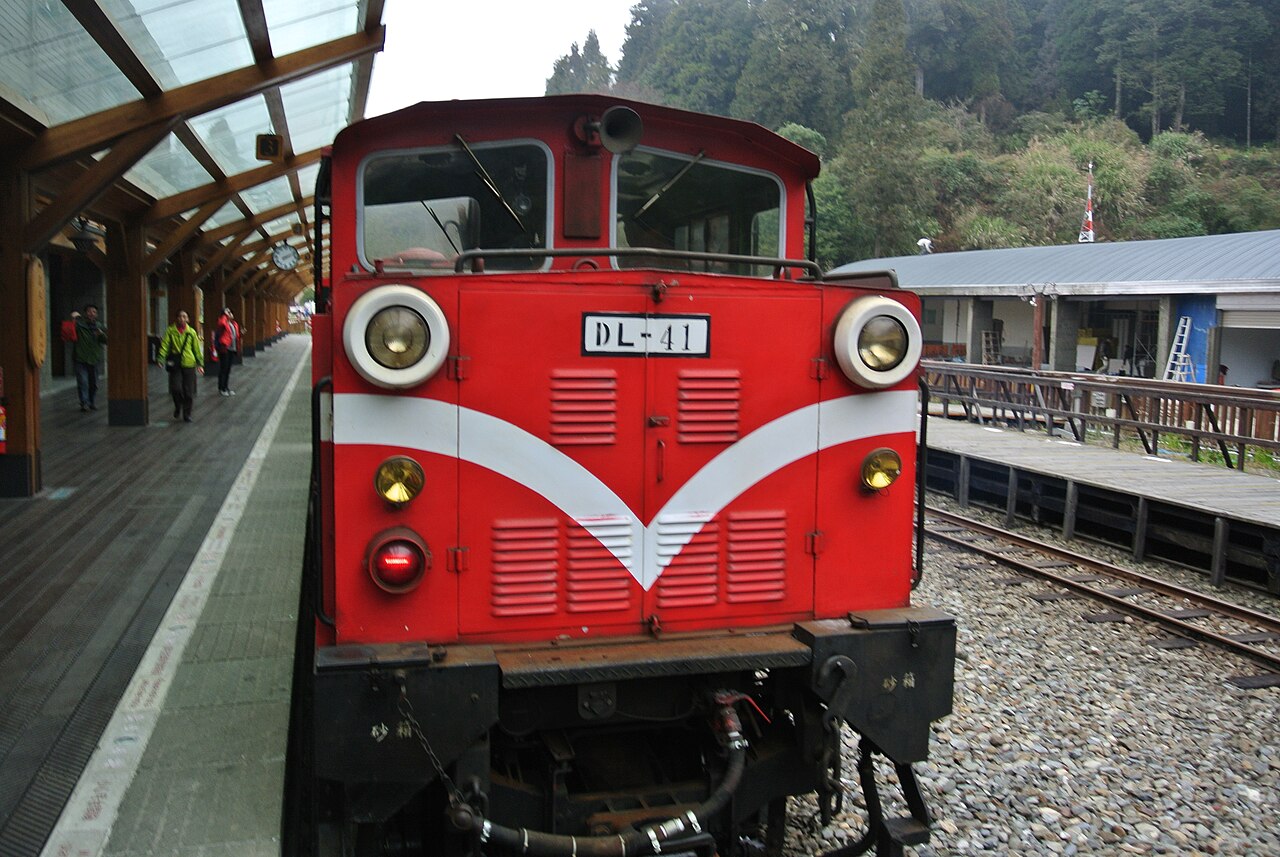
I fell asleep in a room by the river in Zhenyuan and a freight train went over the elevated track across the water, drawing a line of light through the dark. It looked exactly like the train in Spirited Away.

A traveller's note on Zhenyuan

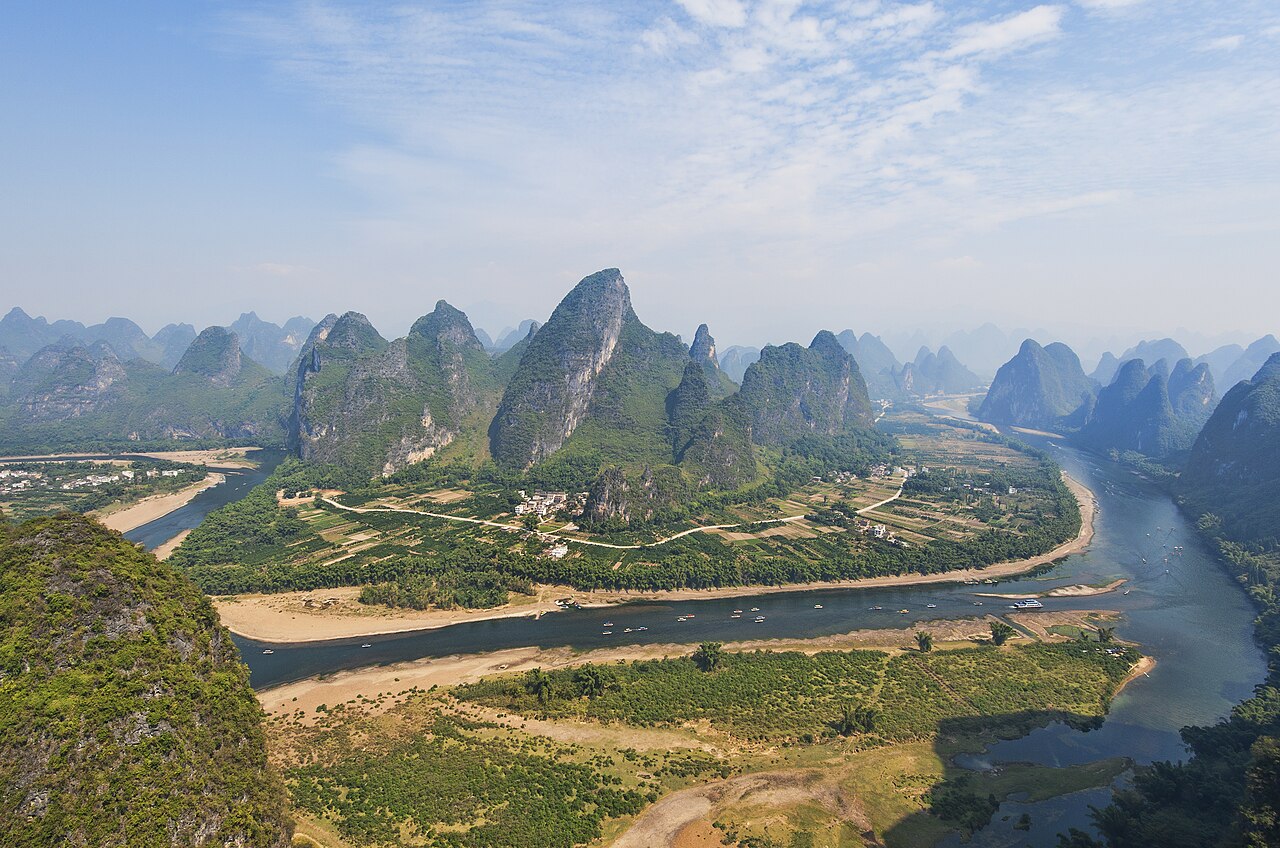
Qiandongnan is the kind of place you arrive at half-expecting a theme park and leave wishing you had booked two more days. The villages are real: wooden stilt houses packed shoulder to shoulder against the slope, smoke drifting from the kitchens, old men carrying hunting rifles in the Biasha Miao village and Dong choirs rehearsing polyphonic songs in the drum towers at Zhaidang. Nothing here is staged for you, which is exactly why it stays with you.

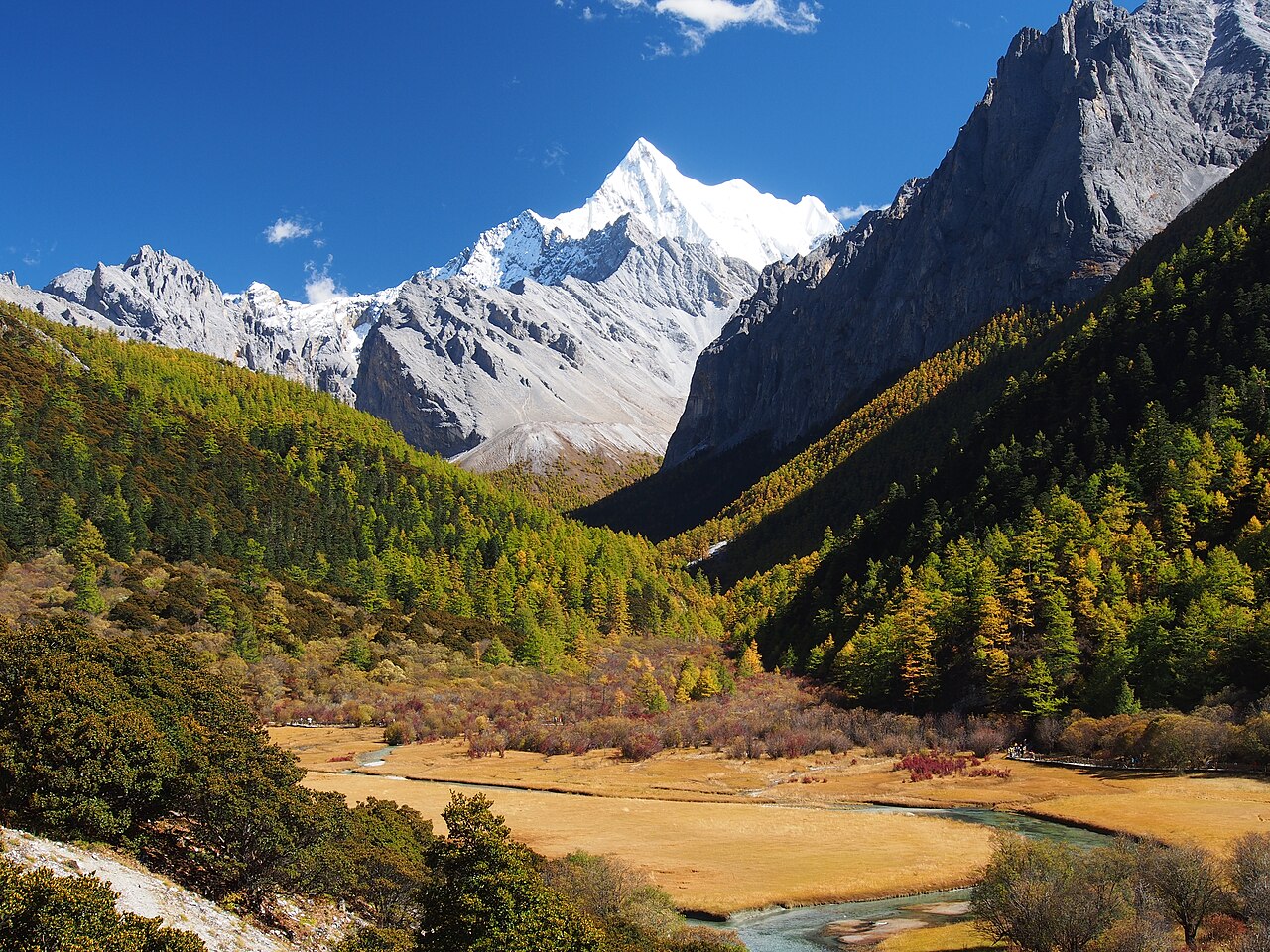
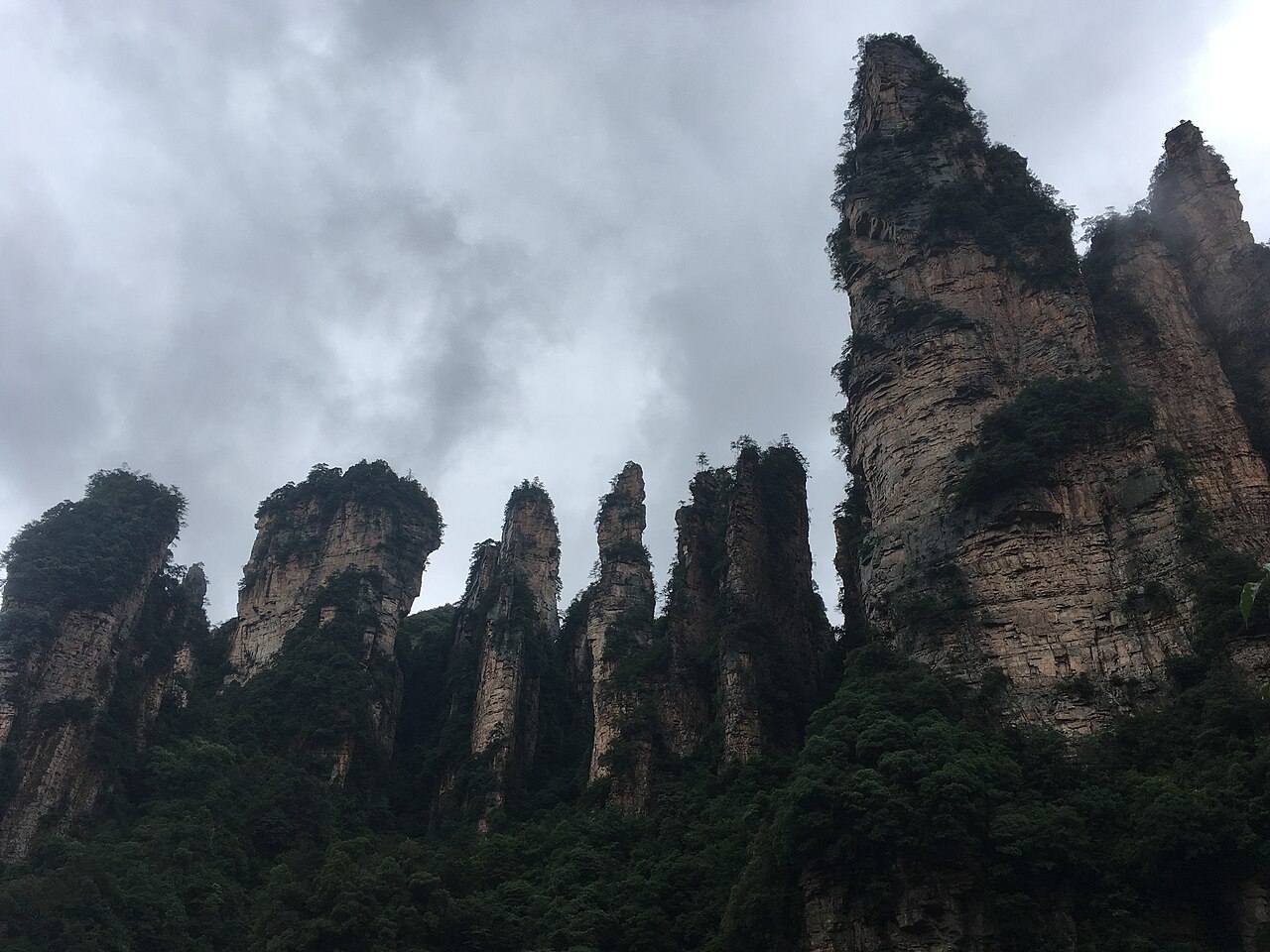
The terrain does the storytelling. Qiandongnan covers 30,337 square kilometres of it, ridgeline after ridgeline dropping from 2,178 metres at the highest pass down to 137 metres where the rivers cut through, which is why locals describe it as nine parts mountain, half a part water, half a part field. Three rivers — the Qingshui, the Wuyang and the Duliu — run roughly parallel across the north, centre and south, and every old town in the region sits on one of them.

What surprises most first-timers is the scale of the living culture. More than 80 percent of the region's four million people belong to minority groups, with Miao and Dong as the two main threads and smaller communities of Shui, Bouyei, Gelao and Yao scattered between. Festivals run to more than 200 a year, which is why Qiandongnan has picked up the nickname 'the land of a hundred festivals' — if your dates are flexible, build the trip around one.

Qiandongnan

Don't leave without

Seven things that are worth rearranging a day for.

  1. Watch the lights come on across the whole hillside at Xijiang's viewing platform — walk up the stone path in 10 minutes rather than paying CNY 5 for the shuttle
  2. Hear the Dong chorus in Zhaidang, 25 km from Rongjiang on a rough access road; locals consider it the purest polyphonic singing in the region
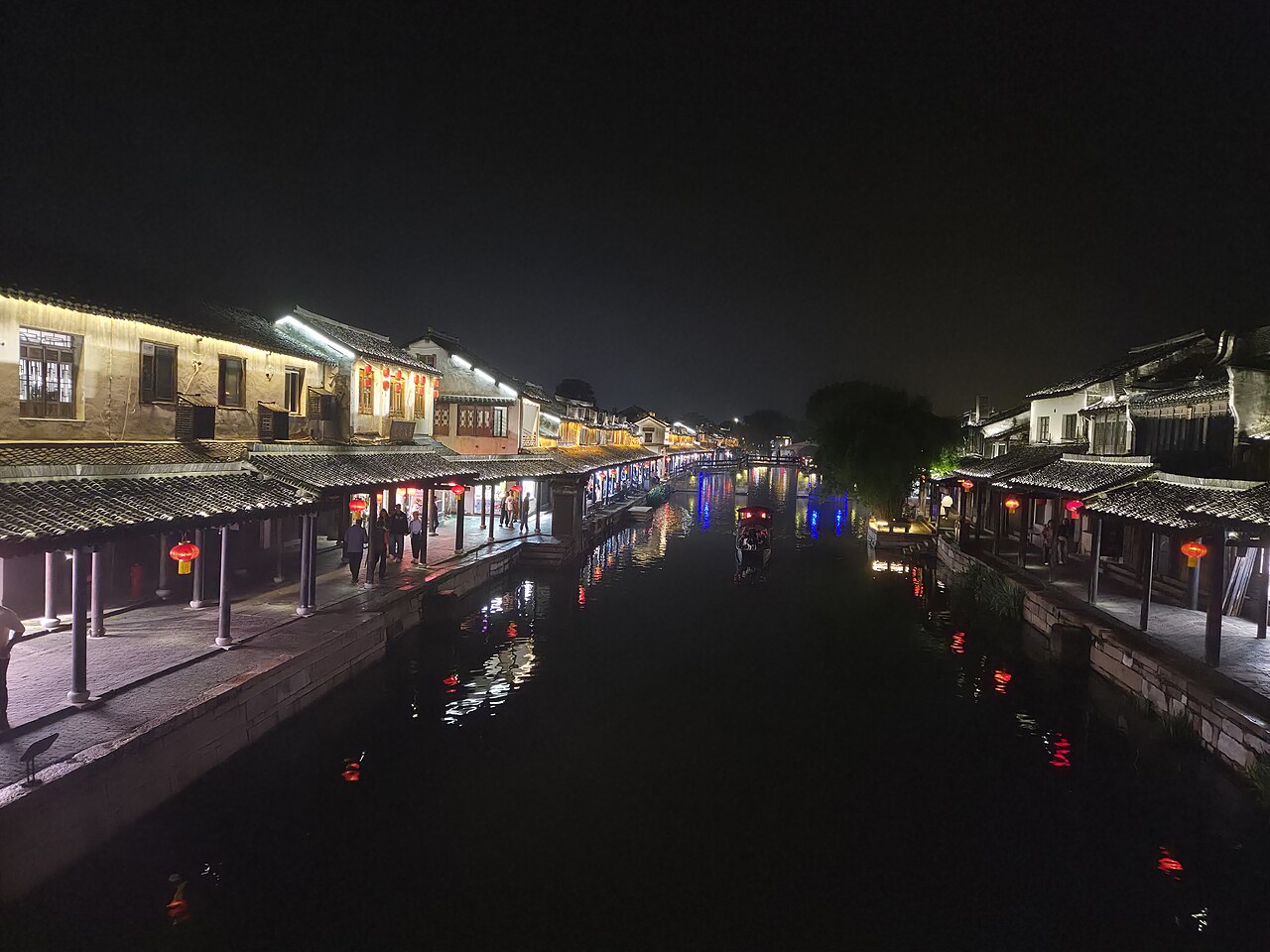
  3. Walk Zhenyuan at dusk when the Wuyang River turns the old town into a lantern-lit reflection
  4. Hike the classic Zhaoxing–Tang'an–Zhaoxing stone path, about 3 hours through terraces, then take the CNY 3 bus back
  5. Eat a bowl of sour fish soup (yan yu) in a Dong village — it is fermented, sour, faintly spicy and entirely unlike anything you get in Guiyang
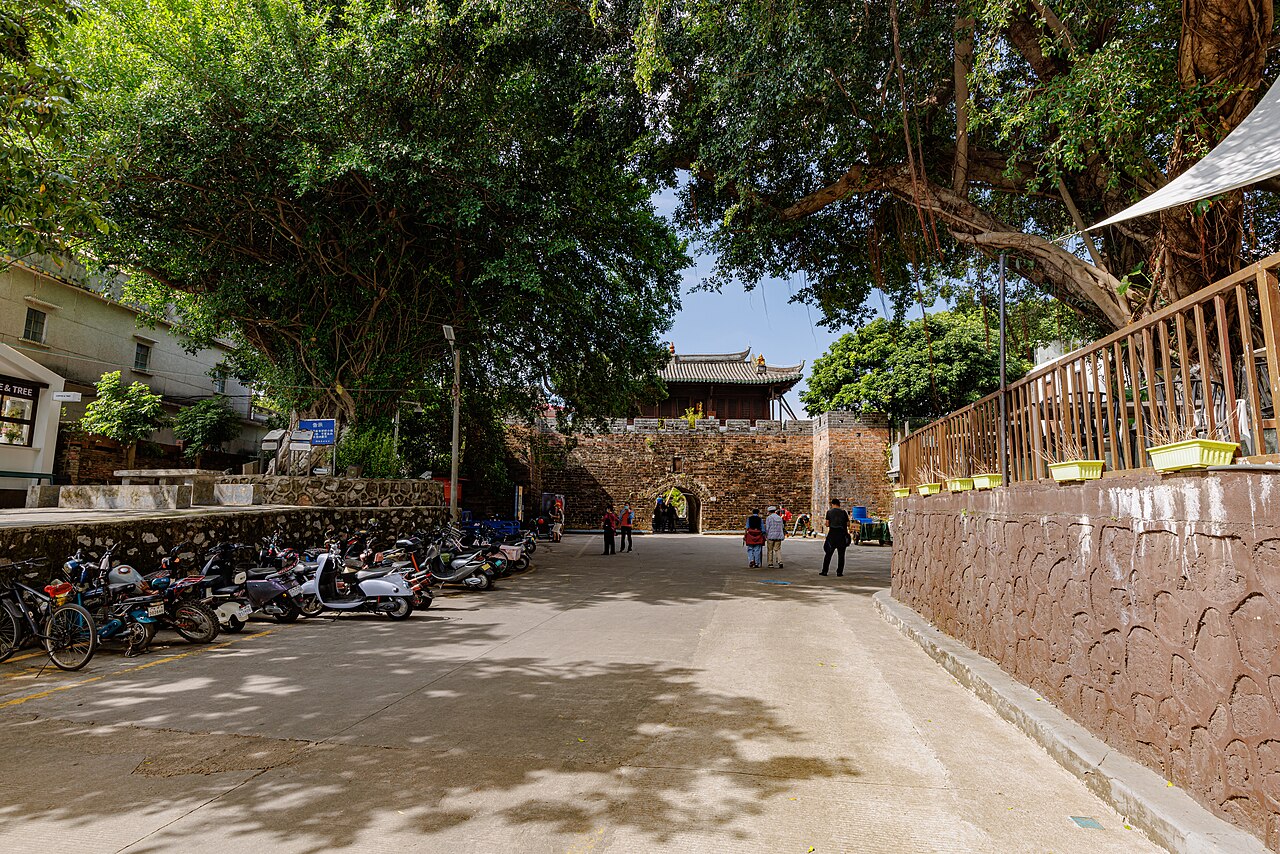
  6. Spend half a day in Longli, a 600-year-old Ming military garrison town, on the way out to Liping

Highlights

Five reasons Qiandongnan is worth the detour

Xijiang: the largest Miao village

More than a thousand wooden stilt houses climb the hillside above the Bai Shui River, home to the biggest Miao settlement anywhere in the world. The view from the platform opposite is the shot everyone comes for, and at night every house switches on its lights until the whole valley looks like a spilled jar of stars. Entry is CNY 100, or CNY 50 with a student card.
Dong drums and the 'Eastern magic

Zhaoxing's five drum towers and wind-and-rain bridges sit in a mountain basin with a stream running straight through the middle, all built from fir with small grey tile roofs. But the real soul of the region is in Zaidang, 25km from Rongjiang, where the Dong Grand Song — a polyphonic choir with no conductor and no instruments — is sung in its purest, most goosebump-raising form.

Zhenyuan: a 2,000-year-old town sh

Built along the Wuyang River, Zhenyuan's old town wraps around the water in a curve that looks like a yin-yang from above, packing Buddhist, Confucian and Daoist temples into one cliff face at Qinglong Cave. Walk the stone lanes, count the old wharves and docks, then watch the whole place light up after dark.

Basha: the last gun-toting tribe

Every adult man in this Miao village still carries a matchlock rifle, and the community practises tree burial — the dead are laid in the forest, never in the ground. It is genuinely one of the strangest and most photogenic places in Guizhou, and yes, you can take photos, but ask first.

Rice terraces and indigo cloth

The terraces around Tang'an and Jiabang stack up the slopes like mirrors, especially in backlight, with stilt houses scattered between them. Down in the villages, Miao embroidery, batik and silverwork are still made by hand — a single embroidered sleeve panel can hold a dozen techniques that UNESCO lists as intangible heritage.

Itinerary

Two three-day routes through Miao and Dong country

Classic Miao-Dong circuit

3 days days

The greatest hits at an honest pace — one Miao mega-village, one Dong town, one gun tribe. Best done by private car or hired driver, because public buses eat your daylight.

  1. Day 1

    Guiyang to Zhenyuan by train

    Take the train from Guiyang to Zhenyuan — about 4 hours, or just 1 hour if you are coming from Kaili. Drop your bags and spend the afternoon walking the old town lanes and the riverside, then climb Qinglong Cave (CNY 60, open 08:00–16:00) before the light goes.

    Stops: Zhenyuan Old TownQinglong CaveWuyang River

  2. Day 2

    Zhenyuan to Xijiang Qianhu Miao Vi

    Roughly 2.5 hours by road. Arrive before lunch, then spend the afternoon crisscrossing the lanes and climbing to the viewpoint opposite the main village. Stay the night — the illuminated hillside is the entire point. Buses run Kaili–Xijiang at 09:30, 10:30, 12:30, 14:30 and 16:00, about 13.5 CNY and one hour.

    Stops: Xijiang Qianhu Miao VillageViewpoint platformYoufang Street

  3. Day 3

    Xijiang to Kaili, out by rail

    A slow morning for the market and the embroidery shops, then take the 13:30 or 15:30 bus back to Kaili and connect to the high-speed rail. If you have a spare half-day, detour to Langde for a smaller, less commercialised Miao village.

    Stops: Xijiang morning marketKailiLangde Miao Village

Dong country and the deep south

3 days days

For travellers who want the Grand Song, the drum towers and the riflemen. Fly or drive into Liping and work west — this is the most rewarding route in the region and the least crowded.

  1. Day 1

    Liping to Zhaoxing

    Fly into Liping (airport code HZH, direct flights from Guiyang and Guilin; the shuttle from Liping Hotel square takes about 20 minutes). From Liping buses to Zhaoxing run roughly hourly. Check in, then walk the five drum towers and the two streams that cut through the village.

    Stops: LipingZhaoxing Dong VillageZhaoxing drum towers

  2. Day 2

    Zhaoxing to Tang'an and back on fo

    The classic hike: follow the stone flagstone path upstream on the right bank, the old villagers' route, past Xiage village and up through the terraces to Tang'an. About 3 hours at an easy pace. Come back by road bus for CNY 3 rather than attempting the stream descent — there is no trail and it is genuinely dangerous.

    Stops: XiageTang'an Dong VillageTang'an rice terraces

  3. Day 3

    Zhaoxing to Zaidang, or a lazy day

    If you have the time, push on to Zaidang near Rongjiang — 25km out on a rough road, and worth every bump for the Grand Song. Otherwise spend the day in Zhaoxing: coffee at the guesthouse terraces, the market, and one last long lunch before the bus to Liping or Congjiang.

    Stops: Zaidang Dong VillageRongjiangZhaoxing market

Sights

What to actually spend your time on

Miao village · CNY 100

Xijiang Qianhu Miao Village

Over a thousand stilt houses stacked up a hillside above the Bai Shui River, making this the largest Miao settlement in China and probably the world. It is commercialised — the Pingzhai area and the viewpoint are the worst of it — but walk twenty minutes off the main drag and the original village is still there, and the residents are genuinely warm.

Entry
CNY 100, student CNY 50
Buses from Kaili
09:30 / 10:30 / 12:30 / 14:30 / 16:00, about CNY 13.5
Buses back to Kaili
08:00 / 09:30 / 11:00 / 13:30 / 15:30
Shuttle to viewpoint
CNY 5 by electric cart, or 10 minutes uphill on foot
ATM
Postal Savings and Rural Credit Union — the only ATMs in any village in the region

Tip Shoot the night panorama from the concrete apron below the wooden pavilions, not on the pavilion deck itself — the floor vibrates with every footstep and your tripod will never settle.

Temple complex · CNY 60

Qinglong Cave, Zhenyuan

Not actually a cave — it is a huge cliff-hugging complex of halls and pavilions covering 20,000 square metres, where Buddhism, Confucianism and Daoism share the same rock face. The Zhongyuan Cave hall is Buddhist but houses the Daoist immortal Zhang Sanfeng; the Confucian Ziyang Cave gives its best room to Laozi. It is a masterclass in Chinese religious compromise.

Entry
CNY 60
Hours
08:00–16:00
Getting there
Walkable from anywhere in Zhenyuan old town
Best time
Late afternoon, when the river below catches the light

Tip Ignore the well-dressed men inviting you to burn incense for good fortune. Zhenyuan is one of the few places in Qiandongnan with a real tourist trap, and this is it.

Dong village · Free to walk

Zhaoxing Dong Village

Five drum towers, each belonging to a different clan, plus wind-and-rain bridges and a stream running through a mountain basin. Every building is fir with small grey tiles, and the whole place is compact enough to walk in half a day. It is the transport hub and the cultural core of Dong country at the same time.

Buses from Congjiang
07:30 and 13:00 daily
Buses from Liping
Roughly every hour, about 1 hour
Buses from Sanjiang
06:45 and 11:00, about 5 hours, CNY 35
Missing the direct bus?
Take the Congjiang–Luoxiang bus (every 30 min), then a 7km minivan for CNY 3–50

Tip Zhaoxing Hotel (CNY 288, 20% off in low season) is the plushest place in any village in the region — and it has the worst soundproofing, because it is a wooden building like everything else.

Dong village · Grand Song

Zaidang Dong Village

Twenty-five kilometres from Rongjiang on a rough track, and the single most moving stop in the region if you care about music. The Dong Grand Song here is sung without instruments or a conductor, in layered polyphony that UNESCO protects as intangible heritage. The village also keeps the classic Dong stilt-house architecture intact.

Distance from Rongjiang
25km, simple road only
Best reason to come
Grand Song performances
Architecture
Classic ganlan-style stilt houses

Tip Performances are not on a fixed schedule. Ask at your guesthouse in Rongjiang the day before, and be prepared to pay a modest fee directly to the choir.

Miao village · Ancient customs

Basha Miao Village

The last gun tribe of Qiandongnan — every adult man carries a matchlock rifle, and the village practises tree burial rather than earth burial. It is a genuinely old culture that has held onto its rituals, and it is on the road between Rongjiang and Zhaoxing, so it slots neatly into a driving itinerary.

Location
On the Rongjiang–Congjiang road
Signature
Matchlock rifles and tree burial
Photography
Ask before shooting portraits

Tip Pair it with Zhaoxing on the same day — Basha in the morning, Zhaoxing by late afternoon, and you have covered Miao and Dong culture in one loop.

Food

What to eat in Qiandongnan: sour, fiery and nothing like you expected

Sour fish soup (酸汤鱼)

The dish that defines the region. River fish poached in a fermented tomato-and-rice broth so sour it makes your jaw ache, served with a chilli dip. Every household in Guizhou keeps a sour-soup crock; in Xijiang expect to pay around CNY 80–120 for a pot that feeds two or three. It is the single best thing you will eat here.

Niubiejin (牛背筋)

Beef sinew and shank from the back of the animal, chopped small and stir-fried hard with chicken pieces and dried chillies. Chewy in the best way, deeply savoury, and the chilli heat builds slowly. Order it in Zhaoxing or Rongjiang, where the beef comes off the mountain that morning.

Cured fish (腌鱼)

A Miao and Dong staple: freshwater fish salted, layered with cooked rice, chilli and ginger, then sealed in a wooden barrel for months. It arrives sour, fragrant and fierce. Eat it steamed over rice — a few bites go a long way, and locals will be delighted you tried it.

Chicken congee (鸡稀饭)

Xijiang's signature breakfast and late supper. A whole chicken simmered into fresh rice porridge, then separated so the congee carries the chicken's savour and the meat carries the rice's sweetness. A whole chicken runs about CNY 100; a bowl is under CNY 15.

Sanwei stinky tofu (三味臭豆腐)

Zhenyuan's one true street snack, sold at a single stall on Shuncheng Old Street under a couplet that roughly translates as "rank in the nose, miraculous on the tongue." Four yuan a box, crispy outside, molten inside, and yes, it smells exactly as advertised.

Where to eat

Four tables worth planning your day around

Xijiang · home kitchen

Amu Miao Family (阿浓苗家)

Run by Amu, a Miao woman in her thirties who sits on the Leishan county advisory board, her house has hosted the likes of Yu Qiuyu and Lien Chan and the walls are papered with the photographs. You come for long-table rice and rice wine, poured by the bowlful while someone sings. Book ahead in high season — she seats maybe thirty.

Typical spend
About CNY 35 per person
Location
50 m up the road from the Xijiang bus station, look for the signboard
Phone
0855-3348288
Best for
Long-table banquets with singing and toasts

Xijiang · viewpoint dining

Wooden House Family (木楼人家)

Halfway up the hillside, which means you eat sitting on a beauty rail looking straight out over the stacked wooden roofs of the village. Come at dusk when the lights come on below you. The menu is plain Miao home cooking — sour soup, cured meats, stir-fried mountain greens — and none of it costs much.

Typical spend
About CNY 35 per person
Location
Yedong village, next to painter Li Yufu's house
Phone
0855-3348084
Best for
Sunset views over the village roofs

Zhenyuan · sour soup specialist

Miao Boma Red Sour Soup (苗伯妈红酸汤)

A Zhenyuan institution serving the deepest, reddest sour soup in town, made with fresh vegetables and a broth that has clearly been fed for years. Excellent if you are travelling with vegetarians — ask and they will build a pot around tofu and greens instead of fish. Busy from 18:00.

Location
Heping Street shopping area, near the Fujiale supermarket, Zhenyuan
Order
Red sour soup hotpot, plus a plate of cured pork
Good to know
Vegetarian pots available on request
Best for
A long, slow, sour dinner

Zhaoxing · cheap and cheerful

Sanxiao Restaurant (三笑餐馆)

Right in the middle of Zhaoxing's main street beside the visitor centre, opposite the market. Nothing fancy: rice, a couple of wok dishes, a bowl of soup, done. If you are staying at Guesthouse Guokeju, they will also cook for you at CNY 15 a head and let you use the kitchen yourself.

Typical spend
Under CNY 40 per person
Location
Main street, next to the tourist service centre, opposite the market
Also
Guokeju guesthouse cooks for guests at CNY 15 per person
Best for
A fast, filling lunch between villages

Where to stay

Sleeping in a wooden village: what you get for the money

Xijiang · the original

Qianzhiyi Boutique Hostel (黔之驿精致旅舍

Opened by Liu Bin, the founder of WalkGuizhou, in 2004 — the oldest guesthouse in Xijiang and still the one everybody recommends. Sixteen twins and twelve doubles, every room with its own bathroom and 24-hour central hot water. The lobby has wifi, a small cinema room and a bar. It sits right opposite the old lusheng ground, 30 m from the Xijiang museum.

Price
Twin room from CNY 138
Location
Centre of Xijiang, opposite the old lusheng ground, 30 m from the museum
Phone
0855-3348896
Book
Walkguizhou.taobao.com or Weibo @西江千户苗寨黔之驿客栈

Zhaoxing · the comfortable option

Zhaoxing Hotel VIP Building (肇兴宾馆贵

By some distance the best hotel in any village in Qiandongnan — sweeping architecture at the top end of Zhaoxing with rooms looking down over the drum towers and tiled roofs. Standard rooms and suites, and it is where visiting officials and foreign delegations stay. The catch is the same as everywhere here: wooden walls, thin sound insulation. Room 205 is the one Yu Qiuyu slept in, and guests still ask for it.

Price
Standard room CNY 288, 20% off in low season
Location
Top (upstream) end of Zhaoxing village
Phone
0855-6130899
Splurge on
A room with a view over the drum towers

Zhenyuan · riverside balcony

Yujie Hotel (宇洁宾馆)

Eight rooms beside the Zhusheng Bridge, four of them facing the Wuyang River with private balconies. From the balcony you look straight across at the Qinglong Cave temple complex on the cliff and the old bridge itself — photographers book this place for the light at dawn and dusk. Riverside rooms cost more than street-side ones, and it is worth every yuan.

Price
Riverside CNY 180, street-side CNY 160
Location
No. 7 Tiexi, Zhenyuan, beside Zhusheng Bridge
Phone
0855-5725808
Best for
Photographers — ask for a river-facing room with a balcony

Getting around

How to reach Qiandongnan and how to move between villages

Fly into Guiyang

Guiyang Longdongbao (KWE) is the gateway for almost everyone — the nearest big airport to Kaili, about 150 km from Qiandongnan. It connects directly to most major Chinese cities and sits 11 km from downtown Guiyang. From the airport, long-distance buses and the high-speed rail link carry you onward.
Airport
Guiyang Longdongbao International (KWE), 11 km from the city
Airport phone
0851-5498909
Long-distance transfer desk
0851-5499246
To Kaili
About 150 km; high-speed rail from Guiyang now makes it a short hop
Best for
Anyone flying in from outside Guizhou

Train to Kaili and Zhenyuan

Guiyang is the province's rail hub, and the busy Xiangqian line threads right through Qiandongnan. Kaili station is a major stop — 25 trains a day pass through from Guiyang, tickets sell around the clock, and the ride takes under 3 hours. Zhenyuan is the other rail winner: 4 hours from Guiyang, 1 hour from Kaili, under 3 hours from Huaihua. For backpackers heading to Zhenyuan, the train is the unanimous pick.

Guiyang to Kaili
25 trains daily, under 3 hours, 24-hour ticketing
Kaili to Zhenyuan
About 1 hour by train
Guiyang to Zhenyuan
About 4 hours by train
Huaihua to Zhenyuan
Under 3 hours
Station addresses
Guiyang station: Zunyi Road; Kaili station: near Qingjiang Road
Station phones
Guiyang 0851-8181222

Bus and the Liping loop

Once you're off the rails, long-distance buses do the rest. Liping is the biggest county in Guizhou and a genuine transfer hub for Guangxi and Hunan. The Xiarong expressway is now open through Guizhou, running via Duyun, Sandu, Rongjiang and Zhaoxing — the run from Guiyang down to the Rongjiang Dong country that once took 10 hours is now about 2.

Liping to Sanjiang (Guangxi)
One morning bus, 06:30 daily
Liping to Jingzhou (Hunan)
About 20 buses daily, last at 18:00
Liping to Huaihua
About 3 buses daily
Liping to Zhaoxing
About 20 buses daily, both directions
Liping to Kaili
8 buses daily
Liping to Rongjiang
About 20 buses daily, last at 18:00
Kaili to Xijiang
09:30 / 10:30 / 12:30 / 14:30 / 16:00, about 1 hour, CNY 13.5
Xijiang to Kaili
08:00 / 09:30 / 11:00 / 13:30 / 15:30; extra 17:30 service at CNY 24
Leishan to Xijiang
Hourly, 08:00–17:30

Local hops between villages

Inside Qiandongnan it's road travel all the way, and buses are the default. Zhaoxing is the fiddly one: from Congjiang there are two direct buses (07:30 and 13:00), but if you miss them, take any Congjiang–Luoxiang bus (every 30 minutes) and cover the last 7 km by minivan — CNY 3 on market days (lunar 1st and 5th), about CNY 50 to charter. From Sanjiang there are two buses to Zhaoxing (06:45 and 11:00), roughly 5 hours and about CNY 35. Liping sends a bus toward Zhaoxing about once an hour. If you'd rather not wrestle narrow, steep, rain-slick mountain roads yourself, hire a local driver — self-driving here is genuinely demanding.

Congjiang to Zhaoxing
07:30 and 13:00 direct; otherwise via Luoxiang
Luoxiang to Zhaoxing
7 km; CNY 3 minivan on market days, about CNY 50 to charter
Sanjiang to Zhaoxing
06:45 and 11:00, about 5 hrs, about CNY 35
Liping to Zhaoxing
Roughly hourly
Walking
Zhaoxing–Tang'an–Zhaoxing is a classic 3-hour stone-path hike
Warning
Roads are narrow, steep and slick after rain; keep under 40 km/h in the wet

Shopping

What to actually buy in Qiandongnan

Miao silver jewellery

Xijiang's silversmithing is the real deal — most shop owners come from the nearby silversmith villages of Kongbai and Maliao. Ask plainly whether a piece is "pure silver" (baijiu silver, the genuine article) or "Miao silver" (usually white copper). Pure silver runs about CNY 12 per gram; anything much cheaper is suspect. Fine filigree pieces are sold by the piece, not by weight.

Hand embroidery and old miao embro

Shops all along Xijiang's main street sell embroidery panels, new and antique, from a few dozen yuan to tens of thousands. You won't learn to appraise them in a paragraph — buy what you like at a price you're happy with. As souvenirs go, Zhaoxing is generally a touch cheaper than Xijiang.

Butterfly Mother and indie design

Butterfly Mother (蝴蝶妈妈), opposite the Qianzhiyi hostel, is a homegrown label fusing Miao motifs with modern cuts — T-shirts, hats and clothing from around CNY 10 up to CNY 100+. The embroidery shop next door specialises in embroidered shoes that work with everyday outfits.

Xifang trinkets and DIY finds

Xifang (戏坊小店) sits about 50 metres into the old street past the wind-and-rain bridge by the Xijiang bus station, beside a tree-stump-shaped stove — easy to walk past. It's a jumble of small, genuinely fun things, some of them handmade by the shopkeeper herself. Also worth knowing: Zhenyuan's sanwei stinky tofu (CNY 4 a box) and its pickled daocai are the local edibles to carry home.

Practical

Money, weather, packing and the things nobody warns you about

Zhenyuan is one of the few places in Qiandongnan with tourist traps, and they're religious in flavour — sites like Qinglong Cave, or semi-religious spots such as the Yan Gong by Zhusheng Bridge, where someone who looks impressively Taoist will invite you to burn incense and make a donation, at no small cost. If you're not religious, decline firmly. If you are, remember they aren't your co-religionists.

Best time to goSpring through autumn — from the March warm-up until the Leishan Miao New Year in November. 80% of the rain falls May–October, so pack an umbrella and expect occasional transport delays after heavy rain. Winter is cold and village heating is poor, which makes travel hard work — but you'll meet far more locals and see more unvarnished village life. Spring Festival is the traditional peak, with celebrations and folk events in the villages.
Money and ATMsBring CNY 600–1,000 in cash — enough to get you from anywhere in Qiandongnan back to a nearby city. Rural credit cooperatives and postal savings banks are easy to find, so a postal or rural-cooperative card is the safest bet; UnionPay cards work at many counters and in bigger hotels and restaurants. Agricultural Bank has branches in every county town; Zhenyuan and Liping also have ICBC. VISA can only be cashed at the Bank of China in Kaili, the prefecture capital. Xijiang is the only village in Qiandongnan with an ATM — postal savings and rural credit both have machines, plus an Agricultural Bank ATM inside the Qianzhiyi hostel.
Where to stayKaili, the prefecture capital, has the best range of hotels. In bigger towns like Congjiang and Rongjiang, food, lodging and hot showers are no problem — government guesthouses are a solid choice. In smaller villages you can usually find food and a bed, but conditions are basic and hot water is scarce, so be ready to rough it. In Xijiang, expect around CNY 138 for a standard room at Qianzhiyi, CNY 208 at Xijiangyue Hotel, and CNY 508 for a river-view standard at Langyuntai. In Zhaoxing, Zhaoxing Hotel's standard rooms are CNY 288 (20% off in low season) and Guokeju dorm beds are CNY 30. In Zhenyuan, a decent room runs CNY 80–120 in normal times; riverside rooms cost more than street-side, but street-side rooms are noisier.
Peak-season bookingAll the rates above are normal-day prices. During Golden Week and public holidays they climb steeply, so phone ahead and book early. Farmstays won't guarantee a room without full prepayment — that's just how it works here.
What to packRain gear, including covers for your backpack and camera bag. A torch and a lighter. Proper shoes — grippy, comfortable, made for mountain paths; hiking or trekking boots are ideal. A warm layer, since mountain villages run colder than the city. Anti-diarrhoea and hangover medicine whether or not you plan to drink, motion-sickness pills (if you don't need them, your travel companion will), sunscreen in summer, and mosquito repellent for village stays. For deep travel, bring a sleeping bag.
Health and food safetyDrink plenty of purified water and eat fresh fruit to avoid stomach trouble. At street stalls, be strict about hygiene: food cooked through, utensils sterilised, vegetables blanched. Never pick and eat wild fruit or mushrooms — poisoning is a real risk out here.
Phones and etiquetteChina Mobile, China Unicom and China Telecom all have signal in towns, but coverage gets patchy in remote villages. On etiquette: Qiandongnan is Miao and Dong country, with Sui, Bouyei, Gelao and Yao communities alongside, and minorities make up more than 80% of the population. Respect local customs — not as a list of taboos, but as basic courtesy. A smile and a chat on the bus often earns you an invitation to someone's home; don't turn it down. Show real enthusiasm, because Guizhou people stay shy until the alcohol is flowing, and the warmth you put out comes back doubled. Go inside their houses and talk, rather than only pointing a lens at them — it makes for a far better trip. If you're shopping for valuables, look but don't touch, handle crafts gently, don't argue with shopkeepers or other customers, and always ask for a proper receipt; if a shop can't provide one, don't buy.
Background

How a corner of Guizhou became China's living museum

The land: nine parts mountain, hal

Qiandongnan covers 30,337 square kilometres — about the size of Belgium — and the old saying is "nine parts mountain, half a part field." The terrain drops from 2,178 metres at its highest point to 137 metres at its lowest, with three rivers — the Qingshui, the Wuyang and the Duliu — running parallel through the north, centre and south. That geography is the whole reason the villages survived: for centuries the only way in was a footpath, so Miao and Dong communities kept their own languages, their own weaving, their own songs. Twenty-seven nature reserves protect the original forest, and Leigongshan is a national-level one.

Four hundred years of being left a

Before the Qin dynasty this was written off as "Nanman" — southern barbarian land. The Yuan ran it through hereditary local chiefs, the tusi system. The Ming "opened up the Miao frontier" and carved out Zhenyuan, Liping and Xinhua prefectures, which is when Han administration, garrison towns and the first wave of outside influence arrived. Everything from the Ming walls at Longli to the drum towers in Zhaoxing sits on that line between two worlds. On 23 July 1956 the Qiandongnan Miao and Dong Autonomous Prefecture was formally created, with Kaili as its capital — and today over 80 percent of the prefecture's four million people belong to a minority group, mostly Miao and Dong, plus Sui, Bouyei, Gelao, Yao and the still-unclassified Gejia.

Watch & read

Three things to watch, read or play before you go

Film

Niaochao (Bird's Nest, 2008)

Directed by Ning Jingwu

A Miao boy in a mountain village gets a letter from his father in Beijing saying he is building the Bird's Nest stadium for the Olympics. Nobody in the village believes it, so he bets 15 bundles of firewood and sets off to see for himself. Shot with non-professional Miao actors, 84 minutes, in Mandarin — it is the single best primer on what village life actually looks like before you walk into one.

Book

Lonely Planet: Guizhou

Chinese travel guide series

The standard reference on the province, and the edition that put Zhaoxing and Xijiang on the backpacker map. Read the Qiandongnan chapter for village-by-village coverage; it is also the book that introduced most Chinese travellers to the idea that Guizhou's beauty is not a surprise but an inevitability.

Music

Dong Grand Song (侗族大歌) — field rec

Zhu Zheqin (Dadawa) and Zhaoxing village choirs

The Dong Grand Song is polyphonic, unaccompanied, sung by a choir with no conductor, and it was the first Chinese folk tradition to be listed by UNESCO. Zhu Zheqin spent years recording in these villages and folded what she heard into her album. Listen to it once before Zaidang, then hear it live in a wooden drum-tower hall with no amplification — that is the whole point of the trip.

The questions visitors ask us most about Qiandongnan, answered plainly.

Frequently asked questions

Prices and practical details are reviewed every month by our Beijing team and updated the day a rule changes.

When is the best time to visit Qiandongnan?

March to November. Spring warms up from March and the season runs through to the Leishan Miao New Year in November. About 80 percent of the annual rain falls between May and October, so bring a rain cover for your bag and camera; heavy downpours occasionally disrupt road transport. Winter is genuinely cold and village heating is basic, which makes travel uncomfortable, but you get far more unmediated contact with locals and the villages run Chinese New Year celebrations — Qiandongnan's traditional peak season.

How do I get to Qiandongnan from Guiyang?

Guiyang is the gateway, about 150 km away. Kaili, the regional capital, is the main rail stop: 25 trains a day pass through from Guiyang, tickets can be bought at Guiyang station around the clock, and the trip takes under 3 hours. If you are heading for the Dong villages around Rongjiang, the Xiarong expressway now runs through Duyun, Sandu and Rongjiang — about 2 hours from Guiyang, down from at least 10 hours. Buses are still the default for getting between towns inside the region.

Is Xijiang Miao village too commercialised?

Partly, yes — the Pingzhai area and the viewing platform are the most commercialised stretches. But walk 20 minutes off the main street into the upper hamlets and the village is still entirely itself: people farming, drying grain, repairing roofs. Entry is CNY 100, or CNY 50 with a student card, and the best time to photograph it is early morning before the tour groups arrive.

How much cash should I carry in Qiandongnan?

CNY 600–1,000 in cash is enough to get you from anywhere in the region back to a nearby city. Rural credit cooperatives and postal savings banks are easy to find, so a Postal Savings or rural cooperative card is the safest option. Every county has an Agricultural Bank of China; Zhenyuan and Liping also have ICBC. Bigger hotels and restaurants take UnionPay cards, but VISA can only be exchanged at the Bank of China in Kaili. Most villages have no ATMs at all — Xijiang is the only village in the region with one.

What should I pack for Qiandongnan?

Rain gear including covers for your pack and camera, a torch or lighter, and proper hiking or trail shoes with grip — you will be walking stone paths and wet slopes. Mountain areas run cooler than the city, so bring a warm layer. Add diarrhoea and hangover medicine whether or not you plan to drink, motion-sickness tablets for the winding roads, sunscreen in summer, and mosquito repellent for the villages. If you plan to go deep into village stays, bring a sleeping bag.

Is it safe to self-drive in Qiandongnan?

The roads are narrow, steep and full of blind bends, which is fun but unforgiving. Slow right down for oncoming traffic, and in the rain keep below 40 km/h — the mountain surfaces get genuinely slippery. Unless you have solid mountain-driving experience, take local buses or hire a driver who knows the routes. On the Guangxi side, the 321 national road at the Boli bridge near Gao'an is a restricted bridge under repair, so large coaches cannot cross and passengers have to walk over and change vehicles; minibuses can still pass.

Related reading

Related reading

Visas Do I Need a Visa for China? Requirements, Costs and How to Apply China's entry rules changed more in the last three years than in the previous twenty. Here is exactly who needs a visa, what it costs, how long it takes and which passports now walk straight through. 9 min read Visas China's 240-Hour Visa-Free Transit: Who Qualifies and How It Works Ten days in China with no visa application, no fee and no fingerprints — if you hold the right passport and leave for a third country. Here is the rulebook, port by port. 8 min read Money Paying in China: Alipay, WeChat Pay, Cards and Cash Roughly nine in ten urban payments in China now run through a phone. Set up two apps before you fly, carry a modest cash float, and you will never be stuck at a till. 8 min read Transport China's High-Speed Rail: How to Book, What It Costs, How Fast It Goes The fastest way to cross China is also the most pleasant. Here is how to book a ticket with a foreign passport, what the three classes actually give you, and how to survive a Chinese station at rush hour. 9 min read Planning Best Time to Visit China: Month by Month, Region by Region China is the size of Europe, so 'the best month' depends on where you stand. Here is the month-by-month answer for the north, the Yangtze valley, the south and the plateau. 8 min read Planning What to Pack for China: The Complete 2026 Checklist Twenty thousand steps a day, three climate zones and a phone that has to do everything. This is the list we give our own travellers, minus the things they never used. 7 min read Food Chinese Food Culture: Eight Cuisines, One Table There is no such thing as Chinese food. There is Cantonese, Sichuan, Hunan, Jiangsu, Zhejiang, Fujian, Anhui and Shandong — and knowing which one you are eating changes everything. 8 min read Traditions Chinese Tea Culture: Six Classes, One Pot, Two Fingers Tea in China is not a beverage category, it is a social technology: it fills silences, seals deals and sets the pace of a meal. Here is how to sit down in one and not look lost. 7 min read Traditions Chinese Festivals: The Calendar, the Dates and the Crowds Lunar dates mean the calendar moves every year — and two of the festivals move several hundred million people at once. Plan around them or plan into them, but never by accident. 8 min read Etiquette Chinese Etiquette: What Matters, What Does Not, and Why Most etiquette advice for China is either obvious or wrong. These are the dozen behaviours that actually change how you are treated, and the reasoning behind each. 7 min read

Tell us your dates.
We'll do the rest.

Free itinerary design, a revised plan within one working day, and nothing charged until you approve the final version.

  • Xijiang Miao village charges CNY 100 entry (CNY 50 with a student card) and is the largest Miao settlement in the world, spread across more than ten hillside hamlets.
  • Zhenyuan is a 4-hour train ride from Guiyang or 1 hour from Kaili; the walled Ming town is free to walk, while Qinglong Cave costs CNY 60 and Wuyang River boat trips CNY 100.
  • Zhaoxing sits in Liping county; buses run hourly from Liping, roughly 5 hours from Sanjiang, and Liping airport (HZH) has flights to Guiyang and Guilin.

No spam. No sales calls. Just a real itinerary from a real person.