City guide · Gansu

Gannan travel guide: Labrang Monastery's 3.5 km kora, Langmusi's dawn sky burials, and the grasslands of the Tibetan plateau

433 kilometres of the Yellow River's first bend, a 3.5 km prayer-wheel circuit, and Tibetan grasslands almost nobody has commercialised yet.

  • Known forLabrang Monastery, Langmusi, Tibetan grasslands, the Yellow River's first bend
  • Typical spendAbout CNY 2,000 per person for 6 days
  • Ideal length6 days Lanzhou to Xining, 8 with Qinghai Lake
  • PaceModerate — long driving days between monasteries

Reviewed by our Beijing team Updated 2026-10-10

The short version

Gannan is worth 6 days: the Tibetan Autonomous Prefecture in southern Gansu packs Labrang Monastery (the largest Tibetan monastery outside Tibet, with a 3.5 km prayer-wheel circuit), the cliff-side town of Langmusi, the bird sanctuary of Gahai Lake and the vast Sangke grasslands into one drivable loop from Lanzhou. Budget around CNY 2,000 per person for six days including a chartered vehicle, entry fees of CNY 20–40 per monastery, and simple guesthouses at CNY 40–120 a night. Come June to August for green grasslands, or late January to February for the Monlam prayer festivals.

  • Labrang Monastery entry is CNY 40 and the kora — 2,000+ prayer wheels over 3.5 km — is free and takes about 1.5 hours clockwise.
  • Gahai Lake and both Langmusi monasteries charge CNY 30 each; the Milarepa佛 Pavilion in Hezuo is CNY 20 and opens 8:00–17:00.
  • Langmusi sits at 3,400 m, Xiahe at 2,850 m and Hezuo at 2,980 m — the highest point of the standard loop is Langmusi.
  • No trains reach Gannan. Charter a vehicle from Lanzhou for the whole loop, roughly CNY 100–130 for a Xiahe–Bajiaocheng day trip.

City guide

First impressions

Photographs from the coast, and what other travellers wrote afterwards.

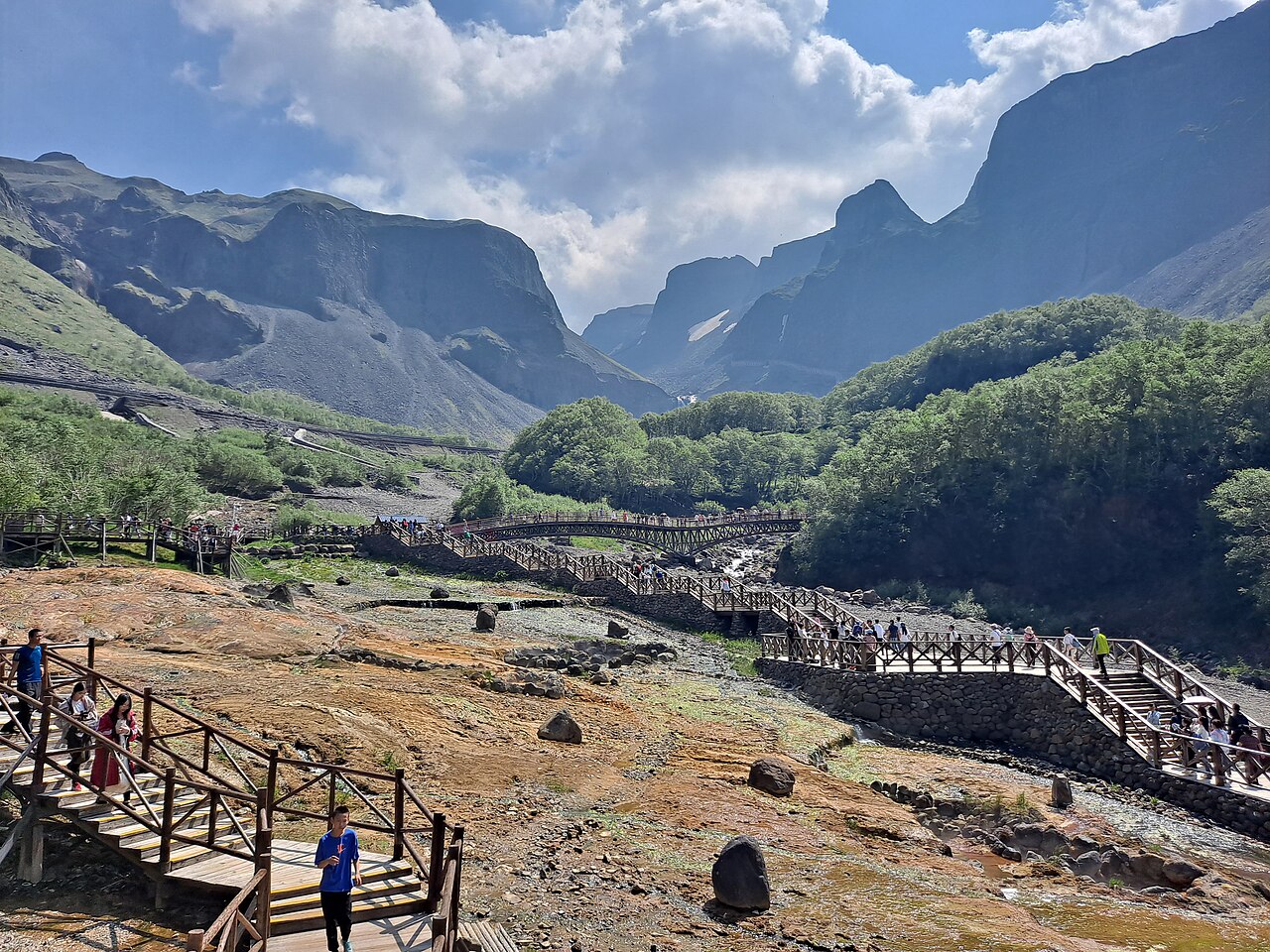
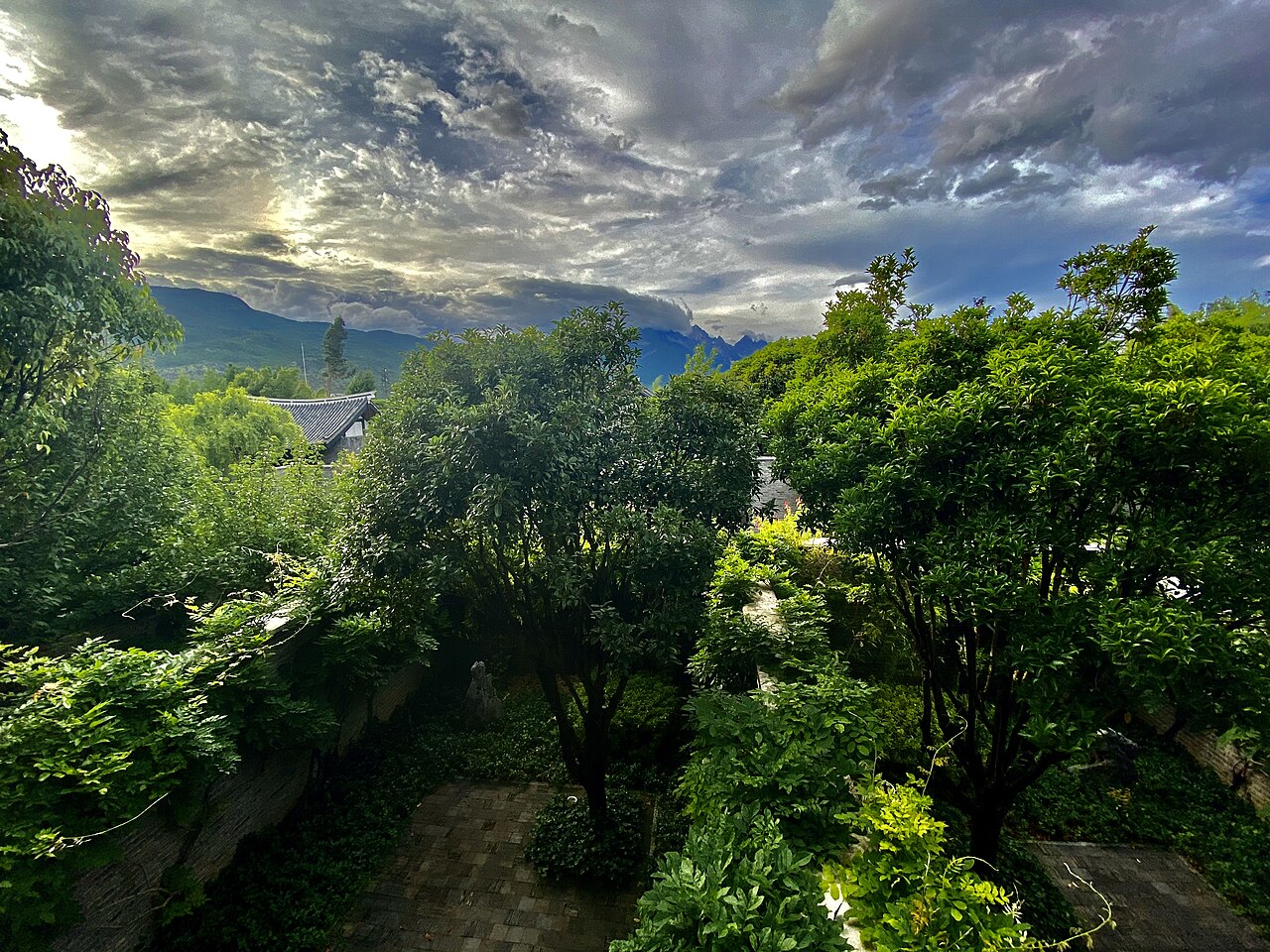
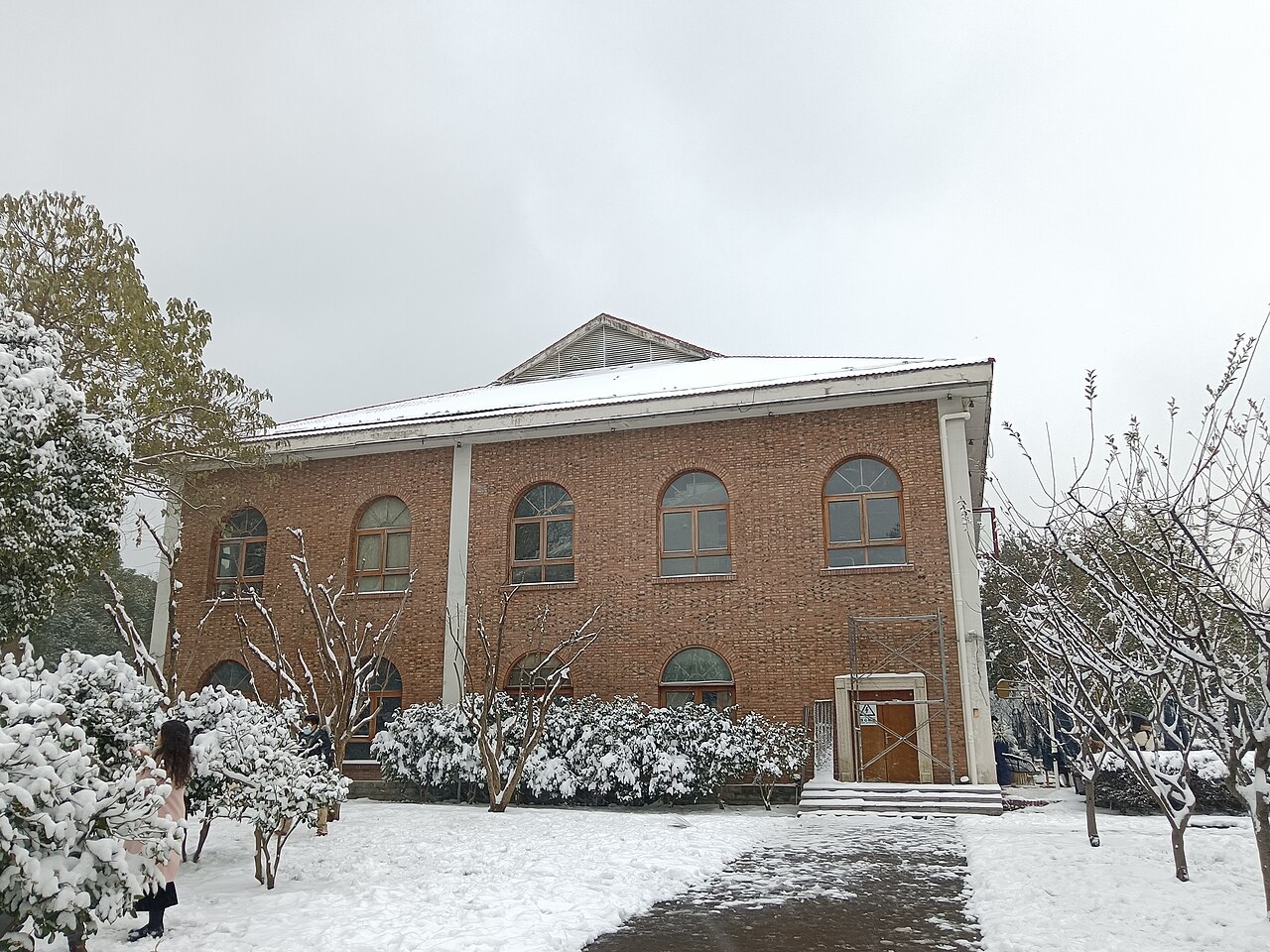
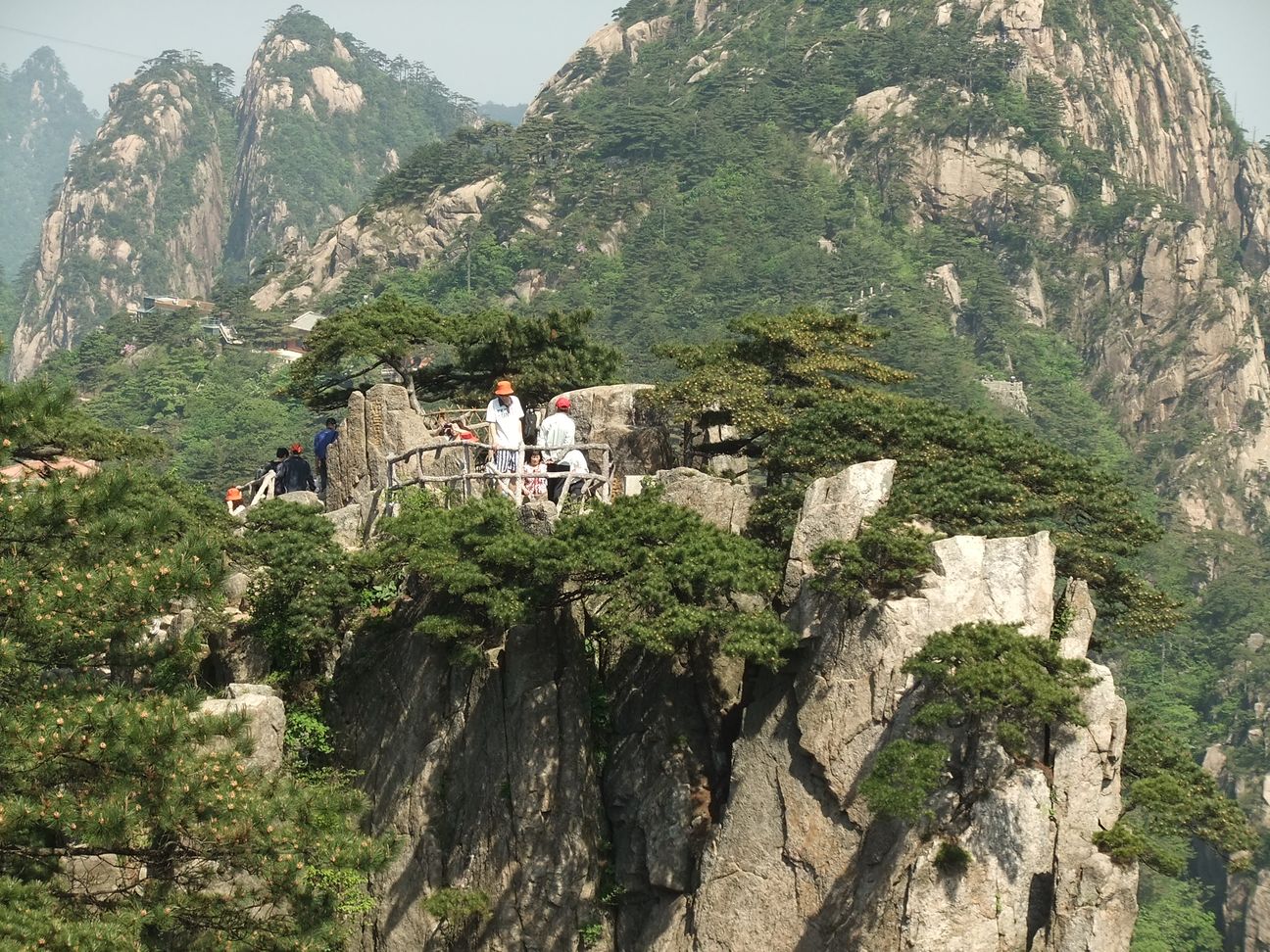
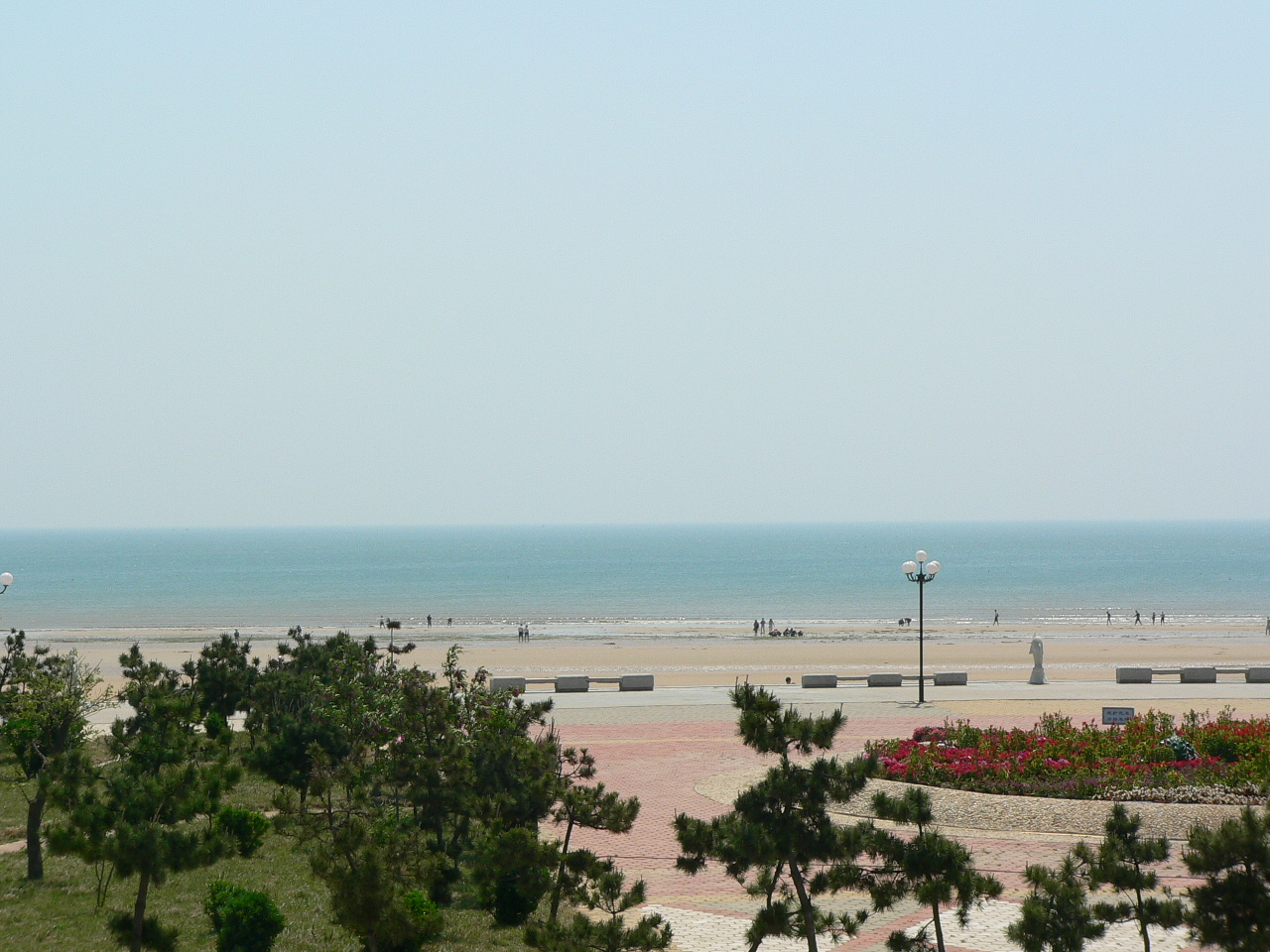
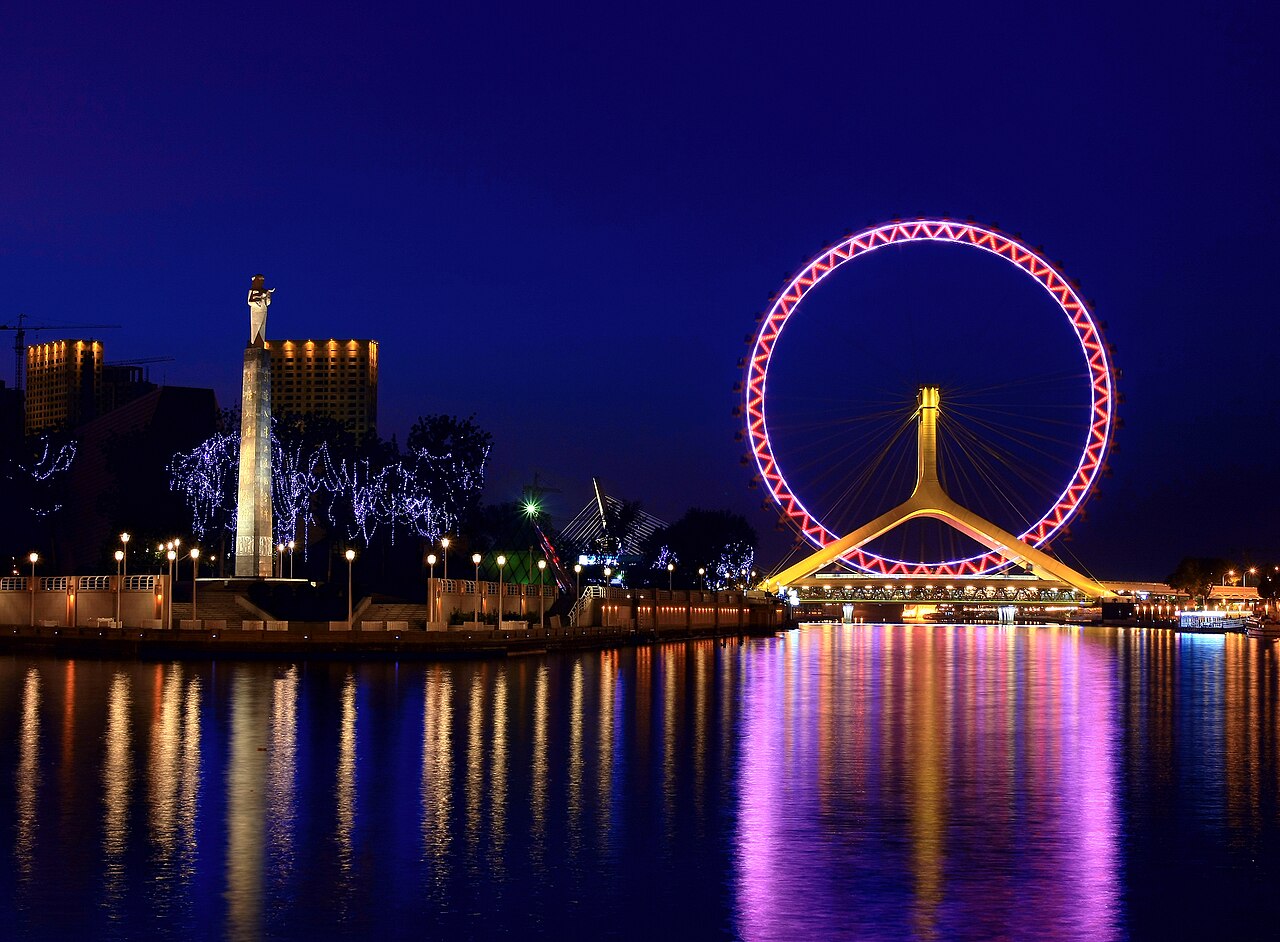
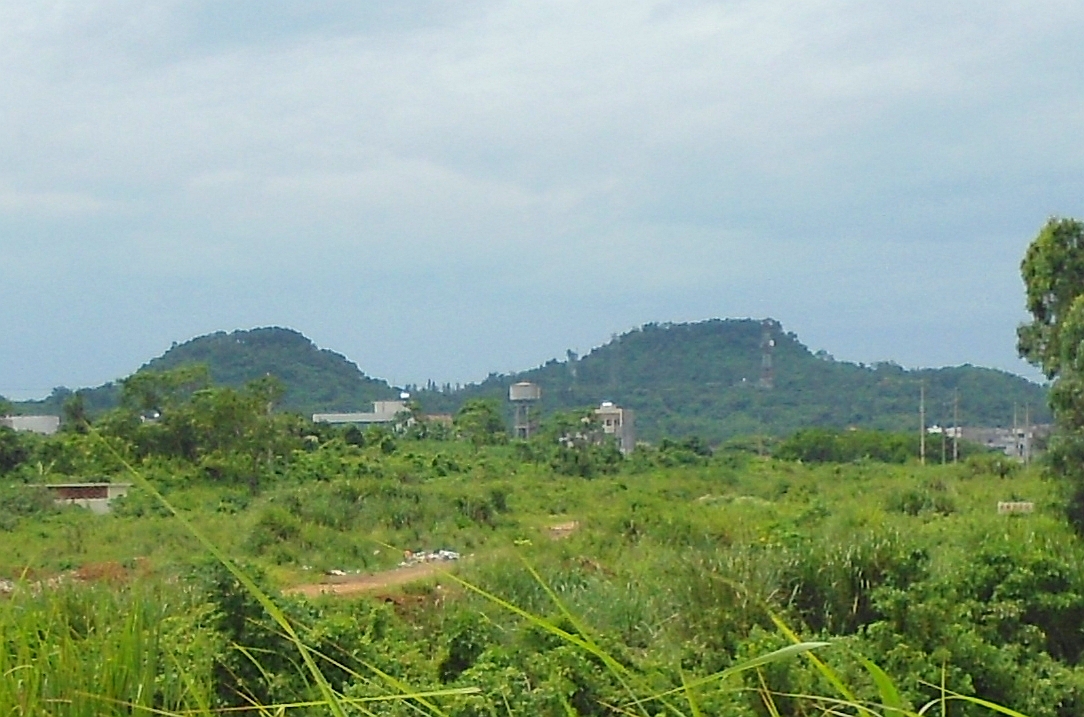
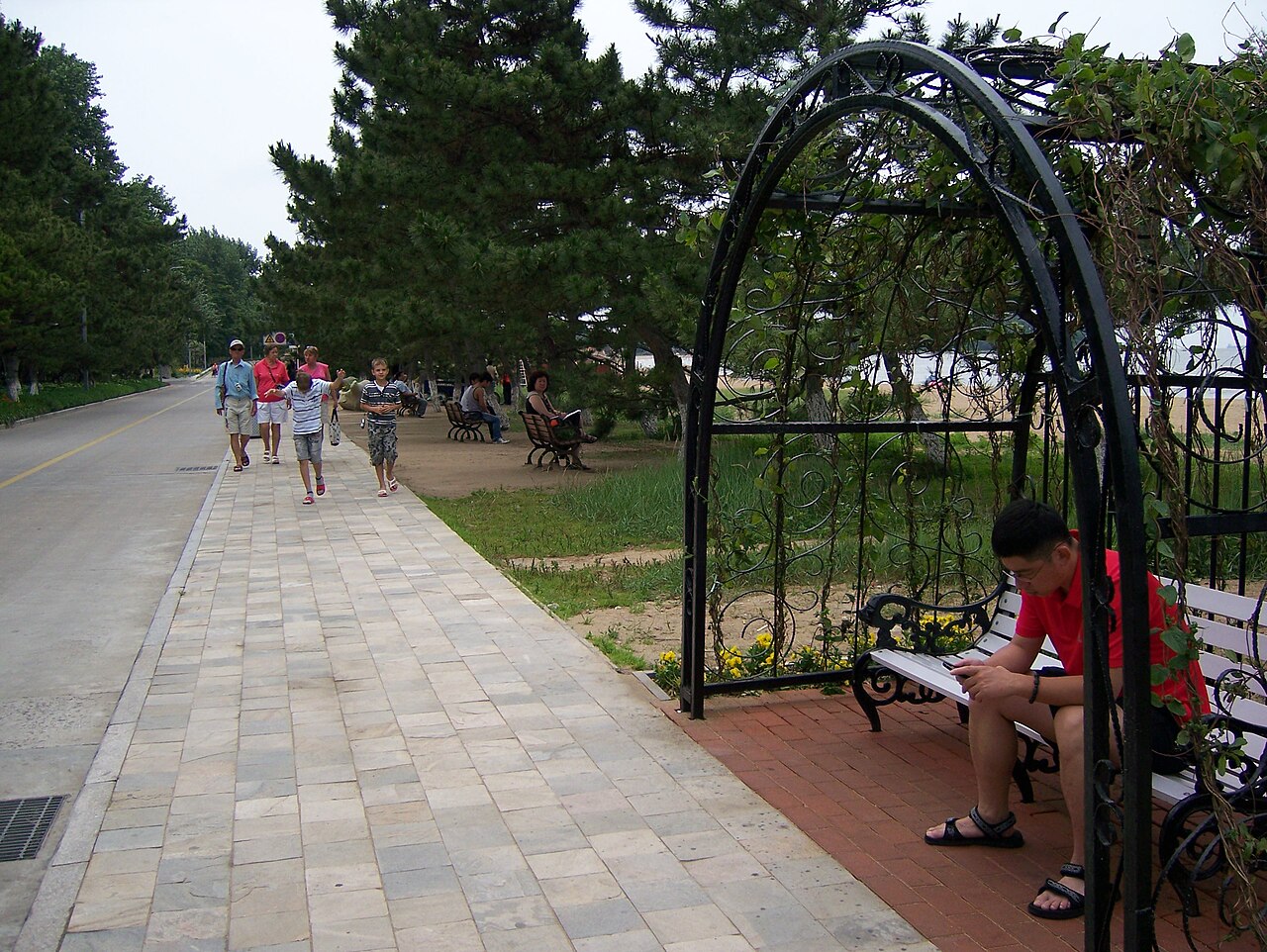
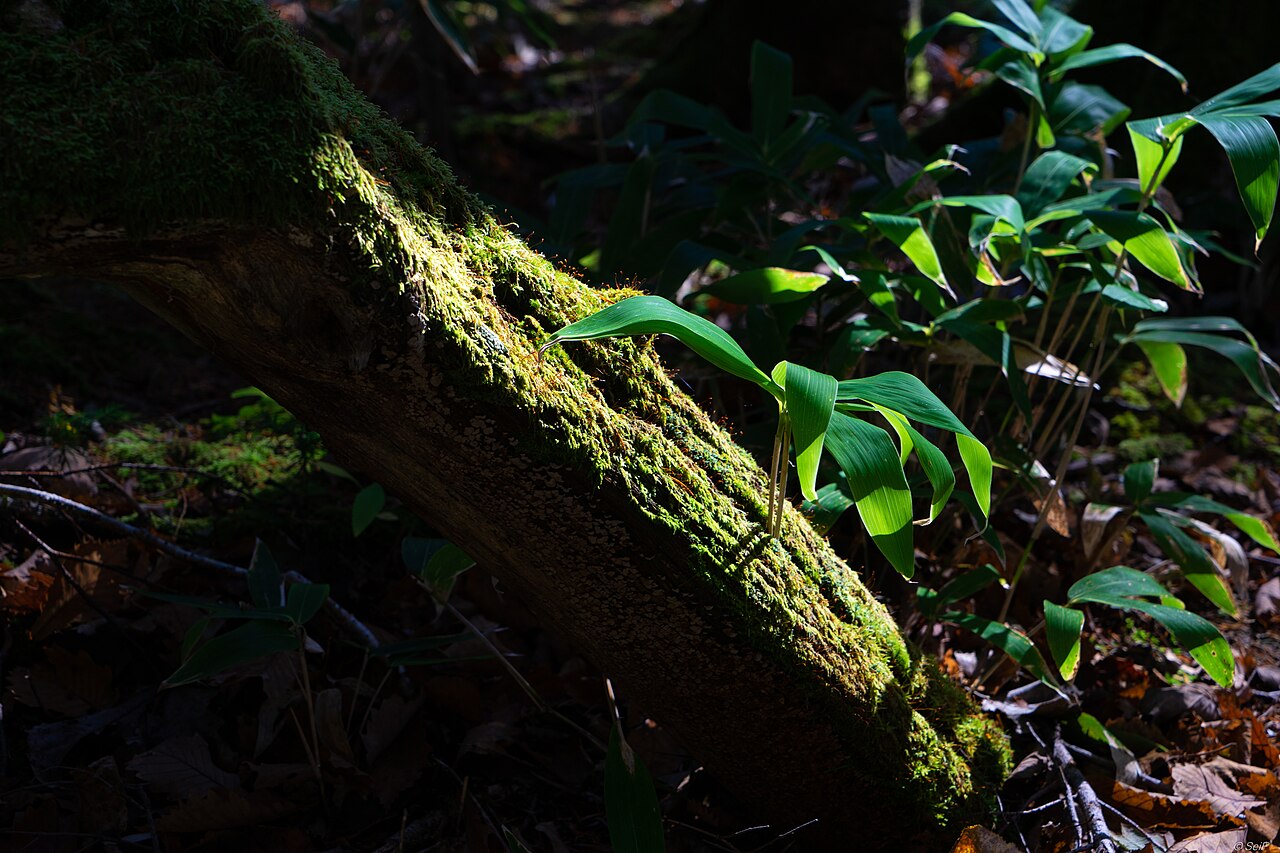
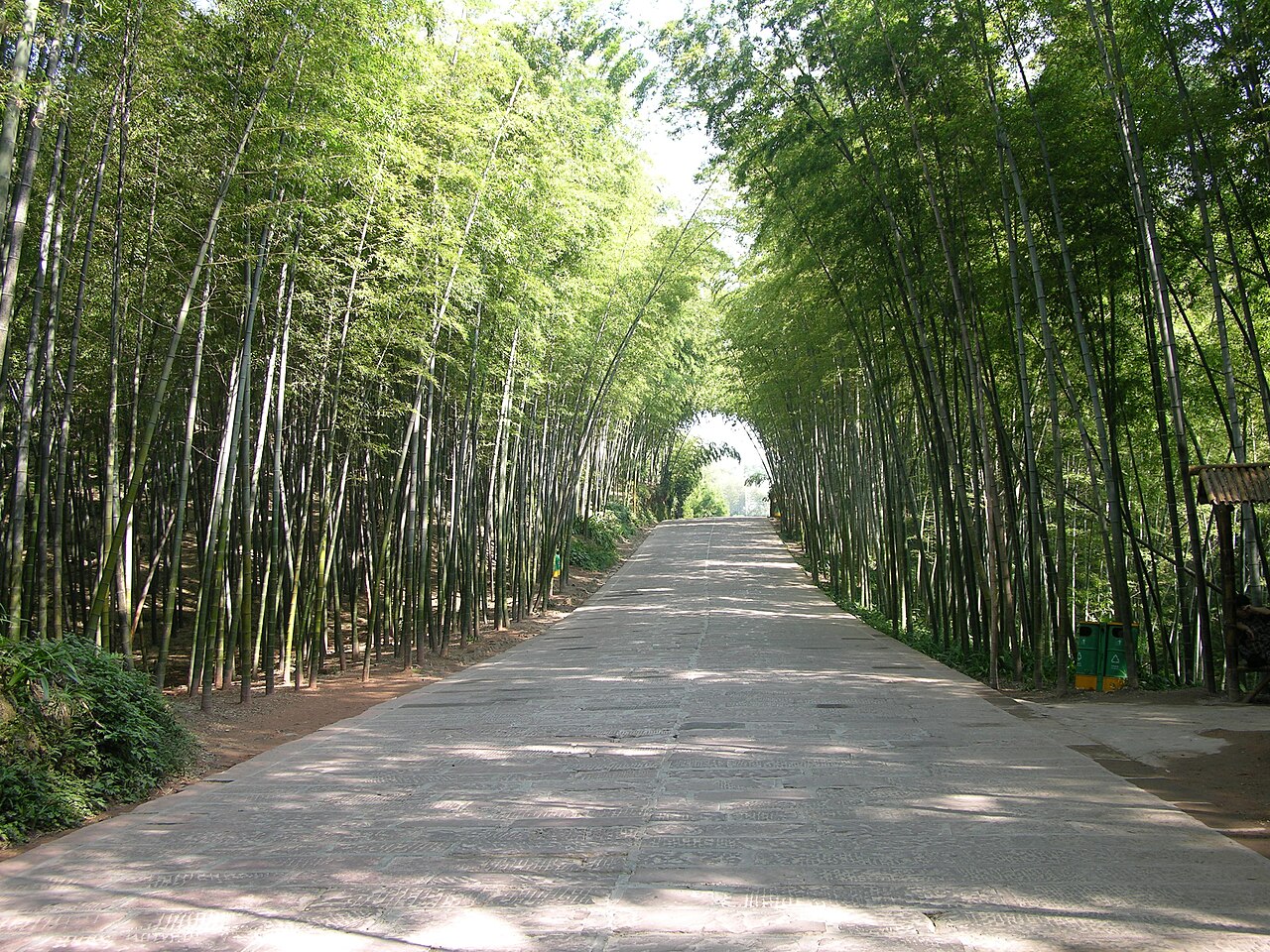
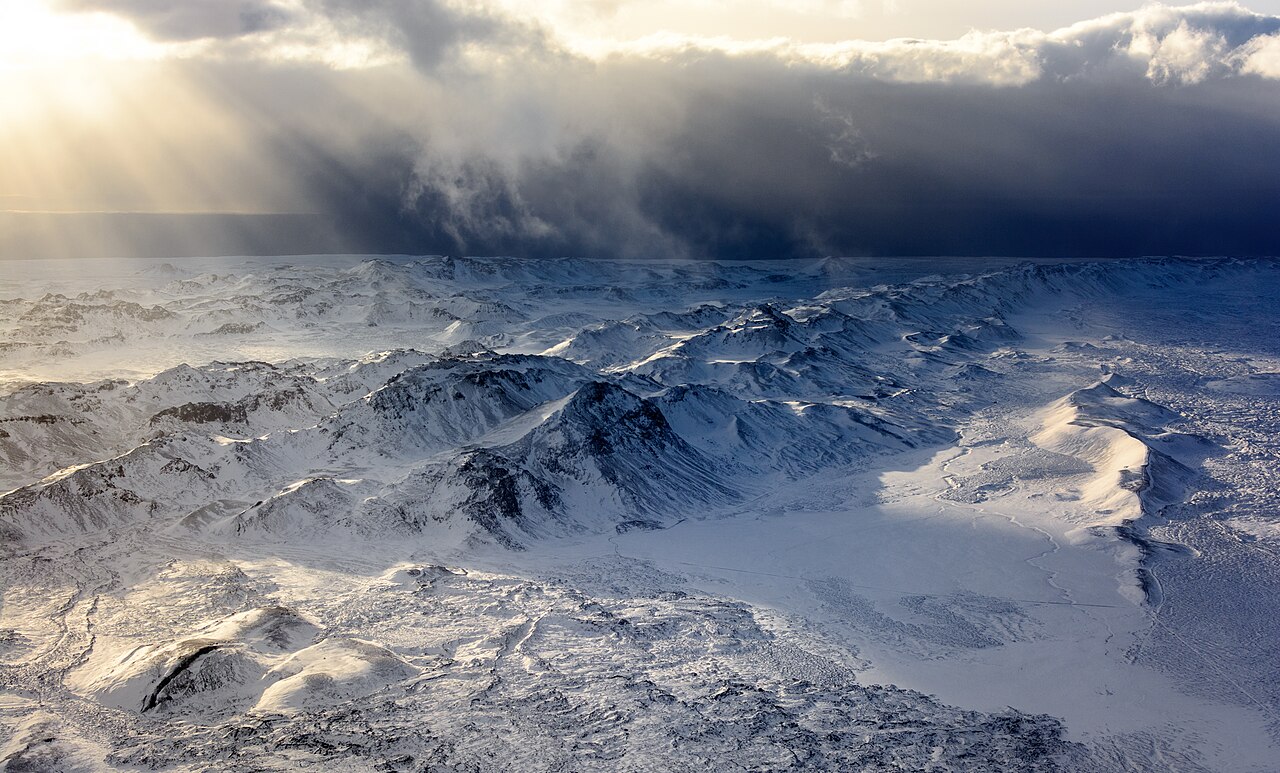
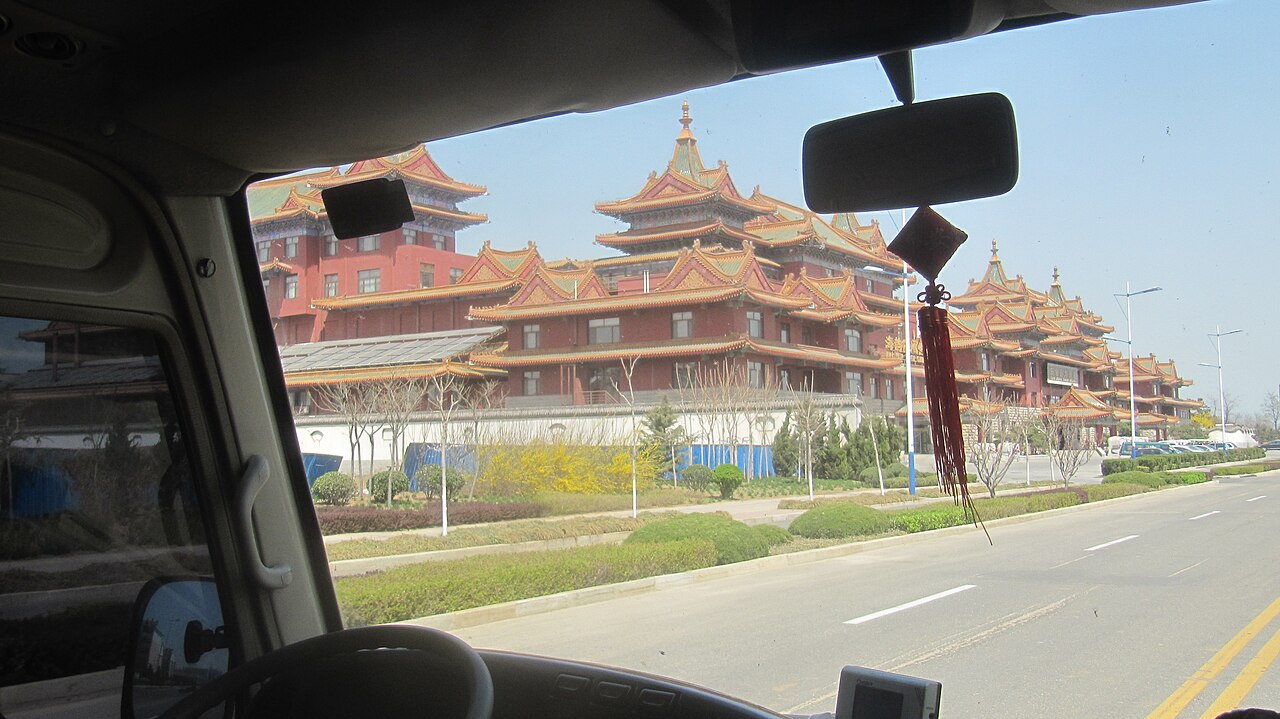
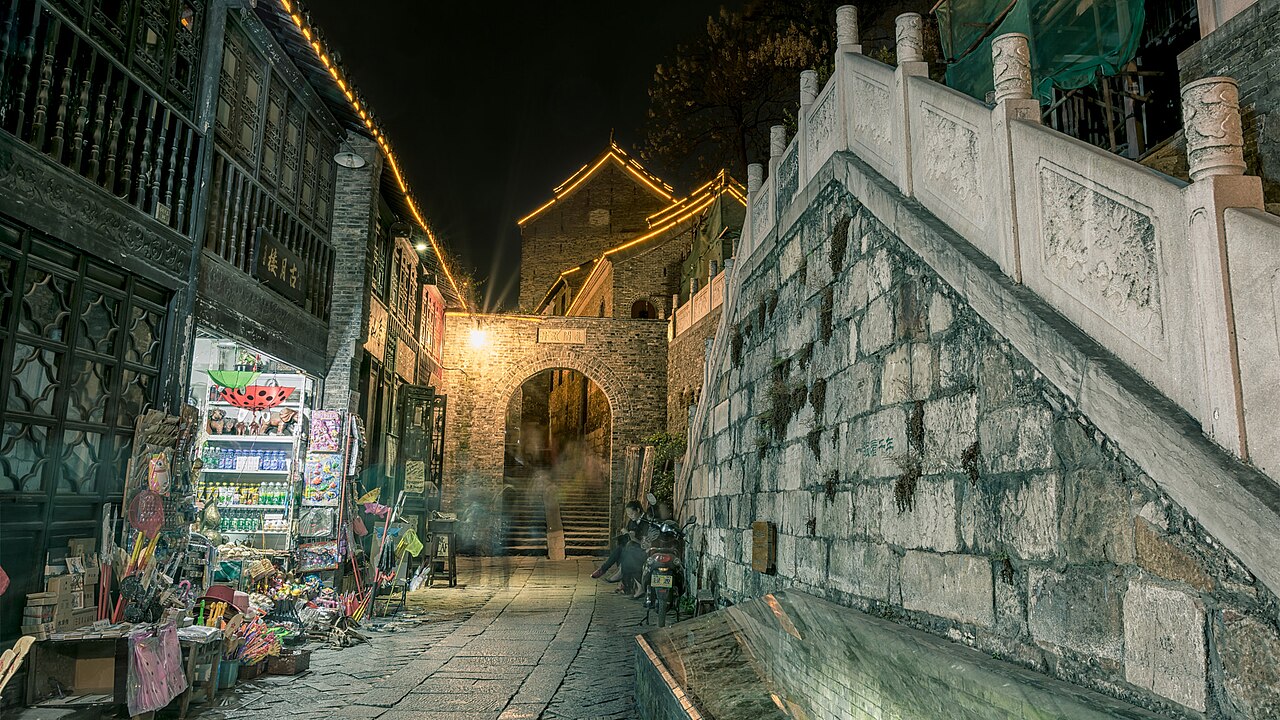
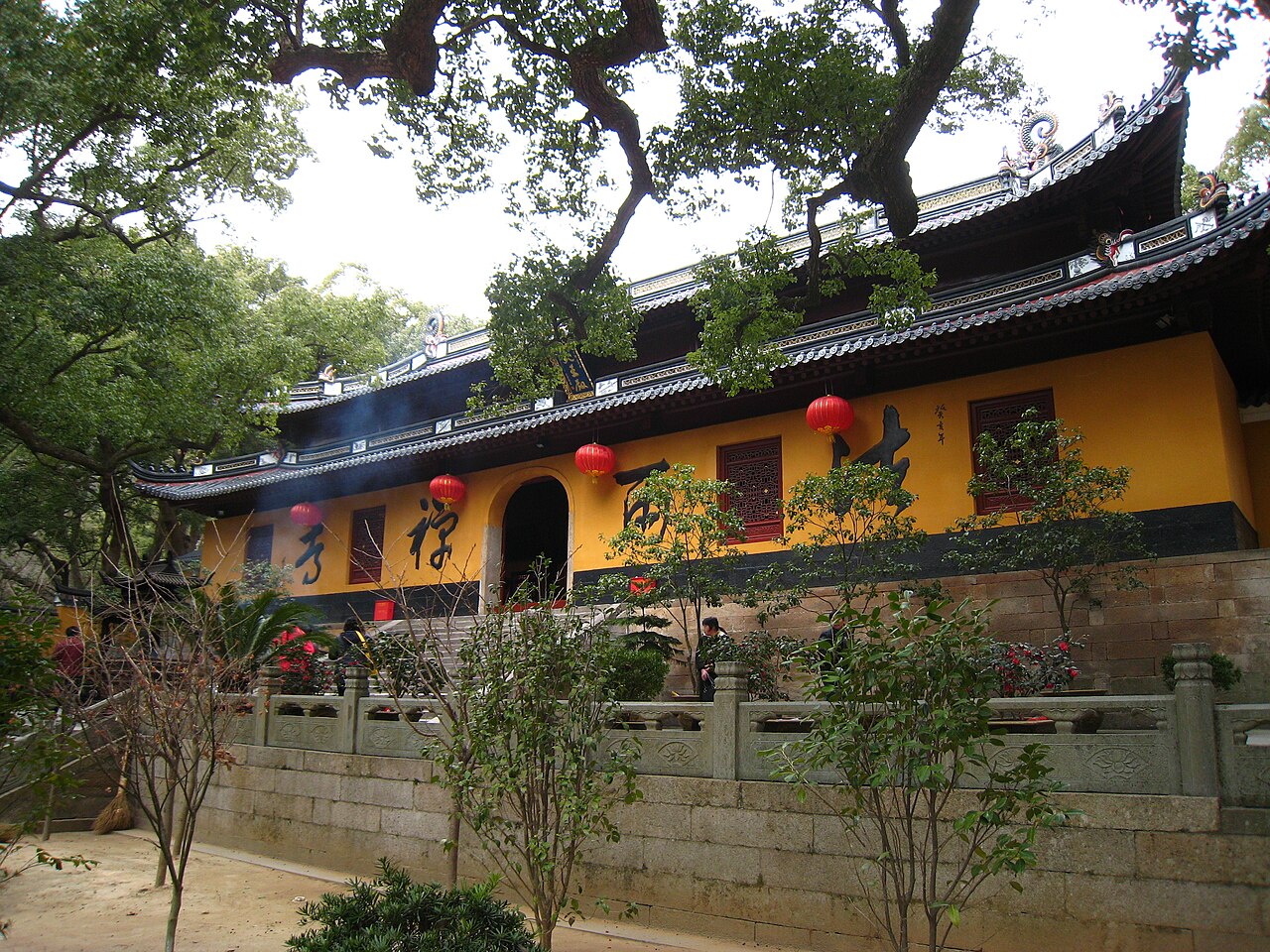
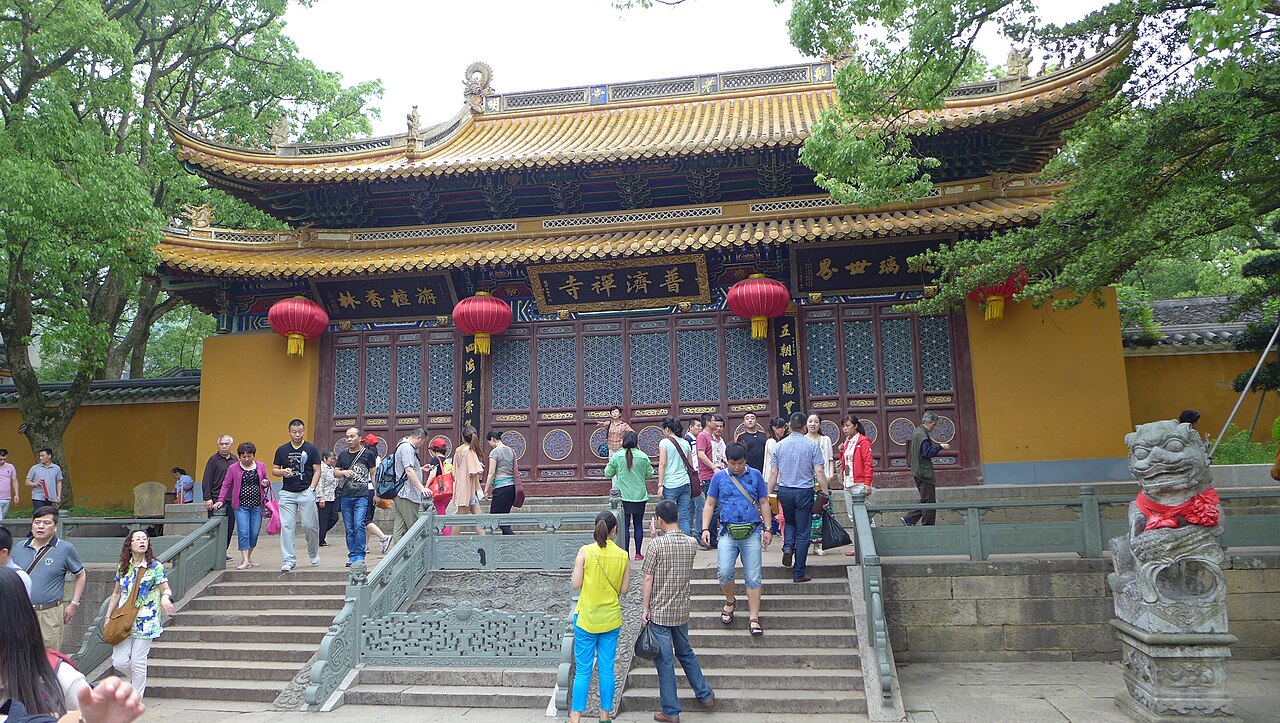
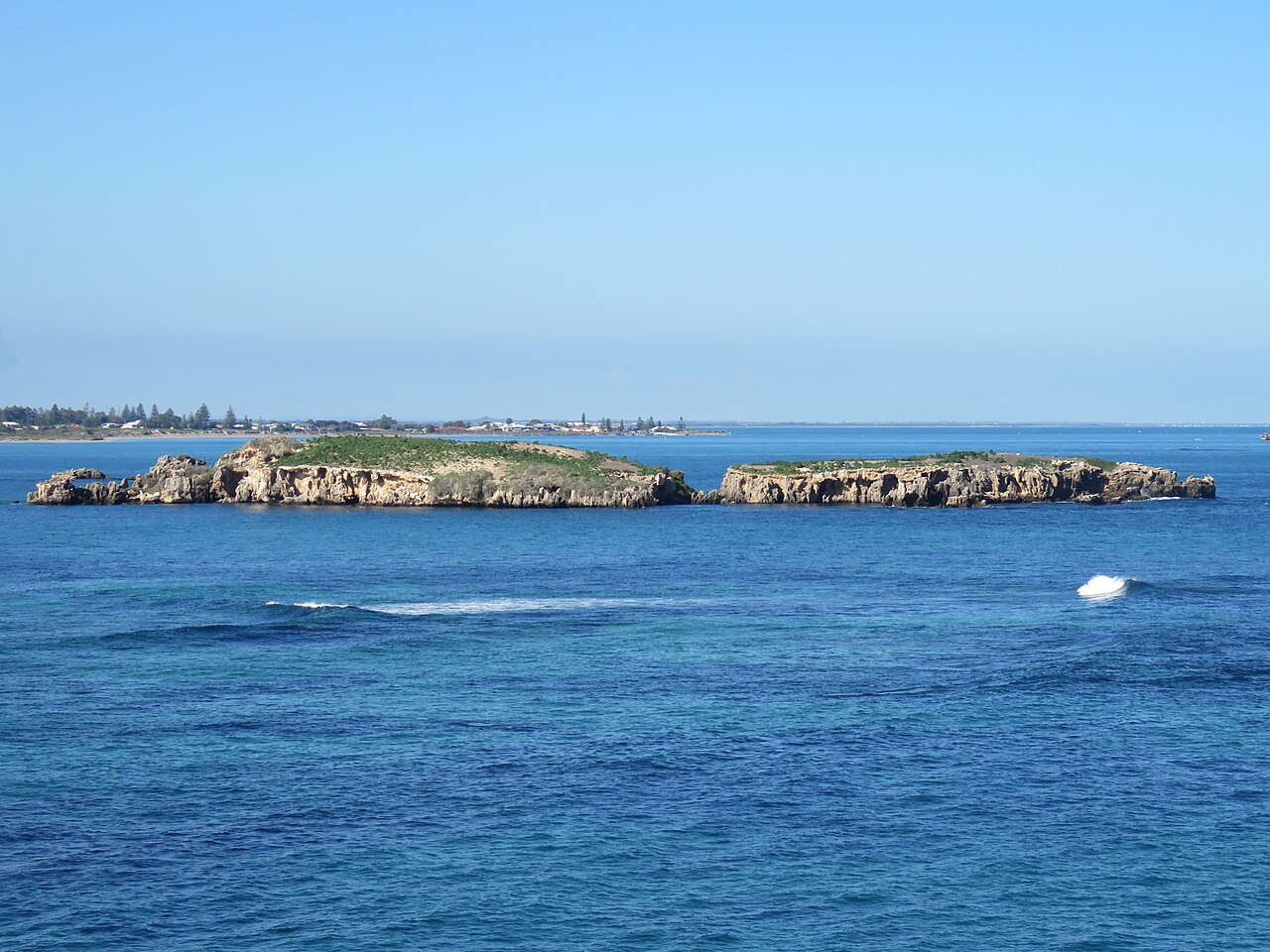
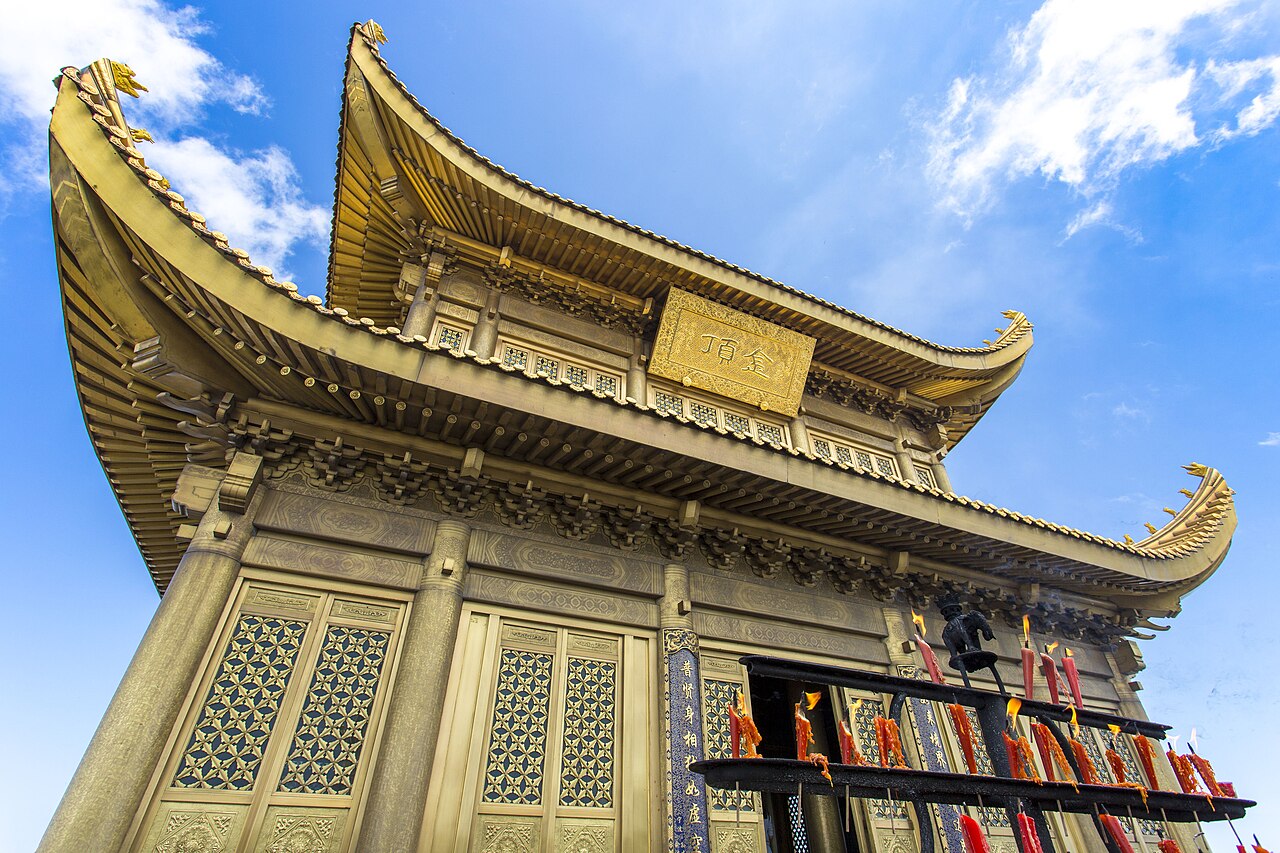
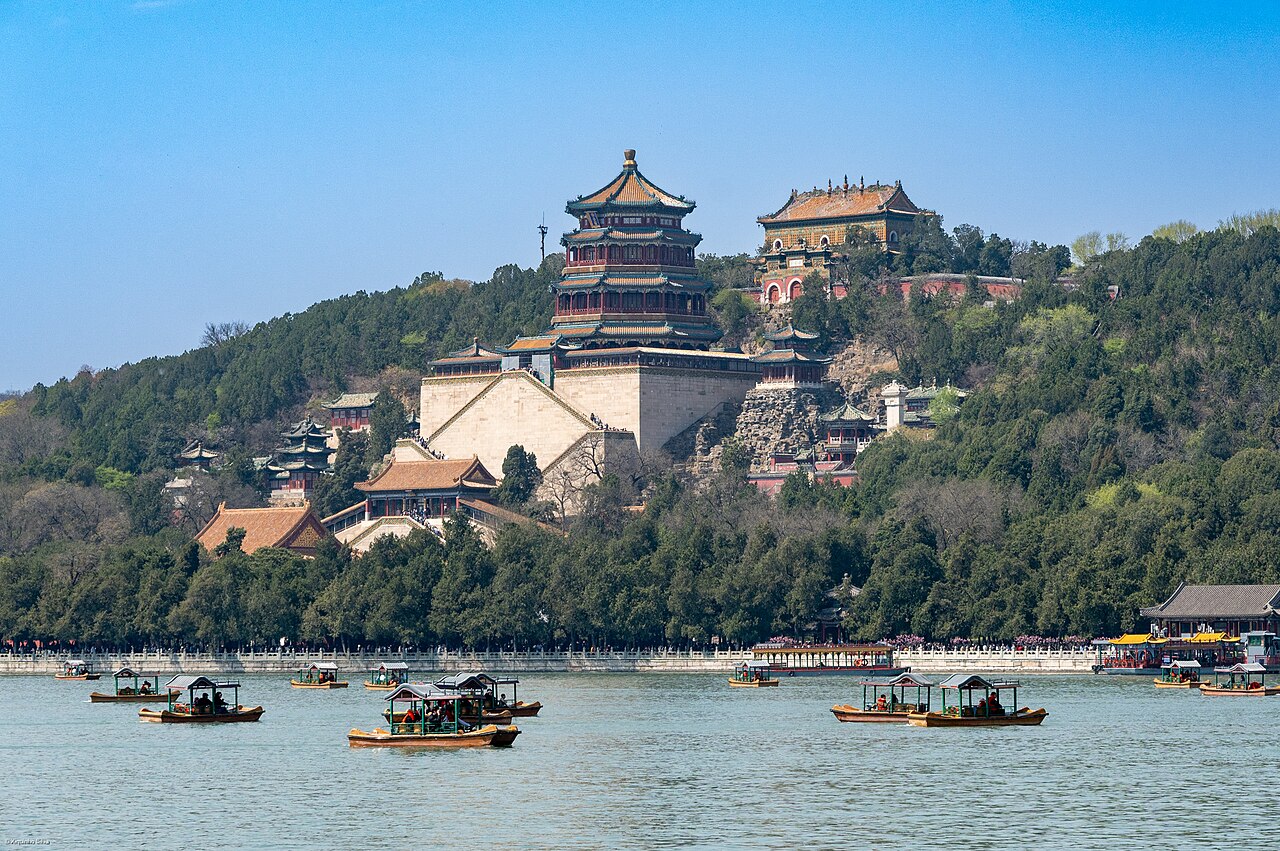
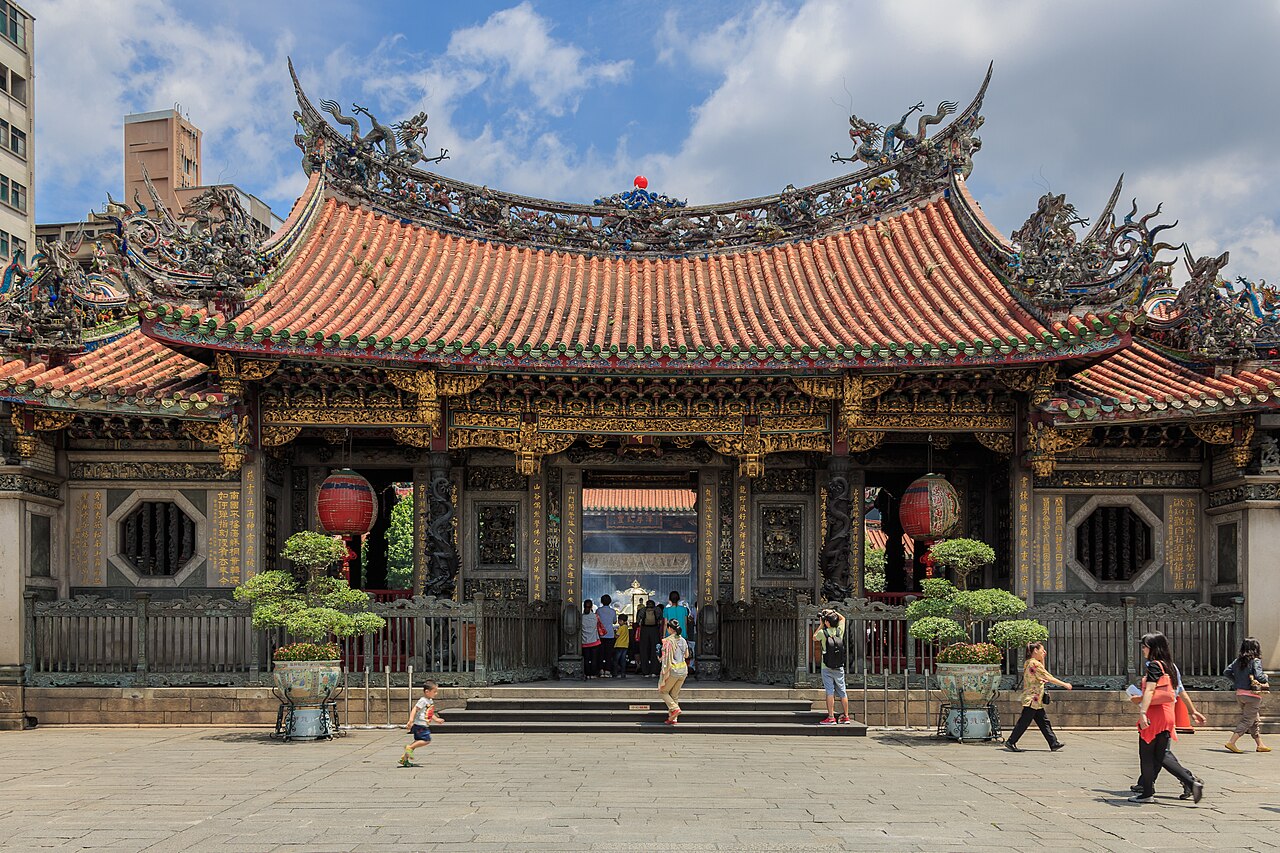
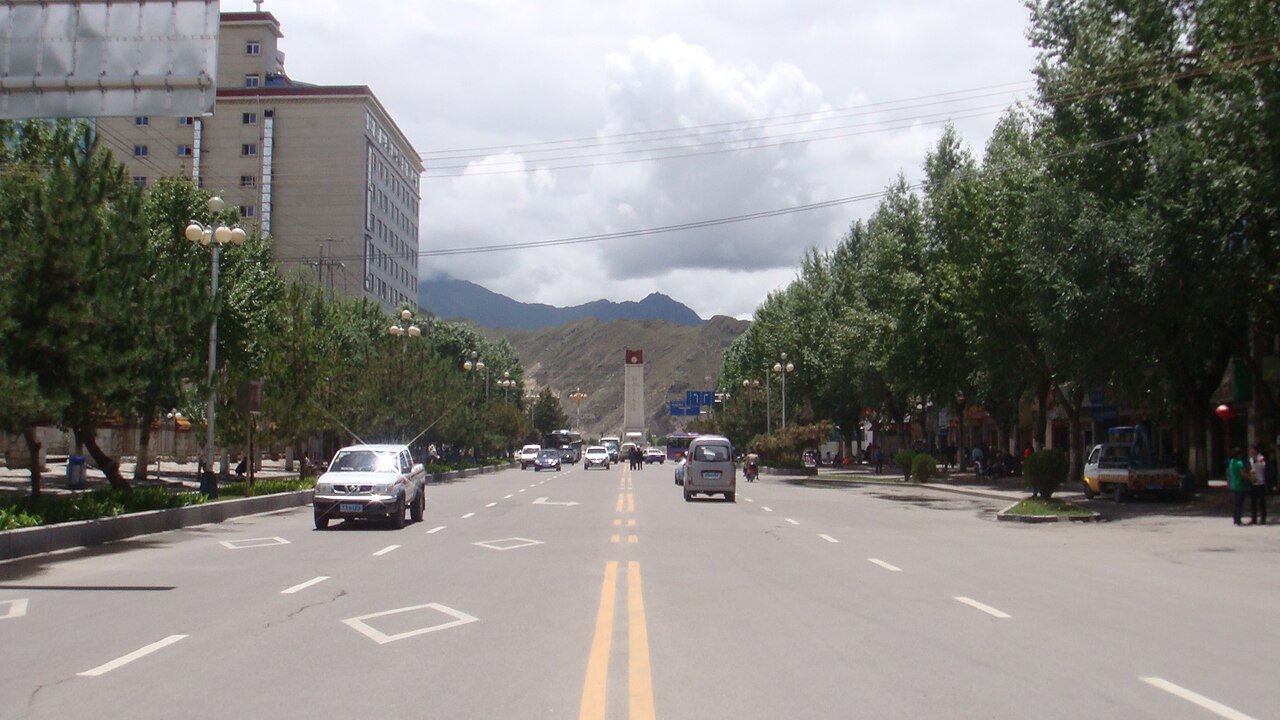
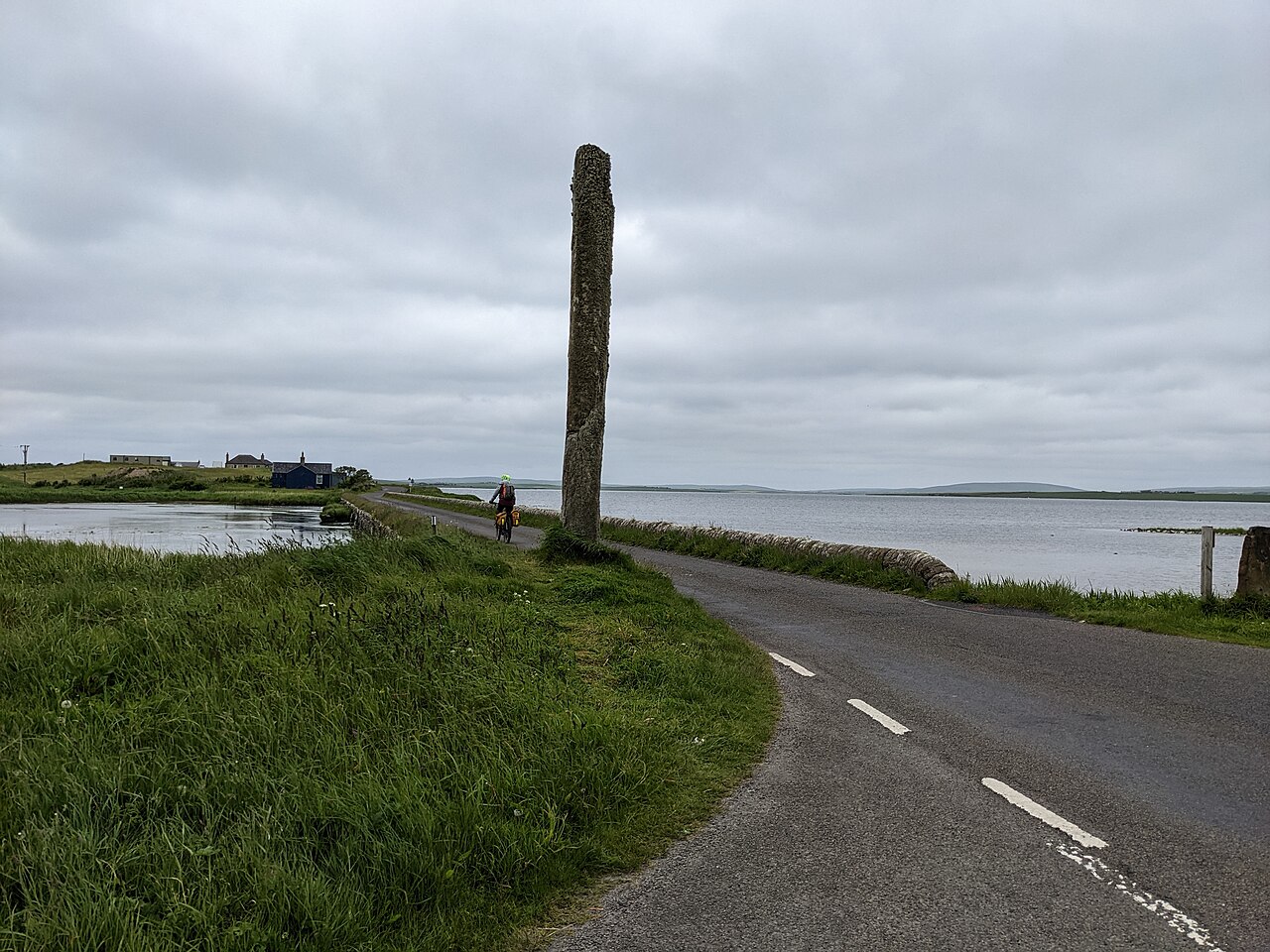
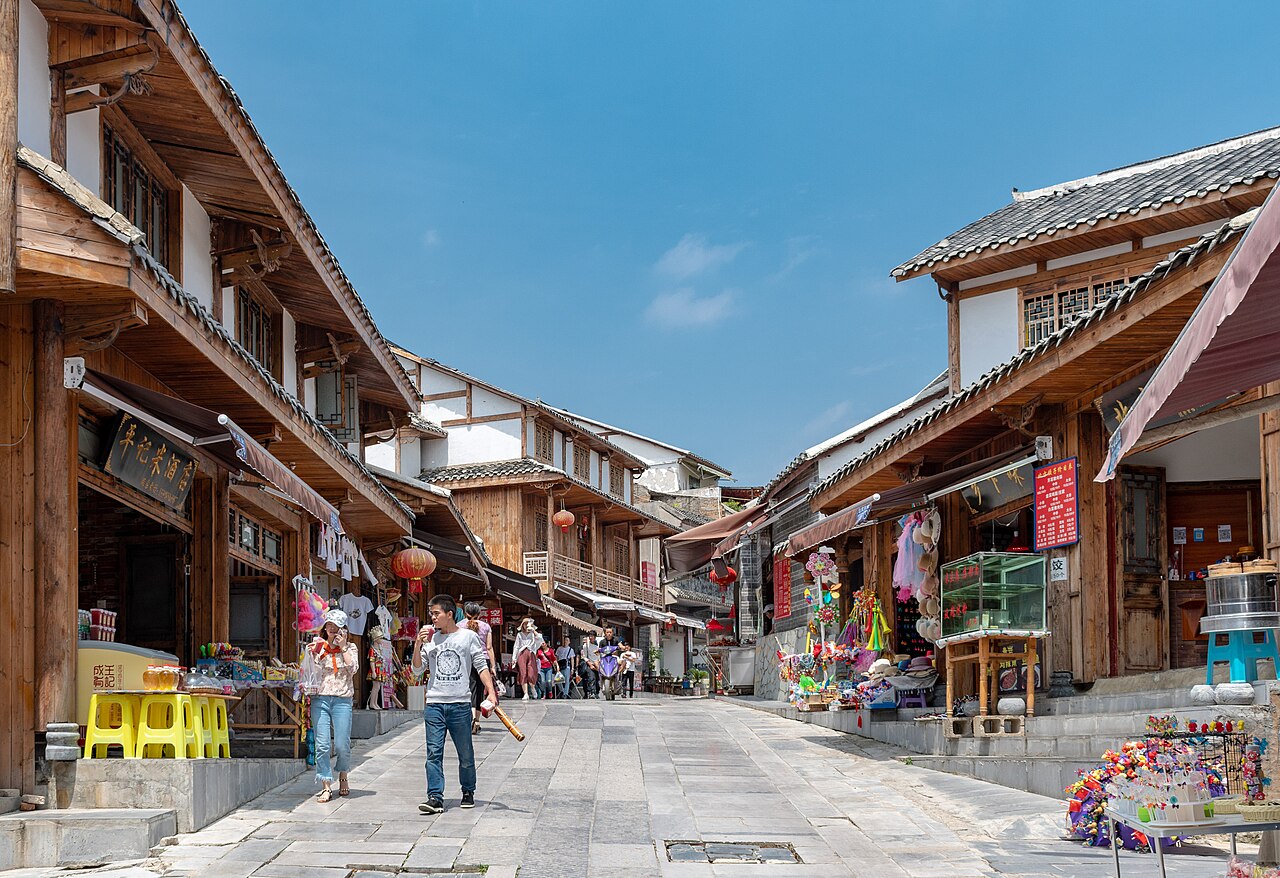
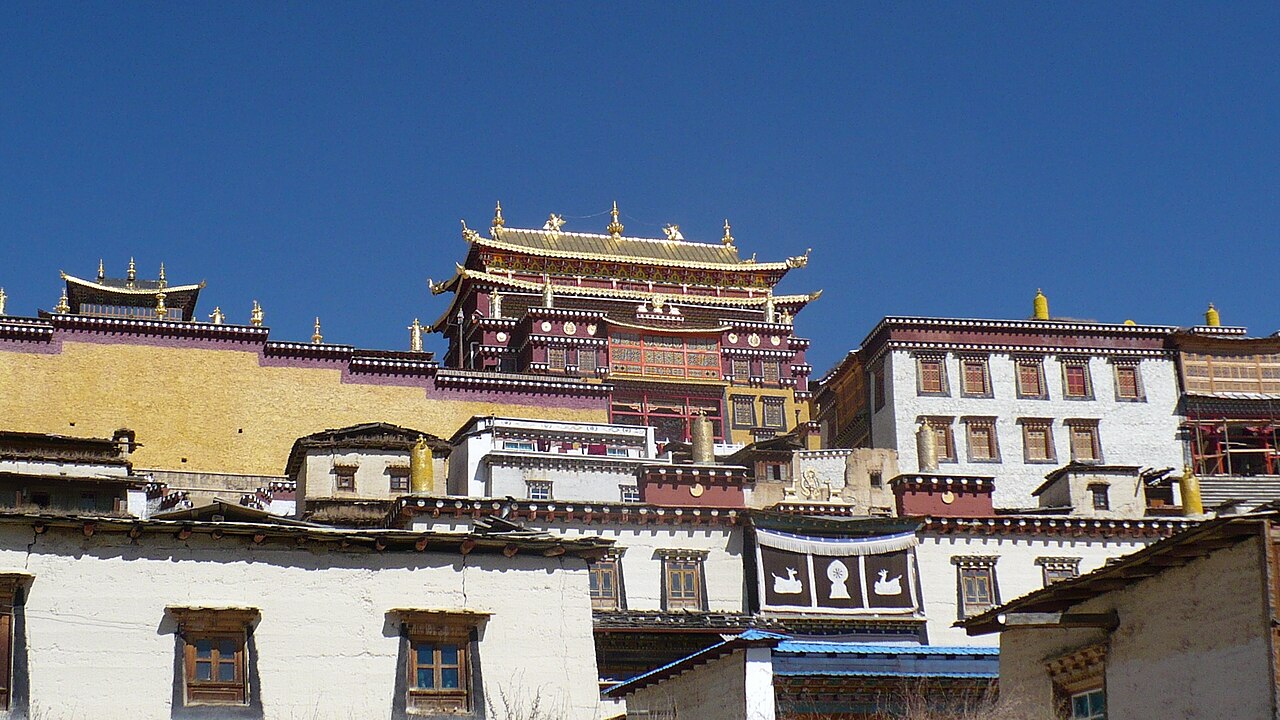
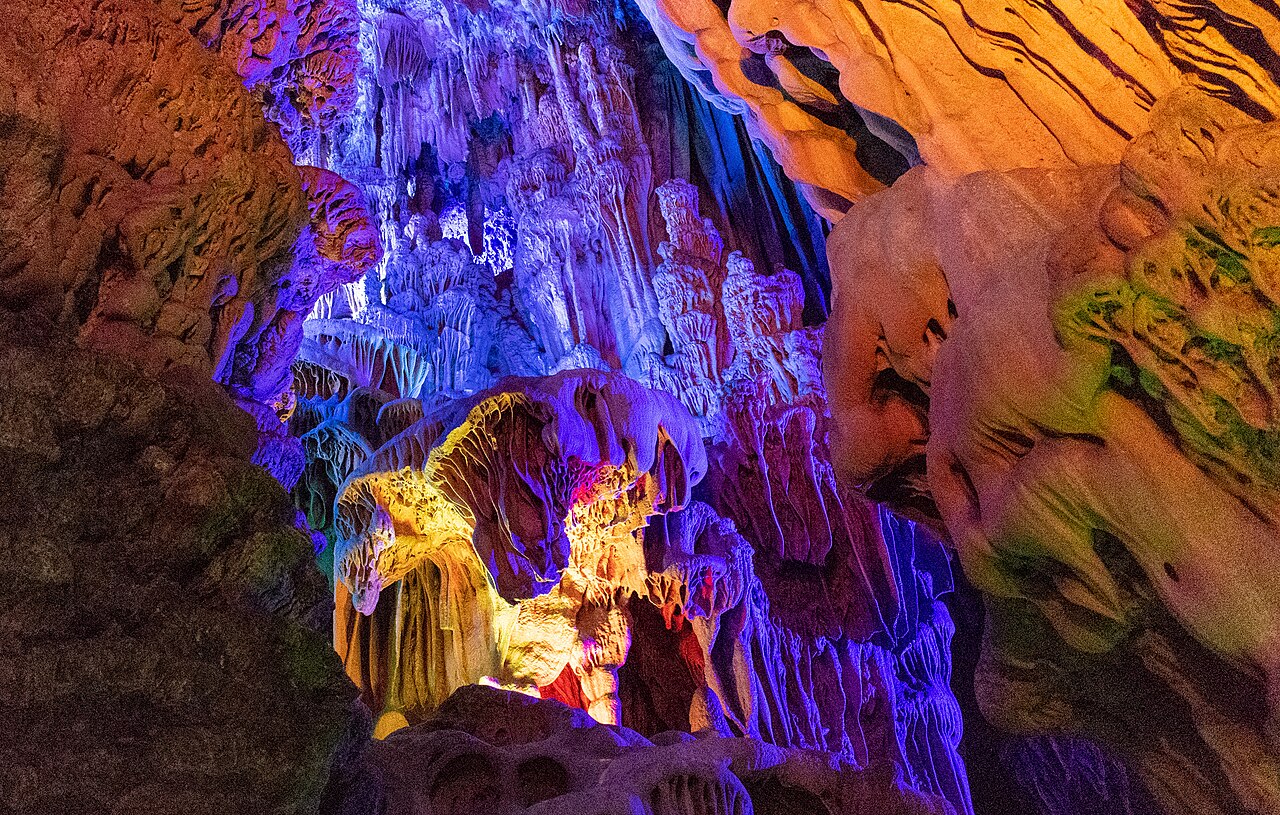
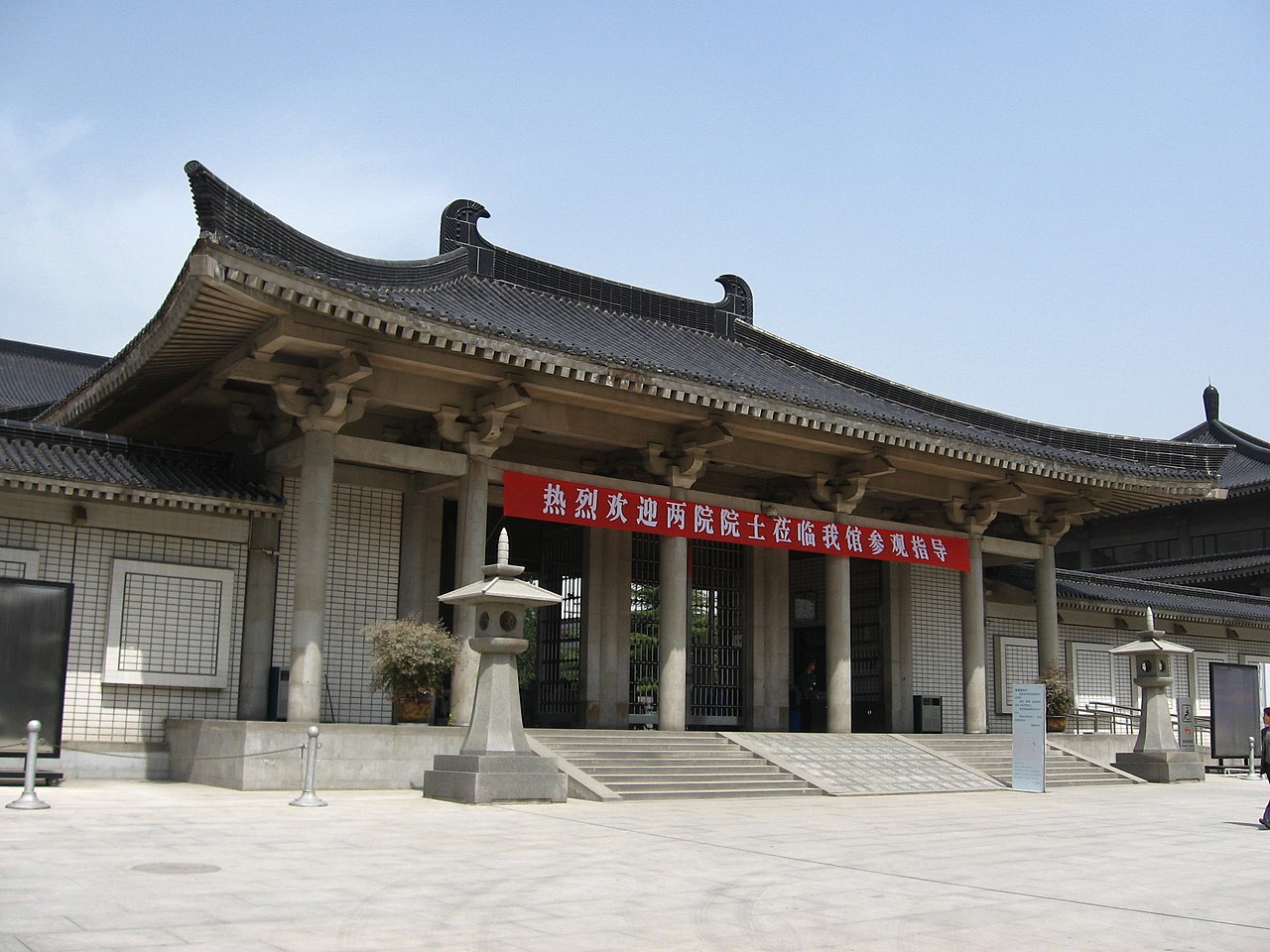
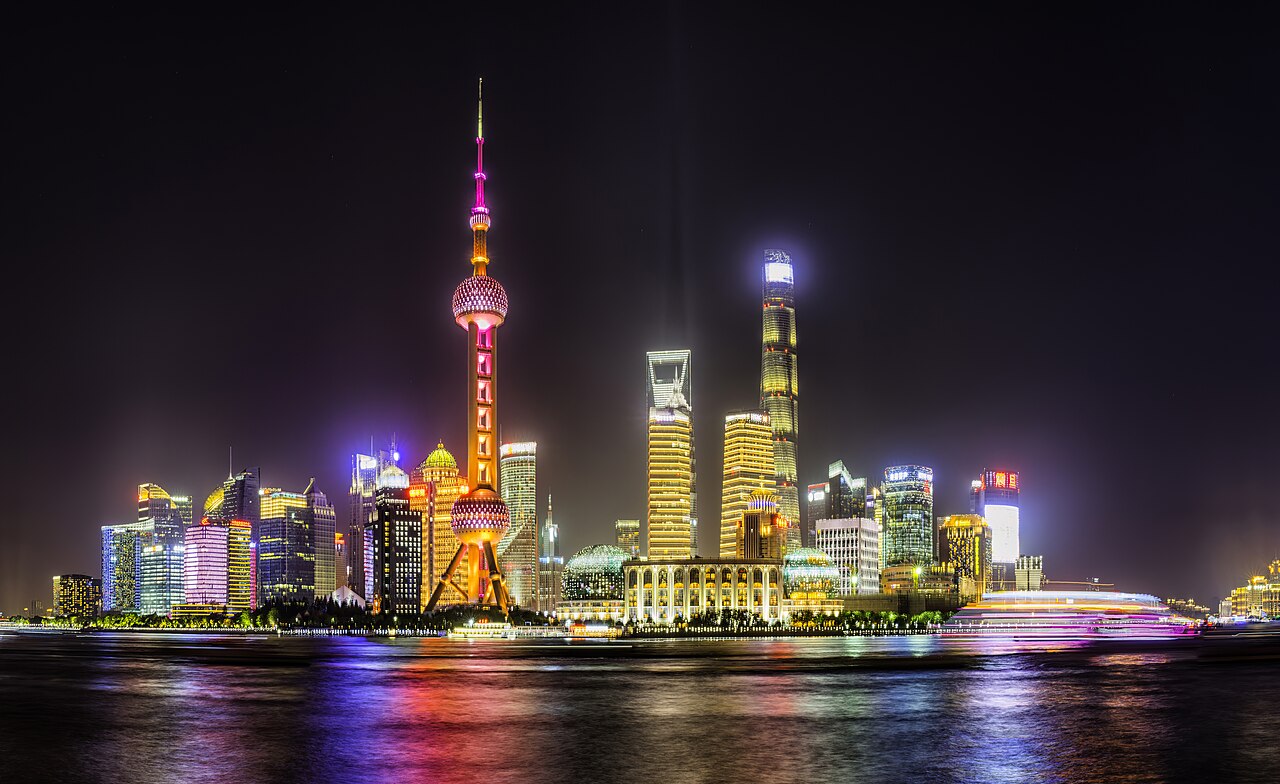
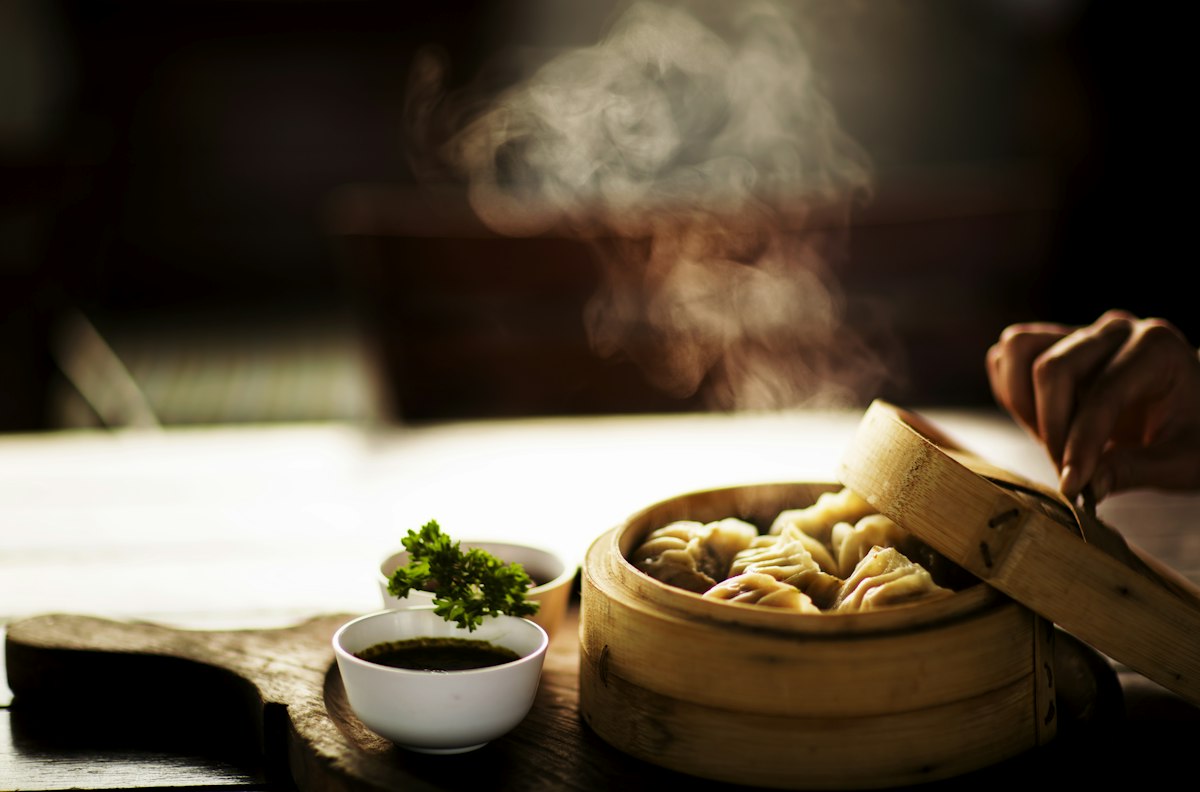
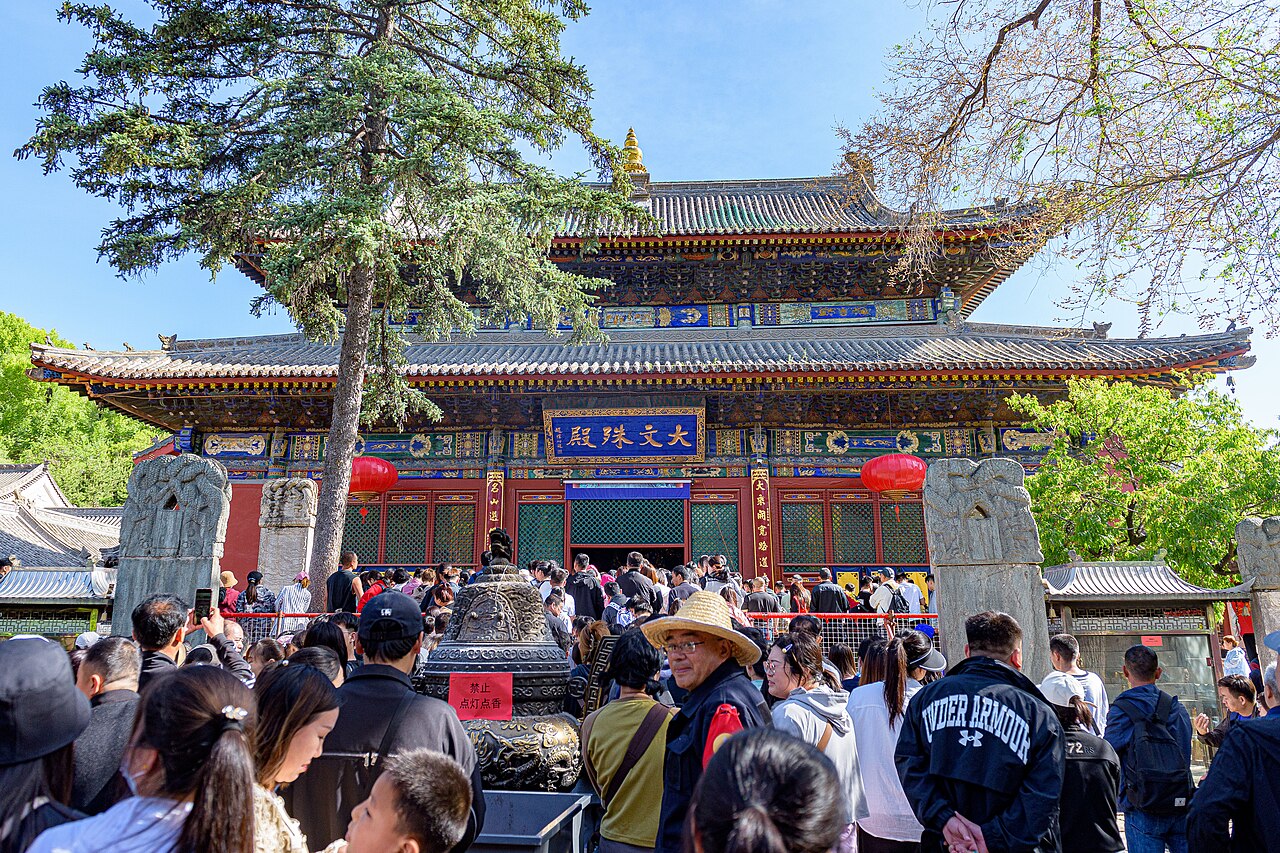
The 3.5 km prayer-wheel corridor wrapping Labrang Monastery in Xiahe
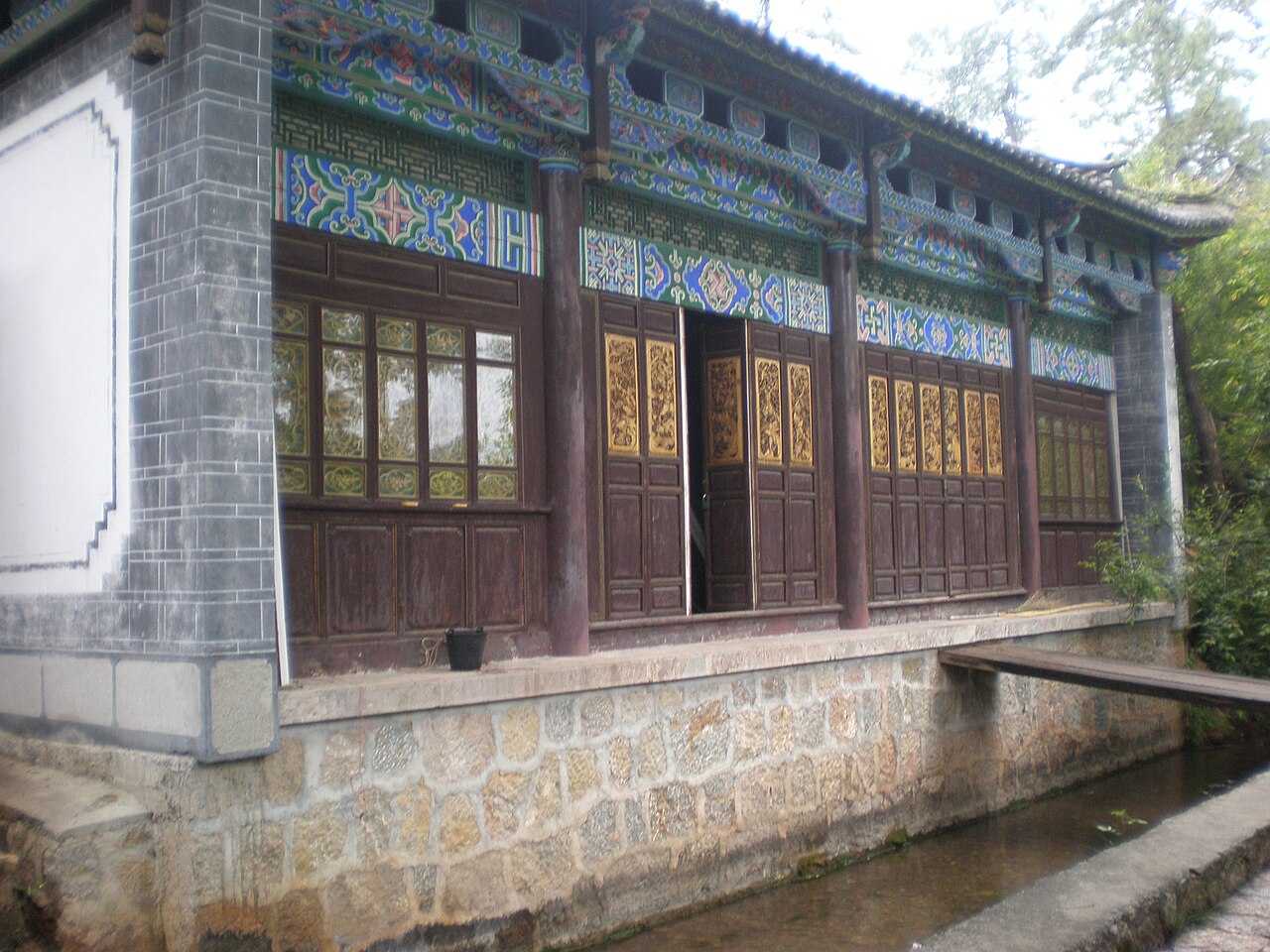
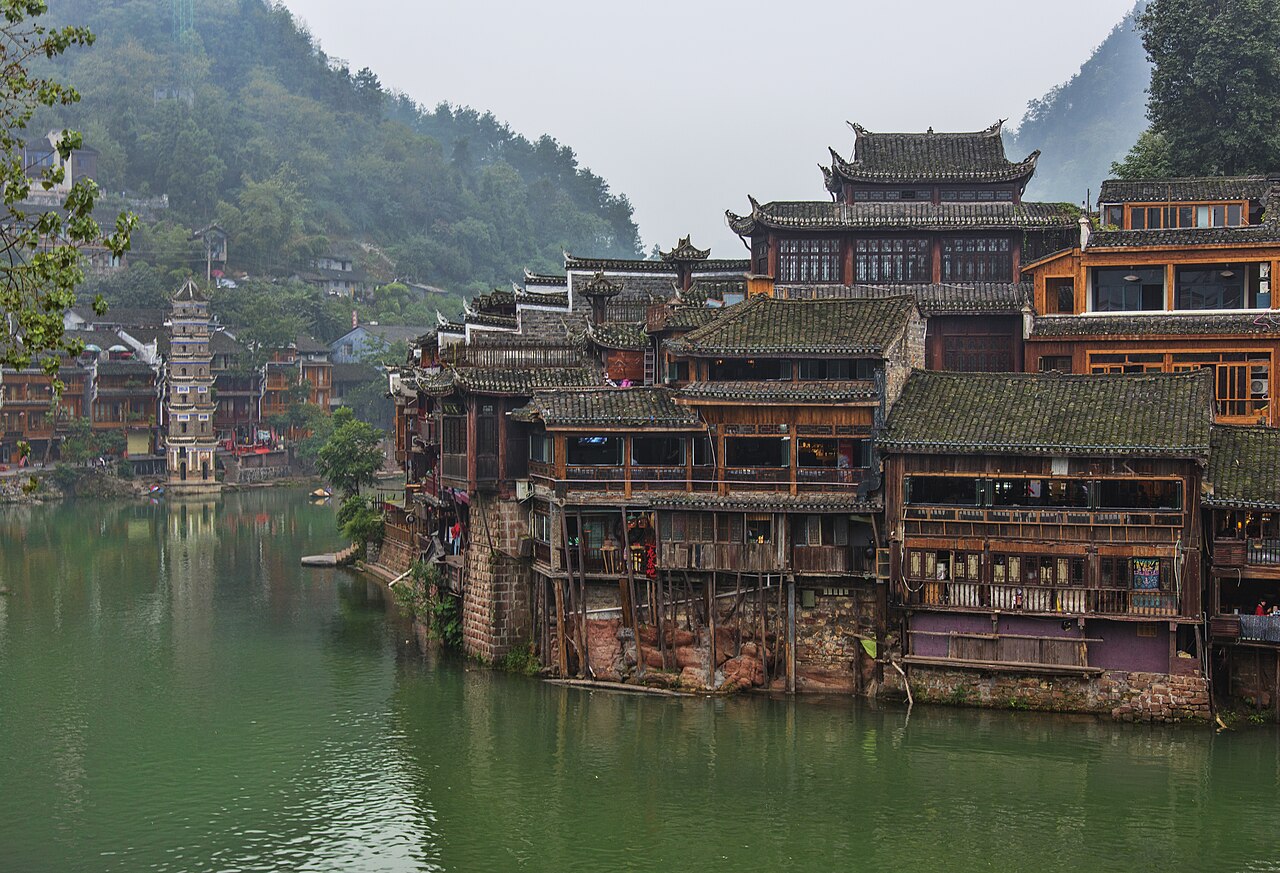
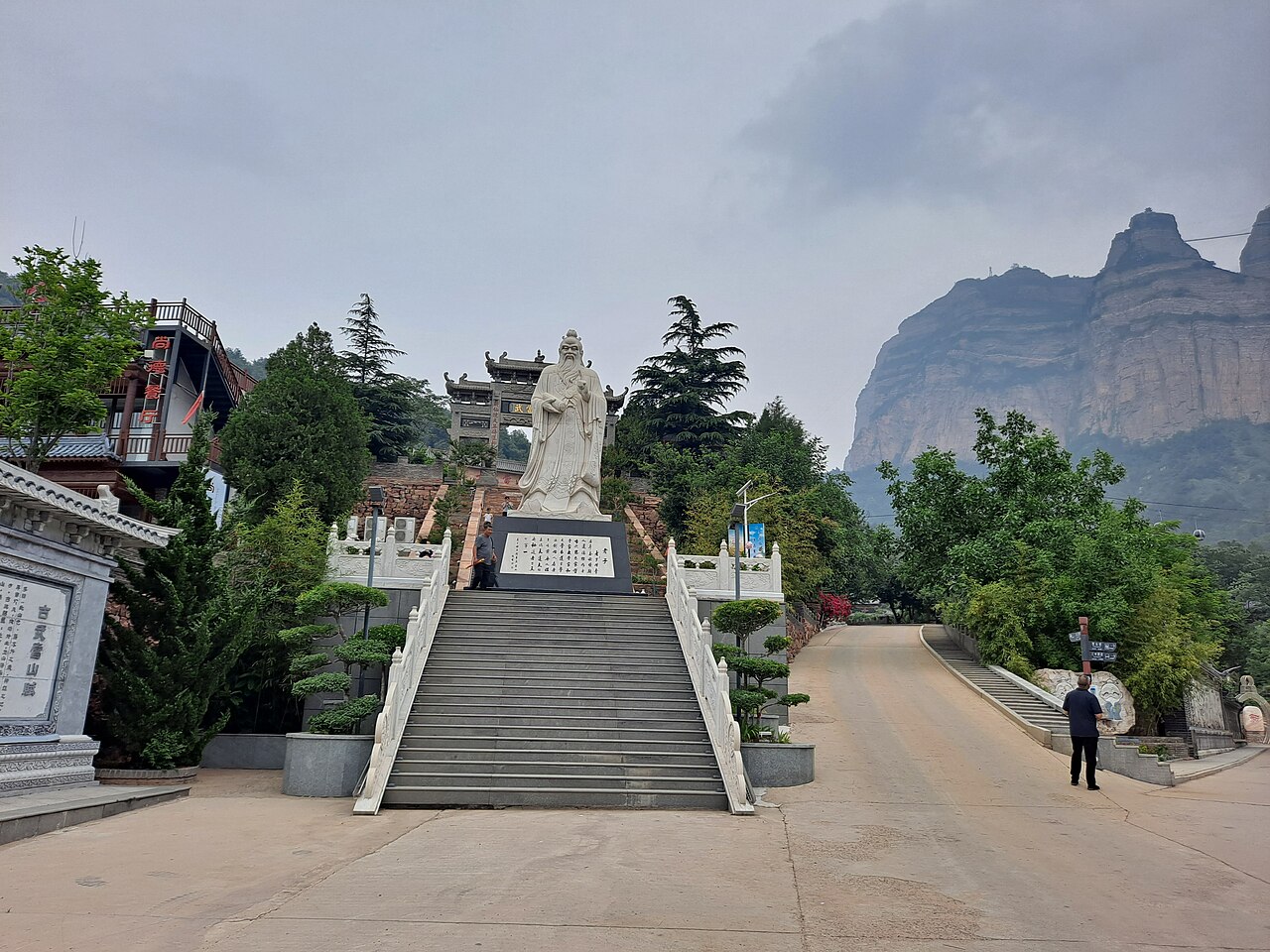
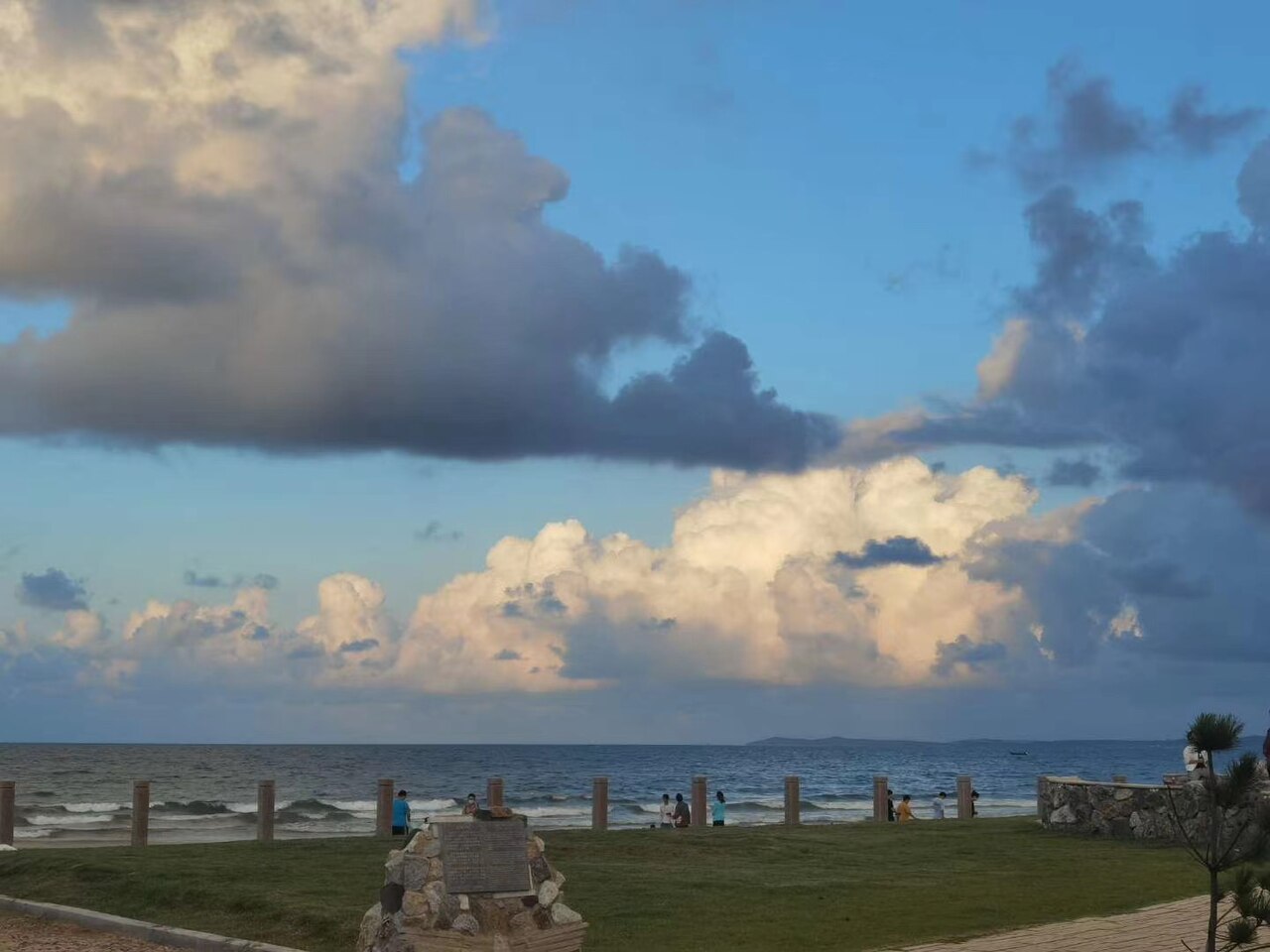
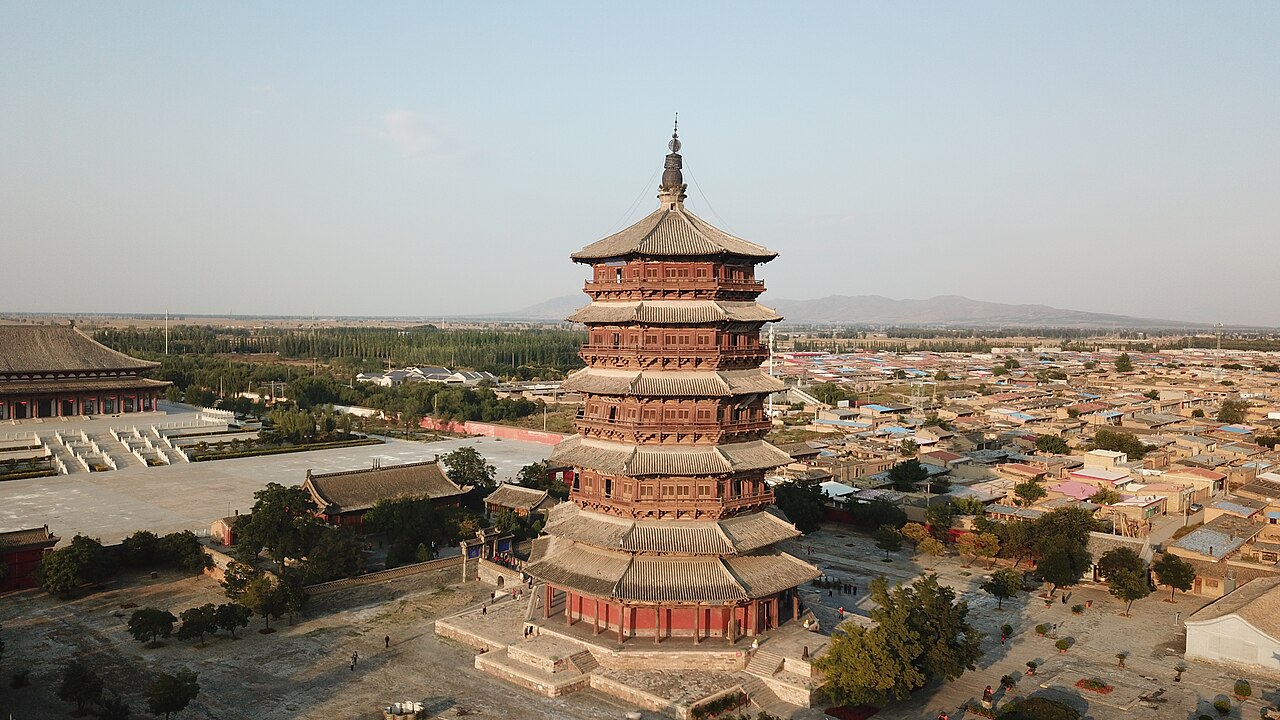
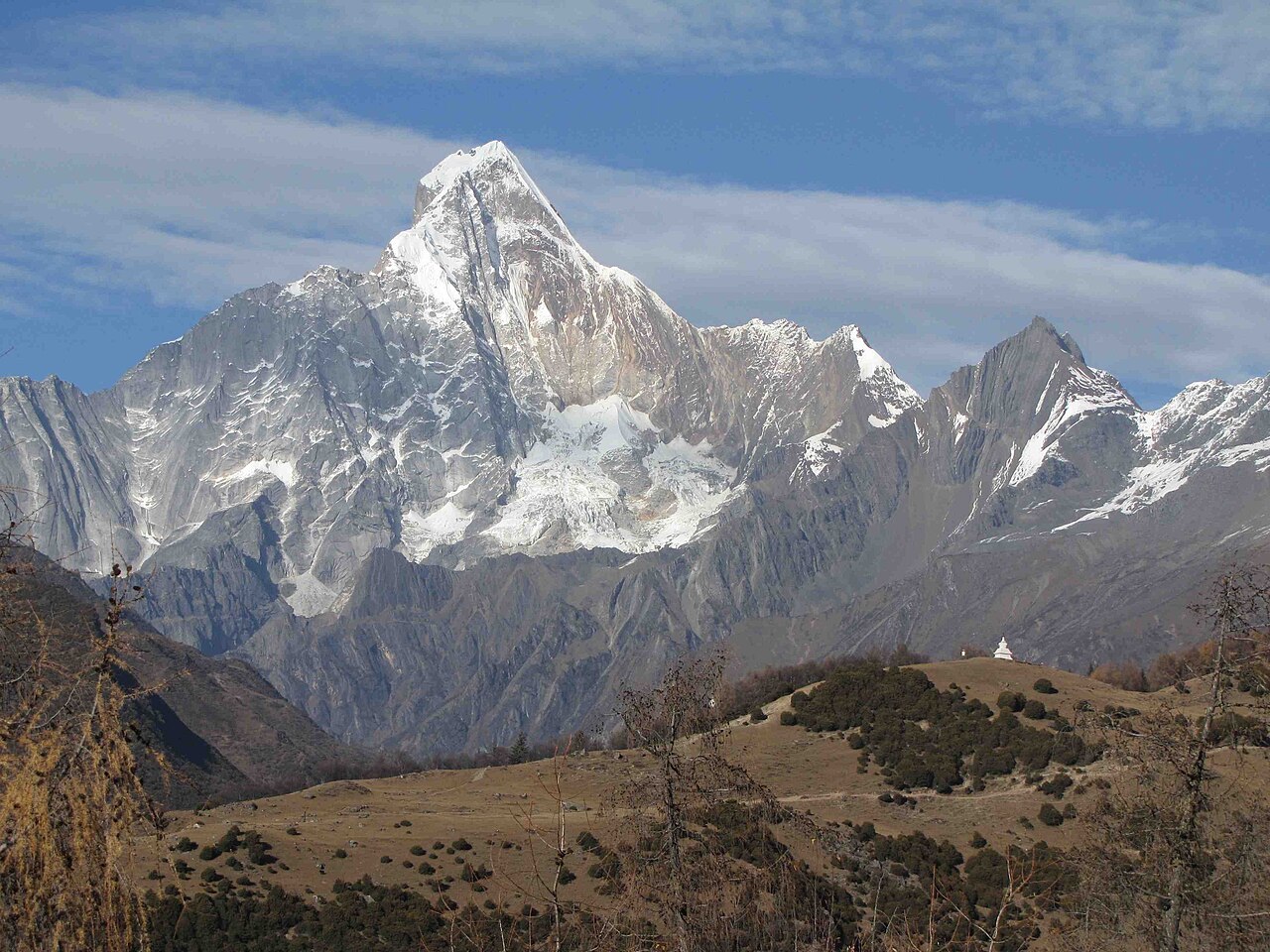
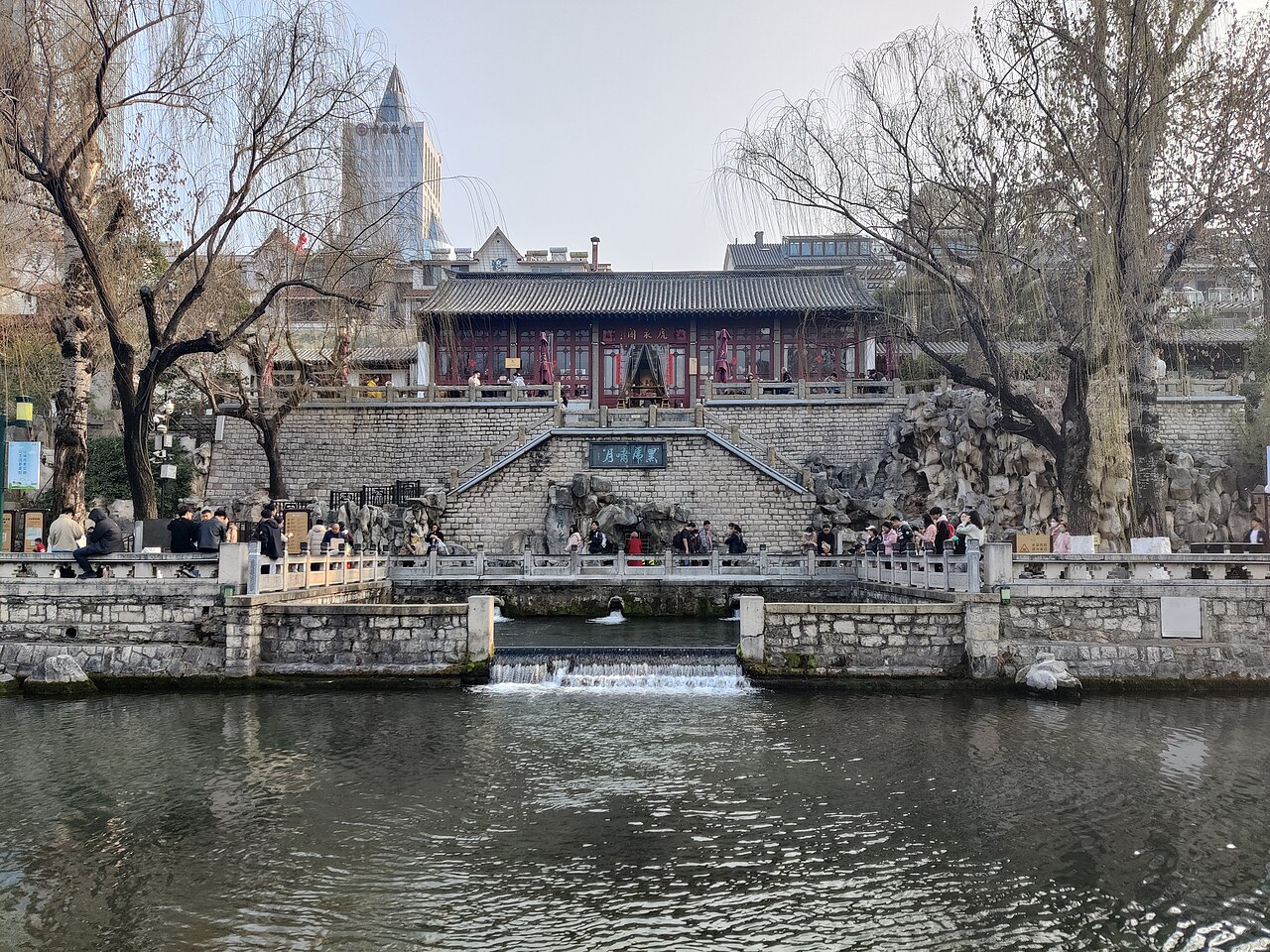
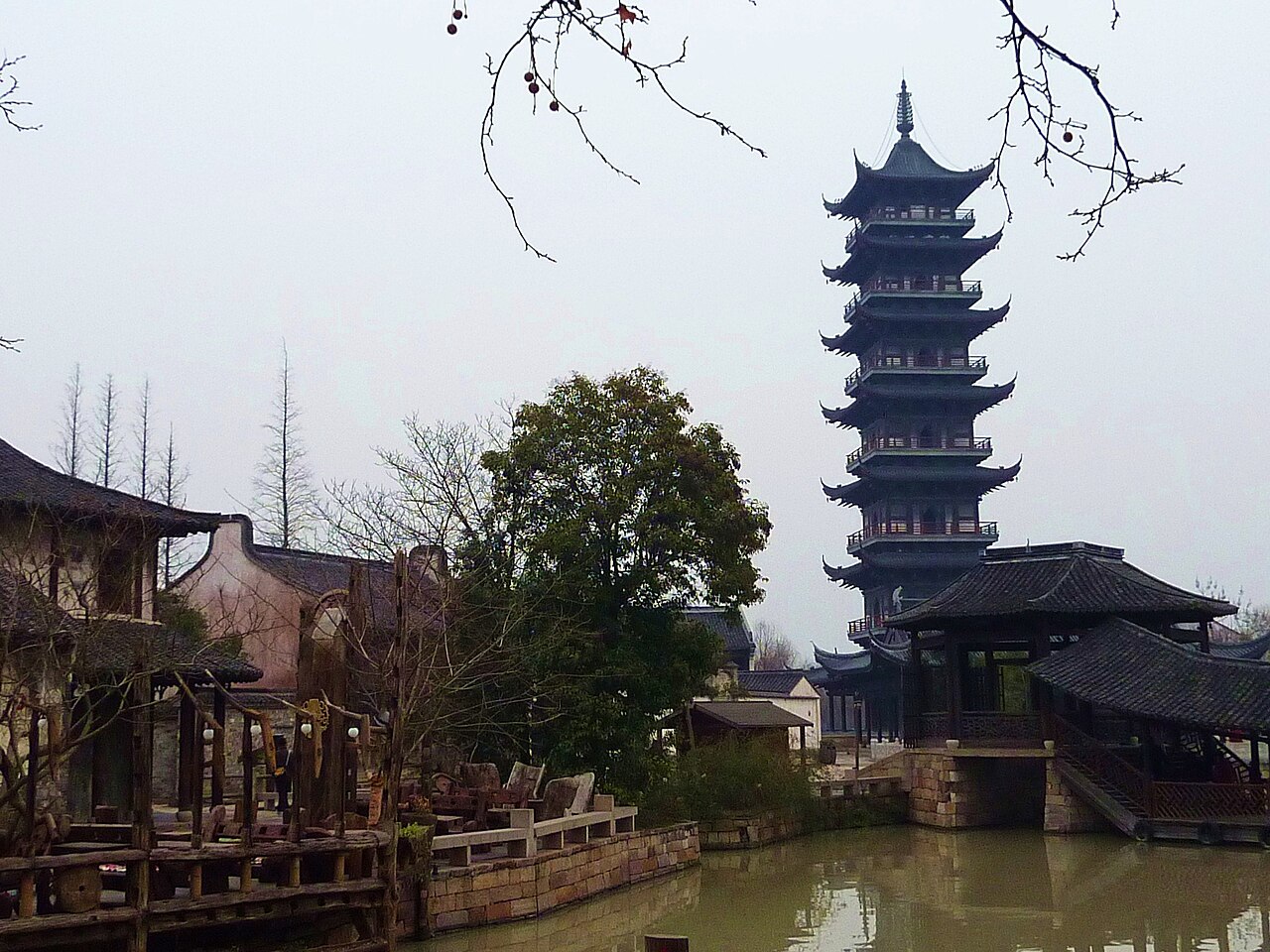
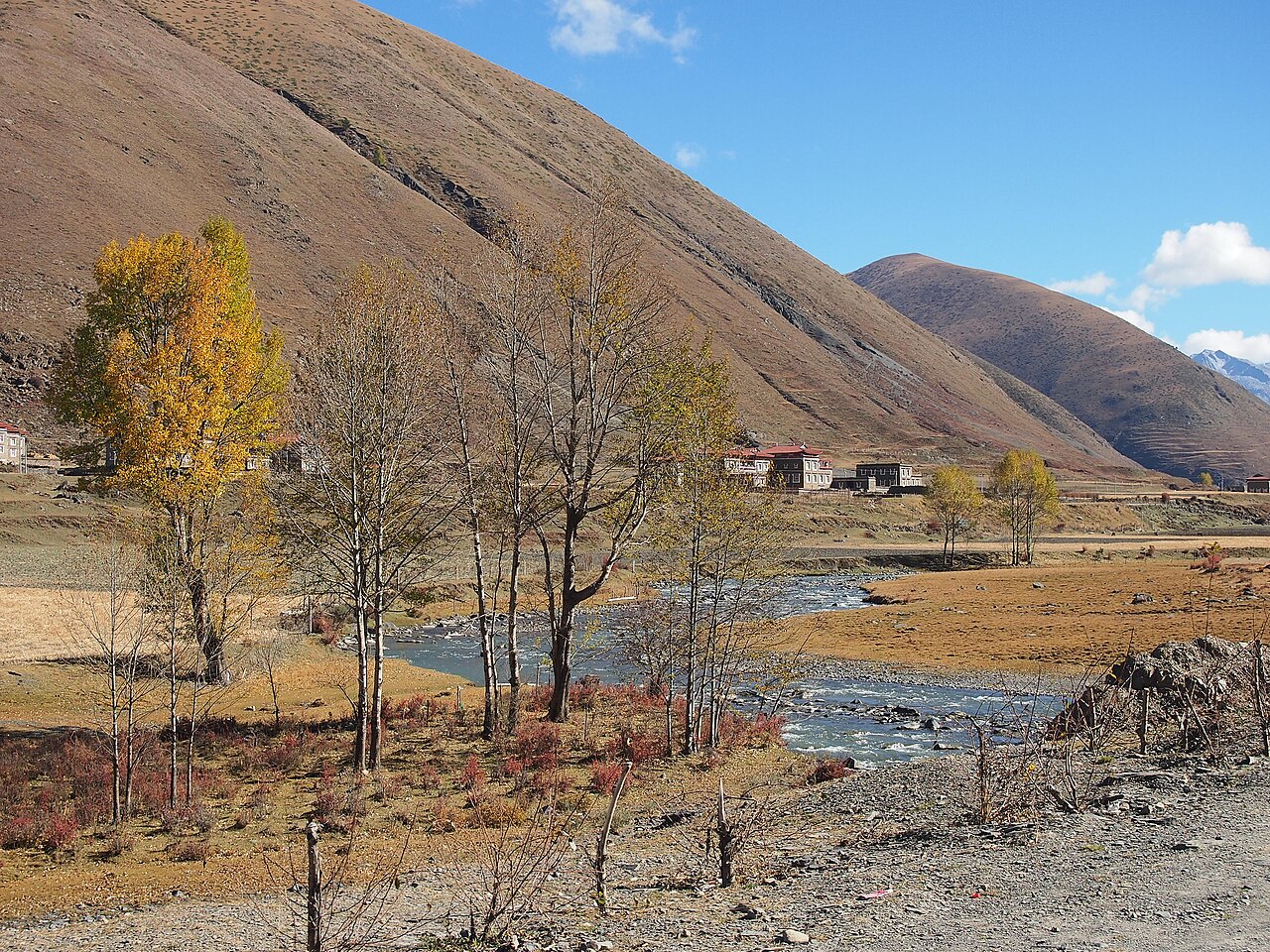
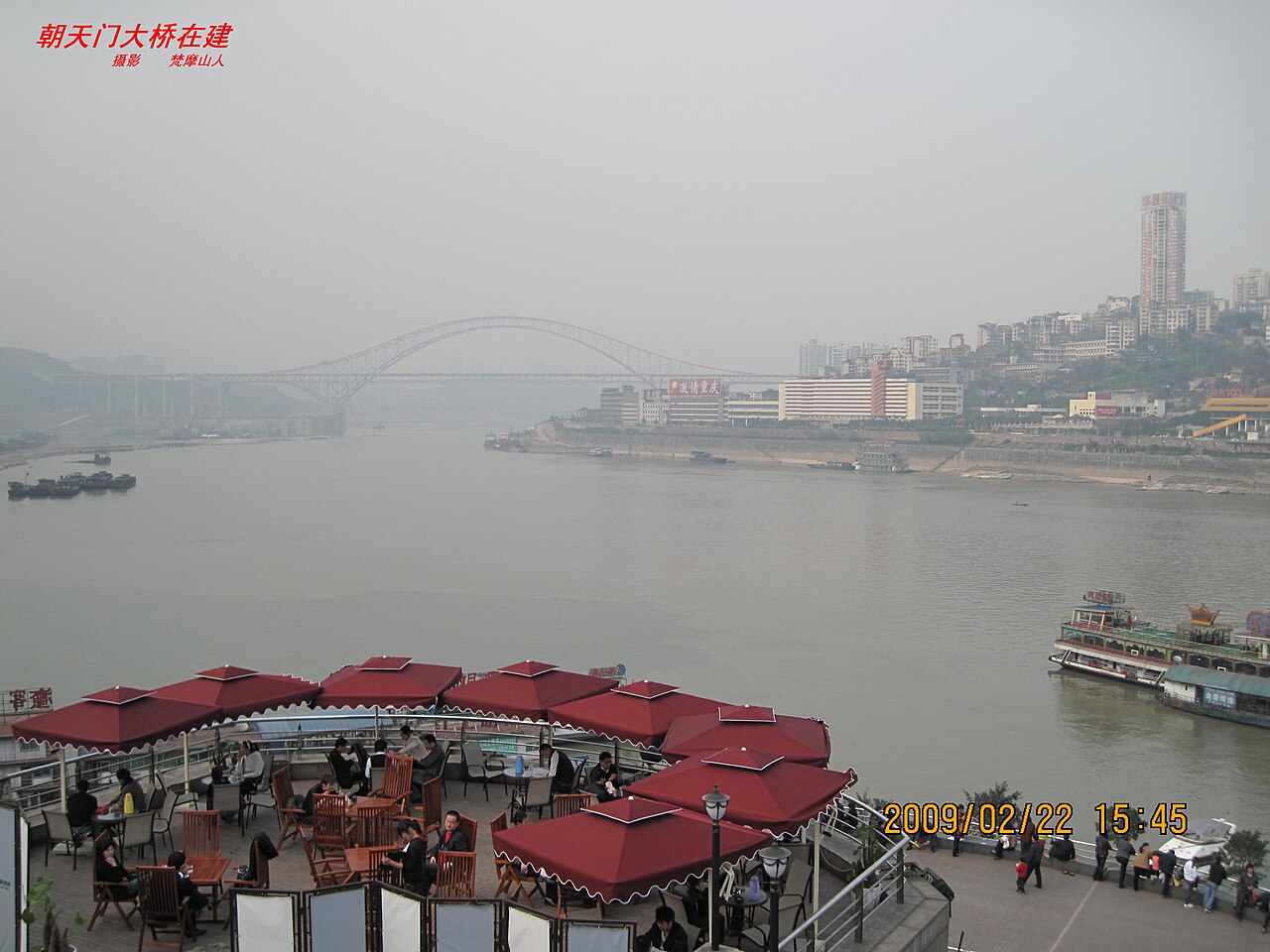
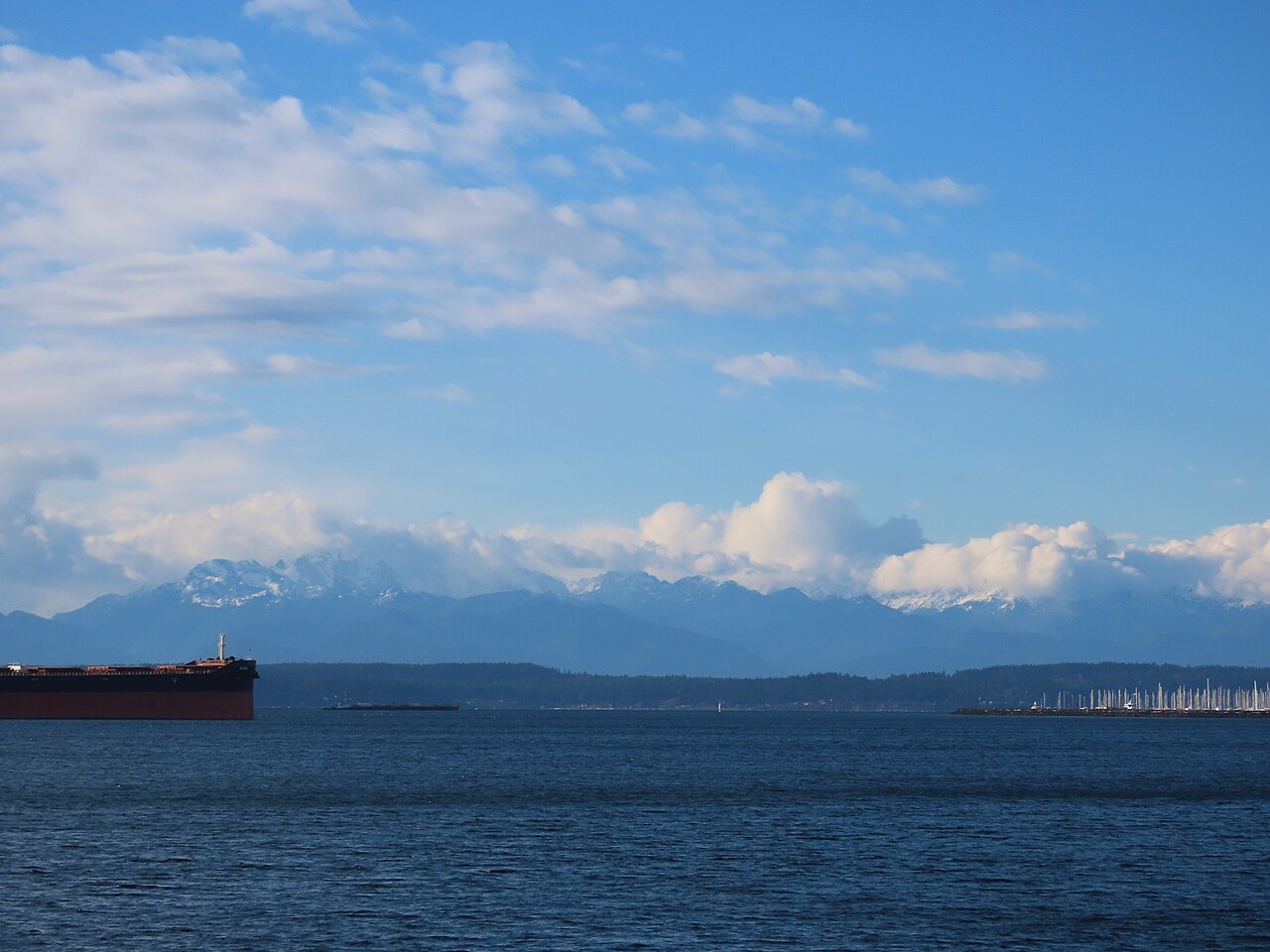
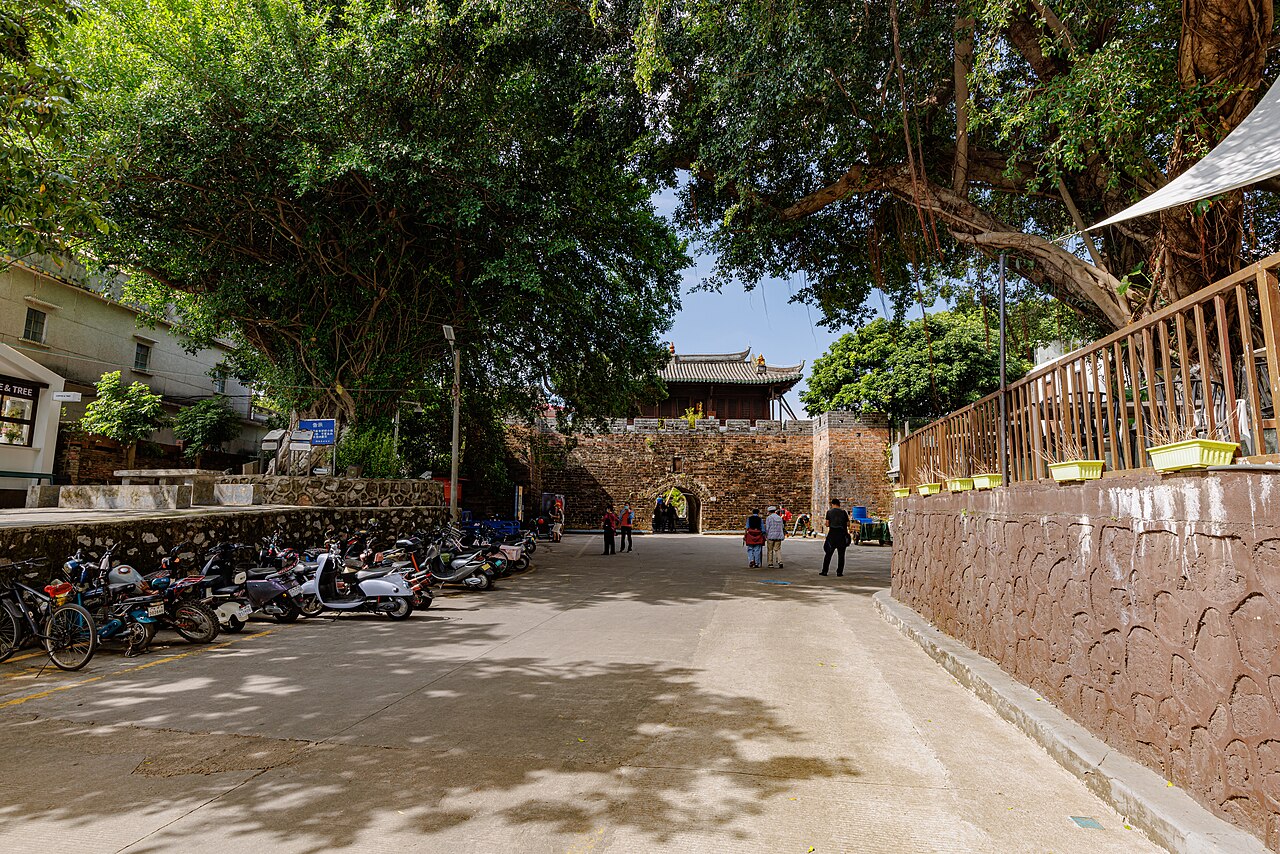
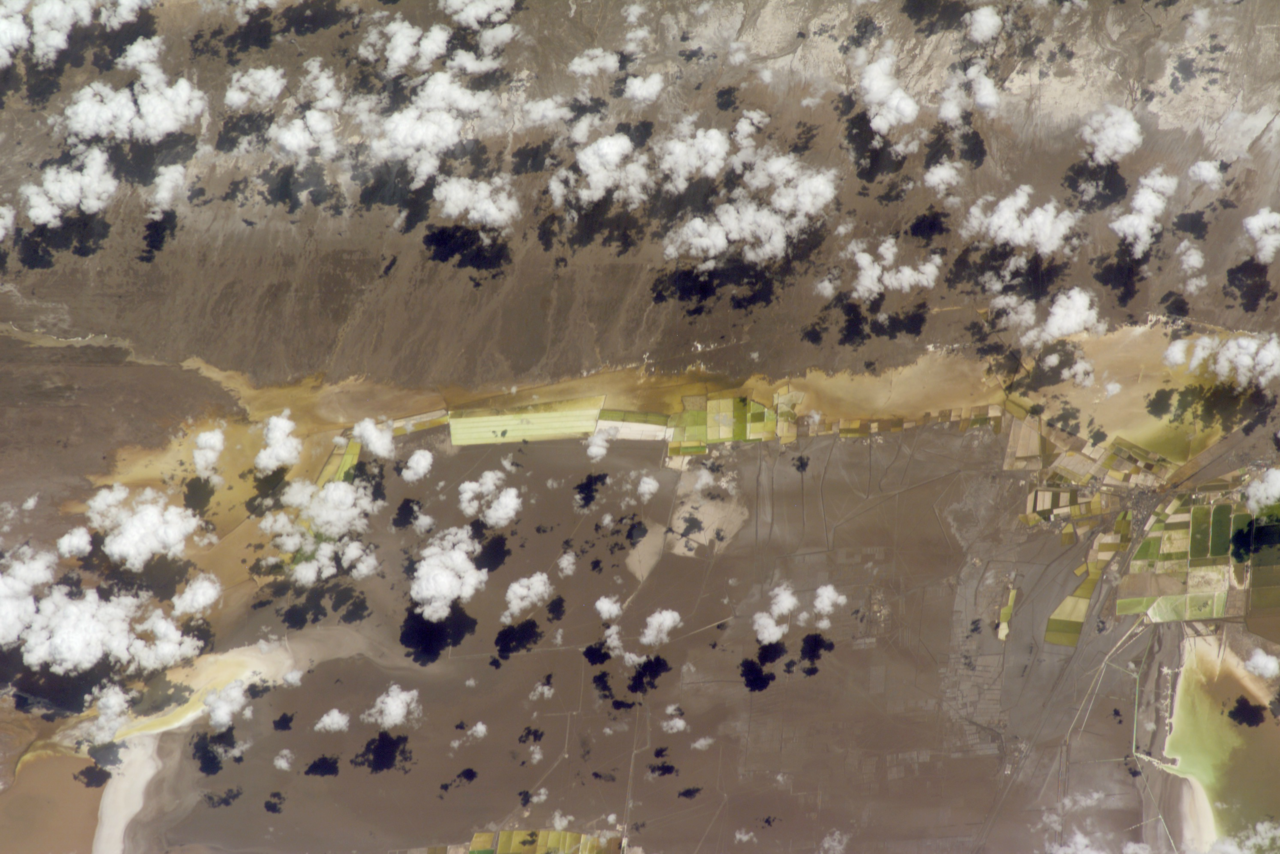
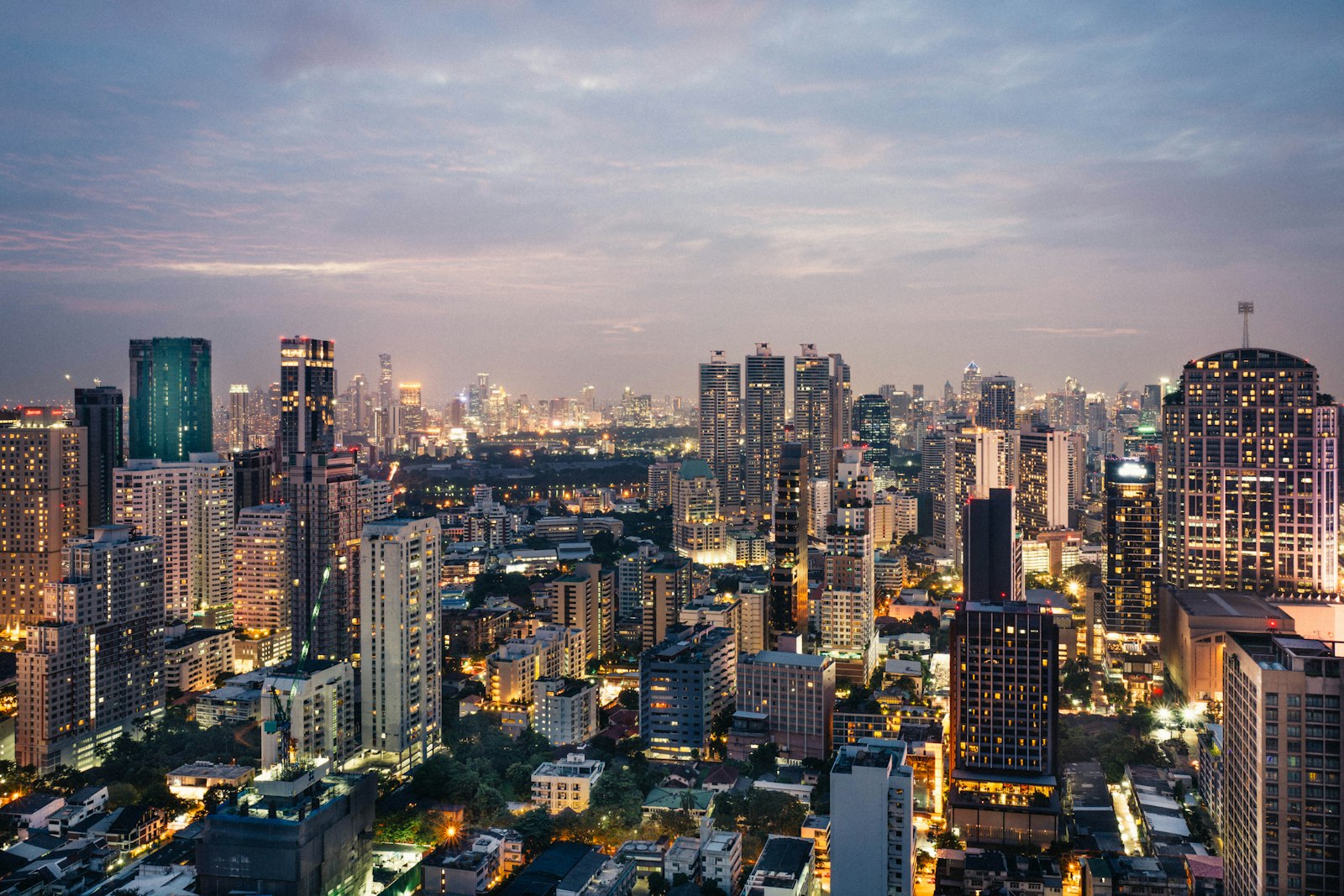
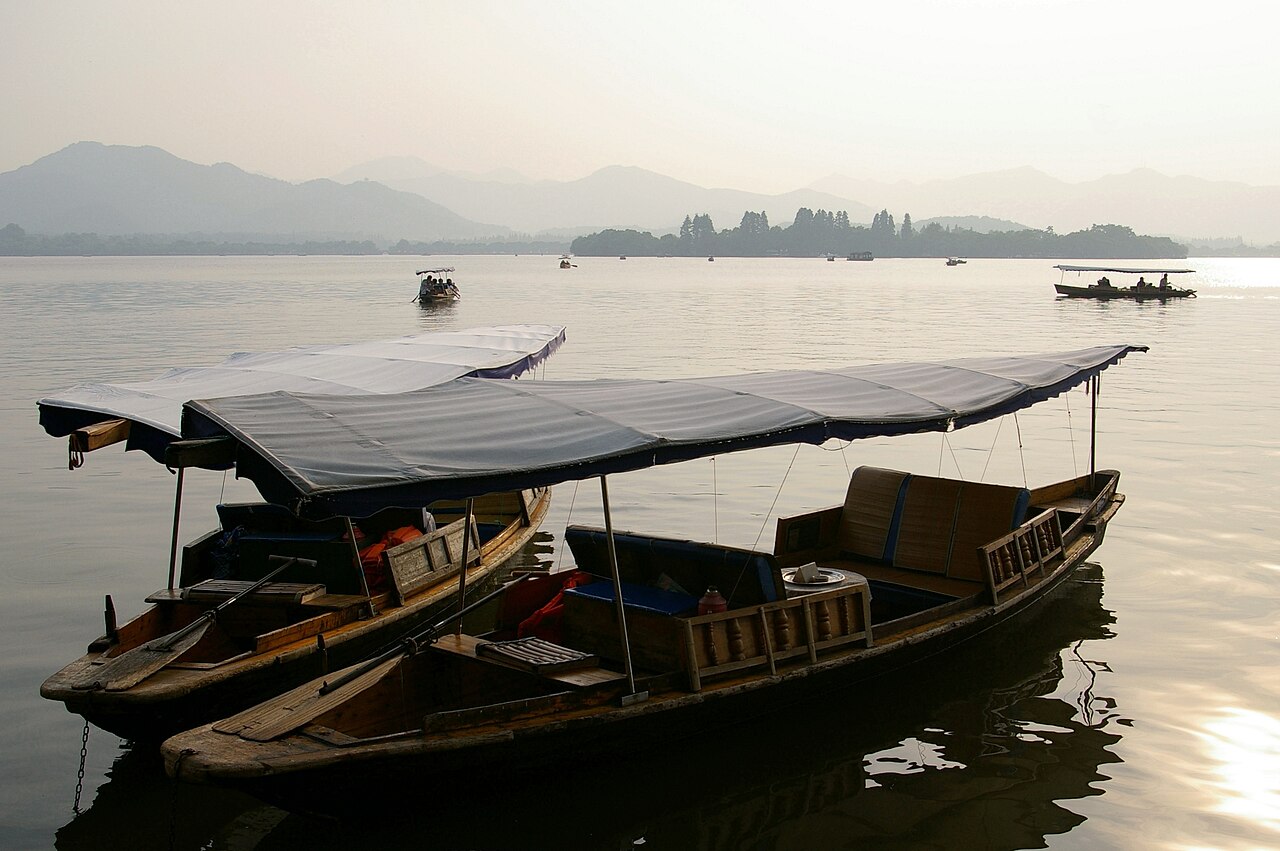
Dawn mist over Langmusi, the town split between Gansu and Sichuan
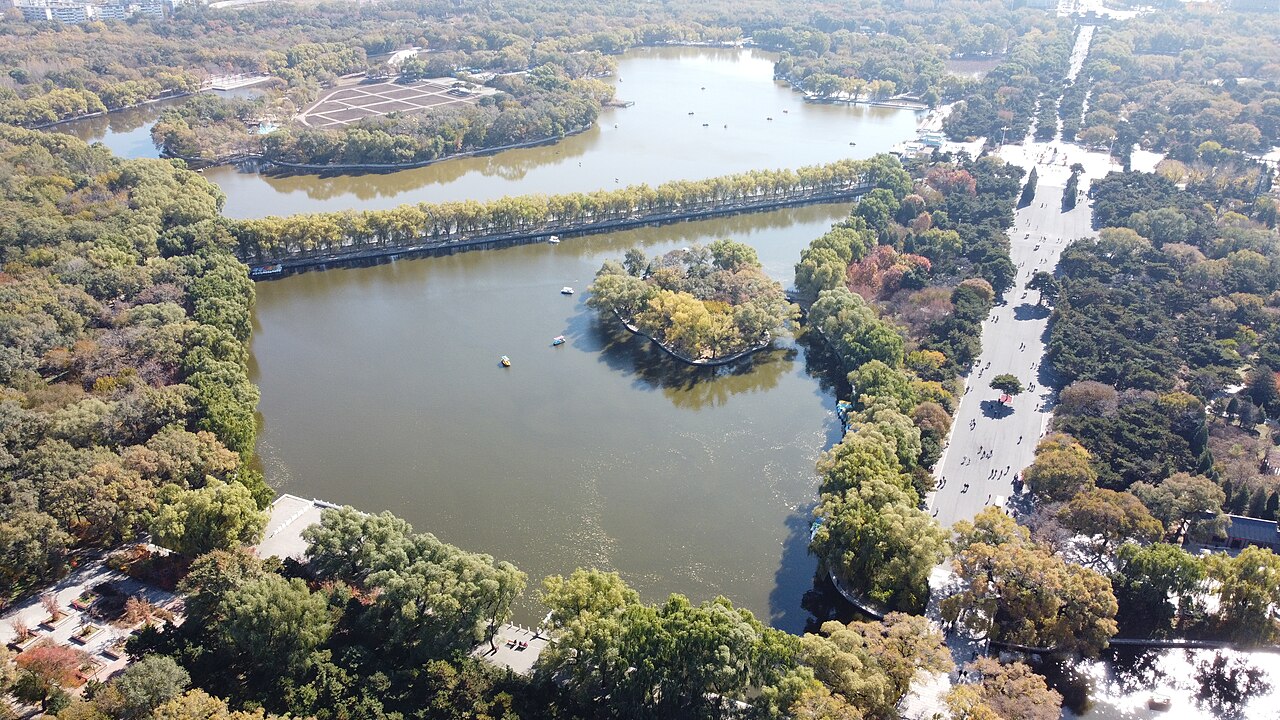
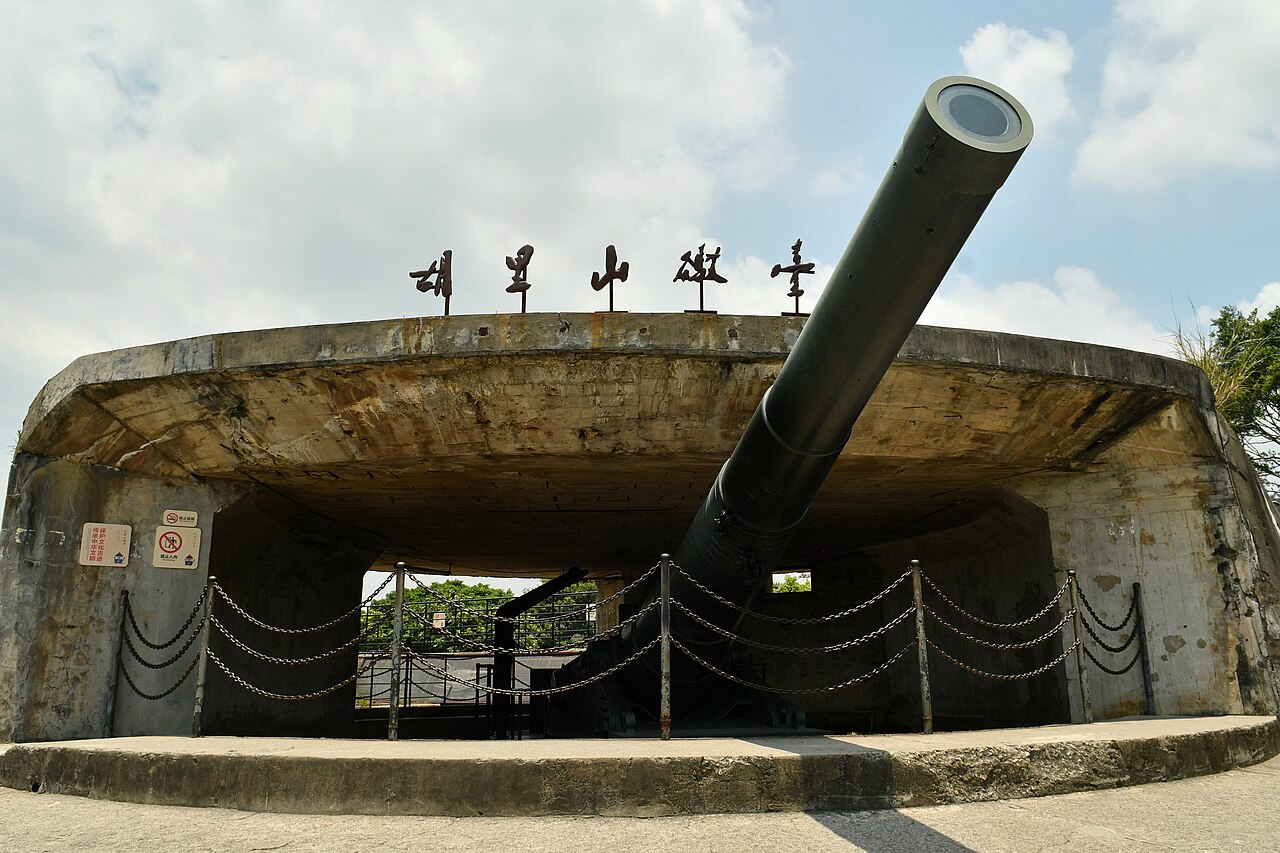
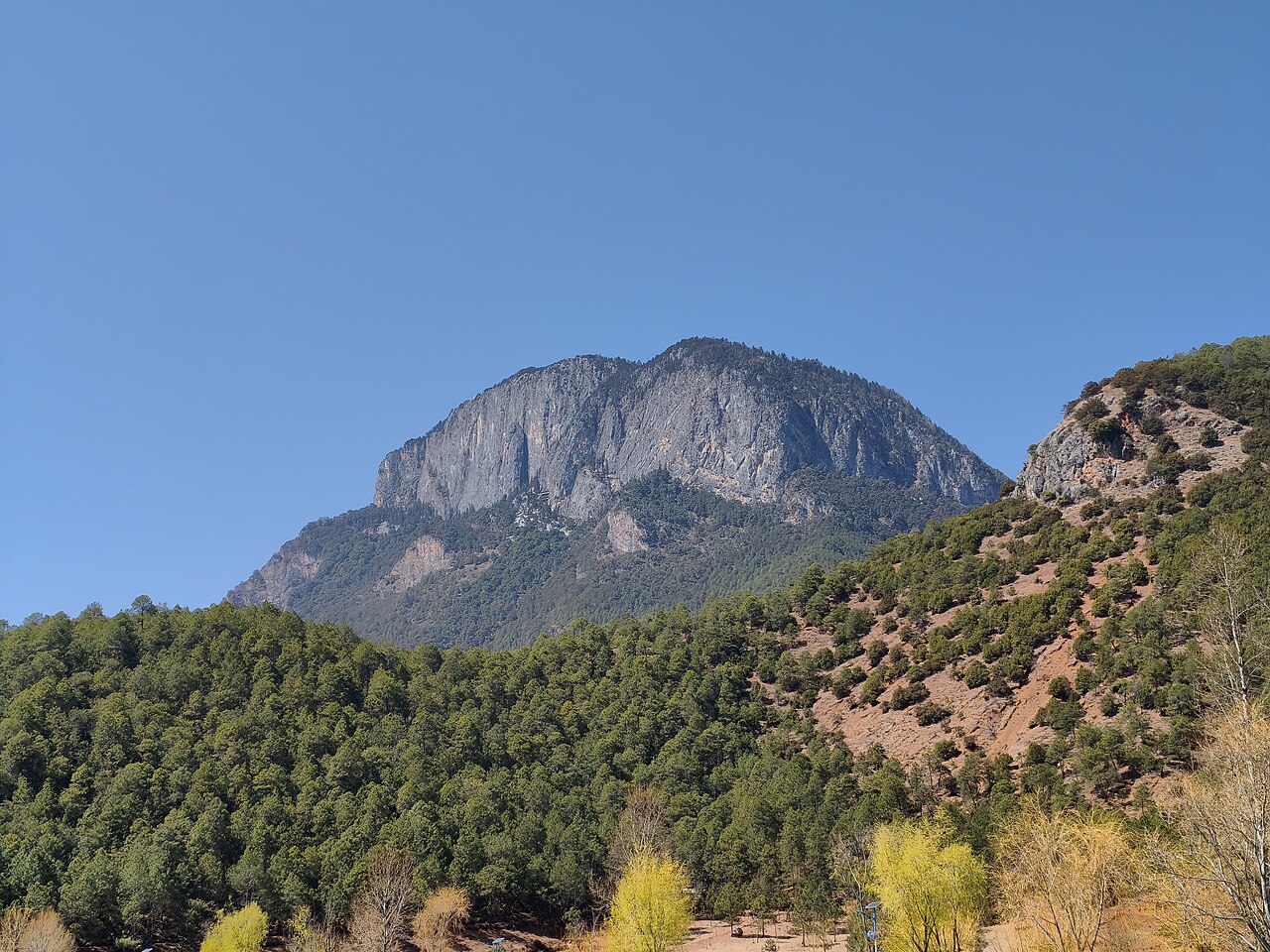
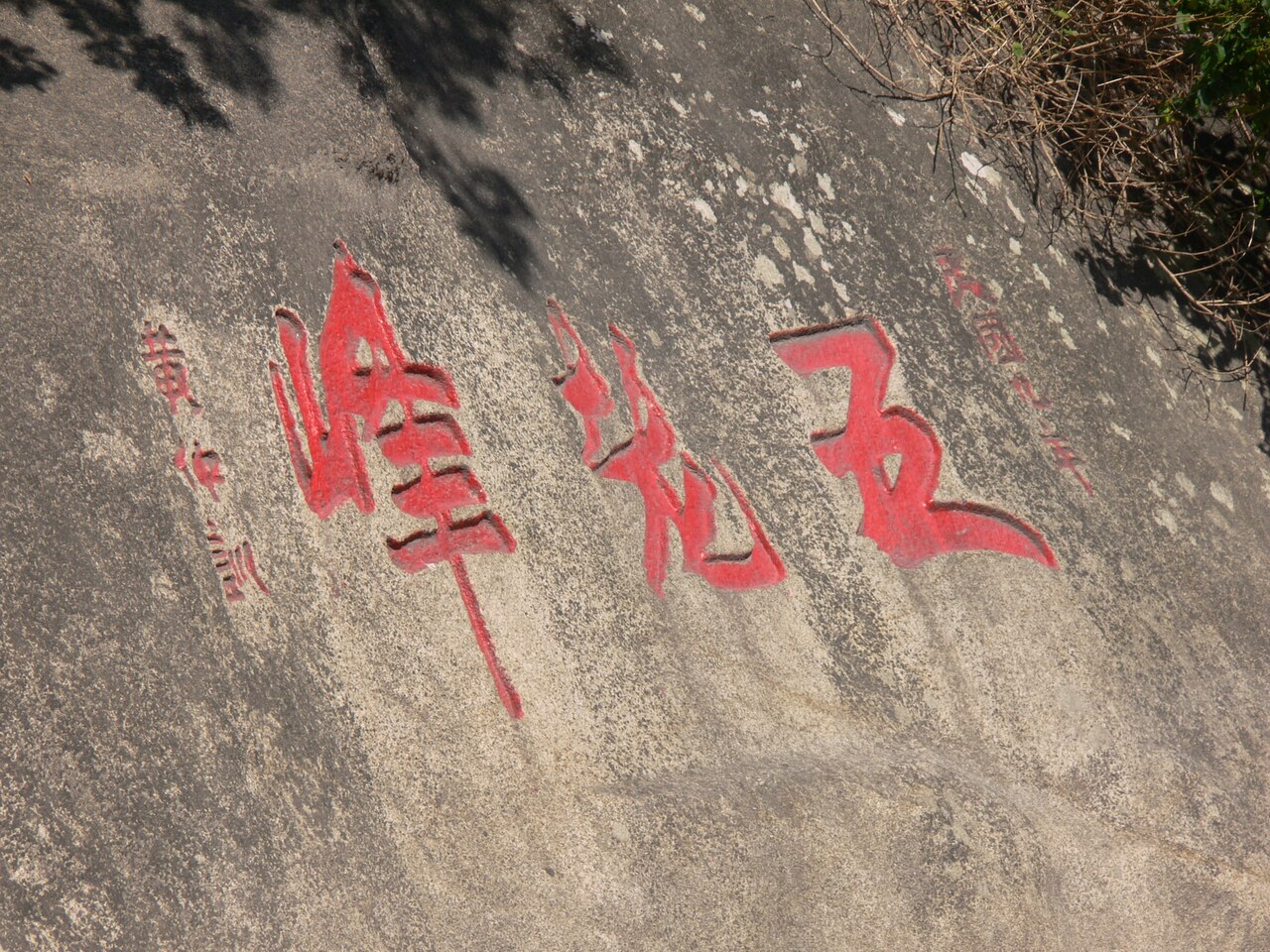
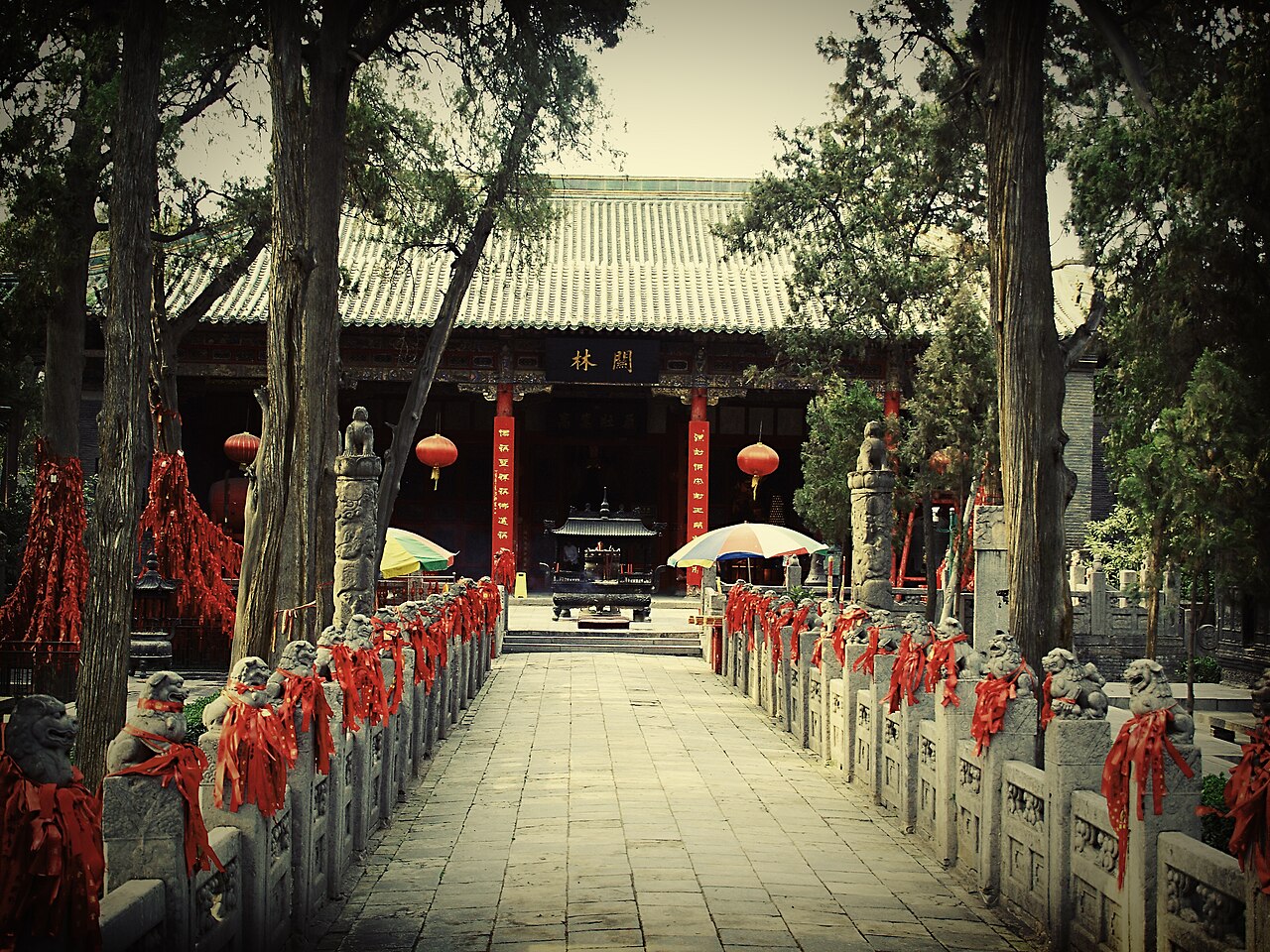
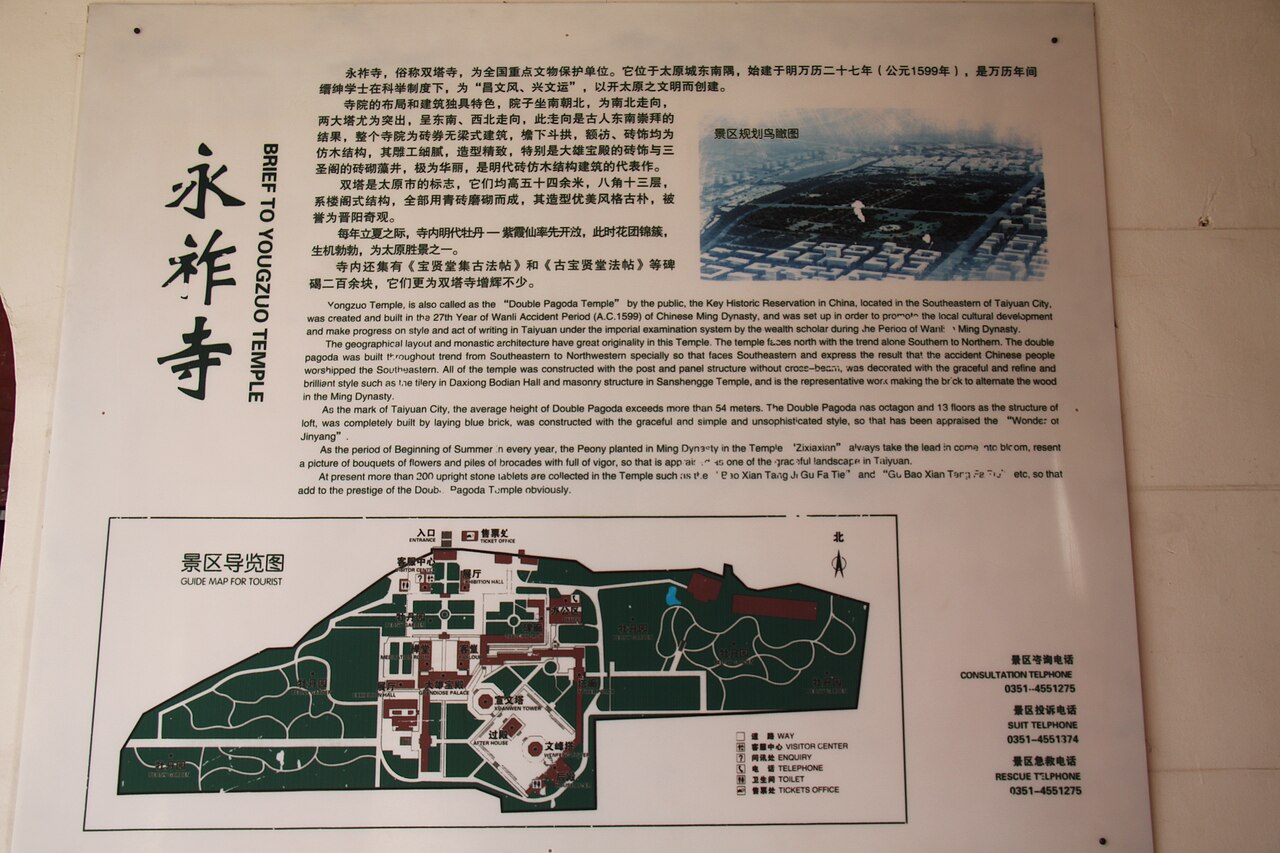
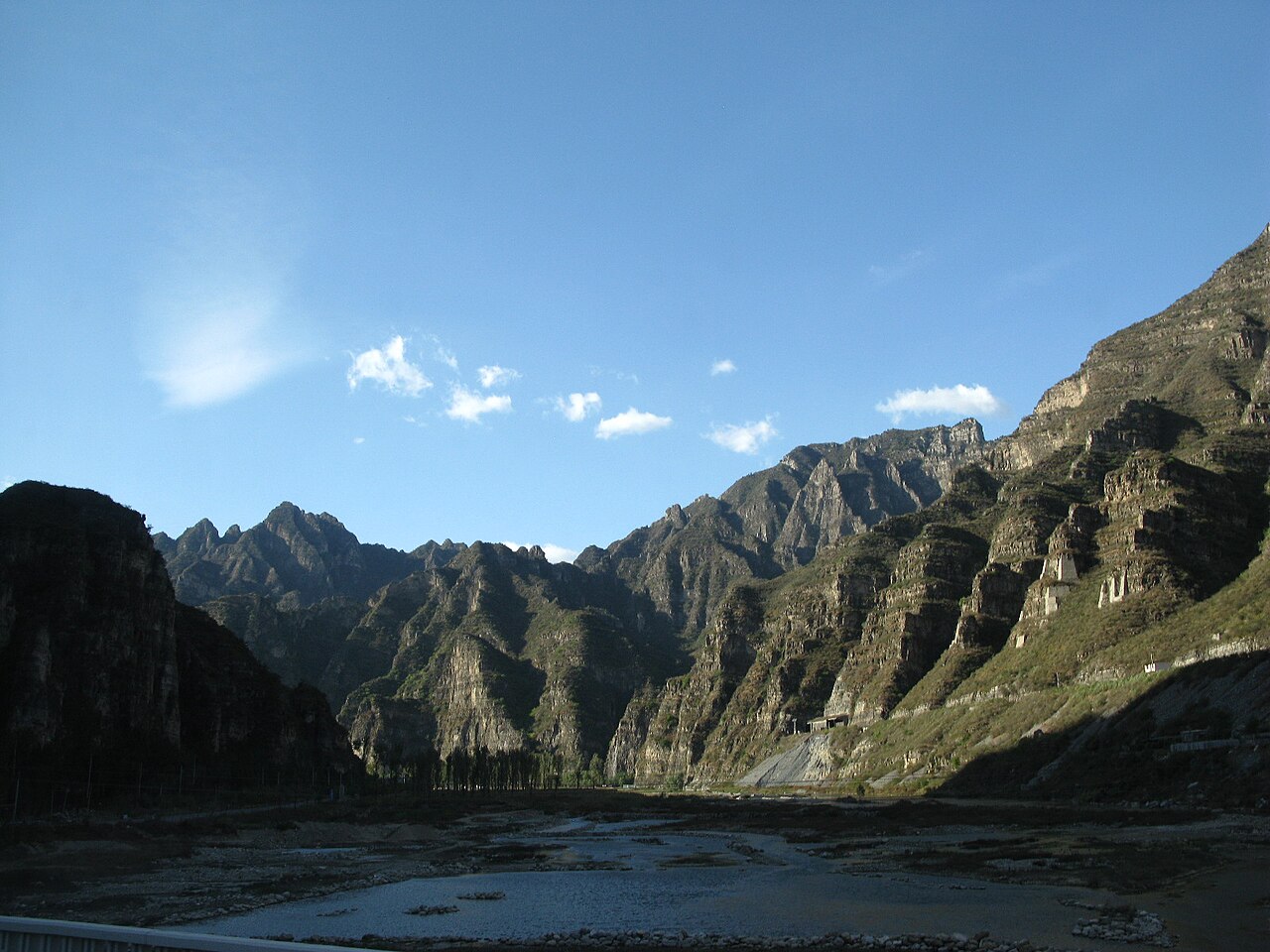
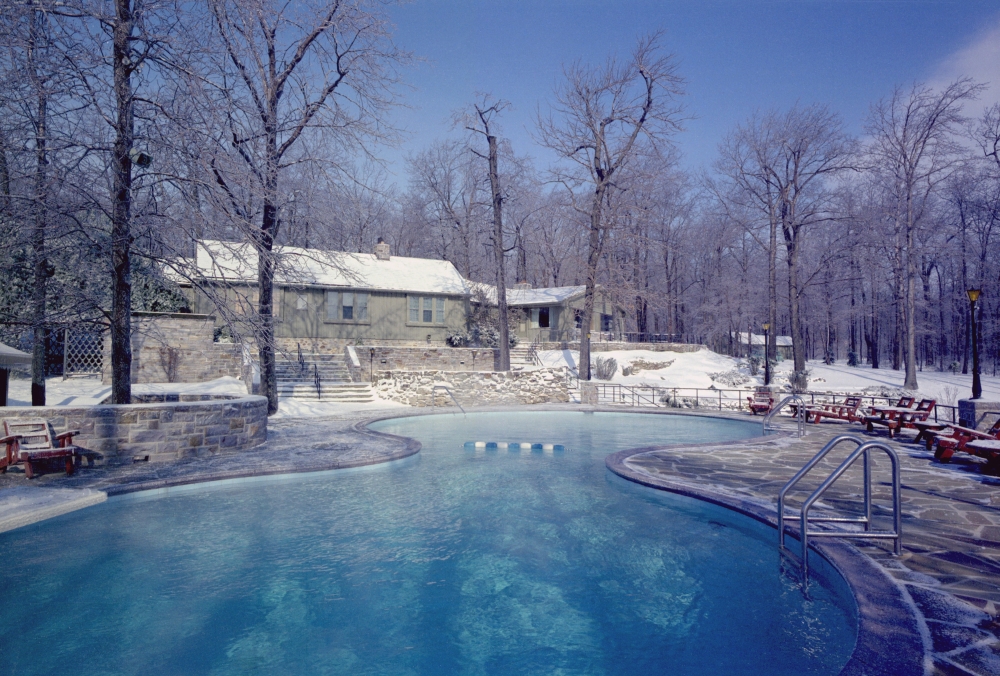
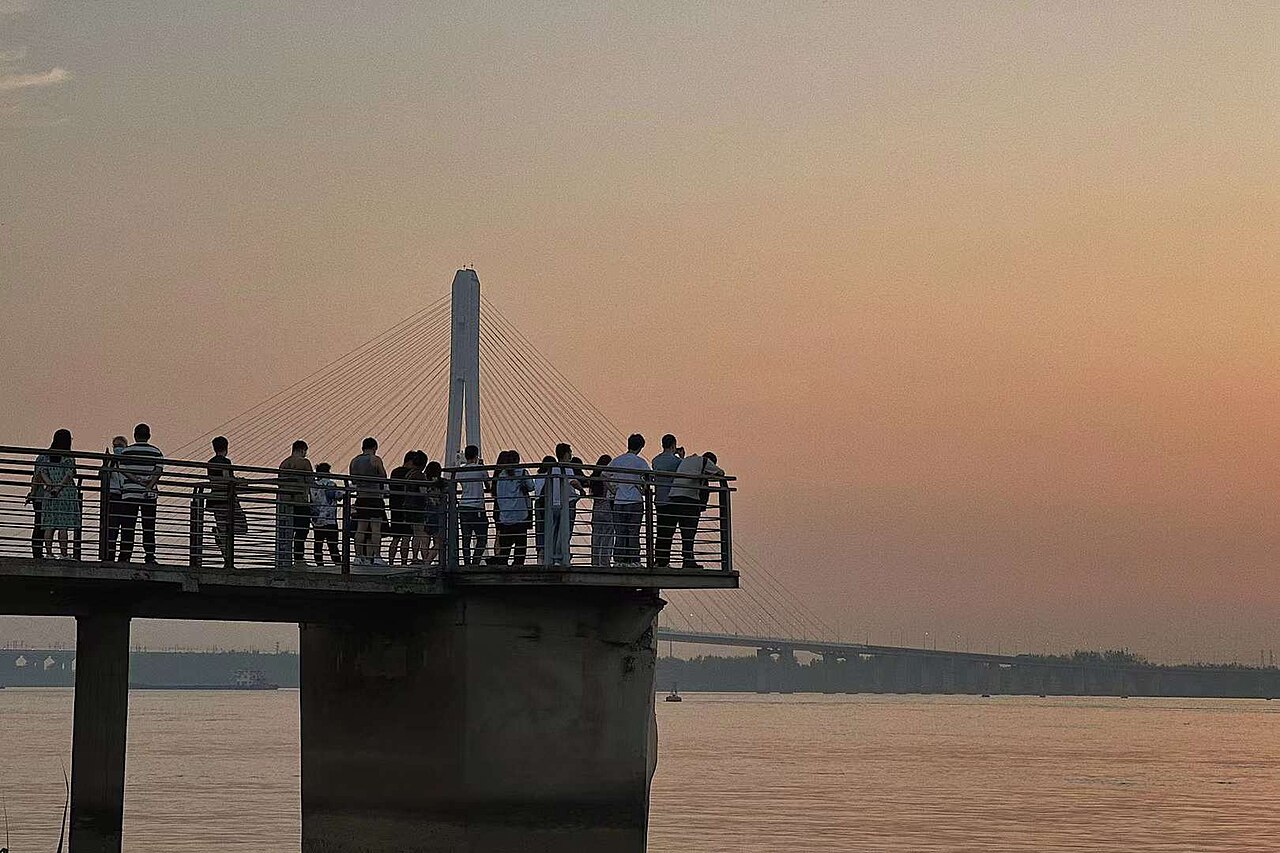
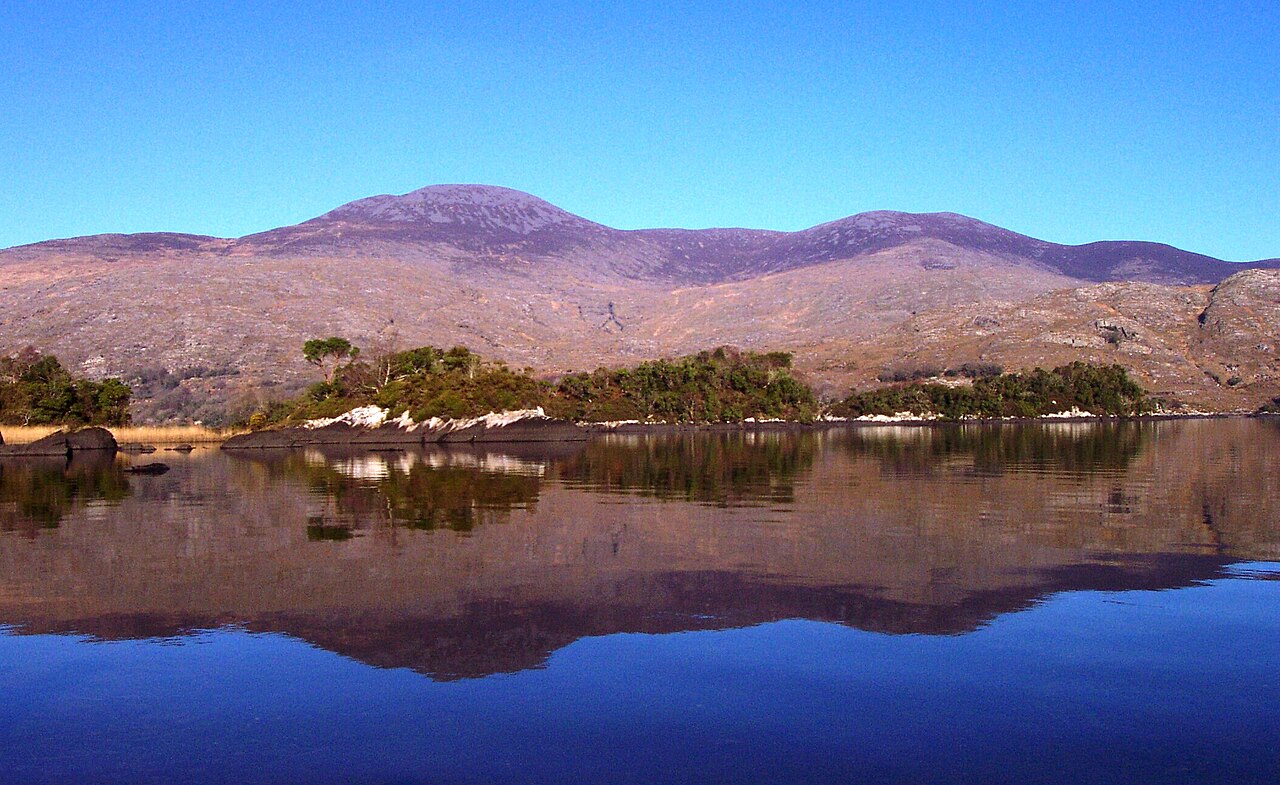
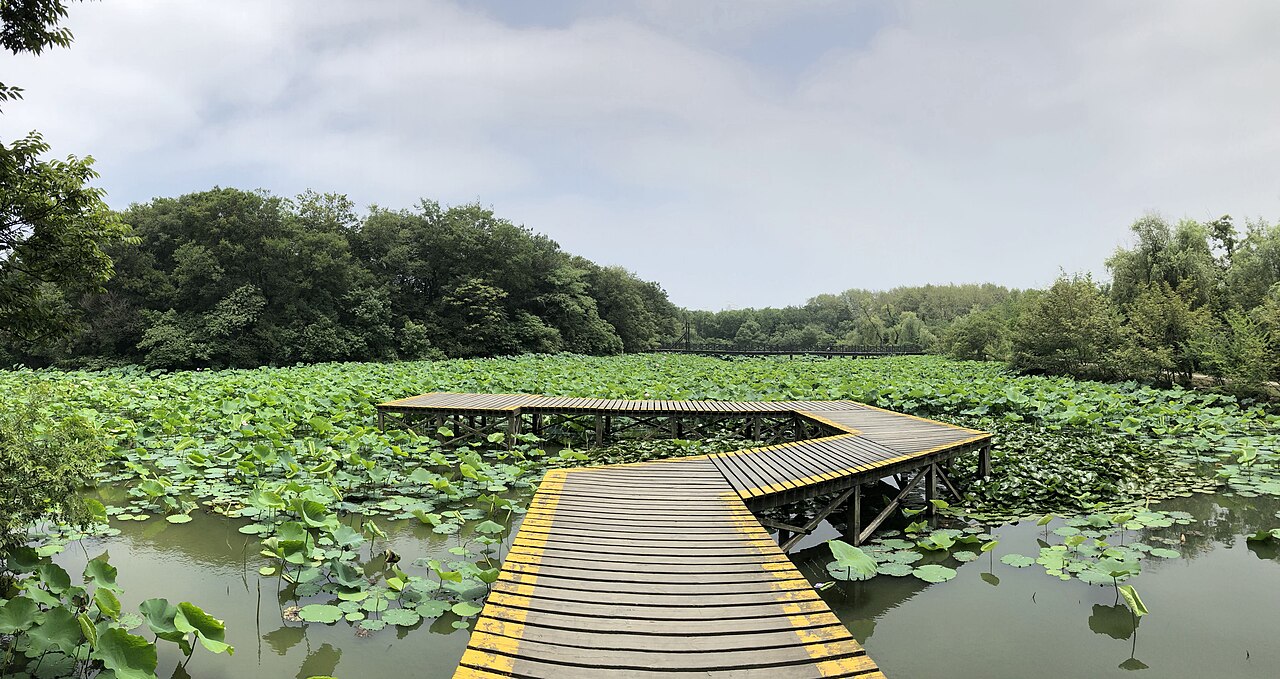
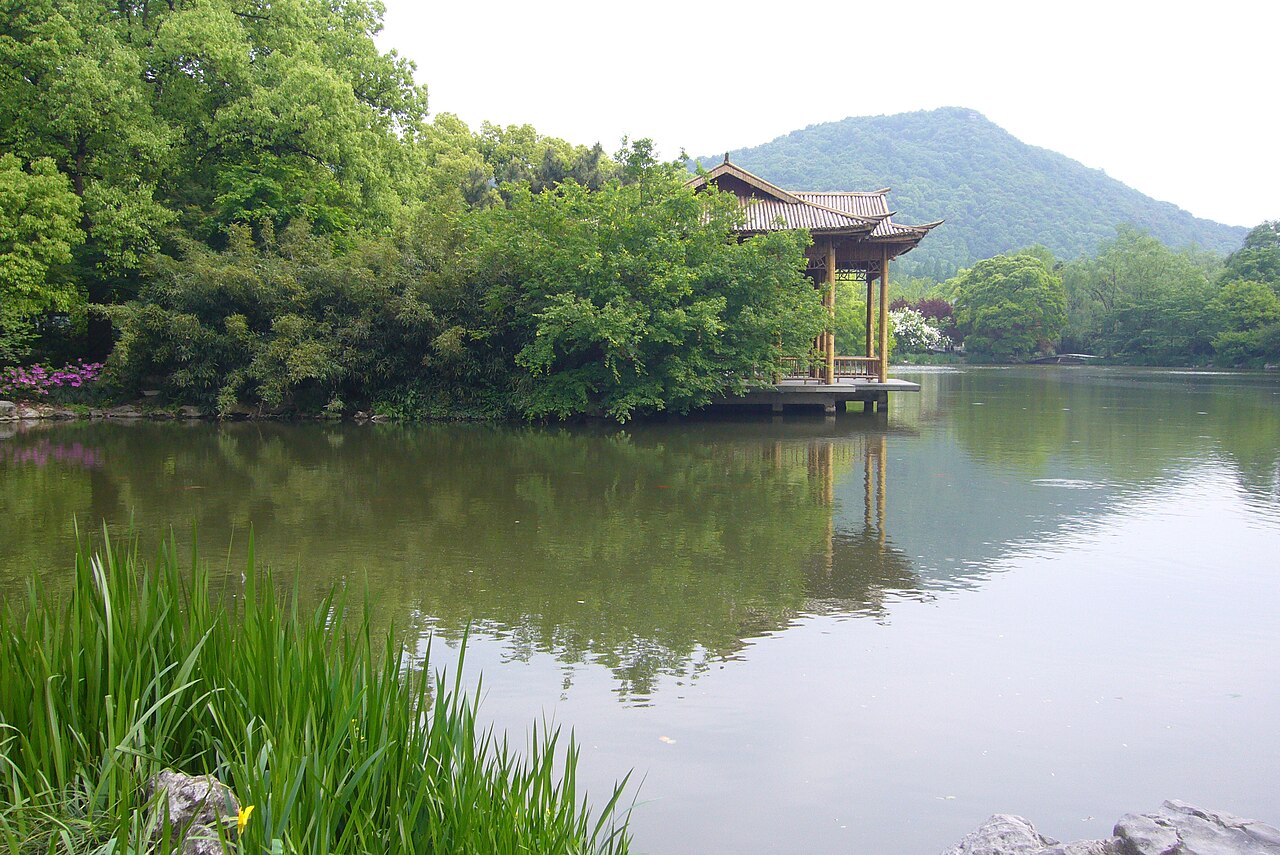
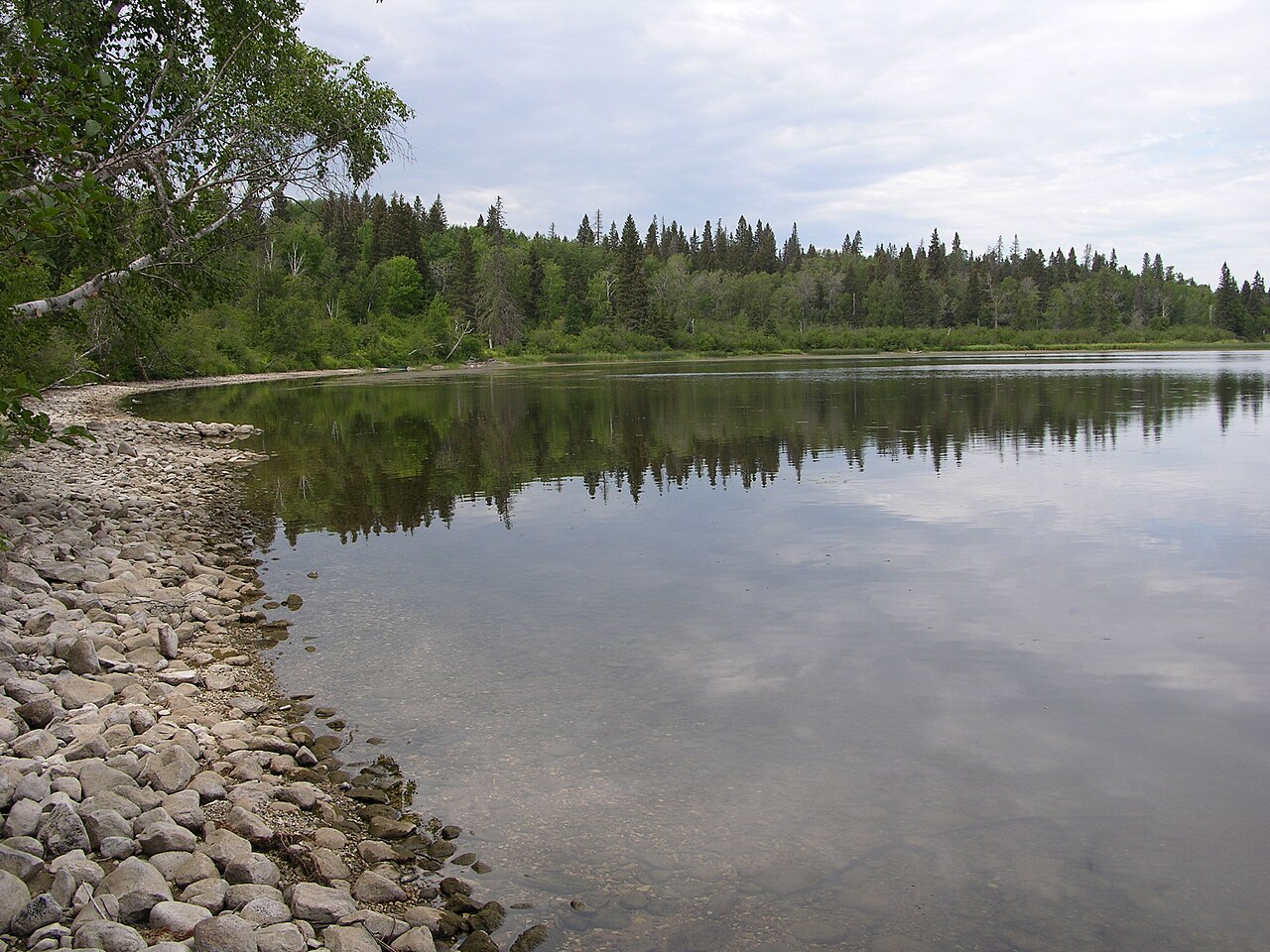
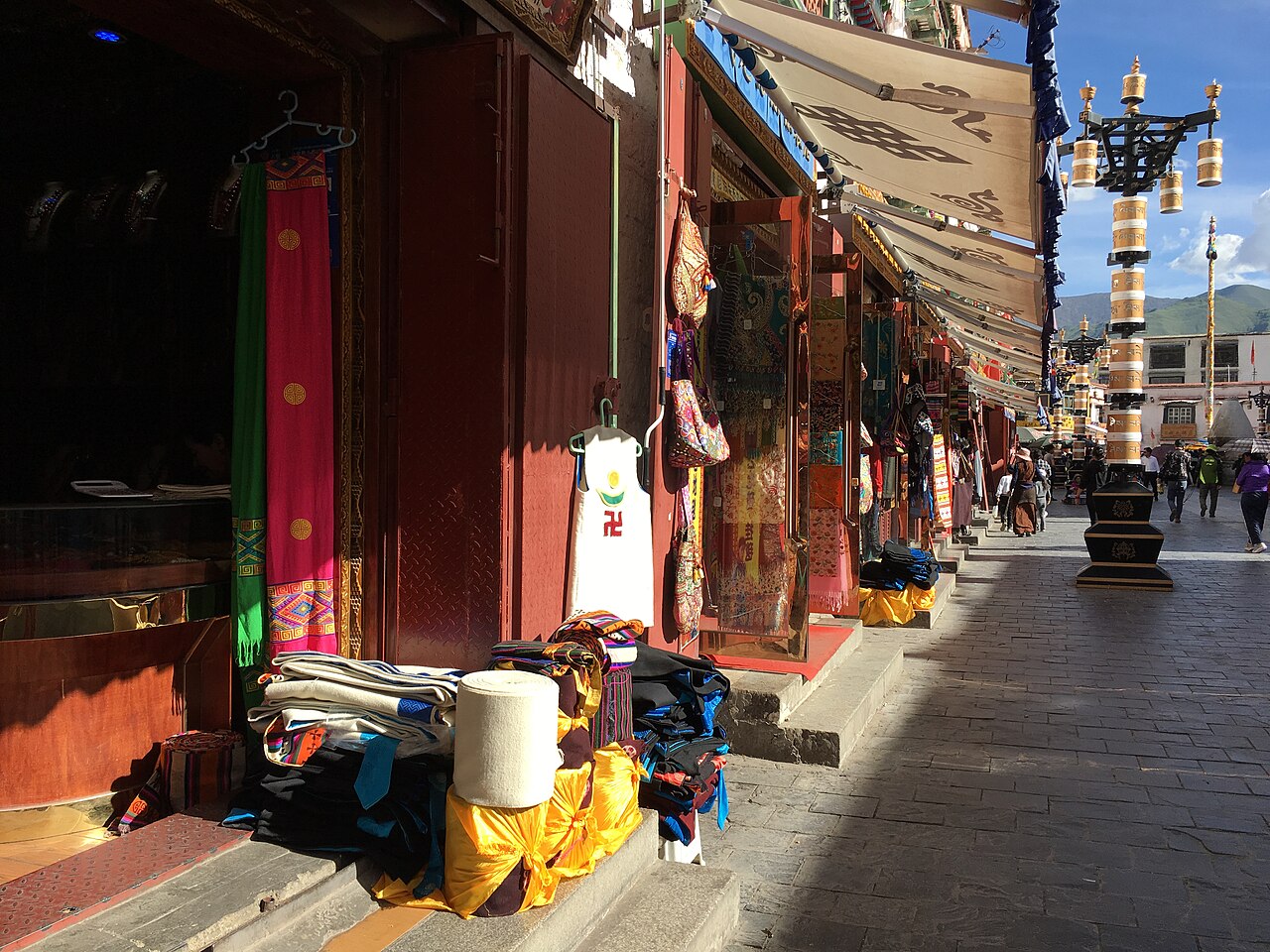
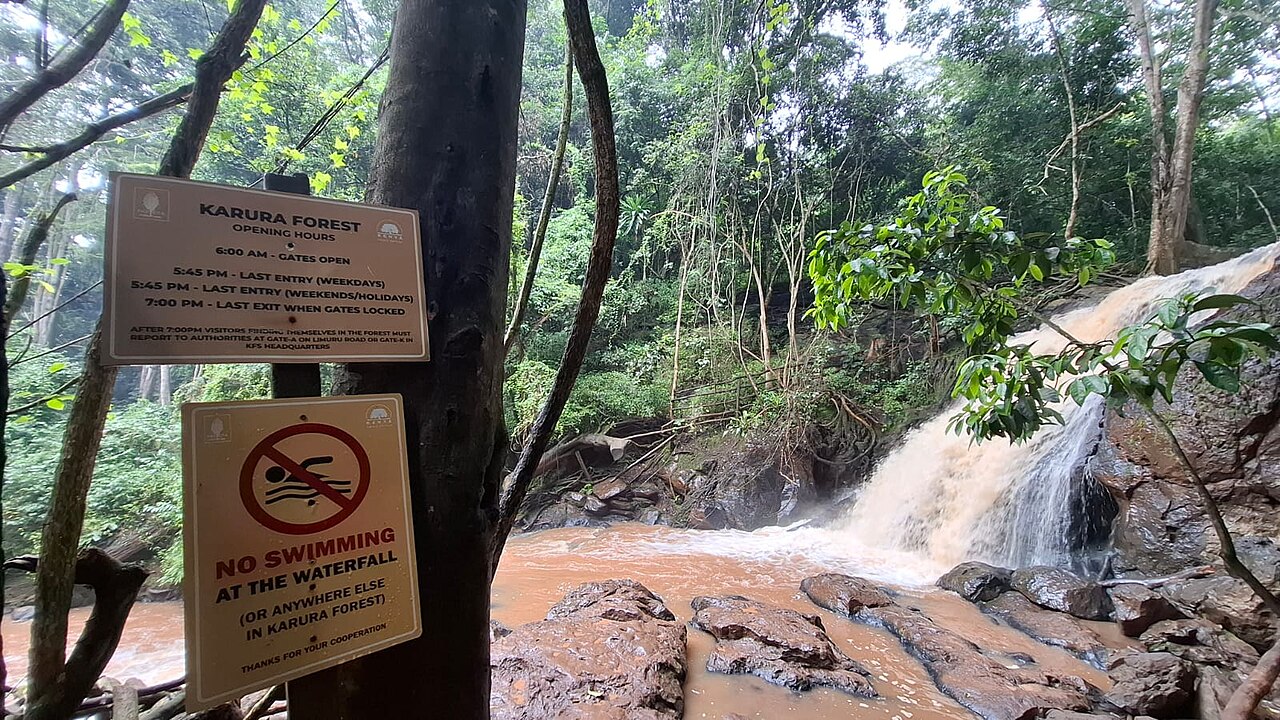
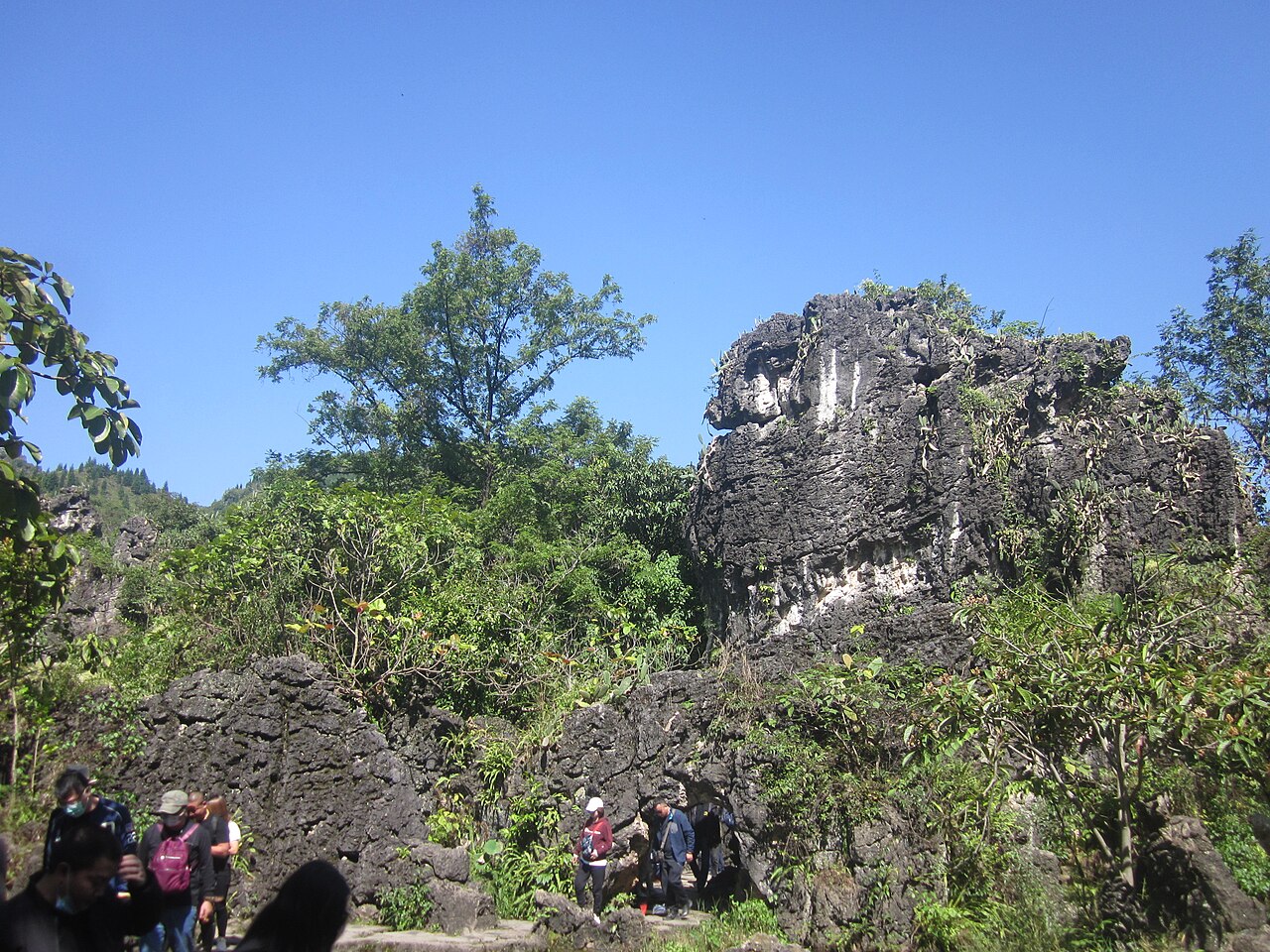
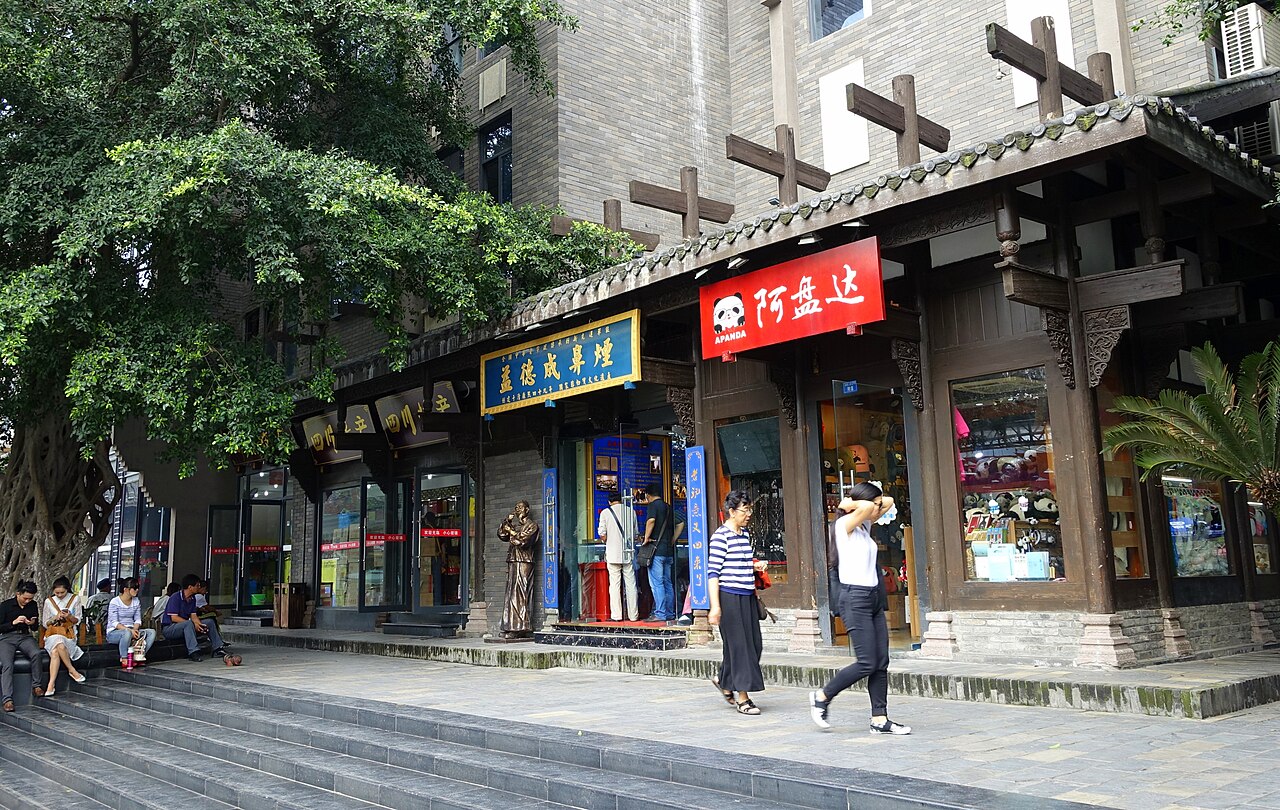
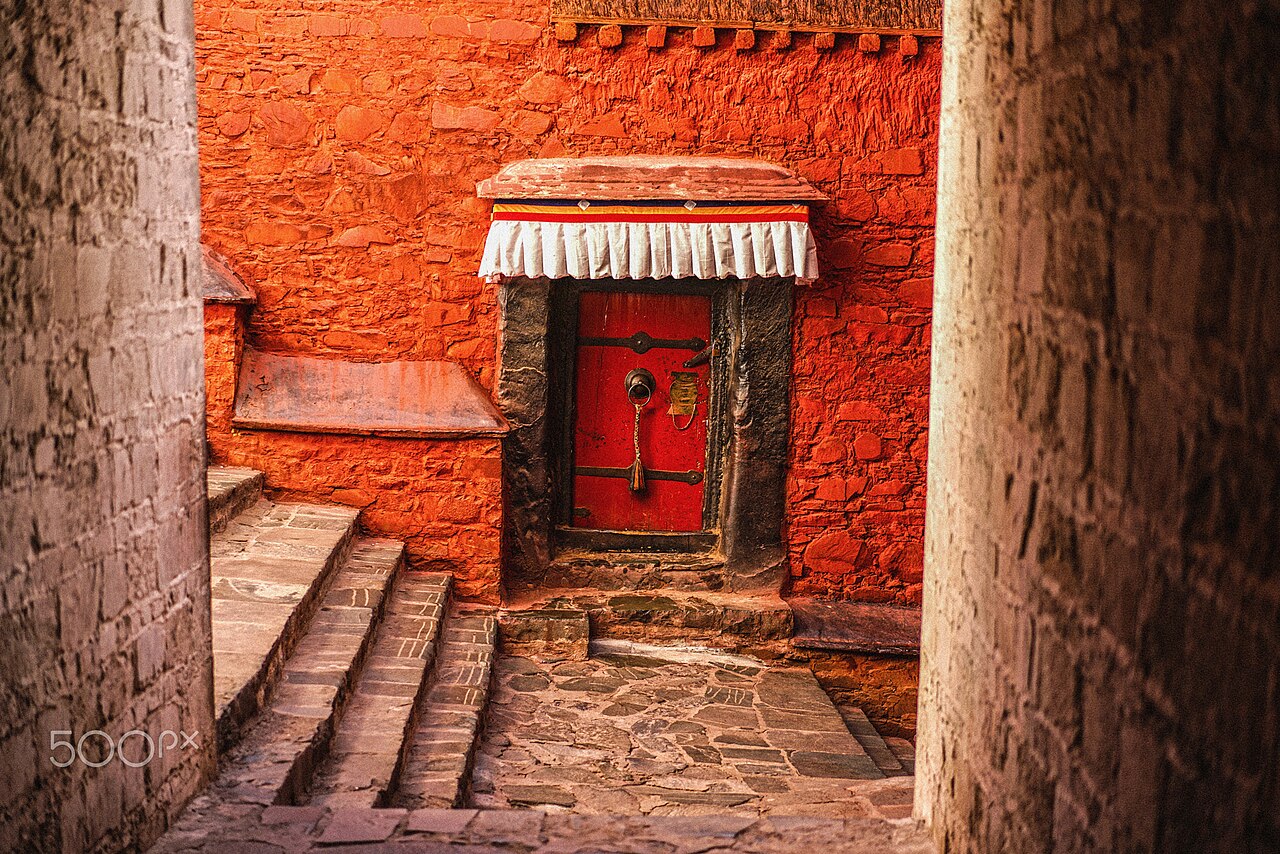
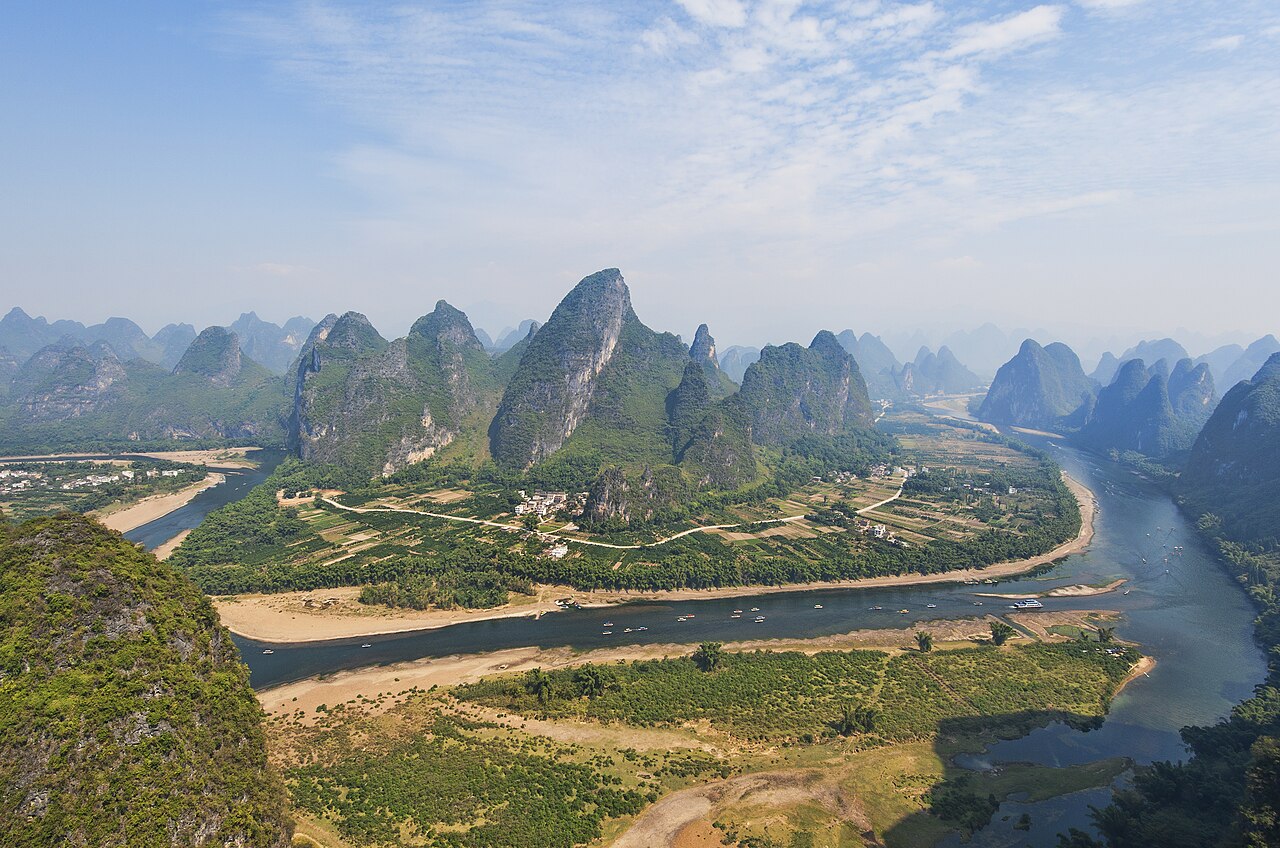
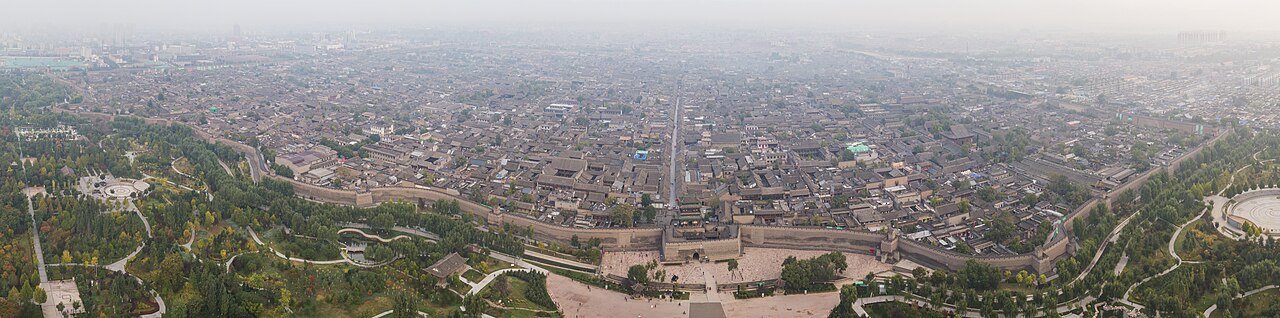
Gahai Lake at 3,400 m, a mirror for the plateau sky
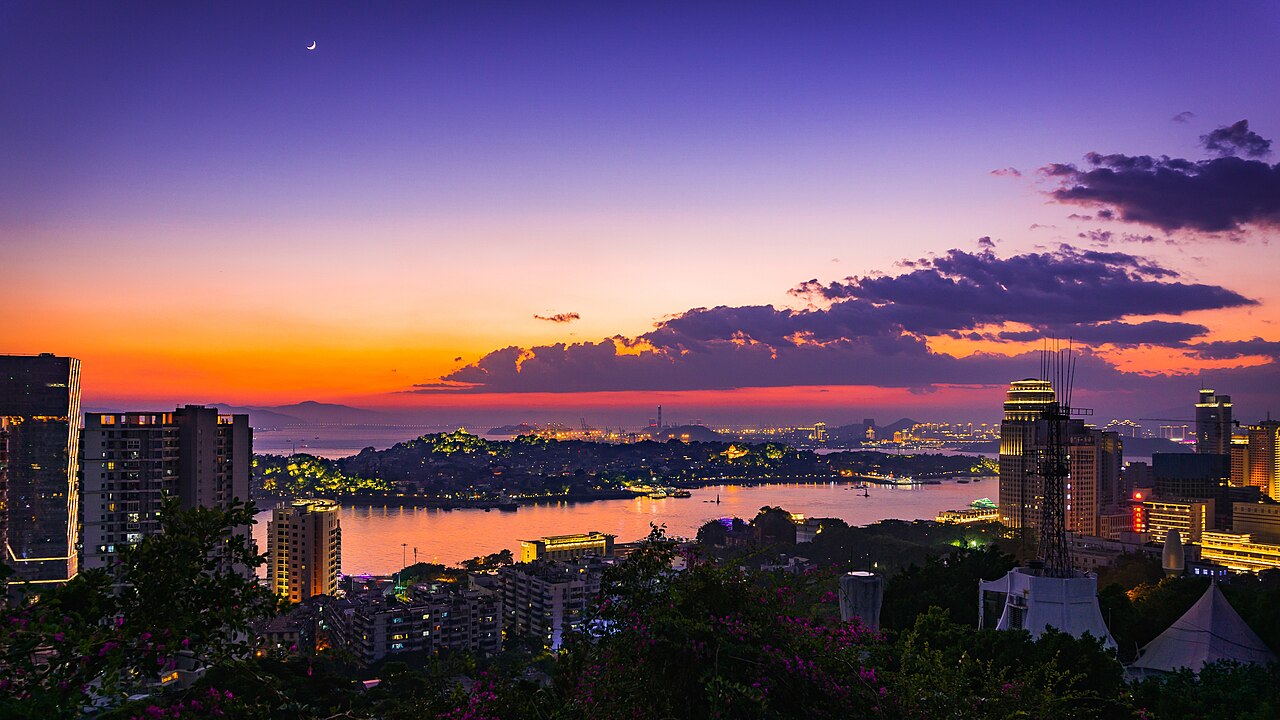
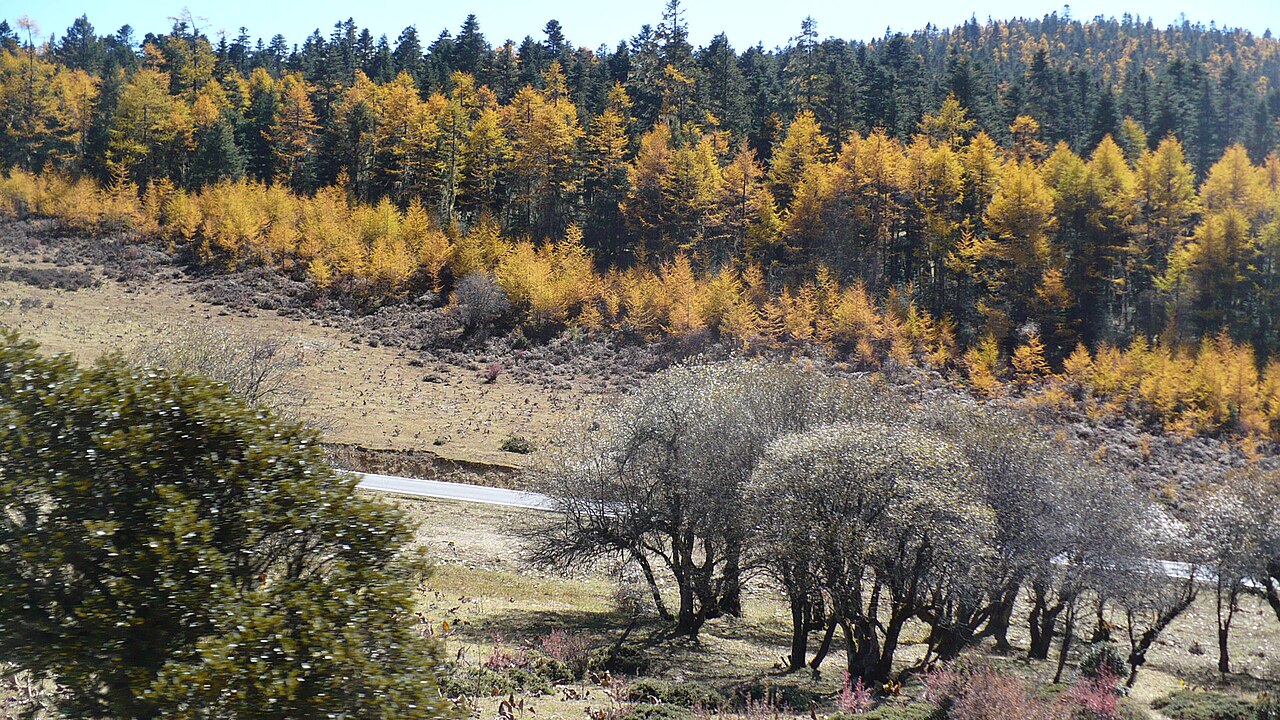
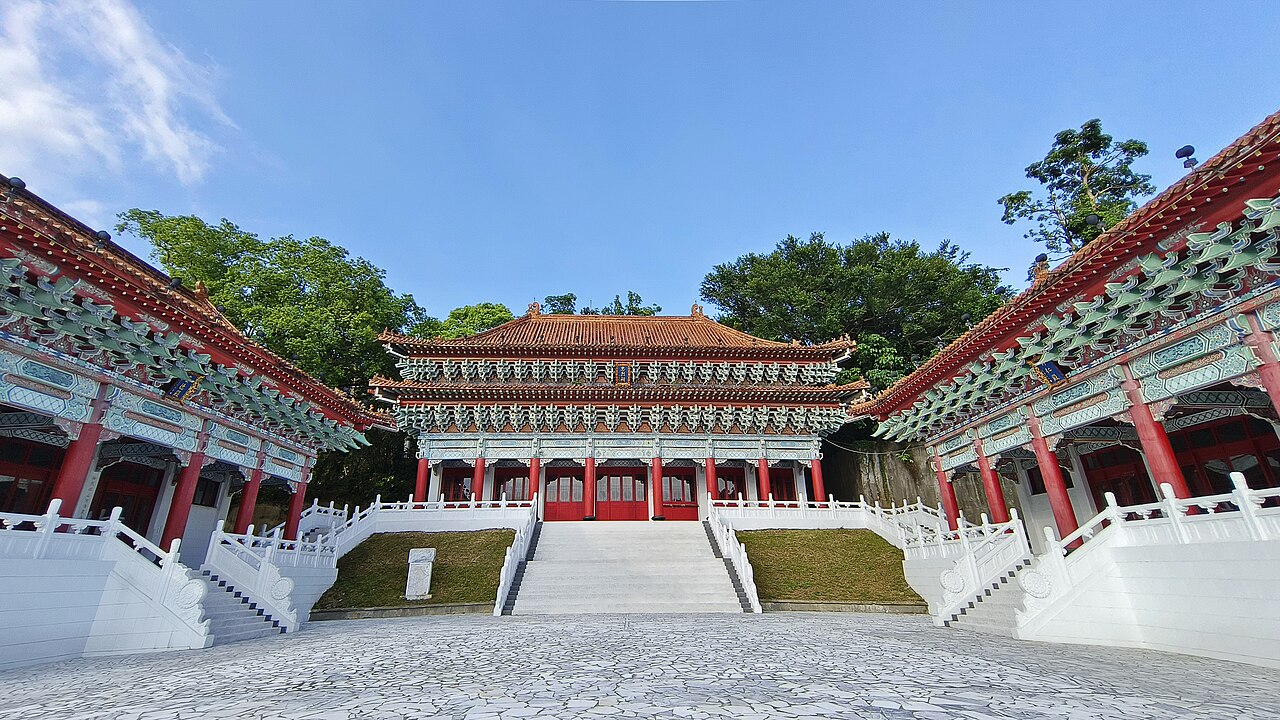
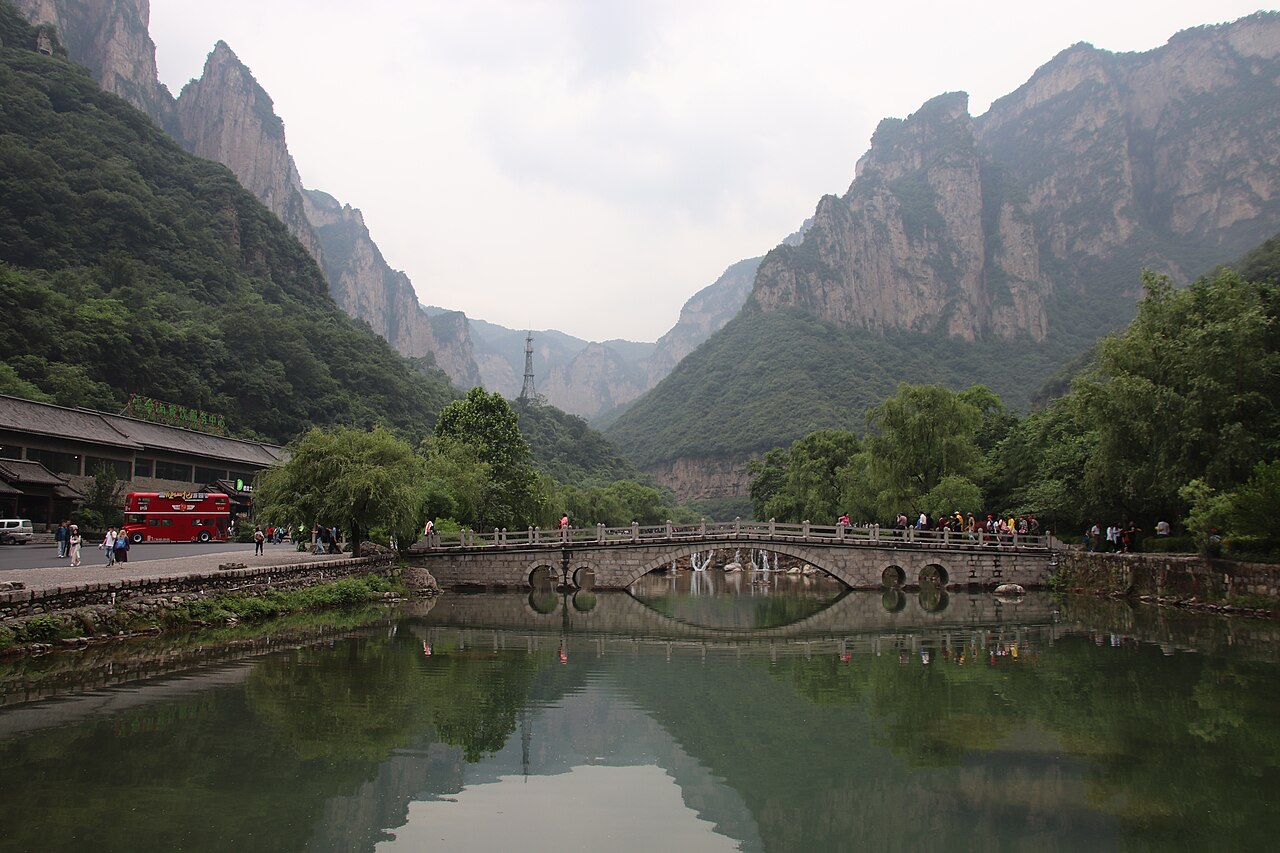
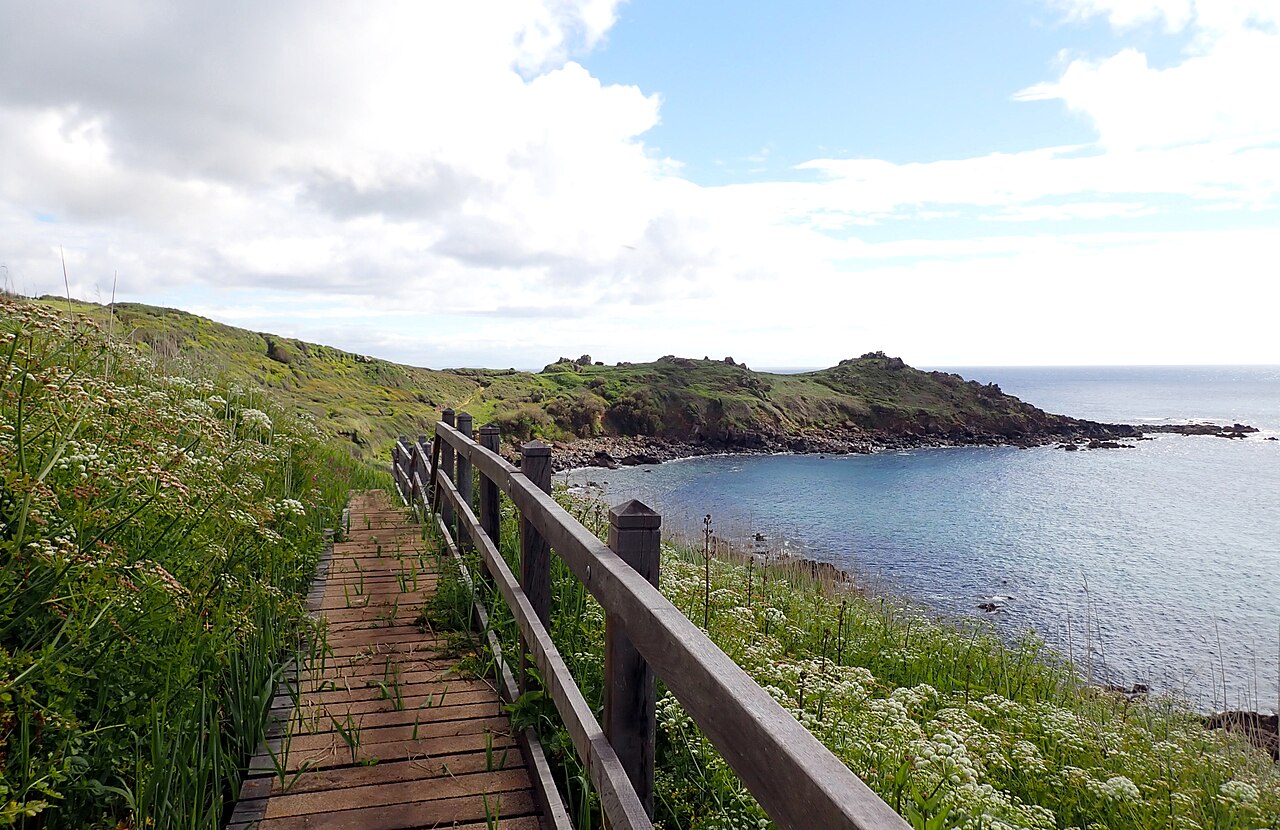
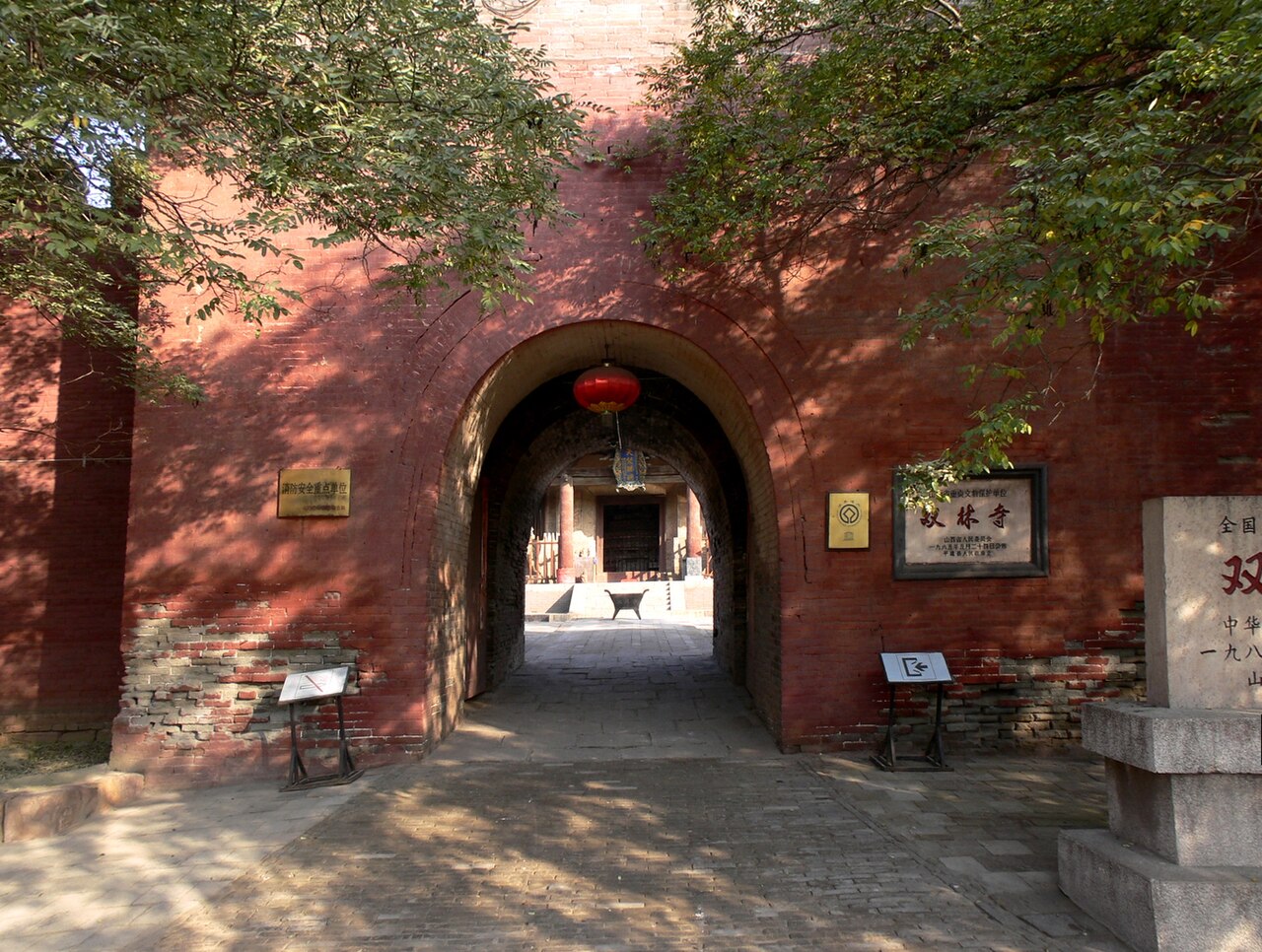
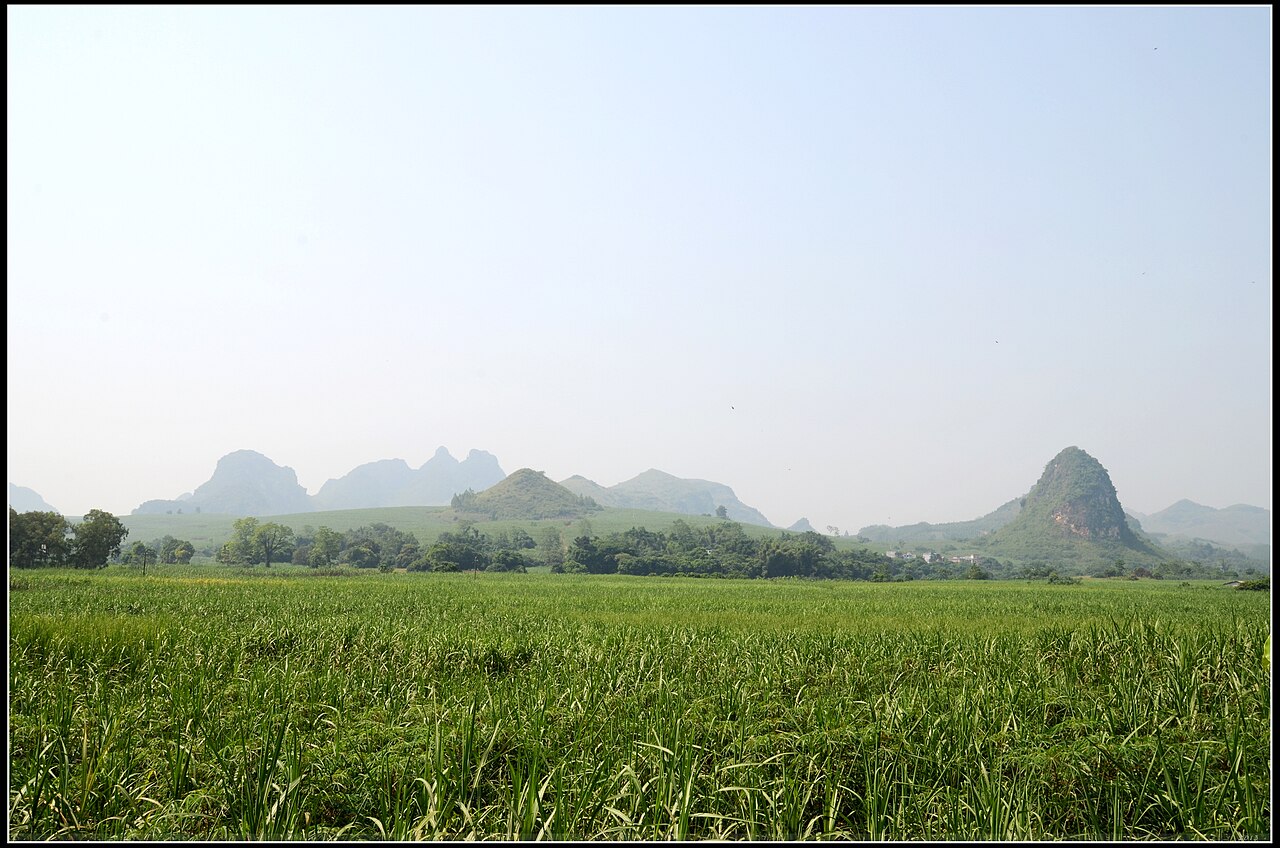
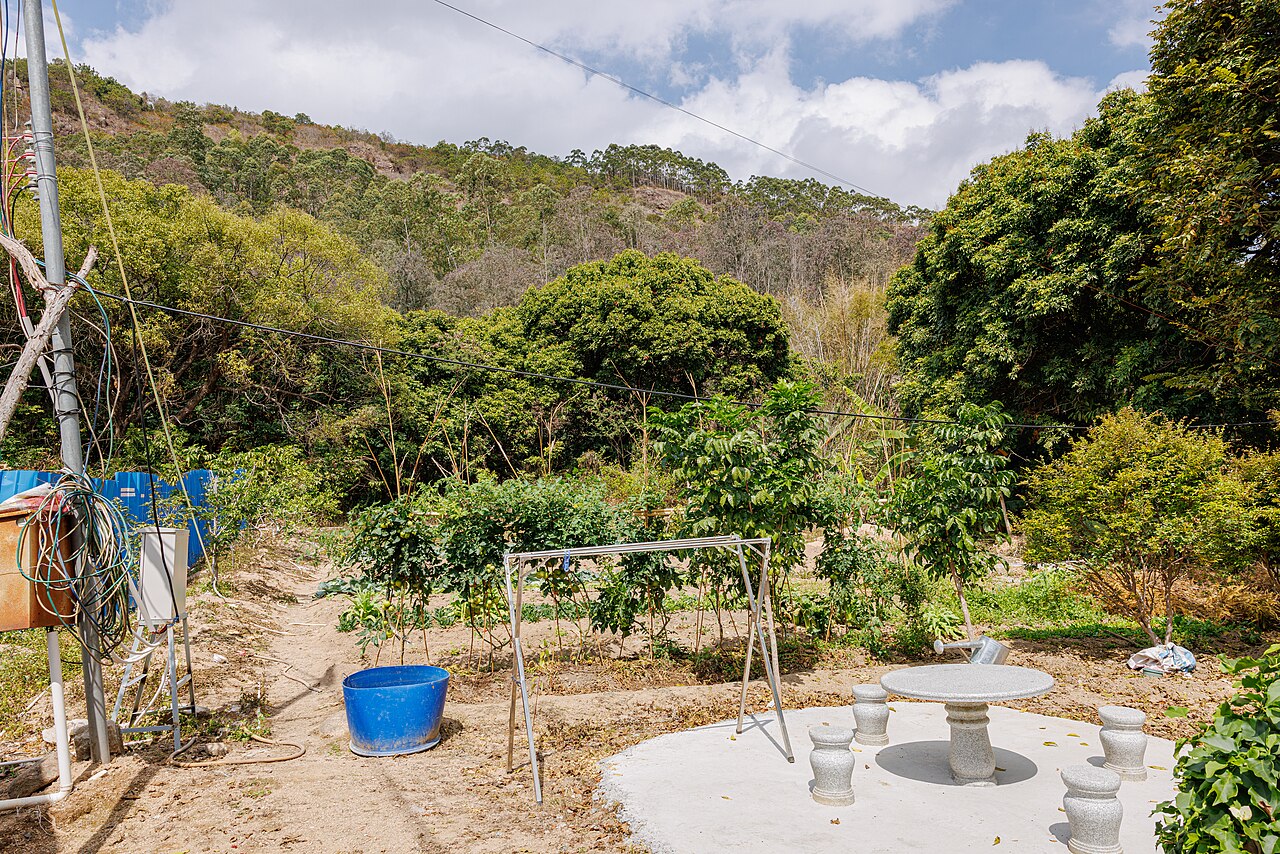
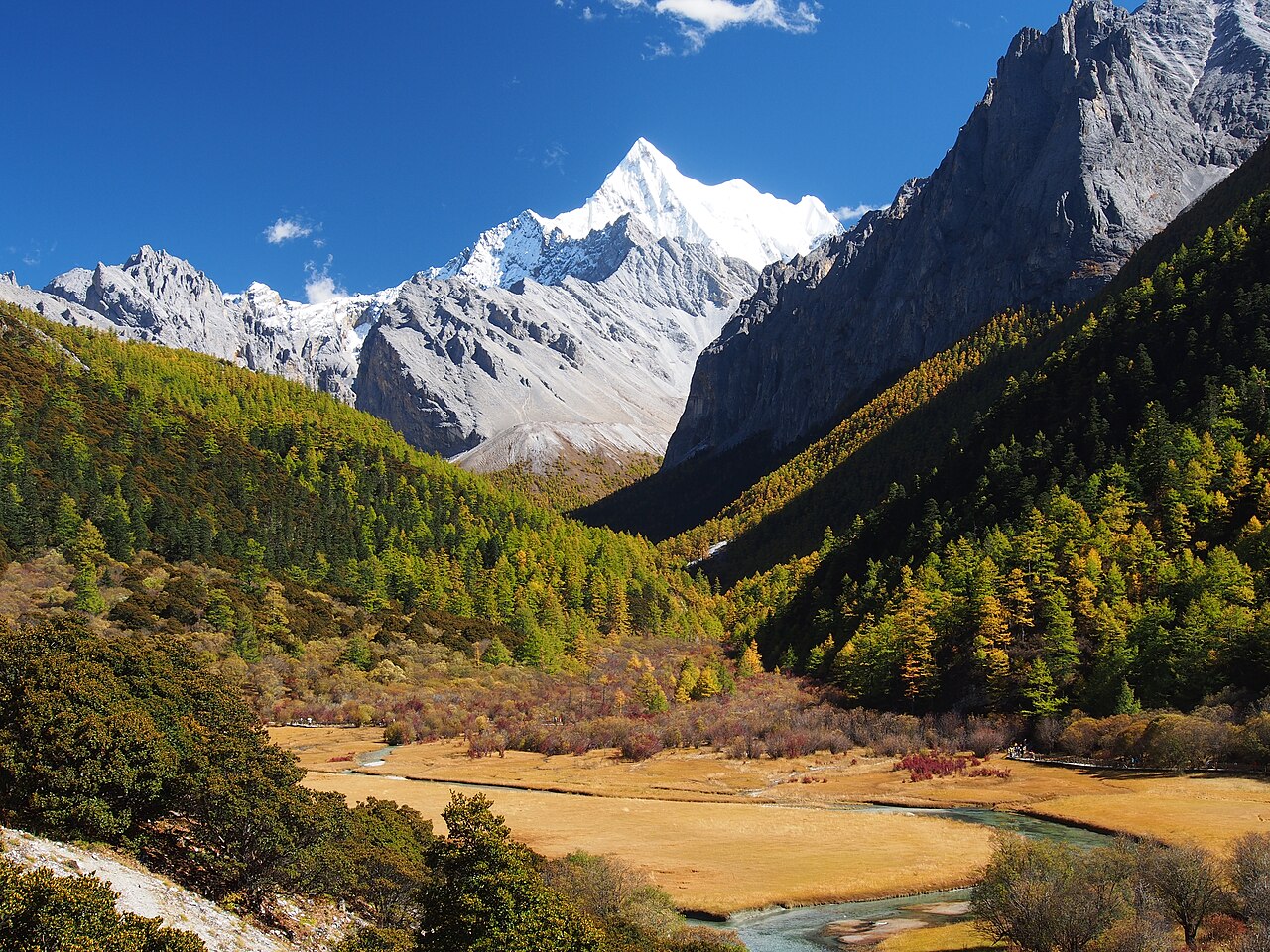
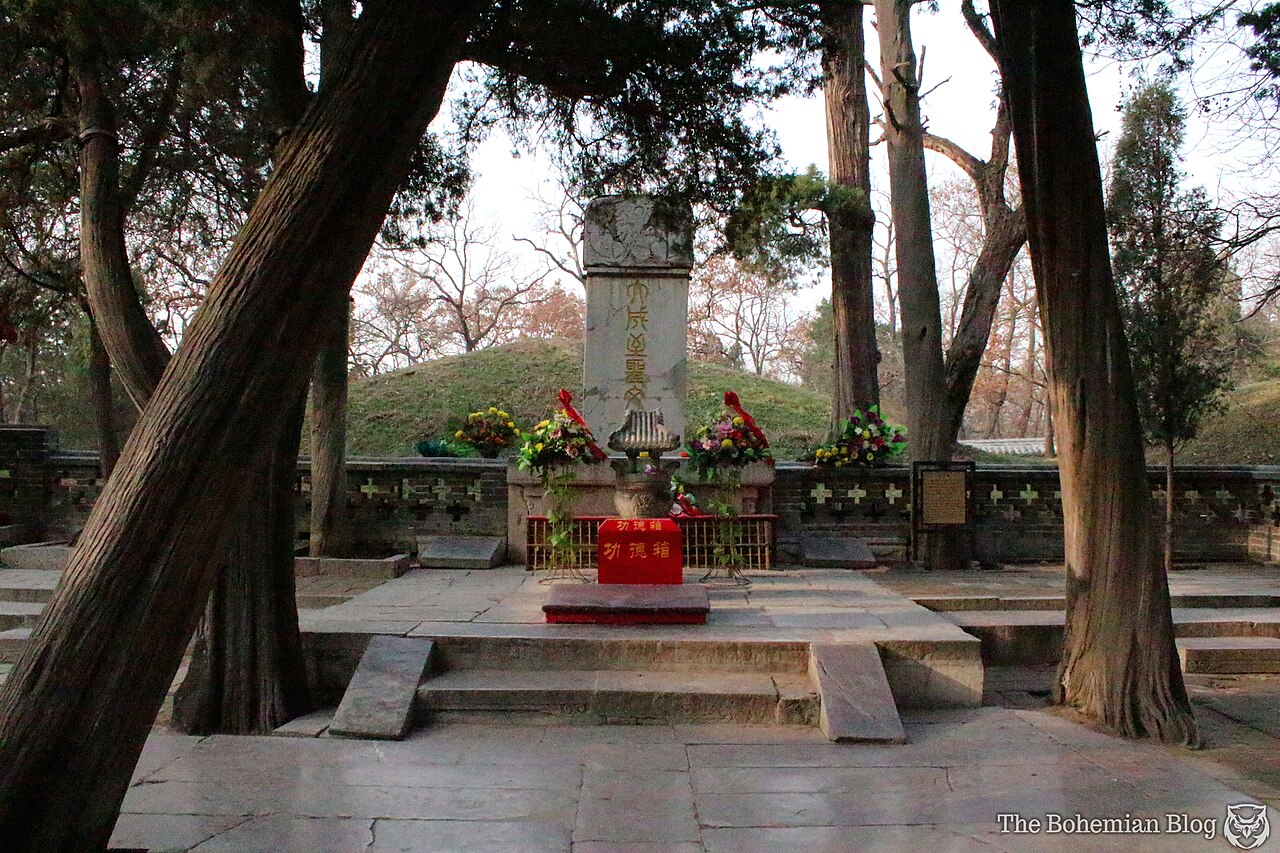
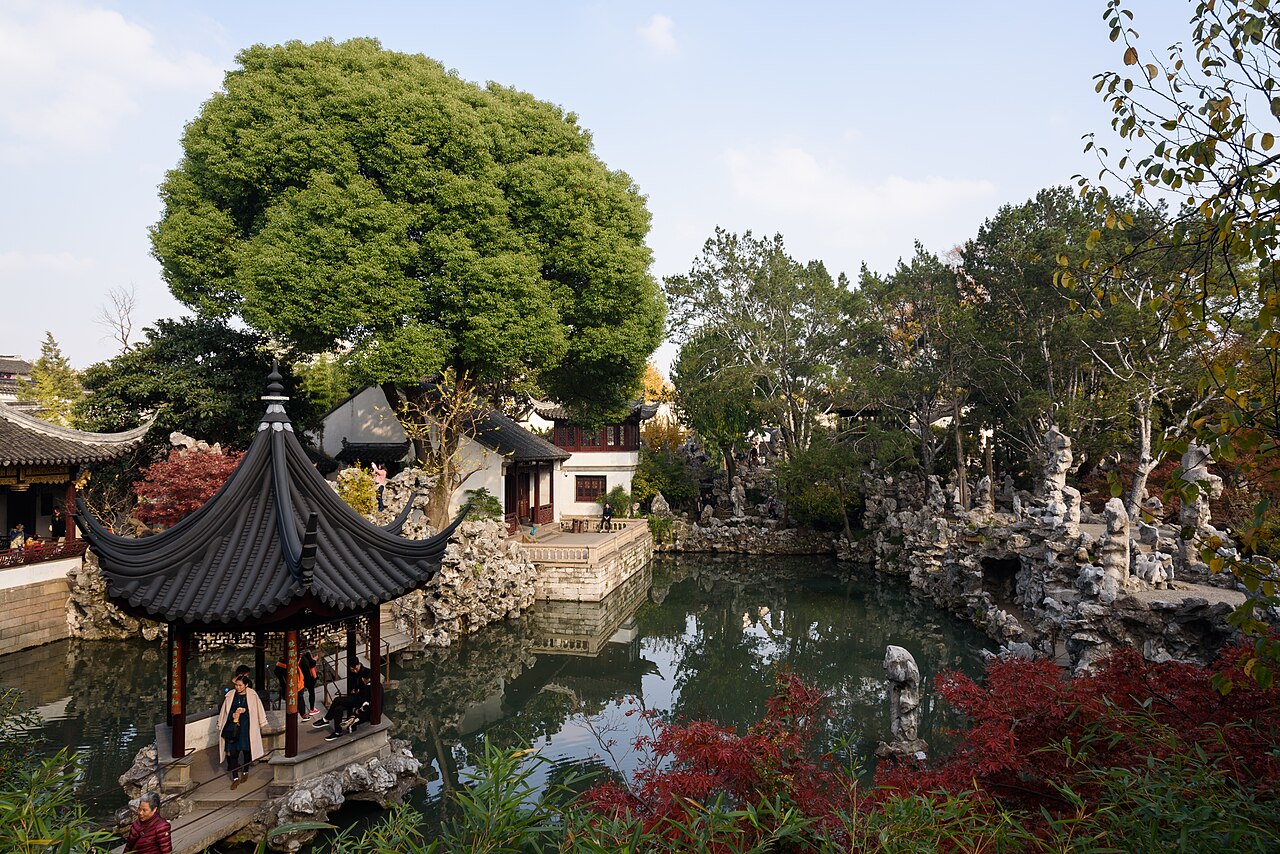
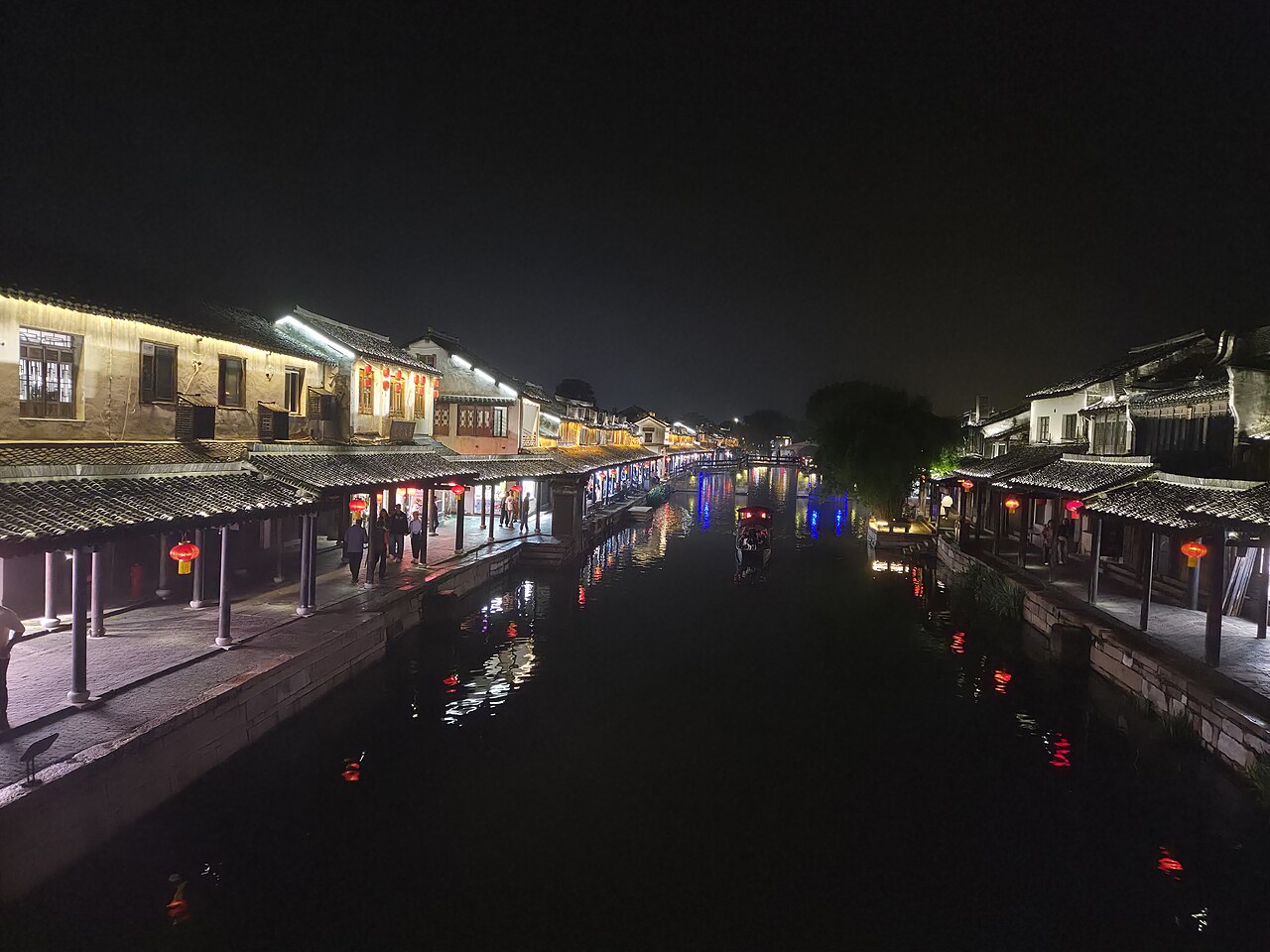
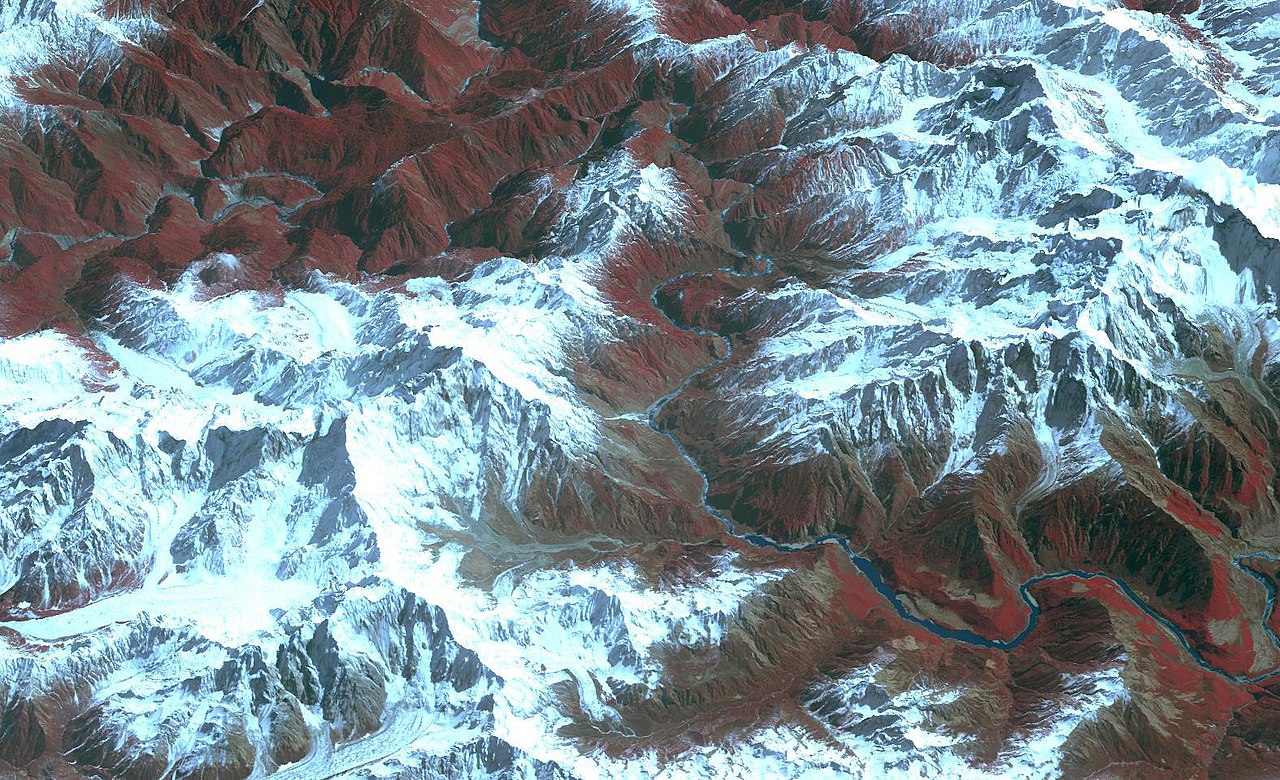
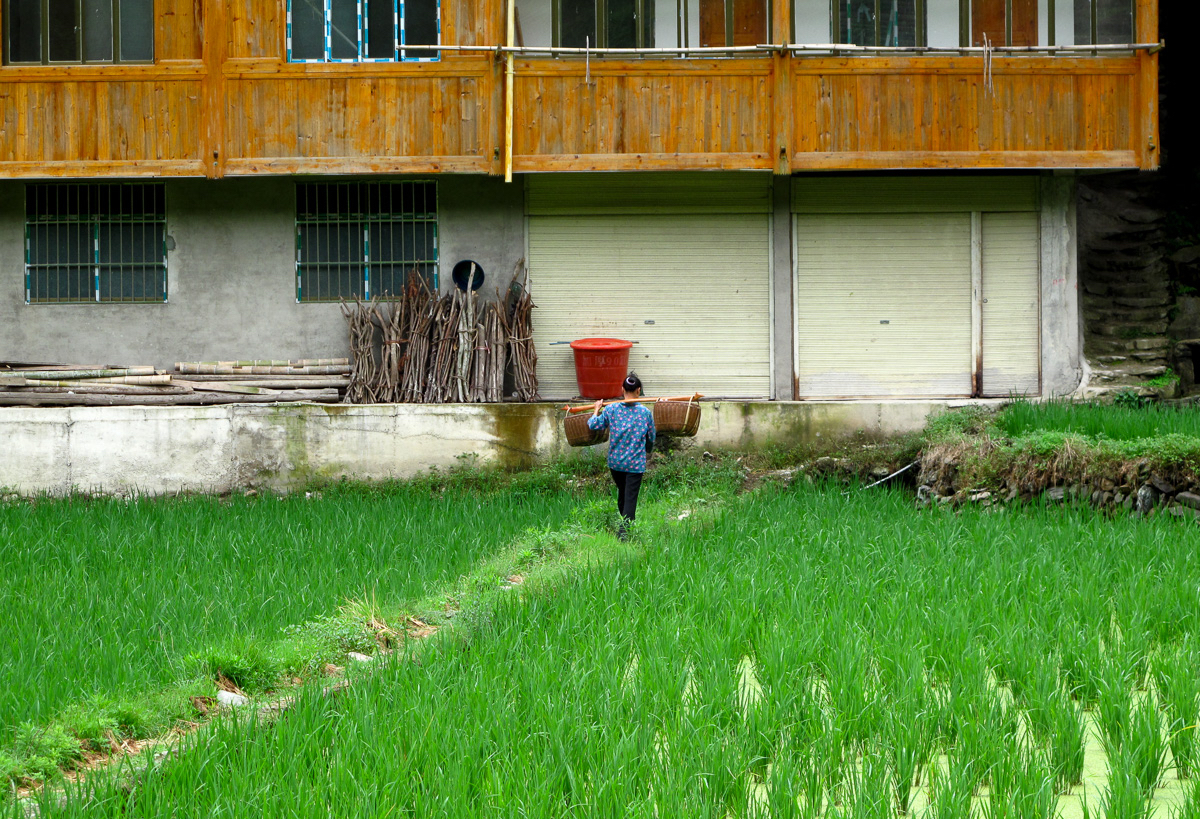
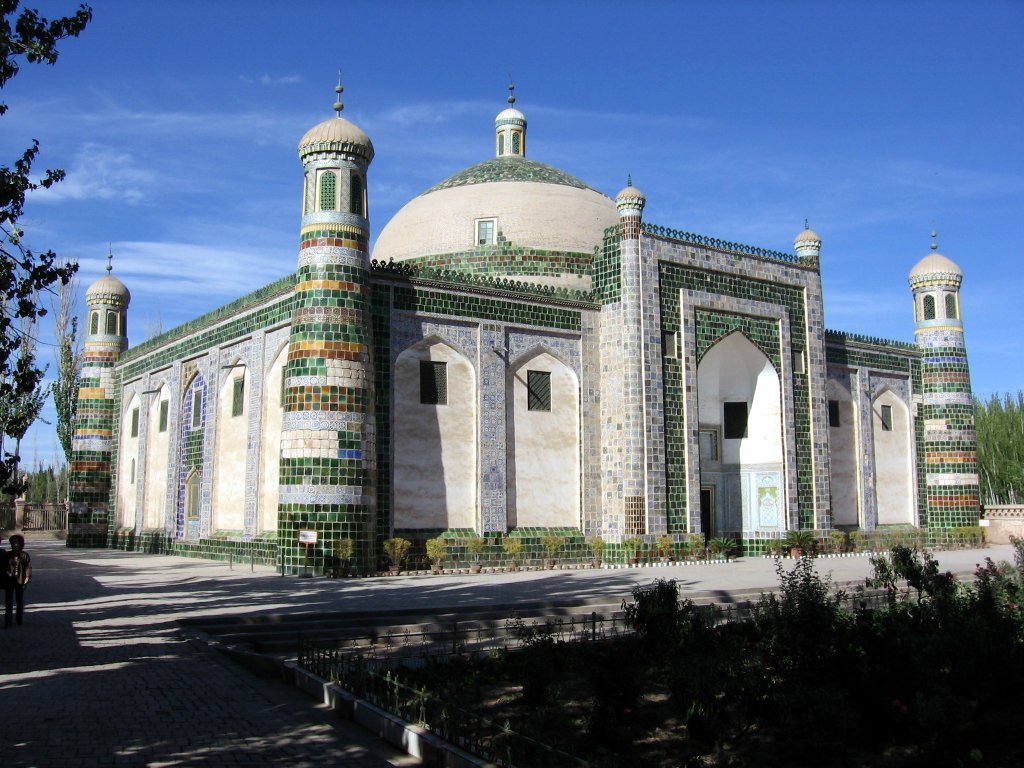
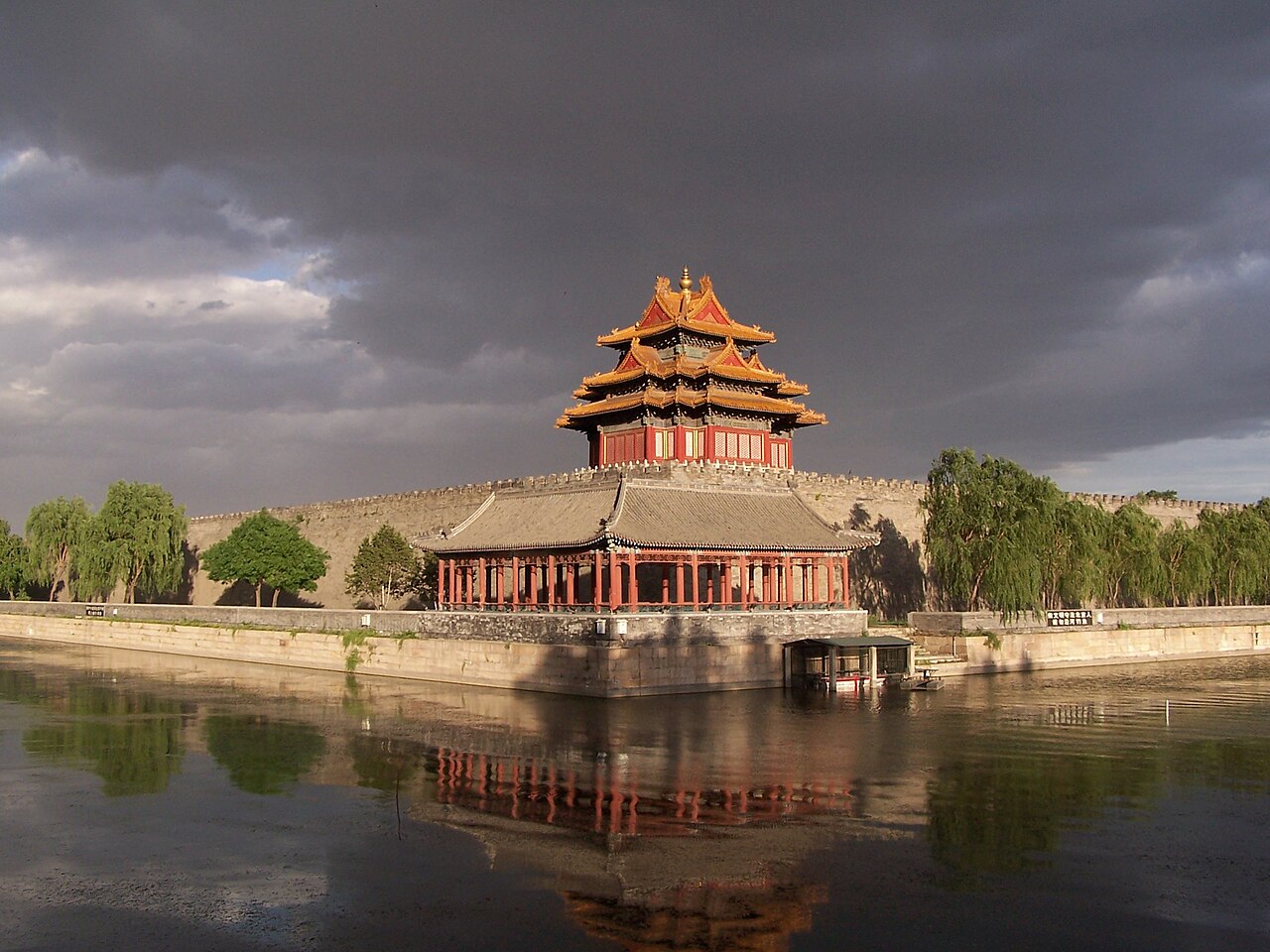
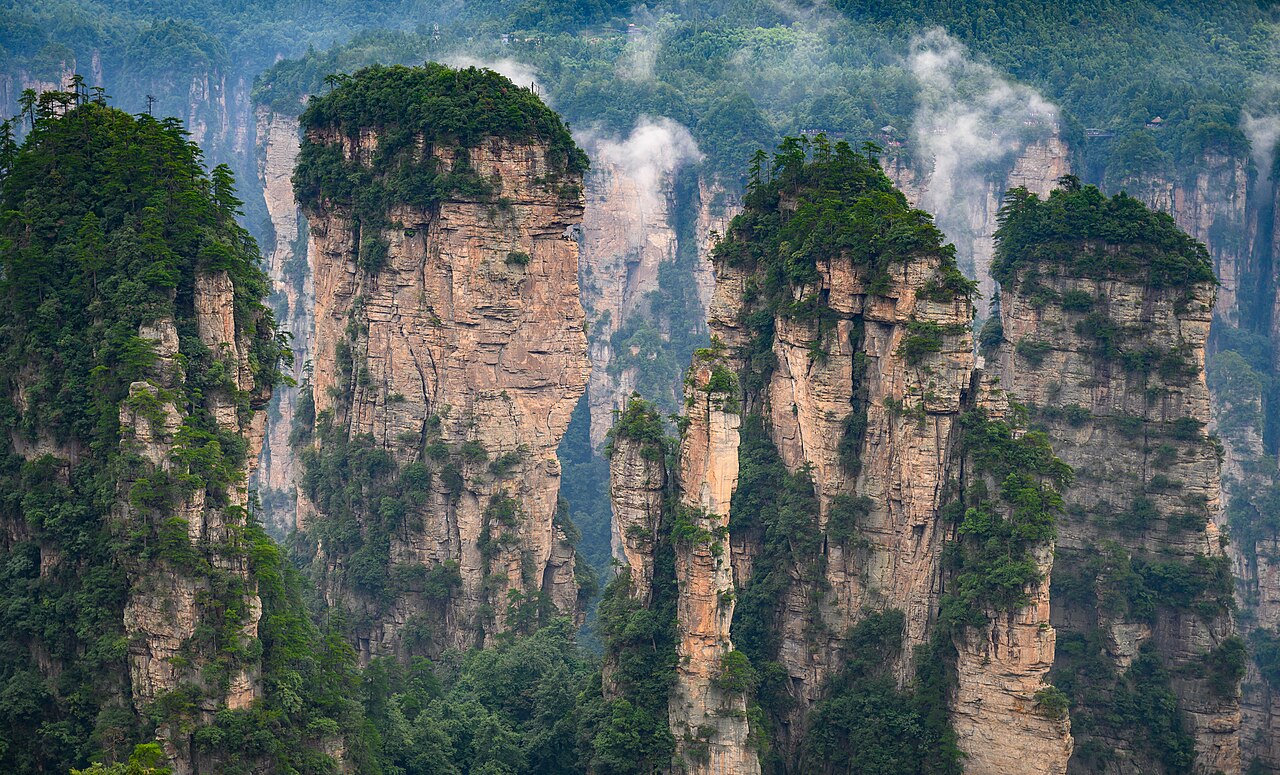
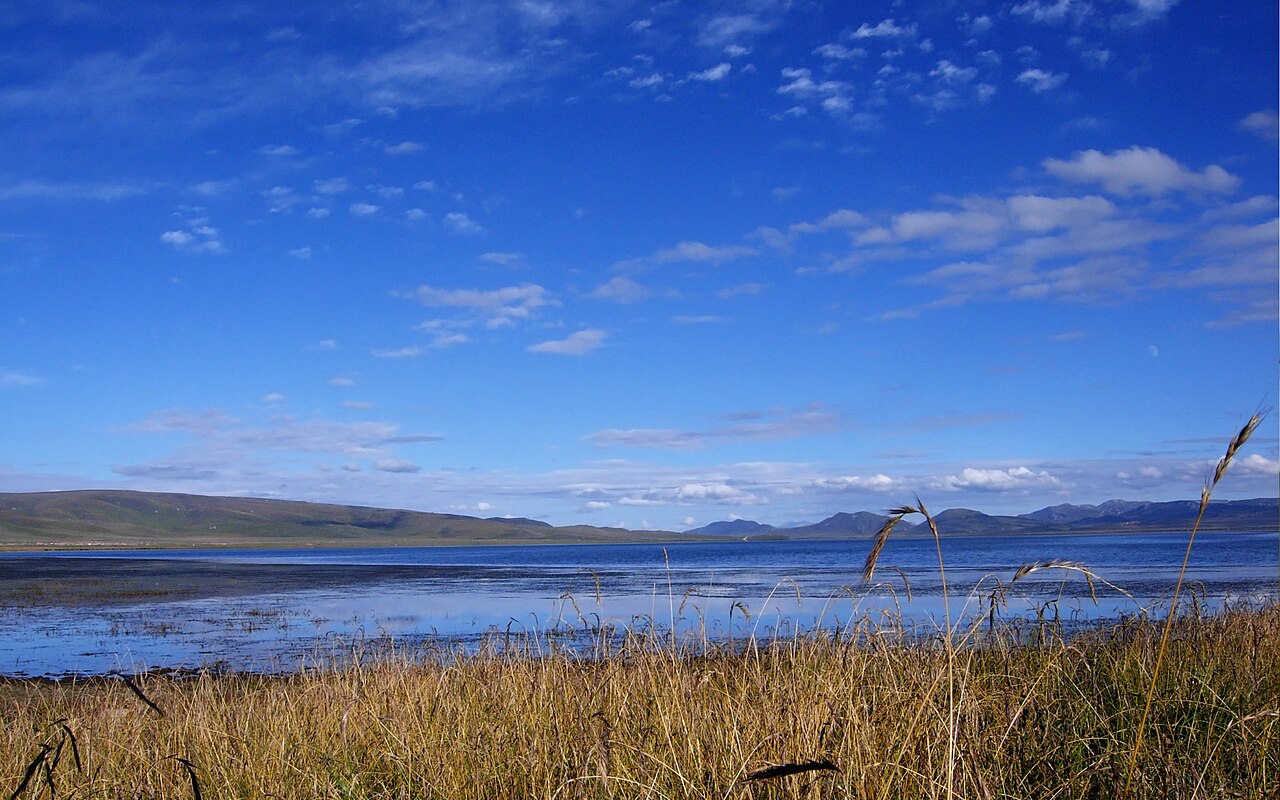
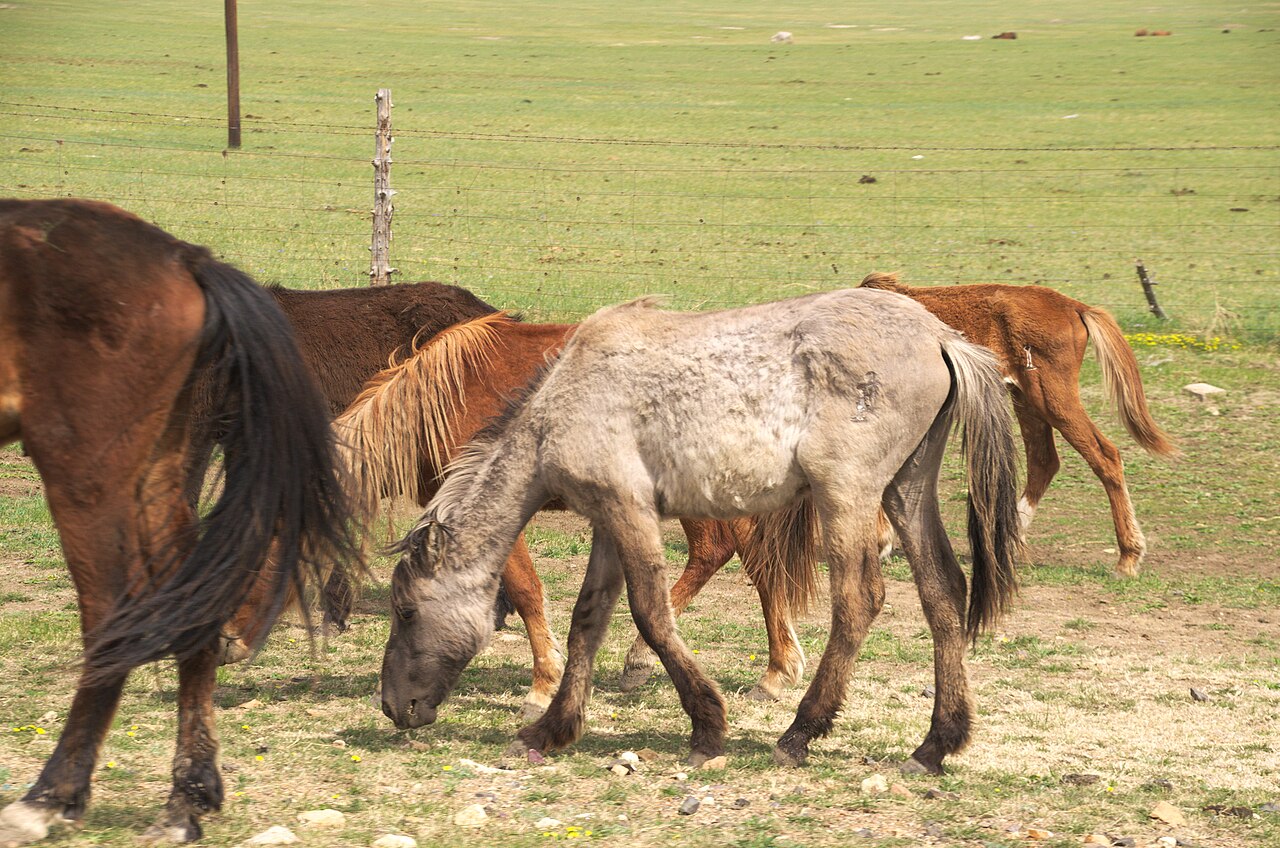
Yaks grazing the Sangke grasslands outside Xiahe

I still can't forget the hand-grabbed lamb in Lanzhou, the Yellow River rolling like hot chocolate, Labrang Monastery after the rain, the sound of the dawn chanting in Langmusi, the whole group getting altitude sickness together, the flower lake, the sky-and-water of Gahai...

Shanghai Matcha Frappuccino, 'Gannan and Northern Sichuan, Midsummer Light'

At dawn the smoke rises, the monks chant in the halls, and you walk the monastery quietly, afraid to disturb them, because you know they don't want to be a tourist attraction. When that scene appeared in front of me I loved the new day without reservation.

Xiao Lei Travels, 'Gannan: A Love Affair in Film'

You arrive in Xiahe after four hours of driving from Lanzhou and the first thing you notice is the sound: not traffic, but the low wooden clatter of prayer wheels turning, hundreds of them, all the way around the monastery wall. Labrang is not a museum with a ticket booth; it is a working town of 500-plus monks' residences, six colleges and 48 halls, and the pilgrims walking the 3.5 km circuit beside you have come from villages hours away. Walk it clockwise, keep your voice down, and you will understand why people call this place the Orient's Vatican.

Two hundred kilometres south, Langmusi straddles the Gansu–Sichuan border with a stream down the middle. On the Sichuan side is Kirti Monastery; on the Gansu side is Sertri, and above it a sky-burial ground that has been in use for more than 400 years. At 6am the valley fills with mist and the chanting from the morning assembly drifts across the roofs — this is the 'Little Switzerland of the East' people keep writing about, and it earns the name at dawn, not at noon.

The driving itself is the third attraction. Between Xiahe and Langmusi the road crosses the Sangke and Ganjia grasslands, where yurts sit alone on green hillsides and herds of yaks cross without looking at your car. Gahai Lake appears as a mirror at 3,400 m, and the light at 6pm in July turns the whole plateau gold. Bring layers, bring cash, and do not plan anything tightly — the plateau sets the schedule here, not you.

Gannan

Don't leave without

Seven things that are worth rearranging a day for.

  1. Walk the full 3.5 km kora at Labrang Monastery at dawn, turning all 2,000+ prayer wheels clockwise
  2. Wake before 6am in Langmusi for the mist over the valley and the sound of morning prayers
  3. Stand on the earthen wall of Bajiaocheng, the eight-cornered Tang-era garrison town, and watch villagers work the fields below
  4. Watch the birdlife at Gahai Lake in late spring, when swans and greylag geese arrive from the south
  5. Climb the nine storeys of the Milarepa佛 Pavilion in Hezuo, past murals, thangkas and statues
  6. Ride a horse across the Sangke grasslands — CNY 10 per hour, and the yurts are CNY 20

Highlights

Five reasons Gannan beats every other Tibetan trip

Labrang Monastery: 3.5km of prayer

Labrang is one of the six great monasteries of the Gelug school, with six colleges, 48 halls and over 500 monk residences. The outer wall is a 3.5km circuit of more than 2,000 prayer wheels — walk it clockwise with the pilgrims and it takes just over an hour. Tickets are CNY 40; skip the ticket and you can still wander the public lanes between the monks' quarters.
Langmusi: a town split between two

One stream divides Langmusi: Gansu's Sertri Monastery on the north bank, Sichuan's Kirti Monastery on the south. Wake at 6am for the morning chants, or climb 40 minutes up the hill behind Sertri to the sky burial site — the largest in the Amdo region, over 400 years old. Do not photograph the ceremony.

Sangke Grassland: ride a horse for

Sangke means 'horse-racing beach' in Tibetan, and it's the closest grassland to Xiahe — just 1km southwest of town. Horses cost CNY 10 per hour, a night in a Mongolian yurt CNY 20, and a bed in a reception station CNY 10. A return taxi from Xiahe runs about CNY 30.

Gahai Lake: a mirror at 3,400m tha

Gahai is Gannan's largest freshwater lake and a key wetland on the eastern Tibetan Plateau. Entrance is CNY 30. In late spring and early summer nearly 100 species of birds — whooper swans, greylag geese — arrive from the south. It's 43km northwest of Langmusi along the national road; flag a bus at the junction and your chances are good.

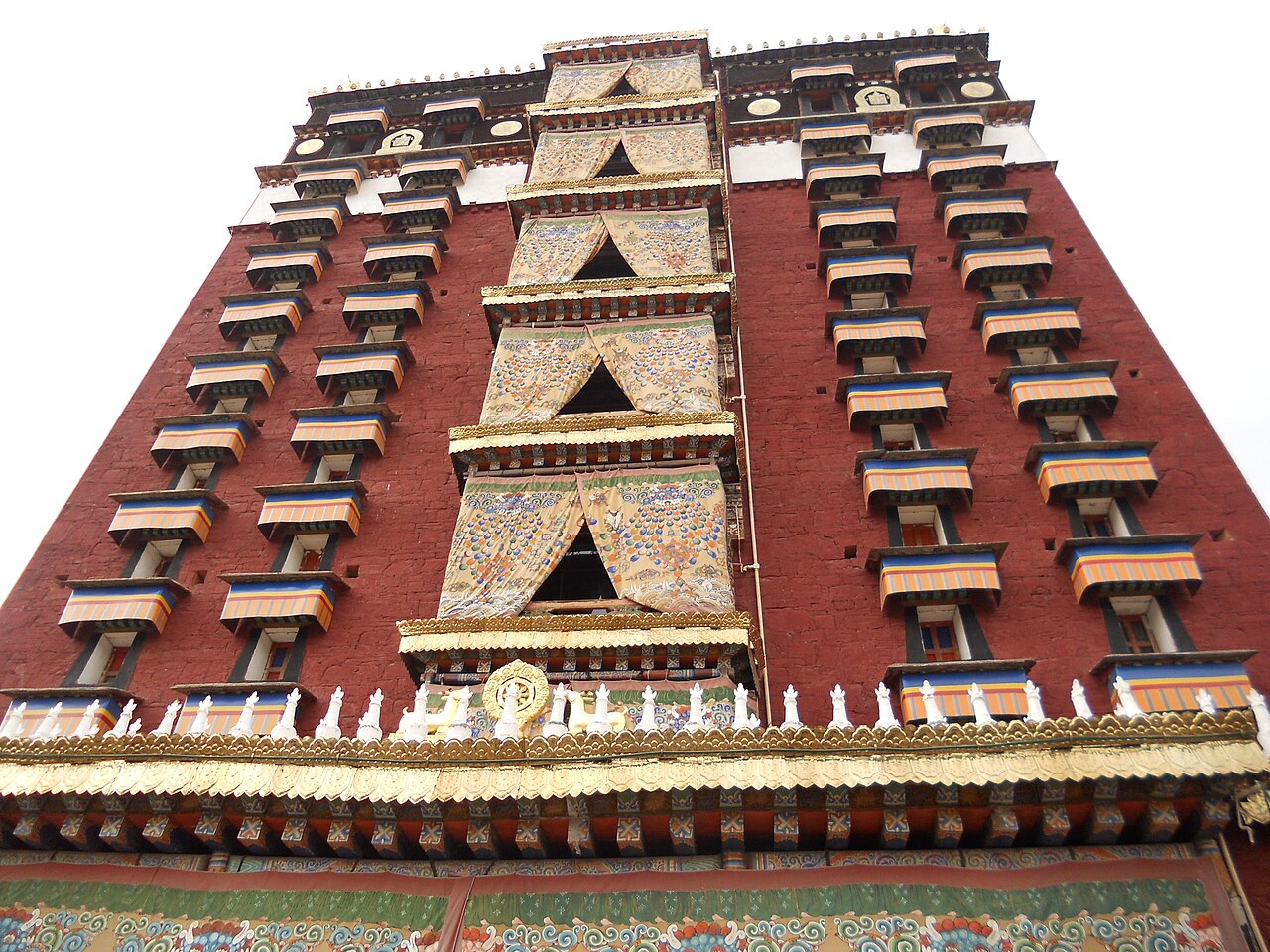
Milariba Buddha Pavilion: nine sto

In Hezuo, the only high-rise shrine in the Tibetan world dedicated to the masters of every school. Locals call it the Nine-Storey Tower. The spiral corridor climbs to the roof past murals, thangkas and statues — it's effectively a museum of Tibetan Buddhism. Tickets CNY 20, open 8:00–17:00.

Itinerary

Three days, two ways: the classic Xiahe loop and the Langmusi run

The Xiahe & Sangke Loop

3 days days

Best if you're short on time and want monastery immersion without long drives. Base yourself in Xiahe, the 'Little Tibet' / 'Vatican of the East' on the Daxia River.

  1. Day 1

    Lanzhou arrival and the Yellow Riv

    Fly or train into Lanzhou — the only real gateway to Gannan. Airport is 74.5km from town, bus CNY 30, taxi CNY 150–180. Settle in, then walk the Yellow River sculpture line in the afternoon.

    Stops: Yellow River Mother StatueWaterwheel Park (CNY 30)White Pagoda MountainZhengning Road Night Market

  2. Day 2

    Lanzhou to Xiahe, then Labrang Mon

    Bus from Lanzhou's South Bus Station to Xiahe takes 4 hours (258km). Four departures daily at 7:30, 8:30, 14:00 and 15:00. Check in, then give Labrang 3–4 hours. Stay for the monk debates if you can.

    Stops: Labrang Monastery (CNY 40)Gongtang PagodaPrayer wheel corridorSangke Grassland bonfire party

  3. Day 3

    Ganja Grassland and the Octagonal

    A chartered car to the Octagonal City and Ganja Grassland runs CNY 100–130 return from Xiahe, about 2 hours. The city's name comes from its eight corners; the walls are hollow and cross-shaped. Villagers still farm inside. No official ticket office, but someone may appear to sell you a CNY 20 ticket — negotiate.

    Stops: Ganja GrasslandOctagonal City (Bajiao Cheng)Daxia River viewpoint

The Langmusi Pilgrimage Run

3 days days

For travellers who want the full Gannan sweep — grasslands, lakes, two monasteries and a 3,400m mountain town. Do it as a one-way Lanzhou-to-Xining route and see the Yellow River's first bend.

  1. Day 1

    Lanzhou to Xiahe via Labrang

    Same morning bus from Lanzhou, but pack light — you won't be coming back this way. Afternoon at Labrang, then overnight in Xiahe at around 2,850m.

    Stops: Labrang MonasteryXiahe old street

  2. Day 2

    Xiahe to Langmusi, with Gahai Lake

    Roughly 4 hours by car. Stop at Gahai Lake (CNY 30) about 30 minutes before Langmusi — it's Gannan's largest freshwater lake and a migratory bird wetland. Arrive Langmusi by late afternoon and sleep at 3,400m, the highest point of the trip.

    Stops: Gahai LakeLangmusi townSertri Monastery sunset view

  3. Day 3

    Langmusi dawn, then Hezuo and on t

    Up at 6am for the sky burial site (40-minute uphill walk) or the morning chants at Kirti Monastery. After lunch, drive 163km / 3 hours to Hezuo for the Milariba Buddha Pavilion. Continue 284km / 6.5 hours to Tongren — the hometown of thangka — or push straight on to Xining (another 167.6km / 4.5 hours).

    Stops: Kirti Monastery (CNY 30)Sertri Monastery (CNY 30)Milariba Buddha Pavilion, Hezuo (CNY 20)

Sights

The five stops that justify the drive

Xiahe · Monastery

Labrang Monastery

The second-largest monastery complex in the Tibetan world after the Potala, founded in 1709 by the First Jamyang Zhepa. Six colleges, 48 halls, over 500 monk residences. The 3.5km outer wall is entirely made of prayer wheels — more than 2,000 of them. Walk the upper section west of the Great Sutra Hall first, then the lower colleges east of it. The monastery has no enclosing wall, so you can wander the public lanes between monk quarters for free; only the halls require the ticket.

Ticket
CNY 40
Location
Western edge of Xiahe town
Prayer wheel circuit
3.5km, 2,000+ wheels, about 1 hour clockwise
Best light
Dawn and dusk; climb Longshan hill south of the monastery for the full view
Note
No photography with flash inside the Great Sutra Hall; ask monks first

Tip Toilets are hard to find inside — use the one near the ticket office south of the Great Sutra Hall before you start. If you only want the exterior and the wheel circuit, you don't need a ticket at all.

Langmusi · Monastery town

Langmusi (Sertri and Kirti Monaste

The White Dragon River splits this town in two: Gansu's Sertri Monastery on the north bank, Sichuan's Kirti Monastery on the south. Kirti is one of the largest Gelug monasteries in Aba prefecture, with 18 branch monasteries and around 500 monks; the upper hall holds the preserved body of the Fifth Kirti Rinpoche, visible only if you go early with the pilgrims. The sky burial site 300m northwest of Sertri, up a 40-minute climb, is the largest in Amdo and over 400 years old.

Tickets
Kirti CNY 30, Sertri CNY 30; no one collects before opening hours
Altitude
3,400m — the highest point on the standard Gannan route
Sky burial site
40-minute uphill walk from town; 6am start
Horse treks
White Dragon River source day trip, Red Rock Cliff loop, overnight nomad trips — book at Langmusi Gesang Horse Team near the crossroads
Note
Never photograph a sky burial. Bring a jacket even in summer — the wind is fierce

Tip Do Sichuan's Kirti in the morning, eat back in town at midday, then cross to Gansu's Sertri in the afternoon and climb to the viewpoint for the 'Little Switzerland' panorama.

Luqu County · Wetland

Gahai Lake

A 3,400m freshwater lake on the Gahai grassland, and the largest lake in Gannan. The surrounding grassland is prime pasture, crisscrossed by streams and rich in vegetation. It's a serious birdwatching site: in late spring and early summer, whooper swans, greylag geese and close to 100 other species fly up from the south. The lake is 43km northwest of Langmusi on the national road.

Ticket
CNY 30
Altitude
3,400m
Best season
Late spring to early summer for birds; July–August for green grassland
Getting there
Self-drive or chartered car is easiest. Take a Luqu or Hezuo bus from Langmusi and get off at the Gahai junction — flagging a ride onward usually works

Tip Go in the morning before the wind picks up; that's when the water turns into a mirror and the reflection is worth the trip alone.

Xiahe · Grassland

Sangke Grassland

'Sangke' means horse-racing beach in Tibetan — the kind of open ground where a rider can let a horse run. The Daxia River runs through it from south to north, and the pasture is thick with grass and livestock. It's only 1km southwest of Xiahe town, which makes it the easiest grassland to reach on the whole route. Commercial yurt resorts line the edge and run bonfire evenings.

Horse riding
CNY 10 per hour
Yurt
CNY 20
Reception station bed
CNY 10
Transport
Chartered car from Xiahe CNY 30 return, or share a minibus with locals from Wangfu Square for CNY 1
Distance
1km southwest of Xiahe

Tip If you're heading on to Sichuan afterward, weigh it up — the grasslands over the border are bigger and wilder. Sangke's advantage is convenience, not scale.

Hezuo · Buddhist monument

Milariba Buddha Pavilion

The only high-rise shrine in the Tibetan world dedicated to the founders of every school of Tibetan Buddhism, built in 1777 to honour Milarepa, founder of the Kagyu school. The original was destroyed in the Cultural Revolution; today's structure dates from 1992. Locals call it the Nine-Storey Tower. A spiral corridor wraps up to the roof, lined with murals, painted scrolls, thangkas and statues — it functions as a museum of Tibetan Buddhism and a pantheon of its historical figures.

Ticket
CNY 20
Hours
8:00–17:00
Location
Edge of Hezuo city, on the Gannan prefecture capital's doorstep
Getting there
Very easy — a short taxi ride from anywhere in Hezuo, which is the main transport hub on national road 213
Nearby
Shambhala Tourism and Art Festival, held in Hezuo each July or August on Dangzhou grassland

Tip Hezuo sits between Xiahe and Langmusi, so slot the pavilion into a transit stop rather than an overnight. You'll need 60–90 minutes, and the wooden staircases creak the whole way up.

Food

What to eat along the Gannan loop

Lanzhou beef noodles (兰州牛肉面)

The reason to spend a night in Lanzhou before heading south. The local standard is 'one clear, two white, three red, four green, five yellow' — clear broth, white radish, red chili oil, green herbs, yellow noodles. Good shops sell out by late morning, so go early. A bowl costs about CNY 12; the famous old-name places charge more, but a random hole-in-the-wall often beats them.

Hand-grabbed mutton (手抓羊肉)

Boiled rather than roasted, served with nothing but a dish of salt so you taste the meat itself. Gannan and Linxia mutton has almost no gamey edge. Budget around CNY 60 per person at a proper restaurant; the braised version (黄焖羊肉) is worth the extra cooking fee.

Tibetan butter tea and tsampa (酥油茶

Roasted barley flour worked into a ball with butter tea — the staple that keeps herders going at 3,000 m. Order it in Xiahe or Langmusi and eat it the way locals do, pinching the dough with your fingers. It is heavy, salty and an acquired taste; give it two tries before you decide.
Yak meat and Tibetan dumplings (牦牛

Yak shows up stewed, dried and minced into momo-style dumplings. The meat is leaner and stronger-tasting than beef. In Xiahe, restaurants along Renmin Xi Lu serve it alongside fern-root rice (蕨麻饭) and thick yogurt — a full Tibetan set for well under CNY 100.

Sweet fermented barley (甜醅) and gr

Two Lanzhou snacks you should not leave without trying: qingtian pei is barley fermented into a cold, faintly alcoholic, chewy dessert; huidouzi is peas cooked down until they collapse into something that looks like red bean soup. Both cost about CNY 10 at the stalls in Zhangye Road's Dazhong Alley.

Where to eat

Restaurants worth planning your day around

Night market · Lanzhou

Zhengning Road Night Market (正宁路夜市

A whole street of stalls that fills after dark — milk-and-egg fermented rice, roast lamb skewers, grilled fish, lamb offal, cold noodles, hot winter pear soup. Sit at an open-air table and work your way down. About CNY 20 per person is enough to eat very well.

Where
Chenguan District, Zhengning Road, near Yongchang Road
Hours
Evening until late
Budget
CNY 20 per person
Order
Milk-and-egg fermented rice, roast lamb, lamb offal soup

Noodle shop · Lanzhou

Mazilu Beef Noodles (马子禄牛肉面)

The old-name benchmark for Lanzhou beef noodles, and the place that proves the 'one clear, two white, three red, four green, five yellow' rule. Clear, deeply savoury broth; springy hand-pulled noodles. Go before 10am — when the pot is empty, the shutters come down.

Where
86 Dazhong Alley, Chenguan District
Phone
0931-8450505
Budget
About CNY 12 per person
Tip
Arrive early; service stops when the soup runs out

Gannan & Linxia cuisine · Lanzhou

Zhonghua Hand-Grabbed Mutton King

A big, busy specialist in boiled mutton — tender, fatty in the right places, and so clean-tasting you barely need the salt dish. The braised mutton is also excellent. It is a Muslim restaurant, so no alcohol.

Where
765 Nanchang Road, Chenguan District, near Jincheng Bonsai Garden
Phone
0931-8880555 / 8875979
Budget
About CNY 60 per person
Note
Halal — no alcohol served

Cafe & restaurant · Langmusi

Lisa Coffee House (丽莎咖啡屋)

An unassuming little place on Langmusi's main street that has collected banknotes from 90-odd countries and thousands of messages from foreign travellers. Apple pie and chocolate cake in the afternoon; the Chinese home cooking is ordinary but reliably edible. A good spot to swap route intel.
Where
Main street, Langmusi, by the bridge on the Gansu temple side
Best for
Breakfast, cake, meeting other travellers
Budget
CNY 30–50 per person
Tip
Ask here about shared rides to Xiahe or Hezuo

Where to stay

Sleeping on the plateau: Lanzhou, Xiahe and Langmusi

Guesthouse · Xiahe

Tara Guesthouse (卓玛旅社)

A 20-year-old institution by the bridge at Labrang Monastery, run in Tibetan style with spotless, quiet rooms. Some rooms look straight onto the monastery's 3.5 km prayer-wheel circuit, and the roof terrace gives you the whole monastery complex at once. Zhuo Ma's ground-floor kitchen does a very good yogurt. No heating in winter.
Where
Renmin Xi Lu, Xiahe, next to Labrang Monastery
Phone
0941-7121274
Price
Double CNY 60 low season, CNY 120 high season
Watch out
No heating in winter; book ahead in July and August

Hostel · Xiahe

Labrang Red Stone Youth Hostel (拉卜

South of the Daxia River, five minutes' walk from Labrang Monastery. Tibetan decor throughout, heating in every room, shared bathrooms only. Bar downstairs, tea restaurant in the back yard serving Chinese, Tibetan and Western food, and a thangka art centre next door that runs classes in high season.

Where
253 Yagotang, Xiahe, next to the fire brigade
Phone
0941-7123698 / 13893979537
Price
Twin CNY 120; dorm beds from CNY 40
Getting there
Taxi from Xiahe bus station is about CNY 2 per person

Hotel · Langmusi

Dacang Langmu Hotel (达仓郎木宾馆)

Right in the busiest stretch of Langmusi's main street, with rooms across several grades, a restaurant and hairdresser on the ground floor and a 7,000 sq m car park. Rooms are spacious and clean; standard rooms share bathrooms with hot water supplied 9–11pm. The most convenient base if you are arriving by bus.

Where
Main street, Langmusi, on the left as you enter town
Phone
0931-6671399
Price
Standard double CNY 120
Note
Hot water only 21:00–23:00 in the common bathrooms

Getting around

How to reach Gannan and how to move once you're in

Fly into Lanzhou or Xining

Both ends of the classic loop have real airports, and this is how almost everyone starts. Lanzhou Zhongchuan Airport sits 74.5 km from the city centre — roughly an hour by shuttle or taxi. Xining Caojiabao is closer in, about 30 minutes to the ticket office downtown.

Lanzhou airport to city
Shuttle CNY 30, one hour; taxi CNY 150–180
Xining airport to city
Shuttle CNY 21, 30 minutes; taxi about CNY 80
Lanzhou routes
Beijing, Shanghai, Guangzhou, Shenzhen, Chengdu, Xi'an, Nanjing, Hangzhou, Dunhuang, Jiayuguan — nearly 30 in total
Xining routes
Beijing and Xi'an daily; Shanghai, Chengdu, Chongqing, Guangzhou, Kunming, Shenzhen, Urumqi not every day — check before you book

Train to the gateway cities

Gannan itself has no railway at all, so the train only gets you to Lanzhou or Xining. Lanzhou is the biggest rail hub in the northwest, where the Longhai, Lanxin, Lanqing and Baolan lines meet; Xining links the Lanqing and Qinghai–Tibet lines with direct trains to Lhasa, Golmud, Beijing, Shanghai, Xi'an and Qingdao.

Lanzhou station
Lanzhou East in Chengguan district; buses 114, 117, 118, 12
Lanzhou enquiries
0931-6218378 (information), 0931-8828180 (tickets)
Xining station
On Qilian Road in the east; the main station is closed for rebuilding, so trains use Xining West, 20+ km out
Xining West transfer
Shuttle buses run from the station into town after every arrival

Long-distance bus into Gannan

Road is the only way in. Buses from Lanzhou and Hezuo reach Xiahe, and from Hezuo or Chengdu's Chadianzi station you can reach Langmusi. Book a day ahead in summer and always ring the station the morning of travel — timetables shift.

Lanzhou to Xiahe
Four daily departures 07:30, 08:30, 14:00, 15:00; CNY 18.5; 270 km
Hezuo to Langmusi
06:30, 07:20, 12:00; 3 hours; CNY 50
Xiahe to Langmusi
07:40 only; 4 hours; CNY 70
Langmusi to Lanzhou
No direct bus — change at Hezuo; about 8 hours, CNY 115
Chengdu to Langmusi
Chengdu to Zoige (06:30, 07:00, about CNY 140), overnight, then 07:00 bus to Langmusi, 1.5 hours
Xiahe bus station
80 Renmin East Street, opposite Xiling Hotel; 0941-7121462

Chartered car and local transport

A chartered car is the single best decision you'll make in Gannan. Some sights have no useful bus service, and the whole point of the drive is stopping whenever the草原 and sky make you slam the brakes. Negotiate hard — rates run either by kilometre or by day.

Xiahe to Bajiaocheng / Ganjia
CNY 100–130 return
Xiahe to Sangke grassland
CNY 30 return by charter; or CNY 1 per person sharing a minivan from Wangfu Square
Self-driving
Not advised without mountain-road experience — rollovers are common, and yaks and sheep cross whenever they please
Local taxis in Xiahe
Plentiful, plus motorbike taxis, minivans and pedicabs; some guesthouses rent bicycles
Watch out
Yaks and sheep own the road. Slow down and give them time

Shopping

What to bring home from the Tibetan plateau

Tibetan medicine from the Labrang

The Labrang Monastery medical college runs a small clinic opposite the main assembly hall exit, and locals queue there every day. Ask an old doctor about chronic complaints; Jiebai Wan for stomach trouble costs CNY 40 per jin. Xiahe Tibetan Hospital, second only to Lhasa's in age, also sells remedies and keeps a museum of medical texts and specimens.

Thangka paintings from Tongren

If you take the Hezuo–Tongren leg toward Xining you land in the homeland of thangka painting. The Rongwo Monastery, the Regong Art Academy thangka museum and Wutun Monastery are the places to look, and a genuine hand-painted piece is a far better souvenir than anything in a Lanzhou gift shop.

Yak butter, tsampa and Tibetan sna

Xiahe's restaurants and guesthouses sell the real thing: butter tea, tsampa, dried yak beef and Tibetan yoghurt. The yoghurt at Zhuo Ma Guesthouse's ground-floor restaurant is the one people write home about. Stock up before you leave Xiahe — Langmusi has less choice.

Salt from Chaka Lake

If you add the Xining extension, Chaka Salt Lake sells salt products and the lake itself is the souvenir — a bowl of brine, a pair of shoes crusted white. Entry is CNY 60 and the little tourist train into the lake costs CNY 35, 06:00–18:00.

Practical

Altitude, money, phones and the things that catch people out

Altitude profileLangmusi is the high point at 3,400 m; Hezuo 2,980 m; Xiahe 2,850 m; Xining 2,295 m. Above 3,000 m some people get headaches, dizziness, insomnia and fatigue — usually gone within one or two days.
Altitude rulesNo smoking or drinking before you go, avoid exhaustion, start Hongjingtian a few days early. Never head up with a cold — it risks pulmonary oedema. Don't reach for the oxygen bottle at the first mild symptom; it makes you dependent. No running, fast walking or jumping at altitude.
What to packWindproof shell and fleece, T-shirts, 2–3 sets of underwear, hiking and casual shoes, hat, sunglasses, umbrella (Gannan weather changes fast), PA++ or PA+++ sunscreen, lip balm, wet wipes, and a waterproof bag for camera gear.
Medicine kitHongjingtian, American ginseng lozenges, Baifuning for pain and fever, Banlangen (two sachets daily), stomach medicine, vitamins, bandages, plasters, antiseptic and anti-inflammatory cream.
MoneyBanks cluster along Renmin Street in Xiahe — Agricultural Bank at 81 Renmin West Street (0941-7121292), Construction Bank on Renmin West Street (0941-7121195) — open 08:30–17:30. The rural credit union next to Baihailuo Hotel has a 24-hour ATM.
Post and emergenciesXiahe Post Office, 91 Renmin East Street opposite Wangfu Hotel, 0941-7122257. Xiahe People's Hospital, 50 Renmin East Street, 500 m east of the bus station, 0941-7121419. Gannan Tourism Bureau 0941-3313465.
When to go and bookingBest months are June to August for green grassland; winter is for monasteries and the New Year festivals from the 8th to 16th of the first lunar month — cham dances, butter sculptures, scripture debates. Summer is peak season, so book Xiahe and Langmusi rooms ahead. Many Gannan hotels close or lose heating in winter, so ask before you commit. For a private car and driver arranged from Lanzhou or Xining, see our Gannan tour packages.

Background

The Tibetan world before the crowds arrived

Why Gannan feels different from Lh

Gannan is the Tibetan Autonomous Prefecture of Gansu, wrapped around the first great bend of the Yellow River — 433 km of river curving through high grassland before it turns north. Politically it is Gansu; culturally, linguistically and spiritually it is Tibet. That split is the reason it still feels raw. There is no airport in the prefecture, no railway, and the only way in is the road: which means the tour buses that flood Lhasa mostly never make it here. You get monasteries that are working monasteries, not heritage sites with turnstiles, and you get them at 2,850 m in Xiahe and 3,400 m in Langmusi rather than at 3,650 m, so the altitude is manageable for most travellers.
What surprises people is the scale. Labrang Monastery is second only to the Potala in size — six colleges, 48 halls, more than 500 residences — and its 3.5 km perimeter wall is made entirely of prayer wheels, over 2,000 of them. You can walk the whole thing in about an hour, clockwise, shoulder to shoulder with pilgrims who have come from every corner of the plateau. Then twenty minutes later you are standing in empty grassland with marmots and no one else in sight.

The region is also where Tibetan Buddhism, Islam and Han China visibly overlap. In Langmusi a mosque and two monasteries share one small valley: the Geldedi Monastery on the Sichuan bank, the Sertri Monastery on the Gansu bank, the White Dragon River running between them, and the muezzin's call mixing with conch horns at dusk. Two provinces, two religions and one main street. Nowhere else in China does that so quietly.

The practical shape of a trip

Almost everyone runs Gannan as a loop between Lanzhou and Xining, or the reverse. Lanzhou is the rail and air hub of the northwest with around thirty domestic routes into Zhongchuan Airport (74.5 km from town, one hour by shuttle, CNY 30); Xining is the gateway to Qinghai Lake and the Tibetan plateau proper. Between them lie Xiahe, Langmusi and Hezuo, connected by the G213 and a lot of open country. There is no railway inside Gannan at all — road is the only way in or out.

Because of that, private car hire is the default, not a luxury. A driver is charged by the kilometre or by the day, and you will want to negotiate. The upside is that you stop whenever the light does something ridiculous, which on this road is constant. Self-driving is possible but genuinely risky if you have no mountain-road experience: the accident record on these passes is bad, and yaks, sheep and goats cross the highway with total impunity.

The season matters more than most guides admit. June to August is green grassland and the reason everyone comes, but it is also peak season and you should book Xiahe and Langmusi beds in advance. Winter is a different trip entirely: cold, empty, and built around the monasteries, with the Monlam festival running from the third day of the first lunar month to the seventeenth — Cham dances, the giant thangka unrolled at dawn, butter-sculpture lamps. That is the single best reason to ignore the weather forecast.

Reading & watching

What to read, watch and listen to before you go

Film

A World Without Thieves (天下无贼, 200

Feng Xiaogang

The film that put Gannan on the Chinese map — much of it was shot around Xiahe and the Labrang grasslands, and the monastery-and-plateau imagery is the reason a generation of domestic travellers added this loop to their list. Watch it before you go and you will recognise the light.

Book

The Sixth Dalai Lama's love songs

Tsangyang Gyatso, 17th century

The verses every traveller ends up quoting on this road — 'that month, I turned all the prayer wheels, not for salvation, only to touch your fingertips.' Read a bilingual edition; you will hear them recited at Labrang and they make the circumambulation mean something.

Music

Tibetan folk and Yunnan-plateau ro

Various, widely shared on Chinese streaming apps

Ask your driver what is on the stereo — the standard Gannan soundtrack is Tibetan-language folk-pop, and it is the fastest way into the mood of the grassland. Pair it with anything by Yadong or the more recent Amdo singers if you want the local accent rather than the Lhasa one.

The questions visitors ask us most about Gannan, answered plainly.

Frequently asked questions

Prices and practical details are reviewed every month by our Beijing team and updated the day a rule changes.

Where exactly is Gannan, and how do I get there?

Gannan is the Gannan Tibetan Autonomous Prefecture in southern Gansu, bordering Qinghai and Sichuan. There are no trains — you fly or take the train to Lanzhou, then drive or take a bus south. Lanzhou to Xiahe is 258 km and about 4 hours; buses leave Lanzhou's south station from 08:30 for CNY 40–50.

When is the best time to visit Gannan?

June to August for green grasslands and the warmest weather — this is peak season, so book Xiahe and Langmusi guesthouses ahead. Winter (roughly late January to mid-February) is for the monasteries and festivals: the Monlam prayer festival runs from the third day of the first lunar month to the seventeenth, with the butter-sculpture lantern display on the fifteenth.

Will I get altitude sickness in Gannan?

Possibly. Langmusi is the highest stop at 3,400 m, Xiahe 2,850 m, Hezuo 2,980 m. Symptoms above 3,000 m — headache, dizziness, poor sleep — are usually mild and fade in one or two days. Don't smoke or drink before you go, don't sprint or jump, and avoid oxygen bottles unless you truly need them, so you don't become dependent.

Do I need to charter a car, or can I use public buses?

Chartering is the better choice: many Gannan sights aren't served conveniently by scheduled buses, and a chartered car lets you stop whenever the grassland looks worth a photo. Rates run by the kilometre or by the day, and you should haggle. Self-driving is not advised without mountain-road experience — rollovers are common and yaks and sheep cross the road without warning.

How much does Labrang Monastery cost, and can I skip the ticket?

Entry to the main halls is CNY 40. Because the monastery is vast and has no walled boundary — the roads through it are public — you can walk the outer kora and the lanes for free if you don't enter the Great Sutra Hall. The 3.5 km prayer-wheel circuit is always free; turn every wheel clockwise and allow over an hour.

Can I see a sky burial at Langmusi, and should I photograph it?

You may be able to watch from a respectful distance if one is taking place, but absolutely do not photograph it or intrude on the ritual. The sky-burial ground is about 300 m northwest of Sertri Monastery, up a hill; it is one of the largest in the Amdo region and has been used for over 400 years.
Related reading

Related reading

Visas Do I Need a Visa for China? Requirements, Costs and How to Apply China's entry rules changed more in the last three years than in the previous twenty. Here is exactly who needs a visa, what it costs, how long it takes and which passports now walk straight through. 9 min read Visas China's 240-Hour Visa-Free Transit: Who Qualifies and How It Works Ten days in China with no visa application, no fee and no fingerprints — if you hold the right passport and leave for a third country. Here is the rulebook, port by port. 8 min read Money Paying in China: Alipay, WeChat Pay, Cards and Cash Roughly nine in ten urban payments in China now run through a phone. Set up two apps before you fly, carry a modest cash float, and you will never be stuck at a till. 8 min read Transport China's High-Speed Rail: How to Book, What It Costs, How Fast It Goes The fastest way to cross China is also the most pleasant. Here is how to book a ticket with a foreign passport, what the three classes actually give you, and how to survive a Chinese station at rush hour. 9 min read Planning Best Time to Visit China: Month by Month, Region by Region China is the size of Europe, so 'the best month' depends on where you stand. Here is the month-by-month answer for the north, the Yangtze valley, the south and the plateau. 8 min read Planning What to Pack for China: The Complete 2026 Checklist Twenty thousand steps a day, three climate zones and a phone that has to do everything. This is the list we give our own travellers, minus the things they never used. 7 min read Food Chinese Food Culture: Eight Cuisines, One Table There is no such thing as Chinese food. There is Cantonese, Sichuan, Hunan, Jiangsu, Zhejiang, Fujian, Anhui and Shandong — and knowing which one you are eating changes everything. 8 min read Traditions Chinese Tea Culture: Six Classes, One Pot, Two Fingers Tea in China is not a beverage category, it is a social technology: it fills silences, seals deals and sets the pace of a meal. Here is how to sit down in one and not look lost. 7 min read Traditions Chinese Festivals: The Calendar, the Dates and the Crowds Lunar dates mean the calendar moves every year — and two of the festivals move several hundred million people at once. Plan around them or plan into them, but never by accident. 8 min read Etiquette Chinese Etiquette: What Matters, What Does Not, and Why Most etiquette advice for China is either obvious or wrong. These are the dozen behaviours that actually change how you are treated, and the reasoning behind each. 7 min read

Tell us your dates.
We'll do the rest.
Free itinerary design, a revised plan within one working day, and nothing charged until you approve the final version.

  • Labrang Monastery entry is CNY 40 and the kora — 2,000+ prayer wheels over 3.5 km — is free and takes about 1.5 hours clockwise.
  • Gahai Lake and both Langmusi monasteries charge CNY 30 each; the Milarepa佛 Pavilion in Hezuo is CNY 20 and opens 8:00–17:00.
  • Langmusi sits at 3,400 m, Xiahe at 2,850 m and Hezuo at 2,980 m — the highest point of the standard loop is Langmusi.

No spam. No sales calls. Just a real itinerary from a real person.