City guide · Guizhou

Huangguoshu travel guide: walking behind Asia's largest waterfall in Guizhou

Asia's biggest waterfall, and the only one on earth you can walk behind, above and around — plus 600-year-old Ming dynasty villages a short drive away.

  • Known forAsia's largest waterfall, Water Curtain Cave, Ming-era Tunpu villages
  • Typical spendCNY 600–1,500 for 1–2 days, excluding flights
  • Ideal length1 day for the falls, 2 with Tunpu villages and Longgong
  • PaceModerate — long walks, stairs and shuttle buses between sections

Reviewed by our Beijing team Updated 2026-10-10

The short version

Huangguoshu is worth 1–2 days: the main falls are 77.8 m high and 101 m wide, the largest waterfall in Asia and the only one in the world you can view from all six directions — including from behind, through the Water Curtain Cave. One ticket (CNY 180 in high season March–November, CNY 160 in winter) covers all three sections: the Great Waterfall, Tianxingqiao and Doupotang, and student tickets are half price. Come in summer or early autumn when the monsoon swells the river; in winter the flow shrinks to a trickle. Base yourself in Anshun or Guiyang and day-trip in, or add a second day for the Ming-era Tunpu villages.

  • One CNY 180 high-season ticket (CNY 160 December–February, half price for students) covers the Great Waterfall, Tianxingqiao and Doupotang — keep it, it's checked at each gate.
  • The Water Curtain Cave lets you walk behind the falls; a poncho is enough, but protect your camera and expect to get damp.
  • The in-park shuttle bus costs CNY 50 for unlimited hops — worth it, because the three sections are several kilometres apart.
  • Doupotang's 105 m-wide crest is where the 1986 TV adaptation of Journey to the West was filmed; tourists are no longer allowed on top of it.

City guide

First impressions

Photographs from the coast, and what other travellers wrote afterwards.

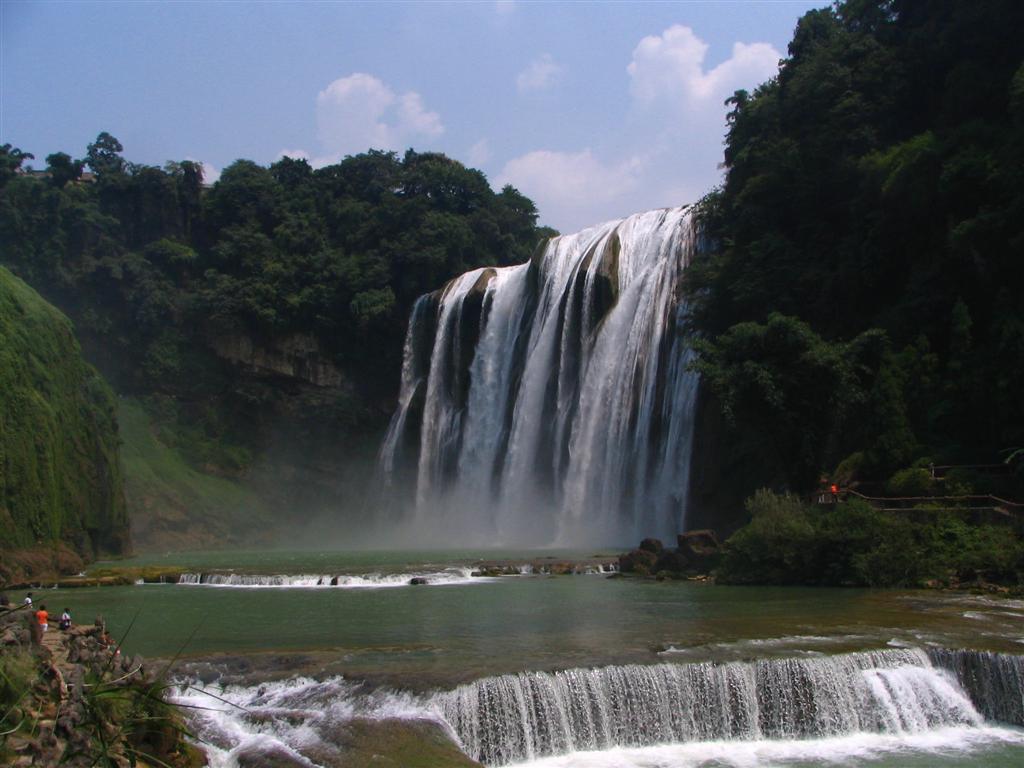
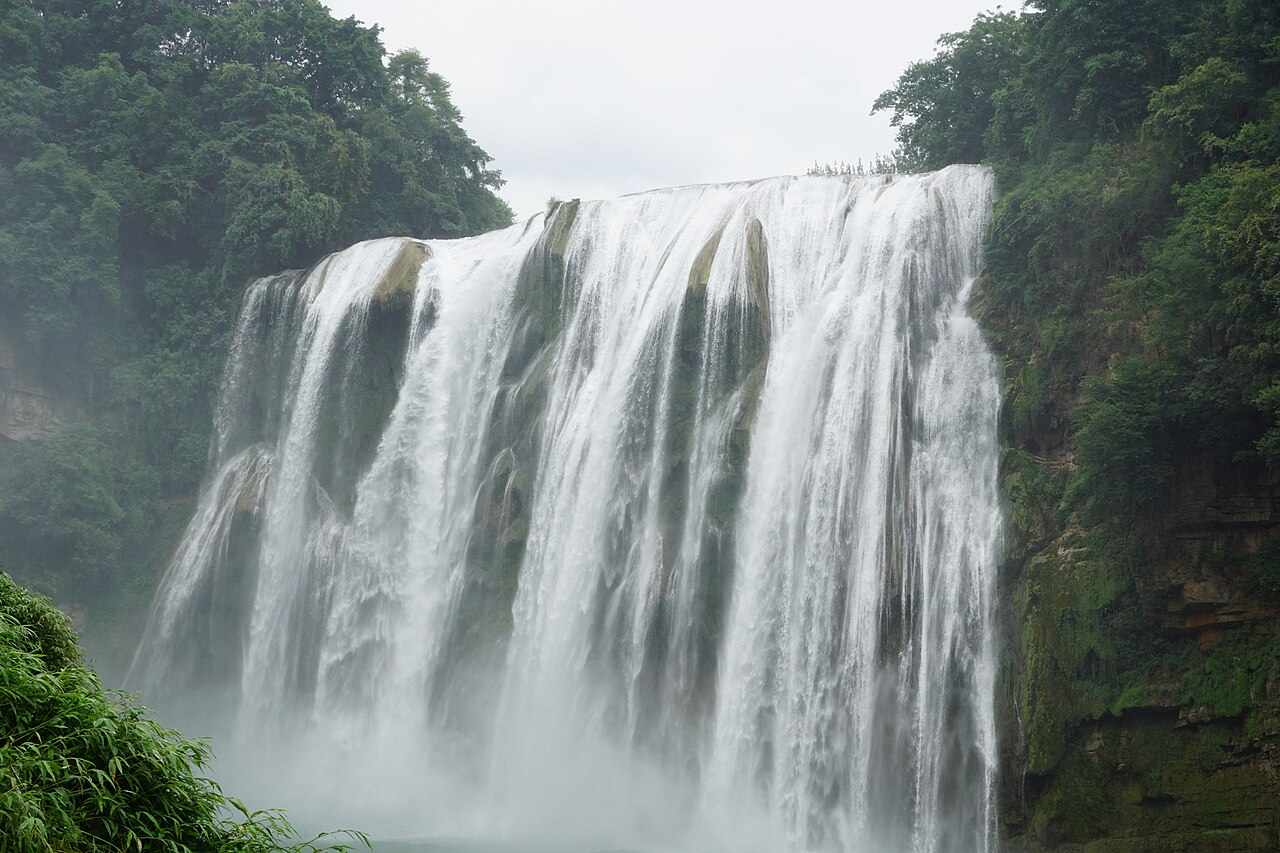
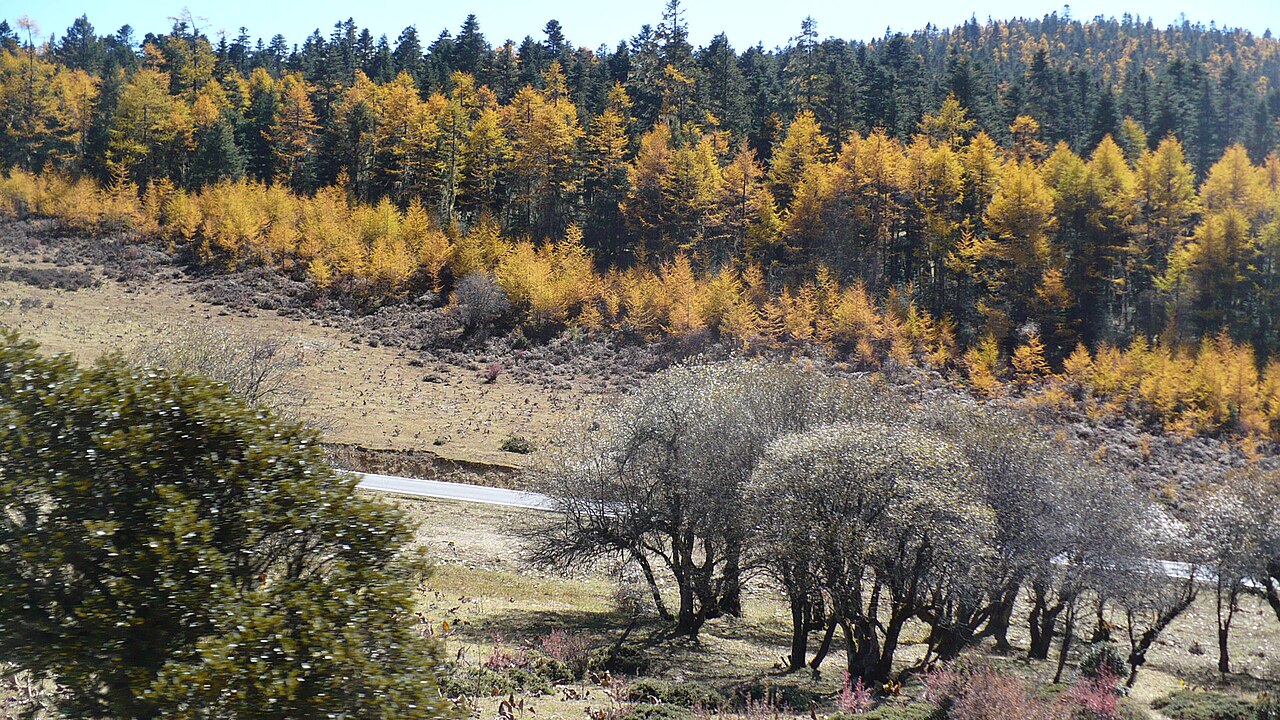
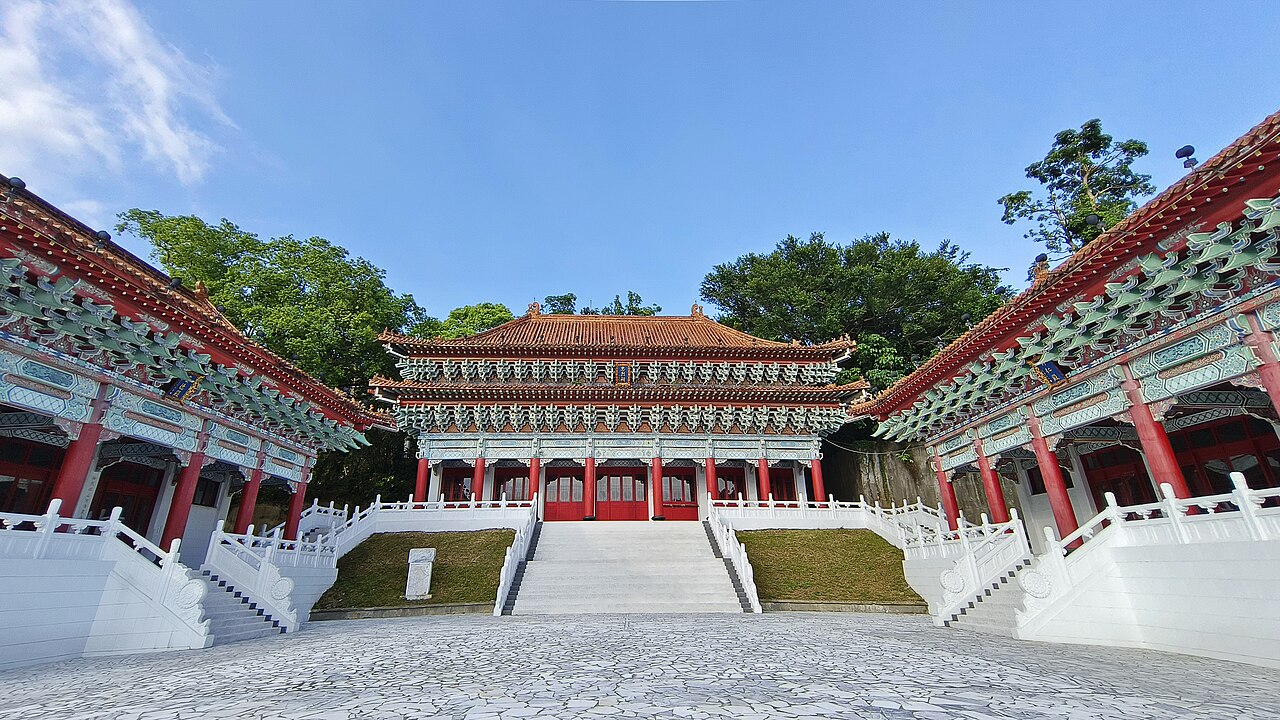
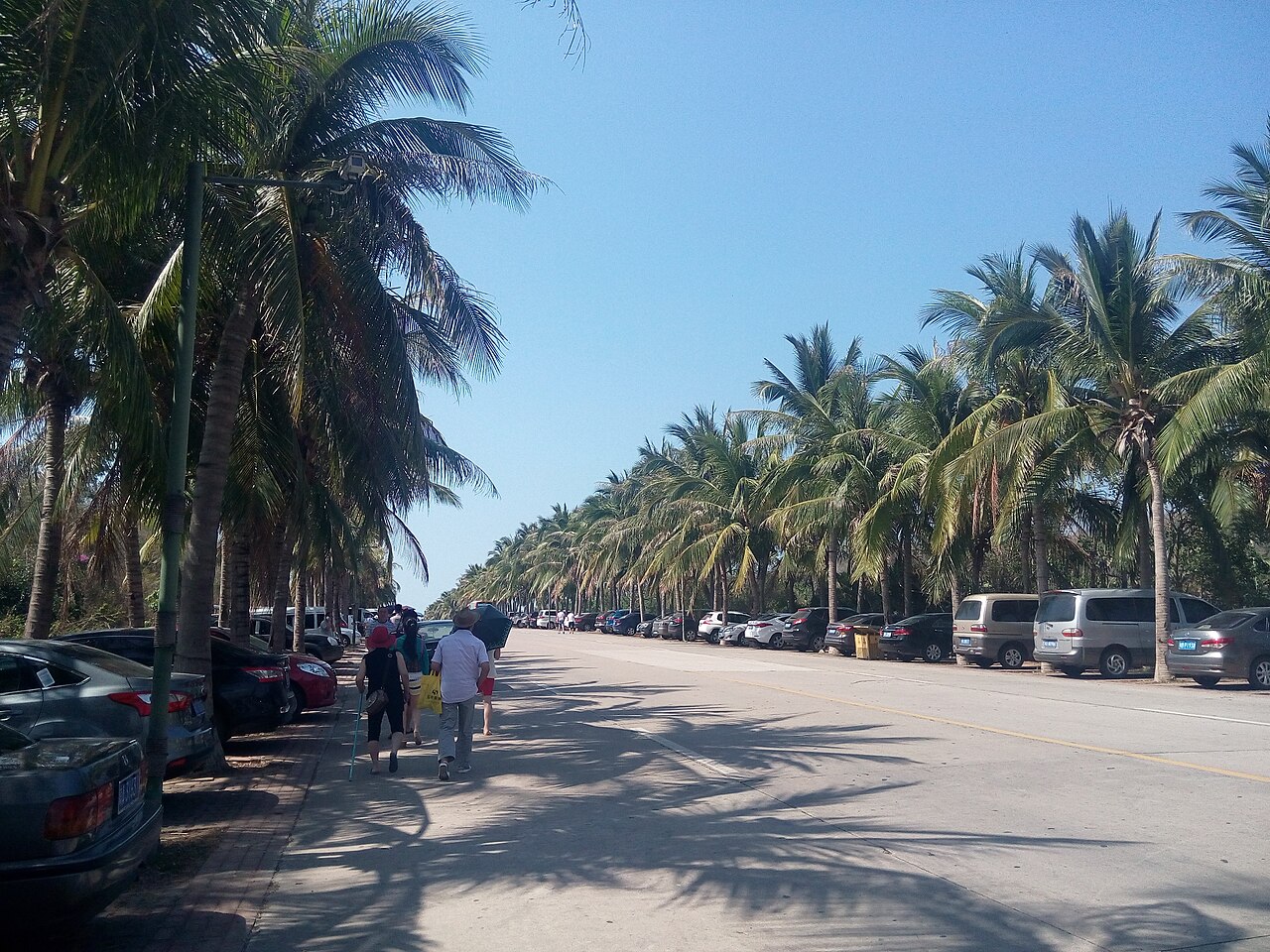
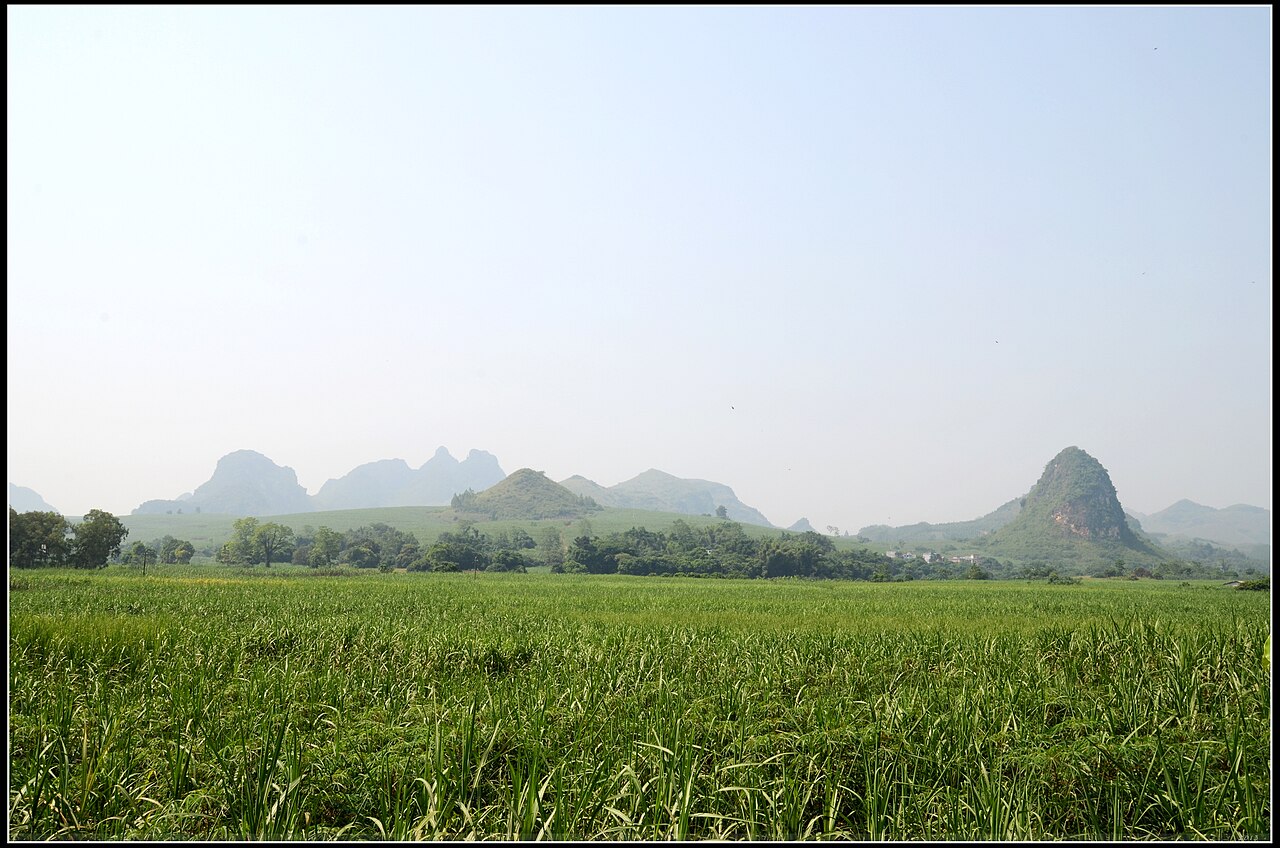
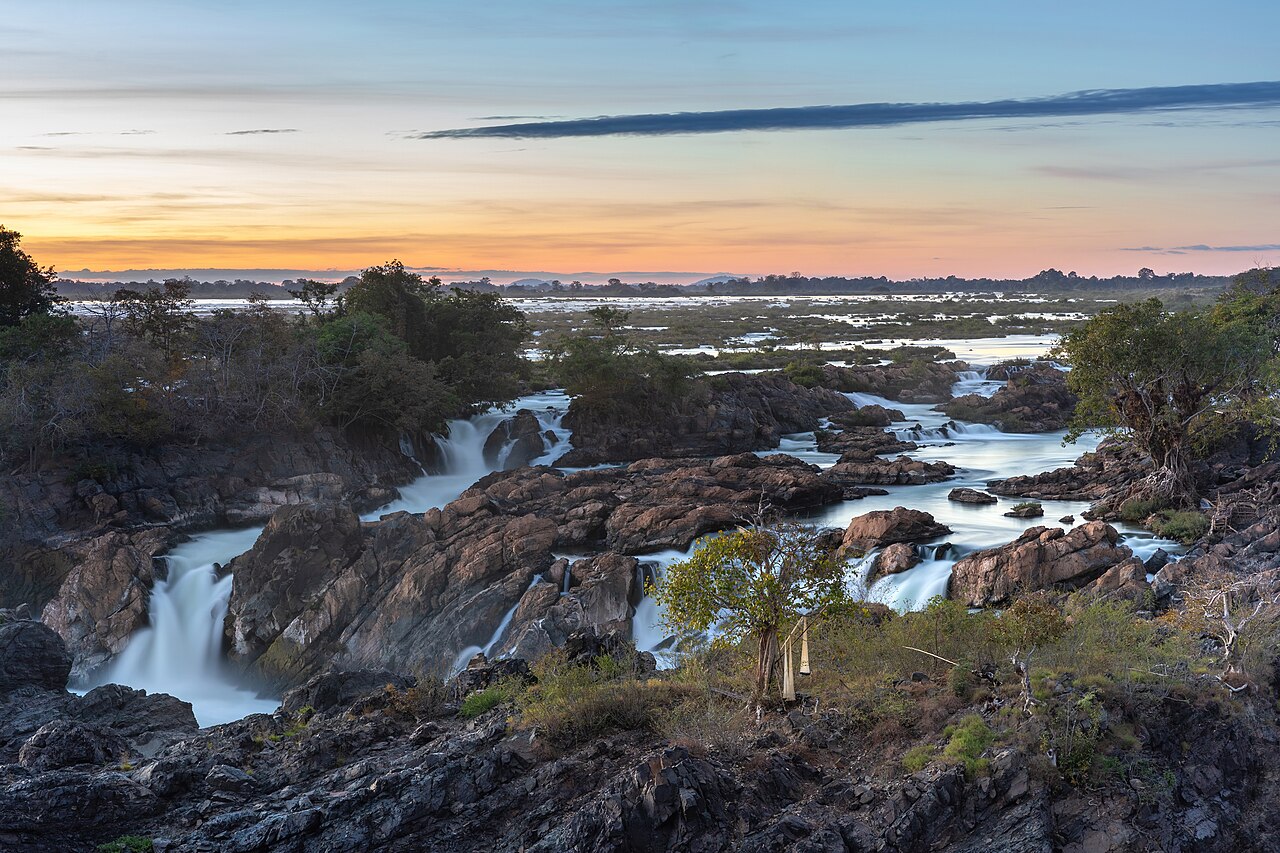
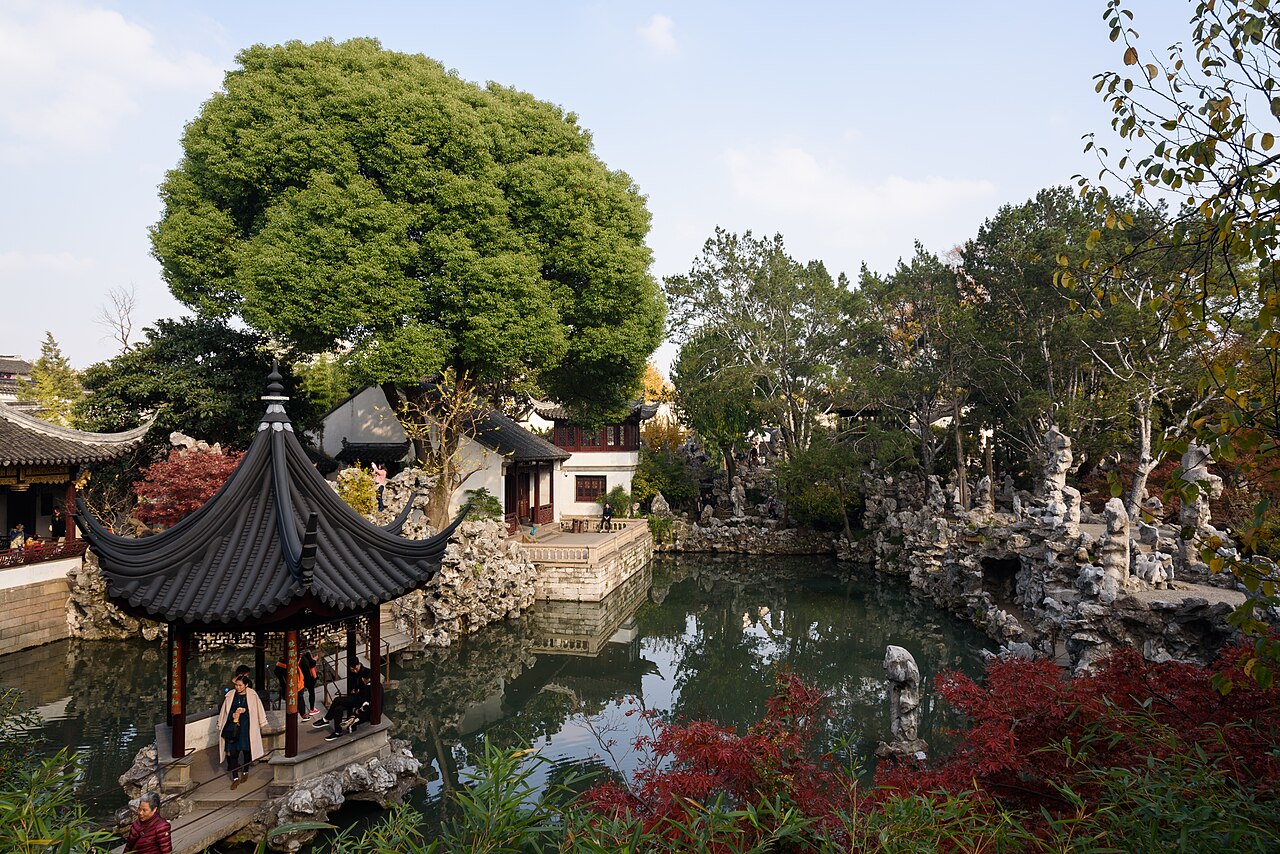
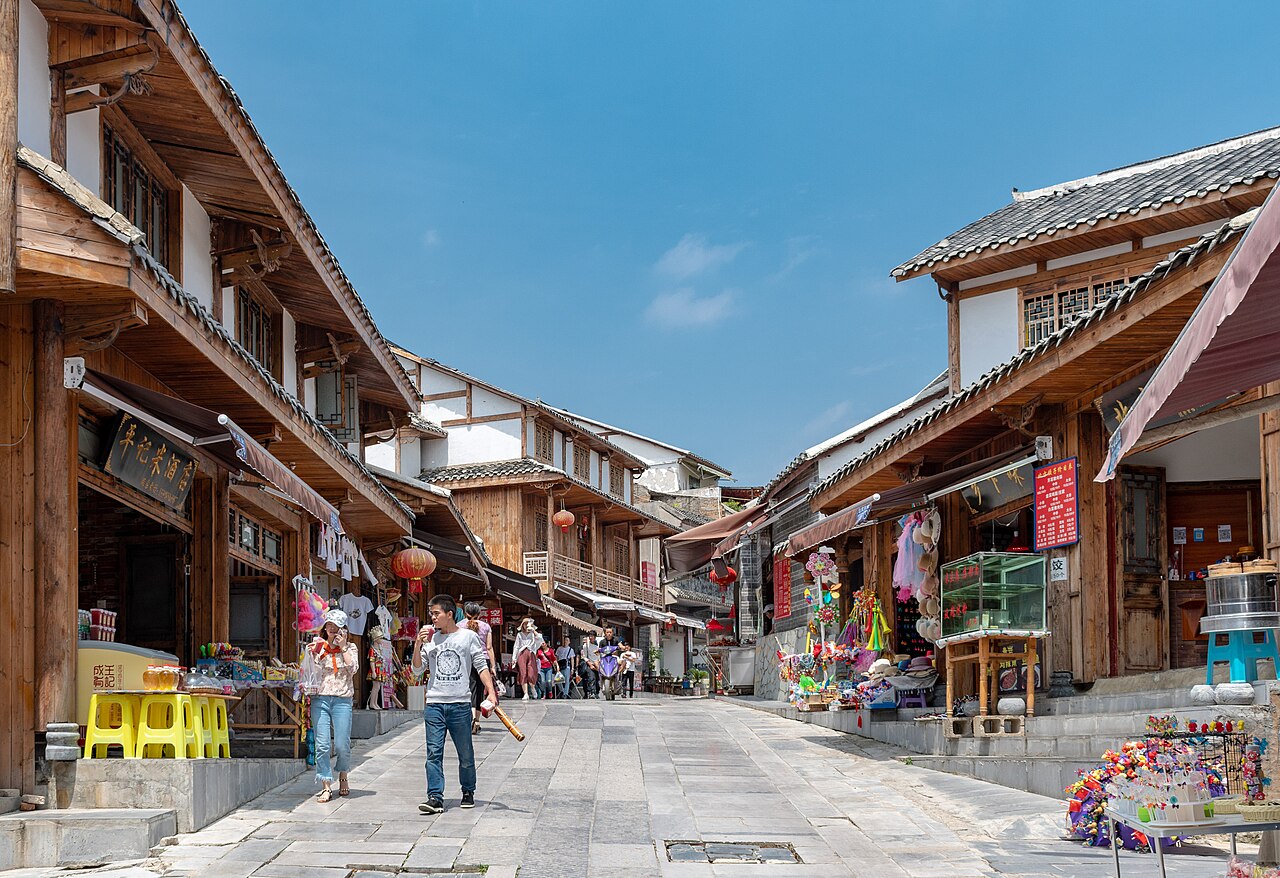
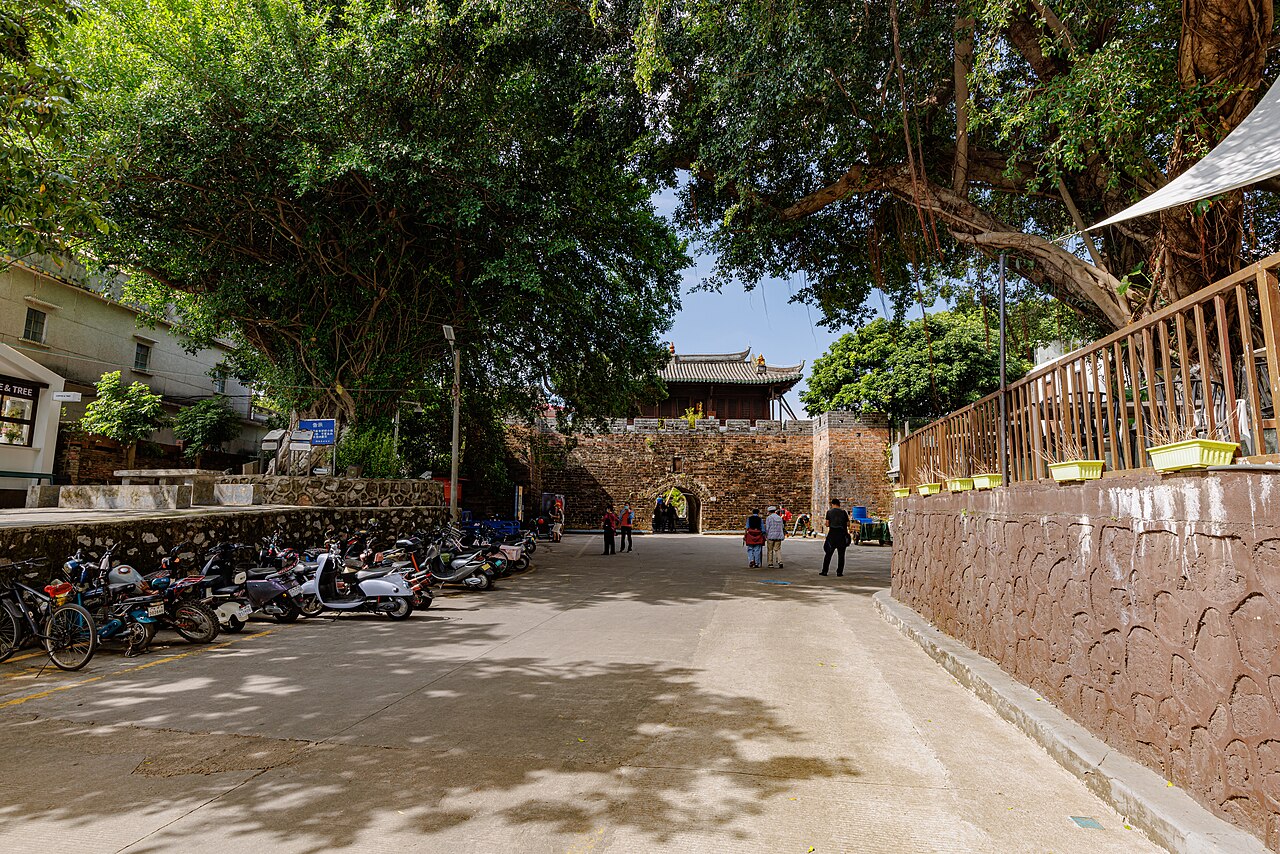
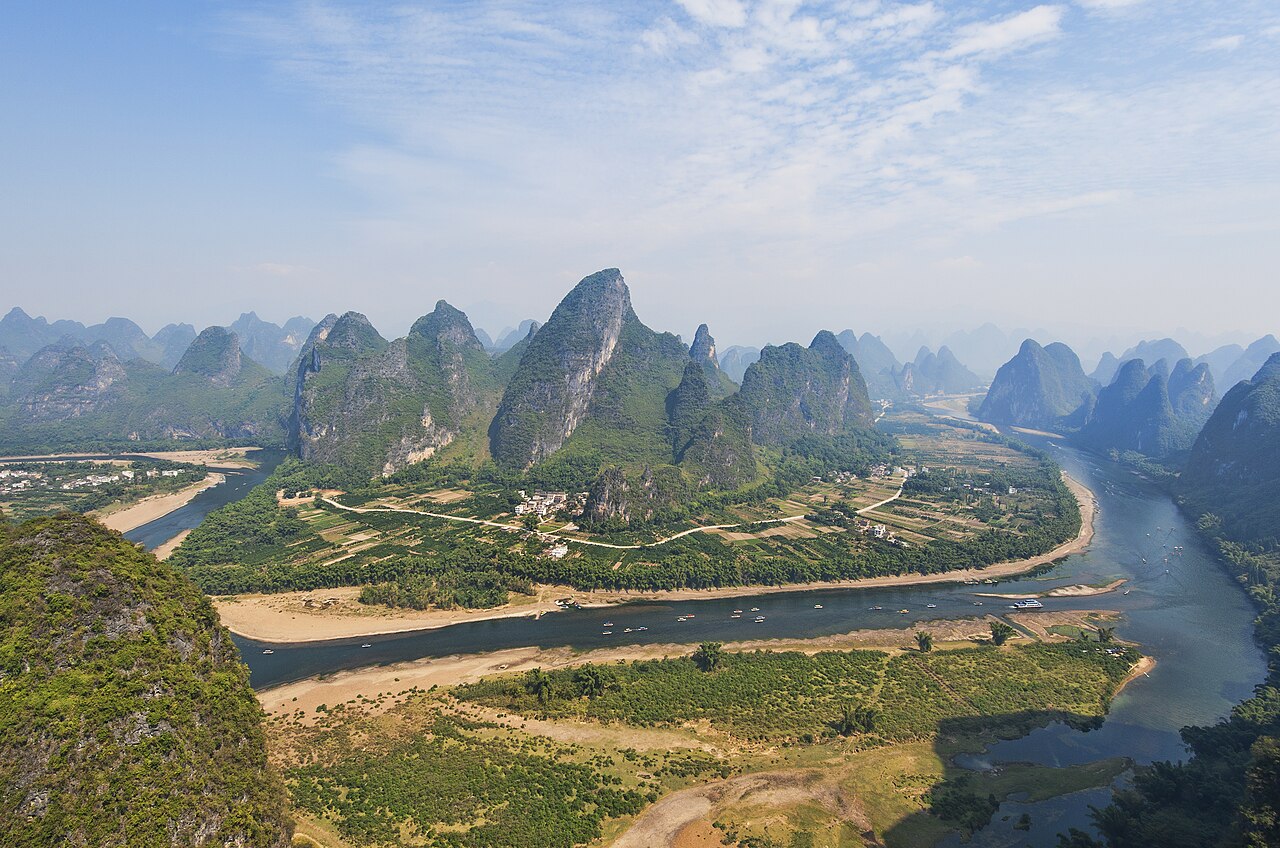
The Great Waterfall in full monsoon flow, 77.8 m high and 101 m wide
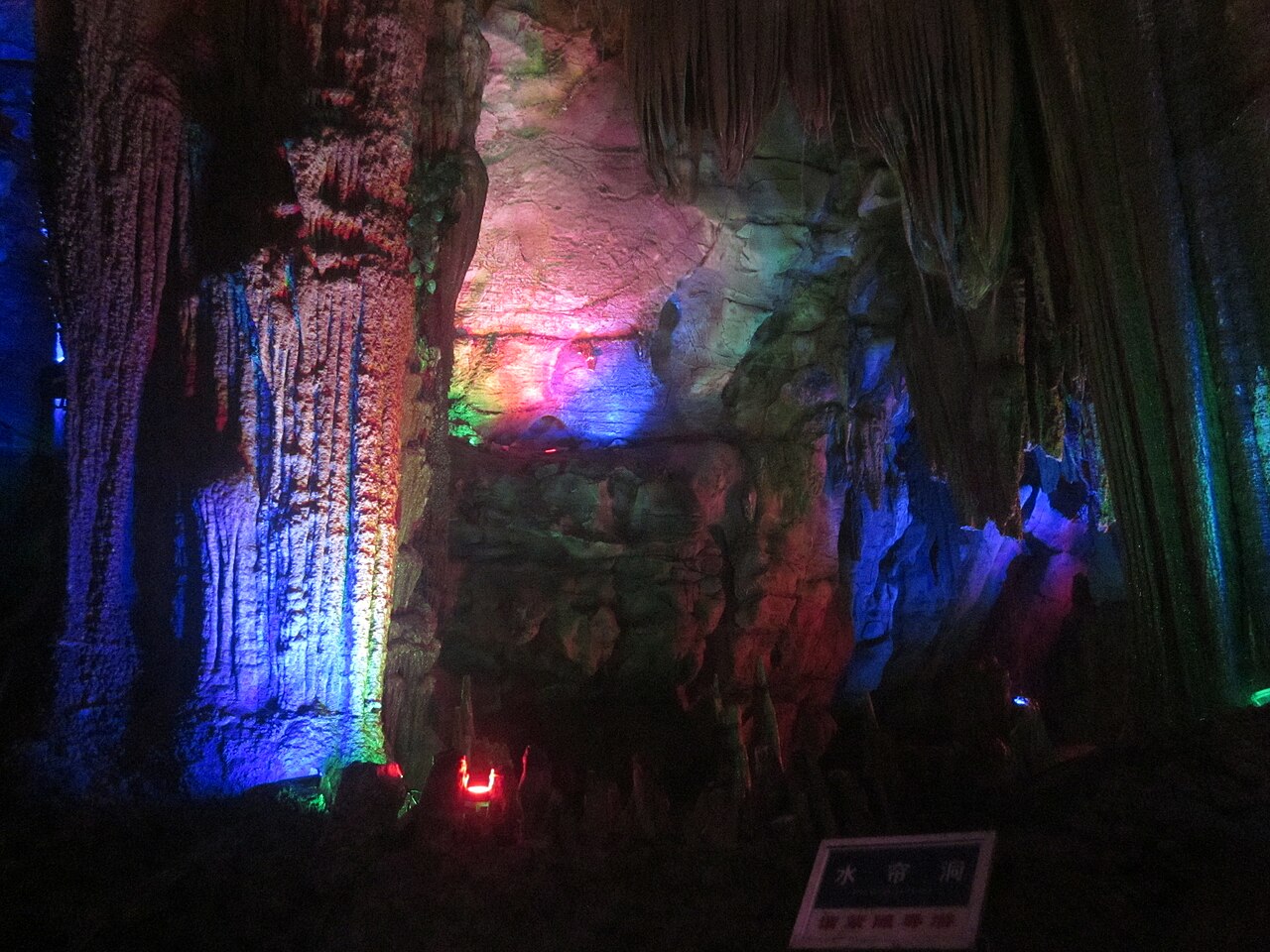
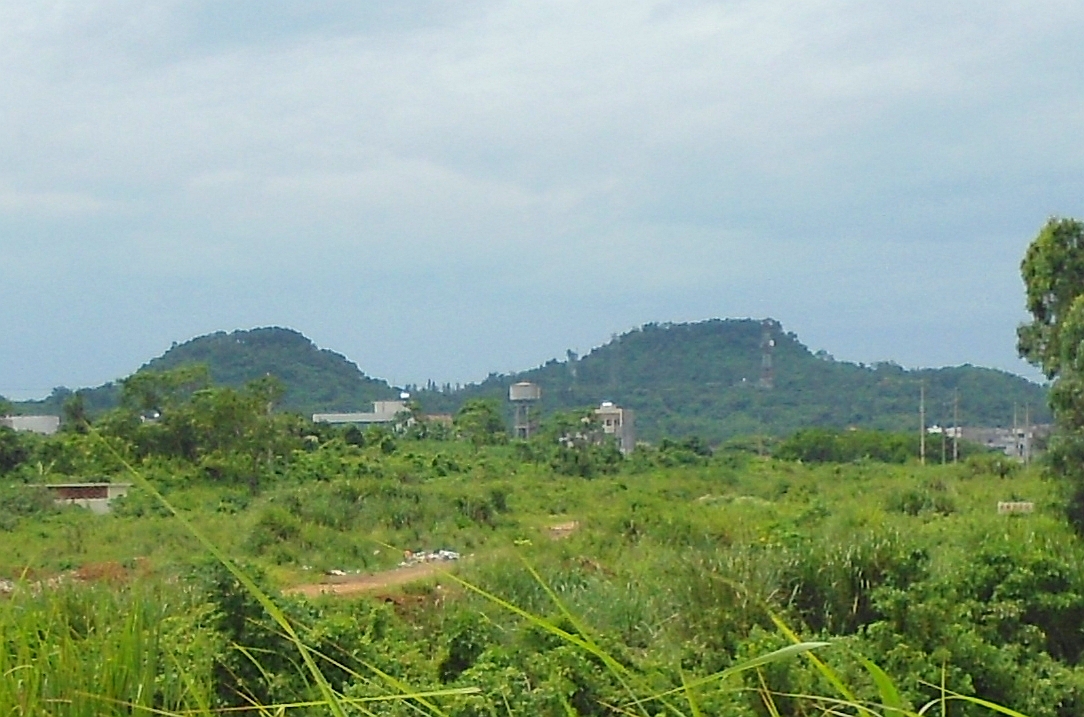
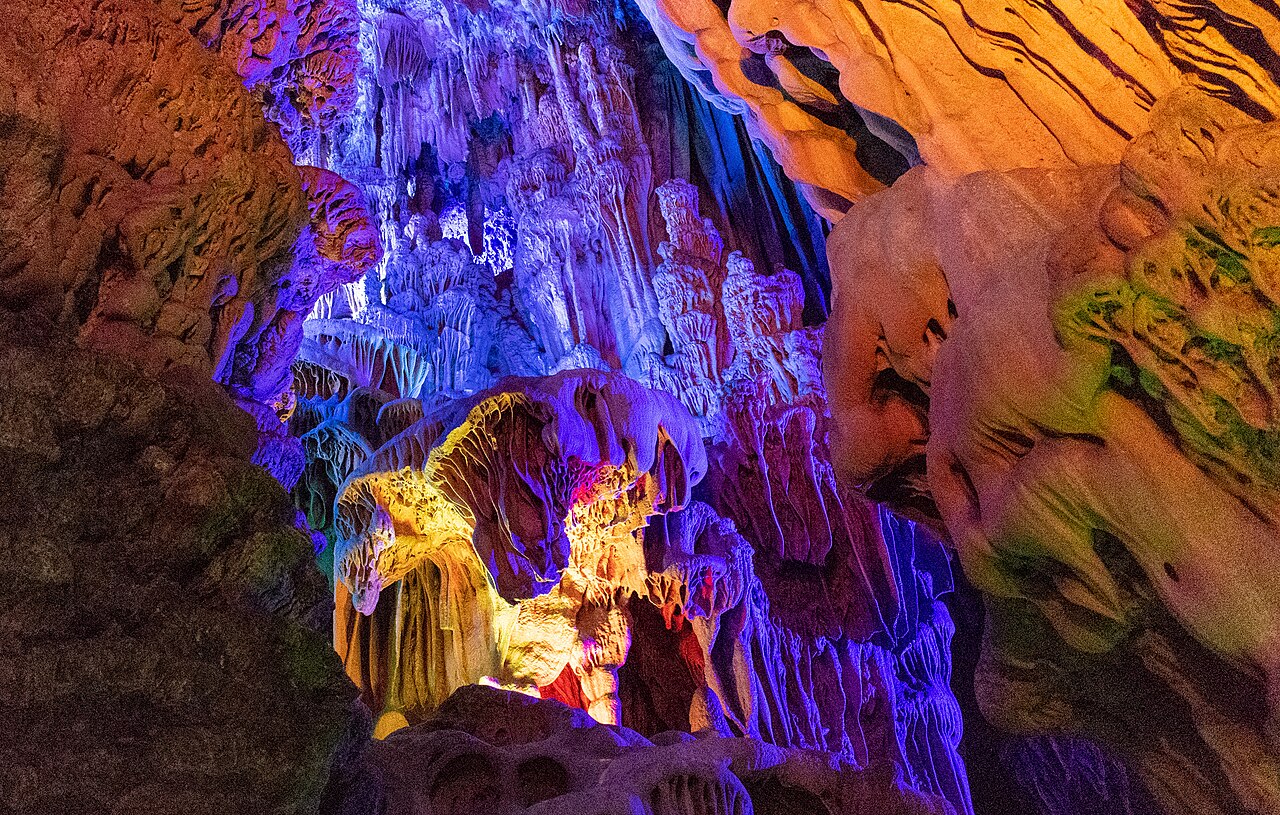
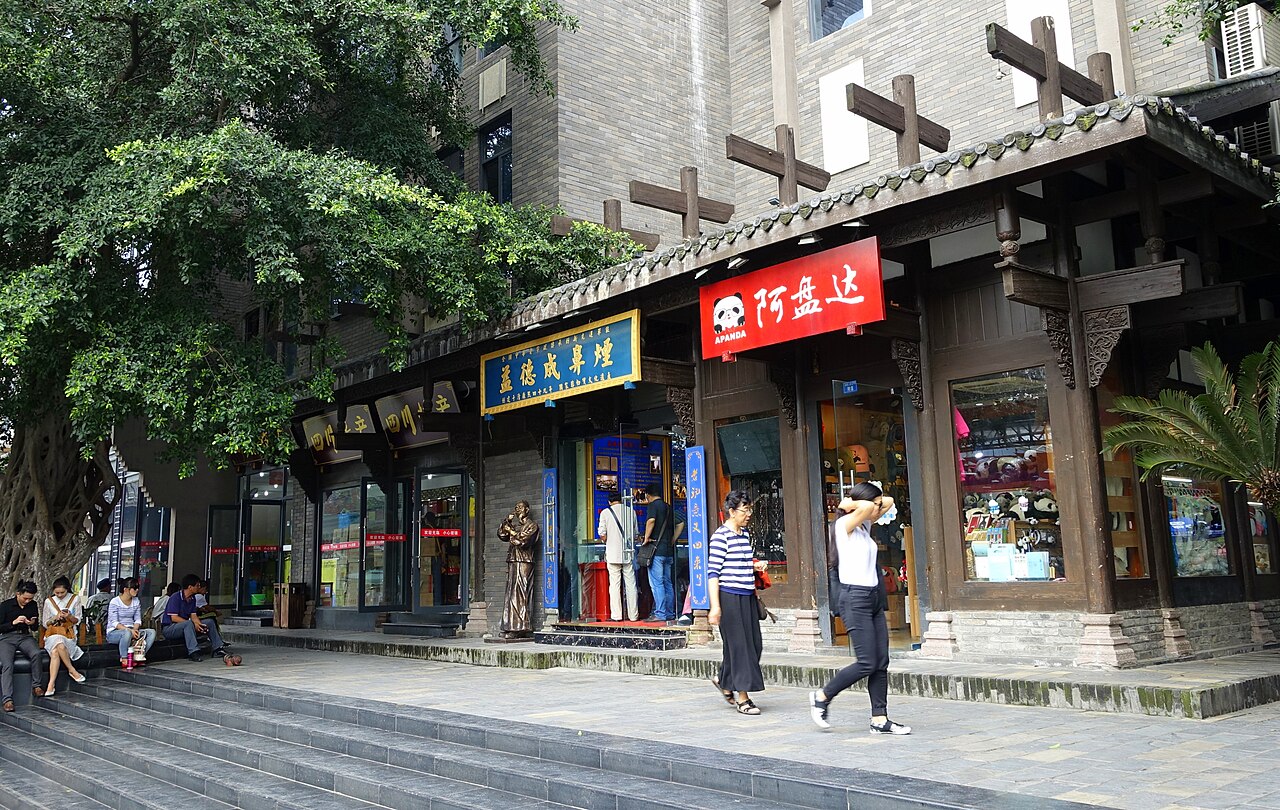
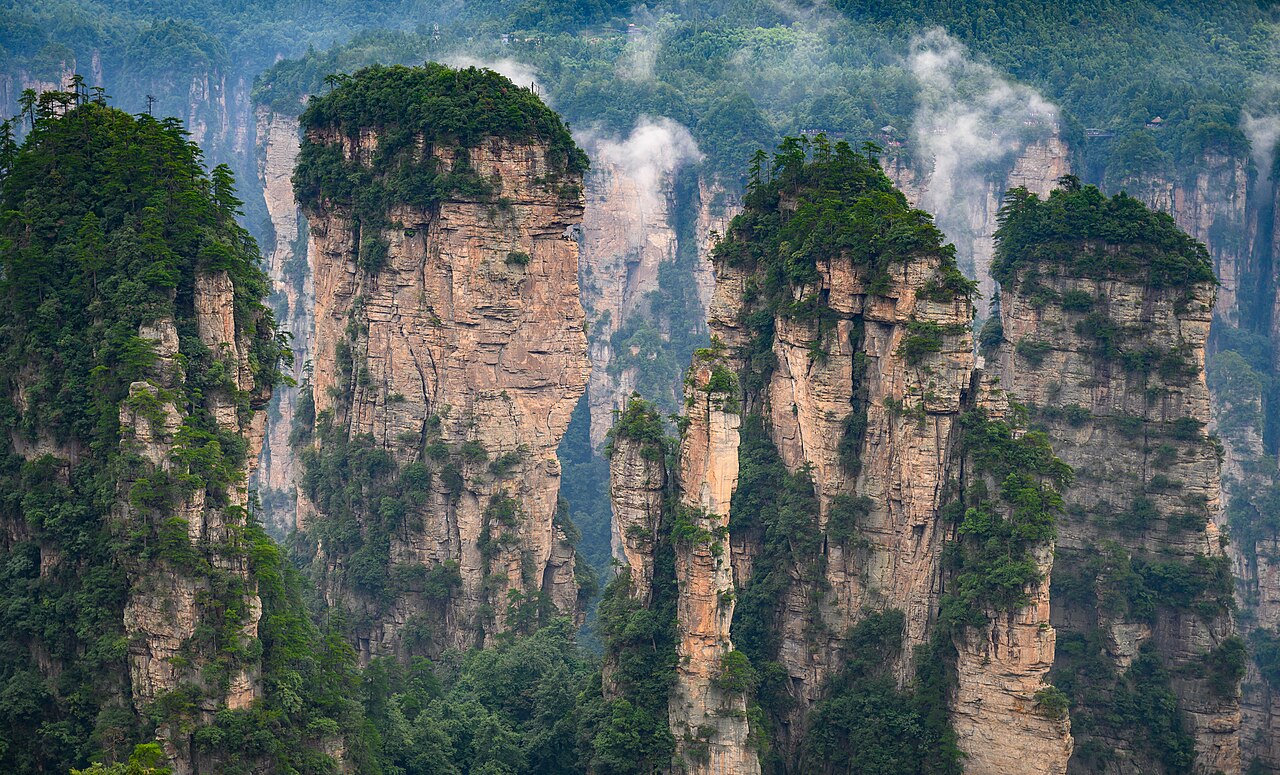
Inside the Water Curtain Cave, looking out through a window of falling water
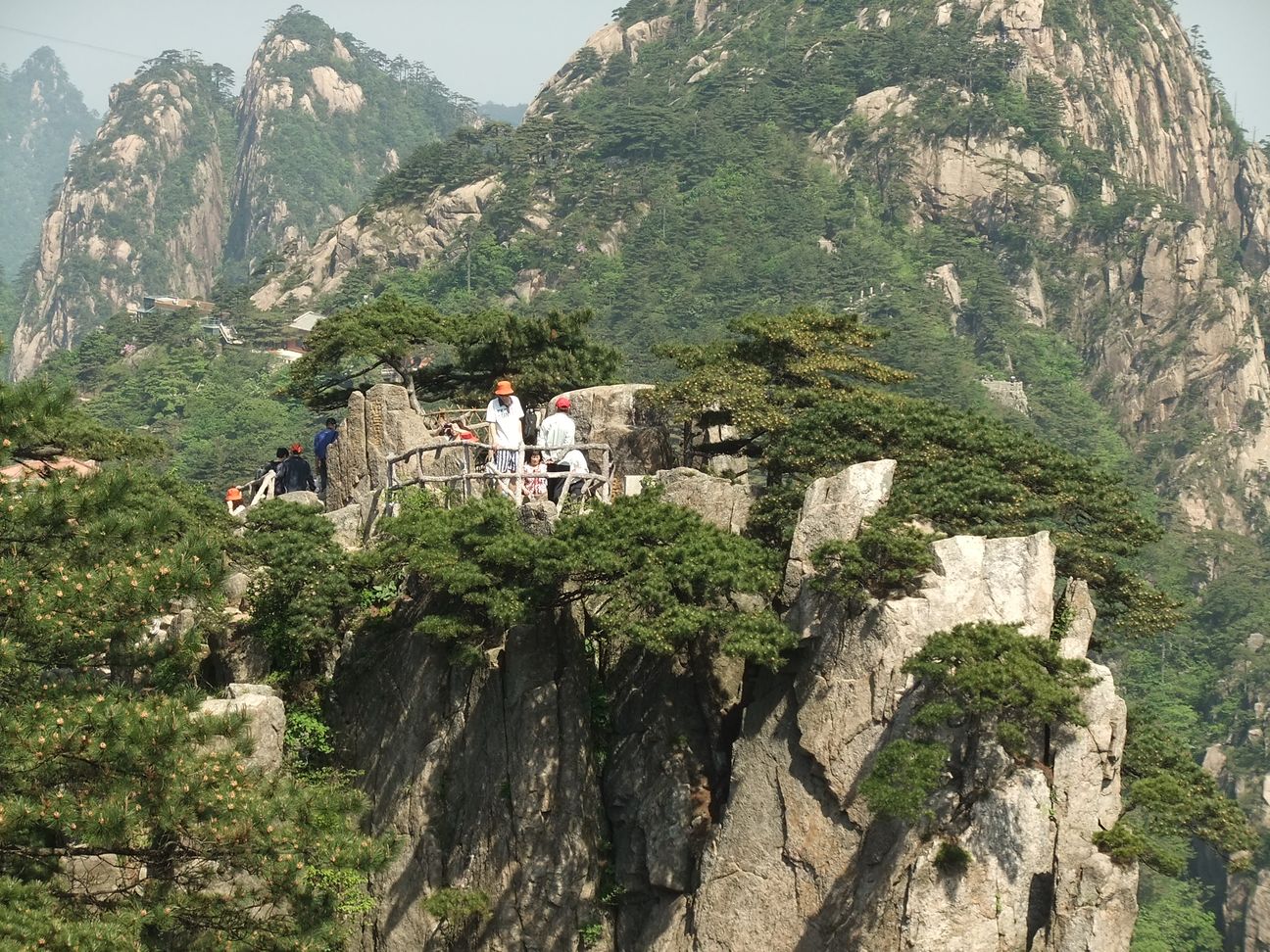
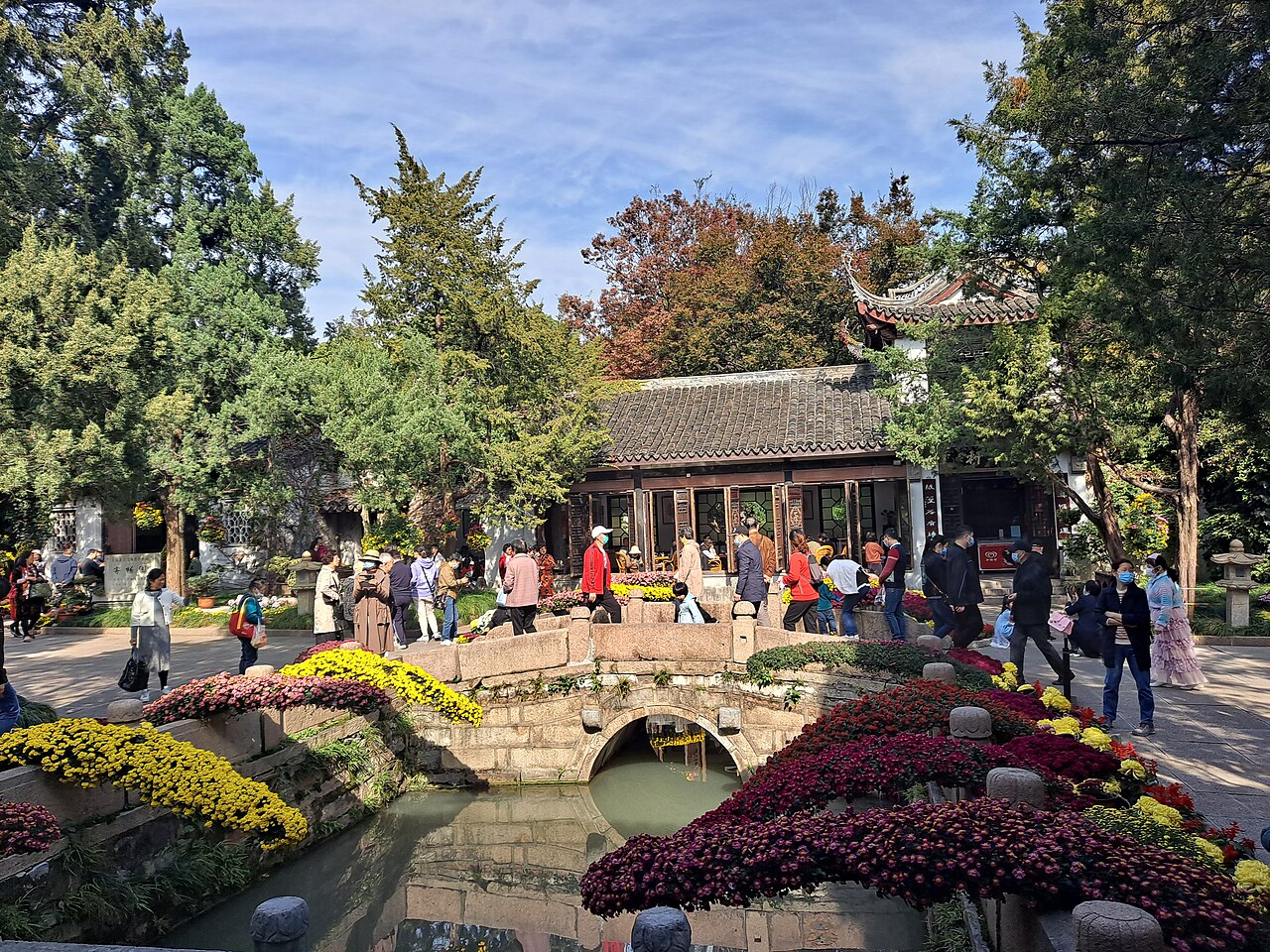
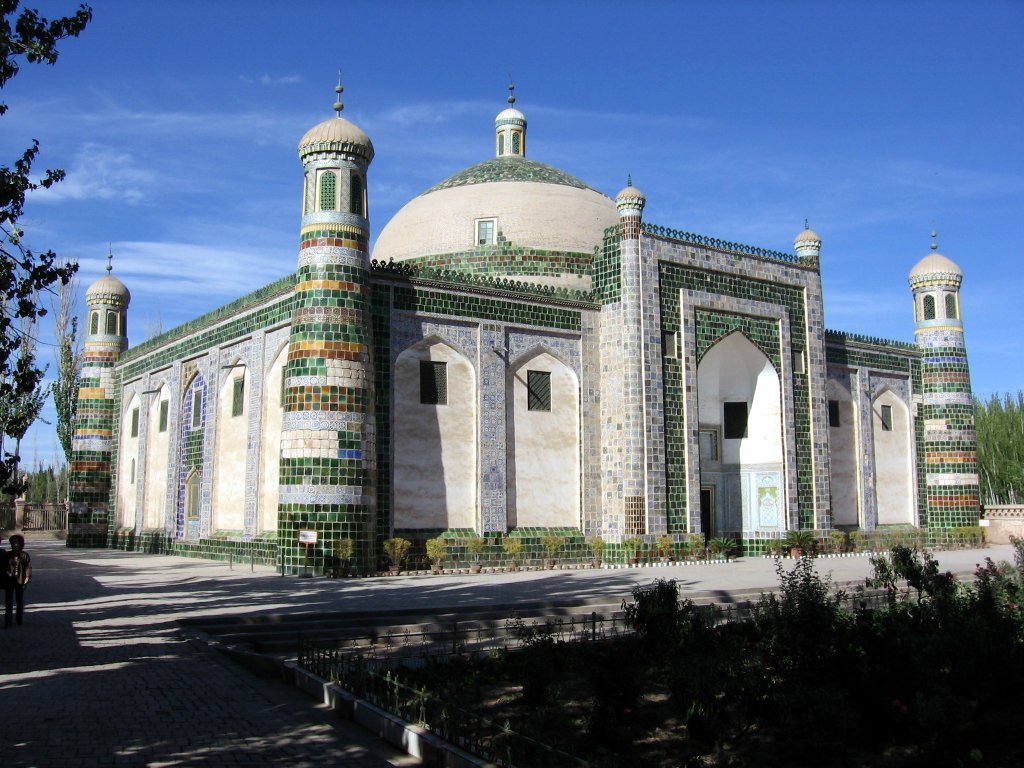
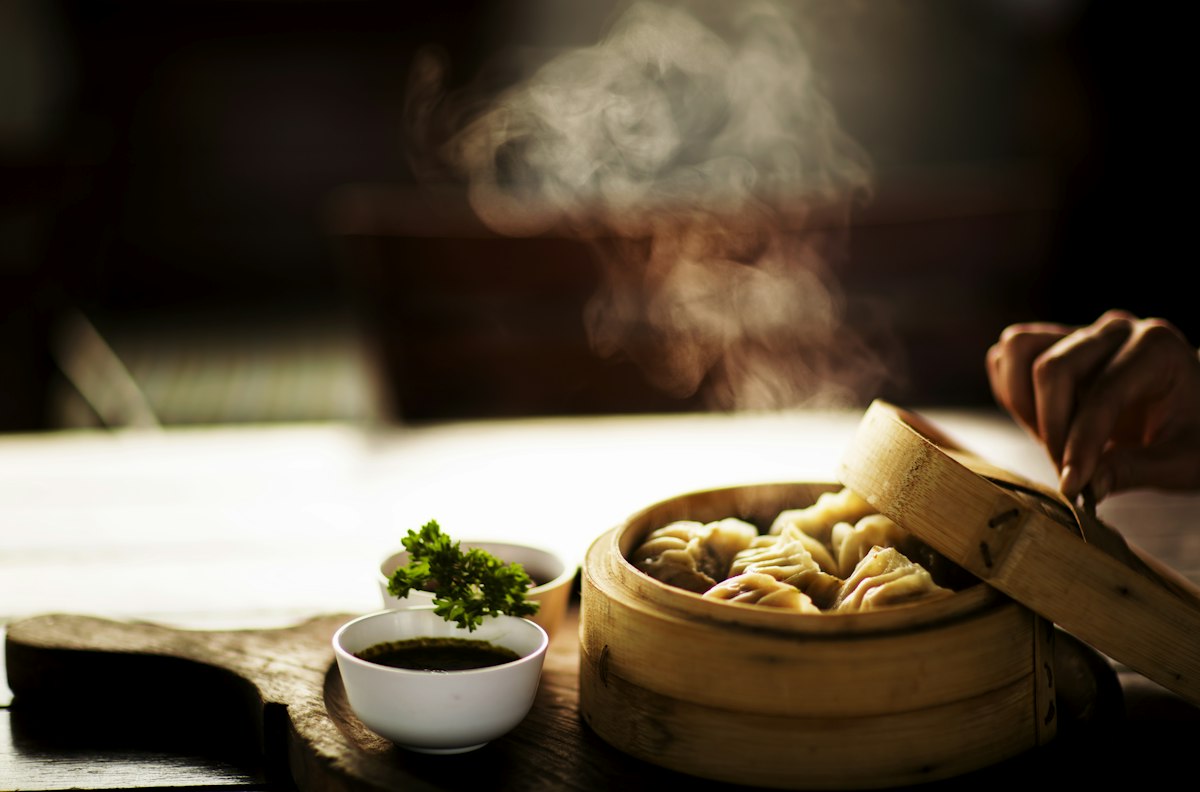
The stepping stones of Tianxingqiao's Date Stones path
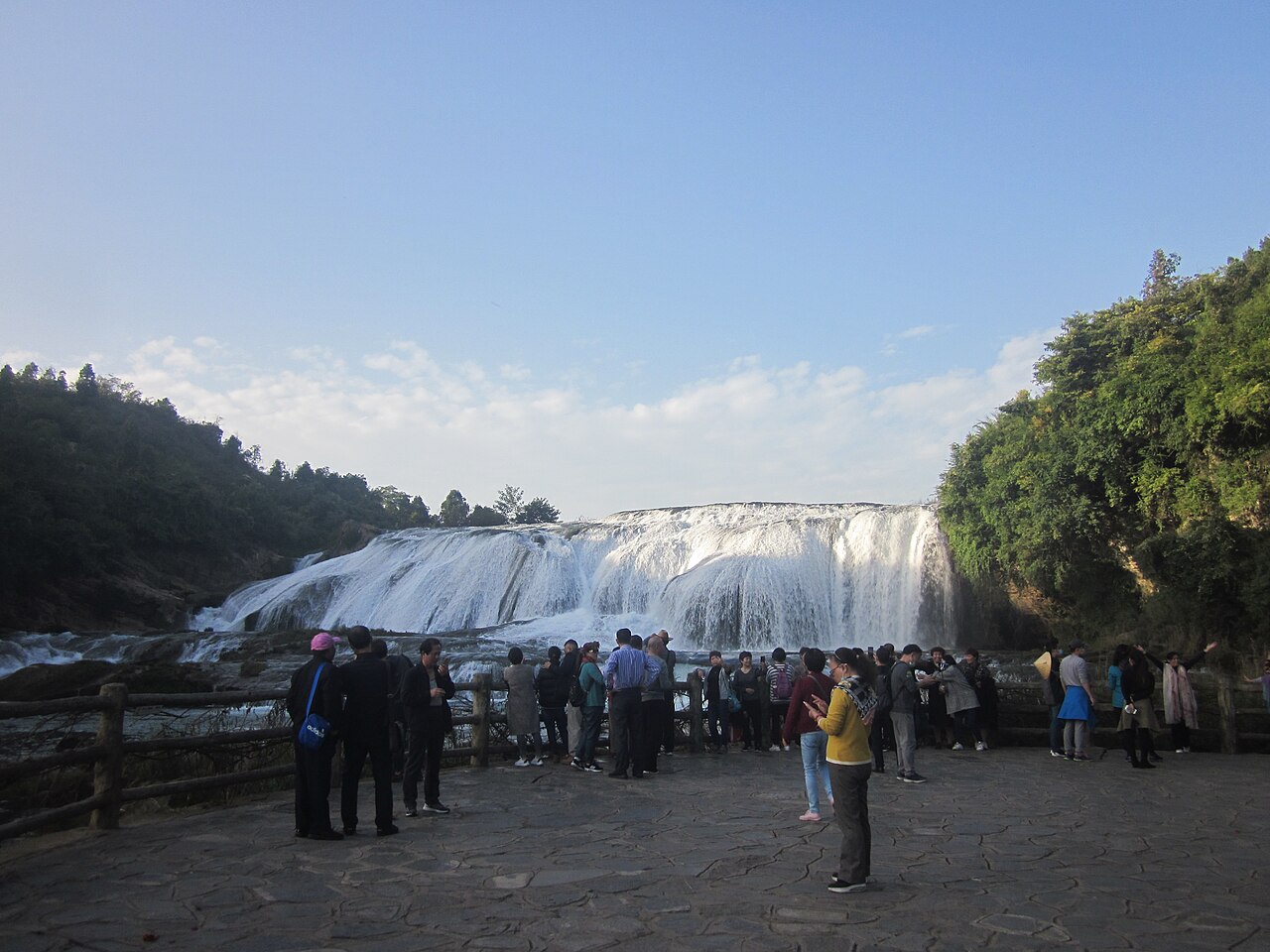
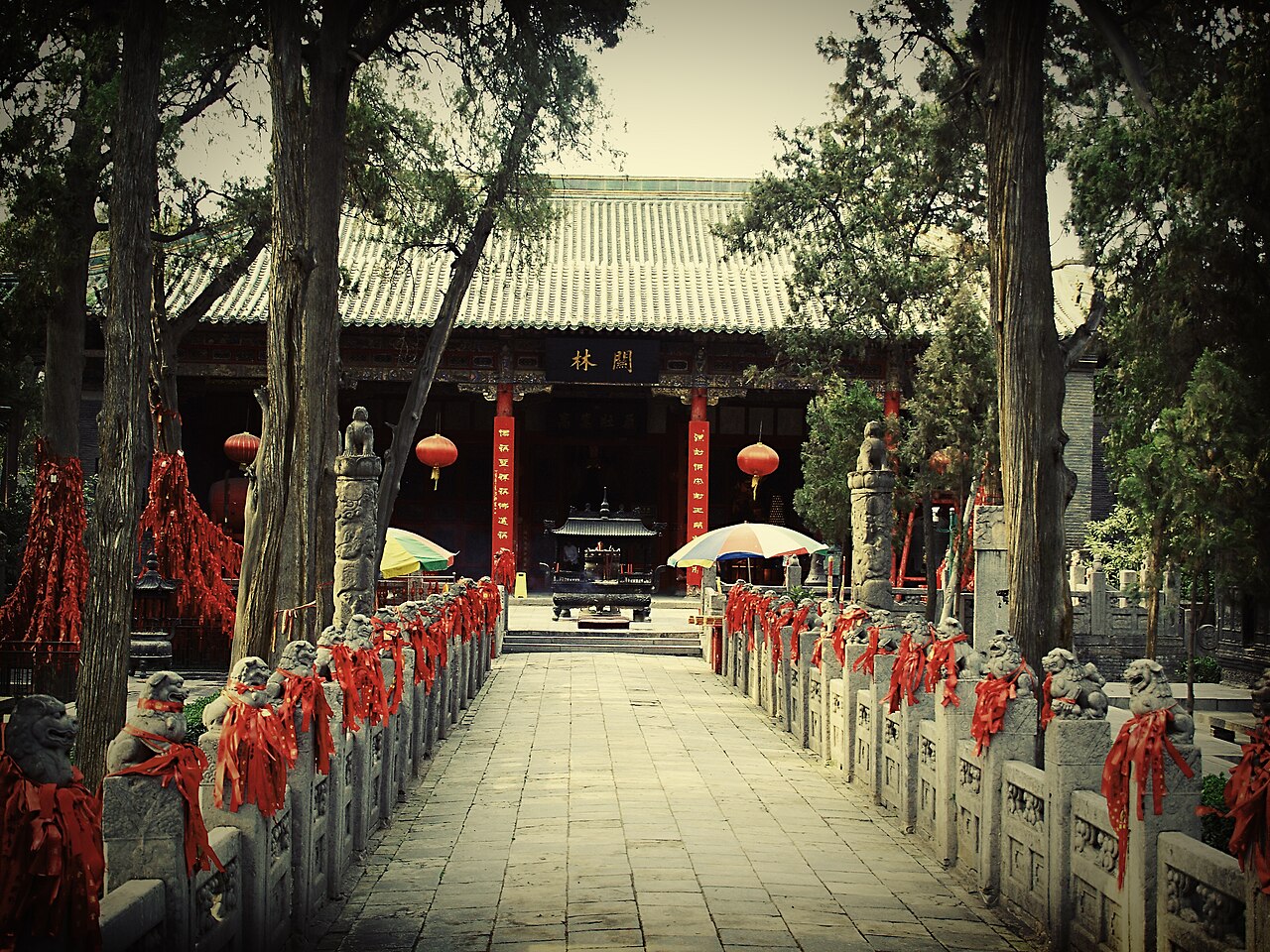
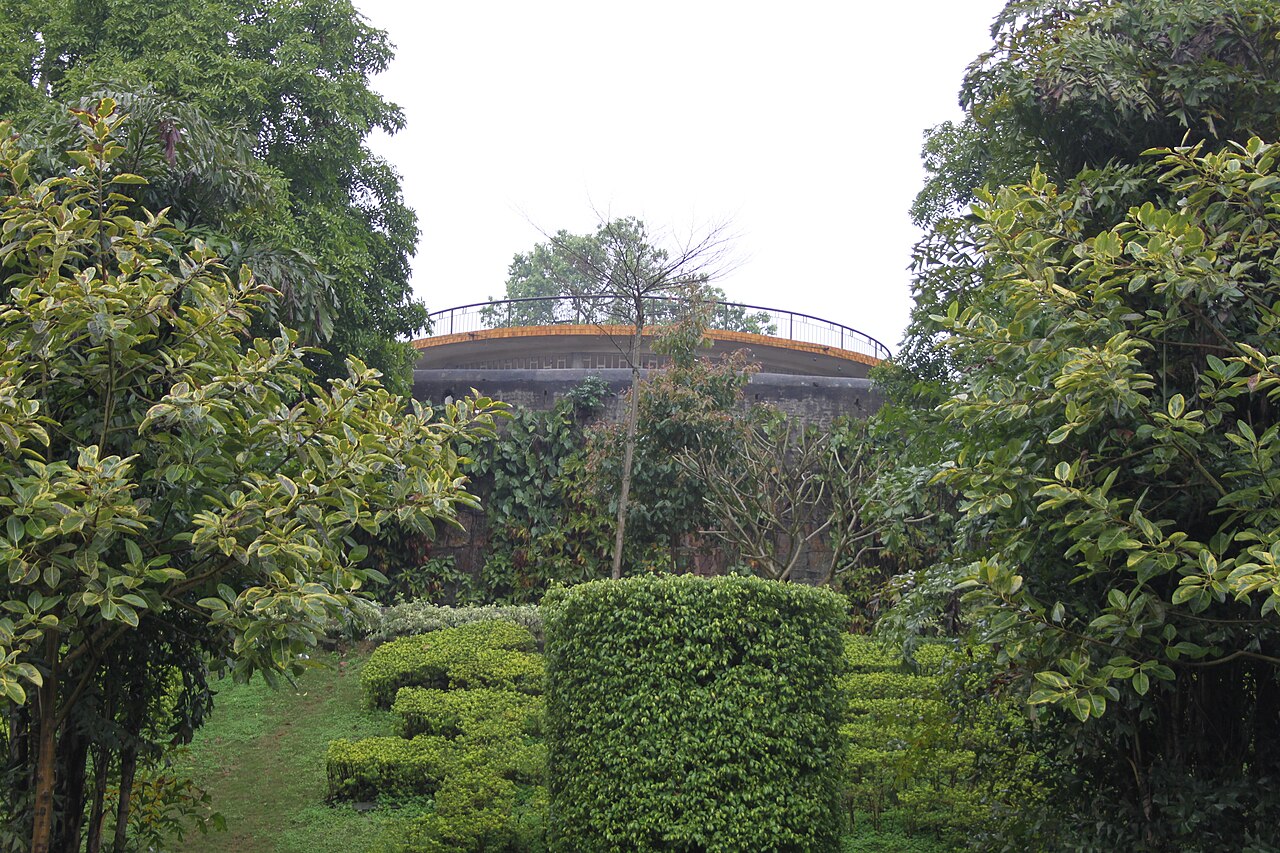
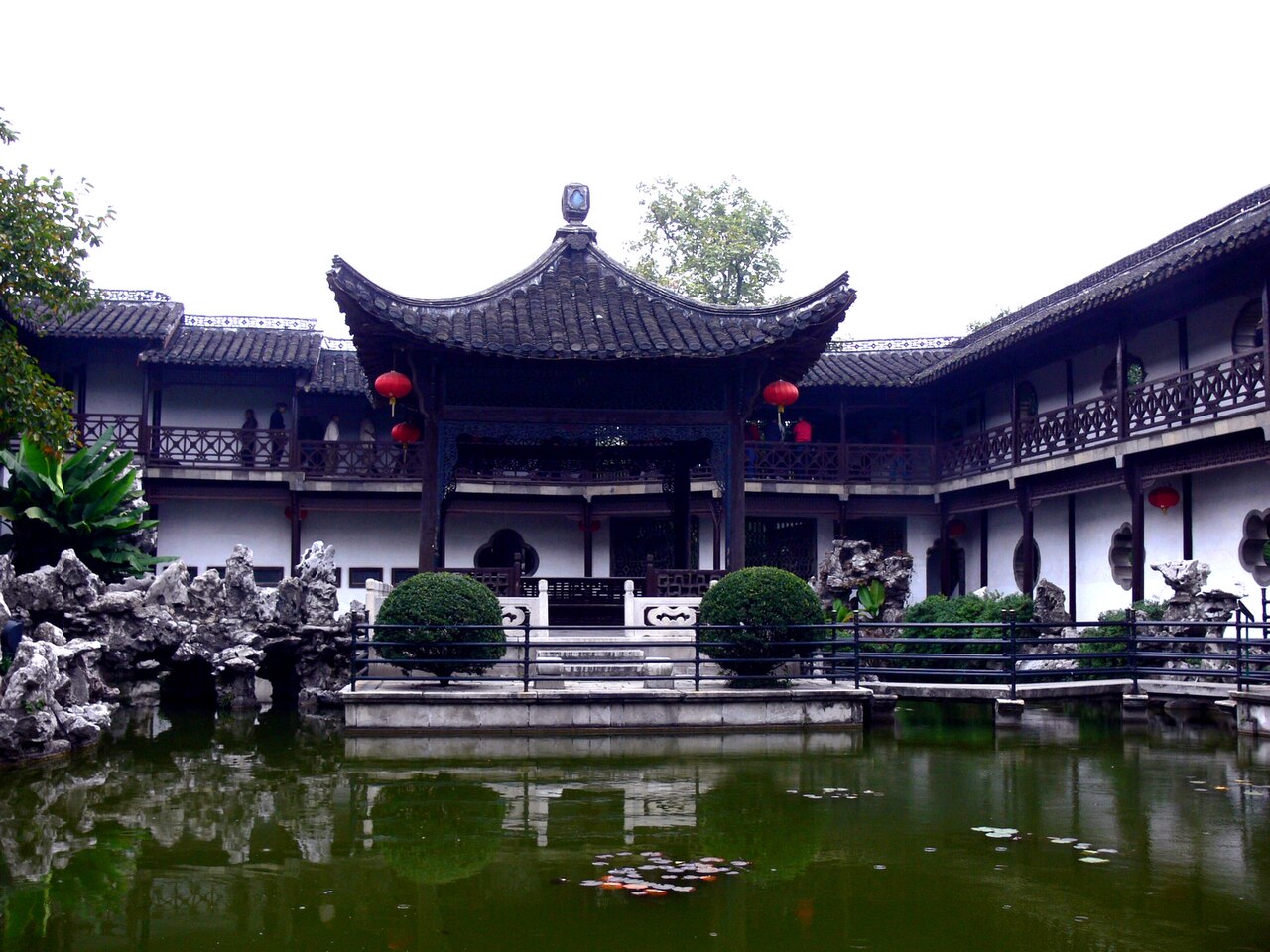
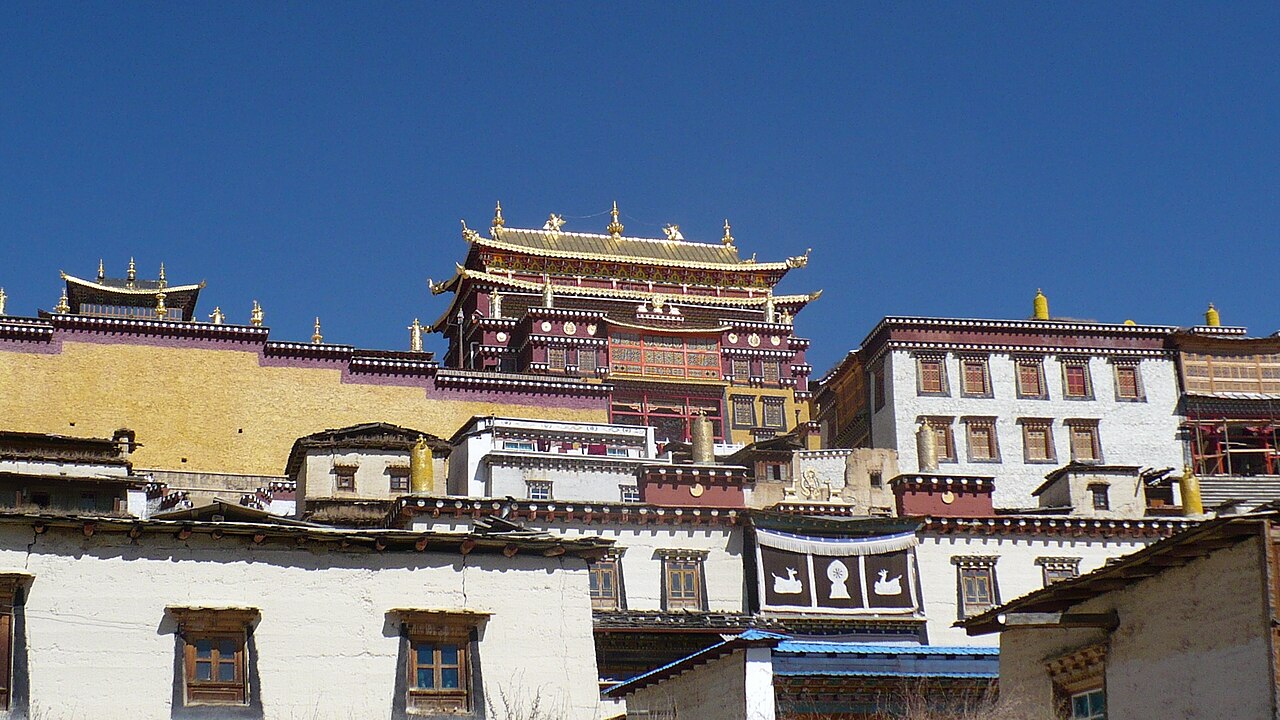
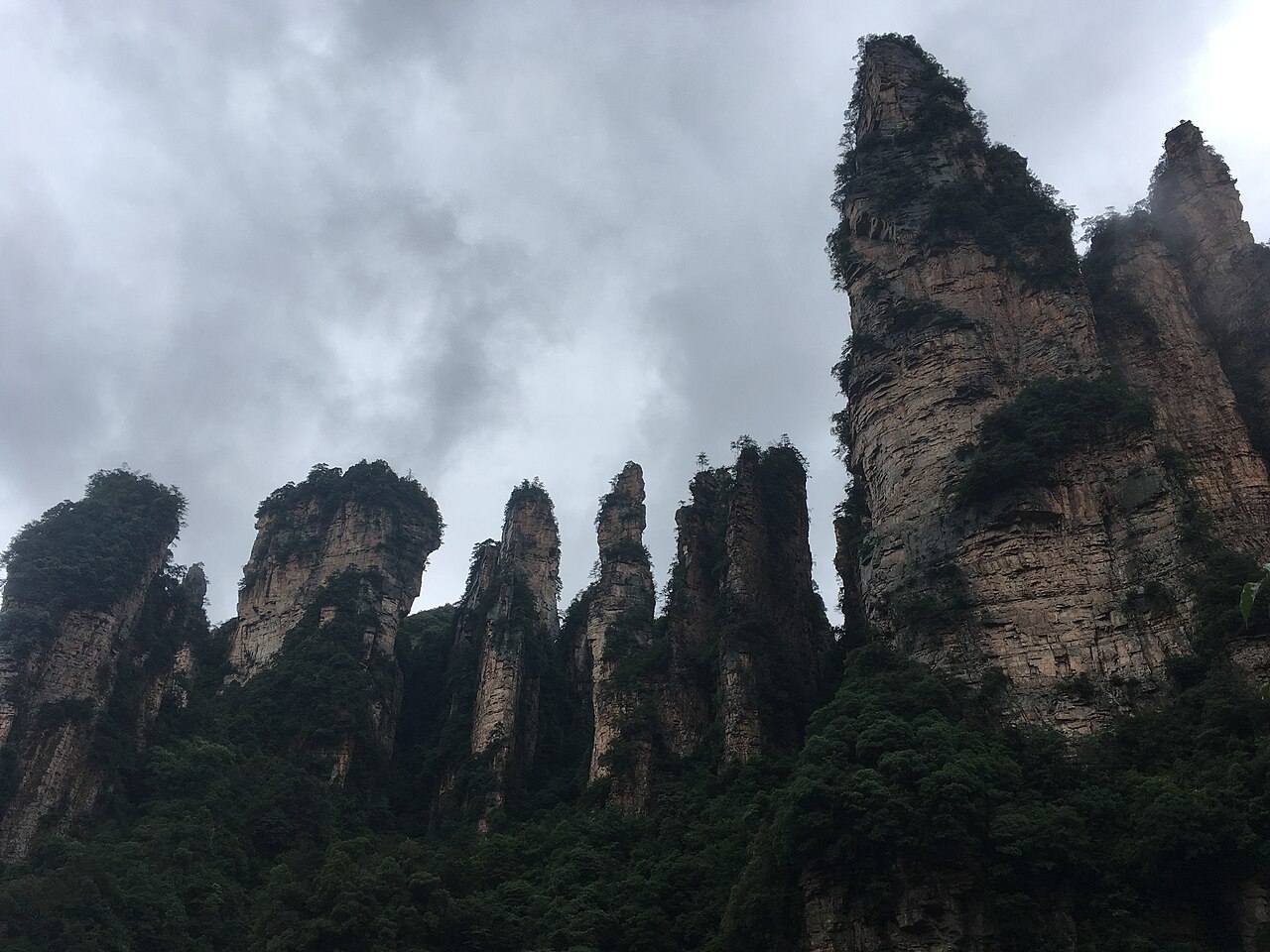
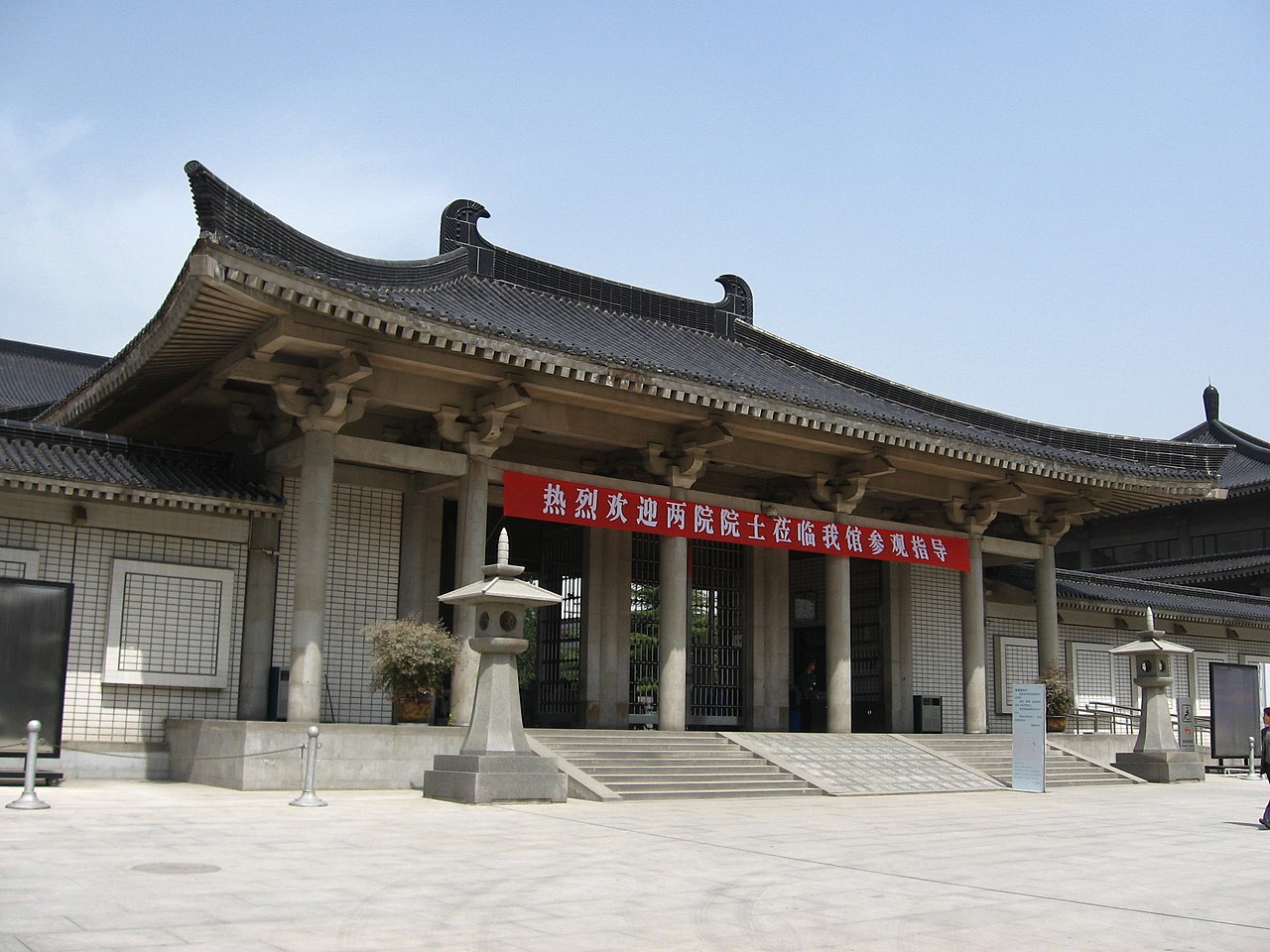
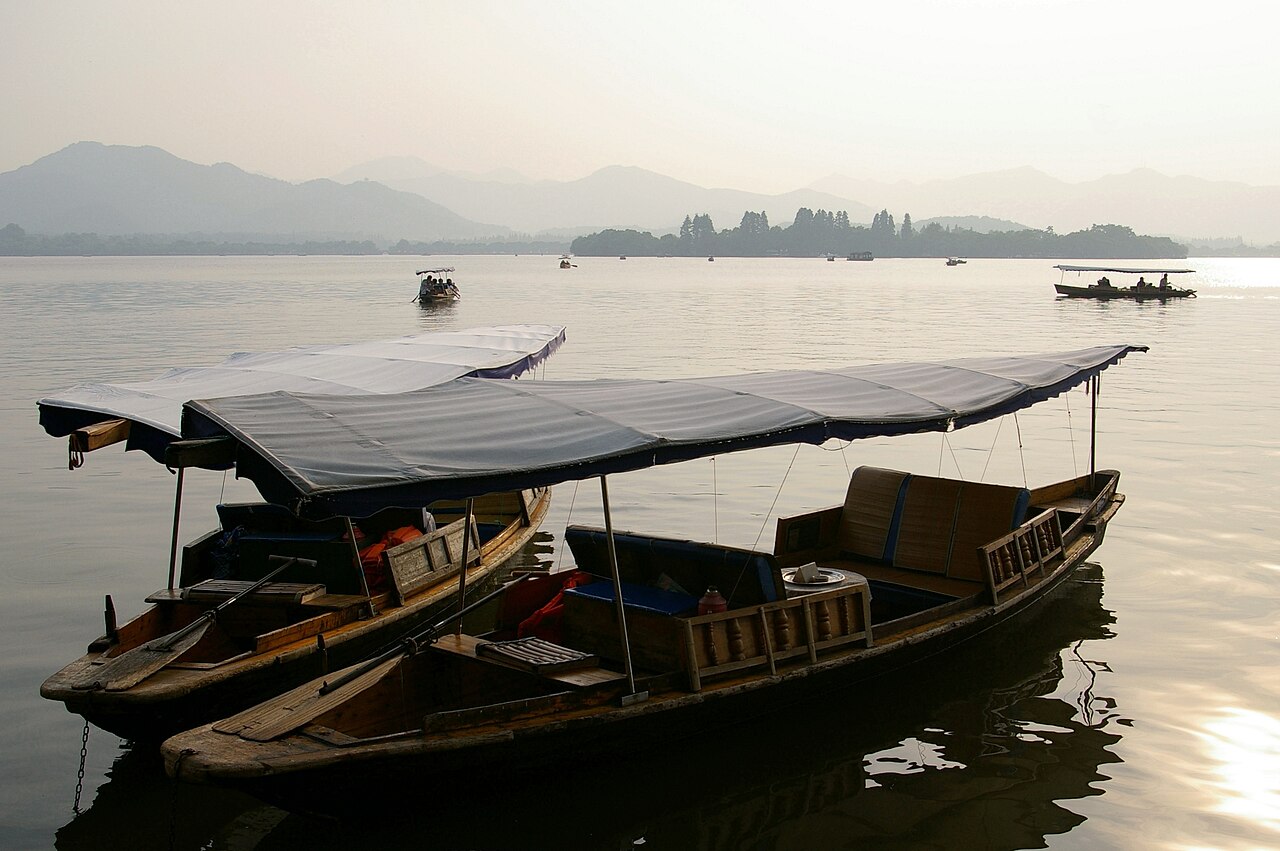
Doupotang's 105 m-wide crest, filmed for Journey to the West

Before I saw Huangguoshu I kept wondering what 'the first waterfall in Asia' actually felt like. It stayed mysterious, solemn, trapped in Baidu image searches. Then I stood in front of it. It is genuinely towering — it's the waterfall from the animated forest, the blood of the earth.

'The Blood of the Earth — Huangguoshu Waterfall', traveller journal

They say if you haven't seen Huangguoshu you haven't been to Guizhou, and that's not far off. I passed through Guizhou a dozen times over the years and visited the falls three times — every visit felt different.

'China's Greatest Waterfall — Huangguoshu', traveller journal

You hear Huangguoshu before you see it. The roar carries through the trees long before the gorge opens up, and then there it is — a curtain of white water 77.8 metres high and 101 metres wide, throwing spray high enough to soak the viewing platform. Every Chinese schoolchild has read about this waterfall in their textbook, which is why it is crowded, famous, and genuinely worth the trip.

What makes it unusual is not just the size. Huangguoshu is the only major waterfall on earth you can walk around completely: up top, down below, head-on, from either flank, and most memorably from behind, through the Water Curtain Cave cut into the rock at the waterfall's waist. Standing in that dripping tunnel, with the water thundering past an arm's length away and rainbows flickering in the mist outside the cave windows, is the memory people take home.

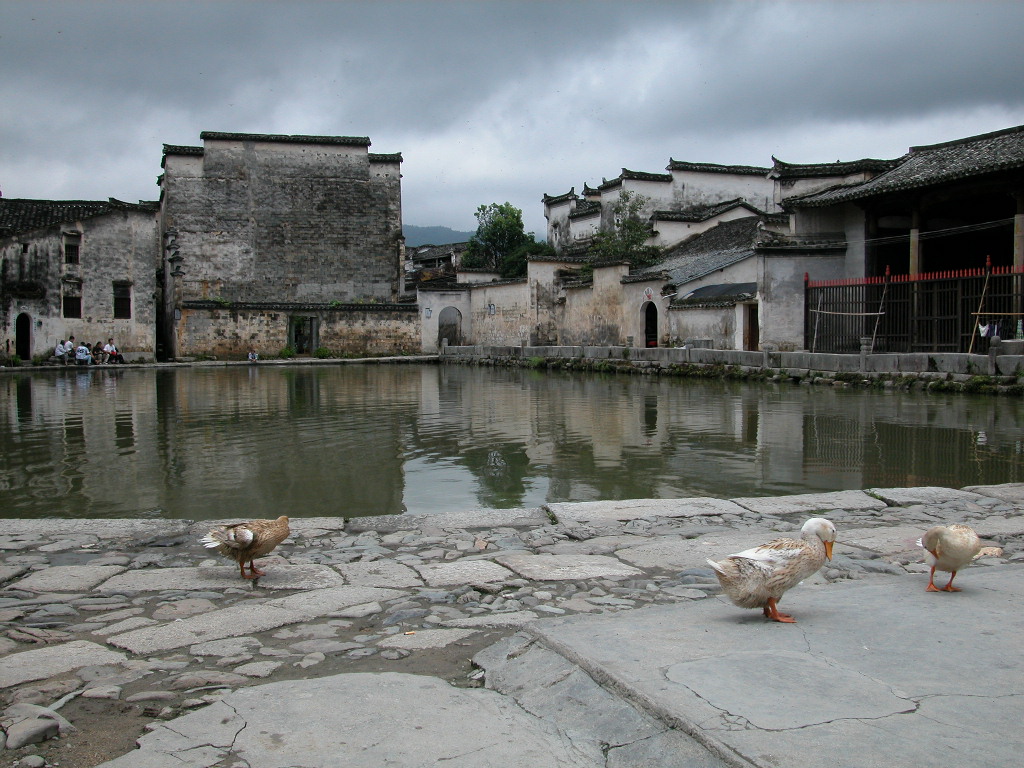
The falls sit in a pocket of karst country in western Guizhou, an hour and a half from Guiyang, where the landscape is all limestone pinnacles, sinkholes and stone villages. Add Tianxingqiao's water-carved rock gardens and Doupotang's wide, growling cascade and you have a full day. Add the Tunpu villages — Ming dynasty garrison settlements where the locals still wear 14th-century-style clothing — and you need two.

Huangguoshu

Don't leave without

Seven things that are worth rearranging a day for.

  1. Walk through the Water Curtain Cave and look out at the double rainbow over Rhinoceros Pool
  2. Find your birthday stone on the Date Stones path at Tianxingqiao — 365 stepping stones, one for each day of the year
  3. Stand at the base of Doupotang, the widest crest in the whole waterfall group, and listen for its pre-flood roar
  4. Watch the silver-thread cascade at Yinlianzhuitan, the most delicate waterfall in the cluster
  5. See a Dixi opera performance in a Tunpu village — masked, drum-accompanied, six centuries old
  6. Buy a piece of Anshun batik directly from a Miao or Bouyei woman in Shitouzhai village

Highlights

Five reasons Huangguoshu earns its reputation

A waterfall you can walk around on

Huangguoshu is 77.8 m high and 101 m wide, the third-largest waterfall on the planet after Niagara and Victoria — but the only one anywhere you can view from above, below, front, back, left and right. Duck into the Water Curtain Cave and you watch the torrent from behind, through six windows cut in the rock.

The world's largest waterfall clus

The 180 yuan high-season ticket covers three separate scenic areas — the Great Waterfall, Tianxingqiao and Doupotang. Tianxingqiao alone has stone-forest water walks, the Tianxing Cave and the Silver Chain Falling Pool, a stair-step cascade that is the most delicate fall in the whole group.

Find your own birthday stone at Ti

A path in the Tianxingqiao stone garden is laid with numbered stepping stones, one for every day of the year. People hunt down their birth date and photograph it. It jams up badly by mid-morning, so walk this stretch first, before the tour coaches arrive.

The falls from Journey to the West

Doupotang, where the 1986 TV adaptation of Journey to the West filmed its famous river-crossing scene, is the widest-crested fall in the group at 105 m across and 21 m high. You can no longer walk on the crest, but the pool below is full of waterbirds that pose shamelessly for cameras.

Six-hundred-year-old Ming villages

The area around Anshun is home to over 200,000 Han Chinese descended from Ming-dynasty garrison troops. At Tianlong Tunpu and the Yunfeng Bazhai villages they still wear Ming-style robes and perform Dixi opera in carved wooden masks — the 'living fossil of Chinese drama'.

Itineraries

Two ways to spend three days around the falls

The classic waterfall loop

3 days days

Everything inside the Huangguoshu ticket plus Longgong cave, done at a sensible pace with the crowds dodged. Best for first-timers who want the headline sights without rushing.

  1. Day 1

    Tianxingqiao, the Great Waterfall

    Buy the 50 yuan shuttle pass (or split a 200 yuan chartered car if there are four of you) and start at Tianxingqiao the moment the gates open — the birthday-stone path and the Silver Chain Falling Pool are unbearable once the coaches land. Work through the stone forest, then ride to the Great Waterfall.

    Walk down rather than take the 50 yuan round-trip escalator if your knees are fine; you get the full reveal of the drop as you descend. Photograph it from the top of the gorge first for the wide shot, then go down and through the Water Curtain Cave — rain cover for your camera, not a poncho, is the thing you actually need. Lunch is at the snack street on the canyon rim above the falls.

    Stops: Tianxingqiao stone forestSilver Chain Falling PoolHuangguoshu Great WaterfallWater Curtain CaveDoupotang

  2. Day 2

    Longgong cave by boat

    Twenty-seven kilometres from Anshun, Longgong is the only 5A-rated karst cave in Guizhou and the longest water cave in China — 1,260 m of the route is done on a boat through an underground river. The Longmen Flying Waterfall inside the cave drops over 50 m and is the largest underground fall in the country.

    Tickets are 150 yuan, half price for students, and the sightseeing lift is another 50 yuan. In the afternoon the lift queue gets long; if you are reasonably fit, climb the stairs instead. Shuttle buses run from Anshun West bus station every 30 minutes.

    Stops: Longgong water caveLongmen Flying WaterfallXuantang scenic area

  3. Day 3

    Tianlong Tunpu and the Ming villag

    Head east to Tianlong Tunpu, a Ming garrison village on the old Shunyuan post road, where the residents are descendants of Zhu Yuanzhang's southern garrison troops and still dress in Ming-style wide-sleeved robes. The 60 yuan ticket includes the Dixi opera performance at the Yanwu Hall — roughly ten minutes long, staged every 30 minutes except at 12:30.

    If you want the less commercialised version, go to Yunfeng Bazhai instead: the 70 yuan combined ticket covers eight fortified villages, of which Yunshantun and Benzhai are the best preserved. Walk the 1.5 km stone path from Benzhai to Yunshantun. In March the rape flowers around Yunshantun are worth the detour on their own.

    Stops: Tianlong TunpuYanwu Hall Dixi performanceYunfeng BazhaiYunshantunBenzhai

Waterfalls plus minority villages

3 days days

Slower, more rural, with the stone-village and batik country west of the falls and a whitewater rafting afternoon. Best if you have a car or a driver and want the scenery without the ticket gates.

  1. Day 1

    The Great Waterfall, properly

    Give the main fall a full morning rather than an hour. Arrive at opening, take the wide shot from the rim, then descend and spend real time in the Water Curtain Cave watching the rainbows form over Rhino Pool — in good light you get a double rainbow, and it moves.

    After lunch at the canyon-rim snack street, walk Doupotang in the late afternoon when the light softens and the waterbirds come out. Stay overnight near the scenic area rather than pushing back to Anshun.

    Stops: Huangguoshu Great WaterfallRhino PoolWater Curtain CaveDoupotang

  2. Day 2

    Shitouzhai stone village and rafti

    Shitouzhai, 40 yuan, is a Buyi village where every wall, roof, lane and courtyard is built of stone — no brick or tile anywhere, and even the milling equipment is cut from rock. It is also a batik centre: you can watch women wax-drawing and dyeing by hand, and buy a piece for anywhere from a few dozen to a few hundred yuan depending on size.

    In the afternoon, run the Huangguoshu rafting route 6 km downstream of the main fall: 158 yuan, over 30 m of total drop and 12 rapids, the biggest single drop more than 4 m. The karst peaks along the bank run to a thousand metres and it is common to see rain falling on the summits while the valley below is in sunshine. Rafting in rain is considered the classic version.

    Stops: ShitouzhaiBatik workshopsHuangguoshu rafting
  3. Day 3

    Hongya Tianzhu and the drive back

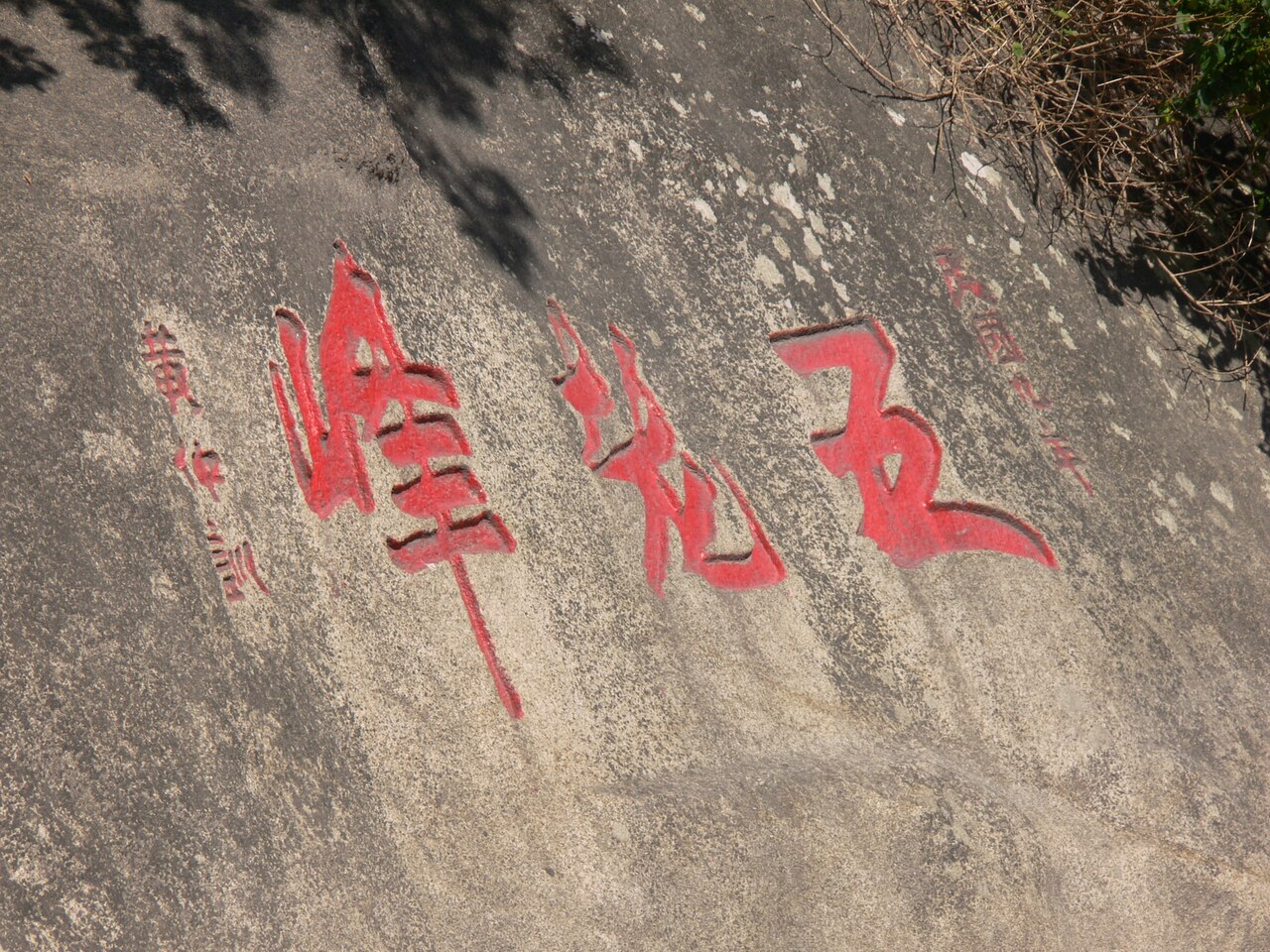
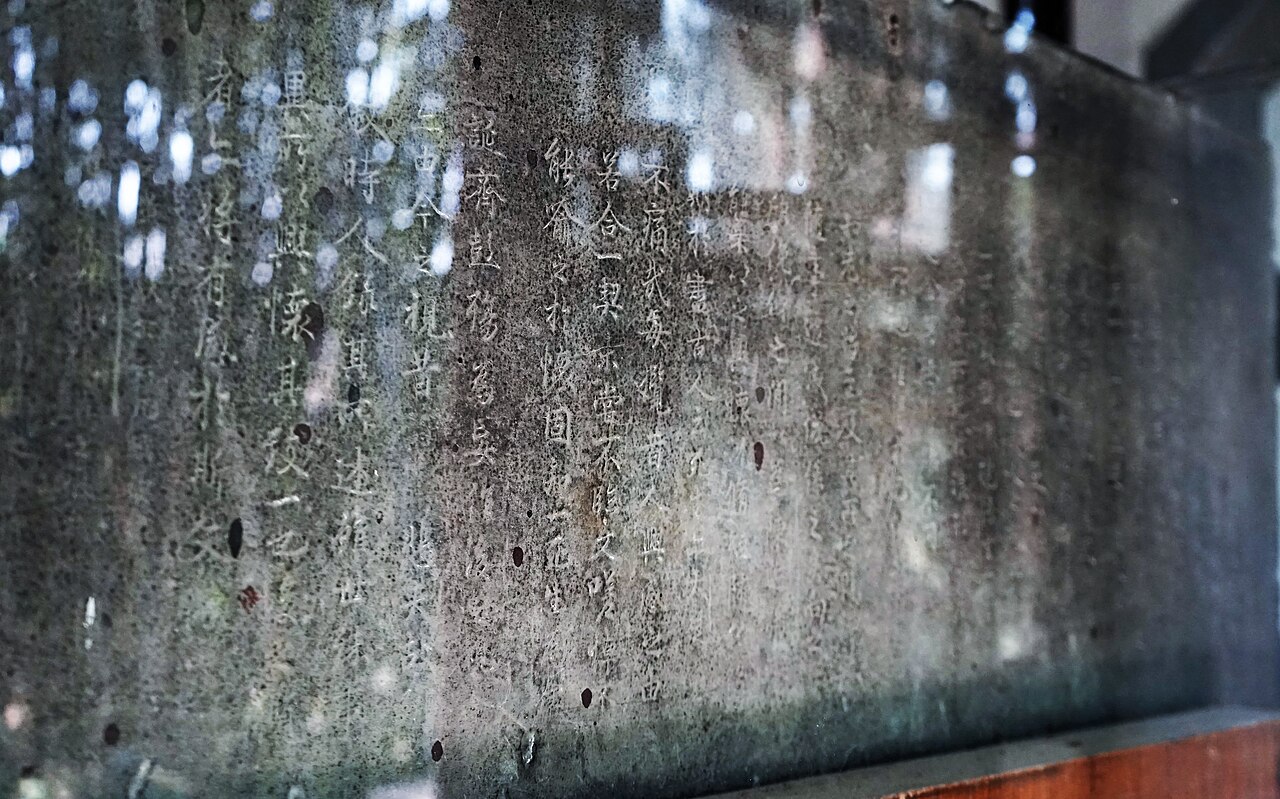
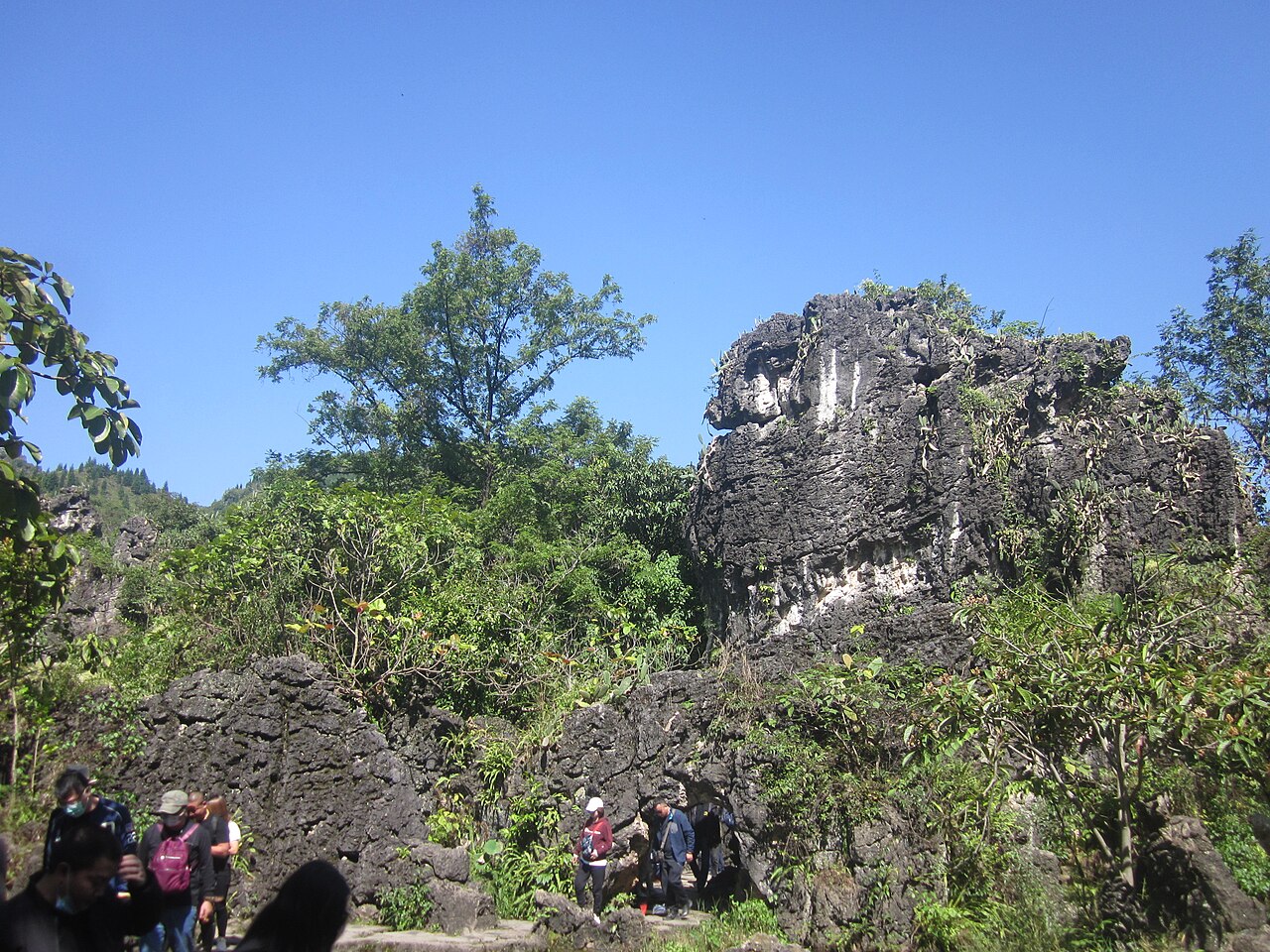
    Drive west to Hongya Tianzhu on Shaijia Mountain, about 50 km from Anshun — a 100 m long, 30 m high pink rock face covered in some twenty-odd red characters that no one has convincingly deciphered. Scholars from the Ming dynasty onwards, including Japanese and German researchers in the Guangxu era, have tried and failed; the local government carved six of the twenty-plus historical copies into the rock around it so you can compare for yourself.

    It is about 2 km from Dishuitan waterfall, so combine the two and drive back through the stone villages. If you are self-driving, be honest with yourself about the roads — Guizhou mountain routes are full of 180-degree hairpins and steep gradients, and they are not the place to learn.

    Stops: Hongya TianzhuDishuitan waterfallStone villages on the return drive

Sights

What to see, and what it actually costs

The headline act

Huangguoshu Great Waterfall

Seventy-seven point eight metres high and 101 m wide, the largest waterfall in China and the third largest in the world. The water volume is at its peak from May to October, when the river comes over the lip in a solid roar you hear before you see anything. It is the only major waterfall on earth with viewing platforms on all six sides.

High season (Mar-Nov)
180 yuan
Low season (Dec-Feb)
160 yuan
Students
Half price
Escalator
50 yuan return, 30 yuan one way
Phone
0853-3592423
Address
123 Huangguoshu Street, Huangguoshu Scenic Area

Tip The ticket covers the Great Waterfall, Tianxingqiao and Doupotang across two days, so do not throw it away after day one. Walk down instead of taking the escalator — the descent gives you the reveal, and the climb back is the only hard part.

Walk behind the falls

Water Curtain Cave

Cut into the waist of the Great Waterfall, this is the route that puts you behind the water. Six windows, five chambers, three springs and six passages run through the rock, with named features including the Hanging Cactus, the Ancient Banyan Roots, the Vine Curtain and the Waterfall-Touching Platform. Looking out through the falling water, the green hills, the tea houses and the tiny figures on the far bank dissolve into a blur.

Included in
Great Waterfall ticket
Number of windows
6
Chambers
5
Passages
6
Best light
Late morning for rainbows over Rhino Pool

Tip Every window frames a different view of Rhino Pool, and in the right light you get a moving double rainbow. You do not need a disposable raincoat — you will not get that wet — but you absolutely need to protect your camera.

Stone forest and water gardens

Tianxingqiao

Where the Great Waterfall is about power, Tianxingqiao is about intricacy: dense stone pinnacles, heavy vegetation and water threading through all of it, combining mountain, water, forest and cave in one area. It splits into three linked zones — the Natural Bonsai Garden, the Tianxing Cave and the Water Stone Forest. The birthday stones are here, one carved stone for every day of the year.

Included in
Great Waterfall ticket
Cable car
10 yuan per person
Zones
3 (Bonsai Garden, Tianxing Cave, Water Stone Forest)
Best time
First thing in the morning

Tip Guided groups usually stop at Tianxing Lake — the Journey to the West film location — and never reach Tianxing Cave or the Silver Chain Falling Pool. If those are the parts you want, go independently.

The prettiest fall in the group

Silver Chain Falling Pool

Barely ten metres high, but shaped like a funnel with a trough-shaped plunge pool below. The raised stone bosses around the rim overlap like upturned lotus leaves, and the water spreads evenly across each leaf before spilling over as thousands of fine silver chains into the pool. It is the most delicate waterfall in the whole Huangguoshu cluster.

Included in
Great Waterfall ticket
Height
About 10 m
Shape
Funnel with trough pool
Access
Independent travellers only

Tip In the winter dry season the flow shrinks so much it is not worth the walk. Come between May and October.

The widest crest, and a TV landmark

Doupotang Waterfall

At 105 m across and 21 m high, Doupotang has the widest crest of any fall in the Huangguoshu group, and it is where the 1986 Journey to the West filmed its river-crossing sequence. Locals call it the Roaring Waterfall because before a flood it emits a low rumbling growl. The pool beneath is stocked with waterbirds that put on a show for visitors.

Included in
Great Waterfall ticket
Crest width
105 m
Height
21 m
Nickname
Roaring Waterfall
Walking on the crest
No longer permitted

Tip Small children love the birds here. Pair it with the Great Waterfall in the same afternoon — it is a short ride between them.

Food

Five Anshun dishes worth the detour

Changwang noodles (肠旺面)

Pork intestine, cubes of fresh blood curd and thin egg noodles in a scarlet chilli-oil broth, finished with chopped spring onion. The noodles stay springy, the intestine is soft rather than chewy, and it is the standard Anshun breakfast — a bowl costs CNY 10–15. Eat it before 9am at any street stall near the station.

Huajiang dog meat (花江狗肉)

The most argued-about dish in Guizhou. Skin-on dog is singed, scraped and simmered slowly with a dozen local herbs and spices until it holds its shape but gives way under the spoon. Yellow dogs are considered the best, black second. If you eat dog, this is the version to judge the whole cuisine by; a hotpot runs CNY 50–80 per person.

Chongchong cake (冲冲糕)

Sticky-rice flour is steamed over a tall tin kettle, then stirred into water-chestnut starch with boiling water and topped with rose sugar, sesame, walnut, peanut and candied winter melon. Soft, warm and sweet — a CNY 5 street snack you will want twice.

Fried cake in rice porridge (油炸粑稀饭

An Anshun breakfast classic: rice flour cooked to a smooth paste, a spoon of local 'yinzhi' seed stirred through, and chunks of crisp-fried glutinous rice cake dropped in. Crunchy outside, molten inside, about CNY 8 a bowl.

Buckwheat jelly (荞凉粉)

Made from sweet buckwheat grown on the Guizhou plateau, sliced or scraped into strips and dressed with chilli oil, fried soybeans, peanuts and Anshun fermented bean curd. Cooling, slippery and faintly nutty — the best thing you can eat here in July.

Where to eat

Restaurants near the falls

Dog meat hotpot

Ao Ji Liuma First Dog Meat House (

Locals claim people drive hundreds of kilometres for this table, and it is only a short hop from the waterfall gate. The hotpot comes with mint thrown in, the meat is flame-singed first so the skin has real bite, and the chilli is the best thing on the table. Add soybeans and order rice.

Address
Zhenba Avenue, opposite Bo'ai Hospital
Phone
0853-6221301
Price
About CNY 50 per person
Order
Dog meat hotpot with mint, soybeans on the side

Farmhouse fish

Buyi Farmhouse Wild Vegetable Rest

Nothing fancy to look at, but it is close to the scenic gate and the cooking is honest. The qingbo fish is the reason to come — firm flesh, clean river flavour, sliced and served in a light broth. You pay by weight, so confirm the price before it goes in the pot.

Address
Near Huangguoshu Scenic Area, Zhenning County
Phone
13721539947
Price
About CNY 60 per person; qingbo fish CNY 180 per jin
Order
Qingbo fish, wild vegetables, corn cake

Quick lunch

Snack street on the canyon rim

Right at the top of the gorge above the main waterfall, a row of stalls sells noodles, fried potatoes, grilled corn and cold drinks. It is the only food inside the core zone, so eat here between the waterfall and Doupotang rather than doubling back to the gate.

Location
Canyon rim above Huangguoshu Waterfall
Price
CNY 10–30 per dish
Best for
A fast lunch between sights
Note
Cash and phone payment both work

Evening eating
Anshun Snack Street (安顺小吃一条街)

If you are heading back through Anshun to catch a train, skip dinner at the falls and eat here instead — it is a walk from the railway station. Dozens of stalls, everything from changwang noodles to grilled skewers and rice tofu, and you can eat well for CNY 30.
Location
Walkable from Anshun Railway Station
Price
CNY 30 and up for a full meal
Best for
Catching a late train after dinner
Speciality
Changwang noodles, rice tofu, grilled skewers

Sleeping

Where to sleep: in the park, or back in Anshun

Budget, inside the park

Huangguoshu Fuxiang Guesthouse (黄果

The single best-value bed inside the scenic area, directly opposite the ticket hall. Rooms come with broadband and a computer, and the owner is genuinely helpful about routing your day around the tour groups. Book ahead in July and August — this place fills first.
Address
Opposite the ticket hall, Huangguoshu Scenic Area
Price
From CNY 180
Phone
0853-3773300
Best for
Being first at the gate in the morning
Mid-range villa hotel

Huangguoshu Tunbao Hotel (黄果树屯堡酒店)

A villa-style hotel barely five minutes from the park entrance, with its own restaurant, a pool and Wi-Fi throughout the public areas. Rooms are the most comfortable in the immediate area and it is the obvious pick if you are travelling with children or parents.
Address
Huangguoshu New Town, near the scenic area
Price
From CNY 220
Phone
0853-2224666
Best for
Families and a slower pace

City base, best transport

Xixiu Shan Hotel, Anshun (安顺西秀山宾馆)

A short walk from Anshun railway station and the south bus terminal, which matters more than it sounds: the earliest buses to the falls leave from there. Simple singles start around CNY 60 and doubles around CNY 110, and the value is hard to beat.

Address
63 Nanhua Road, Xixiu District, Anshun
Price
Singles from CNY 60; doubles from CNY 110
Phone
0853-3223900
Best for
Early buses, late trains, more food options

Getting there & around

Flights, trains and the 50-yuan shuttle pass

Plane

There is no airport at the falls itself. Huangguoshu Airport (formerly Anshun Airport) sits 45 km from the scenic area and 6 km from Anshun city, with flights to Beijing, Chongqing, Guangzhou, Qingdao, Kunming and Jinan. Summer is peak season, so discounts are thin — book when the fare looks reasonable rather than waiting for a sale that never comes.

Beijing Nanyuan – Anshun
Flight KN5283, 10:00–12:50 daily; return KN5284, 13:40–16:10
Chongqing
Departs Jiangbei 07:20, returns from Anshun 08:40; Mon/Wed/Fri/Sun from 2013
Airport to the falls
45 km — taxi or pre-booked transfer, roughly 1 hour

Train

Huangguoshu has no railway station of its own. Anshun is the practical railhead: multiple trains a day link Guiyang and Anshun in about 1 hour 10 minutes for CNY 15.5, and from Anshun station buses leave constantly for the falls. This is the cheapest and most reliable way in if you are already in Guiyang.

Guiyang – Anshun
About 1h10m, CNY 15.5
Anshun station – Huangguoshu
Frequent long-distance buses, CNY 20
Anshun South Bus Station – Huangguoshu
07:00–19:00, every 20 min, CNY 20
Anshun West Bus Station – Huangguoshu
07:40–18:00, every 30 min, CNY 13 (passing buses)

Long-distance bus

From Guiyang, the Jinyang bus station runs direct services to Huangguoshu in high season — roughly every half hour between 07:30 and 12:45, CNY 55, about 2.5 hours. If you are coming straight off a flight, take the airport bus to Anshun (CNY 60), cross the road to Anshun South Bus Station and pick up the Huangguoshu express (CNY 20), getting off at the Huangguoshu New Town ticket centre.

Guiyang Jinyang – Huangguoshu
08:00–12:45, leaves when full, CNY 55, 2.5 hrs
Guiyang airport – Anshun
Airport bus, CNY 60
Guiyang airport – Jinyang station
Airport bus or bus 216 (CNY 5) to the station, then 60 or 29 (CNY 2)
Taxi, airport to Jinyang
About CNY 70

Inside the scenic area

The three sections — Tianshengqiao, the Great Waterfall and Doupotang — are spread out and you cannot walk between them. A CNY 50 all-you-can-ride shuttle pass covers the loop and suits solo travellers and couples, though buses only leave once enough people have gathered, so build in waiting time. Groups of three or four do better chartering a car inside the park for around CNY 200, which you can negotiate down when it is quiet — you set the pace and skip the queueing.

Shuttle pass
CNY 50, unlimited rides, departs when full
Chartered car in-park
About CNY 200, negotiable for small groups
Escalator at the Great Waterfall
CNY 50 return, CNY 30 one way — walk it if you are reasonably fit
Taxi, Anshun to Huangguoshu
Meter starts at CNY 4–6 for 3 km, then CNY 1.4/km; CNY 10 flag-fall 00:00–07:00

Shopping

What to carry home from Anshun

Anshun batik

Billed as the 'first dye of the East' and over 2,000 years old, worked mainly by Miao and Bouyei hands. Anshun batik runs to fine lines and deep colour — landscapes, birds, fish, flowers, court ladies, antique motifs — often over-dyed in red, yellow and brown. Prices move with size, from a few tens of yuan to several hundred. You can watch the wax being drawn at Shitou Zhai near the falls and buy on the spot.

Dixi opera masks

Dixi is Anshun's own folk opera, and the masks worn on stage are the souvenir worth the luggage space: sharply carved, plain in technique, deliberately rough in style. Unlike the batik, this is a piece you buy to keep, not to use.

Zhenning bobobo candy

Also called bobosu, or 'melts-at-the-mouth crisp'. Wheat-yellow, sweet, and it dissolves rather than chews, leaving a long sesame perfume in the mouth. Cheap, light and impossible to break — the default gift for people you like but do not like enough to carry batik for.

Anshun 'three knives'

The kitchen knife, the scissors and the leather knife, made in Anshun for a century and famous for even steel, a keen edge and long wear. Buy them in the city rather than at the falls, and check them into hold luggage — they will not pass a security tray.

Practical

The numbers, hours and small print

Guizhou's mountain roads are stacked with 180-degree hairpins and steep, blind corners. If you are not used to driving them, or not confident about your own nerve, do not rent a car — take the shuttle, a chartered car or a small group tour instead. For a full day-by-day plan covering the falls, Longgong and the Tunpu villages, see our Huangguoshu tour packages and Huangguoshu private tour options.

TicketsPeak season (March–November) CNY 180; low season (December–February) CNY 160. One ticket covers the Great Waterfall, Tianshengqiao and Doupotang. Students pay half with a valid card.
Opening hoursThe scenic area runs roughly 07:00–18:00 in peak season; Tianshengqiao's cable car is CNY 10 per person, one way. The Doupotang viewing platform is the first thing to close.
Cash and cardsAnshun city has all the major banks. Inside the scenic area there is one Agricultural Bank ATM at the visitor centre — it is the only one, so draw cash before you go in.
MedicalA small first-aid room sits at the exit of the Great Waterfall. Anything more serious means Anshun: Xixiu District First People's Hospital, 47 Tashan East Road, tel. 0853-3223561.
WeatherSubtropical karst, 600–1,500 m, frost-free all year, averaging 14–16°C. Annual rainfall tops 1,300 mm. Summer and autumn bring the biggest water and the best spectacle; winter shrinks the falls but keeps the valley green.
What to wearShoes with grip. The paths around the falls and through the Water Curtain Cave stay wet, and the spray zone soaks cameras faster than it soaks people. A plastic poncho is unnecessary; a cloth to wipe your lens is not.
Timing your dayStart at Tianshengqiao's Birth-Stone Path before 09:00 — it jams solid once the coaches arrive. Tour groups usually stop at Tianxing Lake and never reach the Silver Chain waterfall or Tianxing Cave, so if you want those, go independent.

Background

Karst, Qing dynasty travel writing, and the Ming soldiers next door

The landscape: limestone, water an

Huangguoshu sits in a classic karst belt at 600–1,500 m, with over 1,300 mm of rain a year and an average temperature of 14–16°C. There is no frost all year and no real winter, but the falls are seasonal animals: in the summer and autumn rains the river hits its annual high and the water goes over the lip in a single roaring sheet — locals call the sound 'thunder'. In the dry winter months the flow shrinks dramatically and the cascade thins into a much quieter, prettier trickle. If you came for the postcard image, come between June and October.

Xu Xiake wrote it down in 1638, an

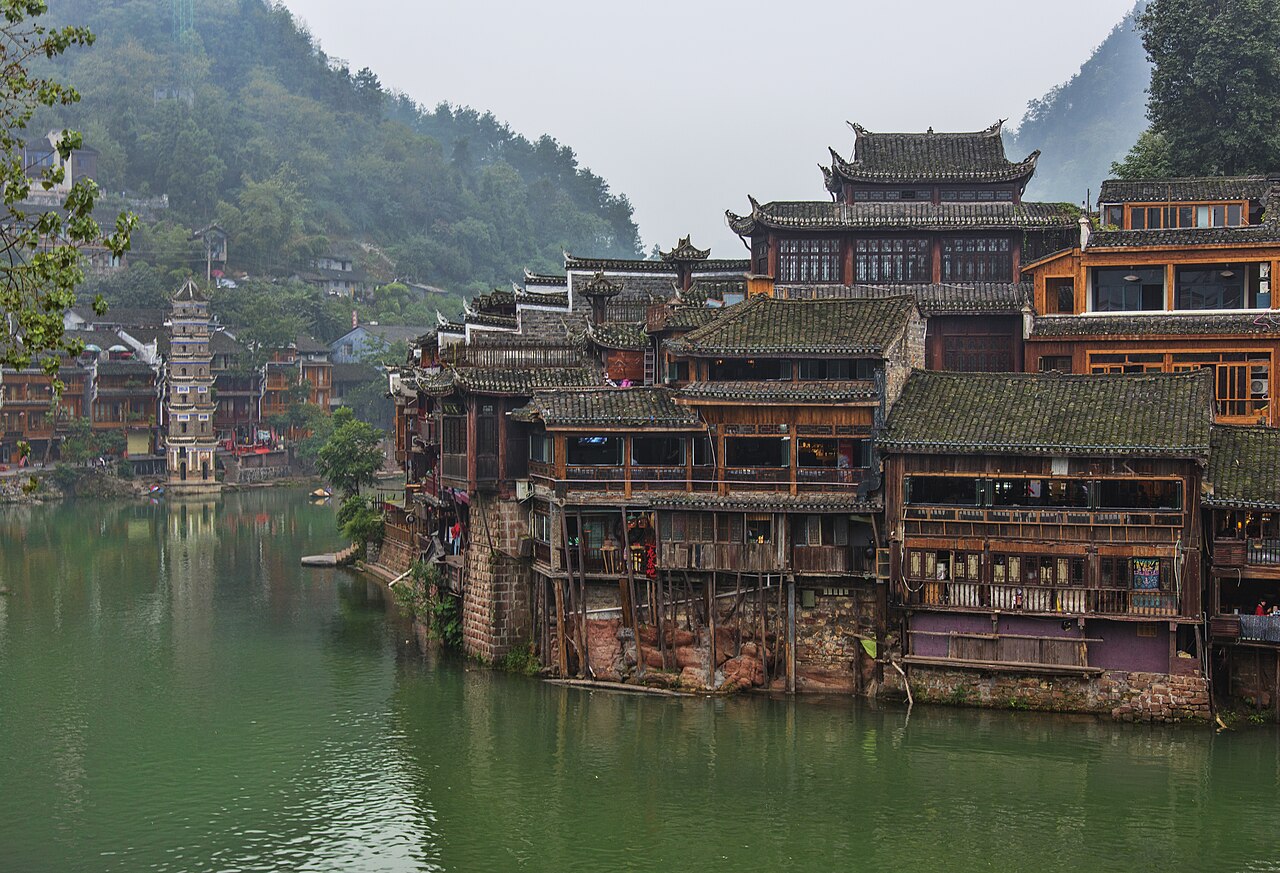
The first written record of the falls is the 15th-century Guizhou Tujing Xinzhi, but the description everyone quotes is by Xu Xiake, the Ming dynasty geographer who passed through on 23 April 1638 on his way to Yunnan and wrote of water 'like ten thousand bolts of silk' tumbling over rocks shaped like lotus leaves. Two centuries earlier, Zhu Yuanzhang had garrisoned troops here from Jiangsu and Zhejiang to hold the southwest; their descendants, the Tunpu people, still live in stone-walled villages around Anshun wearing Ming-style wide-sleeved robes and performing Dixi opera, the 'living fossil of Chinese drama'. You can visit them at Tianlong Tunpu or the less-commercialised Yunfeng Bazhai. The region is also Buyi and Miao country — Shitou Zhai nearby is famous for batik, and Huashixiao is China's first protected Buyi village.

Further reading

Three things to watch, read and listen to before you go

Film

So Young (致我们终将逝去的青春)

Directed by Zhao Wei, 2013, 132 min

Zhao Wei's directorial debut follows a group of university students through love and loss. The small town where the leads grew up was shot in Anshun, the hometown of one character is set in the old stone village of Shitou Zhai, and the dreamlike bridge at the end is the Balinghe Bridge at Guanling — all within an hour of the falls. Watch it on the train down and the karst scenery will look familiar before you arrive.

Book

A Lone Person's Anshun (一个人的安顺)

Dai Mingxian

A 'ukiyo-e' portrait of Anshun society in the 1940s — its food, festivals, street characters, officials and dialects — by an author who studied under Shen Congwen and Wang Zengqi. Short, plain sentences, a strong sense of place, and over a hundred photographs including rare old shots of the town. The best single thing to read to understand what you are looking at when you leave the waterfall.

Music

Huangguoshu Waterfall (黄果树瀑布)

Sung by Song Zuying

Song Zuying, a Miao singer, recorded a whole repertoire of Guizhou landscapes; this one is written to match the sheer scale of the fall. It is unashamedly grand, and after you have stood on the viewing platform and felt the spray it stops sounding like an exaggeration.

The questions visitors ask us most about Huangguoshu, answered plainly.

Frequently asked questions

Prices and practical details are reviewed every month by our Beijing team and updated the day a rule changes.

When is the best time to visit Huangguoshu?

Summer and early autumn — July to October — when monsoon rain swells the river and the falls run at full volume. High-season tickets (March–November) cost CNY 180. Winter is the dry season: the flow shrinks dramatically, the ticket drops to CNY 160, and the falls look thin, though the surrounding karst hills stay green.

How do I get to Huangguoshu from Guiyang?

Buses leave Guiyang's Jinyang long-distance station roughly every half hour from 07:30 to 12:45, cost about CNY 55, and take around 2.5 hours. Alternatively take a train from Guiyang to Anshun (about 70 minutes, CNY 15.5) and catch a connecting bus from Anshun South Bus Station (CNY 20, every 20 minutes, 07:00–19:00). Huangguoshu has its own small airport, mainly linking Beijing and Chongqing.

Is the Huangguoshu ticket valid for all three scenic areas?

Yes. One ticket covers the Great Waterfall, Tianxingqiao and Doupotang, and it is checked separately at each entrance, so don't throw it away. High season (March–November) is CNY 180, low season (December–February) CNY 160, and students pay half. The escalator at the Great Waterfall is extra: CNY 50 return or CNY 30 one way.

Should I join a tour or go independently?

Independent travel gives you the full site. Group tours typically stop at Tianxing Lake (the Journey to the West filming spot) and skip Tianxing Cave and the Yinlianzhuitan waterfall entirely — if those matter to you, go on your own or hire a car. A private car inside the park runs about CNY 200, and the shuttle bus pass is CNY 50.

Can I walk behind the waterfall?

Yes — the Water Curtain Cave runs along the cliff behind the falls, with six cave windows offering framed views out through the water. You will get wet, so bring a light rain jacket or buy a cheap poncho, and keep your camera in a plastic bag. The cave is slippery and often crowded; go early in the day.

Where should I stay near Huangguoshu?

There are hotels inside the scenic area, but they are pricey. Cheaper guesthouses cluster around the entrance, typically CNY 60–200 a night, and you can view the room before agreeing on a price. Many visitors prefer to base themselves in Anshun, where rooms near the train station start around CNY 30–50, or return to Guiyang, which has the widest choice.

Related reading

Related reading

Visas Do I Need a Visa for China? Requirements, Costs and How to Apply China's entry rules changed more in the last three years than in the previous twenty. Here is exactly who needs a visa, what it costs, how long it takes and which passports now walk straight through. 9 min read Visas China's 240-Hour Visa-Free Transit: Who Qualifies and How It Works Ten days in China with no visa application, no fee and no fingerprints — if you hold the right passport and leave for a third country. Here is the rulebook, port by port. 8 min read Money Paying in China: Alipay, WeChat Pay, Cards and Cash Roughly nine in ten urban payments in China now run through a phone. Set up two apps before you fly, carry a modest cash float, and you will never be stuck at a till. 8 min read Transport China's High-Speed Rail: How to Book, What It Costs, How Fast It Goes The fastest way to cross China is also the most pleasant. Here is how to book a ticket with a foreign passport, what the three classes actually give you, and how to survive a Chinese station at rush hour. 9 min read Planning Best Time to Visit China: Month by Month, Region by Region China is the size of Europe, so 'the best month' depends on where you stand. Here is the month-by-month answer for the north, the Yangtze valley, the south and the plateau. 8 min read Planning What to Pack for China: The Complete 2026 Checklist Twenty thousand steps a day, three climate zones and a phone that has to do everything. This is the list we give our own travellers, minus the things they never used. 7 min read Food Chinese Food Culture: Eight Cuisines, One Table There is no such thing as Chinese food. There is Cantonese, Sichuan, Hunan, Jiangsu, Zhejiang, Fujian, Anhui and Shandong — and knowing which one you are eating changes everything. 8 min read Traditions Chinese Tea Culture: Six Classes, One Pot, Two Fingers Tea in China is not a beverage category, it is a social technology: it fills silences, seals deals and sets the pace of a meal. Here is how to sit down in one and not look lost. 7 min read Traditions Chinese Festivals: The Calendar, the Dates and the Crowds Lunar dates mean the calendar moves every year — and two of the festivals move several hundred million people at once. Plan around them or plan into them, but never by accident. 8 min read Etiquette Chinese Etiquette: What Matters, What Does Not, and Why Most etiquette advice for China is either obvious or wrong. These are the dozen behaviours that actually change how you are treated, and the reasoning behind each. 7 min read

Tell us your dates.
We'll do the rest.

Free itinerary design, a revised plan within one working day, and nothing charged until you approve the final version.

  • One CNY 180 high-season ticket (CNY 160 December–February, half price for students) covers the Great Waterfall, Tianxingqiao and Doupotang — keep it, it's checked at each gate.
  • The Water Curtain Cave lets you walk behind the falls; a poncho is enough, but protect your camera and expect to get damp.
  • The in-park shuttle bus costs CNY 50 for unlimited hops — worth it, because the three sections are several kilometres apart.

No spam. No sales calls. Just a real itinerary from a real person.