City guide · Guizhou

Guiyang travel guide: Qianling Mountain's wild monkeys, a 600-year-old stone town, and the sourest, spiciest food in southwest China

China's summer capital at 1,100 metres, where the nights run on sour fish soup, street-side barbecue and mahjong that never quite stops.

  • Known forCool summers, Qianling Park, Qingyan Ancient Town, sour fish soup, night markets
  • Typical spendAbout CNY 800 per person for 2 days
  • Ideal length2 days in the city, 3–4 with day trips
  • PaceSlow — long lunches, later dinners,夜市 at 22:00

Reviewed by our Beijing team Updated 2026-10-10

The short version

Guiyang is worth 2 days as a base, not a destination in itself: it's the transport hub for Guizhou, sitting at 1,100 m with July averaging just 23.7°C, which is why locals call it 'Refreshing Guiyang'. Qianling Park costs CNY 5 and you can walk to it from downtown; Jiaxiu Pavilion is CNY 4; Qingyan Ancient Town, 29 km south, charges CNY 30–34 in high season. Add a third day and you're into Huangguoshu Falls and Zunyi. Budget roughly CNY 800 per person for two days including food, tickets and taxis.

  • Qianling Park is CNY 5 and 15 minutes from the city centre — go early, the macaques on the Nine Bends Path will go through your bag if you're holding food.
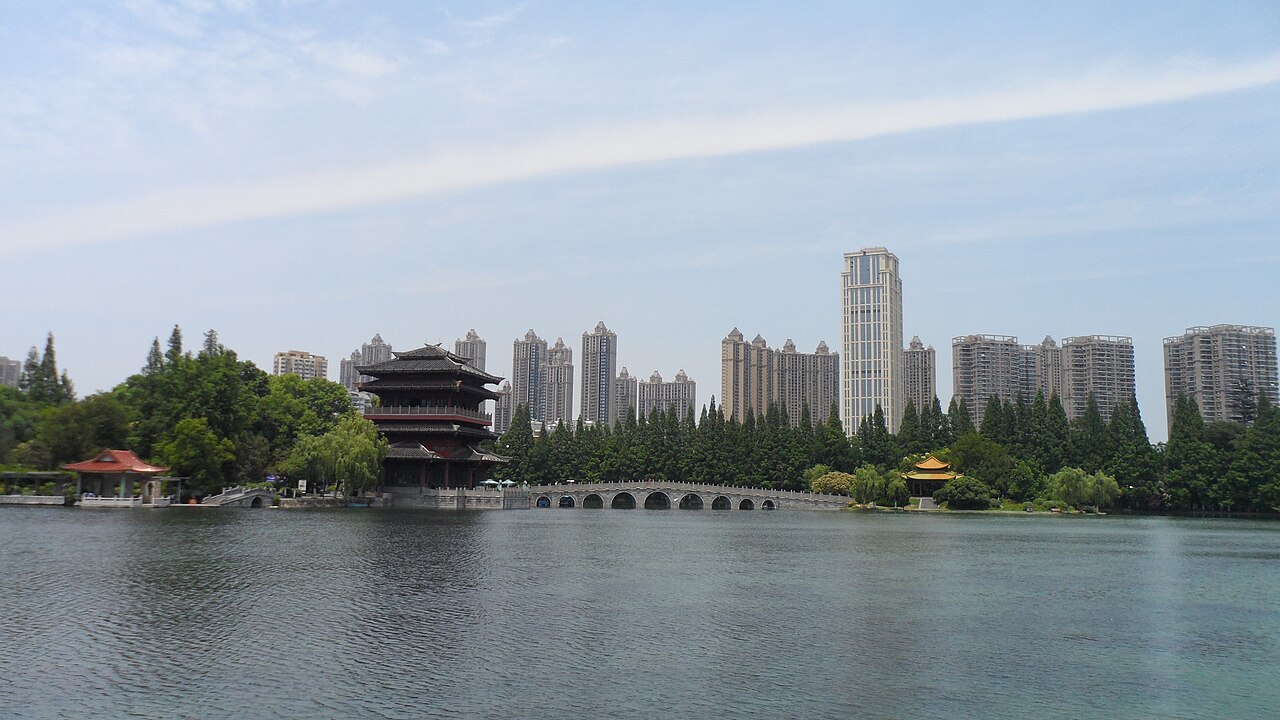
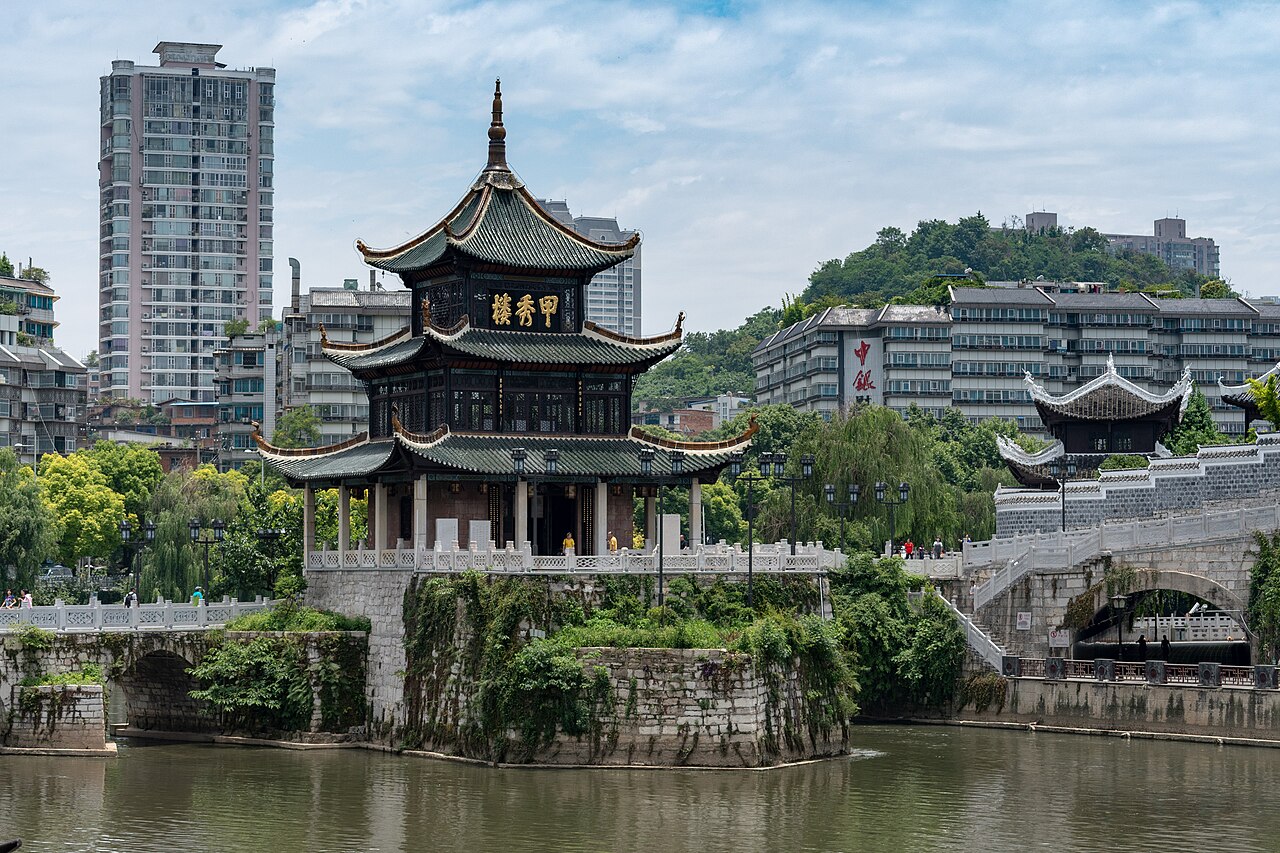
  • Jiaxiu Pavilion, the 20 m Ming-dynasty tower on its own rock in the Nanming River, costs CNY 4 and is best photographed after dark when it's floodlit.
  • Qingyan Ancient Town (CNY 30 low season, CNY 34 high season) is 29 km south; bus 210 from Huaxi gets you there, and the braised pig's trotters are the reason locals make the trip.
  • Guiyang's night markets — Hequn Road, Shaanxi Road, Qingyun Road — run from 19:00 until 04:00, and the whole street is still full at midnight.

City guide

First impressions

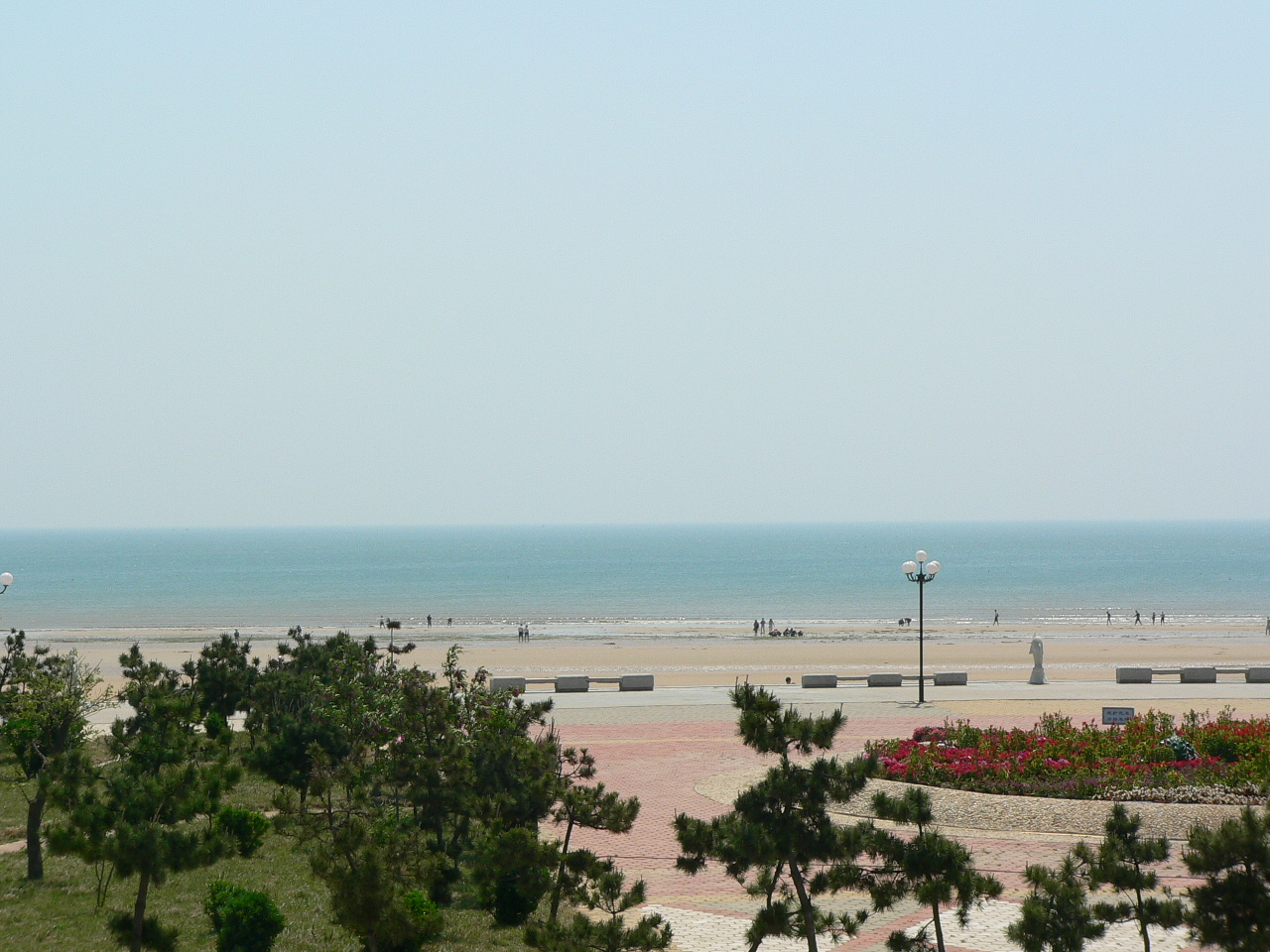
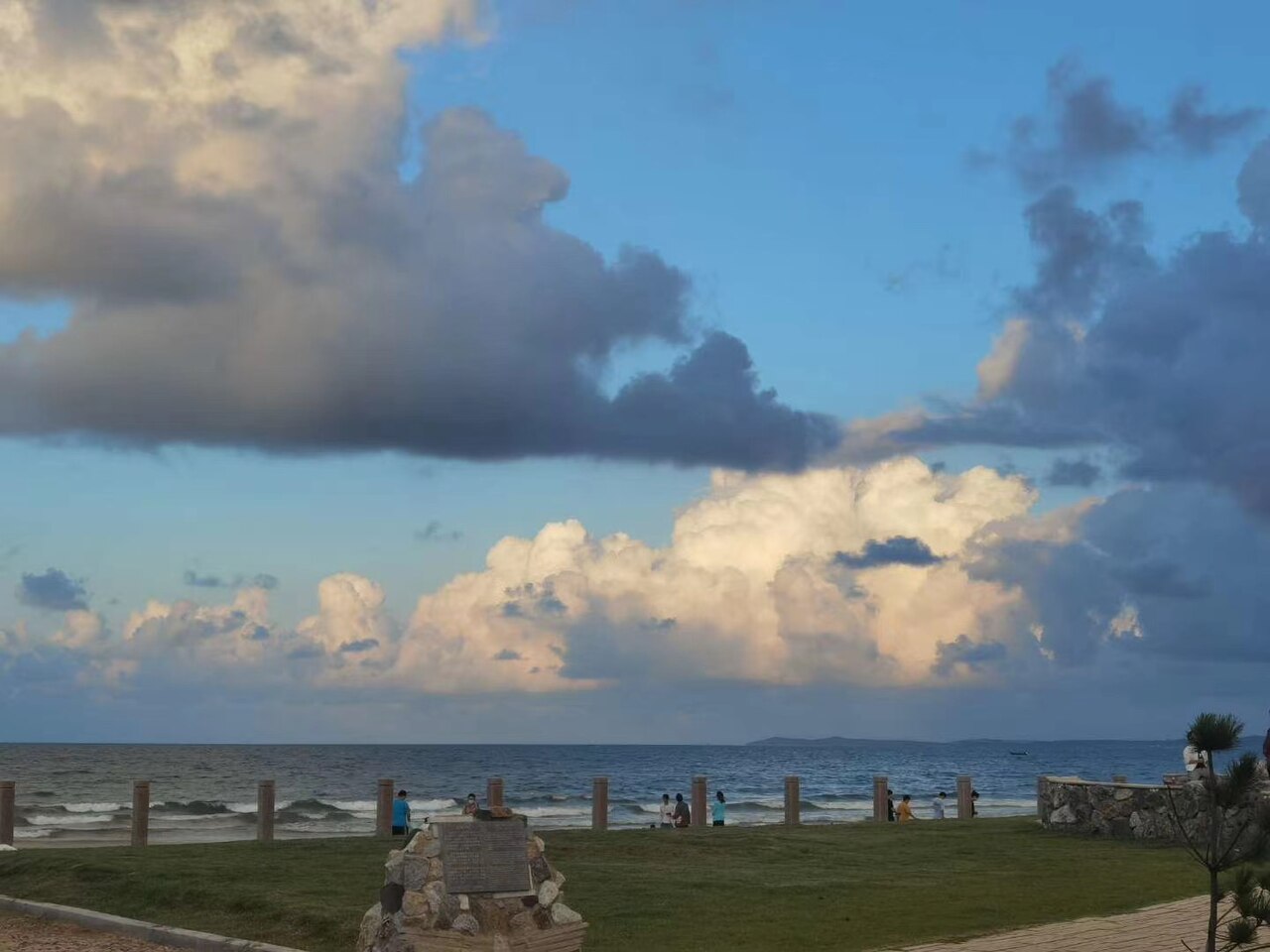
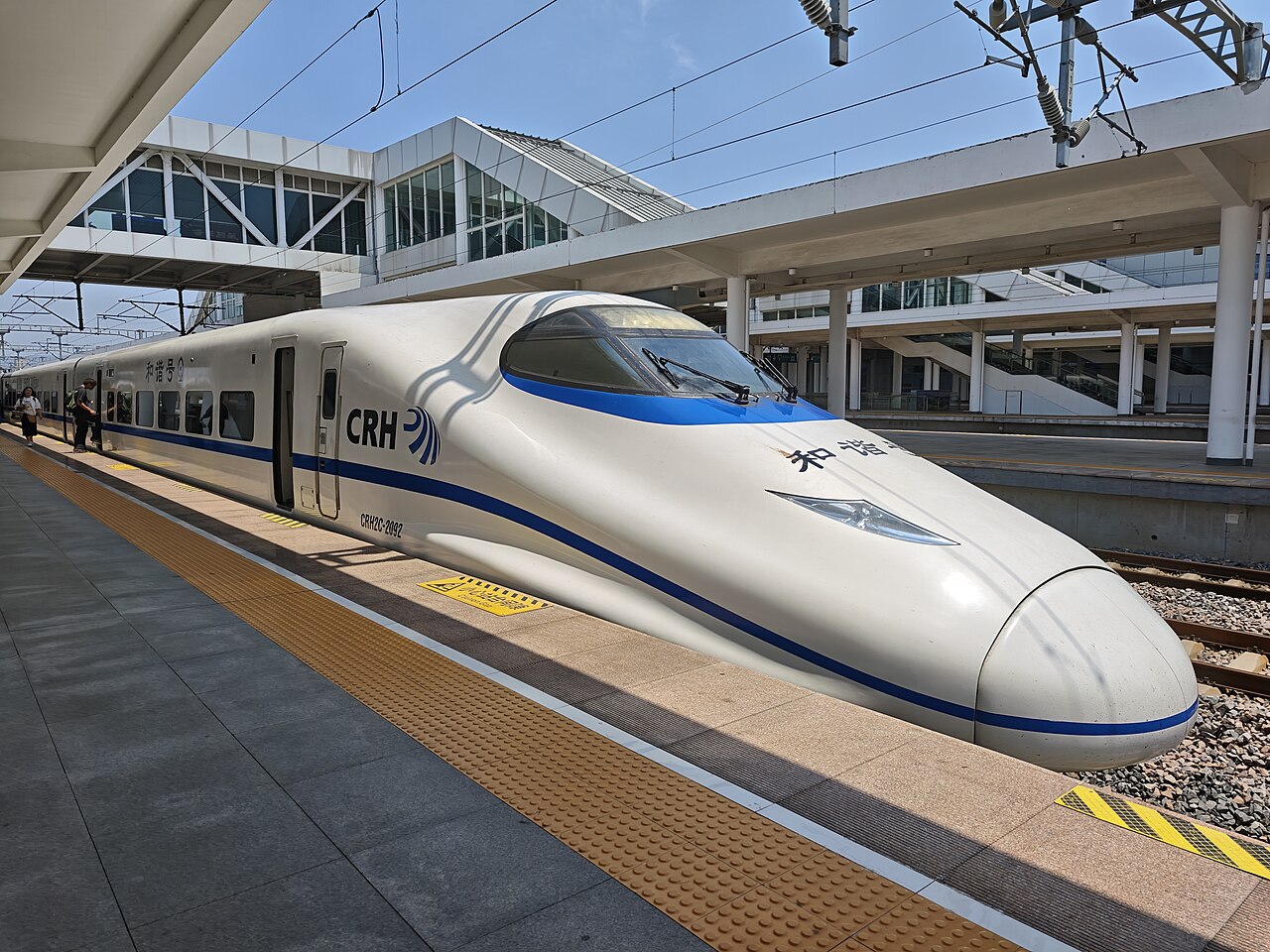
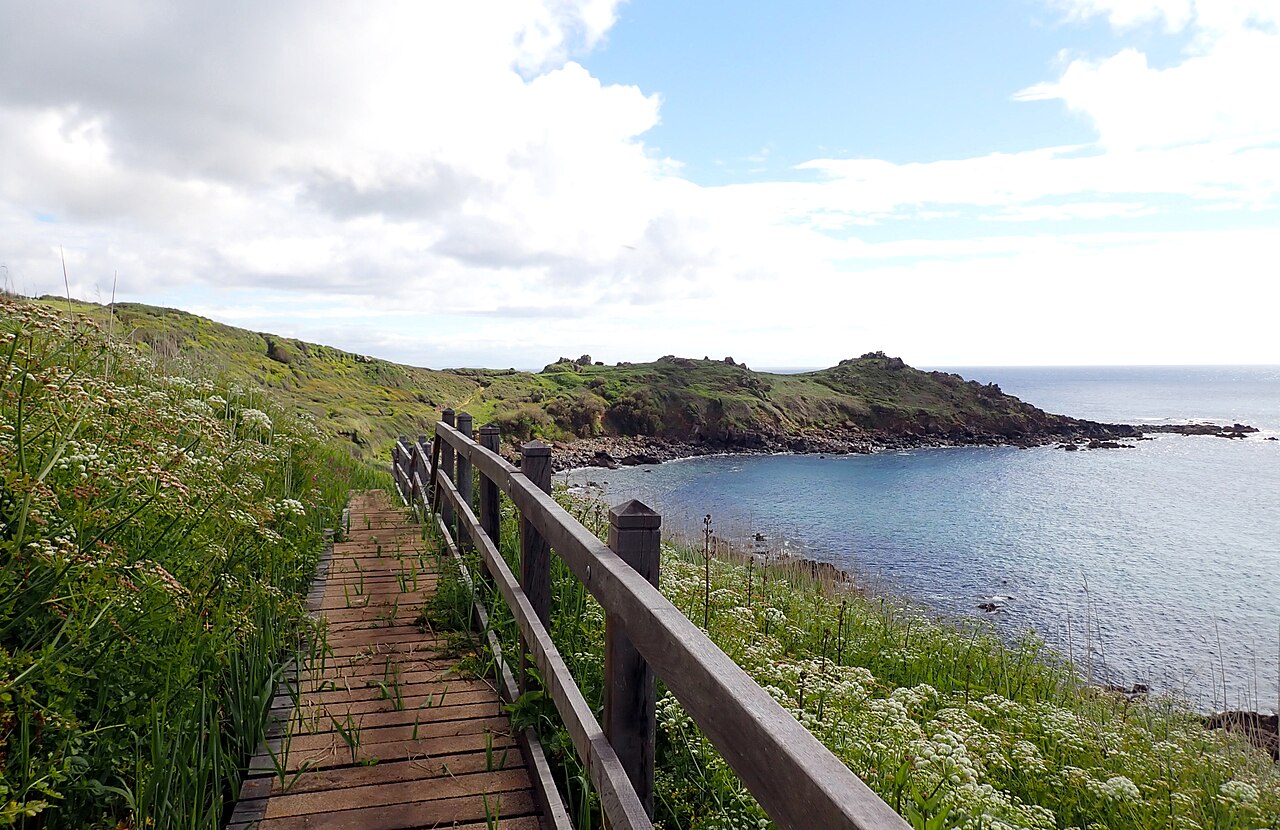
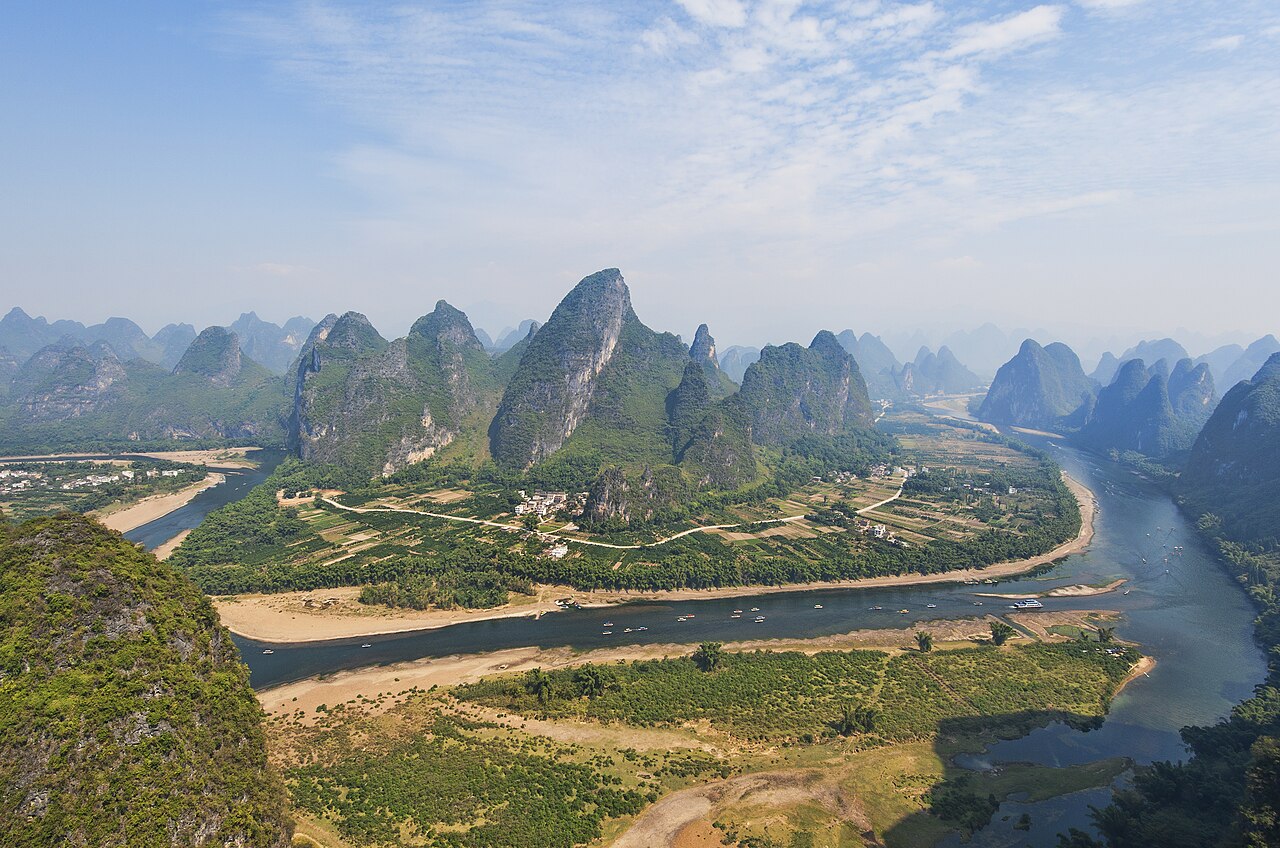
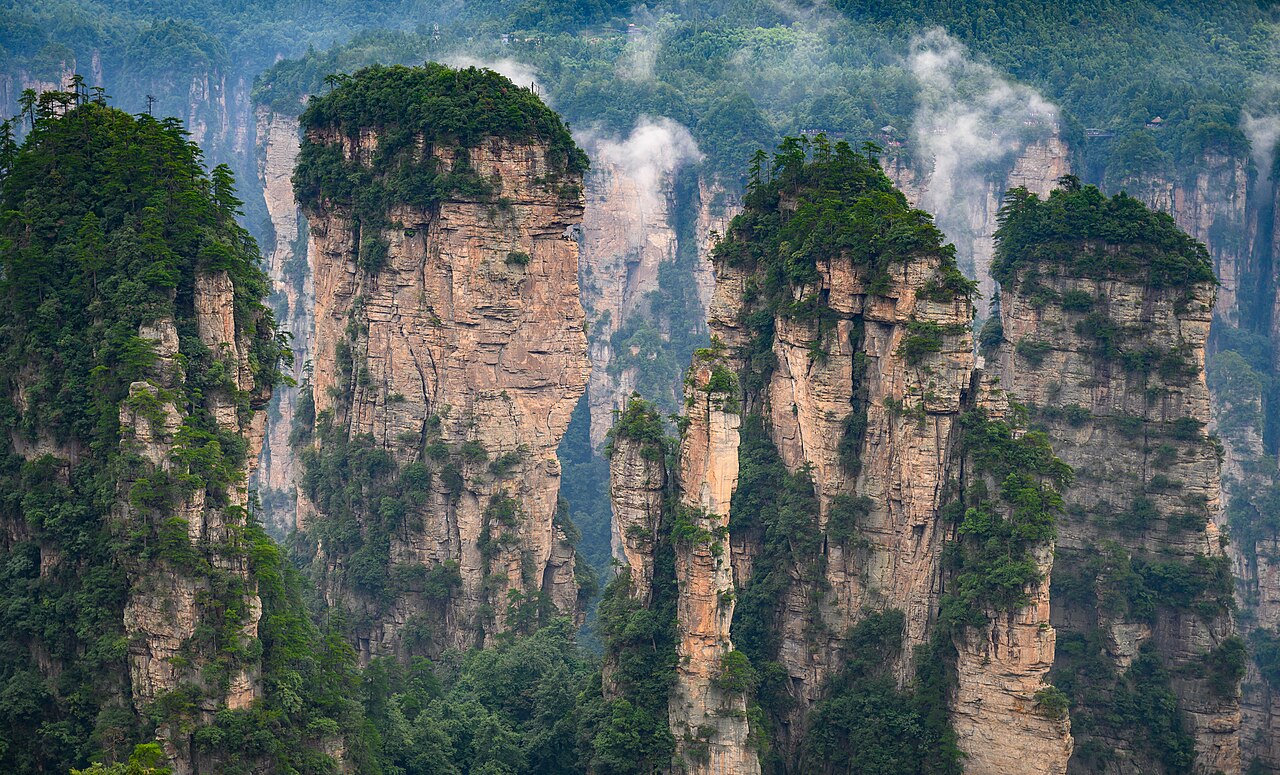
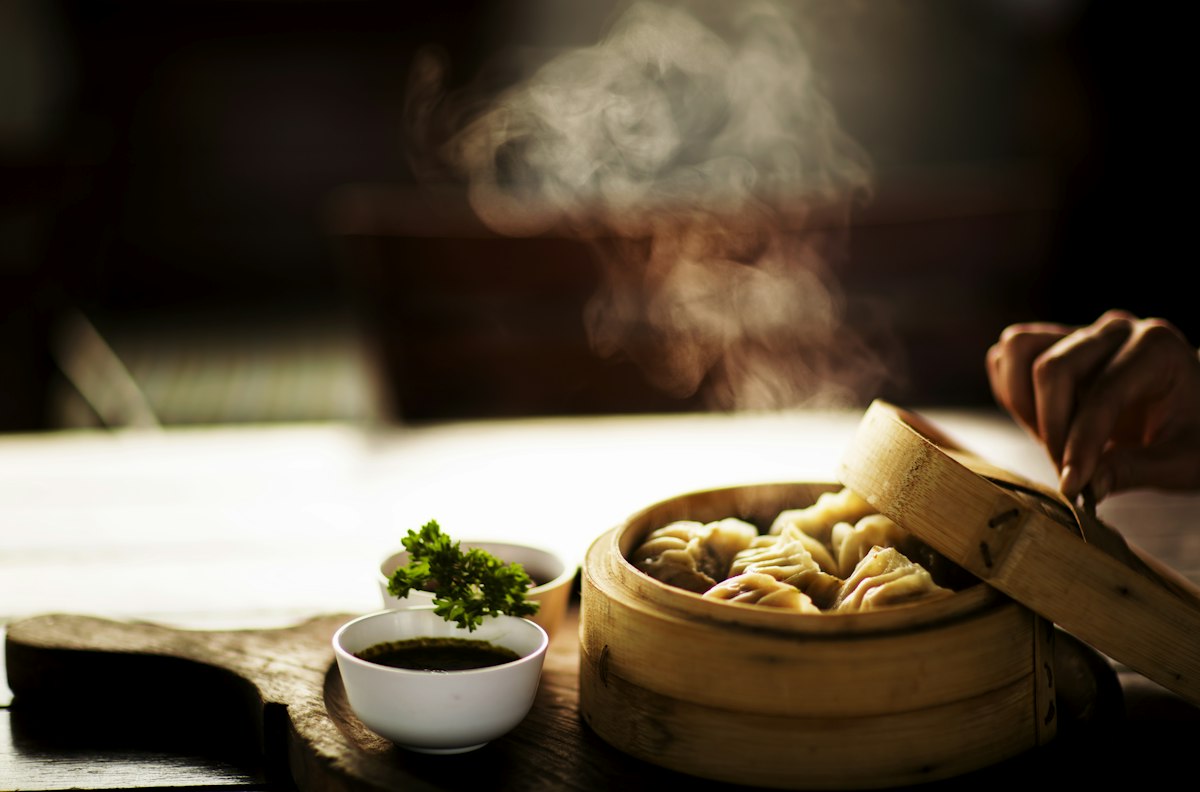
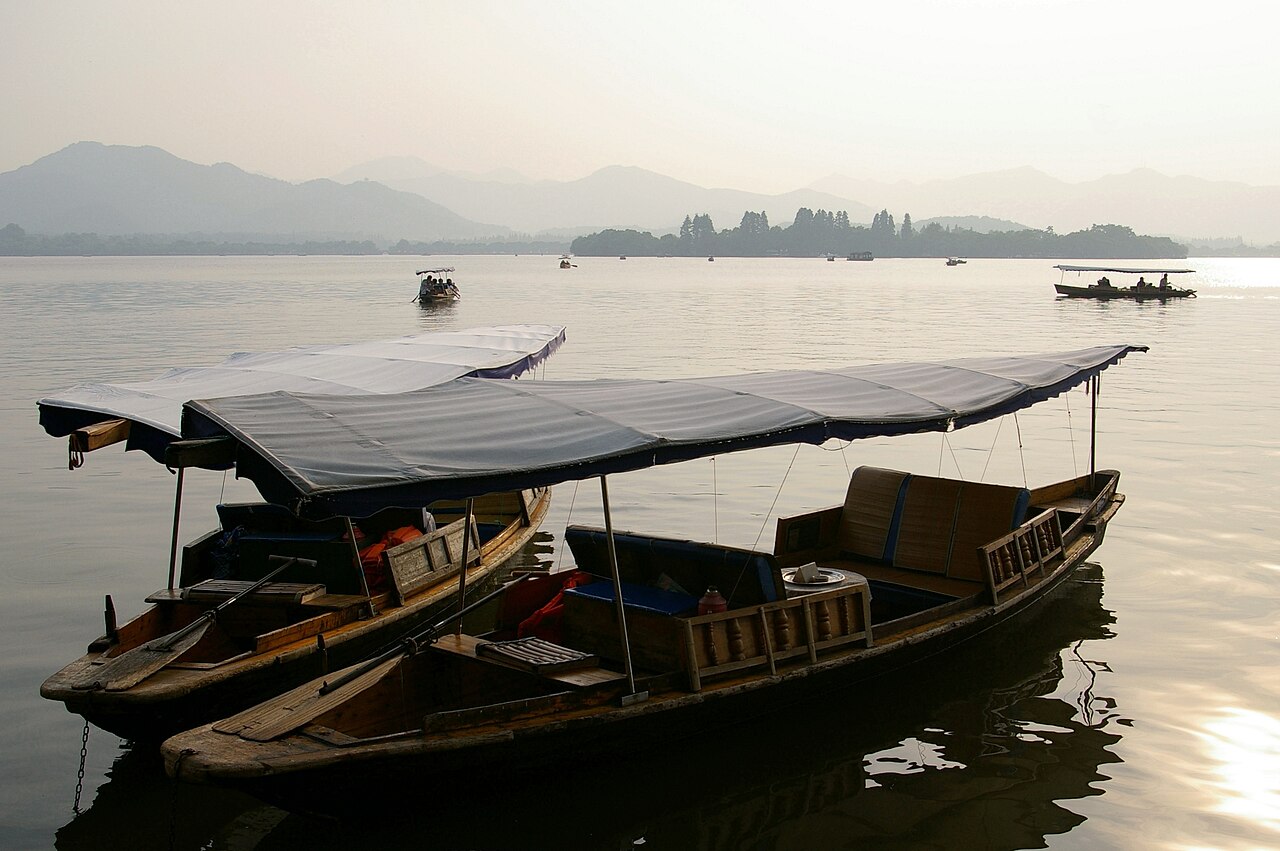
Photographs from the coast, and what other travellers wrote afterwards.

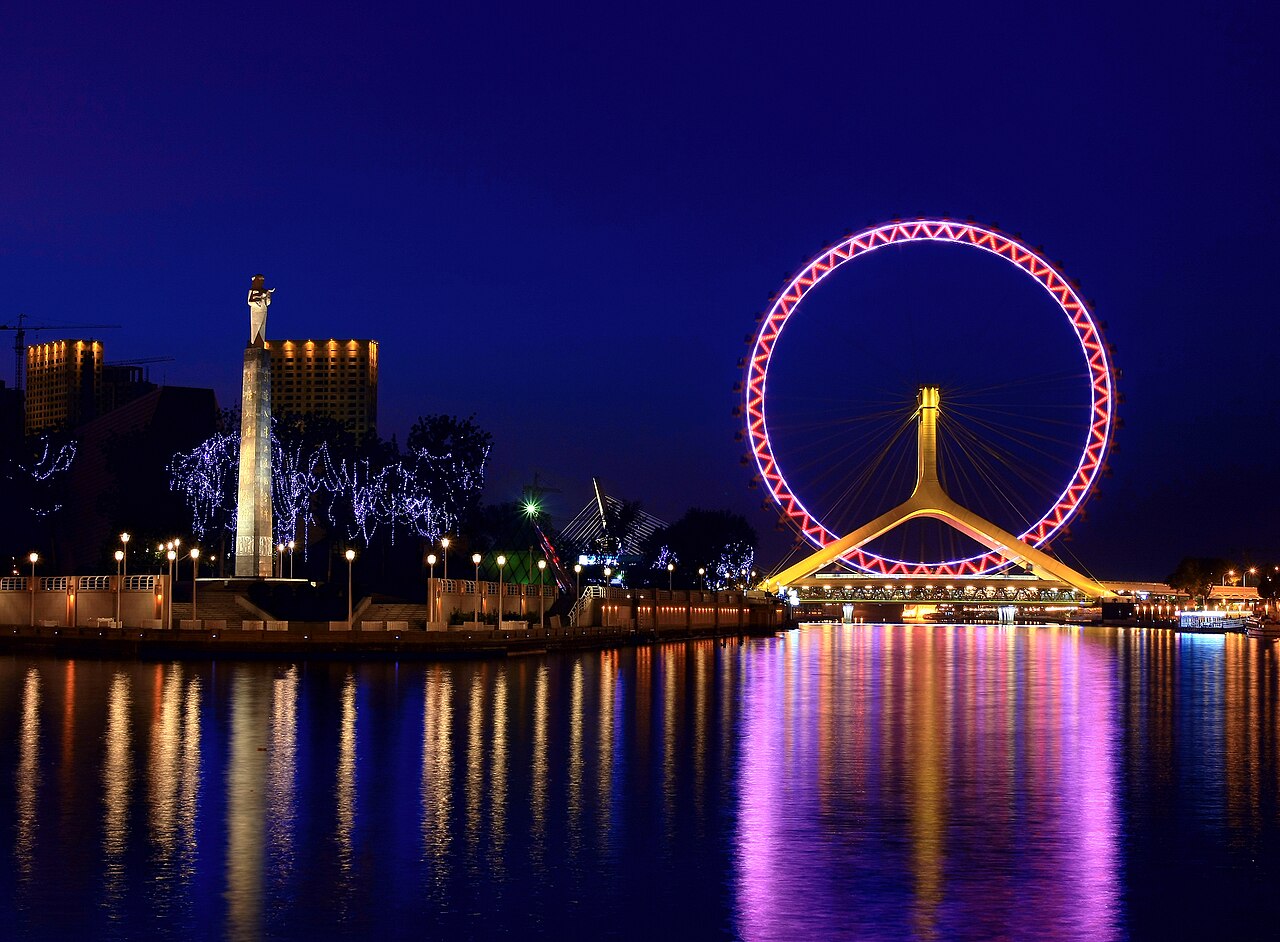
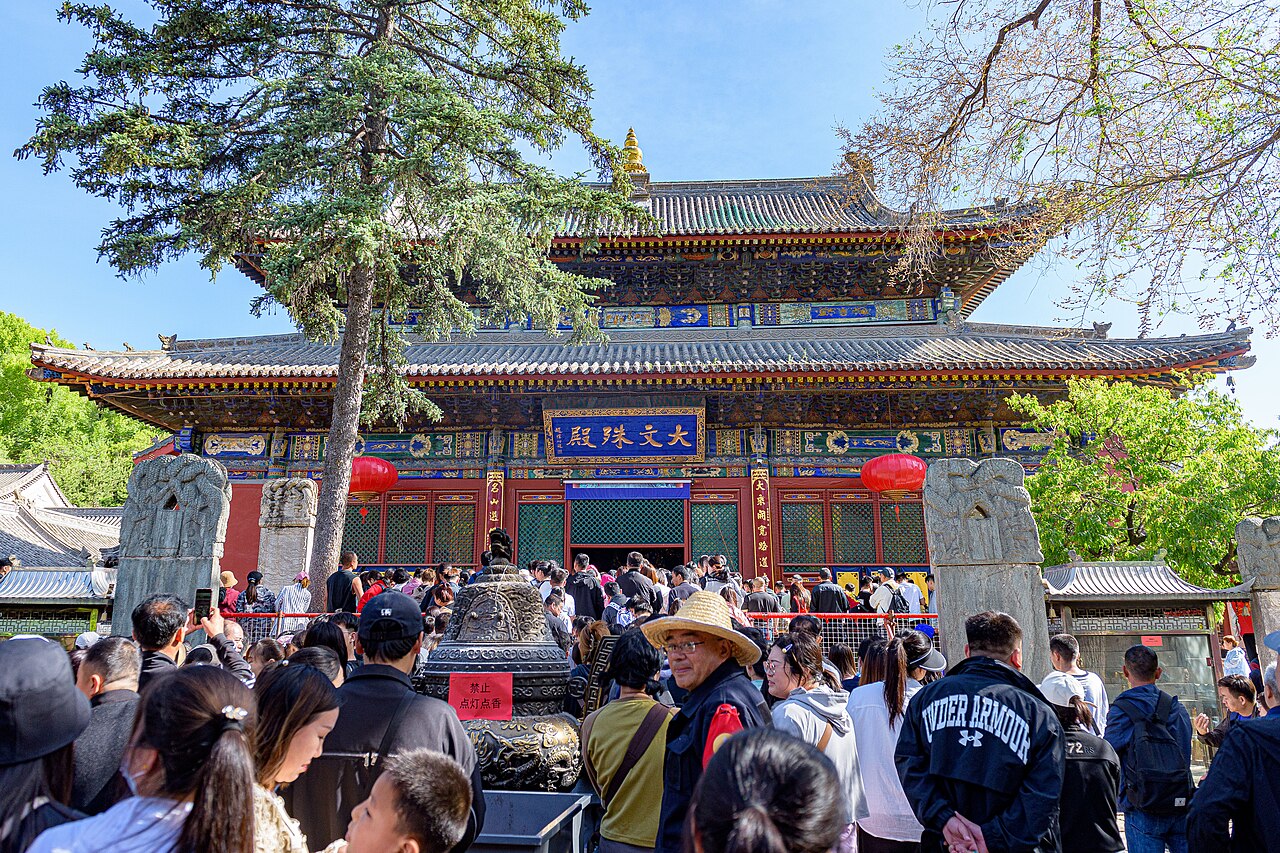
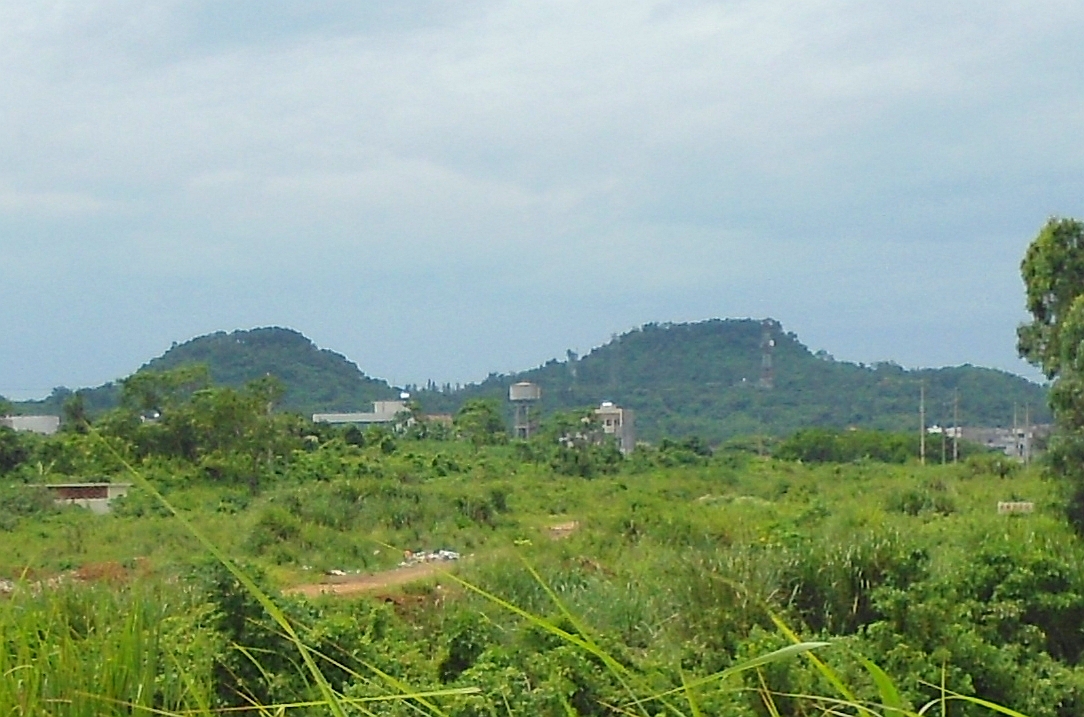
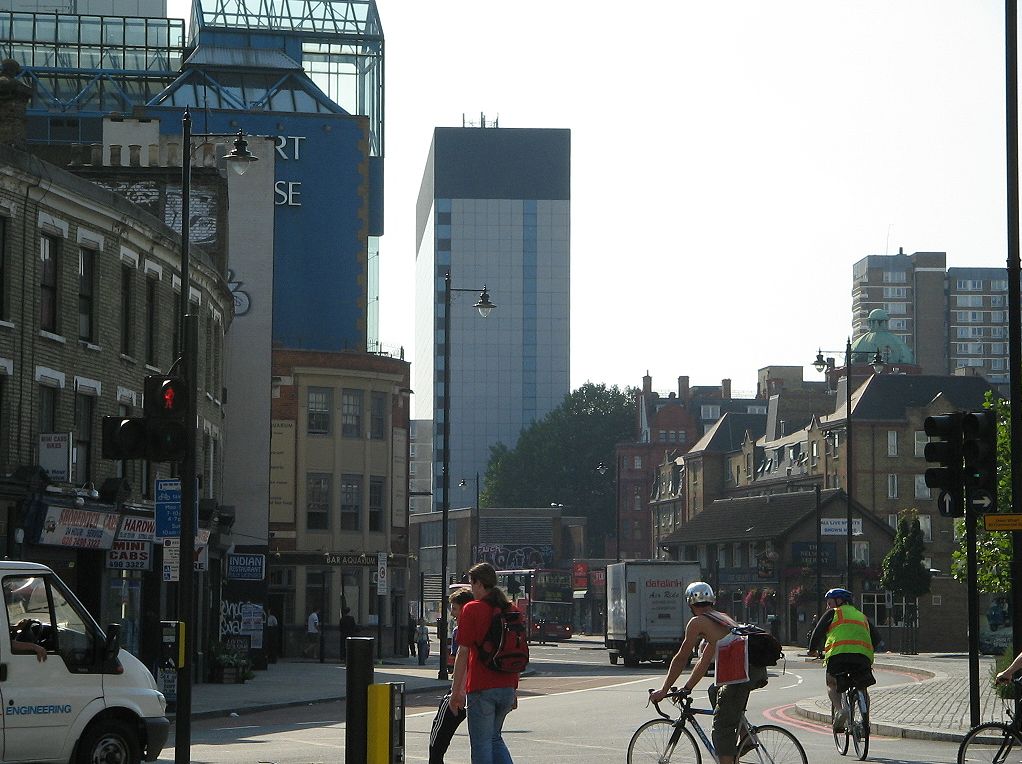
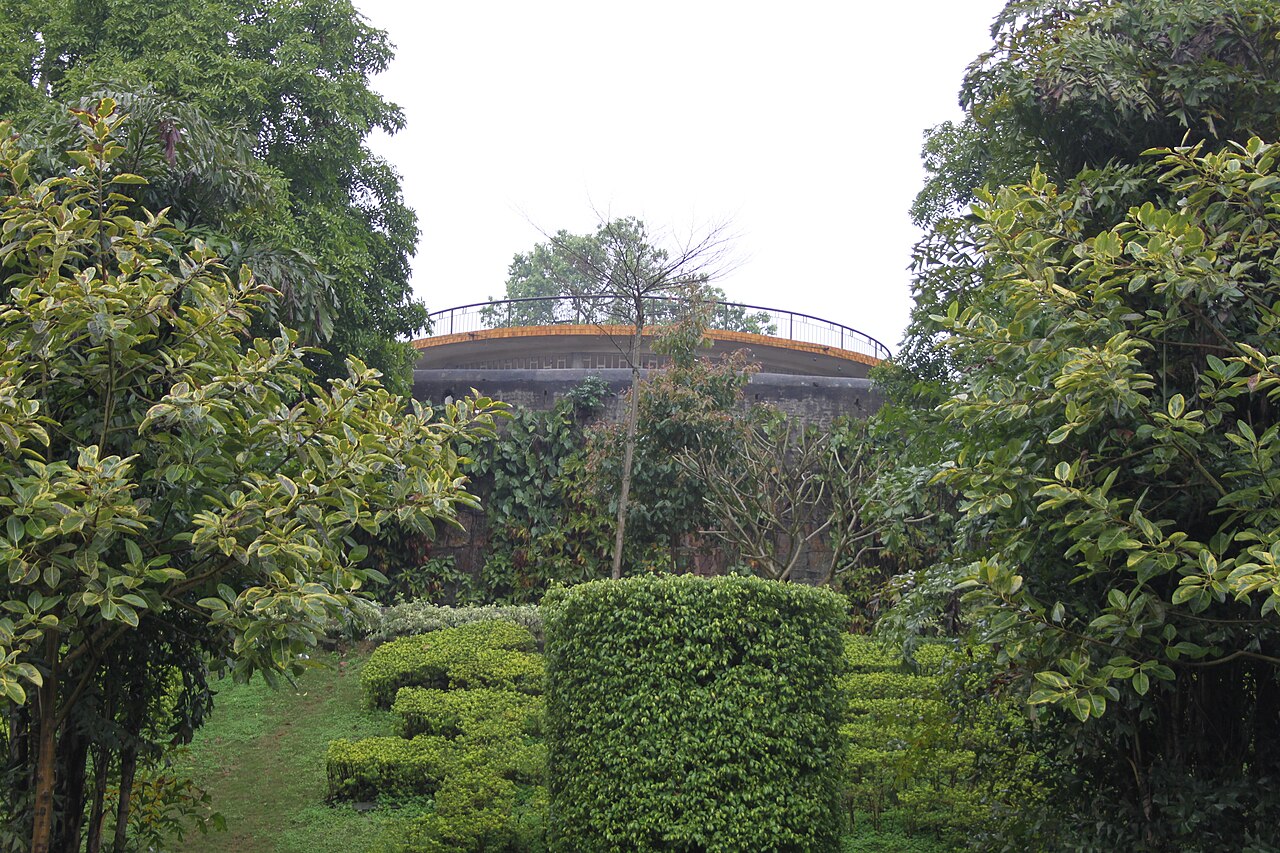
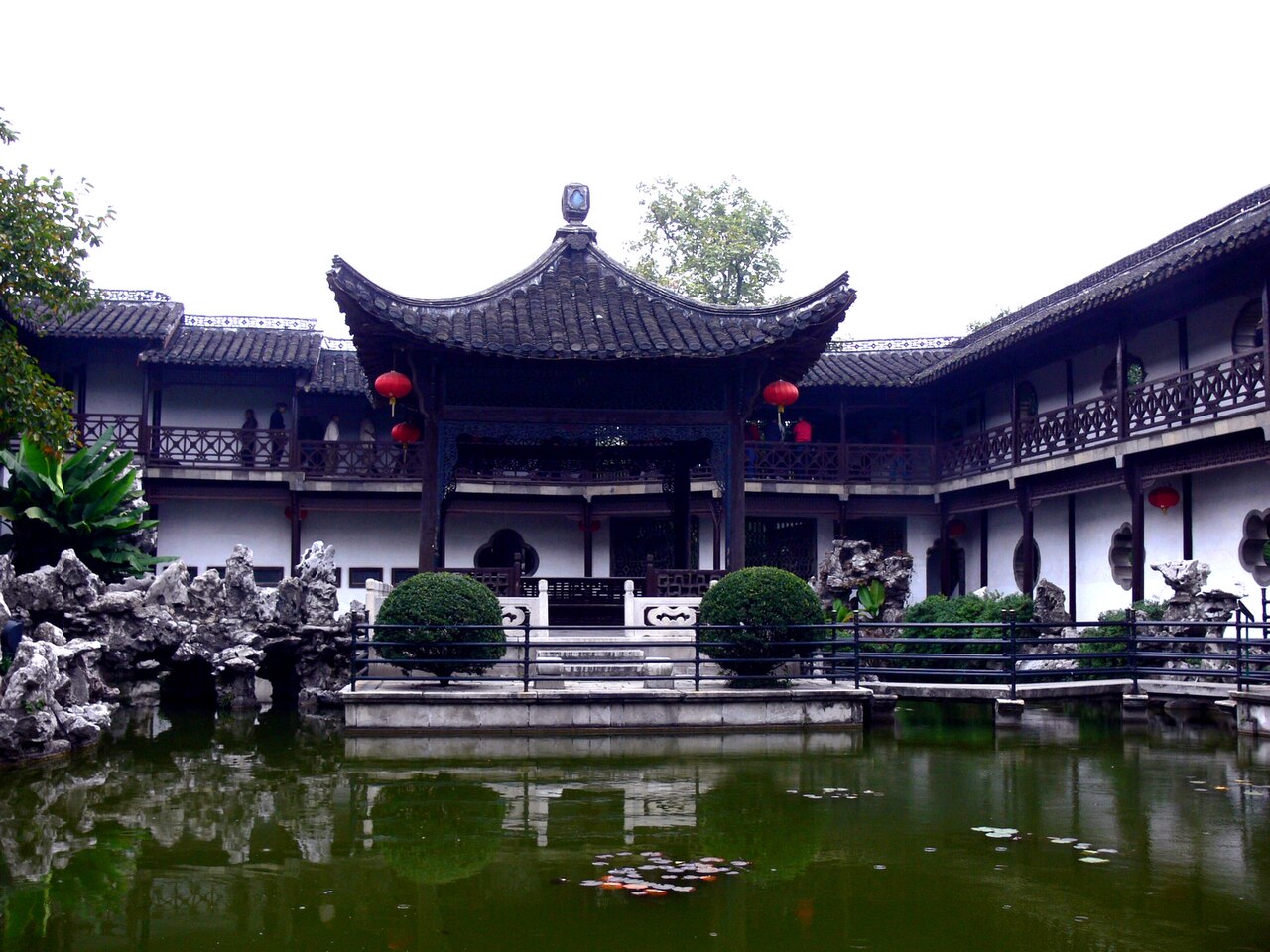
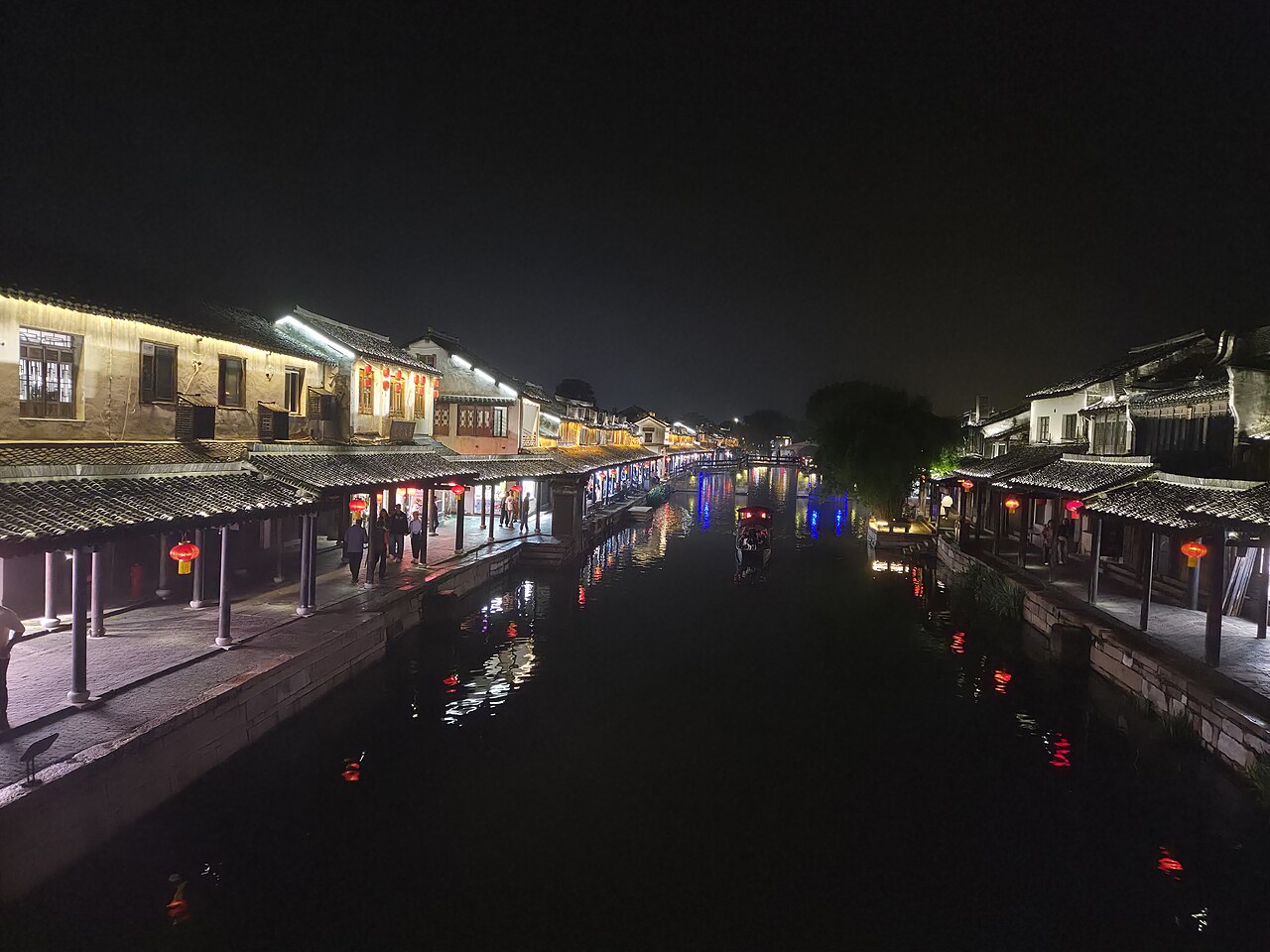
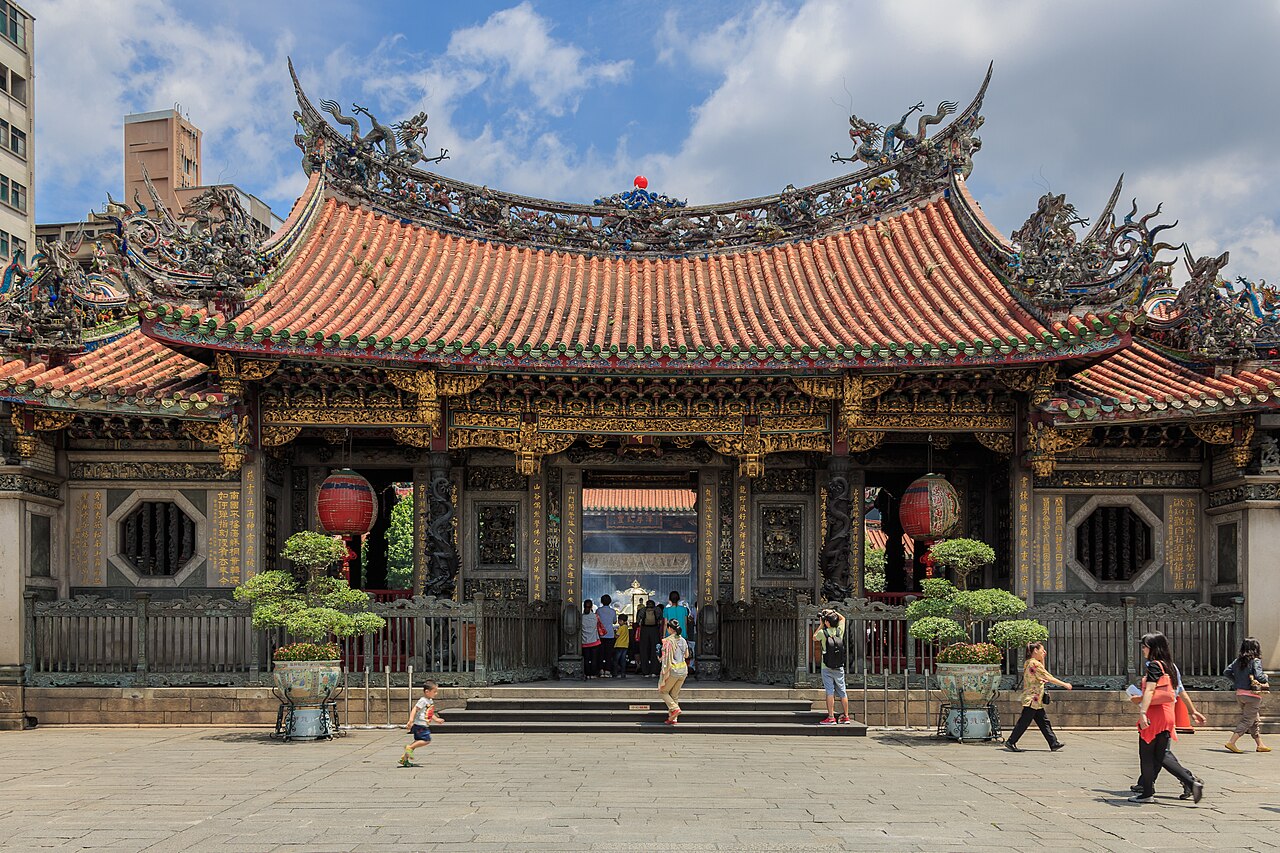
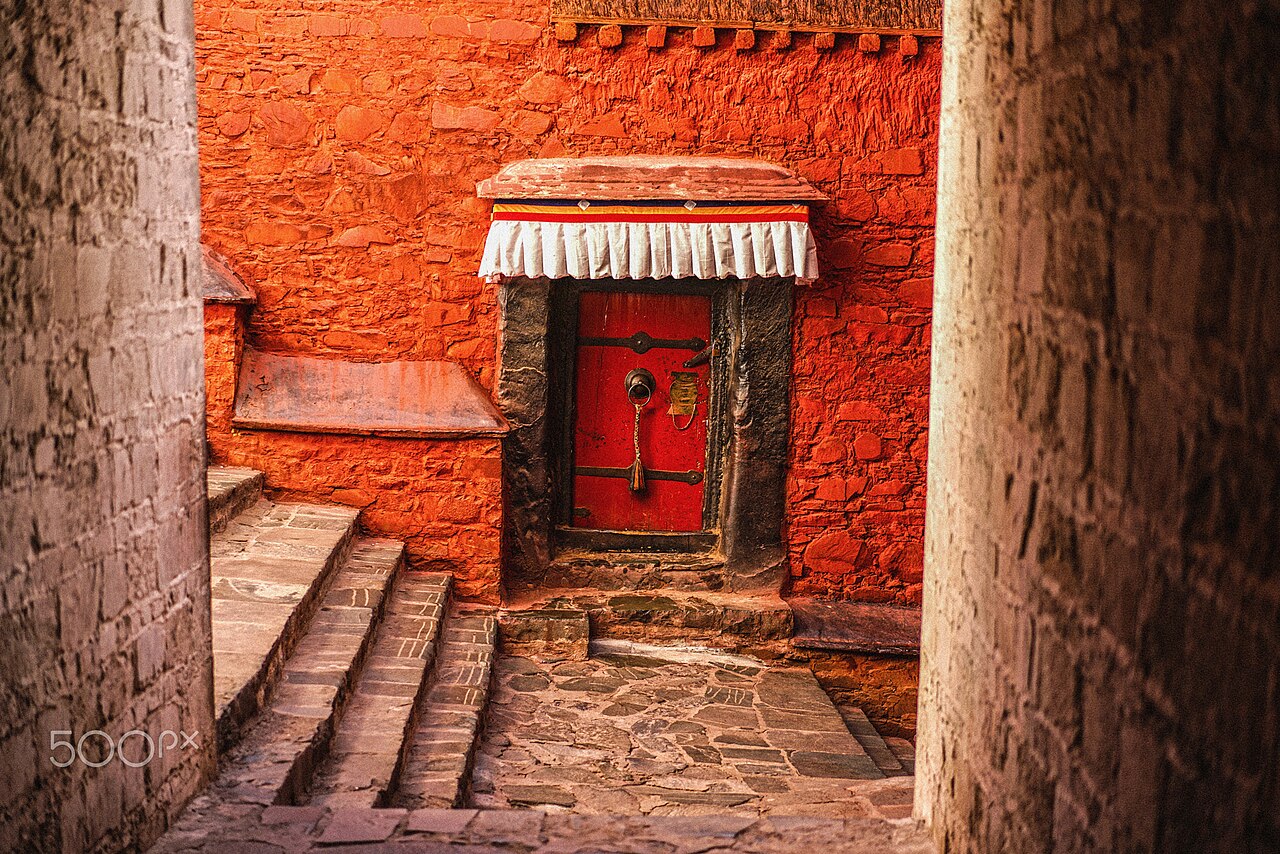
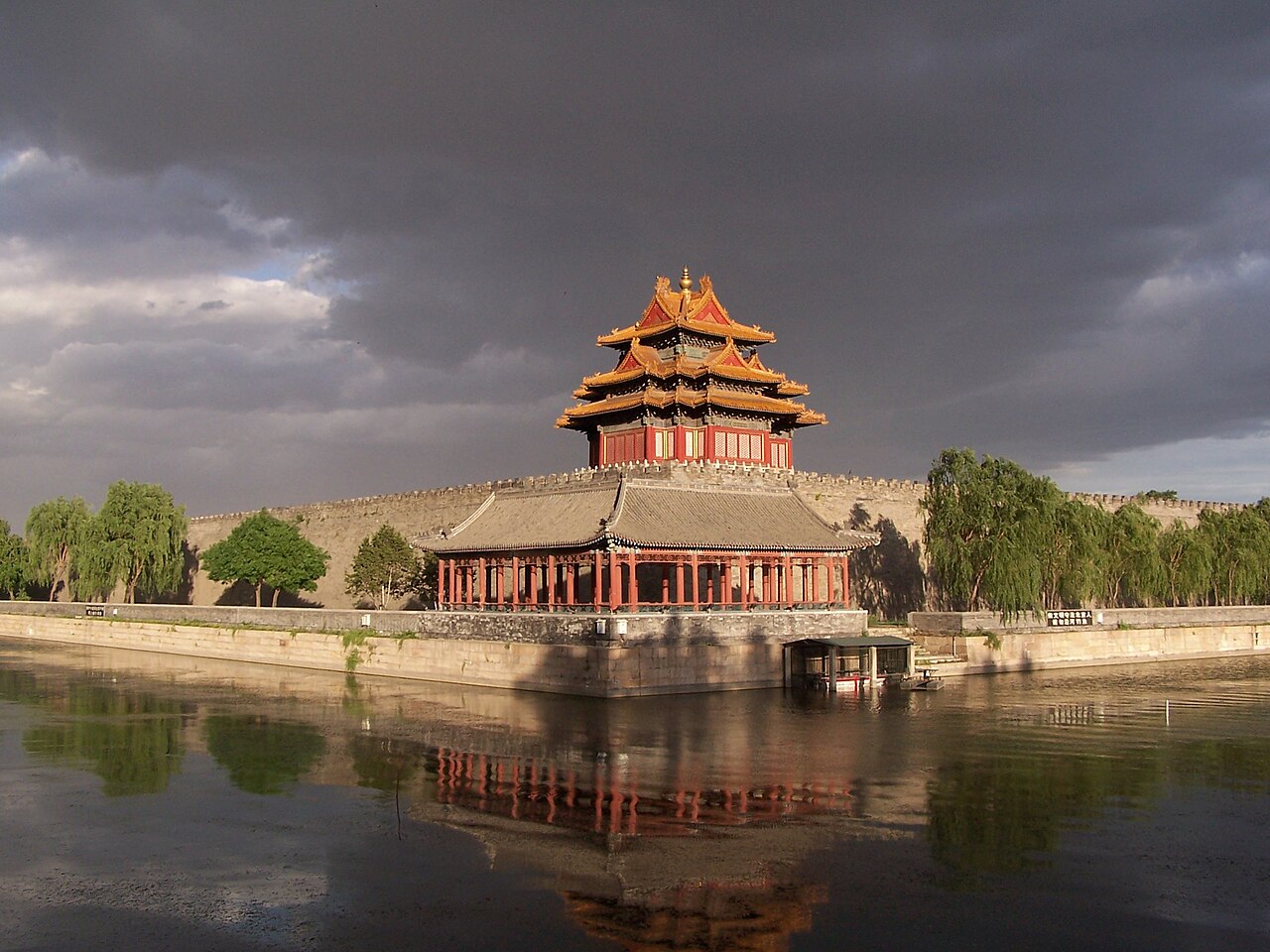
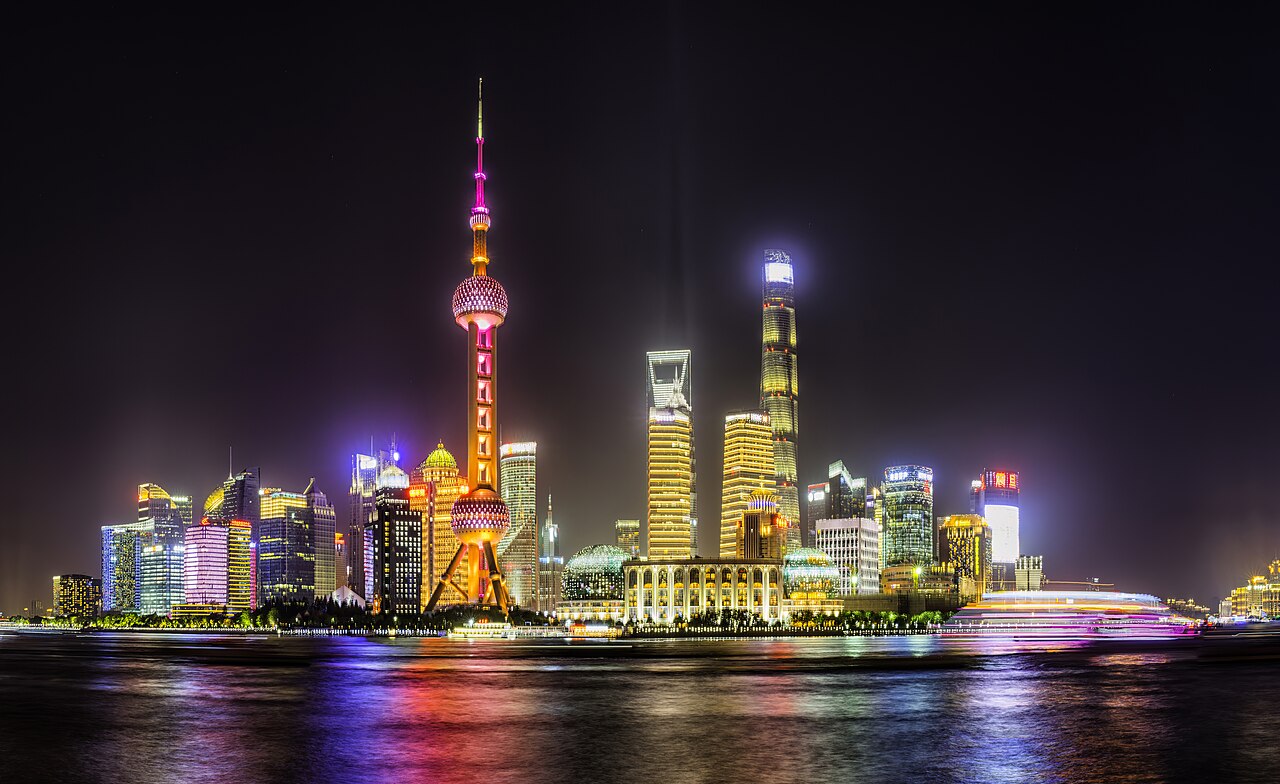
Jiaxiu Pavilion on its rock in the Nanming River, floodlit after dark
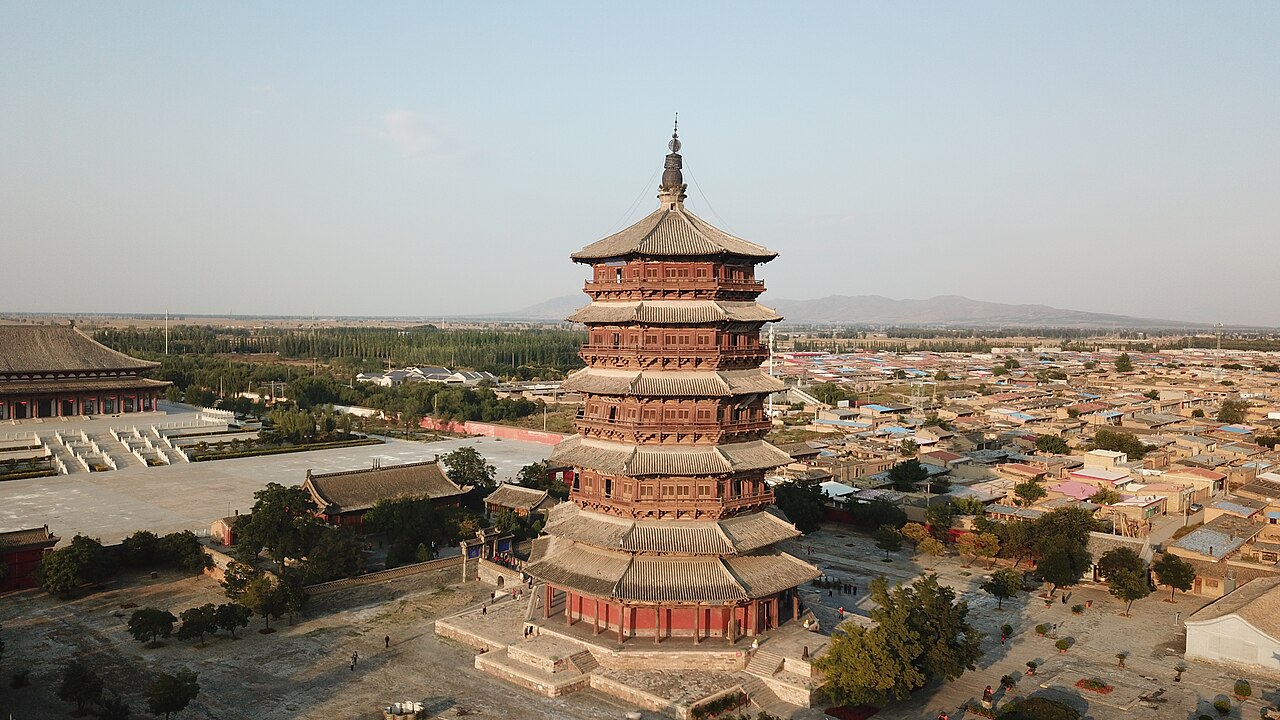
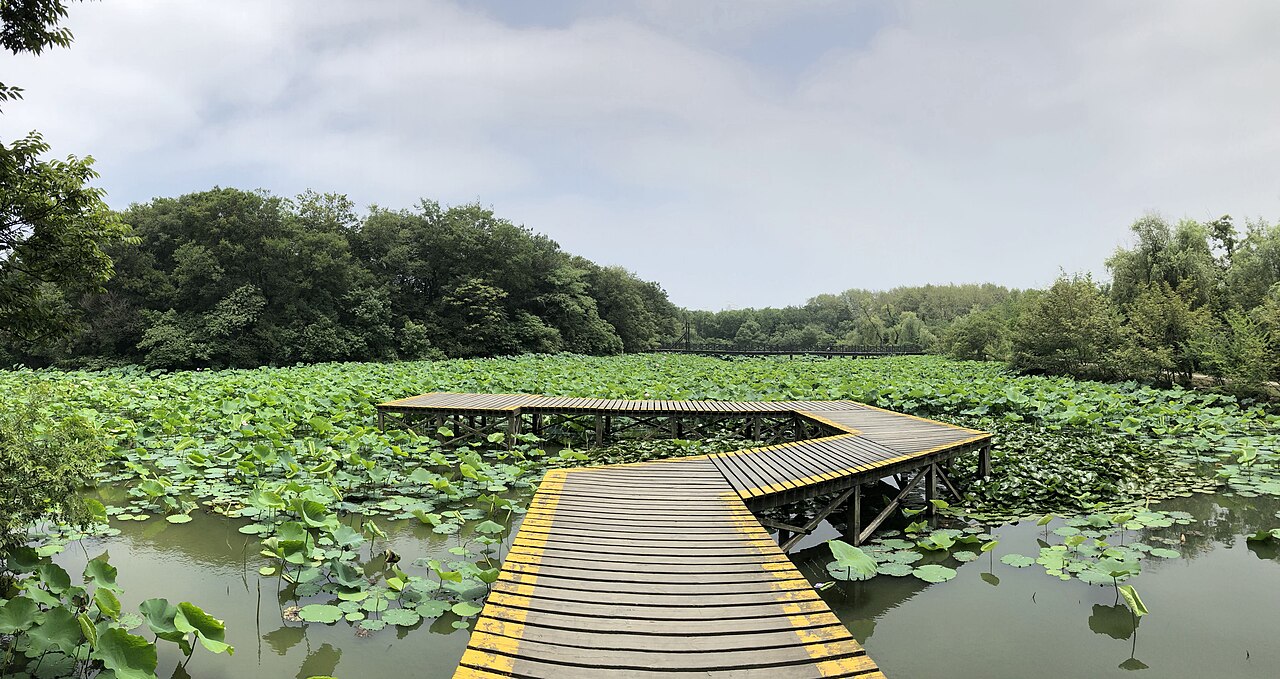
The Nine Bends Path up Qianling Mountain, macaques included
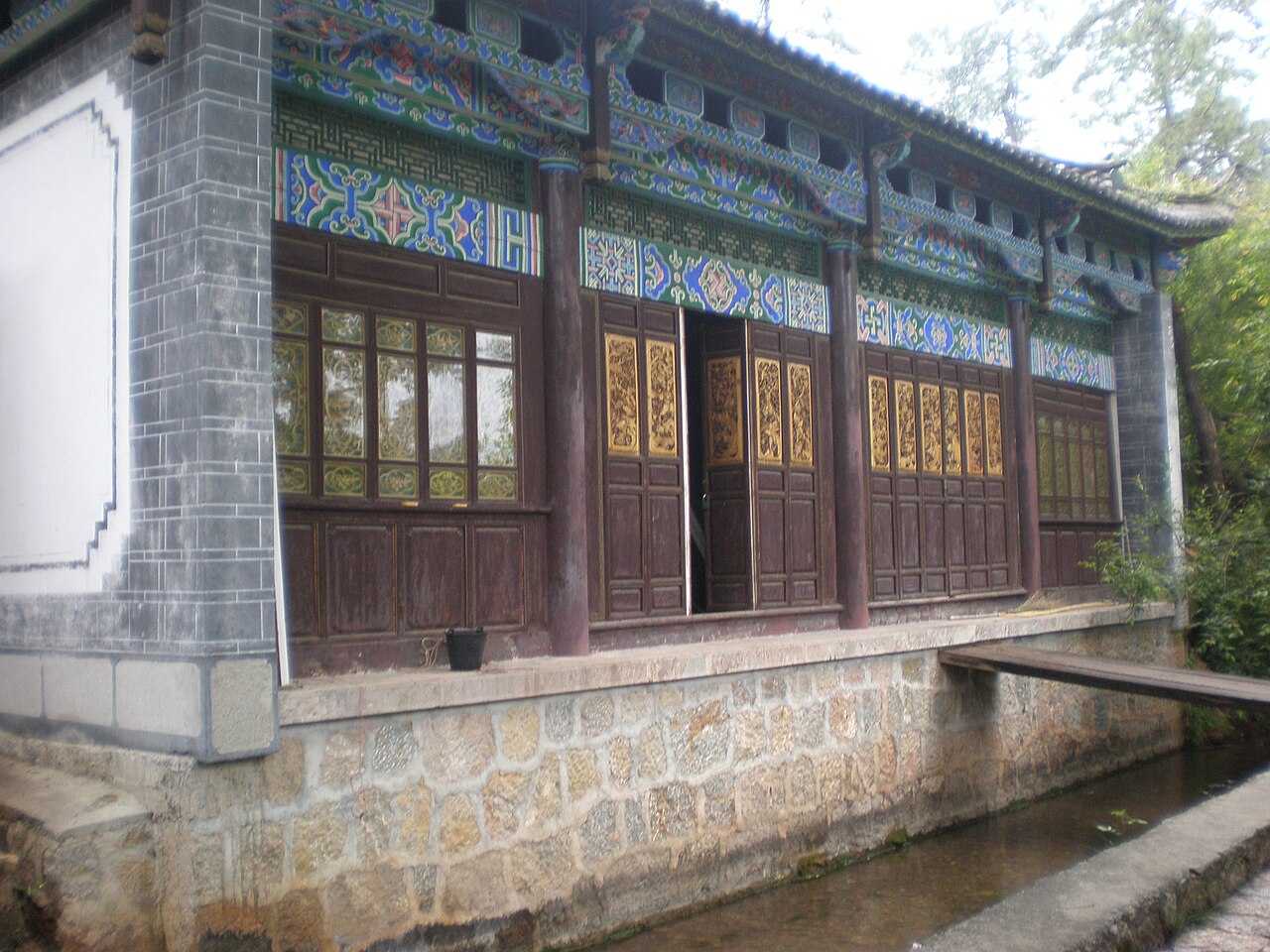
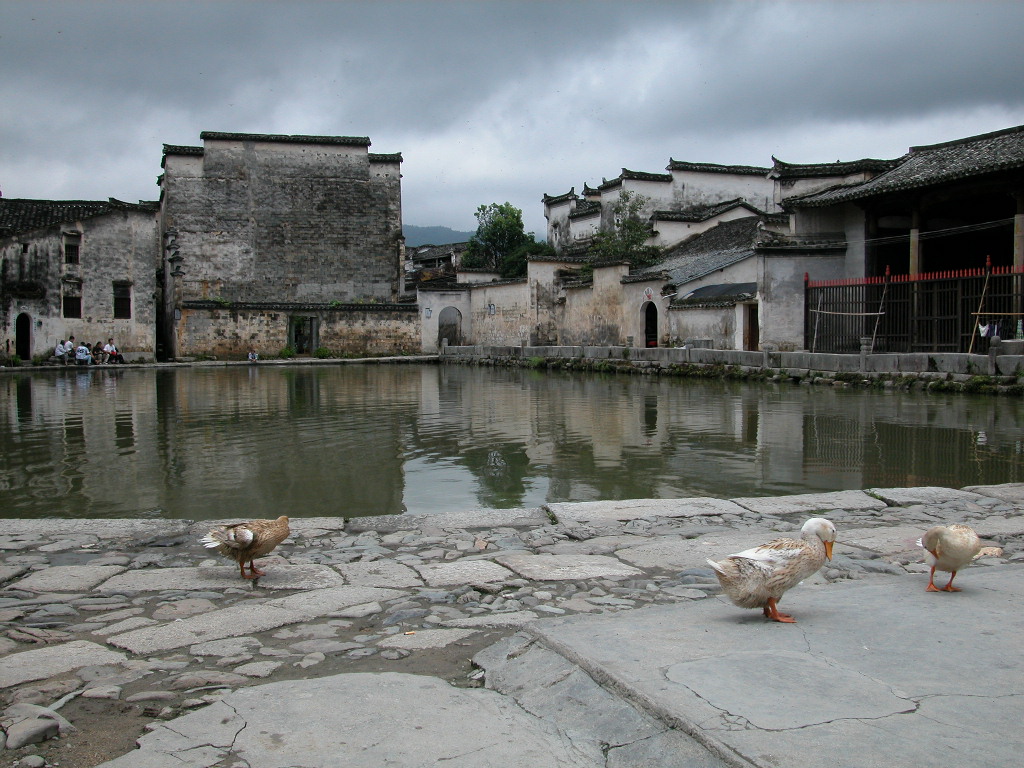
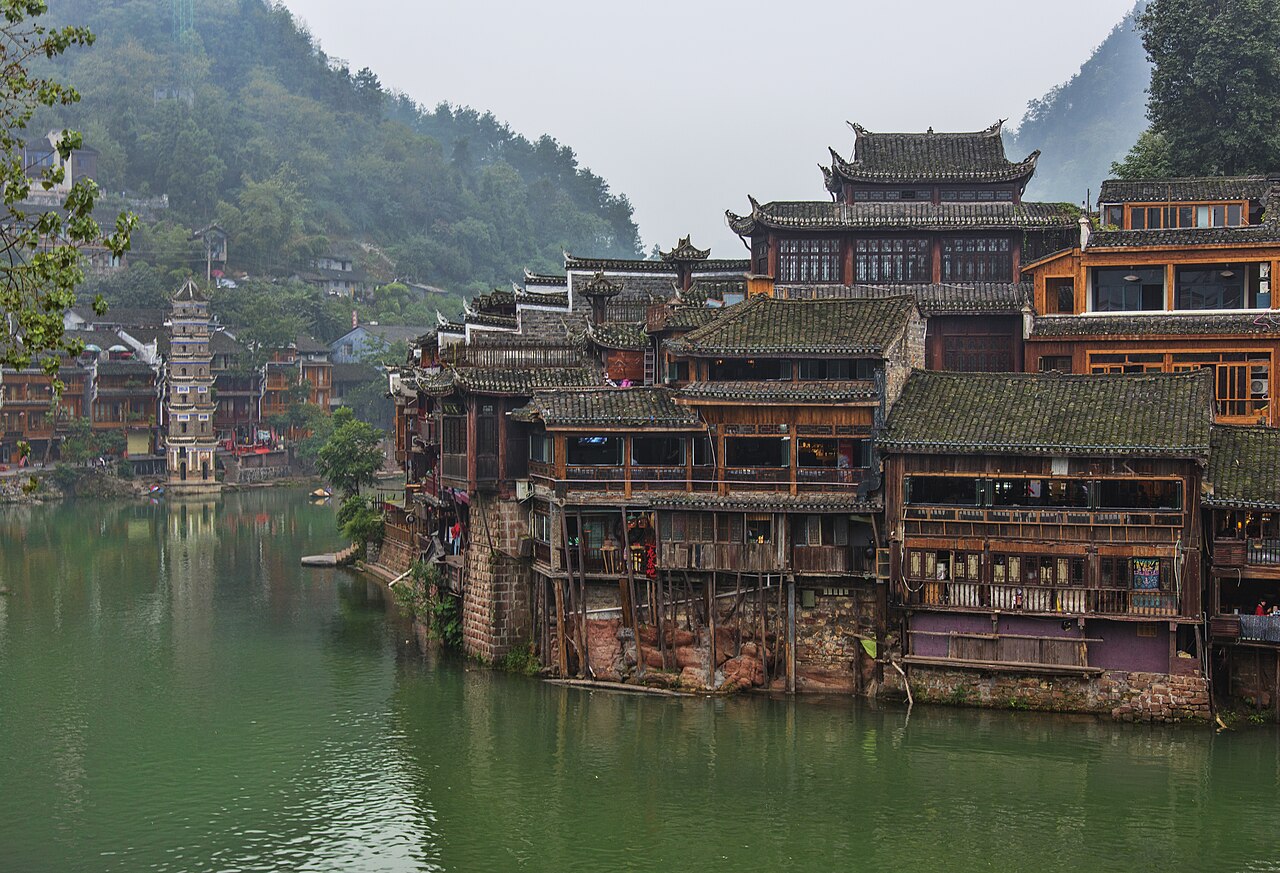
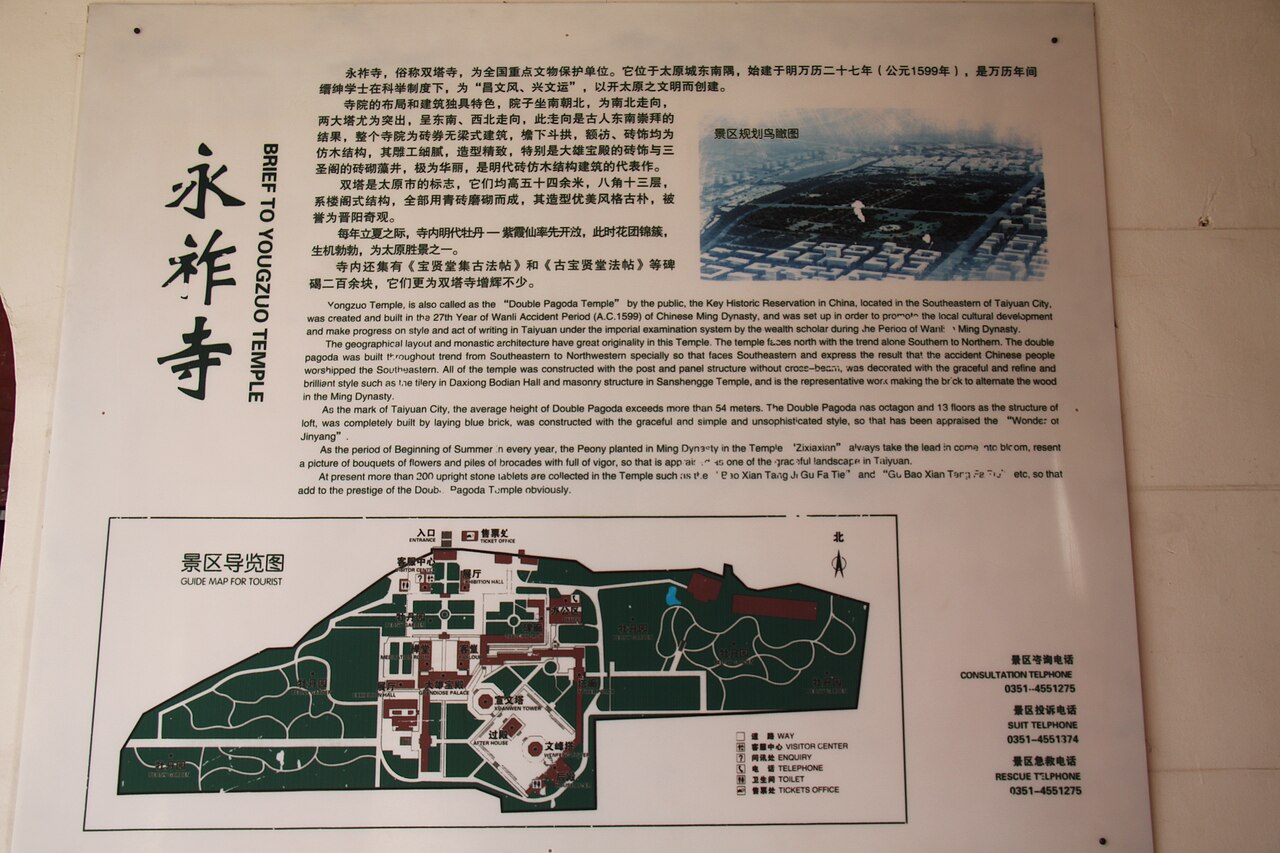
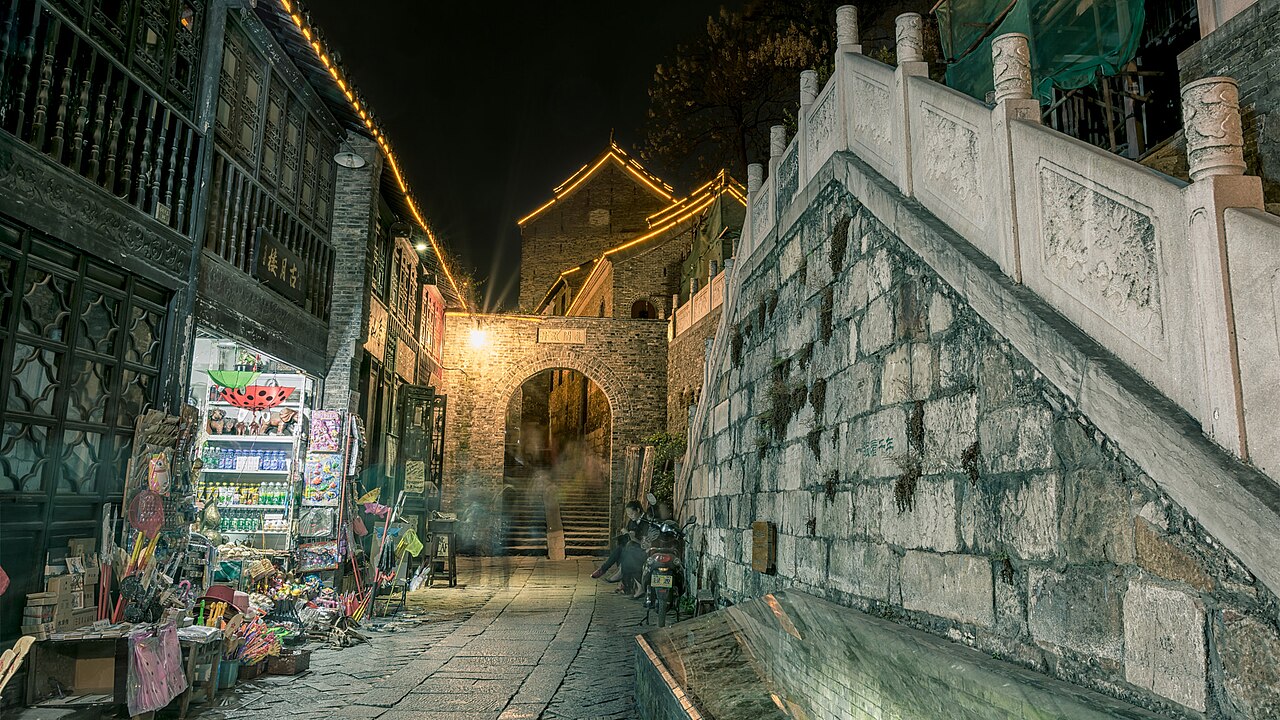
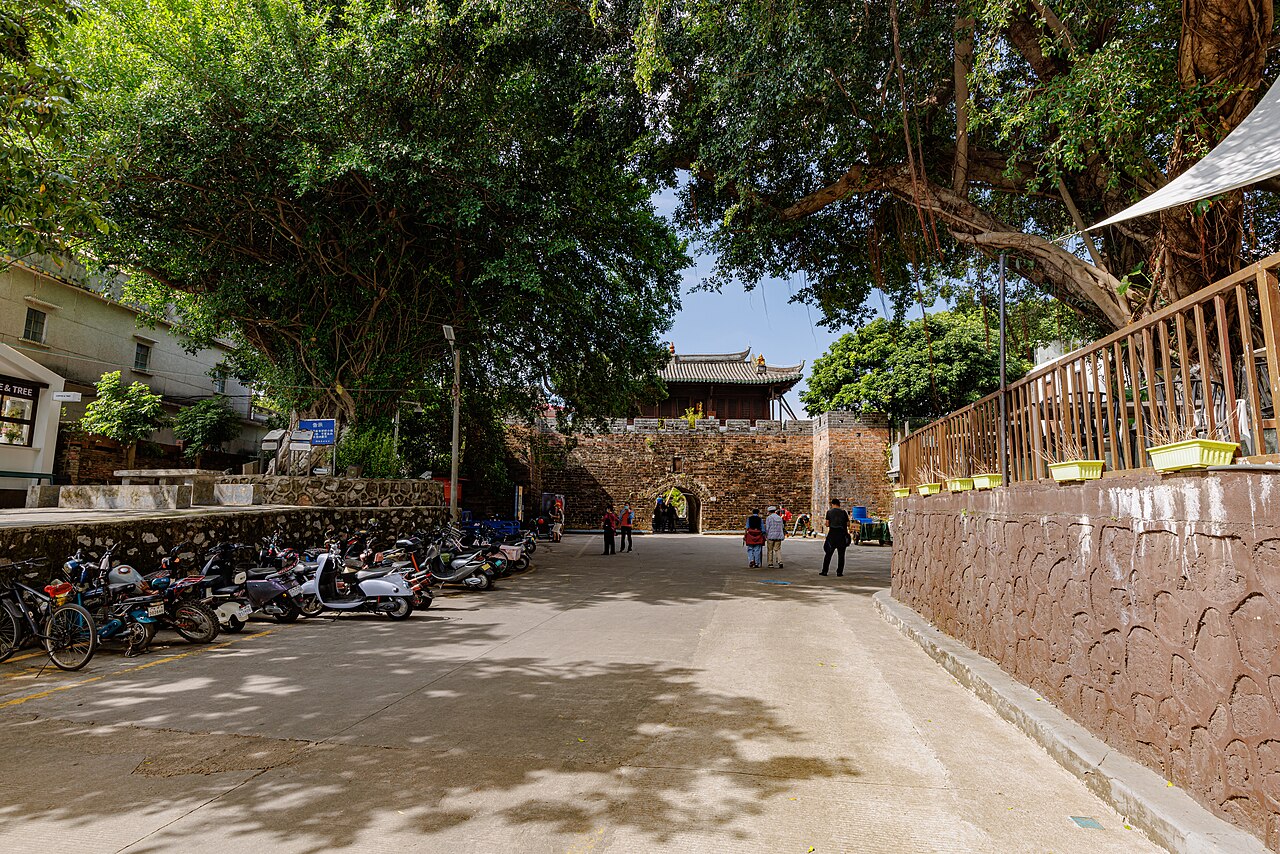
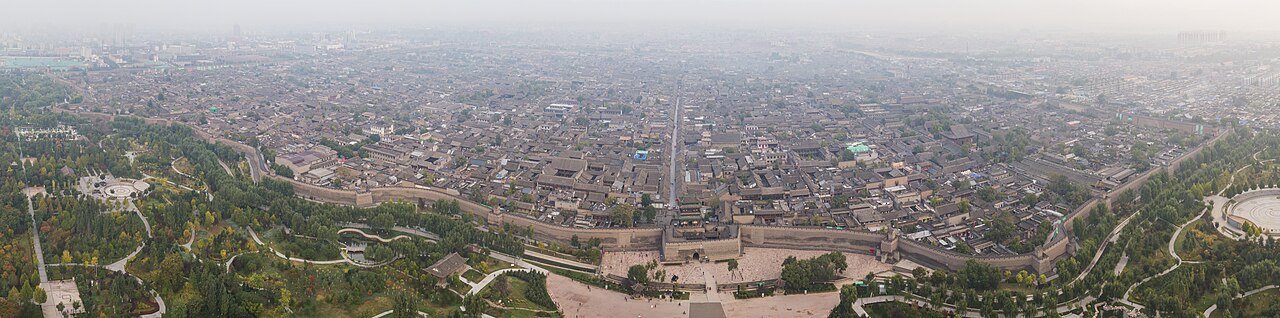
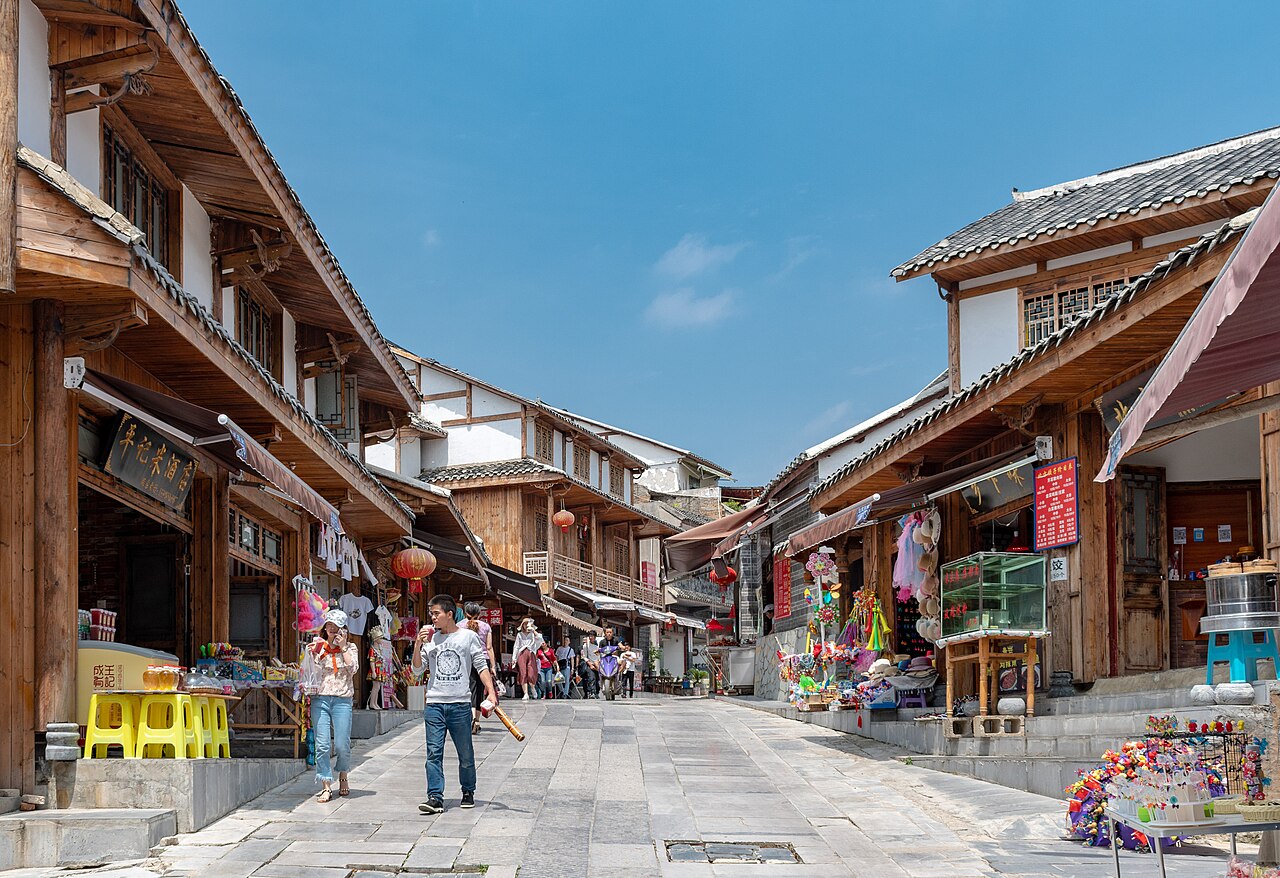
Qingyan Ancient Town's Ming-dynasty stone lanes, 29 km south of the city
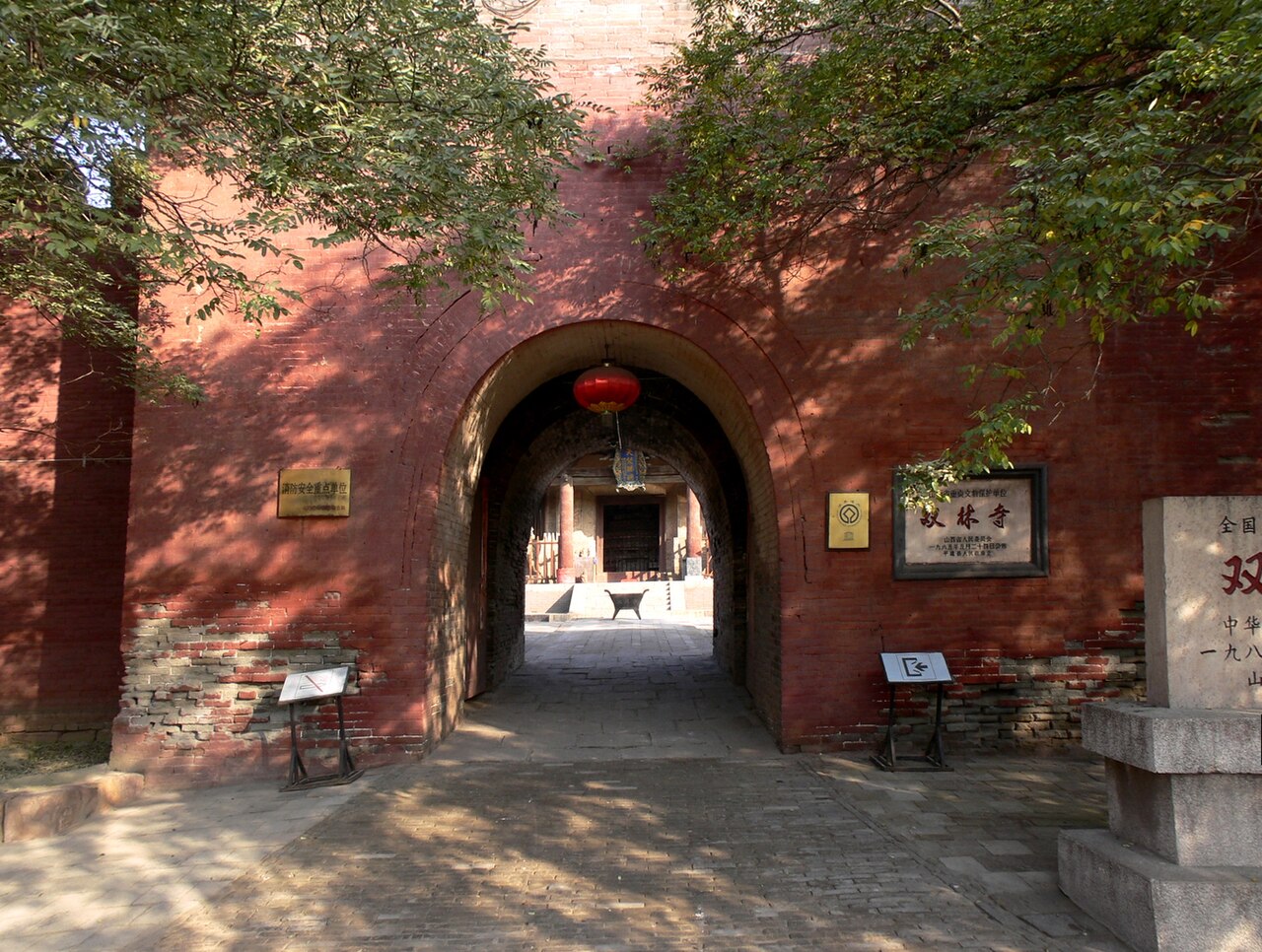
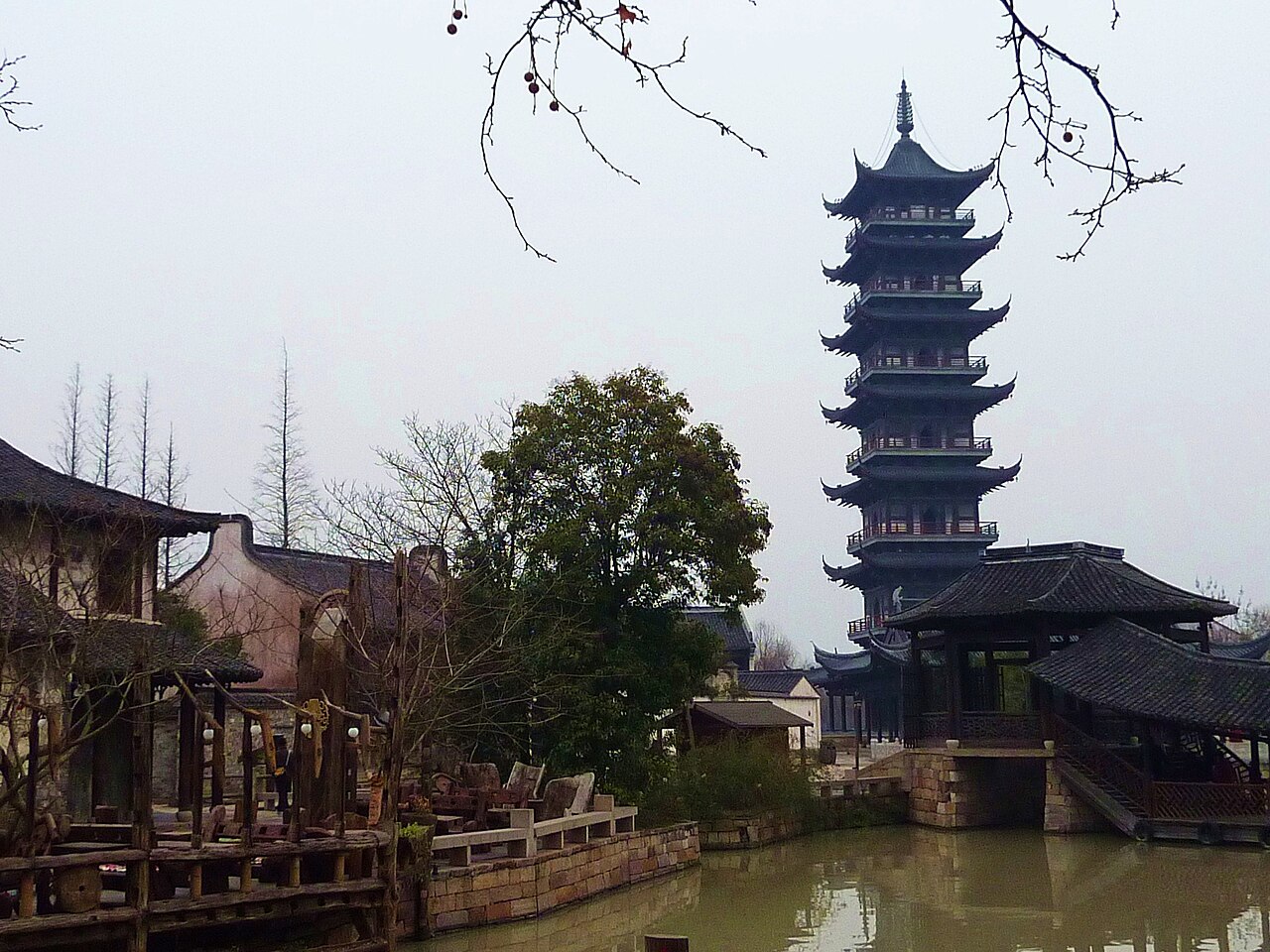
Sour fish soup — Guizhou's signature dish, sour before it's hot

I came to Guiyang expecting a transit city and stayed three nights. The night market on Hequn Road was still going at 3am, someone was playing cards under a tree at noon, and nobody once asked me to hurry up. It's the least stressed city I've been to in China.

Reader note, 'A Summer in Guiyang'

The monkeys in Qianling Park are not shy. One of them unzipped my backpack while I was taking a photo. Take the warning signs seriously — they know exactly what a plastic bag sounds like.

Reader note, 'Guizhou in Eight Days'

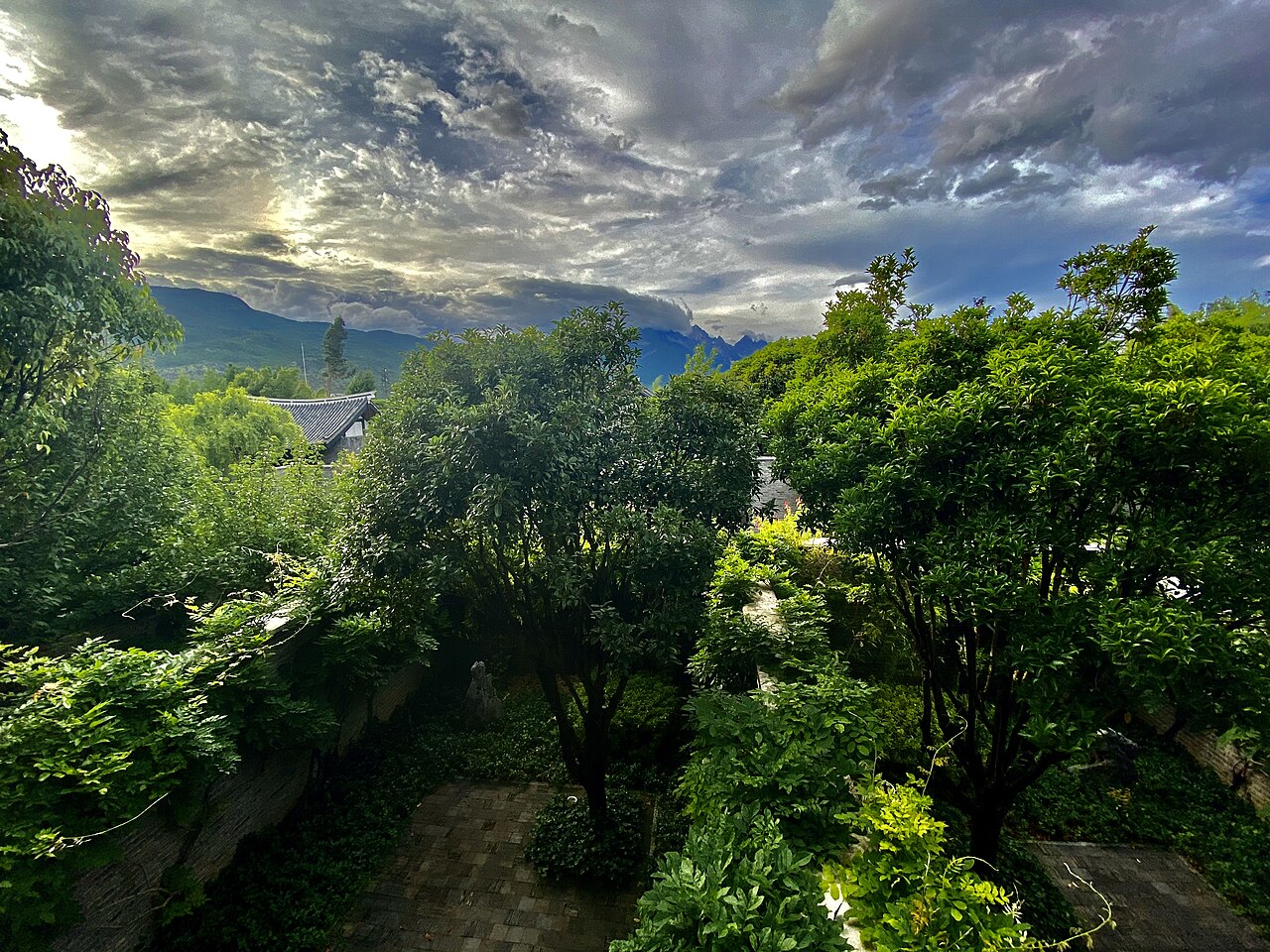
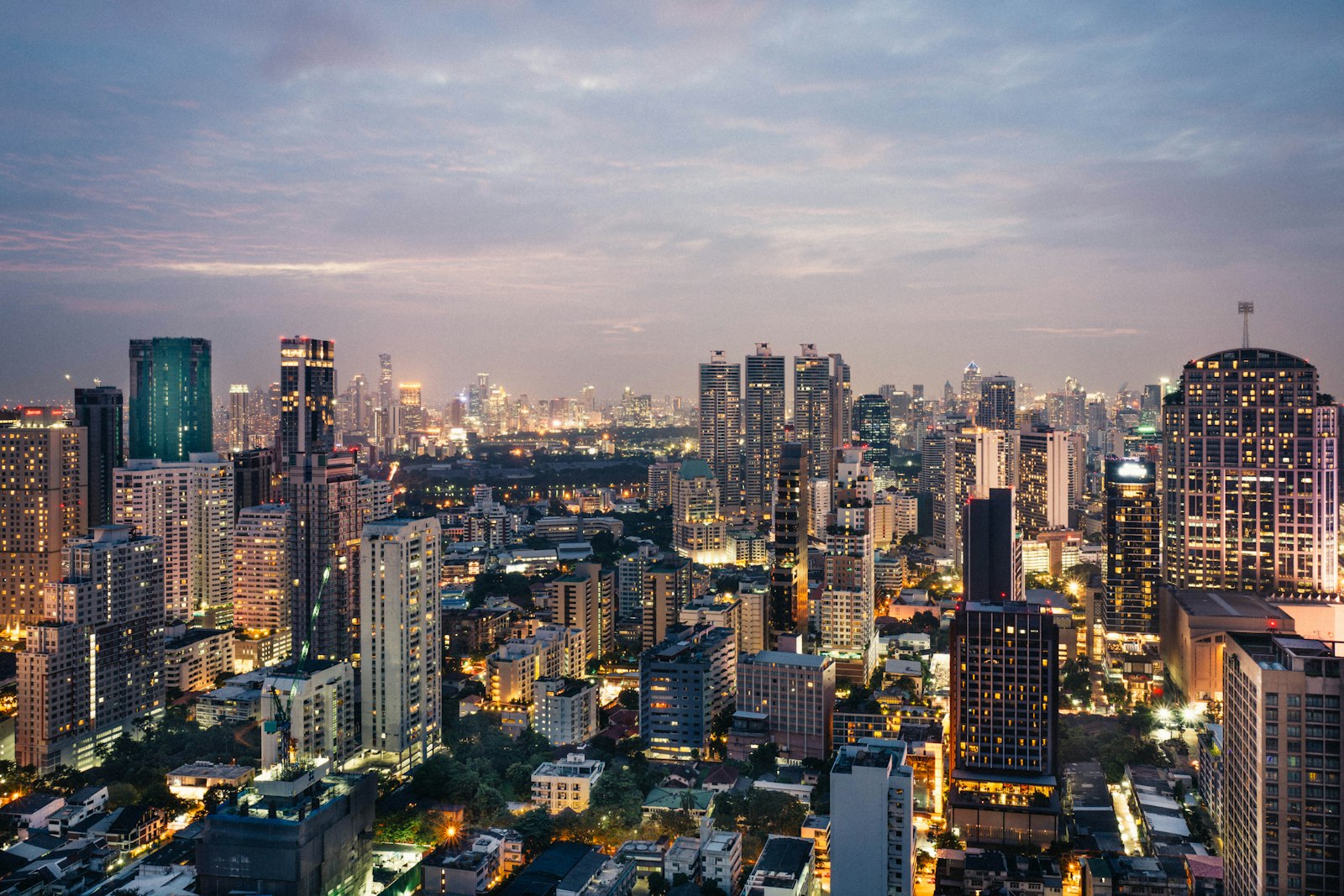
Guiyang sits on a plateau at around 1,100 metres, on the watershed between the Yangtze and Pearl river basins, and the altitude does something to the summer. July averages 23.7°C. Days above 35°C average 0.3 per year over the last five years. You will see almost nobody carrying a fan, and hotel rooms here often have no air conditioning at all, because they genuinely don't need it. Locals will tell you the city's own slogan — 'Shuangshuang de Guiyang', Refreshing Guiyang — and they mean it literally.

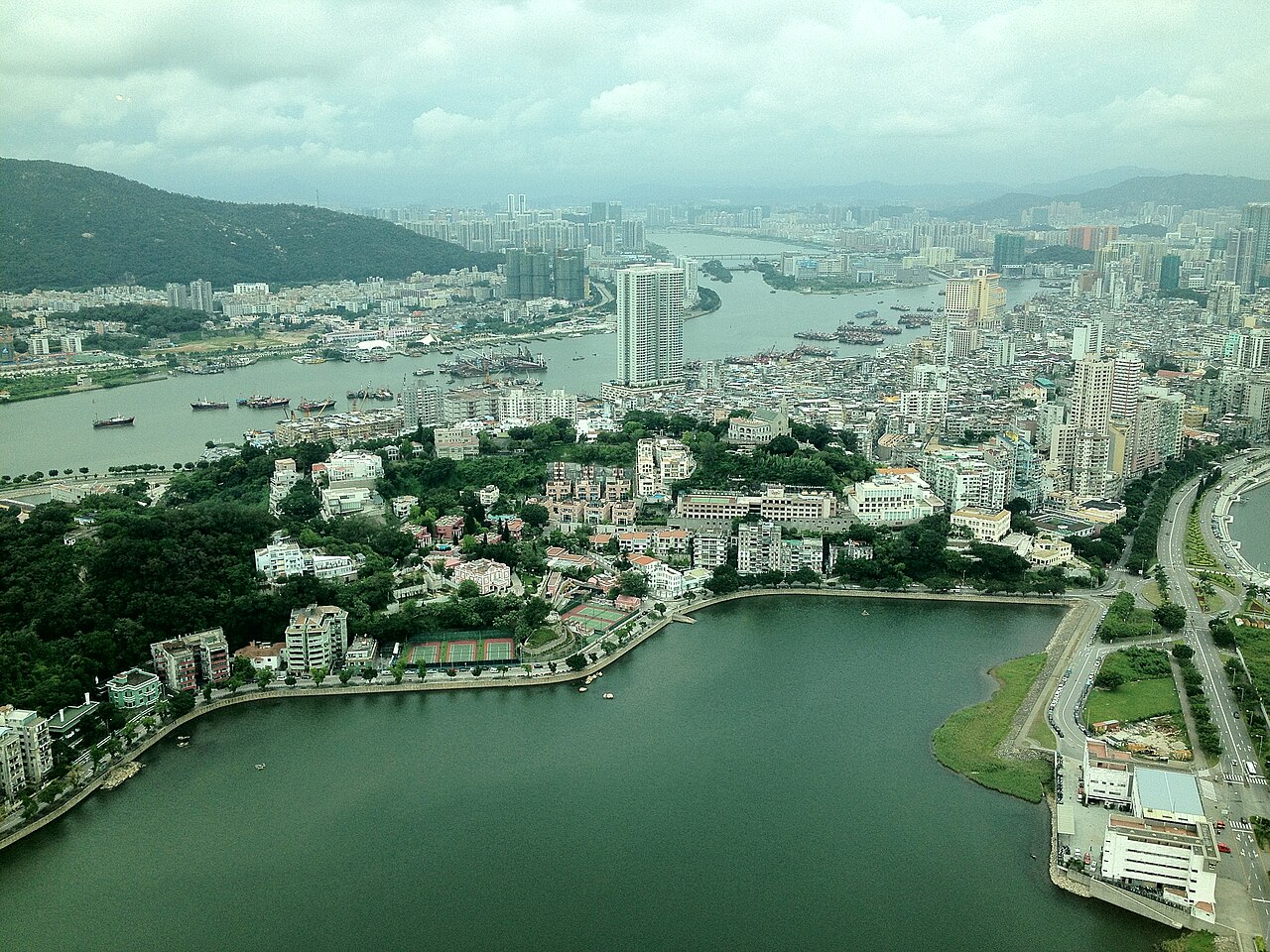
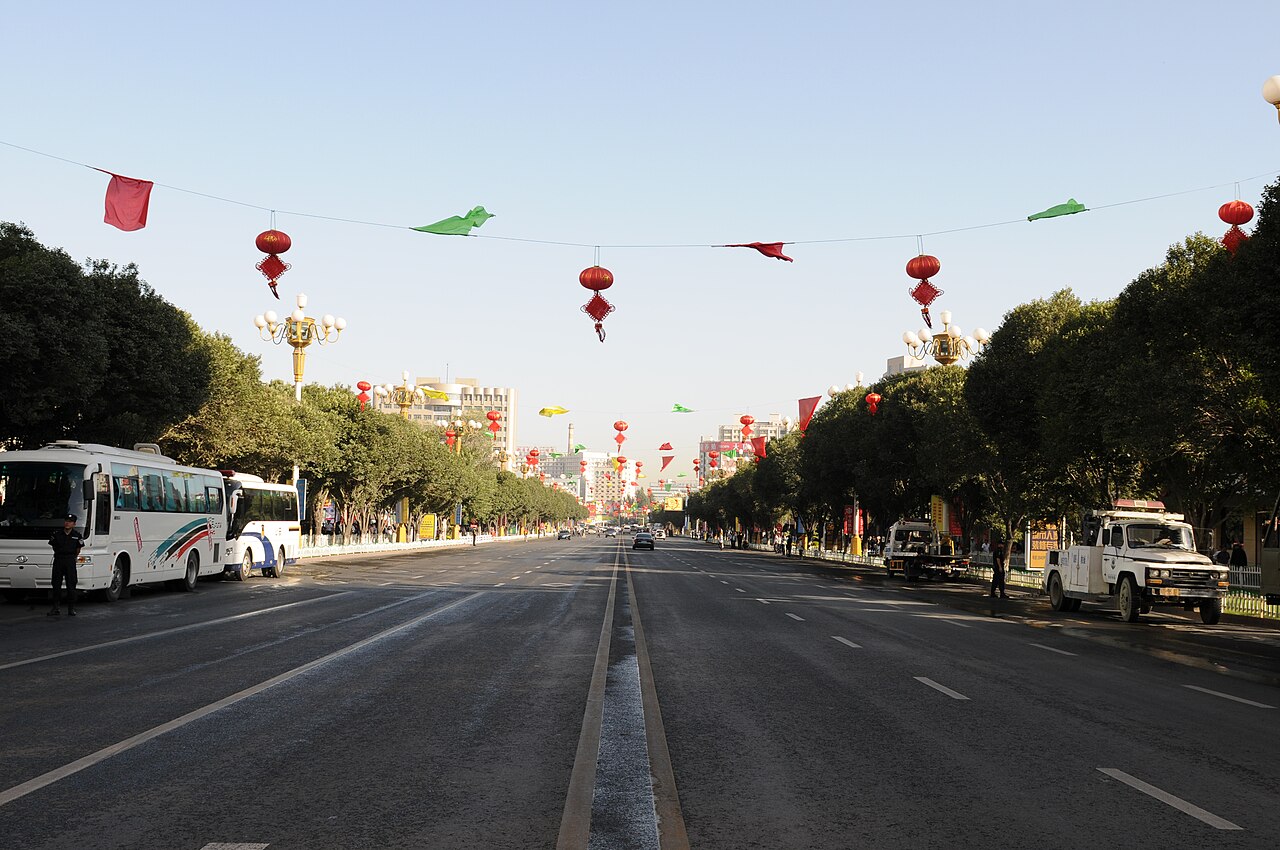
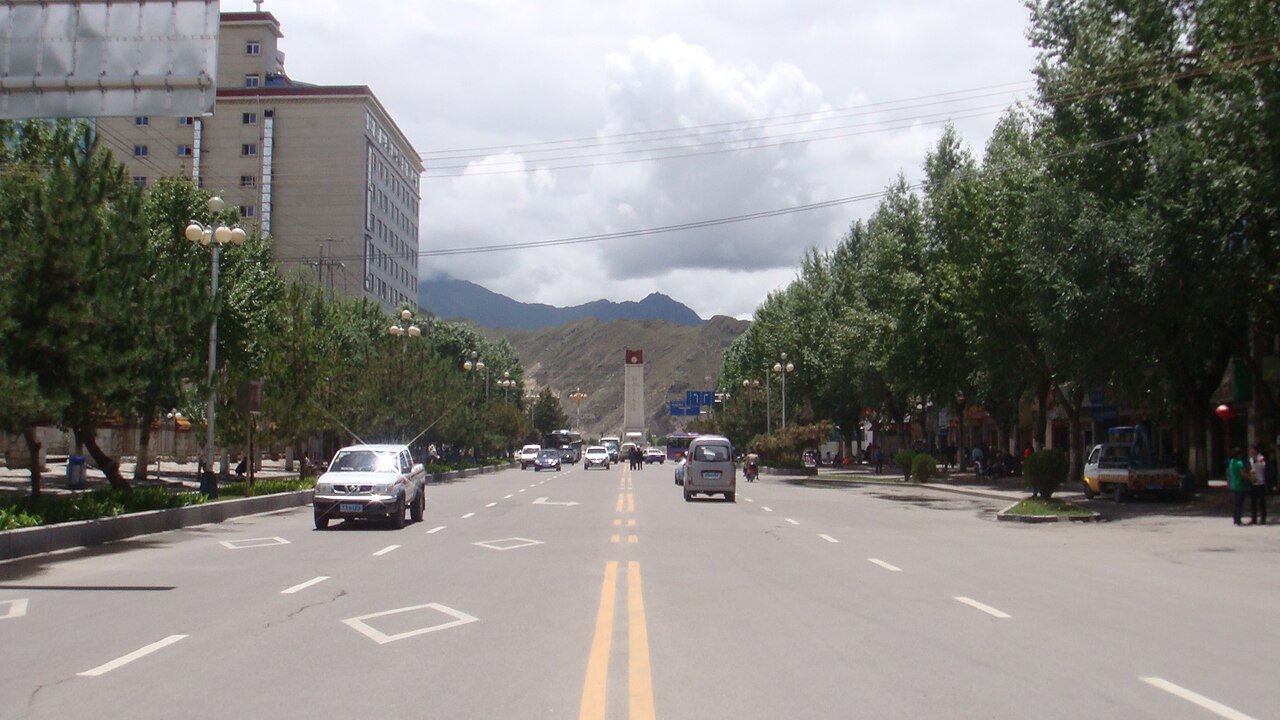
The city itself is compact and green, folded around hills and a river. Qianling Park is inside the urban area, a forested mountain with a Buddhist temple halfway up and free-ranging macaques that have learned exactly which pockets to check. The Nanming River runs through the middle, and Jiaxiu Pavilion — a three-storey Ming tower built on a boulder in the water — is the postcard shot. Everything downtown is a short taxi ride from everything else, though the traffic has a reputation and the taxis have a habit of stopping dead in the fast lane the moment they spot a fare.

Then there's the food, and this is the real reason to stay an extra night. Guizhou cooking is sour and hot in a way that's distinct from Sichuan or Hunan: sour soup made from fermented tomatoes, chillies smoked and pounded into a paste, and a herbal note from local hu辣椒 that you won't find elsewhere. Street food runs until four in the morning. The night markets are where locals actually eat, and the pace of the whole city — tea houses, mahjong tables, unhurried service — is genuinely relaxed rather than performed.

Guiyang

Don't leave without

Seven things that are worth rearranging a day for.

  1. Climb the Nine Bends Path in Qianling Park early, before the monkeys get bold
  2. Eat a bowl of changwang mian — pork intestine, blood curd and crispy lard — for breakfast like a local
  3. Wrap your own siwawa at a street stall: thin rice pancake, shredded vegetables, a spoonful of smoked chilli dip
  4. Rent a boat on Qianling Lake and look back at the city skyline from the water
  5. Order sour fish soup (suan tang yu) at Lao Kaili and don't ask them to tone down the heat
  6. Walk Qingyan's stone alleys after 16:00, when the tour buses have gone and the town goes quiet

Highlights

Five reasons Guiyang earns more than a stopover

China's summer capital, at 23°C in

Guiyang's own slogan is 'Refreshing Guiyang', and the numbers back it: the annual average is 15.3°C, late July averages just 23.7°C, and in the last five years there were only about 35.8 days a year above 30°C. Locals sleep under thin quilts in midsummer — no air conditioning required.
A wild forest park in the middle o

Qianling Mountain Park sits northwest of downtown, all ancient trees, clear lakes and limestone caves, and it costs 5 yuan. Climb the Nine Bends Path past wild macaques to Hongfu Temple, the Buddhist heart of Guizhou. Get there by bus and get off at the Qianlingshan Park stop.

A 600-year Ming-dynasty town for 3

Qingyan Ancient Town, 29 km south of the city, was founded in 1378 and is one of Guizhou's four great old towns. Slate lanes, carved temples and drum towers, plus the famous braised pig's trotters. Peak-season entry is 34 yuan, off-season 30 yuan, and it never closes.

Night markets that run until 4am

Guiyang eats late and eats well. Hequn Road, Shaanxi Road, Longjing Lane and Qingyun Road all fire up around 19:00 and keep going until 04:00 the next morning. Qingyun Road alone holds 200 food stalls. Come hungry and pace yourself.

Sour-and-spicy food you can't get

This is the hometown of suan tang yu (sour fish soup), si wa wa vegetable wraps, chang wang noodles and tofu meatballs. Guiyang cooking splits 'numbing' and 'hot' into two separate crafts — which is why no other city's Guizhou food tastes quite like this.

Itinerary

Two three-day routes, city-first or city-and-country

The Classic Guiyang Three Days

3 days days

The city's own headline sights, one big karst day, and a Ming town — all reachable on public buses, no car hire needed.
  1. Day 1

    Qianling Mountain, Jiaxiu Pavilion

    Start early — Guiyang's sights sit on the edges of town and the traffic crawls, so an 8am start buys you an hour of quiet and a cooler climb.

    Stops: Qianling Mountain Park (5 yuan)Hongfu TempleJiaxiu Pavilion (4 yuan)Fuyu BridgeHongfeng Lake (40 yuan peak / 30 yuan off-season)

  2. Day 2

    Tianhe Lake, Qingyan Ancient Town,

    Bus 211 to Tianhe Lake, then bus 210 to Qingyan, then bus 210 back to Huaxi — it looks complicated on paper and is genuinely easy on the ground.
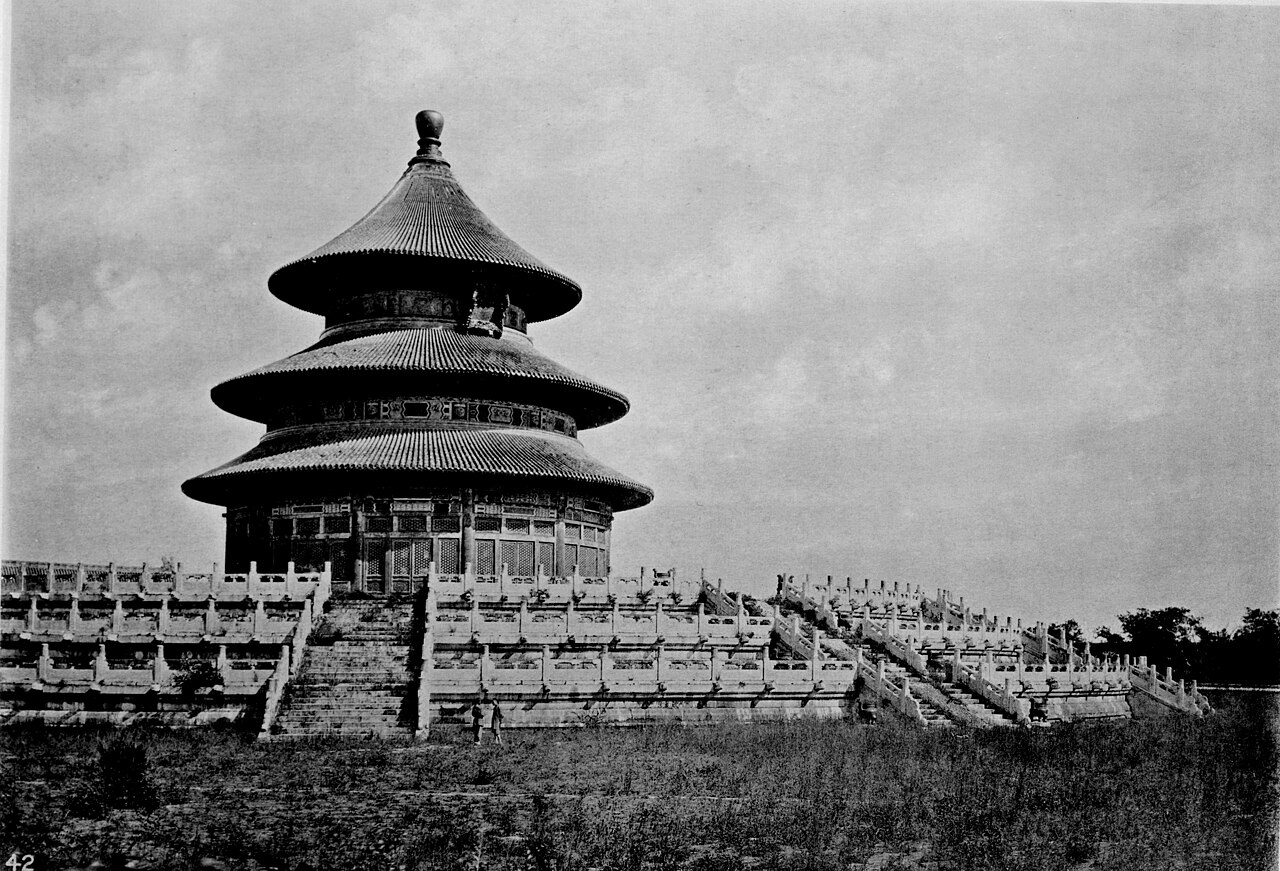
    Stops: Tianhe Lake Scenic Area (50 yuan peak / 40 yuan off-season)Wolong Beach calcified waterfallQingyan Ancient Town (34 yuan peak / 30 yuan off-season)Huaxi Park (6 yuan)

  3. Day 3
    Xifeng concentration camp and Zuny

    A long but worthwhile history day: about 1.5 hours to Xifeng, an hour inside, then another 1.5 hours on to Zunyi, back in Guiyang by evening.

    Stops: Xifeng Concentration Camp Memorial (free, closed Mondays)Zunyi Conference SiteRed Army StreetRed Army Martyrs' Cemetery

Guiyang Plus the Big Water

3 days days

For travellers who came to Guizhou for the scenery: pack in the province's two heavyweight natural sites and still sleep in Guiyang every night.

  1. Day 1

    Tianhe Lake, Qingyan, Huaxi

    The same southern loop, done at a relaxed pace — Huaxi Park is where you want to be late afternoon, when the light comes down the river.

    Stops: Tianhe Lake water cave and dry caveQingyan Ancient TownHuaxi ParkHequn Road night market

  2. Day 2

    Xifeng and Zunyi

    Both stops are free or near-free, and both are essential to understanding modern Guizhou. Keep an eye on the clock so you're back in the city with time for dinner.

    Stops: Xifeng Concentration Camp MemorialZunyi Conference SiteRed Army Martyrs' Cemetery on Red Army Mountain

  3. Day 3

    Longgong Cave and Huangguoshu Wate

    Leave Guiyang after breakfast; the coach reaches Longgong in about 2.5 hours. Budget 1.5 hours for the boat through the central cave, then move on to Huangguoshu for the afternoon.

    Stops: Longgong (Dragon Palace) CaveTianxingqiao Stone ForestHuangguoshu Great WaterfallShuilian CaveDoupotang Waterfall

Sights

Where to spend your time in and around Guiyang

City park · 5 yuan

Qianling Mountain Park

Six scenic zones wrapped around one green mountain: Hongfu Temple, Qianling Lake, Sanling Bay and more. The Nine Bends Path climbs through stands of old trees and past limestone grottoes, and wild macaques patrol the upper stretches — hold your snacks and your phone. It's the single best half-day in the city, and it costs less than a coffee.

Entry
5 yuan
Address
117 Zaoshan Road, Yunyan District
Phone
0851-6862001
Getting there
Bus to Qianlingshan Park stop

Tip Go before 9am. By mid-morning the path is a slow-moving queue, and the monkeys get bolder as the crowds grow.

Ming tower · 4 yuan

Jiaxiu Pavilion

Built on a huge boulder in the Nanming River, first in the Ming dynasty and rebuilt in 1909 in its present form. Three storeys of white stone balustrades and red beams rise about 20 metres above the water; the Fuyu Bridge links it to both banks. Come at dusk, when the tower lights come on and the river turns to lacquer.

Entry
4 yuan
Address
8 Cuiwei Lane, Nanming District
Phone
0851-5500237
Getting there
Bus to Jiaxiu Pavilion stop

Tip Pair it with the surrounding Gongnan Pavilion and Cuiwei Pavilion, then walk the riverbank north for dinner — this is the city's most photogenic hour.

Ming town · 30–34 yuan

Qingyan Ancient Town

Founded in 1378, six centuries of Ming and Qing architecture packed into slate alleys and stone gateways, with temples, pavilions and drum towers layered up the hillside. It's one of Guizhou's four great ancient towns and one of China's most atmospheric small towns. The streets stay open around the clock.

Entry
34 yuan peak season, 30 yuan off-season
Address
About 29 km south of Guiyang, 12 km south of Huaxi
Phone
0851-3200400
Getting there
Bus 38 direct, or any Huishui/Gaopo bus and get off at Qingyan

Tip Eat the braised pig's trotters — locals call them zhuangyuan ti, 'top scholar's trotters'. Try the rose candy too, about 5 yuan per jin, made here since 1874.

Karst · 40–50 yuan

Tianhe Lake Scenic Area

Waterfalls, springs, deep pools, odd rocks, caverns and a natural stone bridge, all in one compact valley in Huaxi District. The geology is textbook: over twenty calcified dams strung along the riverbed link more than twenty caves into a maze of open river, hidden passages, cave-in-cave and lake-in-cave. Open 08:00–17:30.

Entry
50 yuan peak season, 40 yuan off-season
Hours
08:00–17:30
Getting there
Bus 211 from Hebin Park

Tip Take bus 211 out, then bus 210 onward to Qingyan for lunch — the two sights stack neatly into one very full day.

Riverside park · 6 yuan

Huaxi Park

17 km southwest of downtown, Huaxi Park folds real mountains, real water, farmland scenery and minority culture into one place — the locals call it the 'Pearl of the Plateau'. The river runs through cliff and under bridge, breaking into small rapids, cascades and pools, with pavilions, footbridges and guesthouses scattered along both banks. Open 08:00–17:30, buses every 20 minutes.

Entry
6 yuan
Address
Huaxi Town, Huaxi District, 17 km south of the city
Phone
0851-3862706
Getting there
Bus 26 from the stop beside Hebin Park

Tip Climb little Lin Hill for the panoramic view over the whole valley — it's barely 100 metres high and takes fifteen minutes.

Food

Five Guiyang dishes you'll be craving back home

Sour fish soup (suantang yu)

The Miao signature and Guiyang's number-one dish. Fish goes into a naturally soured tomato broth, bright and clean rather than vinegar-sharp, with pickled chili and local herbs. Order it at Laokaili and expect a queue — roughly CNY 70 per person.

Silk doll (siwawa)

A palm-sized handmade wheat wrapper; you pile in bean sprouts, cucumber, carrot, a few fried soybeans and a spoon of smoky Guizhou chili dip, then fold the whole thing like a swaddled baby and eat it in one bite. Cheap, messy, addictive.

Intestine and blood noodle soup (c

Guiyang's most famous breakfast: egg noodles, pork intestine, cubes of congealed blood, bean sprouts and crisp pork crackling in a red chili broth. Rich but not brutal — a bowl runs CNY 8–15.

Sour bean hotpot (doumi huoguo)

Only a Guizhou cook gets the red beans to break down into that sandy, velvety base. Add 'ruan shao' (soft-fried pork) and it turns thick and deeply savoury. Budget around CNY 60 per person.

Zhuangyuan trotter & rose candy

The braised pig's trotter of Qingyan, renamed for a Qing-dynasty scholar who ate them at the north gate night market. Red-brown, gelatinous, not greasy. Follow it with Qingyan rose candy — CNY 5 a jin, made from rose petals, sesame and walnut.

Where to eat

Four tables worth planning your day around

Sour fish soup

Laokaili Sour Fish Soup (Shengfu R

The benchmark for suantang yu, and busy enough that you should show up before 6pm or wait. The fish is killed to order and the soup comes to a rolling boil at the table. Core Guiyang eating, and an easy first-night choice.

Order
Sour fish soup, plus a side of rice noodles
Per person
about CNY 70
Address
55 Shengfu Road, Yunyan District
Phone
0851-5843665

Old-school courtyard restaurant

Siyuanyuan

A genuine Guiyang institution hidden behind a modest facade — a two-storey courtyard where you eat flame-grilled beef and braised yellow croaker sitting on long wooden benches. Locals come for nostalgia as much as the food.

Order
Flame beef, braised yellow croaker
Per person
about CNY 40
Address
34-2 Qianling West Road, Yunyan District (near Hequn Road)
Phone
0851-6825419

Breakfast noodle shop

Huaxi Feiwan Beef Rice Noodles

Ask anyone in Guiyang where to eat Huaxi beef rice noodles and they'll point here. The broth is clean and beefy, the chili oil is sharp, and the noodles themselves beat the touristy lookalikes that borrow the Huaxi name. Go for breakfast.

Order
Beef rice noodles, extra chili
Per person
about CNY 8
Address
Hualuo Road market, Huaxi District (side gate of Huaxi Park)

Night-market grill

Liuyishou Signature Grilled Fish

A Qingyun Road night-market staple: pick your fish, it's killed and grilled over coals, then buried under chili, peanuts and herbs. The fish is more deeply seasoned than most grilled fish you'll find elsewhere in Guizhou.

Order
Whole grilled fish, medium spicy
Per person
about CNY 50
Address
44 Qingyun Road, Nanming District
Phone
0851-8661588

Where to stay

Three bases, from five-star to backpacker

Five-star, central

Sheraton Guiyang Hotel

The most convenient high-end base in the city: right in the busiest commercial stretch of downtown, 15 minutes to the airport, and walking distance to the night markets. Worth it if you want Guiyang as a comfortable hub between Huangguoshu and Zunyi.

From
about CNY 1,200
Address
49 Zhonghua South Road, Nanming District
Phone
0851-5888888

Mid-range, best-located budget option

Home Inn (Zhonghua Middle Road)

Hard to beat for position: a few hundred metres from Penshuichi, the snack street, Parkson and the craft shops, seven minutes by car to the airport bus and train station. Rooms are plain but clean and the price is honest.

From
about CNY 150
Address
145 Zhonghua Middle Road, Guiyang
Phone
0851-8617888

Hostel

Guiyang Backpacker Youth Hostel

A proper traveller hostel near Jiaxiu Pavilion, the ethnic culture palace, Wenchang Pavilion, the snack street and Qianling Park. Dorms from CNY 40 — the cheapest bed in the city, and the easiest place to find people to split a car to Qingyan or Huangguoshu.

From
about CNY 40
Address
26 Sichuan Lane, Penshuichi, Yan'an East Road, Yunyan District
Phone
0851-6867911

Getting around

Airport, trains and the taxis that never quite stop

Fly into Longdongbao (KWE)

Guiyang Longdongbao International Airport sits 12 km from the city centre — about 15 minutes by car on the airport expressway, and 20 minutes by shuttle. It runs 81 routes: 60 domestic departures, 15 through-flights, 2 regional and 4 international, covering nearly 50 Chinese cities plus Hong Kong, Taiwan and Bangkok, flown by 20 airlines.

Airport shuttle
Leaves from outside the terminal to Hebin Park, the stadium and the CAAC ticket office near the junction of Zunyi Road and Qingyun Road; about 20 min, CNY 10
Bus
Routes 46, 244, 234 and 216 (the CNY 5 airport bus) all reach the airport
Taxi
Licensed cabs quote a flat CNY 50 one way as an unofficial rule, though the real fare is around CNY 30 — do not announce your destination before you get in, or you may collect a string of excuses for refusal
Airport hotline
0851-5498908

Trains

Guiyang is the transport hub for the whole province and rail is the main way in and out. Lines connect to Chongqing, Chengdu, Liuzhou in Guangxi, Kunming and Zhuzhou, with direct services to Beijing, Shanghai, Nanjing, Hangzhou, Guangzhou, Wuhan, Zhanjiang and Beihai. Inside Guizhou, tourist trains run Guiyang–Liupanshui (for Huangguoshu Falls) and Guiyang–Yuping (for Fanjing Mountain), with ordinary services to Tongzi, Kaili and Duyun.

Station
Guiyang railway station is inside the city — buses 1 and 2 from the exit go downtown
Tourist trains
Guiyang–Liupanshui and Guiyang–Yuping, aimed at Huangguoshu and Fanjing Mountain
Regional links
Kaili, Duyun, Tongzi all have regular services

Long-distance buses

Since 1 May 2010 the city's five scattered bus stations — including the tourist coach station and the Huangjin Road departure point — moved to the temporary Jinyang terminal, roughly three years before a permanent West Station opens near Jiangjunshan.

Jinyang temporary terminal
Between Jinyang South Road and Xingzhu West Road, diagonally opposite Guiyang No.1 High School
Phone
4000088219
Use it for
Zunyi, Huangguoshu, Xifeng and anywhere the trains do not reach directly

Taxis, buses and minibuses

Taxis start at CNY 8 plus a CNY 1 fuel surcharge, covering the first 3 km; after that it is CNY 1.60/km by day (06:30–22:00) and CNY 1.92/km at night (22:00–06:30). Hailing one is genuinely hard and the same trip can cost CNY 9 or CNY 20 depending on the jam. Buses are exact-fare, one yuan in the city and two yuan on suburban routes out to Jinyang and Huaxi, with the fare posted on the window; minibuses cover 30-plus city routes at CNY 1.20 (CNY 1.40 after 22:00) and are the cheapest, easiest way to move around.

Taxi flagfall
CNY 8 + CNY 1 fuel, first 3 km included
Taxi complaints
0851-5280719
Buses
CNY 1 city, CNY 2 suburban; front door on, back door off, exact change only
Minibuses
CNY 1.20 (CNY 1.40 after 22:00) — drivers race each other, so sit down and hold on
Unlicensed cars
Common and sometimes cheaper (about CNY 10 for 2 km), but with no safety guarantee — locals will tell you to get home early for a reason

Shopping

What to carry home: batik, chillies and a very small pumpkin

Batik (lazhan)

Guizhou is the home of batik, and Guiyang's artisans have pushed the traditional wax-resist technique into modern painting, producing framed decorative panels and cloth with strong Miao and Bouyei motifs. The city gathers the best batik work from all over the province — buy at Qiancuixing or the museum shop rather than at a scenic-spot stall.

Chilli products

Pingmian chillies from Baiyi township outside the city are long, bright and aromatic; Dangwu chillies from Huaxi are hotter and more fragrant still. Brands to look for are Laoganma, Fenglazi and Lajiaowang. Jilajiao — chilli chicken paste, essentially a chunky Laoganma — is sold all along the old street at Qingyan and keeps for three months or more.

Qingyan rose sugar and tiny pumpki

Rose sugar started in 1874: rose petals, brown sugar, glutinous rice, wheat, sesame and walnut pressed into bars and blocks, CNY 5 per jin, crisp and perfumed. There is also a rose petal jam to stir into honey water. At the gate of Qingyan old town farmers sell fist-sized golden pumpkins engraved with 'fortune' or 'joy' when tiny, so the character grows with the fruit — CNY 2 each and cheerfully tacky on a kitchen shelf.
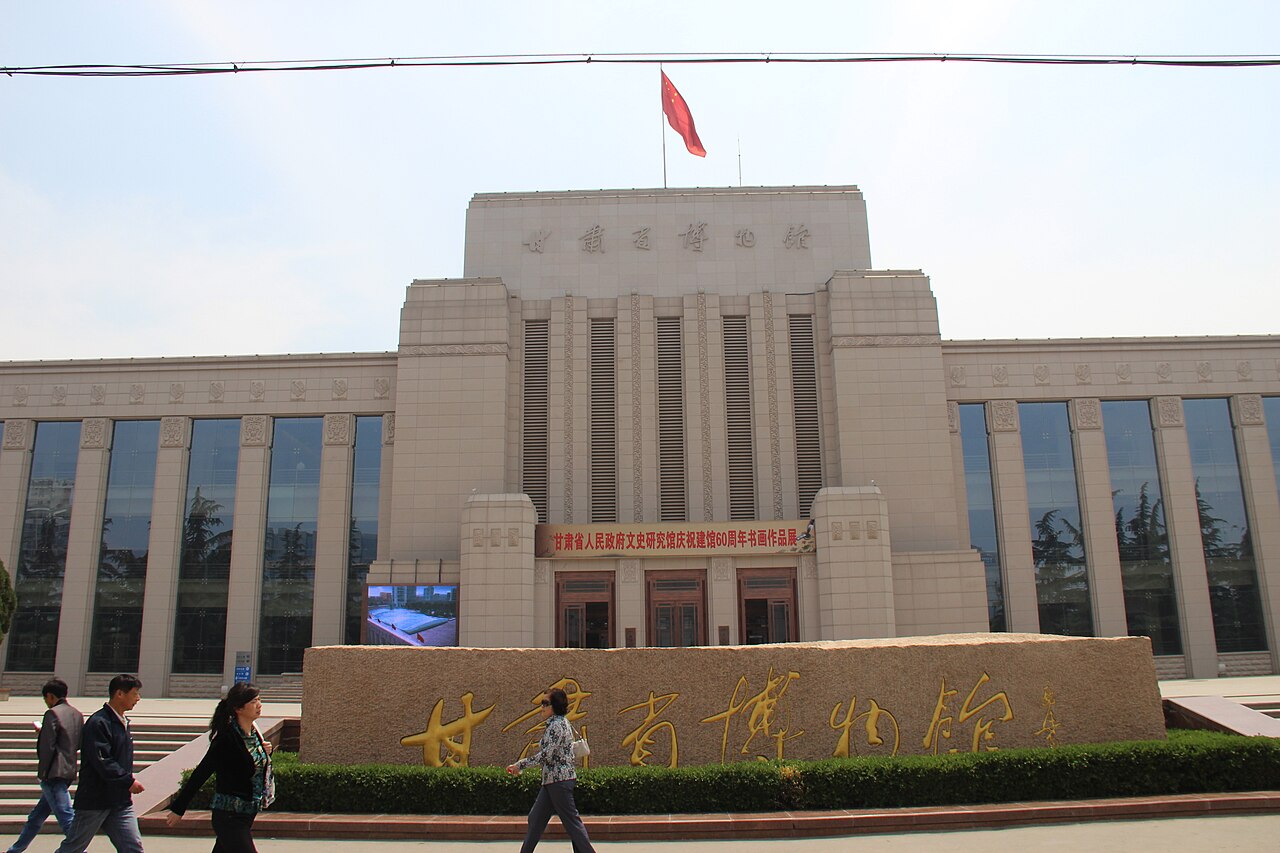
Tea, herbs and wood art

Guizhou tea is distinctive; Duyun Maojian, Zunyi Maofeng and Guiyang's own Yang'ai Maofeng are the famous ones, and Zhaosi tea from Zhaosi village in Qiantao township is a pan-fired green with even leaves and a pale yellow-green, fresh brew. The province grows more than 4,000 medicinal plants and is one of China's four great herb regions — eucommia and gastrodia are the ones to buy. Raw-wood art, made from vines and stems with the bark left on, is rustic and oddly modern at once.

Practical

Numbers, hours and the things that catch visitors out

Prices and phone numbers here come from locally published listings and drift over time — treat them as a planning baseline, confirm the big-ticket items (rafting, hot springs, high-season entry) before you set out, and keep small change for buses, which take exact fare only. If you would rather hand the logistics to someone who knows which villages are worth the drive, our Guiyang private tour desk builds itineraries around Qingyan, Huaxi and the falls. For a wider loop through the province, see our Guizhou tour packages, and if you are still deciding how to split your days, the Guiyang travel guide itinerary section above lays out two- and three-day routes in detail.

Money and costsBudget roughly CNY 800 per person for two days. Sights are cheap: Qianling Park CNY 5, Jiaxiu Pavilion CNY 4, Qingyan old town CNY 34 high season / CNY 30 low, Tianhetan CNY 50 / 40, Hongfeng Lake CNY 40 / 30, Nanjiang Grand Canyon rafting CNY 155, Xifeng hot springs CNY 48, Yangming Cave CNY 6, Xiangzhigou CNY 11. The forest park is free.
Opening hoursTianhetan 08:00–17:30; Hongfeng Lake 08:00–18:00 high season, 08:30–17:30 low; Nanjiang Grand Canyon 09:00–17:00; Xifeng hot springs 09:30–22:00; Yangming Cave and Xiangzhigou 08:00–18:00; the forest park 08:00–17:00. Qingyan old town never closes. The Xifeng concentration camp memorial is free but shut on Mondays.
Best time to goMarch to October is the golden season. The annual average is 15.3°C, with an extreme high of 35.1°C and low of -7.3°C. Late July averages 24°C and early January 4.6°C — no brutal summers, no severe winters, no dry air, no sandstorms. Locals boast that while Suzhou and Hangzhou may be paradise, for climate Guiyang beats them both.
Rain and layersThe plateau weather is unstable and wet — 'no three days without rain' is the local saying. Carry an umbrella every day and pack a windproof jacket; the temperature drops sharply after rain, and the scenic areas run cooler than the city. On high mountains the saying is that one rain turns the season to winter.
Food and chilli toleranceGuiyang cooking is numbing-and-hot, close to Sichuan and Hunan but distinct: ma comes from a blend of spices, la is extracted from chillies. If you cannot handle either, say so when you order. The good news is that food is everywhere, at any hour — the big night-market streets trade through the night, so missing mealtime is not a problem.
Night marketsHequn Road is the self-styled number one night-market street, running 19:00 to 04:00 the next morning (bus to Qianling West Road, then 5 minutes on foot). Shaanxi Road also runs 19:00–04:00. Qingyun Road, with 200 stalls, took over from the old Xingguan Road market and is twice its size. Longjing Lane holds decades-old names like Cheng Changwang.
Safety and etiquetteGuiyang is generally safe, but watch your bag in crowds and around the railway station, and do not stay out too late. Be aware that some roads are dangerous — steep slopes, dense forest, cliff paths, fast water and deep caves — so travel with others rather than alone. Guizhou has many ethnic minority communities; respect local customs and festival etiquette.
Emergencies and useful numbersTourist complaints 0851-12301 or 6515376; city public security 0851-7588872; guide service centre 0851-6508357 or 6510947; medical assistance 96999 or 96996; Guiyang CDC 0851-5667543; city emergency office 0851-7987000. Hospitals: the Affiliated Hospital of Guiyang Medical College, 28 Guiyi Street, 0851-6855119, and Guizhou Provincial People's Hospital, 83 Zhongshan East Road, 0851-5922979.

Background

Why Guiyang is the way it is

A city built in a basin, on the wa

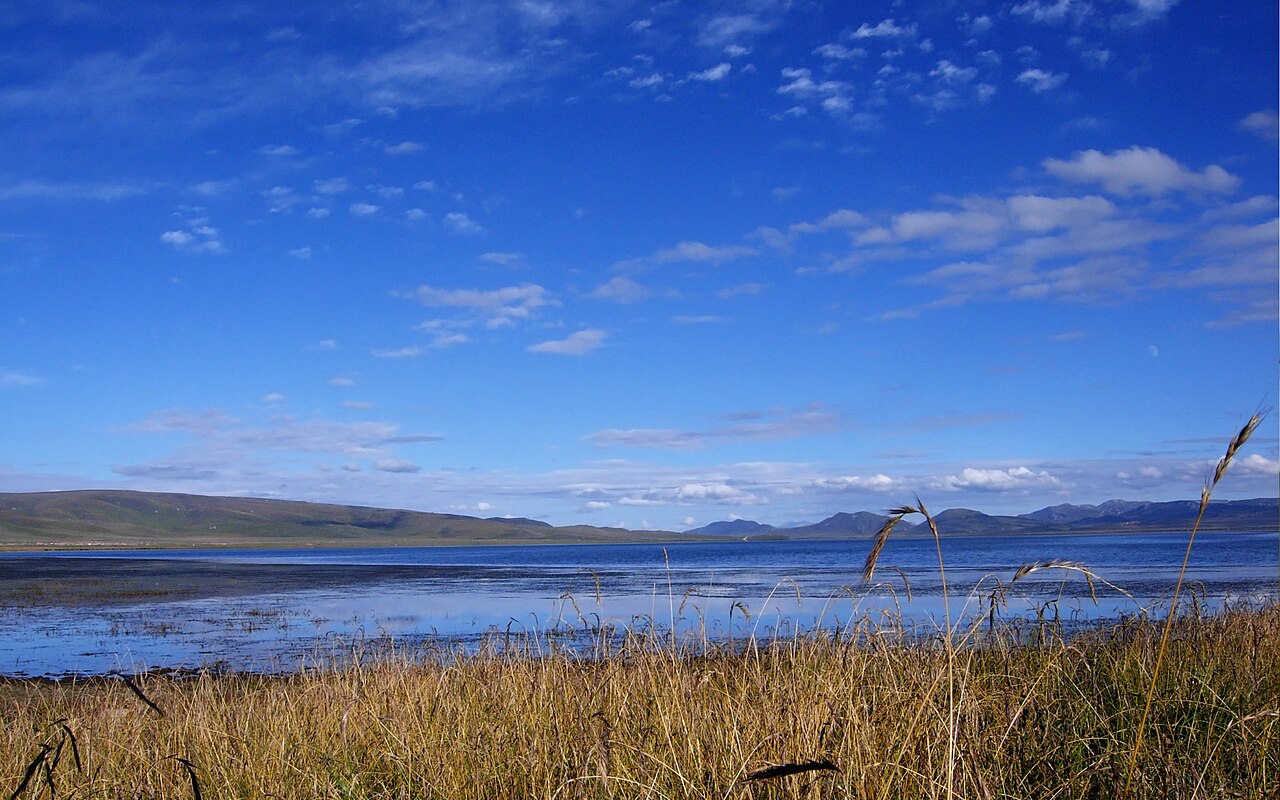
Guiyang sits in the middle of the Qiandong plateau, on the divide between the Yangtze and Pearl River systems, with the Miao Ling ridge running through the municipal area. The general tilt is high in the southwest and low in the northeast: the highest point, Miaowoding in Shuitian township, is 1,659 m, while the lowest, where the Nanming River leaves the city, is 880 m — a 100–200 m relative drop across the settled parts. That layered landform gives you the city's signature look: karst peaks and dish-shaped hollows, funnel caves, underground streams and the flat little basins at Huaxi, Mengguan, Wudang and Jinhua where people actually built. The Nanming River runs southwest to northeast straight through the urban core and drains about 70% of the municipal area, which is why bridges, not boulevards, define downtown.

The 15.3°C average that made it a

Guiyang has a subtropical humid monsoon climate with an annual average of 15.3°C. Summer is the point: the July average is only 23.7°C, daytime highs usually sit between 25 and 28°C, and over the last five years the city has averaged just 35.8 days above 30°C and 0.3 days above 35°C. UV only reaches level 4 for a short window around noon. Summer rain is heavy — around 500 mm — and about 70% of the city's annual rainfall falls at night, so mornings are often clear. Even on a 30°C day the evenings are cool enough that locals sleep under a thin quilt, and most homes have no air conditioning. The coldest stretch, the first ten days of January, averages 4.6°C. Bring a rain shell and a light windproof layer year-round; up in the hills, locals say one rainstorm turns the season to winter.

Going further

Films, books and music to watch and read before you go

Film

Xun Qiang (The Missing Gun), 2002

Directed by Lu Chuan, starring Jiang Wen

The film that put Qingyan on the map for Chinese audiences. Jiang Wen plays Ma Shan, a small-town policeman in a southwest border town who wakes up after his sister's wedding to find his service pistol gone — and three bullets still unaccounted for. Lu Chuan shot it in Qingyan Ancient Town, 30 km south of Guiyang on the road toward Huishui, and the film's grey stone lanes, walled courtyards and rain-slick flagstones are the town as you will actually find it. Watch it before you go and the walk from the north gate to the old exam hall will feel like a set you have already been on.

Book

Manhua Guiyang: Niu Bizi Roams Old

Huang Yao, compiled by the Guiyang Municipal Archives

Huang Yao drew this sixty-odd years ago, and it reads as much as a poem as a comic. Horses lead the way through the four whitewashed city walls, the bells ring long and loud, and the landmarks — Jiaxiu Lou, the old Bronze Statue Terrace — appear as they were before the ring roads. It is the best antidote to the assumption that Guiyang is a city with no past; the archive edition reproduces the original drawings and is the standard souvenir for people who want the city's older face.

Music

Duo Cai Guizhou (Colourful Guizhou

A Youduo

A Youduo was born in southeast Guizhou, in what people there call 'a world of song and an ocean of dance', and was known as the little Miao singer while still a child. The record is the easiest entry point to the Miao and Bouyei vocal styles you will hear at the April 8 and June 6 festivals — buy it before you fly and the lusheng-and-reed sound of a Huaxi festival will already be familiar when you arrive. Pair it with a live performance if your dates land on a festival day.
The questions visitors ask us most about Guiyang, answered plainly.

Frequently asked questions

Prices and practical details are reviewed every month by our Beijing team and updated the day a rule changes.

When is the best time to visit Guiyang?

March to October, with July and August the sweet spot — the city averages 23.7°C in late July while the rest of China swelters. Summer is also the wettest period, around 500 mm of rain, and most of it falls at night, so mornings are usually clear. Winter is mild but grey, averaging 4.6°C in early January, and there's no snow to speak of.

Is Guiyang worth visiting, or is it just a transport hub?

Worth two full days of your own time, not just a transfer. The city has a genuine park inside it, a 600-year-old stone town 29 km south, and one of the best street-food scenes in southwest China. Most travellers use it as a base for Huangguoshu Falls and Zunyi, which is fine — but skipping the city itself is a mistake.

How do I get from Guiyang airport to the city centre?

Longdongbao International Airport is 12 km from the centre, about 15 minutes by road. The airport shuttle runs to the CAAC ticket office near the Zunyi Road/Qingyun Road junction via Hebin Park and the stadium, costs CNY 10 and takes about 20 minutes. A metered taxi is roughly CNY 30, though drivers have a long-standing habit of quoting a flat CNY 50 — insist on the meter. Public buses 46, 244, 234 and 216 also serve the airport.

How spicy is Guiyang food, really?

Spicier than you probably expect, and sour as well as hot. Guizhou cooking uses fermented tomato sour soup and smoked chilli paste rather than the numbing Sichuan peppercorn heat. Changwang mian, sour fish soup and lazi ji are all genuinely hot. If you can't take it, say 'bu yao la' when ordering and expect them to dial it down only slightly — the heat is structural, not a garnish.

How many days do I need in Guiyang?

Two days for the city: one for Qianling Park and Jiaxiu Pavilion, one for Qingyan Ancient Town and Huaxi. Add a third day for Huangguoshu Falls (2.5 hours by bus) and a fourth if you want Zunyi and the Xifeng concentration camp memorial. Anything less and you're just passing through the airport.

Is Guiyang safe, and what should I watch out for?

Generally safe, with the usual caveats. Petty theft happens in crowded places, especially around the railway station, so keep your phone and wallet out of back pockets. The bigger practical annoyance is taxis — drivers may refuse a fare if you name a destination before getting in, so state your destination only once you're seated. Unlicensed cabs are everywhere and cheap but not worth the risk.

Related reading

Related reading

Visas Do I Need a Visa for China? Requirements, Costs and How to Apply China's entry rules changed more in the last three years than in the previous twenty. Here is exactly who needs a visa, what it costs, how long it takes and which passports now walk straight through. 9 min read Visas China's 240-Hour Visa-Free Transit: Who Qualifies and How It Works Ten days in China with no visa application, no fee and no fingerprints — if you hold the right passport and leave for a third country. Here is the rulebook, port by port. 8 min read Money Paying in China: Alipay, WeChat Pay, Cards and Cash Roughly nine in ten urban payments in China now run through a phone. Set up two apps before you fly, carry a modest cash float, and you will never be stuck at a till. 8 min read Transport China's High-Speed Rail: How to Book, What It Costs, How Fast It Goes The fastest way to cross China is also the most pleasant. Here is how to book a ticket with a foreign passport, what the three classes actually give you, and how to survive a Chinese station at rush hour. 9 min read Planning Best Time to Visit China: Month by Month, Region by Region China is the size of Europe, so 'the best month' depends on where you stand. Here is the month-by-month answer for the north, the Yangtze valley, the south and the plateau. 8 min read Planning What to Pack for China: The Complete 2026 Checklist Twenty thousand steps a day, three climate zones and a phone that has to do everything. This is the list we give our own travellers, minus the things they never used. 7 min read Food Chinese Food Culture: Eight Cuisines, One Table There is no such thing as Chinese food. There is Cantonese, Sichuan, Hunan, Jiangsu, Zhejiang, Fujian, Anhui and Shandong — and knowing which one you are eating changes everything. 8 min read Traditions Chinese Tea Culture: Six Classes, One Pot, Two Fingers Tea in China is not a beverage category, it is a social technology: it fills silences, seals deals and sets the pace of a meal. Here is how to sit down in one and not look lost. 7 min read Traditions Chinese Festivals: The Calendar, the Dates and the Crowds Lunar dates mean the calendar moves every year — and two of the festivals move several hundred million people at once. Plan around them or plan into them, but never by accident. 8 min read Etiquette Chinese Etiquette: What Matters, What Does Not, and Why Most etiquette advice for China is either obvious or wrong. These are the dozen behaviours that actually change how you are treated, and the reasoning behind each. 7 min read

Tell us your dates.
We'll do the rest.

Free itinerary design, a revised plan within one working day, and nothing charged until you approve the final version.

  • Qianling Park is CNY 5 and 15 minutes from the city centre — go early, the macaques on the Nine Bends Path will go through your bag if you're holding food.
  • Jiaxiu Pavilion, the 20 m Ming-dynasty tower on its own rock in the Nanming River, costs CNY 4 and is best photographed after dark when it's floodlit.
  • Qingyan Ancient Town (CNY 30 low season, CNY 34 high season) is 29 km south; bus 210 from Huaxi gets you there, and the braised pig's trotters are the reason locals make the trip.

No spam. No sales calls. Just a real itinerary from a real person.