A city of water and low hills
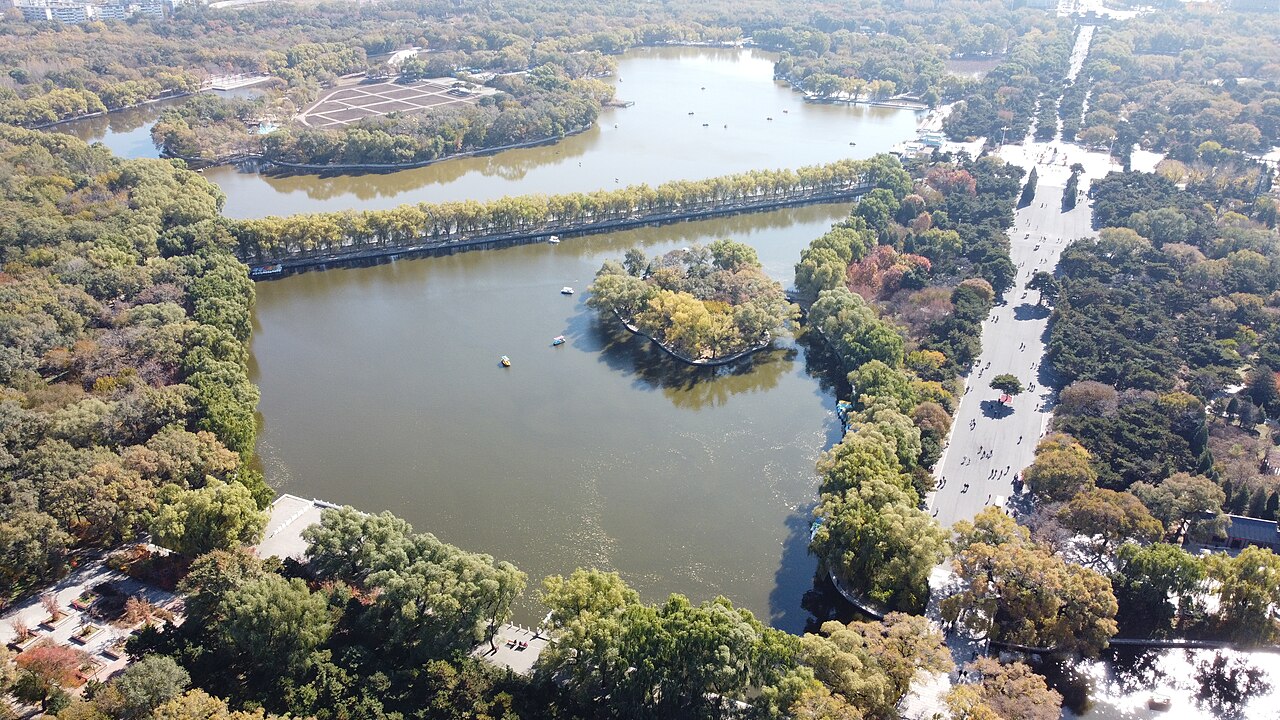
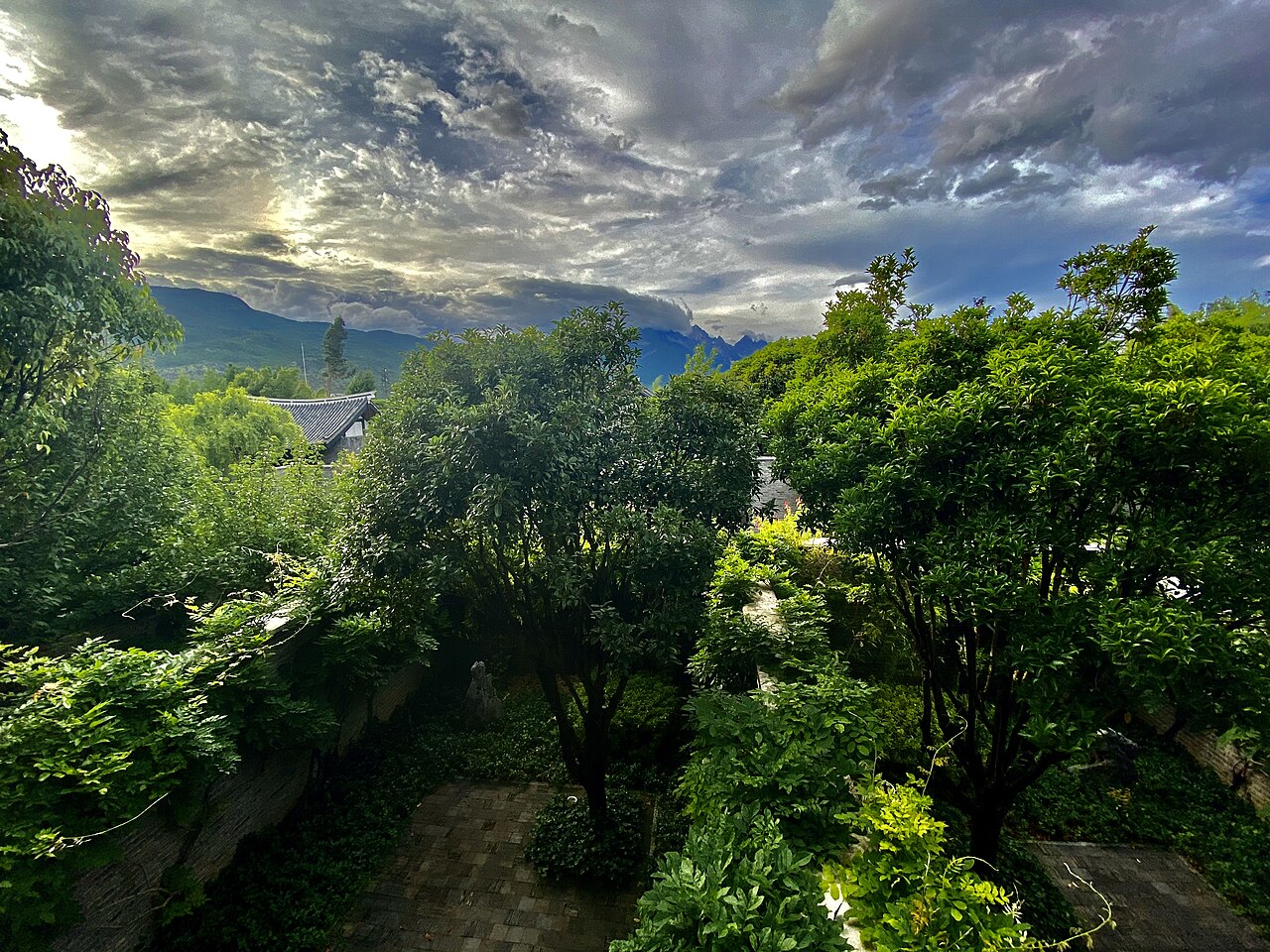
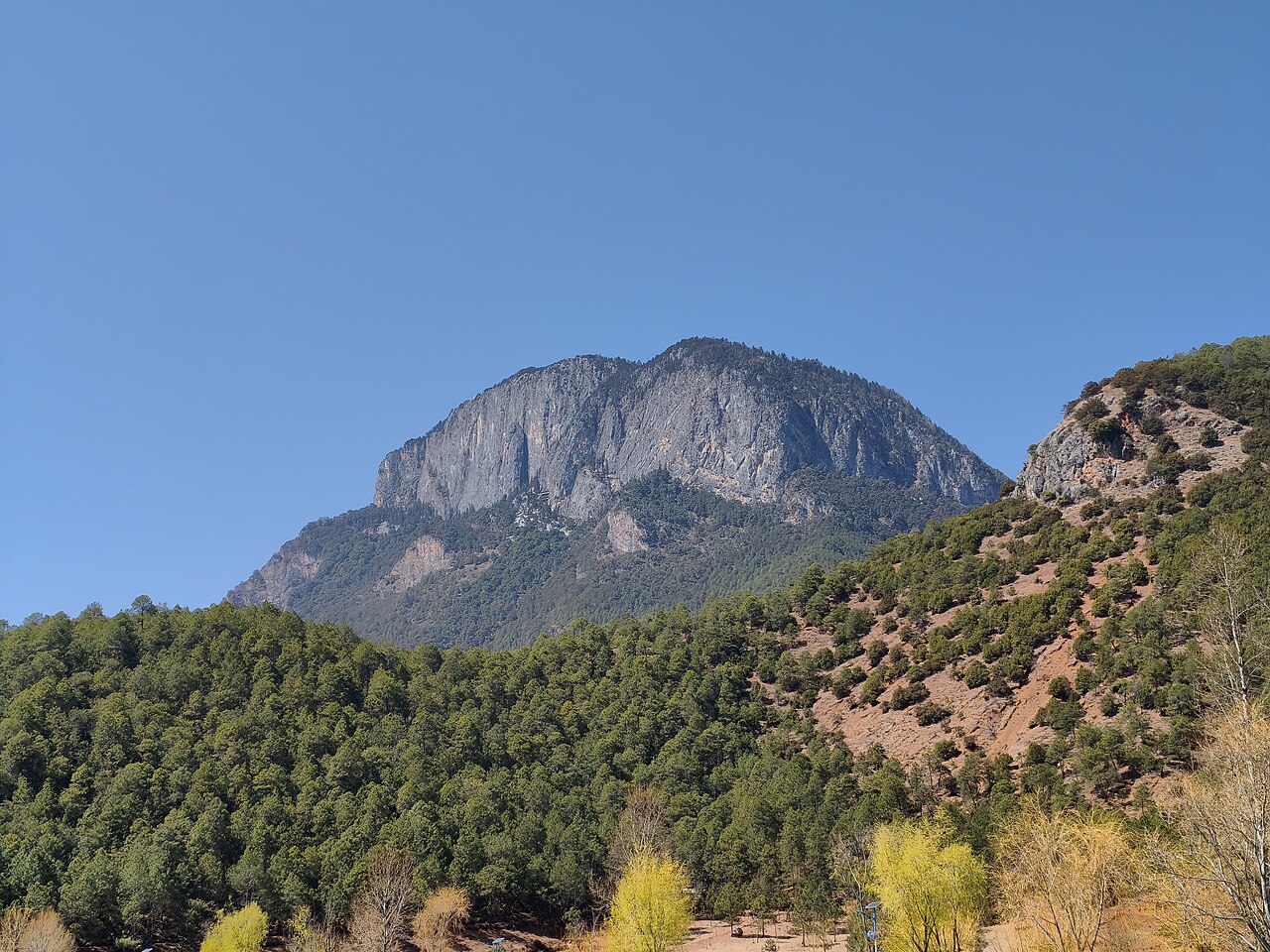
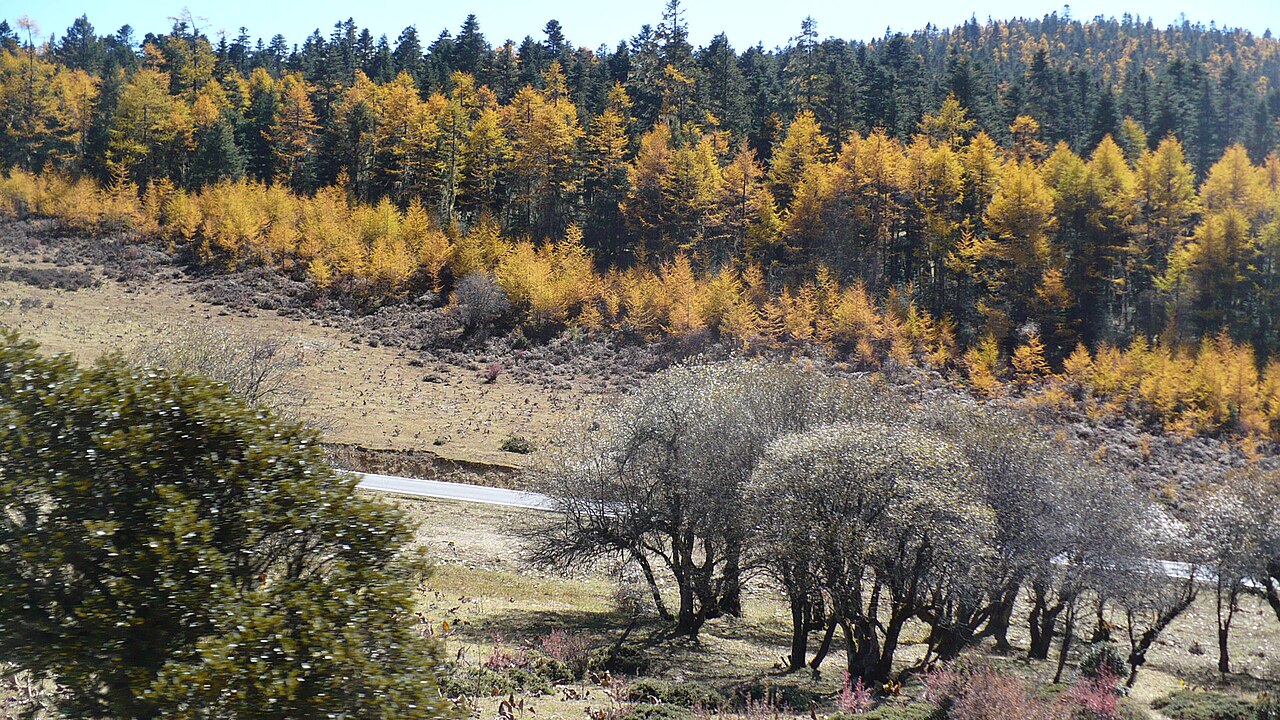
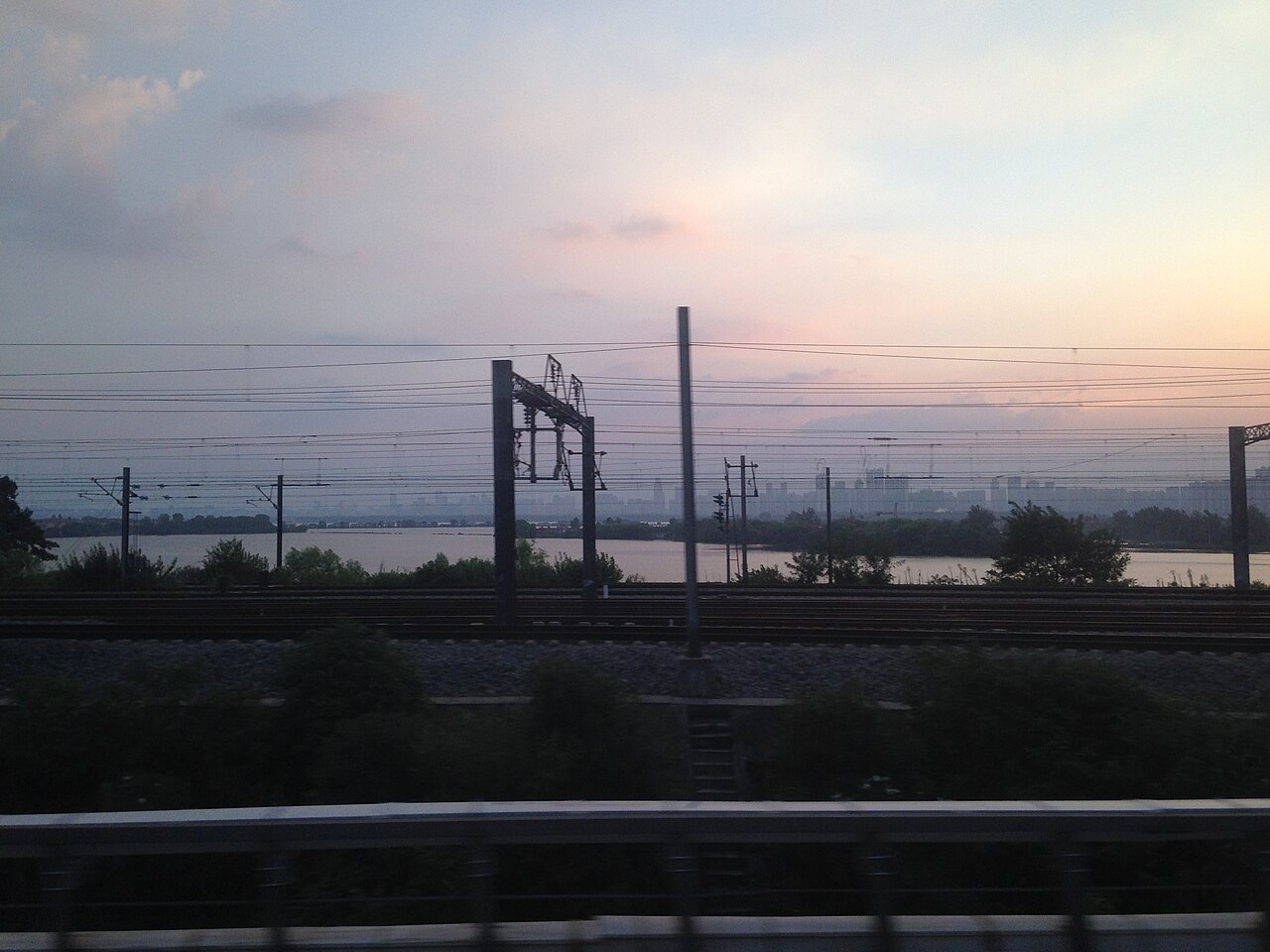
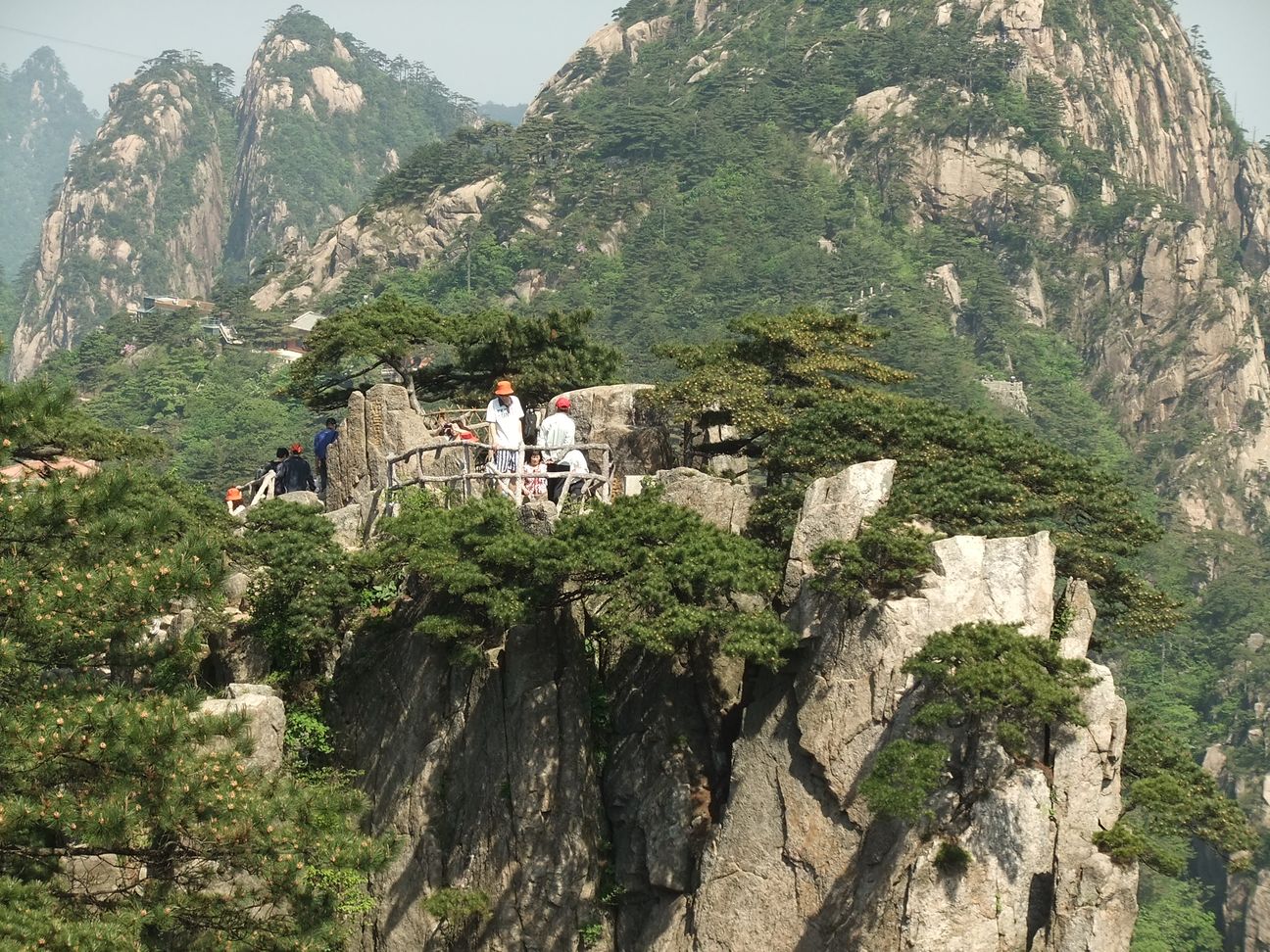
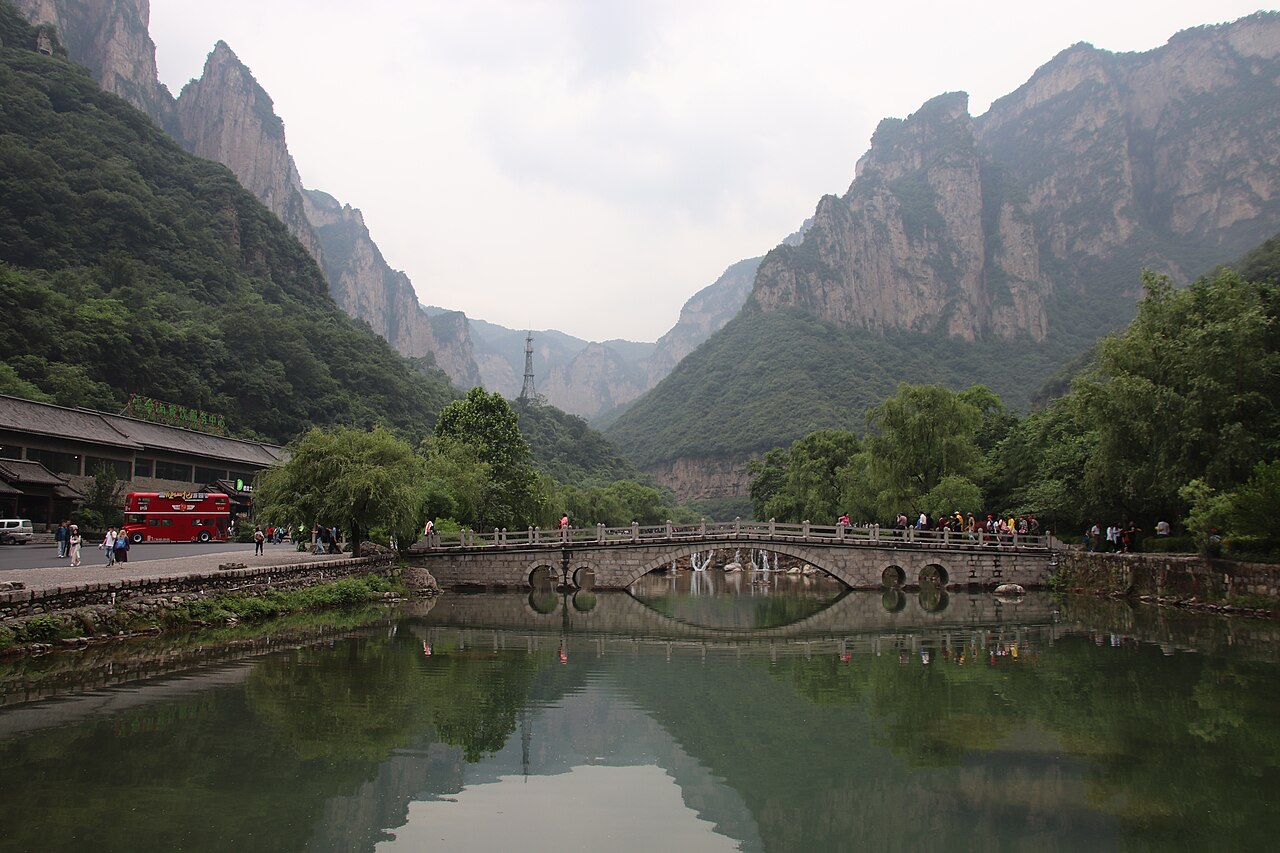
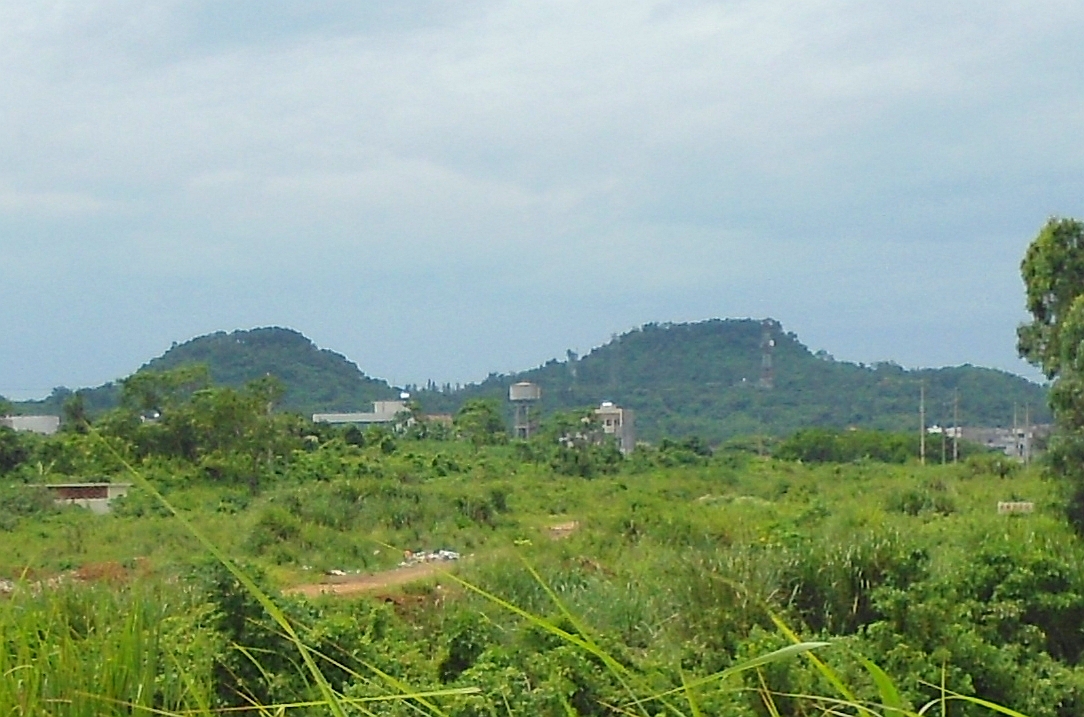
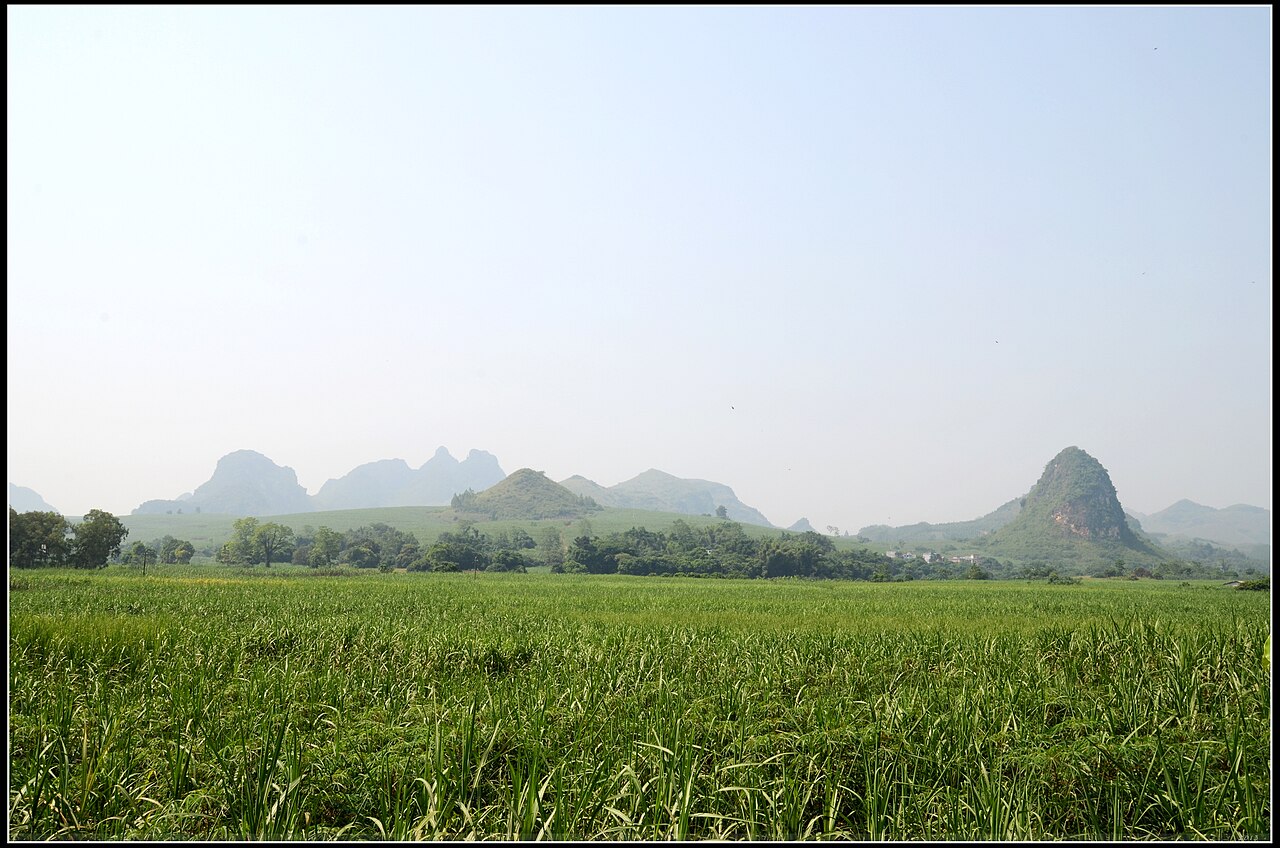
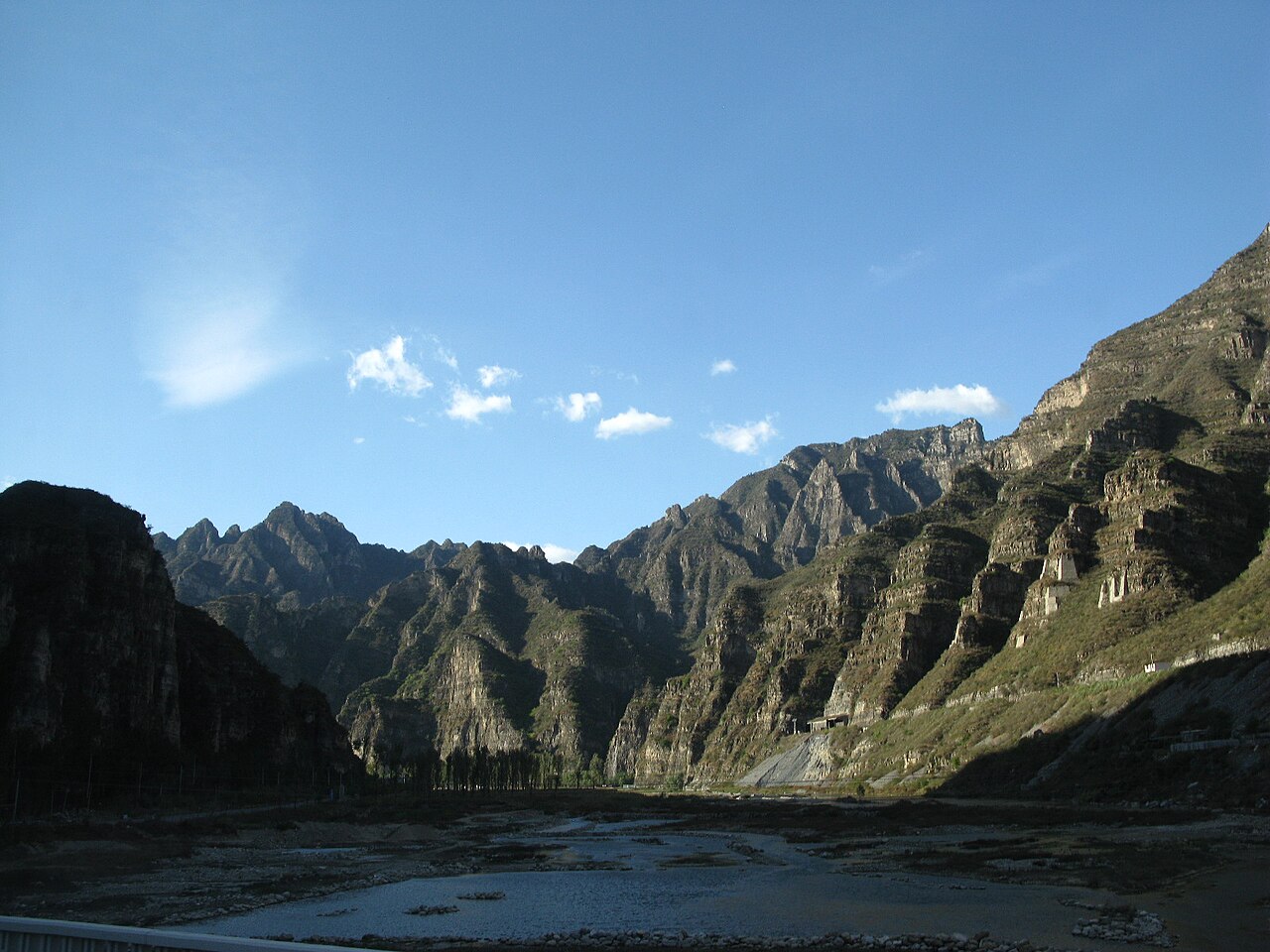
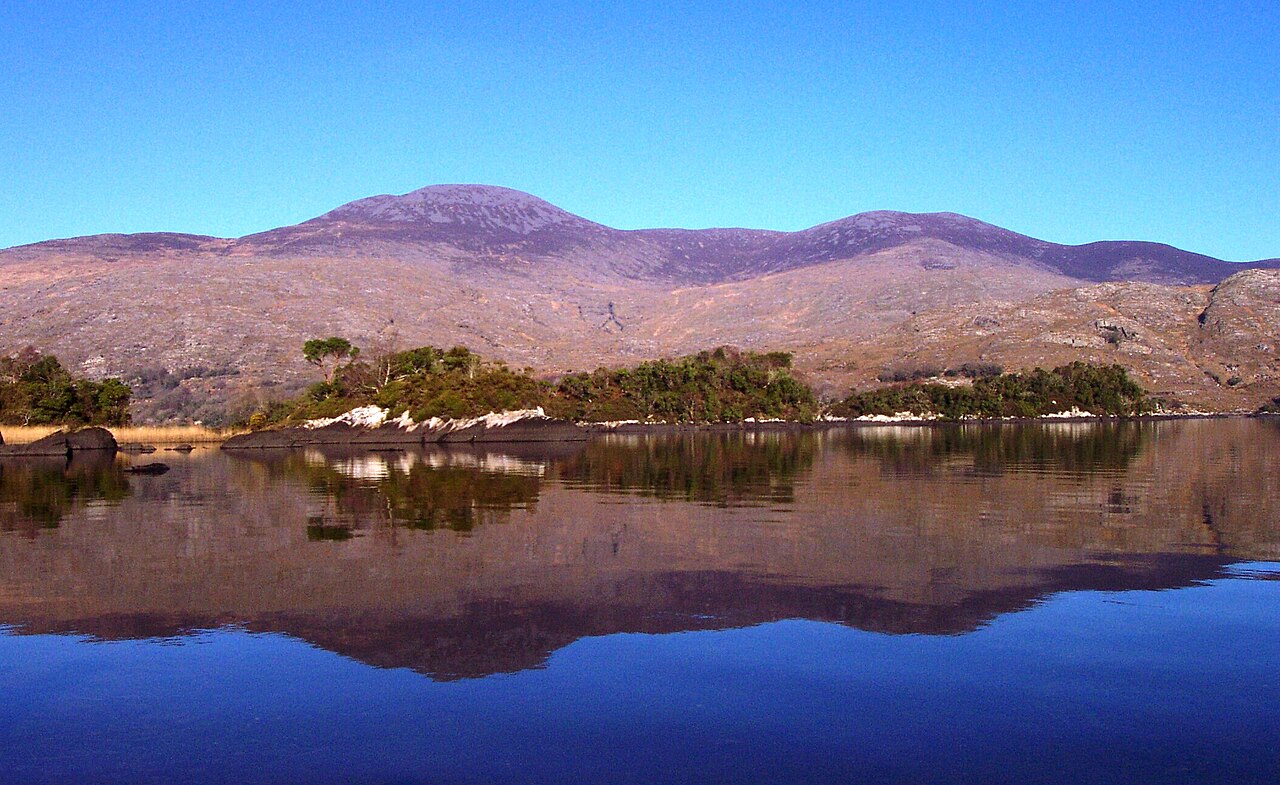
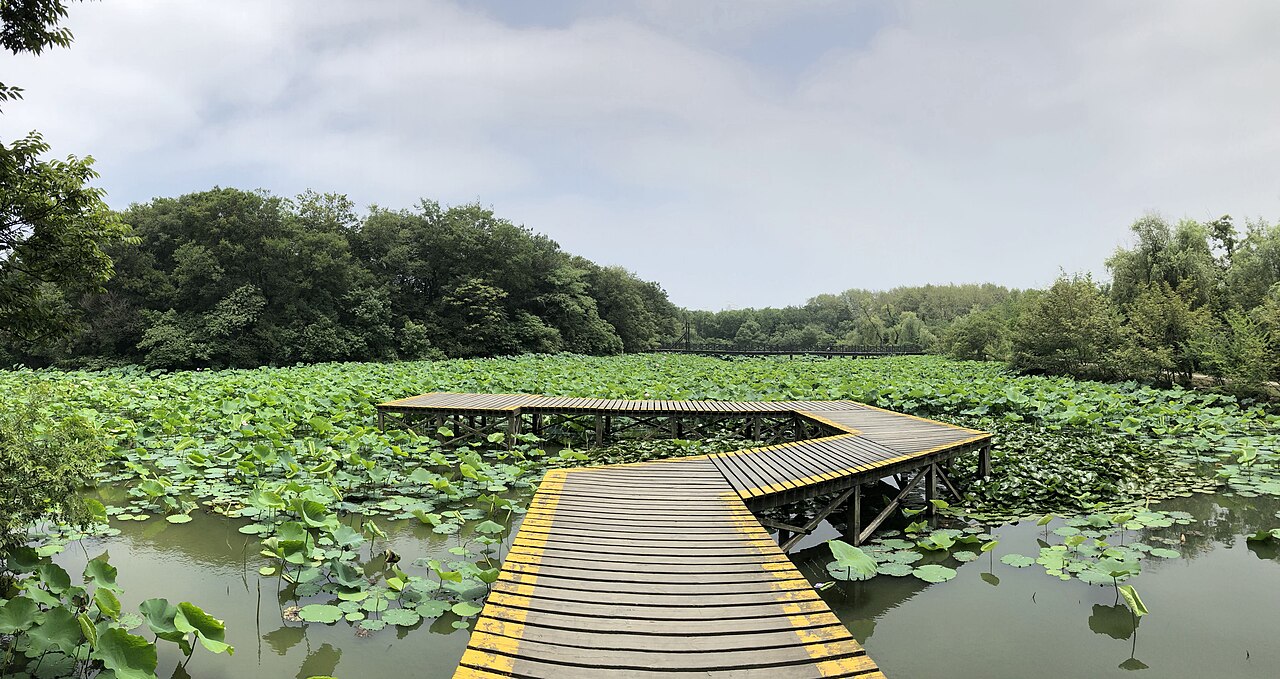
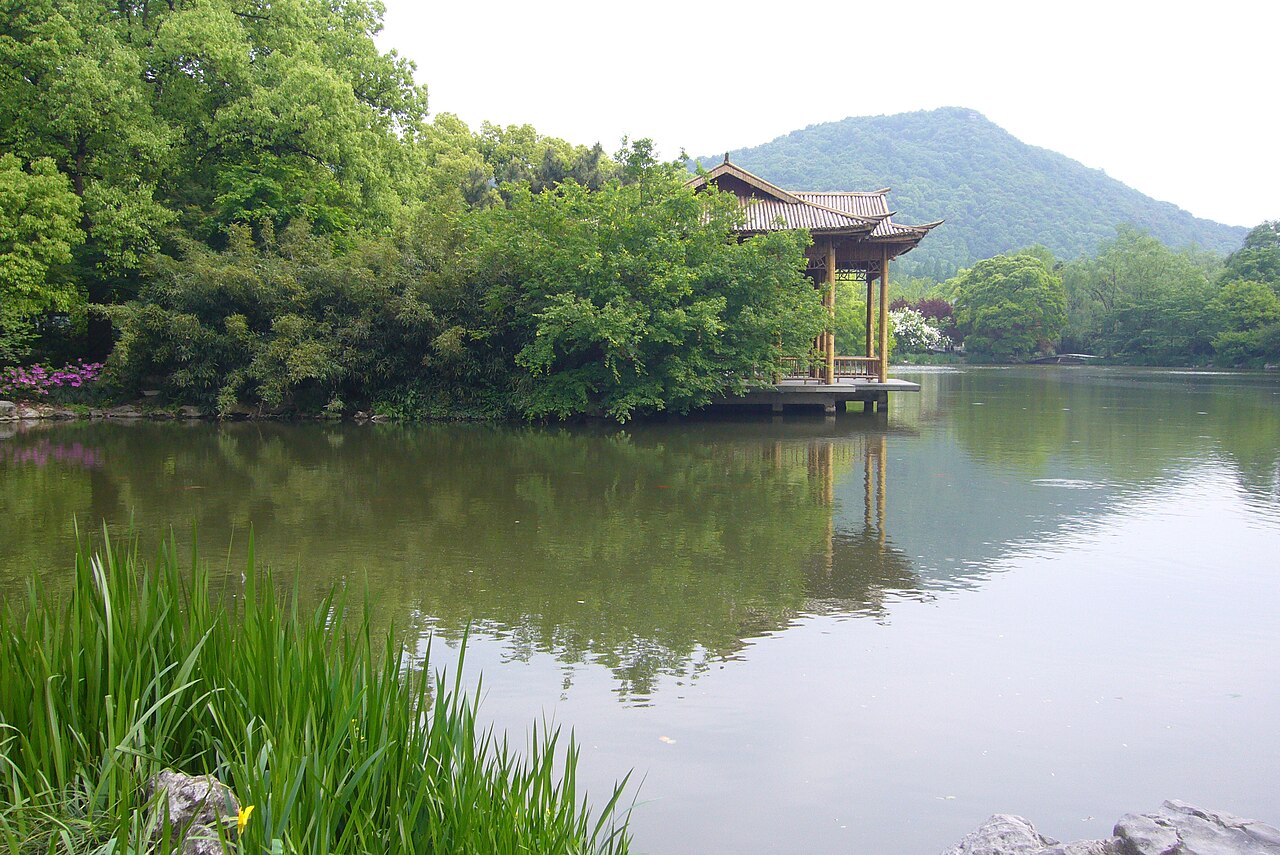
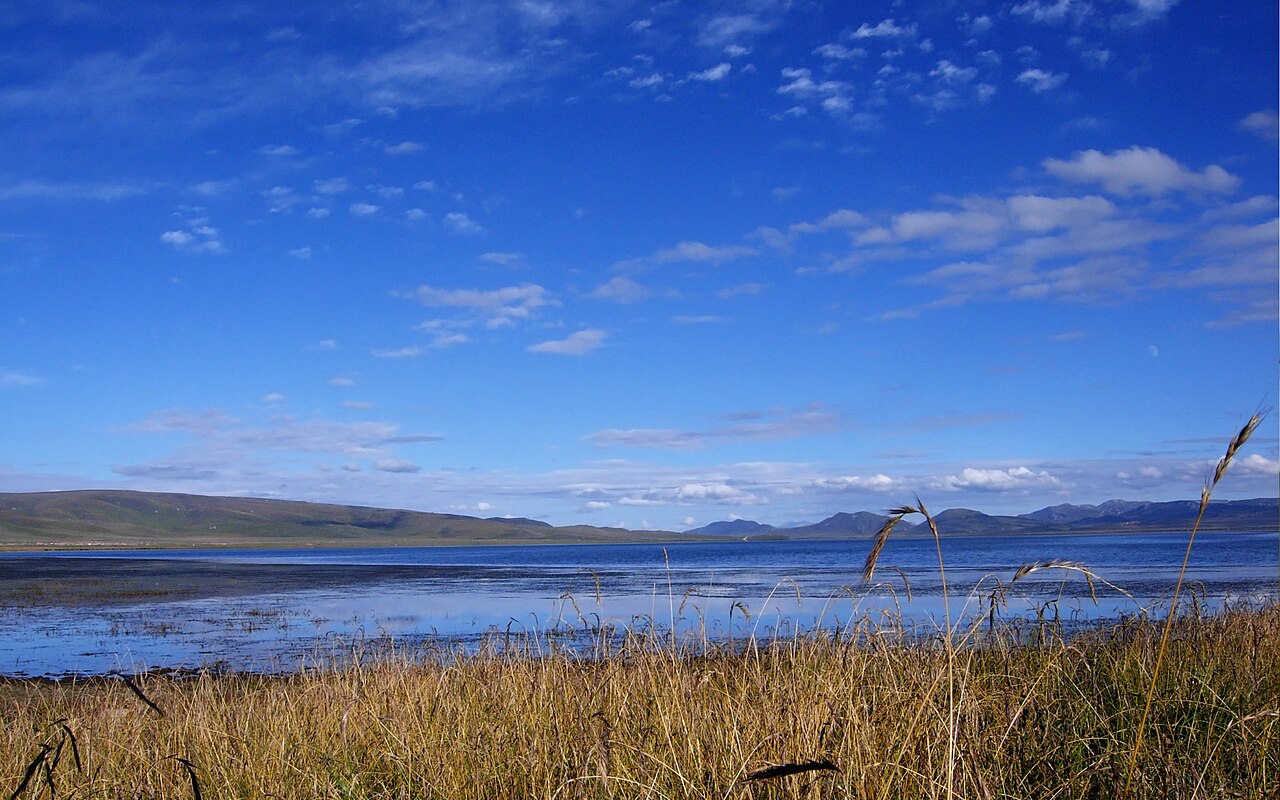
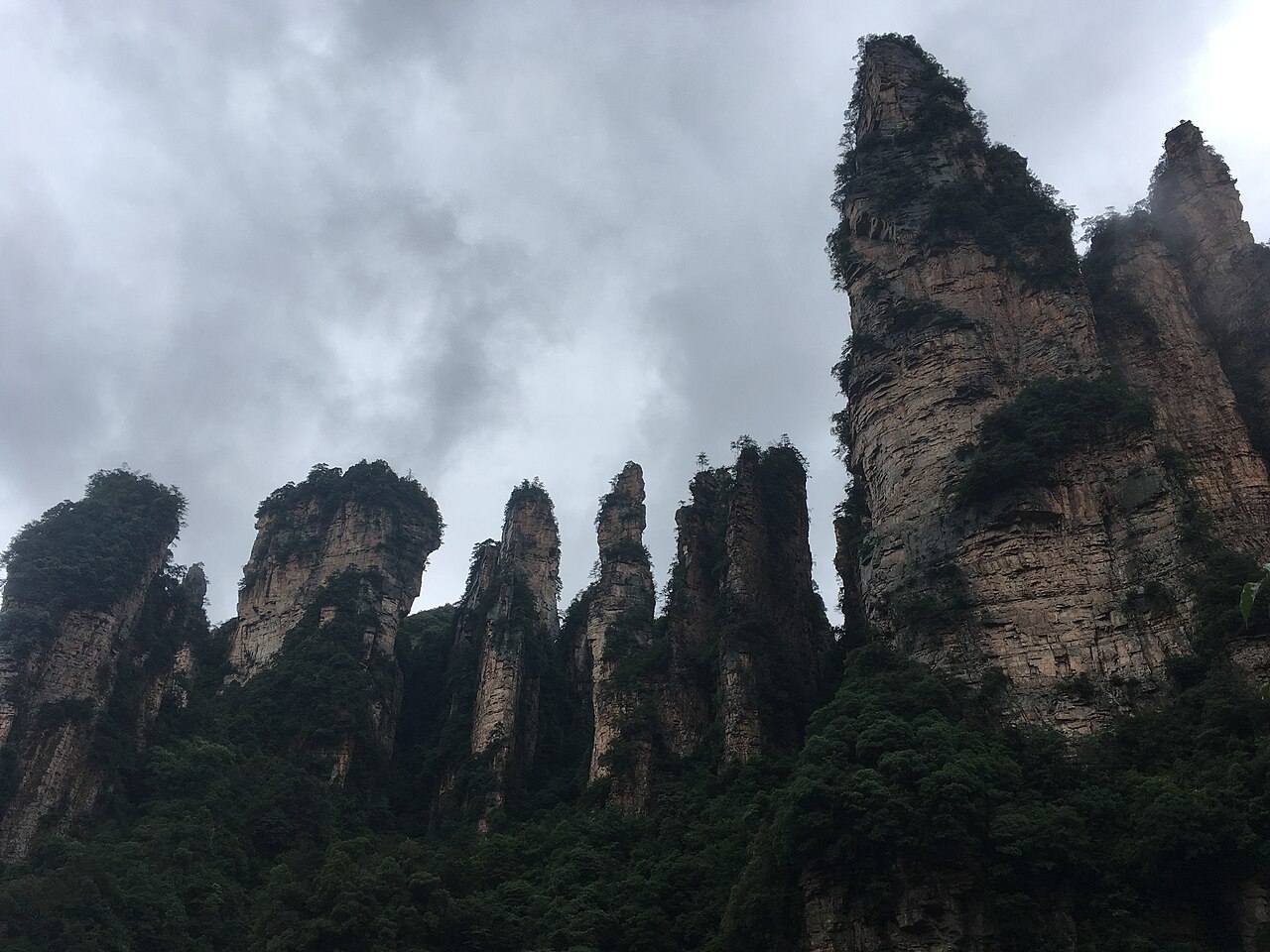
Wuxi is mostly plain, with low hills and residual mounds scattered across it: a water-net plain in the south, a sandy plain in the north, polders cut out of marsh in the middle and higher ground in the south-west, where Yixing's low mountains and hills begin. The climate is northern subtropical and humid, monsoon-driven, with four distinct seasons, mild temperatures, plenty of rain, long sun and a long frost-free period. January averages around 2.8°C and July around 28°C.
Rain falls heavily in a long summer season, and the usual hazards are typhoons, storms, sustained wet spells, drought, cold snaps, hail and high wind. Between the mass of Taihu's water and the broken terrain of the southern hills, local microclimates vary enough that both northern and southern crops grow here — which is why the city historically fed itself so well.
Three thousand years, from a refused crown
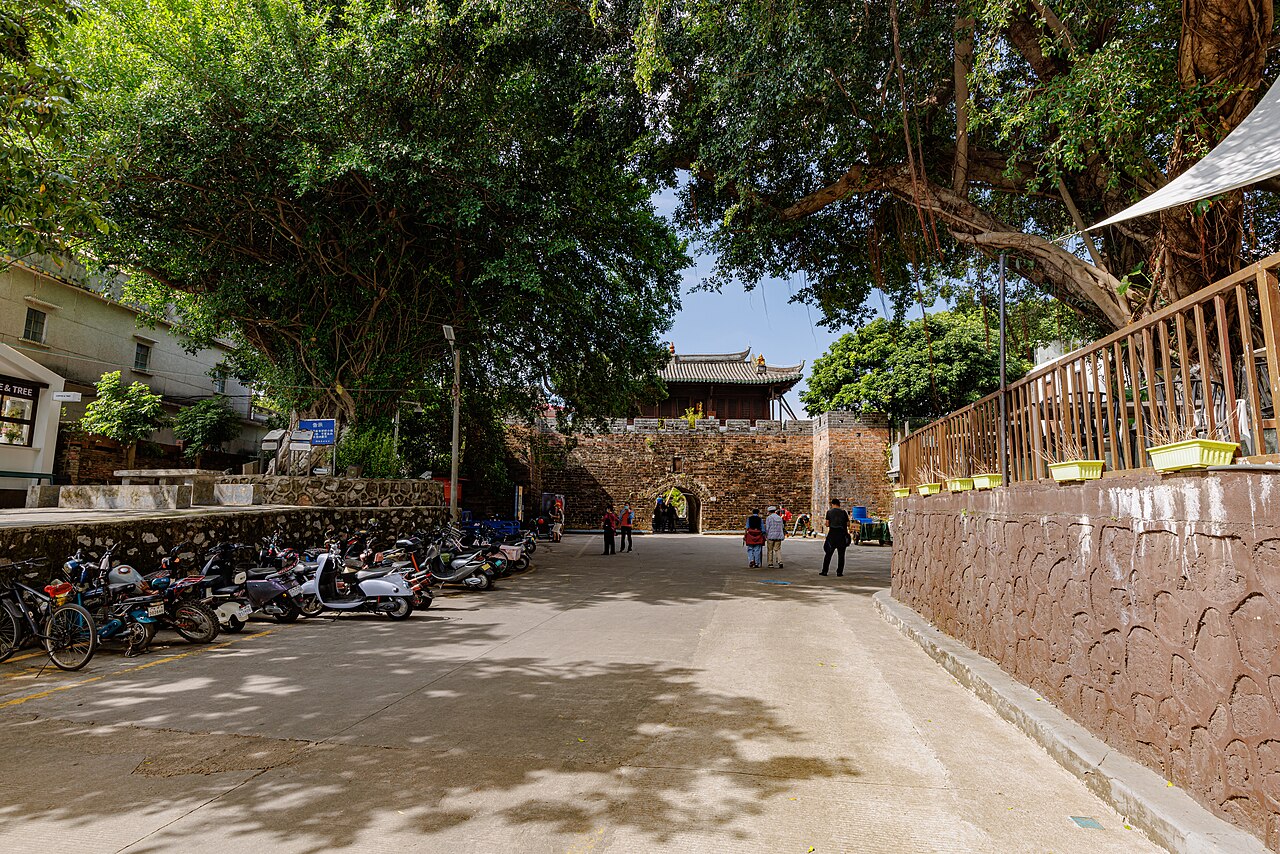
Wuxi has more than 3,000 years of history and is a designated national historical and cultural city. It was already an economic and cultural centre in the Spring and Autumn and Warring States periods, and it produced writers and scholars in quantity; the physical evidence of that is still standing all over the city.
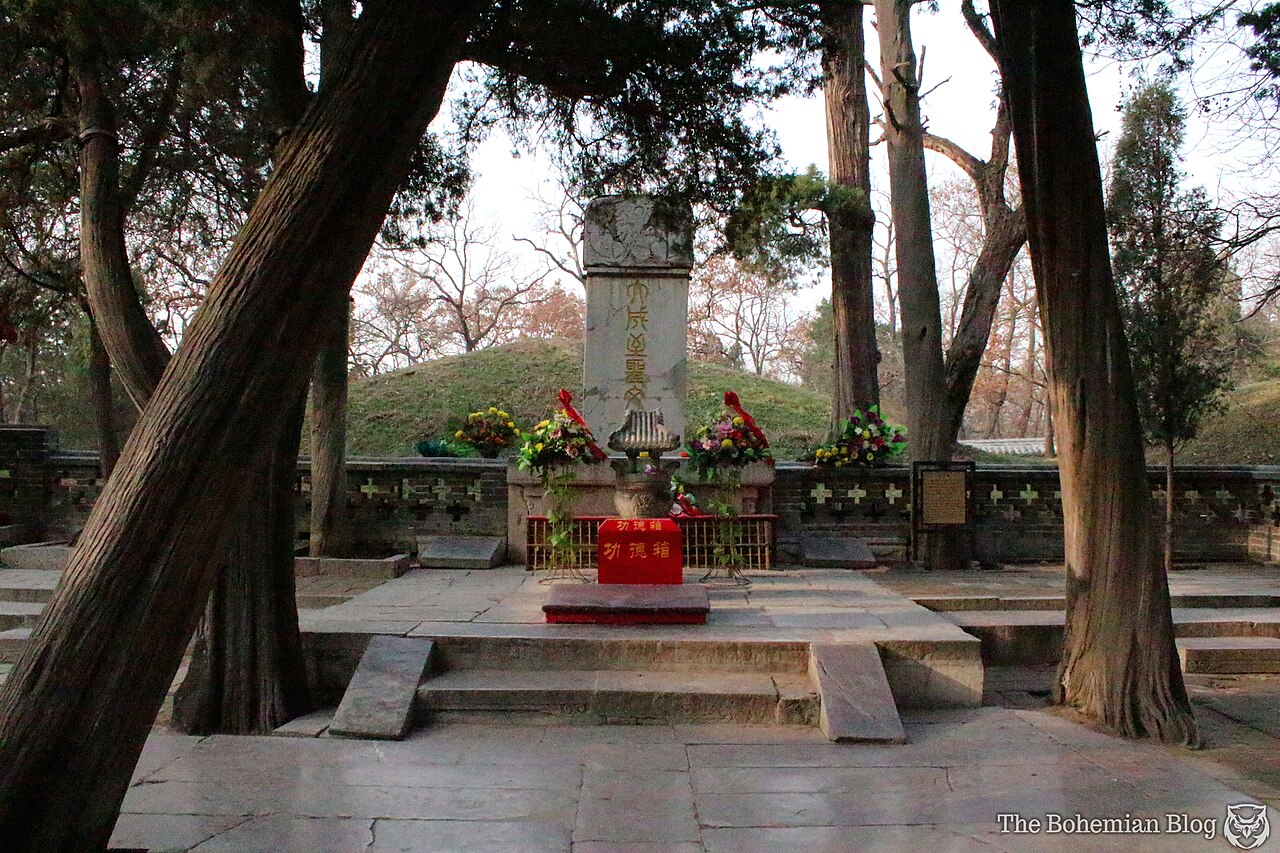
The founding story is the good one: around 3,000 years ago the Zhou princes Taibo and Zhongyong, rather than fight over the succession, fled east and settled here — at today's Meicun, though some accounts place them in modern Suzhou. The place prospered. Taibo died without sons, so the Zhou king enfeoffed his descendants as kings of Wu, the state known as Gouwu, which by the Spring and Autumn period was among the strongest of the feudal states. Descendants of Sunzi still live in Sun Lane near what is now Liziyuan.
Under the Ming and Qing, good natural conditions, water and road transport and relative stability made the place productive; the reclamation of Furong Lake north-west of the city created large tracts of good farmland, and careful cultivation pushed yields up year on year — spring beans, summer wheat, autumn rice, around three shi a mu in an average year — making it one of the empire's granaries.
Clay, opera and a festival that is 3,200 years old
Huishan clay figurines are the local craft, old enough to be national intangible heritage, made from clay taken a metre below the hillside and worked through many steps. They divide into rough goods — bright, simple, auspicious subjects like the Great Fortune baby and the longevity god, expressing wishes for luck, protection and full larders — and fine goods, hand-pinched figures drawn from opera and myth, vivid and more delicately coloured. The signature piece is the Great Fortune baby, a deified image of a sturdy child believed to suppress evil and bring blessing.
Wuxi opera, or 'Wuxi tanhuang', spread through southern Jiangsu and after 1949 out into the Yangtze delta; in the Republican period it was called the new opera and only took the name Wuxi opera after the 1954 East China opera festival. Its core tune is the huangdiao, later expanded with new melodies and tempos and a large amount of borrowed Jiangnan folk music. Yixing's hand-built purple-clay pottery is the other craft with real weight: a unique slap-and-join technique that exists nowhere else.
Two festivals matter if you can catch them. The Taibo temple fair at Meicun in Xishan district, running from the ninth to the fifteenth of the first lunar month, began as an ancestral sacrifice and grew into a fair of ritual, spring outings, market and entertainment, traceable some 3,200 years. And from 1991 Jiangyin has held the Xu Xiake tourism and culture festival in late March, in honour of the man born there who walked most of China and wrote it down.