City guide · Jiangsu

Tongli travel guide: the eleven sights on one ticket, the 17:15 cut-off, and why to eat at your inn

Fifteen canals, seven islets, forty-nine bridges — and a town that still gets up at dawn because it lives here.

  • Known forCanals, 49 bridges, the garden, three bridges
  • Typical spend¥800 for 1–2 days
  • Ideal length1–2 days
  • PaceSlow — walking and sitting

Reviewed by our Beijing team Updated 2026-10-10

The short version

Tongli is a water town in Wujiang, Jiangsu, cut by fifteen canals into seven islets joined by forty-nine bridges, with every house on the water and a boat at every door. One ¥100 ticket opens eleven sights — including the Retreat and Reflection Garden, the only World Heritage garden among the Yangtze delta's water towns — and lasts two days once your accommodation proof is stamped. It is 18 km from Suzhou with a bus every 20 minutes, and one day is enough, though a night gets you the evening music and the morning mist.

  • The ¥100 joint ticket covers eleven sights: the Retreat and Reflection Garden, Chongben Hall, Jiayin Hall, Gengle Hall, the Pearl Pagoda, Luoxing Isle, the Songshi garden, the history museum, Chen Qubing's house, the Old Styles Garden and the Wang Shao'ao memorial.
  • Take your accommodation proof to the ticket centre or the garden's visitor centre for a stamp and the ticket runs two days instead of one.
  • Day visits are 07:30–17:30 but every individual sight closes by 17:15. There is a separate night session 18:30–21:30, and music by the three bridges on Friday, Saturday and Sunday evenings.
  • Eat at the inns, not on the river. The kitchens in the family guesthouses are generous, good and fairly priced; the riverside restaurants are generally the weak ones. Order the shrimp cakes in advance.
  • Luoxing Isle is reached by a free shuttle boat every 20 minutes, five minutes across, or by speedboat for ¥10. Do not walk there — it is a long way round.

City guide

First impressions

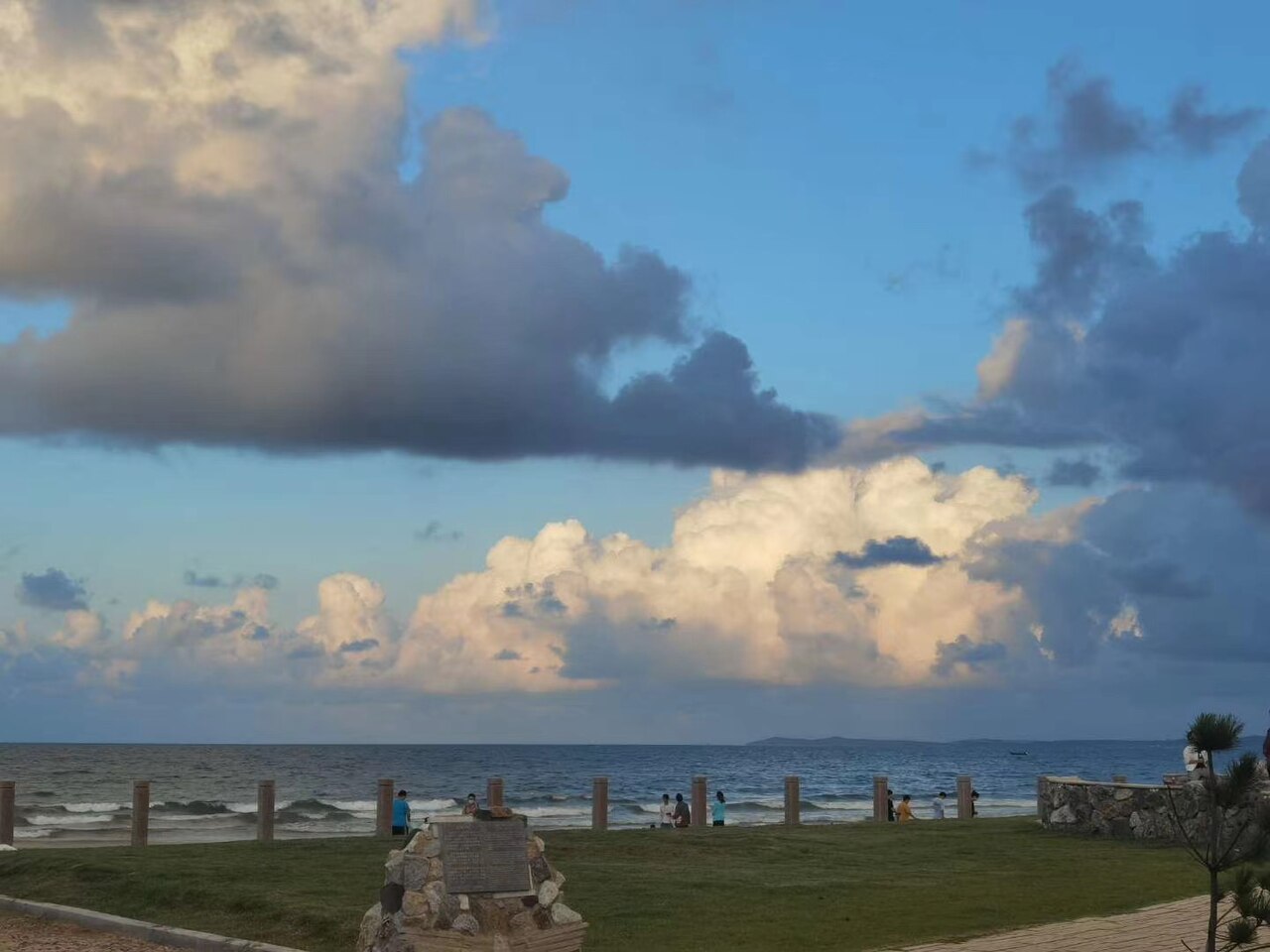
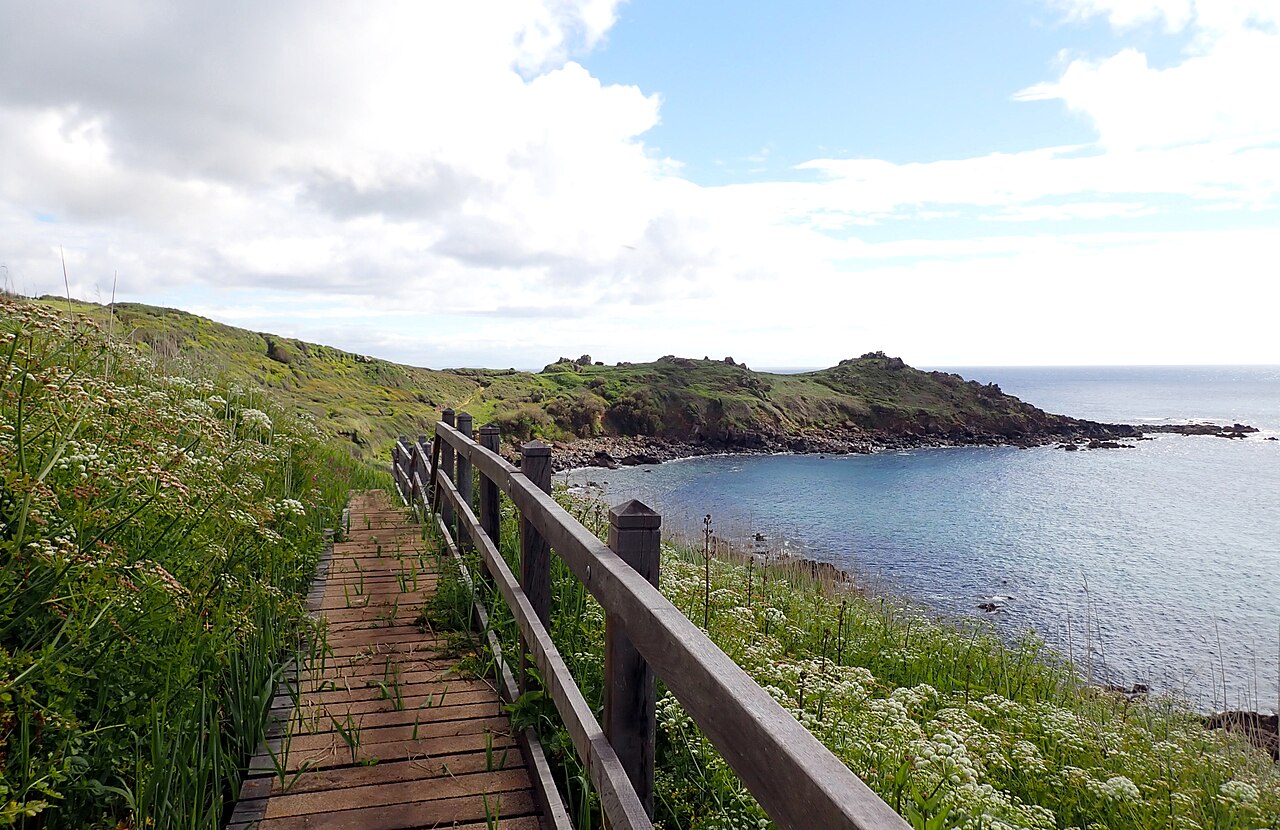
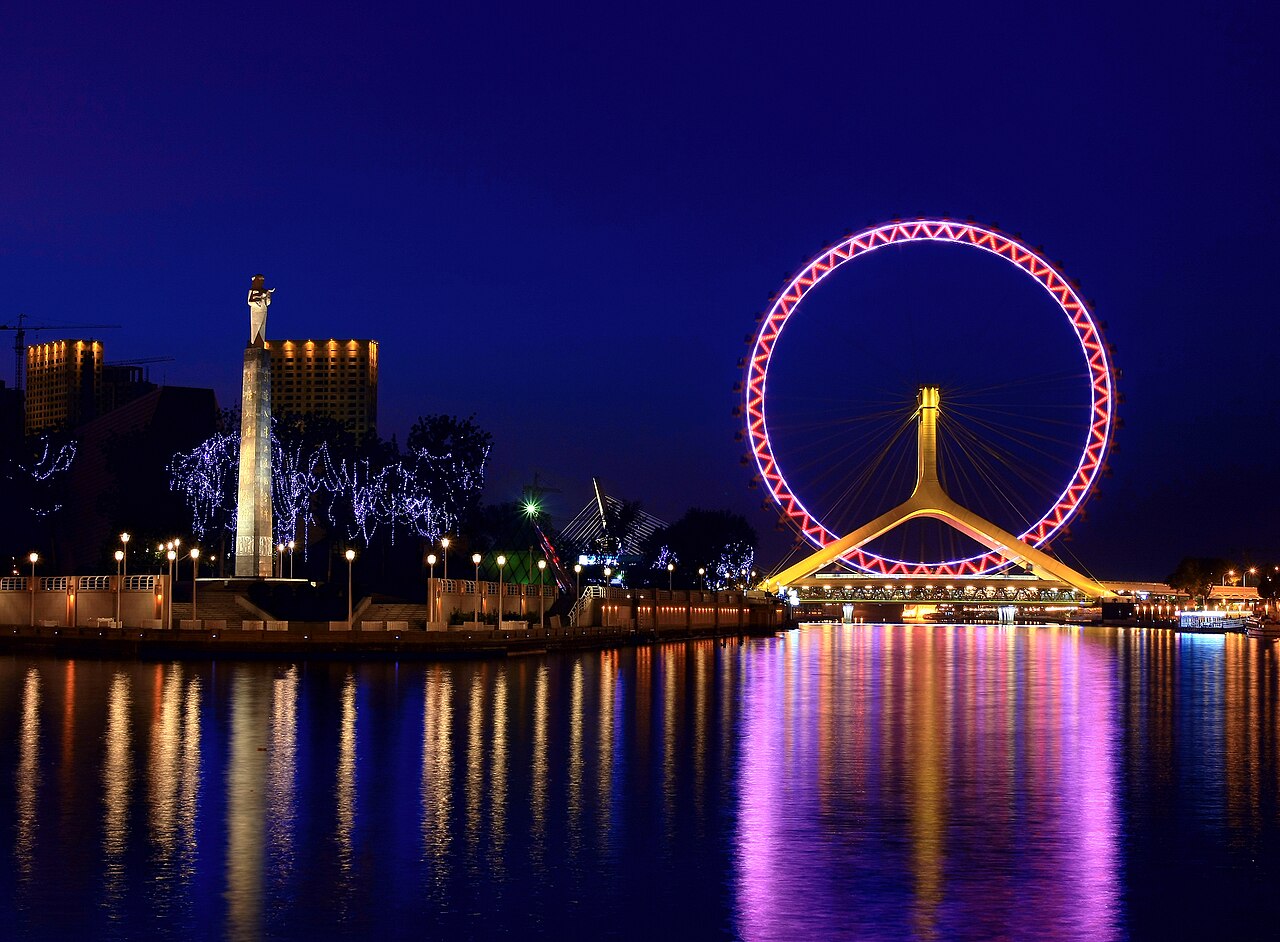
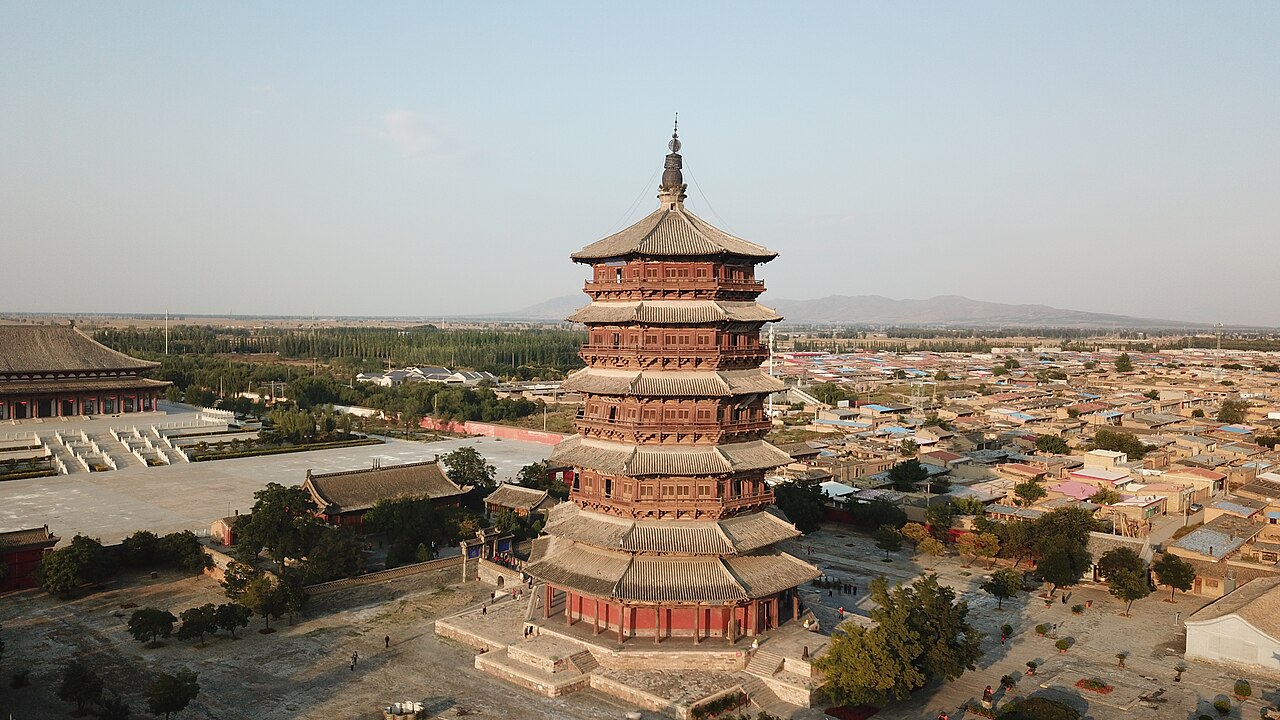
Photographs from the coast, and what other travellers wrote afterwards.

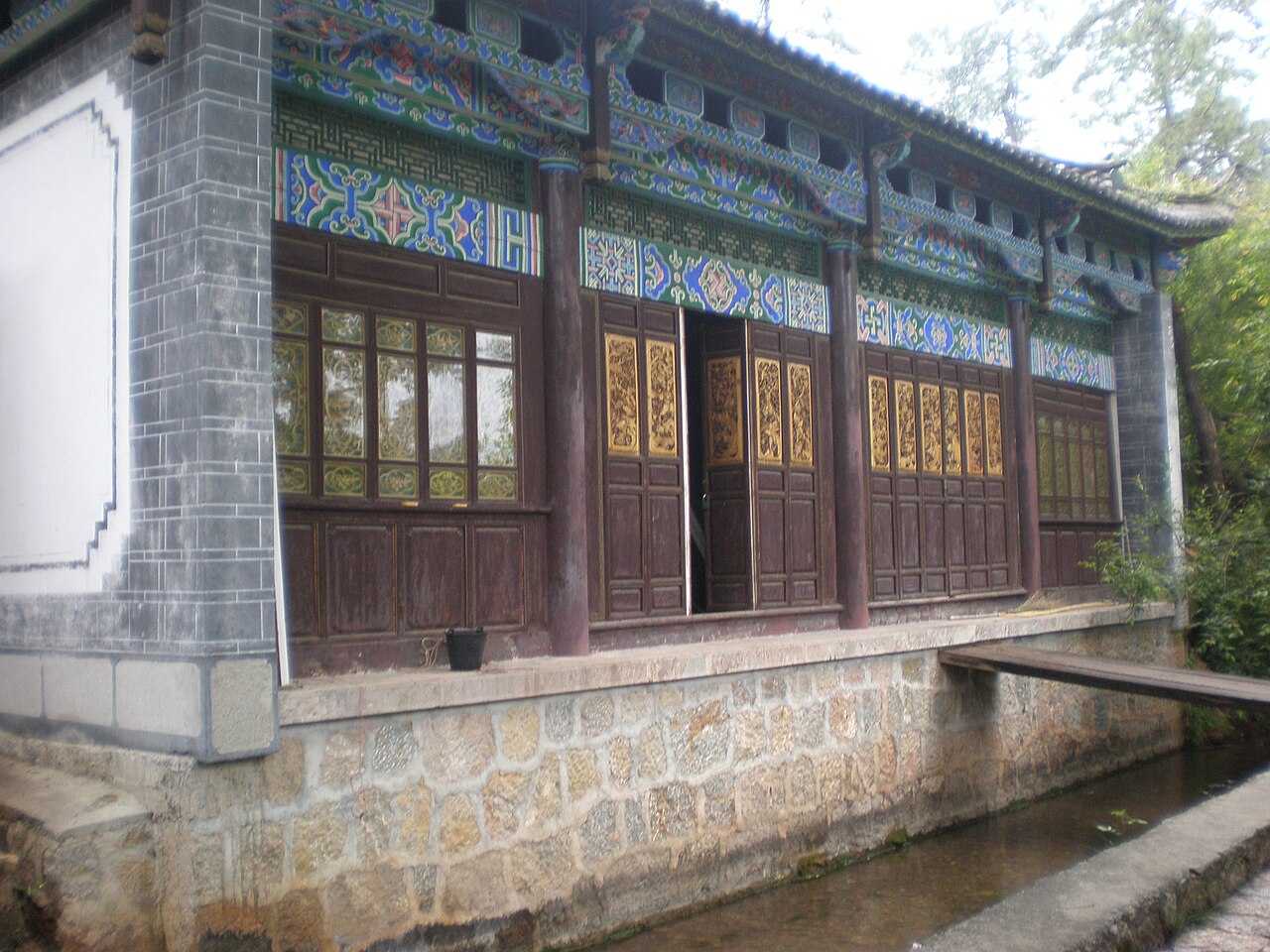
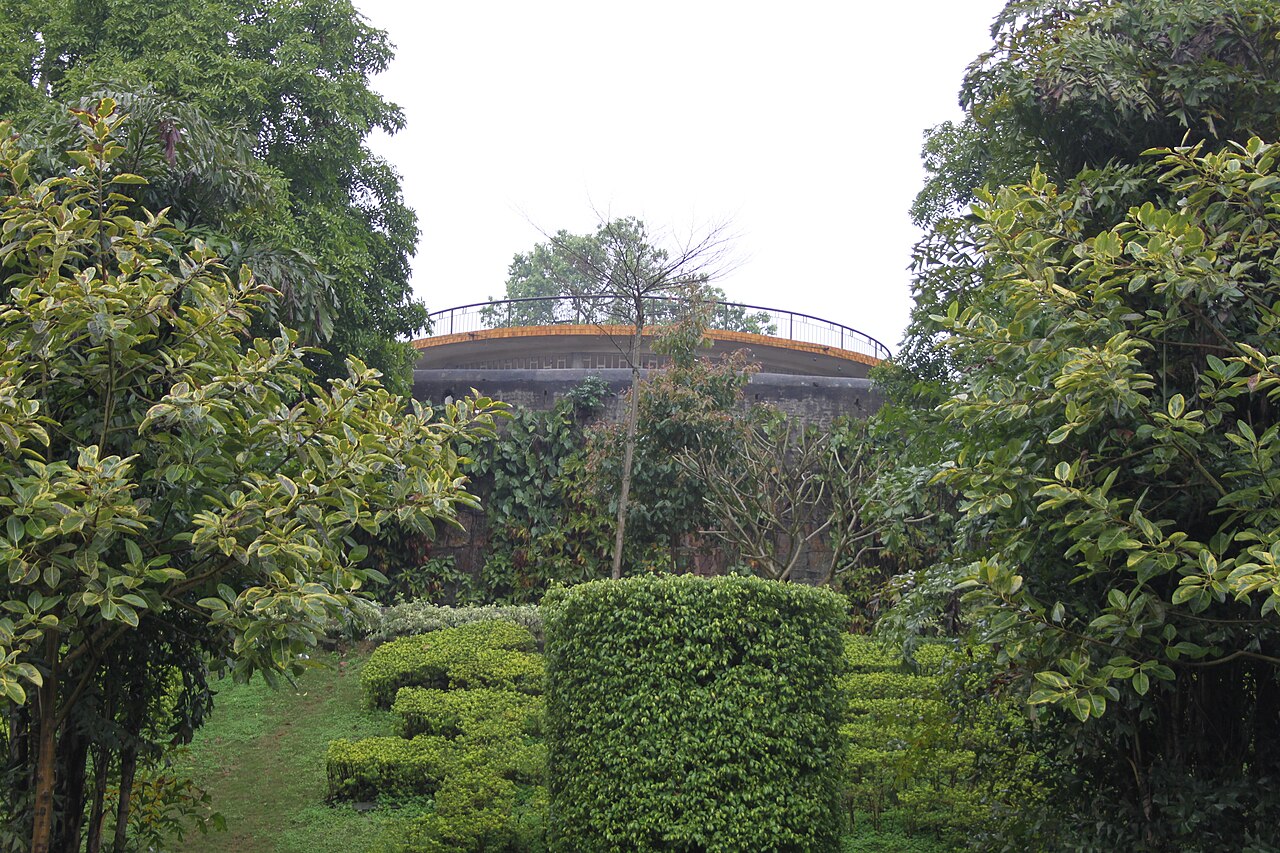
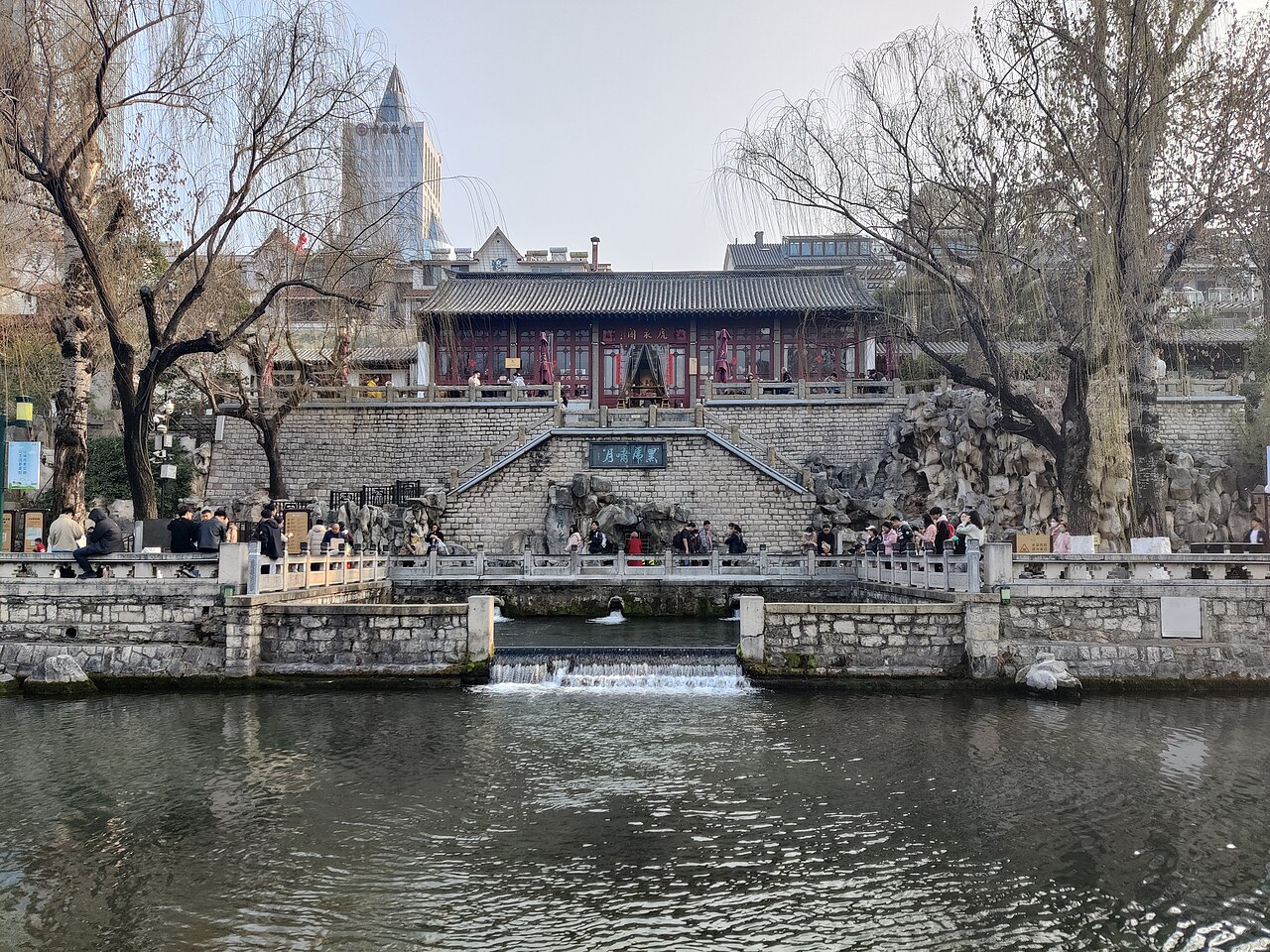
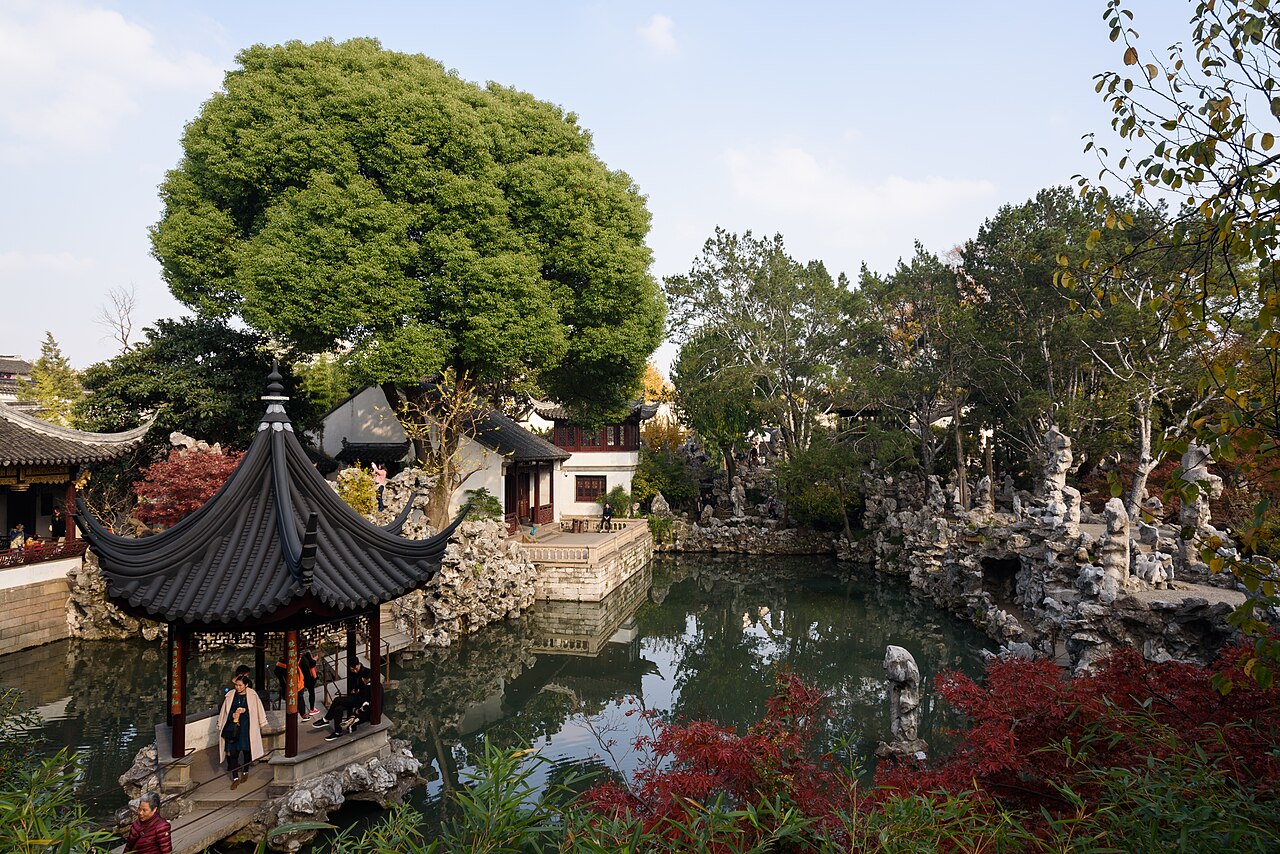
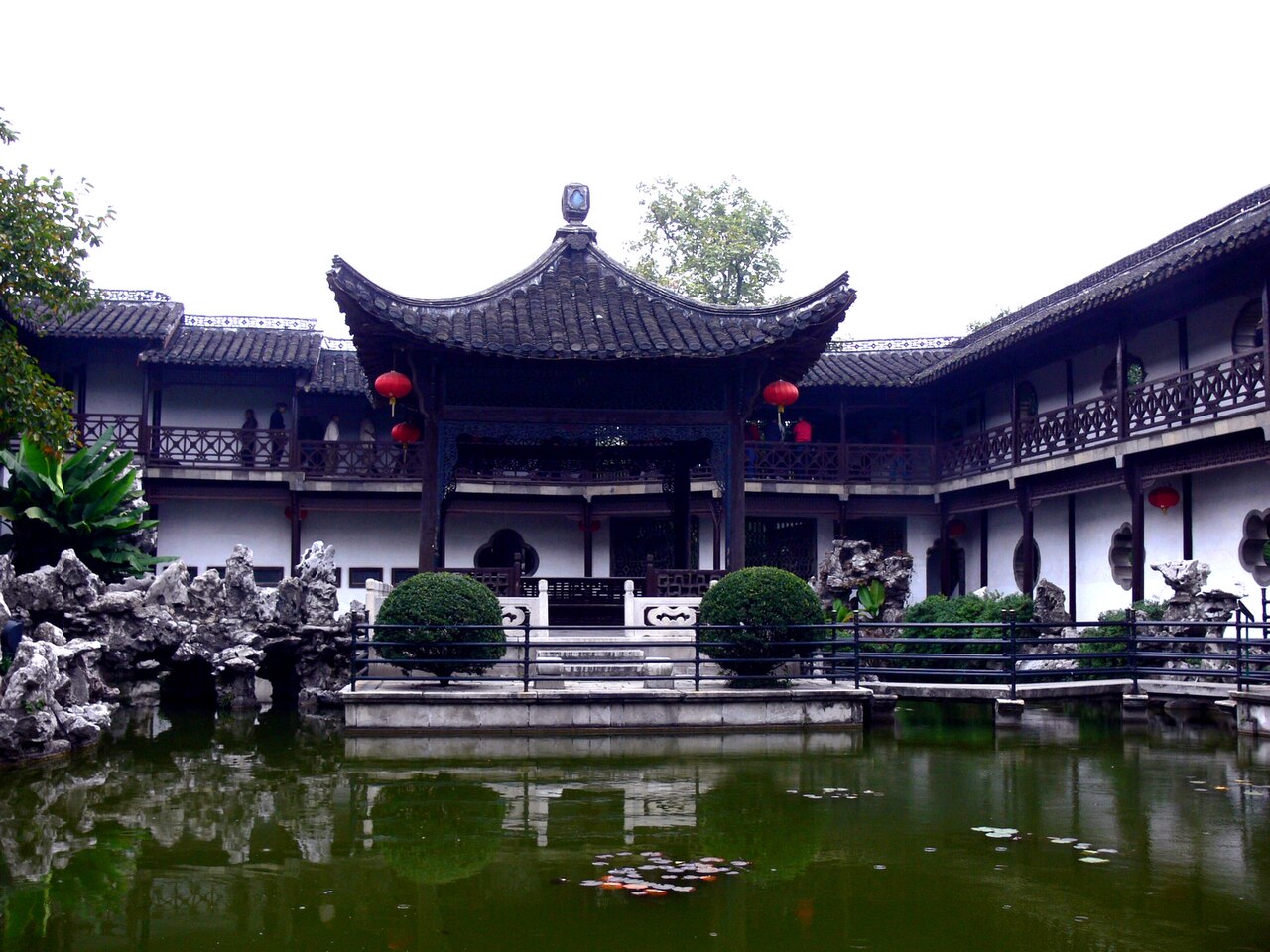
The Retreat and Reflection Garden, the only World Heritage garden among the water towns
The three bridges set in the shape of the character for 'pin'
Chuanxin Lane, wide enough for one person
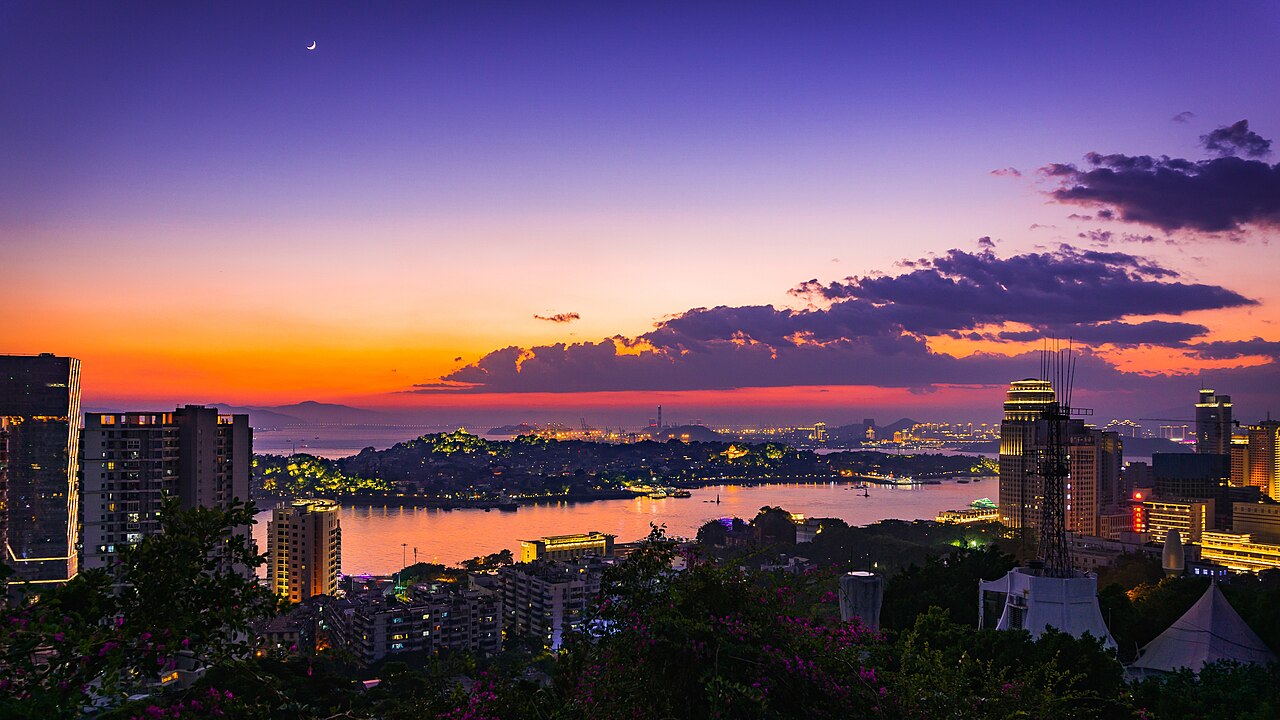
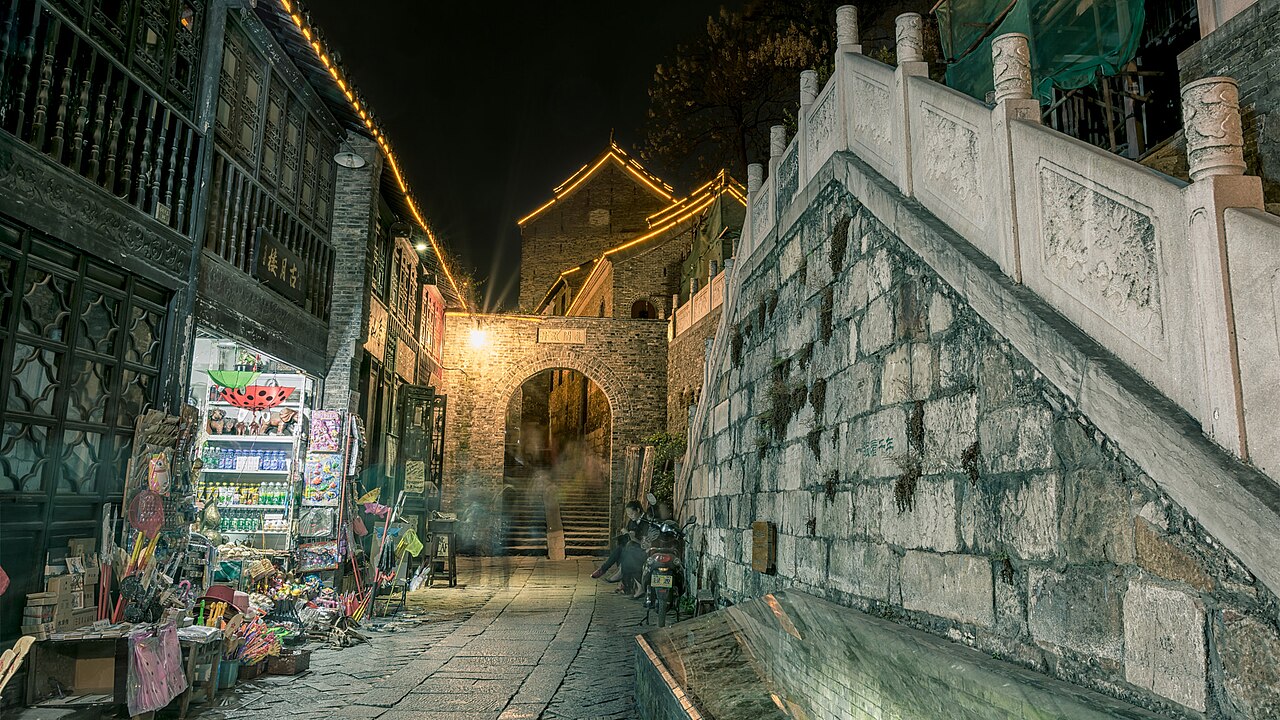
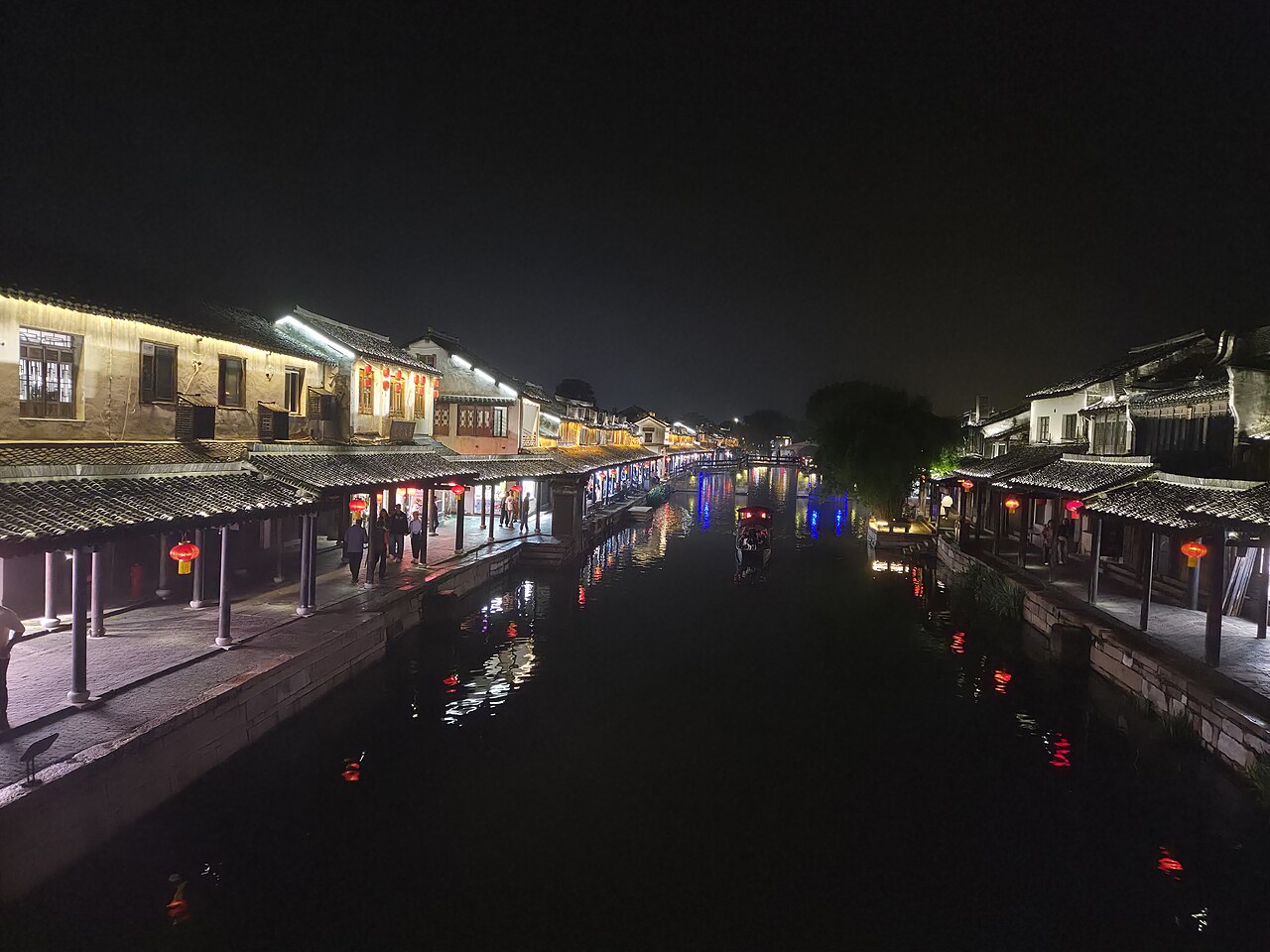
Night on the canal, after the day visitors have gone

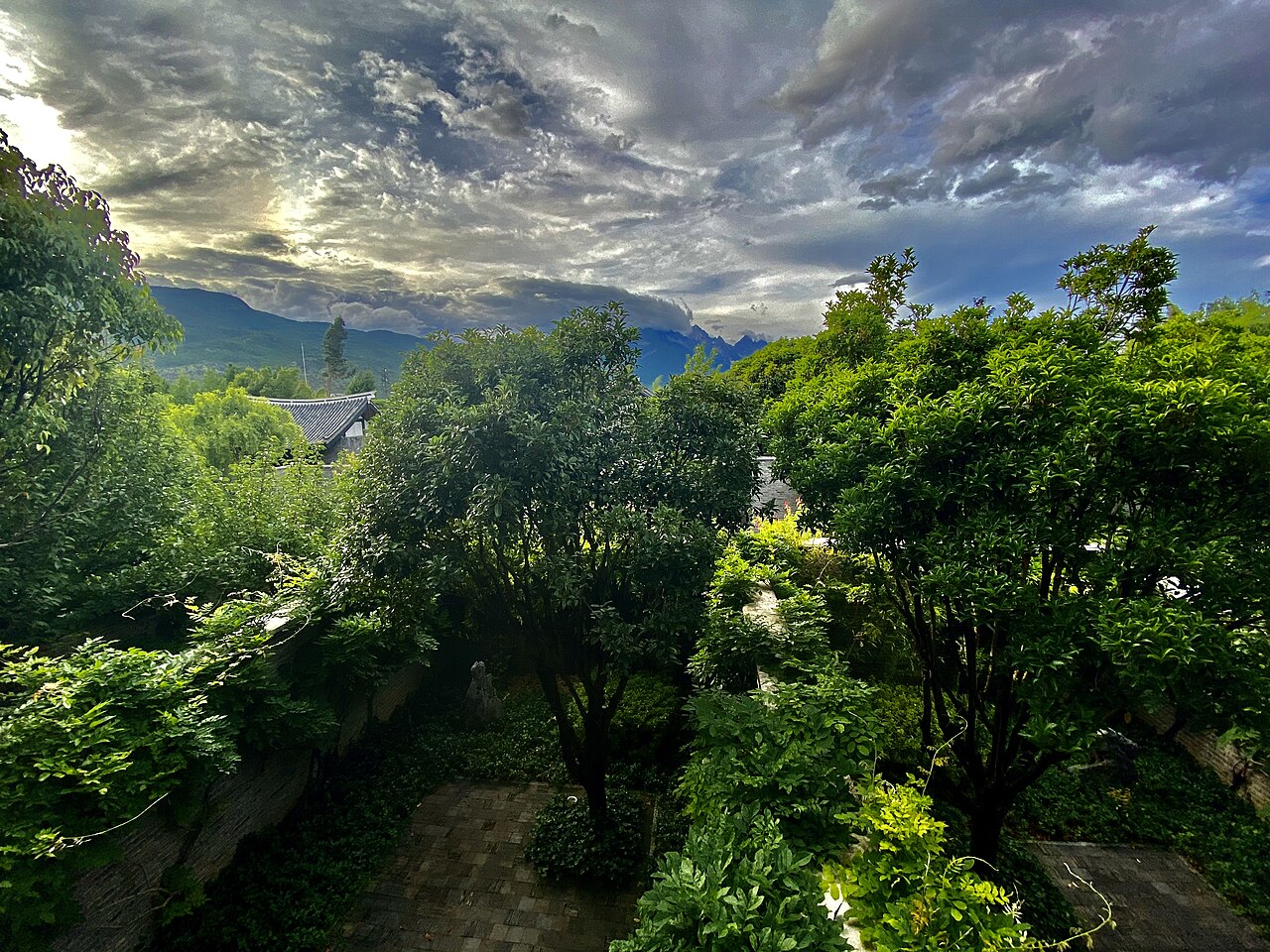
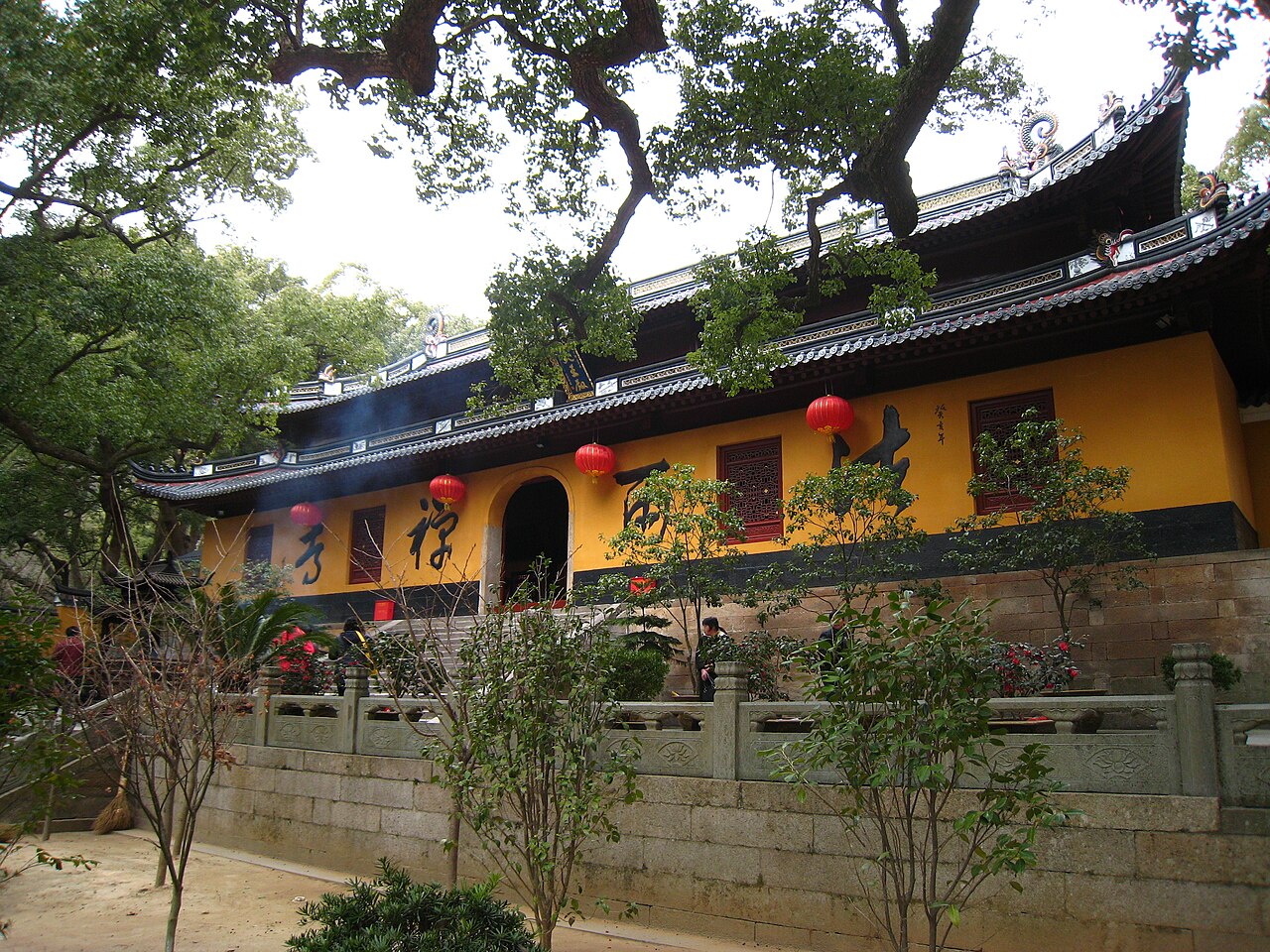
Before I ever reached the south, this is how I imagined it — a place with a story. Broken black tiles, weathered marks, leaning against a hill that is not very high, like something to lean on. And a dim yellow sunset, a sky that is not quite white. Very beautiful. — from 'Suzhou in June'

A traveller's note in the source guide

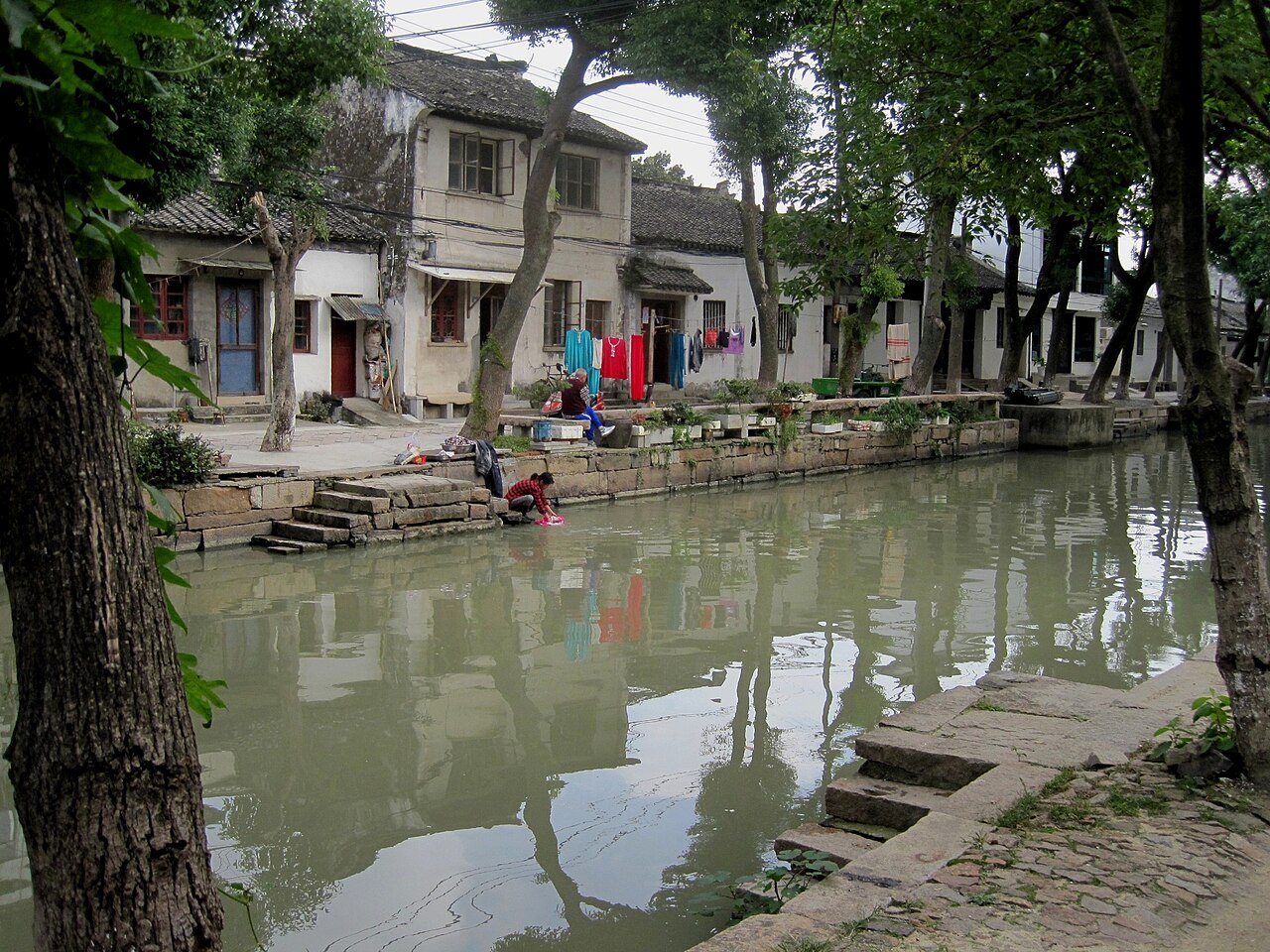
Walking the lanes of Tongli you are always seeing patched, flaking walls — the oldest houses here are several hundred years old, the render falling away, patches mouldering green. There is a lane you reach from the riverside through a gap only a metre and a half wide, and at night, with no street light, a closed-in helplessness comes over you. — from 'A Trip to Suzhou'

A traveller's note in the source guide

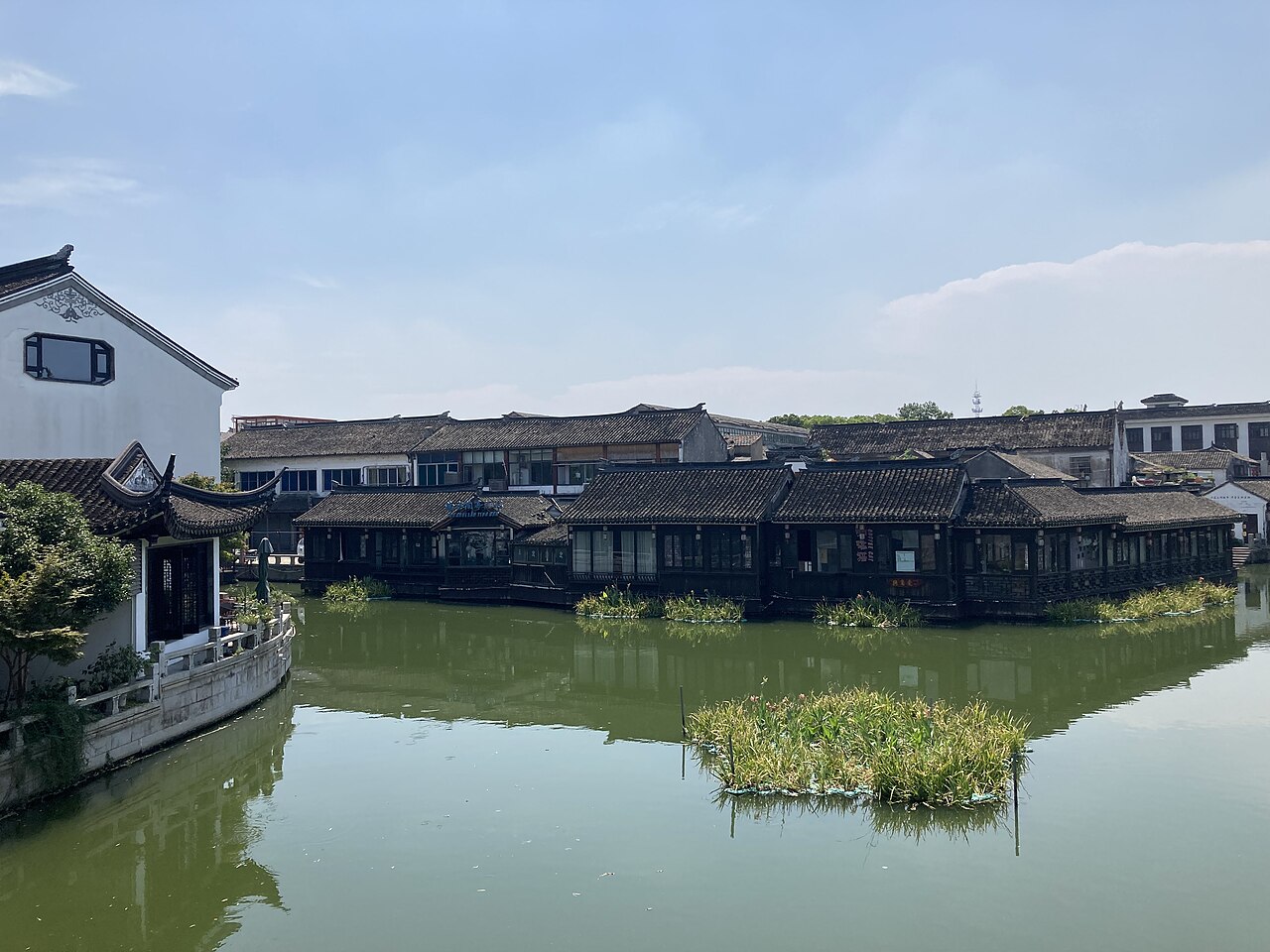
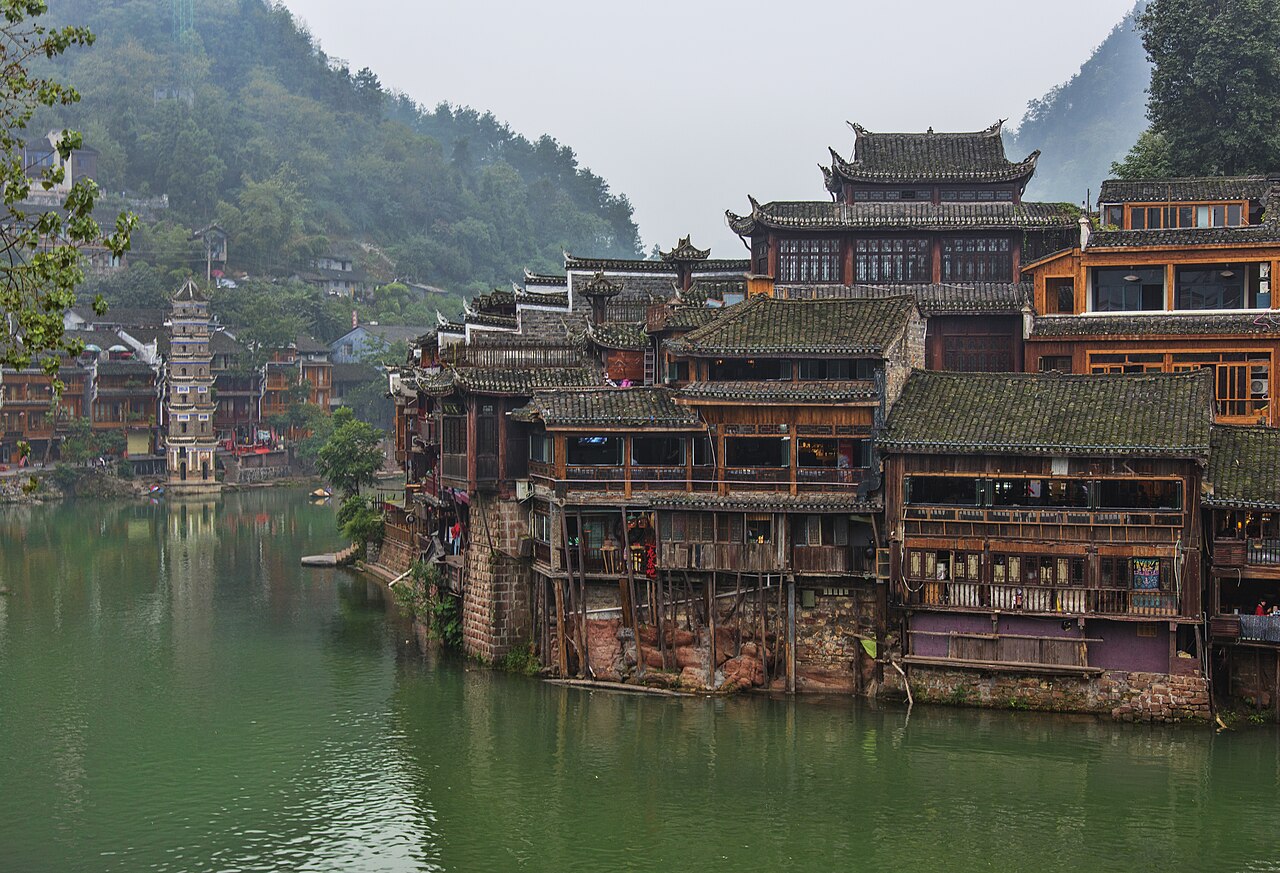
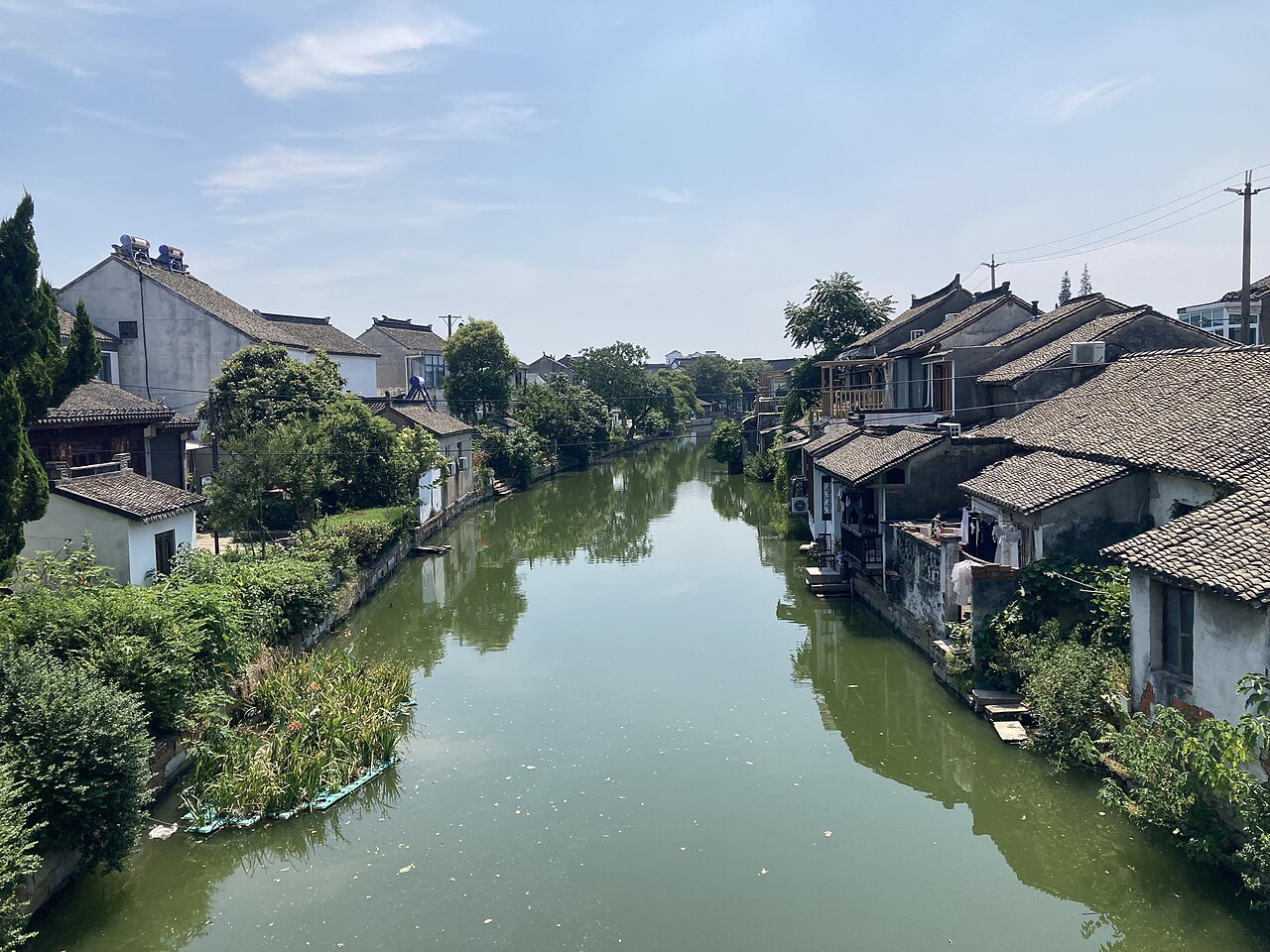
Fifteen canals cut Tongli into seven islets and forty-nine bridges stitch them back together. Every house stands on the water; every household has a boat. The Ming and Qing houses crowd the banks one after another, and the bridges of the Song, Yuan, Ming and Qing survive intact. It is the pattern the south is famous for, and it is what won the town its nickname, the little Venice of the east.

There is an old line that scenery is three parts landscape and seven parts dressing-up. Tongli is the reverse: nine parts scenery, one part dressing-up. What strikes you is not any one building but the weight of the place — you could grab a handful of the air and come away with a fistful of accumulated culture. Yu Qiuyu put it best in 'Cultural Travels': walking into Tongli produces the strange urge to find a room here and stay.

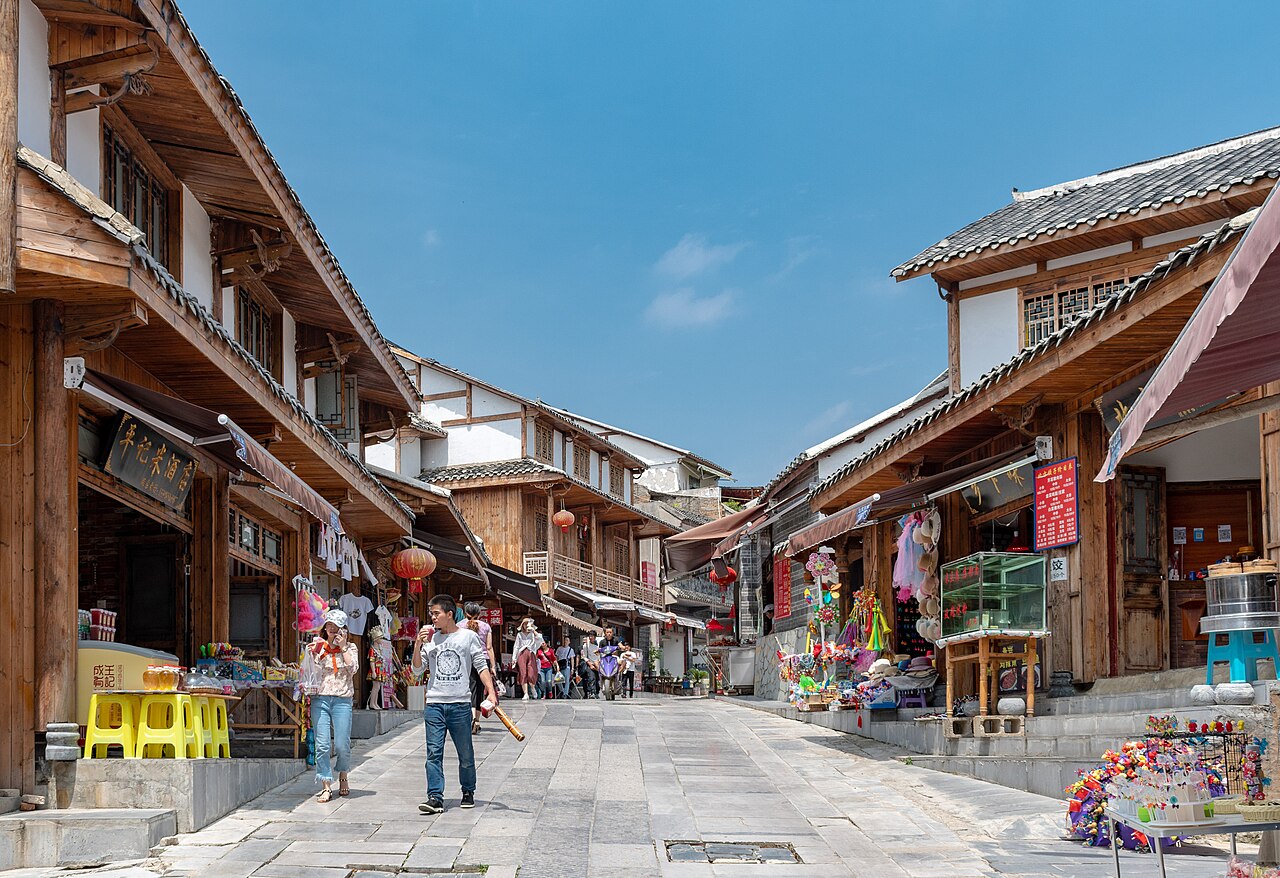
It is also, of its generation of water towns, the least performed. Zhouzhuang and Wuzhen are attractions now, commercialised accordingly. Tongli has been developed less and lives more: people are up at dawn and indoors at dusk. Respect that rhythm and you are rewarded with a town that feels inhabited rather than staged.

And it is the easiest of them to reach from Suzhou — 18 km, a bus every 20 minutes, about 45 minutes. Pair it with Zhouzhuang an hour away. Stay the night if you can, because the town empties after five and the mist comes up in the morning.

Tongli

Don't leave without

Seven things that are worth rearranging a day for.

  1. Walk the three bridges and say peace, good fortune, long celebration under your breath
  2. Squeeze through Chuanxin Lane sideways and come out the other end
  3. Boat out to Luoxing Isle and sit in the rain, if there is any
  4. Eat a zhuangyuan pork knuckle, glossy and red, in an inn kitchen
  5. Sit by the water with a pot of grandmother's tea and let an hour go
  6. Look up at the bracket-arms in Jiayin Hall for the Three Kingdoms scenes
  7. Walk the town at night when the day visitors have gone

Highlights

Six reasons to come here instead of the other towns

Water made the plan, and it still shows

Fifteen canals divide the town into seven islets and forty-nine bridges join them again. Every house stands on the water, every household has a boat, and the bridges of four dynasties survive. It is the most complete version of the little-bridge-running-water-households pattern in the delta.

Nine parts scenery, one part dressing-up

The old saying is that fine scenery is three parts landscape and seven parts presentation. Tongli inverts it. What you notice is not a single restored building but the accumulated weight of the place. Yu Qiuyu wrote that walking in produces the strange urge to find a room and settle.

A World Heritage garden, quietly

The Retreat and Reflection Garden, built under the Guangxu emperor by a military intendant who came home and named it from the Zuo Zhuan — 'advance and think of loyalty, retire and think of your faults'. It is the only World Heritage garden among the Yangtze delta's water towns, and it is nine mu eight fen, laid out sideways because of the plot.

A town that still works for a living

Zhouzhuang and Wuzhen are attractions now. Tongli has been opened up less and lives more — up at dawn, indoors at dusk. That is the whole reason to choose it, and the reason to respect the residents' rhythm rather than treating the lanes as a set.

Forty-nine bridges, and three that matter

Taiping, Jili and Changqing sit in the shape of the character for 'pin' where three canals meet, with a circular street formed naturally around them. Locals walk all three at weddings and on a sixty-sixth birthday, saying 'peace, good fortune, long celebration' as they go.

A film set that is also a town

With the water scenery, the density of monuments and the intact Ming-Qing fabric, Tongli was called a natural film studio and a museum of Ming-Qing architecture, and it is one of China's ten great film locations. 'Family', 'Spring', 'Autumn' and 'Dream of the Red Chamber' were all shot in the garden.

Suggested routes

One day, or two comfortable days

One day, the best of it

1 day days

The garden first, then the halls, the bridges and the lanes. This is the standard day trip from Suzhou.

  1. Day 1

    Garden — girls' school — museum — Chongben — three bridges — Gengle — Jiayin — Ming-Qing street

    Arrive the evening before if you can and see the town at night. After breakfast go straight to the Retreat and Reflection Garden, the most famous private garden in the town and the one that sets it apart.

    Then the Lize girls' school — founded by the garden's second owner, and now the sex-culture museum. West of it is Chongben Hall, one of the 'two halls', with carving that stops people in their tracks. Out of Chongben you are facing the three bridges. Cross them and you come to the other hall, Jiayin. Finish on the Ming-Qing street for local produce, and haggle.

    Stops: Retreat and Reflection GardenLize girls' schoolChongben HallThree bridgesJiayin HallMing-Qing street

Two comfortable days

2 days days

Day one takes the island and the lanes, day two the halls and the shopping. Slower, and it gets you two evenings.

  1. Day 1

    Luoxing Isle — Chen Qubing's house — Five Cranes gate tower — Chuanxin Lane — Gengle Hall — three bridges — Jiayin Hall

    After breakfast take the ferry from the landing to Luoxing Isle, a site where Buddhism, Daoism and Confucianism share one island; the buildings are compact and the temple and garden are one. Then Chen Qubing's house — he was a modern poet and a founder of the Nanshe society.

    Cross a small bridge to the Five Cranes gate tower, the most imposing brick gate tower surviving in the old houses and gardens here, with five cranes standing and circling. Then the poetic Chuanxin Lane, narrow and high-walled, where two people meeting must turn sideways. Out of the lane, Gengle Hall, the three bridges and Jiayin Hall. Dinner in a private house, then walk the night town.

    Stops: Luoxing IsleChen Qubing's houseFive Cranes gate towerChuanxin LaneGengle HallThree bridgesJiayin Hall

  2. Day 2

    Chongben Hall — history museum — Pearl Pagoda — Lize girls' school — garden — Ming-Qing street — Shide Hall

    Chongben Hall first; it connects to the three bridges, with a neat stone embankment guarding the old house. Then the history museum, which takes scholars, artefacts and documents as its subject and shows the town's historical face.

    Then the Pearl Pagoda, developed from the story that is supposed to have originated here, and the Lize girls' school and the famous garden. Buy your produce on the Ming-Qing street, and finish at Shide Hall — the Cao family house, built under the Daoguang emperor, with real architectural quality and real relic value.

    Stops: Chongben HallHistory museumPearl PagodaLize girls' schoolRetreat and Reflection GardenMing-Qing streetShide Hall

From Zhouzhuang

1 day days

The classic pairing — an hour apart, and two halves of the same story.

  1. Day 1

    Garden — Chongben — three bridges — Jiayin — Pearl Pagoda

    Rise early for the Zhouzhuang dawn, then come across to Tongli. Start at the Retreat and Reflection Garden — the most famous private garden in the town, plain but quiet and elegant, in the late-Qing southern manner.

    Then change register at the sex-culture museum, which is as much a lively lesson in biology as anything else. After that, Jiayin Hall and the three bridges, which are the treasure of Tongli's bridges; lunch; then Chongben Hall and the Songshi garden in the afternoon, and the Pearl Pagoda last — it carries the classical romanticism of the legend it was rebuilt from.

    Stops: Retreat and Reflection GardenSex-culture museumJiayin HallThree bridgesChongben HallPearl Pagoda

Sights

What to actually go and see

World Heritage

The Retreat and Reflection Garden

Built by Ren Lansheng, a military intendant of Anhui, after he returned home, and named from a line in the Zuo Zhuan — 'advance and think of loyalty, retire and think of your faults'. It is the most famous private garden in Tongli and the only World Heritage garden among the water towns. It covers nine mu eight fen and, because the plot forced it, is built sideways: house to the west, garden to the east, which is what gives it its particular place among Suzhou's private gardens. The residence is in two halves: to the west three halls — sedan hall, tea hall and main hall — for weddings, funerals and receiving guests; to the east the inner quarters, two five-bay, five-storey buildings known as the Wanxiang towers, linked by a double east-west corridor, the horse-run gallery that is called the finest in the south. The gardens are the quiet beauty of the minor house, and 'Family', 'Spring', 'Autumn' and 'Dream of the Red Chamber' were all filmed here.

Address
234 Xintian Street, Tongli
Size
Nine mu eight fen
Layout
Built sideways — residence west, garden east
On the ticket
Included in the ¥100 joint ticket

Tip Come at opening or late in the afternoon. It is small, and it reads very differently with three people in it than with three hundred.

The treasure

The three bridges

Taiping, Jili and Changqing. Taiping crosses the Dongliu and Qizi polder blocks and is a small, neat beam bridge. Jili crosses the Qizi and Liang polder blocks and sits between Taiping and Changqing — stand on its north side and look round at all three, the water clear as a mirror, the bridges like rainbows lying on the waves. Changqing is also called the Xie family bridge, or Guangli bridge. The three sit in the shape of the character for 'pin' over the meeting of three canals, so a circular street formed itself around them. Along the banks are dressed-stone embankments, silk trees and glossy privet reflected in the water, and flower-and-stone balustrades; boats come and go in pairs on the canal and people cross the bridges laughing.

The three
Taiping, Jili and Changqing
Plan
Set in the shape of the character for 'pin' at the meeting of three canals
Custom
Walking the three bridges, at weddings and on a sixty-sixth birthday
The phrase
'Peace, good fortune, long celebration'

Tip Nobody knows when the custom began, but the three bridges stand for good fortune and happiness in Tongli. Walk all three in order — you are not meant to pick one.

The carving

Chongben Hall

Facing south, built onto the water, looking across the river at Jiayin Hall to the east and joined to the three bridges on the west, with a tidy stone embankment guarding the old house. If Tongli is a museum of old architecture, Chongben is the finely carved piece in it — the craft and the depth of it make every visitor stop. Its owner was Qian Youqin, a Tongli man, who bought part of the Gu family's 'western house retreat' in the first year of the Republic and rebuilt it. The structure is notably sensible: firewalls separate the main hall from the tower, and on either side of the gate tower and the passage there are 'crab-eye light wells' — small courts that ventilate and light, drain water and stop fire.

Position
Facing the water; Jiayin Hall across the river to the east, the three bridges to the west
Owner
Qian Youqin, who rebuilt it in the first year of the Republic
Look for
The crab-eye light wells beside the gate tower and passage
On the ticket
Included

Tip It is not large, but it is tight and precise — the compact one. Do it before Jiayin so the carving escalates rather than declines.

The gauze-hat hall

Jiayin Hall

Built in the eleventh year of the Republic, 1922, for an owner named Liu Bingnan. The main building is called the gauze-hat hall, built in imitation Ming style: tall, wide, solemn. Carving covers it — the eight-horses picture on both sides of the five-frame beam, wind-cold peonies at the beam ends, and on the underside of the beam the motifs for 'as you wish' and 'certainly placed high'; even a rock the size of a fist carries a lotus seed pod, for sons. Rarer still: the gauze-hat wings, the bracket-arms, carry eight vivid scenes from the Romance of the Three Kingdoms — 'Meeting at Gucheng', 'Three Heroes Against Lü Bu', 'Three Visits to the Thatched Cottage', 'Borrowing Arrows with Straw Boats'.

Built
1922, in imitation Ming style
Main hall
The gauze-hat hall
Look for
The eight Three Kingdoms scenes carved on the bracket-arms
On the ticket
Included

Tip Bring your eyes upstairs. The bracket-arms are above head height and almost everybody misses them.

The narrow one

Chuanxin Lane

Tongli has many lanes, long, thin and twisting, as southern towns do. Southern houses all have high walls and the lanes were all left narrow, which makes the walls seem higher still — and the one with the most feeling is Chuanxin. It is extraordinarily narrow: one person fits. Two people meeting in it must both turn sideways to pass. Gu Changwei filmed the most beautiful near-miss in 'Love Comes to Tongli' here.

Width
Barely one person; two must turn sideways
Feel
High walls, a strip of sky, and no light after dark
Film
'Love Comes to Tongli', Gu Changwei

Tip Go in daylight the first time. The source guide is honest that at night, with no street light, the lane can feel closed-in and unsettling.

Out on the lake

Luoxing Isle

A site where Buddhism, Daoism and Confucianism share one ground, east of the town, an island floating on the lake — a few minutes by boat, with the wide water of Tongli Lake and its fishing sails all the way. What you see ahead is the Luoxing temple, famous for its rain-and-mist views, like a fairyland floating on green water. On the island now: the City God hall, the Wenchang pavilion, the Doumu pavilion, a dry-land boat, a zigzag bridge, a wandering temple, a lotus pool and a fish pool, laid out compactly so that temple and garden are one. At sunset you can look back from the island over the lights of the lakeside houses.

Getting there
Battery cart from the garden to the ferry, ¥20 a head; free shuttle boat about every 20 minutes, five minutes across; speedboat ¥10 a head
Don't
Do not walk — the island is a long way from the scenic area
Best
Listening to the rain, which is what the old scholars came for

Tip The most charming thing about Luoxing is the rain. It is bleak, then rounded, then like weeping, then high and fierce — and the reed bank and the willows are worth walking whatever the weather.

Ming, with a lotus pool

Gengle Hall

Built by Zhu Xiang, a Ming scholar who never took office, listed in 1981 as one of the eight sights of Tongli in the provincial Taihu scenic zone and in July 1986 as a Wujiang-level protected site. A service lane on the west of the house runs straight through to the back garden, where a lotus pool is edged with lake rocks at varying heights, quiet and unusual. South of the pool is the mandarin-duck hall, three bays wide, bright and clean, facing the Huanxiu pavilion across the water — one high, one low, set as a pair. Over a three-bend bridge from the courtyard is the Huanxiu pavilion, built across the water in an unusual shape; round the rockery and down from it is the osmanthus hall, in its own courtyard with two old trees, one gold osmanthus and one silver, still fragrant every autumn after all their weather.

Built
Ming, by the scholar Zhu Xiang
Status
One of the eight Tongli sights from 1981; Wujiang protected site from 1986
Look for
The lotus pool, the mandarin-duck hall, the Huanxiu pavilion over the water
On the ticket
Included

Tip Come in autumn if you can — the two old osmanthus in the hall's courtyard are the reason the room is named what it is.

Change of register

Lize girls' school and the sex-culture museum

The school was founded by Ren Chuanxin, the second owner of the Retreat and Reflection Garden, and it opened the way for girls' education in Wujiang. In the grounds stands a memorial shaped like an arrow rising from the earth, built by the teachers and students to mark their shame at Yuan Shikai's sell-out of the country. The building is now China's sex-culture museum — said to be the largest folk sex-culture museum on the mainland and the first to be sited inside a scenic area — with sections on sex in landscape, sex in worship, sex in Chinese characters, and sex in literature and art.

Founded by
Ren Chuanxin, second owner of the Retreat and Reflection Garden
Now
The sex-culture museum
Sections
Sex in landscape, in worship, in Chinese characters, in literature and art
On the ticket
Included

Tip It is a genuine change of pace after two gardens, and the source guide is right that it is as much a lively lesson in biology as a curiosity.

The legend

The Pearl Pagoda

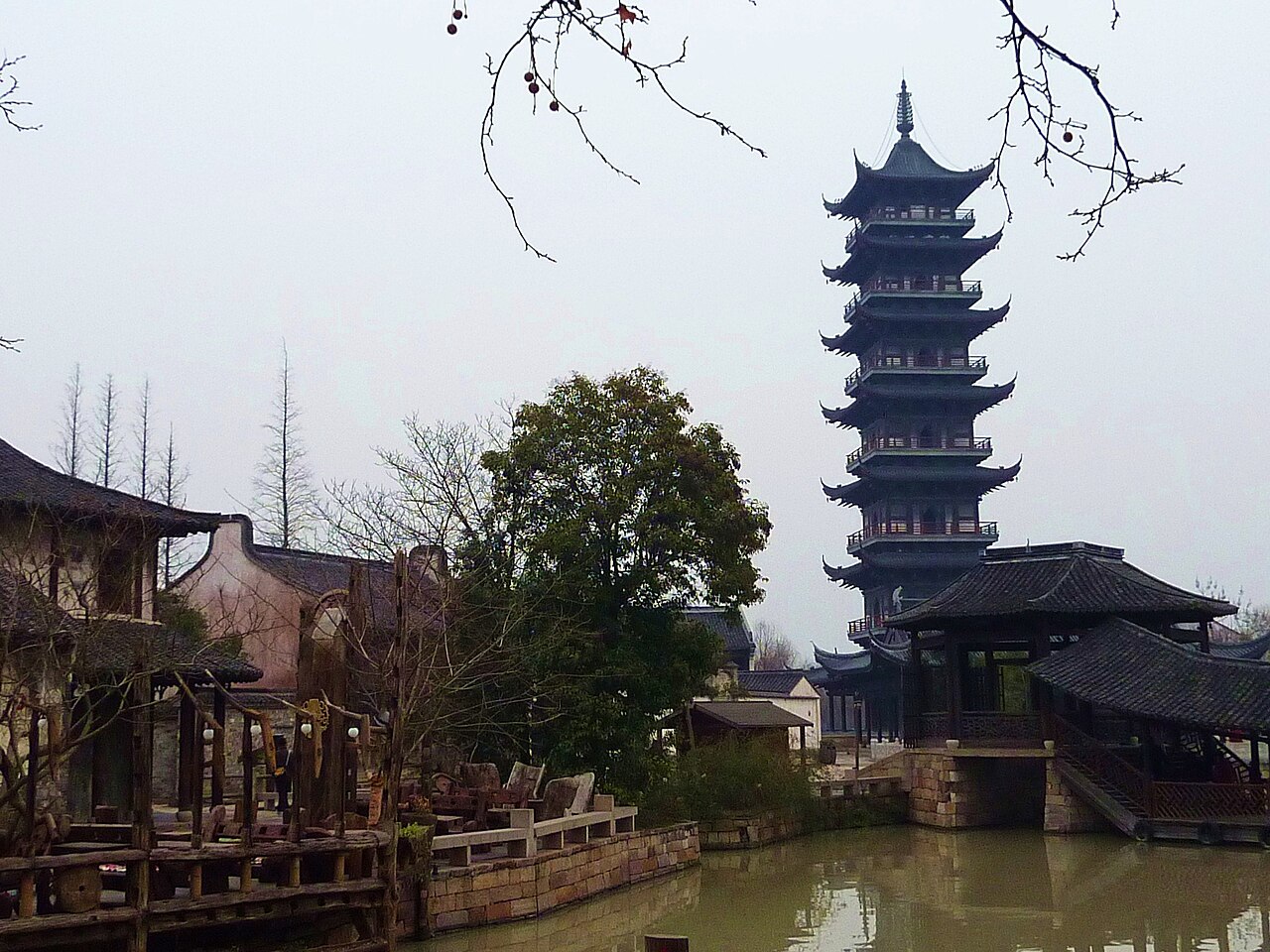
Also called the Censor's old archway, it was developed and restored from the anecdotes and surviving remains of the 'Pearl Pagoda' story, which is widely told through the south and which is supposed to have originated here — Fang Qing's reading tower and the embroidery tower of Miss Chen Cui'e once stood on the site. The restoration makes full use of the water-town character of Tongli and reinstates the place names from the story, which gives it a character different from the other sights, and more of the classical romantic and legendary about it.

Also called
The Censor's old archway
Origin
Tongli is said to be where the Pearl Pagoda story began
On the ticket
Included

Tip It is the most romantic thing in town and the least photographed. Save it for late afternoon.

The poet

Chen Qubing's house

On Sanyuan River in Tongli, off the little flagstone Sanyuan Street, a short way west. Chen Qubing was a modern poet and one of the founders of the Nanshe society. The main buildings are the Haoge Hall, the Baichi Tower, the Lvyu Qingya Hall, a study and the family shrine. Haoge Hall is three bays wide; when it was finished in 1920 Chen happened to be reading Bai Juyi's 'Song of Singing Aloud' and named the new house for it. It was where he received guests. Baichi Tower, one storey over another and quite plain, was where he kept his books and wrote — his 'Baichi Tower Collectanea' is named for it. Lvyu Qingya Hall, the hall-tower, faces east with five bays above and five below and two wing-rooms, thirteen rooms in all; over the lintel are five large characters written by the modern calligrapher Yang Qianli.

Address
Sanyuan Street, by the Sanyuan River, Tongli
Buildings
Haoge Hall, Baichi Tower, Lvyu Qingya Hall, study, family shrine
Note
Sun Yat-sen wrote the plaque 'Revered by Women' for Chen's mother
On the ticket
Included

Tip The Baichi Tower is the quiet one. Chen wrote his collected works there, and the name of the book is the name of the room.

What the town keeps

The history museum, the Old Styles Garden and the Wang Shao'ao memorial

The history museum takes scholars, artefacts and documents as its three subjects and shows the historical face of the town: the scholars' hall collects fourteen figures from the Song onwards, forty-two presented scholars and one top-place graduate; the artefacts hall shows more than a hundred excavated and handed-down pieces; the documents hall covers the events from the Taiping years to the liberation of Tongli. The Old Styles Garden, east of the park bridge in Nanhao Lane, is in three parts — beds, wood carving and curios — of which the best known are a Xuande-period bronze incense burner, a Kangxi blue-and-white general's jar and a Qianlong gilded buddha. The Wang Shao'ao memorial was originally Liugeng Hall, entered by three service lanes east, west and centre, and was the early home of Wang Shao'ao, one of the founders of the China Association for Promoting Democracy.

Museum subjects
Scholars, artefacts, documents
Old Styles Garden
Park bridge east, Nanhao Lane — beds, wood carving, curios
Wang Shao'ao memorial
Formerly Liugeng Hall, three service lanes
On the ticket
All included

Tip Forty-two presented scholars and one top-place graduate from a town this size is the statistic that explains the density of big houses.

Outside the ticket

Xiaodian Lake forest park and the Jingsi Garden

Xiaodian Lake forest park, north-east of Tuncun community, borders Zhouzhuang to the east and Tongli to the west, with the wide water of Chenghu Lake to the north. Nearly 4,000 mu of it, now planted in metasequoia, pond cypress, moso bamboo, early bamboo, ginkgo, white-fleshed loquat, flowers and nursery stock; the woodland is dense and quiet, and orioles, egrets and hares have moved in. The ground is flat, ditches and ponds run in a grid, paths cross it and the surrounding lakes and fields keep it pleasant. The Jingsi Garden takes its name from 'quiet thought reaches far': nine-bend corridors, water and hill, pavilions and towers, a waterside boathouse, rockeries, and the famous sites of the Crane Pavilion bridge, the Small Drooping Rainbow, the Jingsi hall, the Tianxiang study, the Pangshan thatched hall, the Su-style brick carving, the penjing garden and the inscribed-stone corridors. Its 600-odd square metre strange-rock hall holds a great many Lingbi rocks, among them 'Qingyun Peak', a Guinness record holder.

Xiaodian Lake
About 4,000 mu; bus 303 from Tongli coach station, about 15 minutes; open 08:30–16:30
Jingsi Garden
Separate ticket; the strange-rock hall and Qingyun Peak are the draw
Tip
Buy the combined ticket only if you are sure of your times

Tip The forest park is the thing to do if you have seen enough old houses — it is flat, shaded and full of birds, and it is a fifteen-minute bus ride.

Food

River food, and the knuckle that made a scholar

Zhuangyuan pork knuckle

Pork knuckle braised in dark soy until it is red and gleaming: soft, sticky, sweet, and somehow not greasy, with a finish that goes on. Tongli serves it when entertaining, and people from the surrounding villages come in to buy it. It is the dish the town is known for.

Free-range chicken pot

The birds are raised loose in the countryside around Tongli on grass, insects and rice, then stewed with dried bamboo shoots and wild fungi. The broth is clean and the meat is tender. Order it if you want something that is not red-braised.

Wine-lees dumplings

A representative of rice culture: translucent, slippery and springy. Bring water to the boil, add the wine lees and soft white sugar, bring it back to the boil, drop in the dumplings, and when they all float they are done; thicken with a little starch just before they come out.

Cake-battered shrimp

Egg white beaten with rice flour and shrimp, then fried: bright in colour, crisp and fragrant, and better still served in a small dish with tomato alongside. Order it in advance — the kitchen needs several stages and time for it.

Three-shred fish roll

From the middle cut of a five or six catty black carp or grass carp, boned but with the skin left on, rolled around shreds of ham, chicken and mushroom with yellow wine and spring onion, then steamed. Fine-fleshed, faintly fragrant, unlike anything else here.

Sizzling eel paste

Fried shredded eel with shredded ham, chicken and shrimp, a little ginger, crisp fat and garlic, and boiling lard poured over the top at the table. Pepper is scattered over it as it comes out, and the smell arrives before the dish does.

Euryale seed

The top of Tongli's local produce, from the northwest shallows, known locally as chicken-head rice and called the ginseng of the water. The Compendium of Materia Medica lists it for damp blockage, back and knee pain, and for strengthening the essence and the will. Soak half a day, simmer until soft, and add red dates, lotus seed or longan.

Green rice balls

Said to be made by pounding brome grass juice into glutinous rice until the dough turns emerald, wrapping it around red-bean or jujube paste, and steaming it on a reed leaf. Sold around the Qingming festival.

The river fish

The climate is mild and damp, the creeks are dense, so the town is rich in river fish and aquatic plants. White fish, perch, mandarin fish and turtle are the famous ones; water bamboo, celery, water shield, water caltrop, lotus root and arrowhead are all local and all worth ordering.

Grandmother's tea

Served in the tea houses, and the point is the sitting rather than the tea. The Li family's version is distinct in three ways — how the leaf is made, how it is brewed and how the session is run — and it comes with small dishes: fried river snails in bean sauce, the three whites of Taihu, the zhuangyuan knuckle, three-colour shrimp cakes, lotus-root shreds, bamboo-shoot shreds, euryale-steamed pork, and rice cooked over a wood fire.

Where to eat

Kitchens worth the walk

The tea, and the dishes

Li family grandmother's tea house

Grandmother's tea as a proper sitting, with the small dishes that go with it: river snails in bean sauce, the three whites of Taihu, zhuangyuan knuckle, three-colour shrimp cakes, lotus-root shreds, bamboo-shoot shreds, euryale-steamed pork and wood-fired rice. A pot to drink there is ¥80; a bag of fifteen pots' worth, simply packed, is ¥300.

Drink there
¥80 a pot
To take away
¥300 a bag, fifteen pots
Phone
13812740060 / 0512-63338640

Best value

Jiutanzi Fantong

Fair prices and good flavours. Order the zhuangyuan knuckle, the white water fish, the free-range chicken, the plain-cut chicken, the dough drops, water caltrop with soybeans and the white rice shrimp. About ¥44 a head.

Address
13 Zhuxing Street, Tongli, Wujiang, by the flat bridge
Average spend
¥44
Phone
4006665034

The local answer

Eat at your inn

The source guide is blunt about this: there are a lot of restaurants and the quality is uneven, and the ones along the river are generally the weakest. The family inns cook too — generous portions, better flavour, fair prices — and several of them are recommended for their food as much as for their rooms.

Why
Generous, good, and fairly priced
Order ahead
The shrimp cakes need notice — several stages, and time

Snacks

The old food shops on Ming-Qing street

For snacks, the century-old names are Yilong sauce garden, Guxiangcun and the Nanyuan tea house. Guxiangcun food hall sells different things as the seasons turn, and is worth a stop on the way out for something to take home.

Guxiangcun
South Zhongchuan Road, near the entrance to the old town
Also
Yilong sauce garden, Nanyuan tea house

Festivals and nights

What is on while you are there

Fri, Sat, Sun

Night Tongli

On Friday, Saturday and Sunday evenings the town runs a night programme, with the distinctive southern strings and bamboo music performed by the three bridges. Under the night the town sheds the noise of the day and starts showing what it actually is. It is the one thing you cannot do on a Tuesday.

When
Friday, Saturday and Sunday evenings
Where
By the three bridges
Also
The night session runs 18:30–21:30 on a separate ticket

Tip We are always walking, and we forget to stop. Book a room inside the gate, and the night programme is included in the price of being here.

Dragon Boat Festival

Dragon-boat racing

Tongli has wide water, and this is the liveliest event of the year. Besides the drum team in the bow keeping time, the old, the young and the women all have to go ashore to watch — only the able-bodied stay on board, and that lightening of the boat speeds it up without anyone planning to.

When
The fifth day of the fifth lunar month

Tip Get on the bank early. The bridges fill an hour before the first race.

23rd of the sixth month

The water-gate contest

A Tongli speciality that is really an annual fire-fighting competition. The man holding the nozzle sometimes aims it at the sky on purpose and drenches the part of the crowd that did not bring an umbrella — everyone ends up soaked and nobody minds.

When
The twenty-third day of the sixth lunar month

Tip Bring a raincoat or stand well back. Getting soaked is part of the joke.

30th of the seventh month

Ground incense and floating lanterns

The thirtieth day of the seventh lunar month is the birthday of the Bodhisattva Dizang, and at dusk every household lights candles and incense at its own door or in its courtyard, sticking the sticks one by one into the ground — 'the dog's ritual'. Then the floating lanterns go out, which happens nowhere in the Wujiang area except Tongli. A boat ahead carries monks playing Buddhist music; the boat behind lights the wicks in the oiled-paper lanterns and sets them one by one on the water. Within an hour every canal in the town is flickering, like the sky's stars fallen into the river.

When
Dusk on the thirtieth day of the seventh lunar month
Unique to
Tongli, alone in the Wujiang area

Tip This is the single best night of the year to be in Tongli. Sleep here — the last boats go late.

Third and fourth months

The Zhu Tian gathering and the Immortals' meeting

The Zhu Tian gathering is a folk observance for Zhu Youjian, the last Ming emperor, started after the fall of the dynasty by loyalists as a religious form of resistance. In Tongli it is mostly old women — locally called 'squeezing the old ladies on the twenty-eighth of the third month' — and it consists of sitting on rush stools and eating vegetarian food, which is said to bring health and lift all taboos. The Immortals' meeting on the fourteenth of the fourth month is a wider regional event with a local flavour: stilt-walkers, a river boat act, the mussel-shell spirit, a small procession, and behind them a group of penitents in crime skirts.

Zhu Tian gathering
The twenty-eighth day of the third lunar month
Immortals' meeting
The fourteenth day of the fourth lunar month

Tip These are local observances rather than performances. Watch from the edge of the crowd and do not block the procession.

Autumn

The mid-autumn offering, and the harvest fairs

Mid-autumn matters here: every household sets out an offering and eats mooncakes, along with other fruits — water caltrop, lotus root, tangerines. At midnight the incense offering is carried into the courtyard and burned, and only then does the family sit down to mooncakes and moon. Earlier in the year, the eighth and ninth days of the eighth month are the harvest fair, when women married that year go home to their parents before the autumn work begins, and traders from the surrounding towns fill Beiguan and Xinzhen Street with peep shows, boxing, clay figurine stalls and travelling circuses.

Harvest fair
The seventh and eighth days of the eighth lunar month
Mid-autumn
The fifteenth day of the eighth lunar month

Tip If you are here at mid-autumn, buy mooncakes from a shop on Ming-Qing street rather than a supermarket, and eat them after midnight the way the town does.

Shopping

What to carry home

Sock-sole shortbread

A small shortcake whose layers are as thin as a cicada's wing, shaped like a kidney and a bit like the sole of a sock, which is where the name comes from. Fresh and crisp, sweet with a salt edge.

Orange-red cake

Said to have been made specially for new guests and for a son-in-law coming to the house: good wishes kneaded into small pale-red cakes, meaning that the coming year will be red-hot and rise another storey.

Malt flat cake

A traditional Suzhou-style tea cake of the town and one every country housewife here can make. Fragrant, dark green and glossy, fine-textured, sweet and sticky.

Osmanthus rock-sugar lotus root

Lotus root clears heat and is used for hot conditions; it is sweet and juicy and particularly good for thirst in fever, and for bleeding. Suitable for the old, the young and the infirm, and specifically for high fever, those spitting blood, high blood pressure, liver complaints, poor appetite, iron-deficiency anaemia and malnutrition.

Min cake

Askin of rice flour kneaded with 'min cake' herb, filled with bean paste and walnut, then steamed — a kind of green rice ball, dark green, glossy, fine-grained, oily without being greasy, fragrant and slippery, and distinctly of the southern countryside. Under the Qing it was listed as tribute and sent to the Empress Dowager Cixi.

Mixed-fruit honey cake

Richly glutinous, sweet and nourishing, with walnut, candied date and pine nut in it. It is taken to harmonise the spleen and stomach and to settle cough and wheezing, and is used for asthma, bronchitis and tuberculosis.

Wine-lees cakes

A spring pastry, like a small mooncake, raised with clear wine lees and so sold for a single season, best around Qingming. They come with meat or without, in rose, red-bean and mint. Eat them hot: sweet, rich, soft and chewy, glossy, bright, with the flavours kept separate.

Back-supporting cake

On the second day of the second lunar month the countryside around Tongli eats back-supporting cake, and the story is that it stops your back hurting through a year of farm work. It is a flat oval of glutinous rice flour, slightly hollowed in the middle, shaped like a waist.

Fans and embroidery

Silk fans, some painted while you watch and some already painted, from a few dozen yuan. And Su embroidery, very finely done — in some shops the owner's wife is still at her frame. There are Tongli views and there are animals, and it is all embroidered and sold by the same people.

Ming-Qing street

The busiest commercial street in town, found east of the Zhongchuan bridge. As the name says, the whole street is in Ming-Qing style, and it keeps the southern pattern of an upper and a lower street running parallel. It sells euryale seed, min cake, the zhuangyuan knuckle, Su embroidery and silk, along with other folk crafts, hand-painted pictures, fans and silk.
Where to stay

Sleep inside the old town

The only real choice

An inn inside the old town

Coming to a water town and not sleeping in a Jiangnan inn is missing half of it. Tongli has a great many inns and almost all of them are inside the old town, minutes from the sights, so in the low season there is nothing to worry about — just arrive and choose. At weekends and in high season book online first so you do not end up settling for whatever is left.

Low season
Arrive and pick
High season
Book online or by phone
Nice touch
Call ahead and many owners will meet you at the coach station

Budget, over the water

Suzhou Tongli International Youth Hostel

'Across the water the green camphor points at the winding lane; at the door the blue water carries the painted boats.' Sit at the small wooden window over the canal and what you see when you look up is the Taiping bridge itself — blue water below and painted boats sculling, weathered wall opposite, a long quiet lane beyond. Minutes from the main sights.

Address
10 Zhuxing Street, Tongli, by the Lin family shop
Price
From ¥50
Phone
0512-63335091 / 0512-63339311

350-year-old magistrate's yamen

Jingyi Hall

An inn by the three bridges, converted from a prefect's yamen more than 350 years old. Two big trees in the main court — osmanthus on the left, michelia on the right. Apart from the bathroom, which is modern, everything feels like another century.

Address
5 Fuguan Street, Tongli
Price
From ¥120
Phone
0512-63338805 / 13328012180

Central

Enzetang inn

Very central — minutes from every sight. The decoration is classical and the furniture is Ming and Qing. The kitchen does generous, good food at fair prices, which is a further reason to stay.

Address
23 Dongxi Street, Tongli (Xiaochuan East Road)
Price
From ¥150
Phone
0512-63334807

On the water, by the gate

Fanrong inn

About 200 m from the scenic-area gate and built along the canal, so you can watch the water from your room. Two courtyards: the first for farmhouse meals and tea, the second for the rooms.

Address
62 Zhuxing Street, Datongli
Price
From ¥150
Phone
0512-63337665 / 15962595403

The splurge

Zhengfu Thatched Hall

There were several of these in Lijiang before the Tongli one was built. Pure Jiangnan classical garden architecture, and the rooms have names: Orchid Still Room, A Pool of Ripples, Sleeping on Cloud and Water, Both Ways, and so on.

Address
Zhengfu Thatched Hall, Ming-Qing Street, Tongli
Price
From ¥480
Phone
0512-63320576 / 0512-63336358

Mid-range

Tongli Sunshine Station business hotel

A Ming-Qing styled main building with interiors that work both ways, and furniture and lighting designed and made for it, which gives the place a genuine old-south, real-water-town feel. Rooms are complete and the service is full: they will do your sight tickets and fix a guide for you.

Price
About ¥148
Phone
0512-63988788

Getting around

How to reach Tongli and move through it

By coach from Shanghai

Two tourist coaches include the return fare and your first ticket; the ordinary long-distance services are far cheaper if you do not need the bundled ticket.

80,000-seat stadium
08:30, returns 16:30; about 1.5 h; ¥120 including return fare and first ticket — 021-64265555
Hongkou stadium
08:30, returns 16:30; about 2 h; ¥120
Shanghai long-distance station
1662 Zhongxing Road, by the railway station north square; 09:40, 10:20, 11:10, 12:00, 15:00, 16:20, 17:10; returns from Tongli coach station 06:30, 07:05, 07:45, 08:25, 09:05, 13:15, 13:55, 14:25, 14:45, 16:00; about ¥16.50 — 021-69222172
Qingpu coach station
06:00–16:30 hourly; returns 08:25, 09:05, 09:55, 11:05, 12:15, 13:15, 14:15, 15:15, 16:15; ¥16.50 — 021-69222172

By coach from Jiangsu

Suzhou is the natural base — a shuttle from the railway station square every 20 minutes. Tourist coaches also run from Nanjing, Changzhou, Wuxi, Zhenjiang and Yangzhou, all of them including the return fare and the first ticket.

Suzhou railway station square
Every 20 minutes, ¥8, about 45 minutes
Suzhou Wu Zhong station
Tourist coaches to Tongli 06:40–17:15, every 20 minutes
Nanjing Bailu distribution centre
Wed, Sat, Sun 06:00; 1 Jianning Road, Central Gate long-distance station; ¥128 — 025-85525200
Wuxi distribution centre
Sat, Sun 07:00; gate 31, north coach station; ¥78 — 0510-88669999
Changzhou
Sat 07:00; A118 Tianning Shangdu, Yanling East Road; ¥118 — 0519-88137701
Zhenjiang
Sat, Sun 05:00; 50 Jiefang Road; ¥160 — 0511-84400155
Yangzhou
Tue, Thu, Sat 06:40; 24 Wenshui Road; ¥148 — 0514-85125888

By coach from Zhejiang, or by water

Hangzhou's north station runs three departures; Ningbo has weekend tourist coaches. There is also a boat from Zhouzhuang, which is the pleasant way to link the two towns.

Hangzhou north station
07:50, 11:20, 13:20; returns 06:40, 12:50, 14:15; ¥55 — 0571-88097761
Ningbo distribution centre
Sat, Sun 06:00, from Ningbo south coach station; ¥168 — 0574-87328292
Ningbo Zhelun Overseas
Sat, Sun 06:00; ground floor, Caihong Building, Caihong South Road; ¥168 — 0574-87703266
Zhouzhuang to Tongli by boat
A 60-seat boat; ¥450 one way, ¥600 return

Local transport

The old town is small enough to walk, and the source guide says so plainly. Everything else is a matter of taste rather than necessity.

Pedicab
¥5 to board; ¥15 for a circuit of the old town
Battery cart
Garden — town entrance — Luoxing Isle; ¥2 from the town entrance to the garden; ¥4 from the garden's back gate to the Luoxing ferry; ¥20 a head from the garden direct to the ferry
Walking
The whole town on foot — completely possible
To Xiaodian Lake
Bus 303 from Tongli coach station, about 15 minutes; park open 08:30–16:30

Boats

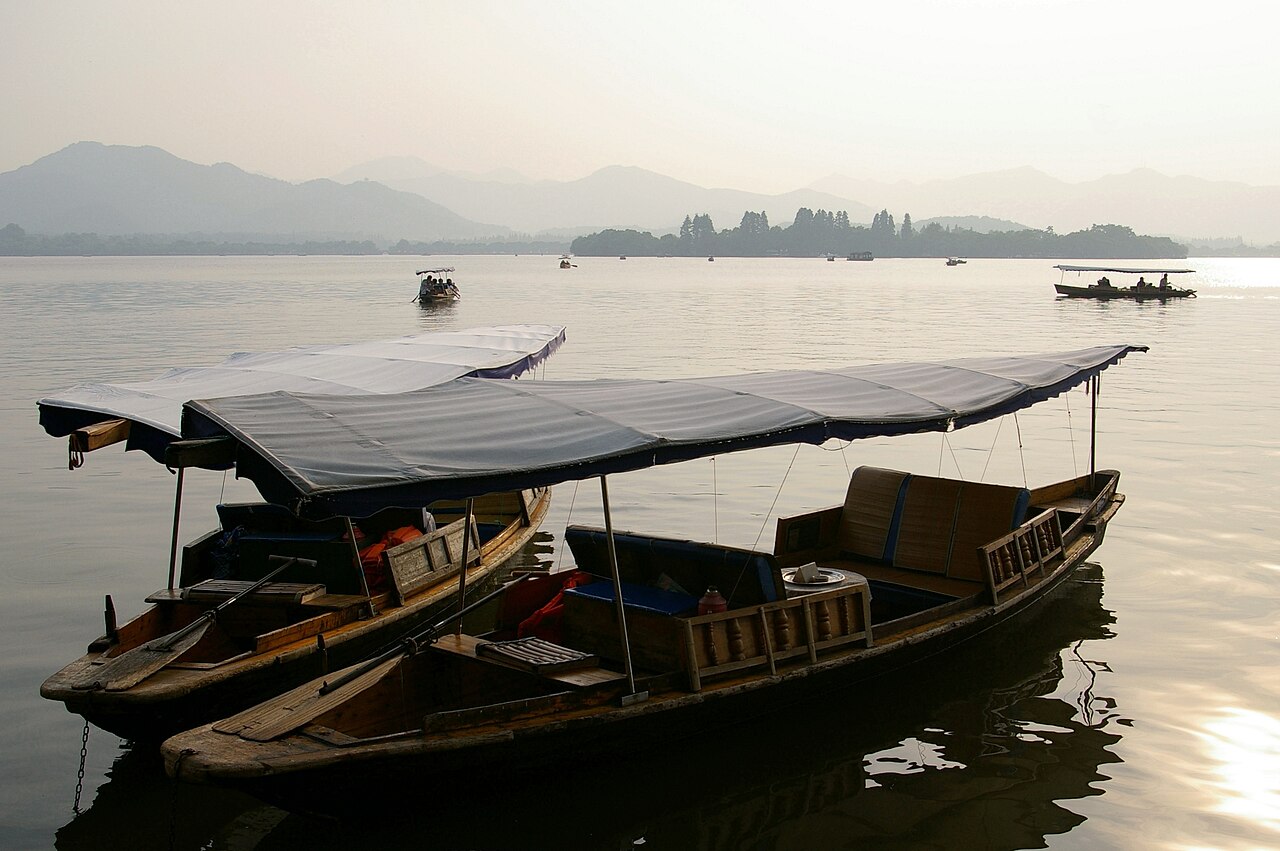
Boats are charged by the boat, not by the head, which makes them cheap for a group and dear for one. Hand-sculled wooden boats take about forty minutes to circle the old town, run day and night, and you can share one in daylight or charter it — the boatman will teach you the scull if you ask.
Three-bridges scenic trip
¥70 a boat, six people
Tongli Lake speedboat
¥80 a boat, six people
Tongli Lake scenic trip
¥200 a boat, forty people
Hand-sculled wooden boat
About 40 minutes for a circuit of the old town; share by day or charter
Luoxing Isle
Free shuttle boat about every 20 minutes, five minutes across; speedboat ¥10 a head

By car

Driving is simple — almost every route ends at the Wujiang and Tongli exit of the Suzhou–Jiaxing–Hangzhou expressway.
Shanghai
A9 — Suzhou–Tongli–Lijiang road; or A9 — Huqingping expressway via the Grand View Garden — Songbei road; about 60 minutes
Suzhou
Suzhou–Jiaxing–Hangzhou expressway, off at Wujiang and Tongli; about 40 minutes
Nanjing
Nanjing–Shanghai expressway — Suzhou–Jiaxing–Hangzhou; about 120 minutes
Wuxi and Changzhou
Nanjing–Shanghai — Suzhou–Jiaxing–Hangzhou; about 70 and 90 minutes
Nantong
Sutong bridge — Suzhou–Jiaxing–Hangzhou; about 90 minutes
Hangzhou
Suzhou–Jiaxing–Hangzhou; about 80 minutes
Ningbo
Hangzhou Bay bridge — Suzhou–Jiaxing–Hangzhou; about 150 minutes

Tips

Small things that make a big difference

Arrive before two

The day session runs to 17:30 but every sight inside it shuts by 17:15, and none of them open at night. A four o'clock arrival from Suzhou means you get the streets and nothing else.

Get the stamp on your ticket

The joint ticket is valid for two days only if you take your accommodation proof to the ticket centre or the visitor centre at the garden and have it stamped. It costs nothing and doubles the ticket.

Eat at the inn, not on the river

There are a lot of restaurants and the standard is uneven; the riverside ones are generally the weakest. The family inns cook generous, good, fairly priced food. Order the shrimp cakes ahead — several stages, and time.

Watch your feet on the stone paths

The crushed-stone paths along the water grow moss. They are genuinely slippery, and a wet cobble in a narrow lane is how ankles get turned.

Bring your own toothbrush

Most guesthouses do not supply a comb, a towel or a toothbrush. Pack them, and do not expect the front desk to have spares.

Seal the loose snacks, not the pre-packed bags

Sellers will let you taste from the loose trays, and it is excellent; the bag they hand you when you pay may taste different at home. Ask them to seal the loose ones instead — every snack shop in town will vacuum-seal for you. And eat them quickly: the shelf life is short.

Practical

The numbers you will actually need

Tongli rewards a night and a morning rather than a long day. Buy the ticket, get it stamped, and let the town be quiet around you.

TicketsJoint ticket ¥100, eleven sights, valid two days with a stamp from your accommodation proof. Free: children under 1.2 m, over-70s, serving soldiers, officers, national press-card holders. Half price: students at non-adult institutions, over-60s
What the ticket coversRetreat and Reflection Garden, Chongben Hall, Jiayin Hall, Gengle Hall, Pearl Pagoda, Luoxing Isle, Songshi garden, history museum, Chen Qubing's house, Old Styles Garden, Wang Shao'ao memorial
HoursDay 07:30–17:30, every sight closed by 17:15 and none open at night; night session 18:30–21:30 on a separate ticket
Getting there18 km from Suzhou — shuttle from the railway station square every 20 minutes, ¥8, about 45 minutes; 80 km from Shanghai
BoatsThree-bridges trip ¥70 a boat for six; lake speedboat ¥80 for six; lake scenic trip ¥200 for forty; hand-sculled circuit about 40 minutes; Luoxing free shuttle every 20 minutes or speedboat ¥10
Local transportPedicab ¥5 to board, ¥15 for a circuit; battery cart ¥2 town entrance to garden, ¥4 garden to Luoxing ferry, ¥20 direct from the garden
Festival calendarZhu Tian gathering 3rd month 28th day; Immortals' meeting 4th month 14th day; dragon boats 5th month 5th day; water-gate contest 6th month 23rd day; ground incense and floating lanterns 7th month 30th day; harvest fair 8th month 7th–8th day; mid-autumn 8th month 15th day. Night Tongli on Friday, Saturday and Sunday evenings
ServicesPost office, 2 Zhuxing Street, Tongli — 0512-95580, postcode 215217; postal savings at the same address; Tongli health centre, Yingyan East Road — 0512-63339019; town site www.tongli.net/china

Background

Why Tongli is the way it is

A name that was too rich

Tongli is easy to remember and pleasant to say, and it was arrived at by subtraction. The town was once called Futu — rich land. Early in the Tang that was thought too ostentatious and it was changed to Tongli, 'copper mile'. Under the Song the old name was taken apart instead: the two characters of Futu stacked, the top dot removed, the middle stroke broken, and the result read 'Tongli' — which is the name still used today.

The Qing Jiaqing-era 'Gazetteer of Tongli' records that from the Song, Yuan and Ming onwards it was already a major town of Wu, and that because it could only be reached by boat it rarely suffered the ravages of war — which made it exactly the place rich gentry and merchants chose when they wanted to ride a disturbance out in comfort. You can read the whole history of the place in that sequence of names: a preference for keeping wealth quiet, and a very long memory.

Bridges, houses and scholars

The town's three distinguishing features are usually given as many Ming-Qing buildings, many water-town bridges, and many notable people. Water surrounds it on all four sides; inside, fifteen rivers divide it into seven islets, and forty-nine bridges connect them. Song, Yuan, Ming and Qing bridges all survive intact, among them the Sibin bridge built in the Southern Song and the Fuguan bridge of the Yuan Zhizheng era. In the first-tier protection zone, seven out of ten buildings are Ming or Qing, and four hundred years of sites, objects, remains and customs are still there — deep courtyards and small gardens everywhere you look.
Generation after generation of Tongli people studied hard, and education was taken seriously, and the result is in the record: from the fourth year of the Southern Song Chunyou era to the end of the Qing, the town produced one top-place graduate, forty-two presented scholars and ninety-three military and civil graduates. The little East Brook bridge is called the study bridge, and its couplet — 'a pool of moonlight holds the shadow of the compass, both banks of reading voices answer the songs of the honours board' — records the habit and explains the houses.
Why it feels different from its neighbours

People usually compare Tongli with Zhouzhuang and Wuzhen, and the honest answer in the source guide is that those two are now pure attractions and commercialised accordingly, while Tongli has been opened up less and lives more. The rhythm is still agricultural: out at sunrise, in at sunset. That is the whole of the difference, and it is also the instruction — visitors who respect the residents' way of life are the ones who get the quiet town they came for.

The other thing worth knowing is that this fabric is why the cameras come. With the water scenery, the concentration of monuments and the intact Ming-Qing building stock, Tongli was called a natural studio, the little Venice of the east and a museum of Ming-Qing architecture, and it is counted one of China's ten great film locations. Gu Changwei's 'Love Comes to Tongli' was built around a near-miss in Chuanxin Lane; 'Family', 'Spring', 'Autumn' and 'Dream of the Red Chamber' were all shot in the Retreat and Reflection Garden. Half the reason the town looks familiar is that you have already seen it on a screen.

The questions visitors ask us most about Tongli, answered plainly.

Frequently asked questions

Prices and practical details are reviewed every month by our Beijing team and updated the day a rule changes.

What is the best time to visit Tongli?

Spring, when the drizzle is continuous. The mist, the light smoke and the evening haze are the three things this town does better than anywhere else. Tongli works in every season, but on weekends and holidays the 09:00–11:00 slot is the crush at the gates — come later in the day instead.

Is the Tongli ticket worth it?

Yes, if you get it stamped. The ¥100 joint ticket covers eleven sights and is valid for two days once you take your accommodation proof to the ticket centre or the visitor centre at the garden for a stamp. Students and over-60s pay half; under-1.2 m children, over-70s, serving soldiers, officers and national press-card holders go free. An innkeeper can often buy it cheaper than the ticket office can sell it.

How do I get to Tongli from Suzhou?

The shuttle from the square at Suzhou railway station runs every 20 minutes, costs ¥8 and takes about 45 minutes. Wu Zhong coach station runs tourist coaches every 20 minutes from 06:40 to 17:15. Driving takes about 40 minutes: the Suzhou–Jiaxing–Hangzhou expressway, off at the Wujiang and Tongli exit.

How is Tongli different from Zhouzhuang and Wuzhen?

It is less developed and more lived in. Zhouzhuang and Wuzhen are essentially attractions now, with the commercialisation that comes with that. Tongli has been opened up less, and keeps a working rhythm — up at dawn, indoors at dusk. Visitors who respect that, rather than treating the lanes as a stage set, get a quieter and more genuine town.

Do I have to walk everywhere in Tongli?

No, though the town is small enough that walking is fine. Pedicabs are ¥5 to board and ¥15 for a circuit; battery carts link the garden, the town entrance and the Luoxing Isle ferry; and boats are charged by the boat rather than the head. Different transport gives you different views, so choose by mood.

Is it easy to find a place to stay?

Very. In the low season just arrive and pick an inn — there are a great many of them and almost all are inside the old town, minutes from the sights. At weekends and in high season book online or by phone. If you are worried about finding your inn after dark, call ahead: many owners will meet you at the coach station.

What should I eat in Tongli?

The zhuangyuan pork knuckle first, braised in dark soy until it is red and gleaming, soft, sweet and not greasy. Then cake-battered shrimp, the three-shred fish roll, sizzling eel paste, and in autumn the euryale seed — the local 'chicken-head rice', called the ginseng of the water. Eat at your inn rather than at the riverside restaurants.

When does everything close?

Earlier than the gate times suggest. The day session runs 07:30–17:30, but every individual sight inside it shuts by 17:15 and none of them open at night. There is a separate night session, 18:30–21:30, which is a different ticket. Arrive before two in the afternoon or you will lose the gardens.

Related reading

Related reading

Visas Do I Need a Visa for China? Requirements, Costs and How to Apply China's entry rules changed more in the last three years than in the previous twenty. Here is exactly who needs a visa, what it costs, how long it takes and which passports now walk straight through. 9 min read Visas China's 240-Hour Visa-Free Transit: Who Qualifies and How It Works Ten days in China with no visa application, no fee and no fingerprints — if you hold the right passport and leave for a third country. Here is the rulebook, port by port. 8 min read Money Paying in China: Alipay, WeChat Pay, Cards and Cash Roughly nine in ten urban payments in China now run through a phone. Set up two apps before you fly, carry a modest cash float, and you will never be stuck at a till. 8 min read Transport China's High-Speed Rail: How to Book, What It Costs, How Fast It Goes The fastest way to cross China is also the most pleasant. Here is how to book a ticket with a foreign passport, what the three classes actually give you, and how to survive a Chinese station at rush hour. 9 min read Planning Best Time to Visit China: Month by Month, Region by Region China is the size of Europe, so 'the best month' depends on where you stand. Here is the month-by-month answer for the north, the Yangtze valley, the south and the plateau. 8 min read Planning What to Pack for China: The Complete 2026 Checklist Twenty thousand steps a day, three climate zones and a phone that has to do everything. This is the list we give our own travellers, minus the things they never used. 7 min read Food Chinese Food Culture: Eight Cuisines, One Table There is no such thing as Chinese food. There is Cantonese, Sichuan, Hunan, Jiangsu, Zhejiang, Fujian, Anhui and Shandong — and knowing which one you are eating changes everything. 8 min read Traditions Chinese Tea Culture: Six Classes, One Pot, Two Fingers Tea in China is not a beverage category, it is a social technology: it fills silences, seals deals and sets the pace of a meal. Here is how to sit down in one and not look lost. 7 min read Traditions Chinese Festivals: The Calendar, the Dates and the Crowds Lunar dates mean the calendar moves every year — and two of the festivals move several hundred million people at once. Plan around them or plan into them, but never by accident. 8 min read Etiquette Chinese Etiquette: What Matters, What Does Not, and Why Most etiquette advice for China is either obvious or wrong. These are the dozen behaviours that actually change how you are treated, and the reasoning behind each. 7 min read

Tell us your dates.
We'll do the rest.

Free itinerary design, a revised plan within one working day, and nothing charged until you approve the final version.

  • The ¥100 joint ticket covers eleven sights: the Retreat and Reflection Garden, Chongben Hall, Jiayin Hall, Gengle Hall, the Pearl Pagoda, Luoxing Isle, the Songshi garden, the history museum, Chen Qubing's house, the Old Styles Garden and the Wang Shao'ao memorial.
  • Take your accommodation proof to the ticket centre or the garden's visitor centre for a stamp and the ticket runs two days instead of one.
  • Day visits are 07:30–17:30 but every individual sight closes by 17:15. There is a separate night session 18:30–21:30, and music by the three bridges on Friday, Saturday and Sunday evenings.

No spam. No sales calls. Just a real itinerary from a real person.