City guide · Qinghai

Qinghai Lake travel guide: the 360 km loop, when to go, and how to dodge the ticket traps

A 4,400 sq km inland sea at 3,200 m, ringed by rapeseed gold, prayer flags and the best cycling road in China.

  • Known forRapeseed bloom, the 360 km cycling loop, bird island, high-altitude blue
  • Typical spendCNY 1,500–2,000 per person for 2 days
  • Ideal length2 days by car, 4 days by bike
  • PaceSlow — long drives, early sunrises, thin air

Reviewed by our Beijing team Updated 2026-10-10

The short version

Qinghai Lake is worth 2 to 4 days — 2 if you hire a car and driver, 4 if you cycle the 360 km loop. It is China's largest inland lake, sitting at 3,196 m, roughly 151 km west of Xining, and the access road from the capital takes about 2.5 hours. July and August bring the rapeseed bloom and the Tour of Qinghai Lake pro race; May is for the bird island; November to February is for whooper swans. Budget around CNY 1,500–2,000 per person for two days including a shared car, or CNY 600–1,000 per day to charter a vehicle for the whole ring.

  • The lake sits at 3,196 m and the loop road tops out at Riyue Pass, 3,520 m — altitude is real, so take day one slow.
  • Erlangjian (151 Base) charges CNY 100 in peak season and CNY 50 from 20 Oct to 15 Apr; locals will wave you onto the shore elsewhere for CNY 10–20.
  • Bird Island is CNY 115 in peak season and only worth it from late April to July — by August the birds have mostly gone.
  • The full ring road is 360 km by bike and 630 km by car from Xining back to Xining; most rental bikes in Xihai town run CNY 50–100 a day.

City guide

First impressions

Photographs from the coast, and what other travellers wrote afterwards.

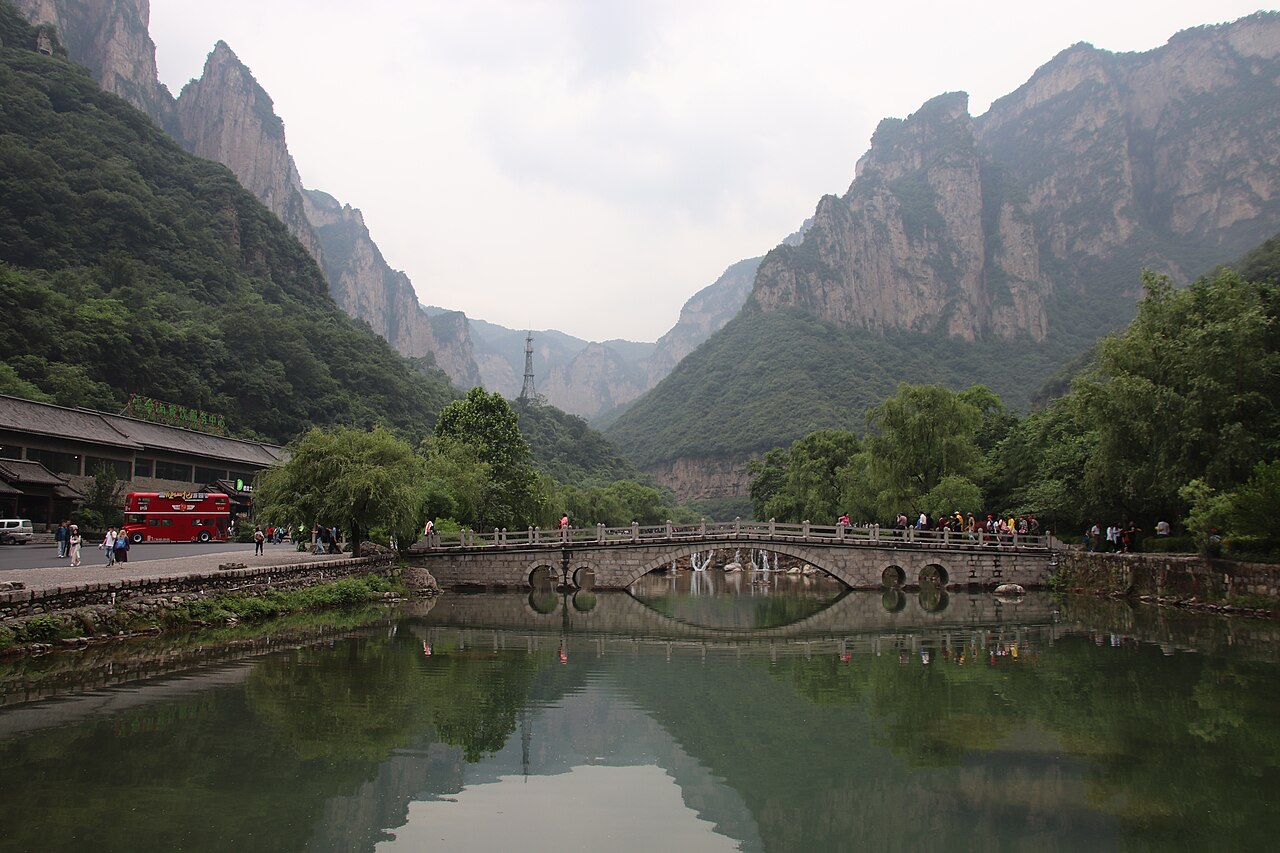
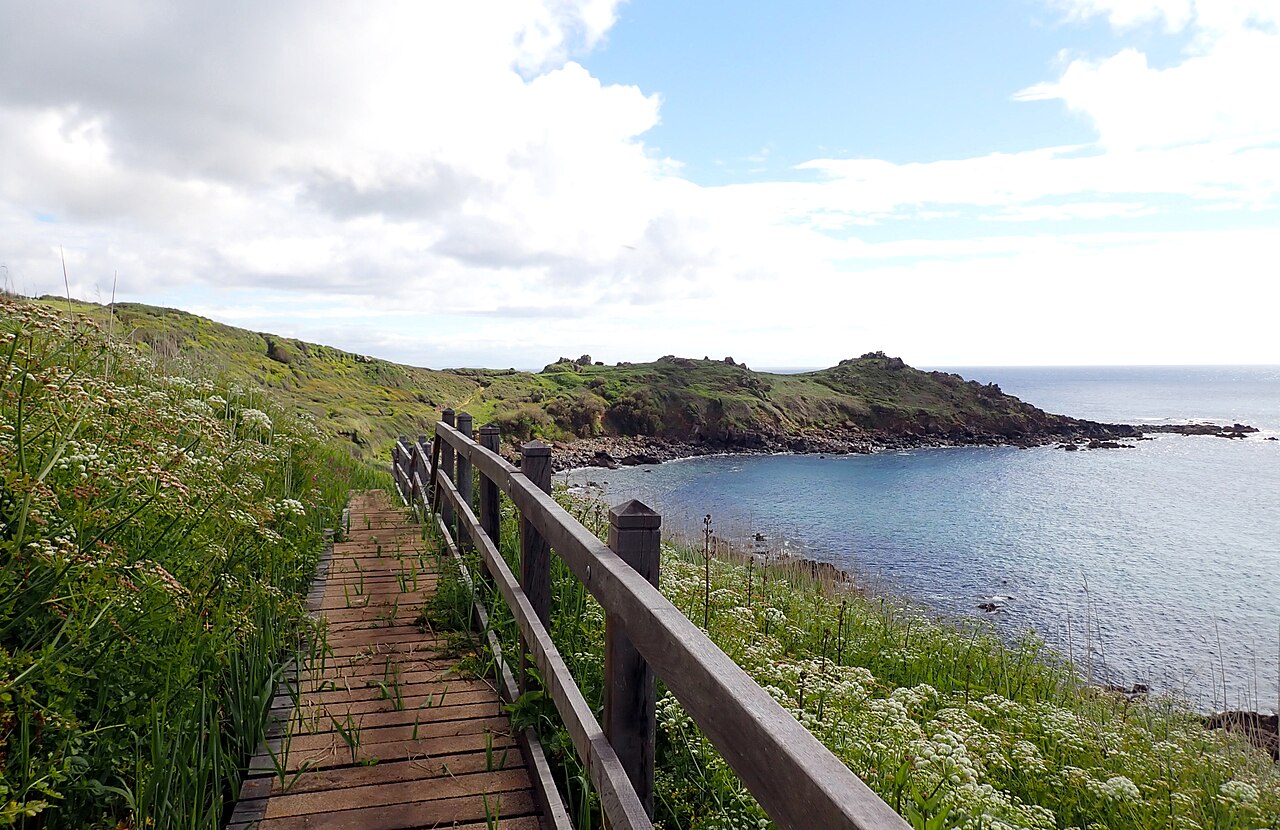
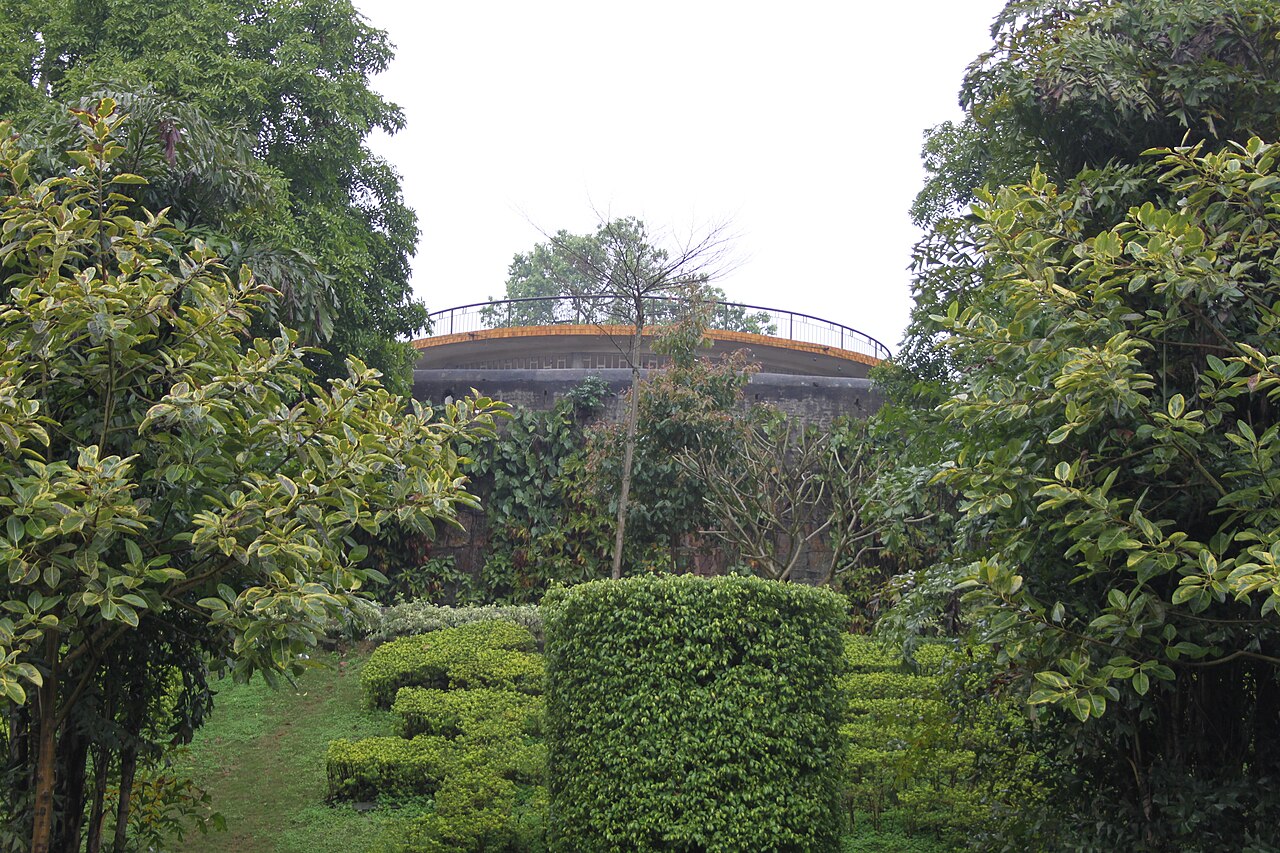
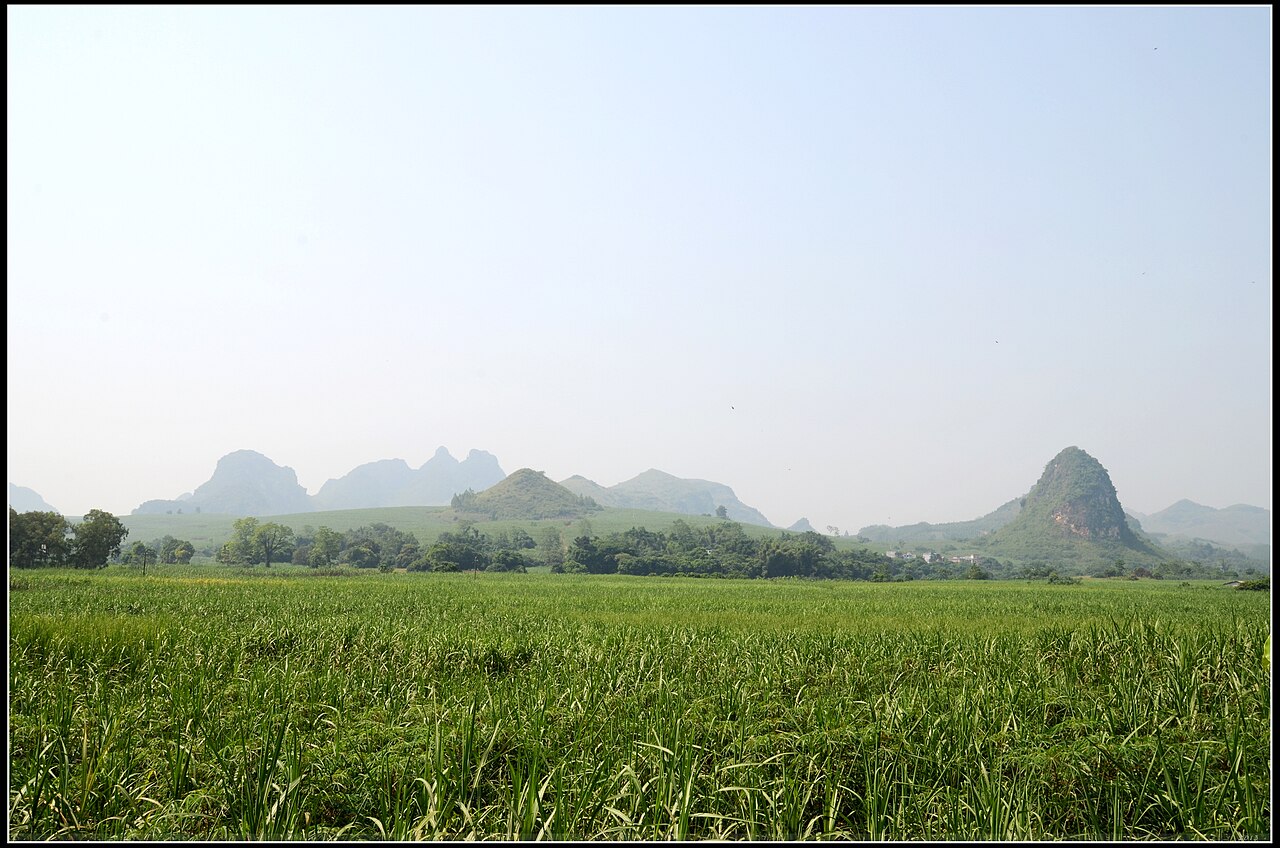
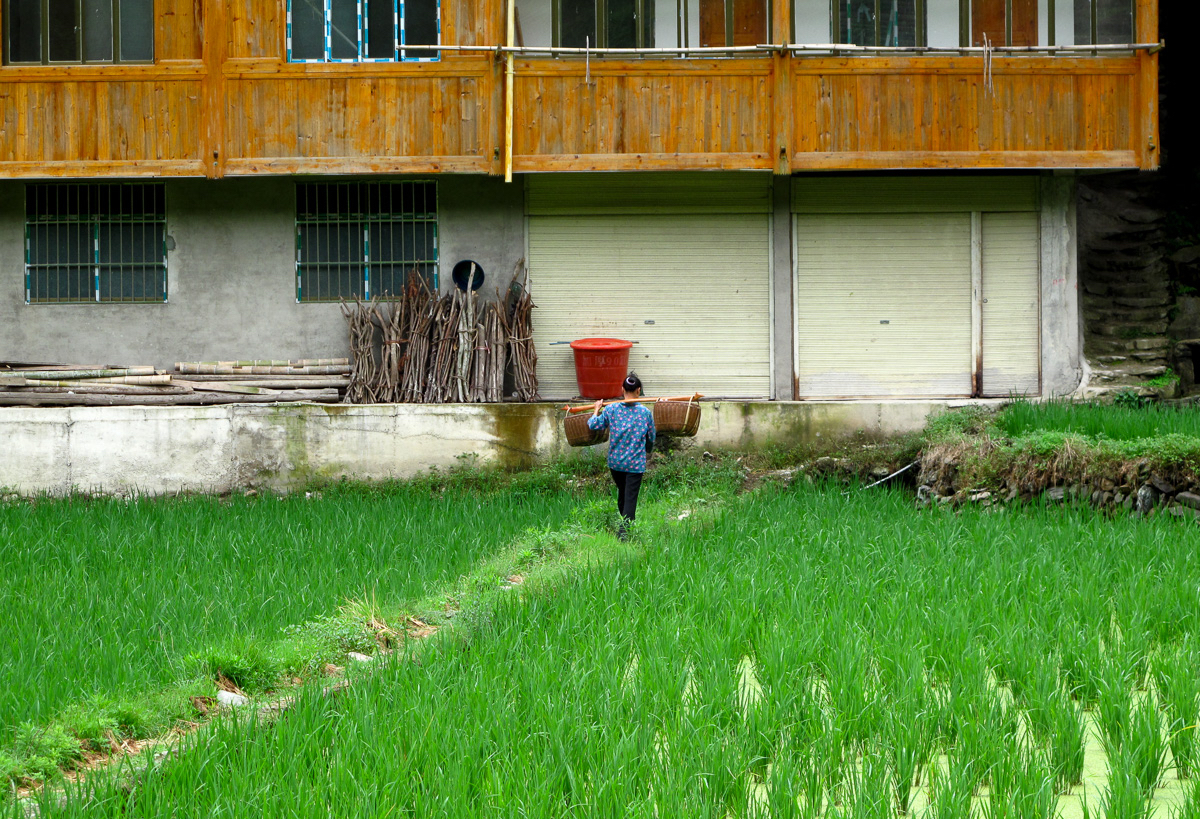
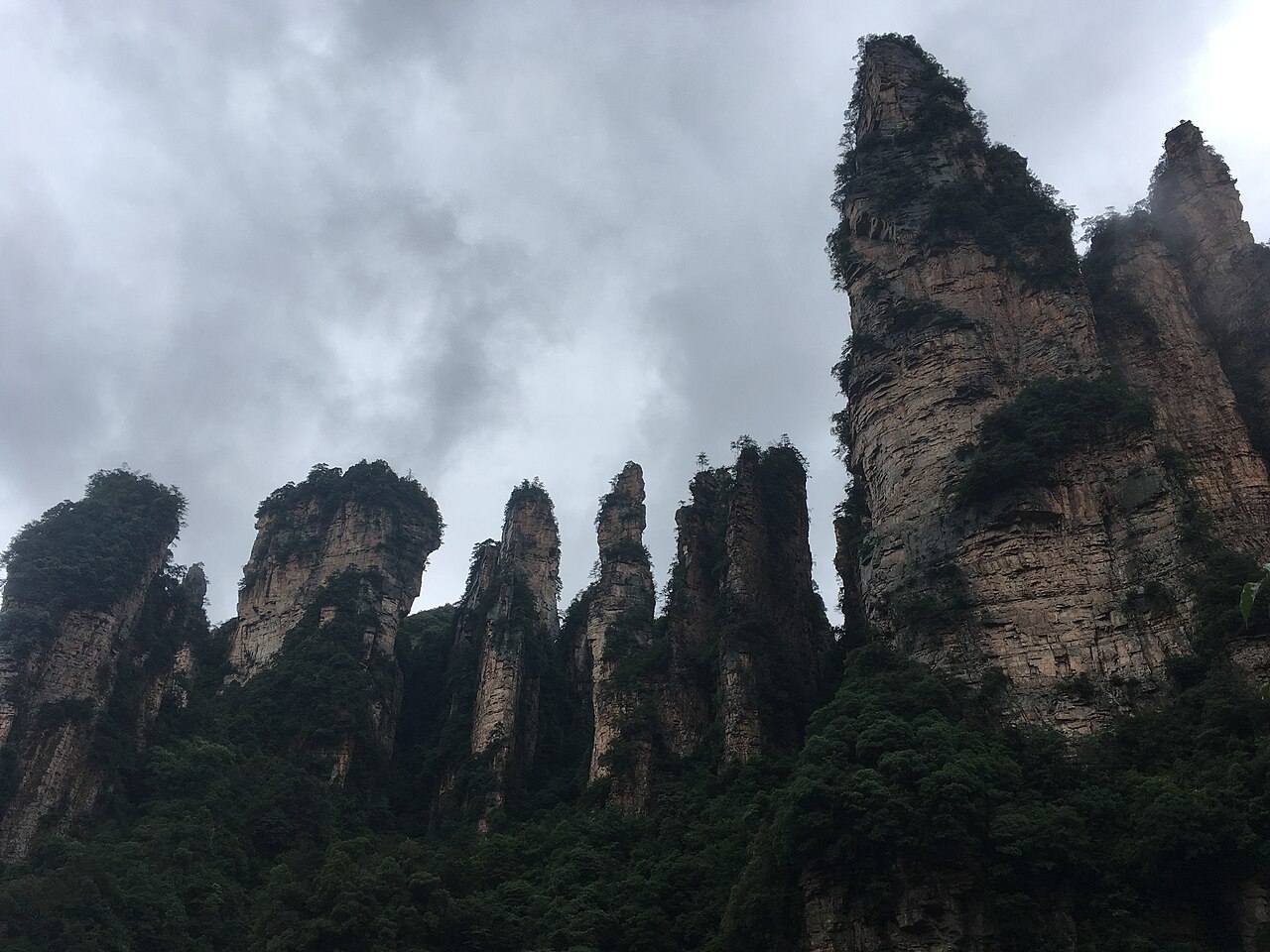
Rapeseed fields running right up to the southern shore in mid-July
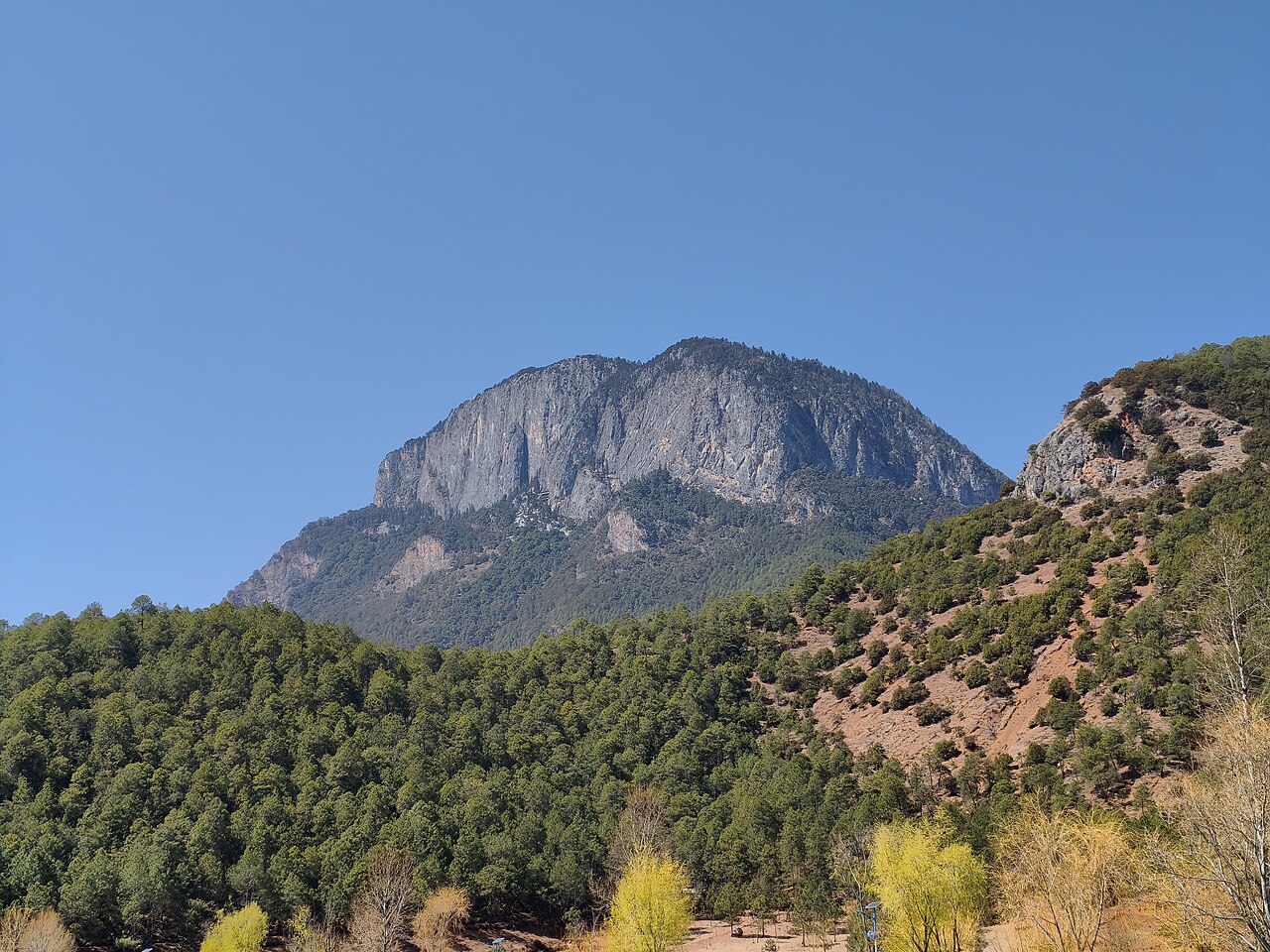
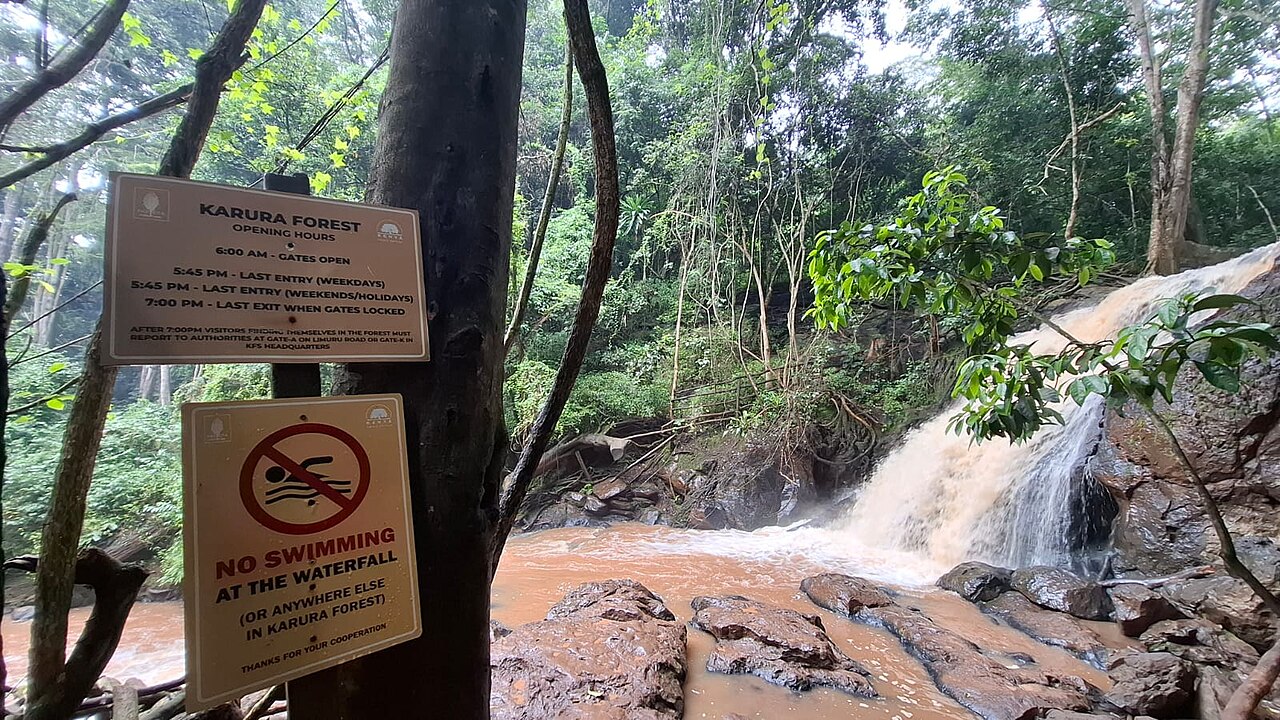
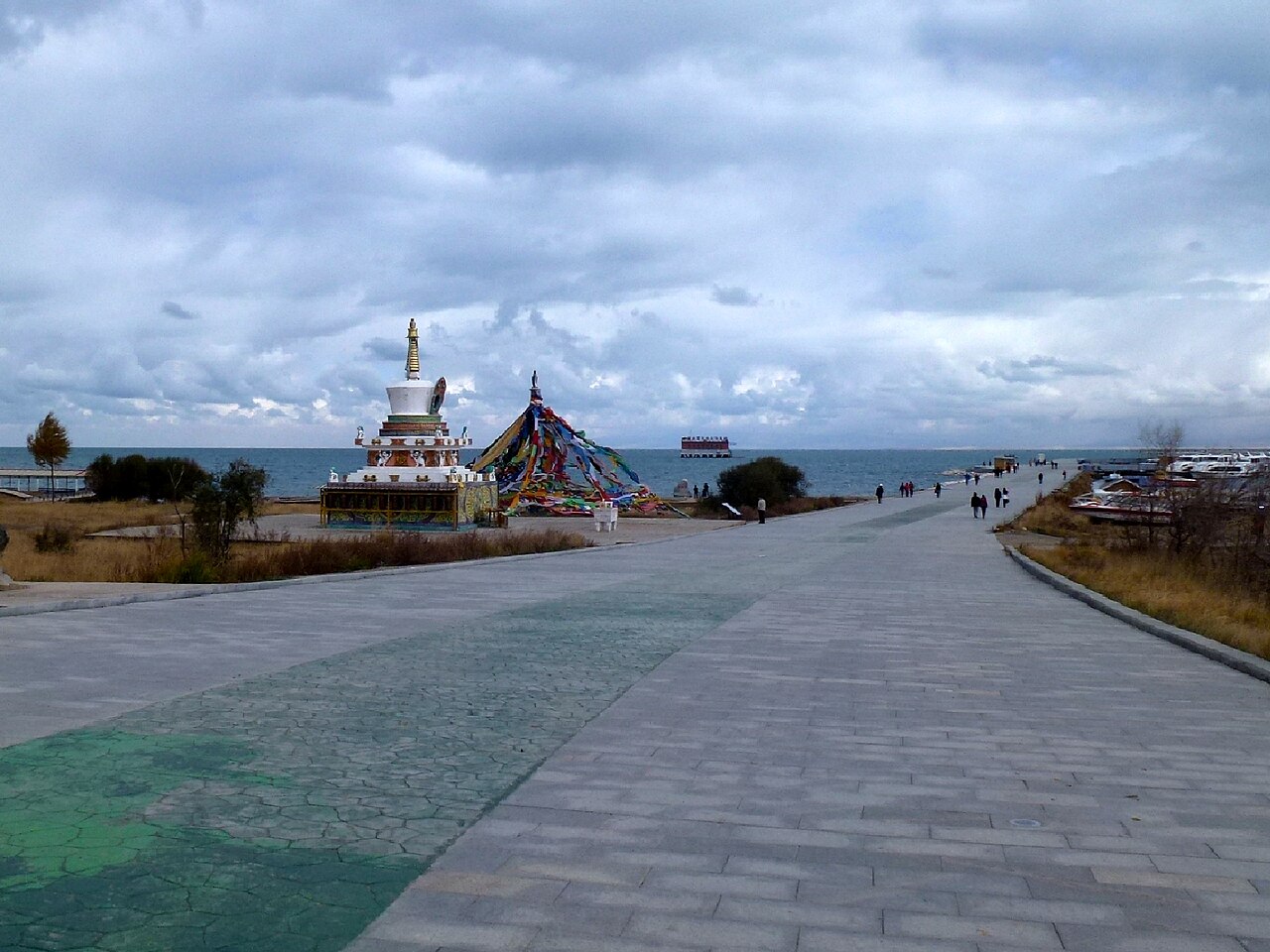
Prayer flags at Riyue Pass, 3,520 m, the high point of the loop road
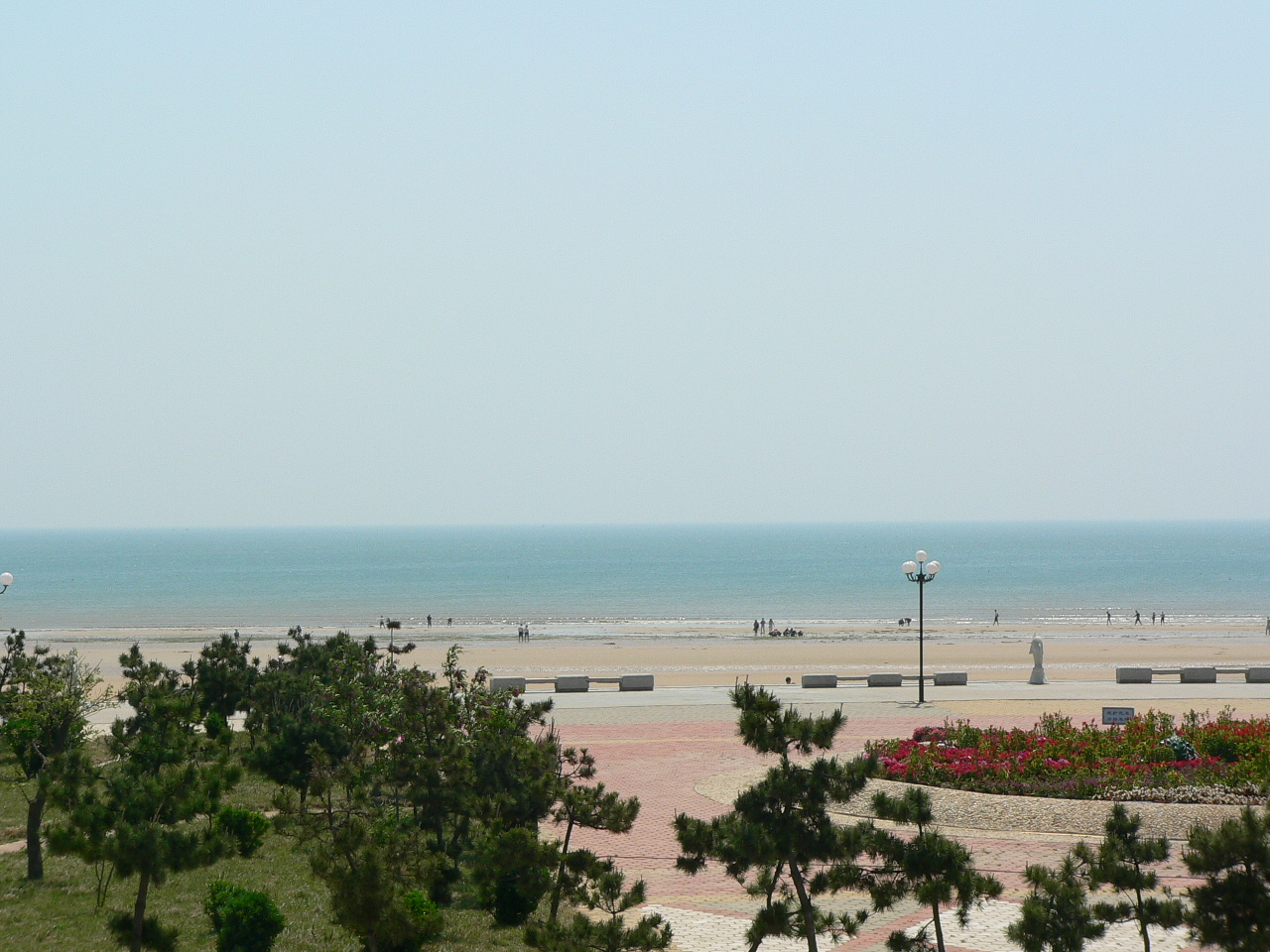
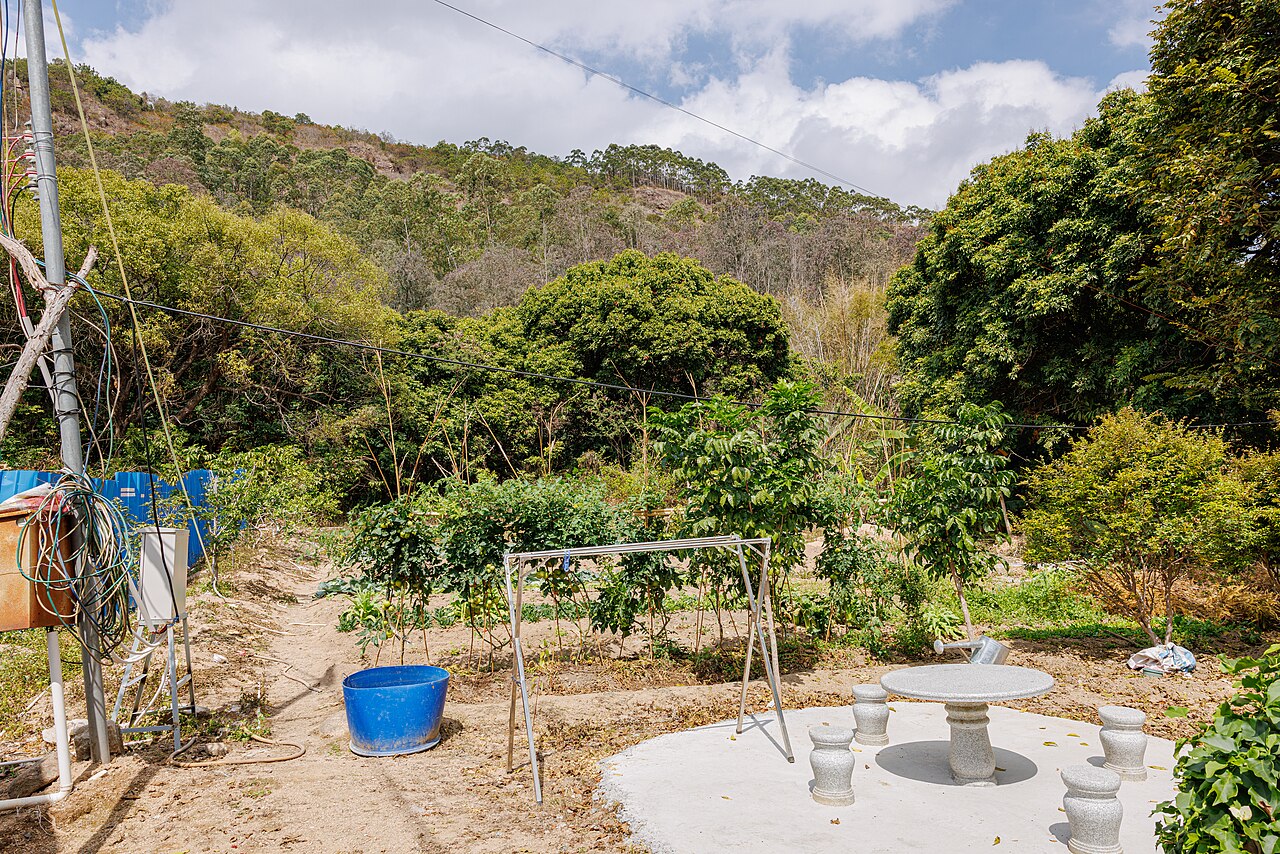
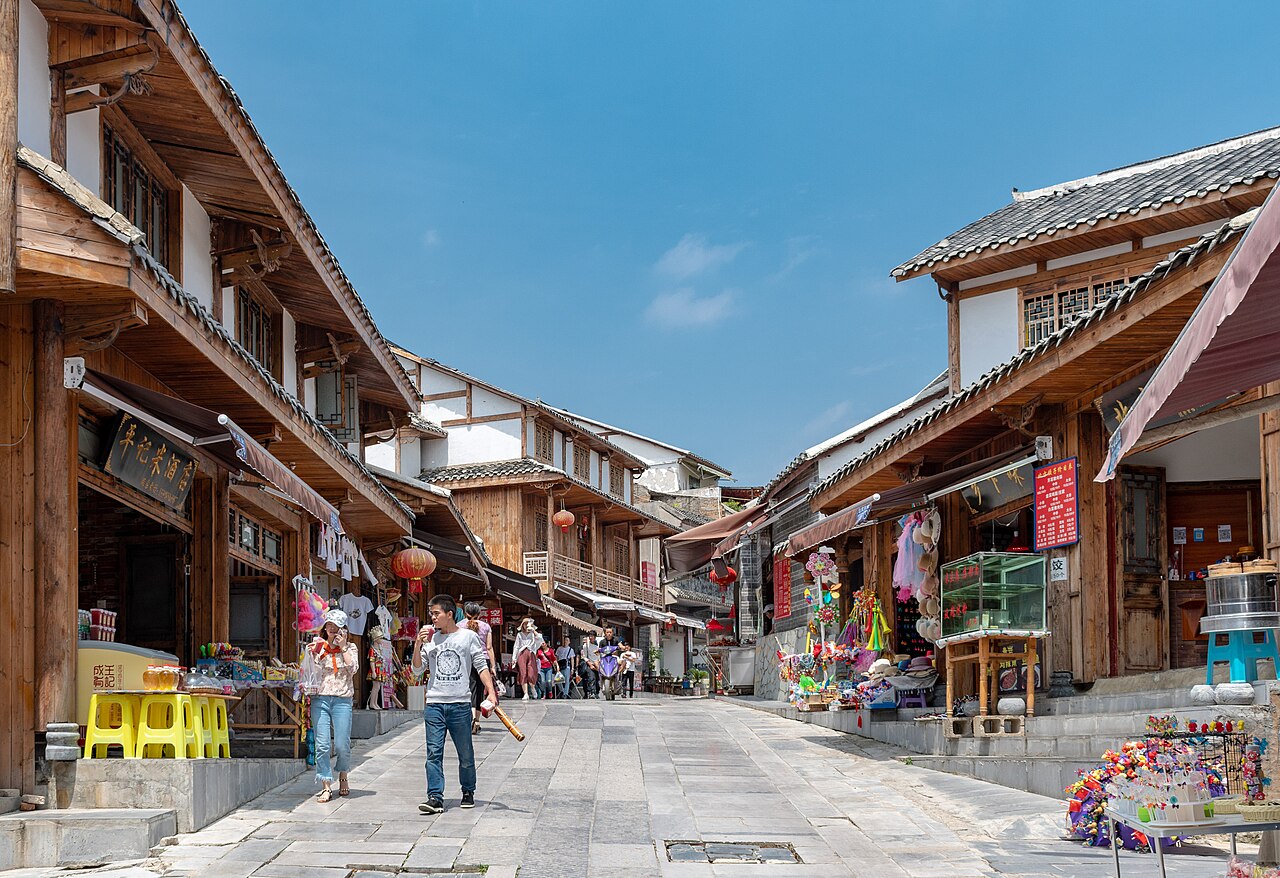
Sunrise over the water at Heimahe, the best spot on the lake for it
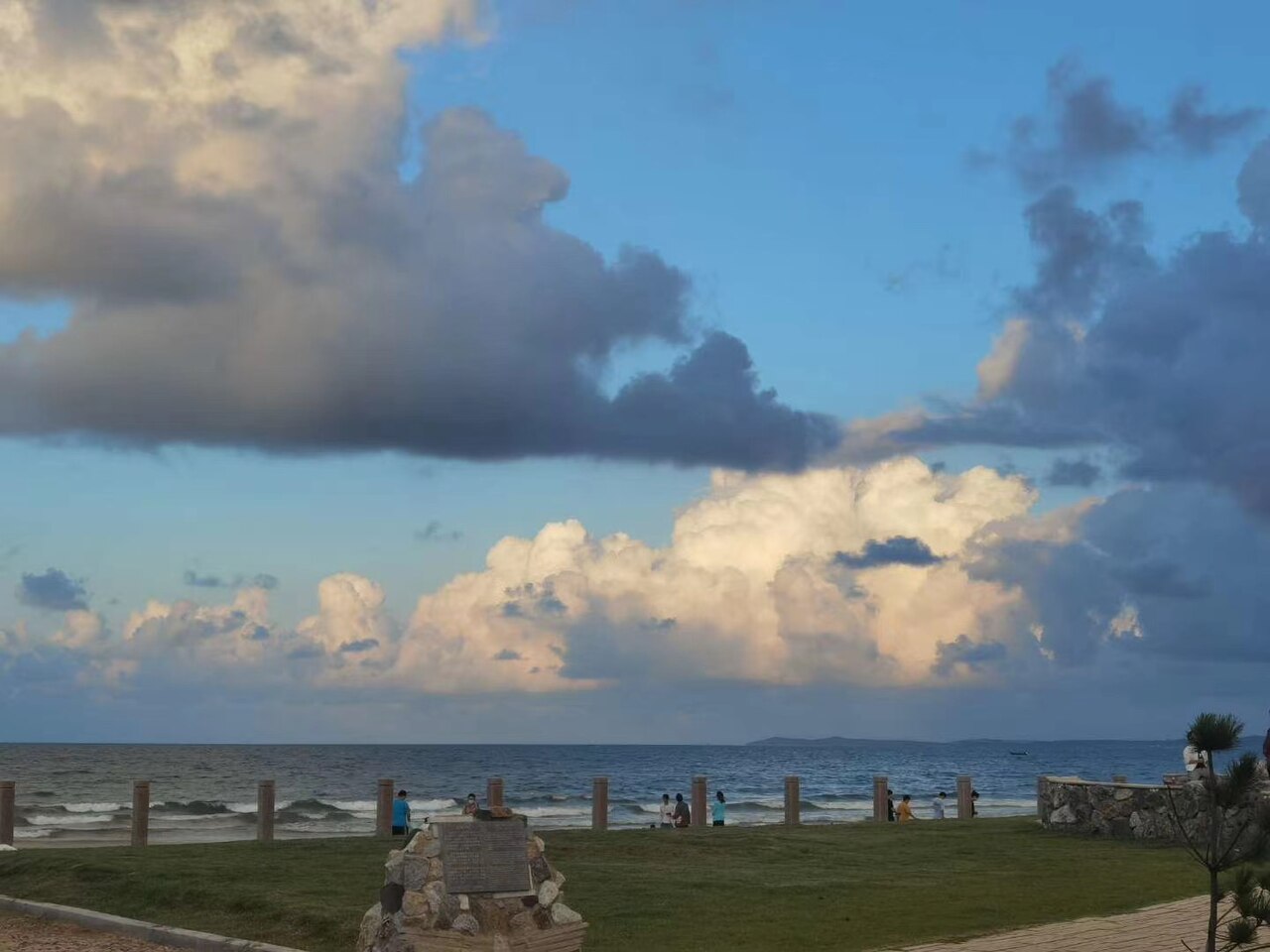
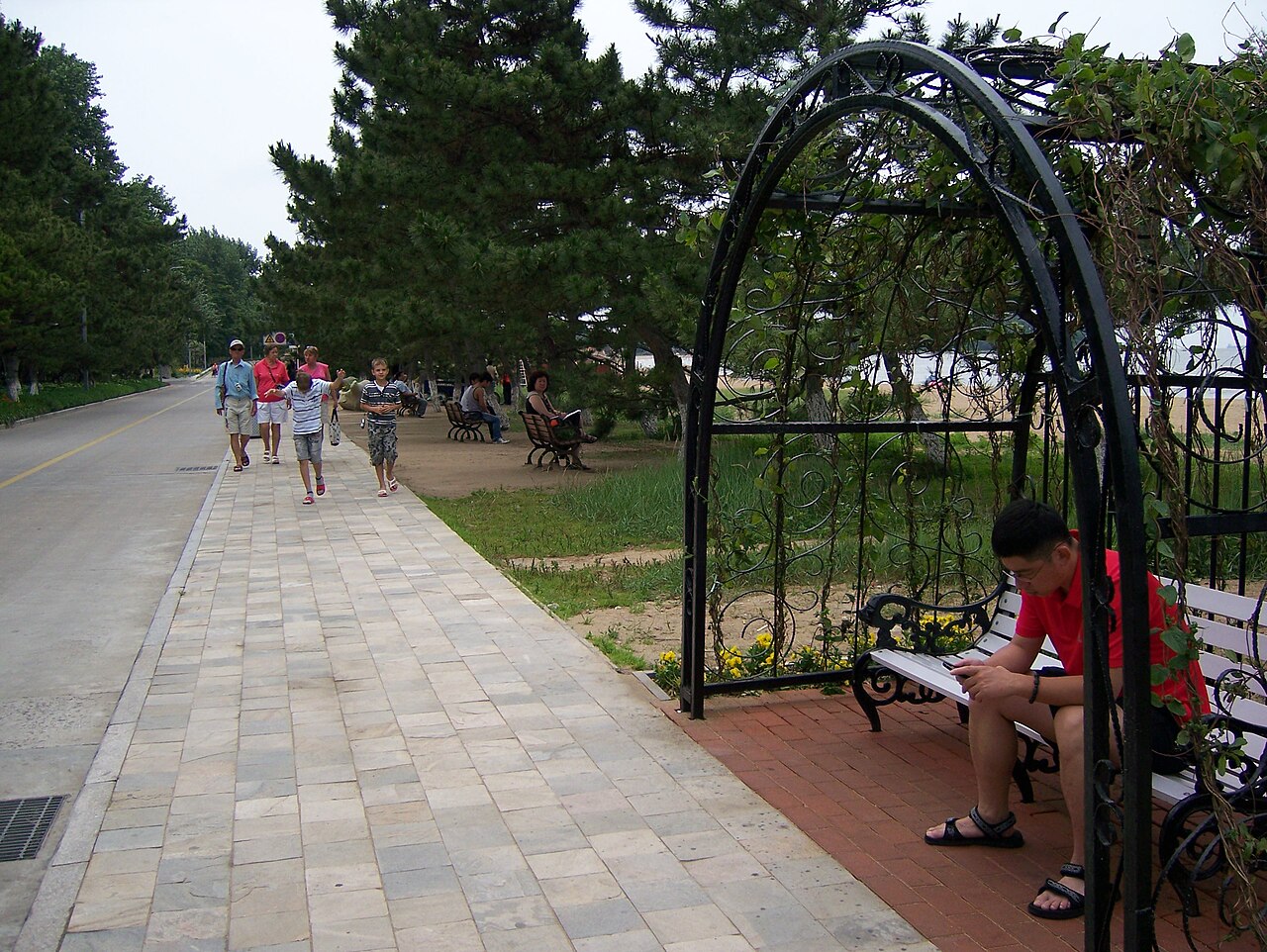
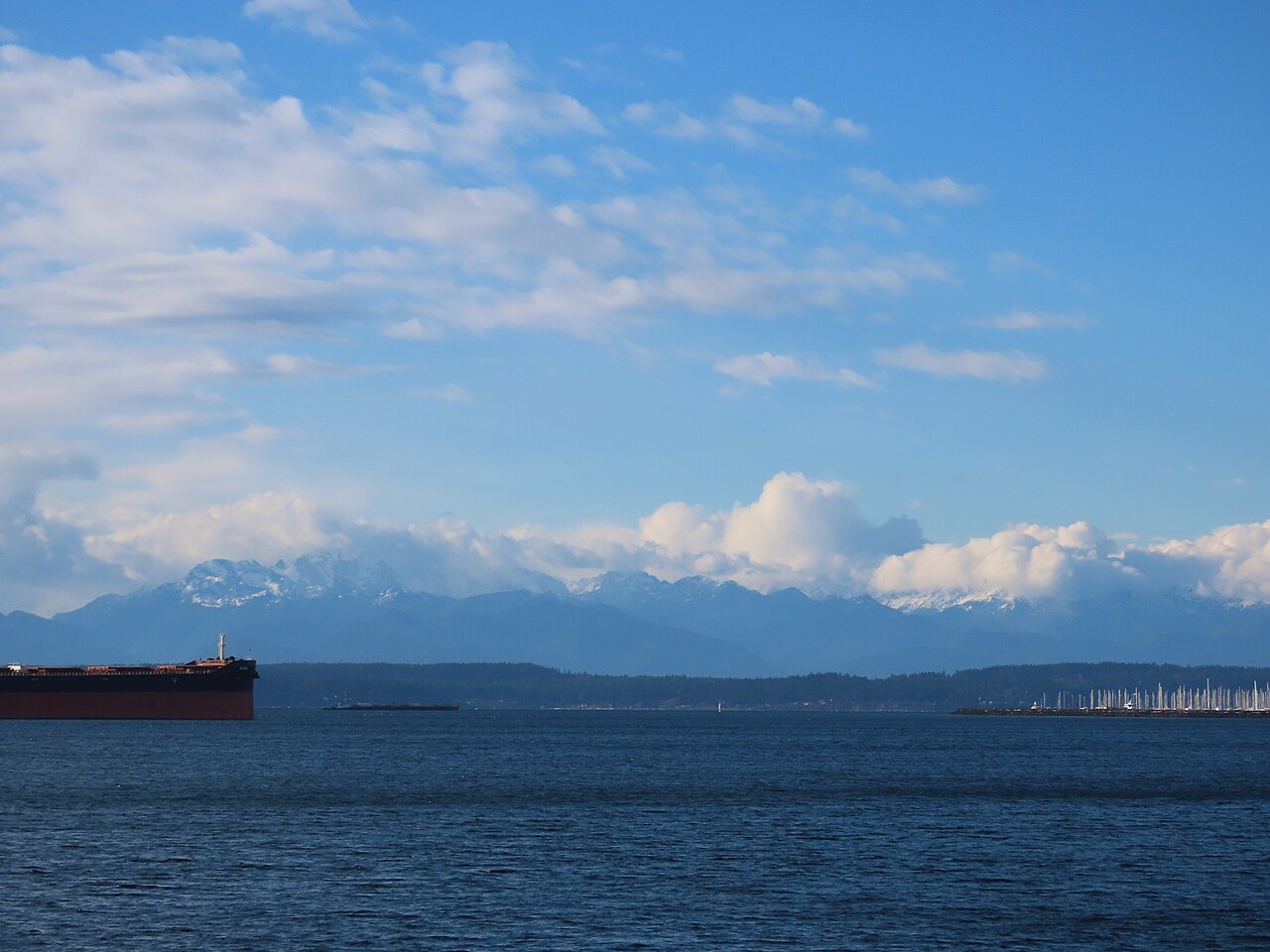
The empty ring road on the western shore, with the lake on your left all afternoon

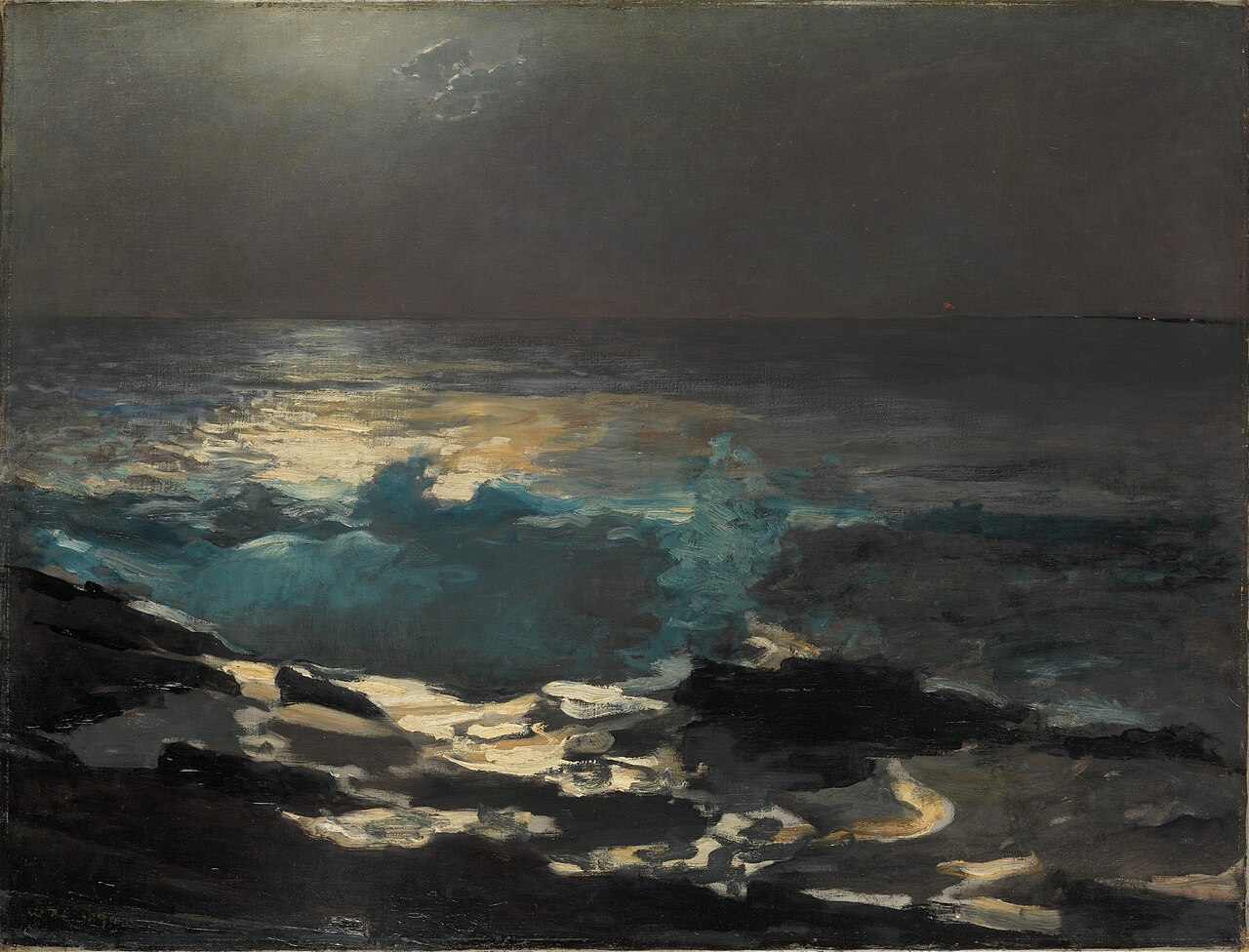
It was so cold I could barely hold the camera, but I got up anyway for the sunrise and it was so beautiful I wanted to shout. I walked down towards the water step by step and the excitement was impossible to put into words — what kind of blue is that? It shifts, light and dark, and the lake reflects the sky until even the horizon line blurs. I felt like I was dissolving into the blue.

arielsun13, 'A Trip to Qinghai — The Purest Tear — Qinghai Lake'

Away from the noise and the clutter of the world, travelling thousands of kilometres just for that one drop of heaven's tears. However the wheels turn, they cannot measure a pilgrim's stride. Let the sun and the sandstorm burn away my false face, let the rain and snow come down. I want to be purified — from here on, chop wood, feed horses, a life of poetry and wine. After this one trip, I found myself missing her.

asmcvc, 'Qinghai Lake, Heaven's Tear — A Cycling Loop'

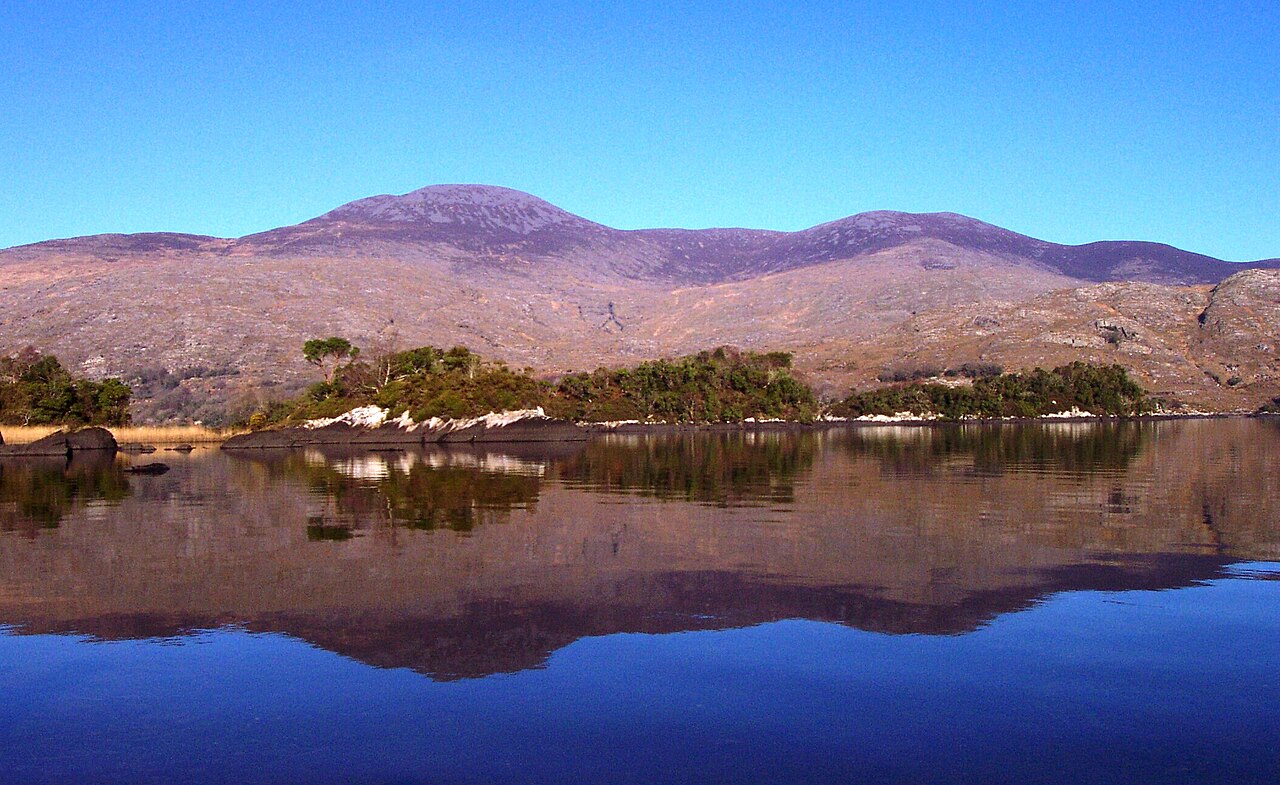
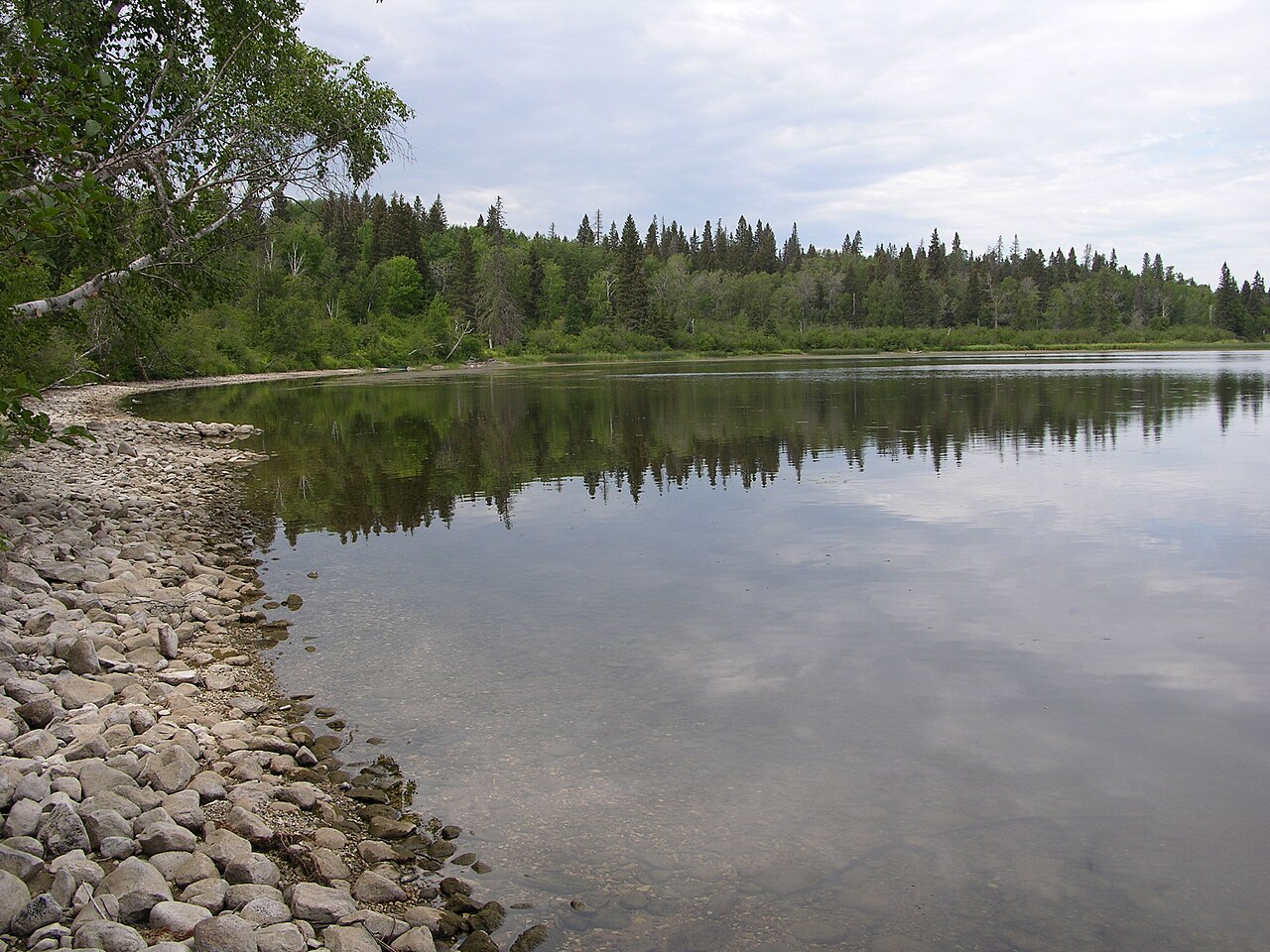
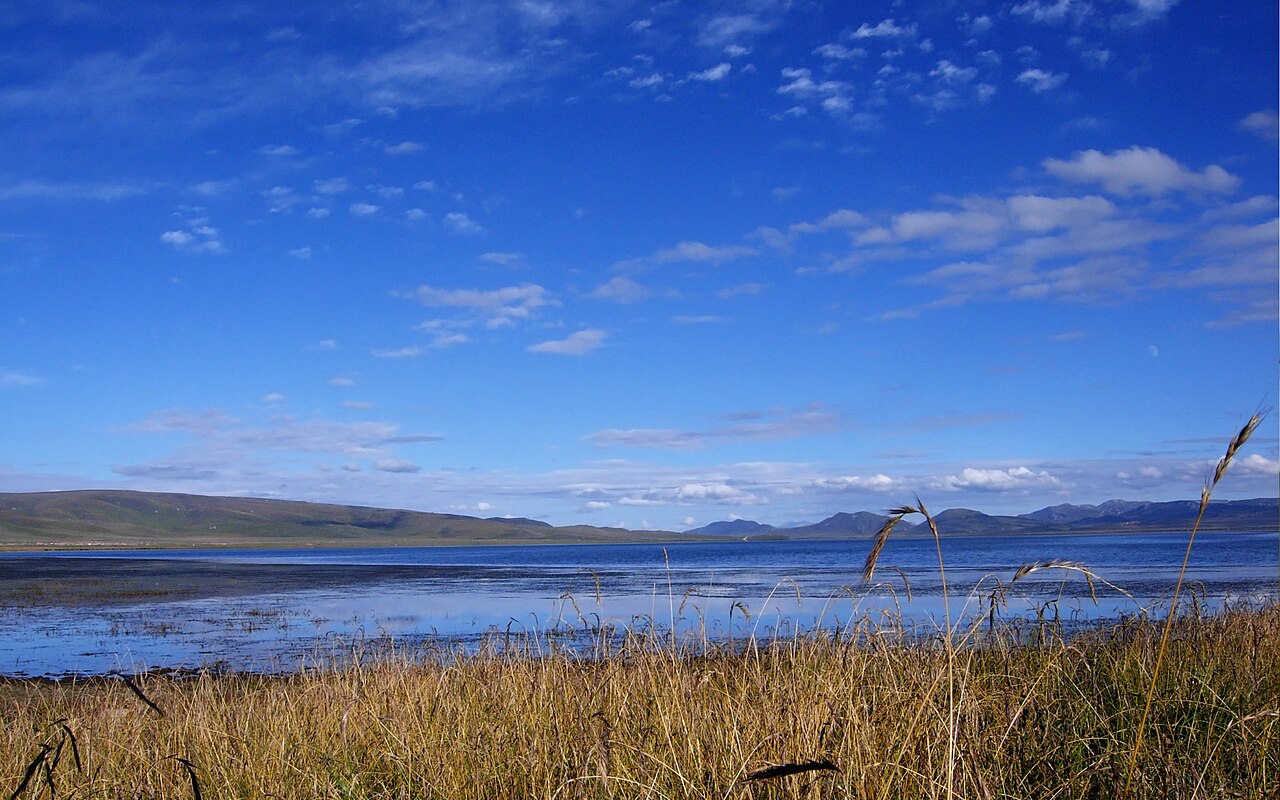
You arrive from Xining on a road that climbs through farmland and then, all at once, crests Riyue Pass at 3,520 m and opens onto something the Chinese call a sea. It is not a metaphor. Qinghai Lake is 4,400 square kilometres of water — bigger than some countries — and the far shore is a thin blue line that never seems to get closer. The colour changes hour by hour, from grey-silver under cloud to a hard, saturated cobalt at midday that photographs badly and looks impossible in person.

The ring road is the point. Whether you drive it, ride it or hitch it, you spend the day moving between four completely different landscapes: the sand dunes and half-desert of the eastern shore, the flat farmland and rapeseed fields of the south, the grazing meadows and black yak-hair tents of the west, and the high grassland around Gangca in the north. Prayer flags snap on every pass. Herds of sheep cross the road without looking. You stop roughly every twenty minutes, which is why a 360 km loop takes a whole day.

The lake is holy to Tibetan Buddhists, who call it Tso Ngonpo — the blue lake — and circle it clockwise on foot, prostrating over 360 km across weeks. You do not need to be religious to feel the pull of the place, but you do need to respect it: no swimming, no touching the cairns and offering piles, and no buying the protected naked carp that gets sold out of car boots near the shore. Come in July for the rapeseed, in May for the birds, or in the dead of winter if you want to see the lake frozen edge to edge and a few thousand swans on the open water.

Qinghai Lake

Don't leave without

Seven things that are worth rearranging a day for.

  1. Watch sunrise from Heimahe — be at the water's edge by 6:15am in summer
  2. Ride the 70 km stretch from Heimahe to Bird Island, the prettiest road on the loop
  3. Walk into the rapeseed fields south of the lake in mid-July, when the yellow runs for kilometres
  4. Count the birds at Bird Island in May, when 100,000-plus migratory birds nest there
  5. Stand at Riyue Pass at 3,520 m and look down on the whole eastern basin
  6. Eat a bowl of thick set yoghurt in a little porcelain cup on the road back to Xining

Highlights

Five reasons to make the 3,000-metre climb

A sea of rapeseed gold wrapped aro

From early July to mid-August, over a million mu of rapeseed bloom in a solid band around most of the lake shore. Against the deep plateau blue, it is the single most photographed sight in Qinghai — and it is free to stand in, as long as you stay out of the fenced fields.
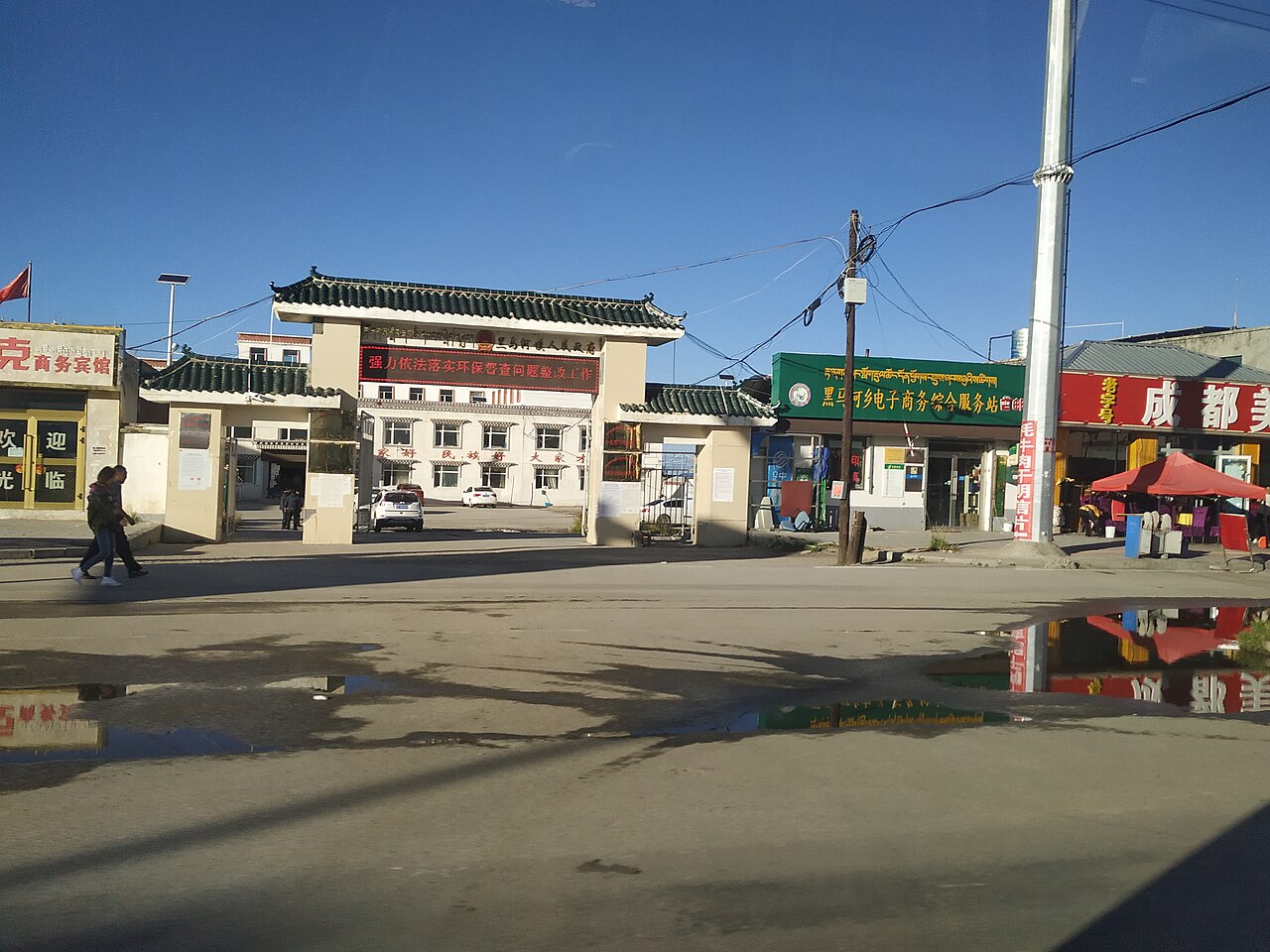
Sunrise at Heimahe, worth the 5am

Heimahe sits on the southwest shore, and it is the classic spot to watch the sun come up over the water. Camp by the lake in a tent rather than staying in the town itself — the town is a fair walk from the shoreline, and you want to be on the bank when the light hits.

360km of the best cycling road in

The ring road is the country's highest-grade cycling course and hosts the Tour of Qinghai Lake every July and August. The surface is smooth asphalt the whole way, the grades are gentle, and you can rent a mountain bike in Xihai Town for 50–100 CNY a day, helmet and panniers included.

Bird Island in May, when 100,000 b

Between May and July, more than 100,000 migratory birds crowd onto Bird Island — the noise carries for miles. Come November to February instead and you get whooper swans. Outside those windows there is little point paying the 115 CNY peak-season ticket.

Pilgrims measuring the lake with t

For local Tibetans, walking the circuit of the lake is an act of devotion, and a full kora is 360km done clockwise, some of it with full-body prostrations. You do not have to join in, but you should circle clockwise too, and you should not swim in what is a sacred lake.

Itinerary

Two ways to do three days

Three days by private car or self-

3 days days

The comfortable option: you cover the whole ring road without turning a pedal, stop wherever the light is good, and still get the Heimahe sunrise. Split a car four ways and it works out cheaper than you think — roughly 1,000 CNY per day for the vehicle around the lake.

  1. Day 1

    Xining to Heimahe via Riyue Mounta

    Leave Xining early and stop at Riyue Mountain pass at 3,520m — the ticket is 40 CNY but the view from the road outside the gate is just as good, so save your money and take photos from the car park. Continue on the 109 to Erlangjian (151 Base), then push on to Heimahe, about 220km from Xining, to sleep.

    Stops: Riyue MountainDaotang RiverErlangjian Scenic Area (151 Base)Heimahe

  2. Day 2

    Sunrise, Bird Island and the west

    Get up before dawn for the Heimahe sunrise, then drive the 41km stretch of the west ring road towards Shinaihai — this is the closest and most beautiful section of road to the water anywhere on the circuit. Continue to Bird Island if it is May to July, then ride north to Gangca County for a late lunch of local noodles and stay the night.

    Stops: Heimahe sunriseWest Ring RoadBird IslandGangca County

  3. Day 3

    Atomic City, Jinyintan Grassland a

    Head east on the 315 to Xihai Town and the Atomic City museum — 90 CNY for the full ticket, including the underground command centre and the Dongfeng-2 missile, and it is genuinely worth two hours. Finish with a horse ride on the Jinyintan Grassland (20 CNY entry, or free on the open stretches) and roll back into Xining by evening.

    Stops: Atomic City (Xihai Town)Jinyintan GrasslandXining

Three days of the four-day cycling

3 days (of 4) days

The full kora is about 360km and most people take four days, but if you only have three you can ride the eastern half and shuttle the rest. Rent in Xihai Town rather than Xining — riding out of the city is a long, ugly slog with nothing to look at.

  1. Day 1

    Xihai Town to 151 Base via the eas

    Take a morning bus from Xining to Xihai Town, pick up a mountain bike (50–100 CNY a day, with panniers, helmet and tools thrown in), then ride clockwise down the east ring road. About 56km later you hit the 109 and 20km after that you are at 151 Base. Do not pay the 100 CNY gate fee — there are side tracks to the shore nearby.

    Stops: Xihai TownEast Ring Road151 Base

  2. Day 2

    151 Base to Heimahe

    A relaxed 70km day on flat 109 asphalt. Ride to Jiangxigou to stock up on water and snacks, then continue 47km to Heimahe. Sleep in a lakeside tent so you are already in position for tomorrow's sunrise.

    Stops: JiangxigouHeimahe

  3. Day 3

    Heimahe to Gangca, the best riding

    Ride the west ring road to Shinaihai — this is the section where the road runs right beside the water. Push on 13km to Bird Island, then take the 315 for 40km into Gangca County. Watch for the 2km steep climb just after Heimahe and another 4km of steady climbing around the 140km marker past Haergai.

    Stops: ShinaihaiBird IslandGangca County

Sights

Where to stop on the 360 km loop

Erlangjian Scenic Area (151 Base)

Most visited

Erlangjian Scenic Area (151 Base)

The one stop every coach tour makes, 151 km from Xining — which is exactly how it got its nickname. The promontory runs about 50 km out into the lake and you can read the water's mood from the shore: small and jewel-like close in, ocean-wide further out. It is also China's first torpedo-testing base, so there is a faint military-history edge under the scenery.

Ticket
100 CNY peak season, 50 CNY 20 Oct–15 Apr
Distance
151 km from Xining, on the bus route to Chaka and Wulan
Shuttle
6 km from gate to lakeshore, 10 CNY by eco-bus
Tip
Boats to the promontory are free if you pay for the eco-bus

Tip Honestly, the 100 CNY gate is steep for what it is. Locals run paths down to the water all along this stretch — pay a herder a small fee and you get the same blue lake with a tenth of the people. Save the ticket money for Chaka.

Heimahe

Sunrise spot

Heimahe

A small town on the southwest shore, 220 km west of Xining, and the single best place on the lake to watch the sun come up. It is also kilometre zero for a lot of cyclists — the 41 km stretch from Heimahe to Shinaihai, known as the West Ring Road, is the most beautiful riding on the whole circuit. The town sits a fair walk back from the water, so if you want the lake at your tent flap, sleep lakeside.

Getting there
No direct bus; take the Wulan or Chaka bus, about 4 hours, 40 CNY
Return
Flag down a passing vehicle on National Highway 109
Heimahe to Shinaihai
No bus — charter a car, about 150 CNY
Food
Sichuan-style restaurants line Highway 109 and are better than you'd expect

Tip Book a lakeside tent the night before and set your alarm for 5:30am. The man-made prayer-flag piles and mani stones beside the tents make the photos, and you'll be warm enough inside a down jacket at that hour — barely.

Bird Island

May only

Bird Island

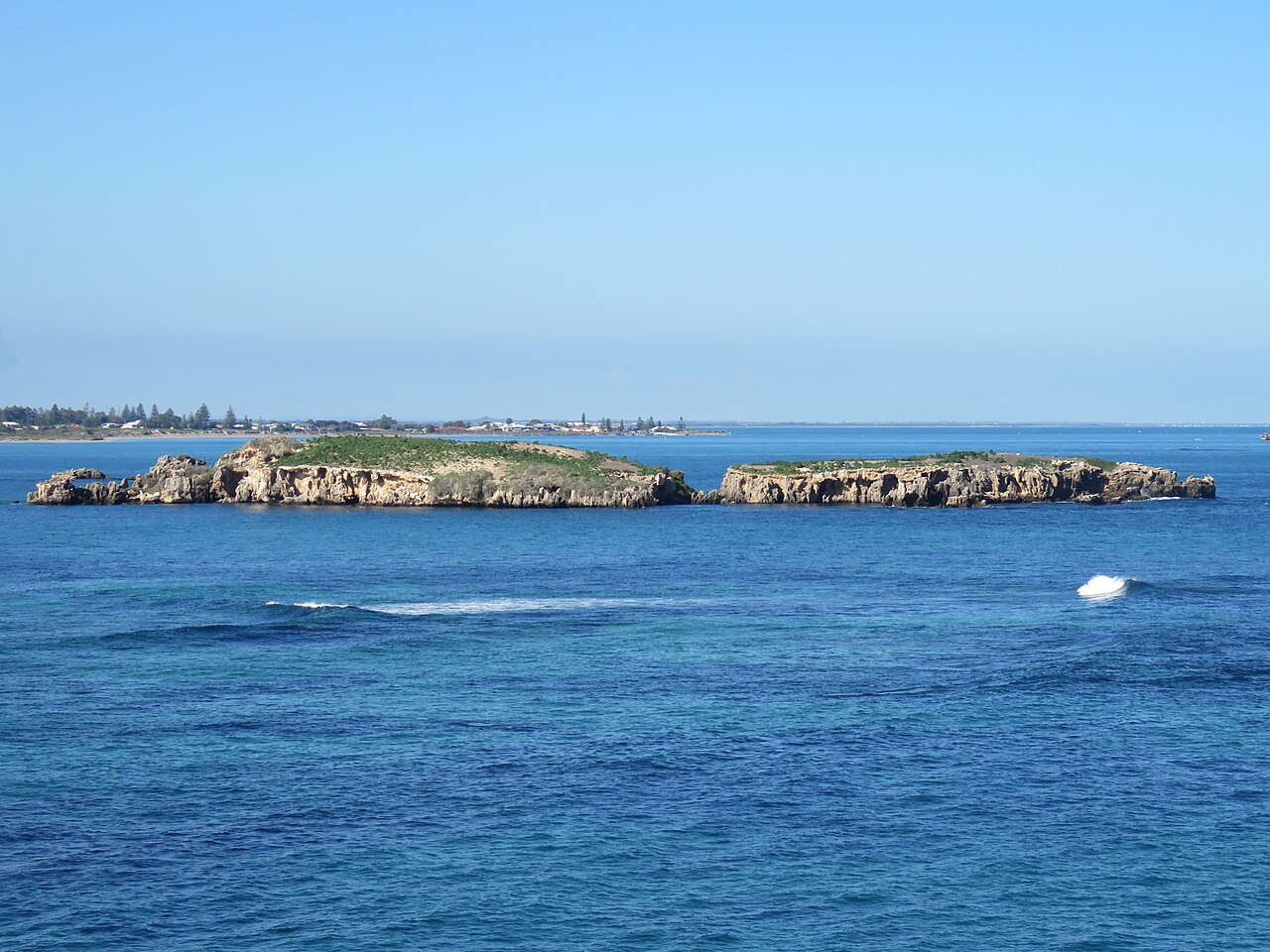
Two rocky islets on the northwest shore where, at peak season, more than 100,000 migratory birds nest — so many that they blot out the sky and you can hear the racket from miles away. The western islet is nicknamed Egg Island because the ground is literally covered in nests in laying season. Come in the wrong month and there is nothing to see, so check the calendar before you commit.

Ticket
115 CNY peak, 78 CNY 20 Oct–15 Apr
Best window
April–July for migrants; November–February for whooper swans
Bus
Xining long-distance station, 07:45 daily to Bird Island town, arrives 14:30, 48 CNY
Last leg
16 km from town to the gate — 40 CNY per car, or 10 CNY per person shared
Inside
Free electric carts to the hides; the two viewing platforms are 2 km apart

Tip Skip it entirely outside the season. If you do come, walk quietly — the reserve asks visitors not to feed or startle the birds. Nearby Buha River is the best sunset viewpoint in the area.
Atomic City (Xihai Town)

Cold War history

Atomic City (Xihai Town)

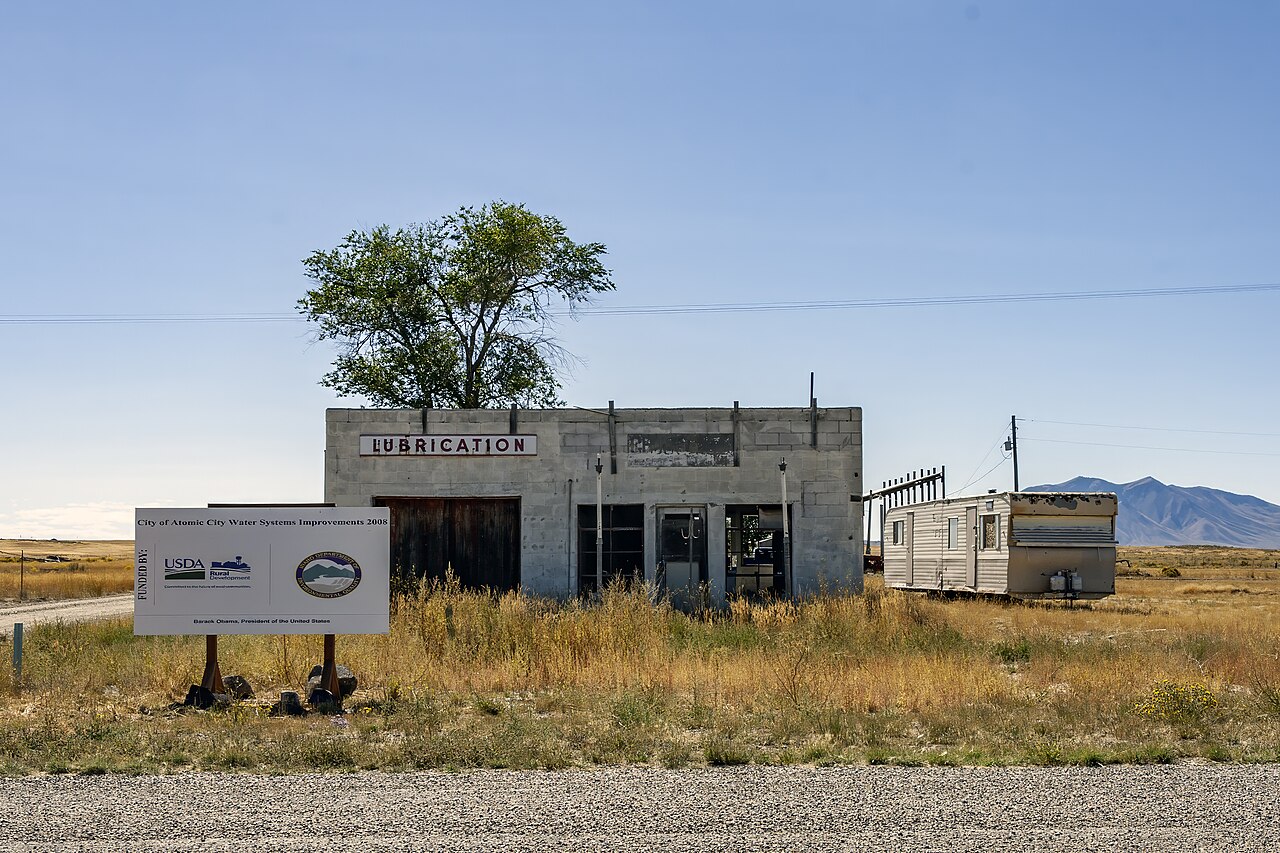
Built in 1958 as the secret base where China developed its first atomic and hydrogen bombs, and now a museum town with the hardware still standing. The memorial hall opened in 2009 in a building modelled on the original production workshops, with seven exhibition rooms and a Dongfeng-2 missile as the centrepiece.

Combined ticket
90 CNY — monument 10, Wang Luobin hall 10, Queen Mother of the West hall 5, detonation test site 20, first nuclear base hall 25, underground command centre 20
Individual tickets
Available for each site separately
Getting there
Bus from Xining to Haiyan county, about 2.5 hours, 18 CNY, hourly

Tip Easy to fold into a charter-car loop on the way back to Xining. The underground command centre is the part that stays with you — 50 cm thick walls, built to survive a magnitude-8 earthquake.

Sand Island

Desert meets lake

Sand Island

A crescent of dunes on the northeast shore, 120 km from Xining, formed when sand piled up on a former island. It is split into Golden Sand Bay and Silver Sand Bay, and it is the one place on the loop where you get desert, lake, grassland and snow peaks in a single frame. Sand-sledding and archery on site; the International Sand Sculpture and Land Art Festival runs here June to October.

Ticket
90 CNY peak, 45 CNY off-season
Getting there
Bus to Haiyan, then charter a car about 20 km west, roughly 80 CNY
Festival
Sand sculpture and land art, June–October

Tip The East Ring Road out this way shows the lake's desertification up close — a strange, beautiful, slightly alarming landscape that most two-day tours skip.

Riyue Mountain and the Reversed Ri

Quick photo stop

Riyue Mountain and the Reversed Ri

The pass where, legend says, Princess Wencheng dropped her sun-and-moon mirror on the way to marry the Tibetan king and it shattered into the lake. The summit has facing Sun and Moon pavilions and strings of prayer flags, with farmland to the east and the lake glittering to the west. The Daotang River at the foot of the southern slope is one of the few rivers in China that flows east to west.

Ticket
40 CNY — thin value, honest warning
Location
100 km southwest of Xining, about 2 hours by road
Access
Easy by charter car on the way to the lake; awkward by public bus
Highest point
Riyue Pass, 3,520 m on National Highway 109

Tip Don't pay the gate. The scenery around the pass is the point, and you can pull over and shoot it for nothing. It is a good place to feel the altitude for the first time — take it slowly on the steps.
Food

What to eat around the lake

Set yogurt

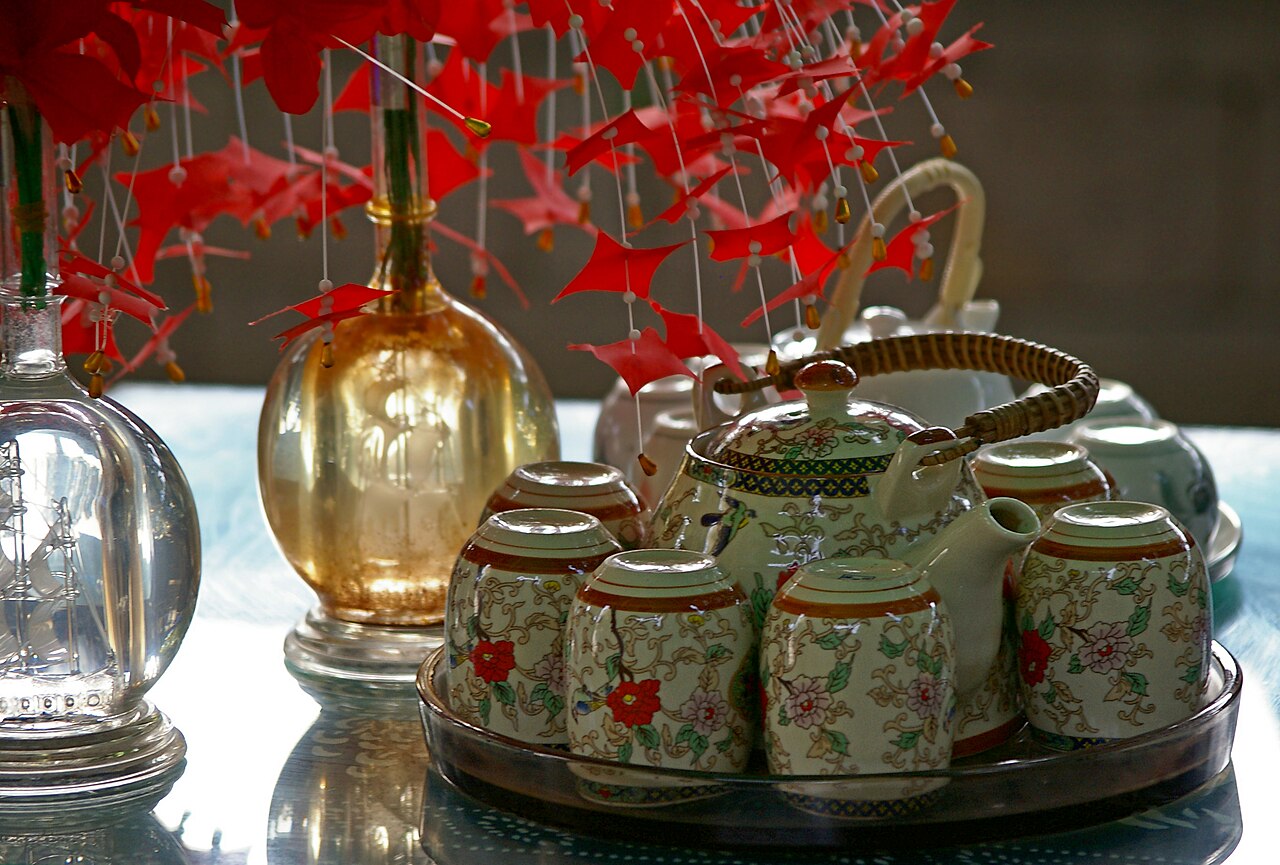
Thick, spoon-standing, old-style yogurt served in small porcelain bowls — tangy, light and nothing like the sweetened supermarket stuff. Try Delu or Yongqing in Xining. Keep the bowl if you like it; they're often sold as souvenirs.
Ga mianpian

Hand-pinched noodle scraps, not rolled — the dough is torn into thumb-sized pieces straight into boiling water. It is the everyday home dish of Qinghai and turns up in almost every roadside kitchen.

Hand-grabbed mutton

The herder's classic: boiled mutton you eat with your fingers, dipped in nothing but salt and Sichuan pepper. No marinade, no sauce, no apology — it doesn't need any, because the meat isn't gamey.

Offal soup

A broth of cooked sheep or ox head, heart, lung, intestine, stomach and trotters, finished with dried scallion and coriander. Locals treat it as the finest breakfast going — warming, filling and built for a cold morning at 3,000 m.

Niangpi

Cold wheat or starch noodles with gluten, dressed in vinegar, chilli oil, mustard, chives and garlic. Sharp, cooling and chewy, sold from stalls all over Xining and every farming town.

Sheep intestine noodles

A bowl of hot sliced noodles served with sheep intestine — sip the broth first, then work through the intestine and noodles. The casing is crisp, the filling soft, the noodles long and springy.

Menyuan milk skin

A Hui speciality from Menyuan: milk is boiled and whipped to raise the fat, which is then set into sheets. Essentially the richest part of the milk, pressed flat — high in protein and calcium.

Where to eat

Restaurants and food streets worth the detour

Xining

Mojia Street snack street

The traditional food street, and the single best place to eat your way through Qinghai in one evening. Ma Zhong Food Hall is the headline act — grilled lamb and clay-pot dishes are what to order. Stalls also sell fruit and souvenirs, and it stays busy late.

Average spend
About 20 CNY per person
Address
Near the Great Cross, city centre
Getting there
Bus 1, 2 or 23 to Great Cross

Xining

Shuijing Lane Market

If it can be eaten in Xining, it is probably being sold here. Stall after stall of grilled lamb, cold noodles, hand-grabbed mutton and offal soup. Come hungry and graze.

Average spend
About 50 CNY per person
Address
Near Centre Square
Getting there
Bus 1, 2 or 23

Xining

Qingzhen Yixin Hand-Grabbed Mutton

One of the best Hui restaurants in the city and famous for it. The yellow-braised mutton is really hand-grabbed mutton: pick your cut at the counter, they weigh it, chop it and you dip it in seasoning. Tender, not remotely gamey. The flag noodles are good too.

Average spend
About 50 CNY per person
Address
5 Baiyu Lane, Huangguang Garden North Street, Chengzhong District
Phone
0971-8179336

Lakeside

Heimahe town

Four hours out of Xining, this is where drivers stop for lunch, and the lake fish is the local speciality. Sichuan-leaning kitchens along Highway 109 do a solid job. Worth the stop.

Cuisine
Sichuan and Qinghai lake fish
Location
Highway 109, Heimahe town

Northwest shore

Bird Island tent restaurants

Local Tibetan families run tent guesthouses near Bird Island serving simple Tibetan food — lamb ribs, blood sausage, tsampa. It may take a meal to get used to, but it is the real thing and the setting does half the work.

Cuisine
Tibetan home cooking
Location
Northwest shore near Bird Island

Sleeping

Where to stay — and how rough it gets

Best choice

Xining — your base camp

Xining is the sensible place to keep your bags: good hotels, easy transport, and every lake trip starts and ends here. Plenty of chain hotels and hostels around the Great Cross, all cheap and well-equipped.

Qinghai Provincial Military Guesthouse
Standard rooms from 133 CNY, 0971-7118888
Sangzhu International Youth Hostel
Dorms from 40 CNY, 0971-8086677
Shenwang Hotel
Four-star, doubles from 400 CNY, 0971-8201111
Shulaideng Family Inn
Standard 135 CNY, 13327658232

For sunrise

Heimahe

Stay here at least one night if you want the sunrise. Options run from plain street guesthouses to lakeside tents pitched next to mani stones and prayer flags — two to a tent, beds and rugs, hot water but no shower, and a toilet you can't flush. Worth it once.

Lakeside tent
Roughly 15–40 CNY per person, negotiable
Facilities
Hot water, no shower, non-flushing toilet, damp floors in summer
Why here
Sunrise over the lake and the start of the beautiful West Ring Road

Most expensive

Bird Island

You cannot sleep at the reserve itself — you stay 16 km away in Bird Island town. Accommodation here is the priciest, best and hardest to book on the whole loop. The three-star Bird Island Hotel is the best of it.

Bird Island Hotel
Standard 260–380 CNY, 0970-8655098
Bird Island Restaurant
Beds from 20 CNY, 0970-8655112
Tent guesthouses
From about 15 CNY, basic bedding, shared facilities

Three-star option

Erlangjian Scenic Area

The Qinghai Lake Hotel here is three-star and runs the tent hotel attached to it, around 400 CNY. Outside the gate there are cheaper places at 100–200 CNY, but the quality drops off.

Qinghai Lake Hotel
About 400 CNY, 0974-8519686
Outside the gate
100–200 CNY, basic

Budget

Xihai Town and the north shore

Tent guesthouses dot the north shore in Gangca county, and county and prefecture guesthouses are decent places to sleep for anywhere from 15 to 30 CNY a night — not counting the fancy rooms inside the tent hotels. The Cavalry Camp in Xihai Town is a cyclist institution, in a building with 50 cm walls that once housed the bomb-programme engineers.

Cavalry Camp
Beds from 40 CNY, 13897109209 / 0970-8642113
North shore tents
15–30 CNY per night
Address
Atomic Road, Xihai Town, opposite the Haibei No.1 People's Hospital

Getting around

How to reach Qinghai Lake and move around it

Fly to Xining first

Everything starts in Xining, the provincial capital and the biggest city on the Tibetan Plateau. Xining Caojiabao Airport sits east of the centre; Beijing and Xi'an have daily flights, while Shanghai, Chengdu, Chongqing, Golmud, Guangzhou, Kunming, Shenzhen and Urumqi run on and off, so check before you book.

Airport shuttle
CNY 21, ends at the CAAC ticket office, 34 Bayi West Road, about 30 min
Taxi to downtown
About CNY 80
Daily flights
Beijing and Xi'an only
Season
Book Xining flights early for mid-July to August

Train into Xining

Xining is where the Lanzhou-Qinghai and Qinghai-Tibet lines meet, with direct trains to Lhasa, Golmud, Beijing, Shanghai, Xi'an and Qingdao. Branch lines reach Datong, Qaidam and Chaka. The main station on Qilian Road is closed for rebuilding; Xining West Station is temporary and sits over 20 km from the centre, with shuttle buses waiting outside.

Main line
Lanzhou-Qinghai and Qinghai-Tibet junction
Direct trains
Lhasa, Golmud, Beijing, Shanghai, Xi'an, Qingdao
Xining West Station
Temporary, 20+ km from downtown
Lake-loop train
Train 7581 to Golmud stops at Haiyan, Gangcha, Wulan

Long-distance bus

Xining has two bus stations and tickets are rarely tight if you buy a day ahead. For the lake, the useful departure is the 07:45 bus from Xining Long-Distance Bus Station to Niao Dao town via Gangcha, arriving 14:30. There is no direct bus to Heimahe; take the Wulan or Chaka bus and get off there.

Xining to Niao Dao
07:45 daily, CNY 48, arrives 14:30, returns 15:00
Xining to Heimahe
No direct bus, take Wulan or Chaka bus, about 4 h, CNY 40
Xining to Haiyan
Every hour, about 2 h, CNY 15, for Jinyintan grassland
Booking
Buy the day before; tickets rarely sell out

Private car or self-drive

A chartered car is the easiest and most comfortable way to do the lake, and you can stop wherever the light is good. Aim for four people to split the cost. The classic two-day run is Xining to Riyue Mountain, Daotang River and 151 Base, sleep at Heimahe, catch sunrise, then Niao Dao, Yuantou City and Shadao back to Xining.

One-day loop from Xining
About CNY 600
Two-day loop from Xining
About CNY 1,000
Charter from Xihai Town
About CNY 500 per day
Full loop distance
About 400 km by road; Xining to 151 Base is exactly 151 km
Highest point
Riyue Mountain pass on G109, 3,520 m
Fuel
Use Sinopec stations at 151 Base, Gangcha and Xihai Town

Buying

What to bring home from the plateau

Cordyceps (dongchongxiacao)

Qinghai's most famous luxury: a fungus-grown caterpillar used in Chinese medicine, credited with toning the lungs and kidneys. Buy from licensed shops in Xining, not from roadside sellers, and expect prices to climb steeply with grade.

Black lambskin (heizi gaopi)

One of the province's prized export furs, taken from black Tibetan lambs less than two weeks old. Soft, tightly curled and beautifully dark, it makes a genuinely warm winter piece. Check export rules before you fly home with it.

Zangma (Tibetan hemp seed)

A sweet, starchy seed that is 63% sugar and 15% protein, used in congee and to make liquor. Cheap, light and easy to carry, it is the least intimidating food souvenir on this list.

Tu embroidery and handicrafts

The Tu are one of Qinghai's oldest distinct peoples, and their woven cloth and handwork carry serious collector value. The covered market around Shuijingxiang in Xining is the place to browse, along with old relics left by centuries of trade with the interior.

Practical

Tickets, timing and the small print

Distances around the loop: Xining–Huangyuan 50 km, –Riyue Mountain 38 km, –Daotang River 12 km, –Erlangjian 50 km, –Heimahe 66 km, –Bird Island 76 km, –Gangca 70 km, –Xihai Town 80 km, –Sand Island 30 km, –East Ring Road exit 30 km, –Daotang River 30 km, –Xining 100 km. Total: 630 km.

Best monthsJuly and August — rapeseed in full bloom, blue lake behind it, and the Tour of Qinghai Lake cycling race on. April and May for birds; November to February for whooper swans.
AltitudeAround 3,000 m at lake level; Riyue Pass tops out at 3,520 m. Mild headaches and poor sleep for a day or two are normal and usually pass.
Weather warningsFebruary to April brings strong winds and sandstorms, mostly afternoon into evening, from the northwest. Winter lows drop past minus 30°C.
What to packA windproof shell and fleece, a down jacket or padded coat even in July, several T-shirts, 2–3 sets of underwear, hiking shoes, sandals, hat, sunglasses.
Altitude medsRhodiola and American ginseng lozenges before you go, plus ibuprofen for headaches. Don't fly in with a cold — it can tip into pulmonary oedema.
Bike rentalRent in Xihai Town, not Xining — four or five shops, road and mountain bikes, 50–100 CNY per day. Naked Carp, Holy Lake and Cavalry Camp are the reliable three. Panniers, helmet and tools are free; a gel seat is 20 CNY.
Permits and rulesNo permit needed. Do not swim in the lake — it is sacred to Tibetan Buddhists and dangerously cold. Do not buy or eat naked carp (huangyu); it is protected and selling it is illegal.
FuelPetrol stations are plentiful along the loop, but only use Sinopec. Fill up at Erlangjian, Gangca and Xihai Town, where fuel quality is dependable.
EmergencyCarry cash — many lakeside places don't take cards or mobile payment. Mobile signal is patchy on the west shore.

Background

How the lake was made, and what it means

A tectonic lake ringed by four mou

Qinghai Lake sits in the northeast of the Tibetan Plateau, a vast, quiet basin of grassland and rivers. Four ranges hold it: Datong Mountain to the north, Riyue Mountain to the east, the long Qinghai Nanshan to the south and the jagged Rubber Mountain to the west, all between 3,600 and 5,000 m. From the passes, the lake below looks like a huge jade plate set flat between mountain and meadow.

It is a rift lake — the basin edge meets the surrounding ranges along fault lines. Roughly 200,000 to 2 million years ago, in its first phase, it was a freshwater lake connected to the Yellow River and drained east through the Daotang River. Around 130,000 years ago, tectonic movement lifted the land and blocked that outlet, forcing the river to reverse and flow west into the lake — hence the name Reversed River. The lake has been closing and salting ever since, and the smaller lakes nearby, like Gahai and Erhai, split off along the way.

Sacred water, and a name that keep

The lake has carried many names: Xihai in ancient times, Xianshui or Xianhai, Kukunor in Mongolian, Cuowenbo in Tibetan — both meaning the blue sea. It became Qinghai, the blue sea, from the Northern Wei dynasty onward. Long before the Han dynasty, Qiang herders grazed these shores; Wang Mang set up the Xihai commandery on the east side in the late Western Han; the Tuguhun kingdom made it a centre in the Northern and Southern dynasties; and Tang and Tibetan armies fought repeated battles here, which Du Fu wrote about in grim verse.

For Tibetan Buddhists the lake is sacred, and pilgrimage still means circling it — 360 km of prostration and walking, clockwise as custom demands. That is the single most important thing to remember as a visitor: this is not a resort lake, it is a place of worship that happens to be spectacularly beautiful.
Further

Films, books and music to watch and read before you go

Film

Du Fu's lines on the Qinghai shore

Tang dynasty poetry

Du Fu wrote of the Qinghai lakeshore as a battlefield where the bones of the dead were left uncollected — a reminder that this landscape has been contested ground for more than a thousand years. Read it before you stand on the shore and the emptiness takes on a different weight.
Book

Travel journals of the lake loop

Cyclists and hitchhikers on the road

The most vivid writing about Qinghai Lake comes from the people who ride or walk it — accounts of a single night's camping, of waking at 5am for the sunrise, of the moment the water turns from grey to a blue you can't describe. Pick up a Chinese travel essay collection before you go; it will make you notice the light.

Music

Wang Luobin, 'In That Distant Plac

The song that made Jinyintan Grassland famous

Wang Luobin wrote his most famous song here on the Jinyintan grassland, and it is the reason the place is known all over China. Listen to it on the drive out and the grassland will mean more than just a photo stop. The Wang Luobin exhibition hall in Atomic City, 10 CNY, tells the rest of the story.

FAQ

Questions travellers actually ask

Most travellers do the lake as a two- or three-day loop out of Xining rather than a day trip; the destination page carries the current tour dates, group sizes and prices.

When is the best time to visit Qinghai Lake?July and August, when the rapeseed blooms in a solid gold band around the shore and the lake is at its bluest. April and May are best for birdwatching; November to February for whooper swans. Avoid February to April if you can — that is when the sandstorms come.
Will I get altitude sickness?At around 3,000 m, most visitors feel fine. Some get a mild headache, fatigue or trouble sleeping that passes within a day or two. Don't smoke or drink before you arrive, don't push yourself on the first day, and don't fly in with a cold — that is the real risk.
How many days do I need?Two days by charter car or self-drive covers the highlights comfortably, with one night in Heimahe for the sunrise. Give it four days if you want to cycle the full 360 km loop, or six if you plan to walk it.
Can I cycle the lake if I'm not a serious rider?Yes. The road is smooth tarmac the whole way and the terrain is gentle. If you only want the scenery, you can ride the best sections and take buses between them — the West Ring Road between Heimahe and Shinaihai is the stretch not to miss.
Do I need to book accommodation in advance?In mid-to-late July, yes. That is peak season, rooms get tight and prices climb sharply. Outside those weeks you can usually turn up and find something, though the lakeside tents fill fast on weekends.
What should I definitely not do?Don't swim in the lake. Don't buy or eat naked carp, even if someone offers it — it is protected and illegal to sell. Don't cross fences onto private grassland without asking. And don't leave rubbish behind; carry it out to a town that can deal with it.

The questions visitors ask us most about Qinghai Lake, answered plainly.

Frequently asked questions

Prices and practical details are reviewed every month by our Beijing team and updated the day a rule changes.

When is the best time to visit Qinghai Lake?

July and August — the rapeseed around the southern shore is in full bloom, the grassland is green and the weather is at its mildest, though it is also peak season and rooms get tight. Come in May for the bird island, when over 100,000 migratory birds nest there. Come between November and February if you want to see whooper swans and a partly frozen lake, and accept temperatures that can drop past minus 30°C at night.

How do I get to Qinghai Lake from Xining?

Fly or train into Xining first, then take a bus, charter a car or self-drive the 151 km to Erlangjian (151 Base). Buses leave Xining's long-distance station for Heimahe, Chaka and Wulan and take about 4 hours for CNY 40; there is a daily 7:45am bus to Bird Island town via Gangca, arriving 2:30pm, for CNY 48. Most travellers charter a car with a driver — roughly CNY 600 for one day around the lake, CNY 1,000 for two.

Is Qinghai Lake worth visiting if I can't cycle?

Absolutely — plenty of people see it entirely from a car and love it. The ring road is paved and flat, the drivers stop wherever you ask, and you can still do the two things that matter most: sunrise at Heimahe and an afternoon on the western shore where the road runs within sight of the water. Cycling just gets you closer to the lake more often.

Will I get altitude sickness at Qinghai Lake?

Most visitors feel fine, but the lake sits at 3,196 m and Riyue Pass is 3,520 m, so mild headaches, breathlessness and poor sleep on the first night are common. Arrive in Xining a day early if you can, avoid alcohol and heavy exercise on day one, drink more water than feels necessary, and do not rush up stairs. If you are already ill with a cold, postpone — a cold at altitude can turn into something much worse.

Do I need a ticket to see Qinghai Lake?

No — the lake itself is not ticketed. Erlangjian (151 Base) charges CNY 100 in peak season and CNY 50 from 20 October to 15 April, and Bird Island is CNY 115 peak and CNY 78 off-season, but the shoreline is public. Locals along the ring road regularly open small access tracks to the water for CNY 10–20, and many travellers find those stretches quieter and just as beautiful as the official gates.

What should I pack for Qinghai Lake?

A windproof shell, a fleece, and a down jacket even in July — a single rain shower can drop the temperature below 10°C in midsummer. Add sunblock, sunglasses, a hat, lip balm, gloves if you are cycling, and a refillable water bottle. Bring cash for the small access fees and roadside yoghurt stalls, and take any rubbish back to Xining with you, since disposal out here is genuinely limited.

Related reading

Related reading

Visas Do I Need a Visa for China? Requirements, Costs and How to Apply China's entry rules changed more in the last three years than in the previous twenty. Here is exactly who needs a visa, what it costs, how long it takes and which passports now walk straight through. 9 min read Visas China's 240-Hour Visa-Free Transit: Who Qualifies and How It Works Ten days in China with no visa application, no fee and no fingerprints — if you hold the right passport and leave for a third country. Here is the rulebook, port by port. 8 min read Money Paying in China: Alipay, WeChat Pay, Cards and Cash Roughly nine in ten urban payments in China now run through a phone. Set up two apps before you fly, carry a modest cash float, and you will never be stuck at a till. 8 min read Transport China's High-Speed Rail: How to Book, What It Costs, How Fast It Goes The fastest way to cross China is also the most pleasant. Here is how to book a ticket with a foreign passport, what the three classes actually give you, and how to survive a Chinese station at rush hour. 9 min read Planning Best Time to Visit China: Month by Month, Region by Region China is the size of Europe, so 'the best month' depends on where you stand. Here is the month-by-month answer for the north, the Yangtze valley, the south and the plateau. 8 min read Planning What to Pack for China: The Complete 2026 Checklist Twenty thousand steps a day, three climate zones and a phone that has to do everything. This is the list we give our own travellers, minus the things they never used. 7 min read Food Chinese Food Culture: Eight Cuisines, One Table There is no such thing as Chinese food. There is Cantonese, Sichuan, Hunan, Jiangsu, Zhejiang, Fujian, Anhui and Shandong — and knowing which one you are eating changes everything. 8 min read Traditions Chinese Tea Culture: Six Classes, One Pot, Two Fingers Tea in China is not a beverage category, it is a social technology: it fills silences, seals deals and sets the pace of a meal. Here is how to sit down in one and not look lost. 7 min read Traditions Chinese Festivals: The Calendar, the Dates and the Crowds Lunar dates mean the calendar moves every year — and two of the festivals move several hundred million people at once. Plan around them or plan into them, but never by accident. 8 min read Etiquette Chinese Etiquette: What Matters, What Does Not, and Why Most etiquette advice for China is either obvious or wrong. These are the dozen behaviours that actually change how you are treated, and the reasoning behind each. 7 min read

Tell us your dates.
We'll do the rest.

Free itinerary design, a revised plan within one working day, and nothing charged until you approve the final version.

  • The lake sits at 3,196 m and the loop road tops out at Riyue Pass, 3,520 m — altitude is real, so take day one slow.
  • Erlangjian (151 Base) charges CNY 100 in peak season and CNY 50 from 20 Oct to 15 Apr; locals will wave you onto the shore elsewhere for CNY 10–20.
  • Bird Island is CNY 115 in peak season and only worth it from late April to July — by August the birds have mostly gone.

No spam. No sales calls. Just a real itinerary from a real person.