City guide · Yunnan

Lugu Lake travel guide: the Mosuo 'Kingdom of Women', Lige Peninsula and a pig-trough canoe at dawn

A 2,680 m lake on the Yunnan–Sichuan border, home to China's last matrilineal people, pig-trough canoes and a great deal of doing nothing.

  • Known forMosuo culture · pig-trough canoes · starry nights
  • Typical spend¥1,000–1,500 for three days
  • Ideal length3 days
  • PaceSlow — one long lake day, the rest spent sitting still

Reviewed by our Beijing team Updated 2026-10-10

The short version

Lugu Lake is a 2,680 m highland lake straddling the Yunnan–Sichuan border, about 5–6 hours by road from Lijiang and 6–7 from Xichang, and it is the heartland of the Mosuo — one of China's last matrilineal peoples. Give it 3 days: one to arrive and settle into Lige, one to circle the 76 km ring road, and one for a pig-trough canoe at sunrise and the Grass Sea. Two days works only if you skip the circuit.

  • 3 days is the standard: arrival and Lige, a full lake circuit, and a dawn canoe with the Grass Sea.
  • Entry is ¥100 from Yunnan and ¥80 from Sichuan — the two ticket gates sit on different roads.
  • At 2,680 m most people feel nothing, but sleep light on the first night and skip the liquor early.
  • The ring road is 76 km; an e-bike (¥80 a day) beats a single-gear bicycle (¥30) on the climbs.
  • Carry cash — Lige has no ATM and the boats, bonfires and home visits are all paid in notes.

City guide

First impressions

Photographs from the coast, and what other travellers wrote afterwards.

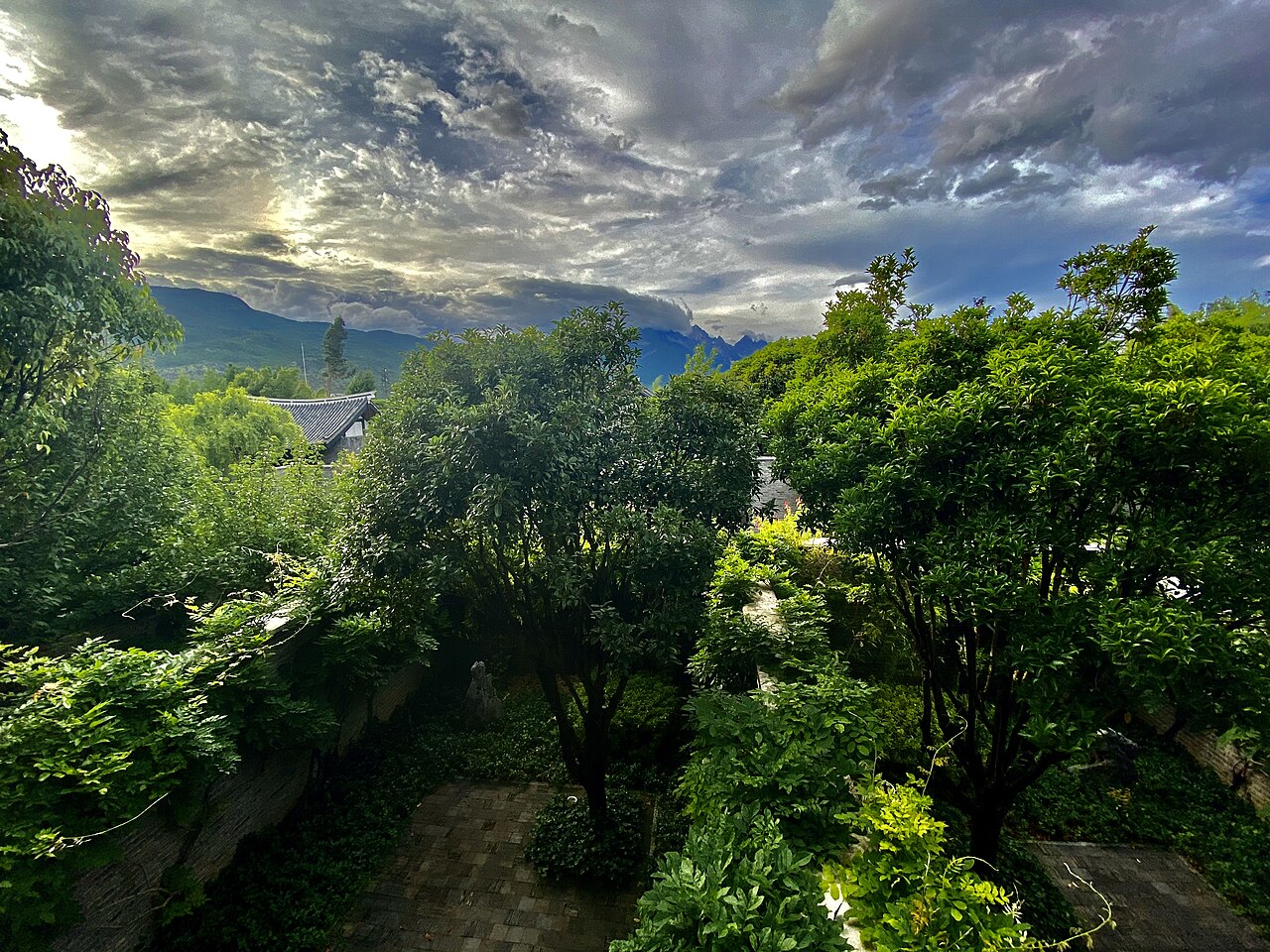
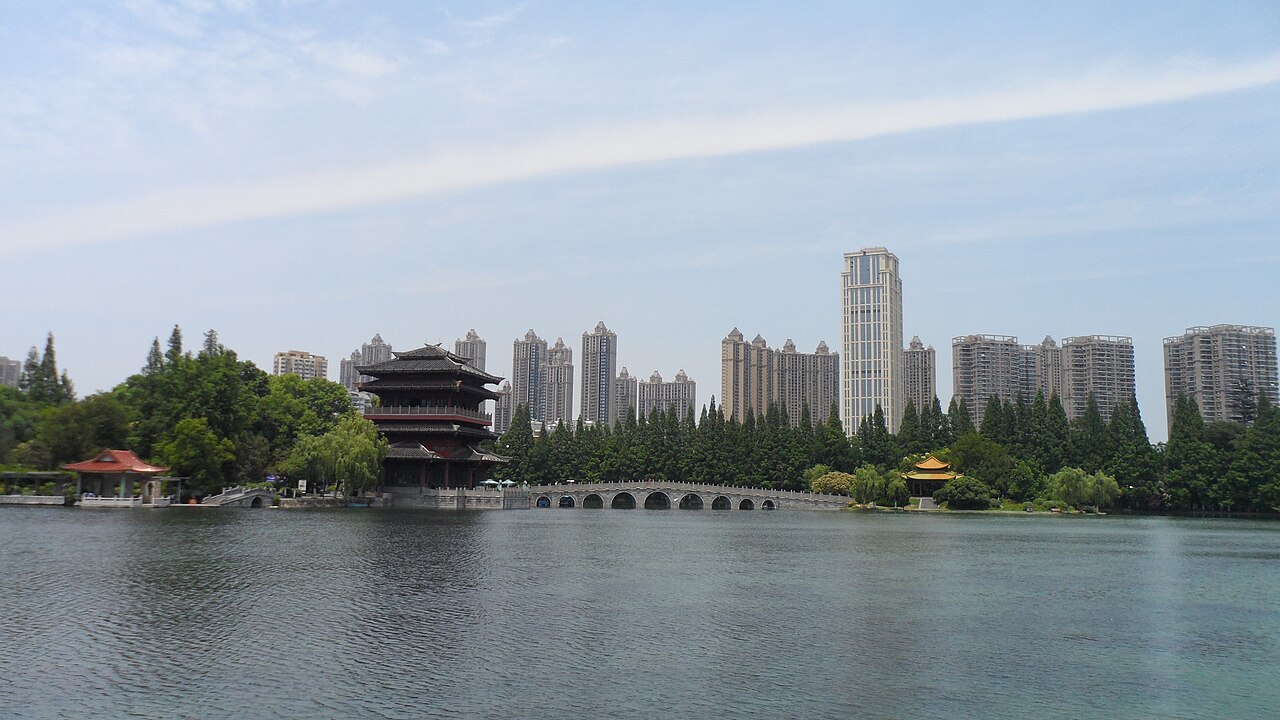
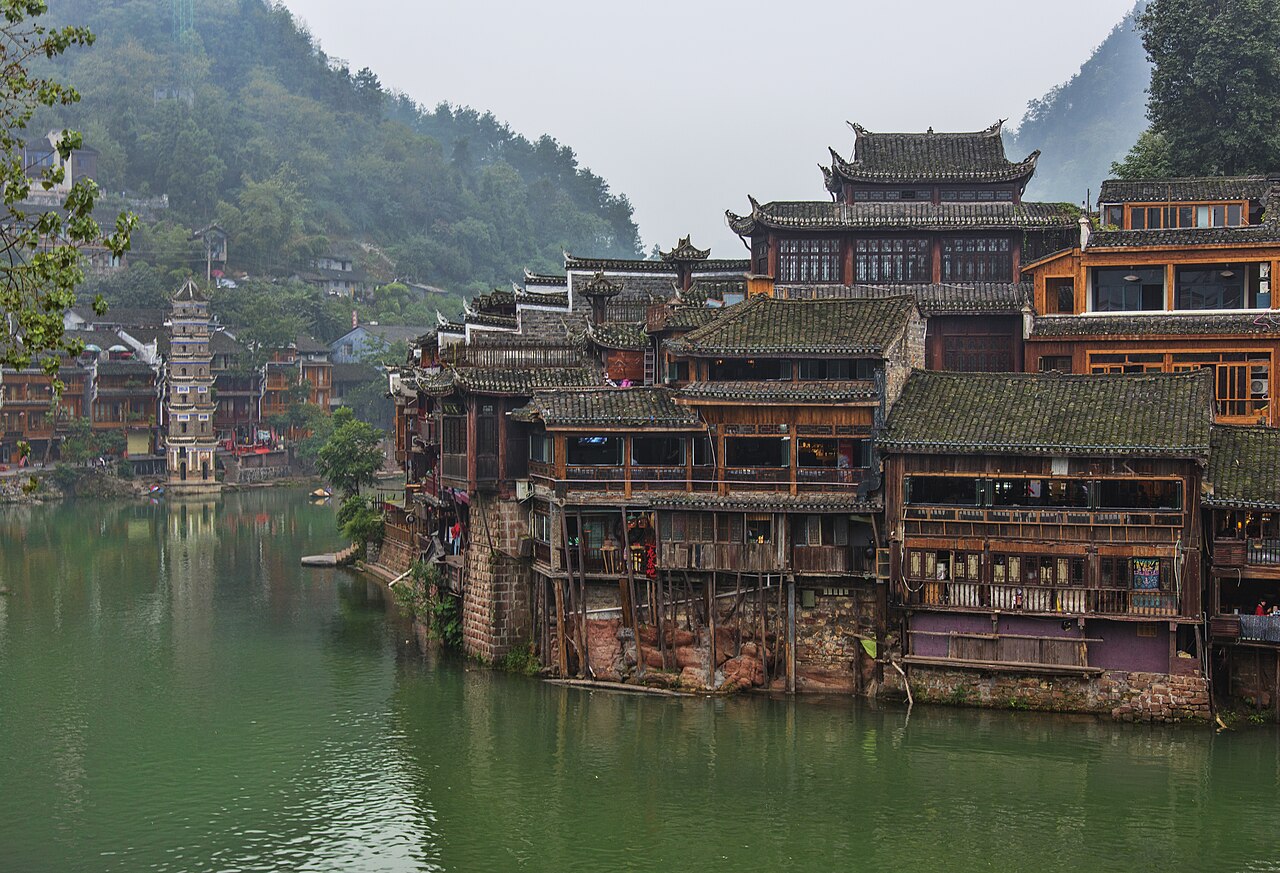
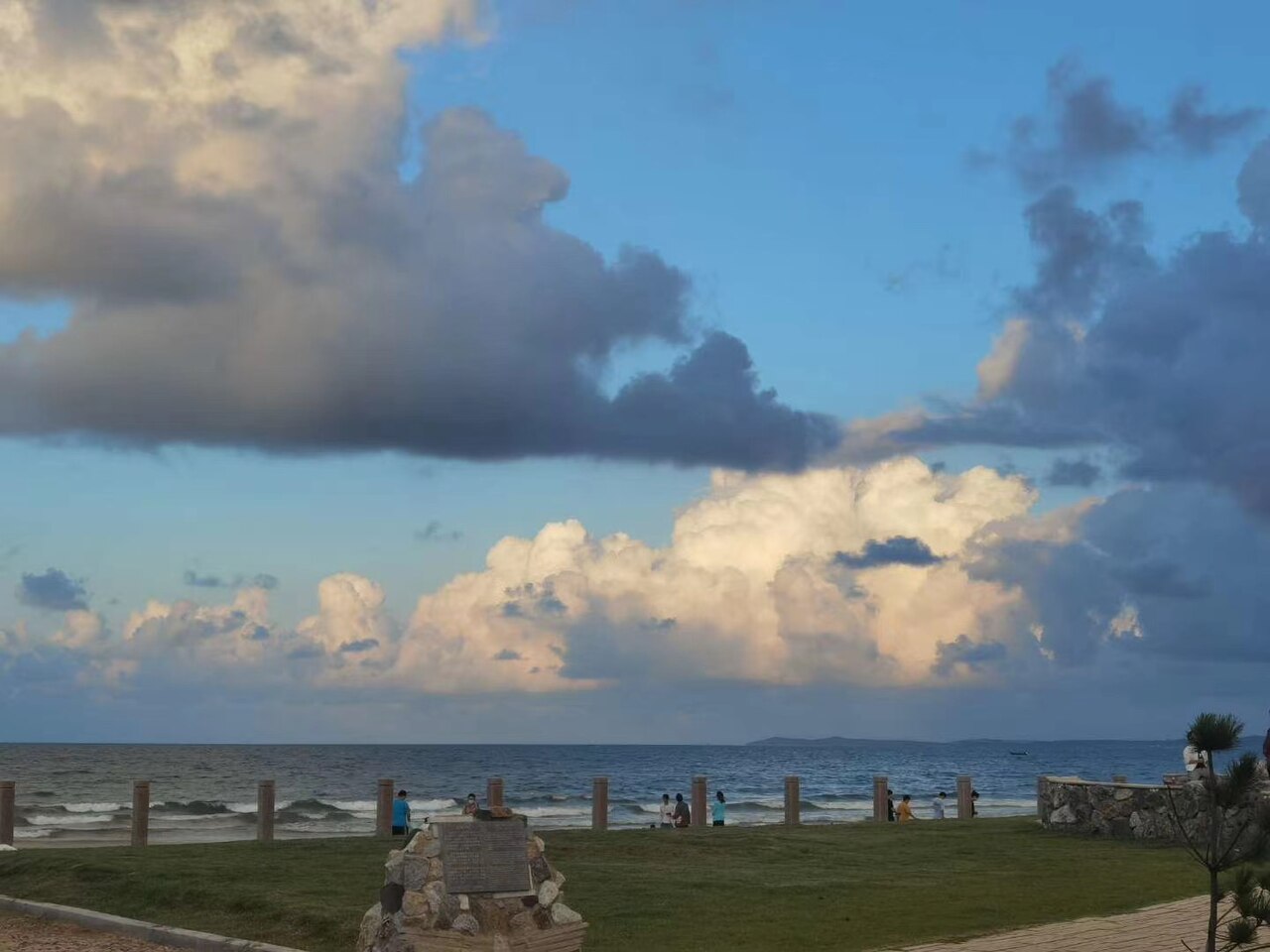
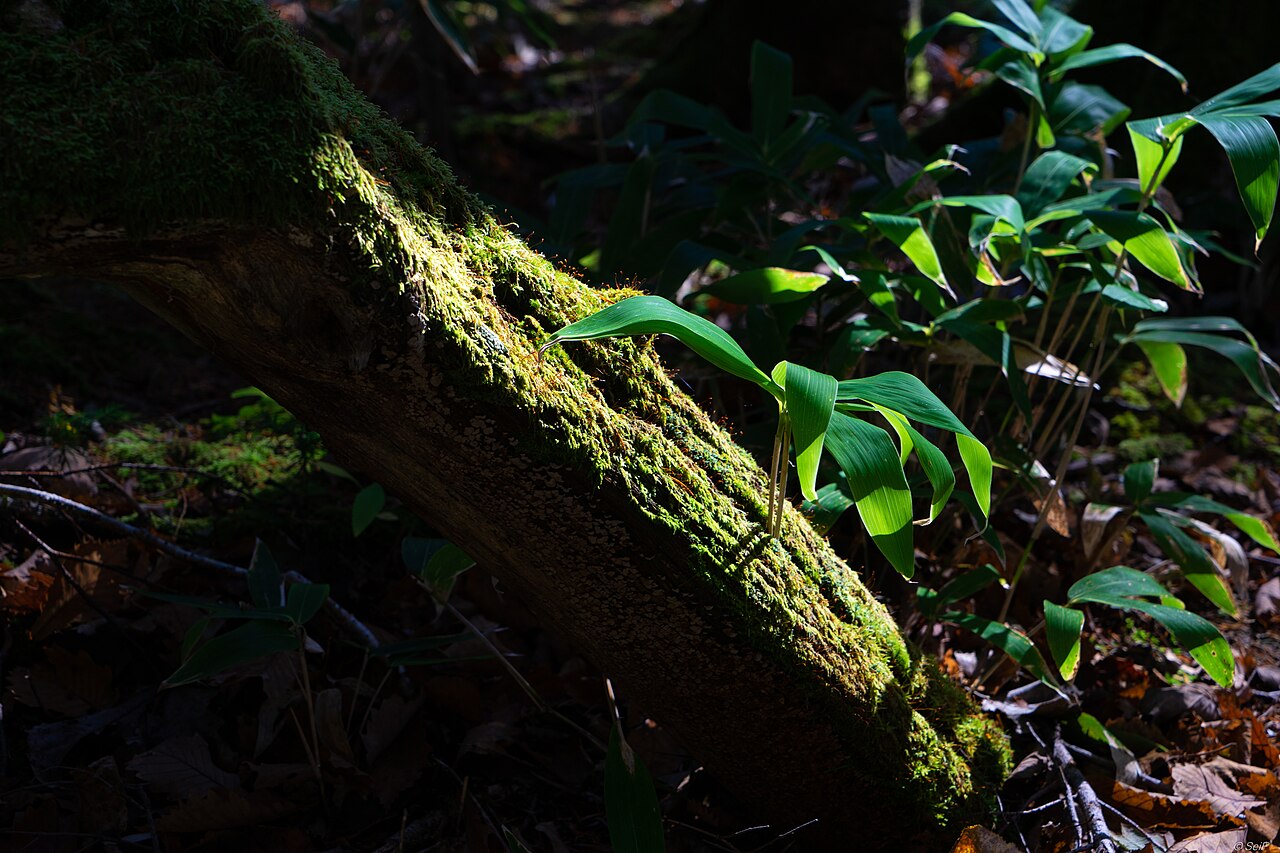
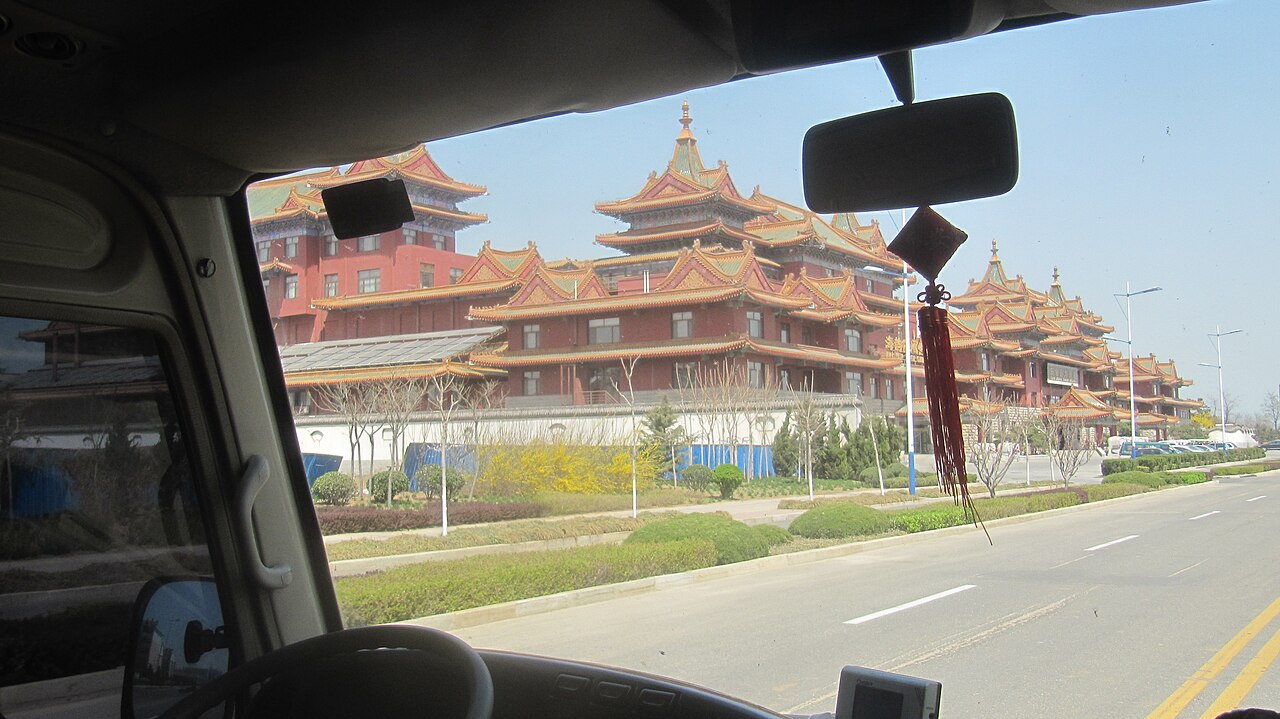
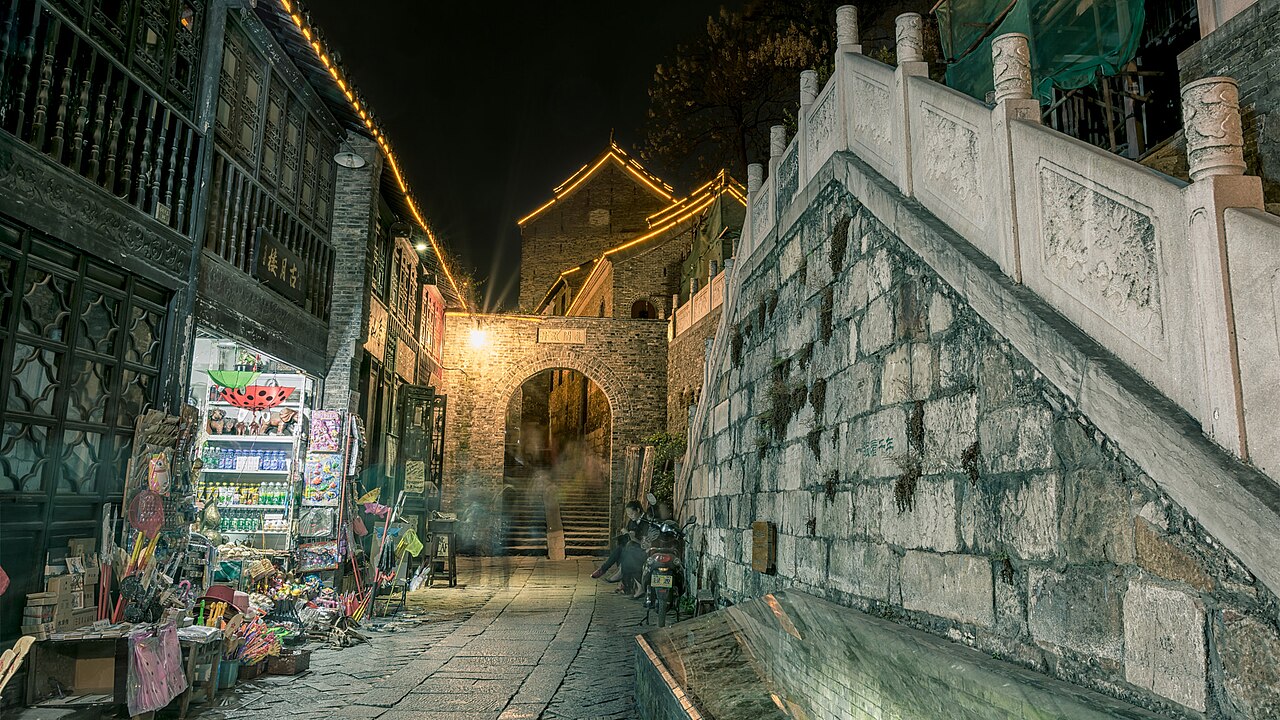
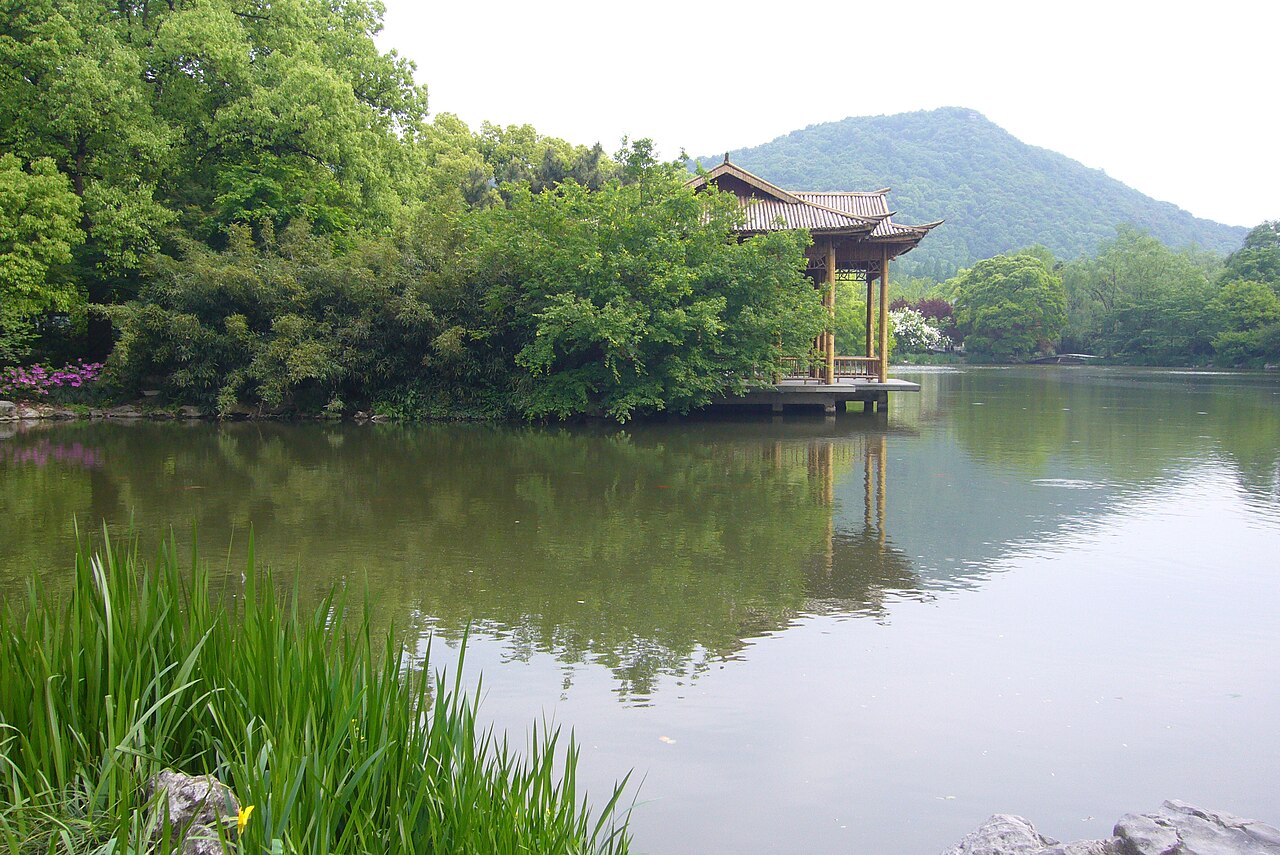
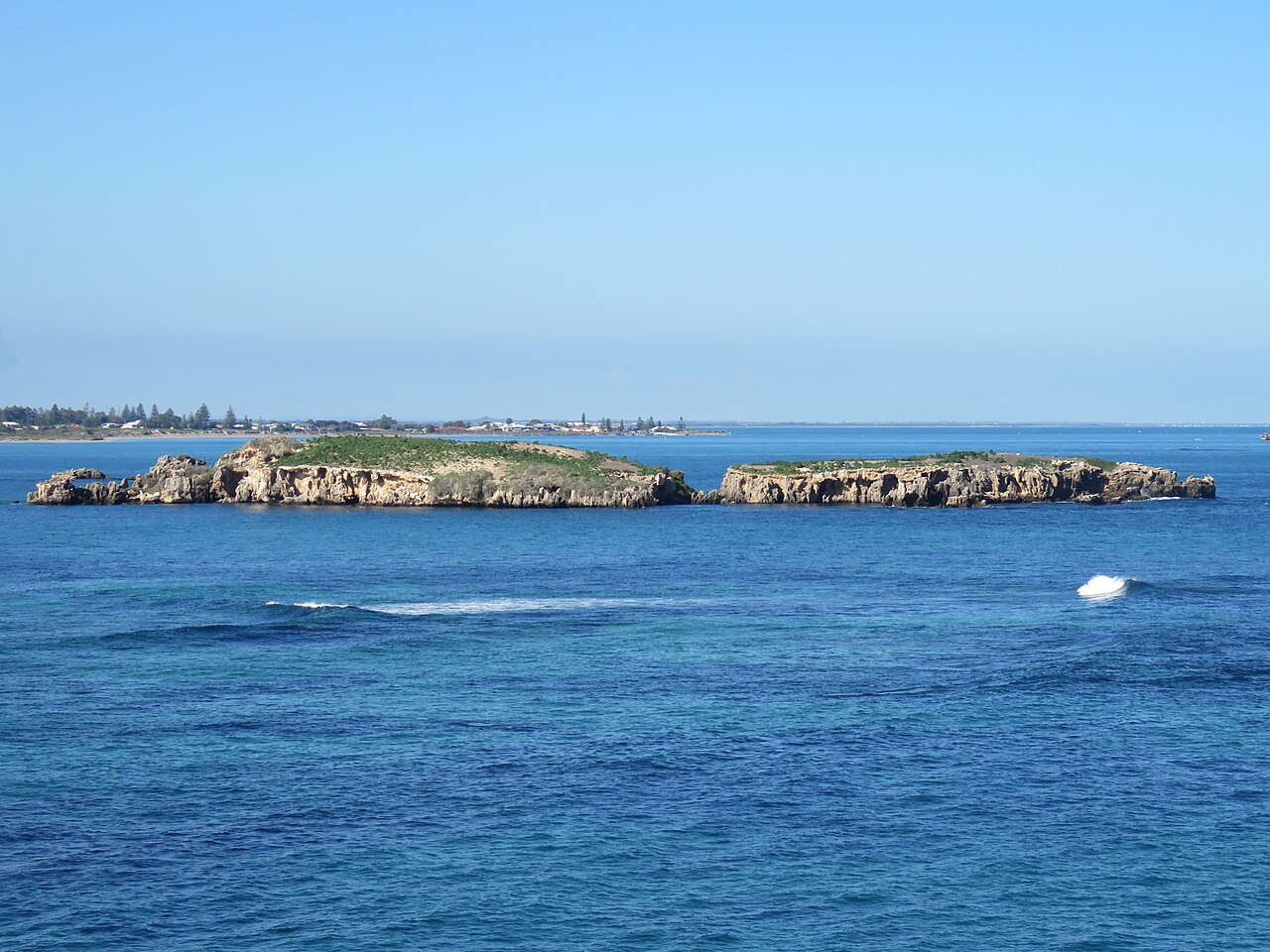
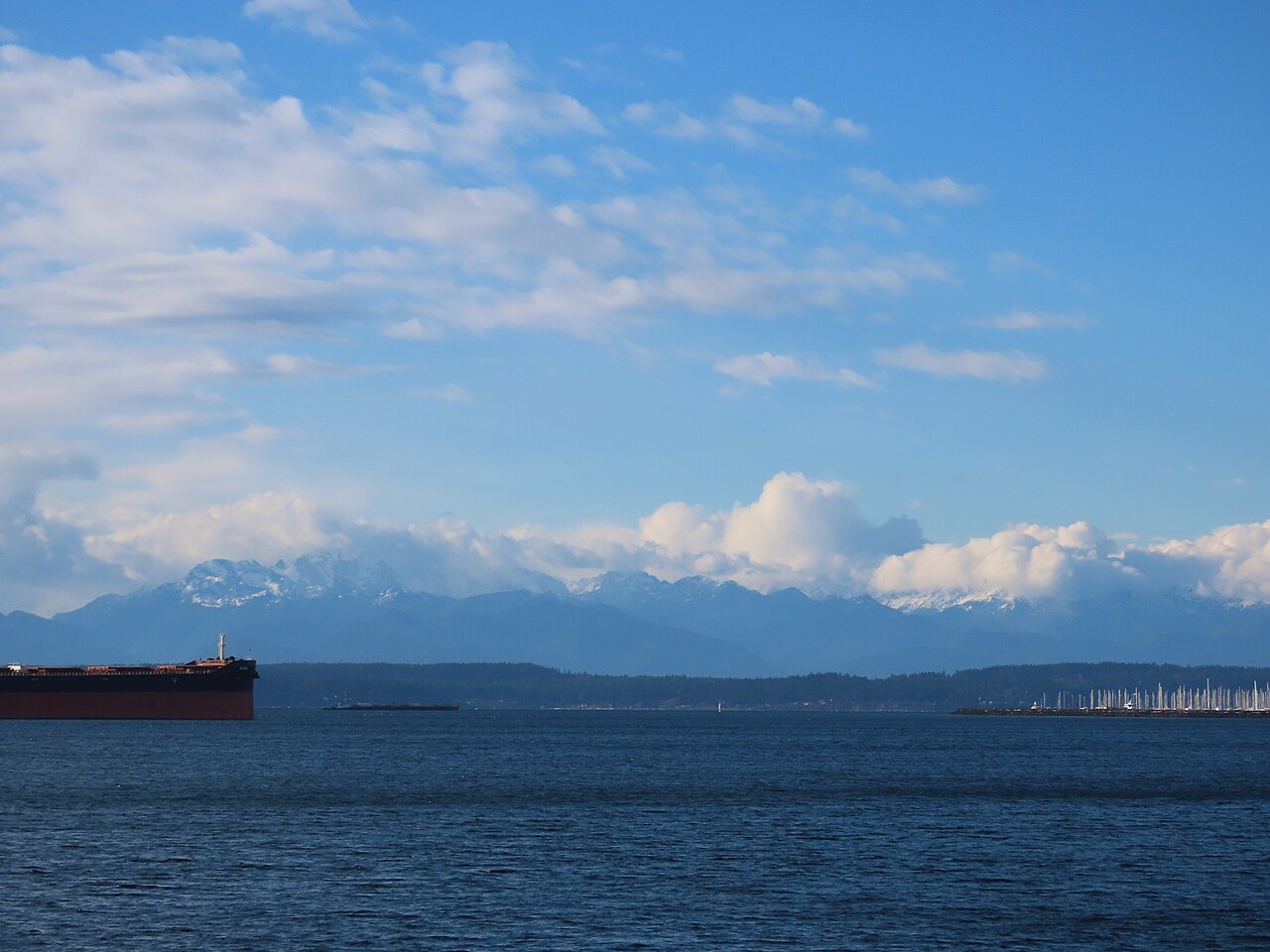
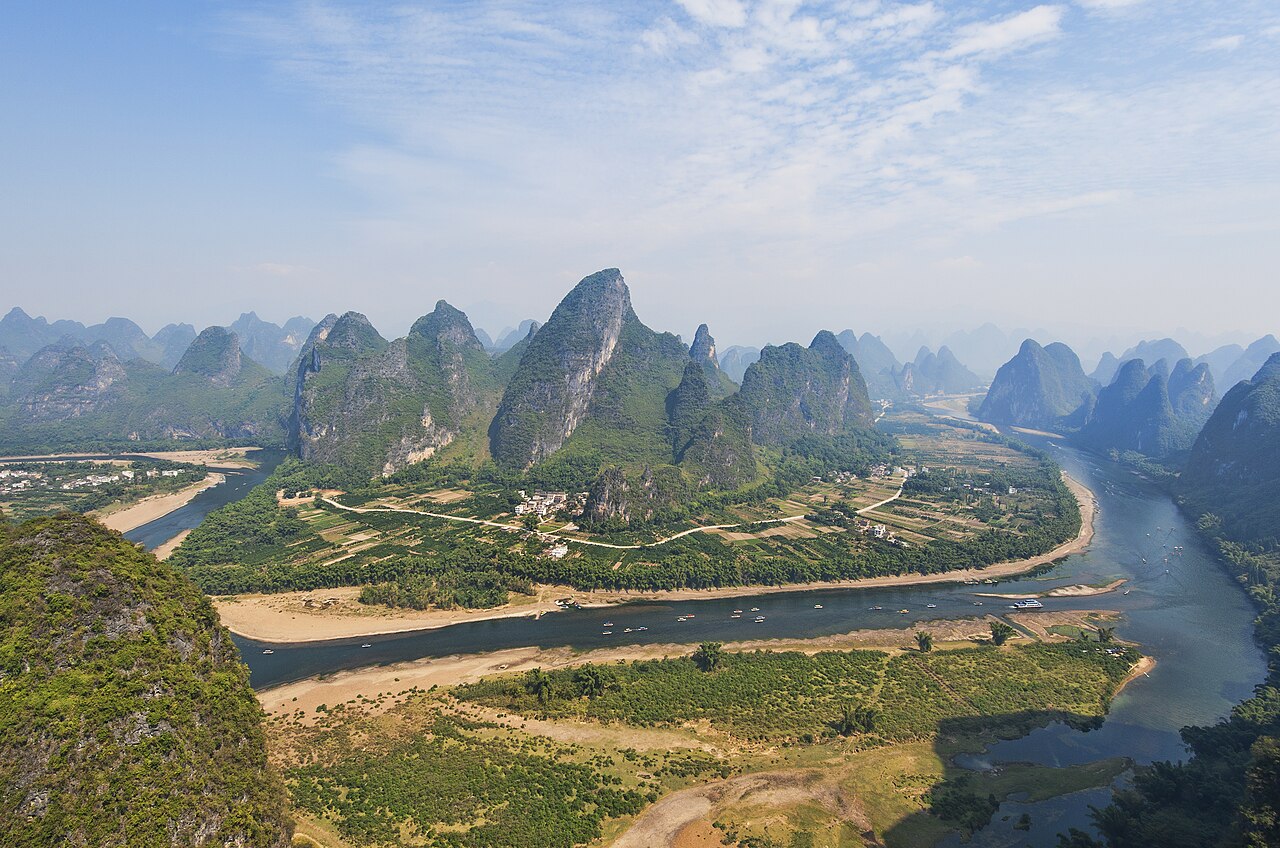
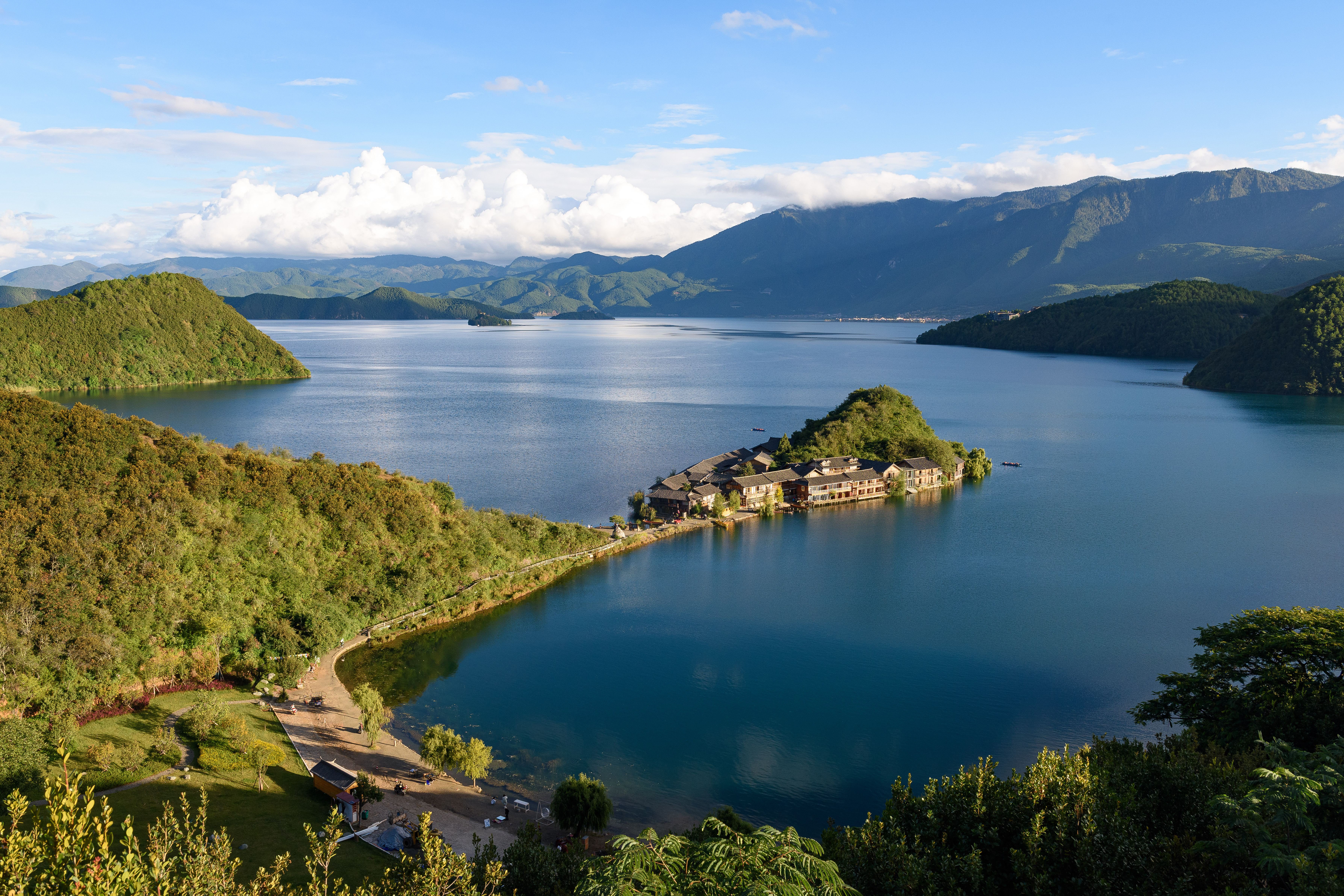
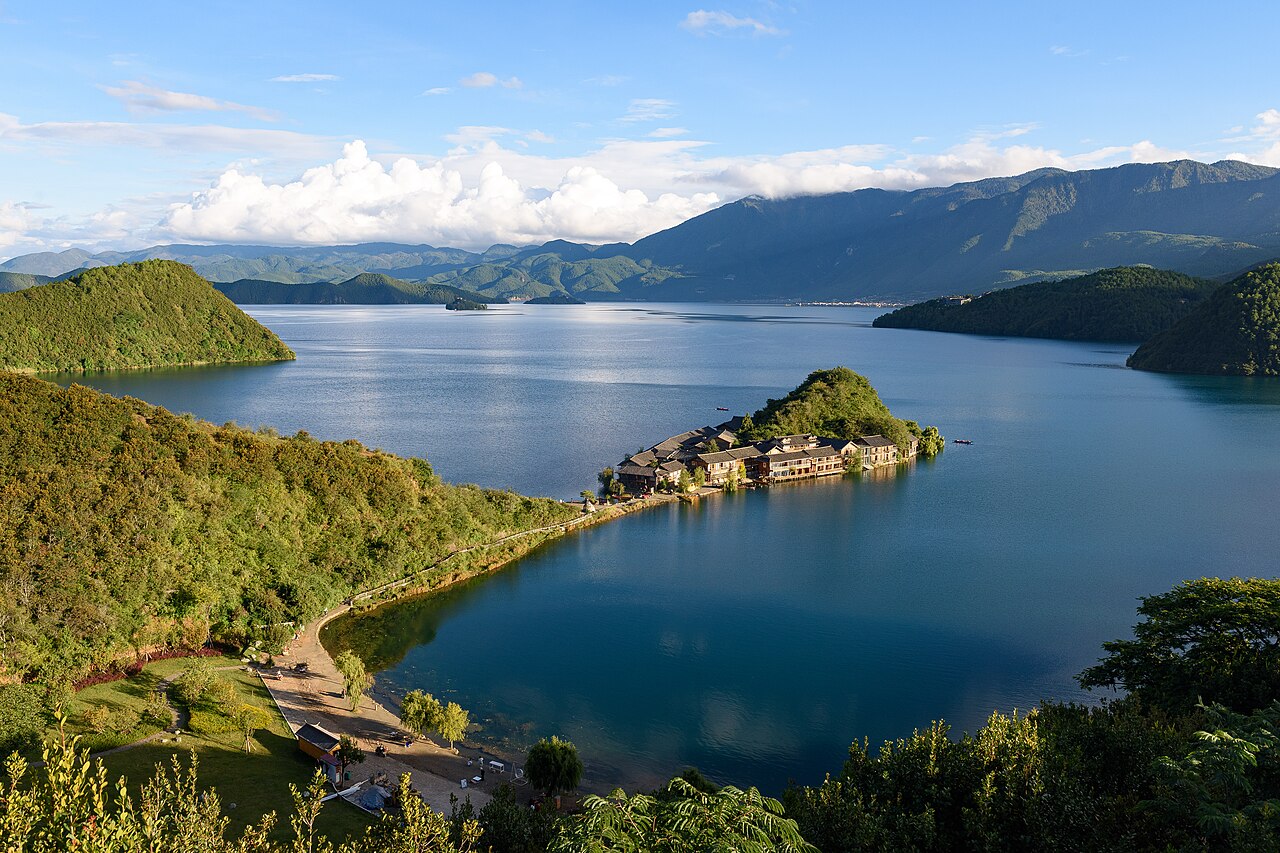
The Lige Peninsula, where the guesthouses hang out over the water
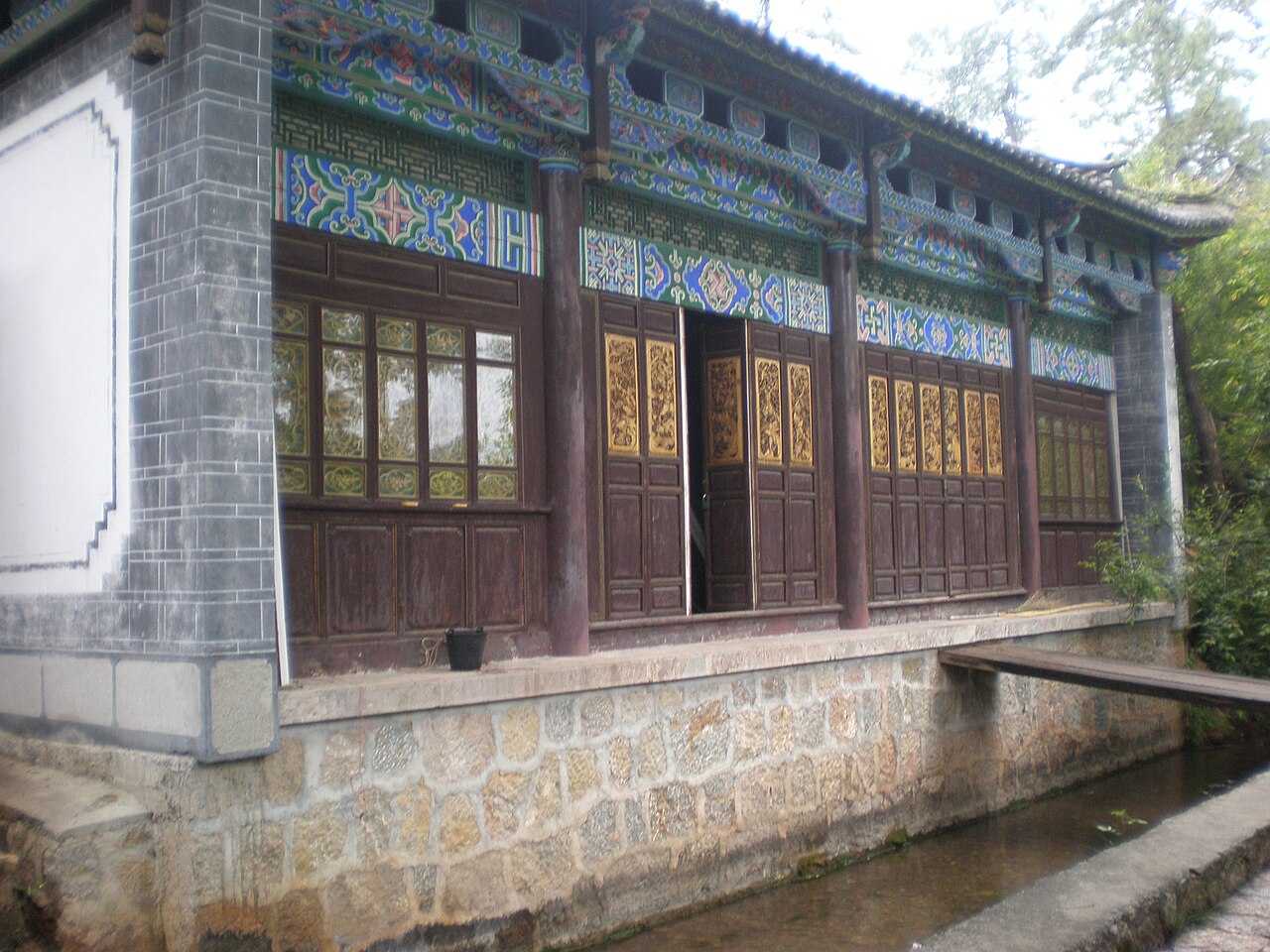
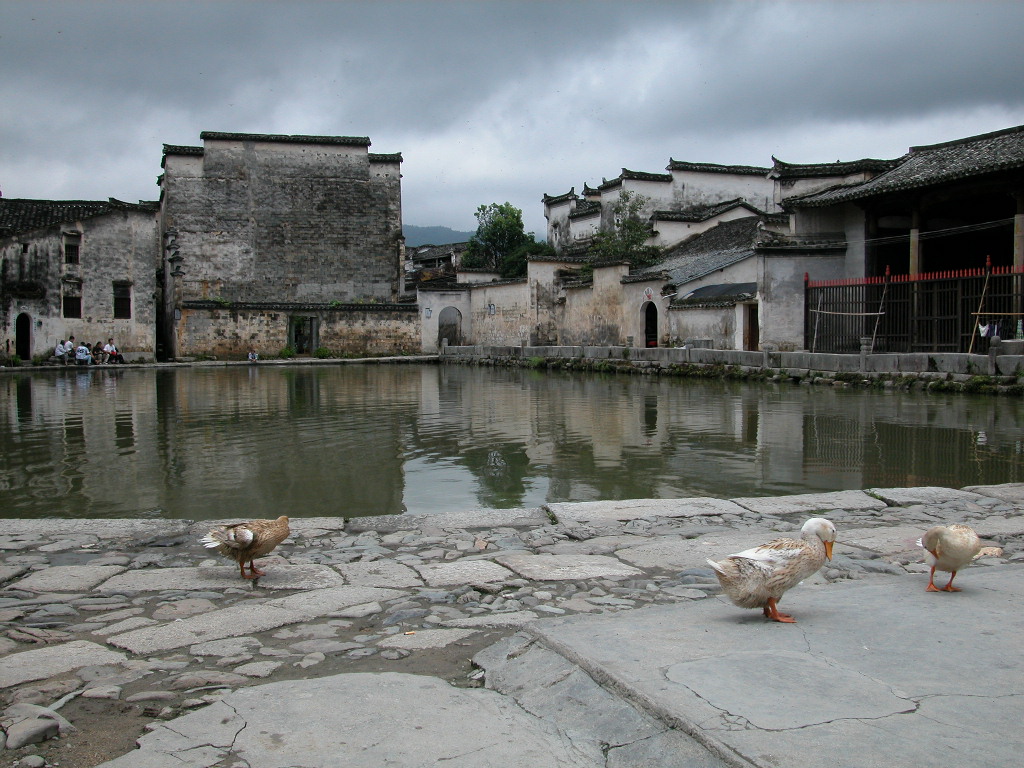
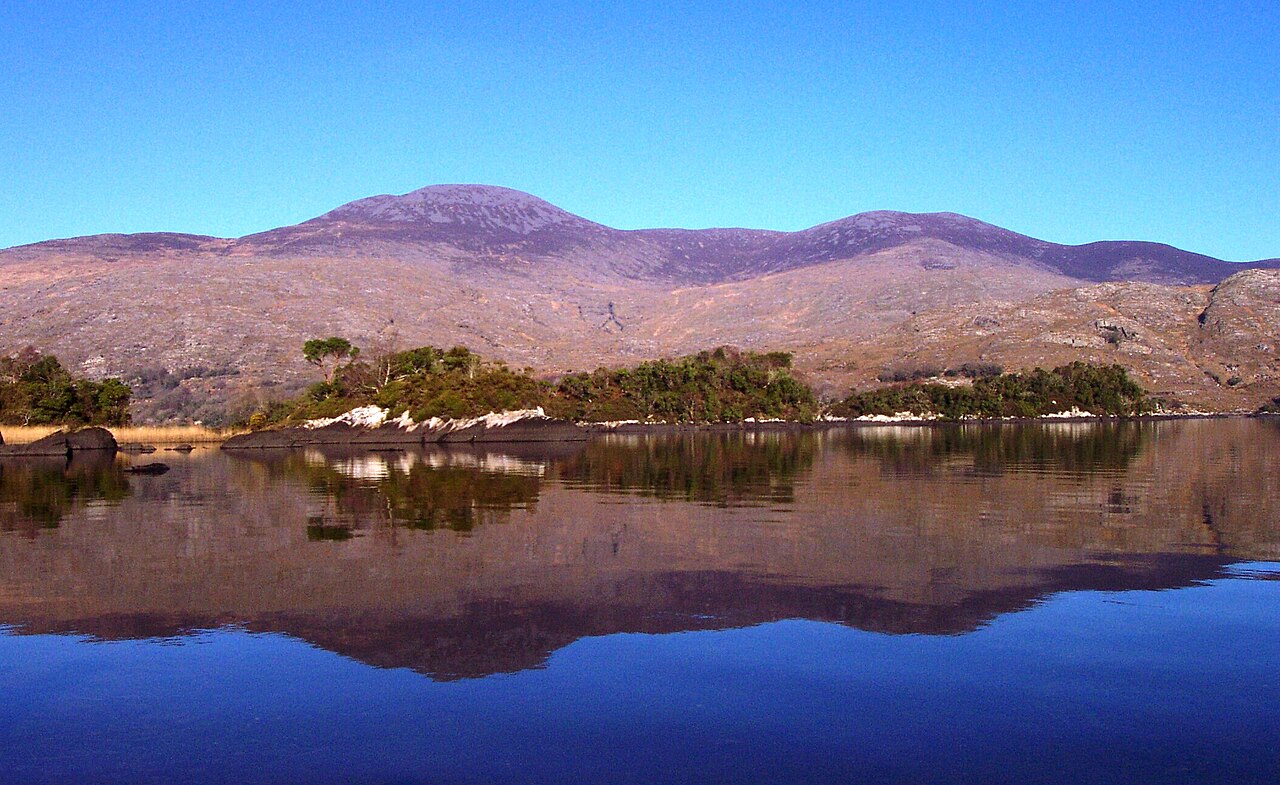
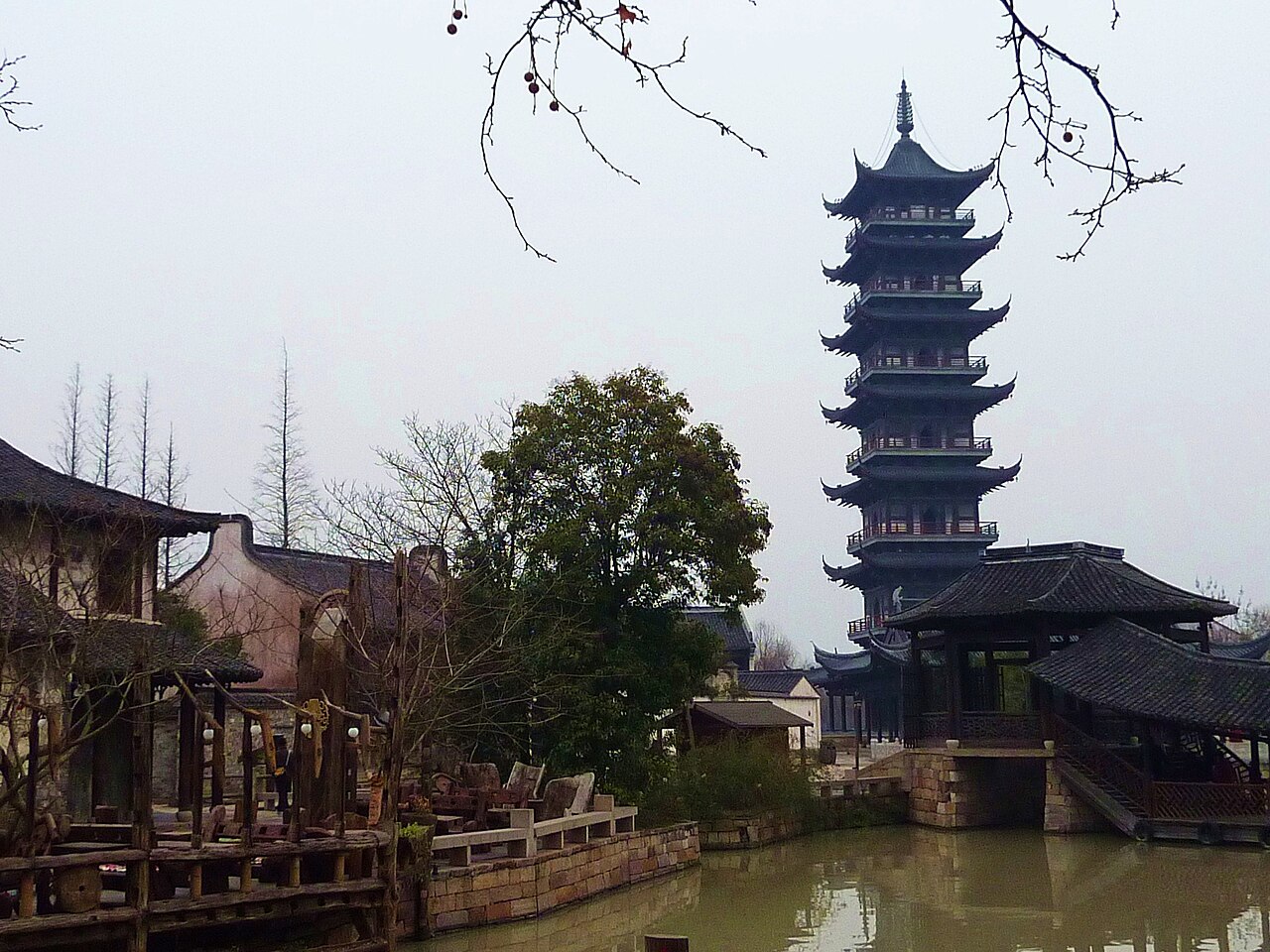
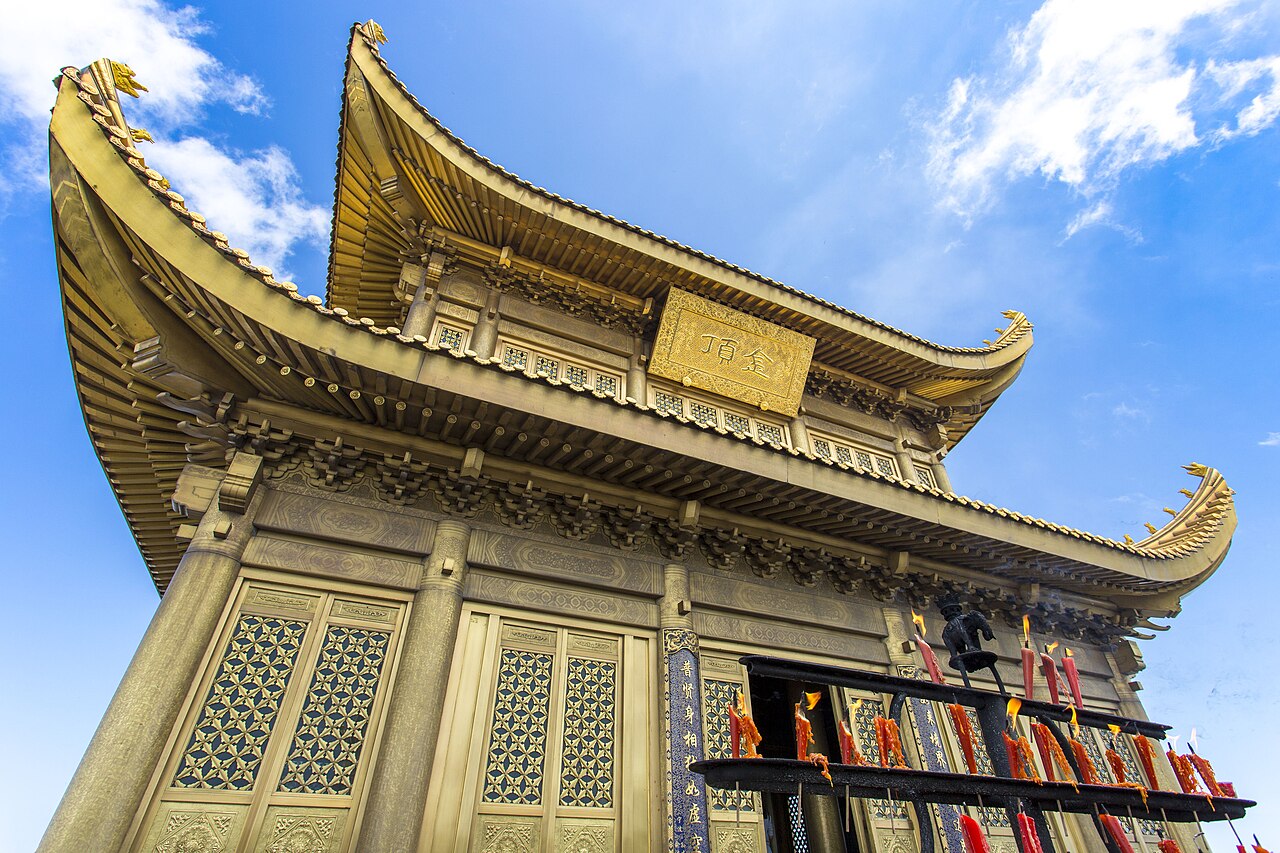
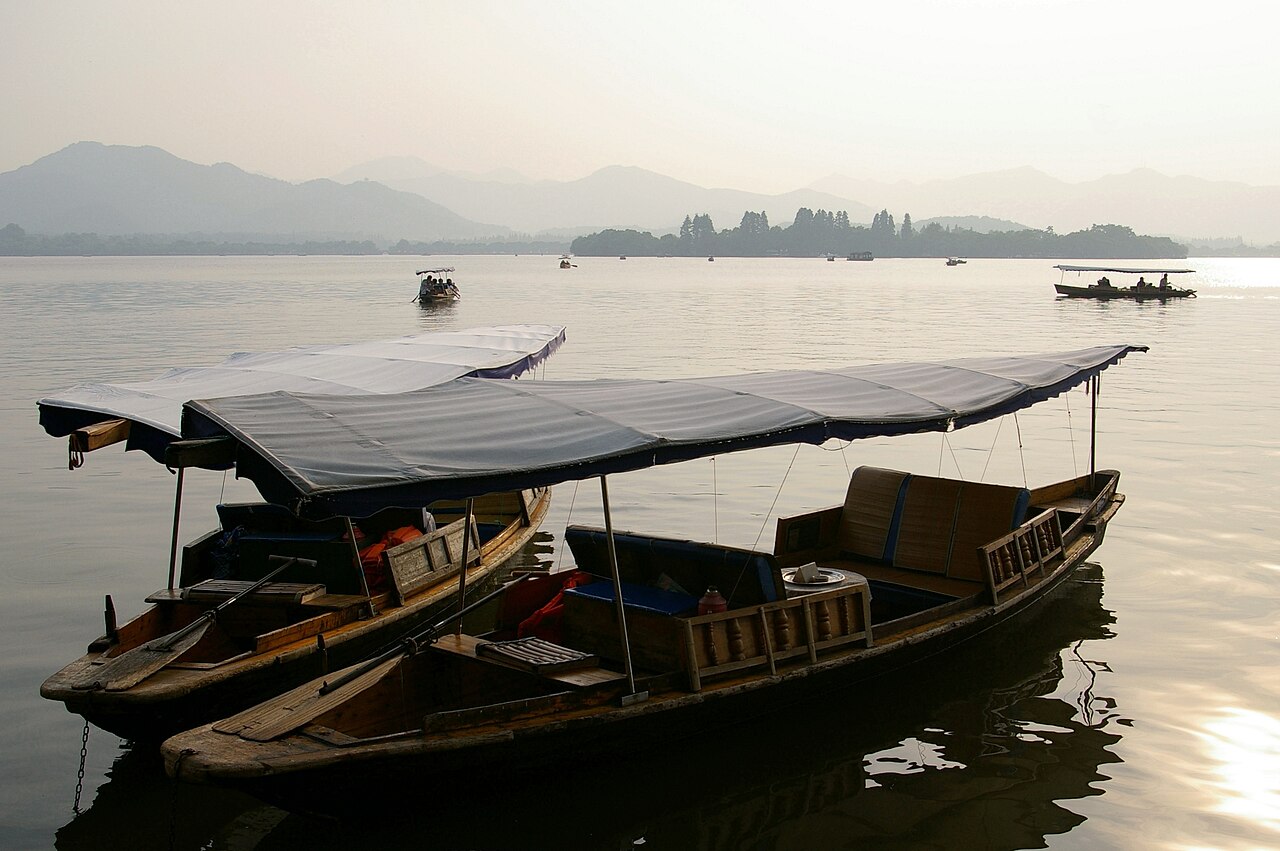
A pig-trough canoe gliding out at dawn, the lake still as glass
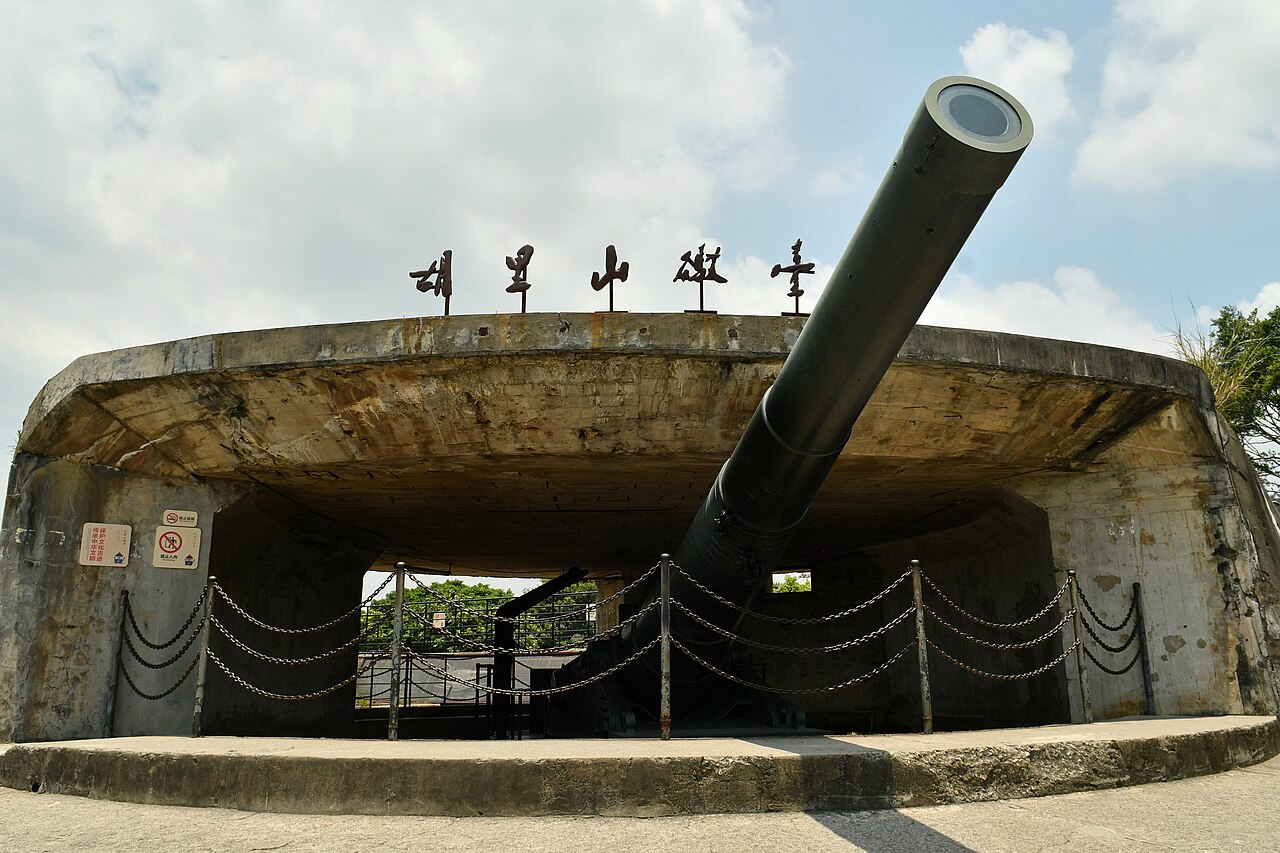
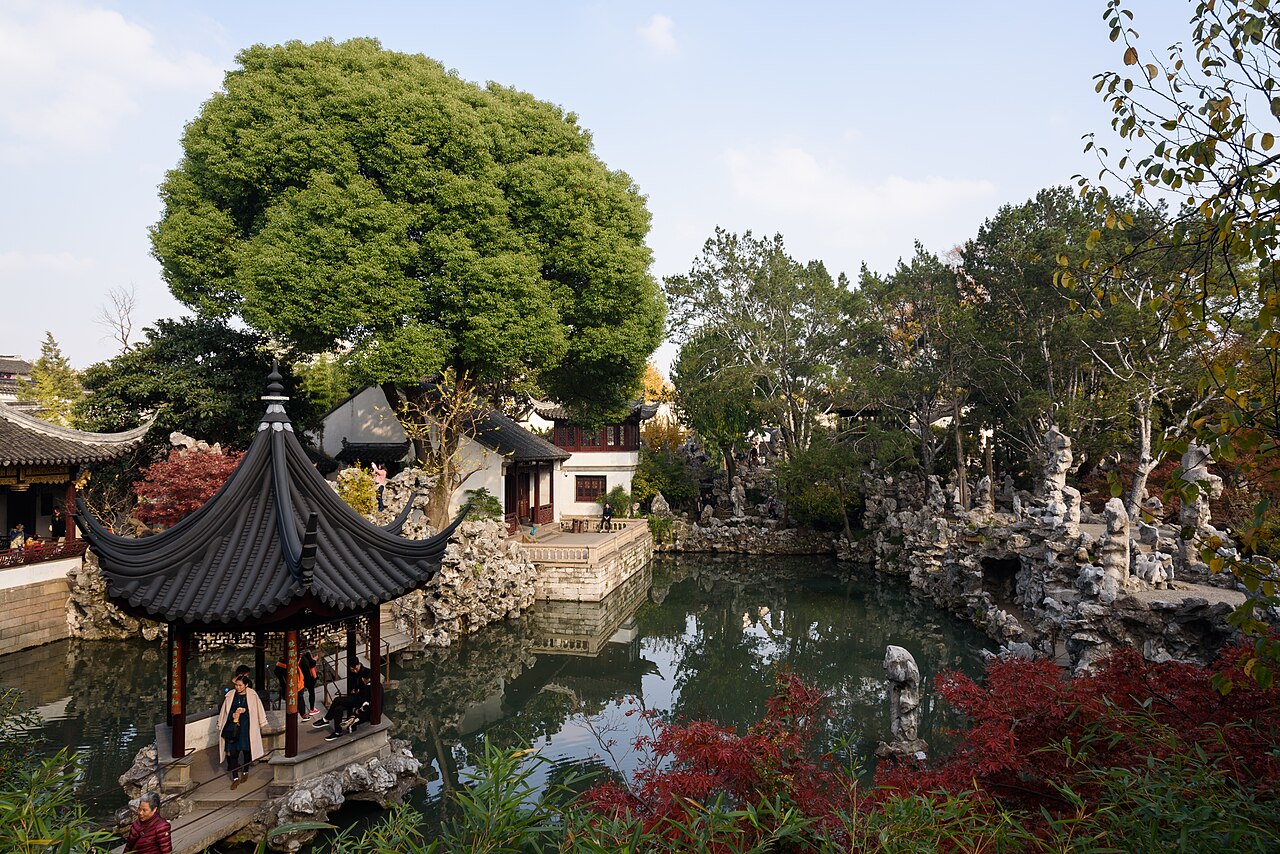
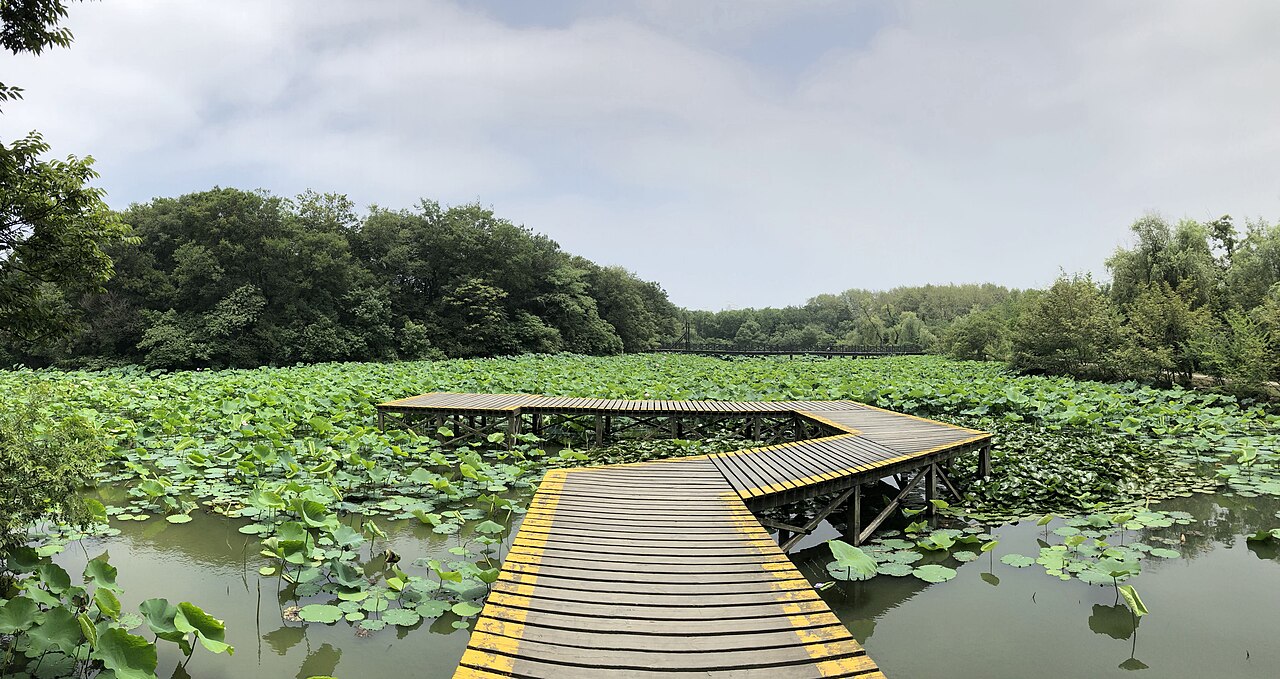
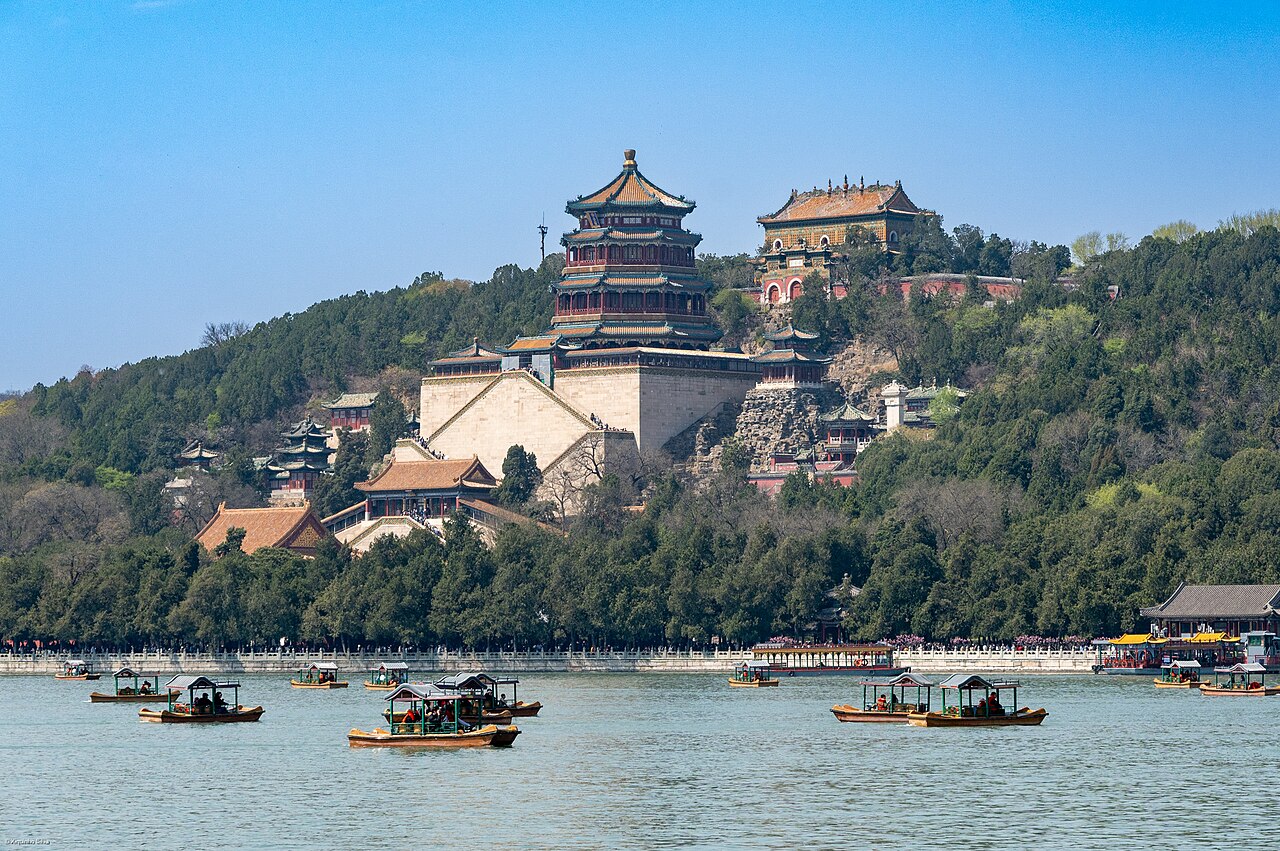
The Walking-Marriage Bridge across the Grass Sea at Caohai
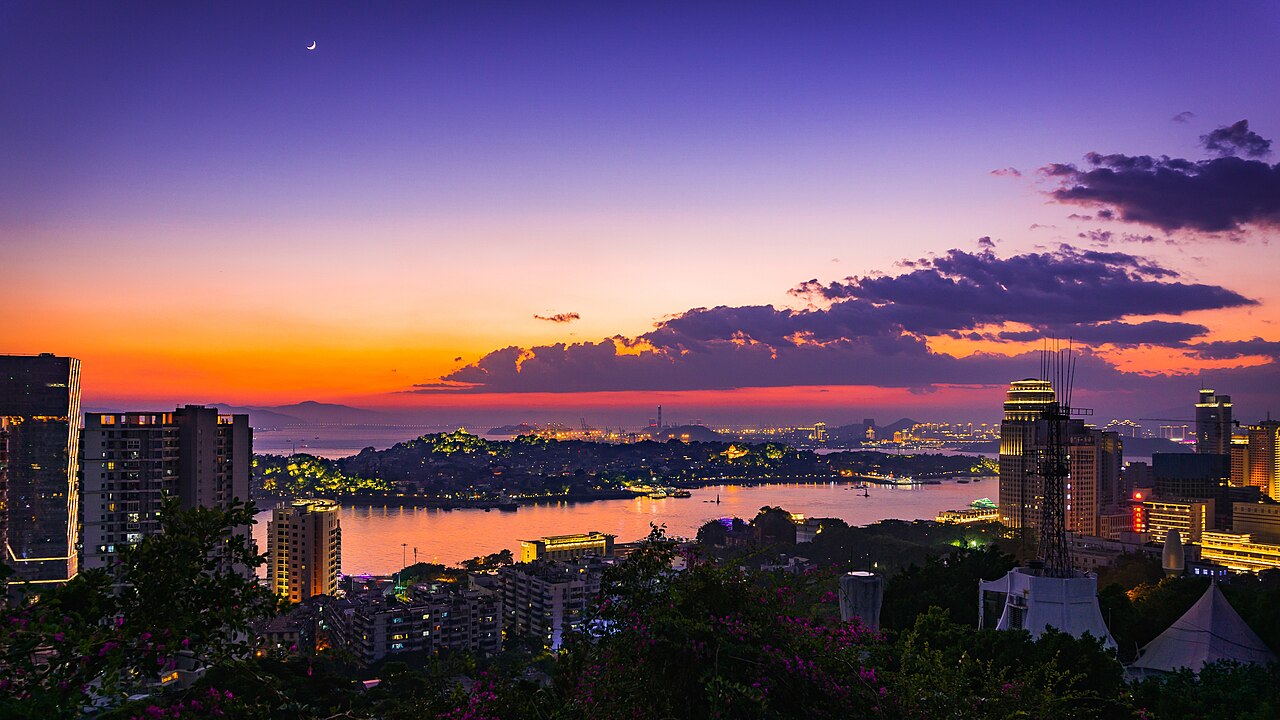
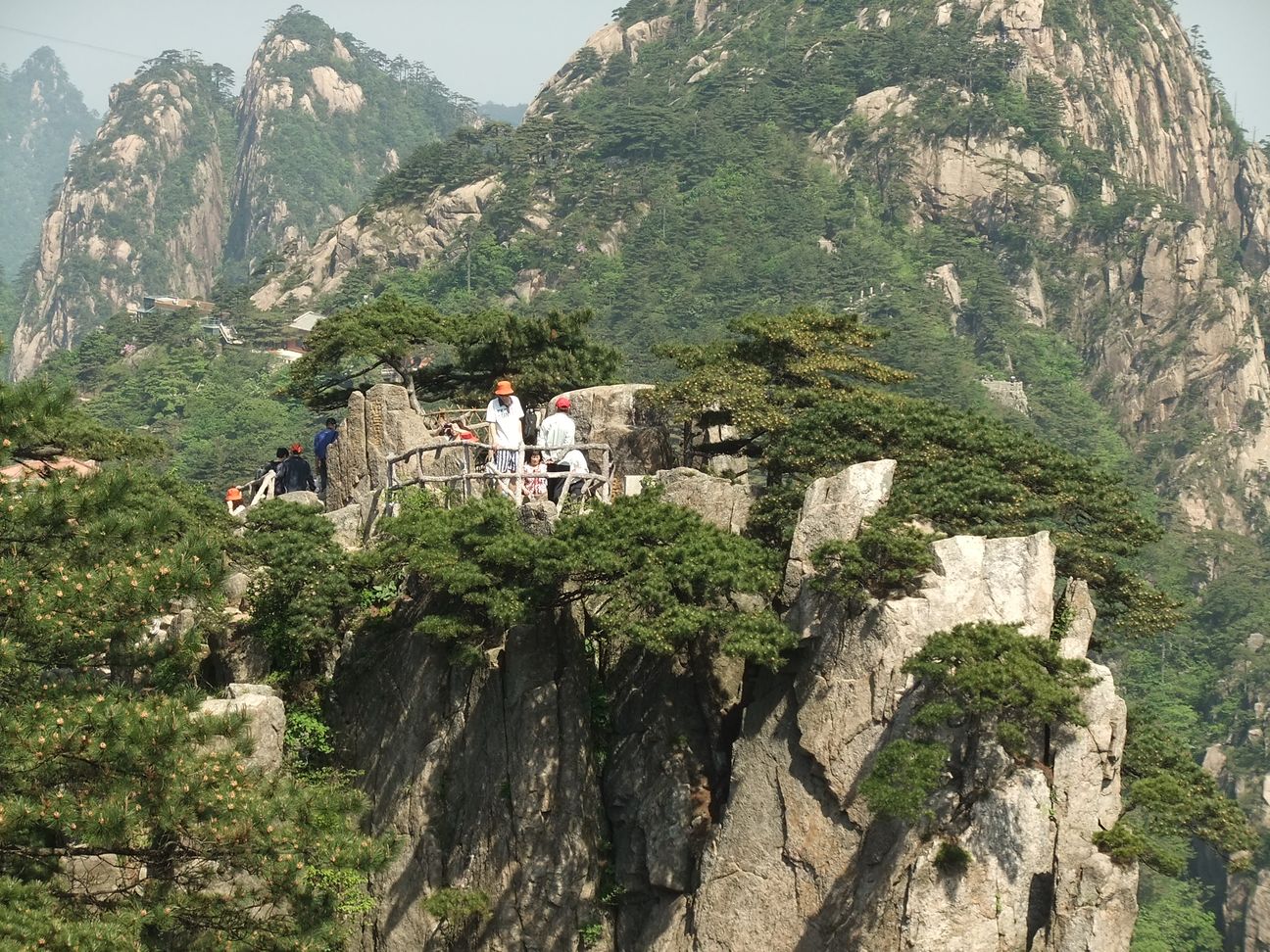
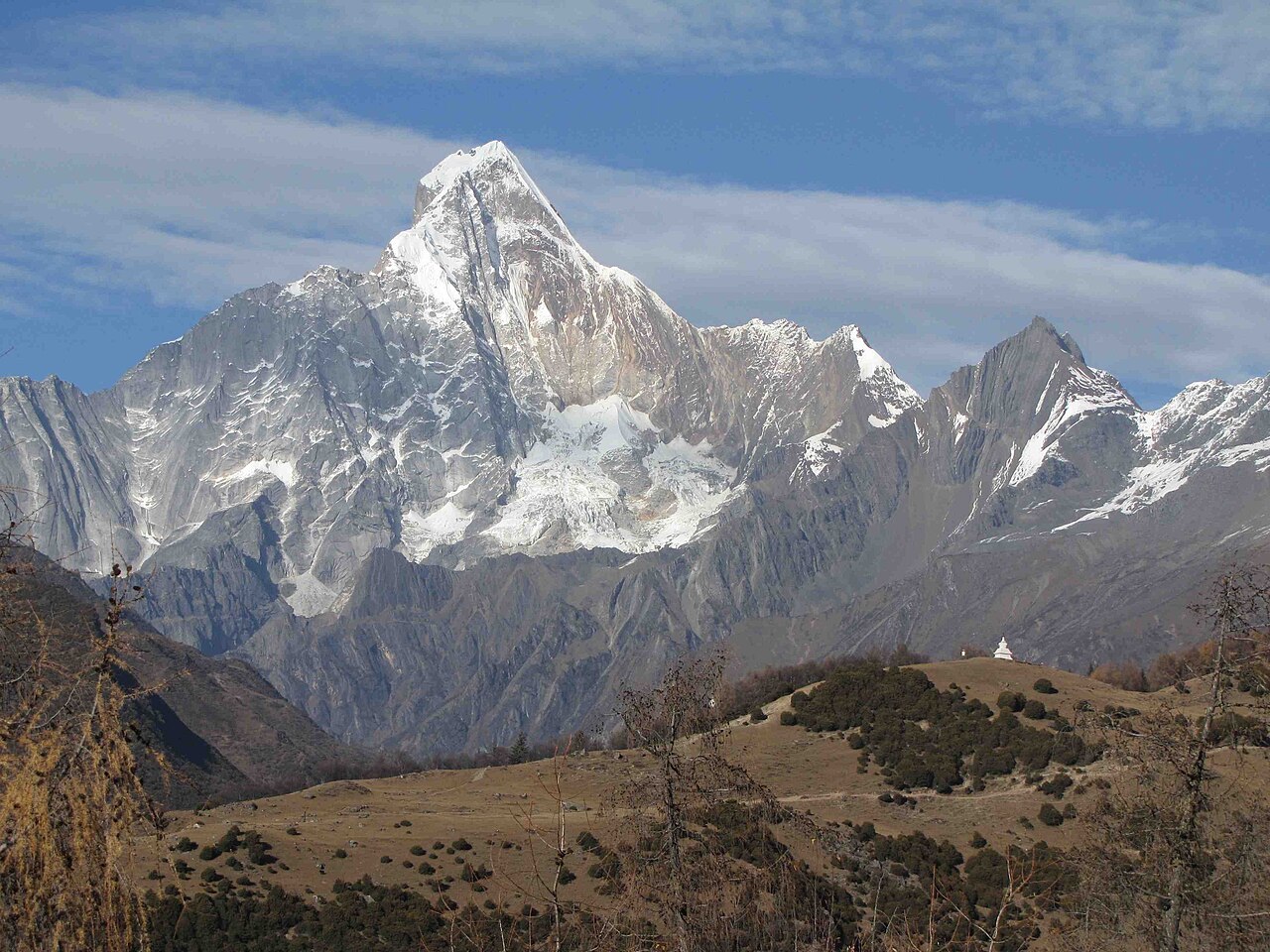
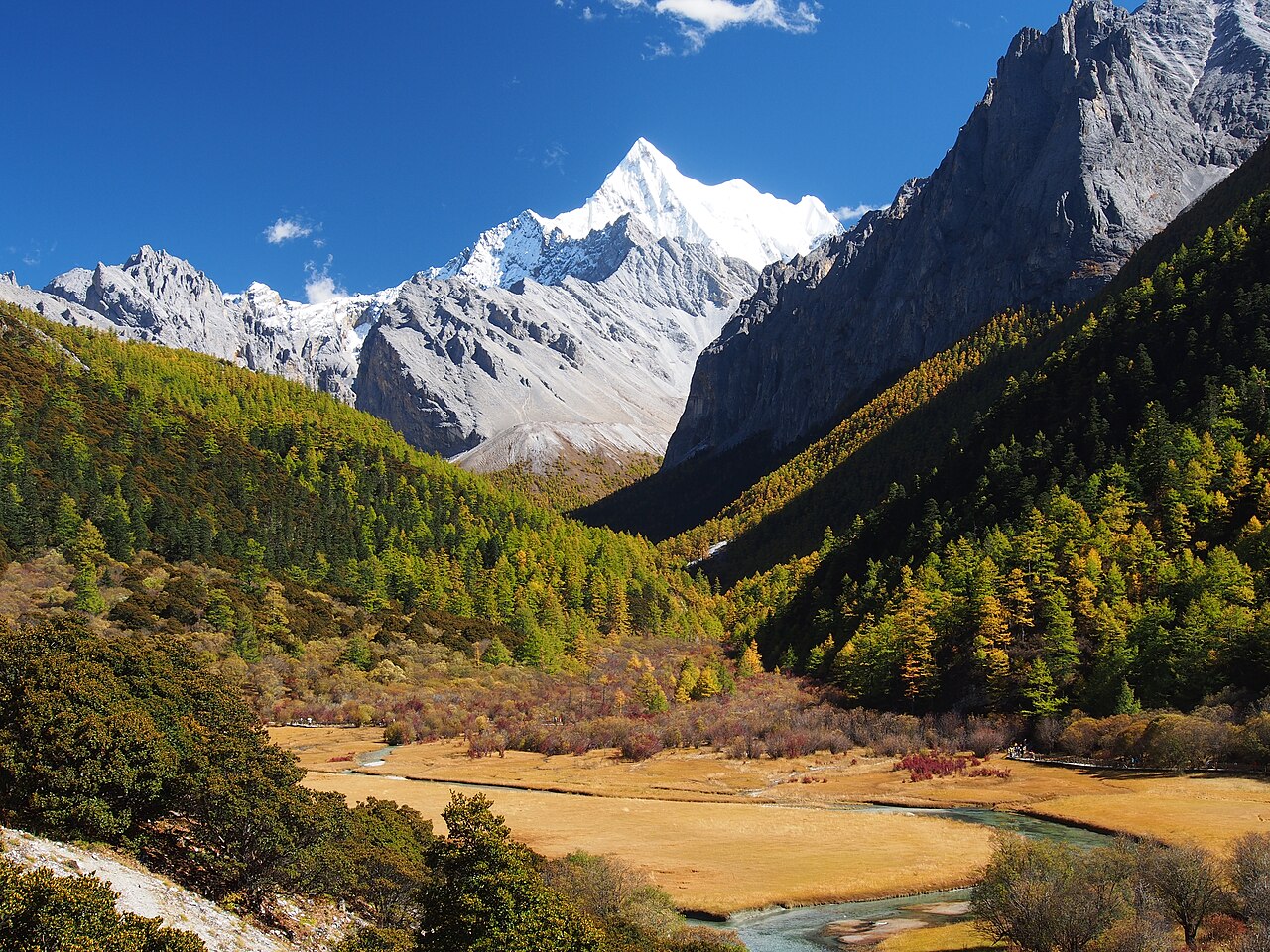
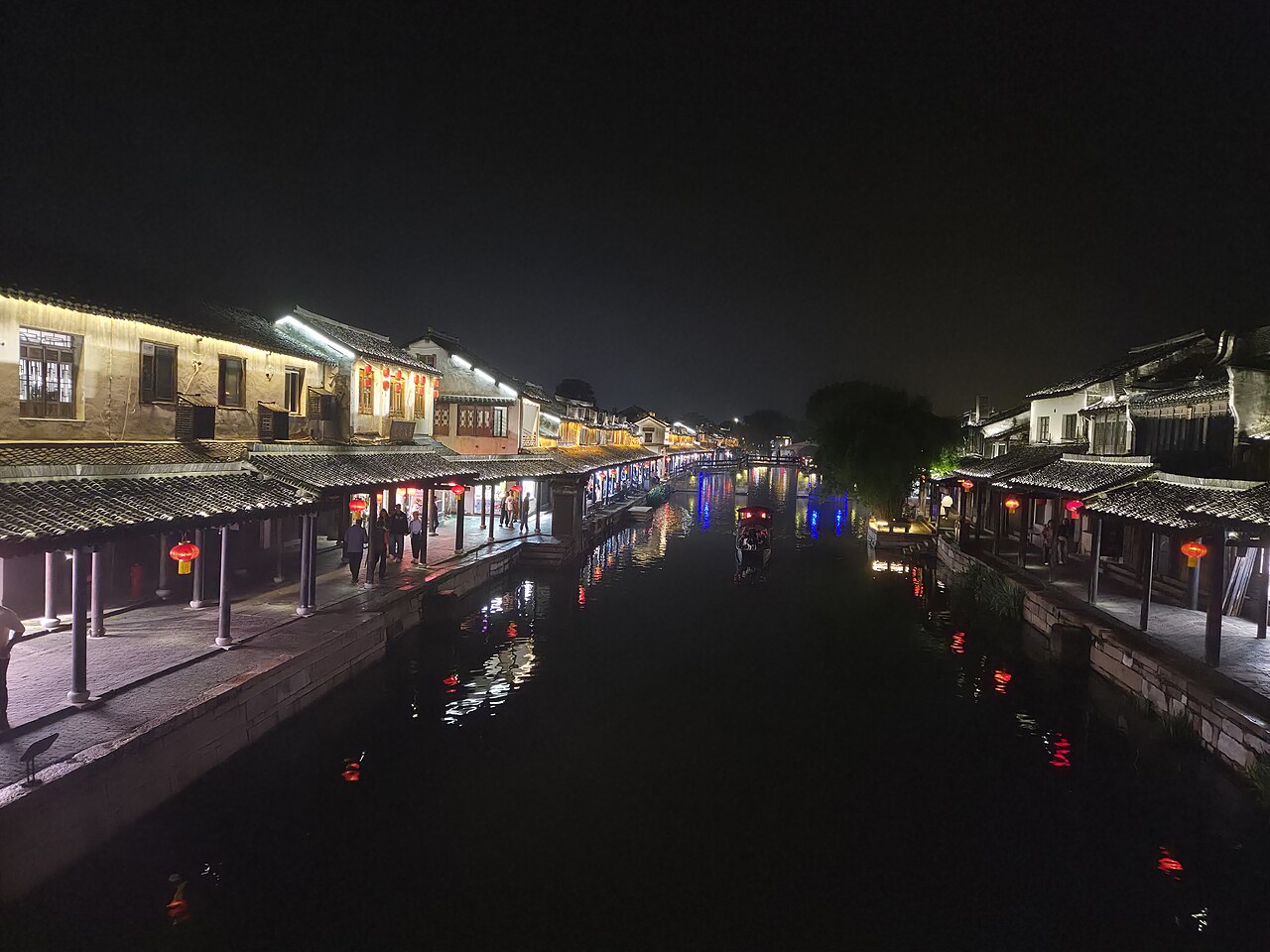
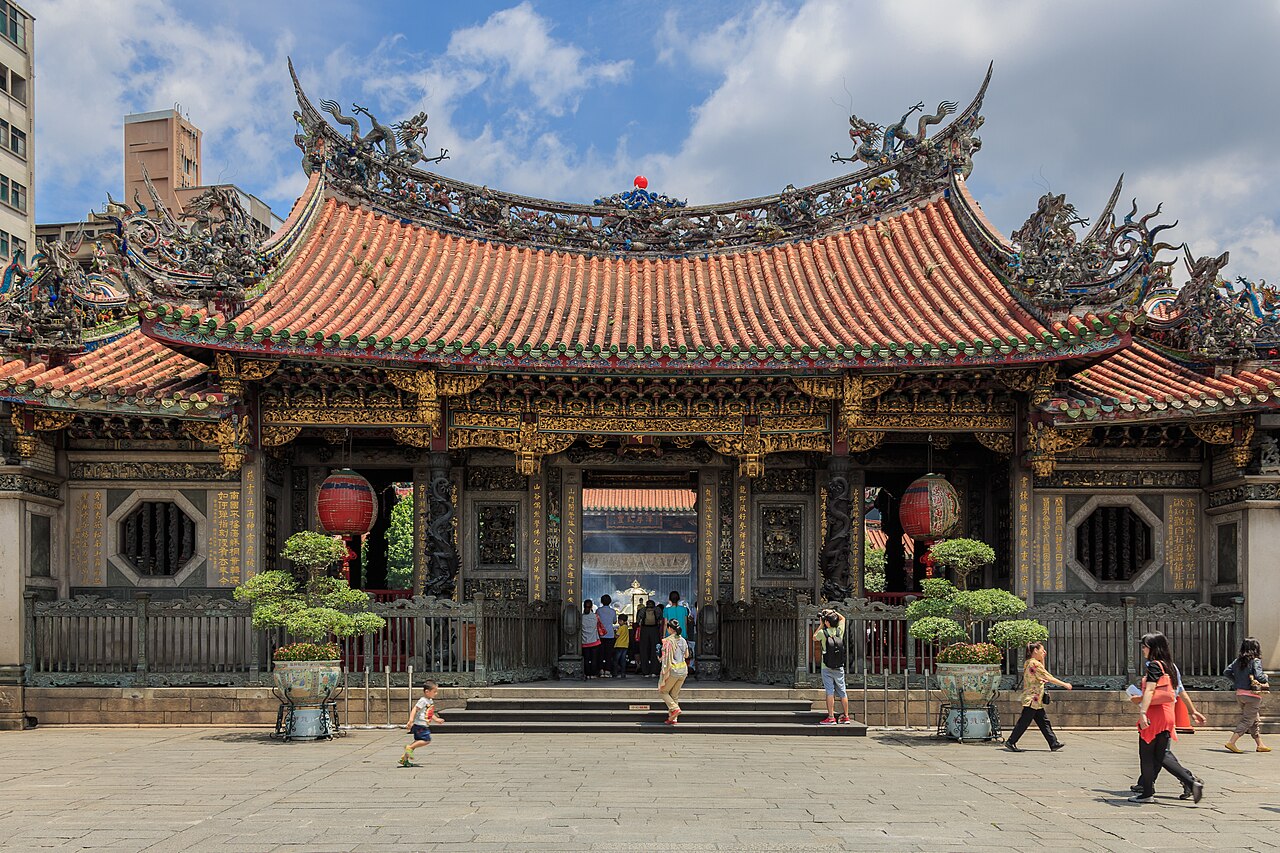
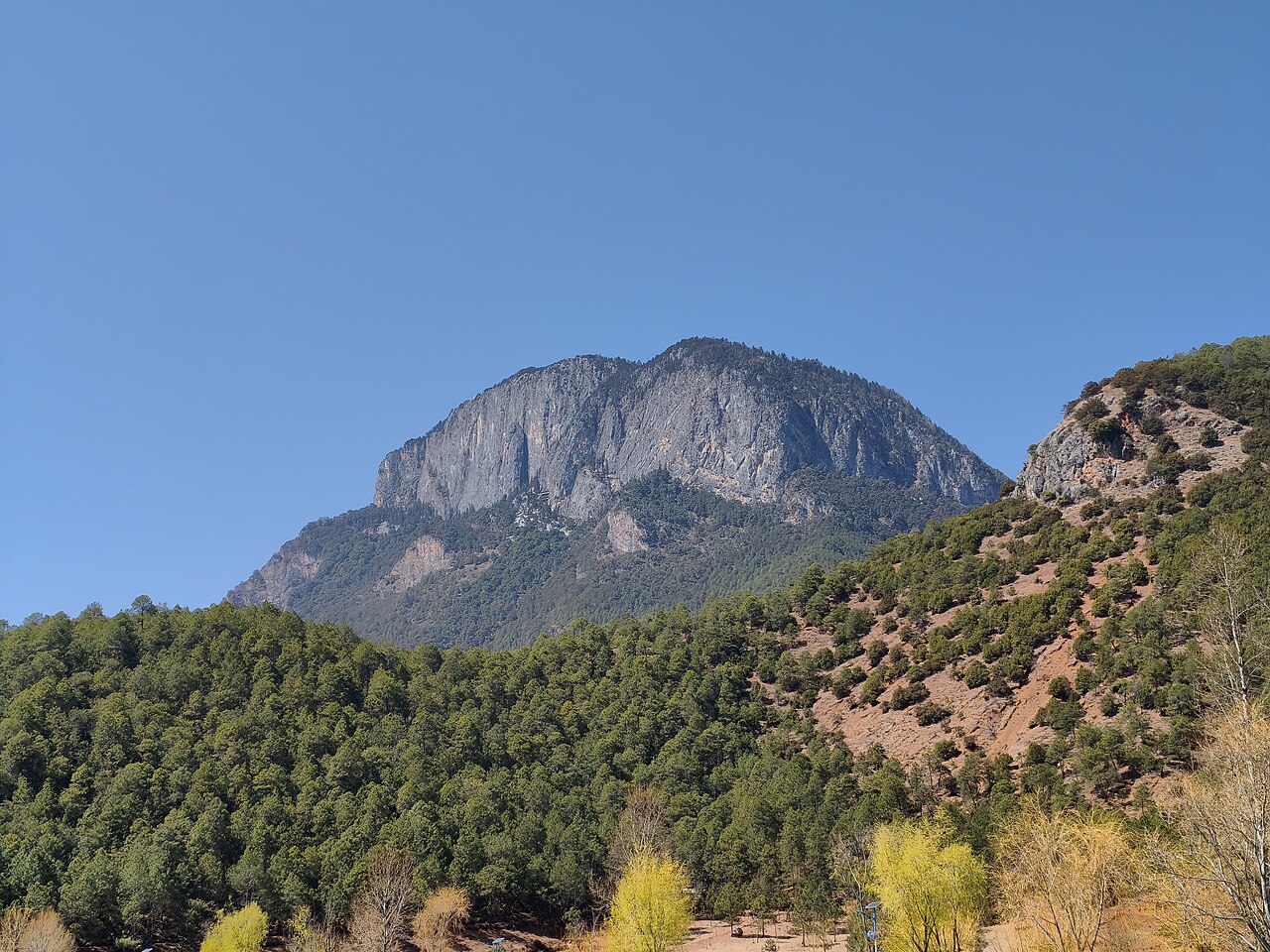
Gemu Goddess Mountain rising over the water at sunset

Doing nothing here counts as a serious activity. Brew a tea, pick up a book, or just prop your head on your hand and watch the still water — total relaxation is surely the point of travelling.

Traveller note — 'Memory of a Walk in Yunnan: Lugu Lake'

Every night the Mosuo villages hold a bonfire dance. The young men and women sing the Lugu Lake love songs, and they pull you in to dance around the fire until the whole square is shouting together.

Traveller note — 'Lugu Lake Journal'

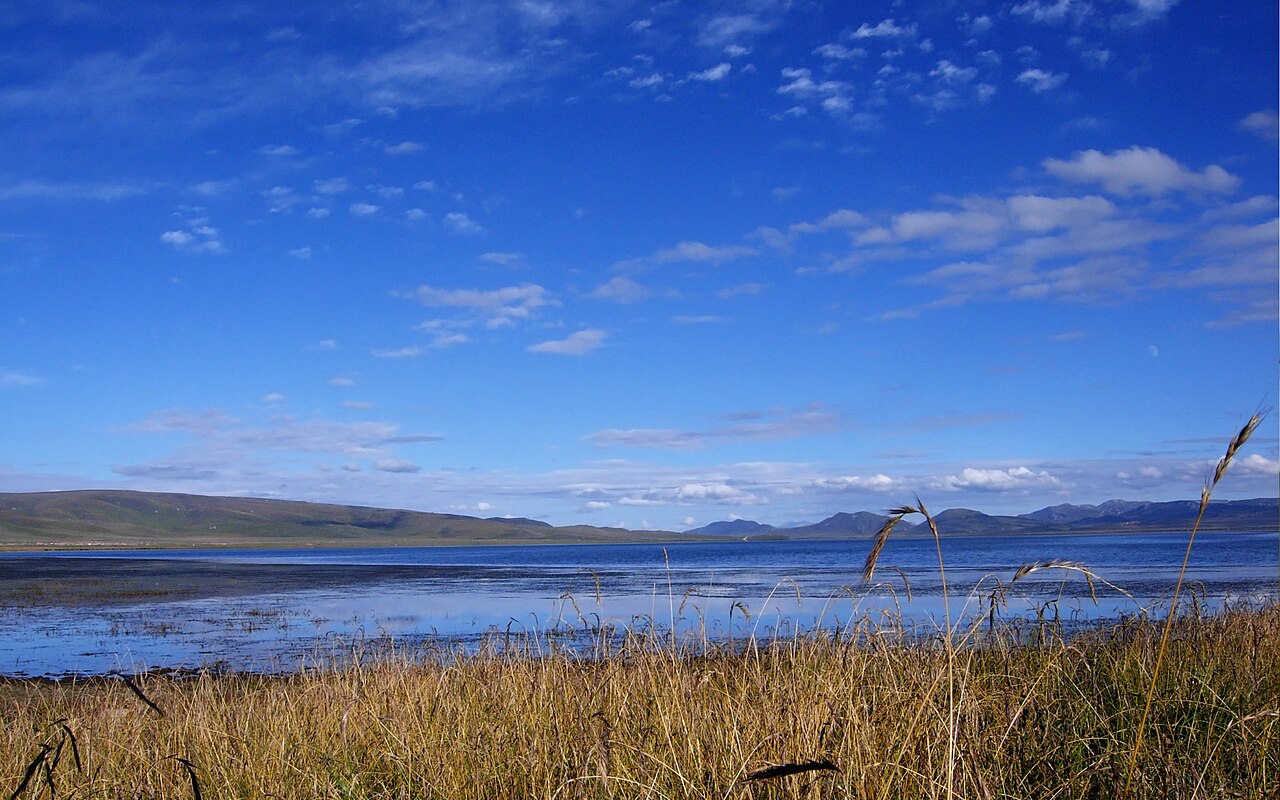
Lugu Lake is what people imagine Yunnan to be before they have been: one deep, still sheet of water at 2,680 m, closed in by mountains steep enough that until recently the only way in was a full day of switchbacks. Half of it is in Yunnan and half in Sichuan, and that isolation is exactly why the Mosuo — a matrilineal people with a culture found nowhere else in China — have held on to their way of life here.

The Mosuo live in extended households headed by women, and traditionally keep 'walking marriages' in which a man visits a partner at night and returns to his mother's house by morning. It is a stable system of long partnerships, not free love — property, name and home all pass down the female line. Come curious rather than prurient, and people will talk to you about it honestly.

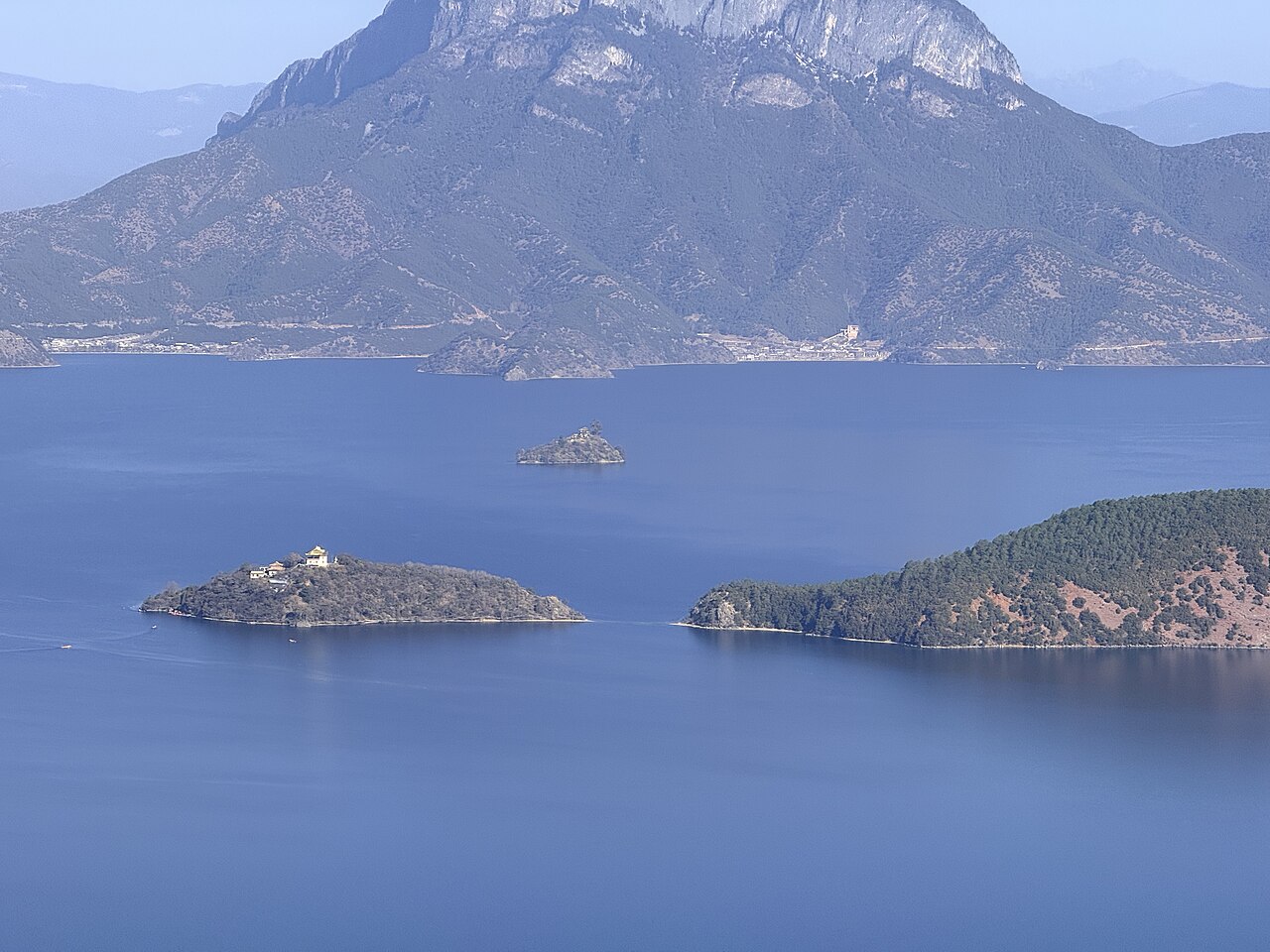
The lake holds five islands and three peninsulas, ringed by eighteen villages. Lige, on a small thumb of land on the west shore, is the loveliest and the best base; Luoshui is the biggest and busiest; Xiaoluoshui and Luowa are quiet. A pig-trough canoe — a single hollowed log, first cut for fishing — is still how you cross the water, and on a windless morning the surface turns to glass.

There is essentially one thing to do here, and it is to slow down. Circle the lake once, take a boat at sunrise, eat grilled fish by the water, and let the altitude and quiet do the rest. If you need a packed itinerary, you will be disappointed; if you want to stop moving for three days, this is the place.

Lugu Lake

Don't leave without

Seven things that are worth rearranging a day for.

  1. Take a pig-trough canoe out before sunrise, when the water is mirror-still
  2. Circle the whole 76 km lake by car or e-bike, stopping wherever looks good
  3. Walk the 300 m Walking-Marriage Bridge across the Grass Sea reeds
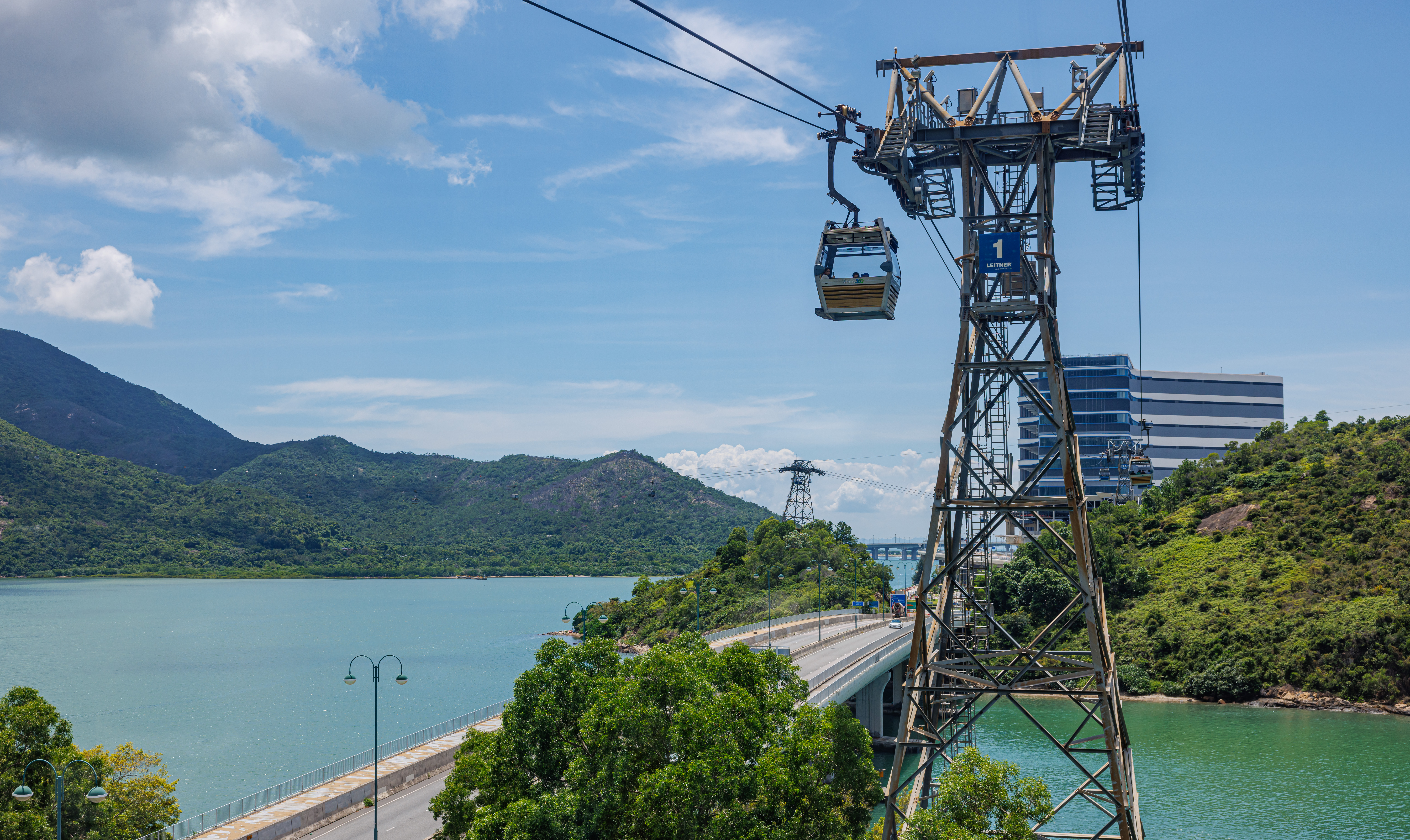
  4. Ride the cable car up Gemu Goddess Mountain for the lake's full shape
  5. Join a home visit at a Mosuo grandmother's house, then the nightly bonfire dance
  6. Eat grilled lake fish and drink a bowl of sulima, the Mosuo rice beer
  7. Watch the sunset from the Lige Peninsula with Gemu Mountain behind you

Highlights

What not to miss at Lugu Lake

The Lige Peninsula

The Lige Peninsula

A narrow thumb of land on the western shore, where wooden guesthouses hang over the water and the lake laps the doorsteps. It is the prettiest place on the lake and the best base, with the classic sunset view back towards Gemu Mountain.
A pig-trough canoe at dawn

A pig-trough canoe at dawn

The Mosuo's signature boat — one log hollowed out and pointed at both ends — still goes out for fishing and for sunrise trips from Lige and Luoshui. Leave before the sun clears the ridge, when the whole lake is mirror-flat.

The 76 km lake circuit

The ring road runs past Lige, Nise, Xiaoluoshui, Dazui, the Goddess Bay, Lugu Lake town, Caohai and Luowa. Do it by car or e-bike in a day and stop often; the eastern shore is the quiet half and the western shore has the views.

The Grass Sea and the Walking-Marriage Bridge

The Grass Sea and the Walking-Marriage Bridge

Caohai is a shallow reed wetland at the north-west end of the lake, crossed by a 300 m wooden bridge that gives it its name. A second, older bridge lies half-sunk among the reeds beside it, and the marsh holds over a hundred bird species.

Gemu Goddess Mountain

Gemu Goddess Mountain

At 3,754 m it is the highest peak around the lake, worshipped as the goddess Gemu and known in Chinese as Lion Mountain. A cable car climbs to the Goddess Cave near the top, and from there you see the lake's whole outline at once.
A Mosuo home and the bonfire dance

The grandmother's house is the heart of every Mosuo family, with its fire altar and heavy timber walls, and a home visit is the quickest way to understand how the household works. Every village then holds a nightly bonfire dance in its main square — loud, friendly and worth an hour.

Suggested itineraries

Three days around the lake, and a slow five

There is essentially one road around Lugu Lake, so every itinerary is a version of the same loop at a different speed.

Lugu Lake in three days

3 days

Arrive and settle, circle the lake, then finish with a canoe and the Grass Sea before driving out.

  1. Day 1

    Arrive and settle into Lige

    Take the morning bus from Lijiang and reach the lake by mid-afternoon, then walk the Lige Peninsula and find your guesthouse. Keep the first evening easy — you are at 2,680 m and the body needs a night to catch up.

    Watch the sun drop behind Gemu Goddess Mountain from the peninsula, then eat grilled lake fish and turn in early.

    Stops: LijiangLige PeninsulaGemu Mountain

  2. Day 2

    The full lake circuit

    Rent a car or an e-bike and go clockwise: Lige, Nise with its 'lovers' trees', Xiaoluoshui on the provincial border, Dazui, the Goddess Bay and Lugu Lake town.
    Cross to Caohai for the Grass Sea and the Walking-Marriage Bridge, then finish at Luowa jetty, the spot locals say has the best sunset on the lake.
    Stops: NiseXiaoluoshuiCaohaiLuowa

  3. Day 3

    Canoe at dawn, then out

    Get up before sunrise for a pig-trough canoe out onto the still water, then visit a Mosuo home and its grandmother's house.

    Have lunch by the water and take the afternoon bus back towards Lijiang, or stay one more night if the weather has turned good.

    Stops: Pig-trough canoeMosuo home visitLijiang

Five days, the slow version

5 days

Add the western shore, the quieter villages and a lashings of doing nothing — the way the lake is meant to be seen.
  1. Days 1–2
    Lijiang and the approach

    Spend a night in Lijiang or Shuhe on the way in, and take the winding road over the passes to the lake on the second morning.

    Stops: ShuheLashi LakeLugu Lake

  2. Day 3

    The quiet villages

    Skip the bus tour of the main stops and head to Xiaoluoshui and Luowa instead, where the villages are smaller and the boats are cheaper.

    Stops: XiaoluoshuiLuowaGoddess Bay

  3. Days 4–5

    Boats, balconies and the drive out

    Take a long canoe crossing, ride the cable car up Gemu Mountain, and give yourself a full day of simply sitting by the water before the road home.

    Stops: Gemu cable carLiwubi IslandLijiang

Sights

The places worth your time

Ticket prices in China change without much notice, and the lake is shared by two provinces with two ticket gates. Treat these as a guide and confirm on arrival.

Lige Peninsula and Lige Village

Base · Lakeshore

Lige Peninsula and Lige Village

A small peninsula reaching out into the lake from the western shore, with the twenty-odd households of Lige strung along it. Almost every house is a guesthouse built out over the water, which makes it the most photographed and most convenient place to stay. It is also the departure point for the best sunrise canoes.

Ticket
Free — the peninsula is part of the scenic area
Best time
Sunrise and sunset
Where
West shore, 20 min from Luoshui by road
Getting there
Buses and the tourist line stop at the village entrance
Time needed
An evening and a morning

Tip Book a room with a lake-facing balcony if you can — waking up over the water is the whole point of staying in Lige, and the difference in price is small.

Grass Sea (Caohai) and the Walking-Marriage Bridge

Wetland · Bridge

Grass Sea (Caohai) and the Walking-Marriage Bridge

Caohai is the shallow, reedy northern end of the lake, where silt has built up over centuries into a green wetland that locals call the 'kingdom of birds'. A 300 m wooden bridge runs across the reeds to the far shore — the traditional 'walking marriage' crossing — and a century-old predecessor lies half-sunk in the water beside it. It is the most atmospheric corner of the lake.

Ticket
Free with the scenic-area entry
Hours
Open all day
Where
North-west end of the lake, near Lugu Lake town
Getting there
30 min on foot or ¥10 by car from Lugu Lake town
Time needed
1–2 hours

Tip Come early or late: the light on the reeds is best then, and it is the one part of the lake that genuinely feels wild rather than tended.

Gemu Goddess Mountain (Lion Mountain)

Sacred peak · Cable car

Gemu Goddess Mountain (Lion Mountain)

The highest mountain around the lake at 3,754 m, held sacred by the Mosuo as the goddess Gemu and climbed by a cable car to a cave near the summit. The cave is said to hold a natural rock formation shaped like a woman; even if you skip the legend, the panorama over the lake and the surrounding valleys from the top is the best in the area.

Ticket
¥90 for the cable car
Hours
About 08:00–17:30
Where
Above Nise village, west shore
Getting there
By car from Lige (about 20 min)
Time needed
2–3 hours

Tip The summit is 3,754 m and the air is thin — go slowly, and do not go up on your first morning at the lake before you have slept at altitude.

Liwubi Island and Liwubi Temple

Island · Temple

Liwubi Island and Liwubi Temple

One of the lake's 'three fairy islands', in the south-central water, with a stone jetty, a winding path lined with azaleas and wild cherry, and a Tibetan Buddhist temple at the top beside a white stupa. The temple's painted eaves are unusual: the phoenix sits above the dragon, the reverse of the imperial custom elsewhere.

Ticket
Boat ¥40 · island landing fee ¥25
Hours
Daylight hours
Where
South-central lake, off the Luoshui shore
Getting there
Pig-trough canoe from Luoshui
Time needed
1–2 hours

Tip Combine the boat with a temple visit rather than a plain lake lap — the return trip from Luoshui to the island is the most worthwhile of the standard boat runs.

Luowa Jetty

Viewpoint · Sunset

Luowa Jetty

The jetty at Luowa sits on the peninsula that divides the Grass Sea from the open 'bright sea', so from one point you see reeds on one side and clear water on the other. It is widely reckoned the best place on the lake to watch both sunrise and sunset, with the wooden dock, the scattered canoes and Gemu Mountain all in frame.

Ticket
Free with the scenic-area entry
Best time
Sunrise and sunset
Where
Luowa Peninsula, north-east shore
Getting there
Car or the ring road; boats also moor here
Time needed
1 hour

Tip Stay for the afterglow, not just the sunset — the light on the reeds lasts twenty minutes longer than most people wait.

Xiaoluoshui and the provincial border

Village · Mosuo life

Xiaoluoshui and the provincial border

A Mosuo village of only twenty-odd households in a small valley on the Yunnan–Sichuan border, one of the oldest settlements by the lake and one of the least developed. Fishing boats still work from its reeds, and it is the place to see the everyday rhythm of village life before the tourist boats arrive.

Ticket
Free
Hours
Open all day
Where
North-west shore, on the Yunnan–Sichuan line
Getting there
Ring road, or on foot from Lige via Nise
Time needed
1–2 hours

Tip Walk in from Lige through Nise if you have the time — it is the finest stretch of the whole circuit on foot, and you will likely have it to yourself.

Eating

What Lugu Lake eats

Mosuo cooking is plain and relies on the lake and the highland fields: cured pork, freshwater fish, buckwheat and a mild rice wine. The food is simple, so eat it by the water — that is the real seasoning.

Zhurou rou (cured 'pipa' pork)

The Mosuo showpiece: a whole pig boned out, rubbed with salt and Sichuan pepper, sewn up and pressed into the shape of a lute, then air-cured. Sliced and warmed it is rich but not greasy, traditionally served to honoured guests and once a sign of household wealth.

Grilled lake fish

The standout dish of the lake, and the one every restaurant does: freshwater fish straight from the water, grilled or boiled with ginger and a little cured pork. The broth comes in a clear and a red version; take both if there are two of you.

Sulima (Mosuo rice beer)

The traditional drink of the lakeside households, brewed from barley, rice, buckwheat and corn. It is pale orange, low in alcohol and slightly sweet — locals call it 'Mosuo beer' and serve it in a bowl, warmed, to every guest.

Bitter-buckwheat baba

A staple flatbread of the highland villages, made from bitter buckwheat and baked in the embers of the fire. It keeps for a fortnight and is eaten dipped in winter honey — bitter first, sweet after, which is exactly the local aesthetic.

Yansuan yu (sour pickled fish)

The preserving dish of the Mosuo and Pumi kitchens: small fresh fish layered in a clay jar with salt, pepper and spice, sealed and left cool for a fortnight. It arrives tangy and firm, and it is a taste you will not find in the lowlands.

Xiaoliangshan apples and apple chips

The Ninglang hills grow a crisp, sweet apple sold as whole fruit and as sun-dried chips with nothing added. The dry, bright plateau climate does the work, and a bag of the chips is the easiest edible souvenir to carry home.

Where to eat

Restaurants worth the address

Phone numbers are local landlines; add +86 and drop the leading 0 if calling from abroad. Most kitchens are family-run and prices are low — a full meal is usually ¥30–60 a head.

Local · Grilled fish

Haoren Canting (Good People Restaurant)

The best-known restaurant on the lake, in Zhaojiawan, run by a family whose reputation rests as much on an old rescue story as on the food. Order the fried potato, the matsutake fish soup and the matsutake chicken soup, and try the local 'guangdang' liquor if you are curious.

Order
Fried potato, matsutake lake-fish soup, matsutake chicken soup
Where
Zhaojiawan, near the south-west shore
Price
About ¥30 per person

Mosuo · Traditional

Mosuo Banquet

A restaurant built around proper Mosuo home cooking — natural ingredients, many small dishes and a mix of cooking styles, presented as the family would serve it. If you want one meal that reads as 'Mosuo' rather than 'lakeside restaurant', this is it.

Order
Cured pipa pork, grilled lake fish, buckwheat baba
Where
Xiaoluoshui, near the Lugu Lake Hotel
Price
About ¥50–80 per person

Barbecue · Lake fish

Erche Zhuoma Barbecue

A roadside grill between Lige and Luoshui where the fish come straight from the lake — the family here do not farm, they fish. The fish is cooked simply in water with ginger, cured pork and vegetables, and served as clear broth and red broth in two pots.

Order
Clear-broth lake fish, red-broth lake fish, grilled sides
Where
On the road between Lige and Luoshui
Price
About ¥40–60 per person

Fish · Courtyard

Nongjia Shengtai Yuzhuang

A small restaurant in traditional Mosuo style, built up the hillside on the Lige Peninsula, with reasonable prices and a good grilled-eggplant dish done split open over the coals. The grilled suckling pig, chicken and lake fish on the shore alongside are also worth ordering.

Order
Grilled buckwheat cake, fried farm eggs, grilled eggplant
Where
Lige Peninsula
Phone
13988842854

Street · Snacks

The Walking-Marriage Bridge food stalls

A row of local stalls on one side of the bridge at Caohai selling grilled potato, duck eggs, frog and skewers, plus a much-loved buckwheat pancake stand. It is the easiest place to eat while touring the lake, and cheap.

Order
Grilled potato, skewers, buckwheat pancake
Where
Beside the Walking-Marriage Bridge, Caohai
Price
About ¥10–30 per person

Sleeping

Where to stay

Lige is the best base and books out first; Luoshui is the busiest and cheapest for supplies; Xiaoluoshui and Luowa are for quiet. In high season (May and October holidays) book weeks ahead.

Lake-view hotel · from ¥168

Lige Holiday Hotel

A step from the Lige Peninsula, with nine lake-view rooms that each open onto an oversized private terrace just metres from the water. Rooms have Wi-Fi, TV, kettles, electric blankets and 24-hour hot water; it is the most comfortable option right on the peninsula.

Price
From ¥168
Where
Lige Bay, Ninglang county
Phone
0888-5823987 · 0888-5823986

Hostel · from ¥164

Husi Chawu International Youth Hostel

A Mosuo courtyard house of three timber storeys right by the jetty at Luoshui, with the water close enough to touch. There is a sunlit glass reading room and an old grandmother's fire altar where you can drink butter tea; the hostel rents bicycles and runs a bar.

Price
From ¥164
Where
Luoshui lakeside jetty
Phone
0888-5886960

Hostel · from ¥70

Moshang Huakai International Youth Hostel

On the upper slope of Lige, with the widest views of the lake of any guesthouse in the village and a big glass window over its own bar. Rooms have private bathrooms, Wi-Fi and varied décor, and there is a courtyard, a reading area and parking.

Price
From ¥70
Where
Upper Lige village
Phone
0888-5881111

Guesthouse · from ¥300

Hutu Suiyue Guesthouse

A lakeside house at the far end of Luoshui with twenty-three lake-view rooms, three of them duplexes, a restaurant, a bar and a courtyard. Every room has a balcony angled for the sunrise, and the owner is a reliable source of advice on boats and villages.

Price
From ¥300
Where
Luoshui village, west end
Phone
0888-5820555 · 18607536186

Boutique guesthouse · from ¥300

Bi'an Inn

Built at the very end of the Lige Peninsula in traditional Mosuo log style, quiet and close, with every room opening directly onto the water. It is the most romantic spot in Lige — and priced accordingly — so book early for the few water-edge rooms.

Price
From ¥300
Where
Lige Peninsula
Phone
0888-5881885 · 0888-5820050

Getting around

Arriving, and moving about

There is no rail or air service at the lake; every approach is by road, and the road is long. Inside, everything moves around the ring road or by boat.

From Lijiang (Yunnan side)

The standard approach for most travellers. Direct buses run from Lijiang to Luoshui in about 5–6 hours, and a tourist line continues to Lige itself; guesthouses book the seats for you.

Direct bus
Lijiang stations to Luoshui · about ¥73 incl. insurance
Tourist line
To Lige · ¥100 one way / ¥160 return · departs old-town car park 08:00
With a transfer
To Ninglang, then a minibus · ¥25 + ¥20
Watch out
Departures are morning-only; there are no useful afternoon buses

From Xichang (Sichuan side)

The other way in, shorter on paper but on rougher roads. Buses leave Xichang for Lugu Lake town (Zuosuo) and the Sichuan ticket gate.

Bus
Xichang to Lugu Lake town · 265 km · 6–7 hours
Departures
Around 06:30 and 08:30 from the main station
Transfer option
Via Yancheng county if the direct is full
Airport
Xichang Qingshan (XIC) · about 1 hour from Chengdu

From the Sichuan side you can also cross to the Yunnan side by boat from Caohai or Luowa (¥80–120), which is a far nicer way to switch provinces than the road.

Pig-trough canoe

The lake's own transport — a single hollowed log, historically used for fishing and now for visitors. Boats run from Lige, Luoshui and Xiaoluoshui to the islands and across the water.

In Lige
About ¥30 per person
Xiaoluoshui to Concubine Island
¥30 per person
Liwubi Island return
¥40 per person plus ¥25 landing fee
Long crossing
Between provinces · ¥80–120 per person

Bicycle and e-bike

The ring road is the best thing to do here, and a bicycle or e-bike is the way to do it slowly. The hills are real, so take the e-bike unless you are a confident cyclist.

Bicycle
About ¥30 a day
E-bike
About ¥80 a day
Circuit
About 76 km, best clockwise
Start early
Leave by 08:00 to finish before the light goes

Chartered car and shared vans

For the lake circuit, the far villages or a run back to Lijiang, a chartered car is the most flexible choice, with shared vans filling the gaps between villages.

Chartered car
About ¥150 a day
Sichuan crossing
Lige to Caohai/Luowa · ¥120–200 a vehicle
Shared vans
Between villages · ¥10–20
Back to Lijiang
Guesthouse-arranged sharing is cheapest

Shopping

What to take home

Shopping at Lugu Lake is small-scale and mostly genuine — hand-woven cloth, dried fruit and local oil. The one thing to avoid is the cigarettes, which are not what they claim.

Hand-woven shawls and wraps

The hand-woven shawls sold all over Lijiang are actually made around Lugu Lake, so buying them at the source is both cheaper and more honest. Look for the weaving frames on the street in Luoshui, where the maker is often the seller.

Apple chips and sun-dried fruit

Real produce from the dry plateau hills: whole apples and, better for travel, sun-dried apple chips with no added sugar. They are unsophisticated next to factory versions and far better for it.

Green-thorn fruit oil

A Mosuo speciality pressed from the local green-thorn berry and used for centuries as both food and medicine, prized for its unsaturated fats. Sold in small bottles; a genuinely local thing to carry home.

Skip the 'boutique' cigarettes

Stalls here sell 'Dongba', 'Naxi' and 'caravan' cigarettes that are said to be Burmese and are sold at absurd markups. They are not worth the money and not what they claim — buy shawls and fruit instead.

Practical

The numbers to save

The lake spans two provinces with two area codes (Yunnan 0888, Sichuan 0834). Save these before you go — phone and internet coverage thins out on the mountain road.

Emergency (police / ambulance / fire)110 · 120 · 119
Scenic-area enquiries0834-6390322 · 0834-6390302
Lugu Lake tourist police0888-5881110
Ninglang (Yunnan) tourism bureauVia the Lijiang hotline · Yunnan complaints 0871-4608315
Nearest clinicLugu Lake town central health centre · 0888-6390120
Entry tickets¥100 (Yunnan gate) · ¥80 (Sichuan gate)
Activity feesHome visit ¥10 · bonfire ¥15–30 · boat ¥30–40
CashLige has no ATM; only Luoshui and Lugu Lake town do, and they are unreliable

Tips

Small things that save a trip

Treat the first day as altitude day

At 2,680 m, do not climb Gemu Mountain or race around the lake on the afternoon you arrive. Sleep, drink water and eat lightly; the second day will be far better for it.

Carry cash, and plenty of it

Lige has no ATM, and boats, bonfires, home visits and village fruit are all cash. The Luoshui and Lugu Lake town machines run out — bring notes from Lijiang.

Do not swim, however inviting it looks

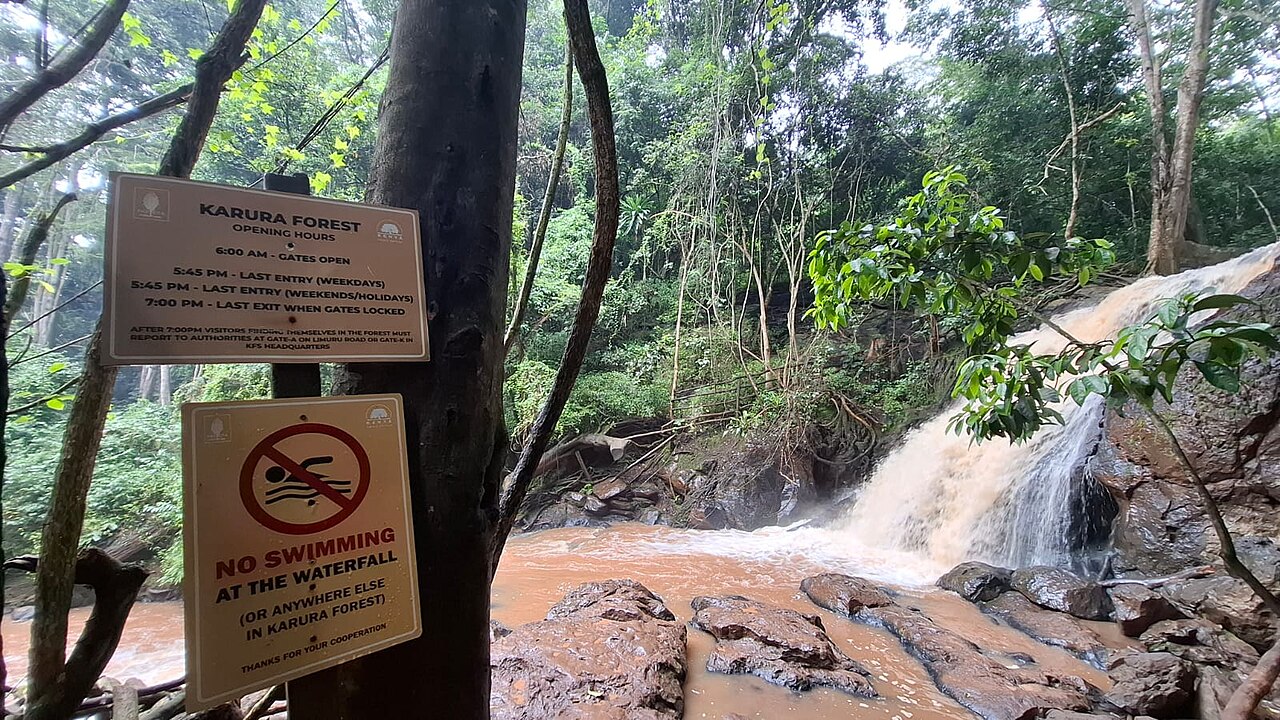
The lake is snow-fed and cold enough to chill you to the bone even in summer, and the shoreline is uneven. Admire it from a boat, not in it.

Reckon on the road taking all day

Both approaches are long, winding mountain routes with motion-sickness in store. Take tablets, start early, and do not plan anything for the evening you arrive.

Respect the Mosuo taboos

Do not step over the fire altar or point your feet at it, do not photograph people without asking, and in particular do not raise matters of love in front of a family's elders. In a home visit, follow your host's lead.

Timing the sunrise

For the classic canoe shot, be on the water about 40 minutes before sunrise in spring and autumn. Arrange the boat the night before — the operators do not wait at the jetty.

Background

Why Lugu Lake looks like this

Geography and the lake

Lugu Lake lies at 2,680 m on the Yunnan–Sichuan border, in the mountains where the Hengduan range begins to fold down towards the tropics. It was formed when a fault blocked the drainage of the surrounding valleys, and at its deepest it is over 90 m, which keeps the water cold, clear and slow to warm. Five islands and three peninsulas break its surface, and eighteen villages ring the shore.

The climate is a highland monsoon: mild, sunny and dry for much of the year, with a sharp day-to-night temperature gap and a rainy season from July to September. The average is about 17°C, but the mornings and evenings are cold and a single mountain cloud can drop the temperature fast. The dry, bright air is also why the apples and the tea grown in these hills taste the way they do.

The Mosuo and the matrilineal household

The Mosuo are an ancient people of the Ninglang hills, documented in Chinese records for more than 2,000 years. They live in large extended households in which descent and inheritance run through the female line: the eldest woman heads the family, the grandmother's house is its physical and spiritual heart, and children belong to their mother's household rather than their father's.

Within that system, partnerships traditionally take the form known as 'walking marriage', or zouhun — a man visits a woman at night and returns to his own mother's house by morning, and the relationship is sustained for as long as both want it. It is not the exotic free-love the tourism brochures once sold, and it is fading in the more accessible villages even as it survives in the remoter ones. What remains everywhere is the structure of the family itself, which shapes daily life by the lake more than any single custom.

Travel with them

Lugu Lake on the page and in song

Not guides — the books and music that made the lake famous, and that still colour how people see it.

Book

Leaving the Kingdom of Women

Yang Erche Namu

The memoir that put Lugu Lake on the world's map. Born by the lake, the Mosuo author left in 1983 and wrote her way from a mountain village to Shanghai, Beijing and beyond — and in doing so gave outsiders their first real account of a matrilineal world seen from the inside.

Book

A Kingdom of Women in the Distance

Bai Hua

A novel built on the love story of two young Mosuo, written with both lyricism and humour, that describes the old matrilineal ways and sets them against modern life. It asks hard questions about tradition and change, and it is the literary counterpart to Namu's memoir.

Music

Lugu Lake Love Song

Zuoxiao Zuzhou and Zhu Jing

A modern setting of the Mosuo courtship songs that once rang out across the water, sung as a duet. The melody winds and lingers, and it captures the romantic charge the lake has carried for travellers ever since people started writing about it.

Music

Daughter of the Mosuo

Alu Azhuo

A Yi singer's album drawing on Mosuo tradition and the 'kingdom of women' legend, sung with a voice trained far from the lake. A good thing to have on as the road climbs towards Ninglang.

The questions visitors ask us most about Lugu Lake, answered plainly.

Frequently asked questions

Prices and practical details are reviewed every month by our Beijing team and updated the day a rule changes.

How many days do I need at Lugu Lake?

Three days. Day one you arrive, settle into Lige and catch the sunset off the peninsula; day two you circle the lake by car or e-bike and take in the Grass Sea; day three you go out in a canoe at dawn, visit a Mosuo home and drive back out. Two days is only worth it if you are already nearby and willing to skip the lake circuit entirely.

How do I get to Lugu Lake from Lijiang?

By road, in about 5–6 hours, and there is no alternative. Direct buses leave Lijiang's stations for Luoshui around 09:00 and 12:00 (about ¥73 including insurance), and a tourist line runs straight through to Lige — ¥100 one way, ¥160 return — leaving the old-town car park around 08:00. Almost every guesthouse will book the ticket for you the night before.

Is Lugu Lake worth the long drive?

Yes, if what you want is the Mosuo culture and the lake rather than a list of attractions. It is a full day each way on winding mountain roads, which is why three days is the sensible minimum. In return you get one of the clearest and quietest highland lakes in China, and a living matrilineal culture that survives nowhere else.

Will I get altitude sickness at Lugu Lake?

Rarely. At 2,680 m most people notice nothing beyond a little breathlessness on a flight of stairs, and only a minority get a mild headache or a poor first sleep. Take the first day slowly, drink water, eat lightly and avoid alcohol; if you are going on to Shangri-La, use Lugu Lake to start acclimatising.

What is Mosuo 'walking marriage'?

It is a form of partnership in a matrilineal society: a man visits a woman at her family home at night and returns to his mother's household in the morning, and any children belong to the mother's family. It is voluntary and typically long-lasting, and it is not something staged for visitors. Treat the households you visit with the same respect you would a private home anywhere.

When is the best time to visit Lugu Lake?

April to June and September to November, for clear skies and easy walking. July to September is the rainy season but leaves the Grass Sea at its greenest, and winter is cold, bright and very quiet — bring a down jacket. The March–April azaleas and the November cosmos planted along the shore are the two things worth timing a trip around.

What is there to do besides the scenery?

Enough for three days: the boats, the lake circuit, a Mosuo home visit and the nightly bonfire dance. Past that, Lugu Lake is deliberately a place to do very little — read on a balcony, watch the light change, eat grilled lake fish. If you need constant stimulation, two nights will be enough and you should spend the rest of your time in Lijiang and Shuhe instead.

Related reading

Related reading

Visas Do I Need a Visa for China? Requirements, Costs and How to Apply China's entry rules changed more in the last three years than in the previous twenty. Here is exactly who needs a visa, what it costs, how long it takes and which passports now walk straight through. 9 min read Visas China's 240-Hour Visa-Free Transit: Who Qualifies and How It Works Ten days in China with no visa application, no fee and no fingerprints — if you hold the right passport and leave for a third country. Here is the rulebook, port by port. 8 min read Money Paying in China: Alipay, WeChat Pay, Cards and Cash Roughly nine in ten urban payments in China now run through a phone. Set up two apps before you fly, carry a modest cash float, and you will never be stuck at a till. 8 min read Transport China's High-Speed Rail: How to Book, What It Costs, How Fast It Goes The fastest way to cross China is also the most pleasant. Here is how to book a ticket with a foreign passport, what the three classes actually give you, and how to survive a Chinese station at rush hour. 9 min read Planning Best Time to Visit China: Month by Month, Region by Region China is the size of Europe, so 'the best month' depends on where you stand. Here is the month-by-month answer for the north, the Yangtze valley, the south and the plateau. 8 min read Planning What to Pack for China: The Complete 2026 Checklist Twenty thousand steps a day, three climate zones and a phone that has to do everything. This is the list we give our own travellers, minus the things they never used. 7 min read Food Chinese Food Culture: Eight Cuisines, One Table There is no such thing as Chinese food. There is Cantonese, Sichuan, Hunan, Jiangsu, Zhejiang, Fujian, Anhui and Shandong — and knowing which one you are eating changes everything. 8 min read Traditions Chinese Tea Culture: Six Classes, One Pot, Two Fingers Tea in China is not a beverage category, it is a social technology: it fills silences, seals deals and sets the pace of a meal. Here is how to sit down in one and not look lost. 7 min read Traditions Chinese Festivals: The Calendar, the Dates and the Crowds Lunar dates mean the calendar moves every year — and two of the festivals move several hundred million people at once. Plan around them or plan into them, but never by accident. 8 min read Etiquette Chinese Etiquette: What Matters, What Does Not, and Why Most etiquette advice for China is either obvious or wrong. These are the dozen behaviours that actually change how you are treated, and the reasoning behind each. 7 min read

Tell us your dates.
We'll do the rest.

Free itinerary design, a revised plan within one working day, and nothing charged until you approve the final version.

  • 3 days is the standard: arrival and Lige, a full lake circuit, and a dawn canoe with the Grass Sea.
  • Entry is ¥100 from Yunnan and ¥80 from Sichuan — the two ticket gates sit on different roads.
  • At 2,680 m most people feel nothing, but sleep light on the first night and skip the liquor early.

No spam. No sales calls. Just a real itinerary from a real person.