City guide · Qinghai

Qinghai travel guide: the vast blue lake, salt roads, and how to plan a plateau trip from Xining

China's high-altitude blue heart: a salt lake you can walk on, a 3,200-metre sea, and yak butter tea at the roof of the world.

  • Known forQinghai Lake, Chaka Salt Lake, Tibetan monasteries, yak yogurt, rapeseed fields
  • Typical spendCNY 4,000–5,000 for 8 days, car included
  • Ideal length5 days for the lake loop, 8 for the full province
  • PaceLong driving days, high altitude, early sunrises

Reviewed by our Beijing team Updated 2026-10-10

The short version

Qinghai is worth 5 to 8 days: it is a high-altitude province the size of France, anchored by Xining (2,200 m) and the 4,400 sq km blue expanse of Qinghai Lake, plus Chaka Salt Lake, the Gobi outpost of Golmud, and Tibetan monasteries at Tongren. July to August is the only reliably warm window, when rapeseed fields ring the lake in yellow. Budget roughly CNY 4,000–5,000 for 8 days including a car and driver, and expect to cover 300–500 km a day between stops.

  • Come in July or August: the rapeseed around Qinghai Lake blooms then, temperatures sit near 20°C in Xining, and the Ring of Qinghai Lake cycling race runs in July–August.
  • Altitude is real: Xining is 2,200 m, Qinghai Lake is 3,200 m, Tanggula Pass is 5,231 m. Give yourself a full day in Xining before climbing higher and drink water constantly.
  • You need a car: public buses reach Xining, Chaka, Golmud and Tongren, but Qinghai Lake's best stops — Heimahe, Bird Island, Sand Island — are 220 km apart on empty roads. Hiring a driver runs about CNY 800–1,200 per day per vehicle.
  • Tickets add up: Qinghai Lake Erlangjian is CNY 100 in high season (CNY 50 from Oct 20 to Apr 15), Bird Island CNY 115 (CNY 78 low season), Kanbula National Park CNY 152, Ta'er Monastery CNY 80.

City guide

First impressions

Photographs from the coast, and what other travellers wrote afterwards.

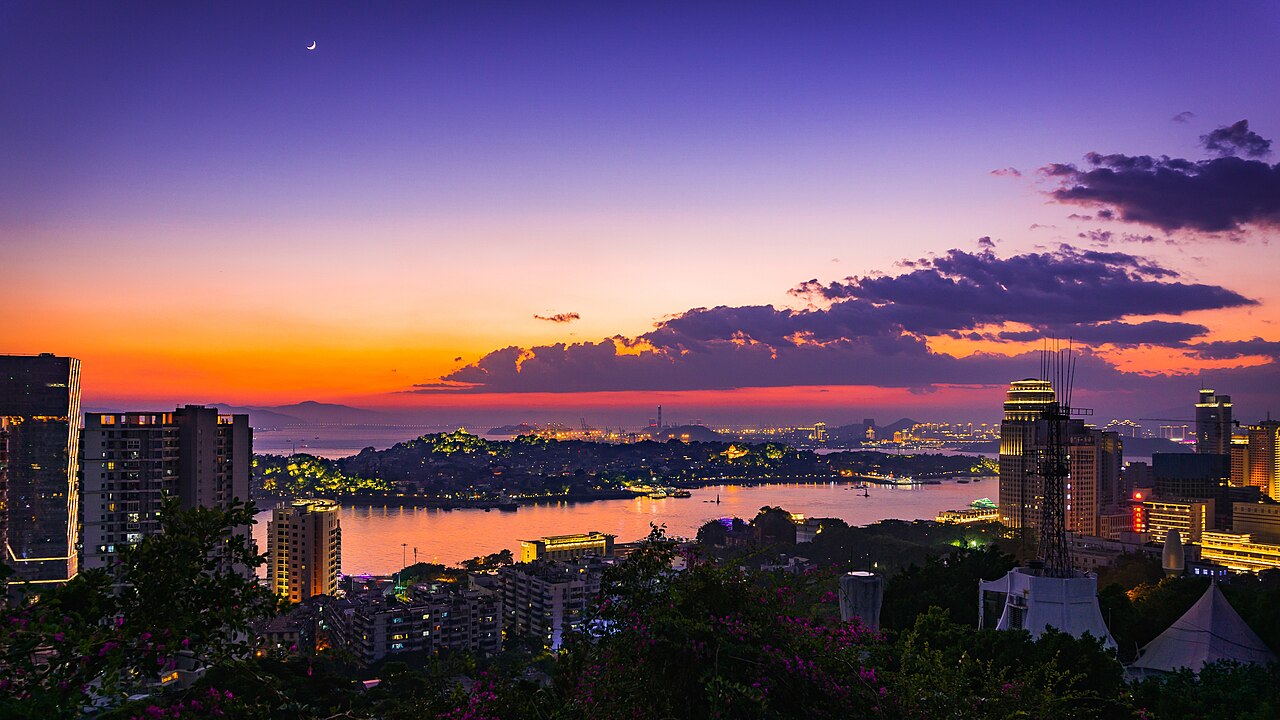
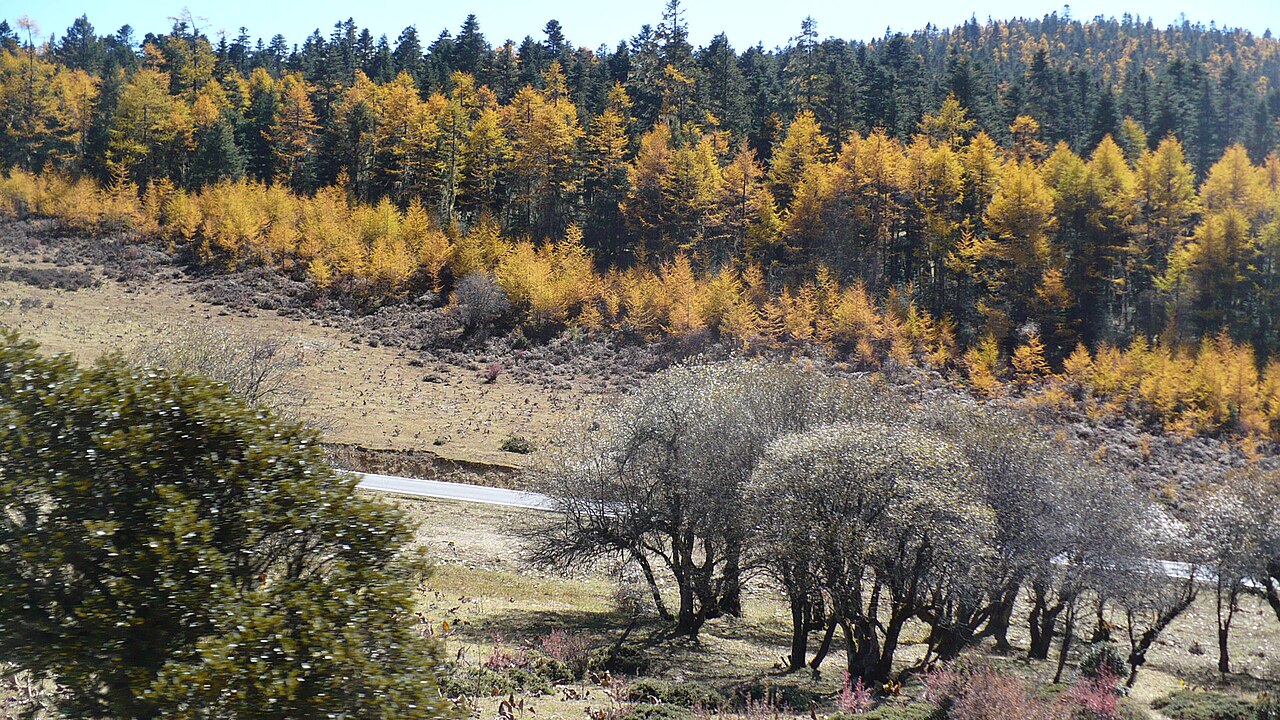
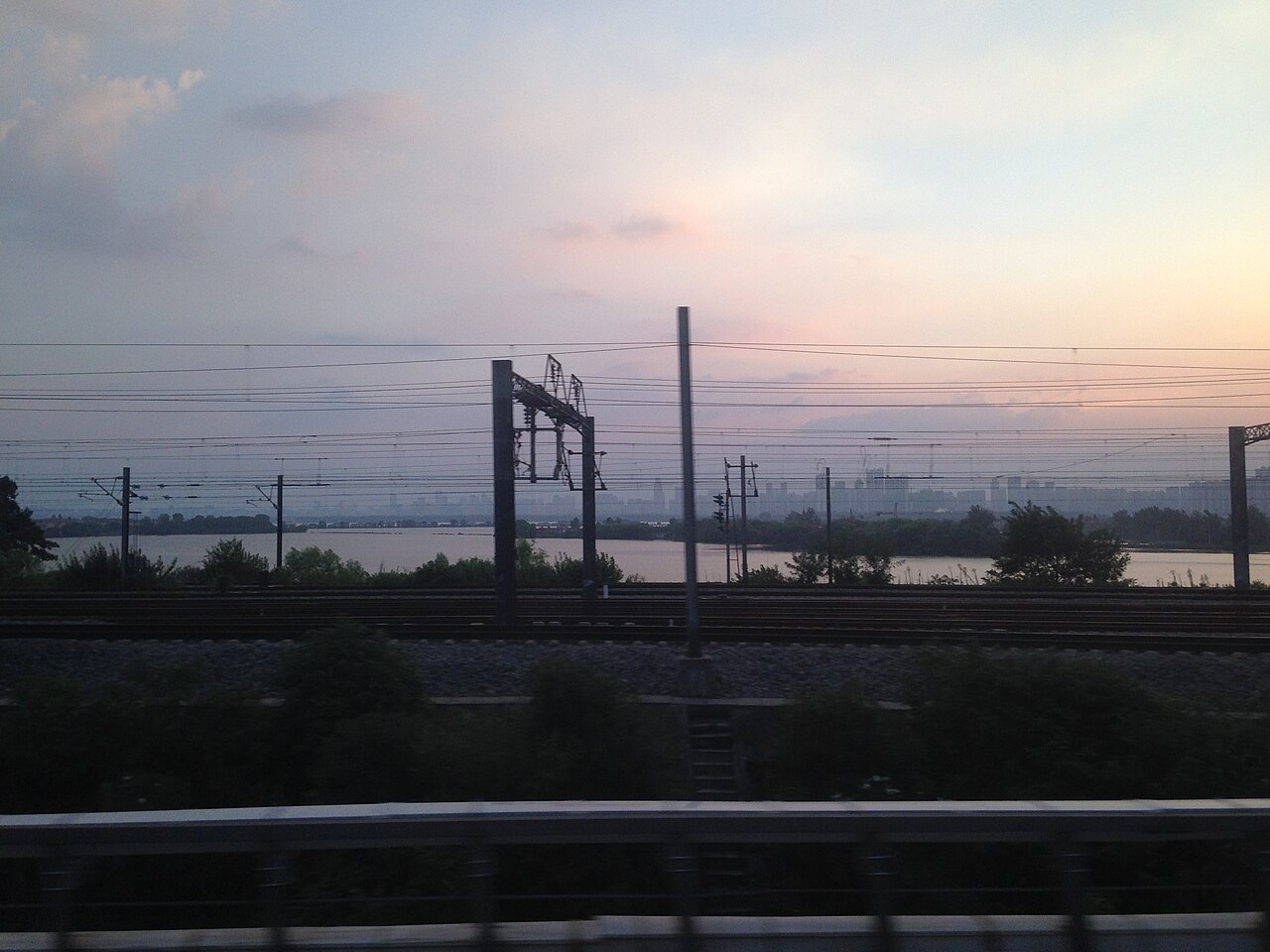
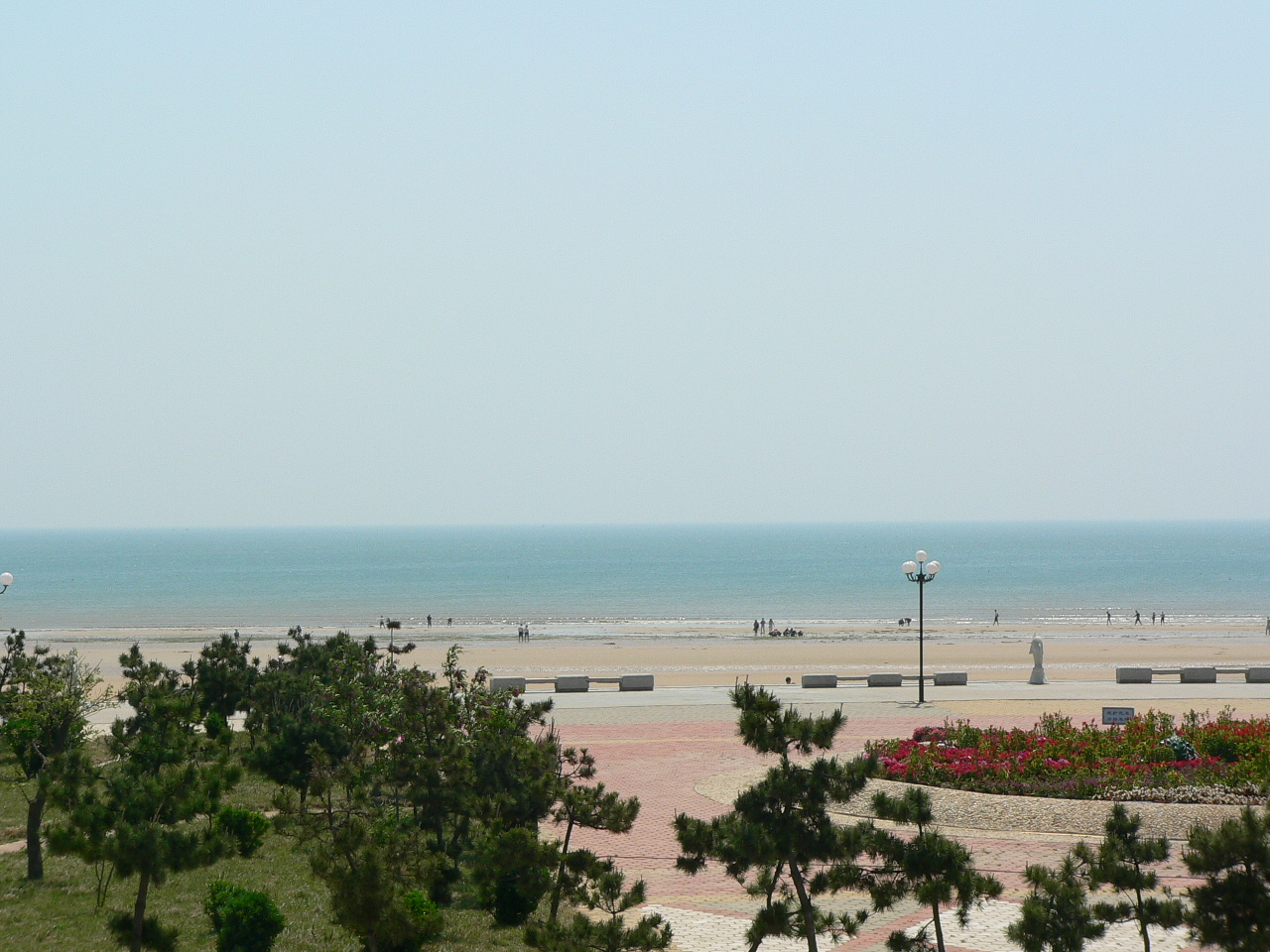
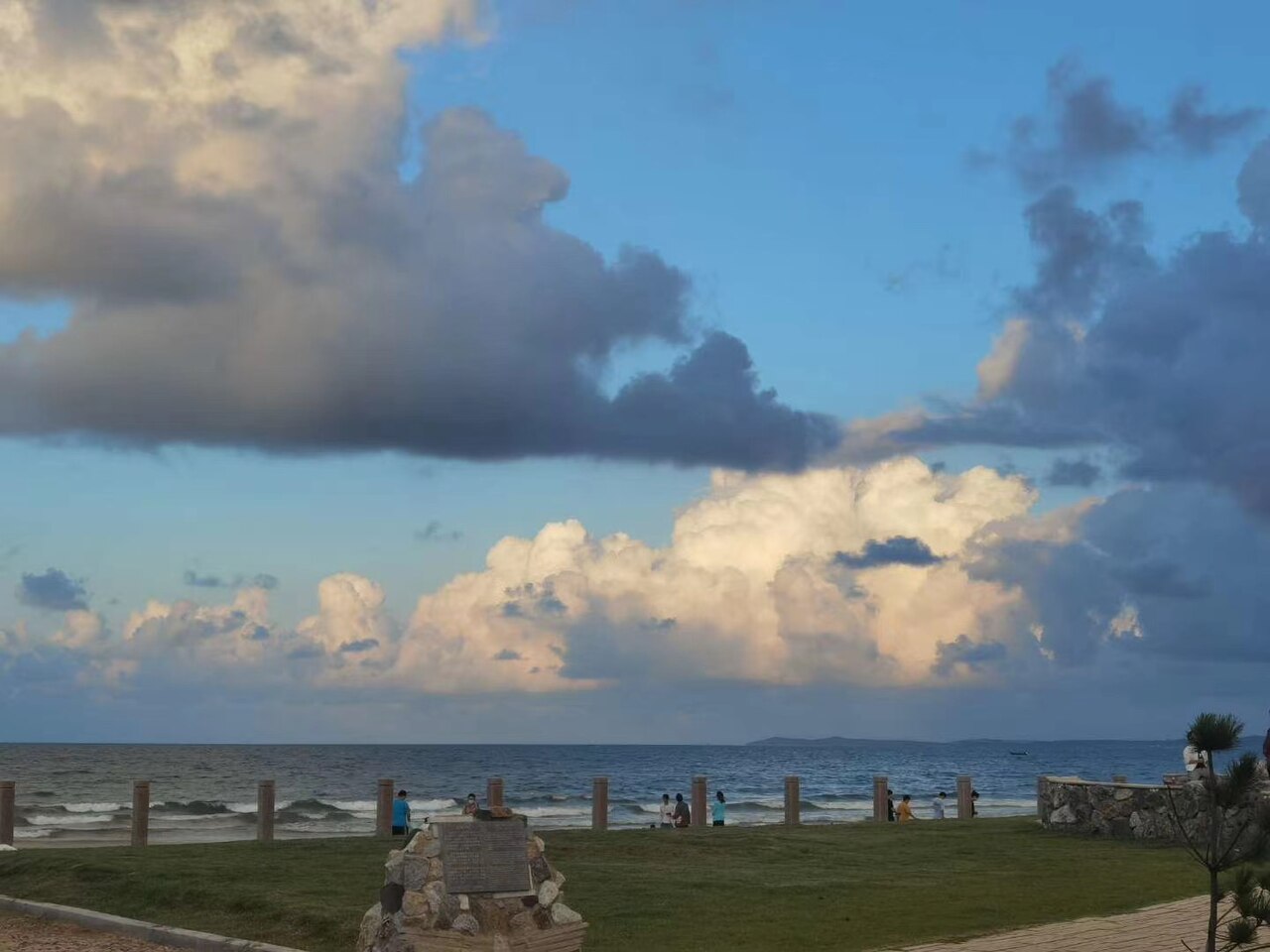
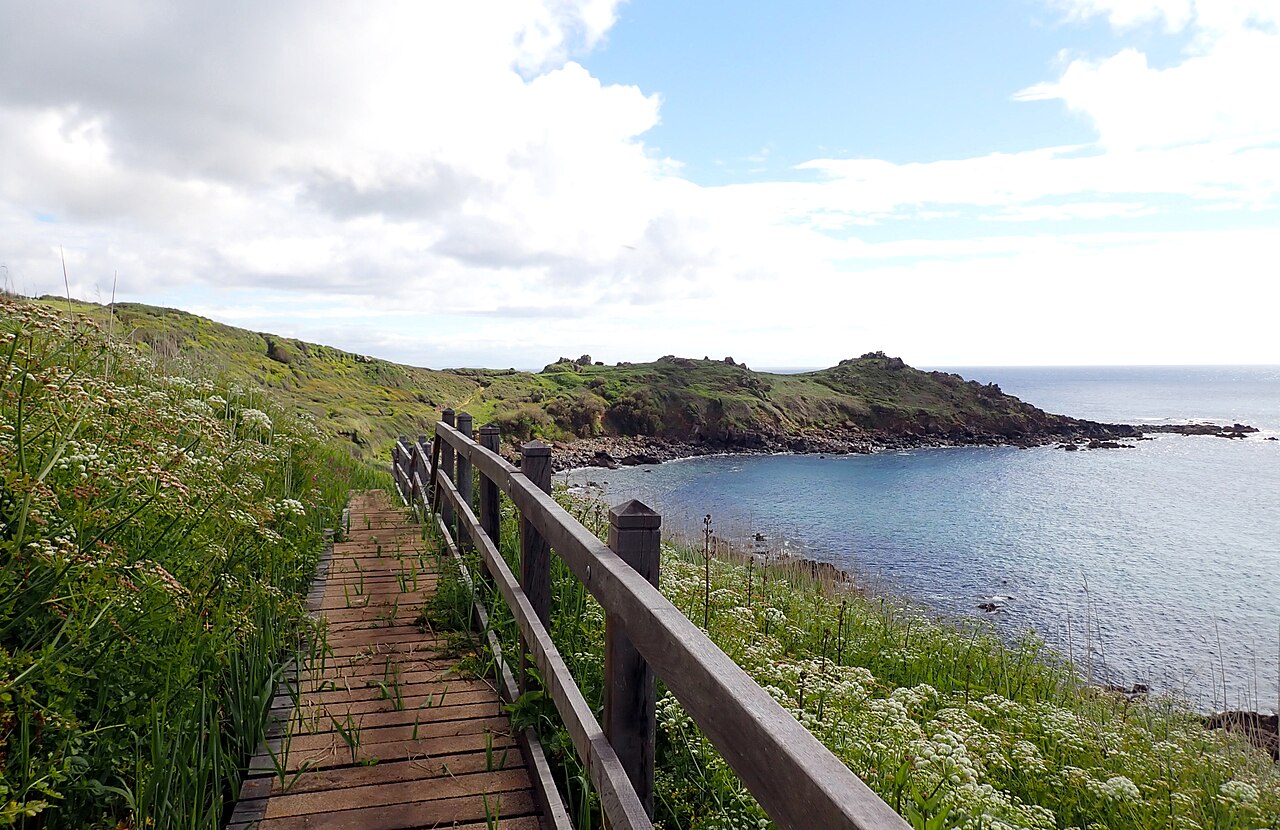
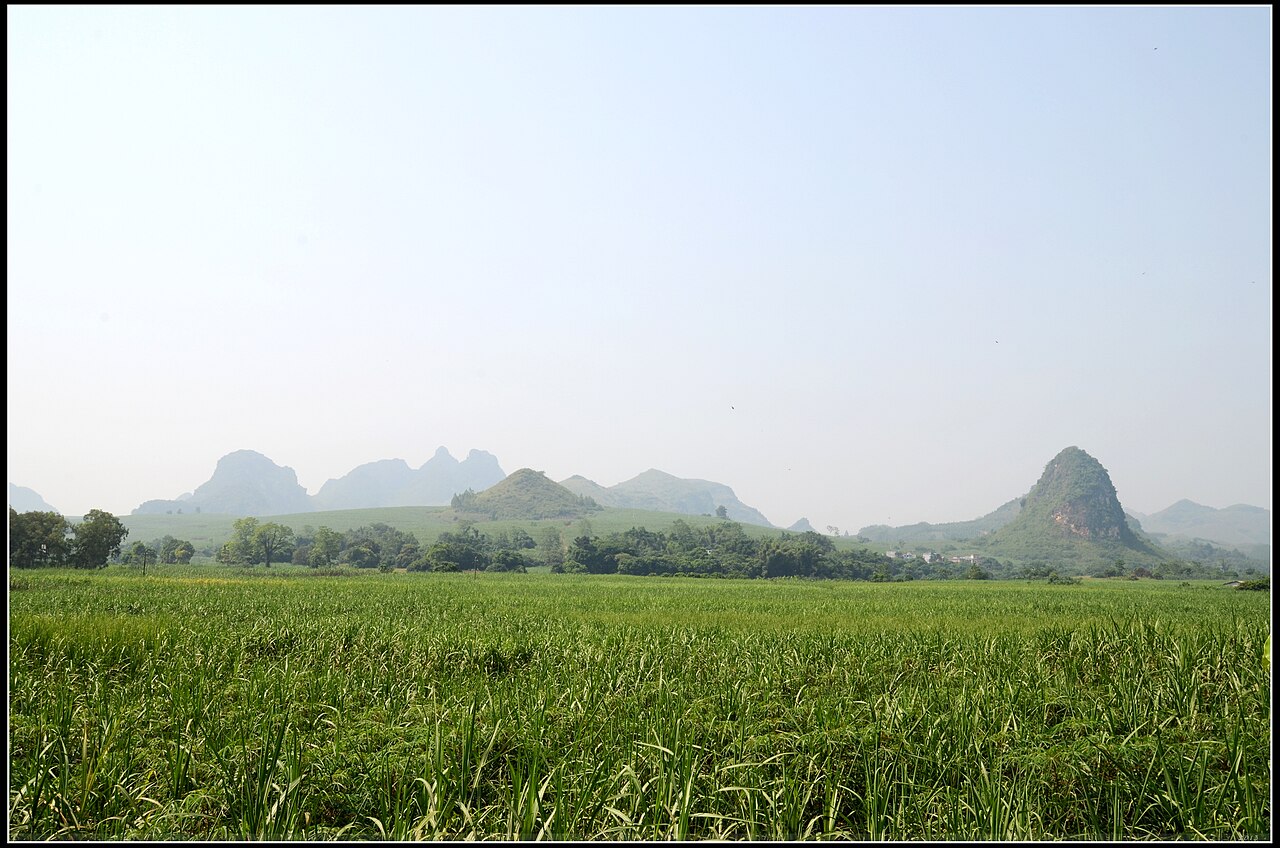
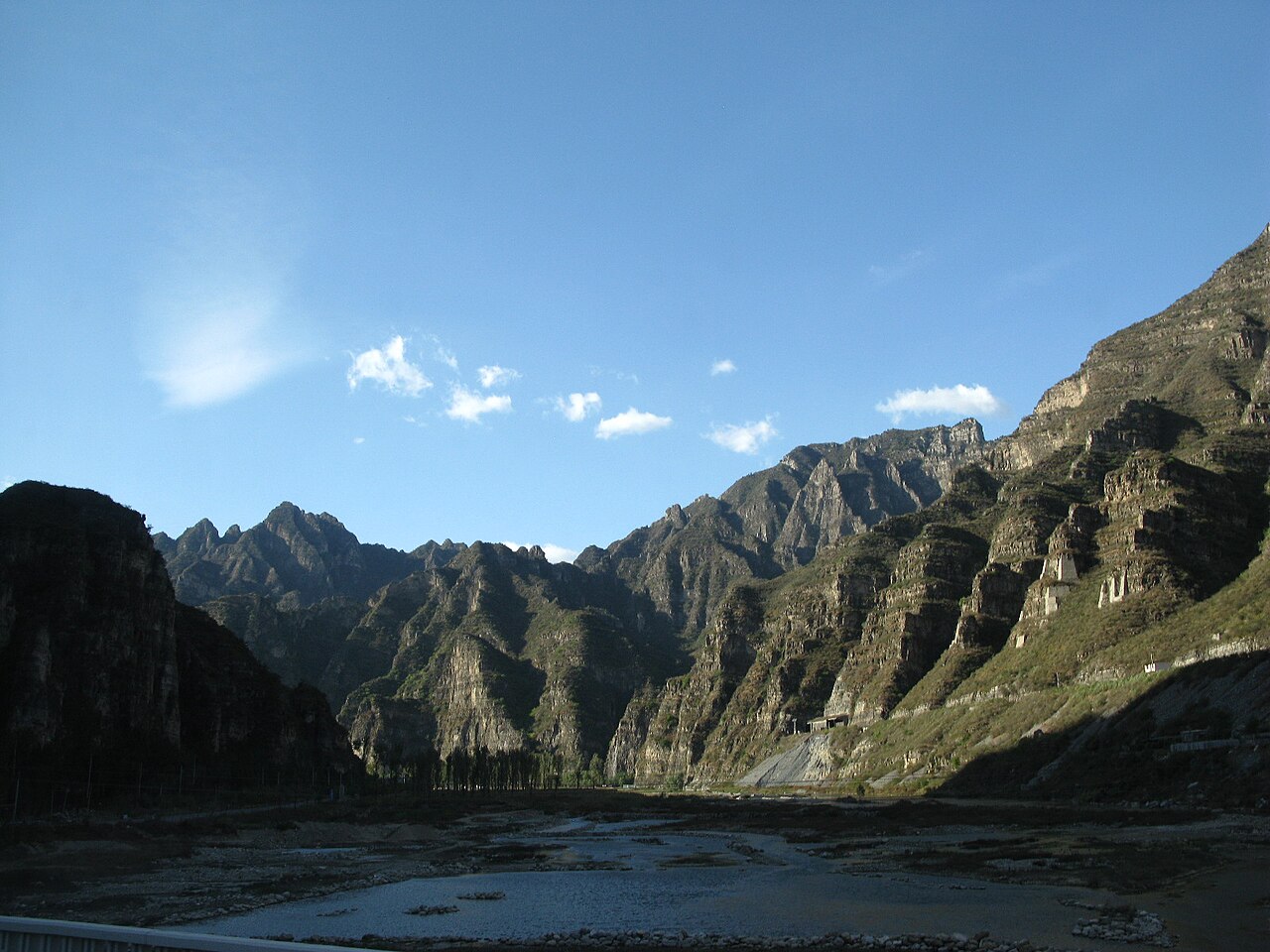
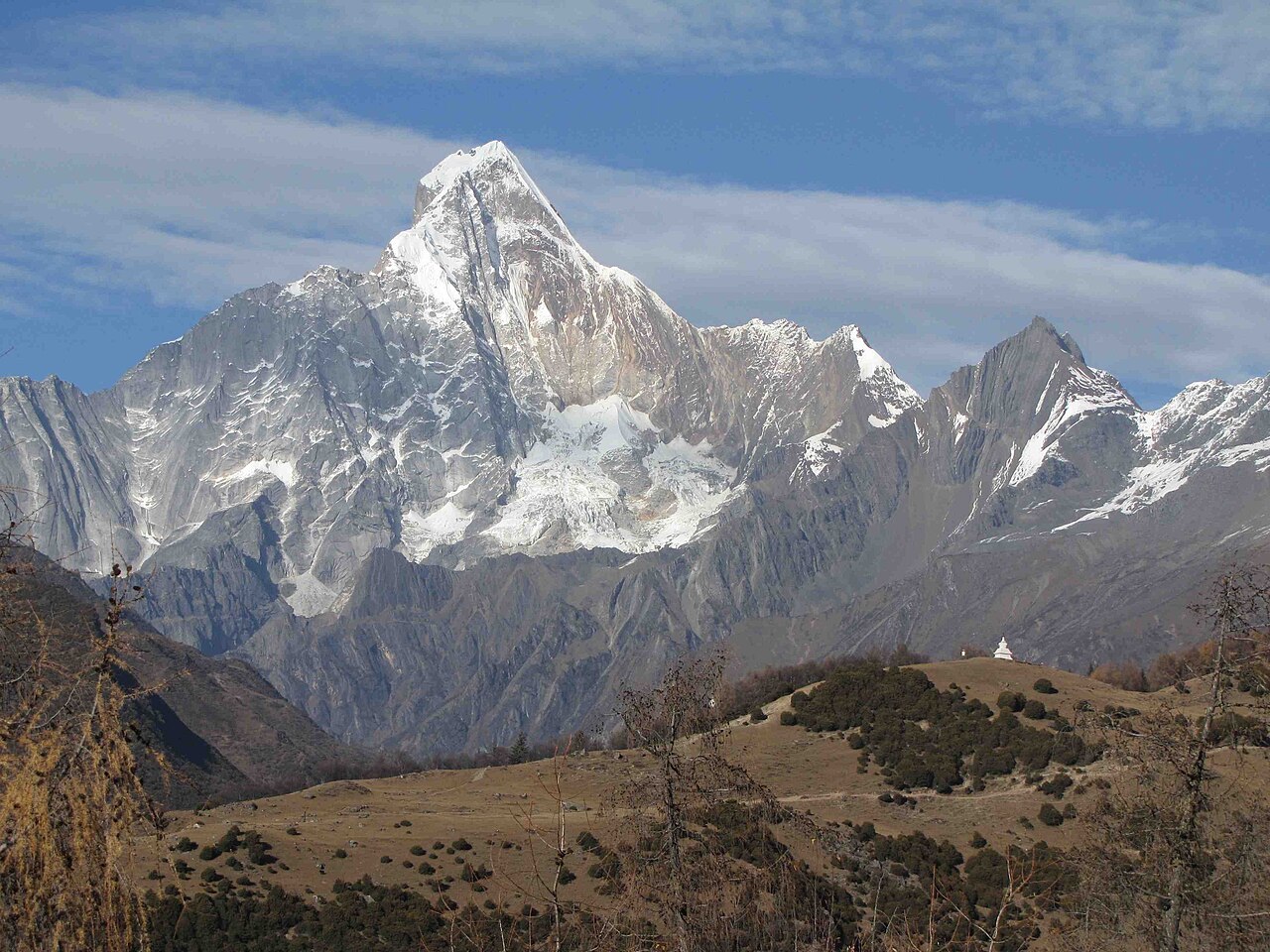
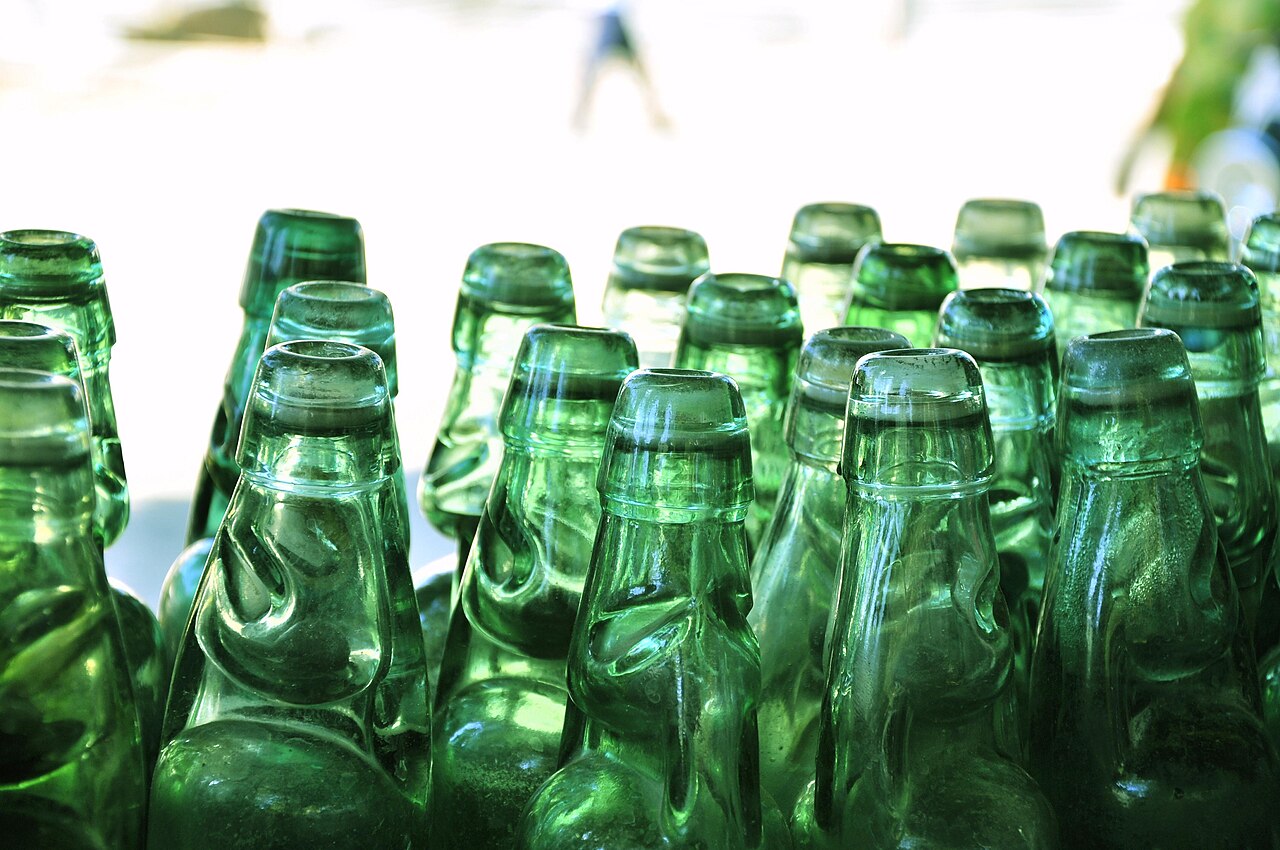
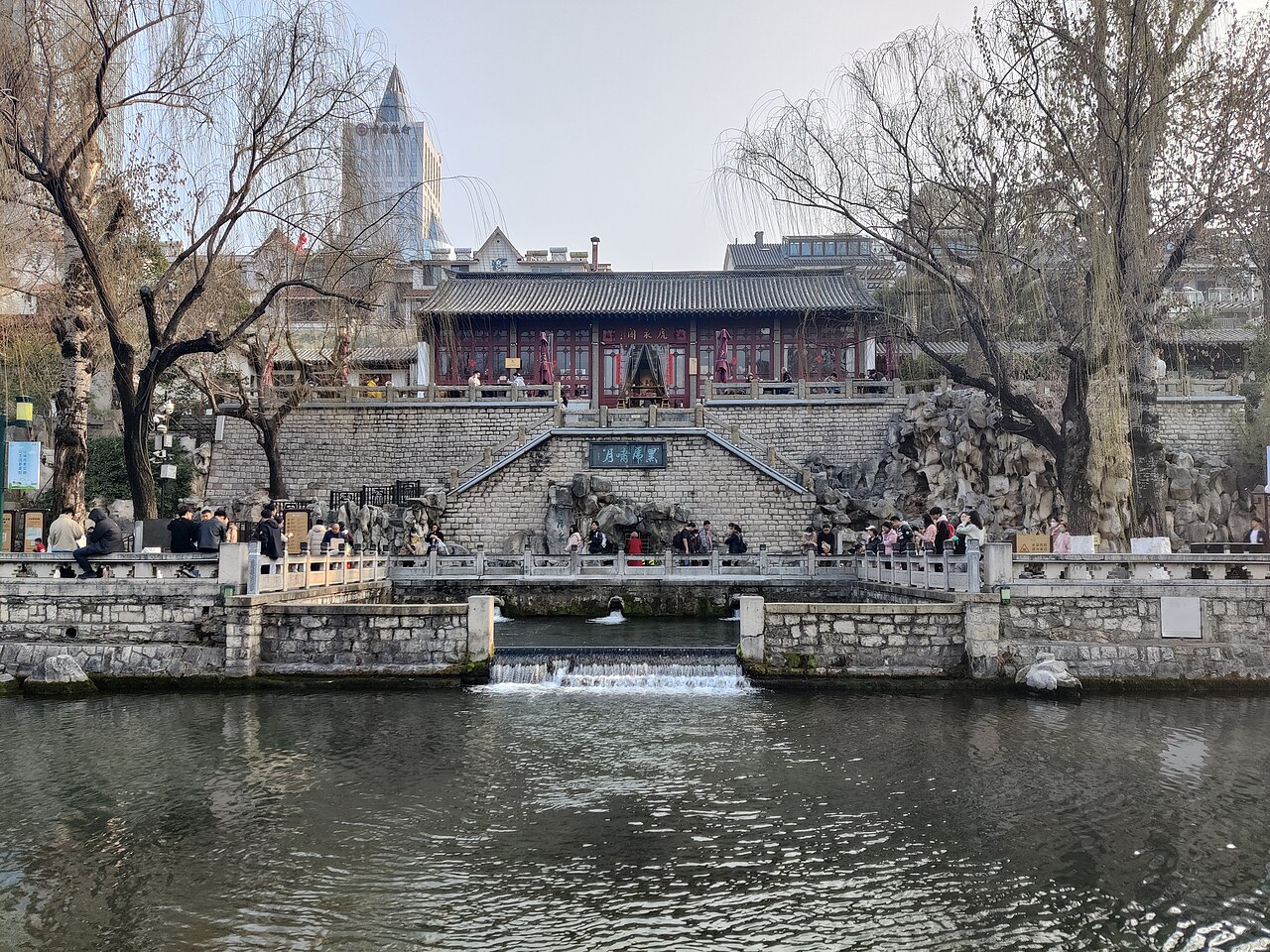
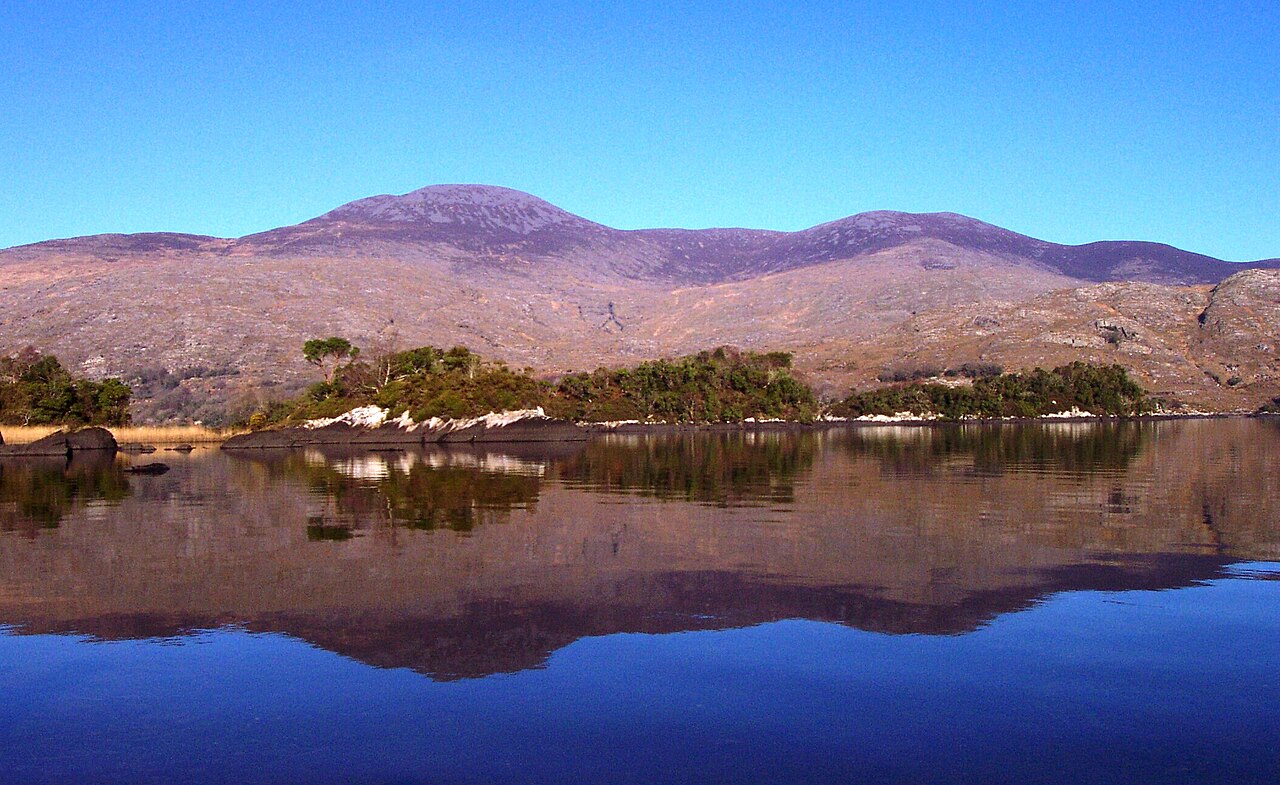
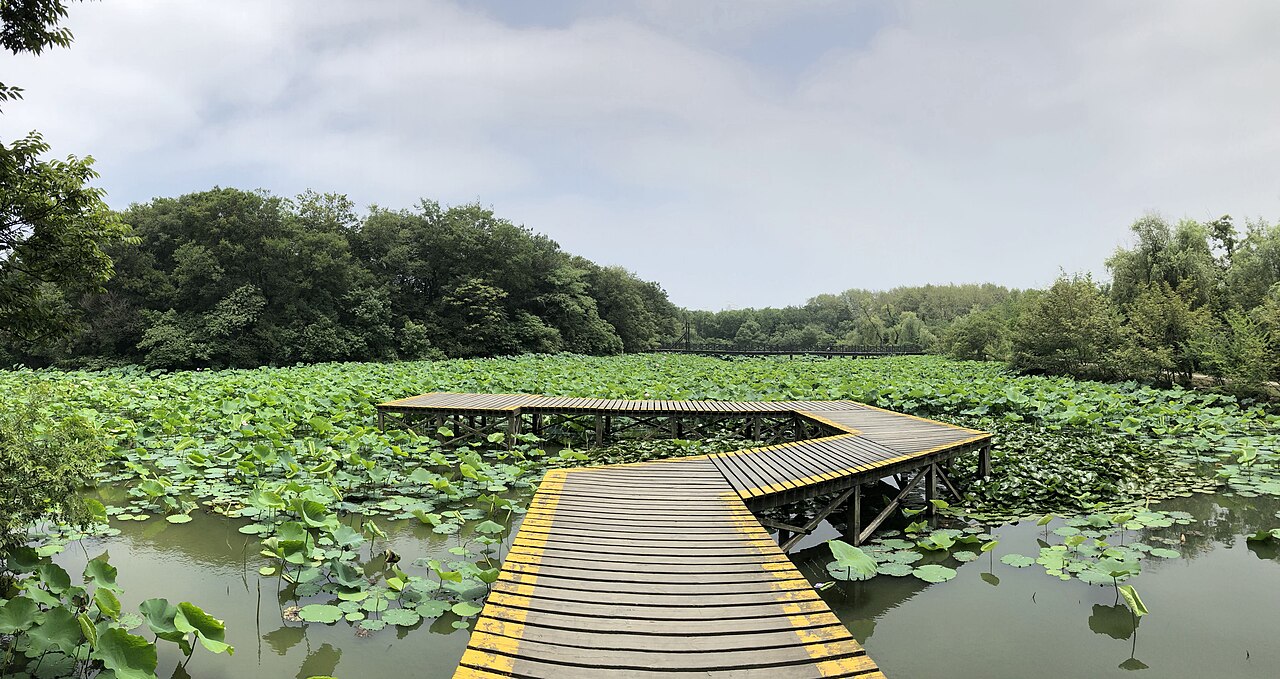
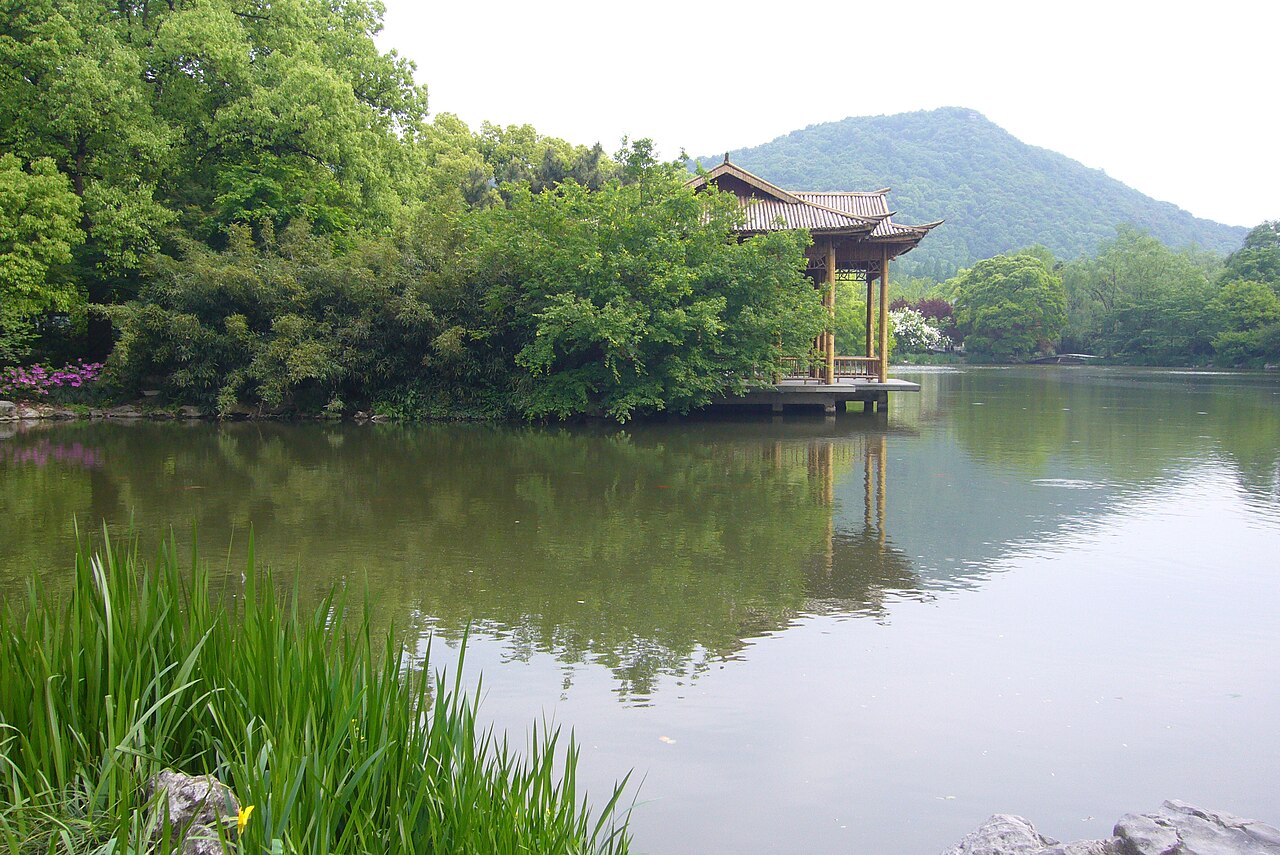
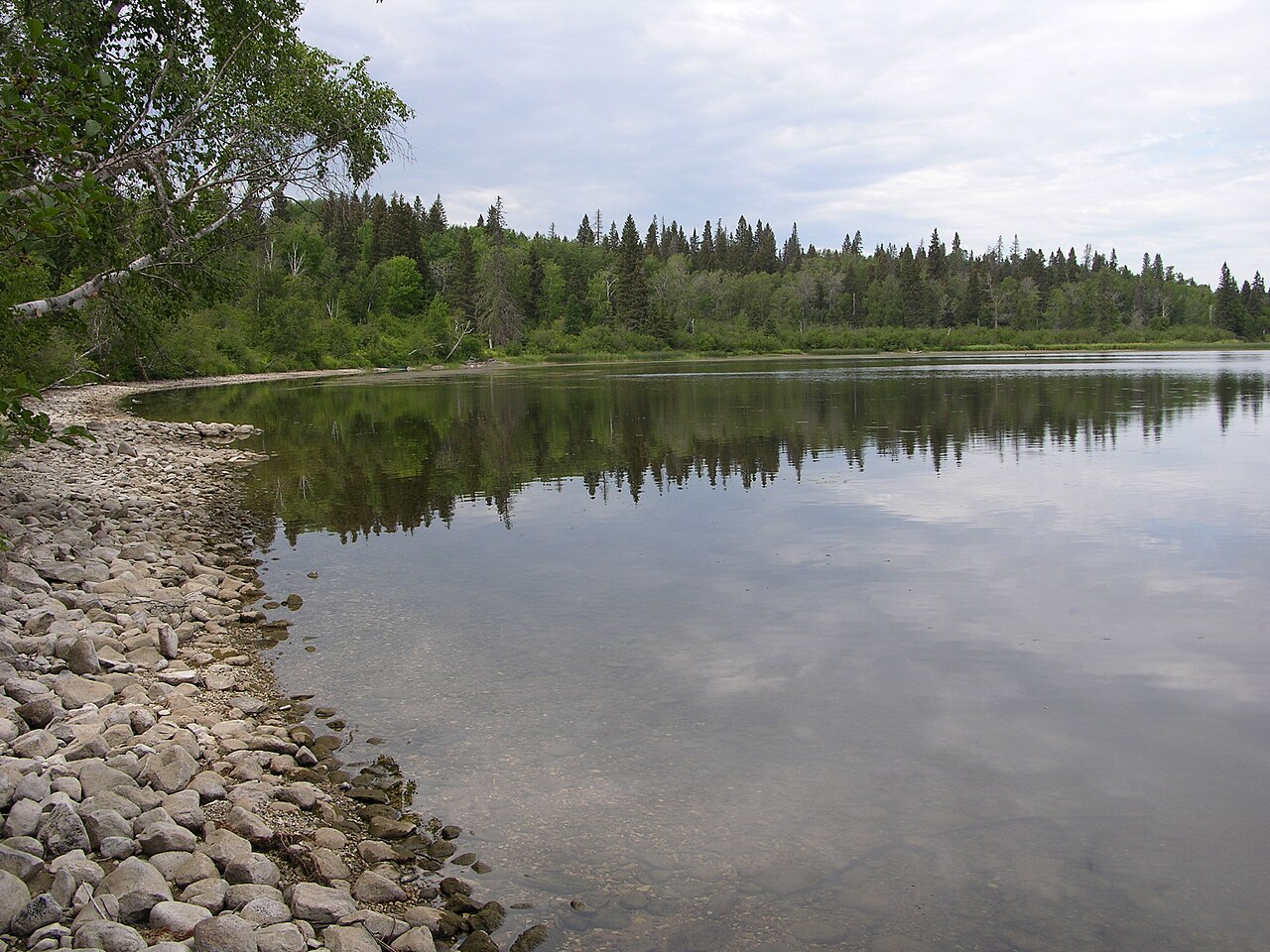
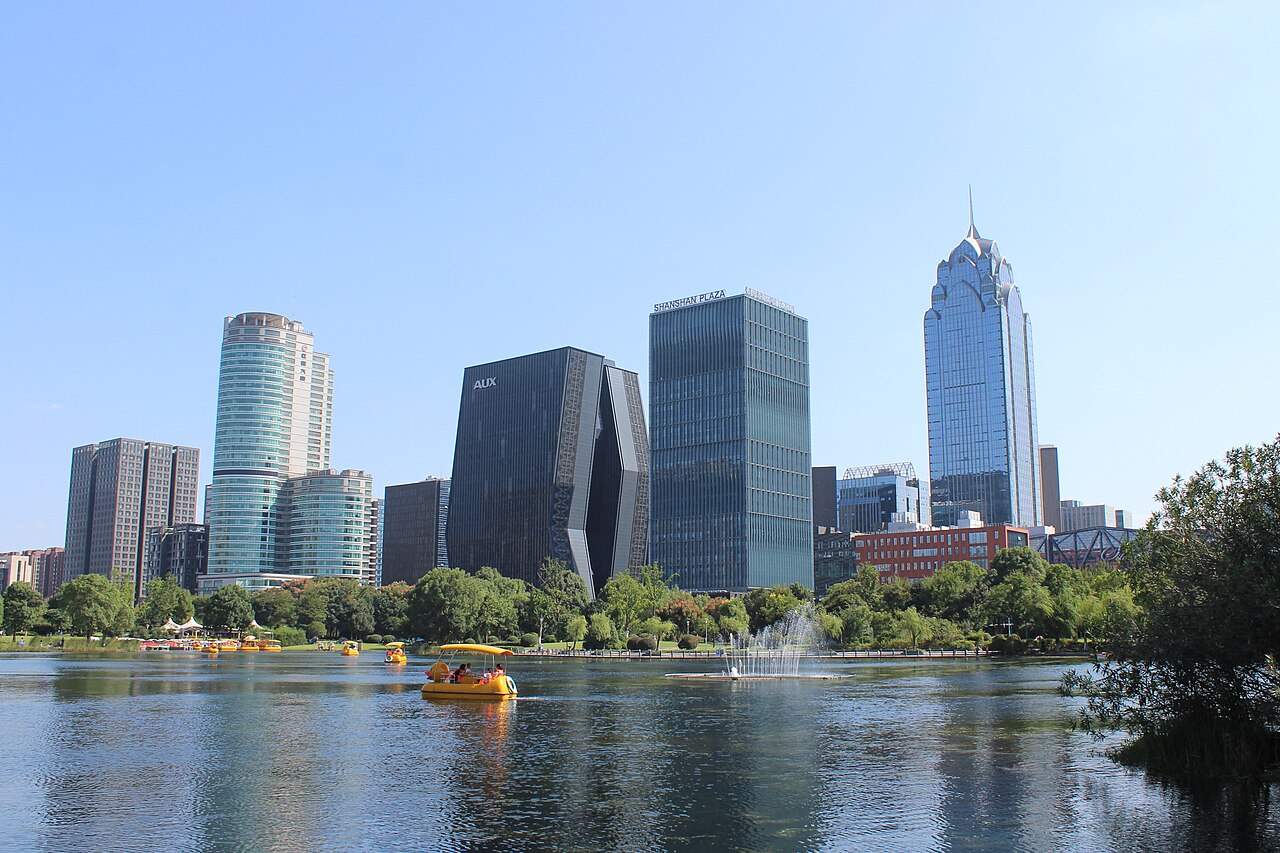
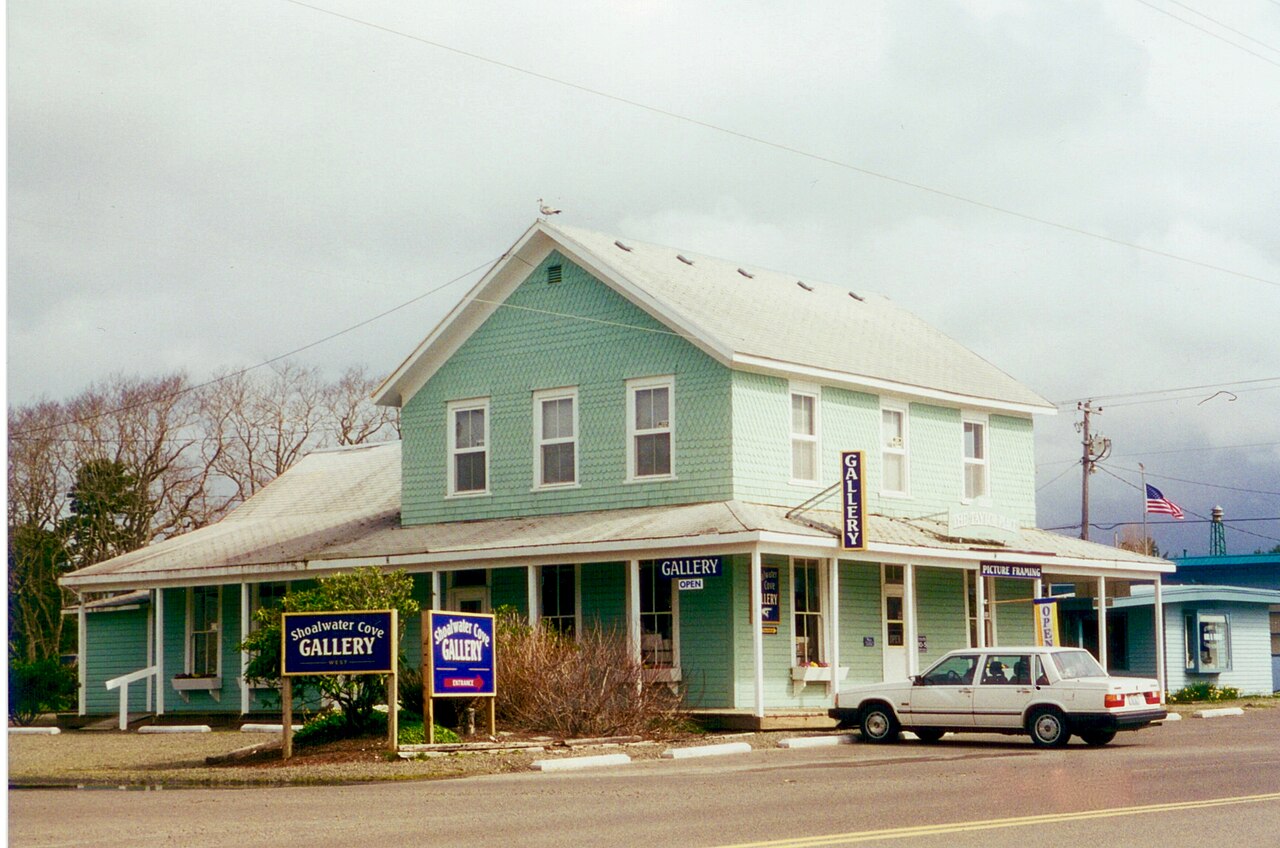
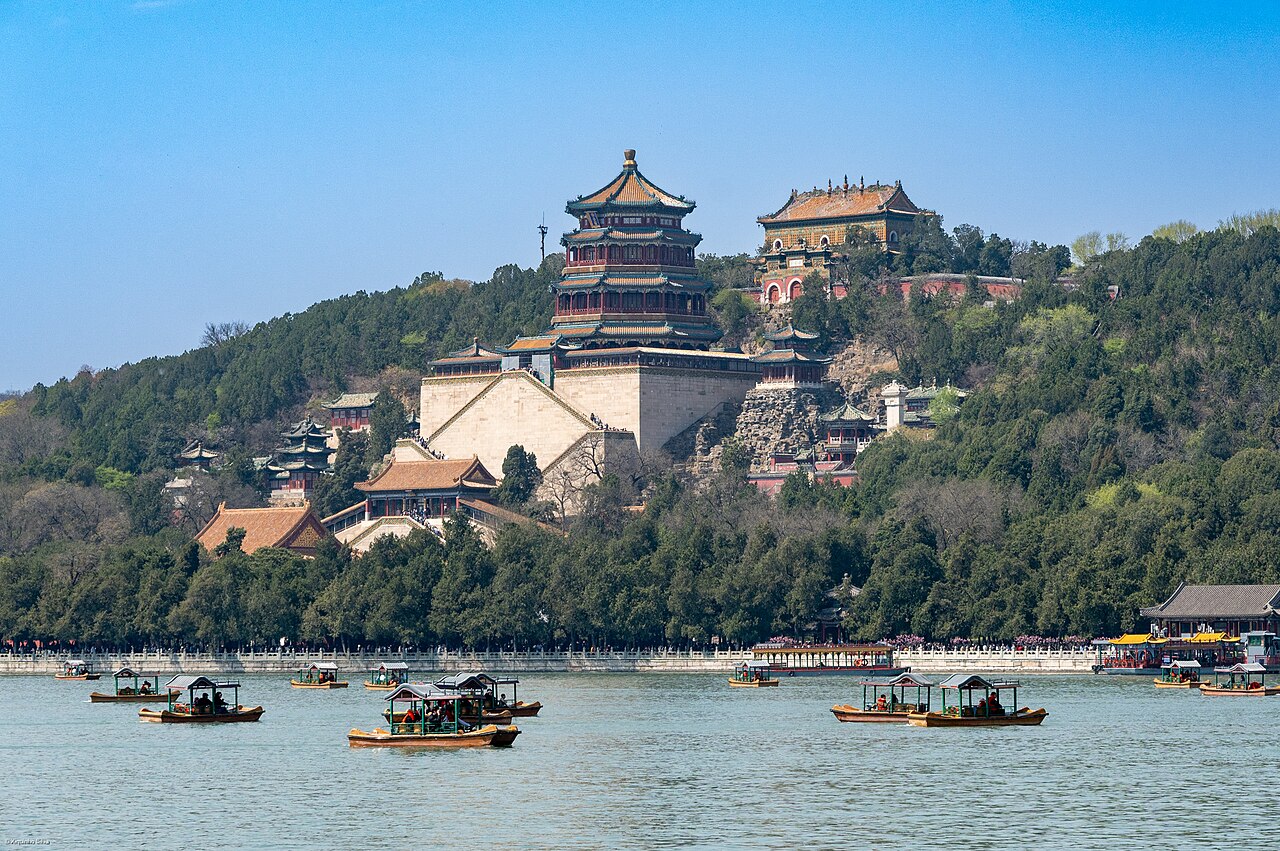
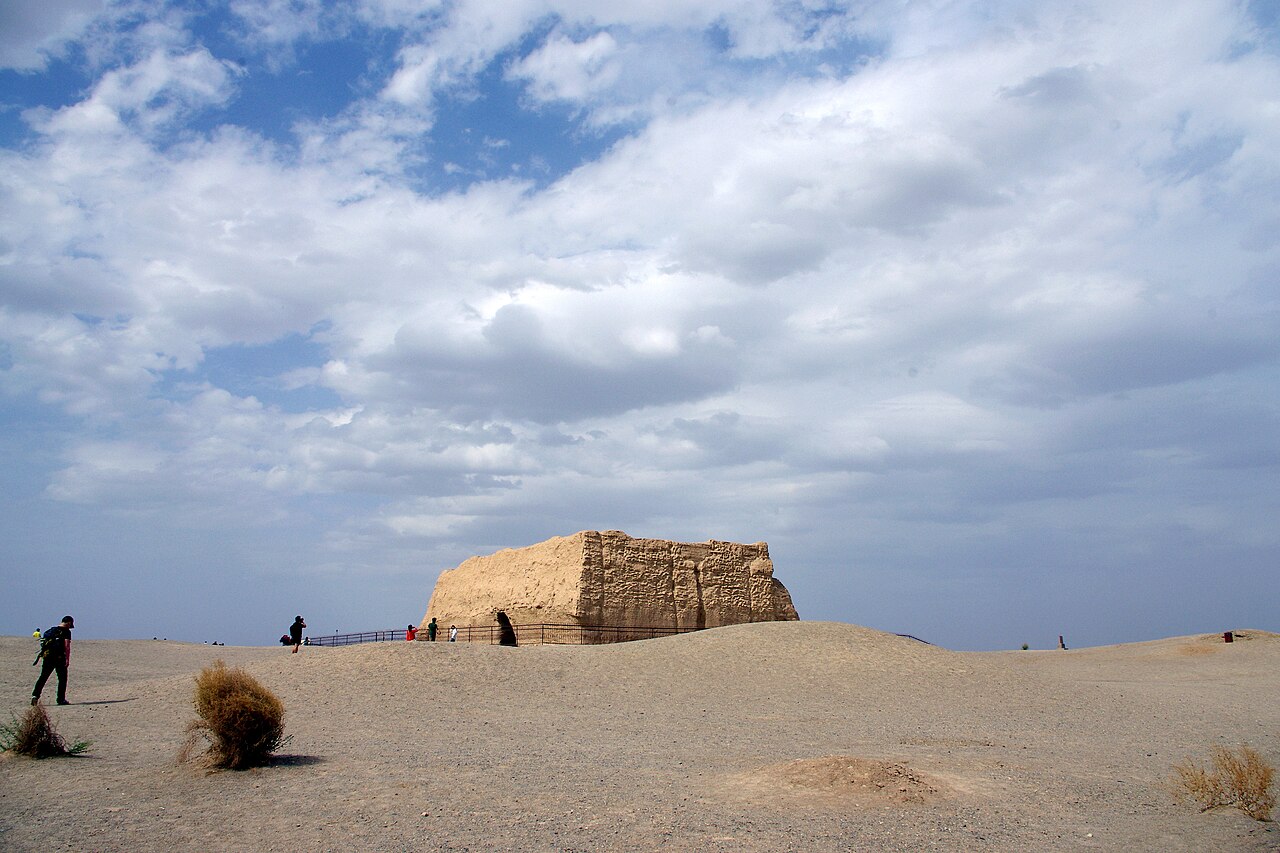
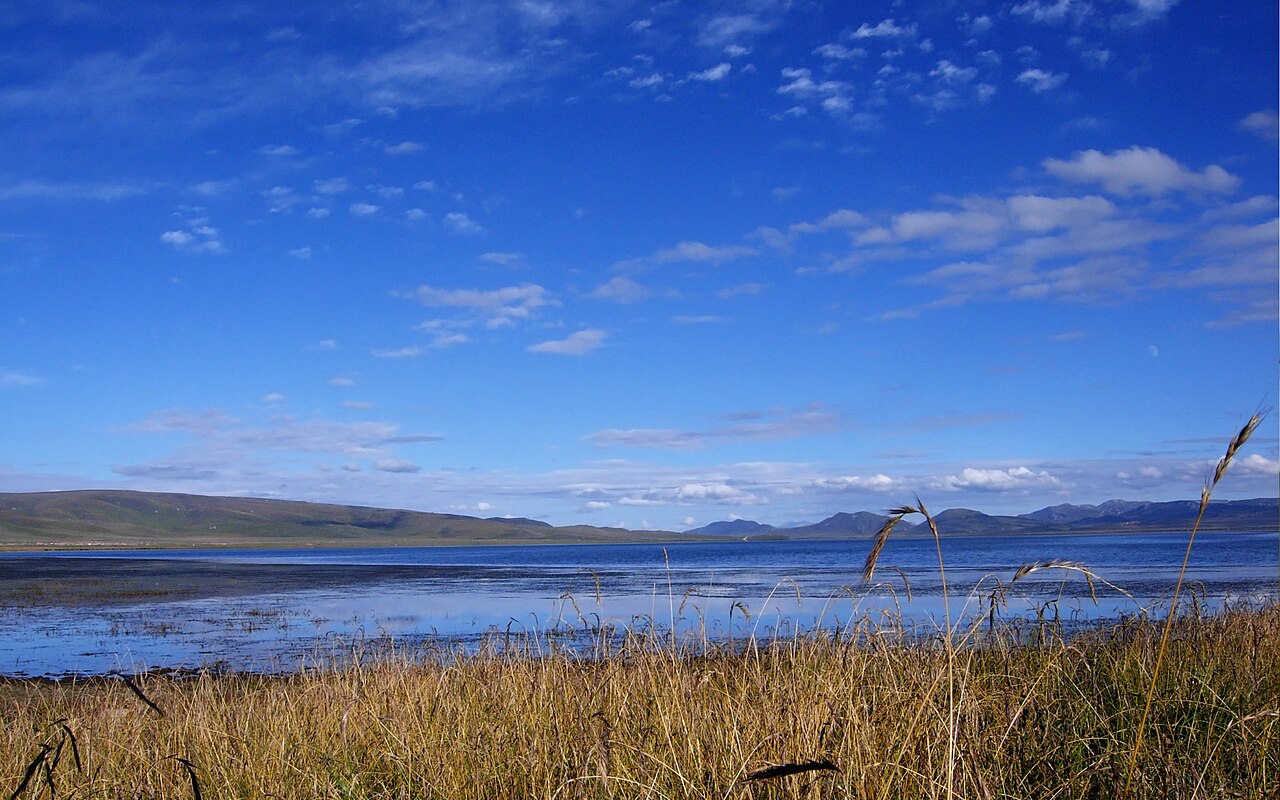
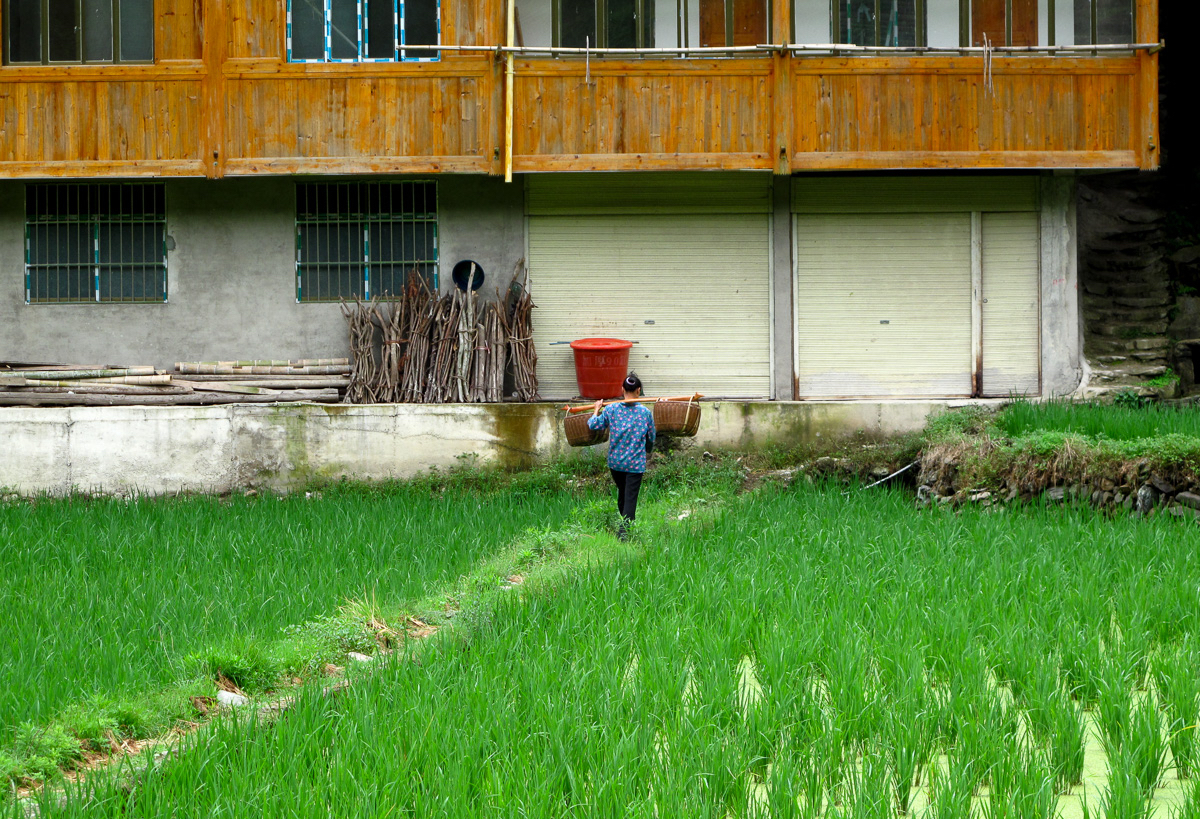
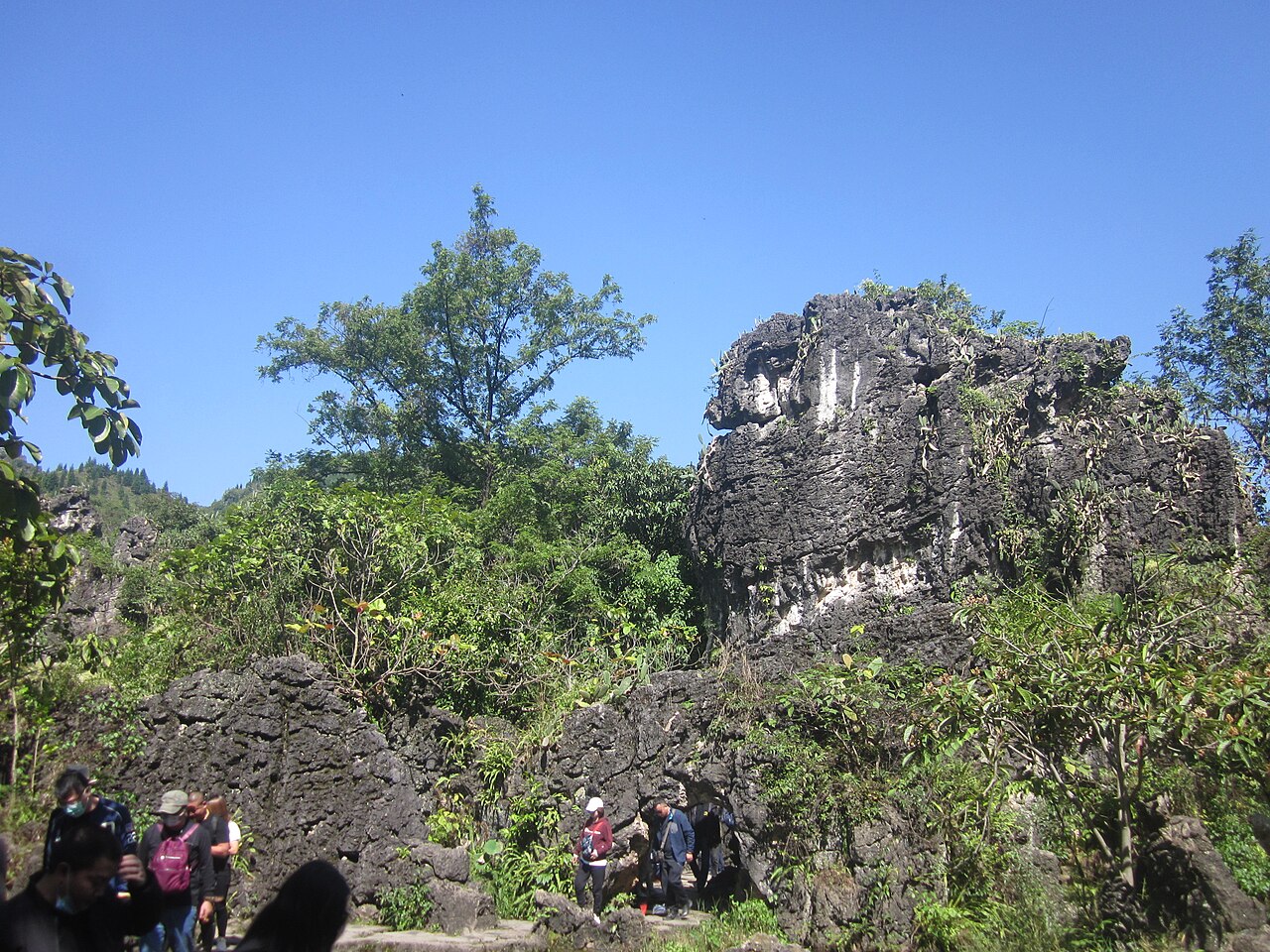
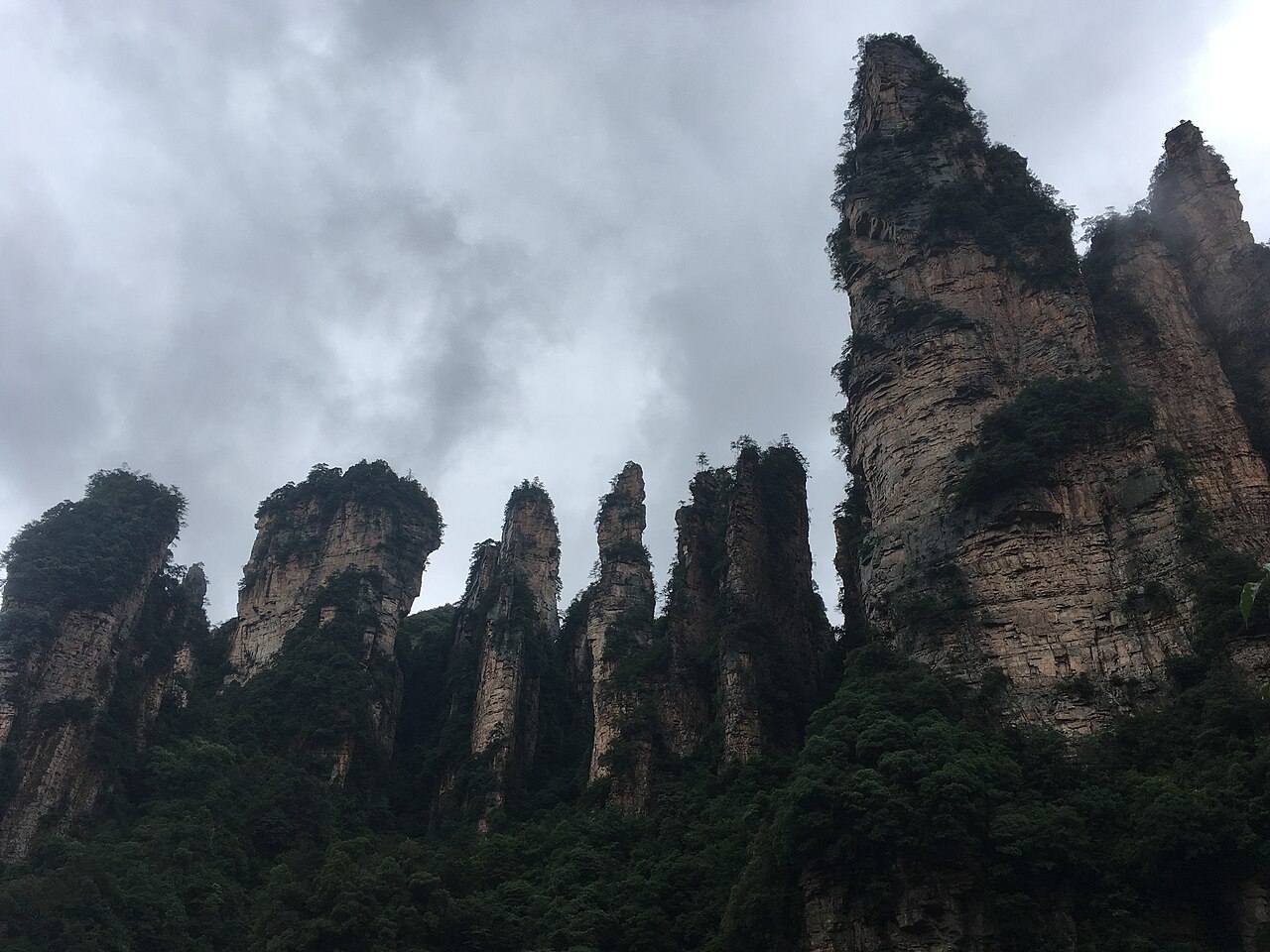
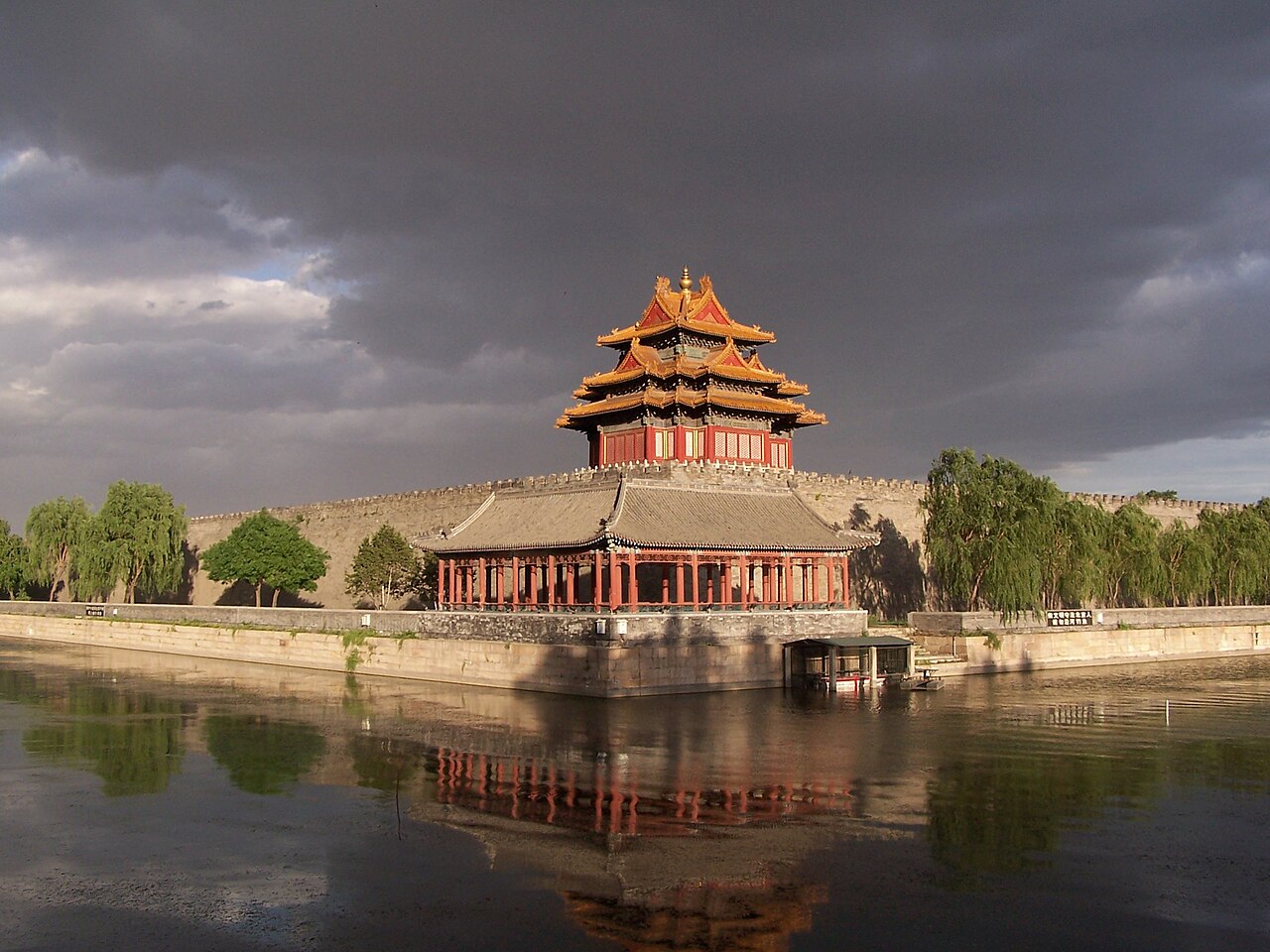
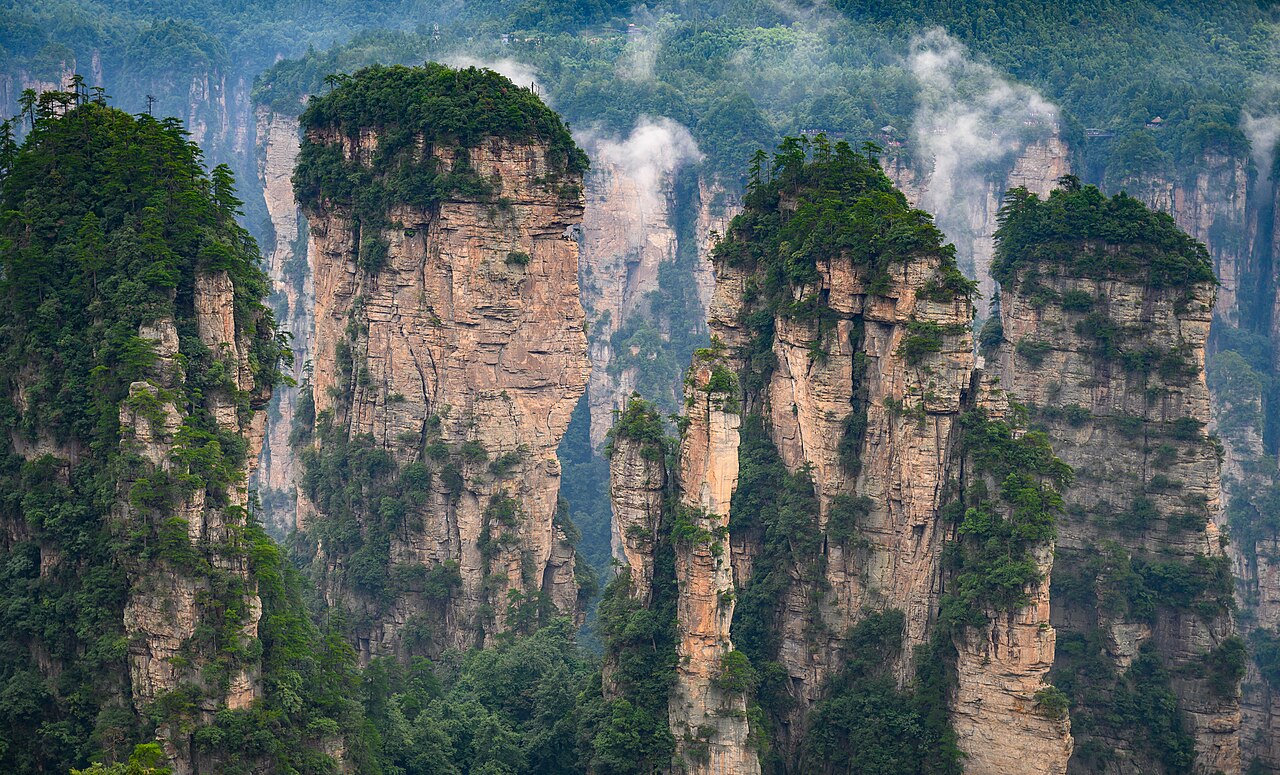
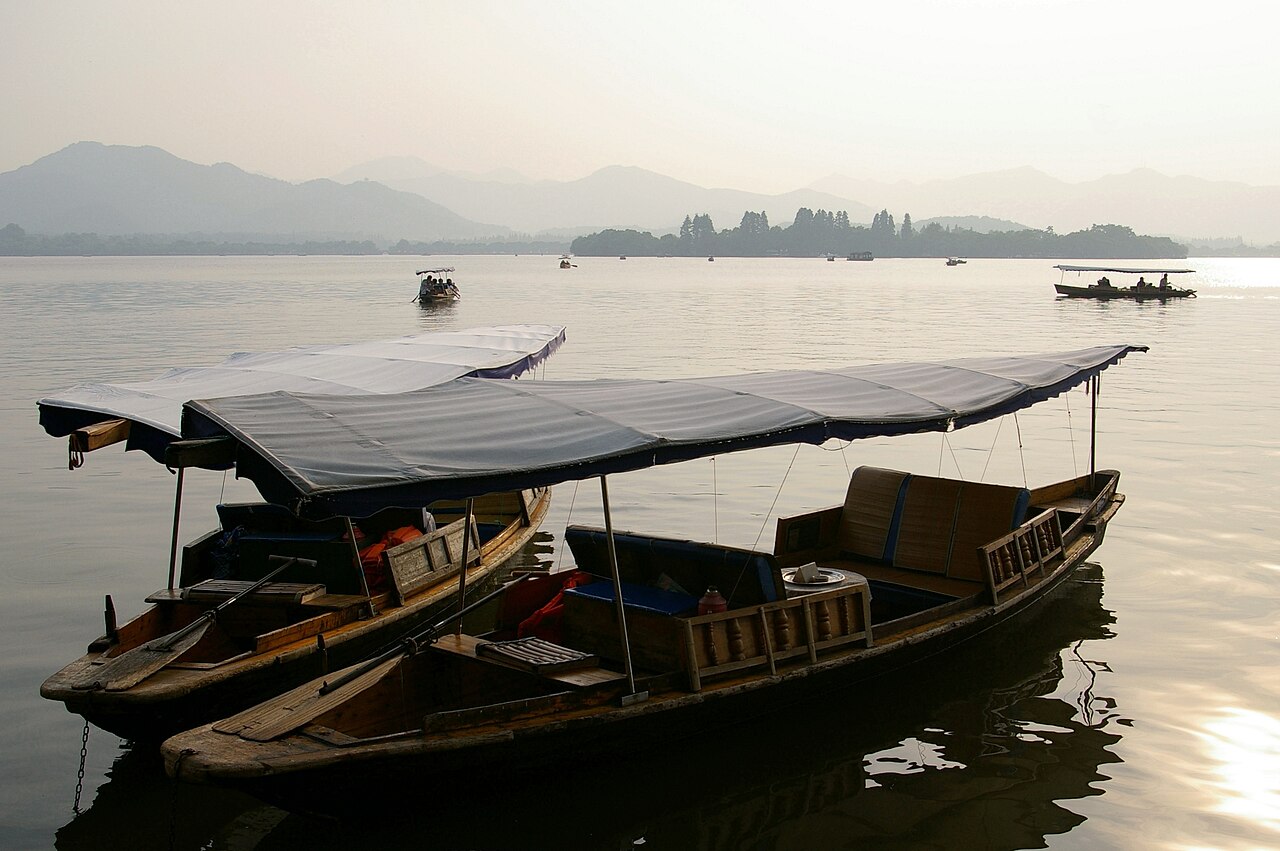
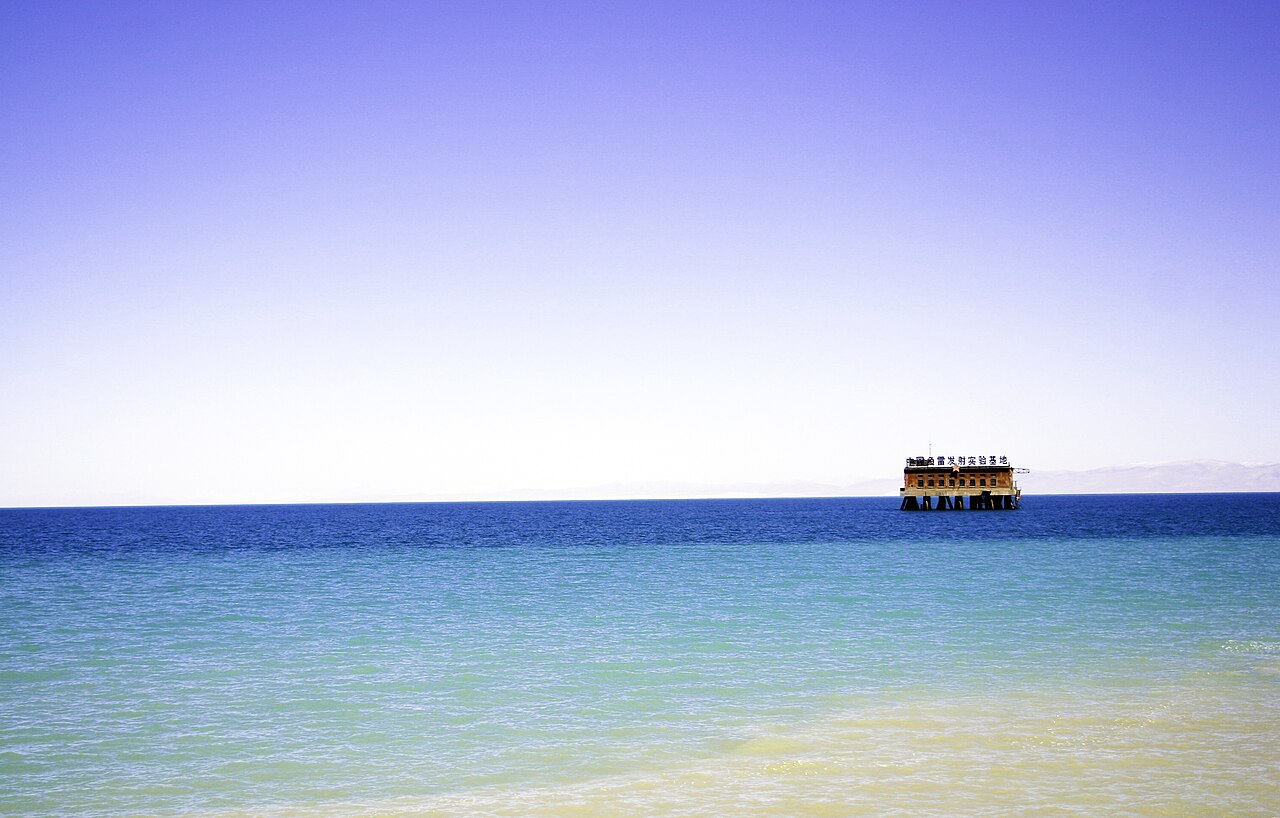
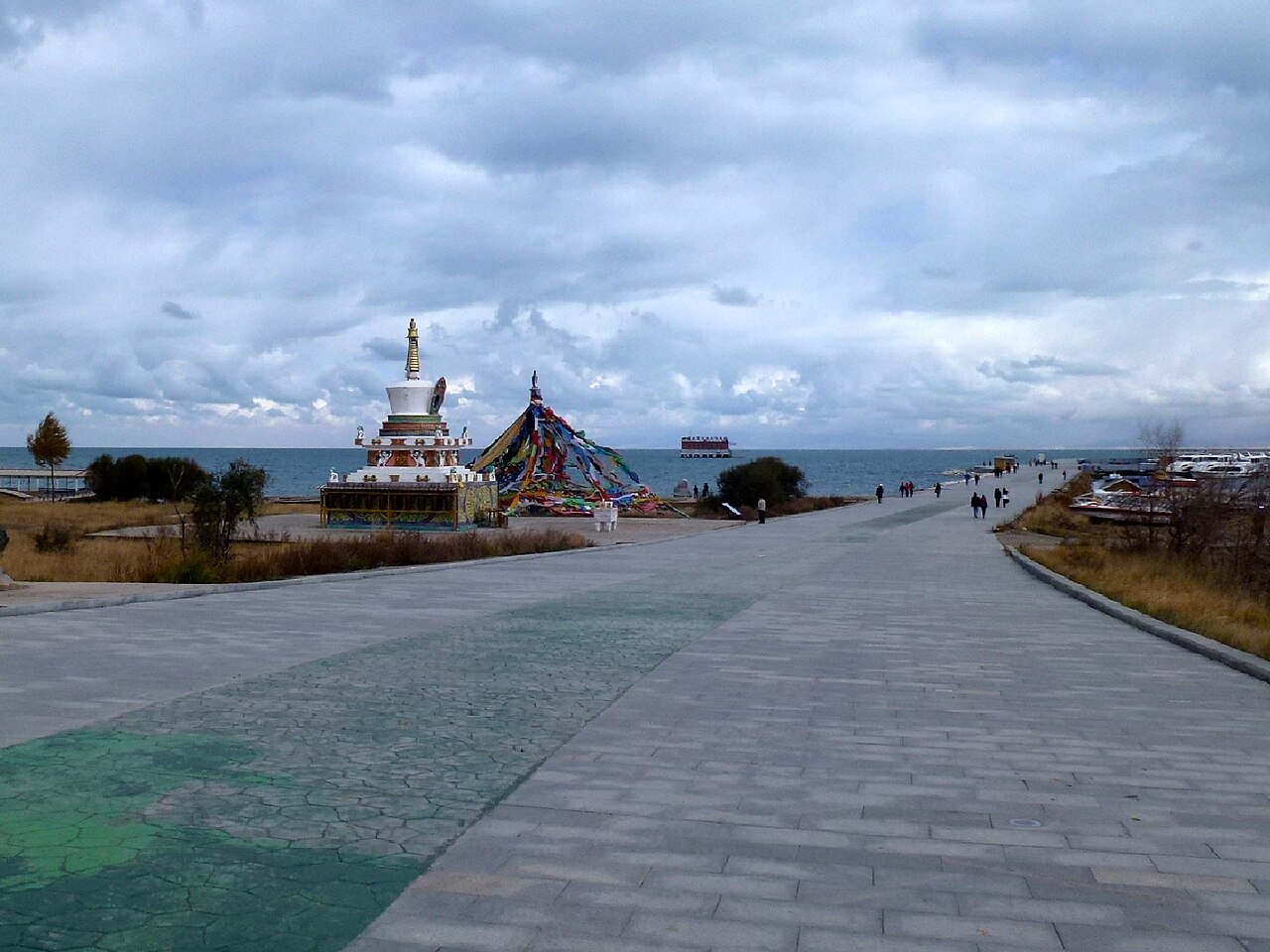
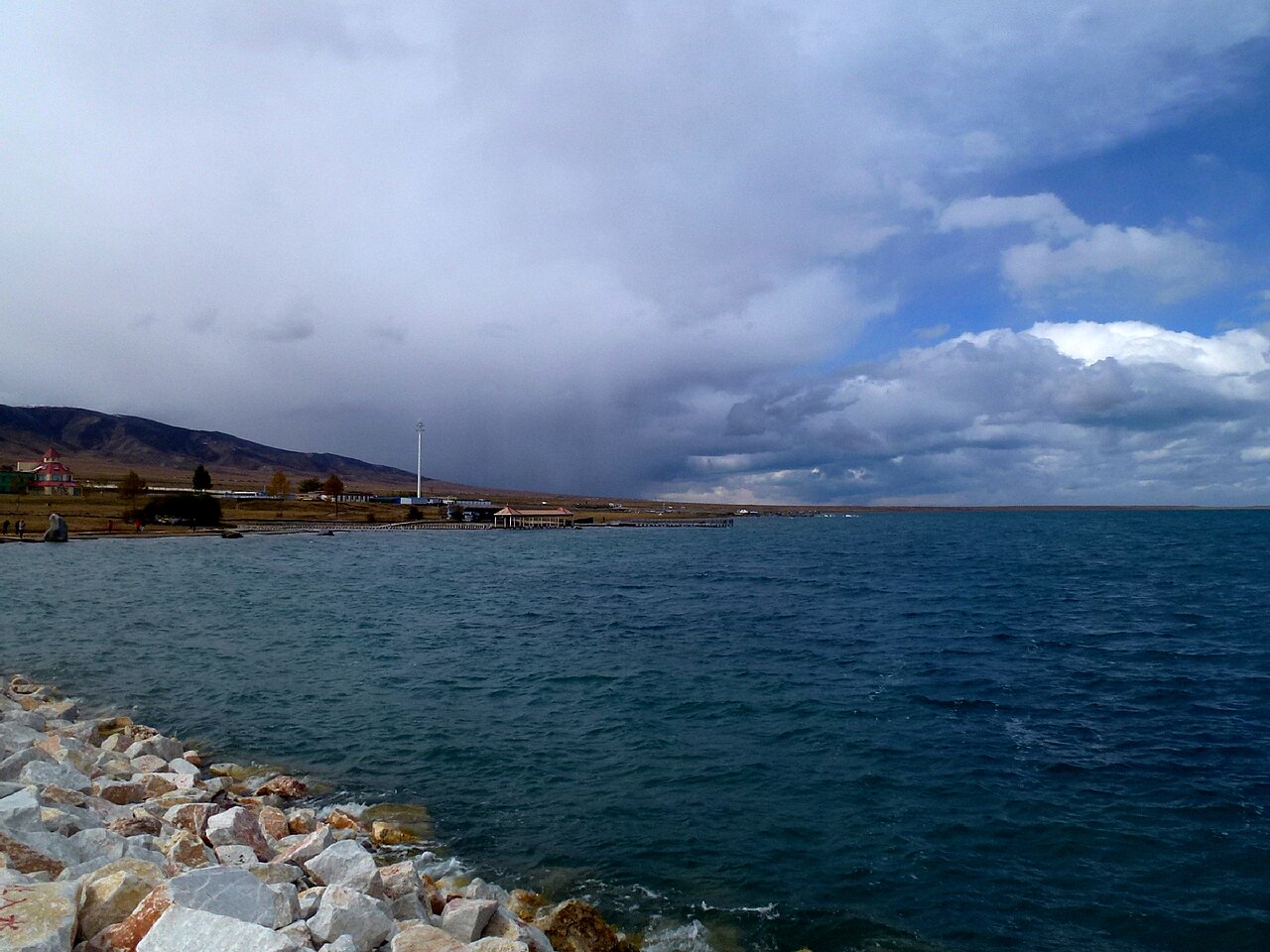
Qinghai Lake at 3,200 metres, its far shore lost over the horizon
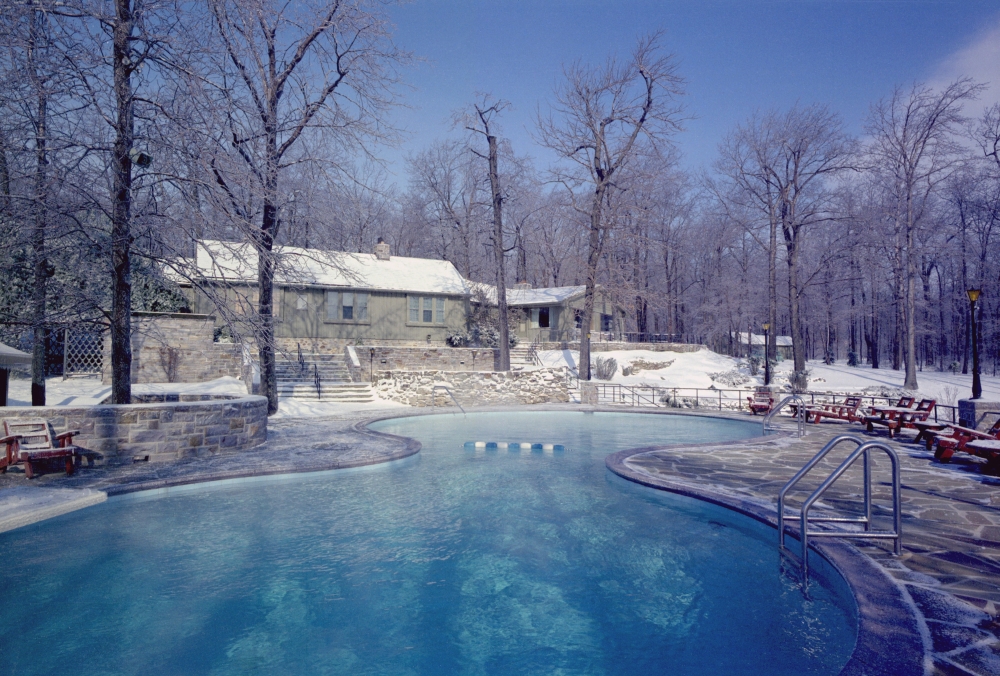
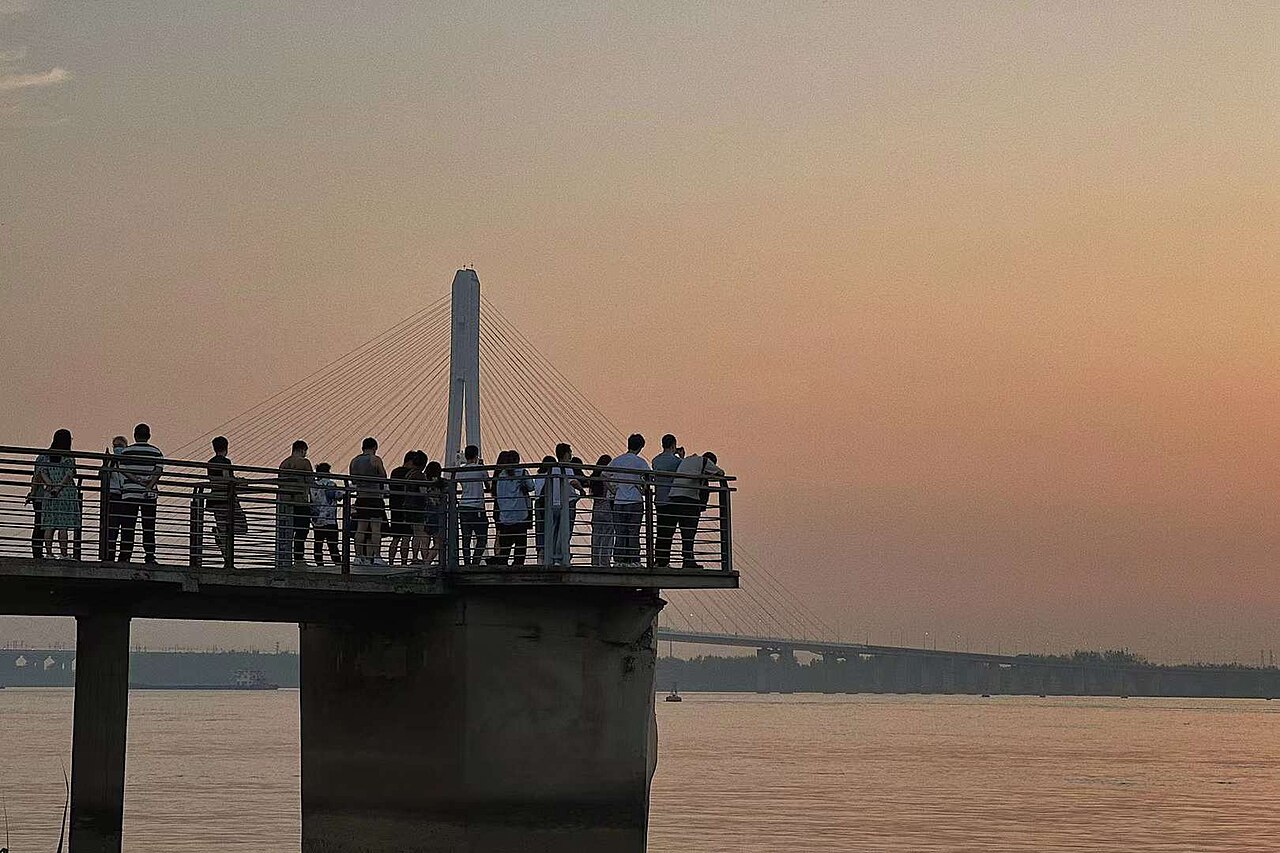
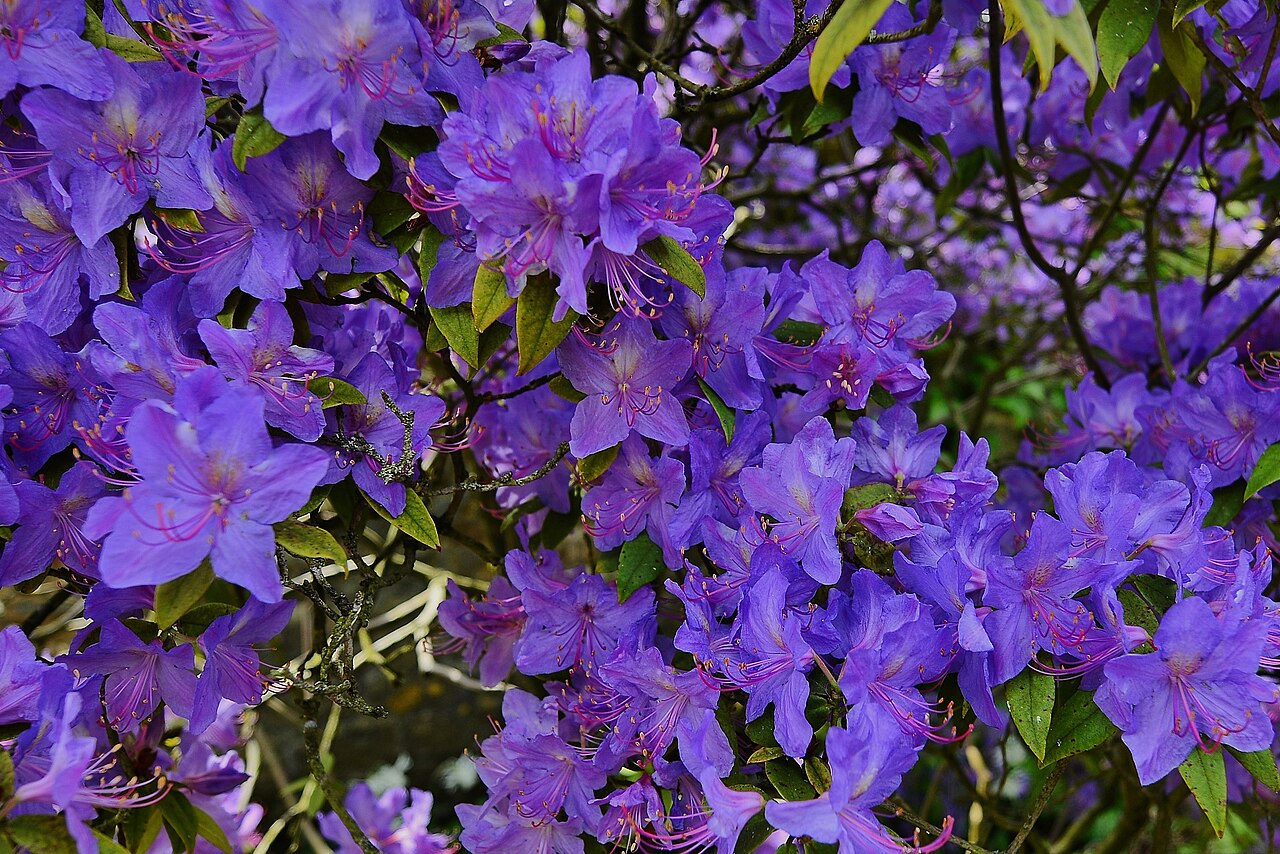
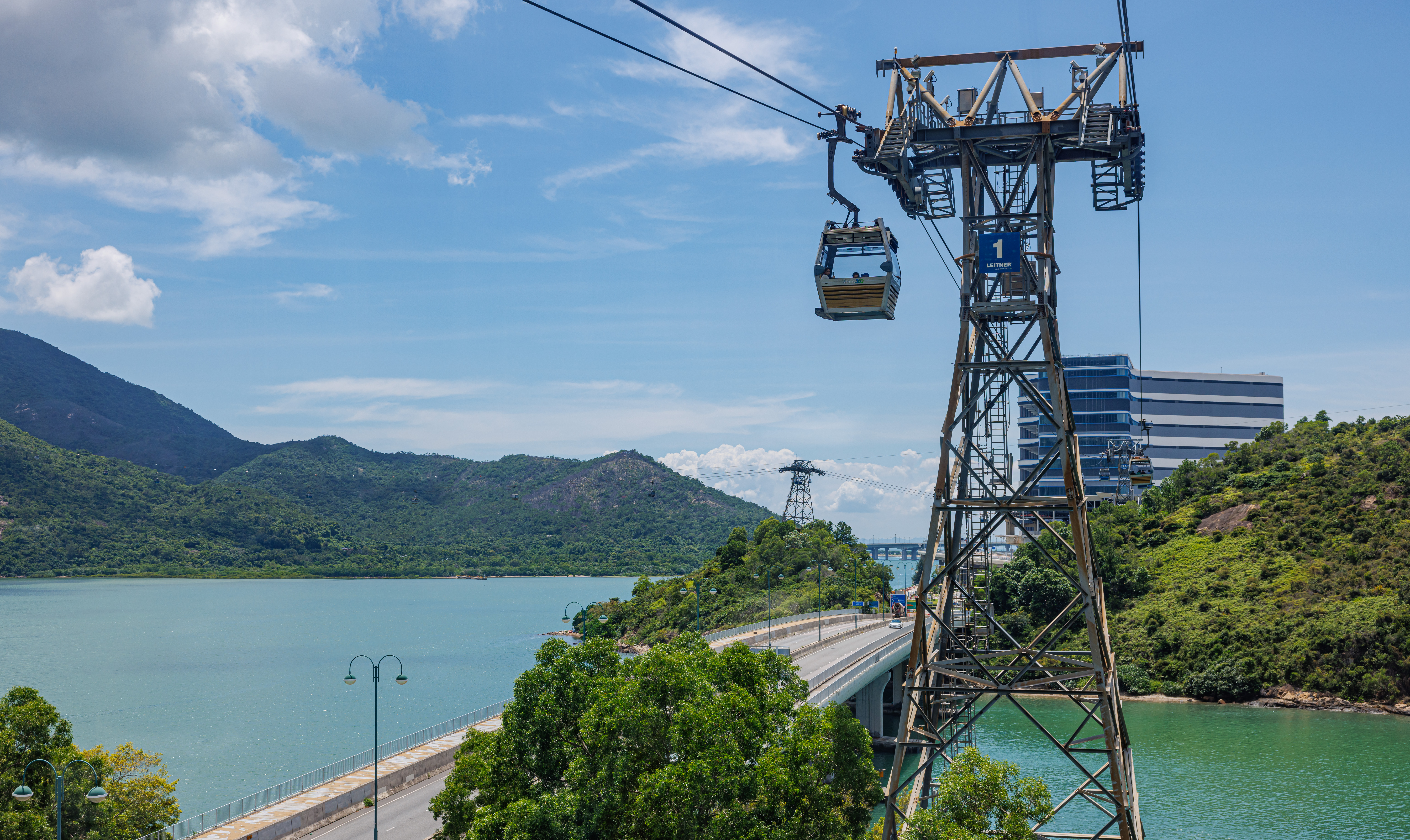
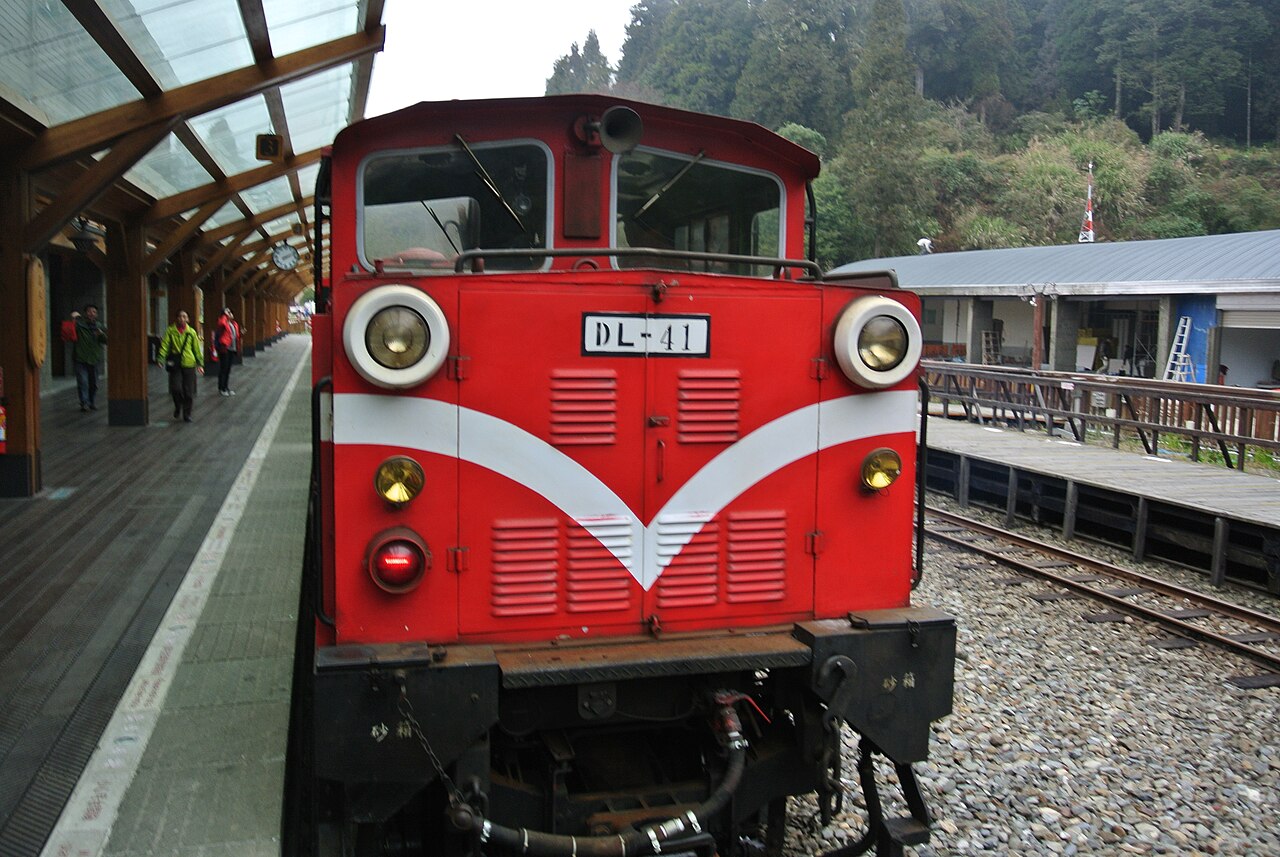
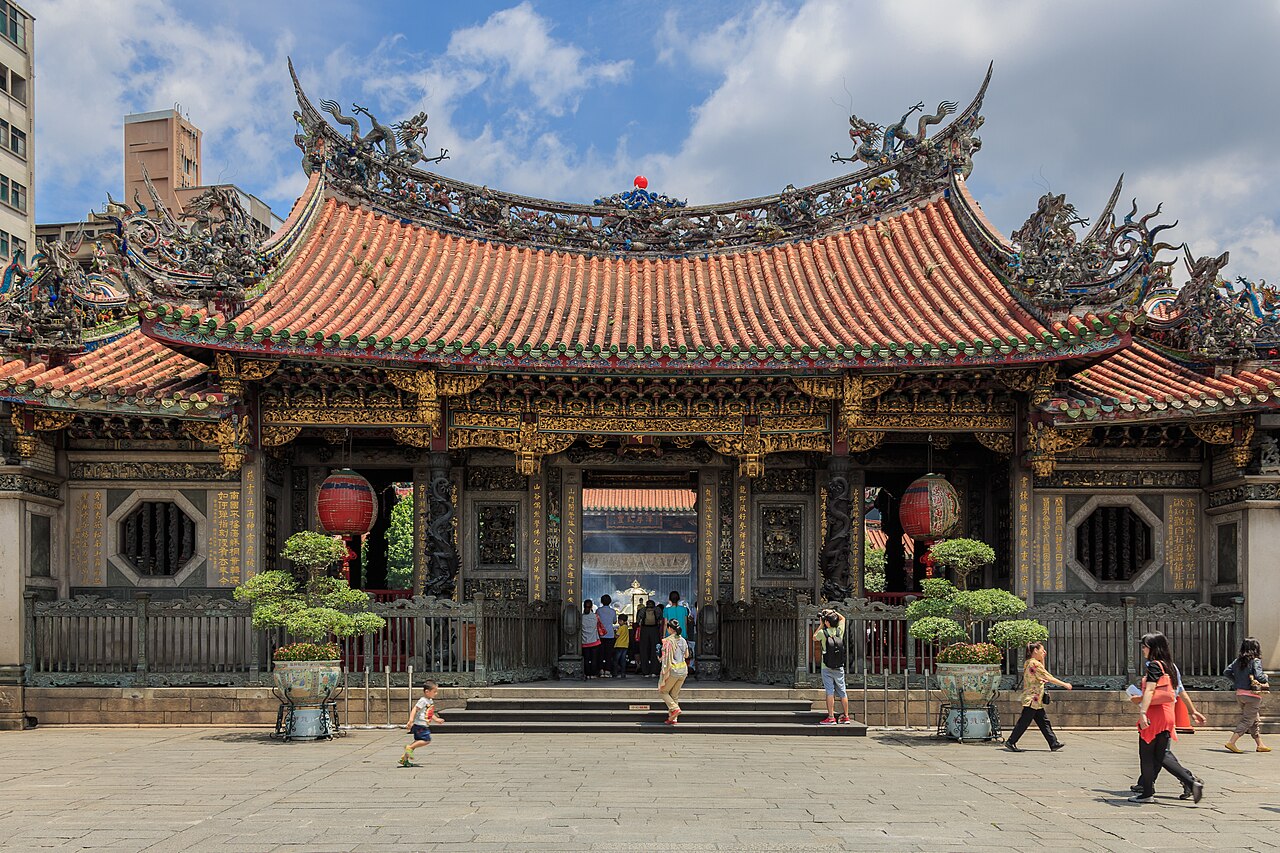
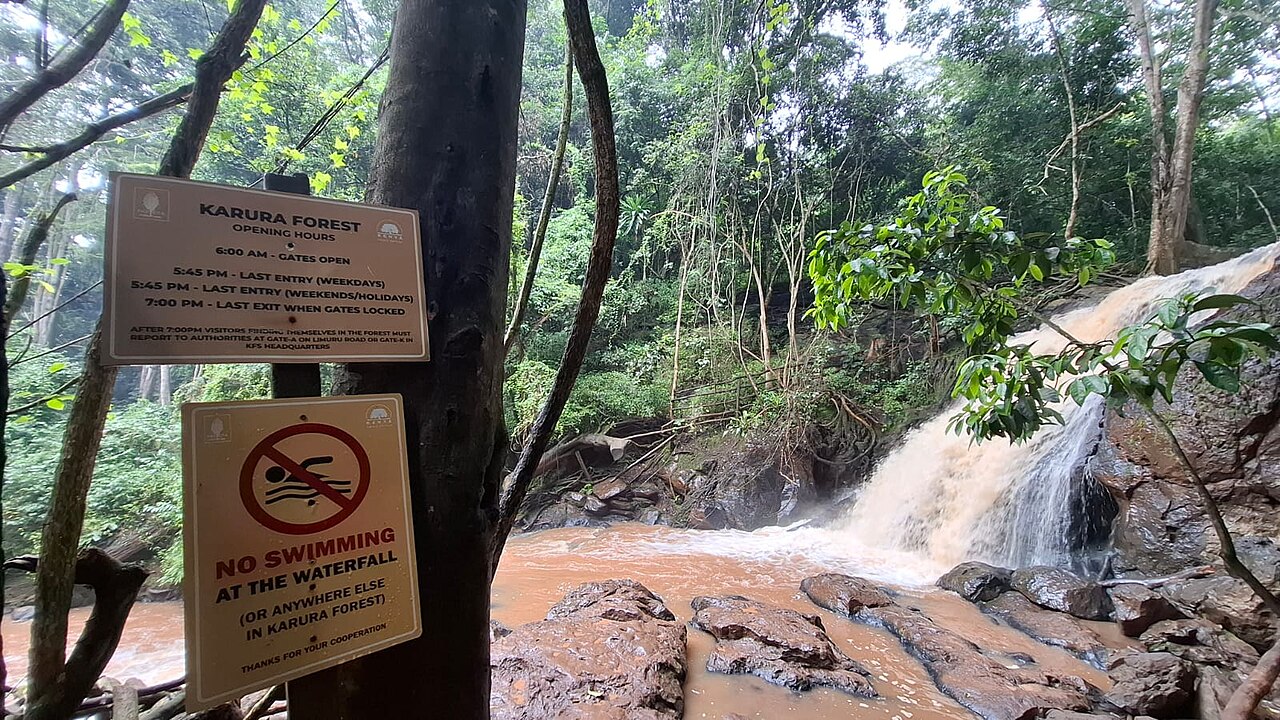
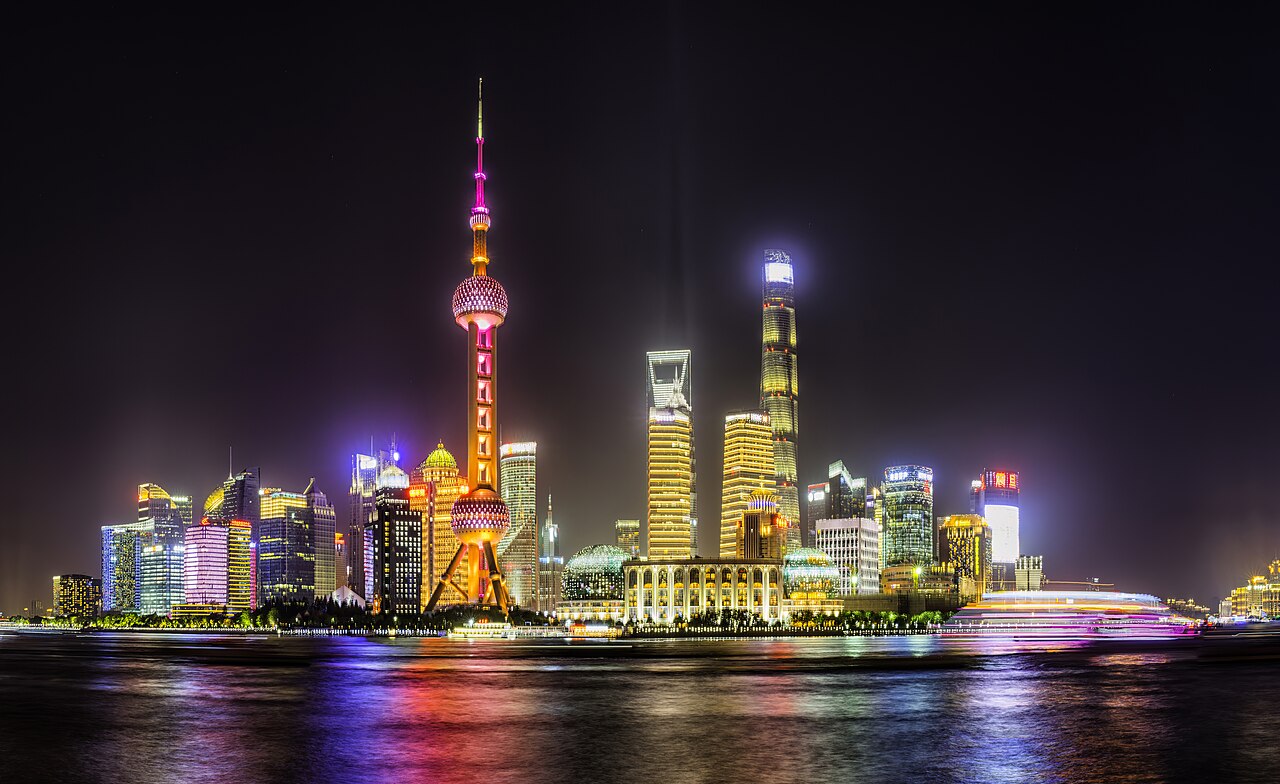
Rapeseed fields ringing the lake in July, yellow against the deep blue water
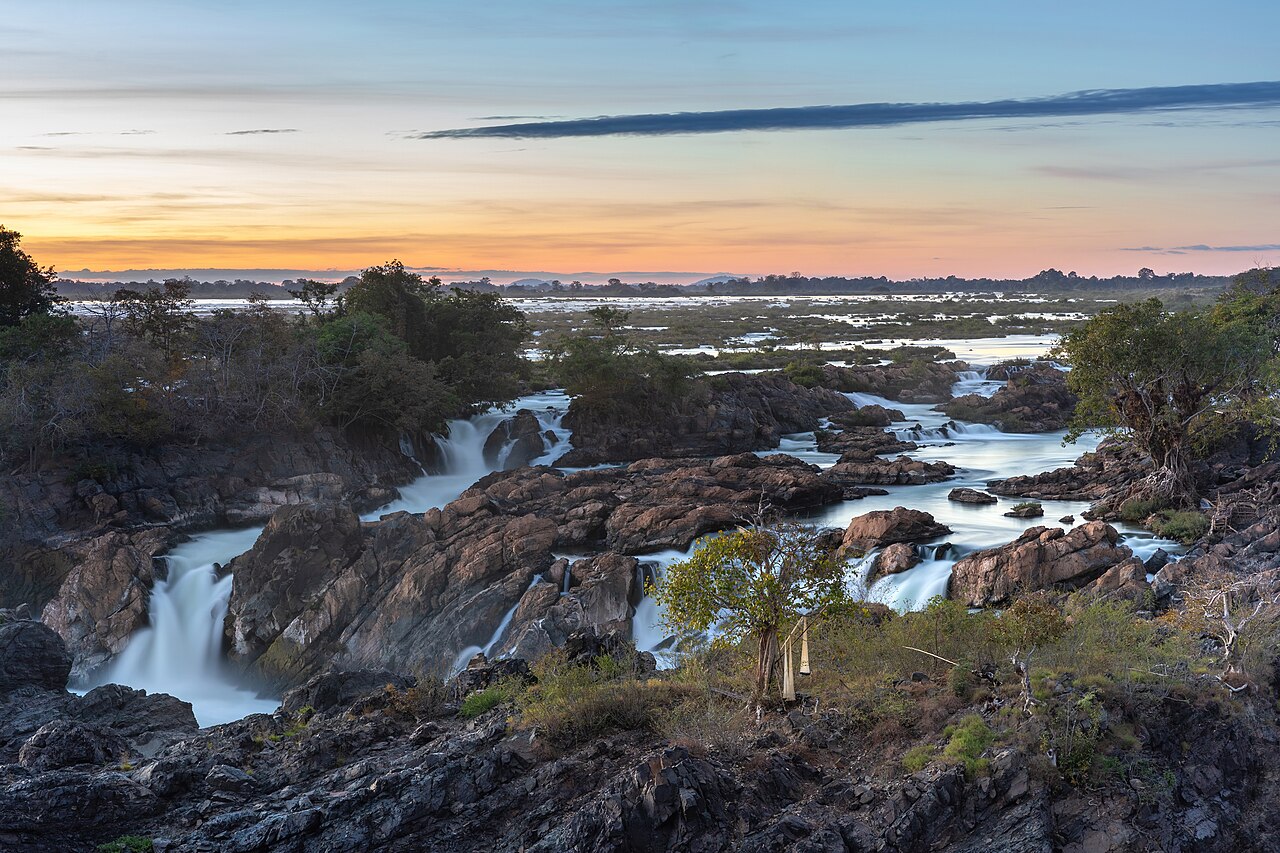
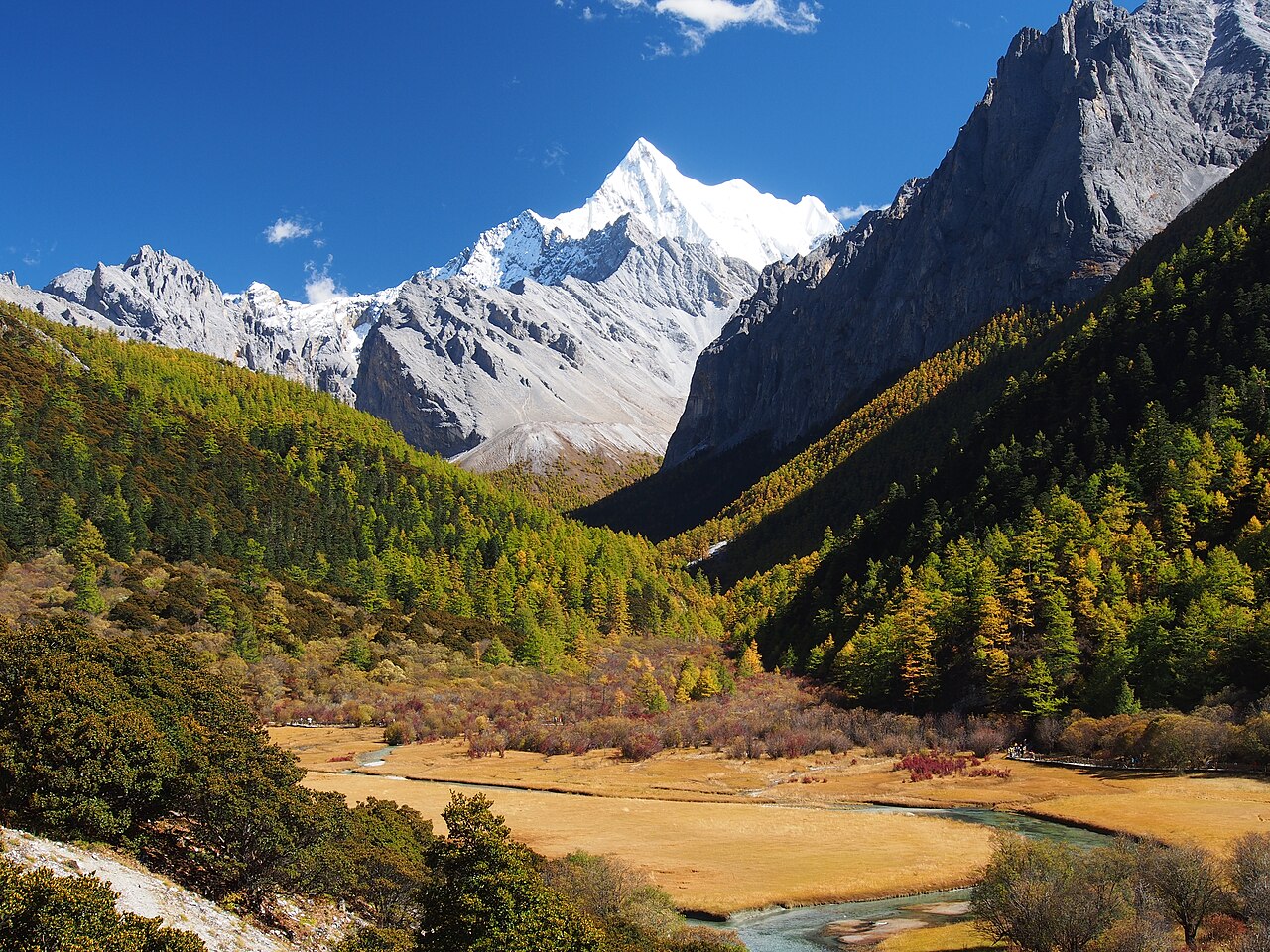
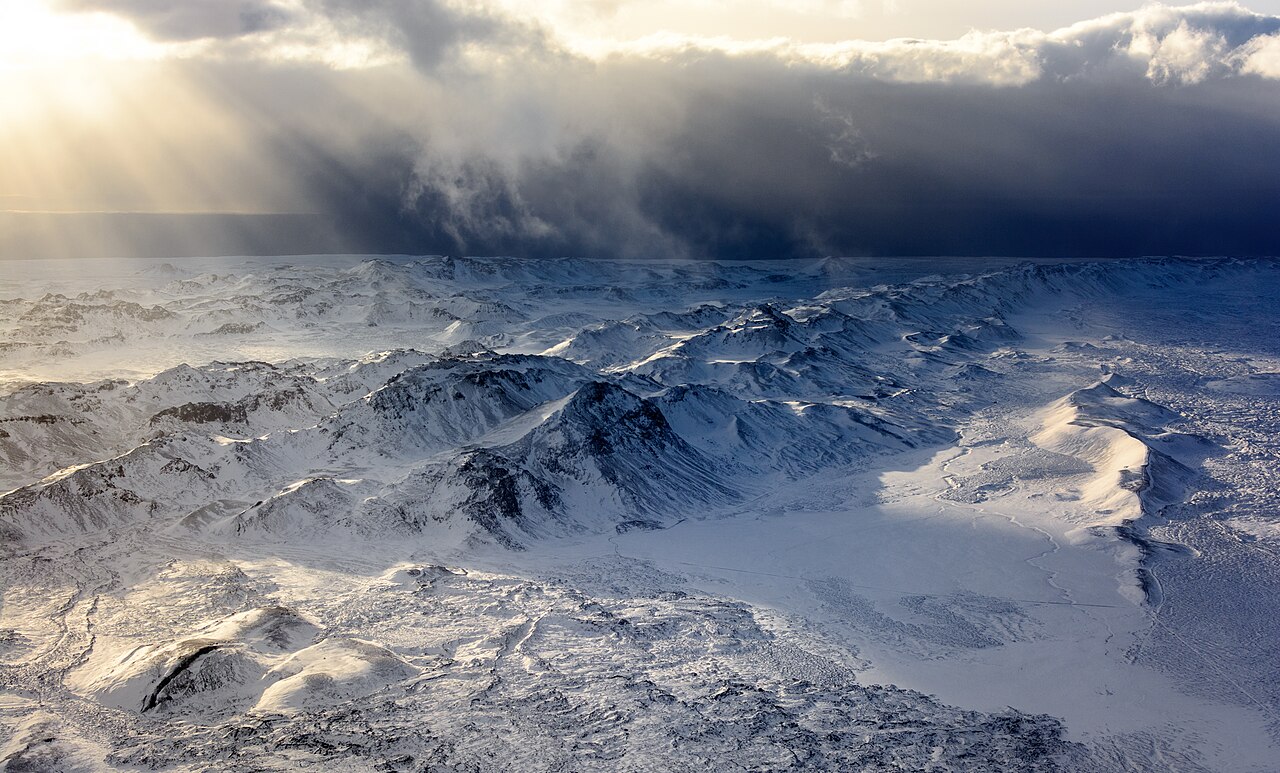
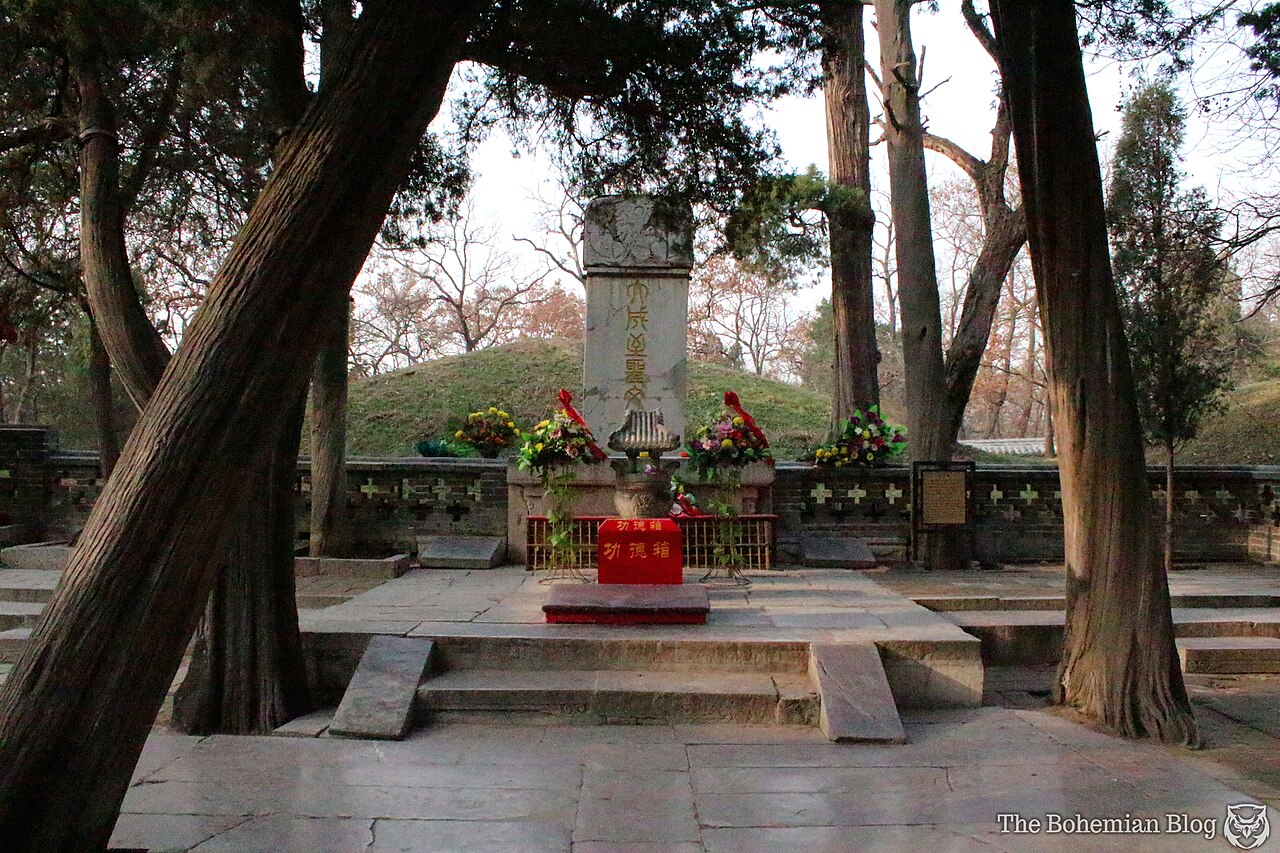
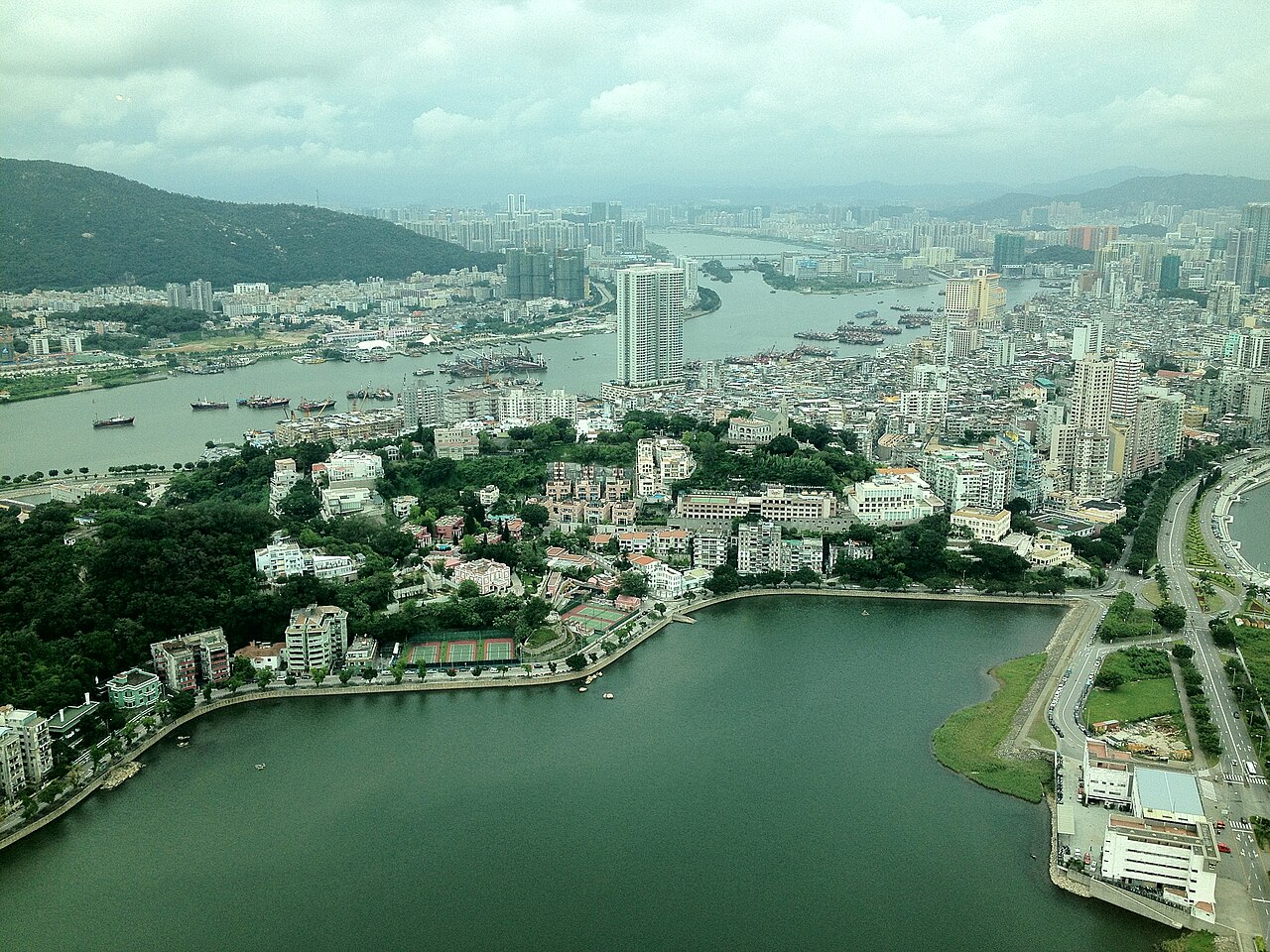
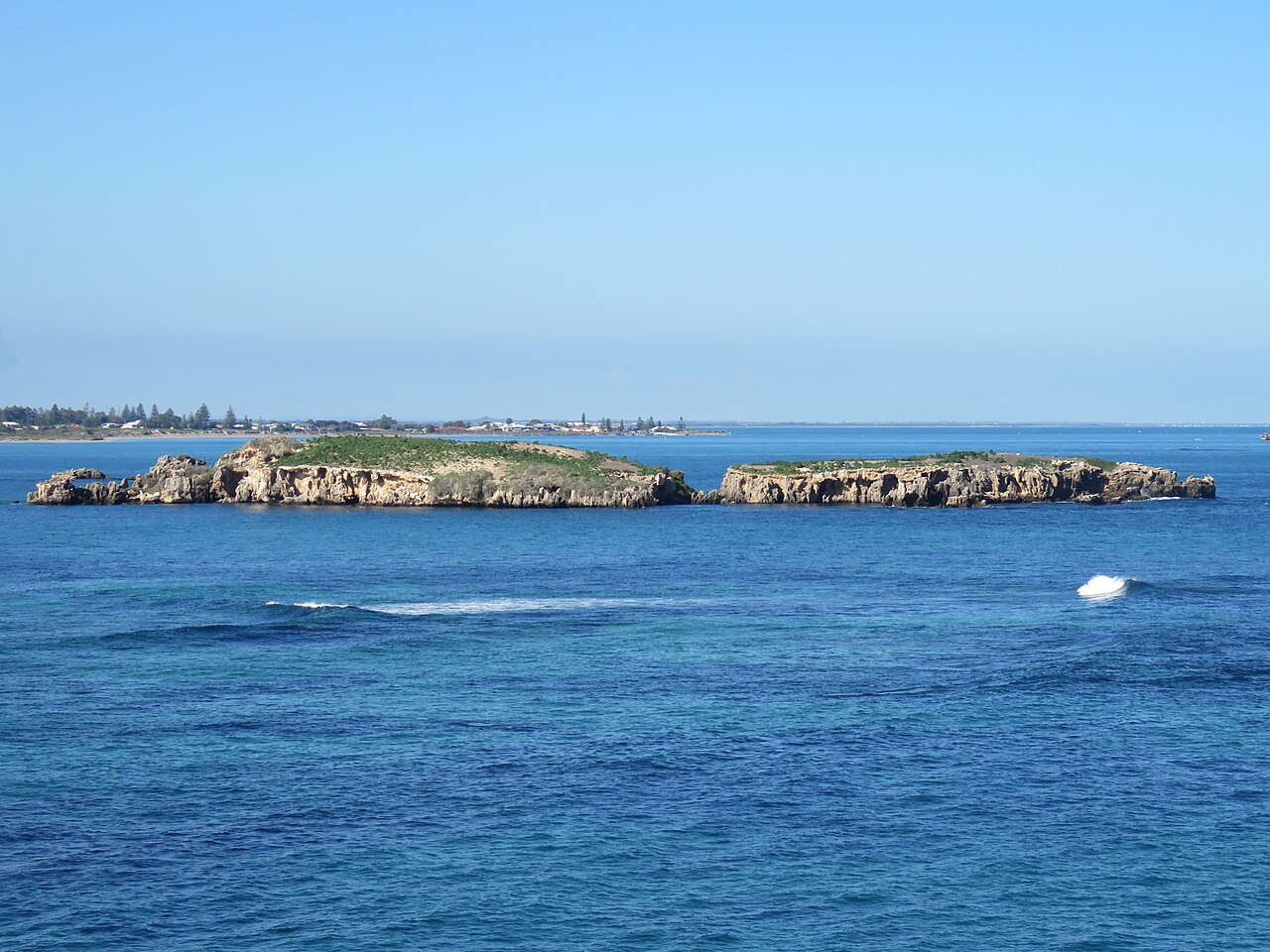
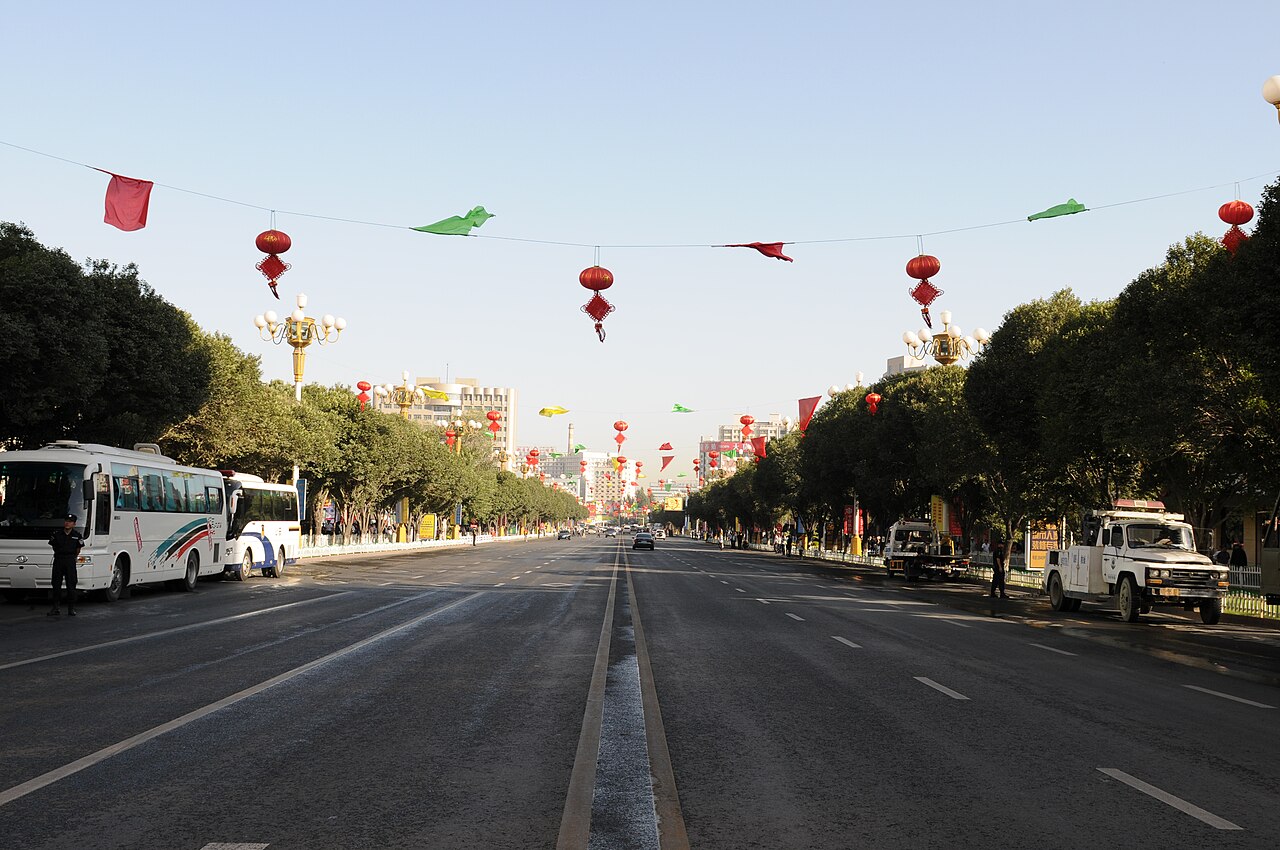
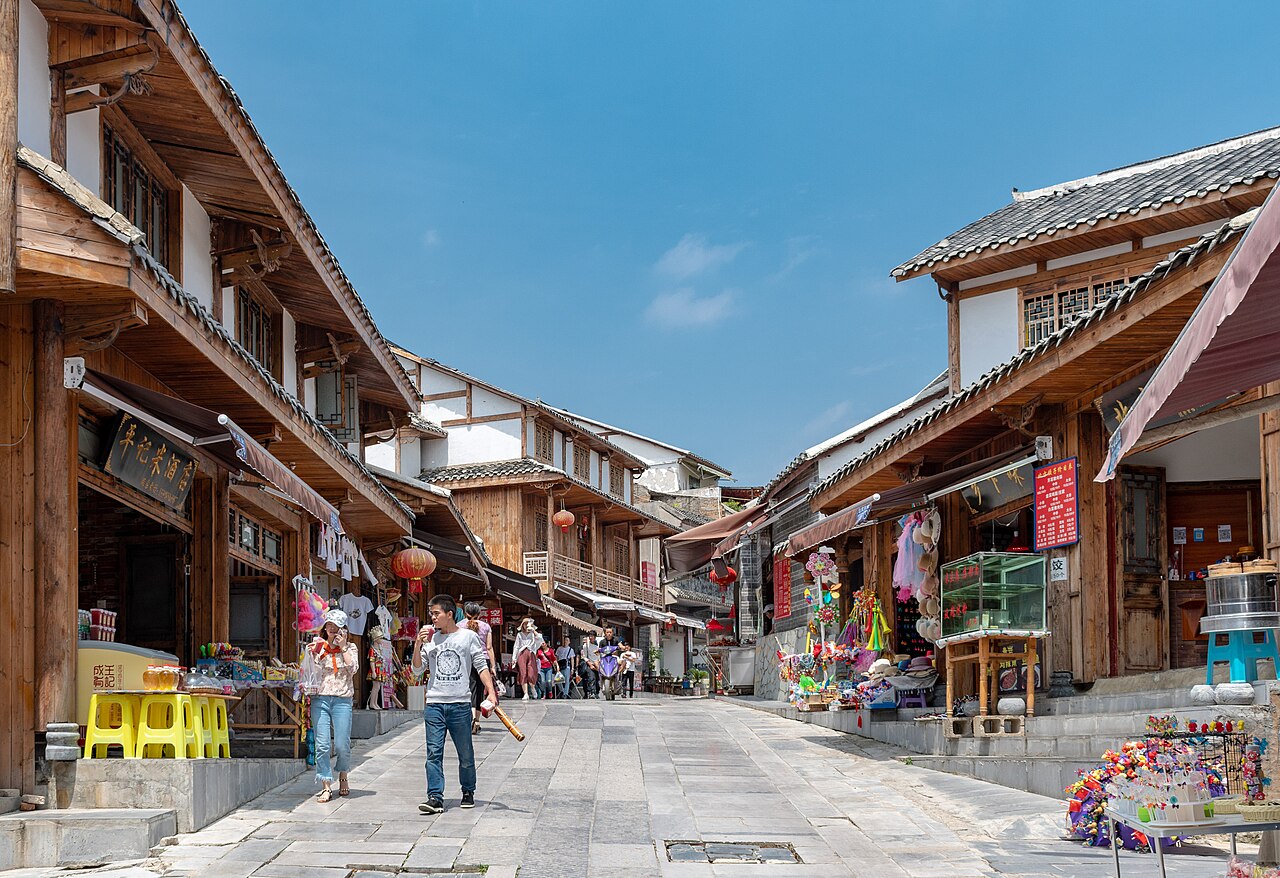
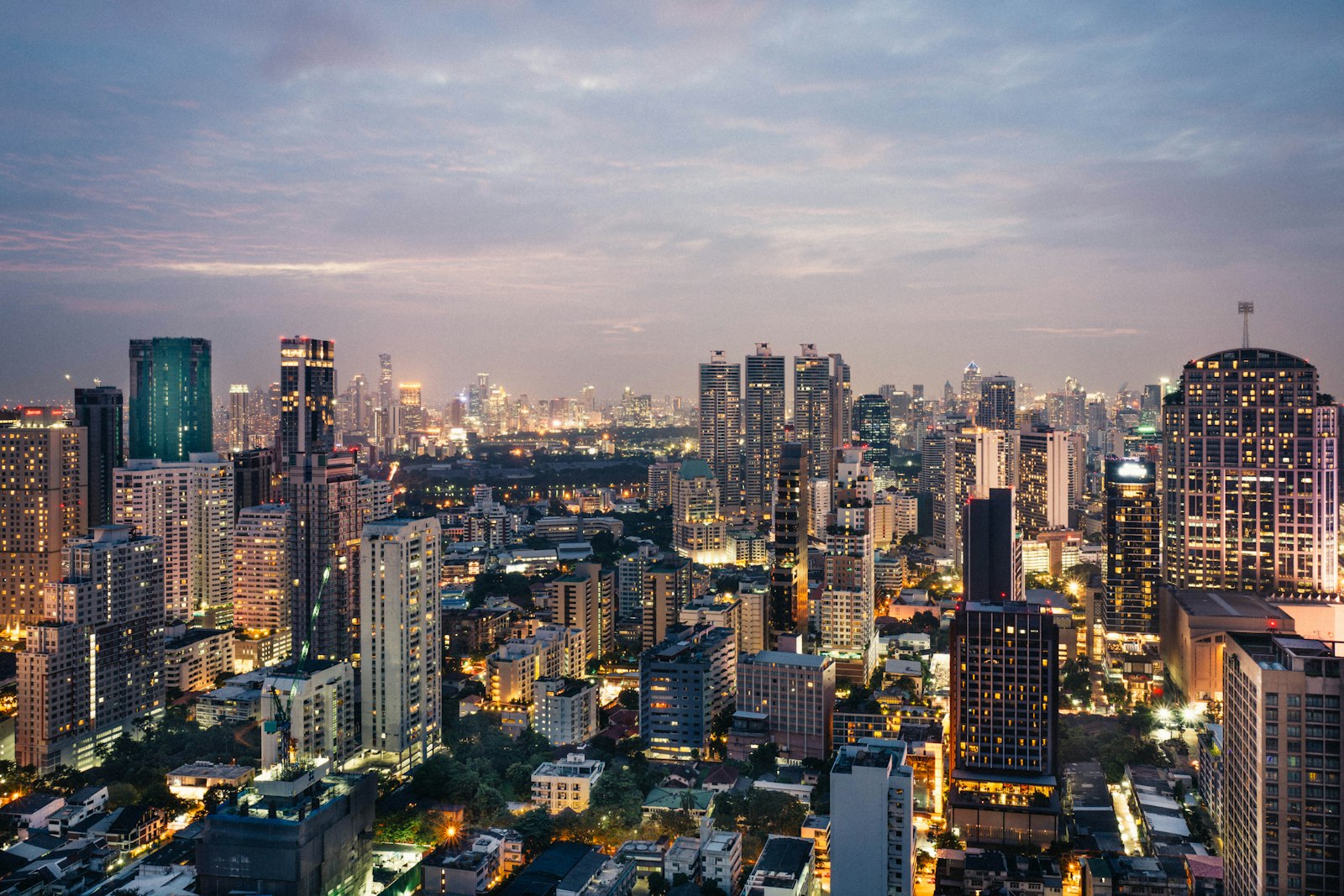
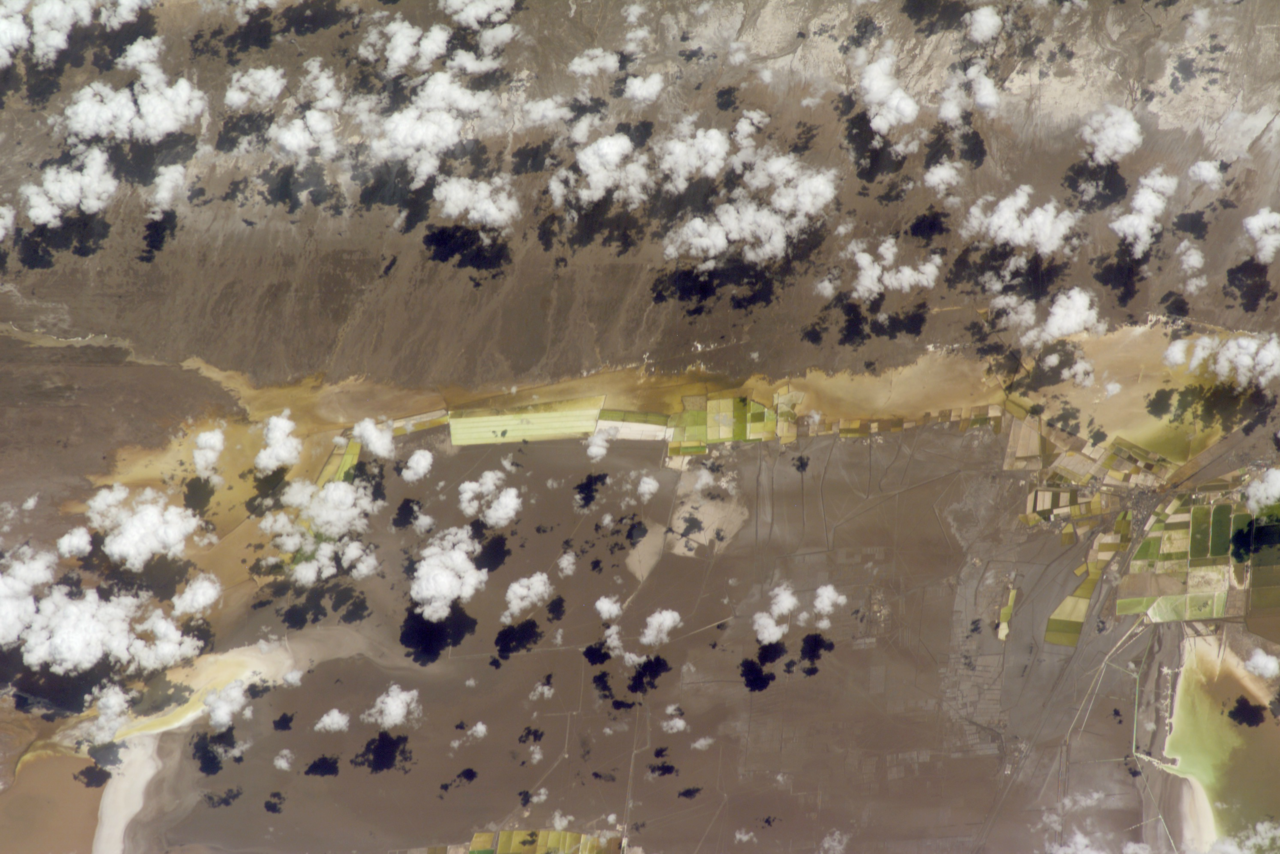
Salt crust on Chaka Salt Lake, where the ground mirrors the sky
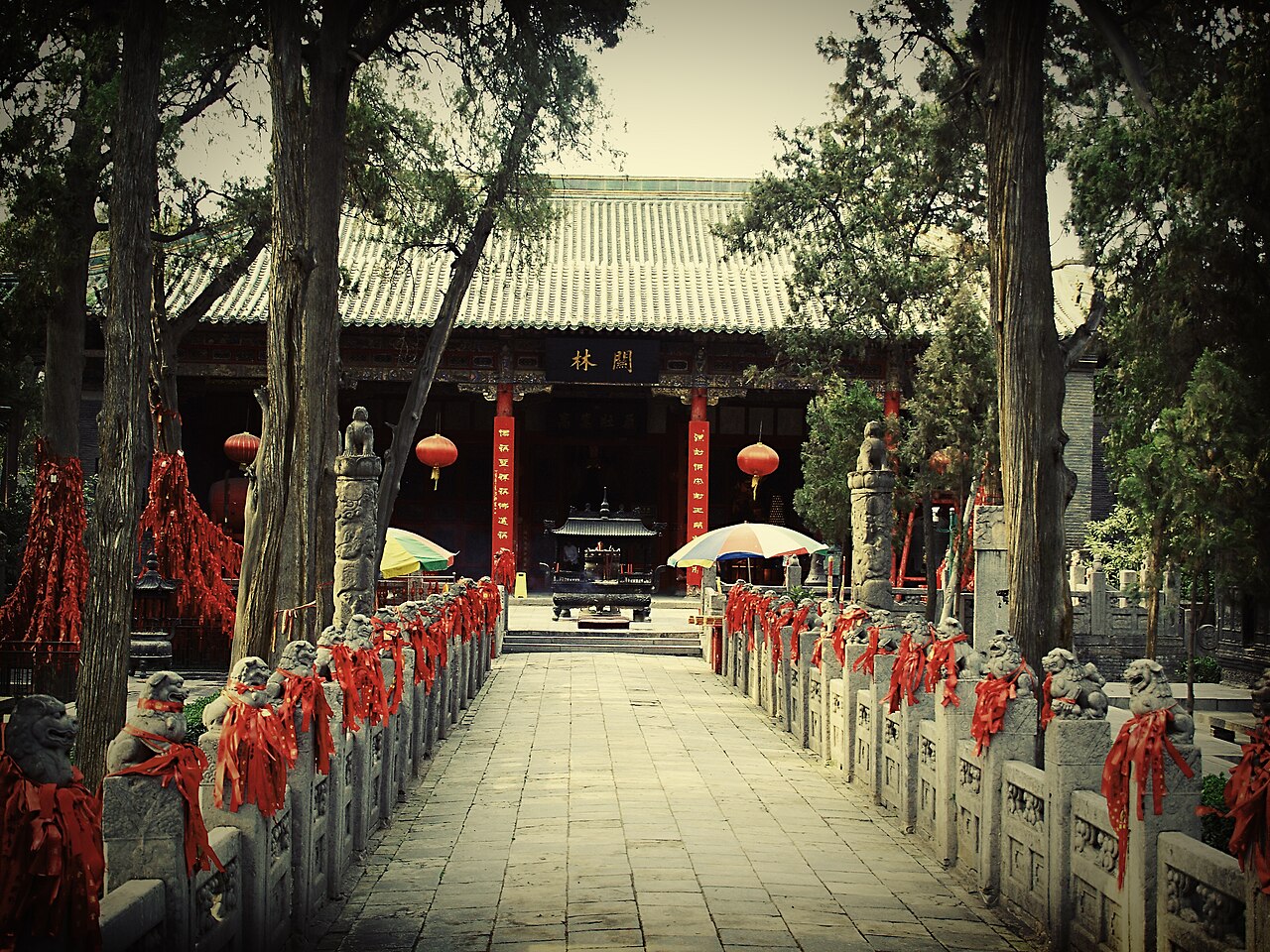
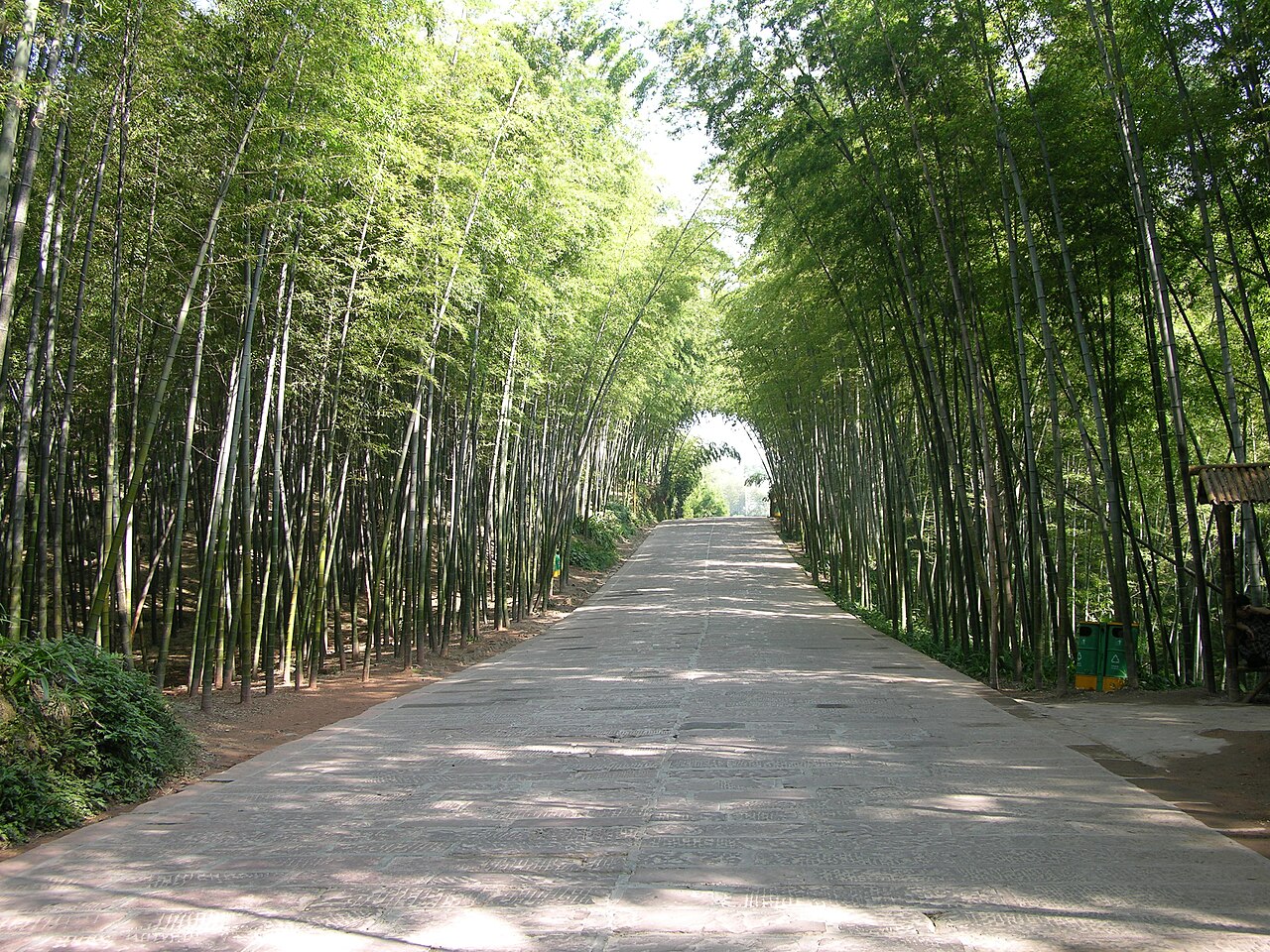
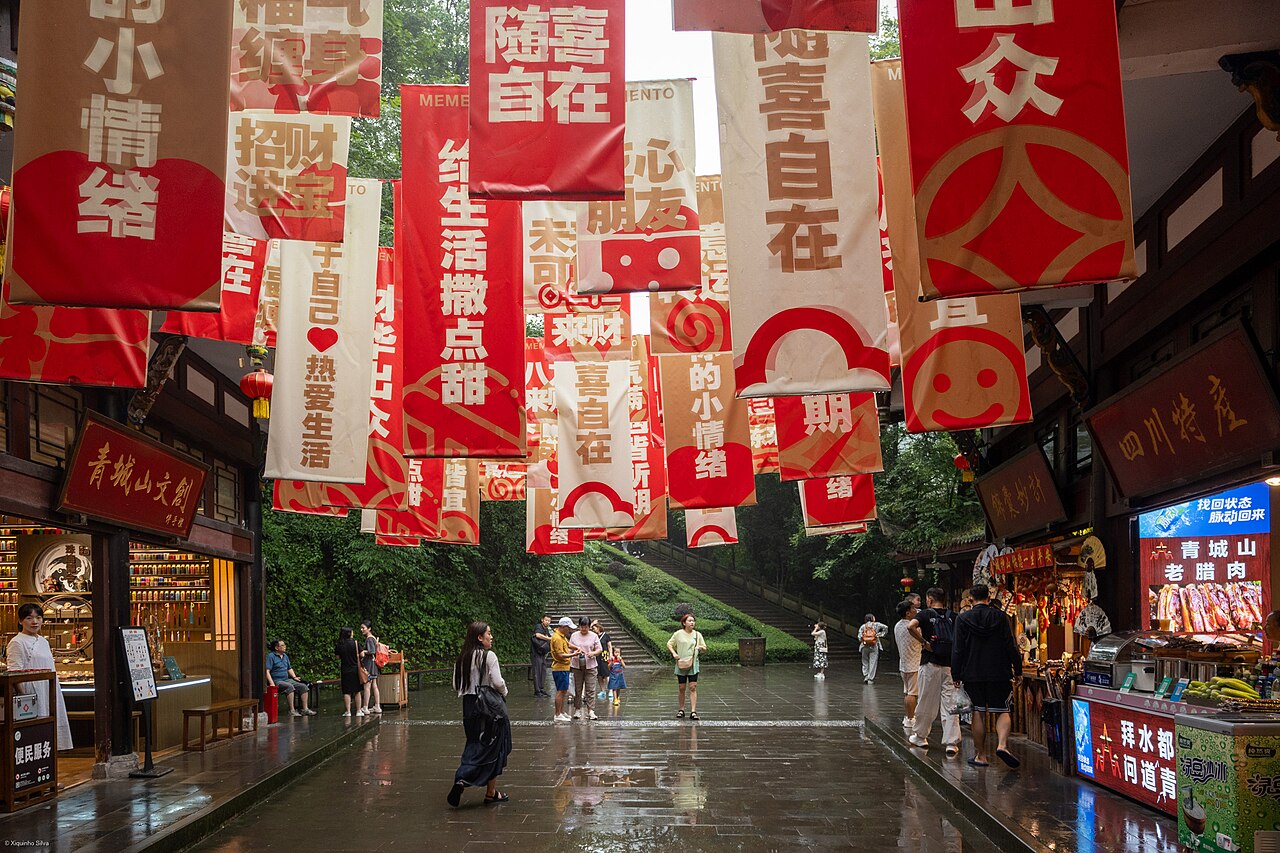
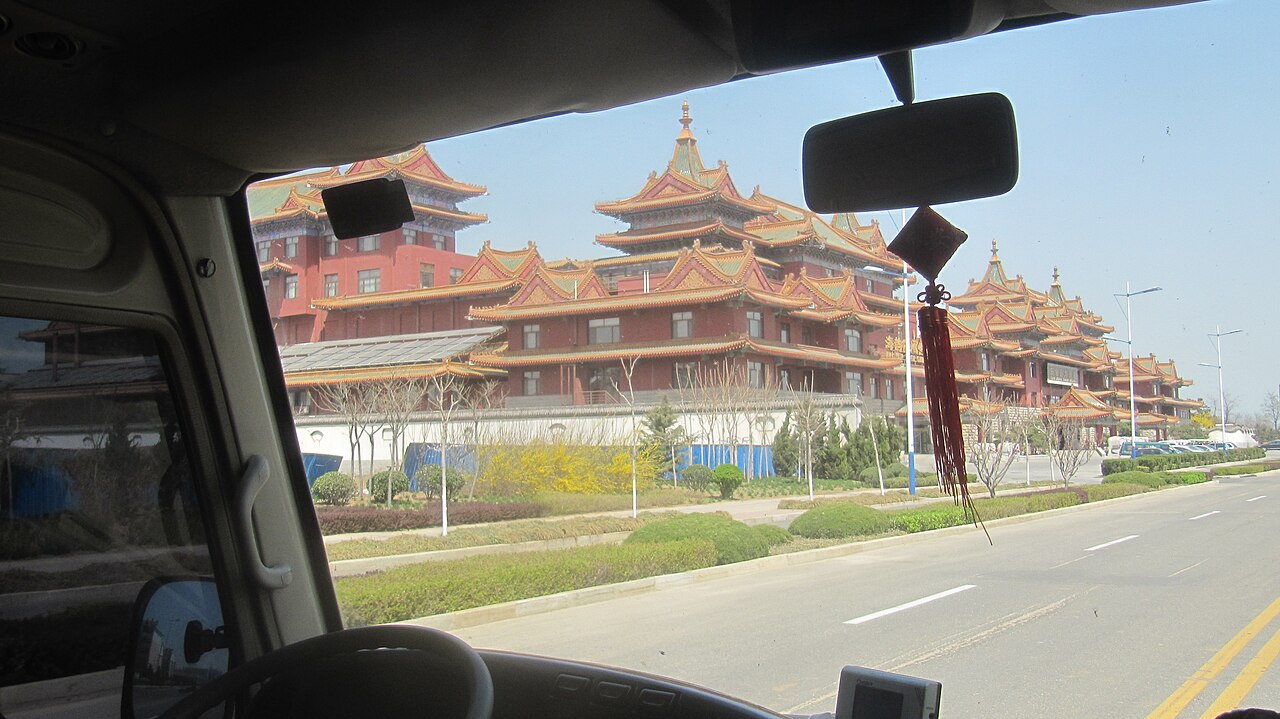
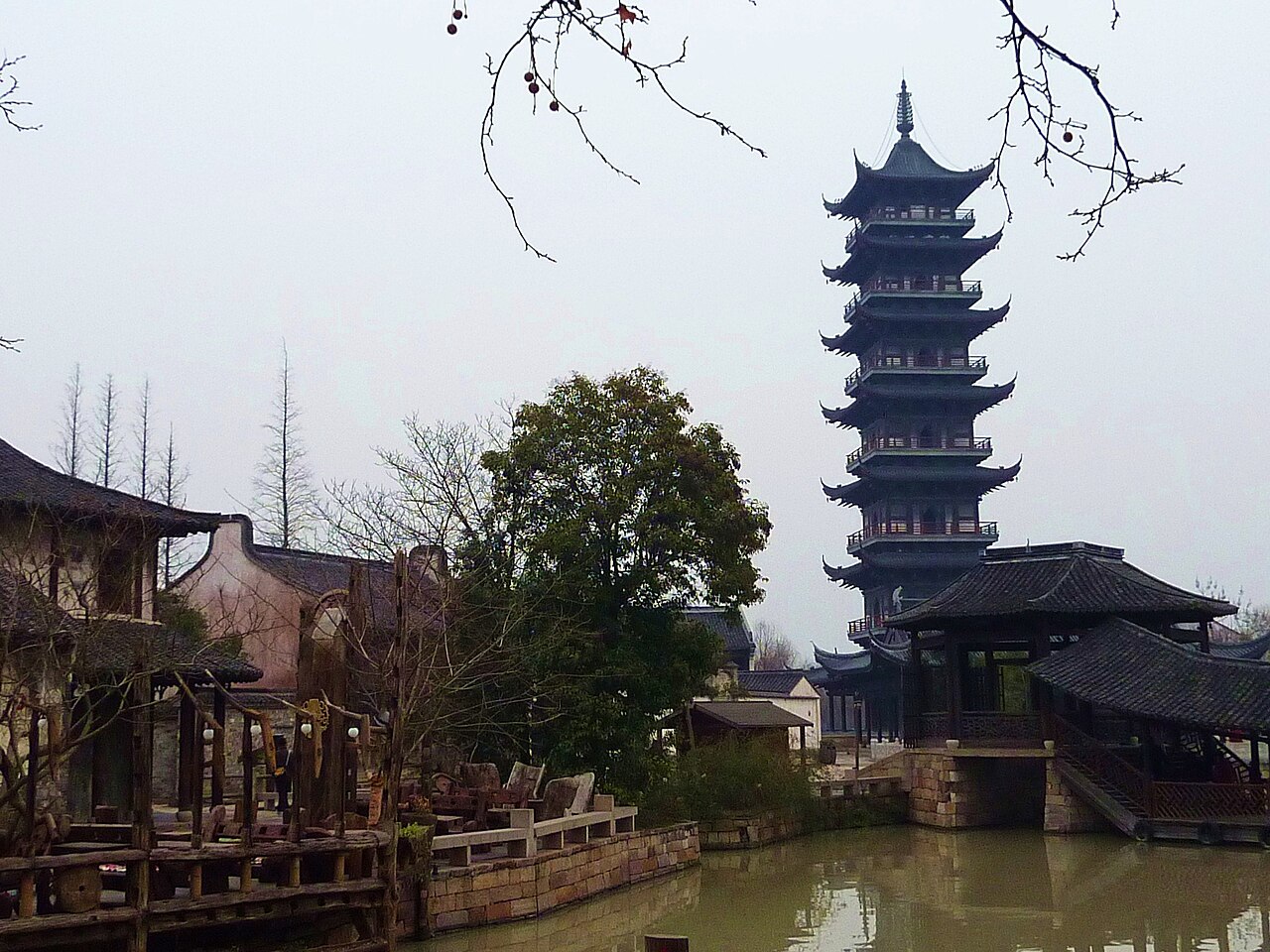
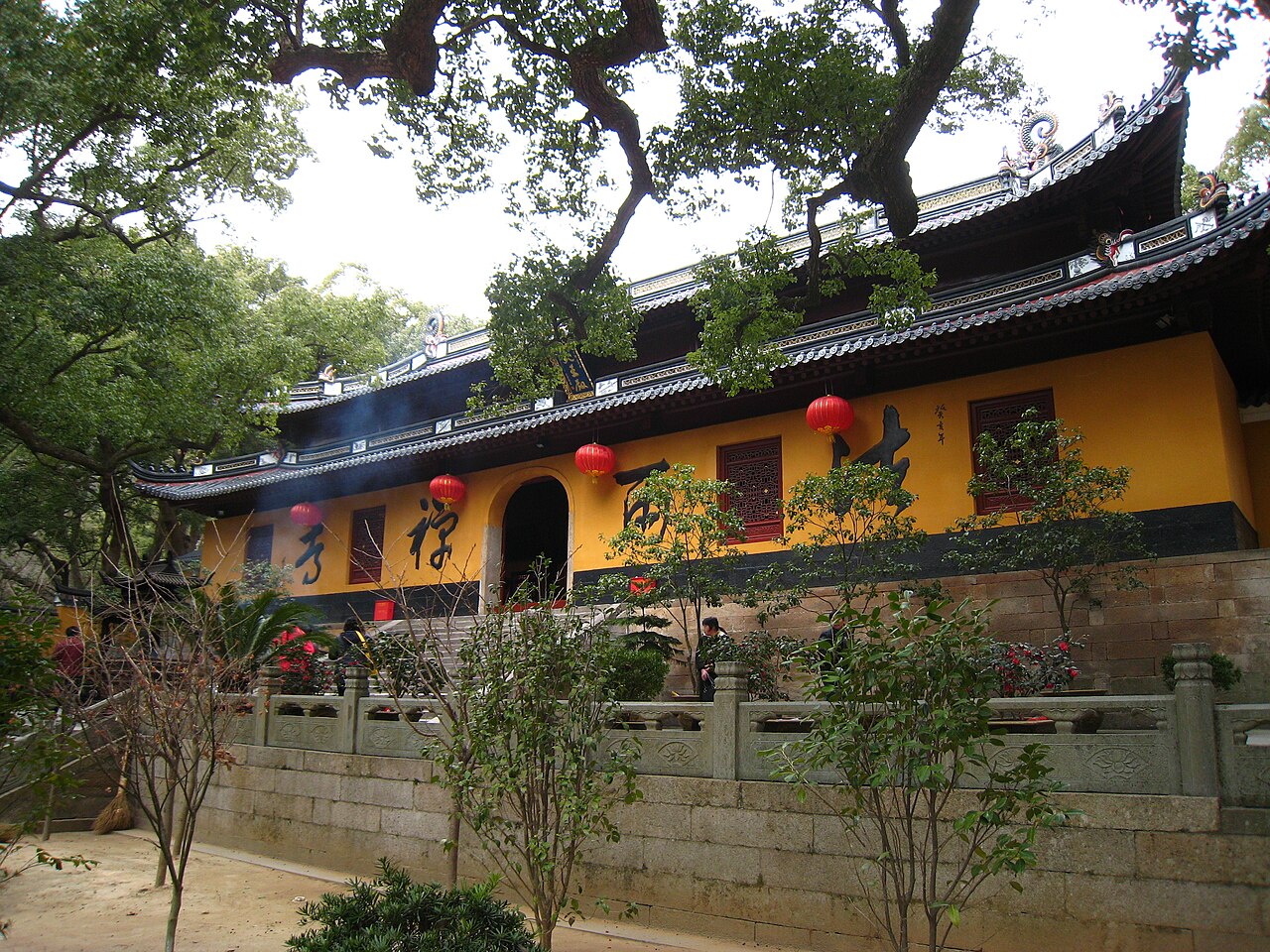
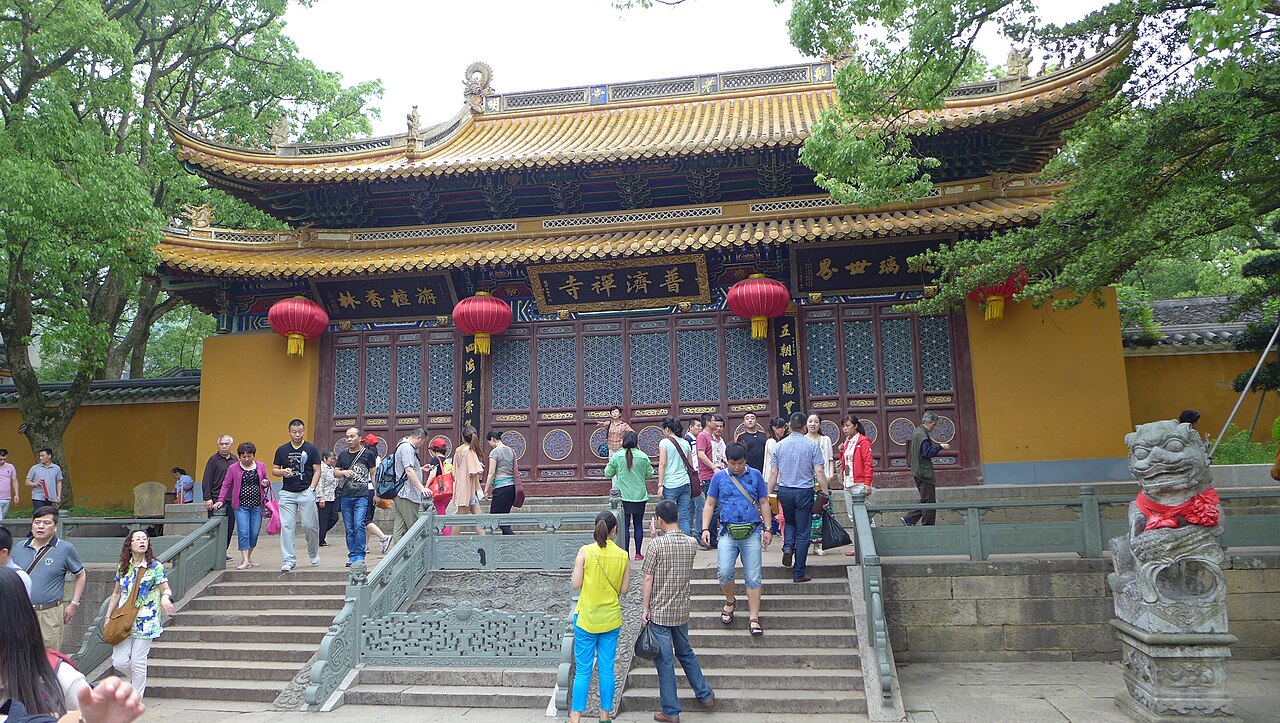
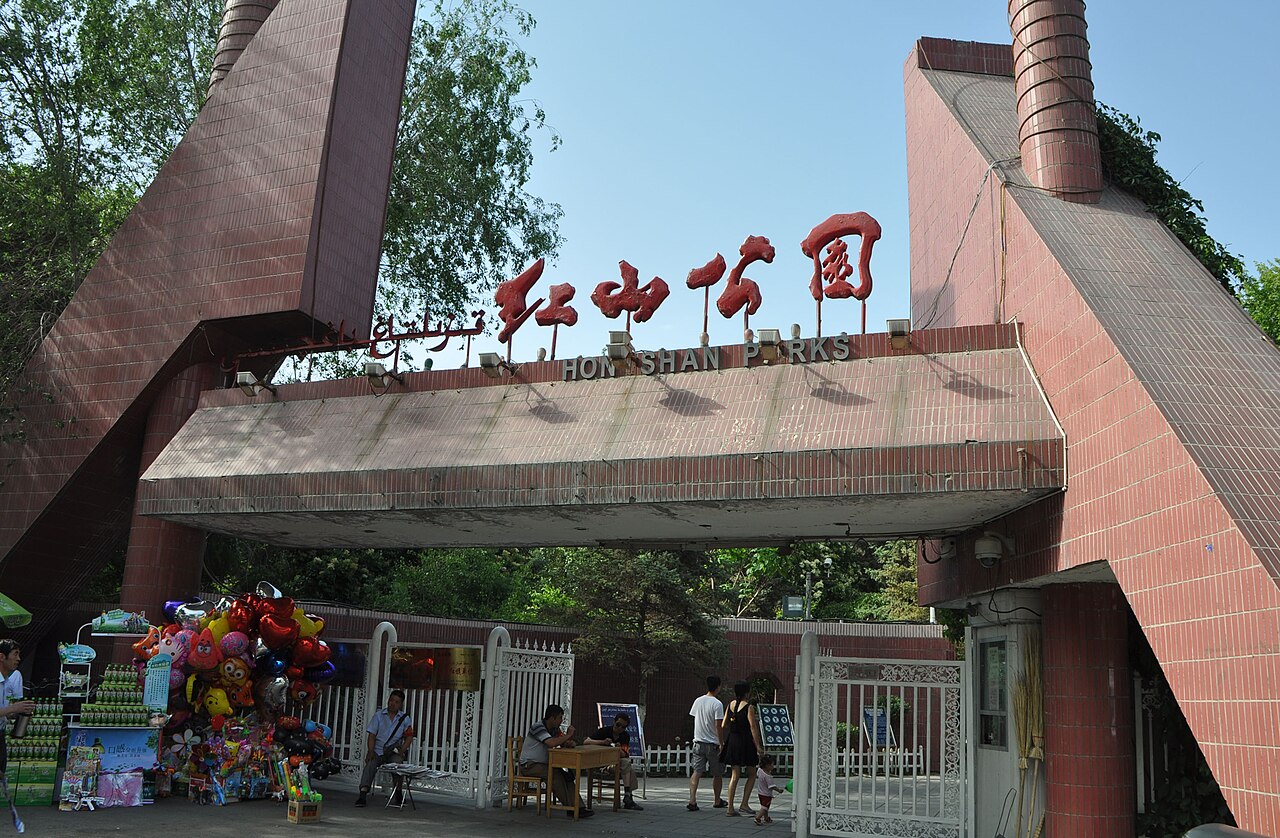
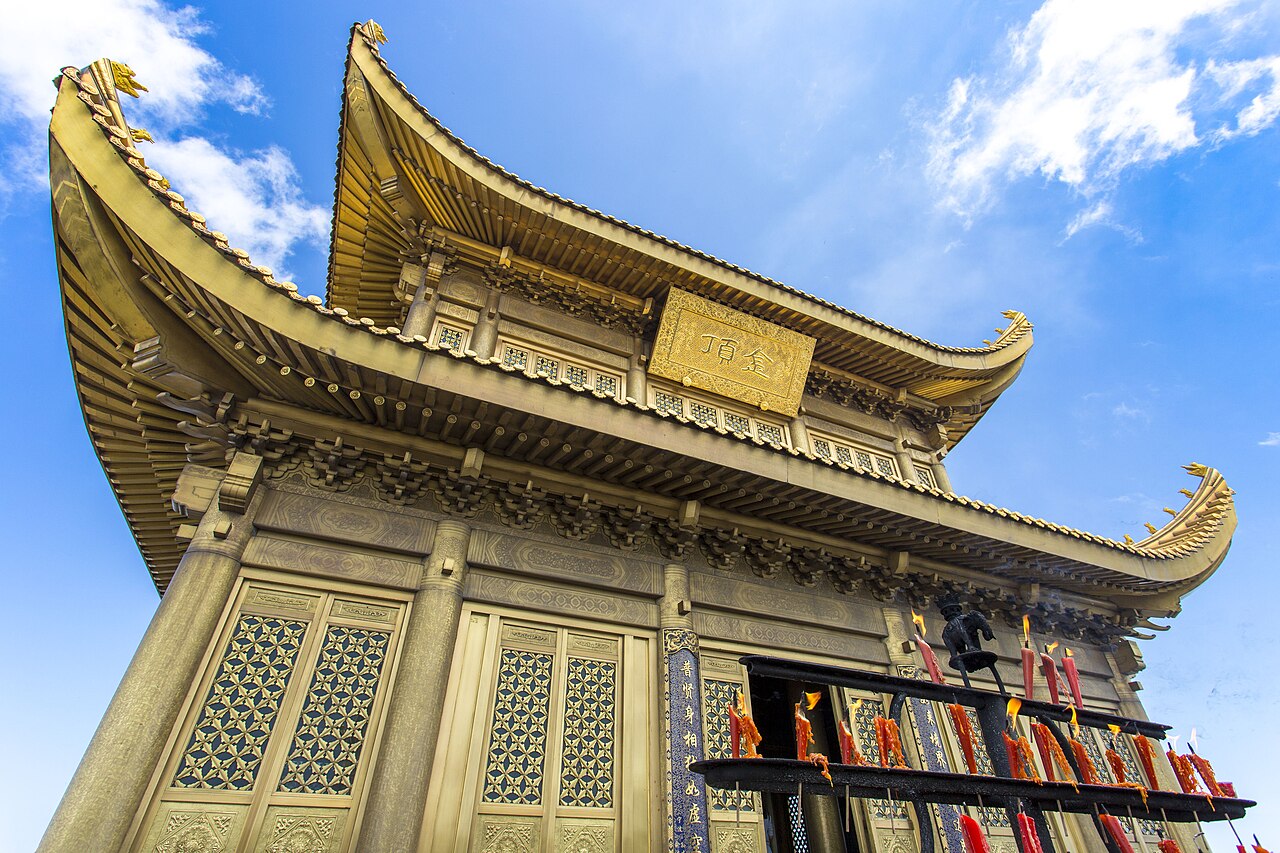
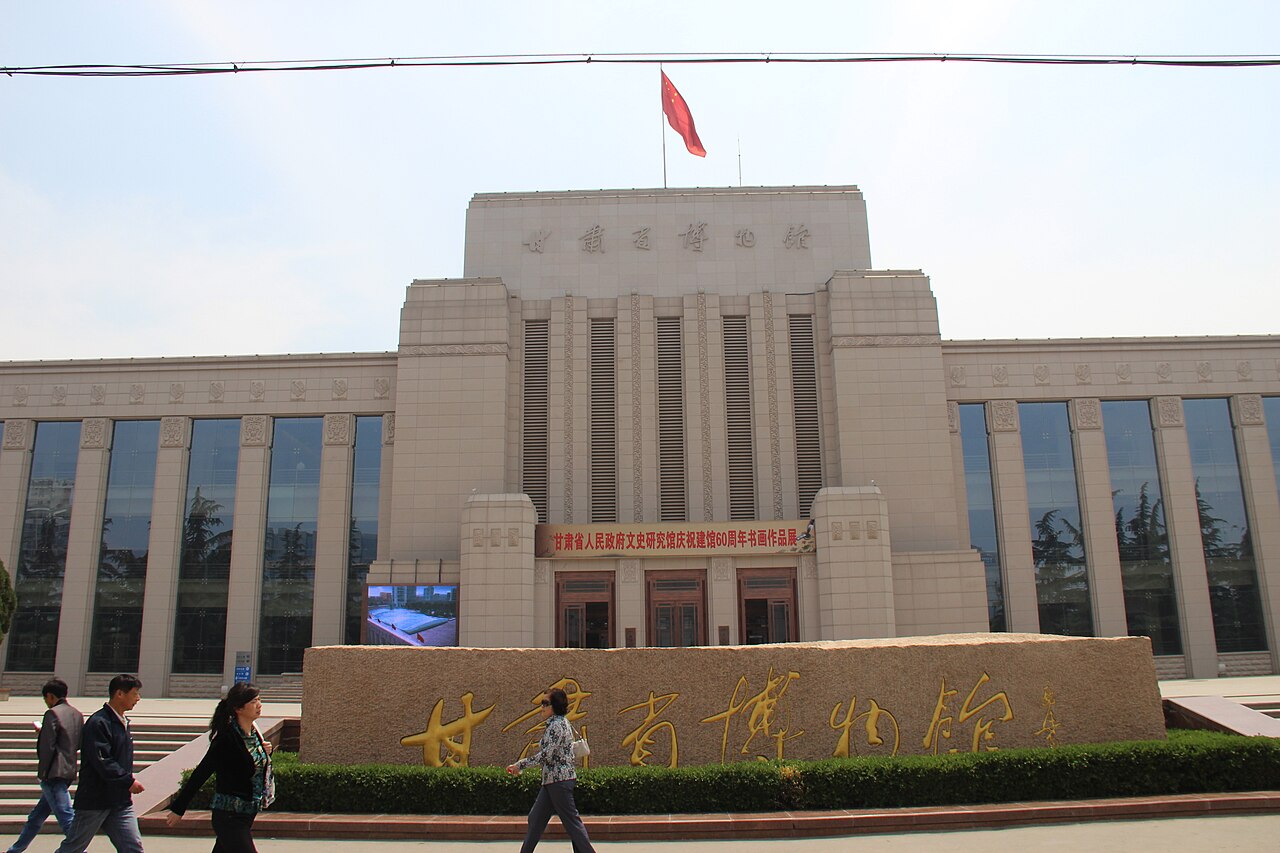
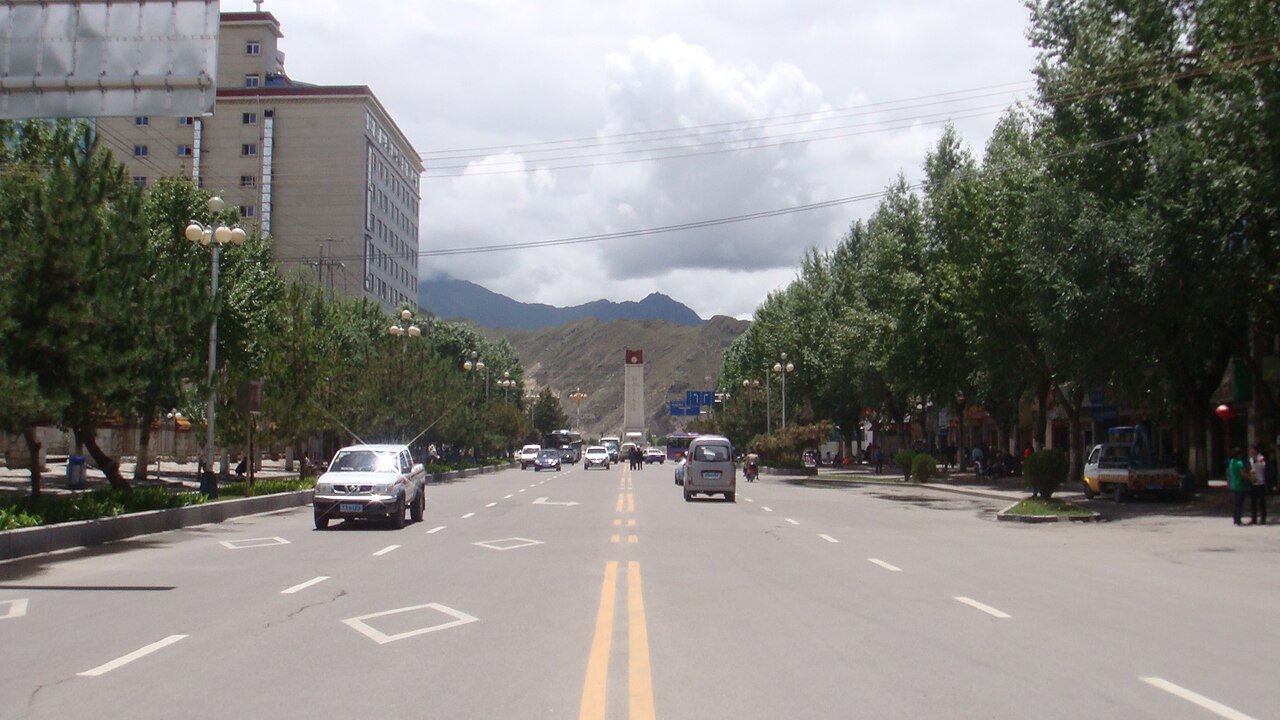
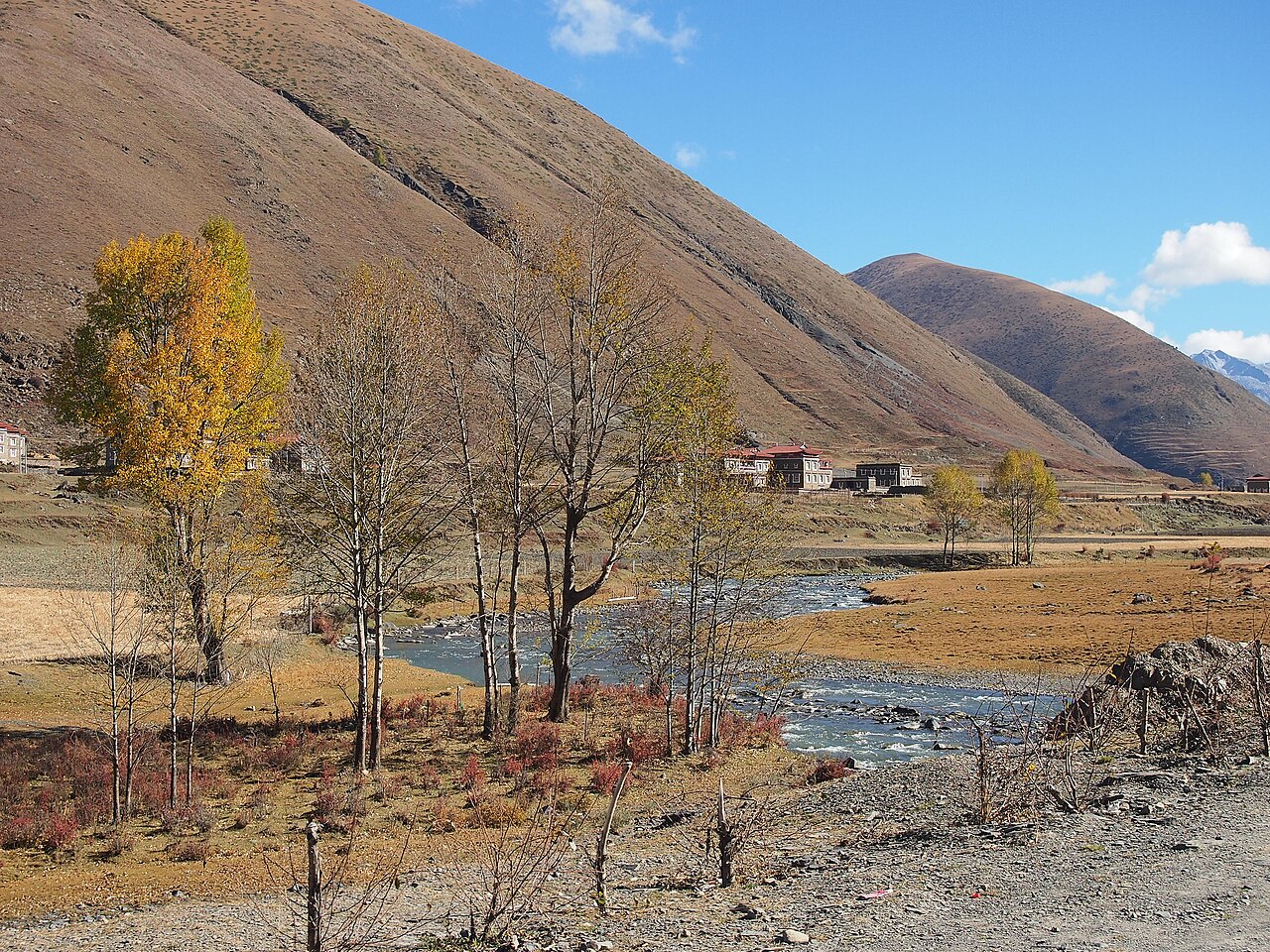
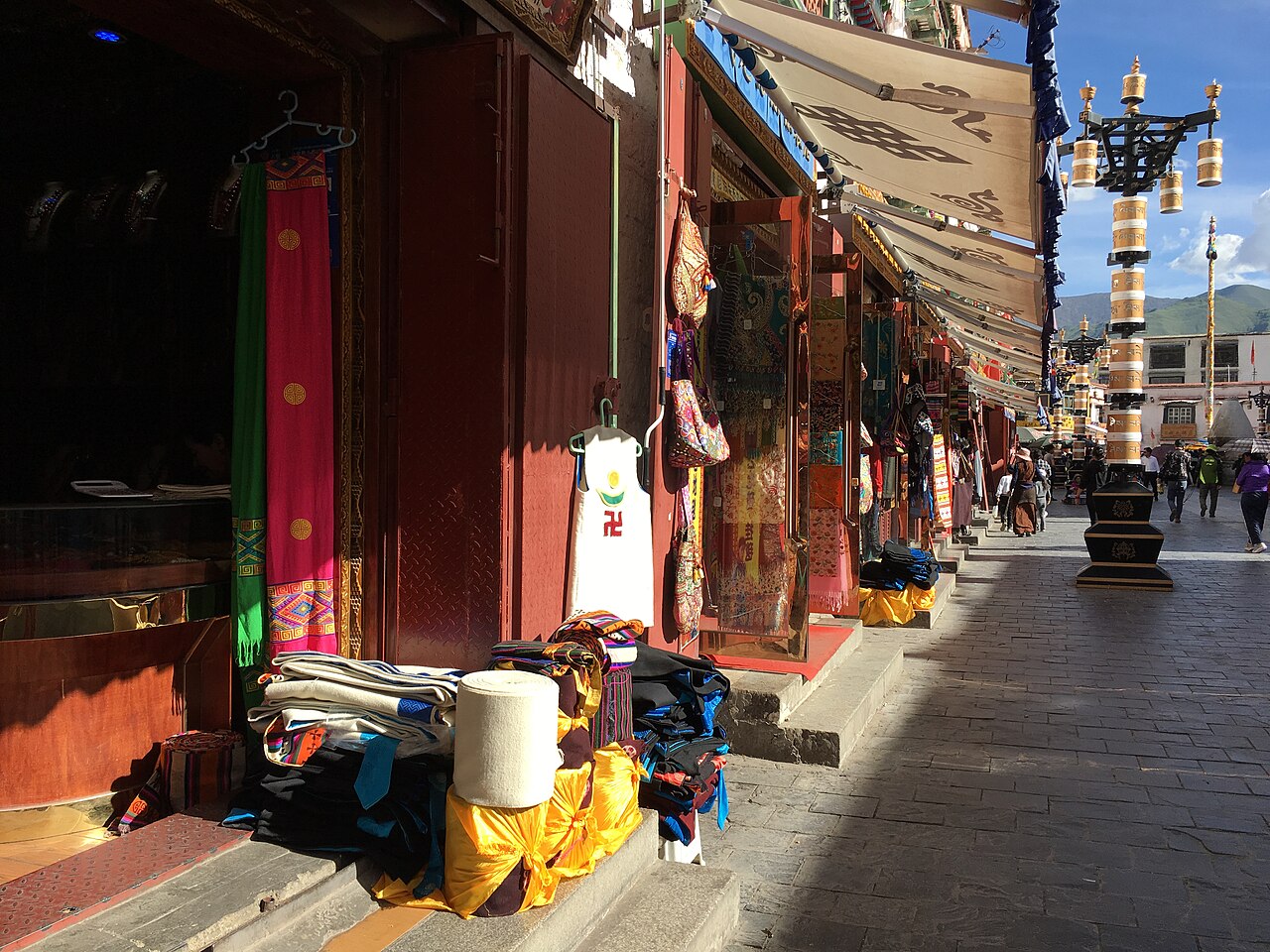
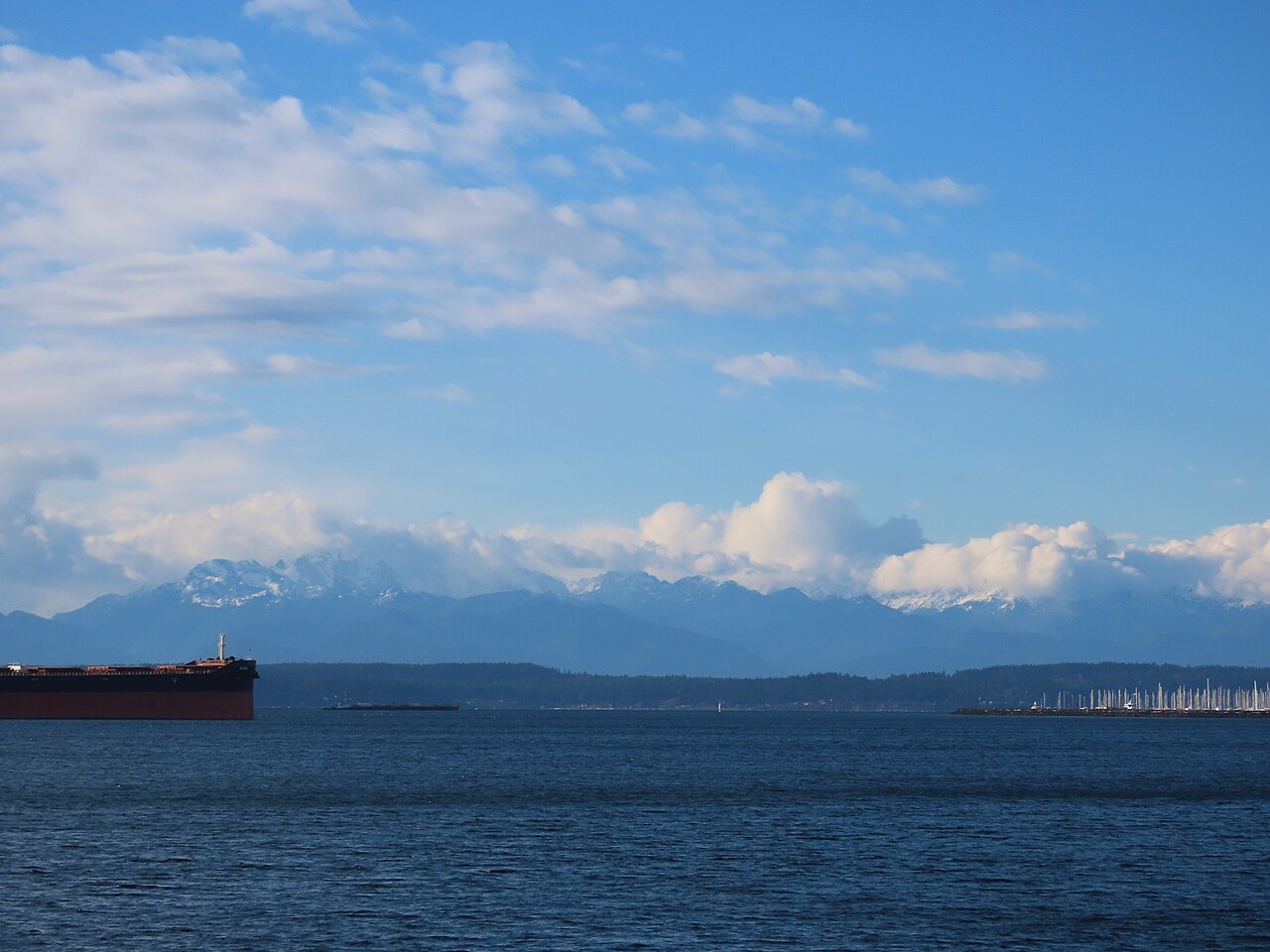
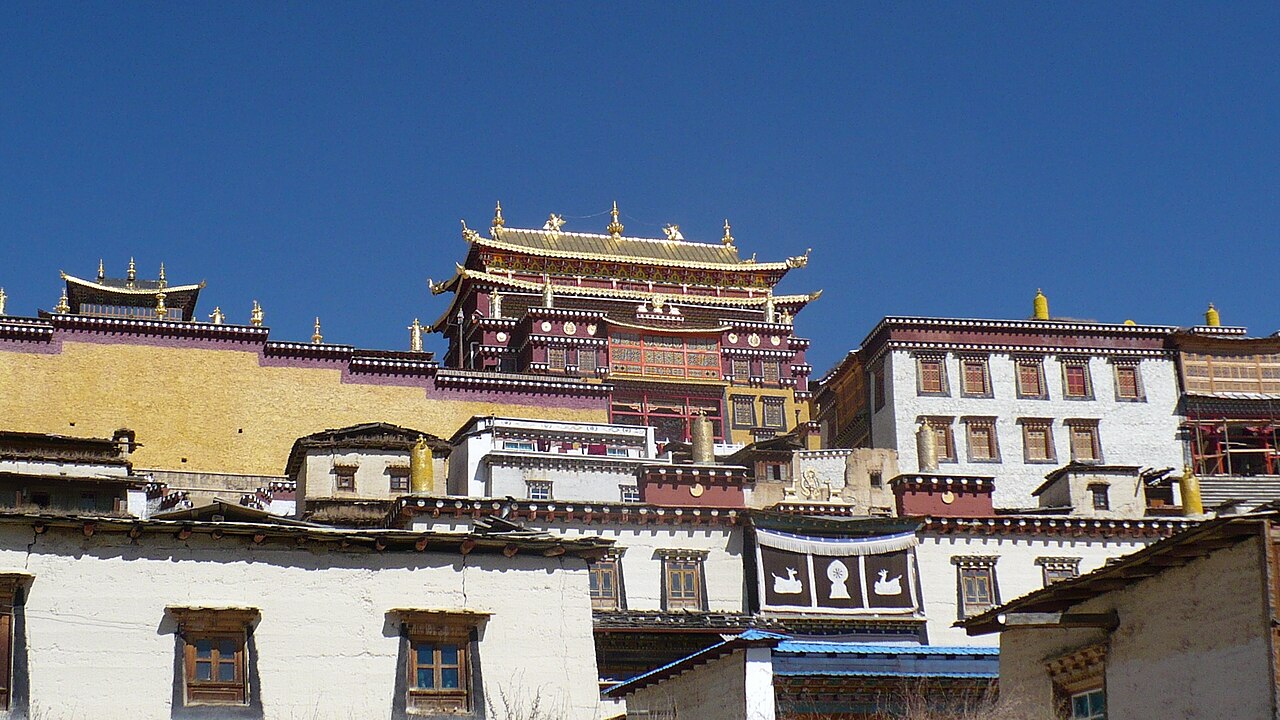
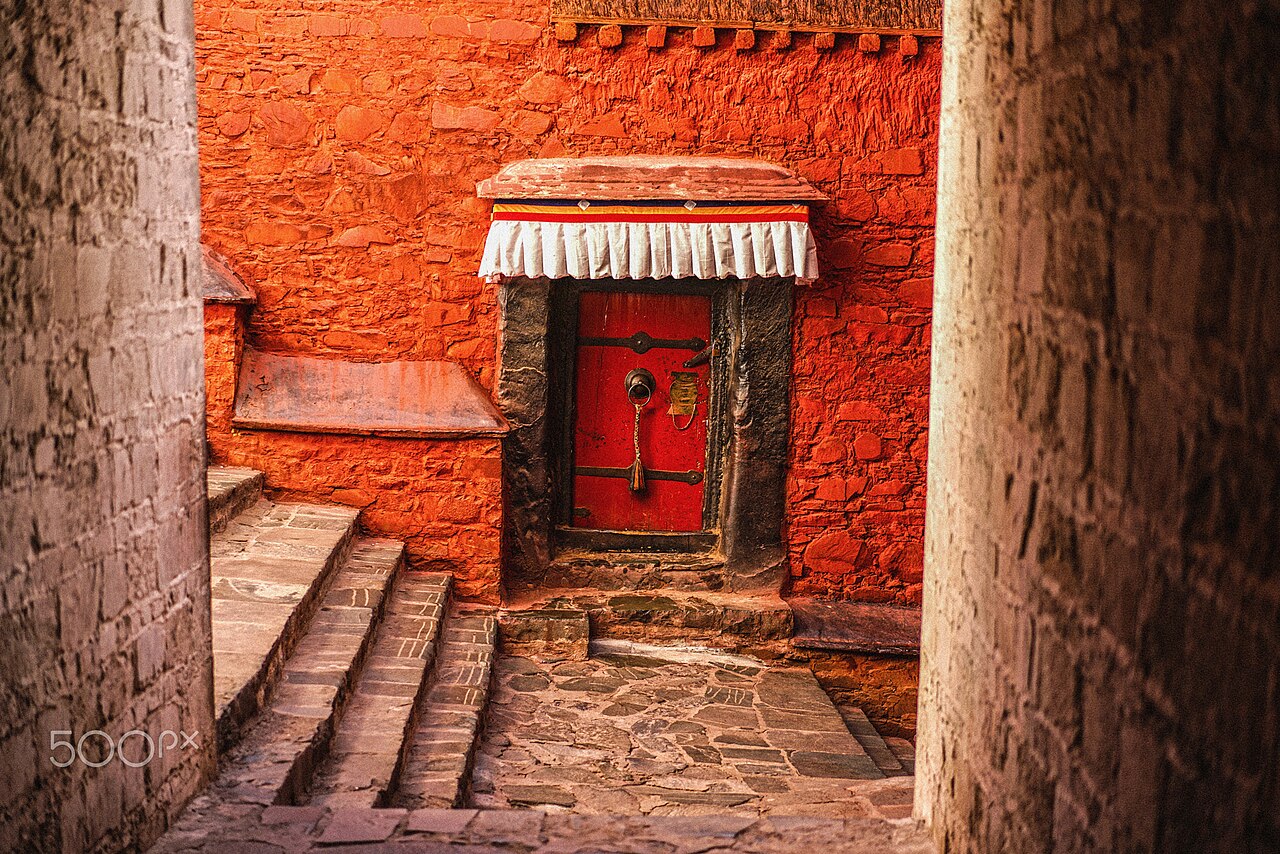
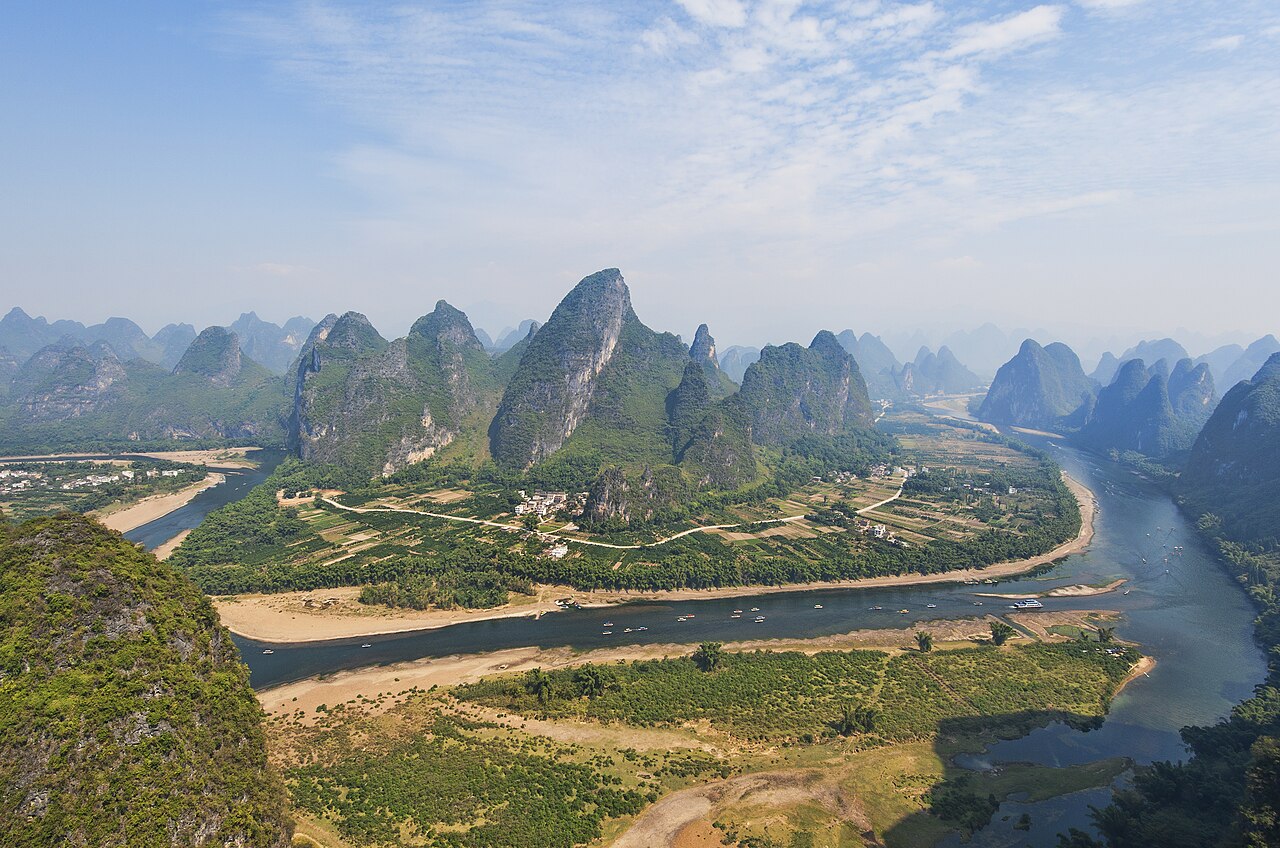
Butter lamps and gilded roofs at Ta'er Monastery outside Xining

I got up at 4am and stood by the lakeshore at Heimahe with my jacket zipped to my chin. The wind came off the water so cold it hurt. Then the sun came up behind the mountains and the entire lake went from black to silver to a blue I have no words for. I forgot I was freezing.

From a traveller's diary, 'Wild Days at the Edge of the Sky — Qinghai Lake'

Flying into Golmud and looking down, I stopped breathing for a moment. The Gobi stretched to the edge of the horizon with no end, just two straight highway lines cutting through it. You think the whole earth is desert and wilderness, and it is terrifyingly, beautifully empty.

From a traveller's diary, 'Romantic Solitary Adventure on the Sky Road'

Most travellers treat Qinghai as a corridor — a train window between Xining and Lhasa, or a bus ride on the way to Tibet. That is a mistake. Qinghai is bigger than France and sits on a plateau averaging over 3,000 metres, and its landscapes change every hundred kilometres: blue lake, yellow rapeseed, white salt flats, grey Gobi, and green alpine meadow with yaks scattered across it like dark stones.

The province sits at the crossroads of China's west. To the east is Gansu, to the west Xinjiang, to the southwest Tibet, to the southeast Sichuan. Han, Tibetan, Hui, Tu and Salar communities live side by side here, which means a mosque with golden Tibetan finials in downtown Xining, and a Tibetan monastery in Tongren where the monks paint thangka scrolls for export across the Tibetan world. Islam and Tibetan Buddhism overlap in the same city blocks.

The reason to come is the scale. Standing at the edge of Qinghai Lake at 3,200 metres, with the far shore invisible over the horizon and the water shifting from grey to turquoise as cloud shadows move across it, is a different experience from seeing a photograph. Then you drive three hours west into salt flats where the ground crunches under your boots, and the same day ends with a bowl of thick set yogurt and skewers of lamb in a Xining food street.

Qinghai

Don't leave without

Seven things that are worth rearranging a day for.

  1. Watch sunrise from Heimahe, the lake's southwest corner and its best dawn viewpoint
  2. Walk out onto Chaka Salt Lake at golden hour, when the shallow water turns into a mirror
  3. Cycle or drive the 360 km ring road around Qinghai Lake, China's highest-level cycling route
  4. See the 618-metre-long Tibetan painted scroll at the Tibetan Medicine Culture Museum in Xining
  5. Visit Ta'er Monastery, birthplace of Tsongkhapa and home of the famous butter sculptures
  6. Eat your way down Mojia Street in Xining: hand-pulled lamb, liangpi, and thick set yogurt

Highlights

Five reasons Qinghai is more than just a lake

The biggest salt lake in China, an

Chaerhan Salt Lake spreads over 5,800 square kilometres at 2,670 metres, holding enough sodium chloride to feed the entire world for 1,000 years. The 32-kilometre Wanzhang Salt Bridge is a highway with no piers and no concrete — it floats on brine, held up by nothing but crystallised salt. You can stand on a single crystal the size of your palm and it won't crack.
Qinghai Lake: 360 kilometres of bl

In July and August, over a million mu of rapeseed blossoms ring the shoreline in gold against water so blue it looks edited. The 360-kilometre ring road is a pilgrimage route for cyclists and one of China's top-level racing circuits — the Tour of Qinghai Lake runs here every July and August. Tibetan pilgrims still walk the full circumference, prostrating every few steps.

A monastery town that lives for ar

Tongren in Huangnan Prefecture is the birthplace of Regong art — thangka painting, murals, embroidery and sculpture. Visit Wutun Upper and Lower Monasteries and you walk into working studios: monks paint, sculpt and carve, and the old masters still take apprentices. The Guomari Stupa, at 33 metres the largest in the Amdo Tibetan region, took five years to build.

Sunrise at Heimahe is worth the al

Heimahe sits on the southwest shore of Qinghai Lake, about 220 kilometres from Xining, and it's the single best place to watch the sun come up over the water. Stay in a lakeside tent or get your driver to leave the town before dawn — the 41-kilometre stretch of the ring road from Heimahe to Shinaihai is the most beautiful section of the whole lake.

Yak yoghurt, hand-grabbed lamb, an

Xining's Moshi Street and Shuijing Lane are the places to eat: set yak yoghurt so thick a spoon stands in it, hand-grabbed mutton, niangpi cold noodles, goujiaonia pancakes cooked in rapeseed oil, and sweet fermented barley. Most of it costs under CNY 20 a portion and tastes like nowhere else in China.

Itinerary

Two ways to spend three days in Qinghai

Classic Qinghai Lake loop

3 days days

The tightest loop that still gets you the lake, the blossoms, the monastery and the sunrise — doable on public transport plus a shared car, best in mid-to-late July.

  1. Day 1

    Xining to Guide via Ta'er Monaster

    Start at Ta'er Monastery, 25 kilometres south of Xining — the birthplace of Tsongkhapa and one of the six great monasteries of the Gelug school. Entry is CNY 80 and it opens 08:00–17:00. Get there early: the butter sculptures, murals and embroidered thangkas are the three things everyone comes for, and by 10am the courtyards are full.

    Stops: Ta'er MonasteryGuideXining

  2. Day 2

    Over Sun and Moon Mountain to the

    Cross Sun and Moon Mountain (CNY 40) and the backward-flowing Daotang River, then hit the 151 Base at Erlangjian on the south shore — peak season entry CNY 100, low season CNY 50, with a CNY 10 shuttle from the gate to the water. Push on to Heimahe for the night and sleep in a lakeside tent if you can.

    Stops: Sun and Moon MountainDaotang River151 BaseHeimahe

  3. Day 3

    Sunrise, then the wild west shore

    Up before dawn for sunrise over the lake, then drive the western ring road toward Bird Island — peak entry CNY 115, low season CNY 78, best from late April to May when the migratory birds arrive; by August they're gone. Continue through Gangcha and back to Xining, or loop north via Qilian and Menyuan if you have a car.

    Stops: Heimahe sunriseBird IslandGangchaQilianMenyuanXining

Qinghai Lake plus Chaerhan Salt La

3 days days

A longer-haul version that swaps blossom fields for desert, salt and the Qaidam Basin — this one needs a car and a driver, best from June to October.

  1. Day 1

    Xining to Chaka via the lake's sou

    Same start as the classic loop, but keep going past Heimahe to Chaka Salt Lake, where the shallow water turns into a mirror at dawn and dusk. Overnight in Chaka town or push to Heimahe if you want the lake sunrise.

    Stops: 151 BaseHeimaheChaka Salt Lake

  2. Day 2

    Chaka to Golmud across the Qaidam

    A long driving day through genuinely empty country — this is the stretch where you understand how big Qinghai is. Arrive in Golmud, the second-largest city in the province, a place that appears out of the desert like a mirage. Eat well here: the Sichuan restaurants are the real thing, and options get thin from this point on.

    Stops: ChakaGolmud

  3. Day 3

    Chaerhan Salt Lake and the Wanzhan

    Drive out to Chaerhan, China's largest salt lake, and cross the Wanzhang Salt Bridge — a road floating on brine with no piers and no cement. If you have an extra day, the Kunlun Pass and the Tuotuo River headwaters of the Yangtze are within reach, but they need a full day and proper acclimatisation.

    Stops: Chaerhan Salt LakeWanzhang Salt BridgeKunlun Pass

Sights

Five places worth building a trip around

Monastery

Ta'er Monastery (Kumbum)

The birthplace of Tsongkhapa sits in a valley 25 kilometres southwest of Xining, its white stupas and gilded roofs stacked up the hillside. This is the spiritual heart of the Gelug school and one of the largest monasteries in northwest China. The three unmissables are the butter sculptures — made by monks in freezing rooms in winter — the murals, and the embroidered thangka hangings that fill the main hall.

Entry
CNY 80
Hours
08:00–17:00
Getting there
Bus from Xining's Ximen or Gonghe Road station, CNY 3–5, 15–30 min frequency; last bus around 19:00
Time needed
3–4 hours

Tip Go on the first bus of the day. By 10am the tour groups arrive and the butter sculpture hall becomes a slow-moving queue. Photography is banned inside the main halls — leave the camera in your bag rather than risk a monk's whistle.

Lake

Qinghai Lake (Koko Nor)

At 3,200 metres and 4,300 square kilometres, this is China's largest inland saltwater lake, and it changes colour hour by hour with the sky. The 151 Base at Erlangjian on the south shore is the postcard viewpoint and where every coach tour stops; the western route through Heimahe and Bird Island is quieter and better. In July and August the rapeseed fields run gold right down to the water.

151 Base entry
CNY 100 peak, CNY 50 low season (20 Oct–15 Apr)
Bird Island entry
CNY 115 peak, CNY 78 low season
Shuttle to the water
CNY 10 from the 151 gate
Time needed
2 days minimum for the loop

Tip Skip the 151 Base if you're driving yourself — the free stretches of shoreline along the western ring road are just as pretty and there's nobody selling you an electric cart. For the full ring-road experience, look at our Qinghai Lake cycling and driving tours.

Salt lake

Chaerhan Salt Lake and the Wanzhan

China's biggest salt lake, 160 kilometres long and up to 40 wide, with salt deposits 2–20 metres deep and over 50 billion tonnes of sodium chloride. The surface glitters like a mirror on a still day, and the Wanzhang Salt Bridge — a road laid straight over the brine — is the strangest piece of infrastructure you'll ever drive. Salt crystals here are hard enough to stand on; if you fall in, you can't sink.

Location
About 60 km from Golmud, Qaidam Basin
Altitude
2,670 m
Best light
Early morning and late afternoon
Time needed
Half a day from Golmud

Tip Wear sunglasses — the reflection off the salt is genuinely blinding. Bring a bottle of water to rinse your shoes afterwards; the salt gets into everything.

Sunrise spot

Heimahe and the western ring road

Heimahe is a small town on the southwest shore of Qinghai Lake, about 220 kilometres from Xining, and it's the best sunrise viewpoint on the lake. The 41-kilometre stretch of road from Heimahe to Shinaihai — known as the western ring road — is the most scenic section of the whole 360-kilometre loop, and it's where cyclists start. There are Sichuan restaurants along National Highway 109 that are better than they have any right to be.

Distance from Xining
About 220 km, 4 hours
Bus fare
CNY 40 to Chaka or Wulan, get off at Heimahe
Shared car to Shinaihai
About CNY 150
Best season
Autumn for clear sunrise skies

Tip The town itself is a short drive from the water, so if you're staying in Heimahe you need to arrange with your driver to leave before dawn. The lakeside tents put you right on the shore, but they're cold and the bathrooms are basic — bring a sleeping bag liner.

Culture

Tongren and the Regong art monaste

Tongren in Huangnan Prefecture is the undisputed home of Regong art, and Wutun Upper and Lower Monasteries are its workshops. The Lower Monastery holds relics said to include five grains of the Buddha's hair, and the Guomari Stupa — the largest in the Amdo region at 33 metres — is covered in vivid painted hemispheres that look like inlaid gems from a distance. Rongwo Monastery, the regional Gelug centre, has a gilded 11-metre statue of Tsongkhapa.

Rongwo Monastery entry
CNY 15
Location
Tongren, Huangnan Tibetan Autonomous Prefecture
Getting there
Buses from Xining every hour, 181 km, 4–5 hours
Time needed
1–2 days

Tip If you're here in late June, the Shaman Festival (June Assembly) fills every Tibetan and Tu village with masked dances, deity processions and drumming — it's the single best reason to time a Huangnan trip. If you want to buy a thangka, buy it here rather than in Xining; the artists are the sellers.

Food

What you'll actually be eating (and drinking) in Qinghai

Qinghai old-style yoghurt

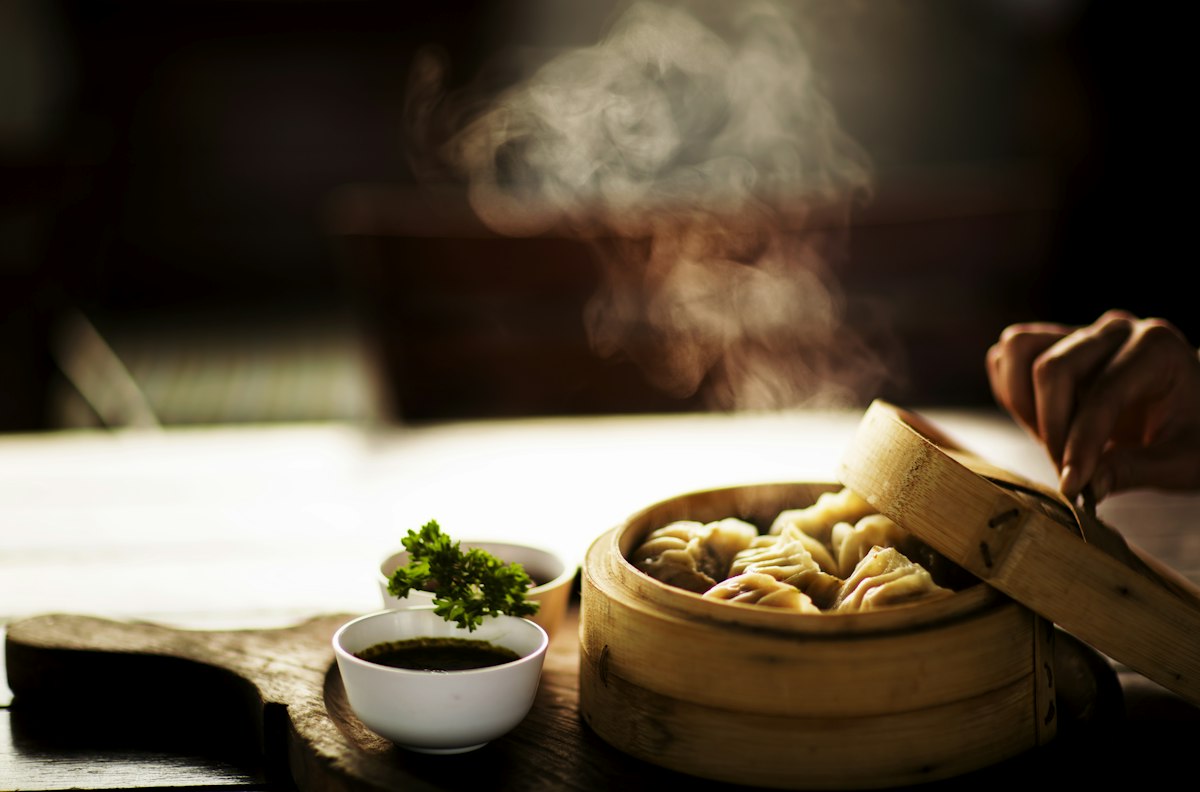
Set firm in a bowl, almost like panna cotta, with a thin skin on top and a clean, gently sour tang — locals eat it with a spoon of sugar stirred in. It costs about 5–8 yuan a bowl and turns up everywhere from Xining's back streets to roadside stalls on the lake. Order it cold, and don't be shy about asking for the house-made version rather than the sealed supermarket pot.

Niang pi (cold wheat noodles)

Wide ribbons of steamed wheat or pea-flour noodle, dressed in chilli oil, garlic water, vinegar and a spoon of gluten, served cold. It's Xining's default breakfast and lunch snack, roughly 8–12 yuan a bowl, and the best ones are in the Mo Jia Street area. Ask for less chilli if you're not used to it — the oil is more flavour than fire.

Hand-grabbed mutton

Boiled bone-in mutton, no sauce needed, eaten with your fingers and a pinch of salt or chilli powder. This is the dish that shows off why Qinghai lamb tastes cleaner than lowland mutton — the sheep graze on high-altitude grass with wild onions. Expect around 60–90 yuan a jin depending on the cut and the restaurant.

Nang and shou zhua yang at Hui res

Freshly baked nang bread pulled hot from the tandoor, torn and dipped into mutton soup, is the fastest, cheapest, most filling meal in the province — often under 20 yuan for bread plus soup. Qinghai has a large Muslim population, so Hui-run restaurants are everywhere, and they're usually the safest bet on the road.

Qingke jiu (highland barley wine)

A cloudy, low-alcohol barley spirit poured from a big jar and drunk in small cups over long toasts — the social engine of any evening with Tibetan or Tu hosts. Folklore says drink no more than two-thirds of your normal white-liquor tolerance on the plateau, and it's good advice: at 2,200 m and up, alcohol hits noticeably harder.

Where to eat

Four places worth planning your day around

Food street

Mo Jia Street (莫家街), Xining

Xining's best-known eating street and the single easiest place to knock off half the province's specialities in one evening: niang pi, yoghurt, lamb skewers, sweet fermented oats and dried beef all within a few hundred metres. Go hungry, go early, and graze rather than sit down for one big meal.

Location
Chengdong District, central Xining, walkable from the Dongguan Mosque
What to order
Niang pi, a bowl of old-style yoghurt, lamb skewers, tian pei (sweet fermented oats)
Price
Most snacks 5–20 yuan; a full grazing session 50–80 yuan per person
Best time
17:00–21:00; it's busiest and best after dark
Watch out
Stalls vary wildly — follow the longest local queue, not the loudest sign

Market street

Shui Jing Xiang (水井巷), Xining

The older, more local counterpart to Mo Jia Street, running behind the main drag near the centre. Half food stalls, half speciality shops — this is where you buy dried beef, goji, caterpillar fungus and barley wine to take home, and where you can still eat a bowl of noodles for under 15 yuan.

Location
Chengxi District, just off Xiguan Street
What to buy
Dried yak beef, Tibetan goji berries, qingke jiu, butter and cheese
Price
Dried beef roughly 60–120 yuan per jin depending on grade
Best time
Daytime, roughly 09:00–19:00
Watch out
Prices for cordyceps are quoted per gram and vary enormously — don't buy blind

Lake stop

Black Horse River (Heimahe) roadsi

A string of small kitchens along National Highway 109 in the lakeside town where everyone stops for sunrise. Most are Sichuan-run, which means you get proper mapo tofu, stir-fried greens and hot soup after a cold dawn by the water — exactly what you want at 6am in thin air.

Location
Heimahe Township, southwest shore of Qinghai Lake, on G109
What to order
Mapo tofu, stir-fried lamb with cumin, tomato-and-egg soup, rice or noodles
Price
Around 40–70 yuan per person for a shared meal
Best time
Breakfast after sunrise, roughly 07:00–09:00
Watch out
Limited choice and higher prices than Xining — this is a one-street town

Big-city refuel

Golmud Sichuan restaurants, city c

Golmud is your last real chance for a proper sit-down meal before the desert and the Kunlun passes, and the city's large migrant population means the Sichuan food here is genuinely good — better than you'd expect this far out. Eat a serious dinner here before any Chaidamu Basin leg.

Location
Around Kunlun Square and the city centre, all reachable by a short taxi ride
What to order
Twice-cooked pork, boiled fish in chilli oil, dry-fried green beans, rice
Price
About 60–100 yuan per person, which is not cheap for Sichuan food
Best time
Dinner before heading south or west the next morning
Watch out
Half the market is Sichuan, half is Hui Muslim — no pork in the latter, and don't bring your own

Sleep

Where to base yourself, honestly assessed

Best all-round base

Xining city centre (Great Cross /

The sane choice for your first and last nights: chain hotels, hostels, restaurants and bus stations all within walking distance, and easy day-trip access to Kumbum Monastery. Rooms range from 80-yuan hostel dorms to 400-yuan four-star doubles, and you can leave big luggage here while you loop the lake.

Type
Chain hotels, hostels, budget business hotels
Price
Dorms from about 50–80 yuan; doubles 150–400 yuan
Why here
Transport hub, food, and the easiest place to arrange a driver
Book ahead
Yes in July–August, when the whole province is at peak
Tip
Pick somewhere near the bus stations if you're doing one-night lake trips

Sunrise spot

Heimahe lakeside tents and guestho

The lakeside town on the southwest shore is the classic place to sleep before a Qinghai Lake sunrise, and staying in a tent right by the water beats staying in town and waking a driver at 4am. Facilities are basic — expect shared bathrooms and no heating — but the location is the whole point.

Type
Lakeside tents, simple guesthouses, small hotels
Price
Tents from about 100–200 yuan; guesthouse rooms 150–300 yuan
Why here
You walk 50 metres to the water for sunrise instead of driving
Book ahead
Strongly advised in July–August; it sells out
Watch out
Nights are freezing even in midsummer — bring layers and a hat

Most comfortable, hardest to book

Bird Island (Niao Dao) area

If you're here in May for the birds, the accommodation around Bird Island is the best on the lake — and also the most expensive and the first to sell out. Book weeks ahead if you're coming in peak bird season; outside April–August there's little reason to stay this far out.

Type
Better hotels and guesthouses than elsewhere on the lake
Price
Typically 300–600 yuan in season, higher than any other lakeside town
Why here
Closest access to the bird colonies and the Buha River sunset
Book ahead
Essential — weeks ahead for May
Watch out
Off-season it's dead quiet; check anything is actually open before you commit

Getting around

How to reach Qinghai and move through it

Fly into Xining

Almost every Qinghai trip starts at Xining Caojiabao Airport, east of the city. Beijing and Xi'an have daily flights; Shanghai, Chengdu, Chongqing, Golmud, Guangzhou, Kunming, Shenzhen and Urumqi do not fly every day, so check before you book. The airport bus costs CNY 21 to the CAAC ticket office at 34 Bayi West Road, takes about 30 minutes and is timed to arrivals; a taxi into town runs around CNY 80.

Airport
Xining Caojiabao (XNN), east of the city
Airport bus
CNY 21, ~30 min, meets each arrival
Taxi to city
About CNY 80
Daily flights
Beijing and Xi'an only

Rail

Xining sits where the Lanzhou-Qinghai and Qinghai-Tibet lines meet, so you can arrive by train direct from Lhasa, Golmud, Beijing, Shanghai, Xi'an and Qingdao. Note that Xining main station has been closed for rebuilding; Xining West Station stands in as the temporary terminal, more than 20 km out of town, with shuttle buses meeting the trains. Golmud is the second rail hub: two trains a day leave for Xining at 07:20 and 19:30, and five trains pass through toward Lhasa between 19:30 and 08:30 the next morning.

Xining hub
Lanzhou-Qinghai + Qinghai-Tibet junction
Xining West Station
>20 km from centre, shuttle buses run
Golmud to Xining
2 daily, 07:20 and 19:30
Golmud to Lhasa
5 trains pass through nightly
Peak-season tickets
Hard to get — book early

Long-distance bus

Xining has two long-distance stations. The main one at 1 Jianguo Road (0971-7112094), about 600 m south of the railway station, handles other provinces; Xinning Road station (0971-6155795) covers Lanzhou and provincial runs to Ta'er Monastery, Gonghe, Ledu and Huangyuan. Buses are frequent and tickets are rarely tight if you buy the day before. From Xining, buses to Chaka or Wulan pass Erlangjian; the 4-hour run to Heimahe costs CNY 40, and buses to Hainan county cost CNY 18 hourly.

Main station
1 Jianguo Road, 0971-7112094
Xinning Road station
0971-6155795, for Ta'er Monastery and Lanzhou
Xining to Heimahe
~4 hrs, CNY 40, no direct bus
Xining to Haiyan
~2.5 hrs, CNY 18, hourly

Car, driver and bike

Outside Xining and the Hehuang valley most of Qinghai is high plateau and desert, and public transport does not reach the big sights. Chartering a car with a driver is the default — Heimahe to Shinaihai runs about CNY 150, and a day return from Xining to Riyue Mountain around CNY 80. If you self-drive, pick a solid vehicle and an experienced driver, and check road and weather reports in the rainy season, when landslides cut routes. The 360 km Lake Qinghai ring road is one of China's top cycling routes, and riders usually start at Heimahe.

Charter Heimahe-Shinaihai
~CNY 150
Riyue Mountain day return
~CNY 80
Lake ring road
360 km, top-level cycling route
Risks
Landslides in rainy season, altitude

Shopping

What to buy in Qinghai

Tangka paintings from Tongren

Tongren in Huangnan is Regong art country and one of the most respected sources of tangka in the Tibetan world. Real ones are painted with mineral and plant pigments that hold their colour for centuries — which is exactly why the good ones cost what they do. Buy from a painter's workshop, not a station kiosk.

Cordyceps and caterpillar fungus p

Winter caterpillar fungus is Qinghai's most famous — and most counterfeited — export, sold alongside ginseng fruit, rhubarb and deer antler. Prices swing wildly by size and grade, so buy where you can see the goods graded in front of you and never from a roadside stranger. Xining's markets are the place to compare.

Yak jerky, qingke barley wine and

Dried beef, qingke barley wine and the region's dairy products travel well and make honest souvenirs. The solid set yoghurt you eat in Xining is the same one that made Qinghai famous; the dried version keeps. Xining's Mojia Street and Shuijing Lane cluster the food stalls and shops.

Carpets, wool and Tibetan crafts

Xining's east side concentrates the shopping, with carpets, wool fabrics, blankets and butter sculptures among the crafts, plus Muslim and Tibetan religious goods. Golmud is not worth shopping in — locals joke that its market stock all comes from Yiwu. Save your yuan for Xining or Lhasa.

Practical

Qinghai essentials: money, altitude and timing

Carry anti-diarrhoea medicine such as berberine: butter tea and heavy Tibetan food don't always sit well with lowland stomachs. Book Lake Qinghai accommodation early — rooms near Bird Island are the priciest and hardest to get, and most lakeside hotels share bathrooms.

Best monthsJuly and August for the lake, rapeseed and Naadam; May to October for most routes; late July is peak bloom on the ring road.
AltitudeXining sits at about 2,200 m, Lake Qinghai at 3,000 m and Tanggula Pass at 5,231 m. Take it slow on arrival.
Altitude prepConsider rhodiola, drink plenty of water, avoid running, heavy meals, smoking and alcohol for the first day or two.
What to packSun hat, sunglasses, lip balm, long sleeves and trousers, high-factor sunscreen. Bring a sweater even in midsummer.
BudgetRoughly CNY 4,000-5,000 for 8 days, comfortable pace, with a chartered vehicle.
AlcoholTibetan barley wine is stronger than it tastes — drink about two-thirds of your usual white-liquor limit.
EtiquetteIn Muslim areas don't bring non-halal food or alcohol into halal restaurants, and don't waste food. Keep your butter-tea bowl about two-thirds full so it doesn't get endlessly refilled.

Background

What made Qinghai the way it is

A province stitched from four worl

Qinghai is not one place but four pressed together. The east around Xining is Han, Hui and Tu farming country, green and crowded, sitting at about 2,200 m. West of that the land turns to desert and salt flats around Golmud and the Qaidam Basin. To the south lie the Tibetan prefectures of Yushu and Guoluo, source of the Yellow, Yangtze and Mekong rivers. And around the lake itself you get the Amdo Tibetan grassland.

The Tang-Tubo road and the princes

Xining was the 'lock and key of the western seas', the frontier town where the Tang dynasty and the Tibetan Tubo empire traded envoys and goods along the Tang-Tubo Road. Princess Wencheng passed through in 641 on her way to marry the Tubo king, and the story locals tell at Sun-and-Moon Mountain is that she dropped her mirror there and it split into sun and moon. Whether or not you believe it, the pass is still the psychological border between China proper and the plateau.

Before you go

Three ways to load Qinghai into your head

Film

Kekexili: Mountain Patrol (2004)

Lu Chuan

Shot on the plateau at 4,500 m with almost no professional actors, this is the story of the volunteer patrols who chased poachers across the Kekexili no-man's land. Watch it before Golmud and the Tanggula Pass and those empty plains stop looking empty.

Book

The Gesar Epic

Oral tradition, Yushu and Guoluo

The world's longest epic poem, still sung by bards across Tibetan Qinghai. You do not need to read it all — a single chapter is enough to understand why Yushu calls itself the land of song and dance, and why the Gesar relics scattered around Zhiduo matter so much to the people living there.

Music

Hua'er folk songs

Hui, Tu, Salar and Han singers, Xining and Hehuang

Hua'er is antiphonal mountain singing, often about love, belted out at festivals. In Golmud's昆仑 teahouses you will hear it blasted through loudspeakers at full volume along with the tea. Learn two lines and you will make friends faster than any souvenir can buy.

The questions visitors ask us most about Qinghai, answered plainly.

Frequently asked questions

Prices and practical details are reviewed every month by our Beijing team and updated the day a rule changes.

When is the best time to visit Qinghai?

July and August, without question. This is when the rapeseed fields around Qinghai Lake are in full yellow bloom, Xining sits at a comfortable 20°C while the rest of China swelters, and the Ring of Qinghai Lake International Cycling Race takes over the roads. June and September are quieter and still pleasant, but nights drop close to freezing. October to April is cold, many lakeside facilities shut, and the salt flats lose their mirror effect.

Do I need a permit to travel in Qinghai?

Not for Xining, Qinghai Lake, Chaka, Golmud or Tongren — all are open to foreign visitors without a permit. You only need a permit for areas bordering Tibet, such as Yushu and parts of Guoluo, and those must be arranged through a licensed tour operator before you arrive, usually with a guide and driver included.

How do I get to Qinghai Lake from Xining?

There is no direct public bus to the lake's main viewpoints; the practical options are hiring a car with driver (about CNY 800–1,200 per day), joining a group tour, or cycling in stages. A bus from Xining to Chaka or Wulan passes the Erlangjian (151 Base) scenic area, about 151 km from the city. From the gate it is another 6 km to the water, served by a shuttle for CNY 10.

Is altitude sickness a problem in Qinghai?

Yes, and it catches people who underestimate it. Xining sits at 2,200 m, Qinghai Lake at 3,200 m, and if you push on to Tanggula Pass you are above 5,000 m. Spend your first full day in Xining doing very little, skip alcohol and heavy meals for 48 hours, drink water constantly, and consider starting rhodiola tablets a few days before you fly. Walk slowly and sit down when you feel dizzy.

What should I pack for Qinghai?

Sun hat, sunglasses, lip balm, long sleeves, high-SPF sunscreen and a proper windproof jacket — even in July. The plateau sun burns through cloud, and the temperature drops 10–15°C after dark. Bring layers you can shed by noon and a fleece for sunrise at the lake. A small supply of rehydration salts and stomach medicine is wise if you plan to drink yak butter tea, which does not agree with everyone.

How many days do I need in Qinghai?

Five days covers the classic loop: Xining, Ta'er Monastery, Qinghai Lake, Chaka Salt Lake and back. Eight days lets you add Golmud, the Kunlun Pass and the salt road west, or a detour to Tongren and Kanbula National Park. Anything under four days means you spend more time in the car than out of it.
Plan this trip

Prefer it arranged for you?

The same places, with a driver, an English-speaking guide and the tickets already bought.
11 days · Culture

Tibet: Roof of the World

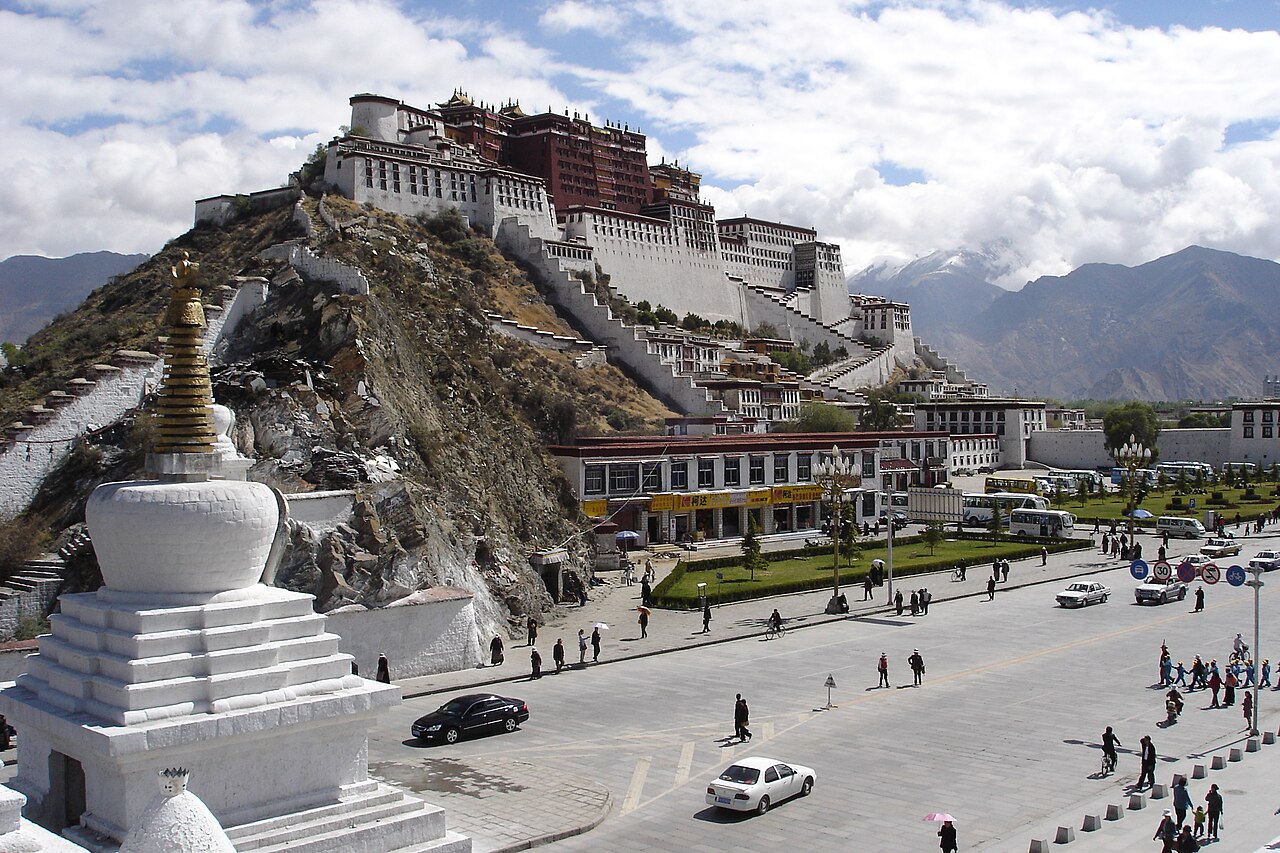
The Potala Palace, Everest Base Camp and prayer flags over the plateau — entered gradually by rail so the altitude does not hit you all at once.

★★★★★4.9 88 reviews

From US$2,490/per person

View tour

14 days · Culture

Silk Road Odyssey

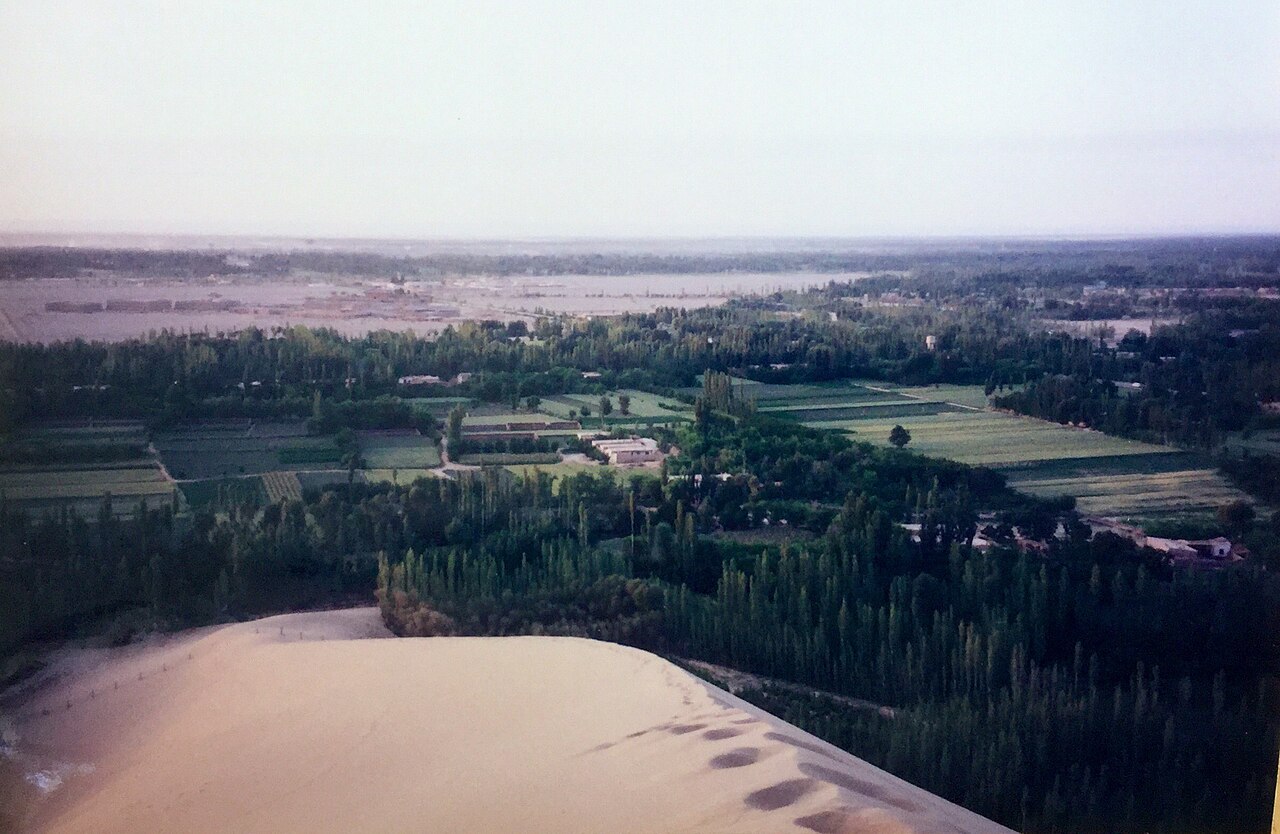
Xi'an to Dunhuang along the Hexi Corridor: desert fortresses, camel treks at Mingsha Shan and the caves of a Thousand Buddhas.

★★★★★4.8 76 reviews

From US$2,690/per person

View tour

Related reading

Related reading

Visas Do I Need a Visa for China? Requirements, Costs and How to Apply China's entry rules changed more in the last three years than in the previous twenty. Here is exactly who needs a visa, what it costs, how long it takes and which passports now walk straight through. 9 min read Visas China's 240-Hour Visa-Free Transit: Who Qualifies and How It Works Ten days in China with no visa application, no fee and no fingerprints — if you hold the right passport and leave for a third country. Here is the rulebook, port by port. 8 min read Money Paying in China: Alipay, WeChat Pay, Cards and Cash Roughly nine in ten urban payments in China now run through a phone. Set up two apps before you fly, carry a modest cash float, and you will never be stuck at a till. 8 min read Transport China's High-Speed Rail: How to Book, What It Costs, How Fast It Goes The fastest way to cross China is also the most pleasant. Here is how to book a ticket with a foreign passport, what the three classes actually give you, and how to survive a Chinese station at rush hour. 9 min read Planning Best Time to Visit China: Month by Month, Region by Region China is the size of Europe, so 'the best month' depends on where you stand. Here is the month-by-month answer for the north, the Yangtze valley, the south and the plateau. 8 min read Planning What to Pack for China: The Complete 2026 Checklist Twenty thousand steps a day, three climate zones and a phone that has to do everything. This is the list we give our own travellers, minus the things they never used. 7 min read Food Chinese Food Culture: Eight Cuisines, One Table There is no such thing as Chinese food. There is Cantonese, Sichuan, Hunan, Jiangsu, Zhejiang, Fujian, Anhui and Shandong — and knowing which one you are eating changes everything. 8 min read Traditions Chinese Tea Culture: Six Classes, One Pot, Two Fingers Tea in China is not a beverage category, it is a social technology: it fills silences, seals deals and sets the pace of a meal. Here is how to sit down in one and not look lost. 7 min read Traditions Chinese Festivals: The Calendar, the Dates and the Crowds Lunar dates mean the calendar moves every year — and two of the festivals move several hundred million people at once. Plan around them or plan into them, but never by accident. 8 min read Etiquette Chinese Etiquette: What Matters, What Does Not, and Why Most etiquette advice for China is either obvious or wrong. These are the dozen behaviours that actually change how you are treated, and the reasoning behind each. 7 min read

Tell us your dates.
We'll do the rest.

Free itinerary design, a revised plan within one working day, and nothing charged until you approve the final version.

  • Come in July or August: the rapeseed around Qinghai Lake blooms then, temperatures sit near 20°C in Xining, and the Ring of Qinghai Lake cycling race runs in July–August.
  • Altitude is real: Xining is 2,200 m, Qinghai Lake is 3,200 m, Tanggula Pass is 5,231 m. Give yourself a full day in Xining before climbing higher and drink water constantly.
  • You need a car: public buses reach Xining, Chaka, Golmud and Tongren, but Qinghai Lake's best stops — Heimahe, Bird Island, Sand Island — are 220 km apart on empty roads. Hiring a driver runs about CNY 800–1,200 per day per vehicle.

No spam. No sales calls. Just a real itinerary from a real person.