City guide · Zhejiang

Wuzhen travel guide: East or West Scenic Zone, what the tickets cover, and why you need to stay the night

A town that is two towns: the older, quieter East Zone and the lit-up West Zone you sleep inside.

  • Known forCanal town, night boats, blue calico
  • Typical spend¥500–800 for 2 days
  • Ideal length2 days, 1 night
  • PaceSlow — you are here to sit still

Reviewed by our Beijing team Updated 2026-10-10

The short version

Wuzhen is a 1,300-year-old canal town in Tongxiang, Zhejiang, split into two halves: the East Scenic Zone at ¥100 (older, smaller, half a day) and the West Scenic Zone at ¥120 (bigger, prettier, open to 22:30), or both for ¥150. Two days and one night is the honest trip — the town is only worth it at dawn and after dark, when the day-trippers are gone. Budget ¥500–800 for two days including a room and the boat, and come in spring or autumn, never on a public holiday.

  • Buy the combined ticket: ¥150 for both zones beats ¥120 + ¥100 separately, and the two halves are genuinely different.
  • The West Zone is open 09:00–22:30 on the ordinary ticket — there is no separate night pass, and the night is the best of it.
  • The free shuttle between the zones runs 07:30–17:00, every 20 minutes Monday to Thursday and every 10 from Friday to Sunday.
  • Sleep inside the West Zone: a room card plus a ¥20 deposit at the visitor centre gets you a pass to come and go freely until checkout.
  • Arrive before 09:00 and stay past 19:00. Those are the two hours that make the trip; the coach-tour crush in between is not.

City guide

First impressions

Photographs from the coast, and what other travellers wrote afterwards.

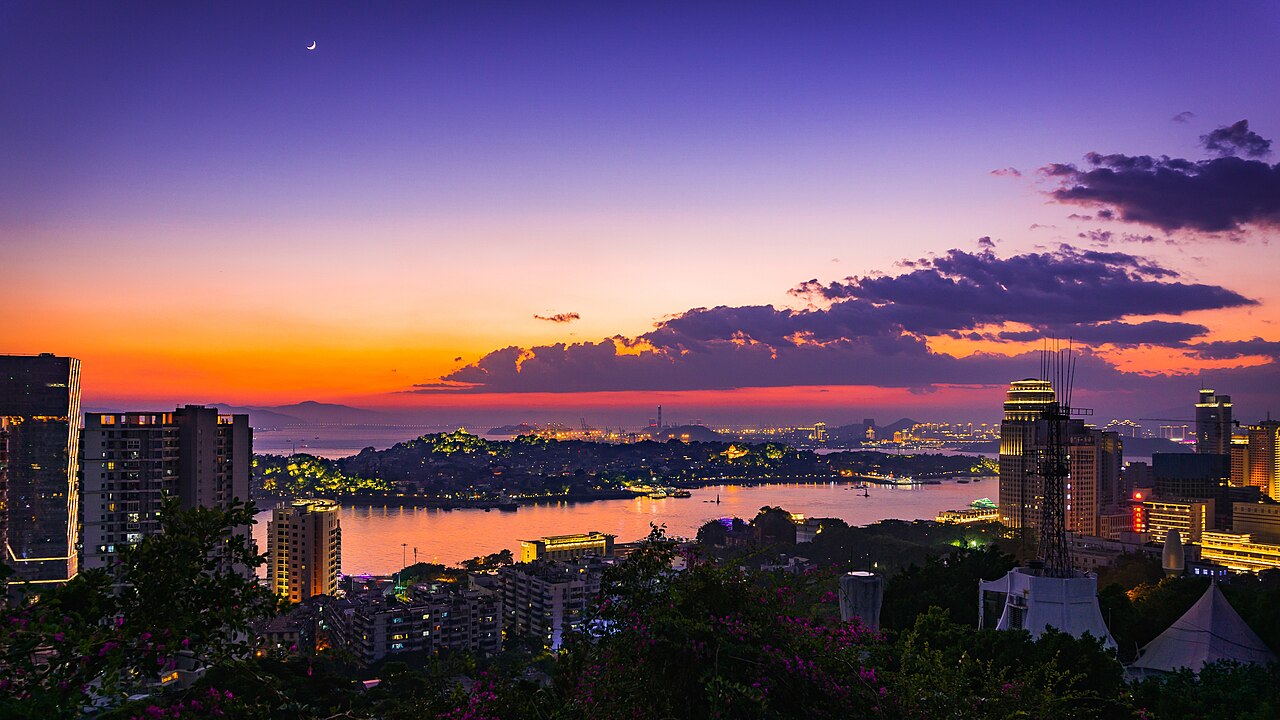
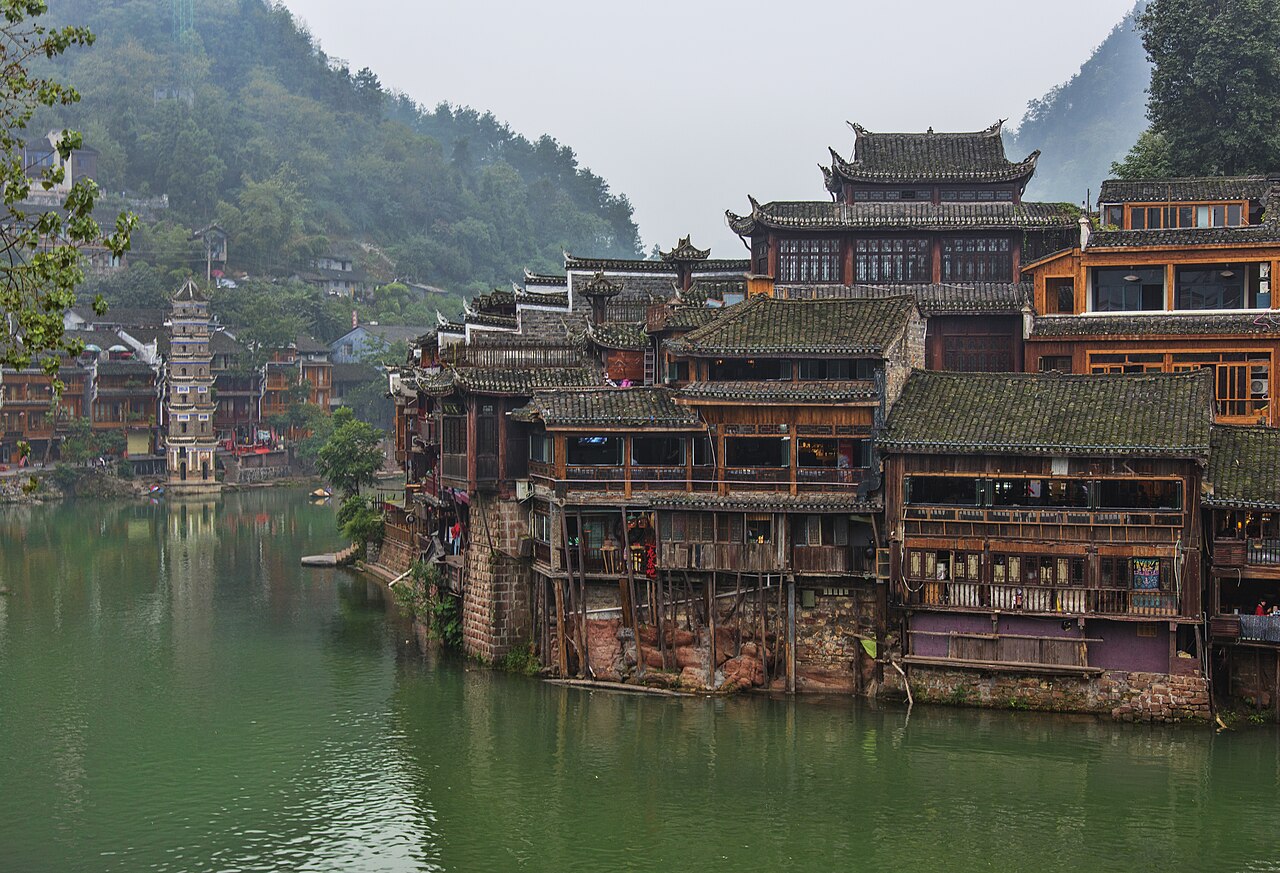
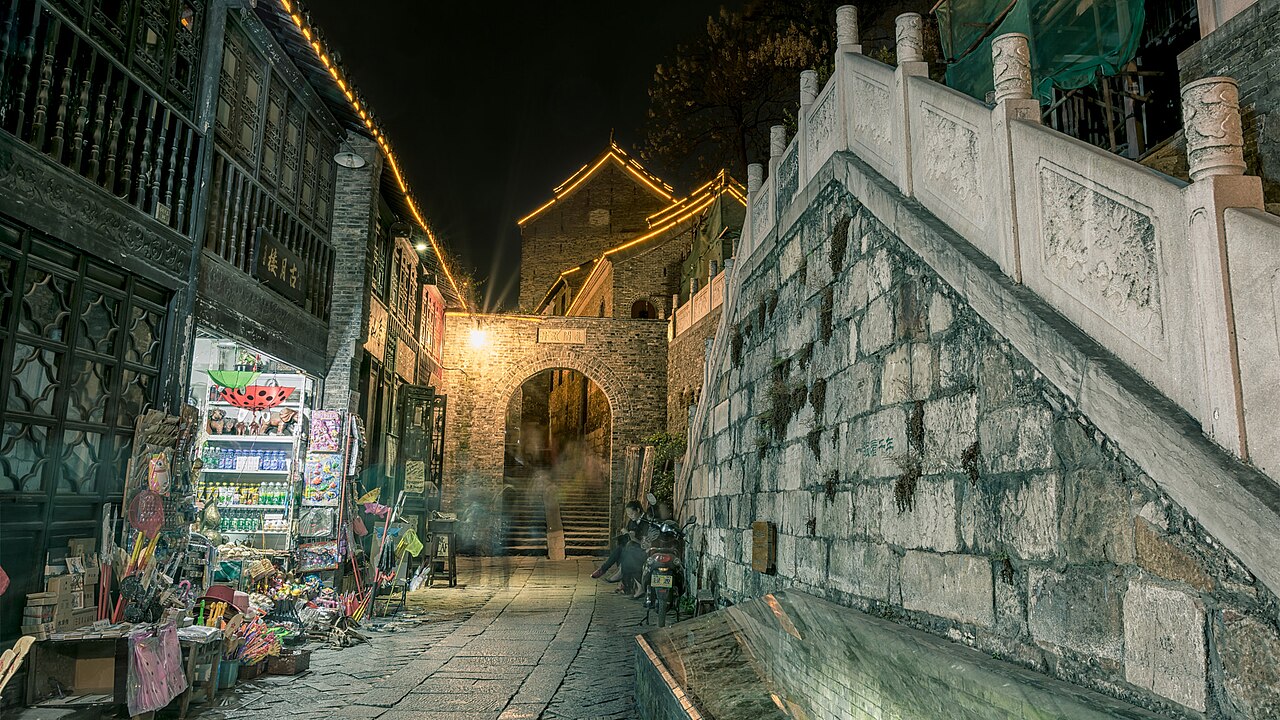
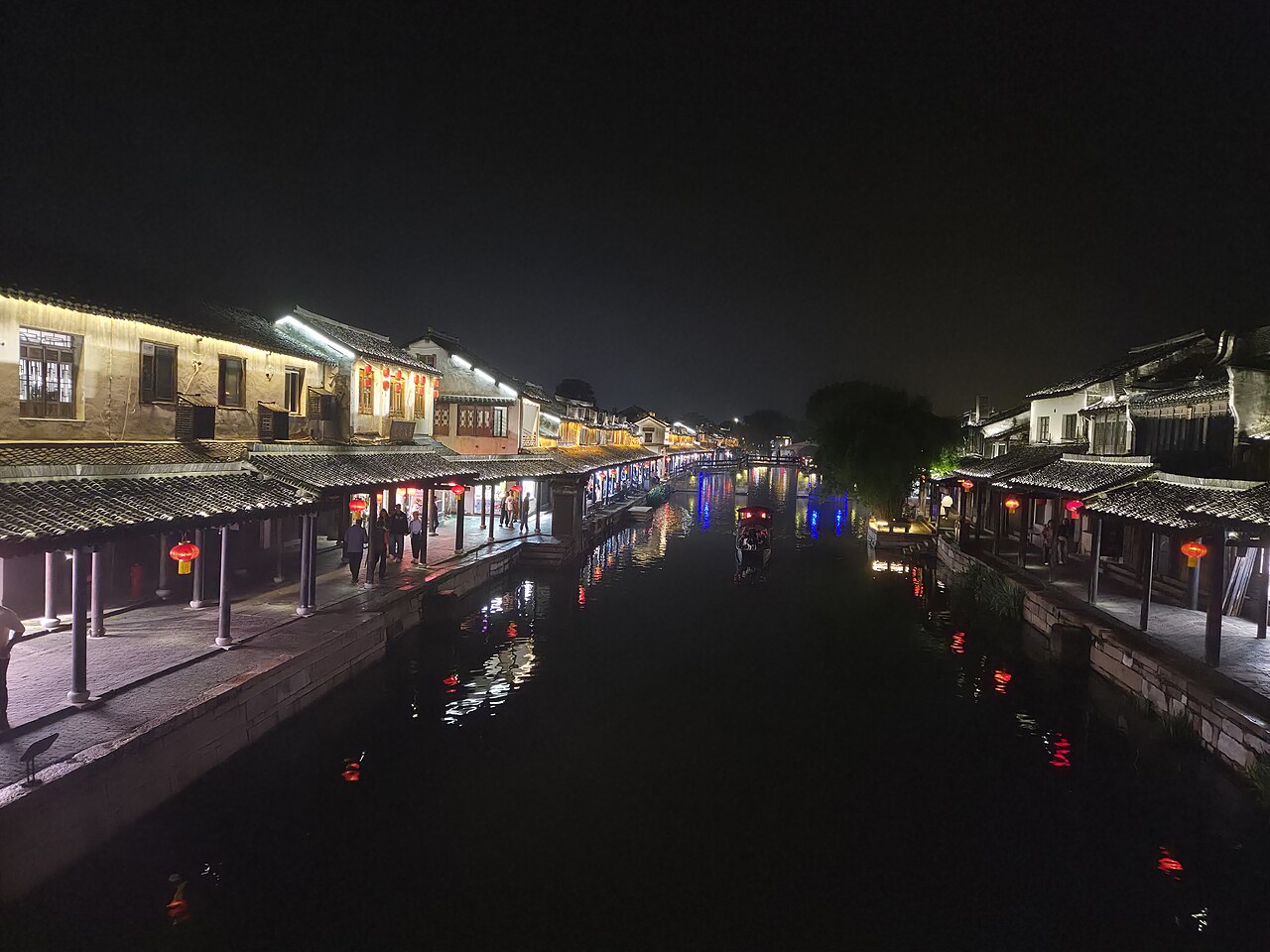
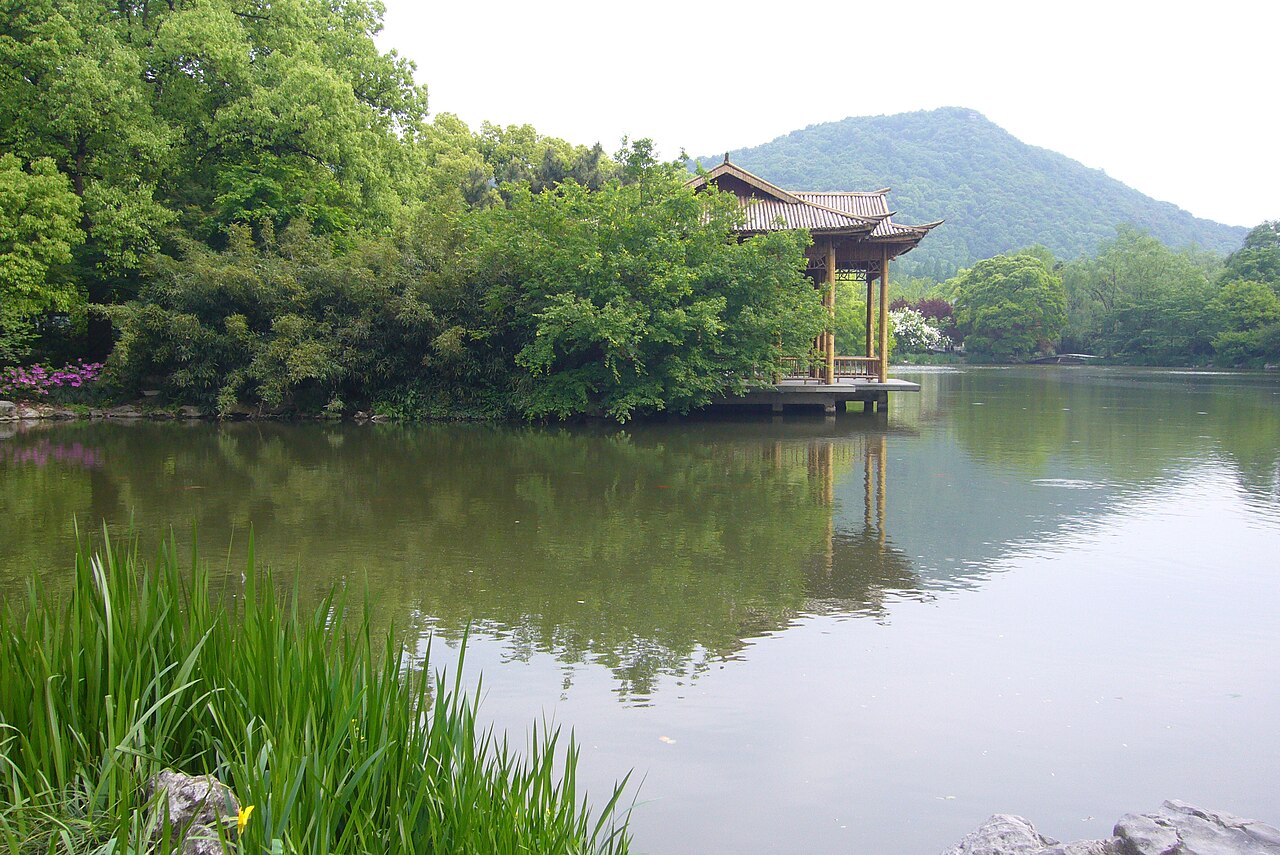
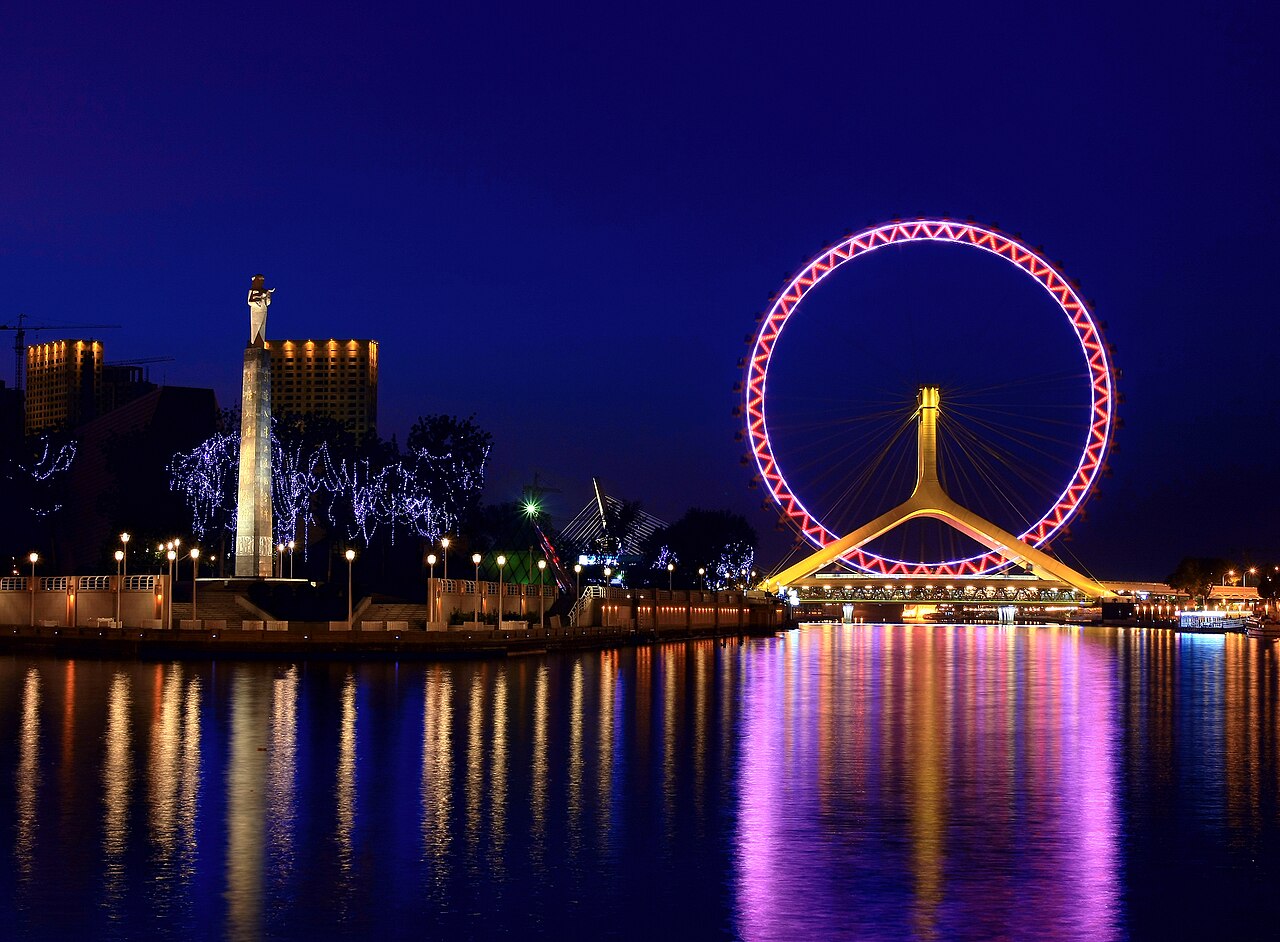
The West Scenic Zone lit after dark, mirrored in the canals
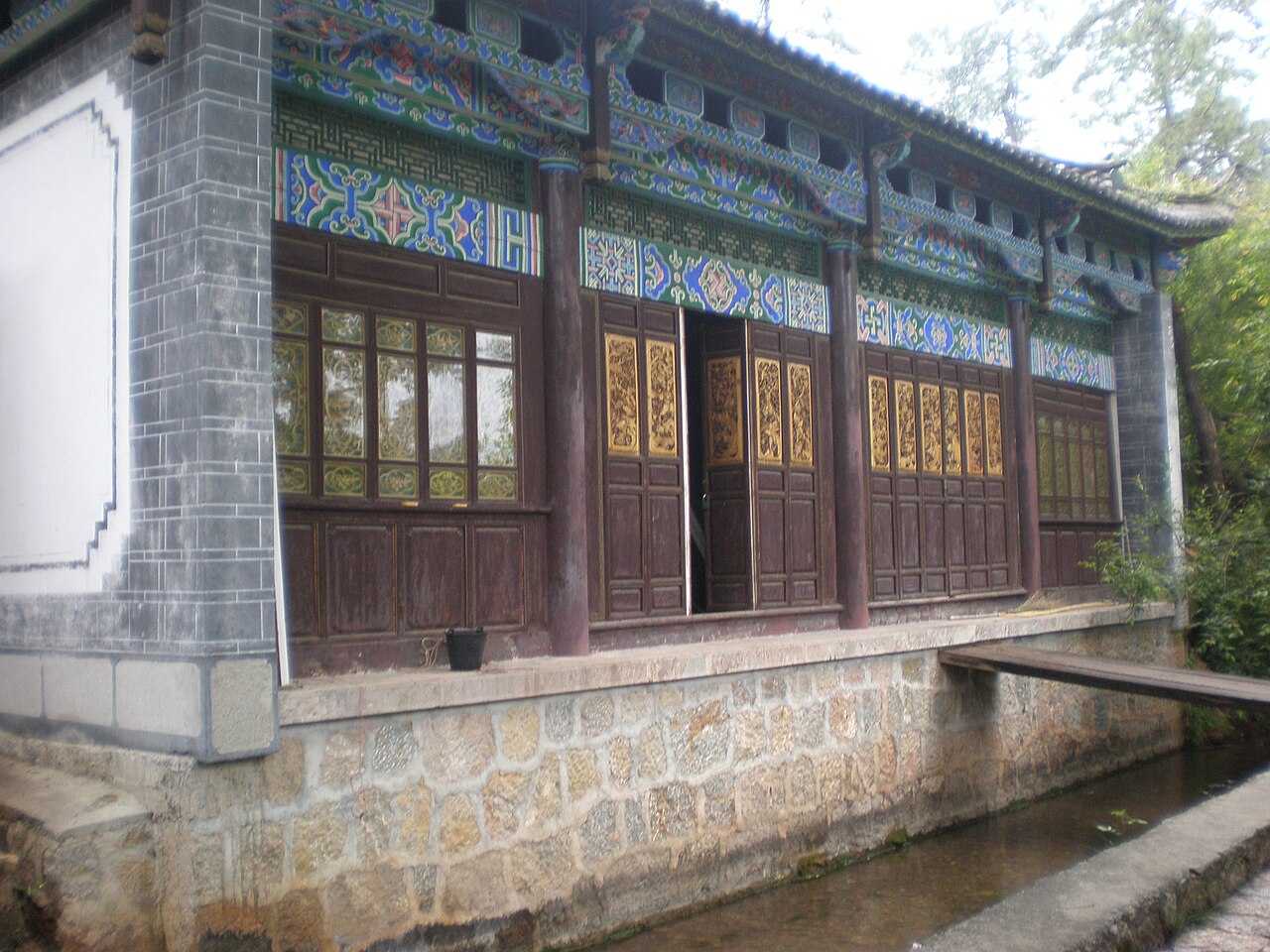
Blue calico hung out to dry at the Hongyuantai dye works
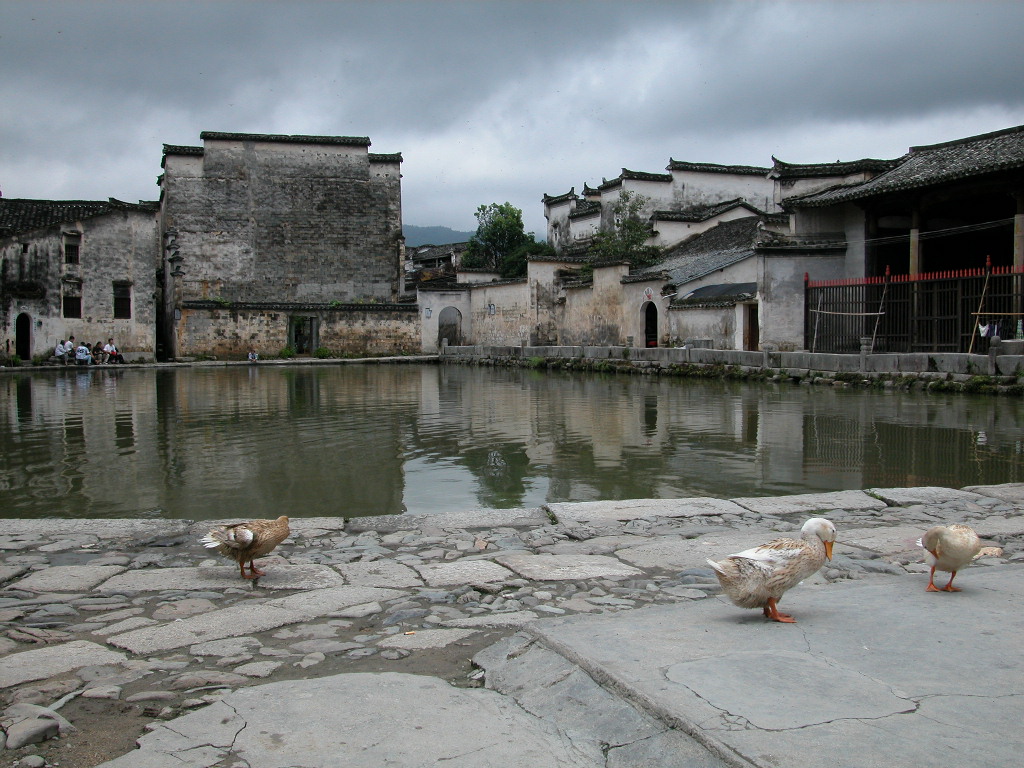
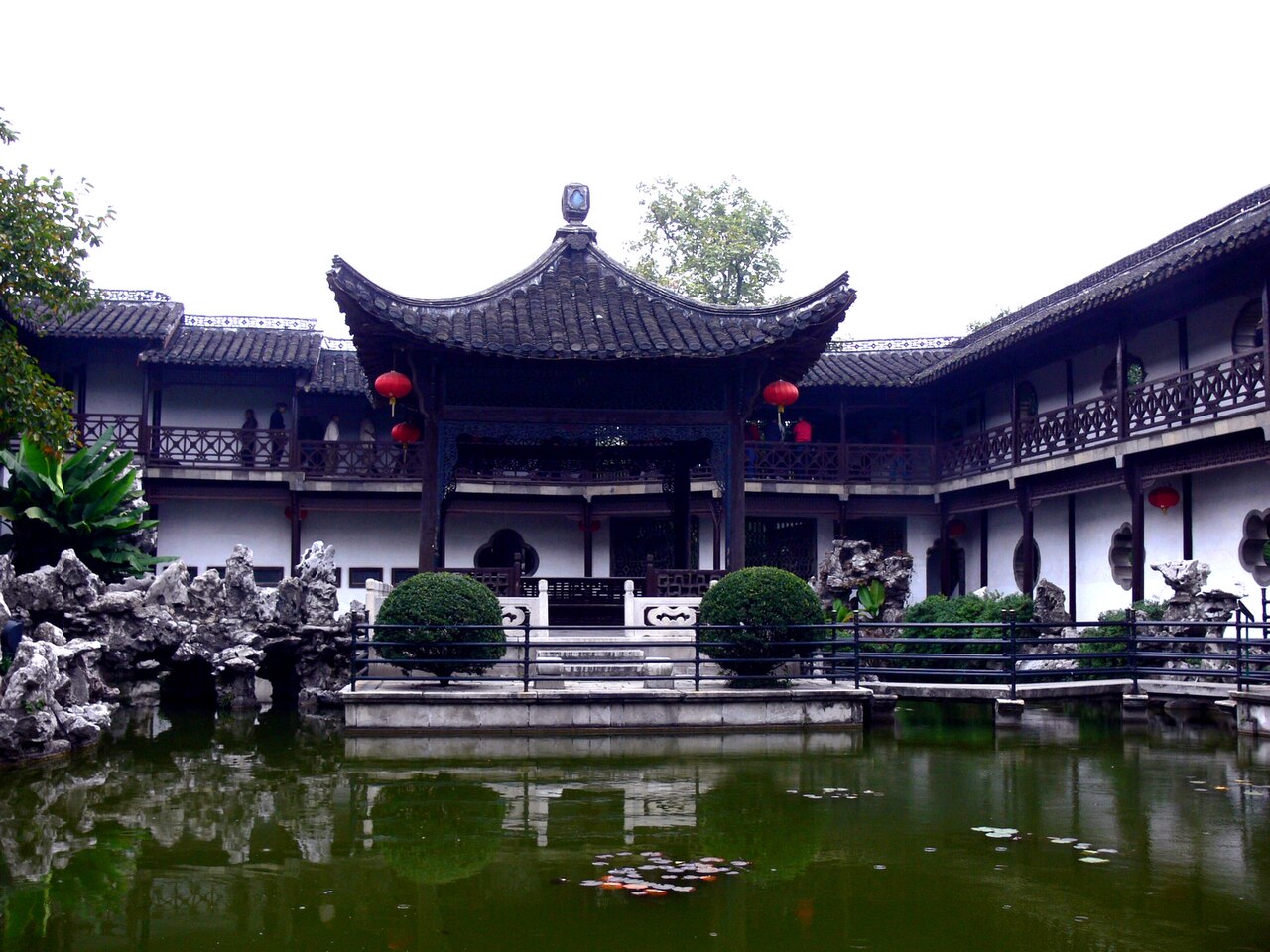
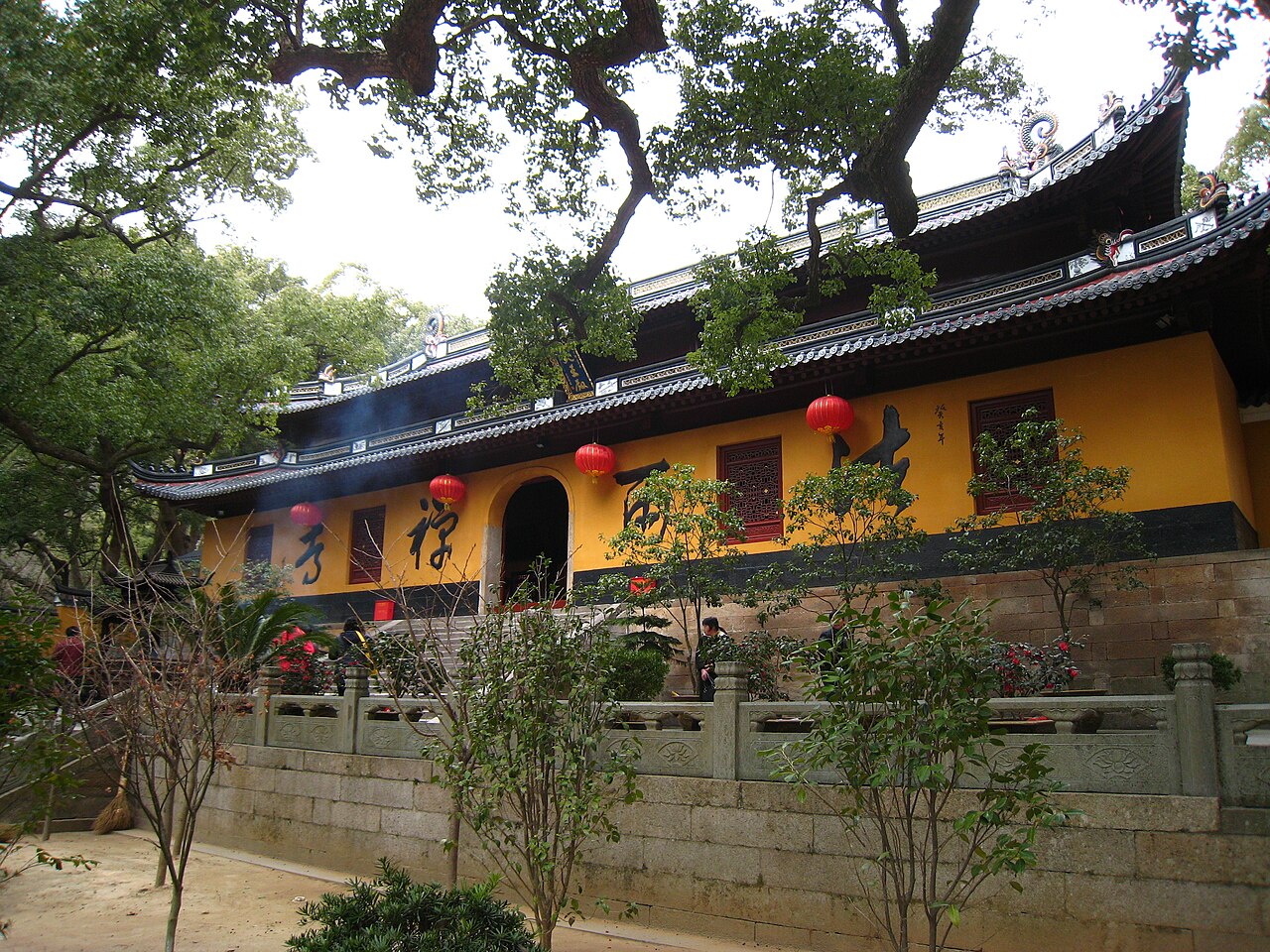
A stone bridge in the East Scenic Zone at first light
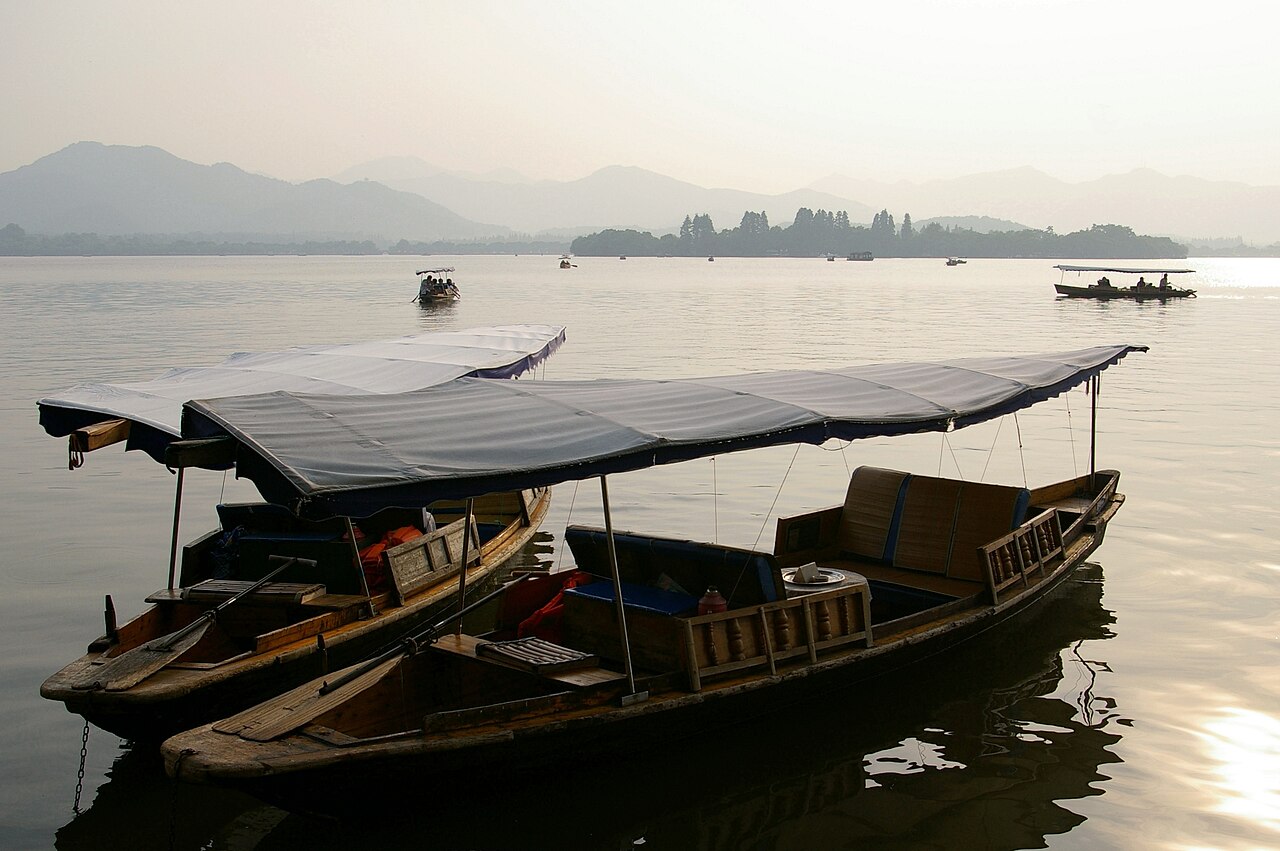
A sculled boat working the West Zone canals at dusk

Wake in Wuzhen and you hear birdsong and running water. The beauty of the place is in the details — a wall, a tile, a lamp, a boat. We are only passing through; they are living here. Their calm, which seems ordinary to them, is exactly what looks extraordinary to us. — 'Slow Time: in the hours of Wuzhen'

A traveller's note in the source guide

The West Zone is genuinely commercialised — bars, restaurants, shops — but every one of them seems to be protecting what makes it beautiful. Many have no bright signs at all. You drift into an old-fashioned house, wander for a while, and only then realise it is a hotel. — 'Ferried across to Wuzhen'

A traveller's note in the source guide

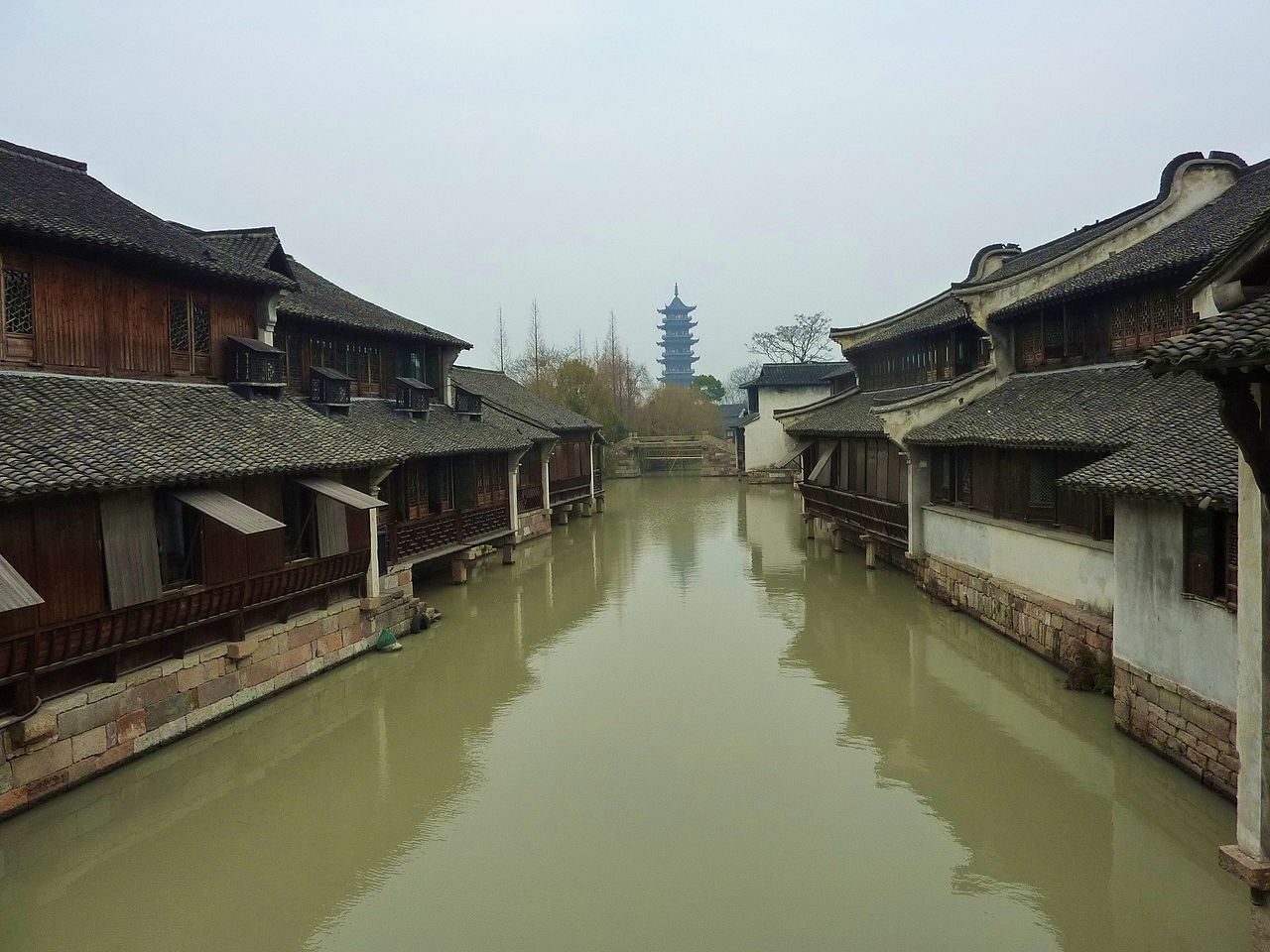
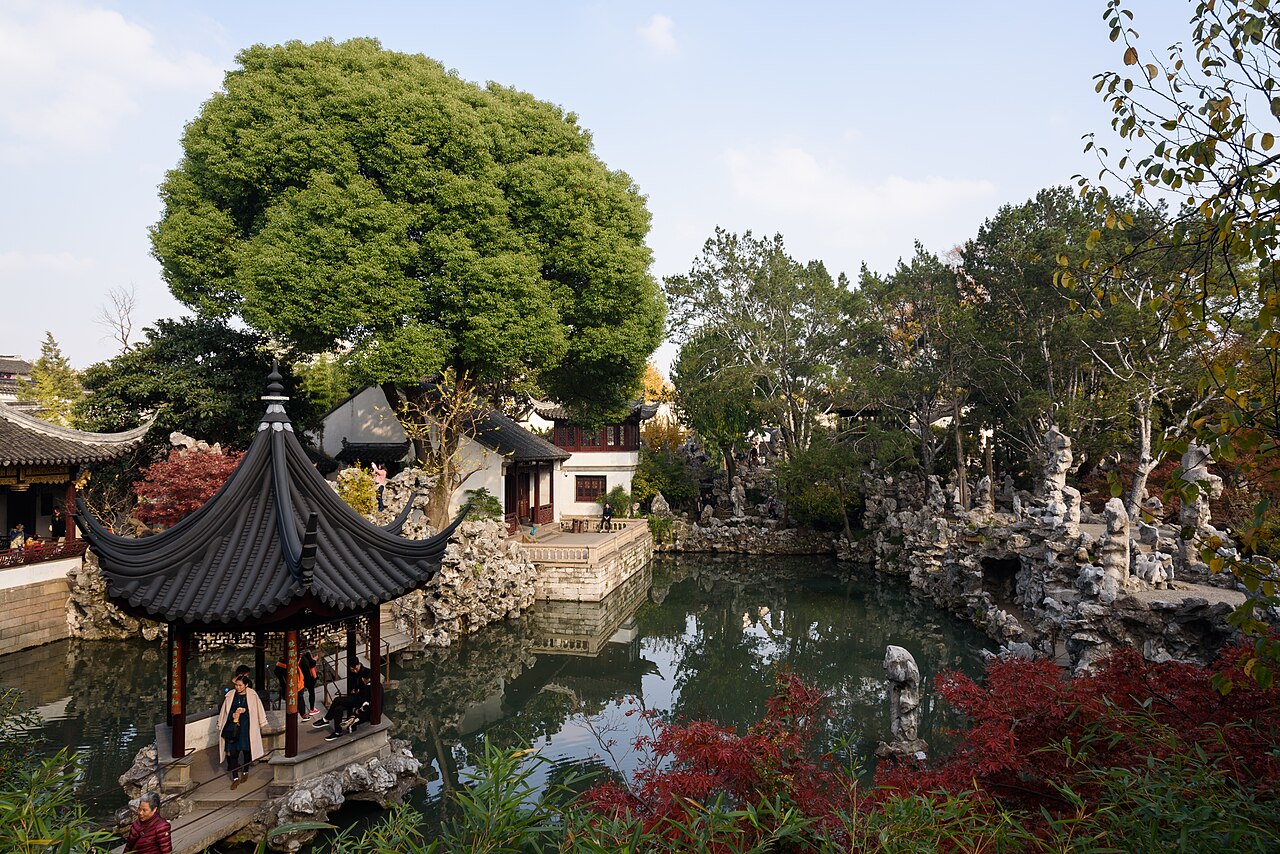
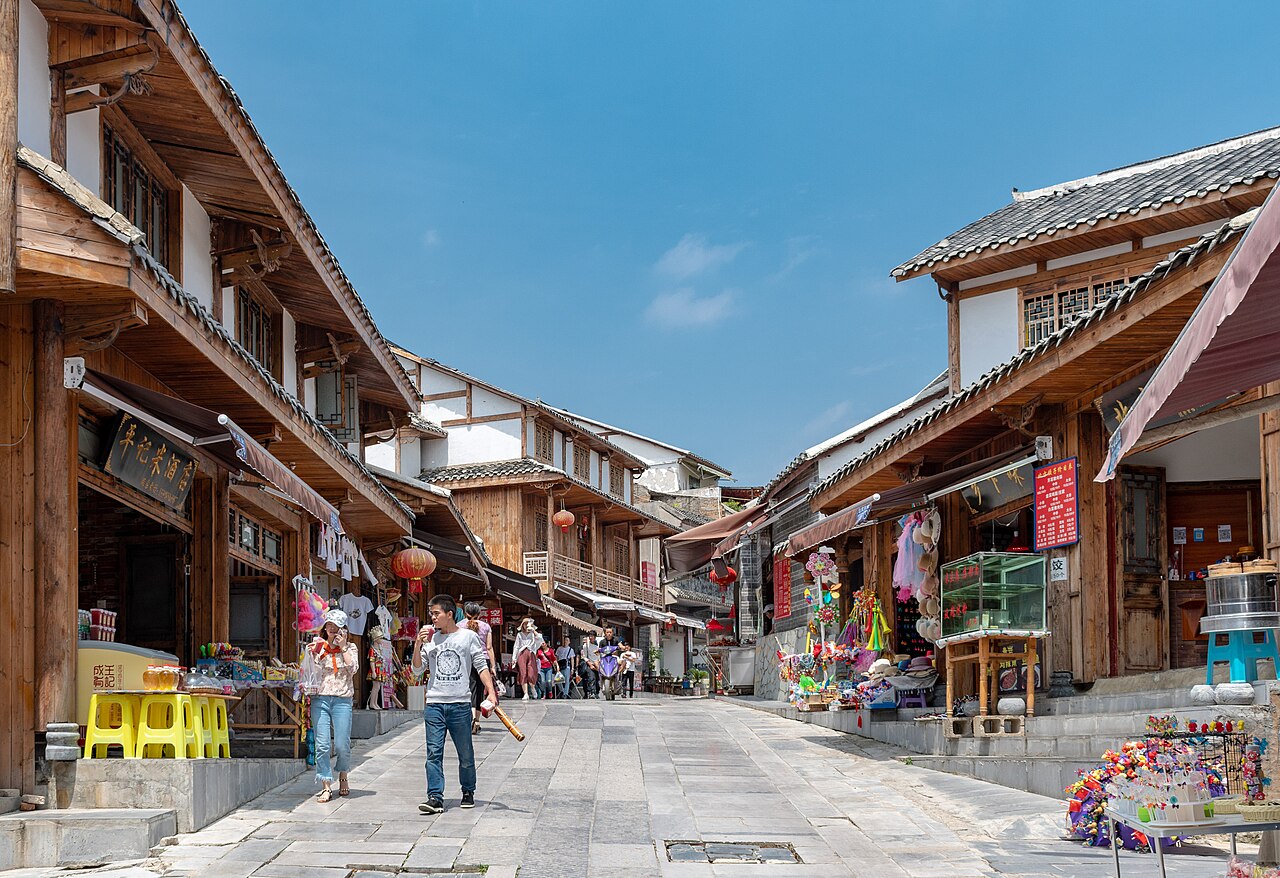
Wuzhen does not look like a place that was built; it looks like a place that was arranged. Four old streets cross in the shape of the character for ten, the canals and lanes run parallel two deep, and every water step, bridge and whitewashed gable has been put back where it belongs. For a town with 7,000 years of settlement history and 1,300 years as a market town, it is remarkably composed.

The catch is that it comes in two parts, and they do different jobs. The East Zone is the history: the dye yards hanging their blue calico out to dry, the workshops that still cut brushes and press cakes, the halls, and the house where Mao Dun was born. The West Zone is the stage set: a dozen islands, ferries, restaurants, bars — and after dark, the whole lit quarter mirrored in the black water.

The most useful thing you can know before you go is when to be where. Dawn belongs to the East Zone, when mist sits on the canals and the locals are still at the water steps. Evening belongs to the West Zone, when the boats go out under the lanterns. The middle of the day, when both zones are full, is when you should be eating, or napping, or sitting in a teahouse with a cup of sanbaijiu.

It is one of the easiest water towns to actually reach, which is part of why it is busy. Tongxiang is on the Shanghai–Hangzhou high-speed line; from there, two local buses get you to the gate. Come for two days, sleep inside, and treat the ticket not as a list to complete but as a licence to be in the town at the right hours.

Wuzhen

Don't leave without

Seven things that are worth rearranging a day for.

  1. Walk the West Zone after 19:00, when it is lit and the crowds have gone
  2. Watch the blue calico drying in long blue sheets at the Hongyuantai dye works
  3. See the shadow-puppet show at Hanlin Di — one of the last running in China
  4. Eat braised mutton in winter, when it is at its best
  5. Buy a bottle of Three Whites liquor and a length of blue calico
  6. Stand on a bridge at dawn and watch the mist on the East Zone canals
  7. Ride the free shuttle rather than re-walking between the zones

Highlights

Six reasons Wuzhen is worth the ticket

A lit canal town after dark

The West Zone stays open to 22:30, and after about 19:00 the whole quarter — bridges, eaves, water — is lit and doubled in the canals. Take a sculled boat out (¥180 a boat after dark) or simply stand on a bridge; it is the single best half-hour in Wuzhen.

Two towns in one, and they are not the same

The East Zone is history and workshops; the West Zone is a stage set with ferries, gardens and bars. Most visitors pick one and regret it. Buy the ¥150 combined ticket and you get the old town in the morning and the pretty one at night.

Blue calico, made in front of you

The Hongyuantai dye works, founded in the Song-Yuan era, is still a working blue-calico base — pattern design, plate carving, waxing, dyeing and drying all done by hand, with the finished cloth hung out in long blue sheets. The shop in front sells the real thing.

Shadow puppets and flower-drum opera

Almost nowhere else in China still runs a shadow-puppet theatre daily; Wuzhen's is at Hanlin Di, a show every 10 minutes. The old opera stage plays Tongxiang flower-drum opera half-hourly, both performed by men in their seventies and eighties.

Mao Dun, and a literary town

Wuzhen produced the novelist Mao Dun — born at 17 Guanqian Street, four generations in the same house — and the Liang prince Xiao Tong, who compiled the Wen Xuan, China's earliest literary anthology. The house, the memorial hall and the Ling Shui Ju garden all sit in the West Zone.

It is genuinely easy to reach

Tongxiang is on the Shanghai–Hangzhou high-speed line — 15 minutes from Hangzhou, 30 from Shanghai — and two local buses finish the trip. That accessibility is why it is popular, which is exactly why you should stay overnight and see it without the crowd.

Suggested routes

Two days, one day, or a slow three

The classic two days

2 days days

The standard first trip: East Zone in daylight, West Zone at night, and a room inside the walls.

  1. Day 1

    East Scenic Zone — workshops, Mao Dun, the old stage

    Get in by mid-morning and start with the East Zone, before the coaches. Walk in over the Fengyuan twin bridges, then take the workshops in order: the Jiangnan hundred-beds hall, the folk museum, the wood-carving hall, and the Hongyuantai dye works with its blue calico hanging in the yards.

    Have lunch on the traditional snack street, then finish the afternoon with Mao Dun's house, the old opera stage and the shadow-puppet theatre at Hanlin Di. Cross to the West Zone in the late afternoon, check into your room, and go out after 19:00 for the lights and a boat.

    Stops: Fengyuan twin bridgesHundred-beds hallHongyuantai dye worksMao Dun's residenceWest Zone at night
  2. Day 2

    West Scenic Zone by day — gardens, post office, Ling Shui Ju

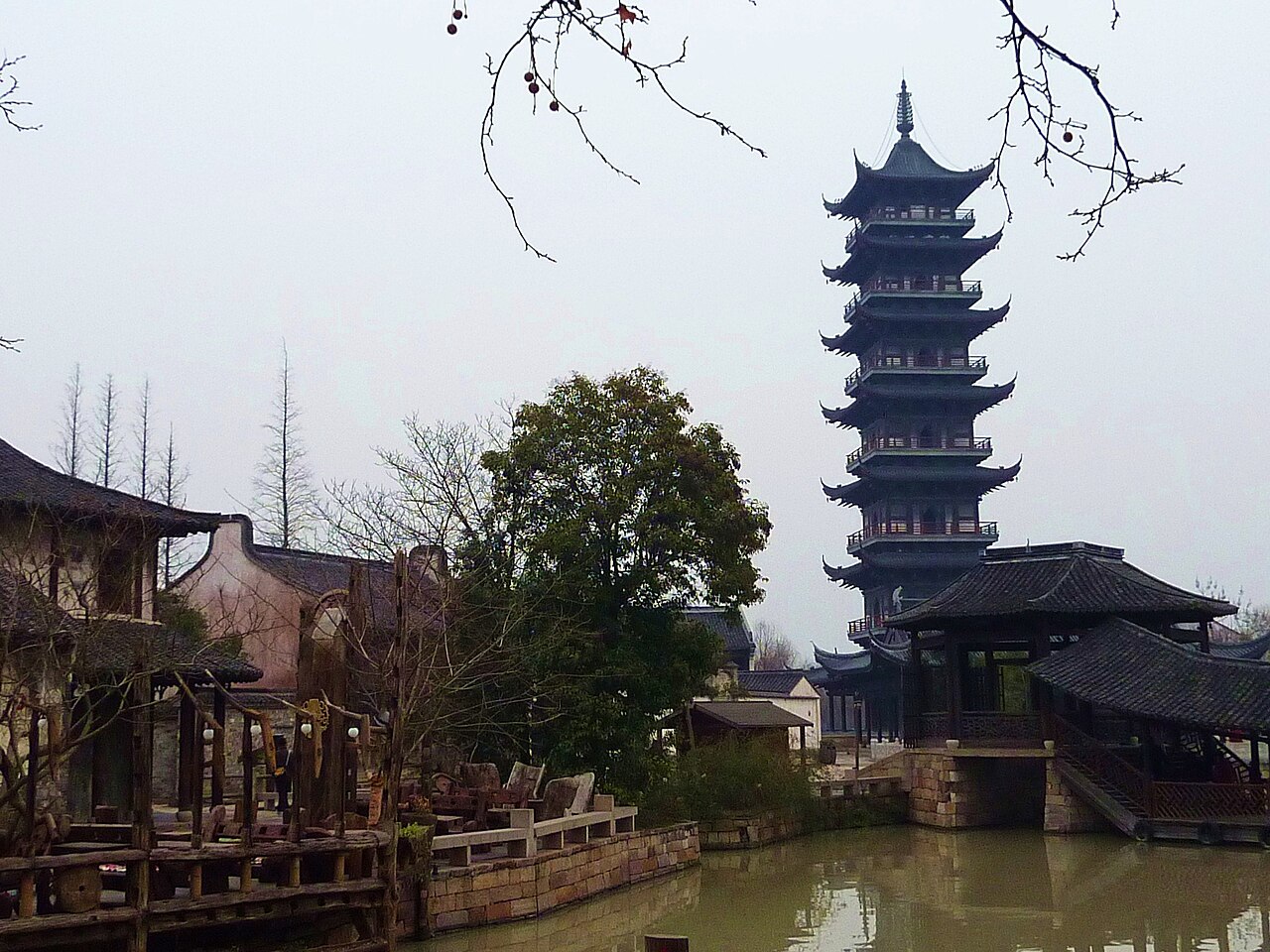
    Take the West Zone slowly in the morning while it is quiet: the lotus-foot binding museum, the old post office to stamp and send a card, the water-borne opera house, and the White Lotus Pagoda for the view over the whole town.

    After lunch, walk the Ling Shui Ju garden and the memorial halls to Mao Dun and the town's other names, then catch the ferry back to Andu Wharf. Stay for a second dusk if you have the time — it looks different every night.

    Stops: Lotus-foot museumOld post officeWater opera houseWhite Lotus PagodaLing Shui Ju

One day, done properly

1 day days

Only worth doing if you can be in before nine and out after dark. Otherwise take two.

  1. Day 1

    East Zone first thing — West Zone all evening

    Arrive as early as you can and do the East Zone's outdoor sights in the quiet morning — the dye works, the twin bridges, the lanes — leaving the indoor halls for when the sun is high.

    Move to the West Zone mid-afternoon, eat early, and give the whole evening to the lights, the boats and the water. Leave after 21:00 if you have a late connection, otherwise sleep over; the point is the dark.

    Stops: East Zone dye worksEast Zone lanesWest Zone by night

Three days, slow

3 days days

Wuzhen plus a neighbour, with time left over to sit still.

  1. Day 1

    East Scenic Zone in full

    Give the East Zone a whole day rather than half: the halls, the workshops, both theatres, the teahouse at Fanglu Ge over the water. Stay the night in the West Zone.

    Stops: East ZoneFanglu Ge teahouse

  2. Day 2

    West Scenic Zone, dawn to dusk to dark

    A full, unhurried day in the West Zone: the gardens and memorial halls in the morning, tea and the post office in the afternoon, boats and lights at night. This is the day the place is designed for.

    Stops: West Zone gardensOld post officeNight boat

  3. Day 3

    Xitang, or Nanxun

    Use the third day for a neighbouring water town. Xitang is about 45 minutes by shared car or two hours by bus; Nanxun, quieter and a little grander, runs a coach about once an hour from beside the West Zone.

    Stops: XitangNanxun

Sights

What to actually go and see

The old town

East Scenic Zone

The first-phase, older half of Wuzhen: the traditional residential quarter and workshop quarter, with the ancestral halls, the dye yards and Mao Dun's house. One ¥100 ticket, valid for a single day, opens more than twenty sights — the Huiyuan pawnshop, Fanglu Ge, the shadow-puppet theatre, Hanlin Di, the Xiuzhen temple, the old opera stage, Mao Dun's residence, the coin museum, the wood-carving hall, the blue-calico dye works, the Gao Gong Sheng distillery, the folk museum, the hundred-beds hall, the traditional workshop quarter, the Fengyuan twin bridges and more.

Ticket
¥100, valid one day
Hours
The zone runs about 07:20–17:30 (the pawnshop posts 07:20–17:30)
Guide
A live guide is ¥80 per group
Time needed
Half a day

Tip Come for the morning. By 10:00 the coach groups are in and the lanes stop being walkable; the dye yards are best in the first light anyway.

The one you sleep in

West Scenic Zone

The second-phase half — older than people assume, but rebuilt as a resort: a dozen green islands ringed by water, entered by ferry, with gardens, galleries, religious buildings, workshops and the town's whole nightlife. It is pointed at business travel and leisure rather than sightseeing, which is why it works so well for an evening.

Ticket
¥120; combined East+West ticket ¥150
Hours
09:00–22:30
Enter by
Ferry across to Andu Wharf
Time needed
An afternoon and an evening

Tip Do not treat the ¥120 as the price of the night view and skip the day — the day is what makes the night worth it. Get there mid-afternoon and stay through dusk.

Blue calico

Hongyuantai dye works

Founded in the Song-Yuan period and still the working base for Wuzhen's blue calico, known locally as kao-hua blue cloth: cotton woven by hand, soy-powder resist, indigo from the blue herb, and a process that runs from pattern design and plate carving to waxing, dyeing and drying. The shop at the front sells the finished cloth.

Where
East Scenic Zone
What to watch
The full dyeing process, demonstrated
Buy
Blue calico by the length, fans, tablecloths, bags, scarves

Tip The best photographs are the sheets of cloth hung out to dry over the courtyard — go when the sun is low and the blue is deep.

The writer's house

Mao Dun's former residence

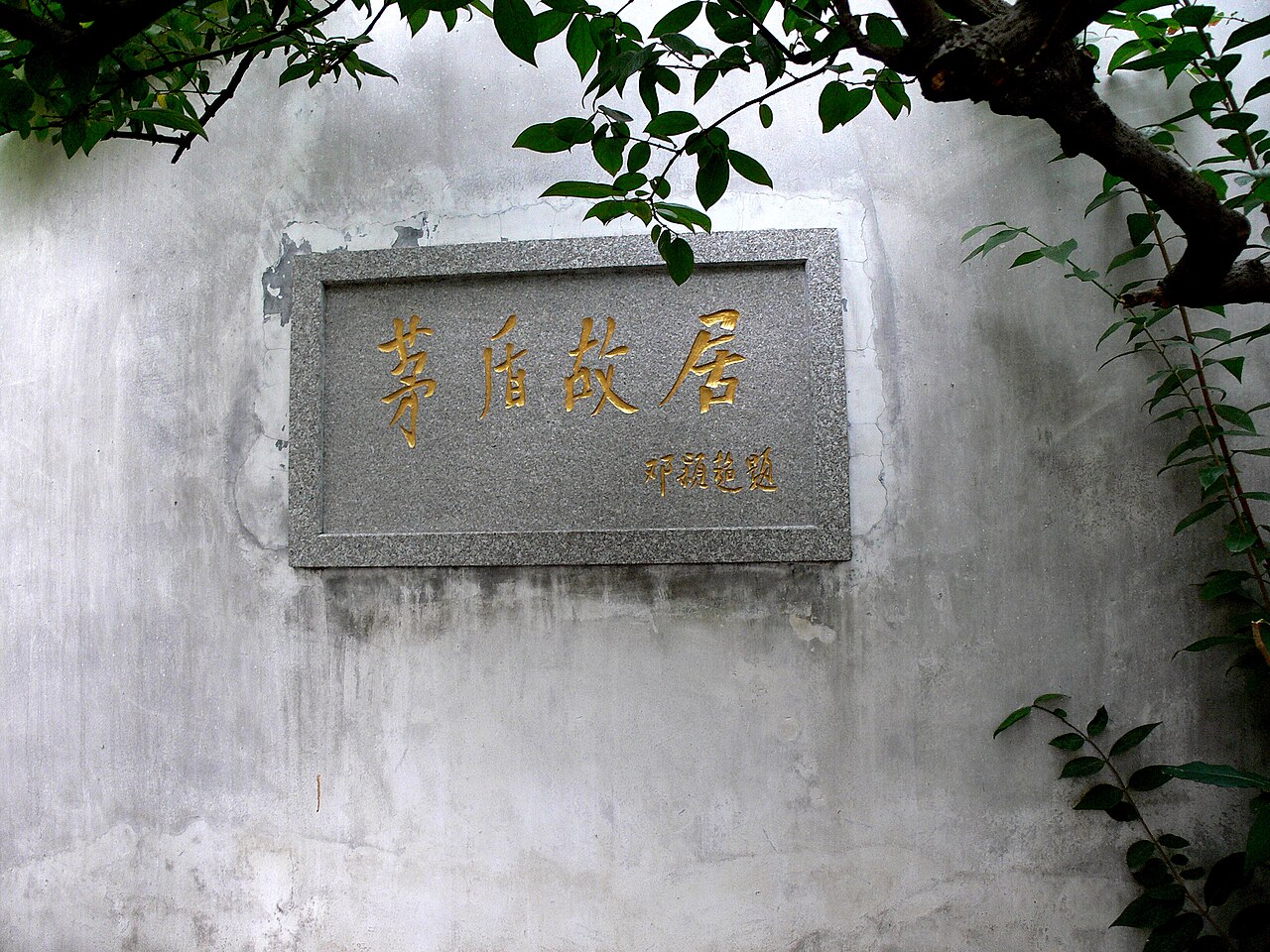
A plain south-facing timber-and-brick Jiangnan house at 17 Guanqian Street where the novelist Mao Dun was born and where four generations of the Shen family lived, its rooms furnished simply but carrying the quiet, bookish air of a scholarly household. Wuzhen also remembers the Liang prince Xiao Tong, who built a study here and compiled the Wen Xuan, one of the earliest and most influential literary anthologies in Chinese.

Address
17 Guanqian Street, East Scenic Zone
What it is
Birthplace and family home of Mao Dun (Shen Yanbing)
Time needed
30–45 minutes

Tip Pair it with the hundred-beds hall and the wood-carving hall nearby — the East Zone's indoor sights are all within a few minutes of each other.

Both still running

The shadow-puppet theatre and old opera stage

The shadow-puppet theatre sits at Hanlin Di in the East Zone and is one of the few in the country still performing daily, the puppeteers working thin rods behind a lit screen to stage folk tales. The old opera stage, an attached building of the Xiuzhen temple with a hipped-and-gabled roof and carved bracket arms, stages Tongxiang flower-drum opera; historically it also staged the 'punishment operas' by which the town settled disputes.

Shadow puppets
Hanlin Di, 08:50–11:20 and 13:00–16:30, a show every 10 minutes
Flower-drum opera
Old opera stage, 09:30–11:30 and 13:00–16:30, half-hour sets
Ticket
Both included in the East Zone ticket

Tip Both are short and both are performed by elderly men — do not skip them for the 'bigger' sights. They are what makes the East Zone different from every other restored town.

Liquor and tea

Three Whites distillery and the teahouse at Fanglu Ge

The surviving Gao Gong Sheng distillery in the East Zone, founded in the early Ming, still brews sanbaijiu — 'three whites', so named in the town gazetteer for its rice, flour and water — a fragrant, full-bodied spirit once sent as tribute when Zhu Yuanzhang took the throne. Over the water at Fanglu Ge is the town's best-known teahouse, run by tradition since the Tang poet-scholar Lu Tong and the author of the Classic of Tea.

Distillery
Gao Gong Sheng, East Scenic Zone
Liquor
Sanbaijiu, the town's signature drink
Teahouse
Fanglu Ge, 143 Changfeng Street, mid-town

Tip Buy a bottle of sanbaijiu here rather than in the tourist shops; by the West Zone it is the same liquid in a fancier bottle at twice the price.

In the West Zone

Ling Shui Ju garden and the White Lotus Pagoda

Ling Shui Ju is the largest private-style garden in the West Zone, a winding wall with pierced windows framing rock, water and trees, with the memorial hall and tomb of Mao Dun just to its east and the halls to Wang Huiwu, Kong Lingjing and Shen Zemin gathered on the same ground. The White Lotus Pagoda, originally the Golden Lotus Pagoda Court and built in the Northern Song, towers 51.75 m in seven storeys and is the tallest thing in Wuzhen, free to visit on the canal-side island.

Ling Shui Ju
West Zone, Ling Shui Street, west of Mao Dun's memorial hall
White Lotus Pagoda
Free; on the island in the Grand Canal beside the West Zone
Best at
Dusk, when the pagoda is lit and the town runs out below it

Tip Climb to the pagoda viewpoint late in the day — it is the one place you can see the whole canal town laid out at once.

Send a card

The old post office

Wuzhen's post office opened in the Guangxu reign, carrying only letters at first and later parcels and remittances, its mail moved by postmen walking the roads with their loads. The building, brick-and-tile rather than the West Zone's timber, has a half-Western look; buying a few postcards, stamping them with the Wuzhen old-post-office seal and sending them home is the one thing nearly every visitor does.

Where
West Scenic Zone, on the West Market river
Do it before
About 21:00, when the post office closes
What it is
Stamped postcards with the old-office seal

Tip It shuts around 21:00 — buy and post your cards early in the evening, not on your way out at the end of the night.

Food

What Wuzhen eats

Braised mutton

Wuzhen's most famous local dish, and the one to order in winter: the meat slow-cooked with sugarcane, red dates, fennel, cassia, yellow wine and soy until the colour of dark red and the fat has gone soft rather than greasy. It can carry a mutton smell, which is part of the point. Best after the winter solstice.

White-water fish

A rare wild freshwater fish, prized for tender flesh and clean taste. It dies soon after leaving the water, so if you find one alive, have the kitchen kill and steam it whole to taste it plain; braised or with chopped chilli it is also excellent, and some kitchens lightly salt-cure then steam it for something in between.

Ding sheng cake

A lotus-shaped rice cake of five white petals set with green and red candied threads, the outer layer of fine fragrant and glutinous rice flour around red-bean paste and a touch of sugar and osmanthus. Sweet, soft and not cloying — the town's signature snack, sold everywhere.

Green rice balls

A Qingming-festival food: mugwort, only available around the festival, juiced and mixed into the dough, wrapped around red-bean paste. The skin is soft and faintly green-scented, a little chewy, and it melts with the sweet bean paste — the taste of early spring.

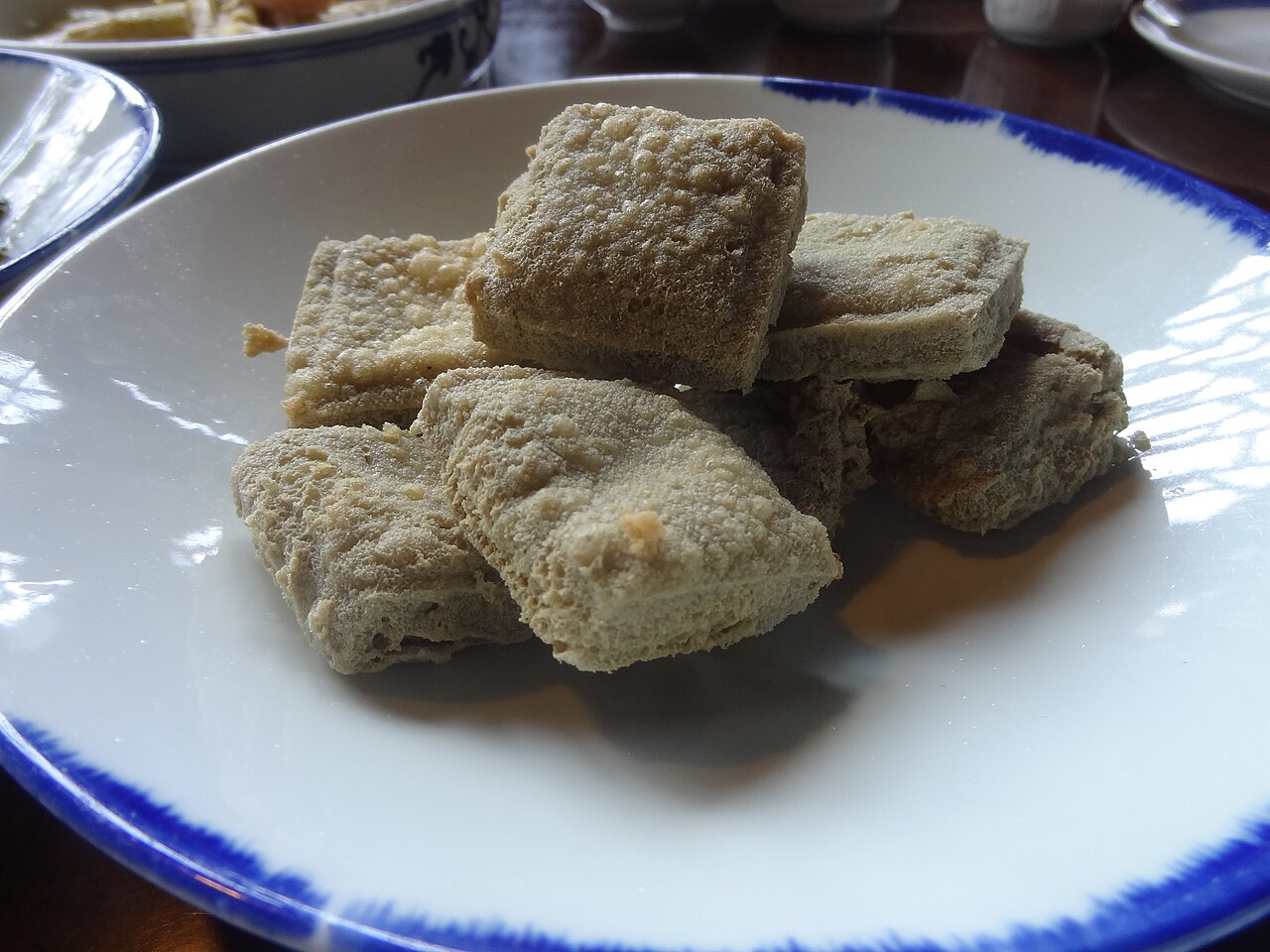
Stinky tofu

Soaked more than twenty hours in a traditional old brine, which is why the Wuzhen version tastes pure and clean rather than merely sour. Sold a box at a time for ¥10 in squares and long strips — half of each — with sweet sauce or chilli sauce to smear on. The local verdict is that Zhejiang stinky tofu has a 'wonderful fragrance' of its own.

Wife-and-sister cake

A pepper-and-salt sesame crisp with a story: more than a century ago a pastry family decided to teach only their daughter-in-law and not their daughter, and the daughter, put out, sneaked a handful of salt into the mix to ruin it. The salted cakes sold out and became the shop's bestseller.

Three Whites liquor

Sanbaijiu, brewed from rice, flour and water by hand, strong-scented with a soft, sweet, clean finish — fine for all ages and for centuries a staple of the region. The town gazetteer gives the name and the recipe both, and the old distillery still makes it in the East Zone.

Wuzhen pot and local noodles

The 'Wuzhen pot' is a Zhejiang favourite and a local weeknight staple: snakehead, free-range chicken, bullfrog, prawn and more, simmered at the table. Wuzhen's noodles are good and come in many kinds, and in winter look for the local dish the dialect calls embroidered-enough, a celery-like green cooked with glutinous rice, salted pork and rice.

Where to eat

Kitchens worth sitting down in

A century old

Jiujiang Lou

A hundred-year-old restaurant in the East Zone's traditional dining quarter, beside the old opera stage of the Xiuzhen temple — a two-storey timber building, done up tastefully, with strong local cooking. The signature dishes are the eight-tentacle fish of Youju township, the pearl-ball cake and grandmother's duck; reviewers like the deep-fried stinky tofu in particular.

Address
64 Guanqian Street, beside the old opera stage, Dong Dajie, East Zone
Average spend
¥30–40
Phone
0573-88716799

Water-side

Fengyuan Lou

A century-old house built in the late Qing, fronting the street at the back of the river — a water-pavilion restaurant serving traditional country dishes at fair prices. The braised mutton is cooked over a clay stove by the street and its smell pulls people in; the signature dishes include taro steamed with soy pork, an aster omelette, Fengyuan lotus-leaf pork trotters and braised mud fish.

Address
West side of Caishen Bay, East Scenic Zone
Average spend
¥30–40
Phone
0573-88718048

Since the Daoguang reign

Sanzhenzhai sauced-duck shop

Founded in the Qing Daoguang period and famous across Jiangnan for more than a century for its sauced chicken and duck — carefully sourced, well made and distinctive; a water-carrying pole and old signboard from the Daoguang era survive. Reviewers like the mutton and stinky tofu, and the duck legs, though a touch salty, are tender.

Address
Beside Yingjia Bridge, inside the West Scenic Zone
Average spend
¥20–30

On the street

Jiangnan Water-Town Snacks

A roadside shop inside the East Zone doing the town's sweet and savoury snacks — ding sheng cake, fermented-rice balls, green rice balls and the like. Cheap, quick and exactly what you want to be eating while walking the lanes.

Address
Inside the East Scenic Zone
Average spend
¥10–20

Noodles

Qian Changrong restaurant

A local name known for its goat noodles — a big bowl of chewy noodles with braised goat, good on a cold morning. One of the classic small kitchens rather than a tourist dining hall; ask at your guesthouse and they will point you to it.

Where
In Wuzhen town
Known for
Goat noodles
Average spend
¥20–30

Off the tourist map

The fish-market bridge, for locals

Locally people often eat around a place called Maiyu Qiao ('sell-fish bridge'), where several small kitchens do good home cooking at local prices. It is not in any itinerary; if you happen to find it, eat there — it is the town eating rather than being eaten at.

Where
In Wuzhen town
Why
Where locals actually eat
Average spend
¥20–40

Shows and festivals

What is on, and when

Every 10 minutes

Shadow-puppet show

At Hanlin Di in the East Zone, and one of the very few shadow-puppet theatres still performing daily anywhere in China: the puppeteers work thin rods behind a lit screen and stage folk tales and legends, the strings and drums carrying the story. The art began in Han-dynasty Chang'an and peaked in the Ming and Qing; here it is kept alive by men in their seventies and eighties.

Where
East Scenic Zone, Hanlin Di
Times
08:50–11:20 and 13:00–16:30, a show every 10 minutes
Ticket
Included in the East Zone ticket

Tip Turn up anywhere in the window and you will catch one within ten minutes. No booking, no queue.

Half-hour sets

Flower-drum opera on the old stage

The old opera stage near the Xiuzhen temple in the East Zone, with its hipped-and-gabled roof and carved bracket arms, performs Tongxiang flower-drum opera — a local small opera grown out of country work-songs, folk tunes, lantern dances and paired-role plays. Historically the same stage staged the town's 'punishment operas', a traditional way of settling disputes.

Where
East Scenic Zone, beside the Xiuzhen temple
Times
09:30–11:30 and 13:00–16:30, every 30 minutes
Ticket
Included in the East Zone ticket

Tip The stage looks over an open square; stand at the side and the acoustics are far better than sitting in front.

On the water

High-pole and martial-arts boats

Two folk performances that go back to canal life. The high-pole boat raises a pole from the deck so a performer can balance and pose above the water, twice a day; the martial-arts boat, in the East Zone's shop quarter, puts on a ten-minute routine every half hour through the day. The high-pole boat does not run in bad weather.

High-pole boat
Caishen Bay area, East Zone — 10:30 and 14:30, weather permitting
Martial-arts boat
East Zone shop quarter — 08:30–16:30, every half hour, 10 minutes each

Tip The high-pole boat is only twice a day, so check the time as you enter; the martial-arts boat can be caught at almost any hour.

If your dates line up

Wuzhen Theatre Festival

Founded in 2013 by Stan Lai, Huang Lei and Meng Jinghui and staged across the town, with the Wuzhen Grand Theatre as the main venue and six smaller spaces — the National Music Theatre, the Shen family opera garden, the water theatre among them — carrying world-class productions beside young companies' original work. The first edition took 'Reflect' as its theme, opening in May.

Since
2013
Founders
Stan Lai, Huang Lei, Meng Jinghui
Venues
Wuzhen Grand Theatre plus six smaller stages

Tip If you are in Wuzhen during the festival, buy well ahead: rooms inside the zones sell out first and the whole town becomes a venue.

Spring and mid-autumn

The incense market and the temple fairs

The xiangshi or 'incense market', also called a temple fair, is said to date to the Tang: from the third month the town's shops set temporary stalls before the earth-god temple and troupes of travelling performers — horsemanship, puppets, magic, acrobatics, animal shows — play in the open. Village women walking in would wash their hands at the pond afterwards, the 'silkworm-flower hand-wash', for a good crop. The Town God fair, the liveliest of the 'hui', runs in the seventh month, and the Lantern Festival walk over the bridges on the fifteenth of the first month.

Incense market
Third month of the lunar calendar, before the earth-god temple
Town God fair
Seventh lunar month
Lantern walk
Fifteenth day of the first lunar month — walk at least ten bridges, never back

Tip The bridge-walk custom is worth knowing even outside the festival: at the Lantern Festival locals must cross at least ten bridges and never the same one twice, so plan the route before you start.

Why people know the name

The movie and the song

Wuzhen is the setting of the 2002 TV series 'Misty Water Years' (Asian version), directed by Huang Lei and Hu Qiang, in which the leads meet in the town and the story runs fifty years — the bar 'Misty Water Years', near the Zhenshui resort hotel, is modelled on its scenes. The town also gives its name to Mao Dun's story 'The Lin Family Shop', and to the song 'Boating in Wuzhen'.

TV series
'Misty Water Years', 2002, 23 episodes, directed by Huang Lei and Hu Qiang
Bar
'Misty Water Years', near the Zhenshui resort hotel
Read
Mao Dun, 'The Lin Family Shop'

Tip If you came because of the series, the bar and the lane where the leads first meet are the two places to find; both are in or beside the West Zone.

Shopping

What to carry home

Three Whites liquor

The town's signature drink, hand-brewed from rice, flour and water, fragrant and full-bodied with a clean finish — and a good deal cheaper bought at the distillery than at the tourist shops. A bottle is the easiest, most local gift in Wuzhen.

Blue calico

Kao-hua blue cloth: cotton woven by hand, resist-pasted with soy powder, printed with indigo from the blue herb, entirely by hand and entirely natural. The goods range from garments and triangular headscarves to cup mats, folding fans, tablecloths, door curtains, umbrellas, phone pouches, wallets and bags.

Wuzhen brocade

Ujin, woven on the finest natural silk, some of it with real gold thread: ties, neckties and the court-rank badges of the civil and military grades, with bespoke pieces made to order. The shop is at 11–15 Sizuo Street; anyone who likes silk should look in.

Hangzhou white chrysanthemum

Despite the name, this is not grown in Hangzhou but in Tongxiang, which produces more than 90% of the national crop. White petals, a golden centre, large thick flowers, fragrant and sweet; traditionally used for tea and for bathing and credited with a long list of health benefits.

Wife-and-sister cake

A pepper-and-salt sesame crisp and the town's most famous souvenir sweet, sold by the box in the shopping streets. Light, crisp and faintly salty-sweet — buy a couple of boxes at once because they go quickly.

Wuzhi Wuyu accessories

The little shop on the West Zone's Nyugong Street that almost everyone wanders into, at the foot of Yefang Bridge: creative handmade ornaments and ornaments and trinkets in a dozen styles from around the world. Even the shopkeeper, hung about with her own pieces, is part of the draw.

Where to shop

The centre of the East Zone's commerce is Caishen Bay, the town's biggest fish and seafood market and home to the largest wholesaler-retailer, Xu Hengyu. By Lin Family Shop is Jinhe Zhai, a general-goods shop with a big reputation and still standing. Blue calico, ujin, sanbaijiu and chrysanthemum are sold all over both zones.

Where to stay

Sleep inside the walls, every time

The classic choice

West Scenic Zone minsu inns

The town's own guesthouses, more than 280 rooms across the two banks of the West Zone's market river, some facing water and some the street — open the door onto the old street, open the window onto the river. Rooms come as twins, doubles and family rooms, many with a carved old bed and a proper tea set. Sunday to Thursday usually carries a 6.5-tenths rate and Friday and Saturday 7.5; being old houses, they are basic and not well soundproofed, but the hosts are warm and the breakfasts are good.

Address
137 West Street, Wuzhen, Tongxiang
Price
From ¥198
Phone
4008811516 extension 6642
Discount
Sunday–Thursday about 35% off, Friday–Saturday about 25% off

For backpackers

Ziteng Youth Hostel

The West Zone's youth hostel, behind the water-stage landmark and in front of the Yida silk company and Shitian Square: a green-water site with wisteria over the colonnade, an old building outside and dorms inside — bunk beds as in student halls, shared kitchen, showers, air-conditioning and hot water. Come here to relive student days or to meet people from everywhere.

Address
43 and 45 Sizuo Street, West Zone, Wuzhen, Tongxiang
Price
From ¥60
Phone
0573-88731088

Just outside the gate

Yishuige Inn

On the north side of the West Zone's main gate, backing onto the protective canal and facing the zone across the water, with the busy Longyuan Road to the east and the East Zone and snack street only minutes away. Clean, well equipped and reasonably priced, and a good way to have the town at hand without paying zone prices.

Address
65 Huanhe Road, Wuzhen
Price
From ¥220
Phone
0573-88712285

Modern rooms

Shuixiang Renjia guesthouse

A guesthouse in more modern style — doubles, Japanese-style tatami rooms and round beds, with wireless broadband, private bathrooms, showers and the full set of toiletries. The host will cook and process dishes for guests free of charge, and will also meet you at the coach station. Cheaper than the chain hotels and a fair price for a minsu.

Address
188 Huanhe Road, Wuzhen, Tongxiang (north gate of the West Zone)
Price
From ¥108
Phone
0573-88730681

Foreigners welcome

Ziye Hotel

One of Wuzhen's larger tourist hotels, opposite the entrance to the scenic area — convenient and well placed. The restaurant on the second floor of the west wing has five private rooms and a hall seating more than 300, good for groups and families; reviewers find the rooms warm and Jiangnan-flavoured and the value good, though rooms can smell a little damp.

Address
3 Ziye Road, Tongxiang
Price
From ¥188
Phone
0573-88728088

The splurge

Jintang clubhouse

The largest and most lavish of Wuzhen's three business clubhouses: a two-storey classical building with a hard-mountain roof and garden, finished to a standard above five stars. The street of flagstones runs along its south, a stream reaches down to the market river on its west, and it has its own wharf — guests can board at the visitor centre and sail straight in.

Address
306 West Street, West Zone
Price
From ¥1,443
Phone
0573-88731088

Getting around

How to reach Wuzhen and move through it

By air

There is no airport in Wuzhen. Hangzhou Xiaoshan (HGH) is the usual arrival and runs eight direct coaches a day to Wuzhen bus station; from Shanghai Hongqiao you ride the high-speed rail to Tongxiang, and from Shanghai Pudong you take Airport Line 7 to Shanghai South station and a coach in.

Hangzhou Xiaoshan to Wuzhen
Eight coaches daily — 10:35, 11:30, 12:45, 14:00, 15:00, 16:30, 18:20, 20:00; ¥38 one way, to Wuzhen bus station
Wuzhen to Hangzhou Xiaoshan
07:00, 08:00, 08:50, 10:00, 12:50, 14:00, 15:40, 17:00, from Wuzhen bus station
Shanghai Hongqiao
High-speed rail to Tongxiang, then bus K282 to Wuzhen and K350 to the gate
Shanghai Pudong
Airport Line 7 to Shanghai South, coach to Wuzhen bus station, then K350
Information
Hangzhou Xiaoshan, 0571-86662999

By train

Wuzhen has no station; you arrive at Tongxiang, on the Shanghai–Hangzhou high-speed line, where trains from Hangzhou, Xiamen, Fuzhou, Wenzhou and Quzhou all stop. From Tongxiang station, bus K282 runs straight to Wuzhen bus station. Jiaxing, with two stations, is the other rail gateway, reached from almost everywhere and connected onward by bus.

Hangzhou to Tongxiang
About 15 minutes by high-speed rail
Shanghai to Tongxiang
About 30 minutes by high-speed rail
Tongxiang to Wuzhen
Bus K282, first 07:40, last 17:50, every half hour
Note
The last K282 leaves at 17:50 — do not book a late train to Tongxiang
Via Jiaxing
Jiaxing station, bus 6 to the coach centre, ordinary bus to Wuzhen bus station, then K350

By coach

Coaches into Wuzhen come from all round the delta. Hangzhou's coach centre runs 14 services a day; Shanghai has frequent buses about every 90 minutes; Suzhou goes via Jiaxing or Tongxiang; and Xitang, Wuxi, Nanjing, Huzhou and Shaoxing all have direct services. Fares and times shift, so check on the day.

Hangzhou to Wuzhen
14 services from 06:25 to 16:25; ¥27, about 1 hour 20 minutes
Wuzhen to Hangzhou
07:00 ordinary plus 06:30–17:30 every 1.5 hours, 8 services; ¥25
Shanghai to Wuzhen
Roughly every 1.5 hours, about 90 minutes; or high-speed rail to Tongxiang and K282
Suzhou to Wuzhen
Via Jiaxing (06:40–18:00, every 30–40 minutes, about 80 minutes) or via Tongxiang (8 services, 0512-87181609)
Xitang to Wuzhen
Via Jiashan and Tongxiang or Jiaxing, about 2.5 hours; a taxi or shared car takes about 45 minutes for around ¥50 each

By boat

The canals are the town's other road. The East Zone's sculled boats and the West Zone's sightseeing boats are hired by the boat, not the head; the big ferries across the West Zone entrance are free with a ticket; and a 'bus boat' works the riverside sights by the stop, like a water bus. An electric cart covers part of the West Zone.

East Zone sculled boat
¥80 one way, up to 8 people
West Zone ferry at the entrance
Free with a ticket
West Zone sightseeing boat
¥120 per boat one way by day, ¥180 at night, up to 6 people
West Zone bus boat
¥5 per stop along the river
West Zone sightseeing cart
¥5 per person

By shuttle and bus

A free shuttle joins the East and West Zones — the practical way to move between them without re-walking. In town, bus K350 connects the bus station with the scenic area. The town itself is small and flat and best done on foot; the point is to go slowly, stop by the water and watch the bank go past.

Free inter-zone shuttle
07:30–17:00; every 20 minutes Monday–Thursday, every 10 Friday–Sunday
To the gate
Bus K350 from Wuzhen bus station
Between zones
Free shuttle, or walk
In the zones
On foot — the old town is small and level

By taxi

Taxis in Wuzhen flag at about ¥8 and then charge about ¥1.5 a kilometre, and pedicabs are the other short-hop option. At the railway station, join the official rank rather than the touts outside — the unofficial cars are shared, do not use the meter and can take the long way round.

Flagfall
About ¥8
Per km
About ¥1.5
At stations
Use the official rank; the touts outside are shared and unmetered
Pedicabs
The local short-hop option in town

Tips

Small things that make the trip

Come for the two hours, not the whole day

The single most useful piece of advice in the source guide: the town is at its best at dawn and after dark, and it is worth timing your visit around those hours rather than the middle of the day, when both zones are thick with coach groups.

Buy the combined ticket and do both zones

¥150 for both beats ¥120 and ¥100 separately, and the two zones are genuinely different — the East for history and workshops, the West for gardens and the night. Skipping one is the most common regret.

Take the free photo booth, if you want to stay flexible

If you do stay in the West Zone, note that a room card plus a ¥20 deposit at the visitor centre gets you an in-and-out pass for your whole stay — so you can leave for dinner or the East Zone and come back without buying anything twice.

Do not book a late train

The last K282 bus from Tongxiang station to Wuzhen bus station leaves at 17:50, and from the bus station you still need K350 to the gate. A late trip to Tongxiang means a taxi at best and a stranded evening at worst.

Watch the West Zone's own toilets, and the free open-air film

The fancy loos in the West Zone are famous in their own right, and the open-air black-and-white film on the water stage side is free to watch and deeply nostalgic. Little things, but they are what people remember.

Go for the sunset from Longxing Field

If you want the sunset inside the West Zone, the recommended spot is Longxing Field. And keep an eye on the time: the old post office shuts around 21:00, so post your cards before then.

Practical

The numbers you will actually need

Wuzhen is a town of mornings and evenings. Spend the middle of the day eating, resting or riding between the zones, and keep the two good ends of the day for the town itself.

Best monthsSpring and autumn; best hours of any day are dawn and dusk. Subtropical monsoon, annual average about 16°C, January 3°C, July just under 30°C, about 1,200 mm of rain, typhoons possible late summer
TicketsEast Zone ¥100 (one day); West Zone ¥120; East+West combined ¥150. Over-70s and serving soldiers ¥60/¥80/¥105; children 1.2–1.5 m ¥50/¥60/¥105; under 1.2 m free
Opening hoursEast Zone about 07:20–17:30; West Zone 09:00–22:30
Getting inHigh-speed rail to Tongxiang (15 min from Hangzhou, 30 from Shanghai), bus K282 to Wuzhen, K350 to the gate. Eight airport coaches a day from Hangzhou Xiaoshan, ¥38
Inter-zone shuttleFree, 07:30–17:00; every 20 minutes Monday–Thursday, every 10 Friday–Sunday
BoatsEast Zone sculled ¥80 one way (8 people); West Zone sightseeing ¥120 by day, ¥180 at night (6 people); ferry free with ticket; bus boat ¥5 a stop
ParkingWest Zone free for the first hour, then large ¥15 / medium ¥10 / small ¥5 per 12 hours; East Zone large ¥15 / medium ¥10 / small ¥5 per day
ShowsShadow puppets 08:50–11:20 and 13:00–16:30, every 10 minutes (Hanlin Di); flower-drum opera 09:30–11:30 and 13:00–16:30, every 30 minutes (old opera stage); high-pole boat 10:30 and 14:30; martial-arts boat 08:30–16:30 every 30 minutes
Useful numbersMedical emergency 0573-88713120; tourism complaints 0573-88711223; tourist hotline 0573-88022345; station enquiries 0573-88589011

Background

Why Wuzhen is the way it is

Water, silt, and a name that moved

Wuzhen sits in the heart of the Hangzhou–Jiaxing–Huzhou plain, on silt built up by rivers and lakes, with the ground a shade higher and darker and richer than the land around — which is where its old name Wudun, the dark mound, comes from. It is warm and wet, four seasons clear, about 16°C on average over a year with 1,200 mm of rain, and the water country of fish and rice and silk was the result.

People have lived here since the Neolithic: the pottery, stone and bone tools dug out of the Tanjiawan site east of the town mark it as Majiabang culture, more than six thousand years old. In the Spring and Autumn period it stood on the Wu–Yue frontier, and Wu kept troops here against Yue — the origin of the name Wushu, the Wu garrison. The Tang gazetteer of the Xiantong reign is the first to call it Wuzhen, and it has been a town since; in 1950 the two halves, Wuzhen and Qingzhen, were merged under the name Wuzhen.

A town of scholars

For a place this size, Wuzhen has produced a startling number of names. The Liang prince Xiao Tong, who compiled the Wen Xuan — one of the earliest and most influential anthologies in Chinese, often set beside the Book of Songs and the Songs of Chu — built a study here and read for years. The earliest compiler of a town gazetteer, Shen Ping, came from here, as did the neo-Confucian scholar Zhang Yangyuan, the great book collector Bao Tingbo, and the late-Qing grand secretaries Yan Chen and Xia Tongshan.

The modern list runs from the activist Shen Zemin and the banker Lu Xuepu to the journalist Yan Duhe, the agricultural scientist Shen Liying and the writer Kong Lingjing, and to the overseas Chinese writer Mu Xin. The best known of all is the novelist Mao Dun — Shen Yanbing — first culture minister after 1949, whose novels such as Midnight, Spring Silkworms and The Lin Family Shop are counted among the classics of modern Chinese literature. They all came out of this water country, and they left with its character on them.

Why it looks the way it does

Wuzhen's old towns are the product of two forces acting at once: the genuine Ming and Qing fabric of a working canal town, and a deliberate restoration that has made the West Zone into something closer to a resort. The East Zone keeps the residue of real life — the workshops, the weathered halls, the families still living in the lanes — while the West Zone was rebuilt and lit to be beautiful, and its businesses, by and large, keep their signs quiet rather than loud.

The result is that Wuzhen reads, for many visitors, as the definitive Jiangnan water town — the small bridges and running water and households by the canal that people picture when they picture the south. It is not the least touristy of the water towns; it may well be the most finished. What it asks of you is simply to be there at the right hours, when the finishing is all yours.

The questions visitors ask us most about Wuzhen, answered plainly.

Frequently asked questions

Prices and practical details are reviewed every month by our Beijing team and updated the day a rule changes.

Should I visit the East or West Scenic Zone in Wuzhen?

Both, and East first. The East Zone is the older, smaller and more historic half — half a day covers the workshops, the dye yards and Mao Dun's house — while the West Zone is larger, holds the night view and wants an afternoon and an evening. Buy the ¥150 combined ticket and do East in the morning and early afternoon, West from mid-afternoon into the night.
Is the Wuzhen West Zone open at night?

Yes, until 22:30, and on the ordinary ¥120 ticket — unlike some water towns there is no separate night pass. The boats run into the night at ¥180 per boat (up to six people) as against ¥120 by day, and after about 19:00 the day visitors have gone and the whole quarter is lit and reflected in the water.
Do I need a ticket to enter the West Zone if I am staying there?

Yes, the first time. A booking does not exempt you from the gate, but once inside, take your room card, ticket and ID to the visitor centre, leave a ¥20 deposit and you get a temporary pass that lets you exit and re-enter freely until you check out; return it to get the deposit back.

How do I get to Wuzhen?

By high-speed rail to Tongxiang station, then two buses: K282 to Wuzhen bus station (every half hour, 07:40–17:50) and K350 to the scenic-area gate. Trains take about 15 minutes from Hangzhou and 30 from Shanghai. Hangzhou Xiaoshan airport also runs eight direct coaches a day at ¥38. Do not book a late train — the last K282 leaves Tongxiang at 17:50.
When is the best time of day to visit Wuzhen?

Dawn and dusk, every day, in every season. The town is at its most beautiful in spring and autumn, and within the day the misty early morning and the lit evening are what you came for. If you only have one day, arrive before 09:00 and stay past 19:00; the hours in between are the ones to spend eating or resting.

What time do the shows run in Wuzhen?

The shadow puppets at Hanlin Di in the East Zone run 08:50–11:20 and 13:00–16:30, a new show every 10 minutes. Flower-drum opera on the old opera stage runs 09:30–11:30 and 13:00–16:30, half-hour sets. The high-pole boat performs at 10:30 and 14:30 (weather permitting) and the martial-arts boat every half hour from 08:30 to 16:30.

What should I eat in Wuzhen?

Braised mutton, especially after the winter solstice, when it is fattiest and best. Wuzhen white-water fish, steamed whole while still fresh. Then the snacks: ding sheng cake, green rice balls for Qingming, stinky tofu at ¥10 a box (half squares, half strips, with sweet or chilli sauce), and the wife-and-sister cake — a pepper-and-salt sesame crisp said to have been invented by accident when a daughter sabotaged her sister-in-law's mix with a handful of salt.

Is Wuzhen worth visiting for just one day?

Only if you get the hours right. A single day means arriving early enough for the East Zone at dawn and staying late enough for the West Zone after dark — but that is genuinely hard without a night in the town, because the last bus out of Tongxiang is at 17:50 and the light show starts around 19:00. Two days and one night is worth far more than two separate day trips.
Related reading

Related reading

Visas Do I Need a Visa for China? Requirements, Costs and How to Apply China's entry rules changed more in the last three years than in the previous twenty. Here is exactly who needs a visa, what it costs, how long it takes and which passports now walk straight through. 9 min read Visas China's 240-Hour Visa-Free Transit: Who Qualifies and How It Works Ten days in China with no visa application, no fee and no fingerprints — if you hold the right passport and leave for a third country. Here is the rulebook, port by port. 8 min read Money Paying in China: Alipay, WeChat Pay, Cards and Cash Roughly nine in ten urban payments in China now run through a phone. Set up two apps before you fly, carry a modest cash float, and you will never be stuck at a till. 8 min read Transport China's High-Speed Rail: How to Book, What It Costs, How Fast It Goes The fastest way to cross China is also the most pleasant. Here is how to book a ticket with a foreign passport, what the three classes actually give you, and how to survive a Chinese station at rush hour. 9 min read Planning Best Time to Visit China: Month by Month, Region by Region China is the size of Europe, so 'the best month' depends on where you stand. Here is the month-by-month answer for the north, the Yangtze valley, the south and the plateau. 8 min read Planning What to Pack for China: The Complete 2026 Checklist Twenty thousand steps a day, three climate zones and a phone that has to do everything. This is the list we give our own travellers, minus the things they never used. 7 min read Food Chinese Food Culture: Eight Cuisines, One Table There is no such thing as Chinese food. There is Cantonese, Sichuan, Hunan, Jiangsu, Zhejiang, Fujian, Anhui and Shandong — and knowing which one you are eating changes everything. 8 min read Traditions Chinese Tea Culture: Six Classes, One Pot, Two Fingers Tea in China is not a beverage category, it is a social technology: it fills silences, seals deals and sets the pace of a meal. Here is how to sit down in one and not look lost. 7 min read Traditions Chinese Festivals: The Calendar, the Dates and the Crowds Lunar dates mean the calendar moves every year — and two of the festivals move several hundred million people at once. Plan around them or plan into them, but never by accident. 8 min read Etiquette Chinese Etiquette: What Matters, What Does Not, and Why Most etiquette advice for China is either obvious or wrong. These are the dozen behaviours that actually change how you are treated, and the reasoning behind each. 7 min read

Tell us your dates.
We'll do the rest.

Free itinerary design, a revised plan within one working day, and nothing charged until you approve the final version.

  • Buy the combined ticket: ¥150 for both zones beats ¥120 + ¥100 separately, and the two halves are genuinely different.
  • The West Zone is open 09:00–22:30 on the ordinary ticket — there is no separate night pass, and the night is the best of it.
  • The free shuttle between the zones runs 07:30–17:00, every 20 minutes Monday to Thursday and every 10 from Friday to Sunday.

No spam. No sales calls. Just a real itinerary from a real person.