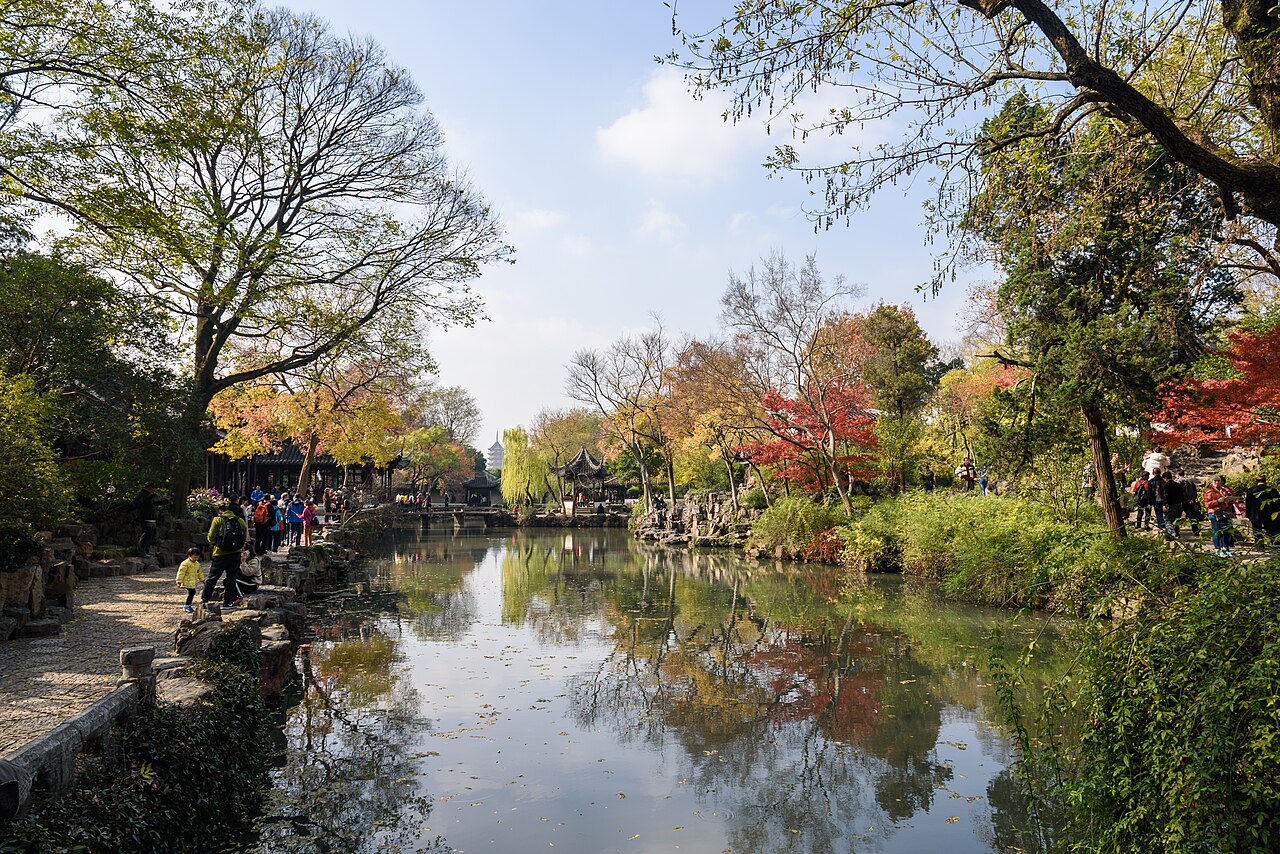
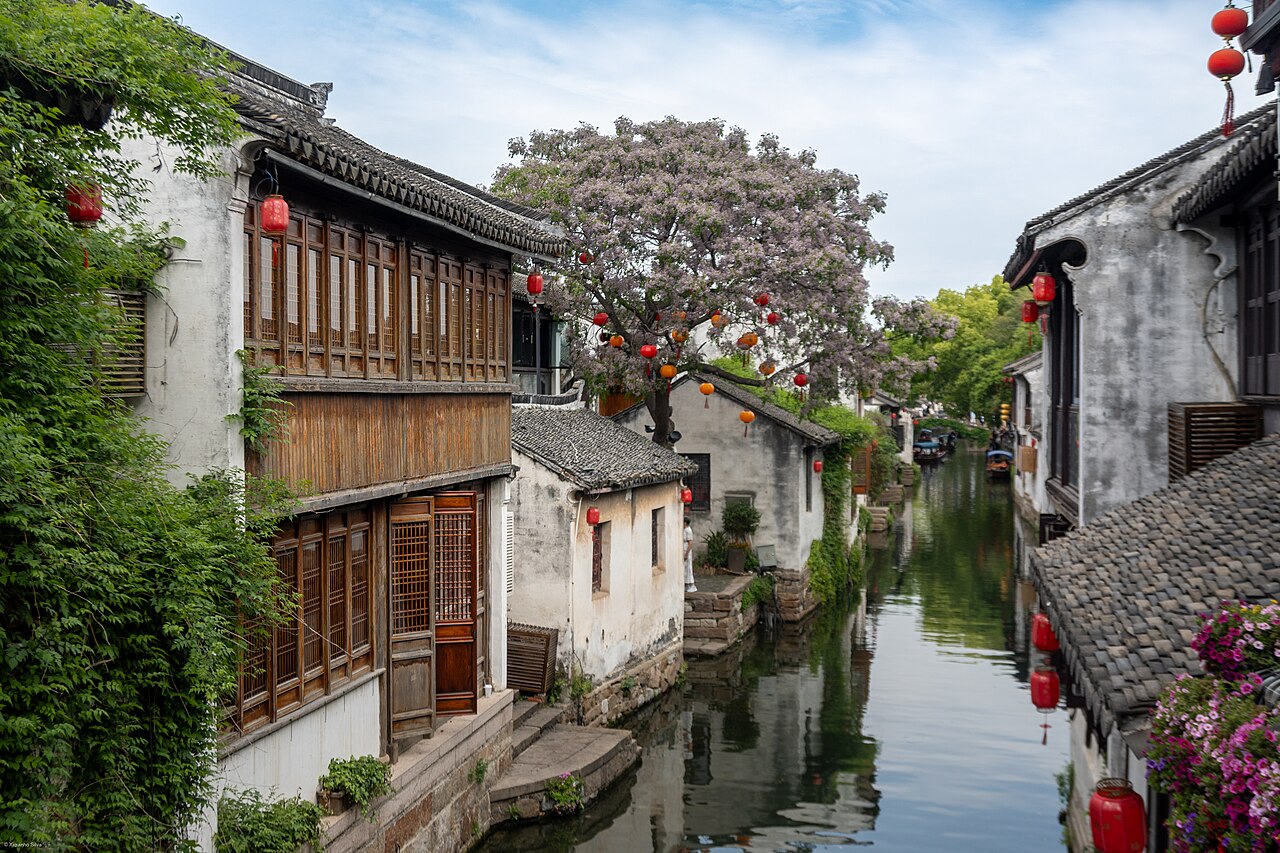
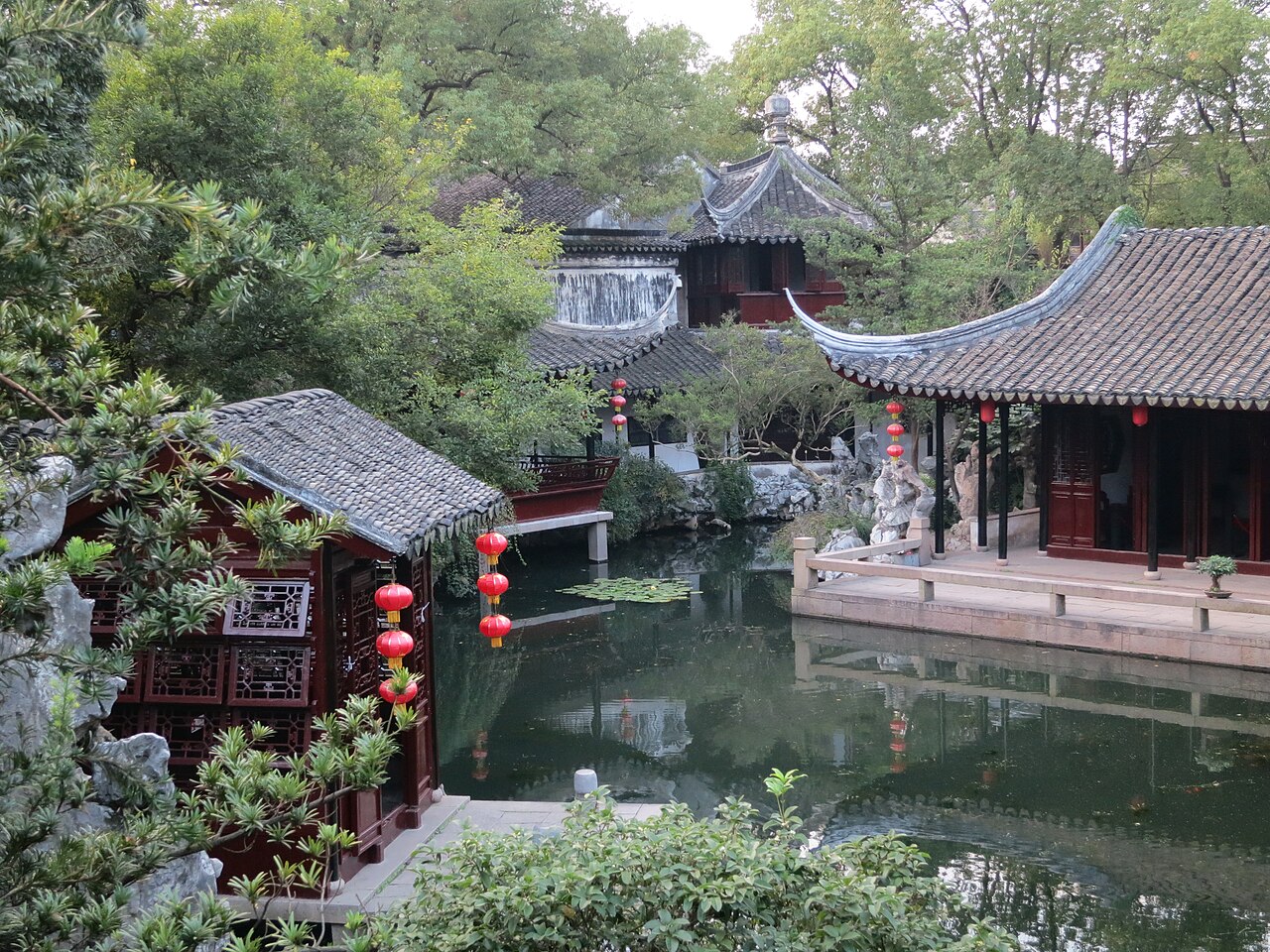
Nanjing does not announce itself. There is no single skyline, no one monument that sums it up. What you get instead is 1,700 years of capital-building settled into the ground: a Ming city wall you can walk on, a tomb avenue lined with stone elephants, a Republic-era mausoleum shaped like a bell, and a river quarter rebuilt so many times it now sells nostalgia by the lantern.
It has been the capital of six dynasties — Wu, Eastern Jin, Song, Qi, Liang and Chen — then of the early Ming before the third emperor moved north, then of the Republic of China. It has also been sacked repeatedly and rebuilt each time. Zhu Ziqing's line is the accurate one: visiting Nanjing is like browsing an antique shop, there are marks of erosion by time everywhere. Nothing is pristine; everything is layered.
The other thing Nanjing has is trees. The plane trees planted along the Republican avenues are the city's signature, and beneath them the place slows down: people walk the 15 km shore of Xuanwu Lake at dusk, amateur choirs set up on the lakeside boardwalks, and west of the Presidential Palace the grey-brick villas of the 1930s are still somebody's home.
It is one of the easiest big Chinese cities to move around. The metro reaches nearly every sight worth naming, buses are ¥2, and almost everything sits within half an hour of Xinjiekou. Come for three days — one for the mountain and the tombs, one for the Republic and the river, one for whatever is in season.