Heaven Lake (Tianchi)
The crater lake at 2,189 m, 13 km around and up to 373 m deep — the deepest lake in China. On a clear morning the water reads as a flat sheet of jade and the North Korean shore is visible on the far side.
Changbai Mountain · Jilin
Visit Changbai Mountain and Heaven Lake on a private Jilin tour: the 2,189 m border crater, hot springs, waterfalls and the west slope. Two to three days.
The short version
The place itself
Changbai Mountain is the roof of northeast China: a dormant volcano whose last major eruption, in 1903, left a crater that filled with water to become Heaven Lake. The lake straddles the border with North Korea, so the far bank you are looking at is another country, and the whole massif is the source of three of the region's great rivers — the Songhua, the Yalu and the Tumen.
It is a scenic area, not a town. Nearly everyone sleeps in Erdaobaihe at the foot of the north slope, 30–40 minutes from the ticket gate, and walks up through a sequence of spots: the towering waterfall, the steam of the Julong hot springs, and finally the rim of the crater. The west slope approaches from Songjianghe and climbs a single long flight of steps straight to the lake edge; the south slope sees the fewest visitors.
The catch is the weather. The summit sits above the cloud line, which means mornings are often clear and afternoons are not — the same view that produced a photograph at 8am can be solid white by 11am. Go up early, take the season seriously, and treat a clear sight of Heaven Lake as a reward rather than a guarantee.
Pins are plotted from real latitude and longitude on a 5° graticule. This is a schematic orientation diagram, not a political map — no boundaries are drawn.
The crater lake at 2,189 m, 13 km around and up to 373 m deep — the deepest lake in China. On a clear morning the water reads as a flat sheet of jade and the North Korean shore is visible on the far side.
A 68 m fall where the lake overflows its rim and drops into the Erdao Baihe river — the tallest volcanic waterfall in China, reached from the north slope by a short boardwalk.
A field of steaming vents beside the waterfall where the water comes out at 60–82°C. Buy eggs boiled in the spring water and soak your feet at the pools further down the slope.
On the north slope, Green Deep Pool sits under the waterfall with a colour to match its name. Down-valley, the underground forest is a stand of ancient trees growing in a sunken volcanic basin.
On the west slope, a marker-pen canyon of grey and ochre volcanic rock cut into columns and towers. It pairs naturally with the west-slope lake climb on the same day.
In summer the west slope's high meadow flowers from late June into July; in winter the Changbaishan Wanda International Resort, 30 minutes from Songjianghe, becomes one of China's largest ski areas.
Fly into Changbaishan Airport (NBS), 15 km from the north-slope gate and about 80 km from the west slope, or Yanji Chaoyangchuan (YNJ), which has more flights and sits two hours away by road. The Baihe–Changbaishan high-speed rail now links Erdaobaihe directly to Changchun and Shenyang, which is the most reliable way in during winter weather.
Inside the area, private cars and taxis are barred from the summit — everyone transfers to official shuttle buses at the slope entrances, then to a smaller vehicle or on foot for the final climb. That means your day is built around the shuttle timetables, so a driver-guide who knows the queues and the ticket windows saves real time. Between the slopes and the gateway towns, plan on a car.
| Month | Weather | Crowds | Verdict |
|---|---|---|---|
| January | 4°C / -4°C · dry, cold | Quiet | Avoid |
| February | 6°C / -1°C · dry, cold | Very busy | Avoid |
| March | 14°C / 5°C · dry, cold | Moderate | Good |
| April | 21°C / 12°C · clear and mild | Moderate | Best |
| May | 27°C / 18°C · clear and mild | Busy | Best |
| June | 31°C / 23°C · hot, humid | Moderate | OK |
| July | 32°C / 25°C · hot, humid | Busy | OK |
| August | 30°C / 24°C · hot, humid | Busy | OK |
| September | 26°C / 19°C · clear and mild | Moderate | Best |
| October | 20°C / 12°C · clear and mild | Very busy | Best |
| November | 12°C / 4°C · dry, cold | Quiet | Good |
| December | 5°C / -2°C · dry, cold | Quiet | Good |
Two days is the working minimum: day one for the north slope — waterfall, hot springs and the lake rim — and day two for the west slope or a soak at a hot-spring resort on the way back. Three days lets you add the Jinjiang Grand Canyon, the underground forest and time to wait out a cloudy morning for a clear lake. In winter, add a day or two if you want to ski at Wanda.
Plan these days properly Planning
Best Time to Visit China: Month by Month, Region by Region
China is the size of Europe, so 'the best month' depends on where you stand. Here is the month-by-month answer for the north, the Yangtze valley, the south and the plateau.
8 min read
Planning
Best Time to Visit China: Month by Month, Region by Region
China is the size of Europe, so 'the best month' depends on where you stand. Here is the month-by-month answer for the north, the Yangtze valley, the south and the plateau.
8 min read
 Planning
What to Pack for China: The Complete 2026 Checklist
Twenty thousand steps a day, three climate zones and a phone that has to do everything. This is the list we give our own travellers, minus the things they never used.
7 min read
Planning
What to Pack for China: The Complete 2026 Checklist
Twenty thousand steps a day, three climate zones and a phone that has to do everything. This is the list we give our own travellers, minus the things they never used.
7 min read
 Traditions
Chinese Festivals: The Calendar, the Dates and the Crowds
Lunar dates mean the calendar moves every year — and two of the festivals move several hundred million people at once. Plan around them or plan into them, but never by accident.
8 min read
Traditions
Chinese Festivals: The Calendar, the Dates and the Crowds
Lunar dates mean the calendar moves every year — and two of the festivals move several hundred million people at once. Plan around them or plan into them, but never by accident.
8 min read
 Beijing
 Municipality · 6 tours
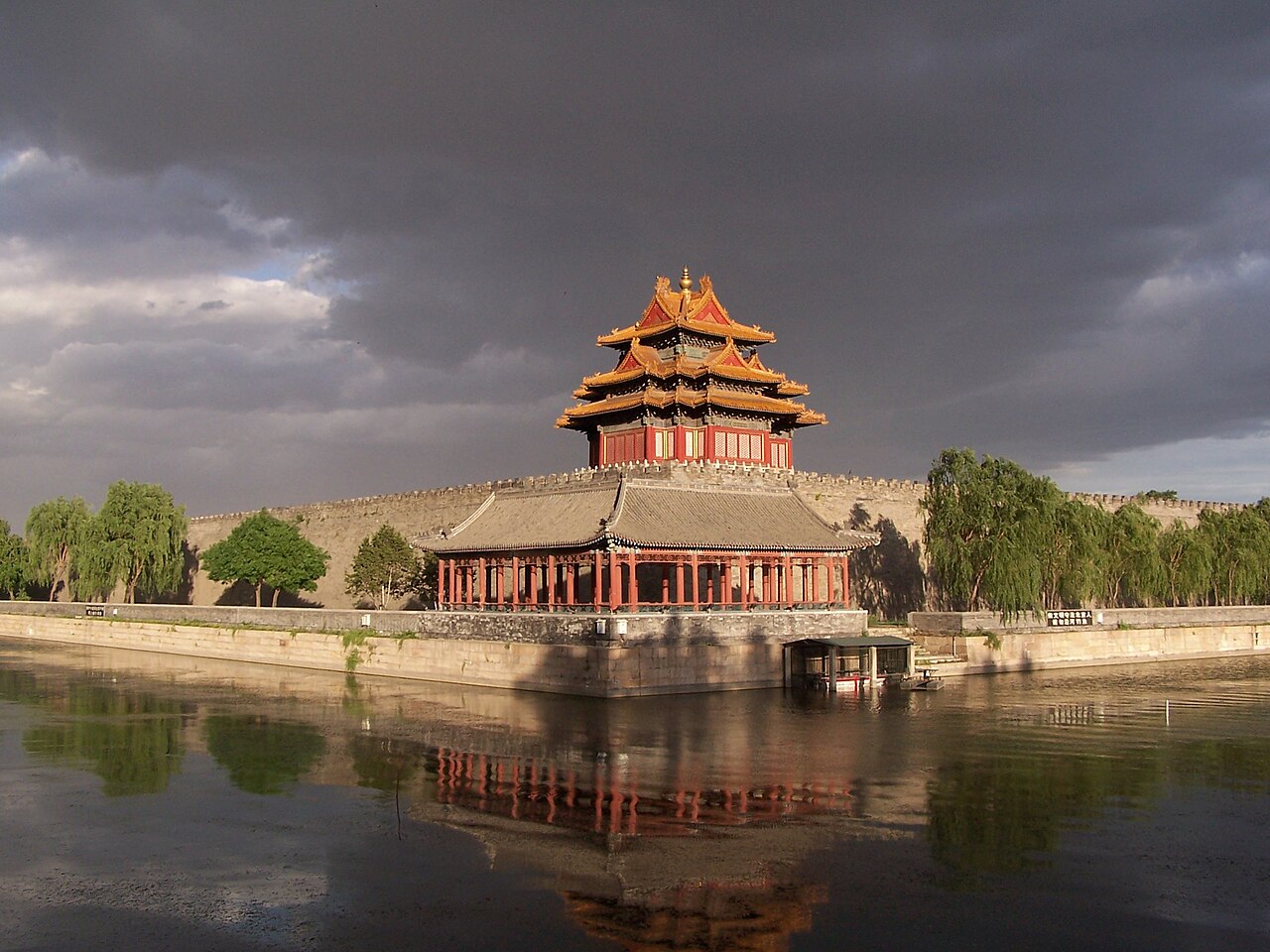
Beijing is China's capital and the most efficient place to start a first trip: the Forbidden City, the Great Wall, the Temple of Heaven and the hutong
Beijing
Beijing Municipality · 6 tours
Beijing is China's capital and the most efficient place to start a first trip: the Forbidden City, the Great Wall, the Temple of Heaven and the hutong
 Harbin
Heilongjiang · 4 tours
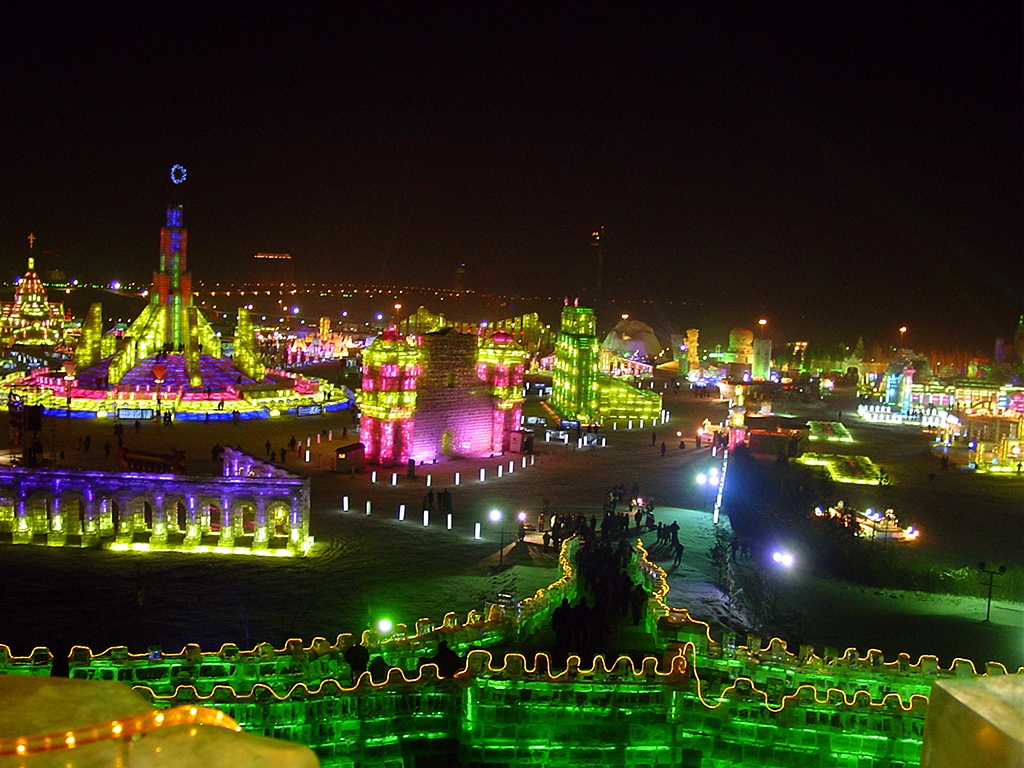
Harbin is the capital of Heilongjiang and the coldest big city in China, which is precisely the point: from late December it hosts Ice and Snow World,
Harbin
Heilongjiang · 4 tours
Harbin is the capital of Heilongjiang and the coldest big city in China, which is precisely the point: from late December it hosts Ice and Snow World,
 Dalian
Liaoning · 4 tours
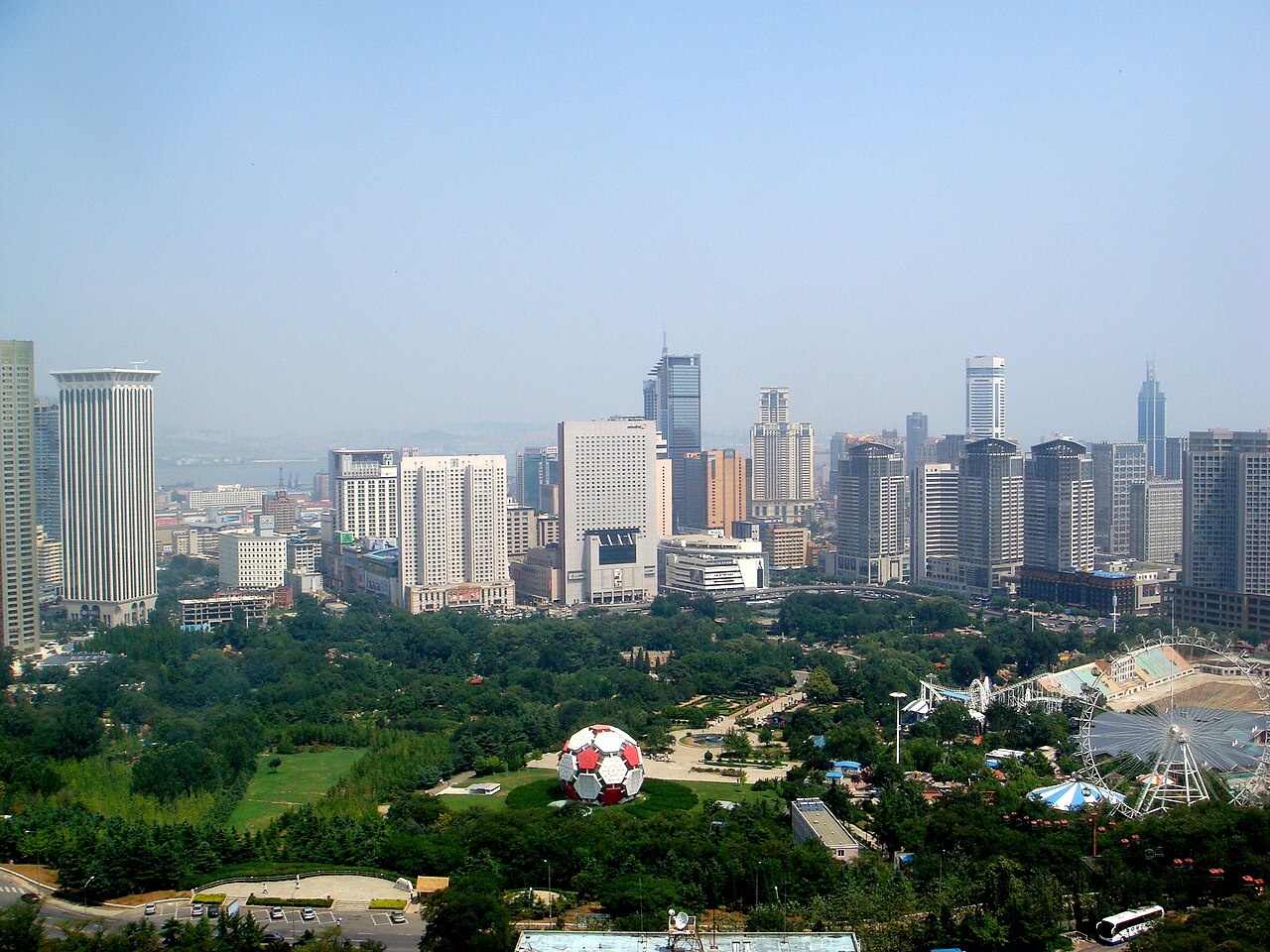
Dalian is Liaoning's port city at the tip of the Liaodong Peninsula, and the closest thing northeast China has to a beach holiday. The 30 km Binhai Ro
Dalian
Liaoning · 4 tours
Dalian is Liaoning's port city at the tip of the Liaodong Peninsula, and the closest thing northeast China has to a beach holiday. The 30 km Binhai Ro
 Shenyang
Liaoning · 4 tours
Shenyang is the capital of Liaoning and the old Manchu imperial city, and it holds the Mukden Palace — the second-largest surviving imperial palace in
Shenyang
Liaoning · 4 tours
Shenyang is the capital of Liaoning and the old Manchu imperial city, and it holds the Mukden Palace — the second-largest surviving imperial palace in
It is a dormant volcano on the border between Jilin province and North Korea, in the far southeast of northeast China. Its crater holds Heaven Lake, China's highest and deepest crater lake at 2,189 m, and its summit is 2,744 m. It is a scenic area, not a city: visitors base in Erdaobaihe town and enter by the north or west slope.
The north slope is the classic and the most complete: the waterfall, the hot springs, the underground forest and a bus-and-steps climb to the lake, all from Erdaobaihe. The west slope climbs one long stair to the lake edge and has the widest view plus the alpine garden and the Grand Canyon. The south slope is the least developed and quietest. First-timers with one day should do the north slope.
Fly into Changbaishan Airport (NBS) for the north slope, or Yanji (YNJ) if you want more flight choice and do not mind a two-hour drive. The Baihe–Changbaishan high-speed rail also reaches Erdaobaihe from Changchun and Shenyang. From the gateway towns you take a private car to the slope gate, then official shuttle buses up the mountain.
Late June to early October. July and August are the warmest and the alpine flowers peak then, while late September gives the best autumn colour. The lake is above the cloud line, so the morning is far more reliable than the afternoon for a clear view — aim to reach the rim before 10am. From November to May the peak is usually snowbound and the roads can close at short notice.
Yes — the far shore of Heaven Lake is North Korea, and on a clear day you can see across the crater. Photography of the border zone is sensitive, so stay on the marked paths, do not point long lenses at the far side, and follow whatever the on-site staff tell you. There is no crossing and no border tour.
Free itinerary design, a revised plan within one working day, and nothing charged until you approve the final version.