Wuyi Mountain does not sit among China's Five Great Peaks, and it does not need to. What it has instead is a landscape of red sandstone cut into a hundred improbable shapes, a river that winds through them in nine sharp loops, and — layered on top — three thousand years of human history that runs from cliff coffins to a tea culture the whole world now drinks from.
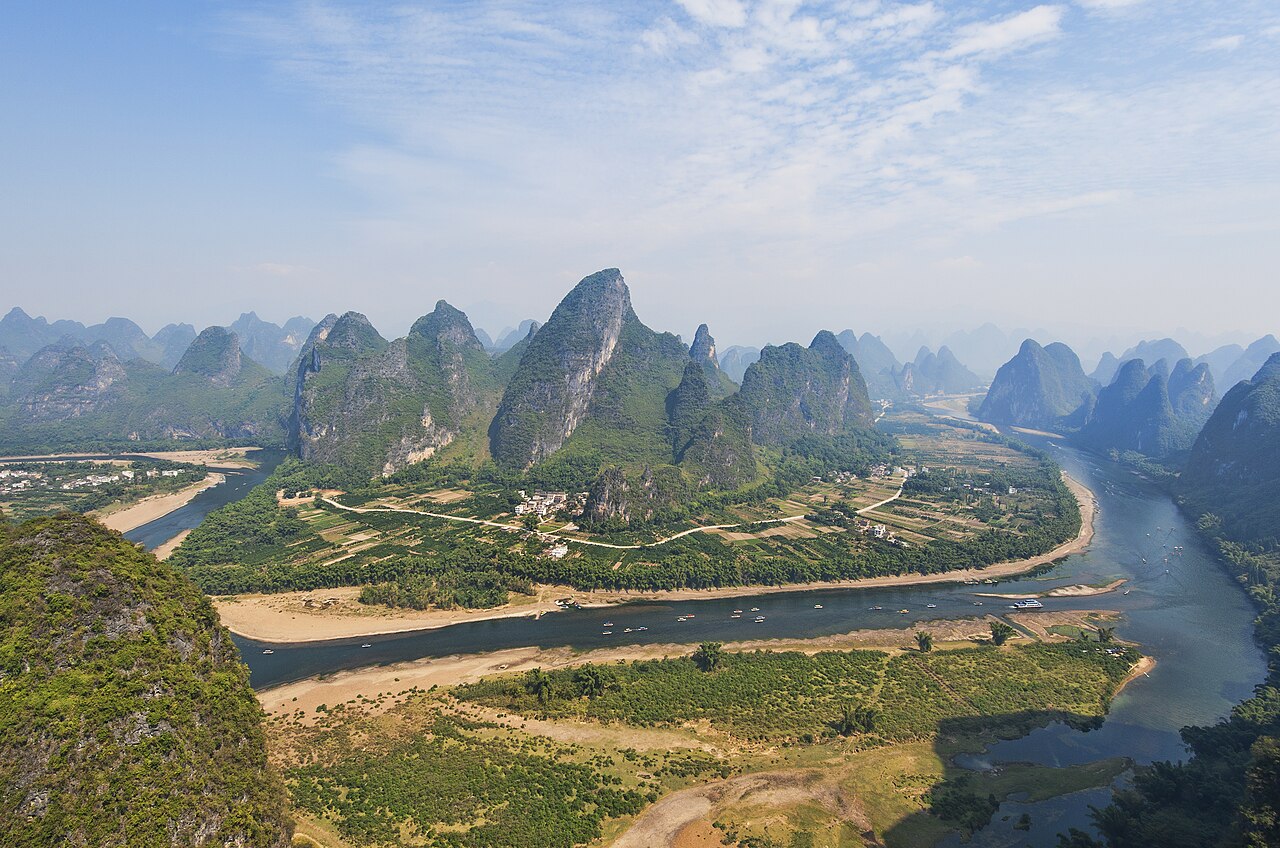
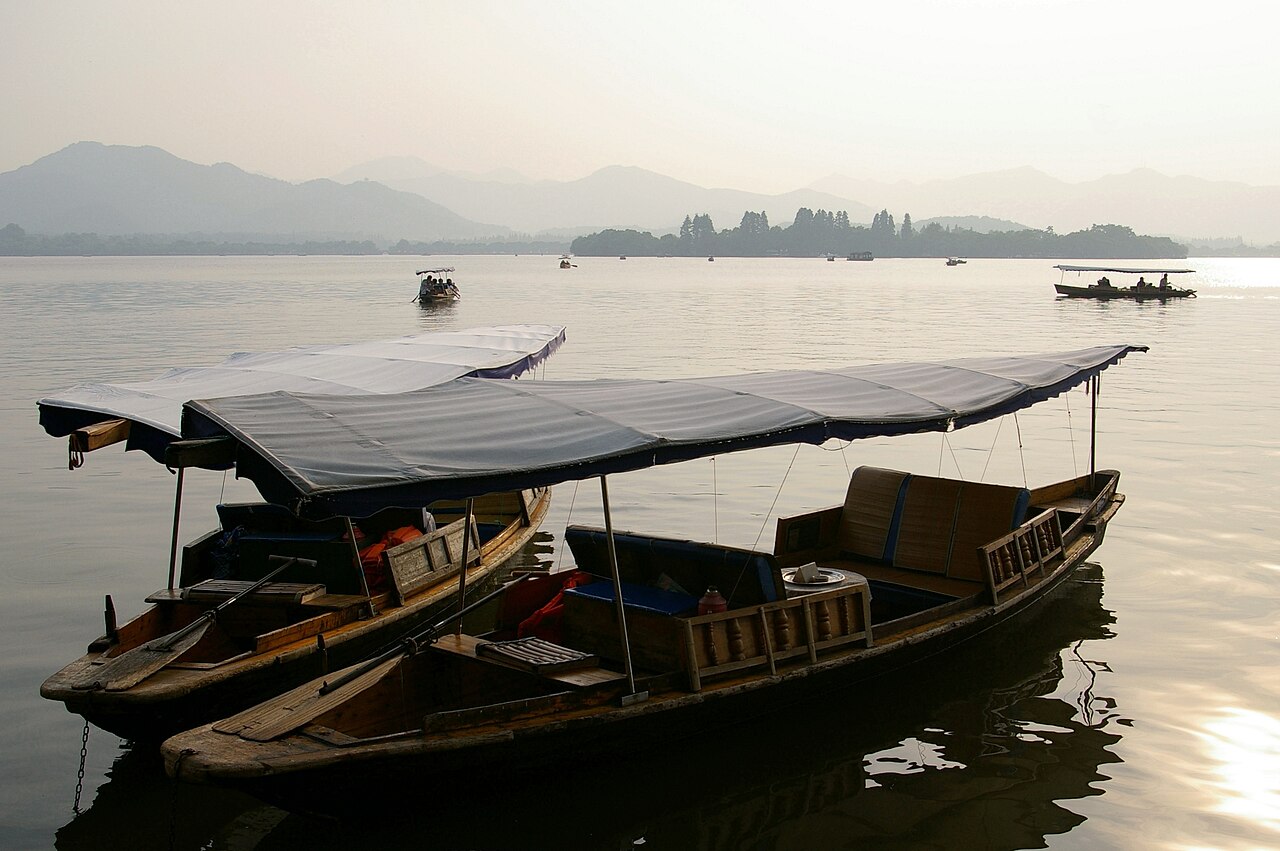
The geography is the hook. Wuyi is classic Danxia landform: reddish, cliff-faced hills rising straight out of the water, carved into pillar and screen shapes that the Chinese named one by one. The Nine-Bend River threads between them; drifting down it on a bamboo raft, past the sheer faces of Jade Maiden Peak and Great King Peak, is the experience every visitor comes for, and it earns the fuss.
Then there is the tea. Wuyi is the home of yancha — rock tea — and of Dahongpao, the 'king of teas', a handful of original bushes growing in the Jiulongke gorge and worth more by weight than gold. The surrounding valleys are tea terraces; the town is teahouses; the local calendar is built around the spring picking and the autumn tea fairs, where growers compete at 'tea battles' over cups poured blind.
And beneath all of it, the history: Daoist and Buddhist retreats on the peaks, the Ming-Qing academies of Zhu Xi's Neo-Confucianism, the boat-shaped coffins wedged into cliff caves by the ancient Yue people, and the walls of the Han-dynasty city at Chengcun. Wuyi is a natural site and a cultural one at once, which is why UNESCO gave it both listings.