Hong Kong is the rare city where the postcard is also the commute. The Star Ferry has been crossing the harbour for over a century for pocket change, the double-decker trams still rattle along Hong Kong Island for HK$2.3 a ride, and the view from the Peak — towers, harbour, islands — is the one you already know from a thousand films. What surprises first-timers is how compact it all is: Central, the Peak, the markets of Mong Kok and the beaches of the south side all sit inside half an hour of each other.
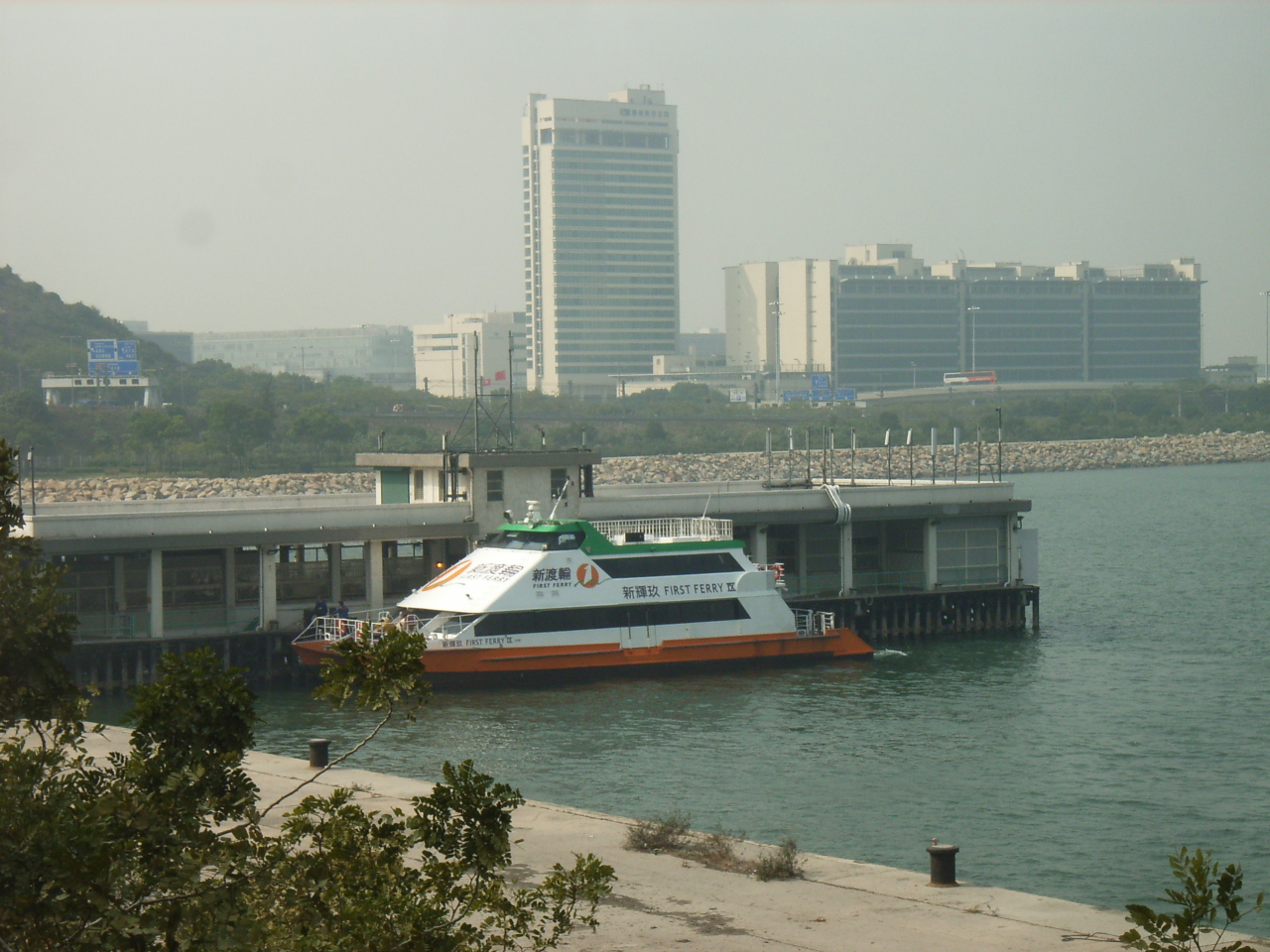
It is also a city of layers. Above street level there are the second-floor bookshops and cafés of Yau Tsim Mong, the escalator that climbs from Central up through SoHo, and the Peak Tram that has been hauling people up the hill since 1888. Below it there is a harbour crossed by ferries, and beyond it more than 260 outlying islands, some half an hour from the financial district and a world away in pace.
The food alone justifies the trip. This is the city that gave the world the cha chaan teng — the tea café — and with it pineapple buns with cold butter, milk tea strained through cloth, wonton noodles and claypot rice. You can eat a Michelin-listed wonton noodle for HK$25 or spend HK$540 a head on typhoon-shelter crab, and both will be the real thing.
Practically, Hong Kong is one of the smoothest arrivals in Asia. The airport express reaches Central in about 24 minutes, the MTR runs 06:00 to 01:00 with trains every couple of minutes, and English and Cantonese are both official languages, with Mandarin widely understood in shops. Come for five days: three for the city, one for Lantau or Lamma, one for whatever you missed.