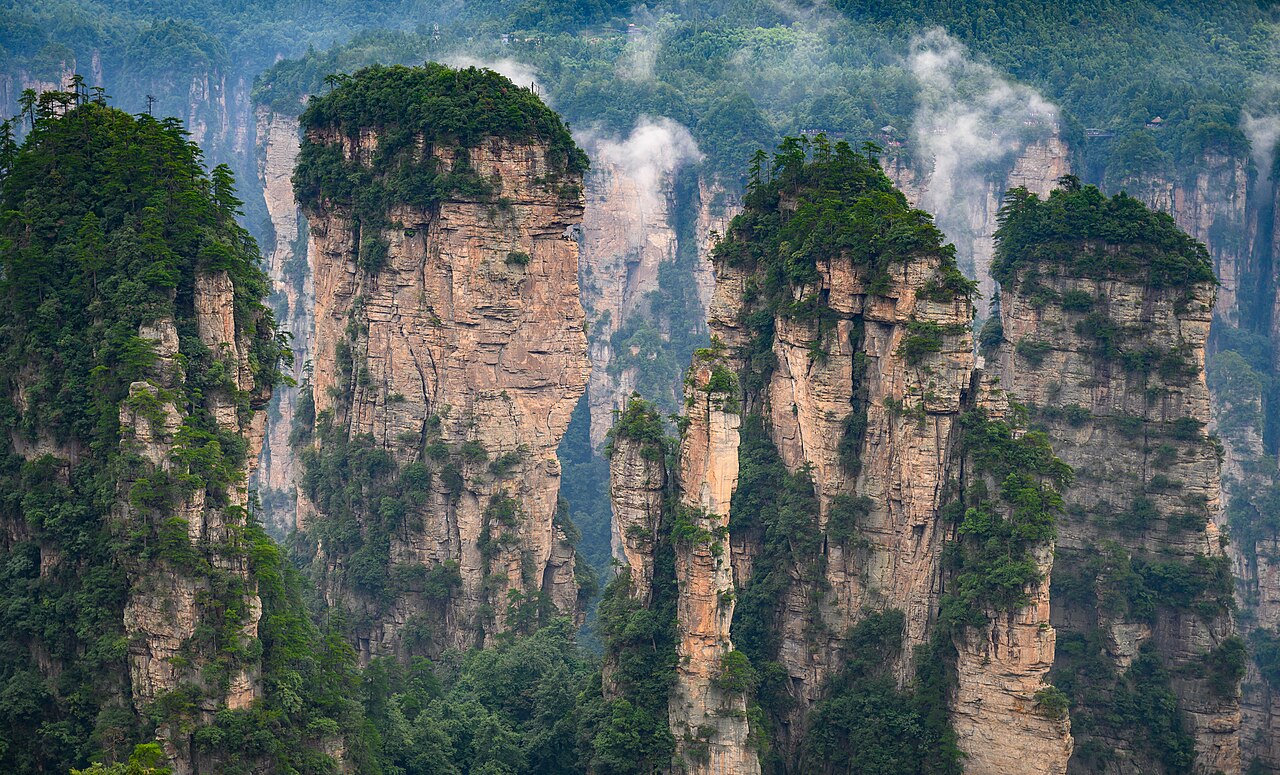
Wudang is the first mountain of Taoism, and it has been treated as sacred ground for more than 2,000 years. It stands in the far north-west of Hubei, in the Dangjiangkou district of Shiyan, with the Danjiangkou reservoir below it and the forests of Shennongjia to the south. The main ridge tops out at Tianzhu Peak, 1,612 m, ringed by 72 lesser peaks that bow toward it — hence the classic image of 'seventy-two peaks paying homage to the great summit'.
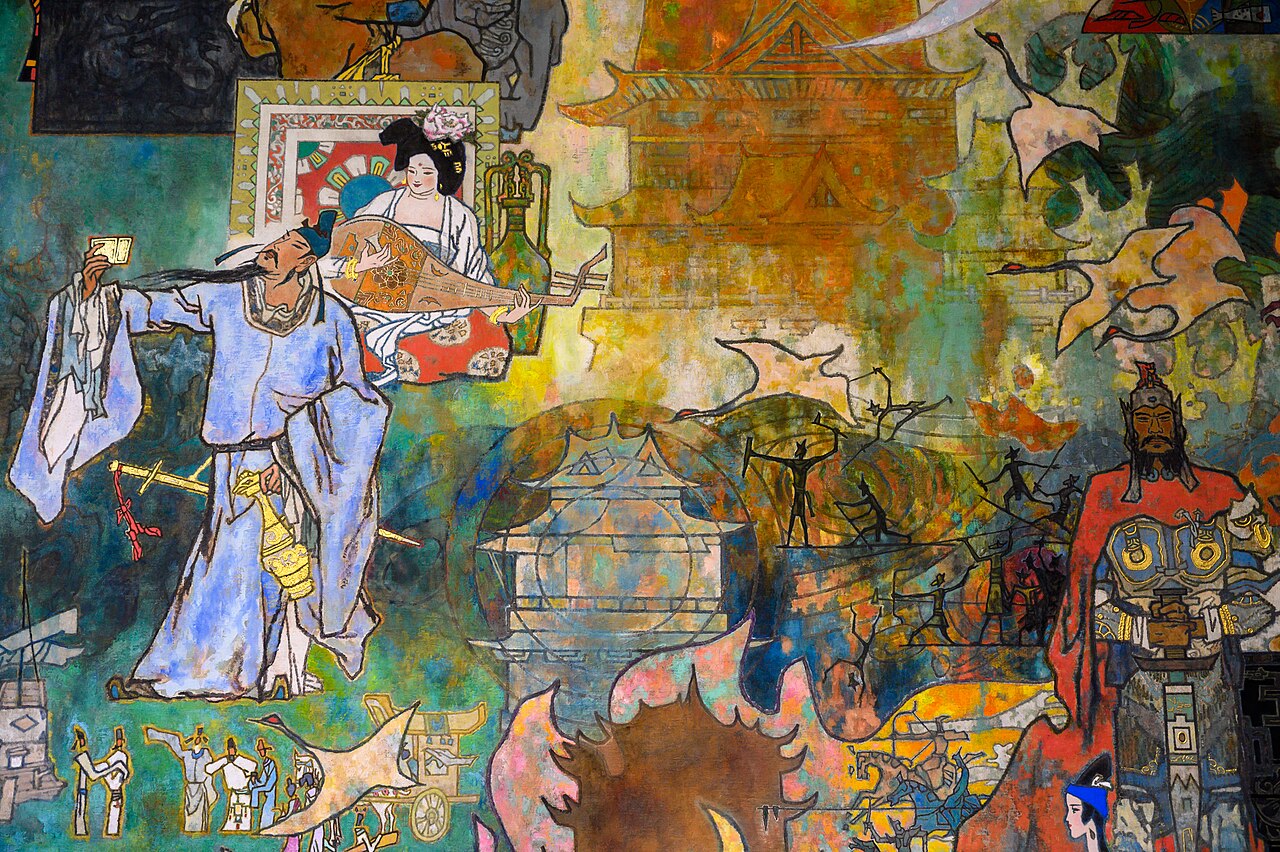
What makes Wudang more than scenery is the architecture. When the Ming emperor Yongle moved his capital to Beijing and built the Forbidden City, he did the same for Wudang — 'build the palace in the north, build Wudang in the south'. Over twelve years his workmen threw up nine palaces, eight temples, 36 halls and 72 cliff shrines, and the whole complex was laid out to follow the story of the Taoist immortal Zhenwu. It is the largest religious building complex in the world, a UNESCO site since 1994, and the halls sit on cliff faces and ridgelines rather than in flat courtyards.
And then there is the martial art. Wudang is the 'internal' school to Shaolin's 'external', the birthplace of tai chi and the home of the legendary Zhang Sanfeng. That reputation still pulls in students from abroad, and any day you will find them practising slow forms in the courtyards while the Taoist priests go about their rituals. If you only know Wudang from kung-fu films, the reality is quieter, older and better.