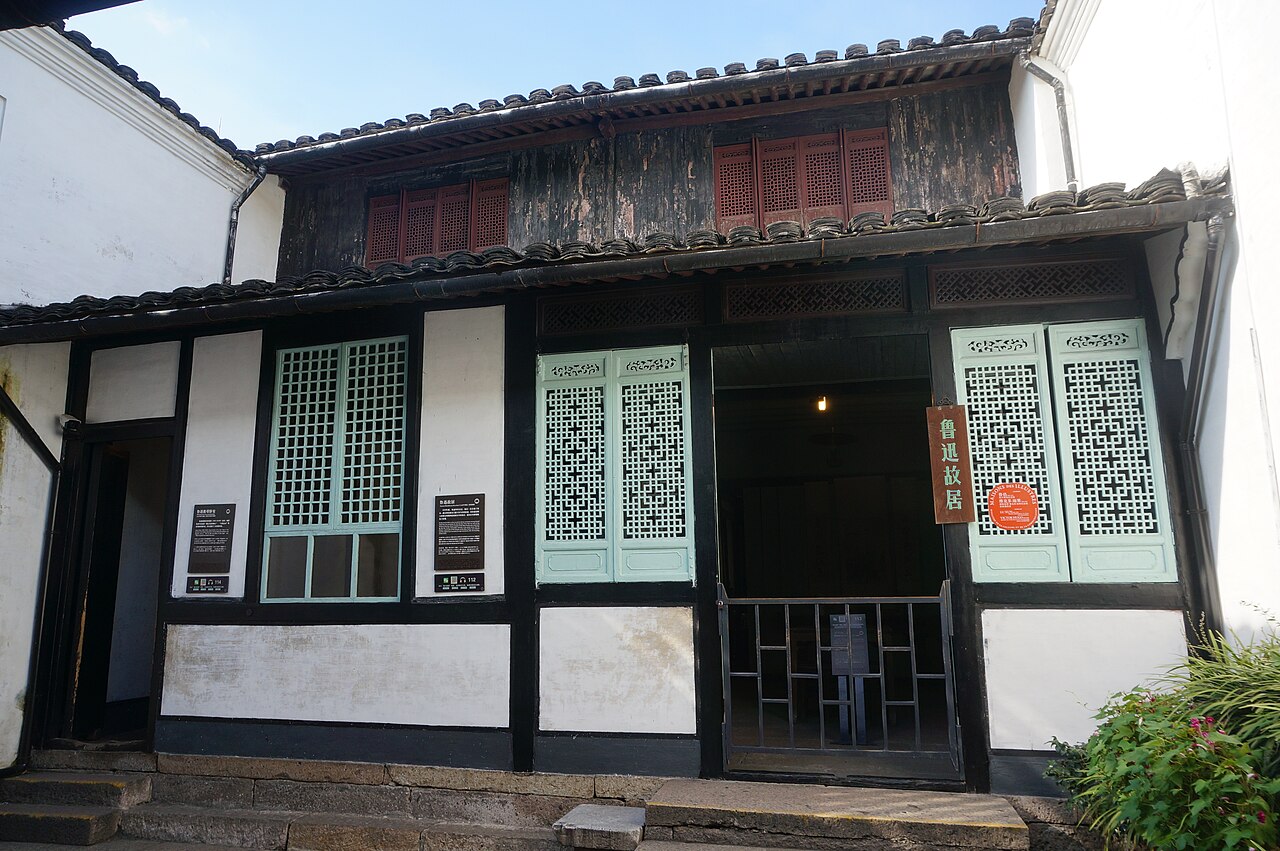
Ningbo gets mistaken for a quiet old town and turns out to be a busy one. It is one of Zhejiang's three economic centres, its port is among the biggest in the world, and its modern downtown is glass and neon — but the old Ningbo is intact underneath: white walls, black eaves, a library older than most European universities, and a stretch of riverfront that did European trade before Shanghai existed.
Its history is unusually deep. The Hemudu site on its edge pushed rice cultivation in this delta back 7,000 years, and the city has been a working port ever since — the place Xu Fu sailed from, the place Arab and Korean merchants found, and the home of the Ningbo merchant guild that would go on to shape modern Shanghai. It is also where the Butterfly Lovers story is set and where Chiang Kai-shek was born, at Xikou in the hills to the southwest.
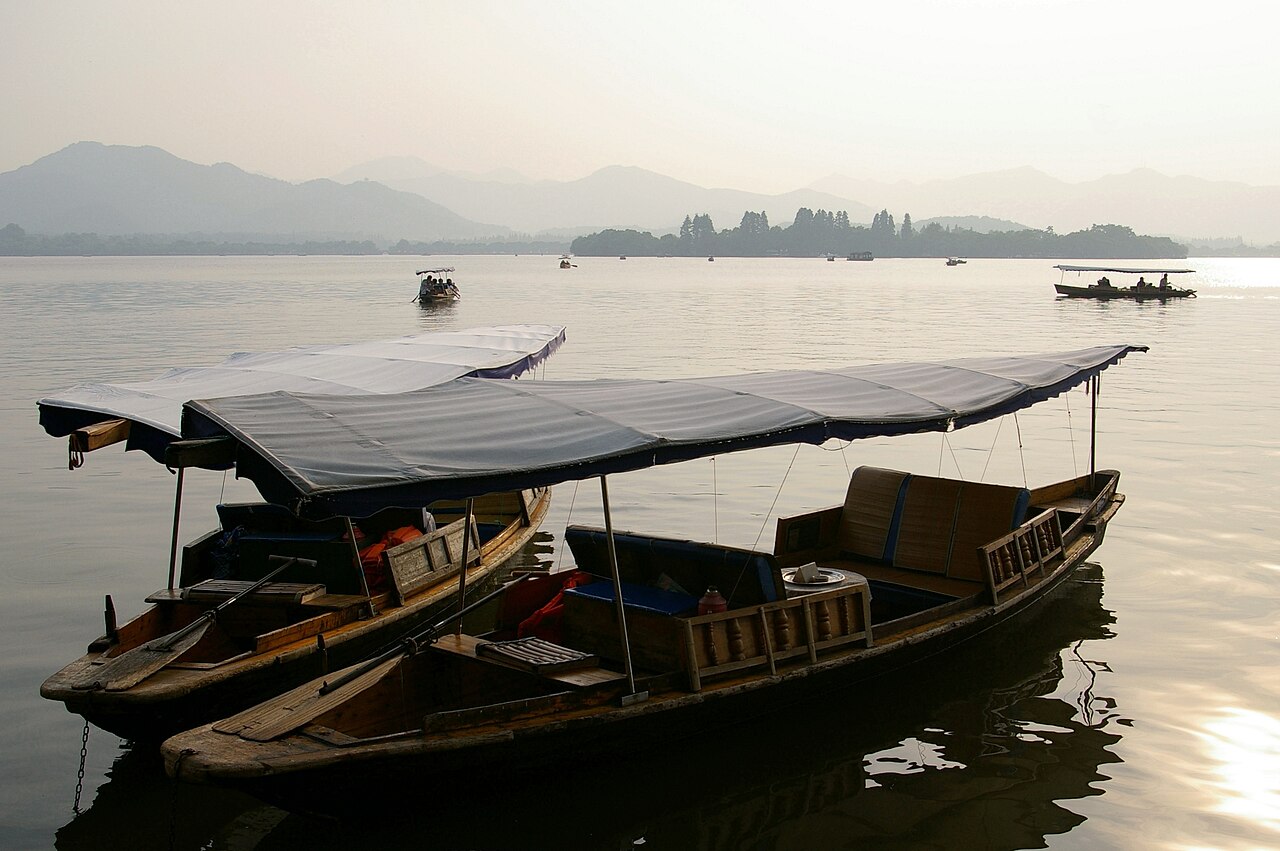
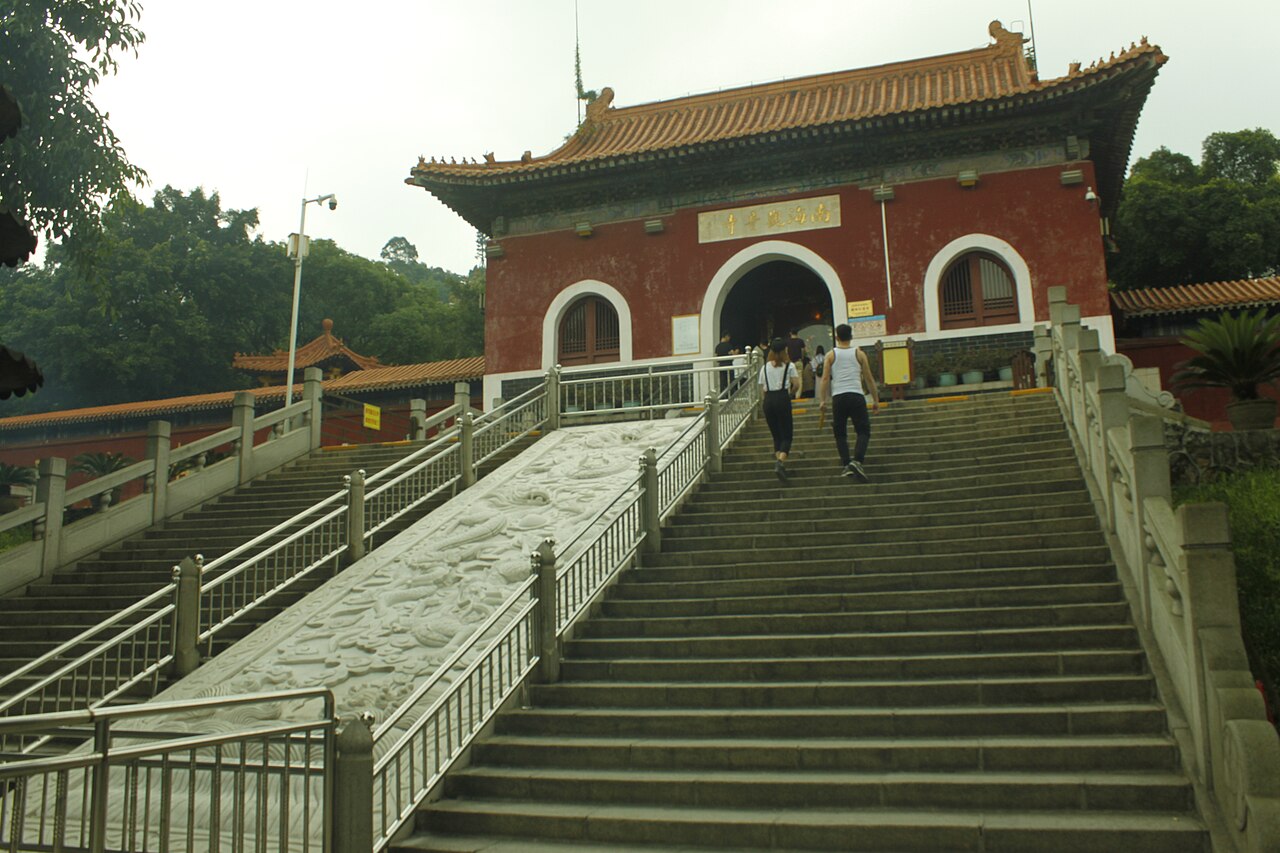
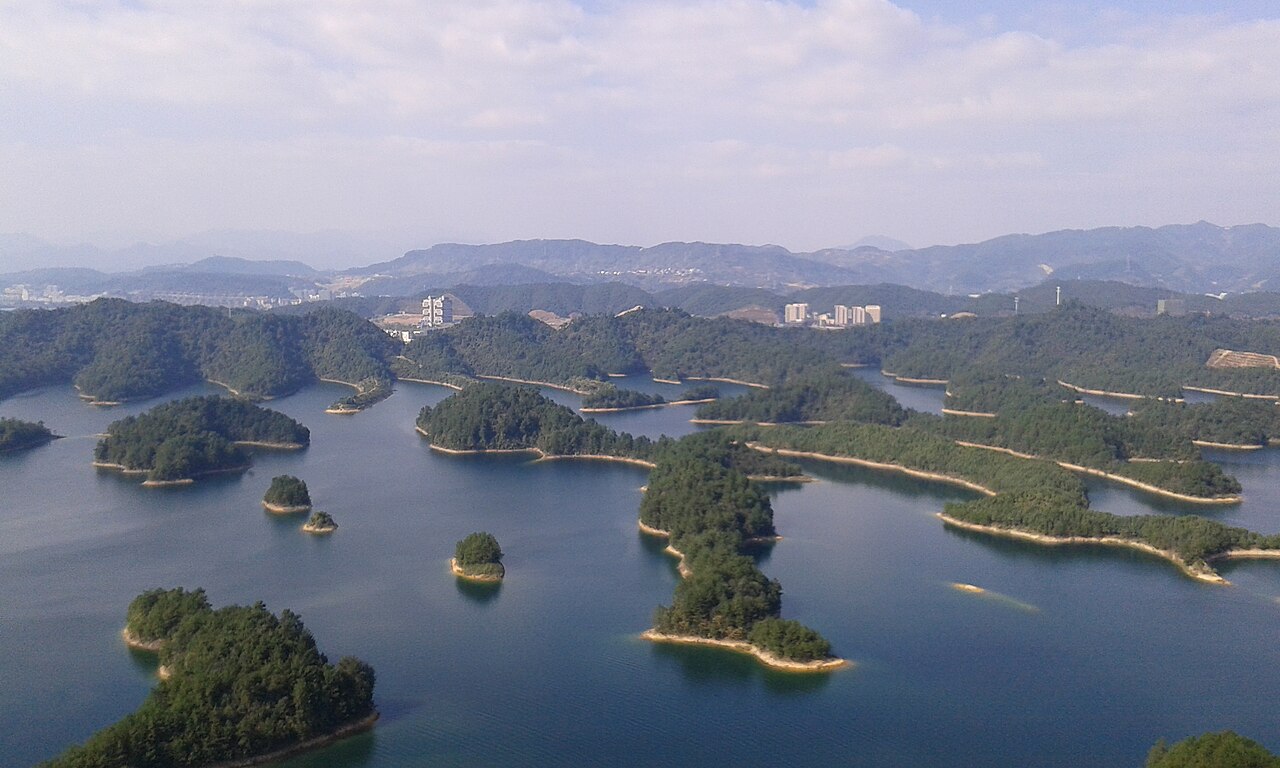
For a visitor the appeal is compact. Moon Lake, Tianyi Pavilion, the Drum Tower, Tianyi Square and the Old Bund all sit within a couple of kilometres of each other and much of it is free. Add a day and you are climbing to Baoguo Temple's Song-dynasty hall, rowing on Dongqian Lake, or wandering Cicheng's craft workshops.
And it is the practical base for the Buddhist island of Putuo. Ferries and coaches run south to the Zhoushan archipelago all day, so most travellers use Ningbo either as a two-day city stop or as the night before the sea crossing.