The Mukden Palace
China's second and only other complete imperial palace, and the ancestral court of the Qing. Its Dazheng Hall, flanked by the pavilions of the eight banners, looks like nothing in Beijing, and it joined the UNESCO list in 2004.
Shenyang · Liaoning
Plan a private Shenyang tour: the UNESCO Mukden Palace, Zhang Xueliang's mansion, two Qing imperial tombs and northeastern food. Three days, from US$139 a day.
The short version
The place itself
Shenyang is where the Qing dynasty began. In 1625 the Manchu leader Nurhaci moved his capital here and renamed the city Shengjing; his son Hong Taiji proclaimed the Qing in 1636, and when the dynasty took Beijing in 1644 Shenyang was demoted to a secondary capital but kept its palace. That is why a city best known today for steel and machine tools still has a walled imperial court at its centre.
The twentieth century added a harder layer. The warlord Zhang Zuolin ruled the northeast from here, his son Zhang Xueliang inherited the estate, and on 18 September 1931 the Japanese army blew up a railway just outside the city and used it as the pretext to invade Manchuria. Shenyang spent the next fourteen years under occupation, then most of the Cold War as the industrial heart of the People's Republic — the Ruhr of the East.
Today it is a very large, very ordinary northern city that happens to have an imperial palace in the middle of it. The food is heavy and cheap, the streets are wide, the museums are free, and the winters are properly cold. It is the least polished, most rewarding first stop in the northeast.
Pins are plotted from real latitude and longitude on a 5° graticule. This is a schematic orientation diagram, not a political map — no boundaries are drawn.
China's second and only other complete imperial palace, and the ancestral court of the Qing. Its Dazheng Hall, flanked by the pavilions of the eight banners, looks like nothing in Beijing, and it joined the UNESCO list in 2004.
The walled compound where the father-and-son warlords of Manchuria lived, mixing Chinese courtyards with European villas. The ticket also covers the Zhao Yidi residence next door and the Shenyang Finance Museum.
The tomb of Hong Taiji and his empress, set in a park of old pines a few kilometres north of the centre. Locals use it as their morning exercise ground, which is half the experience.
Nurhaci's tomb in the eastern suburbs, reached by 108 symbolic steps up a wooded hill above the Hun River.
A free, sobering museum built to mark the Mukden Incident of 1931 that launched the Japanese invasion. Its leaning stone tablet and clock stopped at the moment of the attack are the hardest image in the city.
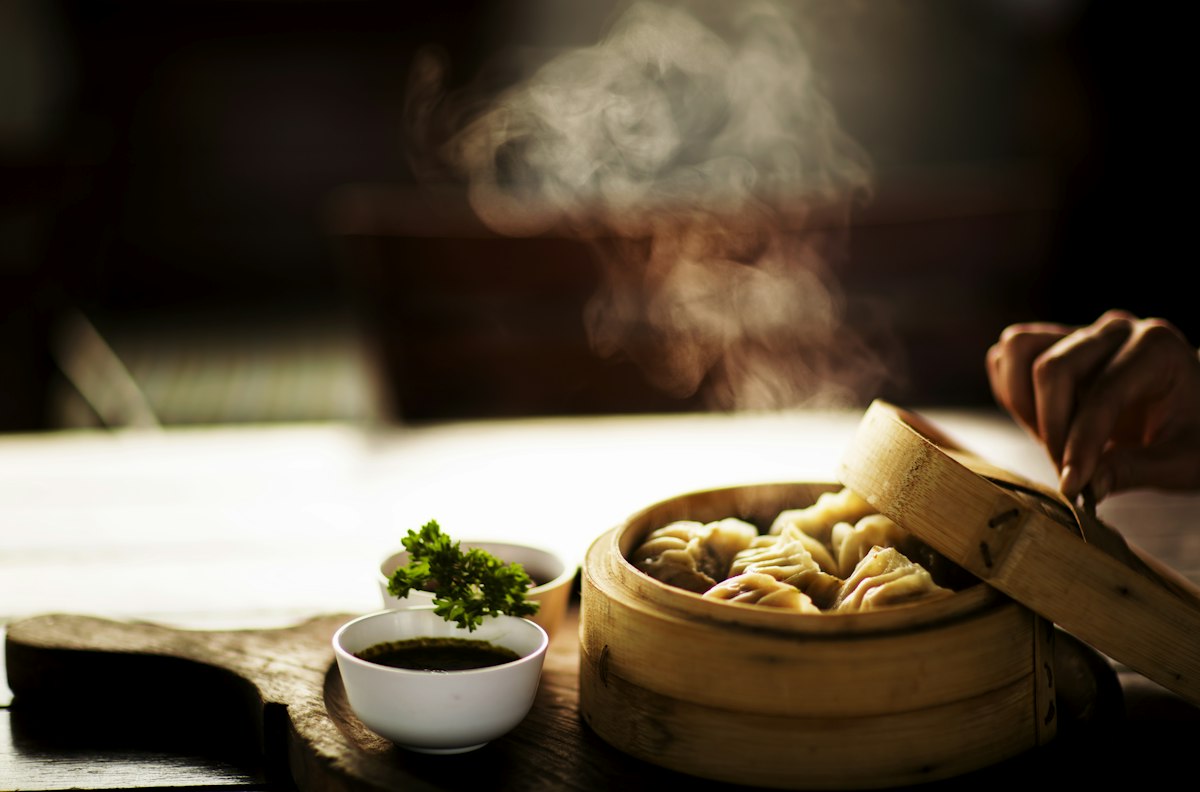
Shenyang eats northern: enormous plates of pork, dumplings, cured meat and pickled cabbage. From December the city freezes over and snow sits on the palace roofs — the postcard version of the northeast.
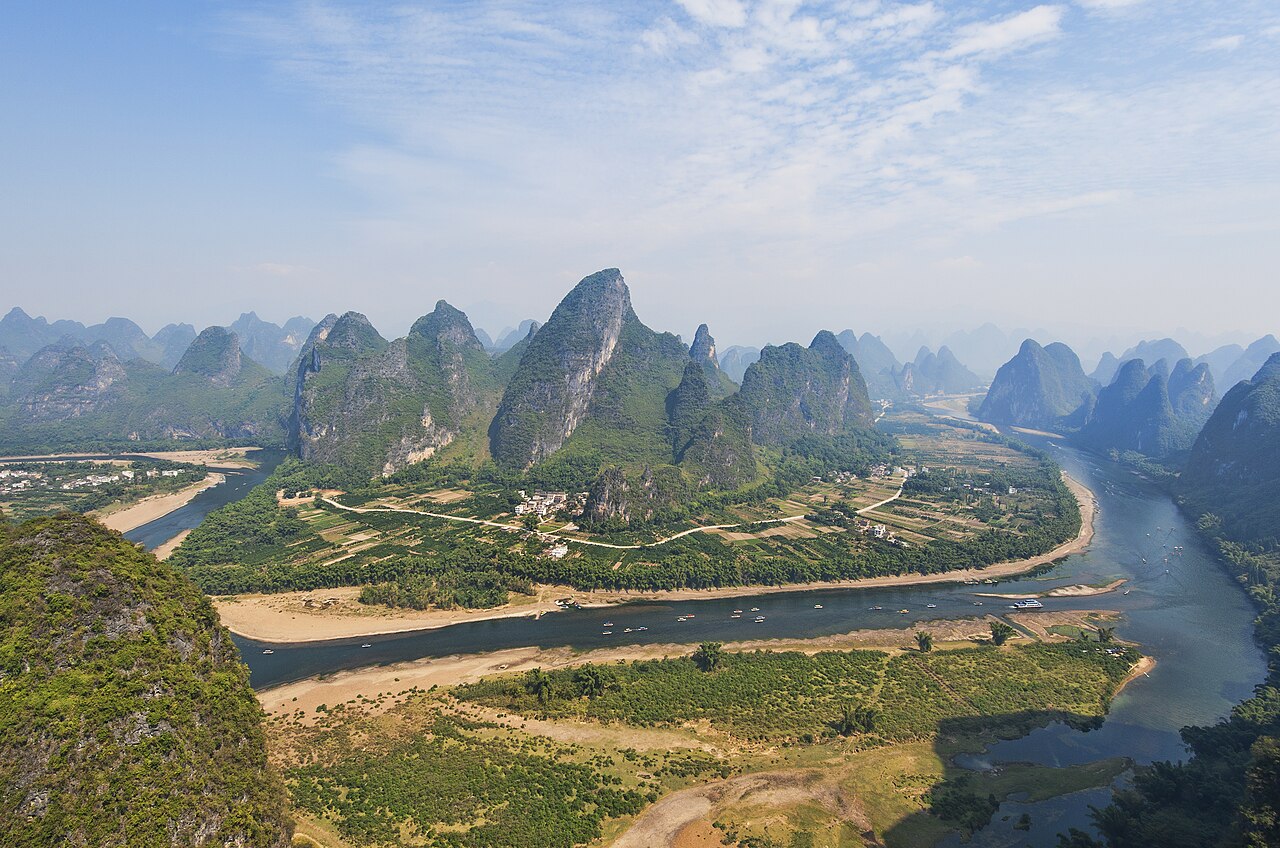
Five regions, one journey: imperial north, panda country, the karst rivers of Guilin and the skyline of Shanghai, with Hangzhou's West Lake.
From US$2,580/per person
View tourShenyang Taoxian International Airport (SHE), 22 km southeast of the centre, is the largest airport in northeast China, with domestic flights to every major city and international routes to Japan, Korea and beyond. The airport shuttle runs to the main railway stations and the Zhongjie district in 45–60 minutes for about ¥15; a taxi to the centre is roughly ¥100 and takes 30–40 minutes.
The city is a national rail hub. Shenyang North Station and Shenyang Station sit on the Beijing–Harbin high-speed line, which puts Beijing about four hours away, Changchun ninety minutes and Harbin two and a half hours. In town, metro lines 1 and 2 cross at Youth Street and between them cover the palace, Beiling Park and both railway stations for ¥2–4. Buses cost ¥1 but stop early in the evening, so after about 8pm the metro or a taxi is the realistic option.
| Month | Weather | Crowds | Verdict |
|---|---|---|---|
| January | 4°C / -4°C · dry, cold | Quiet | Avoid |
| February | 6°C / -1°C · dry, cold | Very busy | Avoid |
| March | 14°C / 5°C · dry, cold | Moderate | Good |
| April | 21°C / 12°C · clear and mild | Moderate | Best |
| May | 27°C / 18°C · clear and mild | Busy | Best |
| June | 31°C / 23°C · hot, humid | Moderate | OK |
| July | 32°C / 25°C · hot, humid | Busy | OK |
| August | 30°C / 24°C · hot, humid | Busy | OK |
| September | 26°C / 19°C · clear and mild | Moderate | Best |
| October | 20°C / 12°C · clear and mild | Very busy | Best |
| November | 12°C / 4°C · dry, cold | Quiet | Good |
| December | 5°C / -2°C · dry, cold | Quiet | Good |
Two days is the efficient minimum: the imperial palace and the Zhang mansion on day one — they are a ten-minute walk apart off Zhongjie — then Beiling or Dongling and one museum on day two. Three days is the comfortable answer and adds the Liaoning Provincial Museum, the 9.18 Museum and a proper evening of dongbei food. Add a fourth day for a Qipanshan or hot-spring day trip, and a fifth if you want the theme park or the lavender fields in season.
Plan these days properly Transport
China's High-Speed Rail: How to Book, What It Costs, How Fast It Goes
The fastest way to cross China is also the most pleasant. Here is how to book a ticket with a foreign passport, what the three classes actually give you, and how to survive a Chinese station at rush hour.
9 min read
Transport
China's High-Speed Rail: How to Book, What It Costs, How Fast It Goes
The fastest way to cross China is also the most pleasant. Here is how to book a ticket with a foreign passport, what the three classes actually give you, and how to survive a Chinese station at rush hour.
9 min read
 Planning
Best Time to Visit China: Month by Month, Region by Region
China is the size of Europe, so 'the best month' depends on where you stand. Here is the month-by-month answer for the north, the Yangtze valley, the south and the plateau.
8 min read
Planning
Best Time to Visit China: Month by Month, Region by Region
China is the size of Europe, so 'the best month' depends on where you stand. Here is the month-by-month answer for the north, the Yangtze valley, the south and the plateau.
8 min read
 Food
Chinese Food Culture: Eight Cuisines, One Table
There is no such thing as Chinese food. There is Cantonese, Sichuan, Hunan, Jiangsu, Zhejiang, Fujian, Anhui and Shandong — and knowing which one you are eating changes everything.
8 min read
Food
Chinese Food Culture: Eight Cuisines, One Table
There is no such thing as Chinese food. There is Cantonese, Sichuan, Hunan, Jiangsu, Zhejiang, Fujian, Anhui and Shandong — and knowing which one you are eating changes everything.
8 min read
 Traditions
Chinese Festivals: The Calendar, the Dates and the Crowds
Lunar dates mean the calendar moves every year — and two of the festivals move several hundred million people at once. Plan around them or plan into them, but never by accident.
8 min read
Traditions
Chinese Festivals: The Calendar, the Dates and the Crowds
Lunar dates mean the calendar moves every year — and two of the festivals move several hundred million people at once. Plan around them or plan into them, but never by accident.
8 min read
 Beijing
 Municipality · 6 tours
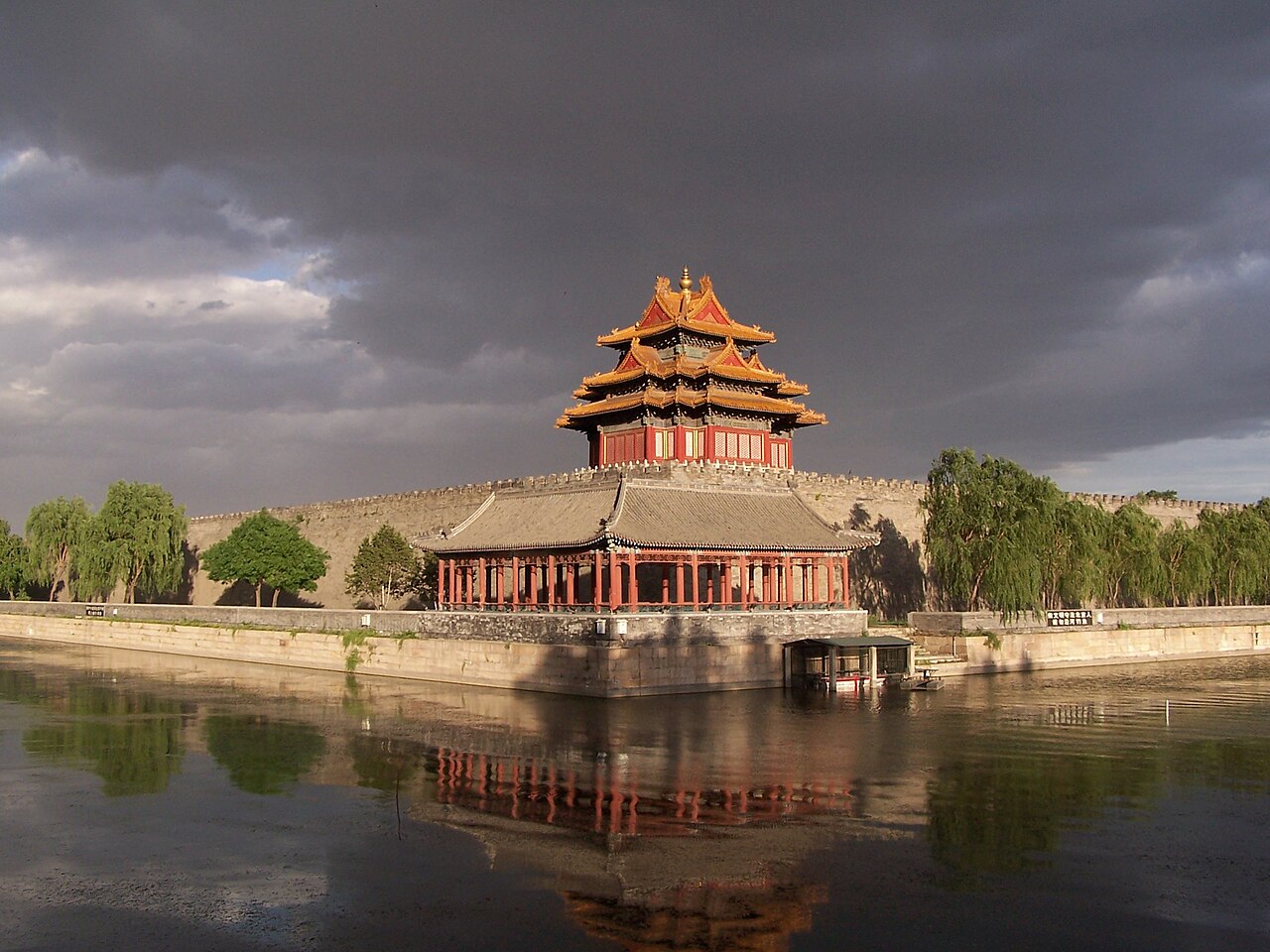
Beijing is China's capital and the most efficient place to start a first trip: the Forbidden City, the Great Wall, the Temple of Heaven and the hutong
Beijing
Beijing Municipality · 6 tours
Beijing is China's capital and the most efficient place to start a first trip: the Forbidden City, the Great Wall, the Temple of Heaven and the hutong
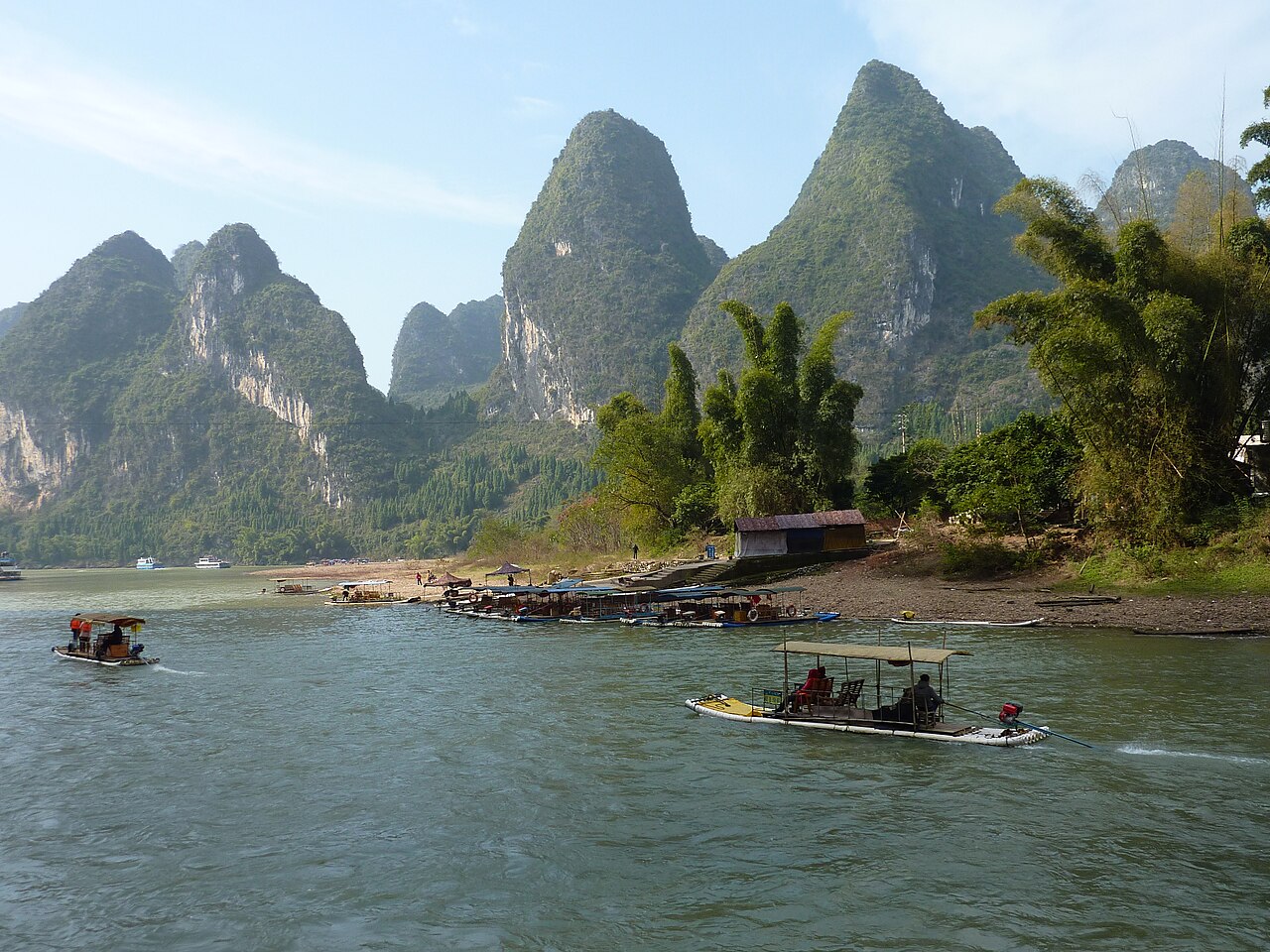 Inner Mongolia
 Autonomous Region · 4 tours
The Inner Mongolia Autonomous Region is entered through Hohhot, its capital, three hours north-west of Beijing. From there the Xilamuren and Gegentala
Inner Mongolia
Inner Mongolia Autonomous Region · 4 tours
The Inner Mongolia Autonomous Region is entered through Hohhot, its capital, three hours north-west of Beijing. From there the Xilamuren and Gegentala
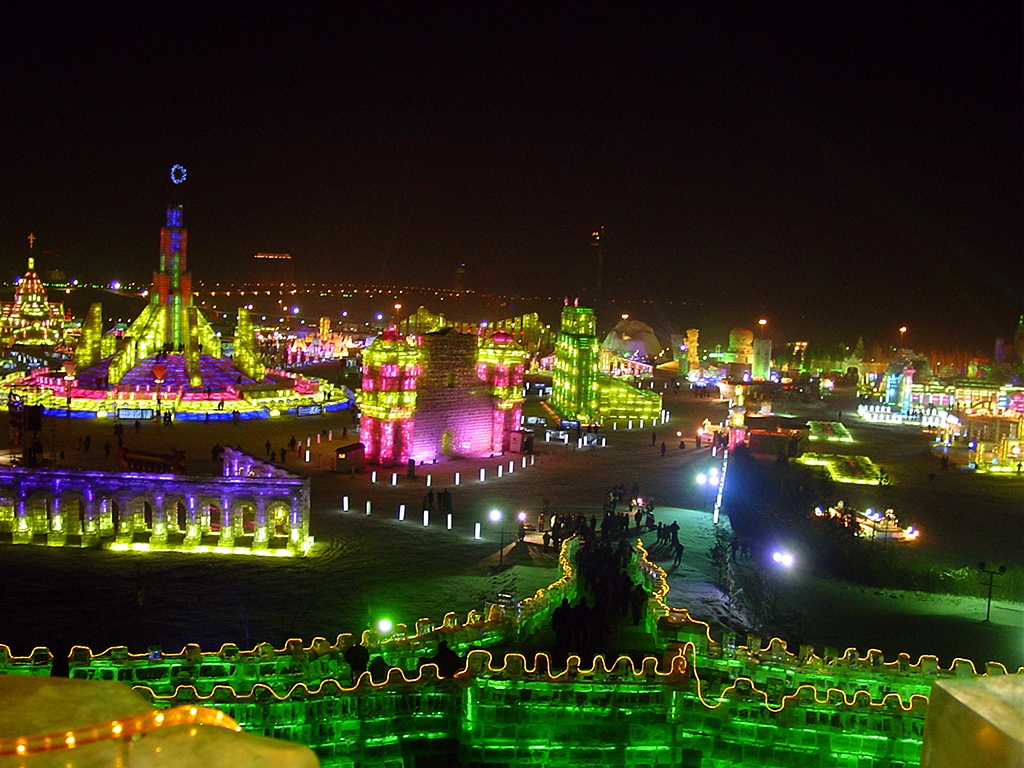 Harbin
Heilongjiang · 4 tours
Harbin is the capital of Heilongjiang and the coldest big city in China, which is precisely the point: from late December it hosts Ice and Snow World,
Harbin
Heilongjiang · 4 tours
Harbin is the capital of Heilongjiang and the coldest big city in China, which is precisely the point: from late December it hosts Ice and Snow World,
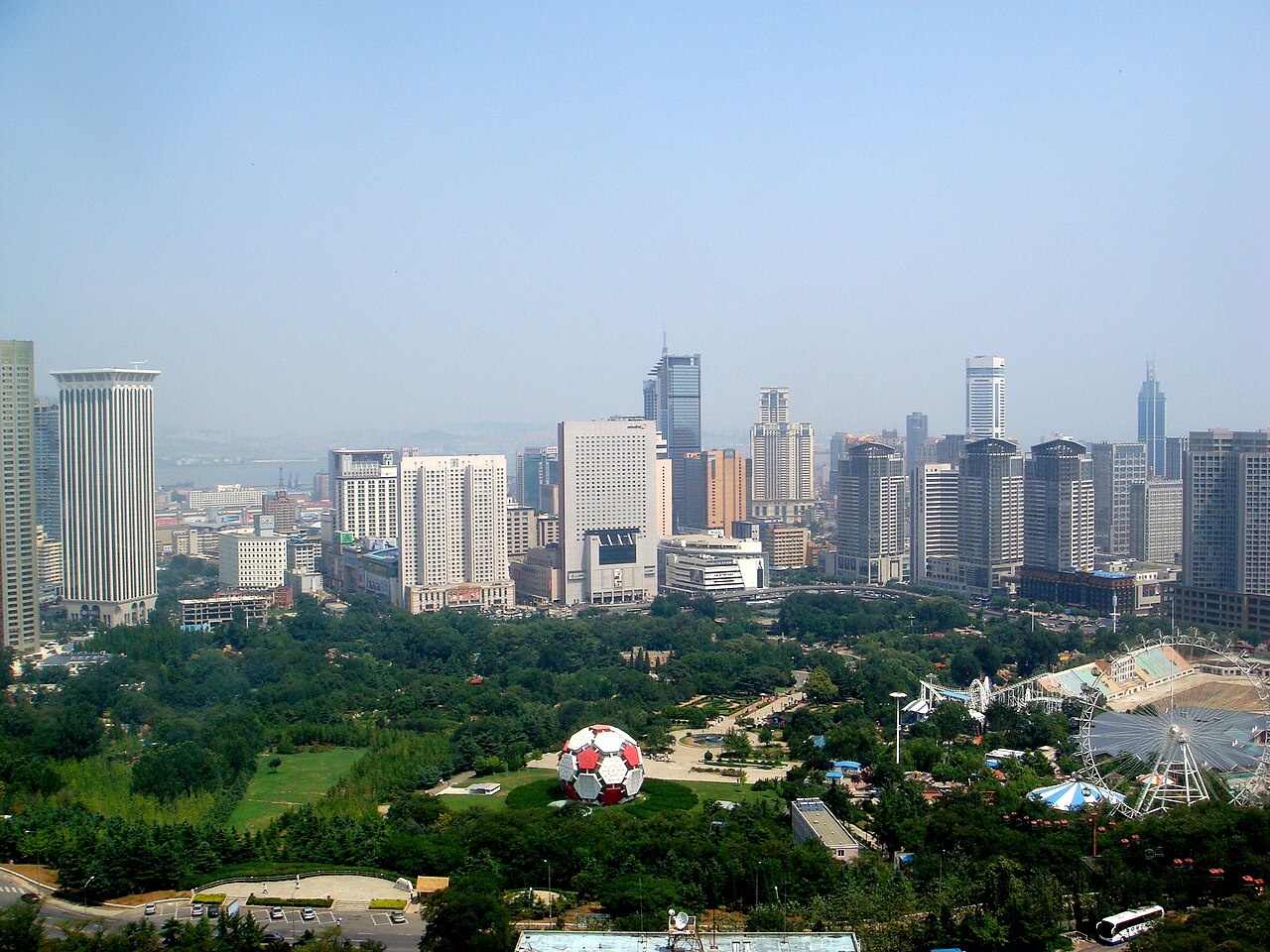 Dalian
Liaoning · 4 tours
Dalian is Liaoning's port city at the tip of the Liaodong Peninsula, and the closest thing northeast China has to a beach holiday. The 30 km Binhai Ro
Dalian
Liaoning · 4 tours
Dalian is Liaoning's port city at the tip of the Liaodong Peninsula, and the closest thing northeast China has to a beach holiday. The 30 km Binhai Ro
The Qing dynasty and heavy industry, in that order. Shenyang is the ancestral capital of the Manchu Qing and home to the Mukden Palace, the only complete imperial palace in China apart from Beijing's, plus the Zhang family mansion of the warlord era and two imperial tomb parks. It was also the site of the Mukden Incident of 18 September 1931 that began the Japanese invasion of Manchuria, and later the industrial engine of the People's Republic.
High-speed rail, about 4 hours from Beijing to Shenyang North. Flying takes roughly 1 h 30 m into Taoxian (SHE), but the train drops you in the city centre and is not affected by the winter delays that hit the airport. From Dalian it is 2 hours by rail, from Harbin 2 h 30 m and from Changchun 1 h 30 m.
Yes, if you want real snow and do not mind the cold. January temperatures run to −20°C and below, and the palace, Beiling Park and the tomb roofs under fresh snow are the reason to come. Dress in layers — thermal base, fleece, a proper down coat, insulated boots, gloves and a hat that covers your ears — and remember that indoors is heated to T-shirt level.
Two days for the essentials, three to do it without rushing. Day one is the imperial palace and the Zhang mansion, which are neighbours; day two is one imperial tomb plus a museum; a third day adds the second tomb, the Liaoning Provincial Museum and a full evening of local food. Add a day for Qipanshan or a hot-spring resort if you want countryside.
Start with Laobian dumplings, the city's signature, then smoked-meat pancakes (li lian gui xun rou da bing), white pork with blood sausage, and cold noodles from the Xita Korean quarter. Portions are large and the seasoning runs salty and oily, so order less than you think you need and add the house pickles. A hearty dinner here typically costs US$10–15 a head.
It is one of the cheapest large cities in China — expect US$8–12 a day for meals and US$40–90 for a good mid-range room. English is thin outside international hotels, so a translation app or a local guide helps, and having a driver makes the two imperial tombs and Qipanshan far easier. Tipping is not expected, and cards are widely accepted alongside WeChat Pay and Alipay.
Free itinerary design, a revised plan within one working day, and nothing charged until you approve the final version.