Five-Flower Lake (Wuhua Hai)
The single most celebrated lake in the valley, its water shifting from yellow to green to turquoise within one basin. The classic full view is from Tiger Mouth, a short climb above the lake on the road.
Jiuzhaigou · Sichuan
Plan a private Jiuzhaigou tour in northern Sichuan: 108 mineral-blue lakes and tiered waterfalls in a 55 km valley, with Huanglong. Two to three days, real-name ticket booked ahead.
The short version
The place itself
The name means 'nine village valley', after the nine Tibetan hamlets strung along it, and Jiuzhaigou is water at its most extravagant — 108 lakes, called haizi or 'sons of the sea', running the whole palette from emerald to sapphire with a deep mineral blue in the middle. The local boast, that 'after Jiuzhaigou you stop looking at water', is not far off.
The valley is a Y. Two arms climb from the junction at Nuorilang — the Rize arm to the east, ending at a patch of old-growth forest, and the Zechawa arm to the south, ending at Long Lake and the small, unrepeatable Five-Colour Pool. The main stem, Shuzheng Valley, runs downhill past the terraced Shuzheng lakes and the widest waterfall here, Nuorilang, 20 m high and 300 m across.
The landscape was formed by ancient glaciers and then rebuilt by calcium carbonate: groundwater saturated with limestone deposits travertine on every lake bed and weir, which is why the water is so bright and the dams so intricately tiered. Autumn, when shoals of red and gold forest back onto blue water, is what the postcards promise — and, in early to mid-October, roughly what you get.
This is also Tibetan country, on the old tea-horse road. The nine villages, the prayer flags and the water-driven mills are the ordinary texture of the place, and the largest village, Shuzheng, is still home to several hundred people. Bring cash for the villages, respect the temples, and remember the valley is a national park managed, tightly, as a world heritage site.
Pins are plotted from real latitude and longitude on a 5° graticule. This is a schematic orientation diagram, not a political map — no boundaries are drawn.
The single most celebrated lake in the valley, its water shifting from yellow to green to turquoise within one basin. The classic full view is from Tiger Mouth, a short climb above the lake on the road.
The widest waterfall in Jiuzhaigou — 20 m high and 300 m across, the set of the closing song of the 1980s TV version of Journey to the West. Best in the morning light, around 10:00.
Long Lake, at 3,060 m, is the highest, largest and deepest lake in the valley. A 1 km boardwalk downhill brings you to the tiny Five-Colour Pool, which somehow never freezes, even in winter.
On a still morning the surface reproduces the forest so exactly that it spawned the local saying about fish swimming in the sky. Get there before 08:00, before the wind and boats spoil it.
A great fan of travertine over which the water runs in thousands of shining beads, then drops 40 m as Pearl Shoal Waterfall. Midday, 10:00–14:00, is when the light hits it.
The terraced Shuzheng lakes and the two-tier Shuzheng waterfall anchor the main stem, while quiet Panda Lake (and its 80 m fall, the valley's biggest drop) hides upstream on the Rize arm.
The three great capitals plus a morning with the pandas of Chengdu — the trip we recommend to seven out of ten first-time visitors.
From US$1,690/per person
View tourFive regions, one journey: imperial north, panda country, the karst rivers of Guilin and the skyline of Shanghai, with Hangzhou's West Lake.
From US$2,580/per person
View tourBy air, Jiuzhaigou-Huanglong Airport (JZH) sits 88 km from the valley gate, a 1.5–2 hour drive; the airport bus is ¥45 one way but runs only when full and may stop in the low season, so a pre-booked car (about ¥250–400) is safer. Flights from Chengdu take about 40 minutes but rarely discount; flights from Chongqing are fewer but often cheaper after discount. Note the local joke about the airport code — JZH is nicknamed 'nine flights, nine turned back' for its weather.
By road, fast buses run from Chengdu Xinnanmen Station (departing 07:20–08:00, straight to the valley gate, ☎ 028-85433609) and Chadianzi Station (07:20, 08:00, 09:00, to the county town, ☎ 028-87506610); tickets are ¥120–150 and the journey is 8–10 hours on mountain roads, so buy a day ahead. The 913 km Grand Jiuzhaigou Loop offers a west line (via Dujiangyan, Wenchuan, Maoxian, Songpan, 430 km) and an east line (via Mianyang, Jiangyou, Pingwu, 520 km); take one each way and you see two different landscapes. Self-driving is not advised without mountain-road experience.
| Month | Weather | Crowds | Verdict |
|---|---|---|---|
| January | 2°C / -12°C · bitterly cold, clear | Quiet | Avoid |
| February | 5°C / -9°C · bitterly cold, clear | Very busy | Avoid |
| March | 10°C / -3°C · bitterly cold, clear | Moderate | Good |
| April | 15°C / 3°C · bitterly cold, clear | Moderate | Good |
| May | 19°C / 8°C · bitterly cold, clear | Busy | OK |
| June | 22°C / 12°C · clear and mild | Moderate | Best |
| July | 23°C / 14°C · clear and mild | Busy | Best |
| August | 22°C / 13°C · clear and mild | Busy | Best |
| September | 19°C / 9°C · clear and mild | Moderate | Best |
| October | 14°C / 2°C · bitterly cold, clear | Very busy | Good |
| November | 7°C / -6°C · bitterly cold, clear | Quiet | Good |
| December | 2°C / -11°C · bitterly cold, clear | Quiet | Avoid |
Two full days in the valley is the comfortable answer, and three lets you see it without rushing — shuttle to a far arm first thing, walk downhill, repeat on the second day for the arm you missed. Add one day for Huanglong, the travertine terraces an hour and a half away by road, which is its own landscape and its own 3,900 m altitude problem. Off season the ticket allows a second day for a ¥20 handling fee plus the next day's shuttle, but in peak season you must buy a fresh ticket, so plan the two days as one visit.
Plan these days properly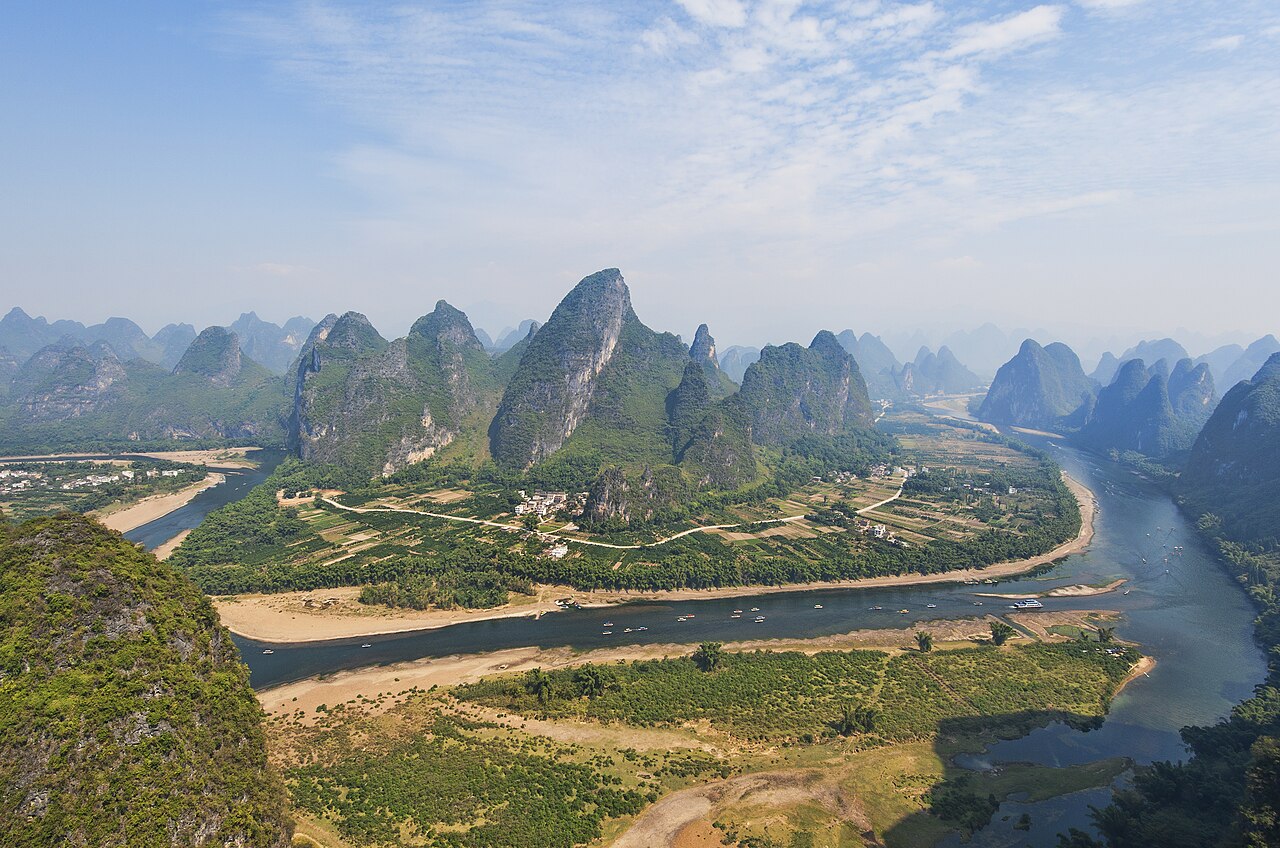 Planning
Best Time to Visit China: Month by Month, Region by Region
China is the size of Europe, so 'the best month' depends on where you stand. Here is the month-by-month answer for the north, the Yangtze valley, the south and the plateau.
8 min read
Planning
Best Time to Visit China: Month by Month, Region by Region
China is the size of Europe, so 'the best month' depends on where you stand. Here is the month-by-month answer for the north, the Yangtze valley, the south and the plateau.
8 min read
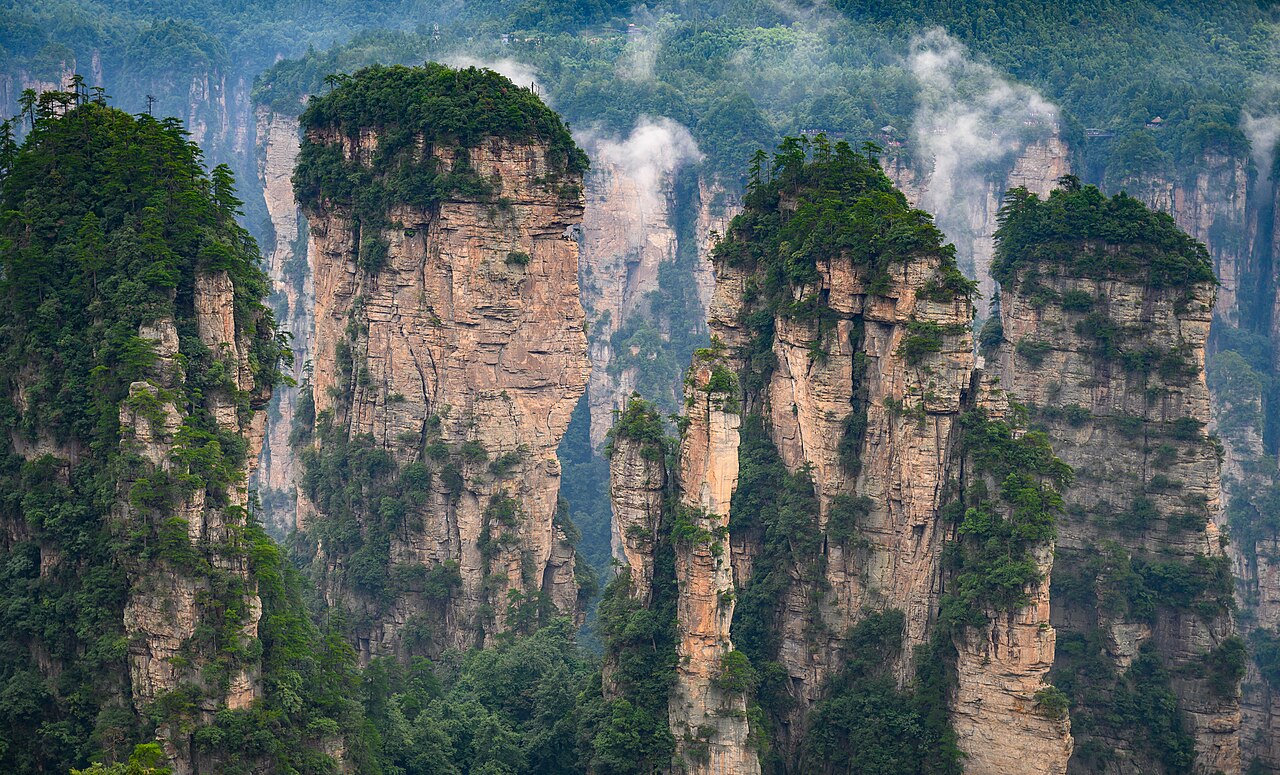 Planning
What to Pack for China: The Complete 2026 Checklist
Twenty thousand steps a day, three climate zones and a phone that has to do everything. This is the list we give our own travellers, minus the things they never used.
7 min read
Planning
What to Pack for China: The Complete 2026 Checklist
Twenty thousand steps a day, three climate zones and a phone that has to do everything. This is the list we give our own travellers, minus the things they never used.
7 min read
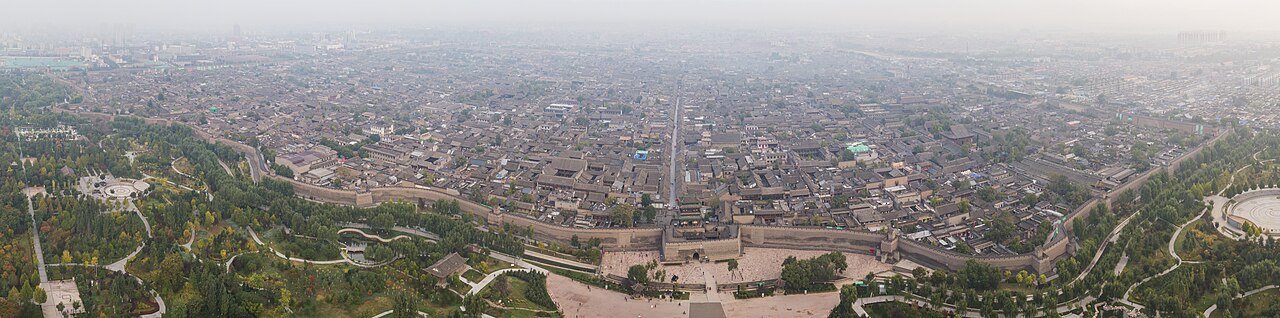 Traditions
Chinese Festivals: The Calendar, the Dates and the Crowds
Lunar dates mean the calendar moves every year — and two of the festivals move several hundred million people at once. Plan around them or plan into them, but never by accident.
8 min read
Traditions
Chinese Festivals: The Calendar, the Dates and the Crowds
Lunar dates mean the calendar moves every year — and two of the festivals move several hundred million people at once. Plan around them or plan into them, but never by accident.
8 min read
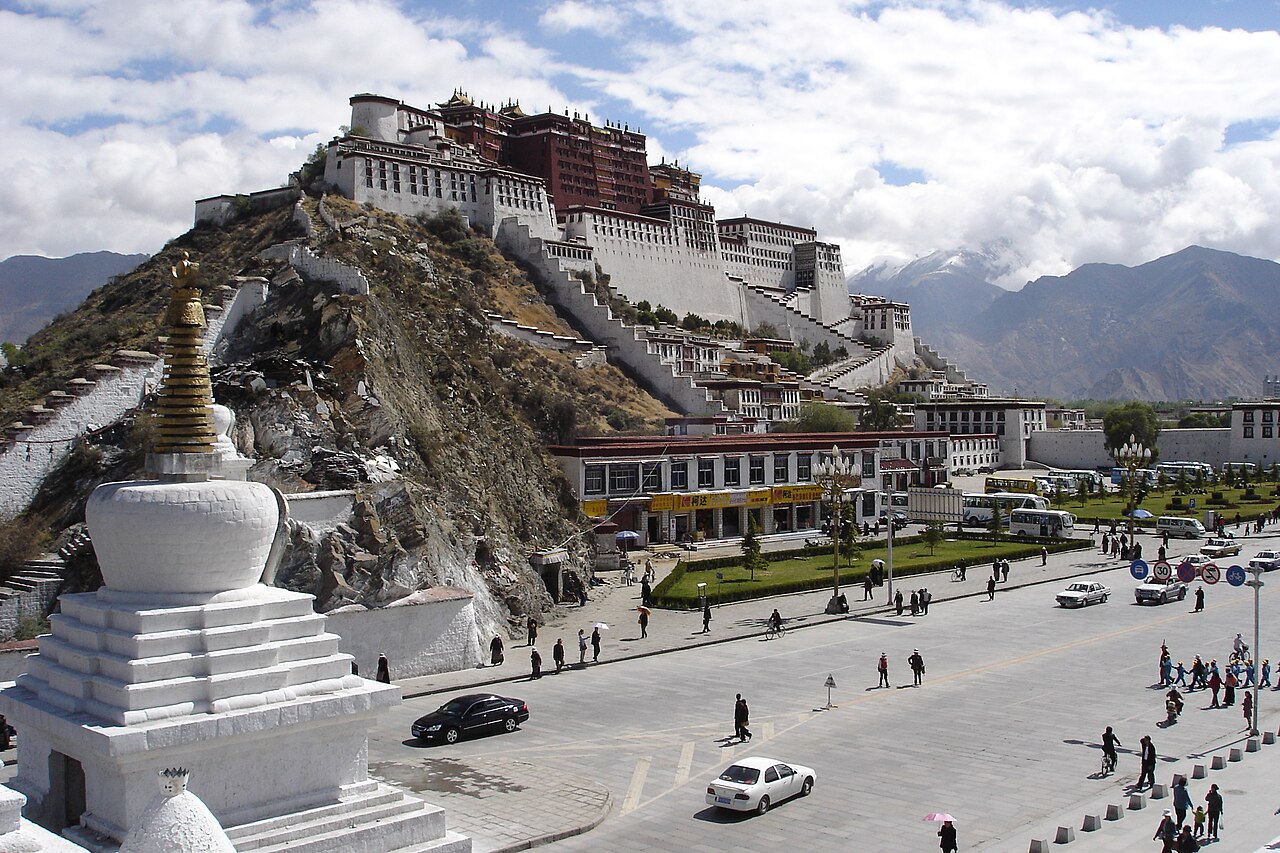 Peoples
China's Ethnic Minorities: 55 Groups, and Where to Meet Them
Roughly one in twelve people in China is not Han. Their languages, crafts and festivals are the least visited part of the country, and in several regions the most rewarding.
8 min read
Peoples
China's Ethnic Minorities: 55 Groups, and Where to Meet Them
Roughly one in twelve people in China is not Han. Their languages, crafts and festivals are the least visited part of the country, and in several regions the most rewarding.
8 min read
 Chengdu
Sichuan · 4 tours
Chengdu is the capital of Sichuan Province and the gateway to the panda reserves, the Leshan Giant Buddha and Jiuzhaigou. In the city itself the Cheng
Sichuan
Sichuan · 2 tours
Sichuan Province is entered through Chengdu, its capital, and it holds more variety than any other province in China: giant pandas in the bamboo fores
Chengdu
Sichuan · 4 tours
Chengdu is the capital of Sichuan Province and the gateway to the panda reserves, the Leshan Giant Buddha and Jiuzhaigou. In the city itself the Cheng
Sichuan
Sichuan · 2 tours
Sichuan Province is entered through Chengdu, its capital, and it holds more variety than any other province in China: giant pandas in the bamboo fores
Either fly one hour to Jiuzhaigou-Huanglong Airport (JZH), 88 km from the gate, or take a fast bus from Chengdu Xinnanmen or Chadianzi station, about 8–10 hours for ¥120–150. Many travellers fly one way and drive the other, because the road crosses real Sichuan mountain country with Tibetan villages along it.
In peak season (1 April–15 November), yes — tickets are sold by name and date on the official site, up to 30 days ahead, and daily numbers are capped. In the low season you can usually buy at the counter on the day. Always carry the passport you booked with; you collect the ticket at the gate or from a self-service machine.
Mid-October, when the forests turn red and gold above blue water — and also when it is busiest, so book far ahead and avoid the National Day holiday. Summer is green and cooler than the plains; winter is quiet and cheap, though some boardwalks close and the lakes freeze. Spring can be dry with lower water.
The valley runs 2,000–3,100 m, and most visitors are fine, but a few get a headache, poor sleep or breathlessness on stairs. Walk slowly, drink water, eat light and skip alcohol on the first day. The bigger risk is Huanglong next door, whose upper terraces reach 3,900 m — do Jiuzhaigou first and acclimatise before going up there.
Officially no — overnight stays are banned to protect the environment, and the gate closes in the evening. A handful of Tibetan families in Shuzheng do take guests, but it is against the rules and can mean a fine. Stay in the hotels and guesthouses outside the gate at Zhangzha town, where there is everything from ¥50 beds to a five-star resort.
Jiuzhaigou is the lakes — 108 of them in a forested valley at 2,000–3,100 m. Huanglong, 144 km away, is the terraces — a 3.6 km stair of travertine pools climbing to 3,900 m, with the famous Five-Colour Pool at the top. Most trips pair them, with a direct bus in peak season, and both sit on the same flight and road route.
Free itinerary design, a revised plan within one working day, and nothing charged until you approve the final version.