Sifang Square and the night-fire market
Shuhe's little five-way square, once a night market whose lanterns made it one of the village's 'eight views'. It is the heart of the old town, and where you eat, browse and join the evening dances.
Shuhe · Yunnan
Plan a private Shuhe tour: the quieter Naxi old town 4 km north of Lijiang — Tea Horse Road lanes, Qinglong Bridge, Nine Cauldrons Dragon Pool. One to three days.
The short version
The place itself
Shuhe is what Lijiang was before the crowds: a Naxi village of about 3,000 people, 4 km north of the famous old town, built around canals of snowmelt off Jade Dragon Snow Mountain and the old Tea Horse Road that once ran through it. It is a satellite of Lijiang, not a rival — but it is a different, slower trip.
The village is centred on Sifang Square, a small five-way junction that was once a night market so lively the locals called it the 'night-fire' view. A few minutes' walk away, the Ming-dynasty Qinglong Bridge arcs over the canal, and at the northern end the Nine Cauldrons Dragon Pool — where the water rises and the snow mountain shows in its surface — feeds the streams that thread every lane.
What draws most people to Shuhe is simply the level of noise. Lijiang's bars and tour groups are a 15-minute taxi away; here the loudest thing is the water in the canal. Guesthouses have bigger courtyards, prices are lower, and the same crafts — tie-dye, Dongba wood carving, silver — sit in smaller, cheaper shops.
It is also a genuinely good base. From Shuhe you can cycle to Baisha and its thousand-year-old murals, ride on to the stone village of Yuhu under the snow mountain, or hop to Lijiang in minutes. Come for the quiet, stay for how easy everything else becomes.
Pins are plotted from real latitude and longitude on a 5° graticule. This is a schematic orientation diagram, not a political map — no boundaries are drawn.
Shuhe's little five-way square, once a night market whose lanterns made it one of the village's 'eight views'. It is the heart of the old town, and where you eat, browse and join the evening dances.
A Ming-era stone arch over the canal — the largest stone arch in Lijiang — willow-lined and worn smooth by centuries of feet and horses. In spring the willows make it the village's 'willow bridge' view.
The village's water source, a clear spring at the foot of the hills where Jade Dragon Snow Mountain reflects in the surface and a crowd of tame fish waits to be fed. The locals call this 'mountain reflection' and 'fish among people'.
Shuhe was the old Tea Horse Road's stonemason-and-tanner town — even Marco-Polo-era travellers passed through. The cobbles underfoot and the canal beside them are the oldest thing here, and the reason it survived.
A 16 km ride north to Baisha old town and its ancient murals, then on to Yuhu village at the foot of the snow mountain, where the explorer Joseph Rock lived for 27 years. Shuhe is the natural starting point.
Shuhe keeps the Naxi Dongba heritage — pictographic script, woodblock prints, painted drums — in workshops and shops, and its nightlife runs to quiet courtyard bars rather than Lijiang's roar. The opposite of a party town, on purpose.
Five regions, one journey: imperial north, panda country, the karst rivers of Guilin and the skyline of Shanghai, with Hangzhou's West Lake.
From US$2,580/per person
View tourThere is no airport or railway station at Shuhe — you arrive through Lijiang. Fly into Lijiang Sanyi (LJG), then take a taxi the 30–40 minutes to Shuhe for about ¥60–100, or a bus into Lijiang and a local connection. From Lijiang railway station, a taxi to Shuhe is roughly ¥60–100 and 30–40 minutes.
From Lijiang old town, Shuhe is a 4 km, 20-minute taxi for ¥15–20, or bus 11 to the Shuhe intersection and a short walk; shared minibuses run from outside the Likelong supermarket for ¥2 a seat. Bicycles are the nicest way to link the towns — rent one for ¥20–30 a day. Cars cannot enter the old town, so drivers stop at the edge and you walk in.
| Month | Weather | Crowds | Verdict |
|---|---|---|---|
| January | 4°C / -4°C · dry, cold | Quiet | Avoid |
| February | 6°C / -1°C · dry, cold | Very busy | Avoid |
| March | 14°C / 5°C · dry, cold | Moderate | Good |
| April | 21°C / 12°C · clear and mild | Moderate | Best |
| May | 27°C / 18°C · clear and mild | Busy | Best |
| June | 31°C / 23°C · hot, humid | Moderate | OK |
| July | 32°C / 25°C · hot, humid | Busy | OK |
| August | 30°C / 24°C · hot, humid | Busy | OK |
| September | 26°C / 19°C · clear and mild | Moderate | Best |
| October | 20°C / 12°C · clear and mild | Very busy | Best |
| November | 12°C / 4°C · dry, cold | Quiet | Good |
| December | 5°C / -2°C · dry, cold | Quiet | Good |
One night is enough to understand why people prefer Shuhe to Lijiang — you get the quiet evening and the empty morning, which is the whole point. Two days adds the bike ride to Baisha and Yuhu and a slow afternoon with tea and a book. If you are using it as a base for Lijiang and the snow mountain, three nights lets you see both without ever rushing back to a crowded old town.
Plan these days properly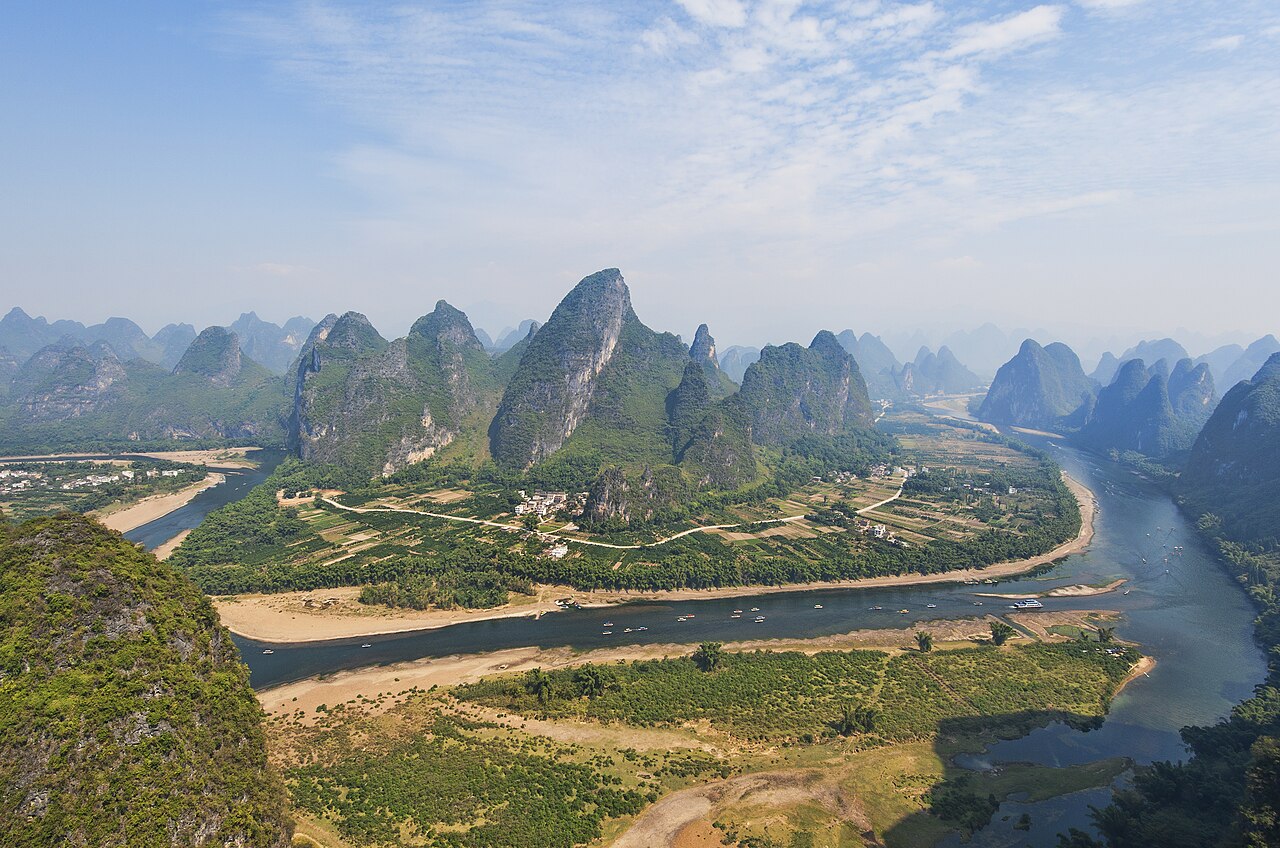 Planning
Best Time to Visit China: Month by Month, Region by Region
China is the size of Europe, so 'the best month' depends on where you stand. Here is the month-by-month answer for the north, the Yangtze valley, the south and the plateau.
8 min read
Planning
Best Time to Visit China: Month by Month, Region by Region
China is the size of Europe, so 'the best month' depends on where you stand. Here is the month-by-month answer for the north, the Yangtze valley, the south and the plateau.
8 min read
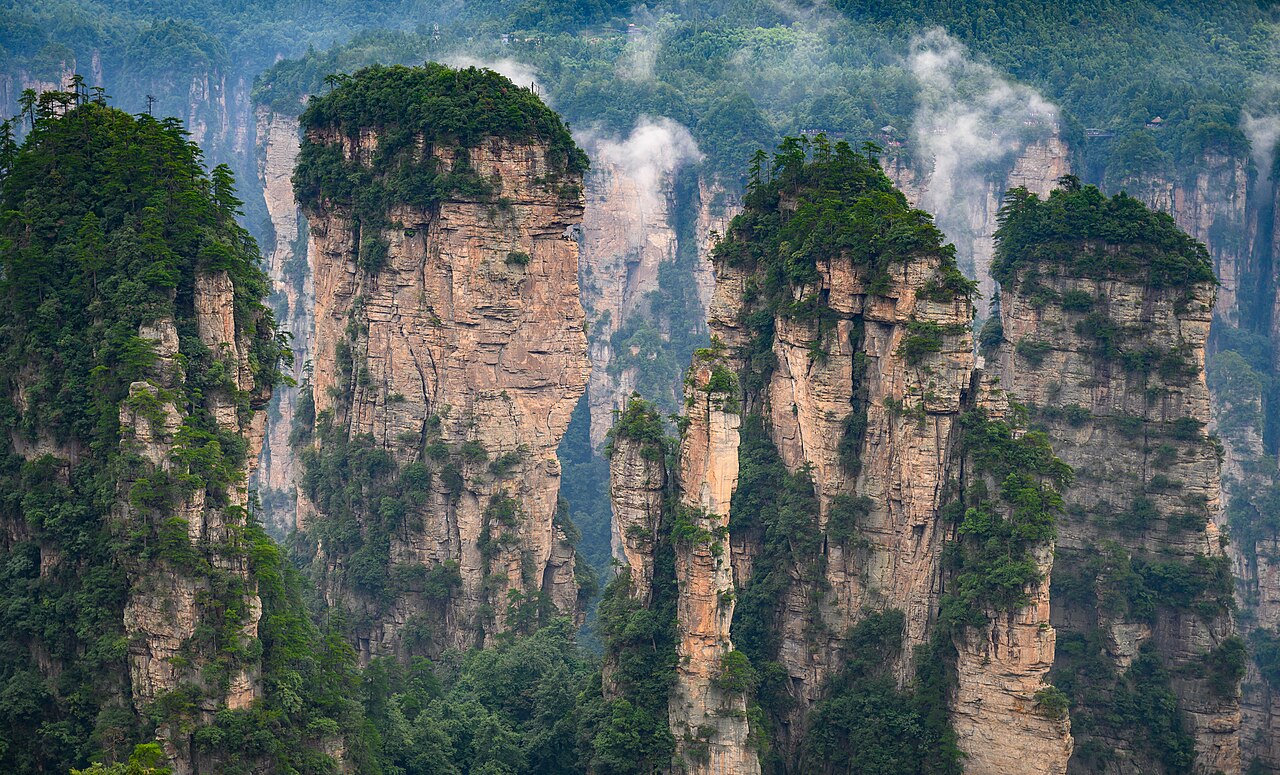 Planning
What to Pack for China: The Complete 2026 Checklist
Twenty thousand steps a day, three climate zones and a phone that has to do everything. This is the list we give our own travellers, minus the things they never used.
7 min read
Planning
What to Pack for China: The Complete 2026 Checklist
Twenty thousand steps a day, three climate zones and a phone that has to do everything. This is the list we give our own travellers, minus the things they never used.
7 min read
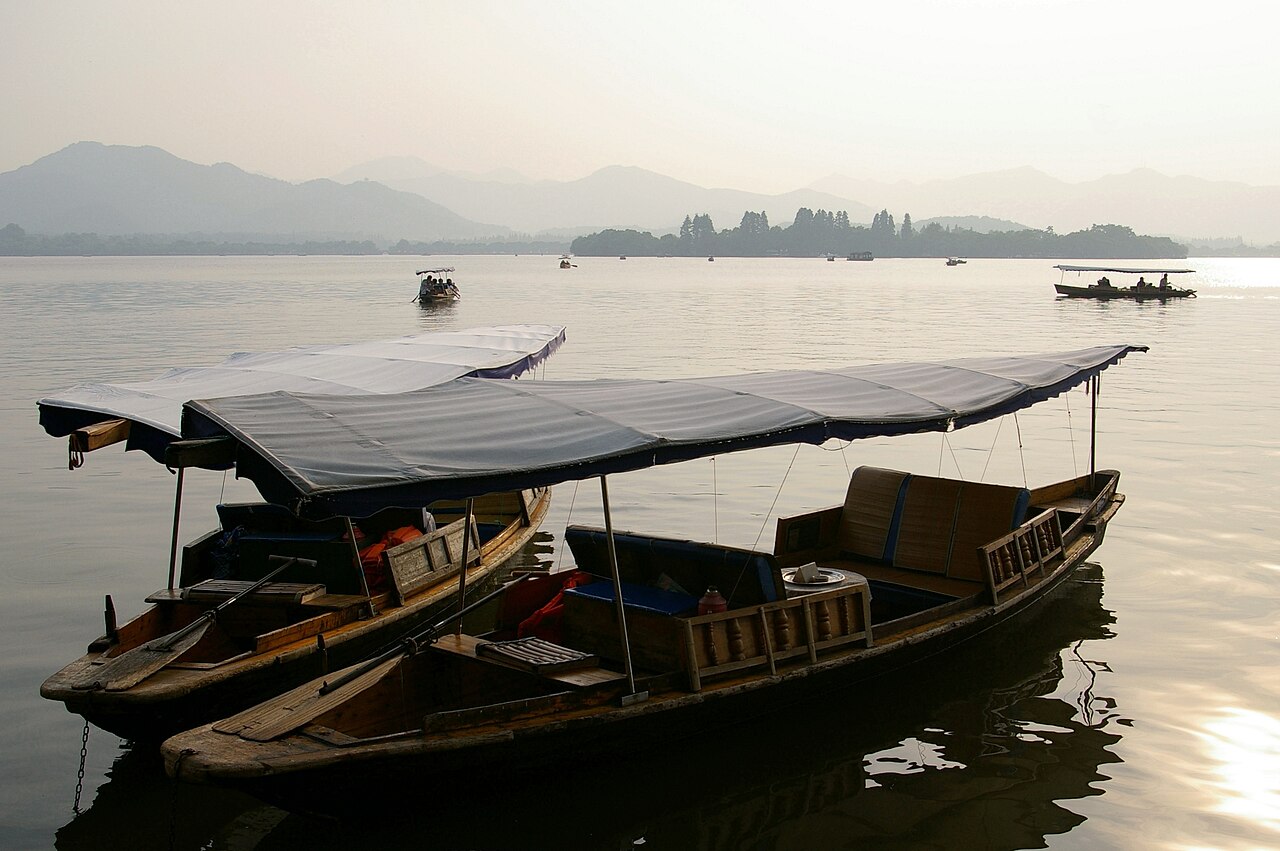 Traditions
Chinese Tea Culture: Six Classes, One Pot, Two Fingers
Tea in China is not a beverage category, it is a social technology: it fills silences, seals deals and sets the pace of a meal. Here is how to sit down in one and not look lost.
7 min read
Traditions
Chinese Tea Culture: Six Classes, One Pot, Two Fingers
Tea in China is not a beverage category, it is a social technology: it fills silences, seals deals and sets the pace of a meal. Here is how to sit down in one and not look lost.
7 min read
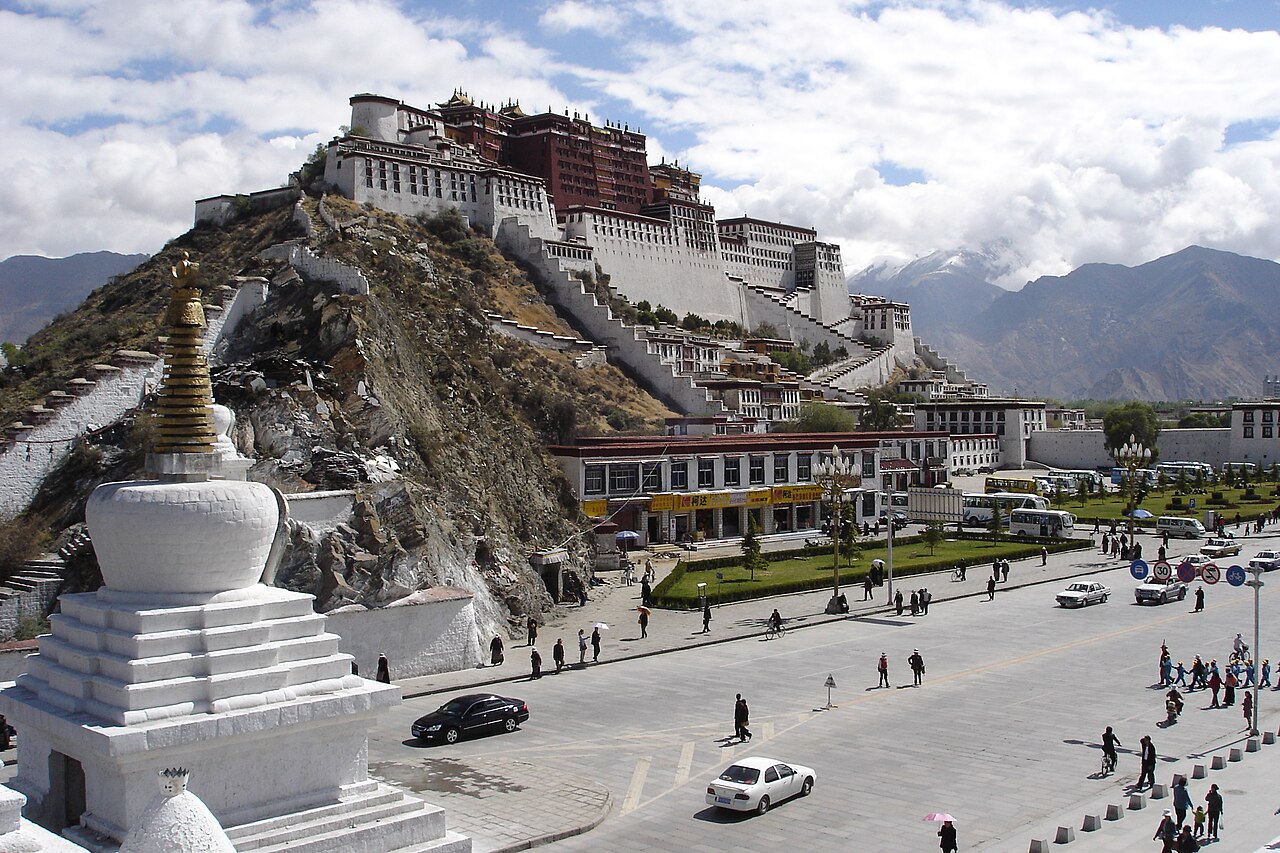 Peoples
China's Ethnic Minorities: 55 Groups, and Where to Meet Them
Roughly one in twelve people in China is not Han. Their languages, crafts and festivals are the least visited part of the country, and in several regions the most rewarding.
8 min read
Peoples
China's Ethnic Minorities: 55 Groups, and Where to Meet Them
Roughly one in twelve people in China is not Han. Their languages, crafts and festivals are the least visited part of the country, and in several regions the most rewarding.
8 min read
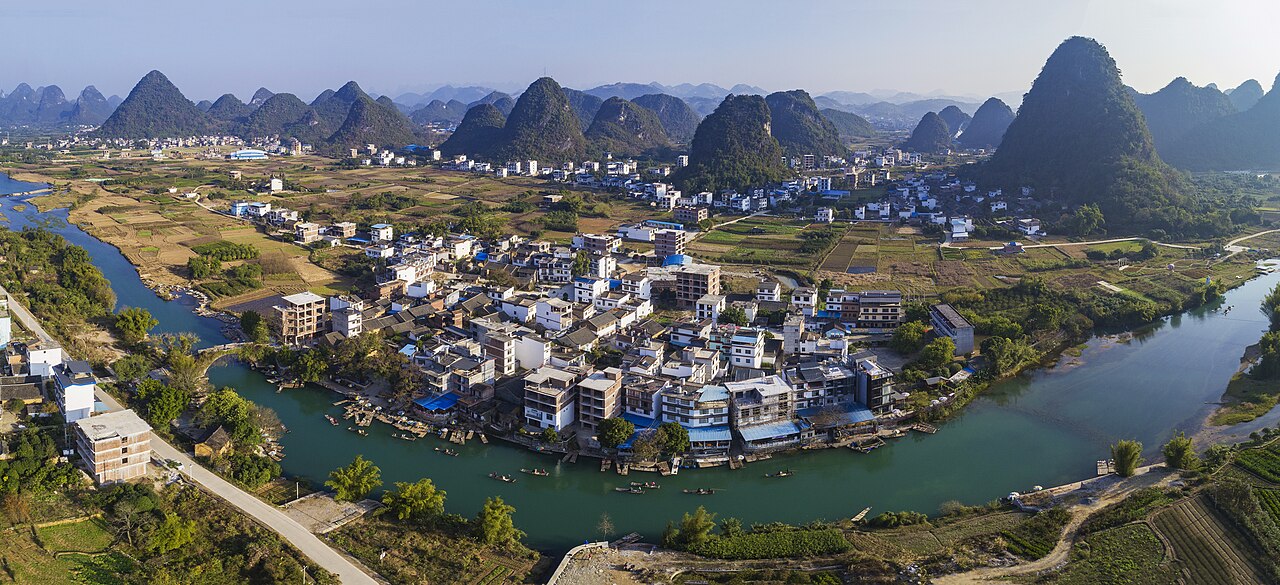 Yunnan
 · 4 tours
Yunnan Province is entered through Kunming, its capital, and it is the most varied province in China — 25 of the country's 56 ethnic groups, snow moun
Yunnan
Yunnan · 4 tours
Yunnan Province is entered through Kunming, its capital, and it is the most varied province in China — 25 of the country's 56 ethnic groups, snow moun
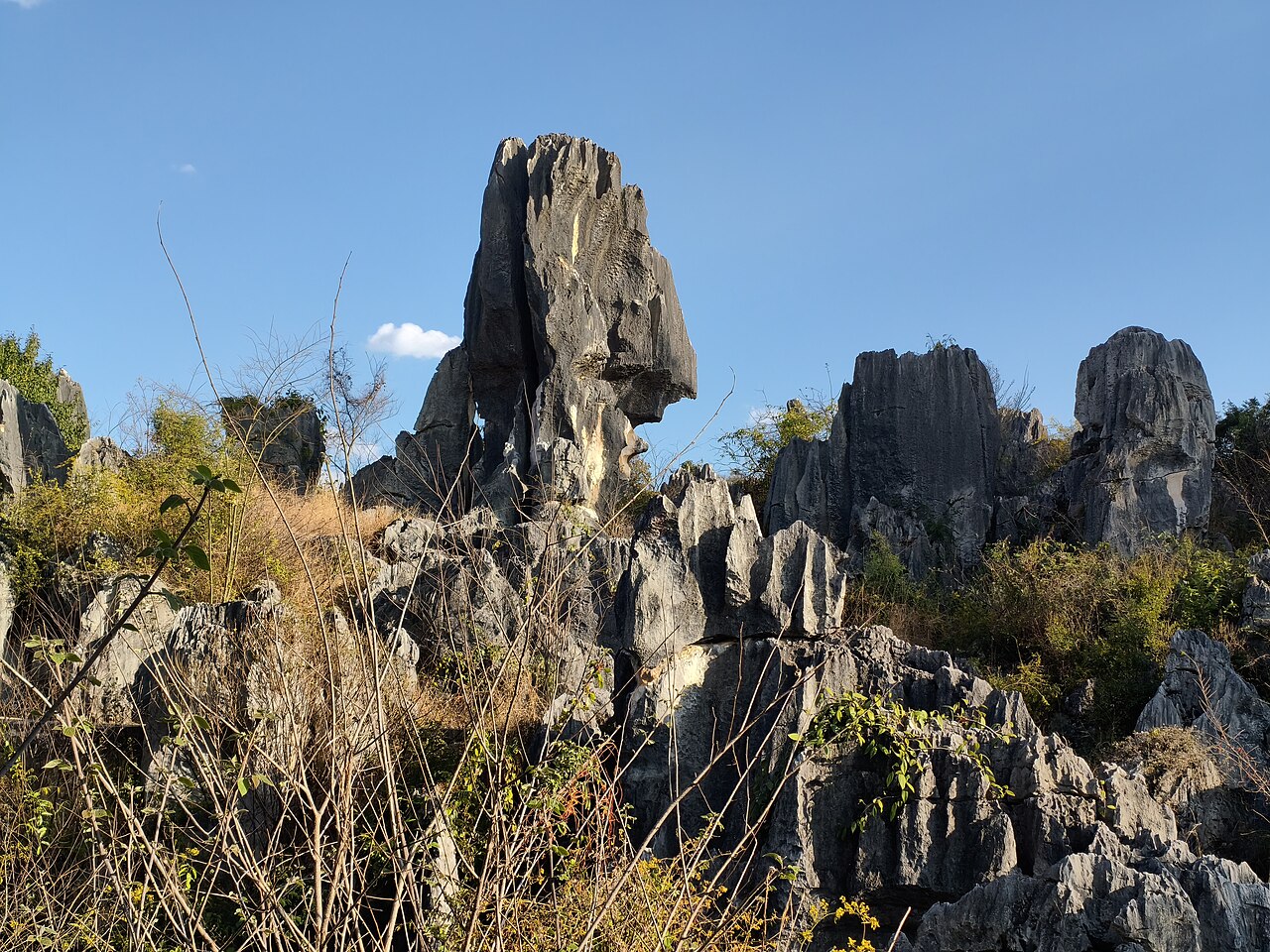 Kunming
Yunnan · 4 tours
Kunming is the capital of Yunnan and China's 'Spring City', set at 1,890 m where the average temperature sits near 15°C all year — it has no real wint
Kunming
Yunnan · 4 tours
Kunming is the capital of Yunnan and China's 'Spring City', set at 1,890 m where the average temperature sits near 15°C all year — it has no real wint
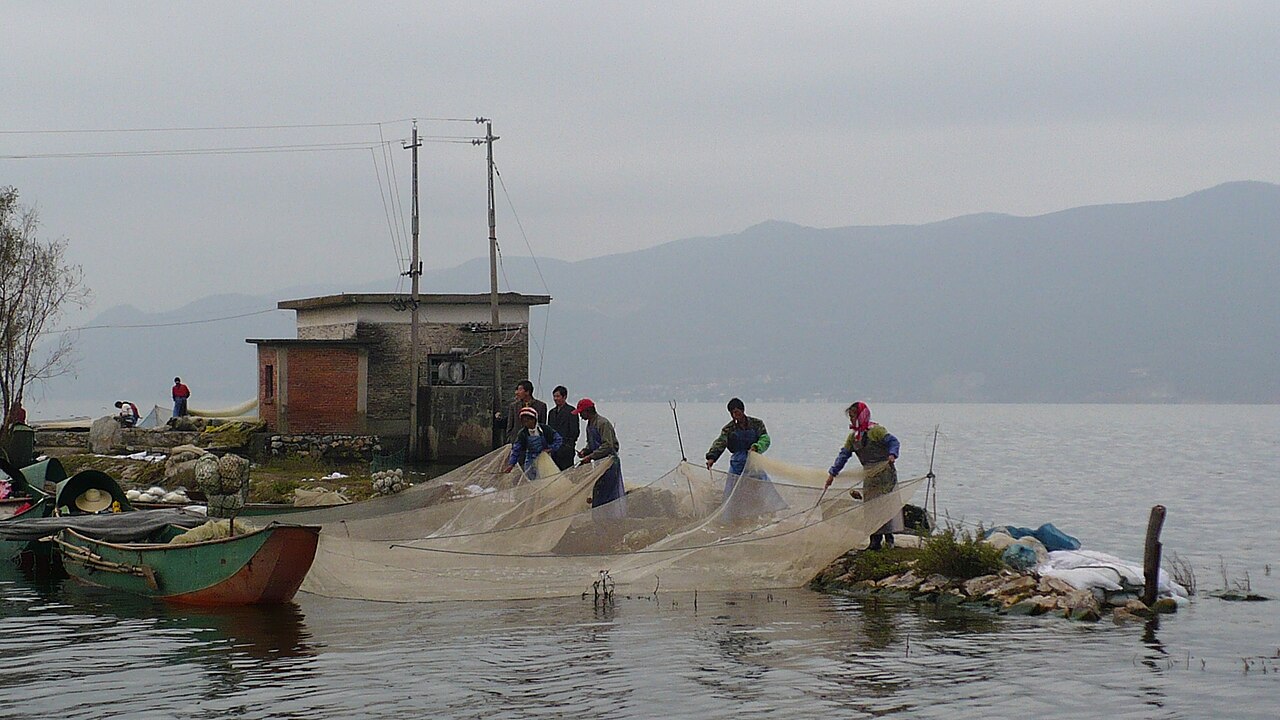 Dali
Yunnan · 4 tours
Dali is a walled Bai town between a 4,000 m mountain and a 250 km² lake, and the phrase locals use for it is 'wind, flowers, snow, moon'. Two days cov
Dali
Yunnan · 4 tours
Dali is a walled Bai town between a 4,000 m mountain and a 250 km² lake, and the phrase locals use for it is 'wind, flowers, snow, moon'. Two days cov
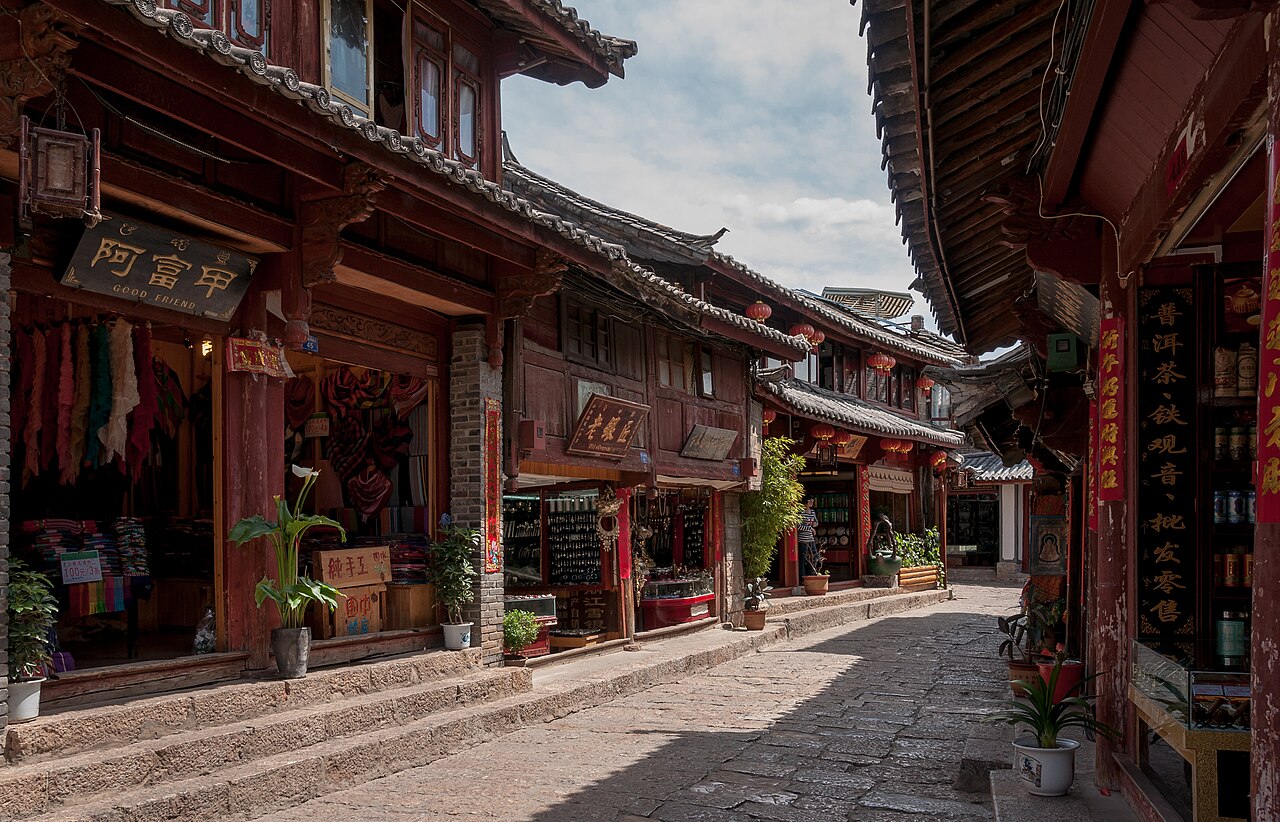 Lijiang
Yunnan · 4 tours
Lijiang is a UNESCO-listed Naxi old town of canals and cobbles below Jade Dragon Snow Mountain, at 2,400 m, and it is the cultural heart of north-west
Lijiang
Yunnan · 4 tours
Lijiang is a UNESCO-listed Naxi old town of canals and cobbles below Jade Dragon Snow Mountain, at 2,400 m, and it is the cultural heart of north-west
It is genuinely worth a night of its own. Shuhe has the same Naxi bones as Lijiang — the stone lanes, the canals, the craft shops — but a fraction of the crowds and a much calmer atmosphere, and it is the historic Tea Horse Road market town rather than a rebuilt tourist centre. Many travellers end up preferring it to Lijiang and moving their whole stay here.
It is only 4 km north of Lijiang's old town: a 20-minute taxi for ¥15–20, or bus 11 to the Shuhe intersection and a short walk. Shared minibuses from the Likelong supermarket cost ¥2 a seat, and a bicycle takes about 40–50 minutes on a pleasant road. From Lijiang Sanyi airport a taxi straight to Shuhe is about ¥60–100.
Walk the old town and its canals, cross Qinglong Bridge, feed the fish at Nine Cauldrons Dragon Pool, and browse the tie-dye, silver and Dongba wood-carving shops. In the evening, join the dancing in Sifang Square or settle into a quiet bar. By day, cycle the 16 km route to Baisha's ancient murals and on to Yuhu village beneath the snow mountain.
Shuhe for calm and value, Lijiang for convenience and nightlife. Beds and the same crafts are often cheaper in Shuhe, the courtyards are larger, and it is far quieter at night; Lijiang has more restaurants, bars and transport options but also the crowds. They are 20 minutes apart, so many people stay in Shuhe and dip into Lijiang by day.
One night covers the old town itself — an evening and a quiet morning is the whole appeal. Two days adds the Baisha-and-Yuhu bike ride and a lazy afternoon. If you are based here for Lijiang and Jade Dragon Snow Mountain, plan three nights to see everything without returning to a packed Lijiang every evening.
Unlikely on its own. Shuhe sits at about 2,440 m — high enough that a few people feel slightly light-headed on the first day, but low enough that serious altitude sickness is rare. Take the first afternoon gently, drink water, and be more careful if you are heading on to Shangri-La or up to 4,500 m on Jade Dragon Snow Mountain.
Free itinerary design, a revised plan within one working day, and nothing charged until you approve the final version.